Category: Corelle Dinnerware Sets

  • Corelle Dinnerware Recall: The Truth Behind the Viral Safety Scare

    You’re browsing social media over your morning coffee when a shocking headline stops you mid-scroll. “Corelle Dinnerware Recalled Due to Lead!”

    Your heart skips a beat as you glance at the familiar white dishes in your cupboard – the very ones your grandmother passed down, the ones that have survived countless family dinners and kitchen disasters.

    You’re not alone in this moment of panic. Millions of households have experienced this exact scenario. The Corelle “recall” story has become one of the most confusing and widely misunderstood safety scares in recent memory.

    Social media posts have gone viral, family WhatsApp groups have been flooded with warnings, and dinner party conversations have turned into impromptu safety discussions.

    But here’s the twist that might surprise you: there has never been an official Corelle dinnerware recall. Not by the FDA, not by the Consumer Product Safety Commission, and certainly not by any safety authorities.

    So what’s really going on behind this widespread confusion, and more importantly, what does it mean for your lead-free dinnerware aspirations?

    WHAT IS CORELLE DINNERWARE?

    Before we dive into the recall rumours, let’s establish what we’re actually discussing. Corelle dinnerware represents one of the most recognizable brands in kitchen history.

    These lightweight, chip-resistant dishes have graced dining tables since the 1970s, becoming synonymous with durability and practicality.

    The brand’s signature three-layer glass construction – called Vitrelle – made it virtually unbreakable under normal use.

    Corelle vitrelle triple layer glass white frost dinnerware

    This revolutionary design turned Corelle into a household name, particularly popular among families seeking reliable, everyday dinnerware.

    However, like many vintage products, Corelle’s manufacturing processes have evolved significantly over the decades.

    The decorative patterns and glazes used in earlier productions tell a different story from today’s offering, and that’s where our tale begins.

    THE GREAT CORELLE RECALL MYTH: SEPARATING FACT FROM FICTION

    corelle dinnerware recall information

    The Truth About Official Recalls

    Let’s address the elephant in the room with crystal clarity: No government agency has ever issued an official recall for Corelle dinnerware.

    This bears repeating because the misinformation has spread faster than butter on warm toast.

    Official recalls require specific criteria:

    • Violation of safety regulations
    • Documented health hazards
    • Regulatory agency involvement
    • Mandatory consumer notifications

    None of these conditions has been met regarding Corelle products.

    What Actually Happened?

    The confusion stems from Corelle’s own voluntary recommendation in December 2019. The company suggested that consumers use pre-2005 dishes as “decorative pieces” due to concerns about lead levels.

    This recommendation – not a recall – sparked the widespread panic.

    Think of it this way: if recalls were restaurant closures, Corelle’s recommendation was more like a chef suggesting you might prefer the new menu. Voluntary guidance, not mandatory action.

    THE LEAD CONCERN: UNDERSTANDING THE REAL ISSUE

    The Science Behind the Scare:

    Lead contamination in vintage Corelle dishes is a legitimate concern, but the situation is far more nuanced than social media suggests.

    Independent testing by advocate Tamara Rubin using XRF (X-ray fluorescence) technology revealed significant lead content in decorative patterns on older Corelle pieces.

    Here’s what the testing revealed:

    Corelle PatternLead Content (ppm)Year Range
    Butterfly Gold18,7001970s-1980s
    Spring Blossom15,2001970s-1980s
    Snowflake Blue12,8001970s-1990s
    Plain White0-100All years

    Note: ppm = parts per million

    The Manufacturing Timeline

    Corelle dish safety manufacturing timeline

    Understanding when your Corelle was made is crucial:

    Pre-2000 Era: Higher likelihood of lead in decorative glazes. 2000-2005: Transitional period with reduced lead content. Post-2005: Compliant with stricter FDA regulations.

    The golden rule: Plain white Corelle dishes from any era are generally considered lead-free.

    WHY NO OFFICIAL RECALL? THE REGULATORY REALITY

    FDA Standards vs. Health Advocacy:

    Here’s where things get interesting. Current FDA regulations allow certain levels of lead in dinnerware, and vintage Corelle dishes technically meet these standards.

    The controversy highlights a gap between what’s legally compliant and what health advocates recommend.

    It’s like comparing speed limits to driving recommendations – you might legally drive 70mph, but safety experts might suggest 60mph in certain conditions.

    The Corporate Response Evolution

    Corelle’s parent company, Instant Brands, has navigated this situation carefully:

    1. Initial Recommendation (2019): Use pre-2005 dishes decoratively
    2. Testing Programme (2022): Confirmed FDA compliance
    3. Current Position (2025): Products meet regulatory standards

    The company maintains that its testing confirms vintage products comply with FDA lead-safety regulations.

    FREQUENTLY ASKED QUESTIONS ABOUT CORELLE SAFETY

    Is There a Current Corelle Dinnerware Recall?

    No, there is no official Corelle dinnerware recall. Despite widespread social media claims, no government agency has issued a recall for Corelle products.

    The confusion stems from the company’s voluntary 2019 recommendation regarding pre-2005 dishes.

    Which Corelle Dishes Contain Lead?

    Vintage Corelle dishes with decorative patterns (manufactured before 2005) may contain lead in their glazes. Plain white Corelle dishes and newer patterns are generally lead-free.

    The most concerning patterns include:

    Butterfly Gold
    Spring Blossom Green
    Snowflake Blue
    Old Town Blue

    How Can I Tell If My Corelle Is Safe?

    Check the manufacturing date and pattern type. Corelle dishes made after 2005 comply with current FDA regulations.

    Plain white dishes from any era are typically safe. Look for date stamps on the bottom of pieces, and be cautious with heavily decorated vintage patterns.

    Should I Throw Away My Vintage Corelle?

    The decision is ultimately personal. Corelle maintains their vintage products meet FDA standards, but some health advocates recommend avoiding them.

    Consider factors like:

    Dish condition (worn glaze increases risk)
    Usage frequency
    Household members (children are more vulnerable)
    Personal risk tolerance

    THE SOCIAL MEDIA EFFECT: HOW MISINFORMATION SPREADS

    Viral Panic in the Digital Age:

    socia media corelle misinformation date line

    Social media has transformed how safety information spreads, but it’s also amplified confusion. The Corelle story demonstrates how quickly partial information can become accepted fact.

    Consider this timeline:

    • 2019: Company issues voluntary recommendation
    • 2020-2021: Independent testing results circulate
    • 2022: Social media posts claim “recall.”
    • 2023-2025: Misinformation becomes widespread

    The Echo Chamber Effect

    Once misinformation enters social media circulation, it gains momentum through shares, likes, and comments. Each retelling tends to amplify the perceived danger while losing detail.

    EXPERT PERSPECTIVES: WHAT THE PROFESSIONALS SAY

    Health Advocates’ Position

    Independent safety advocates like Tamara Rubin emphasize the precautionary principle: when in doubt, choose safer alternatives.

    Their testing reveals lead levels that, while legally compliant, exceed their recommended safety thresholds.

    Industry Response

    Corelle and Instant Brands maintain their position that vintage products meet current safety standards. They point to extensive testing and regulatory compliance as evidence of product safety.

    Regulatory Stance

    Government agencies haven’t mandated recalls because current lead levels don’t violate existing regulations.

    However, this doesn’t mean the products are risk-free – it means they fall within acceptable legal limits.

    MAKING INFORMED DECISIONS: YOUR LEAD-FREE JOURNEY

    Risk Assessment Framework

    Evaluate your situation using these criteria:

    1. Dish Age and Condition
      • Pre-2005 with decorative patterns: Higher risk
      • Post-2005 or plain white: Lower risk
      • Worn or chipped glazes: Increased concern
    2. Usage Patterns
      • Daily use: Consider alternatives
      • Occasional use: Personal choice
      • Decorative only: Minimal risk
    3. Household Vulnerability
      • Children under 6: Higher risk sensitivity
      • Pregnant women: Increased caution advised
      • Adults only: Standard risk assessment

    Lead-Free Alternatives

    If you’re committed to completely lead-free dinnerware, consider these options:

    MaterialLead RiskDurabilityPrice Range
    Modern CorelleVery LowExcellentModerate
    Certified Lead-Free CeramicNoneGoodModerate-High
    Glass DinnerwareNoneModerateLow-Moderate
    Stainless SteelNoneExcellentModerate

    THE FUTURE OF CORELLE AND KITCHEN SAFETY

    Industry Changes

    Stricter regulations and consumer awareness are driving changes in dinnerware manufacturing. Companies are increasingly moving towards lead-free formulations, even when not legally required.

    Consumer Empowerment

    The Corelle controversy has educated consumers about asking the right questions:

    • When was this manufactured?
    • What materials were used?
    • Are safety certificates available?
    • What testing has been conducted?

    Technology’s Role

    Advanced testing methods like XRF technology are making it easier to identify problematic products. This transparency is forcing manufacturers to be more accountable for their safety claims.

    PRACTICAL STEPS FOR CORELLE OWNERS

    Immediate Actions

    If you own vintage Corelle dishes:

    1. Identify the age and pattern of your pieces
    2. Assess their condition (look for wear, chips, or fading)
    3. Consider your household’s vulnerability (children, pregnancy)
    4. Make an informed decision based on your risk tolerance

    Long-term Considerations

    For those seeking completely lead-free options:

    • Research modern alternatives with safety certifications
    • Gradually replace vintage pieces if desired
    • Stay informed about safety updates from manufacturers
    • Consider professional testing if uncertain

    THE BIGGER PICTURE: KITCHEN SAFETY EVOLUTION

    Historical Context:

    The Corelle situation reflects broader changes in how we approach kitchen safety. What was considered safe decades ago might not meet today’s standards – and that’s actually progress.

    Consumer Awareness:

    Today’s consumers are more informed about potential health risks. The lead-free movement represents a shift towards preventive rather than reactive safety measures.

    Industry Accountability:

    Manufacturers are increasingly transparent about their processes and materials. This transparency, while sometimes concerning, ultimately benefits consumer safety.

    CONCLUSION: NAVIGATING THE CORELLE CONFUSION

    The Corelle dinnerware “recall” story serves as a masterclass in how safety information can be misinterpreted and amplified in our digital age.

    The truth is more complicated than social media suggests: there’s no official recall, but legitimate safety concerns exist for vintage pieces.

    Your journey towards lead-free dinnerware doesn’t require panic or hasty decisions.

    Instead, it calls for informed choice-making based on facts rather than fear. Whether you choose to continue using vintage Corelle, replace it gradually, or switch to certified lead-free alternatives, the key is making decisions that align with your family’s needs and risk tolerance.

    The real victory here isn’t about winning an argument over Corelle’s safety; it’s about becoming a more informed consumer who asks the right questions and makes decisions based on solid information rather than viral headlines.

    What’s your next step? Take a moment to assess your current dinnerware situation.

    Check those date stamps, evaluate your household’s needs, and remember that the safest kitchen is one where you understand what you’re using and why.

    Have you discovered concerning information about your vintage dinnerware? Share your experience in the comments below and help others navigate this confusing landscape.

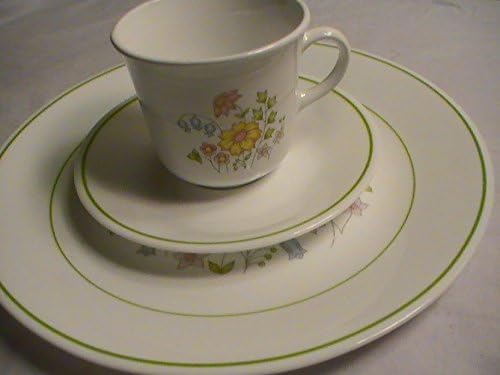
  • Corelle Dishes with Yellow Flowers

    Have you ever noticed how certain dishes bring warmth to your table? Some kitchenware seems to carry memories along with your favorite meals.

    This is especially true for those classic patterns that have graced family tables for generations.

    Corelle dishes with yellow flowers represent this ideal combination of usefulness and beauty.

    These lightweight yet durable plates have become favorites in households worldwide since their introduction decades ago.

    The cheerful yellow floral patterns add a touch of sunshine to everyday meals, creating a welcoming atmosphere without overwhelming the food presentation.

    What makes these dishes unique isn’t just their appearance but their remarkable durability.

    They stand up to daily use while maintaining their delicate look.

    Many families pass these beloved patterns down through generations, making them not just dinnerware but cherished keepsakes that bring people together around tables filled with both food and memories.

    THE ENDURING APPEAL OF YELLOW FLOWER PATTERNS

    A Brief History of Corelle’s Yellow Flower Designs:

    Corelle dishes with yellow flowers first appeared in the early 1970s when Corning Glass Works (now Corelle Brands) introduced its revolutionary laminated glass dinnerware.

    The most iconic yellow flower pattern, the now-discontinued vintage Corelle Butterfly Gold, became an instant sensation in 1970 and remained in production until 1988.

    Corelle dishes with yellow flowers

    This beloved design featured delicate golden butterflies and wheat stalks against Corelle’s signature white background.

    The success of Butterfly Gold inspired numerous other yellow floral patterns over the decades, each capturing the sunny, optimistic aesthetic that resonated with homemakers across generations.

    From the daisy-like Spring Blossom Green (which featured green flowers but was often paired with Butterfly Gold) to the more elaborate Golden Butterfly pattern, these cheerful designs became fixtures in households worldwide.

    Yellow flowers symbolize happiness, friendship, and new beginnings—perfect sentiments for dinnerware that brings people together.

    Corelle Meadow pattern with yellow flowers and green leaves

    The continued popularity of these patterns stems from several factors:

    1. Nostalgia factor: For many, these dishes evoke fond memories of family gatherings and childhood meals
    2. Timeless design: The simple yellow flower motifs complement virtually any kitchen décor
    3. Versatility: Yellow patterns pair beautifully with many other colours, like Corelle dish white with blue flowers and other dishware styles.
    4. Cheerful aesthetic: The sunny yellow blooms brighten even the most ordinary meals.

    According to Ideal Home, Vintage-inspired tableware has gained significant traction, especially in autumn 2023.

    High street brands showcased collections featuring antique-style designs, such as art deco glasses and hand-painted floral plates.

    This trend reflects a desire for nostalgia and warmth in dining experiences, appealing to millennials and others seeking character and charm in their table settings.

    Pattern NameProduction YearsMain Design Elements
    Butterfly Gold(discontinued)1970-1988Golden butterflies, wheat stalks
    Sunshine( discontinued)1978-1984Bold yellow sunflowers
    Golden Butterfly(discontinued)1983-1990Detailed butterflies, small yellow flowers
    Meadow(discontinued)1992-1998Yellow wildflowers with green leaves

    BUTTERFLY GOLD: THE ICONIC CLASSIC

    The Butterfly Gold pattern remains the most recognizable and sought-after of all Corelle’s yellow flower designs. Its simple yet elegant motif features:

    Corning Corelle Butterfly gold pattern
    • Stylized golden butterflies
    • Wheat stalks in varying sizes
    • A border design on plates and serving dishes
    • Consistent pattern placement across all pieces

    Collectors prize complete sets in good condition, particularly serving pieces and less common items like gravy boats and sugar bowls.

    The pattern’s 18-year production run means there are plenty of pieces available on the secondary market, though pristine examples may command premium prices.

    LESSER-KNOWN YELLOW FLOWER PATTERNS WORTH EXPLORING

    While Butterfly Gold gets most of the attention, Corelle produced several other yellow flower patterns that deserve recognition:

    • Sunburst (1975-1979): Featuring bold, graphic yellow blooms
    • Golden Bouquet (1980-1985): This series offers more realistic floral renderings
    • Sundance (1977-1982): Incorporating a yellow circle design on the rim on a white background
    • April (1991-1996): Showcasing delicate yellow primroses and forget-me-nots
    • Discontinued Corelle Citrus ( 1980 – 1983): Yellow ring on the rim with bold and thin lines on a white background.

    These patterns offer alternatives for collectors who appreciate yellow flowers but want something distinct from the ubiquitous Butterfly Gold.

    COLLECTING AND CARING FOR VINTAGE YELLOW CORELLE TABLEWARE

    Building Your Collection:

    For those interested in starting or expanding a collection of these Corelle flower patterns, consider these tips:

    1. Research before buying: Familiarize yourself with pattern variations and production dates
    2. Inspect pieces carefully: Look for chips, cracks, or pattern fading
    3. Start with essential pieces: Begin with dinner plates, bread plates, and bowls
    4. Mix and match: Yellow flower patterns often complement each other and can be combined for an eclectic look
    5. Check online marketplaces: Etsy, eBay, and Facebook Marketplace frequently list vintage Corelle pieces
    6. Visit charity shops and car boot sales: These can be treasure troves for affordable vintage pieces
    7. Join collector communities: Connect with other enthusiasts to learn and trade

    Many collectors recommend starting with a core set of everyday pieces and gradually adding serving pieces and accessories as you find them.

    HOW TO REMOVE YELLOW STAINS FROM PLATES?

    See the various ways to clean or remove yellowish stains from your plates and restore their original brightness:

    1. Baking soda paste method:
      • Create a paste with baking soda and water
      • Apply to yellowed areas and let sit for 30 minutes
      • Gently scrub with a soft cloth
      • Rinse thoroughly and dry
    2. Vinegar soak:
      • Mix equal parts white vinegar and warm water
      • Soak stained dishes for 1-2 hours
      • Wash normally afterward
      • Rinse well to remove any vinegar smell
    3. Lemon juice treatment:
      • Apply fresh lemon juice directly to stains
      • Place in sunlight for 1-2 hours
      • Wash with mild dish soap
      • Rinse and dry

    For stubborn stains, you might need to repeat these processes, but avoid using abrasive cleaners that could damage your plate patterns or designs.

    HOW DO YOU CLEAN YELLOWED CERAMICS?

    Yellowing can affect various ceramic pieces, not just Corelle dishes. To restore yellowed ceramics:

    1. Hydrogen peroxide method:
      • Soak dishes in a solution of 3% hydrogen peroxide
      • Leave for 24 hours in a plastic container
      • Rinse thoroughly and wash with mild soap
      • This method is particularly effective for white ceramics with yellowing
    2. Denture cleaning tablets:
      • Fill a basin with warm water
      • Add 2-3 denture cleaning tablets
      • Soak ceramics for several hours
      • Rinse well and dry completely
    3. Commercial ceramic cleaners:
      • Products like Bar Keepers Friend can be effective
      • Follow package directions carefully
      • Test on an inconspicuous area first
      • Rinse thoroughly after use

    According to Decobate, “Gentle, consistent cleaning is always better than harsh, occasional treatments for maintaining ceramic dishware.”

    HOW DO YOU CLEAN YELLOWED CORELLE DISHES?

    Corelle’s unique triple-layer construction requires specific cleaning approaches for best results:

    1. Dishwasher method with vinegar:
      • Place a cup of white vinegar on the top rack
      • Run dishes through a hot cycle without detergent
      • Follow with a normal wash cycle using dish detergent
      • This helps remove mineral deposits that contribute to yellowing
    2. Cream of tartar paste:
      • Mix cream of tartar with a few drops of water
      • Apply to stained areas
      • Let it sit for 30 minutes
      • Rinse thoroughly

    According to Corelle’s care guidelines, avoiding prolonged soaking in strongly coloured foods (like tomato sauce or curry) can prevent yellowing in the first place.

    YELLOW CORELLE DISHES

    While many people immediately think of Butterfly Gold when picturing yellow Corelle dishes, the company has produced numerous yellow-dominant patterns worth considering:

    Contemporary Corelle Yellow floral plate

    Solid Yellow Collections

    Corelle has released several solid yellow or predominantly yellow collections that provide a cheerful alternative to patterned dishes:

    Corning Corelle Sunsation Sunflower dinner plates
    • Sunshine Yellow (1975-1982): A vibrant, solid yellow collection
    • Lemon Zest (2008-2014): A bright, modern yellow with white accents
    • Livingware Spring Bouquet (Wildflower): Features delicate yellow and pink flowers
    • Sunshine Garden: Offers bold, contemporary, yellow floral designs with green flowers

    These solid-colour options provide versatility for mixing and matching with patterned pieces or creating a bold monochromatic table setting.

    Corelle Summer Blush yellow, green and blue floral pattern

    Contemporary Yellow Flower Options

    If vintage isn’t your style but you love the yellow flower aesthetic, Corelle continues to produce modern patterns with yellow floral elements:

    • Summer Blush: Incorporates cheerful yellow blooms with modern styling
    • Corelle Noble Yellow: Yellow floral with little green flowers combined on a white background.

    These newer patterns provide the same legendary Corelle durability with updated aesthetics that complement contemporary home décor.

    DECORATING WITH YELLOW FLOWER DISHES

    Creating Cohesive Table Settings:

    Yellow floral Corelle tableware can anchor beautiful table settings for various occasions:

    1. Everyday elegance:
      • Pair with solid white napkins
      • Add clear glassware
      • Use simple stainless flatware
      • Include a small yellow floral centerpiece
    2. Special occasions:
      • Layer yellow flower dishes over solid white chargers
      • Add gold or brass napkin rings
      • Include taper candles in complementary colours
      • Create a dramatic floral arrangement incorporating yellow blooms
    3. Seasonal variations:
      • Spring: Add pastel accessories and fresh daffodils
      • Summer: Incorporate citrus fruits and sunflowers
      • Autumn: Include wheat stalks and amber glassware
      • Winter: Pair with evergreen elements and gold accents

    Displaying Your Collection

    When not in use, your Corelle dinnerware with yellow flowers deserves to be showcased:

    • Install floating shelves to display special pieces
    • Use plate stands to feature dinner plates in a china cabinet
    • Hang decorative plate hangers for a vintage wall display
    • Create a dedicated hutch arrangement combining functional and decorative pieces.

    COMPARING CORELLE WITH OTHER YELLOW FLOWER DISHWARE

    BrandMaterial & DurabilityWeightDesign Style
    CorelleVitrelle glass, Very HighLightweightClean, simple
    FranciscanCeramic, HighHeavyDetailed, artistic
    LenoxPorcelain, HighMediumBold, graphic
    DenbyStoneware, HighVery HeavyRustic, organic

    While many brands have produced yellow flower patterns over the years, Corelle’s combination of durability, lightweight construction, and chip resistance makes it uniquely practical for everyday use while maintaining collectible appeal.

    CONCLUSION

    Corelle dishes with yellow flowers represent more than just practical dinnerware—they’re vessels of nostalgia, family traditions, and timeless style.

    From the iconic Butterfly Gold to lesser-known treasures like Sundance and Golden Bouquet, these sunny patterns continue to brighten tables and hearts alike.

    Whether you’re a dedicated collector seeking rare pieces or simply want to add a touch of cheerful vintage charm to your everyday meals, these durable dishes deliver both function and beauty.

    As new generations discover the joy of these classic patterns, the legacy of these Corelle floral patterns continues to bloom.

    Why not start or expand your collection today? Your table—and your guests—will thank you for bringing a bit of sunshine to every meal.

  • Corelle Dishes with Green Flowers

    It’s Sunday afternoon, and the family is gathered around the dining table.

    The aroma of home-cooked food fills the air, but what truly catches everyone’s eye is the beautiful set of Corelle dishes with green flowers adorning the table.

    These timeless pieces have graced family gatherings for generations, combining durability with delicate floral patterns that bring a touch of nature indoors.

    Whether you’re a long-time collector or simply looking to refresh your dinnerware collection, these charming dishes have a unique way of making every meal feel special.

    But what makes these particular patterns so beloved, and why do they continue to capture hearts decades after their initial release?

    The answer might surprise you, so let’s find out!

    THE ENDURING CHARM OF GREEN FLORAL PATTERNS

    Spring Blossom: The Iconic Green Flower Pattern

    When most people think of Corelle dishes with green flowers, the Spring Blossom pattern immediately comes to mind.

    This beloved design features small green flowers and leaves on a white background, creating a fresh, timeless look that works well in almost any kitchen setting.

    WHAT YEAR DID CORELLE SPRING BLOSSOM COME OUT OR WAS MADE?

    Spring Blossom made its debut in 1970 and quickly became one of Corelle’s most popular patterns.

    Initially marketed as “Spring Blossom Green,” this pattern remained in production until 1986, making it one of Corelle’s longest-running designs.

    The pattern’s 16-year production run speaks volumes about its popularity and enduring appeal.

    SPRING BLOSSOM VS. CRAZY DAISY: UNDERSTANDING THE DIFFERENCE

    Newcomers to Corelle collecting often confuse two popular green patterns: Spring Blossom and Crazy Daisy.

    What is the difference between Spring Blossom and Crazy Daisy?

    While both patterns feature green floral designs, they are the same pattern with different names! “Crazy Daisy” was a nickname given by collectors to the Spring Blossom Green pattern.

    Corelle Spring Blossom green or Crazy Daisy dinnerware

    Corelle never officially used the name “Crazy Daisy” in their marketing materials, but the nickname became so popular that many people now know the pattern exclusively by this collector-given name.

    The confusion stems from the pattern’s simple daisy-like flowers that some found to have a “crazy” or whimsical arrangement.

    So, whether you call it Spring Blossom or Crazy Daisy, you’re referring to the same beloved green flower pattern.

    What are the most popular vintage Corelle patterns?

    Corelle dishes with green flowers

    While Corelle has produced numerous patterns over the decades, several vintage designs featuring green elements have achieved iconic status among collectors:

    1. Spring Blossom Green (1970-1986): The classic small green flower pattern that started it all.
    2. Meadow (1977-1984): Features larger green flowers with detailed stems and leaves.
    3. Wildflower (1977-1984) showcases delicate wildflowers in green and other pastel colours.
    4. April (1979-1982): Displays small green and yellow flower clusters.
    5. Callaway (1980s): Features elegant green ivy around the rim.

    Here are other popular vintage Corelle patterns aside from the green flower designs:

    1. Butterfly Gold (1970-1988): Features a pattern of stylized butterflies and wheat/flowers in golden yellow on white backgrounds.
    2. Old Town Blue (1972-1987): Distinguished by its Dutch-inspired blue onion pattern with windmills and floral motifs.
    3. Woodland Brown (1970s-1980s): This shows brown mushroom and floral designs that were extremely popular during the earth-tone era.
    4. Indian Summer (1977-1983): Features orange, yellow, and brown autumn leaves in a bold ’70s style.
    5. Blue Cornflower (1958-1988): Originally a Corning Ware pattern that was later adapted for Corelle, with delicate blue cornflowers.
    6. Snowflake Blue (1972-1979): Simple blue snowflake patterns on a white background.
    7. Country Festival (1980s): Red roosters and farm motifs in a country kitchen style.
    8. Harvest Home (1979-1982): Orange and brown wheat designs reflecting harvest themes.
    9. Blue Heather (1976-1985): Delicate blue flowers in a subtle, elegant arrangement.
    10. Winter Frost White (1970- present): Simple white Corelle that has remained in production for decades.
    11. Old Orchard (1974-1985): Features fruit patterns in browns and earth tones.
    12. Burgundy (1980s): Simple burgundy band around white plates.

    These patterns are highly sought after by collectors and represent the changing aesthetic preferences from the 1970s through the 1980s.

    Many can still be found at thrift stores, estate sales, and online marketplaces.

    WHAT YEAR DID CORELLE BUTTERFLY GOLD COME OUT?

    Butterfly Gold was introduced in 1970, the same year as Spring Blossom Green, and remained in production until 1988.

    This pattern, with its golden butterfly and flower motifs, complemented the yellow-patterned Corelle plates that were popular during this era of colourful kitchenware.

    COLLECTING VINTAGE CORELLE

    Identifying Authentic Vintage Pieces:

    For collectors and enthusiasts, knowing how to identify genuine vintage Corelle pieces ( like creamed coloured patterns) is essential.

    How do I know if my dishes are antique?

    While Corelle dishes aren’t technically antiques yet (items typically need to be 100+ years old to qualify as antiques), vintage Corelle pieces can be identified through several methods:

    1. Check the backstamp: Look for the Corelle logo and pattern name printed on the back of the dish. Different eras had different backstamp designs.
    2. Examine the pattern: Vintage patterns like Spring Blossom have specific design characteristics that aren’t present in modern reproductions.
    3. Consider the weight and feel: Vintage Corelle has a distinctive lightweight quality while maintaining its durability.
    4. Research production dates: Knowing when certain patterns were manufactured helps identify authentic vintage pieces.
    Discontinued Corelle vintage patterns and production year
    Pattern NameProduction YearsKey Identifying Features
    Spring Blossom Green1970-1986Small green flowers and leaves; also known as “Crazy Daisy”
    Meadow1977-1984Larger green flowers with stems; more detailed design
    Wildflower1977-1984Mixed wildflowers in green and other pastel colours
    April1979-1982Small green and yellow flower clusters
    Callaway1980sGreen ivy design around the rim.

    THE WILDFLOWER PATTERN: A COLLECTOR’S FAVOURITE

    Among green floral Corelle patterns, Wildflower holds a special place in many collectors’ hearts.

    When was Corelle Wildflower made?

    Corelle introduced the Wildflower pattern in 1977, and it remained in production until 1984.

    This pattern features delicate wildflowers in green, blue, and pink on a white background, creating a gentle, meadow-like appearance that perfectly captures the natural aesthetic popular in 1970s kitchenware.

    The Wildflower pattern complements other Corelle designs of the era, particularly those featuring the turquoise blue Corelle pattern elements that were popular during this period.

    Collecting both green and blue-themed vintage Corelle creates a cohesive yet varied dinnerware collection.

    SAFETY CONSIDERATIONS FOR VINTAGE CORELLE

    While vintage Corelle dishes with green flowers hold nostalgic value, it’s important to consider safety aspects when using older dinnerware.

    Why might it be time to stop using your vintage Corelle dinnerware?

    Concerns about vintage Corelle primarily relate to potential lead content in certain patterns, particularly those manufactured before the 1990s.

    While Corelle’s glass composition (called Vitrelle) itself doesn’t contain lead, some decorative patterns applied to the dishes might contain trace amounts of lead in their pigments.

    DOES CORELLE WILDFLOWER PATTERN HAVE LEAD?

    According to independent testing and information from Corelle, the Wildflower pattern, like other patterns produced before the 1990s, may contain small amounts of lead in the decorative elements.

    However, it’s important to note that:

    1. The lead is typically present in the decorative pattern, not the glass itself
    2. Properly maintained dishes without scratches, chips, or crazing generally don’t pose a significant risk
    3. Modern Corelle dishes are produced to meet current safety standards regarding lead content

    For those concerned about using vintage Corelle with green flowers, consider:

    • Using vintage pieces as decorative items rather than for food service
    • Avoiding heating vintage pieces in the microwave
    • Not using damaged pieces with chips or cracks
    • Being particularly cautious with acidic foods that might interact with the decorative elements

    MODERN ALTERNATIVES TO VINTAGE GREEN FLOWER PATTERNS

    If you love the look of vintage Corelle dishes with green flowers but prefer modern alternatives, several options are available:

    Current Corelle Green Patterns

    While the exact vintage patterns may be discontinued, Corelle continues to produce dishes with green elements:

    New Corelle Green Asia collection European herbs collection pattern
    • Corelle Asia Collection European Herbs: showcases a white background, flowered green designs on both sides of the plate.
    • Garden Sketch Bands: Features delicate green botanical drawings (but discontinued in 2017)
    New Corelle Country cottage Bowl pattern
    • Country Cottage: Incorporates subtle green accents with floral elements

    Sustainable and Safe Options

    Modern Corelle dishes offer several advantages over vintage pieces:

    • Manufactured to current safety standards
    • More environmentally friendly production processes
    • Maintained durability and chip resistance
    • Dishwasher, microwave, and oven safe.

    CARING FOR YOUR CORELLE GREEN FLOWER COLLECTION

    Whether you’ve inherited vintage Corelle dishes with green flowers or purchased them second-hand, proper care ensures they remain beautiful for years to come.

    Cleaning and Maintenance Tips

    1. Hand-wash delicate or highly collectible pieces to preserve the pattern
    2. Avoid abrasive cleaners that might damage the decorative elements
    3. Store carefully to prevent chips and scratches
    4. Display special pieces in a china cabinet to enjoy their beauty while preserving them

    Repairing and Restoring

    While Corelle is known for its durability, vintage pieces may show signs of wear:

    1. Minor scratches on the pattern might be minimized with gentle polishing
    2. Chips and cracks compromise both the dish’s integrity and potentially its safety—these pieces should not be used for food
    3. Faded patterns are difficult to restore and represent the natural aging of the piece

    Where to Find Vintage Corelle

    For collectors seeking to expand their collection of various old-pattern Corelle dishes, several reliable sources exist:

    1. Estate sales and garage sales: Often yield unexpected Corelle treasures
    2. Antique malls and vintage shops: These may have curated collections with higher prices
    3. Online marketplaces: Platforms like eBay, Etsy, and Facebook Marketplace frequently list vintage Corelle
    4. Thrift stores: These require patience but can result in exceptional finds at low prices

    When shopping for vintage Corelle, bring a reference guide or photos of authentic patterns to ensure you’re purchasing genuine items.

    THE VALUE OF VINTAGE CORELLE PATTERNS

    While Corelle dishes were designed as everyday dinnerware, certain patterns and pieces have appreciated over time.

    Most Valuable Green Flower Patterns

    Collectors particularly value:

    1. Complete sets in excellent condition
    2. Rare serving pieces like gravy boats, butter dishes, or sugar bowls
    3. Promotional items that were produced in limited quantities
    4. Pieces with original packaging or manufacturer’s stickers

    Investment Considerations

    Most Vintage Corelle patterns generally fall into the category of affordable collectibles rather than high-value investments.

    Their primary value lies in their nostalgic appeal, practical functionality, and distinctive aesthetics rather than monetary worth.

    INCORPORATING VINTAGE CORELLE INTO MODERN HOMES

    The timeless appeal of Corelle dishes with green flowers means they can enhance various interior styles:

    Styling Ideas for Green Floral Corelle

    1. Mix and match different green patterns for an eclectic table setting
    2. Combine with modern white dishes for a fresh, contemporary look
    3. Display collector pieces on open shelving or in glass cabinets
    4. Use as serving pieces for special occasions

    Green Flower Patterns in Different Decor Styles

    • Farmhouse: Pairs perfectly with wooden elements and neutral linens
    • Vintage-inspired: Complements other period kitchenware and appliances
    • Botanical themes: Enhances spaces that celebrate plants and natural elements
    • Minimalist: Provides a subtle pop of pattern in otherwise simple settings

    CONCLUSION

    From the beloved Spring Blossom pattern of the 1970s to the delicate Wildflower design, Corelle dishes with green flowers have earned their place in dinnerware history.

    These durable, beautiful pieces connect us to past generations while continuing to bring joy to everyday meals.

    Whether you’re a serious collector seeking rare pieces or simply drawn to their nostalgic charm, green floral Corelle patterns offer something special.

    As you build your collection or rediscover inherited pieces, remember that each dish carries not just a pattern but stories of family gatherings and everyday moments that make these simple dishes truly priceless.

    Ready to start or expand your collection of these timeless treasures?

  • Cream Corelle Dishes

    Every kitchen has a story; sometimes, that story begins with something as simple as a plate.

    Picture a family gathering where memories are served alongside warm meals, where the dishes quietly witness years of love, laughter, and shared moments.

    When it comes to using everyday dinnerware brands, Cream Corelle dishes stand out as a timeless classic.

    These elegant, lightweight plates have been a staple in American homes for decades, embodying a perfect harmony of design and resilience.

    With their smooth, creamy finish and remarkable durability, they represent more than just a way to serve food – they’re a canvas for family traditions.

    Whether you’re hosting a casual breakfast or a festive dinner, Cream tableware transforms ordinary meals into memorable experiences.

    THE ENDURING APPEAL OF CREAM TABLEWARE

    Corelle has been a household name since its introduction in 1970 by Corning Glass Works.

    While the brand initially gained fame for its white dishes, the cream-coloured variants arrived later as a response to changing interior design trends that favoured warmer tones.

    The signature three-layer glass construction that makes Corelle famously durable remains unchanged in cream variations.

    This construction results in many benefits, for example:

    • Lightweight yet incredibly strong
    • Resistant to chips and cracks
    • Dishwasher safe
    • Microwave and oven compatible
    • Non-porous

    What sets cream dishes apart is how this technical brilliance blends with aesthetic warmth, creating pieces that feel both contemporary and timeless.

    WHY CHOOSE CREAM OVER WHITE?

    Cream offers several aesthetic advantages over traditional white Corelle:

    1. Warmth: Cream dishes create a softer, more inviting table setting than stark white options.
    2. Food Presentation: The gentle cream background enhances food presentation, particularly for dishes with rich, vibrant colours.
    3. Versatility: Cream coordinates beautifully with virtually any décor style, from country cottage to modern minimalist.
    4. Practicality: Cream-colored dishes show fewer marks and stains over time compared to bright white dishes.
    5. Timelessness: While design trends come and go, cream remains consistently elegant season after season.

    To begin, lovers of the Corelle brand see Corelle Beige as Cream Colour. They were introduced in the year 1986, they are a vintage collection and have been discontinued.

    Below are Beige/Cream coloured Corelle patterns:

    CREAM CORELLE DISHES – Stoneware Tableware

    The Corelle Stoneware tableware is made of ceramic material and not the popular Vitrelle material.

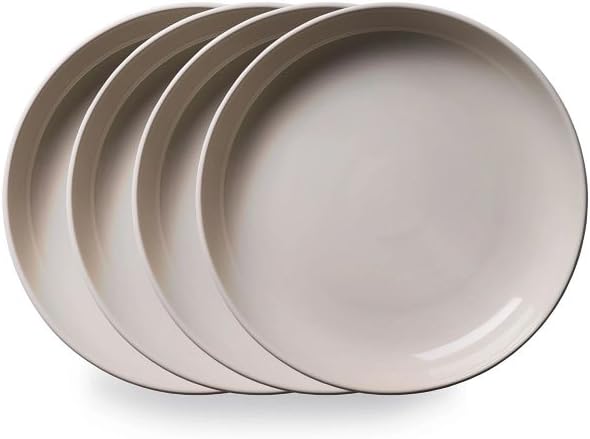
    cream corelle dishes

    Other design features include:

    • Simple design with no patterns.
    • Gently rounded edges
    • Versatility for everyday use and special occasions; perfect for pasta, poke, and salad
    • Handcrafted with a natural finish
    • Microwave, oven, freezer, and dishwasher safe.

    One excellent quality of this tableware is that it is designed with higher rimmed bowls so your food won’t roll off your plate while you are eating.

    Finally, they are manufactured in China, but with the same safety regulations and quality of Corelle Vitrelle dishes.

    Corelle First of Spring Soup/Cereal Bowl

    This Corelle First of Spring Soup Cream/Beige colour Bowl comes in 4 sets. They are deeper than Corelle stoneware tableware, plain but with a slight blueish line on the rim of the Bowl.

    Corelle soup and cereal bowl light colour

    They are made in the USA and are dishwasher, microwave, and freezer safe.

    Outside of soup and cereal, they are perfect for ice cream, fruits, noodles, dips, dessert, salad, snacks, and others.

    Corelle Impressions Sandstone Dinner Plate

    The pattern is solid with no flowers or designs. The material is made up of Corelle glass material, and the style of this dish fits contemporary designs.

    Corelle impressions sandstone beige cream colour

    They are lightweight, durable, and suitable for birthdays and even Christmas celebrations.

    Many Corelle enthusiasts find that this collection bridges the gap between casual and formal dining, making it perfect for homes that frequently entertain.

    CREAM COMPLEMENTS

    Looking for something to coordinate with Corelle dishes with green flowers? Cream Corelle offers the perfect backdrop.

    The neutral warmth of cream provides an ideal foundation that makes green floral patterns pop without overwhelming the eye.

    This combination creates a fresh, garden-inspired table setting that is perfect for spring and summer entertaining.

    STYLING YOUR DISHES

    Creating Tablescapes

    Cream dishes excel as the foundation of stunning tablescapes. Consider these design approaches:

    Monochromatic Elegance

    • Layer cream dishes with ivory linens
    • Add creamy ceramic serving pieces
    • Incorporate natural elements like wooden serving utensils
    • Finish with clear glassware to maintain the serene palette

    Contrast and Pop

    • Set cream dishes against dark navy or forest green tablecloths
    • Add metallic accents through gold or copper flatware
    • Incorporate bold napkins in jewel tones
    • Feature centerpieces with vibrant flowers

    Seasonal Adaptations

    • Spring: Pair with pale pink and green accents
    • Summer: Add citrus colours and natural textures
    • Autumn: Complemented with rust, amber, and brown tones
    • Winter: Enhance with deep reds, evergreen, and metallic gold

    MIXING AND MATCHING

    One of cream’s greatest strengths is its ability to mix well with other dinnerware brands’ collections.

    If you love the look of turquoise blue Corelle tableware, cream pieces make ideal companions.

    The contrast between cool turquoise and warm cream creates a balanced, visually interesting table that feels thoughtfully curated rather than matched straight from the box.

    Cream Tableware BrandPerfect PairingOccasion
    Dinner PlatesPatterned Salad PlatesCasual dinner parties
    Soup BowlsColoured MugsComfort food gatherings
    Serving PlattersTextured Smaller PlatesHoliday meals
    Cereal BowlsFruit Patterned Side PlatesBreakfast settings

    DISPLAY OPTIONS

    Cream tableware dishes are beautiful enough to display when not in use:

    • Install open shelving to showcase cream collections
    • Use plate stands to feature decorative pieces on countertops
    • Mount plate rails that highlight cream against coloured walls
    • Arrange in glass-fronted cabinets with strategic lighting.

    MAINTENANCE TIPS

    While incredibly durable, proper care ensures your Corelle remains pristine:

    • Avoid abrasive cleaners that might dull the finish
    • For stubborn stains, soak in a solution of baking soda and water
    • Store with paper towels or felt separators to prevent surface scratches
    • If using in the microwave, avoid extreme temperature changes

    COLLECTING AND INVESTMENT VALUE

    Vintage Cream Corelle:

    Early Corelle pieces, especially those with discontinued patterns, have developed a surprising collector’s market.

    Vintage cream patterns from the 1980s and 1990s can command premium prices on resale platforms, particularly:

    • Complete set collections in excellent condition
    • Rare serving pieces like gravy boats or covered butter dishes
    • Limited edition seasonal designs
    • Promotional items in cream colourways

    If you’re interested in Corelle dishes with yellow colour for collecting purposes, consider how they might complement your cream collection—the two tones often appeared together in vintage patterns, creating delightful visual harmony.

    BUILDING A COLLECTION

    For those just starting their dinnerware collection:

    1. Begin with everyday essentials (dinner plates, bowls, mugs)
    2. Add serving pieces gradually as needed
    3. Watch for sales and outlet offerings
    4. Consider secondary marketplaces for discontinued items
    5. Plan seasonal additions to refresh your collection affordably.

    HOME DÉCOR APPLICATIONS

    Cream Coloured dinnerware pieces can serve decorative as well as practical purposes:

    • Wall displays using plate hangers
    • Catchall dishes for jewellery and keys
    • Candle plates under pillar candles
    • Plant saucers for small houseplants
    • Bathroom organizers for soaps and trinkets.

    CONCLUSION

    The Cream Corelle tableware pattern represents that perfect sweet spot between enduring quality and design—lightweight enough for everyday use yet elegant enough for special occasions.

    Their warm neutral tone creates versatile foundations for countless table settings, while their legendary durability ensures they’ll remain family favourites for decades.

    Whether you’re starting a new collection, adding to an existing set, or searching for the perfect housewarming gift, this Corelle pattern offers timeless appeal that transcends passing trends.

  • Can Corelle Plates Be Used for Steaming

    Do you remember those frantic cooking moments when you’re desperately searching through your kitchen cabinets, hoping to find that perfect dish?

    Last month, I found myself in exactly that situation. My mother-in-law had shared her prized dumpling recipe, and there I was, all set to impress – ingredients prepped, steamer ready, but no proper steaming plate in sight.

    My eyes landed on my trusty stack of Corelle dishes, and I couldn’t help but wonder if they could save the day.

    Can Corelle plates be used for steaming? It’s a question that pops up more often than you might think, especially among home cooks who love these durable dishes.

    After reaching out to Corelle’s customer service, I discovered some fascinating insights that might change how you use your Corelle collection.

    But before you rush to place that plate in your steamer, there’s something crucial you need to know.

    UNDERSTANDING CORELLE’S MATERIAL COMPOSITION

    Before we delve into steaming specifics, it’s essential to understand what makes Corelle plates unique.

    Corelle winter frost Bowl

    Manufactured using Vitrelle® glass technology, Corelle plates consist of three layers of tempered glass, laminated together to create a product that’s remarkably durable yet lightweight.

    This unique construction provides several advantages that make these plates suitable for various cooking methods.

    THE SCIENCE BEHIND VITRELLE® GLASS

    The triple-layer construction of Corelle plates offers:

    – Superior thermal resistance

    – Enhanced durability against breakage

    – Even heat distribution

    – Resistance to chips and cracks

    OFFICIAL STANCE ON STEAMING WITH CORELLE

    can corelle plates be used for steaming

    According to direct communication with Corelle’s customer care representatives, Corelle plates are indeed safe for steaming purposes.

    However, this comes with an important caveat: users must avoid subjecting the plates to sudden temperature changes.

    This official endorsement provides confidence to users while emphasizing the importance of proper handling.

    Email response from Corelle Brand about the use of Corelle for steaming

    BEST PRACTICES FOR STEAMING WITH CORELLE

    When it comes to setting up your steaming station, think of it like building a cozy little tower for your food.

    Start by nestling a steaming rack right in the heart of your pot – this creates a stable foundation.

    Avacraft stainless steel steamer cooking Pot

    Next, carefully place your Corelle plate on top of the rack, making sure it sits level and steady.

    With your platform now ready, it’s time for the star of the show – gently arrange your food on the plate, keeping in mind that a little breathing room between pieces helps the steam work its magic evenly.

    Pro tip: Before you begin, make sure your Corelle plate is at room temperature to prevent any thermal shock.

    Bamboo steamer Basket

    And remember to check that the plate fits comfortably within your pot with enough space around the edges for steam to circulate.

    Furthermore, to ensure safe and effective steaming with your Corelle plates, follow these essential guidelines:

    Temperature Management:

    1. Start with room temperature plates

    2. Allow the plates to heat gradually with the steamer

    3. Never place a cold plate into hot steam

    4. Let plates cool naturally after use

    Proper Placement:

    When positioning your Corelle plate in the steamer:

    – Ensure stable placement

    – Allow adequate space for steam circulation

    – Use appropriately sized plates for your steamer

    – Consider using steamer rings or supports if needed.

    SAFETY CONSIDERATIONS

    While Corelle plates are remarkably durable, proper handling during steaming is crucial. Just as you might wonder about the safety of Corelle dishes for oven, steaming requires specific safety protocols:

    1. Avoid Thermal Shock

       – Never transfer plates directly from the refrigerator to the steamer

       – Don’t place hot plates on cold surfaces

       – Allow natural cooling after use

    2. Steam Distribution

       – Ensure even steam exposure

       – Avoid direct contact with heating elements

       – Maintain proper water levels

    IDEAL STEAMING APPLICATIONS

    Corelle plates excel at steaming various foods:

    Perfect for:

    – Dumplings and dim sum

    – Fish fillets

    – Vegetables

    – Rice rolls

    – Steamed buns

    Less Suitable for:

    – Very large portions

    – Foods requiring specific steaming equipment

    – Items needing raised ridges or drainage

    TEMPERATURE GUIDELINES

    For optimal results, follow these temperature recommendations:

    steam methods temperature and duration
    Steaming MethodMaximum Safe TemperatureRecommended Duration
    Standard Steam 100°C (212°F)         Up to 45 minutes  
    Gentle Steam   85°C (185°F)          Up to 60 minutes  

    MAINTENANCE AND CARE

    To ensure longevity when using Corelle plates for steaming:

    1. Pre-steaming Care

       – Clean plates thoroughly

       – Inspect for any damage

       – Ensure the room temperature state

    2. Post-steaming Care

       – Allow natural cooling

       – Clean with warm, soapy water

       – Store properly after complete drying

    COMMON QUESTIONS ANSWERED

    CAN I USE CERAMIC AND PORCELAIN PLATES/BOWLS FOR STEAMING (RICE AND CHICKEN)?

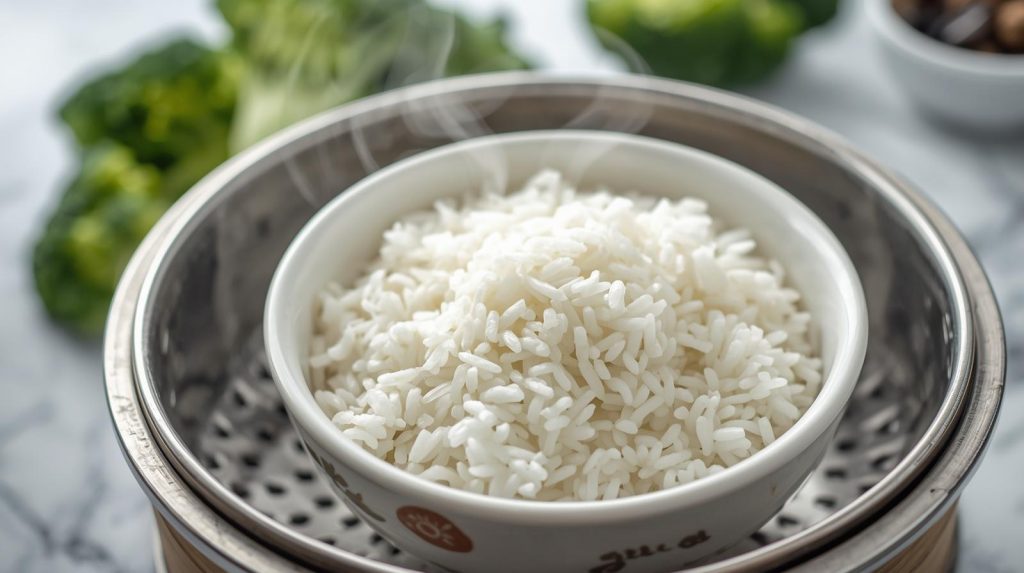
    can I use ceramic or porcelain plates or bowls for steaming

    YES. Most high-temperature fired ceramic bowls can be safely used in steamers or rice cookers to steam food, as ceramic is a stable and high-temperature resistant material that will not be damaged under normal steam temperature (about 100°C).

    Porcelain bowls can be used for steaming due to their thermal resistance, chemical stability, even heat distribution, and flavor-preserving properties, and they are non-toxic and do not leach harmful substances into food during steaming.

    Important requirements:

    • Use ceramics fired at high temperatures above 1200°C, such as bone china, reinforced porcelain, or stoneware, which have satisfactory thermal shock resistance
    • Avoid low-temperature pottery, bowls with cracks, and non-food-grade craft ceramics
    • Warm up the bowl gradually with the steamer to avoid thermal shock from sudden temperature changes.

    HOW OFTEN CAN I USE CORELLE PLATES FOR STEAMING?

    Corelle plates can be used regularly for steaming, provided proper care guidelines are followed. Their durable construction makes them suitable for frequent use.

    WILL STEAMING AFFECT THE PLATE’S APPEARANCE?

    When used correctly, steaming shouldn’t affect your Corelle plate’s appearance. The Vitrelle® glass construction resists staining and maintains its appearance even with regular use.

    WHAT MATERIALS ARE SAFE FOR STEAMING?

    Materials that are safe for steaming include:

    – Stainless steel is extremely durable and heat-resistant

    – Bamboo (traditional steaming baskets)

    – Heat-resistant silicone designed for high temperatures

    – Heat-safe ceramic and porcelain dishes

    – Tempered glass marked as heat-safe

    For plates and bowls specifically, use:

    – Stainless steel plates and bowls

    – Heat-resistant ceramic dishes labeled for high-temperature use

    – Traditional Chinese porcelain steamware

    – Heat-safe tempered glass dishes

    – Food-grade silicone steamware

    CAN I USE PYREX GLASS FOR STEAMING?

    YES – especially borosilicate Pyrex. Pyrex steamer baskets made from high-quality borosilicate glass are designed to withstand extreme temperatures from freezer to oven without risk of breakage or deformation, and borosilicate glass retains its shape and strength even when subjected to high temperatures.

    Borosilicate glass is resistant to high temperatures, thermal shocks, and scratches, and can be safely used in the oven, microwave, and dishwasher.

    Pyrex can be used straight from the freezer to the top of the stove or oven and is freezer, dishwasher, microwave, and oven safe.

    Important note: While Pyrex is labeled oven safe, you should avoid using it near 500°F, and steam itself will have a temperature greater than 100°C, so it shouldn’t cause trouble, but avoid cold water hitting hot Pyrex glass.

    HOW DO YOU STEAM WITHOUT A STEAMER PLATE?

    You can steam food without a dedicated steamer plate using these methods:

    – Create a makeshift steamer using a heat-safe bowl inverted in a pot with water

    – Use aluminum foil formed into small balls as a raised platform

    – Place a heat-safe metal colander inside a larger pot

    – Use a metal strainer that fits inside your pot

    – Create a foil packet with holes for steam.

    WHAT KIND OF MATERIALS SHOULD NOT BE STEAMED?

    Avoid steaming with:

    – Regular plastic containers (can melt and release chemicals)

    – Non-tempered glass (risk of shattering)

    – Thin aluminum containers (may warp)

    – Wooden dishes (can warp and harbor bacteria)

    – Materials not specifically labeled as heat-safe

    – Containers with plastic components that could melt.

    CAN I USE MICROWAVABLE CONTAINERS FOR STEAMING?

    Not all microwavable containers are safe for traditional steaming. Microwave-safe only means the container is safe for microwave use, not necessarily for stovetop steaming. For traditional steaming:

    – Only use containers explicitly labeled as heat-safe or steaming-safe

    – Check the maximum temperature rating

    – Avoid plastic containers, even if microwave-safe

    CAN I USE GLASS BOWLS FOR STEAMING?

    YES, with cautions. Glass melts at about 1500°F/800°C, so there’s no danger of melting in any steamer, but the real issue is thermal shock – very rapidly cooling glass from hot to cold temperature can cause it to crack or shatter.

    Glass bowls can be used in steamers, but must be filled with water or food – without contents, the glass bowl can easily break.

    When using glass bowls in a rice cooker or steamer, use ceramic or stainless steel, as both are fine and unlikely to leach strange things into your food.

    Key precautions:

    • Avoid thermal shock by not exposing hot glass to sudden cold or vice versa
    • Glass and ceramic don’t conduct heat fast enough to be reliable for quickly steamed foods like vegetables or fish, but they work fine for steamed dishes with long cooking times, such as steamed puddings, braises, and stocks.

    CAN I USE A CERAMIC BOWL FOR A DOUBLE BOILER?

    YES, but with limitations. Ceramic bowls can be used as the top part of a double boiler, but it is not safe to use a ceramic bowl as the base since they are not meant for direct heat.

    Glass or stainless steel bowls are recommended for double boilers as both materials are heat-resistant and won’t warp or break while their base is heated by steam.

    However, if using ceramic for a double boiler, let it preheat for a few minutes, though it may be too insulated to work properly, and timing may be off significantly compared to metal bowls.

    When choosing a bowl for a double boiler, use heat-safe glass, ceramic, or metal, but avoid heavy stoneware as heat may not transfer efficiently if the walls are too thick.

    Safety tips:

    • Make sure the ceramic bowl is heat-safe and oven-rated before use
    • Ensure the bowl is not touching the boiling water below and fits snugly into the metal pan
    • Ceramic bowls get very hot, so use oven mitts to handle them.

    CAN CORELLE PLATES BE USED ON INDUCTION?

    No, Corelle plates cannot be used on induction cooktops.

    Corelle is made of vitrelle glass, which is not magnetic and therefore won’t work with induction heating. Induction cooking requires magnetic materials like iron or steel.

    ALTERNATIVE USES AND VERSATILITY

    Beyond steaming, Corelle plates offer versatility in:

    – Microwave heating

    – Oven warming

    – Cold food service

    – Traditional Dining

    EXPERT TIPS FOR PERFECT STEAMING

    1. Preparation

       – Lightly oil the plate surface for certain foods

       – Use parchment paper when needed

       – Consider portion sizes carefully

    2. During Steaming

       – Monitor water levels

       – Use wooden utensils for food handling

       – Maintain consistent heat

    3. Post-Steaming

       – Use proper protection when removing plates

       – Allow adequate cooling time

       – Clean promptly after use

    CONCLUSION

    Corelle plates prove to be versatile tools in the kitchen, extending their utility beyond traditional dining to include steaming applications.

    With proper care and attention to temperature management, these durable dishes can safely and effectively serve as steaming vessels for various culinary creations.

    Remember to always follow the manufacturer’s guidelines and exercise caution with temperature changes to ensure both the safety and longevity of your Corelle collection.

    Whether you’re steaming dumplings for a weekend dim sum session or preparing a healthy fish dinner, your Corelle plates can rise to the occasion.

    Begin with simple recipes and gradually explore more complex steaming applications as you become comfortable with the process.


    Reference: Corelle Safety & Usage

  • Luminarc vs Corelle

    Imagine you’re hosting a dinner party, and as you’re setting the table, that familiar anxiety creeps in.

    Will your plates survive the evening? Between your brother-in-law’s notorious butterfingers and your friend’s energetic toddler, ordinary dinnerware feels like a risky proposition.

    This scenario plays out in homes across America, driving many to seek more durable alternatives.

    Luminarc vs Corelle – two giants in the world of resilient dinnerware that have been battling it out for the top spot in our kitchen cabinets.

    But which one truly deserves that precious real estate in your home? Let’s find out.

    THE HERITAGE BEHIND THE BRANDS

    Corelle: American Innovation Meets Durability

    Corelle, born from American ingenuity, emerged in the 1970s when Corning Incorporated revolutionized dinnerware with its patented Vitrelle® glass technology.

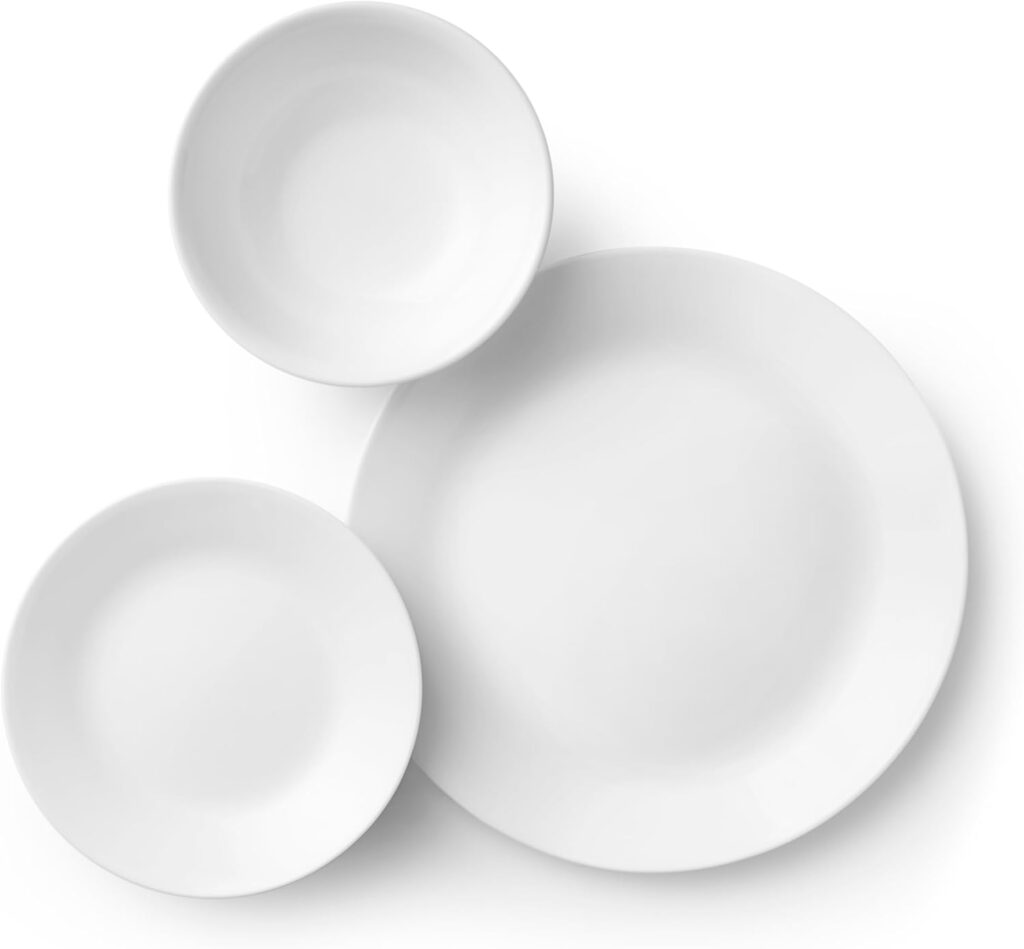
    18 Piece Corelle Vitrelle Dinnerware Set Winter Frost White

    What started as a spin-off from a space program material has become a household name, particularly known for its signature lightweight yet nearly indestructible plates.

    Luminarc: French Elegance in Glass Making

    On the other side of the Atlantic, Luminarc, part of the prestigious Arc International, has been crafting glassware since 1948.

    Luminarc Dessert Plate

    Building on France’s rich history of glassmaking, they’ve established themselves as a global leader in both household and professional tableware.

    Luminarc Glass Stackable Bowls

    If you’re curious about their earlier iterations, you might want to explore the history of Vaisselle Arcopal.

    MATERIAL MATTERS: WHAT SETS THEM APART

    Corelle’s Unique Construction

    – Made with Vitrelle® glass: a three-layer construction

    – Two layers of glass laminated to a core layer

    – Thermal shock resistant

    – Incredibly lightweight

    Luminarc’s Glass Innovation

    – Tempered soda-lime Opal glass construction

    – Impact and thermal shock resistant

    – Slightly heavier than Corelle

    – Various thickness options available

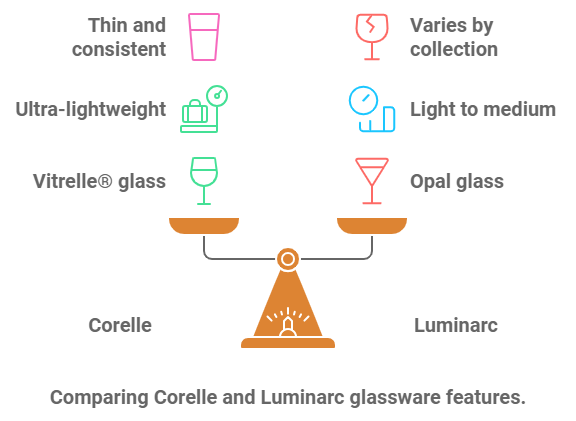
    Luminarc Vs Corelle
    FeatureCorelleLuminarc
    MaterialVitrelle® (3-layer glass)Tempered soda-lime Opal glass
    WeightUltra-lightweightLight to medium
    ThicknessThin and consistentVaries by collection
    Break ResistanceVery highHigh
    Thermal Shock ResistanceExcellentGood

    Find Your Perfect Dinnerware Match

    Your Perfect Match

    Copied to clipboard!

    DURABILITY FACE-OFF: WHICH BRAND STANDS THE TEST OF TIME?

    According to Consumer Reports, both brands excel in durability, but they shine in different areas.

    Corelle’s legendary chip and break resistance have earned it a special place in American homes, while Luminarc’s robust construction has made it a favorite in both residential and commercial settings.

    Corelle’s Strength

    – Nearly unbreakable under normal use

    – Chip and scratch-resistant

    – Backed by a [3-year warranty]

    – Stackable without risk of damage

    Luminarc’s Resilience

    – Impact resistant

    – Less likely to develop micro-scratches

    – Maintains clarity over time

    – Commercial-grade durability

    Style and Design Options

    Corelle’s Aesthetic Appeal

    – Clean, contemporary patterns

    – Classic white options

    – Limited but timeless color palette

    – Consistent design across pieces

    Luminarc’s Design Range

    – Modern and traditional styles

    – Wider color selection

    – Textured options available

    – Mix-and-match possibilities

    Price Point Analysis

    Based on Safekitchn’s market research, here’s how they compare:

    Corelle

    – Mid to premium pricing

    – Higher initial investment

    – Excellent long-term value

    – Available in sets and individual pieces

    Luminarc

    – Generally, more affordable

    – Budget-friendly options

    – Good value for money

    – Flexible purchasing options

    PRACTICAL CONSIDERATIONS: FROM KITCHEN TO TABLE

    Microwave Safety

    Both brands excel in microwave safety, but with slight differences:

    – Corelle: Completely microwave safe

    – Luminarc: Microwave safe with proper handling

    Dishwasher Durability

    According to tests by Good Housekeeping, both brands maintain their appearance after hundreds of wash cycles, although some users have complained of Corelle dishes turning brown because of the dishwasher.

    ENVIRONMENTAL IMPACT AND SUSTAINABILITY

    Corelle’s Green Initiative

    – Long lifespan reduces waste

    – Made in the USA, reducing transport emissions

    – Recyclable packaging

    – Energy-efficient manufacturing process

    Luminarc’s Eco-Efforts

    – Sustainable production practices

    – Glass is 100% recyclable

    – European manufacturing standards

    – Reduced carbon footprint initiatives

    MAKING YOUR CHOICE: DECISION FACTORS

    Consider these key aspects when deciding:

    1. Usage Pattern

       – Daily family use

       – Formal entertaining

       – Commercial application

    2. Storage Space

       – Stackability needs

       – Cabinet space

       – Weight considerations

    3. Aesthetic Preferences

       – Design Variety

       – Color options

       – Pattern longevity

    4. Budget Constraints

       – Initial investment

       – Replacement costs

       – Set vs. individual pieces

    THE VERDICT

    Both Luminarc and Corelle offer exceptional quality, but your choice might depend on specific needs:

    Choose Corelle if:

    – Lightweight is a priority

    – You prefer American-made products

    – Maximum break resistance is essential

    – You want a guarantee of long-term durability

    Choose Luminarc if:

    – Budget is a primary concern

    – You want more design variety

    – European style appeals to you

    – You need commercial-grade options

    CARE AND MAINTENANCE TIPS FOR CORELLE AND LUMINARC DINNERWARE

    To ensure the longevity of either brand:

    1. Avoid extreme temperature changes

    2. Stack carefully with protective layers

    3. Use appropriate cleaning products

    4. Handle with reasonable care

    FAQ SECTION

    Q: Can you microwave Luminarc plates?

    A: Yes, Luminarc plates are microwave-safe when used according to instructions.

    Q: Which dinnerware lasts the longest?

    A: Both brands are known for longevity, but Corelle often edges out with its three-layer construction.

    Q: Is Luminarc glass safe?

    A: Yes, Luminarc uses food-grade, safety-tested glass that meets international standards.

    FINAL THOUGHTS

    Whether you choose Luminarc or Corelle, you’re investing in quality dinnerware that will serve you well for years to come.

    Consider your specific needs, budget, and style preferences to make the best choice for your home.

    Remember, the best dinnerware is the one that fits seamlessly into your lifestyle while bringing joy to your daily dining experience.

    Ready to explore more dinnerware options? If you’re also considering Arcopal dinnerware, check out our detailed Arcopal vs Corelle comparison to see how these French and American brands stack up.”