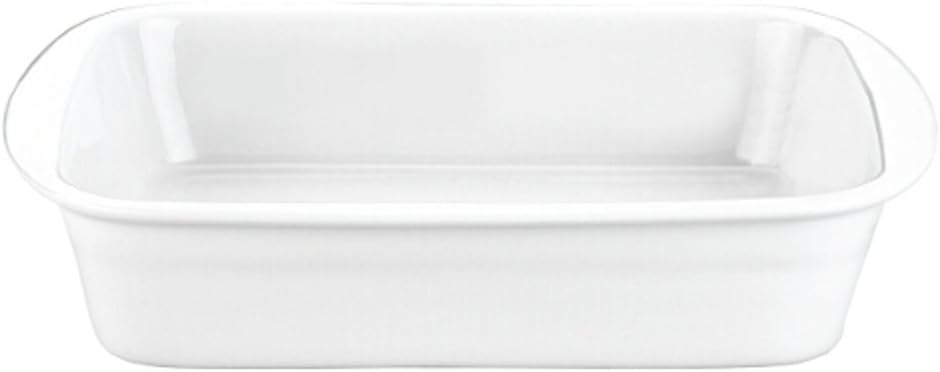
Category: French Porcelain

  • French Porcelain Brands: A Complete Guide to Timeless Elegance

    You’re standing in a boutique home goods store, admiring a stunning white porcelain dish with that unmistakable French elegance.

    The price tag makes you pause. Is it really worth the investment? With so many French porcelain brands claiming heritage and quality, how do you know which ones deliver on their promises?

    Whether you’re furnishing your first home, upgrading your kitchenware, or searching for an heirloom-quality piece, understanding these porcelain brands can feel overwhelming.

    This comprehensive guide will walk you through everything you need to know about French porcelain, from iconic traditional brands to antique treasures, proper terminology, and practical tips for choosing pieces that will grace your table for generations to come.

    Traditional French Porcelain Brands
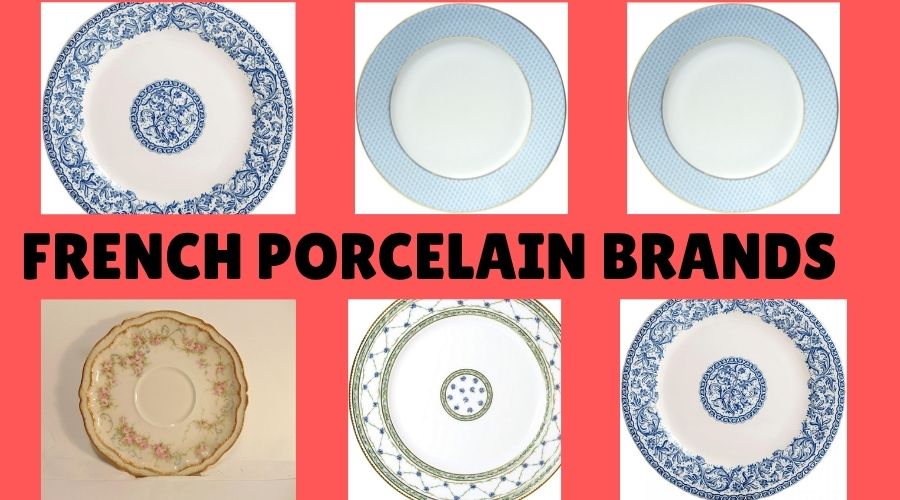
    French Porcelain Brands

    When we talk about traditional French porcelain brands, we’re discussing manufacturers that have maintained their commitment to quality craftsmanship while adapting to modern needs.

    These brands represent the heart of French ceramic excellence, combining centuries-old techniques with contemporary design sensibilities.

    Pillivuyt stands as one of France’s most respected porcelain manufacturers, founded in 1818.
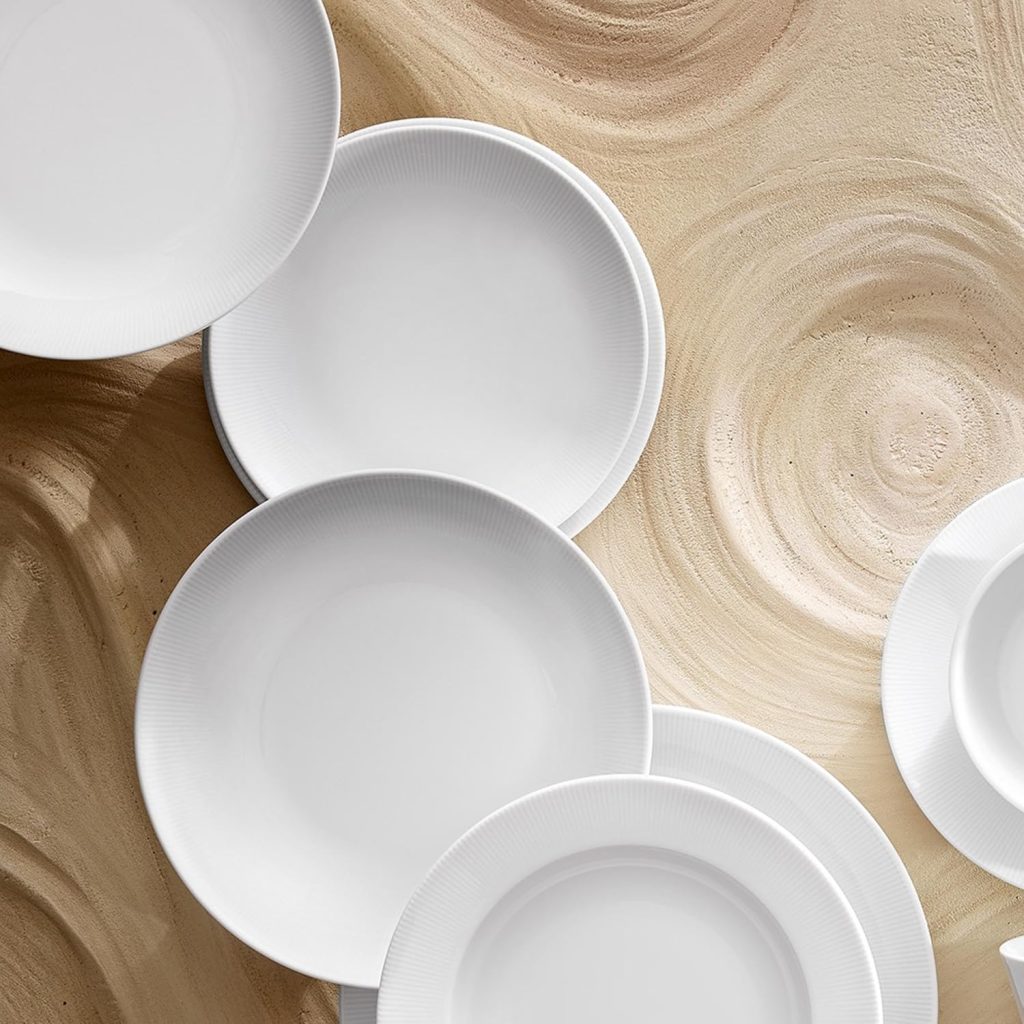
    Pillivuyt traditional white porcelain hard glaze plates

    What sets Pillivuyt apart is its unwavering commitment to producing all its porcelain in France, maintaining traditional manufacturing methods while creating pieces that work beautifully in today’s kitchens.

    Their Pillivuyt Porcelain collections are known for exceptional durability and heat retention, making them favourites among professional chefs and home cooks alike.

    The brand’s signature white porcelain has a distinctive creamy undertone that catches light beautifully on any table setting.

    Apilco represents another cornerstone of traditional French porcelain. Established in the early 20th century, Apilco gained fame for creating the iconic white porcelain used in Parisian bistros and brasseries.
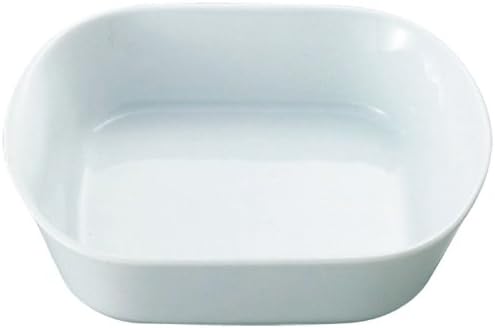
    Apilco square roast dish

    Their Apilco Porcelain French pieces embody that effortless French elegance, simple, functional, and timelessly stylish.

    When comparing Pillivuyt to Apilco brand offerings, you’ll notice both emphasize durability and classic design, though Pillivuyt tends toward thicker, more substantial pieces while Apilco offers slightly more delicate profiles.

    Choosing the Right Brand for Your Needs

    The practical application here is understanding your specific needs. If you’re looking for everyday dinnerware that can withstand daily dishwasher use and occasional bumps, both Pillivuyt and Apilco deliver exceptional durability.

    For baking enthusiasts, Pillivuyt bakeware offers superior heat distribution and retention, while Apilco bakeware provides that classic French bistro aesthetic with excellent functionality.

    Antique French Porcelain Brands

    Antique French porcelain represents the pinnacle of decorative arts, with brands that defined luxury and craftsmanship during their heyday.

    These pieces aren’t just tableware; they’re historical artifacts that tell stories of artistic innovation and royal patronage.

    Sèvres

    This remains the most prestigious name in antique French porcelain. Established in 1740 and eventually becoming the royal porcelain manufactory, Sèvres created pieces for French royalty and aristocracy.

    Their signature cobalt blue (bleu de Sèvres) and elaborate gold decoration set standards that other manufacturers aspired to match.

    Genuine antique Sèvres pieces command extraordinary prices at auction, with some selling for hundreds of thousands of dollars.

    Limoges
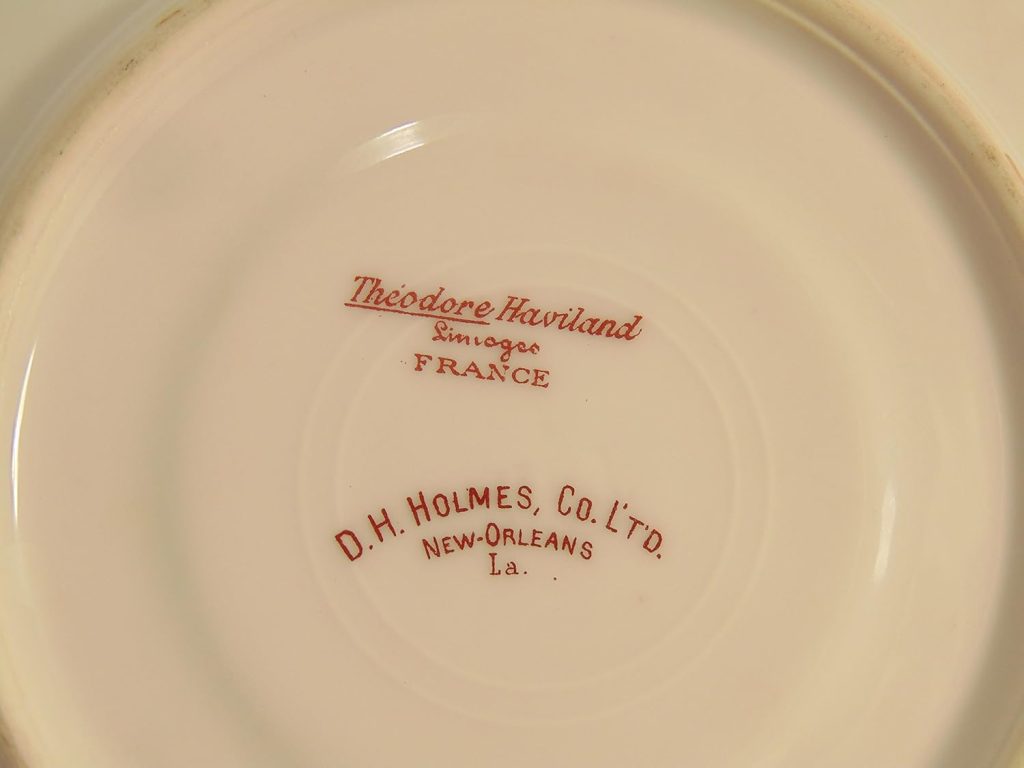
    Limoges Haviland France Porcelain Plate

    This porcelain represents an entire region’s contribution to French ceramic excellence. The city of Limoges became synonymous with fine porcelain after kaolin deposits were discovered nearby in 1768.
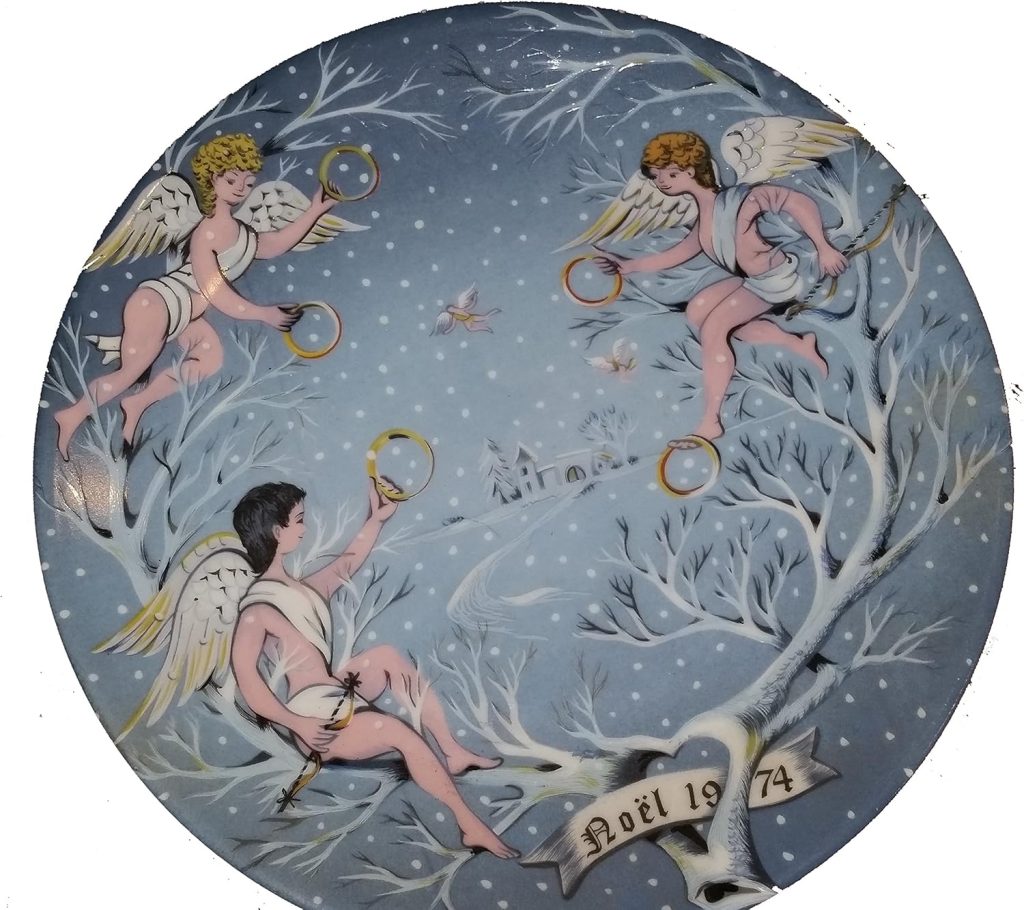
    Haviland Limoges Collector Plate

    Numerous manufacturers operated in this region, each with distinct marks and styles.

    Haviland, one of the most recognized Limoges producers, created exquisite dinnerware patterns that graced American tables throughout the 19th and early 20th centuries.
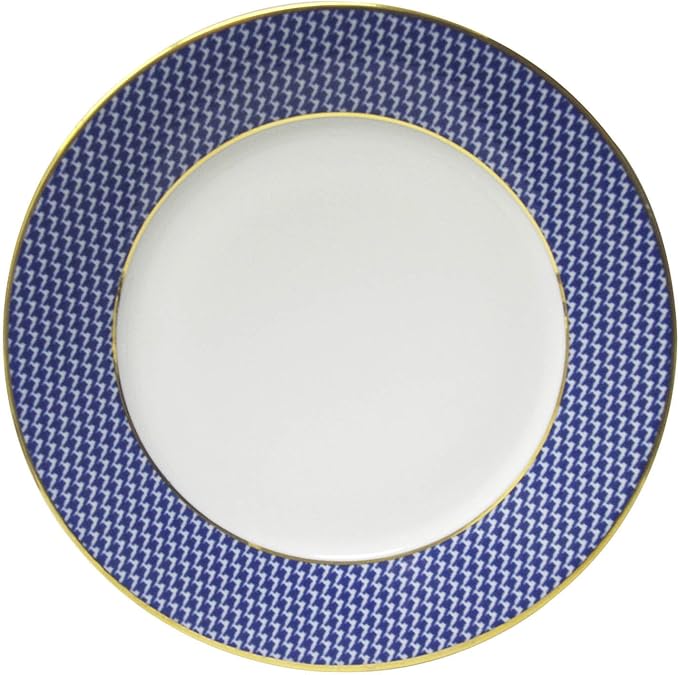
    Hard Porcelain Limoges

    Their hand-painted florals and delicate gold trim exemplify the romantic aesthetic of the Victorian era.

    Samson et Cie

    This brand operated from 1845 to 1969, creating both original designs and reproductions of earlier porcelain styles.

    While their reproductions were clearly marked initially, over time these marks have sometimes been removed, making authentication tricky for collectors.

    Despite this controversy, Samson pieces demonstrate exceptional craftsmanship and artistry in their own right.

    Practical Tips for Collecting Antique French Porcelain

    If you’re drawn to antique pieces, start by learning manufacturer marks and signatures.

    Invest in a good reference book or consult with reputable dealers who specialize in French porcelain.

    Examine pieces carefully for repairs, which significantly affect value.

    Most importantly, buy what you love, even if a piece isn’t museum-quality. If it brings you joy and fits your budget, it’s a worthy addition to your collection.

    Old French Porcelain Brands

    The distinction between “old” and “antique” French porcelain matters in the collecting world.

    While antique generally refers to items over 100 years old, old French porcelain brands encompass manufacturers from the late 19th through mid-20th centuries, pieces that carry historical significance without always commanding antique prices.

    Bernardaud

    Founded in Limoges in 1863, bridges the gap between historical and contemporary porcelain production.

    This family-owned company continues operating today, but its older pieces from the early to mid-20th century represent exceptional value for collectors.

    Bernardaud collaborated with renowned artists and designers, creating patterns that ranged from traditionally ornate to surprisingly modern.

    Their Art Deco pieces from the 1920s-1930s are particularly sought-after.

    Raynaud

    Began in Limoges in 1849 and built a reputation for creating custom porcelain for hotels, restaurants, and ocean liners.
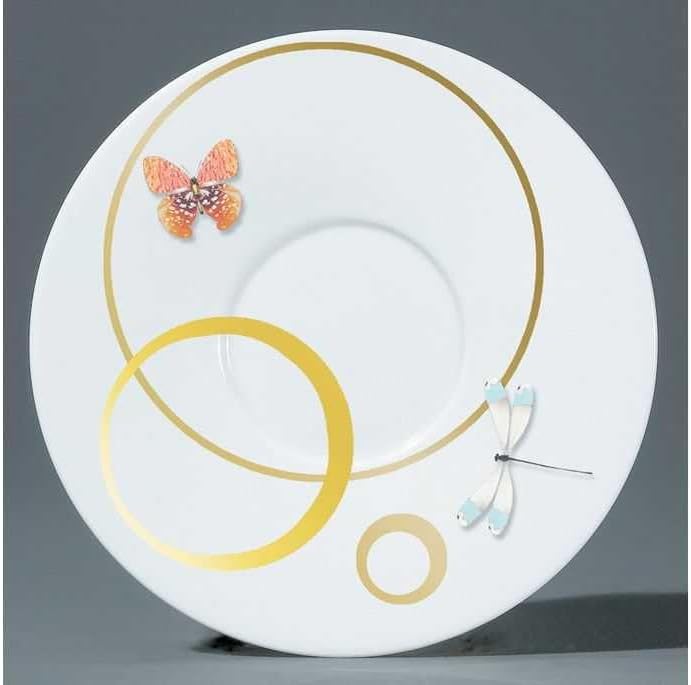
    Raynaud Porcelain dinnerware

    Their vintage pieces often feature hotel crests or shipping line logos, making them fascinating historical documents.

    The company still produces today, but its mid-century pieces offer collectors accessible entry points into quality French porcelain.

    Gien faïence

    While technically earthenware rather than porcelain, it deserves mention in any discussion of French ceramic heritage.
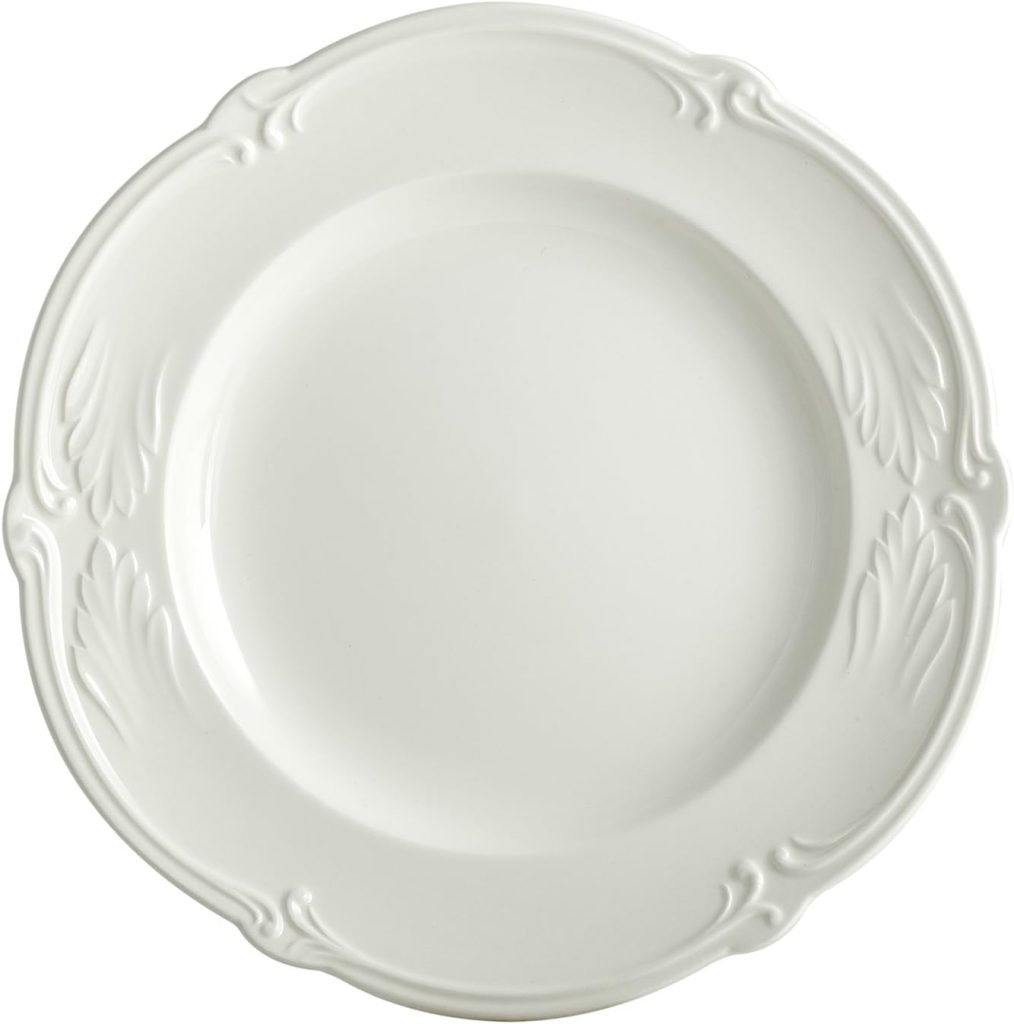
    Gien france hard earthenware ceramic plate

    Founded in 1821, Gien became famous for colorful hand-painted patterns depicting French countryside scenes, flowers, and wildlife.

    Their older patterns from the 19th and early 20th centuries have developed a devoted following among collectors who appreciate their whimsical charm and durability.

    Making Old Porcelain Work in Modern Homes

    You don’t need to keep old French porcelain locked in a cabinet. These pieces were made to be used, and many are remarkably durable.

    Mix vintage patterns with contemporary table linens for an eclectic look.

    Use Apilco cereal bowls alongside vintage Limoges plates for an interesting contrast between classic bistro style and ornate decoration.

    Display larger serving pieces on open shelving where their artistry can be appreciated daily.

    What’s Another Name for Porcelain?

    Understanding porcelain terminology helps you navigate both shopping and collecting with confidence.

    Porcelain goes by several names, each with subtle distinctions that reflect its origins, composition, or cultural context.

    China

    This is perhaps the most common alternative name for porcelain in everyday English, derived from the country where porcelain was first developed during the Tang Dynasty (618-907 CE).

    When someone refers to their “good china,” they’re typically talking about fine porcelain dinnerware reserved for special occasions.

    The terms are often used interchangeably in casual conversation, though technically “china” can also refer to bone china, which includes bone ash in its composition.

    Fine china

    This specifically denotes high-quality porcelain dinnerware, emphasizing its delicate appearance and superior craftsmanship.

    This term distinguishes premium porcelain from everyday ceramics. When you’re shopping for Apilco pasta bowls or other French porcelain pieces, you’re investing in fine china that combines beauty with surprising durability.

    Vitreous china

    This describes porcelain that has been fired at high temperatures until it becomes glass-like (vitrified) and non-porous.

    This term is more common in technical or commercial contexts, particularly when discussing bathroom fixtures or commercial dinnerware.

    The vitrification process makes porcelain resistant to staining and bacterial growth, a key reason why it’s prized for both tableware and sanitary applications.

    Ceramic

    This is the broader category that includes porcelain, along with earthenware, stoneware, and other clay-based materials.

    All porcelain is ceramic, but not all ceramic is porcelain. Porcelain distinguishes itself through its white color, translucence, and high firing temperature (typically 1200-1400°C or 2200-2550°F).

    Why Terminology Matters When Shopping

    Understanding these terms helps you evaluate product descriptions accurately.

    If something is described simply as “ceramic,” it might not have porcelain’s durability or appearance.

    True porcelain should be somewhat translucent when held to light, have a clear ring when tapped gently, and display a smooth, glass-like surface.

    When you’re comparing products, these distinctions affect both performance and value.

    What is French Porcelain Called?

    French porcelain carries specific names that reflect its cultural heritage and manufacturing traditions. Understanding these terms deepens your appreciation for what makes French porcelain special.

    Porcelaine de France

    This is the straightforward French term for French porcelain, but it signifies more than just geography.

    This designation indicates porcelain manufactured in France according to traditional methods, often with strict quality standards.

    When you see “Porcelaine de France” marked on pieces, you’re looking at products that typically meet higher production standards than mass-market alternatives.

    Porcelaine de Limoges

    This deserves special recognition as both a geographical and a quality indicator. Limoges porcelain isn’t just porcelain made in the Limoges region—it represents a specific tradition of excellence backed by ideal raw materials.

    The kaolin deposits near Limoges produce porcelain of exceptional whiteness and translucency.

    Many manufacturers mark their pieces with “Limoges, France” to distinguish them from porcelain made elsewhere.

    Both Haviland and Bernardaud produce authentic Limoges porcelain that carries this prestigious designation.

    Porcelaine dure

    This translates to “hard-paste porcelain,” the true porcelain formula that includes kaolin, feldspar, and quartz.

    This is the type of porcelain that French manufacturers perfected, creating pieces with superior durability and that distinctive luminous quality.

    Hard-paste porcelain requires extremely high firing temperatures but results in the strongest, most beautiful porcelain.

    Porcelaine tendre

    Or “soft-paste porcelain” was developed in Europe before manufacturers discovered the hard-paste formula.

    Early French porcelain, including pieces from Sèvres before 1769, used soft-paste formulas.

    These pieces are more fragile and less translucent than hard-paste porcelain but often feature more elaborate decoration since the material was easier to work with before firing.

    Regional Variations and What They Mean

    Different regions of France developed distinct porcelain styles. Limoges is known for pure white porcelain and elegant decoration.

    Sèvres represents royal magnificence and elaborate artistic decoration.

    Understanding these regional characteristics helps you appreciate the diversity within French porcelain and choose pieces that align with your aesthetic preferences.

    The Manufacturing Process: What Makes French Porcelain Special

    Understanding how French porcelain is made helps explain why it commands premium prices and why certain brands have maintained their reputations for centuries.

    The process combines art, science, and painstaking attention to detail.

    Traditional French porcelain begins with carefully selected raw materials. Kaolin (china clay) provides whiteness and structure, feldspar acts as a flux to help materials fuse, and quartz adds strength.

    The specific proportions and quality of these materials significantly impact the final product’s appearance and durability.

    French manufacturers, particularly those in Limoges, benefit from access to exceptionally pure kaolin deposits.

    The shaping process varies depending on the piece. Simple forms might be created using molds, while more complex pieces require skilled artisans who shape the porcelain on potter’s wheels or construct intricate forms by hand.

    At this stage, the material is still fragile and pliable, a seemingly delicate state that requires experienced handling.

    After initial shaping, pieces undergo their first firing (bisque firing) at temperatures around 900-1000°C.

    This hardens the porcelain into a porous state that can accept glazes and decoration. Many French porcelain pieces receive hand-painted decoration at this stage, a process requiring steady hands and artistic skill.

    The level of hand decoration significantly affects a piece’s value. Compare a simple white piece to one with intricate hand-painted florals, and you’ll understand why prices vary dramatically.

    The glaze application and final firing happen at extreme temperatures (1200-1400°C), vitrifying the porcelain and fusing the glaze into a smooth, glass-like surface.

    This high-temperature firing gives porcelain its characteristic strength, translucence, and non-porous quality.

    The intense heat also means that any flaws in the piece or firing process become permanent—there’s no fixing mistakes at this stage.

    What This Means for Your Purchase

    When you invest in authentic French porcelain, you’re paying for this complex, time-intensive process.

    Cheaper alternatives often skip steps, use inferior materials, or fire at lower temperatures—resulting in pieces that look similar initially but lack the durability, translucence, and beauty of true porcelain.

    Quality Pillivuyt bakeware can withstand extreme temperature changes and years of use, specifically because of this rigorous manufacturing process.

    Caring for Your French Porcelain

    Owning beautiful French porcelain comes with the responsibility of proper care, but don’t let this intimidate you.

    Most modern French porcelain is surprisingly practical for everyday use when you follow basic guidelines.

    Dishwasher Use

    Contemporary French porcelain from brands like Pillivuyt and Apilco is generally dishwasher-safe.

    The high-quality glaze resists detergent damage, and the porcelain itself won’t absorb water or odors.

    However, if pieces feature metallic decoration (gold or platinum trim), hand-washing is essential—dishwasher detergents will gradually remove these precious metal accents.

    Antique and delicate vintage pieces should always be hand-washed regardless of decoration.

    Temperature Considerations

    Quality porcelain handles temperature extremes well, but sudden changes can cause thermal shock.

    Don’t transfer a dish directly from freezer to oven, even though the porcelain could theoretically handle it—allow pieces to come closer to room temperature first.

    Most French porcelain bakeware excels in oven use, with pieces like Pillivuyt bakeware and Apilco bakeware specifically designed to go from oven to table beautifully.

    Storage

    Stack plates with care, ideally using felt or fabric protectors between pieces to prevent scratching. The glazed surface is hard, but stacking without protection can create fine scratches over time.

    Store cups by hanging them from hooks rather than stacking when possible—this prevents chips to delicate handles and rims.

    Stain Removal

    Porcelain’s non-porous surface resists most staining, but tea, coffee, and certain foods can leave marks over time.

    For stubborn stains, create a paste with baking soda and water, apply gently with a soft cloth, and rinse thoroughly.

    Avoid abrasive scrubbers that might scratch the glaze. For antique pieces with crazing (fine cracks in the glaze), be especially gentle; these cracks can trap stains and cleaning agents.

    Making Porcelain Part of Daily Life

    The beauty of French porcelain is that it’s meant to be used, not just displayed. Start your morning coffee in an elegant Pillivuyt cup rather than a generic mug.

    Serve pasta in Apilco pasta bowls that make even a simple weeknight dinner feel special. Use Apilco cereal bowls for breakfast; they’re durable enough for daily use and beautiful enough to make ordinary moments feel elevated.

    The more you use quality porcelain, the more you’ll appreciate its practical benefits alongside its aesthetic appeal.

    Investing in French Porcelain: Value Considerations

    Whether you’re building a collection or simply choosing dinnerware for your home, understanding value helps you make informed decisions.

    French porcelain represents a spectrum of investment levels, from accessible everyday pieces to museum-quality antiques.

    Everyday Contemporary Pieces

    Brands like Pillivuyt and Apilco offer the best value in this category. You’re investing in pieces that will last decades with proper care, often at prices comparable to mid-range stoneware.

    A complete place setting might cost $80-150, but consider the cost-per-use over the years of daily service.

    These pieces rarely go on sale, but their durability means you won’t need to replace them.

    Vintage and Collectible Pieces

    Mid-20th-century French porcelain from established brands often represents exceptional value.

    These pieces have proven their durability over decades, and their prices haven’t yet reached the levels of genuine antiques.

    You might find vintage Limoges dessert plates for $15-30 each, or vintage Bernardaud serving pieces for $50-150.

    When comparing Pillivuyt to Apilco brand vintage offerings, both maintain value well, with complete vintage sets occasionally appreciating over time.

    Antique Investment Pieces

    Genuine antique Sèvres, early Limoges, or museum-quality pieces from other prestigious manufacturers represent serious financial investments.

    Prices range from hundreds to hundreds of thousands of dollars, depending on rarity, condition, provenance, and artistic merit.

    If you’re investing at this level, work with reputable dealers and auction houses, and consider pieces you genuinely love—appreciation isn’t guaranteed, and market values fluctuate.

    Building a Collection Strategically

    Start with pieces you’ll use regularly. A set of quality dinner plates, bowls, and cups from Pillivuyt Porcelain or Apilco Porcelain provides the foundation.

    Add serving pieces gradually, a beautiful platter, a set of bakeware, and specialty bowls. If you’re drawn to vintage or antique pieces, buy them for their beauty and your enjoyment rather than purely as investments.

    The joy of using and appreciating beautiful objects often outweighs any financial appreciation.

    Common Misconceptions About French Porcelain

    Let’s address some widespread myths that might be holding you back from enjoying French porcelain or leading you to make poor purchasing decisions.

    Misconception 1: “French porcelain is too delicate for everyday use.”

    This is perhaps the most damaging myth. While antique decorative pieces might be fragile, contemporary French porcelain from established manufacturers is remarkably durable.

    Pillivuyt and Apilco pieces are used in professional restaurants where they endure far more abuse than your home would inflict.

    The high-firing temperatures create an incredibly strong material; it’s the awkward handling of thin edges that causes most breakage, not inherent fragility.

    Misconception 2: “All white porcelain is basically the same.”

    Quality differences matter significantly. Compare an inexpensive porcelain-look ceramic to genuine French porcelain by holding each to the light.

    Real porcelain shows translucence, revealing your fingers’ shadow through the material.

    The weight, surface texture, and ring when tapped also differ noticeably. These qualities affect not just appearance but functionality, heat retention, resistance to chipping, and how food looks when served.

    Misconception 3: “Porcelain can’t go in the microwave.”

    Most contemporary French porcelain is microwave-safe, though you should always check manufacturer guidelines for specific pieces.

    The porcelain itself handles microwave energy fine—it’s the metallic decoration that creates problems. Your plain white Pillivuyt or Apilco pieces are perfectly suited to microwave use.

    Misconception 4: “French porcelain is always expensive.”

    While investment pieces exist, many French porcelain options compete price-wise with quality stoneware or mid-range ceramic dinnerware.

    The perception of expense often comes from comparing French porcelain to the cheapest possible alternatives rather than to other quality options.

    When you factor in longevity, French porcelain often represents better long-term value than cheaper alternatives you’ll replace multiple times.

    The Truth About Value and Practicality

    French porcelain succeeds because it balances beauty with functionality.

    Yes, you’re paying for aesthetic qualities, but you’re also getting superior performance in the kitchen and at the table.

    Food looks better on quality white porcelain—there’s a reason fine restaurants choose it.

    Porcelain’s heat retention means your coffee stays warm longer, your baked dishes stay hot from oven to table, and your cold desserts stay chilled.

    These aren’t luxury concerns—they’re practical benefits you’ll appreciate daily.

    Conclusion

    French porcelain represents centuries of ceramic excellence, combining artistry with remarkable functionality.

    From traditional brands like Pillivuyt and Apilco that continue producing exceptional pieces today, to antique treasures from Sèvres and Limoges that grace museums and collections worldwide, French porcelain offers something for every taste and budget.

    Understanding the terminology, from “porcelaine de France” to the distinction between hard-paste and soft-paste porcelain, empowers you to make informed decisions whether you’re shopping for everyday dinnerware or investment pieces.

    The beauty of French porcelain lies not just in its appearance but in its invitation to elevate daily life. That morning, coffee tastes better from a beautiful cup.

    Dinner feels more special on elegant plates. These aren’t indulgences, they’re small acts of self-care that cost nothing once you’ve made the initial investment.

    French porcelain isn’t just tableware; it’s a daily reminder that beauty and quality matter.

  • Apilco Pasta Bowls

    You’ve just crafted the perfect carbonara, its silky sauce glistening with promise.

    But as you go to plate this masterpiece, you realize your regular dinner plate isn’t doing justice to this Italian revelation.

    This is where the magic of Apilco pasta bowls enters the scene.

    Just as a frame enhances a painting, these French-crafted vessels elevate your pasta from mere sustenance to a dining experience worthy of a Parisian bistro or Roman trattoria.

    What makes these bowls so special? Why do professional chefs and home cooks alike swear by them? And could they be the missing piece in your culinary arsenal?

    Let’s dive into the world of these remarkable bowls that have been gracing tables from the bustling streets of New York to the intimate cafés of the French Riviera.

    THE APILCO LEGACY: WHERE FRENCH CRAFTSMANSHIP MEETS ITALIAN TRADITION

    When it comes to dinnerware that marries form and function, few brands command the respect that Apilco does.

    Apilco Pasta Bowls

    Since the 19th century, this French company has been crafting porcelain that graces both professional kitchens and sophisticated homes.

    If you’re already familiar with their Apilco cereal bowls or their elegant Apilco espresso cups, you’ll know the level of quality we’re talking about.

    WHAT SETS APILCO PASTA BOWLS APART?

    1. Professional-Grade Durability:

       – Chip-resistant porcelain construction

       – Commercial-grade glazing

       – Thermal shock resistant

       – Microwave and dishwasher safe

    2. Thoughtful Design Elements:

       – Wide rim for easy handling

       – Perfect depth-to-width ratio

       – Elegant white finish that showcases food

       – Stackable design for practical storage

    Examples of Apilco pasta bowl patterns include Classic Whiteware, Tres Grande, Beaded Hemstitch, and Apilco Tuileries.

    Gibson Home Porcelain Pasta Bowl

    They mostly have a glossy finish, perfect for all occasions, mostly contemporary style designs of white porcelain with either impressed, stamped, or printed Apilco porcelain France Logo at the bottom.

    Here are our top pick alternatives that you will love, giving you the same desired outcome as the Apilco brand:

    Sweese Large Porcelain Pasta Bowl

    Sweese Large Porcelain Pasts Bowl

    Malacasa Large Soup/ Pasta Porcelain Bowl

    Gibson Home Porcelain chip-resistant Pasta and Soup Serving Bowls

    Mora Ceramic Large Bowl

    Leratio Reactive Glaze Pasta ceramic Bowl for Salad, dessert, pizza, fruit, etc.

    THE SCIENCE BEHIND THE SHAPE: WHY PASTA BOWLS MATTER

    Mora Ceramic Perfect Size Pasta Bowl Set For Salad, Soup And Dessert

    According to pasta experts, the shape of your pasta bowl isn’t just about aesthetics – it’s about the entire dining experience. The typical Apilco pasta bowl features:

    • 23-25cm diameter
    • 4-5cm depth
    • Gently sloped sides
    • Pronounced rim
    Malacasa Porcelain Serving Soup Bowls

    This design isn’t arbitrary. A study by the International Journal of Gastronomy and Food Science found that bowl shape significantly impacts temperature retention and sauce distribution.

    TRADITIONAL PASTA BOWL VS. SOUP BOWL: UNDERSTANDING THE DIFFERENCE

    FEATUREPASTA BOWLSOUP BOWL
    Diameter23 – 25cm18 – 20cm
    Depth4 – 5cm7 – 8cm
    ShapeWide, shallowDeep, narrow
    Primary UseLong Pasta, dressed dishesBroths, soups
    Temperature RetentionModerateHigh

    THE VERSATILITY OF APILCO PASTA BOWLS

    While these bowls excel at serving pasta, their utility extends far beyond Italian cuisine. They’re perfect for:

    1. Asian Noodle Dishes

    2. Grain

    3. Salads

    4. Risotto

    5. One-Bowl Meals

    THE ITALIAN CONNECTION: HOW ITALIANS USE PASTA BOWLS

    In Italy, the pasta bowl (known as “piatto fondo” or “fondina”) is considered essential.

    According to Chef Massimo Bottura (Osteria Francescana), proper pasta serving requires:

    • Room for the pasta to breathe
    • Space for sauce distribution
    • Adequate depth for tossing
    • Temperature maintenance

    SIZE GUIDE: CHOOSING THE RIGHT APILCO PASTA BOWL

    Different pasta dishes require different sizes. Here’s a quick guide:

    – Individual Serving: 23cm

    – Family Style: 28cm

    – Professional Kitchen: 30cm

    CARE AND MAINTENANCE

    To ensure your Apilco French bowls maintain their excellence:

    1. Cleaning

       – Dishwasher safe

       – Hand washing is recommended for optimal longevity

       – Avoid extreme temperature changes

    2. Storage

       – Stack carefully with protective layers

       – Store in a dry cabinet

       – Avoid excessive weight on the bottom bowls

    HEALTH AND SAFETY CONSIDERATIONS

    Apilco pasta bowls are manufactured according to strict European Union safety standards, ensuring:

    – Lead-free porcelain

    – Food-safe glazing

    – Non-toxic materials

    – Heat-resistant construction

    MAKING THE MOST OF YOUR APILCO PASTA BOWLS

    Perfect Pairings:

    Long pasta varieties: Spaghetti, Linguine, Fettuccine

    Short pasta: Penne, Fusilli, Farfalle

    Sauced dishes: Carbonara, Alfredo, Arrabbiata

     “The white porcelain of Apilco bowls creates the perfect canvas for pasta presentation. The depth allows for proper sauce coating, while the width ensures the pasta doesn’t get crowded.”

    • Professional Tips: According to most renowned Chefs

    INVESTMENT VALUE

    While Apilco pasta bowls represent a premium investment, their durability and versatility make them cost-effective over time; the same applies to other French Porcelain brands.

    According to hospitality industry statistics, professional-grade porcelain typically lasts 5-7 years longer than standard dinnerware.

    COMPREHENSIVE GUIDE TO PASTA BOWL QUESTIONS

    Question: Are pasta bowls healthy?

    Answer: Pasta bowls themselves are healthy to use when made from food-safe materials like porcelain or ceramic. However, their design can influence portion control:

    – The typical 23cm pasta bowl helps with proper portion sizing

    – Wide rim design prevents overflow and messy eating

    – The shallow depth discourages oversized portions

    – Food-grade materials like porcelain are non-toxic and won’t leach chemicals

    Question: What is the difference between pasta and soup bowls?

    Answer: Key differences include:

    – Depth: Pasta bowls are shallower (4-5cm) while soup bowls are deeper (7-8cm)

    – Diameter: Pasta bowls are wider (23-25cm) compared to soup bowls (18-20cm)

    – Shape: Pasta bowls have gently sloping sides; soup bowls have steeper sides

    – Rim: Pasta bowls typically have a wider rim for easier handling

    – Purpose: Pasta bowls are designed for tossing and sauce distribution; soup bowls are designed to contain liquid

    Question: What are pasta bowls used for?

    Answer: Pasta bowls are versatile and can be used for:

    1. Long pasta dishes (spaghetti, linguine, fettuccine)

    2. Short pasta varieties (penne, fusilli)

    3. Grain bowls and rice dishes

    4. Large salads

    5. Noodle dishes from various cuisines

    6. One-bowl meals

    7. Risotto and other creamy dishes

    Question: What is another name for a Pasta Bowl?

    Answer: Pasta bowls are known by several names:

    – Piatto fondo (Italian)

    – Fondina (Italian)

    – Pasta plate

    – Deep plate

    – Coupe Bowl

    – Low Bowl

    – Bistro Bowl

    Question: Should pasta be served on a plate or a bowl?

    Answer: According to Italian culinary tradition, pasta should be served in a bowl-like vessel because:

    – Bowls retain heat better than flat plates.

    – The shape allows for better sauce distribution.

    – It’s easier to twirl pasta with the sloped sides.

    – The depth prevents the sauce from spilling.

    – The design facilitates proper eating technique with a fork and spoon.

    Question: What is the ideal size of a pasta Bowl?

    Answer: The ideal size varies by use:

    – Individual serving: 23-25cm diameter.

    – Family-style serving: 28-30cm diameter.

    – Professional restaurant use: 30-32cm diameter.

    – Depth: Generally, 4-5cm.

    – Rim width: Usually 2-3cm.

    Question: How many types of pasta dishes do we have?

    Answer: There are hundreds of pasta dishes, but they generally fall into these categories:

    1. Long pasta dishes (spaghetti, linguine, etc.)

       – Carbonara

       – Bolognese

       – Alfredo

    2. Short pasta dishes (penne, fusilli, etc.)

       – Arrabbiata

       – Vodka sauce

       – Baked dishes

    3. Filled pasta dishes (ravioli, tortellini)

    4. Fresh pasta dishes

    5. Baked pasta dishes

    6. Cold pasta dishes

    7. Seafood pasta dishes

    Question: What does a Pasta Bowl look like?

    Answer: A typical pasta bowl has these characteristics:

    – Wide circular shape

    – Shallow depth

    – Gently sloping sides

    – Pronounced rim

    – Usually white or neutral color

    – Smooth interior surface

    – Elegant, simple design

    – Stackable form

    Question: Do Italians use Pasta bowls?

    Answer: Yes, Italians traditionally use pasta bowls (piatto fondo) because:

    – It’s considered the proper way to serve pasta.

    – The design facilitates traditional Italian eating methods.

    – Helps maintain proper temperature.

    – Allows for the correct presentation.

    – Enables proper sauce distribution.

    – Part of authentic Italian dining culture.

    Question: What is the point of a Pasta Bowl?

    Answer: The pasta bowl’s design serves multiple purposes:

    1. Temperature Management: Maintains heat better than flat plates

    2. Sauce Distribution: Allows sauce to pool naturally

    3. Eating Mechanics: Facilitates twirling pasta and gathering sauce

    4. Presentation: Creates an appealing visual presentation

    5. Portion Control: Helps with appropriate serving sizes

    6. Practicality: Prevents spillage and mess

    7. Versatility: Works for multiple dish types

    Question: What is a pasta bowl with holes called?

    Answer: A pasta bowl with holes is called a:

    – Colander bowl

    – Draining the pasta bowl

    – Berry bowl (when smaller)

    – Strainer bowl

    These are typically used for:

    – Draining freshly cooked pasta

    – Washing vegetables

    – Serving berries

    – Rinsing small ingredients

    Question: How is pasta traditionally eaten in Italy?

    Answer: Traditional Italian pasta-eating customs include:

    1. Using proper pasta bowls (piatto fondo)

    2. Eating with a fork only (spoon is optional)

    3. Twirling pasta against the bowl’s sides

    4. Never cut long pasta

    5. Serving moderate portions

    6. Eating pasta as a first course (primo)

    7. Keeping pasta and sauce properly combined

    Question: Why are pasta bowls shaped like that?

    Answer: The distinctive shape of pasta bowls is designed for:

    1. Functionality:

       – Allows proper twirling of pasta

       – Enables even sauce distribution

       – Prevents spillage

    2. Temperature Control:

       – Deep enough to retain heat

       – Wide enough to allow steam to escape

    3. Ergonomics:

       – Wide rim for easy handling

       – Comfortable eating angle

       – Stable base prevents tipping

    4. Presentation:

       – Shows off the dish properly

       – Creates appealing visual depth

       – Maintains proper portion appearance

    WHERE TO FIND AUTHENTIC APILCO PASTA BOWLS

    Authorized retailers

    Selected department stores

    Professional kitchen suppliers

    Direct from Apilco’s website

    Ready to elevate your dining experience? Start with the foundation – a set of perfectly crafted Apilco pasta bowls that will serve you well for years to come.

    CONCLUSION

    Apilco French bowls represent more than just dinnerware – they’re an investment in your culinary journey.

    Whether you’re a professional chef or a home cooking enthusiast, these bowls offer the perfect balance of form and function.

    Their timeless design, exceptional quality, and versatility make them an essential addition to any kitchen that takes food presentation seriously.

  • Apilco Cereal Bowls

    Rise and shine, my friends. As the sun’s first golden rays peek through the curtains, it’s time to start your day right – with a bowl of satisfying cereal that’s as stylish as it is.

    The Apilco Cereal Bowls are designed with you in mind, revolutionizing your breakfast routine.

    You see, Apilco isn’t your average kitchenware brand. These folks have been perfecting the art of porcelain-making for over a century, and it shows in every exquisite detail of their cereal bowls.

    But don’t just take my word for it—let’s explore why Apilco is the crème de la crème when it comes to elevating your morning meal.

    THE HISTORY AND PRESTIGE OF APILCO PORCELAIN

    Apilco’s roots can be traced back to the 1920s when the Pillivuyt family established their porcelain factory in the Limousine region of France.

    This area has long been renowned for its high-quality kaolin, the primary ingredient in true porcelain.

    Over the decades, Apilco has perfected the art of porcelain production, earning a reputation for unparalleled durability, chip resistance, and a signature translucent sheen.

    But what truly sets Apilco apart is its commitment to time-honored French craftsmanship.

    Each piece, including their iconic cereal bowls, is meticulously hand-finished to ensure flawless quality.

    The brand’s attention to detail and dedication to excellence have solidified its status as one of the most prestigious porcelain manufacturers in the world.

    THE VERSATILITY OF APILCO CEREAL BOWLS

    Apilco cereal bowls are designed to be more than just functional; they are the canvas upon which you can elevate your daily breakfast rituals.

    Apilco Cereal Bowls

    Their generous size and classic, yet contemporary silhouette make them ideal for a wide range of uses, from serving hearty oatmeal to refreshing overnight chia puddings.

    However, the versatility of Apilco bowls extends beyond the breakfast table.

    Sweese Cereal Porcelain Soup Microwave Safe Bowl Sets

    Their durable construction and microwave-safe design allow them to be used for everything from reheating leftovers to serving delectable homemade soups.

    When it comes to entertaining, Apilco bowls made with high-fired porcelain seamlessly transition from the kitchen to the table, adding a touch of elegance to your presentations.

    Mora Ceramic Bowl For Cereal, Salad, Pasta, Soup And Dessert

    For those who prefer the style of Apilco’s pasta bowls or espresso cups, be sure to check out our previous articles on those products as well.

    In addition, one thing I enjoy and like about this versatile porcelain dinnerware is that it can comfortably accommodate hearty portions.  

    Selamica Blue And White Porcelain Cereal Bowl Set For Salad And Pasta

    Do you own a restaurant? Yeah, you can get them for your chefs, perfect for fine dining and it is designed to help chefs showcase the textures and colours of various foods.

    Popular collections of Apilco cereal bowls are:

    Apilco Tuileries Porcelain cereal bowl

    Classic whiteware bowl

    Apilco Tradition Porcelain Bowl

    Apilco Tres Grande Porcelain Cereal Bowl

    While the 5 best alternatives are:

    Sweese Cereal / Soup Chip-resistant Porcelain Bowls

    Mora ceramic bowl for Cereal Pasta, Dessert and Salad

    Vicrays Ceramic Bowl for Rice, dessert, Cream, etc.

    Selamica Blue and White Porcelain Bowl

    Morandi Large Ceramic Bowl set for Serving nuts, pasta, soups, fruits, and ramen.

    THE BEAUTY AND FUNCTIONALITY OF APILCO PORCELAIN

    Apilco’s commitment to quality is evident in every detail of their cereal bowls.

    The brand’s signature porcelain is renowned for its exceptional durability, resisting chips, cracks, and stains with ease.

    Morandi Large Ceramic Cereal Bowl Set For Serving Nut, Pasta And Soup

    This makes Apilco bowls not only a pleasure to use but also a long-lasting investment in your kitchen.

    Beyond their practical benefits, Apilco cereal bowls possess an undeniable aesthetic appeal.

    The brand’s classic, minimalist designs complement a wide range of kitchen decor styles, from modern and sleek to rustic and cozy.

    With a range of colors and finishes to choose from, you can easily find the perfect set to suit your taste.

    CARING FOR YOUR APILCO CEREAL BOWLS

     Maintaining the pristine condition of your Apilco cereal bowls is a breeze.

    The porcelain is dishwasher-safe, making cleanup a quick and effortless task.

    Vicrays Ceramic Porcelain Soup, Dessert, Cream And Salad Bowl Set

    Unlike some ceramic or stoneware options, Apilco porcelain bowls are microwave-safe, allowing you to reheat your morning oatmeal or last night’s leftovers with ease.

    For an extra layer of protection, it’s recommended to avoid using metal utensils when serving or eating from your Apilco bowls.

    This helps preserve the bowls’ smooth, glossy finish and prevents any potential scratches or damage.

    ELEVATING YOUR BREAKFAST EXPERIENCE

    Apilco cereal bowls are more than just functional kitchen essentials; they are the foundation for creating a truly memorable breakfast experience.

    Whether you’re savoring a bowl of crunchy granola, indulging in a creamy yogurt parfait, or enjoying a heartwarming bowl of oatmeal, Apilco’s elegant design and exceptional quality will elevate your morning ritual.

    For those looking to explore alternative options, Pillivuyt porcelain is another premium French Porcelain brand that offers a wide range of high-quality cereal bowls and other kitchen essentials.

    FREQUENTLY ASKED QUESTIONS

    Question: Can I put my porcelain bowl in the oven?

    Answer: Yes, Porcelain bowls are oven-safe, allowing you to use them for baking and cooking. Just be sure to avoid sudden temperature changes, which could cause the porcelain to crack or shatter.

    Question: Does porcelain get too hot in the microwave?

    Answer: No, Porcelain is microwave-safe, meaning you can safely reheat your morning oatmeal or last night’s leftovers without worrying about the bowl becoming too hot to handle.

    Question: Can you cook with porcelain on the stove?

    Answer: While porcelain bowls are oven-safe, they are not recommended for direct stovetop cooking. The high heat can potentially damage the porcelain over time.

    Question: Can you put cold porcelain in the microwave?

    Answer: Yes, you can safely place cold porcelain bowls in the microwave, but based on my experience, you should allow them to cool or thaw because, depending on the Porcelain brand, sudden temperature changes may cause damage.

    Question: Is Porcelain made from Bone China?

    Answer: No, porcelain and bone china are distinct materials. Porcelain, like the kind used in Apilco’s products, is made from a combination of kaolin, feldspar, and quartz, while bone China contains bone ash, which gives it a more translucent appearance.

    Question: Is Porcelain China Clay?

    Answer: Yes, porcelain is primarily made from a type of clay called kaolin, which is the main ingredient in most high-quality porcelain brands.

    CONCLUSION

    In the world of breakfast, the right bowl can make all the difference.

    Apilco French Porcelain cereal bowls, with their unparalleled craftsmanship, versatility, and timeless style, are the perfect companions for elevating your morning routine.

    Invest in the beauty and functionality of Apilco, and transform your breakfast into a truly remarkable experience, one spoonful at a time.

  • PILLIVUYT BAKEWARE

    It’s a chilly Saturday afternoon, and the aroma of a bubbling beef bourguignon fills your kitchen.

    As you lift the lid of your trusty casserole dish, steam rises, carrying with it the promise of a meal that could rival any Parisian bistro.

    Your guests lean in, eyes wide with anticipation. The secret to this culinary magic? It’s not just your cooking skills—it’s the gleaming white porcelain dish that’s been quietly working its magic in your oven.

    Pillivuyt bakeware is the unsung hero of countless kitchen triumphs.

    Born in the heart of France in 1818, this isn’t just any old kitchenware—it’s a piece of culinary history that’s been elevating home-cooked meals for over two centuries.

    From cosy apartments in New York to rustic farmhouses in Provence, Pillivuyt has been turning ordinary cooks into kitchen virtuosos with its blend of timeless elegance and unparalleled functionality.

    But what makes this bakeware so special? And why are both Michelin-starred chefs and enthusiastic home cooks swearing by it? The answer might just change the way you cook forever…

    THE PILLIVUYT PEDIGREE: A LEGACY OF EXCELLENCE

    When you hold a piece of Pillivuyt bakeware, you’re not just holding a dish—you’re holding a piece of French culinary history.

    Founded in 1818 by Jean Louis Richard Pillivuyt, this company has been crafting exceptional porcelain for over 200 years.

    That’s two centuries of refining, perfecting, and innovating to create bakeware that stands the test of time.

    But Pillivuyt isn’t just resting on its laurels. While the company honours its rich heritage, it’s also at the forefront of modern culinary trends.

    Today, Pillivuyt combines time-honoured techniques with cutting-edge technology to create bakeware that meets the demands of 21st-century kitchens.

    WHY PILLIVUYT? THE SCIENCE BEHIND THE MAGIC

    You might be wondering, “What’s so special about Pillivuyt? Isn’t all bakeware created equal?” Oh, mon ami, let me enlighten you:

    1. Superior Heat Distribution: Pillivuyt’s porcelain is fired at extremely high temperatures—over 2,500°F (1,400°C). This creates a material that distributes heat evenly, eliminating hot spots and ensuring your food cooks perfectly every time.

    2. Thermal Shock Resistance: Ever had a dish crack when moving it from the fridge to the oven? Not with Pillivuyt. Its robust porcelain can withstand extreme temperature changes, making it incredibly versatile.

    3. Non-Porous Surface: The glaze on Pillivuyt bakeware is non-porous, which means it won’t absorb odours or flavours. Your apple crumble won’t taste like last week’s garlic roast!

    4. Chip and Scratch Resistant: Pillivuyt’s durability is legendary. It resists chipping and scratching, maintaining its beauty through years of use.

    5. Eco-Friendly: In an age of disposable products, Pillivuyt stands out. Its longevity means less waste, and its production process is designed to minimise environmental impact.

    RELATED: APILCO AND PILLIVUYT COMPARISON

    THE PILLIVUYT LINEUP: A CLOSER LOOK

    Now, let’s explore some of Pillivuyt’s star players. These aren’t just dishes—they’re your secret weapons in the kitchen.

    PILLIVUYT BAKING DISH VINTAGE

    Why It’s Important: The Vintage line is a nod to Pillivuyt’s rich history, combining classic design with modern functionality. It’s not just a baking dish—it’s a conversation piece.

    What It’s Used For: This versatile dish is perfect for everything from hearty casseroles to delicate gratins. Its elegant design means it can go straight from oven to table, adding a touch of vintage charm to your dinner party.

    Temperature Resistance: Like all Pillivuyt porcelain, the Vintage baking dish can withstand temperatures from -4°F to 572°F (-20°C to 300°C). From freezer to oven to table, it’s got you covered.

    Design and Makeup: The Vintage line features a distinctive fluted edge and a warm, creamy white colour. It’s made from Pillivuyt’s signature high-fired porcelain, ensuring durability and even heat distribution.

    RELATED: FRENCH APILCO PORCELAIN BRAND

    PILLIVUYT OVAL BAKING DISH

    Pillivuyt Bakeware

    Why It’s Important: The oval shape isn’t just for aesthetics—it’s designed for optimal heat circulation, ensuring your food cooks evenly from edge to centre.

    What It’s Used For: This dish is a master of versatility. Use it for roasting a chicken, baking a fish, or even serving a show-stopping trifle. Its elegant shape makes for a beautiful presentation.

    Porcelain Bakeware Porcelain Oval Eared Dish

    Temperature Resistance: Like its Vintage cousin, this dish can handle extreme temperatures, from -4°F to 572°F (-20°C to 300°C).

    Design and Makeup: The oval baking dish features clean, modern lines and Pillivuyt’s signature bright white glaze. Its slightly flared sides make it easy to grip, even with oven mitts.

    Pillivuyt Brasserie Deep Oval Baker

    PILLIVUYT LASAGNA DISH

    Pillivuyt Porcelain Heavy Duty Lasagna Dish

    Why It’s Important: The lasagna dish is designed with one goal in mind: to create the perfect lasagna. But don’t let the name fool you, this dish is a multitasker.

    What It’s Used For: Beyond lasagna, this dish is ideal for layered casseroles, deep-dish pies, and even as a roasting pan for smaller cuts of meat.

    Temperature Resistance: True to Pillivuyt form, this dish can handle temperatures from -4°F to 572°F (-20°C to 300°C).

    Design and Makeup: The lasagna dish features high sides to accommodate multiple layers. It’s made from the same high-fired porcelain as all Pillivuyt products, ensuring excellent heat retention and distribution.

    PILLIVUYT VS. THE COMPETITION: A GOURMET SHOWDOWN

    When it comes to high-end bakeware, Pillivuyt isn’t the only name in the game. Let’s see how it stacks up against some other popular brands:

    1.Pillivuyt vs. Le Creuset:

    While Le Creuset is famous for its colourful enamelled cast iron, Pillivuyt’s porcelain offers superior heat distribution and lighter weight.

    Le Creuset Casserole Stoneware Rectangular Oven Safe Dish

    Pillivuyt’s bright white finish also provides a perfect canvas for food presentation.

    2. Pillivuyt vs. Emile Henry:

    Both French brands with a long history, Emile Henry, specialise in ceramic cookware.

    Emile Henry Rectangular Casserole Baking Dish

    Pillivuyt’s porcelain, however, offers greater temperature resistance and a more refined, elegant aesthetic.

    3. Pillivuyt vs. Staub:

    Staub’s cast iron cocotte is beloved by many, but Pillivuyt’s porcelain is more versatile, moving effortlessly from freezer to oven to table.

    Staub Ceramic Baking Dish

    It’s also significantly easier to clean and maintain.

    What sets Pillivuyt apart? It has an unparalleled combination of durability, versatility, and timeless elegance.

    As one chef put it, “Pillivuyt is like the little black dress of the kitchen – it never goes out of style and it’s perfect for every occasion.”

    FROM THE KITCHENS OF SATISFIED COOKS

    Don’t just take our word for it. Here’s what some Pillivuyt enthusiasts have to say:

    CARING FOR YOUR CULINARY COMPANION

    To ensure your Pillivuyt bakeware continues to shine for years to come, follow these simple care instructions:

    1. Cleaning: While Pillivuyt is dishwasher safe, hand washing with warm, soapy water is recommended for optimal care. Avoid abrasive scrubbers that might scratch the glaze.

    2. Thermal Shock: Although Pillivuyt is highly resistant to thermal shock, it’s best to avoid extreme temperature changes. Let your dish cool before placing it in the refrigerator or freezer.

    3. Storage: Store your Pillivuyt pieces with care. Use a soft cloth between stacked items to prevent scratches.

    4. Stain Removal: For tough stains, soak in a solution of warm water and baking soda before washing as usual.

    5. Utensil Use: While Pillivuyt is scratch-resistant, using wooden or silicone utensils can help preserve its pristine appearance.

    Remember, with proper care, your Pillivuyt bakeware can last for generations. It’s not just cookware; it’s a legacy.

    SEASONAL SENSATIONS: PILLIVUYT ALL YEAR ROUND

    Pillivuyt’s versatility shines through every season. Here’s how you can make the most of your bakeware year-round:

    – Spring: Use the oval baking dish for a vibrant asparagus and goat cheese tart.

    – Summer: The lasagna dish is perfect for a refreshing layered ice cream cake.

    – Autumn: Bring out the vintage baking dish for a comforting apple and blackberry crumble.

    – Winter: The deep casserole is ideal for hearty stews and warming pot roasts.

    And let’s not forget the holidays! From Thanksgiving turkeys to Christmas puddings, Pillivuyt has a dish for every celebration.

    RECIPE SHOWCASE: PILLIVUYT IN ACTION

    Let’s put Pillivuyt to the test with two simple yet impressive recipes:

    1. Classic French Onion Soup in Pillivuyt Ramekins

       Ingredients:

       – 4 large onions, thinly sliced

       – 2 tbsp butter

       – 1 tbsp olive oil

       – 1 tsp sugar

       – 1 tbsp flour

       – 1 litre beef stock

       – 200ml white wine

       – 4 slices of baguette

       – 200g Gruyère cheese, grated

       Method:

       1. Caramelise onions in butter and oil with sugar (about 30 minutes).

       2. Add flour, then gradually add stock and wine. Simmer for 30 minutes.

       3. Ladle soup into Pillivuyt ramekins, and top with baguette and cheese.

       4. Grill until cheese is golden and bubbly.

       The even heat distribution of Pillivuyt ramekins ensures perfectly caramelised cheese every time!

    2. Effortless Roast Chicken in Pillivuyt Oval Baking Dish

       Ingredients:

       – 1 whole chicken (about 1.5kg)

       – 2 tbsp olive oil

       – 1 lemon, quartered

       – 4 garlic cloves, crushed

       – Fresh herbs (rosemary, thyme)

       – Salt and pepper

       Method:

       1. Preheat oven to 200°C (400°F).

       2. Rub chicken with oil, salt, and pepper. Stuff with lemon, garlic, and herbs.

       3. Place in a Pillivuyt oval baking dish and roast for 1 hour and 20 minutes.

       4. Let rest for 10 minutes before serving.

    The Pillivuyt dish’s excellent heat retention keeps the chicken warm while resting, ensuring a perfect meal every time. You can also use the Apilco bakeware dish or ramekins.

    THE PILLIVUYT EXPERIENCE: MORE THAN JUST BAKEWARE

    Owning Pillivuyt bakeware isn’t just about having nice dishes—it’s about elevating your entire cooking experience. Here’s what you can expect:

    1. Confidence in the Kitchen: With Pillivuyt’s reliable performance, you can focus on your culinary creativity without worrying about your bakeware letting you down.

    2. Effortless Elegance: Pillivuyt’s timeless design means your food will always be presented beautifully, whether it’s a casual family dinner or a formal dinner party.

    3. Culinary Versatility: From freezer to oven to table, Pillivuyt can handle it all. This versatility opens up new culinary possibilities.

    4. Easy Maintenance: The non-porous glaze means food doesn’t stick, making cleanup a breeze. Most Pillivuyt pieces are dishwasher safe, saving you precious time in the kitchen.

    5. Sustainable Cooking: By investing in durable, long-lasting bakeware, you’re making an eco-friendly choice that reduces waste.

    THE PILLIVUYT EXPERIENCE: A FEAST FOR THE SENSES

    Holding a piece of Pillivuyt bakeware is an experience in itself. The smooth, cool surface of the porcelain feels substantial in your hands, speaking to its quality and durability.

    The bright white glaze catches the light, giving each piece a luminous quality that makes your kitchen feel a little more special.

    As you run your fingers along the edge of a Pillivuyt dish, you’ll notice the perfect balance between delicacy and strength.

    The rims are expertly crafted to resist chipping, with a subtle curve that’s both aesthetically pleasing and functional for easy handling.

    The weight of each piece is just right – substantial enough to feel luxurious, but not so heavy as to be cumbersome.

    When you tap the side of a Pillivuyt dish, you’ll hear a clear, bell-like ring – a hallmark of high-quality porcelain.

    In use, Pillivuyt transforms from a beautiful object to a hardworking kitchen tool. Watch as it takes on the heat of your oven, distributing it evenly to cook your food to perfection.

    Then marvel as it transitions seamlessly to your dining table, still looking as elegant as a piece of fine china.

    This is the Pillivuyt difference – beauty and function in perfect harmony, enhancing every step of your culinary journey.

    THE ULTIMATE PILLIVUYT GIFT GUIDE

    Looking for the perfect gift for the food lover in your life? Pillivuyt has you covered:

    1. For the Newlyweds: A set of Pillivuyt ramekins is perfect for cosy date-night soufflés or individual pot pies.

    2. For the Aspiring Chef: The versatile oval baking dish will see them through countless culinary experiments.

    3. For the Entertainer: A large rectangular baker is ideal for those who love hosting dinner parties.

    4. For the Empty Nesters: A pair of individual au gratin dishes for perfectly portioned meals.

    5. For the Holidays: The festive Pillivuyt turkey platter makes a stunning centrepiece for family gatherings.

    6. For the Minimalist: The clean lines of Pillivuyt’s modern series will appeal to those with a sleek aesthetic.

    Remember, a gift of Pillivuyt isn’t just for now – it’s an heirloom piece that can be treasured for generations.

    It’s not just giving a dish; it’s giving a piece of culinary history and countless future memories.

    THE VERDICT: IS PILLIVUYT WORTH THE INVESTMENT?

    In a world of disposable goods and planned obsolescence, Pillivuyt stands as a beacon of lasting quality.

    Yes, it may come with a higher price tag than your average bakeware, but consider it an investment in your culinary future.

    These are pieces that will see you through countless family dinners, holiday feasts, and culinary experiments.

    Pillivuyt bakeware isn’t just about function—it’s about elevating the entire cooking experience. It’s about feeling a connection to the rich culinary traditions of France every time you slide a dish into the oven.

    It’s about presenting your food with the same pride and care that went into preparing it.

    So, whether you’re a seasoned chef or an aspiring home cook, Pillivuyt offers a chance to bring a touch of French culinary excellence into your kitchen.

    Ready to elevate your baking game? Explore the world of Pillivuyt bakeware and discover why it’s been a staple in the finest kitchens for over two centuries.

    Your taste buds—and your dinner guests—will thank you.

  • APILCO BAKEWARE

    It’s Sunday afternoon, and the aroma of a perfectly baked apple tart wafts through your kitchen.

    As you slide it out of the oven, golden and bubbling, your guests ‘ooh’ and ‘aah’ at the sight. The secret? It’s not just your culinary skills – it’s the gleaming white porcelain dish cradling your creation.

    Apilco bakeware is the unsung hero of countless kitchen triumphs. Born in the heart of France, this isn’t just any old kitchenware—it’s a slice of culinary history that’s been gracing the finest tables and restaurants for generations.

    From rustic country kitchens to sleek city apartments, Apilco has been turning ordinary cooks into culinary artists for nearly two centuries.

    But what makes this bakeware so special? And why are top chefs and home cooks alike swearing by it? The answer might surprise you…

    THE FRENCH CONNECTION: A LEGACY OF EXCELLENCE

    Apilco, a name that rolls off the tongue with a certain je ne sais quoi, has been synonymous with premium porcelain brands since 1826.

    Born in the heart of France, this brand has weathered nearly two centuries of culinary evolution, consistently delivering bakeware that’s as tough as it is elegant.

    But what makes Apilco stand out in a market crowded with options? It’s simple: an unwavering commitment to quality that would make even the most discerning French chef nod in approval.

    Whether you’re a seasoned home cook or just starting to explore the joys of baking, Apilco offers a range of products that cater to every level of culinary ambition.

    THE APILCO ARSENAL: TOOLS OF THE TRADE

    Let’s dive into the star players of the Apilco lineup. Each piece is a testament to French craftsmanship and an indispensable ally in your culinary adventures.

    RELATED: COMPARISON BETWEEN APILCO AND PILLIVUYT

    APILCO RAMEKINS: SMALL WONDERS, BIG IMPACT

    Ramekins might be small, but in the world of Apilco, they pack a mighty punch.

    Mora Ceramic Oven Safe Baking Ramekins

    These versatile little dishes are the unsung heroes of the kitchen, perfect for everything from individual soufflés to elegant crème brûlées.

    Ramekins are the secret weapon for portion control and presentation. They allow you to create individual servings that not only cook evenly but also look stunning on the plate.

    Dowan Creme Brulee Porcelain Oven Safe Ramekins For Baking

    In the age of Instagram-worthy meals, Apilco ramekins give you that professional edge.

    Alternatives to the Apilco ramekins are Pillivuyt Bakeware Porcelain dishes, Mora Ceramic Ramekins for Pudding, Creme Brulee, Souffle and Dip, Dowan Porcelain Oven safe Ramekins, and Tikoree Porcelain Ramekins.

    RELATED : PILLIVUYT FRANCE PORCELAIN

    WHAT APILCO RAMEKINS ARE USE FOR

    – Baking individual portions of soufflés, puddings, and custards

    – Serving dips, sauces, and condiments

    – Mise en place for pre-measured ingredients

    – Creating perfectly shaped molded salads or desserts

    TEMPERATURE RESISTANCE

    Apilco Ramekins laugh in the face of extreme temperatures.

    Tikooere Ramekins For Serving Dip And Creme Brulee

    They can withstand the fiery depths of an oven up to 250°C (482°F) and then transition seamlessly to the freezer without breaking a sweat—or a crack.

    DESIGN AND MAKEUP

    Crafted from high-fired porcelain, these ramekins boast a sleek, timeless design.

    Their smooth, non-porous surface isn’t just about looks—it’s incredibly functional, resisting stains and odors while distributing heat evenly.

    The classic white color serves as a perfect canvas for your culinary creations, making each dish pop with visual appeal.

    APILCO RECTANGULAR BAKING DISH: THE WEEKNIGHT WONDER

    When it comes to versatility, the Apilco rectangular baking dish is the Swiss Army knife of your kitchen arsenal.

    Apilco Bakeware Square Roast Baking Dish

    From lasagnas to roasted vegetables, this dish is ready to tackle it all with Gallic grace. Alternatives to the Apilco baking dish are as follows:

    Dowan Casserole Ceramic Baking Dish (Lasagna Pan Deep Oven)

    MALACASA Casserole Dishes for Oven, Porcelain Baking Dishes

    CorningWare Ceramic Bakeware Set with Lids, Chip, and Crack-Resistant Stoneware Baking Dish.

    Mora 7x11in & Loaf Baking Dishes – Porcelain Casserole & Bakeware, Oven-to-Table, Freezer Safe.

    WHY IT’S IMPORTANT

    A good baking dish is the cornerstone of countless recipes.

    The Apilco rectangular dish elevates everyday meals and special occasions alike, offering superior heat distribution and an elegant presentation straight from oven to table.

    WHAT IS APILCO BAKING DISH USE FOR

    – Baking casseroles, gratins, and pasta dishes

    – Roasting meats and vegetables

    – Serving cold salads or desserts

    – Marinating foods before cooking

    TEMPERATURE RESISTANCE

    Malacasa Casserole Porcelain Oven Safe Bakeware

    Like its ramekin cousins, the rectangular baking dish is a temperature champion. It can handle the heat of a 250°C (482°F) oven and the chill of the freezer, making it perfect for make-ahead meals.

    DESIGN AND MAKEUP

    The rectangular shape isn’t just about aesthetics—it’s designed for maximum efficiency.

    Mora Porcelain Casserole Oven To Table Bakeware

    The high sides prevent spillovers, while the porcelain construction ensures even cooking and easy cleaning.

    The white glaze isn’t just pretty; it’s incredibly durable, resisting scratches and maintaining its luster meal after meal.

    APILCO PORCELAIN FRANCE OVEN-SAFE COLLECTION: THE ALL-ROUNDER

    Apilco Porcelain France Oven Safe Baking Dish

    When you hear “oven-safe,” you might think of clunky, utilitarian pieces.

    Apilco turns that notion on its head with a collection that’s as much at home in a high-end restaurant as it is in your kitchen.

    WHY IT’S IMPORTANT

    Oven-safe porcelain bridges the gap between cooking and serving.

    It allows for seamless transitions from prep to oven to table, reducing dishes and elevating presentation.

    WHAT IT’S USED FOR

    – Baking everything from bread to desserts

    – Slow-cooking stews and braises

    – Serving hot dishes directly at the table

    – Creating impressive flame-cooked dishes like flambés

    TEMPERATURE RESISTANCE

    True to Apilco’s reputation, these pieces can handle temperatures up to 250°C (482°F).

    But here’s where they shine: they’re also microwave and freezer-safe, offering unparalleled versatility.

    DESIGN AND MAKEUP

    The oven-safe collection features a range of shapes and sizes, all crafted from the same high-quality porcelain.

    The designs are both classic and contemporary, with clean lines and a bright white finish that makes food look its absolute best.

    The glaze isn’t just for show—it’s incredibly hard-wearing and resistant to metal marks and utensil scratches.

    THE APILCO ADVANTAGE: WHY IT’S A CUT ABOVE

    Now that we’ve explored the all-stars of the Apilco lineup, you might be wondering: what sets this brand apart from the myriad of options out there? Let’s break it down:

    1. Unmatched Durability: Apilco’s porcelain isn’t just tough—it’s practically indestructible. It resists chipping, cracking, and crazing, maintaining its beauty through years of use.

    2. Even Heat Distribution: The high-fired porcelain ensures that heat spreads evenly, eliminating hot spots and ensuring perfectly cooked dishes every time.

    3. Versatility: From freezer to oven to table, Apilco bakeware transitions seamlessly, reducing the need for multiple dishes and simplifying your cooking process.

    4. Easy Maintenance: The non-porous glaze means food doesn’t stick, making cleanup a breeze. Most pieces are dishwasher safe, saving you precious time in the kitchen.

    5. Timeless Aesthetic: The clean, classic design of Apilco bakeware means it never goes out of style. It’s equally at home in a rustic country kitchen or a sleek modern space.

    6. Professional Pedigree: Used in some of the finest restaurants in France and around the world, Apilco brings a touch of professional quality to home kitchens.

    HOW CAN YOU TELL IF PORCELAIN IS GOOD QUALITY?

    High-quality porcelain like Apilco should have a translucent quality when held up to light.

    It should also have a smooth, even glaze and a pleasing weight that feels substantial but not heavy.

    THE VERDICT: IS APILCO WORTH THE INVESTMENT?

    In a world of disposable goods and planned obsolescence, Apilco stands as a beacon of lasting quality.

    Yes, it may come with a higher price tag than your average bakeware, but consider it an investment in your culinary future.

    These are pieces that will see you through countless dinner parties, family meals, and culinary experiments.

    Apilco bakeware isn’t just about function—it’s about elevating the entire cooking experience.

    It’s about feeling a connection to the rich culinary traditions of France every time you pull a perfectly browned dish from the oven.

    It’s about presenting your food with the same pride and care that went into preparing it.

    So, whether you’re a seasoned chef or an aspiring home cook, Apilco offers a chance to bring a touch of French culinary excellence into your kitchen.

    After all, as the French say, “La vie est trop courte pour manger de la mauvaise nourriture” (Life is too short to eat bad food).

    With Apilco, you’re ensuring that every meal is not just cooked, but crafted.

    Ready to elevate your baking game? Explore the world of Apilco bakeware and discover why it’s been a staple in the finest kitchens for nearly two centuries.

    Your taste buds—and your dinner guests—will thank you.

  • Pillivuyt Porcelain France

    Tired of replacing chipped plates or serving meals on uninspiring dinnerware?

    You’re not alone. Many home cooks and entertainers are on the hunt for that perfect balance of elegance and durability in their tableware.

    The Pillivuyt Porcelain France brand, with a heritage dating back to the 18th century, Pillivuyt Porcelain offers more than just plates and bowls.

    It’s a brand that combines French culinary tradition with unmatched durability and timeless style.

    Whether you’re a seasoned chef or a casual home cook, the Pillivuyt Brand provides dinnerware that can withstand daily use while still turning heads at your next dinner party.

    But what makes Pillivuyt stand out in the crowded world of dinnerware? Is it worth the investment? And how does it compare to other French porcelain brands?

    In this guide, we’ll explore the world of Pillivuyt Porcelain, from its rich history and diverse patterns to practical care tips and value propositions.

    Let’s discover why Pillivuyt has been gracing tables for over two centuries.

    THE LEGACY OF PILLIVUYT: A TASTE OF FRENCH HERITAGE

    Pillivuyt isn’t just another porcelain brand; it’s a piece of French history that you can hold in your hands.

    Founded in 1818, this venerable company has been turning heads and gracing tables for over two centuries. But what makes Pillivuyt stand out in a sea of ceramic contenders?

    THE PORCELAIN PERFECTIONISTS

    Pillivuyt’s reputation is built on a foundation of uncompromising quality. Each piece is a testament to the brand’s commitment to excellence, crafted with a level of precision that would make a Swiss watchmaker nod in approval.

    The result? Porcelain that’s not just durable, but downright indestructible (well, almost).

    A FRENCH AFFAIR WITH FUNCTIONALITY

    While some may argue that French cuisine is all about presentation, Pillivuyt proves that form and function can coexist in perfect harmony.

    Pillivuyt Porcelain France

    Their pieces aren’t just pretty faces; they’re workhorses in the kitchen, ready to go from freezer to oven to table without breaking a sweat (or, more importantly, themselves).

    PILLIVUYT PORCELAIN: WORTH ITS WEIGHT IN GOLD?

    When it comes to Pillivuyt, the question isn’t just about price—it’s about value. Sure, you could stock your kitchen with bargain-bin plates, but would they stand the test of time (and your mother-in-law’s scrutiny)?

    THE INVESTMENT PIECE YOU’LL USE

    Unlike that designer handbag collecting dust in your closet, Pillivuyt porcelain is an investment you’ll enjoy daily.

    Its durability means you won’t be replacing it every other year, and its timeless design ensures it’ll never go out of style. It’s the little black dress of the dinnerware world.

    COLLECTOR’S CORNER

    For those with a penchant for porcelain, Pillivuyt pieces can become valuable collectibles.

    Vintage patterns and limited editions can fetch a pretty penny among enthusiasts. Who knew your dinner plates could double as a retirement fund?

    DECODING PILLIVUYT PORCELAIN MARKS: A MINI DETECTIVE GAME

    Ever flipped over a Pillivuyt plate and felt like you were deciphering ancient runes? Fear not, amateur archaeologists! Pillivuyt marks are like secret handshakes in the world of fine dining.

    Pillivuyt Guacamole Pattern Dip Dish

    The mark of quality: Authentic Pillivuyt pieces are always marked, usually with the company name and sometimes with additional symbols or numbers.

    These marks aren’t just for show—they’re your guarantee of genuine French craftsmanship.

    Dating your dishes: Some marks can help you determine the age of your Pillivuyt piece. It’s like carbon dating, but for China.

    Who knows? That inherited set from Great-Aunt Mathilde might be worth more than just sentimental value.

    PILLIVUYT PORCELAIN FRANCE PATTERNS: A FEAST FOR THE EYES

    Pillivuyt may be known for its classic white porcelain, but don’t let that fool you into thinking it’s all vanilla.

    The brand offers a smorgasbord of patterns to suit every taste.

    Pillivuyt Plisse Porcelain Pattern shallow Round Bowl

    The classics timeless white: The quintessential Pillivuyt look is pure, unadulterated white. It’s the little black dress of dinnerware—chic, versatile, and always in style.

    Plus, it makes your homemade ratatouille look like it came straight from a Parisian bistro.

    Pattern play: For those who like a little jazz with their dinner, Pillivuyt offers patterns ranging from subtle embossments to more elaborate designs.

    It’s like choosing between a Monet and a Picasso, but for your dining table.

    THE PILLIVUYT EXPERIENCE: MORE THAN JUST PLATES

    Pillivuyt isn’t content with just conquering your dinner table—it’s after world domination (of your kitchen, at least).

    From Oven to Table: There are various versatile bakeware options; see our recommendations on the Pillivuyt guide on Bakeware.

    Why dirty multiple dishes when one can do the trick? Pillivuyt’s oven-to-table pieces are the multitaskers of the culinary world.

    They’re like the Swiss Army knives of dinnerware, minus the bottle opener.

    In comparing French Porcelain brands, Pillivuyt isn’t the only player in town. But how does it stack up against the competition?

    It’s like comparing champagne to sparkling wine—they might look similar, but connoisseurs know the difference.

    CARE AND MAINTENANCE: TREATING YOUR PILLIVUYT RIGHT

    Your Pillivuyt porcelain is like a loyal friend—treat it well, and it’ll stick with you through thick and thin (and all those experimental recipes).

    Dishwasher Dilemma: Good news for the dish-washing averse: Pillivuyt is dishwasher safe. It’s like having a suit that’s machine washable—practical luxury at its finest.

    Microwave Miracle: Need to reheat last night’s coq au vin? Pillivuyt’s got your back. It’s microwave-safe, proving that even classic French designs can keep up with modern conveniences.

    THE PILLIVUYT PROMISE: WHY IT’S MORE THAN JUST DINNERWARE

    Choosing Pillivuyt isn’t just about buying plates—it’s about investing in a legacy. It’s the difference between eating a meal and dining.

    In an age of disposable everything, Pillivuyt stands as a beacon of sustainability. Its durability means less waste, making it an eco-friendly choice for the environmentally conscious epicure.

    Every Pillivuyt piece brings a touch of French elegance to your table. It’s like having a little piece of Paris in your dining room, minus the accordion player and the Eiffel Tower view.

    FREQUENTLY ASKED QUESTIONS ABOUT PILLIVUYT PORCELAIN

    Still have questions about Pillivuyt? You’re not alone. Let’s address some of the most common queries:

    Question: How do you pronounce Pillivuyt in French?

    Answer: Ah, the eternal struggle of French pronunciation. It’s “Pee-lee-vwee” – say it with a slight pout, and you’ll nail it every time.

    Question: Is Pillivuyt dishwasher safe?

    Answer: Indeed, it is! Pillivuyt can handle the heat of your oven and the spray of your dishwasher. It’s like the James Bond of dinnerware – unshakeable under pressure.

    Question: What is the most famous French porcelain?

    Answer: While Pillivuyt certainly ranks high, France has gifted the world with several renowned porcelain brands. Limoges, Sèvres, and Apilco porcelain are also notable contenders in the porcelain pantheon.

    Question: What is the difference between porcelain and bone china?

    Answer: Think of porcelain as the strong, silent type, and bone china as its delicate cousin. Porcelain, like Pillivuyt, is made from kaolin clay and fired at high temperatures, resulting in a durable, non-porous material.

    Bone china includes bone ash in its composition, making it thinner and more translucent. Both are elegant, but porcelain is generally more robust for everyday use.

    Question: Are all Limoges made in France?

    Answer: While Limoges is synonymous with fine French porcelain, not all pieces bearing the Limoges name are made in France.

    Authentic Limoges porcelain must be produced in the Limoges region of France. It’s like champagne – it’s only real champagne if it’s from the Champagne region.

    EXPLORING THE WORLD OF FRENCH PORCELAIN

    While we’ve been singing the praises of Pillivuyt, it’s worth noting that France has a rich tradition of porcelain craftsmanship.

    If you’re interested in expanding your collection or simply want to explore other options, especially in terms of bakeware, consider the Baking Brilliance of Apilco French Porcelain in the Kitchen.

    Discover how Apilco, another stalwart of French porcelain, compares to Pillivuyt. It’s like comparing fine wines – both excellent, but each with its unique bouquet.

    Explore how French porcelain brands like Apilco are revolutionizing bakeware. From quiche to crème brûlée, these pieces are ready to help you channel your inner French chef.

    Whether you’re team Pillivuyt, an Apilco aficionado, or simply a lover of fine French craftsmanship, there’s a world of porcelain out there waiting to be discovered. So why not dive in? Your dining table (and your taste buds) will thank you.

    CONCLUSION: THE PLATE IS LESS ORDINARY

    In a world of mass-produced mediocrity, Pillivuyt Porcelain France stands out as a beacon of quality, style, and French savoir-faire.

    Whether you’re a seasoned chef or a microwave maestro, Pillivuyt offers something for every table and every taste.

    So, why settle for the ordinary when you can dine with the extraordinary? Elevate your dining experience with Pillivuyt—because life’s too short for boring plates.

    Ready to add a touch of French elegance to your table? Explore the world of Pillivuyt and discover why it’s been the choice of discerning diners for over two centuries. Bon appétit!