

Written by Sarah Emirone | Reviewed by James Daniels, B.Sc, Inorganic Chemist & Materials Researcher | Updated September 2026 | See How We Test | Filed under: Buying, Care & Product Guides
Introduction
Every kitchen relies on one thing more than most people realise: the humble food storage container.
Whether you’re preserving last night’s leftovers, packing a weekday lunch, or stocking a well-organised pantry, food storage containers play a direct role in how fresh your food stays and how safe it is to eat.
In recent years, growing concerns around BPA, food-grade plastics, and single-use waste have pushed more households toward reusable, eco-friendly options.
Choosing the right container by material, seal quality, and intended use can extend shelf life, cut food waste, and keep your kitchen running efficiently.
What Are Food Storage Containers?
Definition of Food Storage Containers
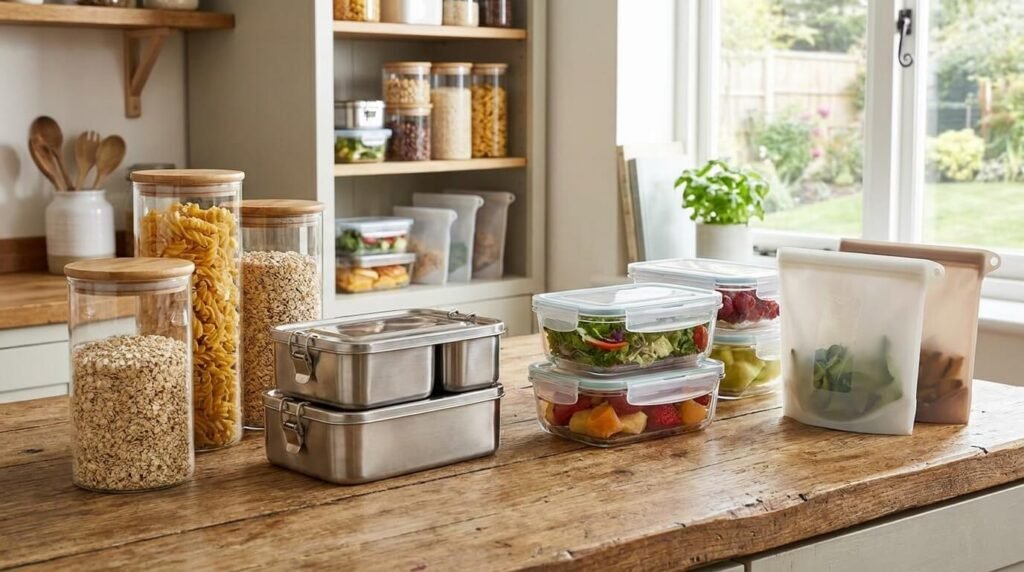
Food storage containers are reusable or disposable vessels designed to store, preserve, and transport food safely. They come in a wide range of materials: plastic, glass, stainless steel, and silicone, each suited to different storage conditions.
At their core, they serve one purpose: to protect food from air, moisture, bacteria, and contamination, helping maintain quality from the moment food is stored until it’s ready to eat.
The FDA regulates food-grade materials to ensure they meet safety standards for direct food contact.
Common Uses of Food Storage Containers
The everyday applications are broader than most people think. Leftovers need a reliable container that seals tightly and reheats cleanly.
Meal prep containers help portion and plan meals in advance, saving time throughout the week. Pantry organisation depends on airtight containers that keep cereals, grains, and dry goods fresh.
Freezer storage calls for containers that can withstand low temperatures without cracking. And for anyone packing lunch for work or school, a leakproof, portable container makes the difference between a fresh meal and a mess.
Main Types of Food Storage Containers
The five main types cover most household needs. Plastic food containers are the most common, lightweight, affordable, and available in dozens of sizes.
Glass food containers offer a non-porous, odour-resistant surface that’s ideal for reheating.
Stainless steel containers are tough, long-lasting, and completely plastic-free. Silicone food containers are flexible, collapsible, and freezer-friendly.
Vacuum-sealed containers, like those from FoodSaver, remove air to significantly extend shelf life, making them a strong option for long-term food preservation.
Best Materials for Food Storage Containers
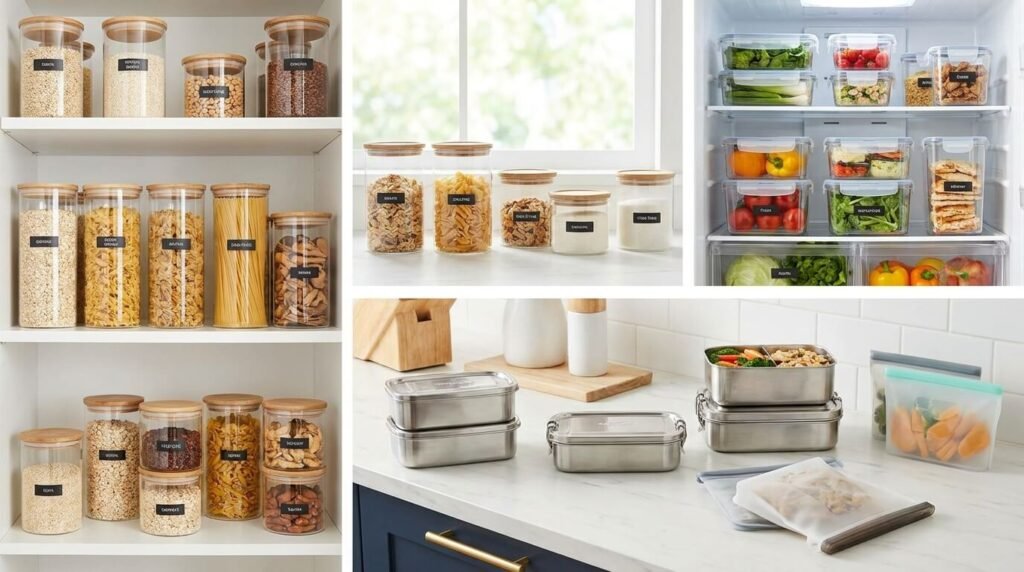
Plastic Food Storage Containers
Plastic remains the most widely used material for food storage, largely because it’s lightweight, inexpensive, and versatile. Brands like Tupperware have built entire product lines around durable, reusable plastic designed for daily kitchen use.
The most important factor when selecting plastic containers is ensuring they’re made from BPA-free, food-grade materials.
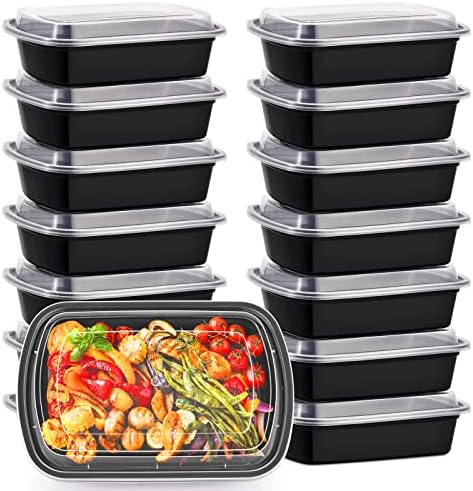
- ✅ MEAL PREPPING MADE EASY – Avoid the morning rush and plan out meals with our single-compartment meal prep container bu…
- ✅ HEAT-SAFE FOOD CONTAINERS WITH LIDS – These food prep containers can go from your fridge to your microwave for heating…
- ✅ CONVENIENT FREEZER CONTAINERS FOR FOOD – Each meal prep lunch box is freezer-safe. Use these plastic food storage cont…
Polypropylene (PP) and Tritan plastic from Eastman are among the safest options; both are certified as food-safe and resist cracking under normal use.
That said, not all plastic containers are microwave-safe, so always check the label before reheating.
Glass Food Storage Containers
Glass food containers have surged in popularity, and for good reason. Unlike plastic, glass is non-porous; it doesn’t absorb odours or stains from tomato-based sauces or strong spices.
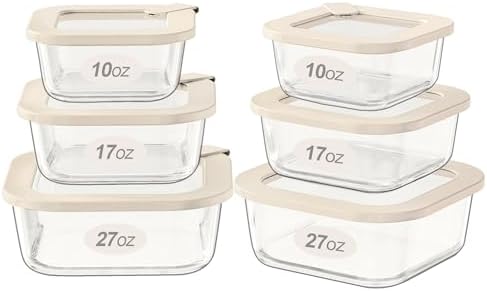
- ✅NEW DESIGN-GLASS& SILICONE LID CONTAINER IN SQUARE SHAPE: Our New Design Glass Lid is made of Durable Semi-Tempered Gla…
- ✅LEAK PROOF AIR VENT LID: Our new Plastic Free Food Storage is the best choice for daily life. Every piece of our food c…
- ✅MICROWAVE SAFE WITH AIR VENT GLASS LID ON: Our glass lid container is microwave safe with lid on, please make sure to l…
Pyrex, one of the most recognised names in glass storage, uses borosilicate glass and tempered glass that can move from the freezer to the oven without shattering. Glass containers are microwave-safe, dishwasher-safe, and hold up to heavy daily use.
The disadvantage is weight and the risk of breaking, but for households that prioritise safety and longevity, glass meal prep containers are hard to beat.
For a deeper study, see our guide on the difference between glass and plastic food storage containers.
Stainless Steel Containers
Stainless steel containers offer a plastic-free, metal-based alternative that resists dents, odours, and staining. They’re exceptionally durable — a quality set will outlast most plastic options by years.
Steel also doesn’t leach chemicals, making it a clean option for those with BPA concerns or sensitivities. The main limitation is that stainless steel is not microwave-safe, so reheating requires transferring food first.

- Quality Stainless Steel Material: crafted with stainless steel material, the metal bento box is built to last; It provid…
- Lockable Clips for Leak Proof: the metal lunch container is designed with lockable clips that firmly secures the lid in …
- Reusable and Dishware Safe: the stainless steel containers are dishwasher safe and reusable, making them ideal options f…
They’re best used for dry food storage, lunchboxes, and portable meal containers, especially in eco-conscious households looking to reduce plastic use.
Silicone Food Containers
Silicone food containers are the newest major category to gain traction. Brands like Stasher offer flexible, reusable silicone bags that collapse flat when empty, ideal for travellers and anyone short on cabinet space.

- Quantity: you will receive 8 pcs collapsible food containers with lids.
- Combination food storage containers : come with 4-size collapsible containers with the capacity of 12 oz, 17 oz, 27 oz a…
- Safe and Sturdy: these collapsible storage containers are made of food-grade silicone. temperature is rank from -4°F to …
Silicone is freezer-safe, oven-safe (up to certain temperatures), and free from BPA and other chemical concerns. The silicone seal on these containers keeps food fresh and prevents leaks.
They’re particularly popular as eco-friendly replacements for single-use Ziploc bags and work well for snacks, marinating, and meal prep storage.
Glass vs Plastic Food Storage Containers
Safety Comparison
From a food safety standpoint, glass has a natural advantage. It’s inert — meaning it doesn’t react with food or release chemicals under heat.
BPA-free plastic containers have narrowed this gap significantly, and food-grade plastics certified under FDA food contact standards are considered safe for regular use.
Still, older or damaged plastic containers may degrade over time, especially when exposed to heat, which can raise contamination risks.
For anyone particularly cautious about food contamination prevention, glass or stainless steel is the more conservative choice.
Durability and Longevity
Plastic is more resistant to accidental drops, but glass wins on long-term durability when handled with care. Quality tempered glass containers can last a decade or more without warping, staining, or absorbing odours.
Plastic, on the other hand, can warp under high heat, scratch over time, and eventually cloud or crack.
Stainless steel sits between the two — near-indestructible for daily use but not suited to all storage situations. When it comes to shelf life extension and repeated use, glass and steel typically outlast plastic.
Microwave and Freezer Performance
Microwave-safe containers must be clearly labelled, as not all plastics tolerate repeated microwave cycles without warping or releasing compounds.
Glass containers, particularly borosilicate glass like Pyrex, are among the best performers in both microwave and freezer environments.
Freezer-safe containers need to handle expansion without cracking; glass and BPA-free polypropylene both perform reliably.
Silicone is highly flexible and handles freezing without damage. Stainless steel handles freezing well, but cannot be microwaved, making it less versatile for reheating leftovers.
Weight and Portability
Weight is where plastic wins clearly. Plastic food containers are significantly lighter than glass, making them the practical choice for packed lunches, travel, and daily commuting.
Glass containers are heavier, which adds up quickly if you’re packing multiple meals. Silicone food containers strike a middle ground — they’re light and collapse down for easy transport.
For anyone carrying meals regularly, a lightweight BPA-free plastic or silicone container offers portability without sacrificing food safety.
Which Material Is Better for Everyday Use?
There’s no single winner; it depends on how you use them. For reheating leftovers and pantry storage, glass food containers are the most practical all-rounder.
For packed lunches and on-the-go meals, leakproof plastic or silicone containers offer the right balance of weight and durability.
For bulk dry food storage and pantry organisation, airtight plastic or glass containers with snap-lock lids work best.
Many households use a combination: glass for home storage and reheating, plastic or silicone for portability and meal prep containers.
Are Food Storage Containers Safe?
BPA-Free and Food-Grade Materials
BPA (bisphenol-A) is a chemical once widely used in plastics that raised significant consumer concern over its potential health effects.
Today, most reputable brands market their products as BPA-free, using alternative materials like polypropylene or Tritan plastic.
The FDA regulates food contact materials in the US, and products certified as food-grade must meet strict standards for safety.
When shopping, look for BPA-free containers made from food-grade plastic, borosilicate glass, or food-safe silicone to ensure you’re storing food in materials approved for direct contact.
Microwave Safety
Microwave-safe labelling means a container won’t melt or warp during standard microwave use, but it doesn’t mean it’s heatproof forever. Repeated high-temperature microwave cycles can degrade plastic over time.
Glass containers are the most reliable option for microwaving, as they withstand heat without releasing compounds into food.
If using plastic, always use containers explicitly marked microwave-safe, avoid heating fatty or oily foods in plastic, and never microwave containers that are scratched, stained, or damaged, as those are signs the material may be compromised.
Freezer Safety Considerations
Freezer-safe containers are designed to withstand the contraction and expansion that comes with freezing temperatures. Not all containers qualify — thin plastic containers can become brittle and crack, causing freezer burn and contamination.
Look for containers explicitly rated for freezer use. Glass works well if it’s tempered or borosilicate, though it should be filled with space at the top to allow for liquid expansion.
Silicone handles freezing exceptionally well due to its flexibility. Proper freezer storage also prevents moisture loss, keeping food quality intact over longer periods.
Lead and Chemical Concerns
Concerns around lead in older ceramic containers and chemical leaching in low-quality plastics are legitimate, though less common with modern, reputable products.
The real risk comes from purchasing cheap, unregulated containers that haven’t been tested to FDA food contact standards. Vintage or imported ceramics without safety certification may contain lead-based glazes.
When in doubt, stick to clearly labelled food-grade materials from established brands. Borosilicate glass and stainless steel carry essentially zero chemical concern, making them the safest options for households with specific health sensitivities.
How to Avoid Food Contamination
Food contamination prevention starts with proper container selection and maintenance. Always use food-grade materials, avoid containers with visible cracks or chips, and never reuse disposable containers designed for single use.
Wash containers thoroughly after each use. Dishwasher-safe containers simplify this step significantly. Airtight seals help reduce bacteria exposure by limiting air exchange.
Labelling stored food with dates supports expiration tracking and prevents eating food past its safe window. Keeping containers clean, dry, and sealed is the most reliable line of defence against contamination.
Best Food Storage Containers for Different Needs
Best Containers for Meal Prep
Meal prep containers need to be durable, stackable, and easy to portion. Glass meal prep containers from brands like Pyrex are a top pick — they go straight from the fridge to the microwave without transferring food.
For those who prefer plastic, BPA-free polypropylene containers with airtight lids from PrepNaturals are popular in the meal prep community for their consistent sizing and leakproof performance.
The ideal meal prep container is microwave-safe, dishwasher-safe, and transparent so you can see what’s inside without opening every lid.
Best Containers for Freezer Storage
Freezer storage demands containers that seal tightly and resist cracking at low temperatures. Pyrex glass containers with snap-lock lids are a reliable choice, as are heavy-duty BPA-free plastic containers designed specifically for freezer use.
For flexible freezer storage, Stasher silicone bags are excellent — they lay flat, save space, and preserve food without the risk of freezer burn.
Vacuum-sealed containers from FoodSaver take it further by removing air entirely, which preserves frozen food significantly longer and reduces ice crystal formation.
Best Airtight Pantry Containers
For pantry organisation, airtight containers are non-negotiable. OXO POP Containers are widely regarded as among the best for dry food storage — their push-button mechanism creates a reliable airtight seal that keeps cereals, grains, pasta, and snacks fresh.
Snapware also produces excellent pantry containers with snap-lock lids that stack cleanly and seal tightly.
The best pantry containers are transparent or semi-transparent, making it easy to identify contents at a glance, and they fit together in a modular storage system that maximises shelf space.
Best Leak-Proof Lunch Containers
For packed lunches, leakproof containers are essential. Rubbermaid’s Brilliance line uses a multi-point locking lid with a silicone seal that genuinely prevents spills, even with saucy or liquid-heavy meals.
Bentgo offers bento box-style lunch containers with built-in compartments that separate food without mixing flavours. These are ideal for kids and portion-conscious adults alike.
Look for containers with a secure snap-lock lid, a silicone gasket, and a design that’s slim enough to fit comfortably in a lunch bag or backpack.
Best Containers for Kids and Families
Families need containers that are durable, easy to open, and absolutely leakproof. Bentgo Kids boxes are a standout — colourful, BPA-free, and designed with compartments that make portioning easy.
For home use, a complete storage container set from Rubbermaid or Snapware covers the range of sizes a family needs, from small snack containers to large batch-cooking containers.
Look for dishwasher-safe options to keep cleaning manageable, and stick to BPA-free food-grade plastics or glass to keep food safety concerns firmly off the table.
Features to Look for in Food Storage Containers
Airtight and Leak-Proof Lids
The lid is arguably the most important part of any food storage container. An airtight seal prevents air and moisture from entering, which directly affects freshness preservation and food spoilage prevention.
Snap-lock lids, like those used by Snapware, use multiple locking clips that create a tight, reliable seal. A silicone seal or gasket inside the lid further improves the airtight and leakproof performance.
For liquids and saucy foods, this feature isn’t optional; it’s the difference between a usable container and a mess in your bag or refrigerator.
Stackability and Space Saving
Stackable containers transform how much space a kitchen can reclaim. OXO POP and Rubbermaid both design containers that nest and stack cleanly, making pantry organisation and refrigerator organisation significantly easier.
A well-designed modular storage system uses uniform heights and widths so containers sit flush without tipping.
Nesting containers, those that fit inside one another when empty, are especially useful for small kitchens where cabinet space is limited. Before purchasing a set, check that the containers stack stably both when full and when empty.
Heat and Stain Resistance
Heat resistance determines where a container can safely go — microwave, oven, dishwasher, or only the fridge. Glass containers, especially borosilicate, offer the broadest heat range.
Stain resistance is a daily practical concern: plastic containers can absorb colour from tomato, turmeric, and other strong foods, making them look old quickly.
Glass and stainless steel resist staining far better. Tritan plastic from Eastman is among the better stain-resistant plastic options.
If you cook with bold, colourful sauces regularly, a glass or steel container protects against cosmetic degradation and odour absorption over time.
Portion Control and Compartments
Portion control containers help people manage meal sizes without needing a kitchen scale. Containers with pre-measured sizes or built-in compartments support portion management and healthy eating habits, especially for those following structured meal plans.
Bento box designs like Bentgo separate proteins, carbs, and sides in one container without mixing.
For meal planning, a set of consistently sized meal prep containers makes it easy to batch cook and store individual meals with accurate portions, supporting both dietary goals and reducing the temptation to overeat.
Easy Cleaning and Dishwasher Safety
Dishwasher-safe containers dramatically simplify kitchen hygiene. Most glass and stainless steel containers are top-rack dishwasher-safe, and many BPA-free plastics tolerate dishwasher cleaning well.
The concern with dishwashing plastic is repeated high-heat exposure, which can accelerate material degradation over time. Hand-washing plastic containers with warm water and mild detergent extends their lifespan.
Silicone food containers and bags are fully dishwasher-safe without degradation concerns.
Whatever the material, containers with wide openings and smooth interiors are far easier to clean thoroughly, reducing the risk of bacterial buildup in corners or grooves.
How to Organise Food Storage Containers
Kitchen Cabinet Organisation Tips
Kitchen organisation starts with grouping containers by size and type.
Store lids separately in a dedicated lid organiser or small bin to avoid the frustrating hunt through mismatched pieces. Use stackable containers that nest cleanly to maximise vertical space inside cabinets.
Place frequently used containers at eye level and batch-cooking sizes on higher or lower shelves.
A modular storage system where every container in the set shares the same footprint makes this considerably easier. Clear or labelled containers on open shelves also double as a practical kitchen organisation display.
Matching Lids and Containers
Mismatched lids are one of the most common kitchen frustrations. The fix is simple: only buy container sets where lids are interchangeable across multiple container sizes, or sets that use a standardised lid design.
OXO and Rubbermaid both offer sets engineered this way. Another practical approach is to store containers with their lids attached, which takes more space but eliminates the matching problem.
Establishing a labelling system for non-interchangeable lids — even a small dot of colour-coded tape — can save significant time during busy meal prep sessions.
Storing Containers Efficiently
Efficient storage comes down to nesting and uniformity.
Containers that stack or nest inside each other when empty take up a fraction of the space.
Keep sets together rather than mixing brands, since different manufacturers rarely design containers to nest with each other.
For pantry containers, arrange them on shelves using the FIFO storage method — first in, first out — so older stored goods get used before newer ones.
This reduces food waste, supports expiration tracking, and keeps the pantry genuinely useful rather than a place where things go to be forgotten.
Preventing Odors and Stains
Glass containers resist odour absorption far better than plastic, but both benefit from prompt washing after use.
For plastic containers that have taken on smells from garlic, onions, or fish, fill them with a baking soda and water solution and leave overnight before washing.
Sunlight can also help neutralise plastic odour. Avoid storing strongly pigmented foods — curries, tomato sauces — in plastic long-term if stain resistance matters to you.
For persistent stains, a diluted bleach rinse or a baking soda paste can help restore clarity without damaging the container material.
How Long Do Food Storage Containers Last?
Lifespan of Plastic Containers
Quality BPA-free plastic containers from brands like Tupperware or Rubbermaid typically last between five and ten years with proper care.
The lifespan shortens considerably with frequent high-heat dishwasher cycles, microwave use, and rough handling.
Scratched surfaces are a signal to replace containers, as they can harbour bacteria and indicate material degradation. Polypropylene containers generally hold up better than thinner plastics.
With moderate daily use and proper hand-washing, a good-quality plastic container can be a reliable kitchen companion for several years before showing meaningful wear.
Lifespan of Glass Containers
Glass food containers, particularly those made from borosilicate or tempered glass, can last a decade or more with normal use.
Glass doesn’t warp, doesn’t stain permanently, and doesn’t absorb odours, all factors that extend its useful life significantly. The primary risk is breakage from drops or thermal shock.
Avoid placing glass directly from the freezer into a hot oven without allowing it to reach room temperature first, unless it’s specifically rated for that transition.
Chips around the rim or edges are a sign to replace the container, as these can worsen and create safety hazards during use.
Signs Containers Should Be Replaced
Several clear signals indicate it’s time to retire a container. Deep scratches or grooves in plastic are difficult to clean properly and can trap bacteria.
Warping from heat exposure means lids no longer seal correctly, compromising freshness preservation. Persistent odours that don’t wash out suggest the material has absorbed food compounds beyond recovery.
Cracked or chipped glass is a safety hazard. Lids that no longer snap or lock securely defeat the purpose of an airtight container.
When any of these signs appear, replacement is the right call; reusing compromised containers risks both food safety and kitchen hygiene.
Preventing Cracks and Warping
Extending container life comes down to respecting material limits. Never put cold glass directly under a broiler or into a hot oven unless it’s oven-rated.
Don’t microwave containers not designed for it the heat causes warping in plastic and can crack glass with uneven heating.
Allow containers to cool before placing them in the freezer.
Avoid dishwashing plastic containers at the highest heat settings; the top rack and a lower temperature cycle are kinder to the material.
With reasonable care, preventing cracks and warping is mostly about staying within the manufacturer’s stated temperature range.
Common Myths About Food Storage Containers
“All Plastic Containers Are Unsafe”
This is an overstatement. Not all plastic is created equal. BPA-free containers made from food-grade polypropylene or Tritan plastic are certified as safe for food contact under FDA food contact standards.
The concern largely centres on older plastics or low-quality, unregulated products. Modern BPA-free plastics from established brands have undergone safety testing and are widely used without evidence of harm under normal conditions.
The key is choosing certified, food-grade materials and not reusing single-use plastics or heavily damaged containers where chemical integrity may be compromised.
“Glass Containers Never Break”
Glass is durable, but it absolutely can and does break. Tempered glass and borosilicate glass resist shattering better than ordinary glass, but they’re not indestructible.
Dropping a glass container onto a hard floor or subjecting it to rapid temperature changes, like placing a frozen container directly onto a hot burner, can cause it to crack or shatter.
The advantage of quality glass containers is that they’re significantly more resistant to everyday stress than cheap glass.
Handle them with normal care, avoid thermal shock, and they’ll serve reliably for years. Just don’t confuse “durable” with “unbreakable.”
“Microwave-Safe Means Heatproof Forever”
Microwave-safe certification means a container won’t melt or cause obvious damage during standard use, but it doesn’t guarantee the material holds up indefinitely.
Repeated microwave cycles gradually stress plastic containers, accelerating material fatigue even in BPA-free products. With glass containers, the rating is more durable, but lids with silicone seals may wear over time.
The practical takeaway: microwave-safe is a starting condition, not a permanent guarantee.
Inspect containers regularly, replace any showing signs of warping or discolouration from heat, and never push a container beyond its stated temperature rating.
“Cheap Containers Work the Same as Premium Ones”
Price does reflect genuine differences in material quality, seal performance, and longevity.
Budget containers often use thinner plastics that warp quickly, lids that lose their seal after a few months, and materials not properly tested to food-grade standards.
Premium containers from Rubbermaid, Pyrex, OXO, or Tupperware cost more upfront but deliver better airtight seals, longer lifespans, and more reliable food safety.
Over time, repeatedly replacing cheap containers often costs more than investing in a quality set from the start. When food freshness, contamination prevention, and durability matter, the quality difference is real.
Frequently Asked Questions (FAQ)
What Are the Safest Food Storage Containers?
The safest food storage containers are made from non-reactive, food-grade materials. Borosilicate glass used by brands like Pyrex is widely considered the safest option, as it doesn’t leach chemicals and resists odour and stain absorption.
Stainless steel is equally safe and chemical-free. For plastic, BPA-free containers made from certified food-grade polypropylene or Tritan are the safest plastic options available.
Avoid containers without safety certification, old plastics with recycling codes 3, 6, or 7 (which may still contain BPA or similar chemicals), and visibly damaged containers of any material.
Is Glass Better Than Plastic for Food Storage?
In most home kitchen applications, glass food containers outperform plastic on safety, longevity, and odour resistance.
Glass is non-porous, doesn’t absorb smells or flavours, and handles microwave and oven use with more reliability.
That said, plastic wins on portability and cost. For refrigerator and microwave storage, glass is the stronger choice. For packed lunches, travel, and portability, BPA-free plastic or silicone containers are more practical.
Most households benefit from using both — glass at home, plastic or silicone on the go.
Are BPA-Free Containers Safe?
Yes — BPA-free containers made from certified food-grade materials are considered safe for regular food storage use. The FDA has reviewed BPA alternatives used in modern containers and found them safe at levels encountered in normal use.
However, “BPA-free” alone isn’t a complete safety guarantee; the replacement materials still need to be food-grade certified.
Look for containers that specifically state they meet FDA food contact standards, are made from polypropylene or Tritan, and come from established brands with transparent manufacturing practices.
Used correctly, BPA-free containers are a practical and safe everyday option.
Can Food Storage Containers Go in the Microwave?
Only containers explicitly labelled microwave-safe should go in the microwave.
Glass containers and microwave-safe plastics are generally fine for standard reheating. Always remove lids or crack them slightly to allow steam to vent — many lids with a lid vent are designed specifically for this.
Never microwave containers that aren’t labelled for it, including most stainless steel containers, which can spark or overheat.
If using plastic, avoid microwaving fatty foods in plastic at high heat, even in microwave-safe containers, as high temperatures can accelerate chemical interaction with fats.
What Containers Keep Food Fresh the Longest?
Vacuum-sealed containers keep food fresh the longest by removing oxygen, the primary driver of food spoilage. FoodSaver vacuum storage systems can extend refrigerator and freezer shelf life by two to five times compared to standard containers.
For non-vacuum options, airtight containers with a silicone seal and snap-lock lid — like OXO POP for pantry storage or Pyrex with locking lids for refrigerator use — are among the best at freshness preservation.
The combination of airtight sealing, the right material, and proper refrigerator or freezer temperature extends shelf life significantly.
How Often Should Food Containers Be Replaced?
There’s no fixed schedule, but there are clear signals. Replace plastic containers every five to ten years under normal use, or sooner if scratched, warped, or permanently stained.
Glass containers can last indefinitely unless chipped or cracked. Silicone containers are highly durable but should be replaced if they develop tears or persistent odours.
Lids often wear out before the container itself. Inspect the seal or gasket regularly and replace it if it no longer creates a snug fit.
Regular inspection matters more than a fixed timeline: if a container no longer seals, stores safely, or cleans properly, it’s time for a replacement.
Conclusion
Food storage containers do more than hold leftovers; they protect food quality, support kitchen organisation, and play a direct role in household food safety.
From airtight pantry containers to freezer-safe glass and leakproof lunch boxes, the right container for each purpose makes a measurable difference in how long food stays fresh and how easily your kitchen runs day to day.
Key Buyer Takeaways
Material choice matters more than most buyers initially realise. Glass and stainless steel offer the safest, most durable long-term options, while BPA-free plastic and silicone provide lightweight, affordable versatility.
Airtight seals and reusable containers deliver the best value over time — both financially and in terms of food waste reduction. Investing in quality upfront consistently outperforms replacing cheap containers repeatedly.
Final Recommendation
Choose containers made from food-grade, BPA-free materials suited to how you actually cook and store food. Prioritise airtight, leakproof lids, and select container sizes and types that match your meal prep habits and kitchen space.
Whether glass, plastic, silicone, or steel, reusable, well-sealed containers are the most practical investment for a safer, more organised kitchen.
About the Author & Reviewer
Sarah Emirone, Author
Sarah researches and writes SafeKitchn’s dinnerware and kitchenware guides, with a focus on material safety, lead content, and manufacturer specifications. She cross-references product data sheets, safety certifications, and regulatory filings (including FDA and Prop 65 records) before publishing, and updates articles when new information becomes available.
James Daniels, Reviewer
James reviews SafeKitchn’s material safety content for scientific accuracy. He holds a B.Sc in inorganic chemistry and works as a materials researcher, with particular focus on the composition and safety behavior of glass, ceramic, and metal used in kitchenware.