Mason jars are kitchen staples for canning, storage, and serving, but their heat resistance has limits that many users misunderstand.
While these iconic glass containers handle certain heat applications safely, they’re not designed for all high-temperature uses.
Understanding the difference between annealed glass construction and true heat-resistant materials prevents dangerous breakage and potential injuries.
Many people assume Mason jars can withstand any heat source, leading to cracked jars, ruined food, and safety hazards.
This comprehensive guide examines Mason jar heat tolerance, safe temperature ranges, and proper usage scenarios.
Learn when Mason jars are appropriate for heat exposure and when you should choose alternatives for your kitchen needs.
Are Mason Jars Actually Heat Resistant?
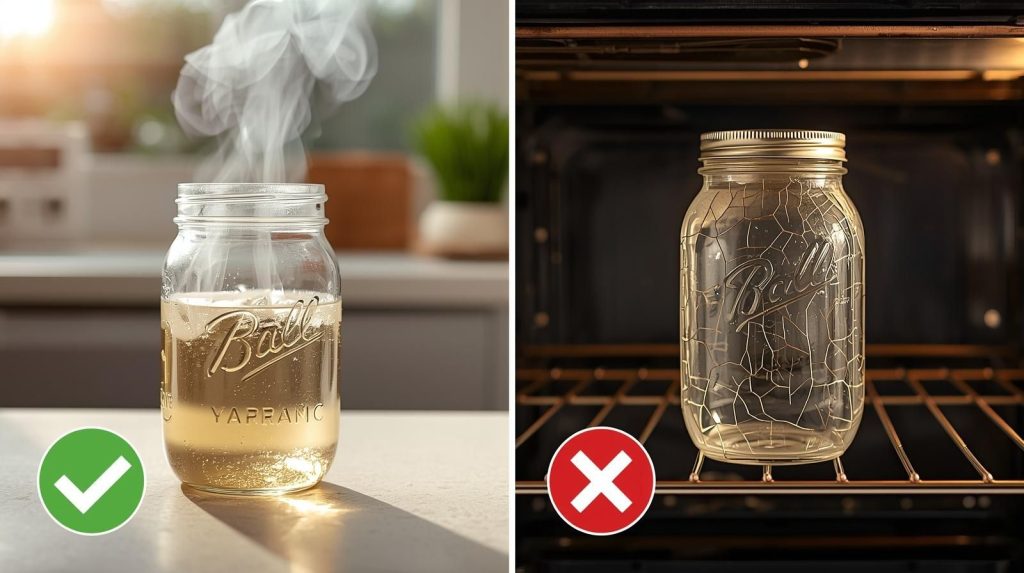
Mason jars possess limited heat resistance suitable for specific applications, but not universal high-heat use.
Mason jars are made of annealed glass, not tempered glass
Annealed glass undergoes a slow cooling process during manufacturing that relieves internal stress.
This makes Mason jars durable for everyday use, but leaves them vulnerable to sudden temperature changes.
Tempered glass, by contrast, is heat-treated to withstand thermal shock better.
The annealing process prioritizes affordability and adequate strength for canning rather than maximum heat resistance.
What does heat resistance mean for glass?
Heat resistance refers to glass’s ability to withstand temperature changes without cracking or shattering.
For Mason jars, this means they tolerate gradual temperature increases within specific ranges.
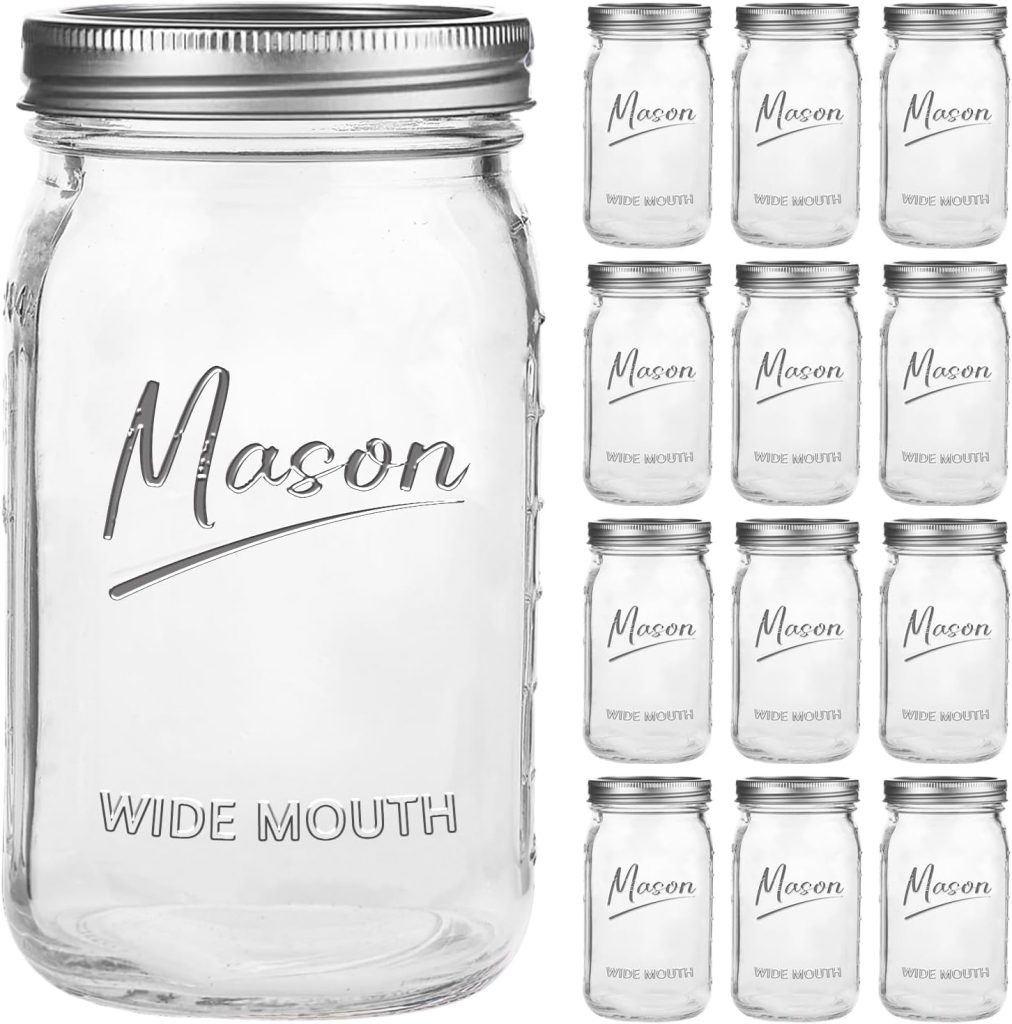
The glass composition and thickness determine safe temperature limits.
True heat-resistant glass maintains structural integrity across wide temperature swings, while Mason jars require careful temperature management.
Why Mason jars are not designed for high dry heat
Mason jars are engineered for water bath canning, where liquid surrounds the jar, distributing heat evenly.
Dry oven heat creates uneven temperature distribution across the glass surface, causing stress points.
The direct radiant heat from oven elements exceeds the jar’s thermal tolerance.
Manufacturers specifically warn against oven use because the glass lacks the composition needed for dry, concentrated heat exposure.
Understanding What Mason Jars Are Made Of
The material composition of Mason jars explains their heat limitations and proper applications.
Annealed soda-lime glass
Soda-lime glass comprises approximately 70% silica, 15% sodium oxide, and 10% calcium oxide.
This formula creates affordable, clear glass suitable for food storage and canning. The annealing process slowly cools molten glass to remove internal stress.
While this produces stable jars for normal use, soda-lime glass has lower thermal resistance than specialty glass formulations.
Not the same as borosilicate glass (like vintage Pyrex)
Borosilicate glass contains boron trioxide, giving it superior thermal shock resistance compared to soda-lime glass.
Vintage Pyrex used a borosilicate formulation, allowing safe oven-to-freezer transitions. Mason jars lack this composition, making them far more susceptible to temperature-induced stress.
The coefficient of thermal expansion differs significantly between these glass types, explaining why borosilicate handles heat changes that would shatter Mason jars.
Glass expansion under heat
All glass expands when heated and contracts when cooled. Soda-lime glass has a higher expansion coefficient than borosilicate glass.
When heat is applied unevenly to a Mason jar, different sections expand at different rates.
This creates internal tension that can exceed the glass’s strength, causing cracks or complete failure.
Why do Mason jars crack more easily under uneven heating
Uneven heating creates temperature gradients within the glass structure. The heated section expands while cooler areas remain contracted, generating stress at the boundary.
Mason jar walls are relatively thin compared to dedicated bakeware, amplifying this vulnerability.
Understanding thermal shock in glassware helps explain why sudden temperature changes are particularly dangerous for annealed soda-lime glass, such as Mason jars.
Can You Put Mason Jars in the Oven?
Oven use presents significant risks that outweigh any perceived convenience of baking in Mason jars.
Manufacturers say no
Ball, Kerr, and other major Mason jar manufacturers explicitly state their products are not oven-safe.
This warning appears in product documentation and safety guidelines. The companies test their jars solely for canning purposes.
Using jars in ovens voids any warranty and places users at risk of injury from glass failure.
High risk of cracking or exploding
Oven temperatures typically range from 300°F to 500°F, far exceeding Mason jar safety limits.
The dry heat causes rapid, uneven expansion that glass cannot accommodate.
Jars may appear fine initially, but can fail catastrophically mid-baking.
Exploding glass poses serious injury risks, including cuts from flying shards and burns from released contents.
Dry oven heat ≠ , wet canning heat
Water bath canning surrounds jars with boiling water at 212°F, heating them gradually and evenly.
Oven heat hits jars directly through radiation and convection without the buffering effect of liquid.
This fundamental difference makes canning-safe jars oven-dangerous. The moisture in canning also prevents hot spots that develop during dry heating.
Scenarios where people try using them as baking vessels
Pinterest-style recipes often feature individual desserts or layered dishes baked in Mason jars.
While photogenic, these recipes risk glass breakage. Some users attempt bread baking, pot pies, or casseroles in jars.
The aesthetic appeal doesn’t justify the safety hazard, especially when proper ramekins or baking dishes cost similarly.
Can Mason Jars Go in the Microwave?
Microwave heating presents a moderate risk when proper precautions are followed carefully.
Microwave-safe for heating liquids (with precautions)
Mason jars can microwave-heat liquids like soup or beverages if you follow safety guidelines.
Use short heating intervals of 30-60 seconds with stirring between cycles. This distributes heat evenly and prevents superheating.
Always leave the lid off and remove metal bands completely. Check our heat-resistant kitchenware guide for more microwave-safe container options.
Risk increases if the jar is cold, chipped, or tightly sealed
Cold jars from the refrigerator face greater thermal shock when microwaved.
Chips or cracks create weak points where stress concentrates, increasing failure risk.
Sealed containers build dangerous pressure as contents heat. Even slightly damaged jars should never be microwaved.
Allow refrigerated jars to reach room temperature before heating.
Never microwave with the lid on
Metal lids cause dangerous sparking and potential fire in microwaves. Even with lids removed, the metal screw bands should not be present.
Plastic storage lids may warp or melt, releasing chemicals into food. Leave jars uncovered or use microwave-safe covers with venting.
Pressure buildup from sealed heating can cause explosive jar failure.
Can You Pour Boiling Water Into a Mason Jar?
Proper technique allows safe use of boiling water in Mason jars for canning purposes.
Yes—if the jar is warmed first
Pre-warming jars before adding boiling liquid prevents thermal shock. Place jars in warm water and gradually increase the temperature.
This prepares the glass for hot contents without sudden stress. Most canning recipes include jar-warming steps as standard procedure.
The gradual temperature increase allows uniform glass expansion.
Rapid temperature shock – breakage risk
Pouring boiling water directly into a cold jar creates instant thermal stress. The interior surface heats and expands rapidly while the exterior remains cool.
This temperature differential exceeds the glass’s stress tolerance, causing cracks or complete shattering.
The sudden failure can splash boiling liquid, causing burns.
Correct way to pre-warm jars
Place clean jars in a large pot of warm water over medium heat. Bring water to a simmer (180°F) and maintain the temperature until ready to fill.
Alternatively, run jars under increasingly hot tap water for several minutes.
Keep jars in hot water until immediately before filling.
This process ensures even warming throughout the glass structure.
Can Mason Jars Handle Freezer-to-Heat or Heat-to-Freezer?
Extreme temperature transitions create dangerous conditions that Mason jars cannot safely withstand.
Absolutely not
Moving Mason jars directly from the freezer to the heat source guarantees thermal shock.
The massive temperature differential causes immediate stress fractures or explosive failure.
Similarly, transferring hot jars to cold environments risks shattering. These transitions create thermal stress far beyond the glass’s design limits.
No gradual warming can adequately prepare frozen glass for sudden heating.
Frozen jars – cracking when heated
Frozen glass is contracted to its smallest dimensions. Applying heat causes rapid expansion starting at the heat source.
The frozen sections remain rigid while heated areas expand, creating unbearable internal tension.
Cracks typically form within seconds of heat application. Even microwave heating on low power cannot safely warm frozen Mason jars.
Hot jars – shatter in cold environments
Hot jars placed in freezers or cold water experience rapid contraction. The exterior cools and contracts faster than the interior, creating reverse thermal stress.
The resulting tension often causes immediate catastrophic failure. Additionally, liquid contents expanding during freezing can crack jars even when cooled properly.
Always allow jars to reach room temperature naturally before freezing.
Why pressure differences matter
Temperature changes create pressure variations inside sealed containers. Heating increases internal pressure as contents expand and gases volatilize.
Rapid cooling creates negative pressure or vacuum effects. These pressure changes compound the stress from thermal expansion and contraction.
The combination often exceeds the jar’s structural capacity, leading to failure.
Temperature Limits for Mason Jars
Understanding specific temperature ranges helps users avoid dangerous situations.
Typical safe range: -20°C to ~100°C (-4°F to 212°F)
Mason jars safely store frozen foods at 0°F when properly prepared with headspace. They handle boiling water at 212°F during water bath canning.
This range represents gradual temperature changes with proper preparation.
Sudden exposure to temperature extremes within this range still poses risks. Always transition slowly between temperatures.
Not safe for oven temperatures (350°F+)
Oven baking temperatures start around 325°F and commonly reach 350°F to 450°F. These temperatures far exceed Mason jar capabilities.
Even lower warming temperatures of 200°F risk failure due to dry heat exposure. The combination of high temperature and uneven heating makes ovens particularly dangerous.
Pressure canning at 240°F works because water and steam distribute heat evenly.
Why is dry heat more damaging than wet heat?
Liquid transfers heat more uniformly than air, reducing temperature gradients across glass surfaces.
Water bath canning keeps all jar surfaces at approximately the same temperature.
Dry oven heat creates hot spots where radiant energy strikes directly. Air’s poor thermal conductivity means temperature distributes slowly and unevenly.
This uneven heating creates the stress concentrations that crack jars.
Signs Your Mason Jar Should Not Be Heated
Recognizing damaged jars prevents dangerous failures during heating.
Chips or cracks
Any visible damage compromises structural integrity significantly. Chips along the rim create stress concentration points.
Hairline cracks propagate rapidly under thermal stress. Even tiny chips invisible to casual inspection can cause failure.
Inspect jars carefully before each use, discarding any with defects.
Cloudy glass (stress)
Cloudiness often indicates previous stress or micro-cracking within the glass structure.
This stress-induced haze shows the material has already been compromised. Previously stressed glass has reduced capacity to handle additional thermal loads.
Cloudiness from mineral deposits is less concerning than actual glass stress indicators.
Sudden sound changes when tapped
Clear glass jars produce a bright ringing tone when tapped gently.
Cracked or stressed jars create dull, flat sounds indicating structural compromise.
This acoustic test reveals internal damage before visible signs appear. Compare suspicious jars to known-good jars for reference.
Any tonal difference suggests the jar should be retired from heating uses.
Vintage jars with unknown history
Old jars may have invisible stress from repeated heating cycles or impacts. Manufacturing standards and glass quality varied historically.
Some vintage jars contain lead or other concerning materials. Without knowing the jar’s exposure history, heating risks increase substantially.
Many people verify mason jars ‘ non-toxic status before using vintage pieces for food storage or heating.
Safer Alternatives for High-Heat Use
Proper heat-resistant containers eliminate risks associated with Mason jars in demanding applications.
Borosilicate glass (Pyrex-style bakeware)
Borosilicate glass withstands oven temperatures up to 500°F safely. The material handles thermal shock significantly better than soda-lime glass.
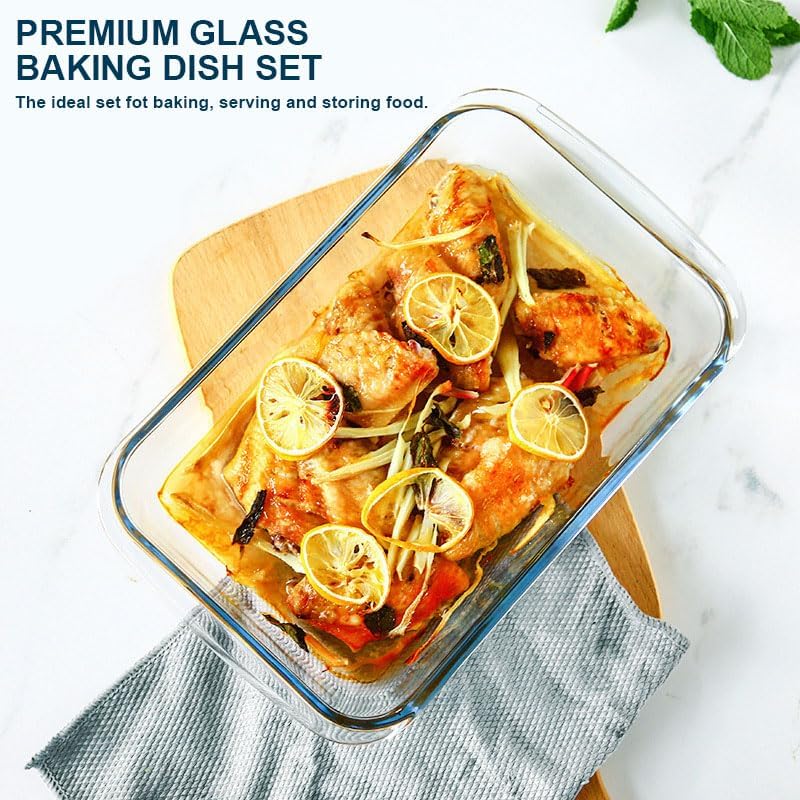
Modern Pyrex uses tempered soda-lime glass, while true borosilicate (labeled as such) offers superior performance.
These containers are specifically designed and tested for oven use.
Ceramic ramekins
Ceramic ramekins handle oven, microwave, and broiler temperatures without issue. The material distributes heat evenly and resists thermal shock.
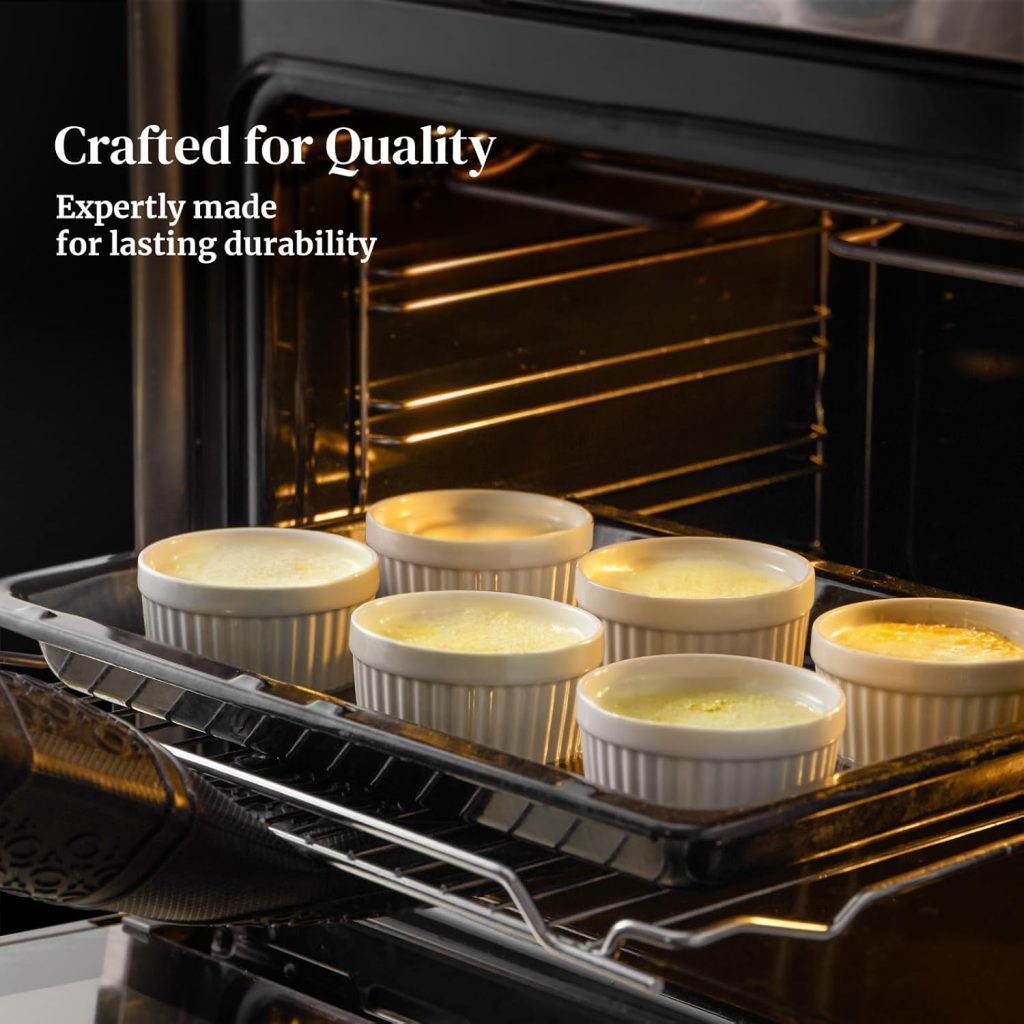
Available in various sizes for individual portions. Many are dishwasher safe and aesthetically pleasing for serving.
The thicker walls provide better insulation than thin glass jars.
Stoneware crocks
Stoneware tolerates extreme temperatures and provides excellent heat retention.
The material is virtually immune to thermal shock when properly manufactured. Ideal for slow cooking, baking, and serving applications.
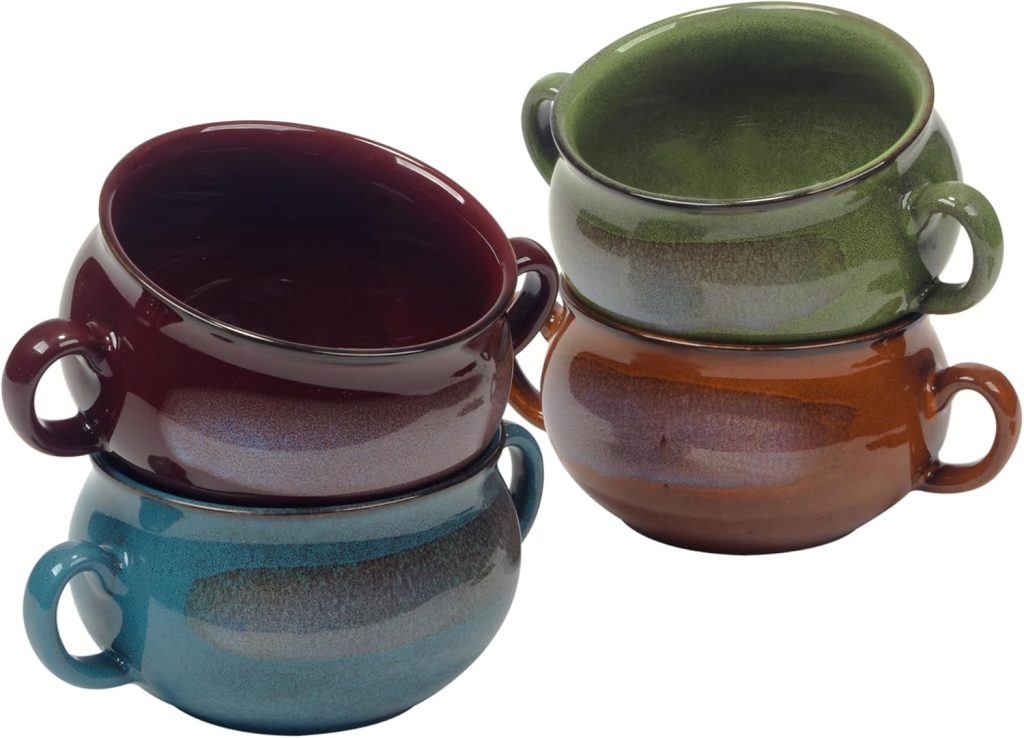
Stoneware’s weight and thickness make it stable and durable. Most stoneware is safe from freezer to oven when used correctly.
Stainless steel containers
Stainless steel is completely unbreakable and handles all temperature extremes. Safe for oven, freezer, and stovetop use.
The material doesn’t retain odors or stains. While not microwave-safe, stainless steel offers unmatched versatility otherwise.
Particularly excellent for storage and reheating on stovetops.
Best Uses for Mason Jars (Safe Applications Only)
Mason jars excel in specific applications where their properties match the requirements.
Water bath canning
This is the primary design purpose of Mason jars. Water bath canning preserves high-acid foods like jams, pickles, and tomatoes.
The process keeps jars submerged in boiling water, ensuring even heating.
Proper sealing creates shelf-stable preserved foods. Always follow tested canning recipes and procedures for food safety.
Refrigerator storage
Mason jars work excellently for refrigerated storage of prepared foods, leftovers, and ingredients.
The glass doesn’t absorb odors or stains. Clear jars allow easy content identification. Various sizes accommodate different storage needs.
Ensure jars cool to room temperature before refrigerating hot foods.
Dry goods storage
Pantry staples like flour, sugar, rice, beans, and pasta store well in Mason jars. The airtight seal prevents moisture and pest infiltration.
Glass doesn’t leach chemicals into dry foods. The clear material makes inventory management simple. Jars stack efficiently for organized storage.
Serving cold beverages
Mason jars have become popular drinking vessels for water, iced tea, smoothies, and cocktails.
The wide mouth accommodates ice and straws easily. The nostalgic aesthetic appeals to many users. Jars are sturdy enough for everyday use.
Choose plastic storage lids for drinking applications instead of metal canning lids.
Microwave reheating (with caution)
Gentle microwave reheating works when following proper protocols. Use only for liquids and soft foods that heat evenly.
Remove all metal components completely. Heat in short intervals with stirring between cycles. Never microwave frozen or cold jars directly.
Allow contents to cool slightly before handling hot jars.
FAQs — Are Mason Jars Heat-Resistant?
Can Mason jars explode from heat?
Yes, Mason jars can explode when exposed to temperatures exceeding their safe range or rapid temperature changes.
Oven heat, direct stovetop flames, or extreme thermal shock cause catastrophic failure.
The explosion sends sharp glass fragments and hot contents outward, creating a serious injury risk.
Why did my Mason jar crack when I microwaved it?
Microwaving cold jars creates thermal shock as the interior heats rapidly while the exterior remains cool.
Uneven heating from thick contents or high power settings causes stress fractures. Chips, cracks, or previous damage reduce the jar’s ability to handle thermal stress, leading to failure during heating.
Can I bake in a Mason jar?
No, manufacturers explicitly prohibit oven use for Mason jars. Oven temperatures exceed safe limits for annealed soda-lime glass.
Dry oven heat distributes unevenly, creating dangerous stress concentrations.
Use proper bakeware like ceramic ramekins or borosilicate glass instead of risking jar failure and potential injury.
How to prevent thermal shock?
Always warm jars gradually before adding hot contents by placing them in warm water first. Never move jars from extreme cold to heat or vice versa.
Allow frozen jars to thaw completely at room temperature. When microwaving, use short intervals and let contents cool before handling.
Final Answer — Mason Jars Are Heat-Resistant Only in Certain Conditions
Mason jars demonstrate adequate heat resistance for their intended purposes—water bath canning, gradual heating, and controlled temperature applications.
Their annealed soda-lime glass construction handles boiling water temperatures when properly warmed, but fails catastrophically under oven heat, thermal shock, or extreme temperature swings.
The jars serve excellently for refrigerated storage, dry goods organization, and careful microwave reheating with proper precautions.
Understanding Mason jars’ material limitations prevents dangerous situations and potential injuries.
For high-heat cooking, freezer-to-heat transitions, or oven baking, choose purpose-built heat-resistant containers like borosilicate glass or ceramic.
Respect manufacturer guidelines, inspect jars regularly for damage, and always prioritize gradual temperature changes to ensure safe Mason jar usage in your kitchen.