Baccarat crystal markings serve as the primary authentication tool for verifying genuine pieces from the legendary French manufacturer.
Understanding these marks—from acid-etched logos to paper labels—helps collectors, buyers, and inheritors distinguish authentic Baccarat from counterfeits or unmarked vintage items.
Markings have evolved significantly throughout Baccarat’s 260-year history, with pre-1936 pieces typically bearing no stamps at all.
Modern pieces feature consistent acid-etched circular logos, while transitional periods show varying mark styles.
This guide explores how to locate, read, and interpret Baccarat markings, what to do when pieces lack stamps, and how to spot fraudulent marks that attempt to deceive buyers in the luxury crystal market.
What Are Baccarat Crystal Markings?
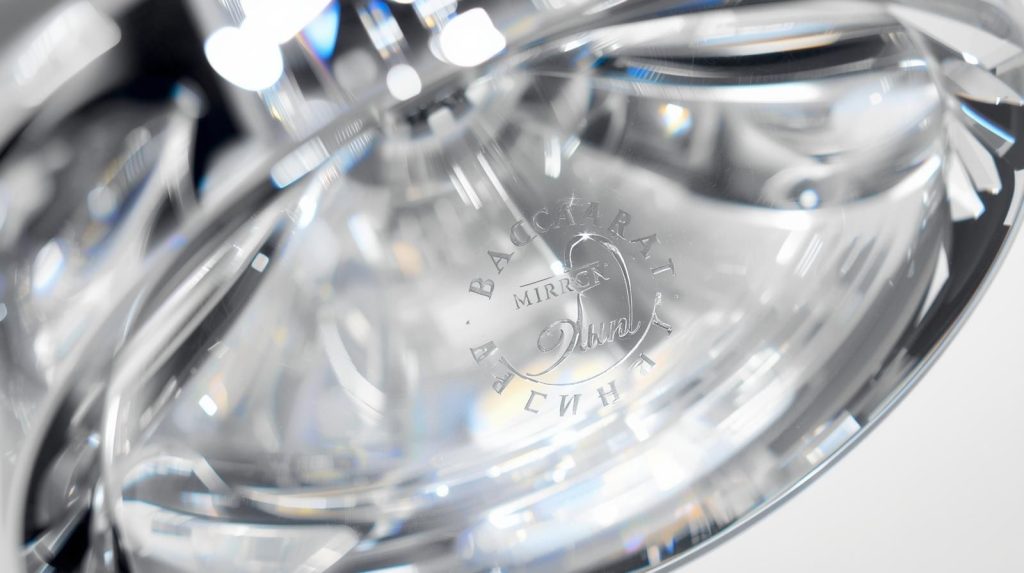
Baccarat crystal markings are stamps, labels, or etchings that identify a piece as authentic Baccarat manufacture.
These marks serve as the manufacturer’s signature and primary authentication method for collectors and buyers.
Purpose of Markings
Markings authenticate origin, establish production period, and deter counterfeiting.
They provide immediate verification that a piece meets Baccarat’s quality standards and comes from their French workshops.
Marks also help date items and confirm genuine provenance for insurance and resale purposes.
Brand Identification vs Decoration
Baccarat markings exist solely for authentication, not decoration.
Unlike decorative engravings or pattern names sometimes added to crystal, the official Baccarat mark appears standardized and understated.
This functional mark contrasts with ornamental elements that enhance aesthetic appeal rather than prove origin.
Why Not All Pieces Are Marked
Baccarat didn’t consistently mark pieces before 1936, leaving many authentic vintage items unmarked.
Early manufacturing practices didn’t prioritize stamping every piece.
Additionally, some paper labels used on certain items have been removed over decades of ownership, leaving otherwise genuine pieces without visible identification.
The Official Baccarat Crystal Mark
The authentic Baccarat mark appears as a precisely executed acid-etched stamp or temporary label, depending on the piece’s age and type.
Acid-Etched Baccarat Stamp
The permanent marking method consists of an acid-etched circular logo that cannot be removed through normal use or cleaning.
This etching creates a subtle but permanent indentation in the crystal surface visible under proper lighting.
Circular Seal
The mark forms a complete circle measuring approximately 10-15mm in diameter. The circle’s border maintains consistent thickness throughout, with clean edges that show no irregularities.
This geometric precision distinguishes authentic marks from poorly executed counterfeits with uneven circles.
“Baccarat” Text with Glass Icon
Inside the circle, “BACCARAT” appears in capital letters along the top curve. Below sits a small icon depicting a wine glass and a decanter.
Both elements display sharp definition and proper proportions, never appearing stretched, compressed, or poorly centered within the circular border.
Usually on the Base
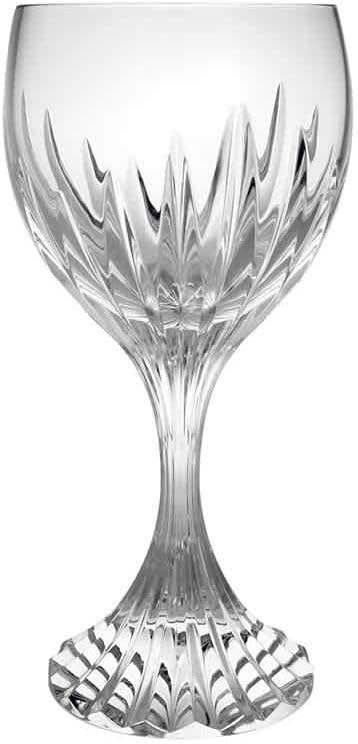
The acid-etched mark typically appears centered on the flat base of stemware, vases, bowls, and decorative items.
On stemmed pieces, check the bottom of the foot. The placement ensures visibility while keeping the mark discreet and not interfering with the piece’s aesthetic presentation.
Paper Labels and Foil Stickers
Some Baccarat pieces, particularly newer items or those sold in recent decades, feature paper labels or metallic foil stickers rather than acid etching.
These temporary marks include “Baccarat” text and sometimes country of origin information.
Used on Newer Pieces
Contemporary Baccarat occasionally uses removable labels on certain product lines, especially gift items or smaller accessories.
These labels complement rather than replace acid-etched marks on premium pieces.
The label stock features distinctive Baccarat branding elements and quality paper or foil construction.
Often Removed Over Time
Paper and foil labels rarely survive years of ownership. Washing, handling, and storage remove these temporary marks, leaving authentic pieces without visible identification.
The absence of a paper label doesn’t indicate a fake if other authentication factors align with genuine Baccarat characteristics.
How Baccarat Markings Have Changed Over Time
Marking practices evolved throughout Baccarat’s history, reflecting changing manufacturing standards and authentication needs across different eras.
Pre-1936 Baccarat Crystal
Baccarat pieces manufactured before 1936 generally lack any permanent marking.
The company didn’t systematically stamp items during this early period, relying instead on quality and reputation for authentication.
Typically Unmarked
The absence of stamps on pre-1936 pieces is normal and expected. Many valuable antique Baccarat items show no marking whatsoever.
Authentication requires evaluating weight, clarity, craftsmanship quality, and design patterns documented in historical catalogs rather than searching for nonexistent stamps.
Identified by Craftsmanship
Without marks, authentication depends on material properties and manufacturing details.
Examine lead content through weight, assess hand-cutting precision, evaluate crystal clarity, and compare designs against known Baccarat patterns.
Consult the identification guide for Baccarat crystal for comprehensive authentication methods beyond markings.
1936–1970s Markings
Baccarat began systematic marking around 1936, though early stamps vary in style and clarity. This transitional period shows evolution toward modern standardized marking practices.
Early Acid-Etched Stamps
Initial acid-etched marks appear subtler than modern versions, sometimes showing shallower etching depth.
The logo style may differ slightly from contemporary marks, with variations in font or icon details. These legitimate early marks might be harder to locate without proper lighting.
Subtle, Shallow Impressions
Mid-century Baccarat marks often require careful examination to detect. Hold pieces at angles under bright light to reveal faint etching.
The subtlety doesn’t indicate inauthenticity; it reflects earlier etching techniques before current standardization. Shallow marks remain permanent despite their delicate appearance.
Modern Baccarat Markings
Contemporary Baccarat pieces feature highly consistent, clearly visible acid-etched marks following strict quality standards established in recent decades.
Clear, Consistent Etching
Modern stamps show uniform depth, sharp definition, and perfect circle geometry. Current manufacturing produces marks easily visible without special lighting or angles.
The etching quality matches Baccarat’s overall craftsmanship standards, reflecting precision in both product and authentication mark.
Standardized Logo Placement
Recent pieces position the mark consistently on the base center. Standardization ensures buyers can quickly locate and verify authenticity.
This predictable placement contrasts with earlier periods when mark location varied more freely across different product types and manufacturing periods.
Where to Find Baccarat Crystal Markings
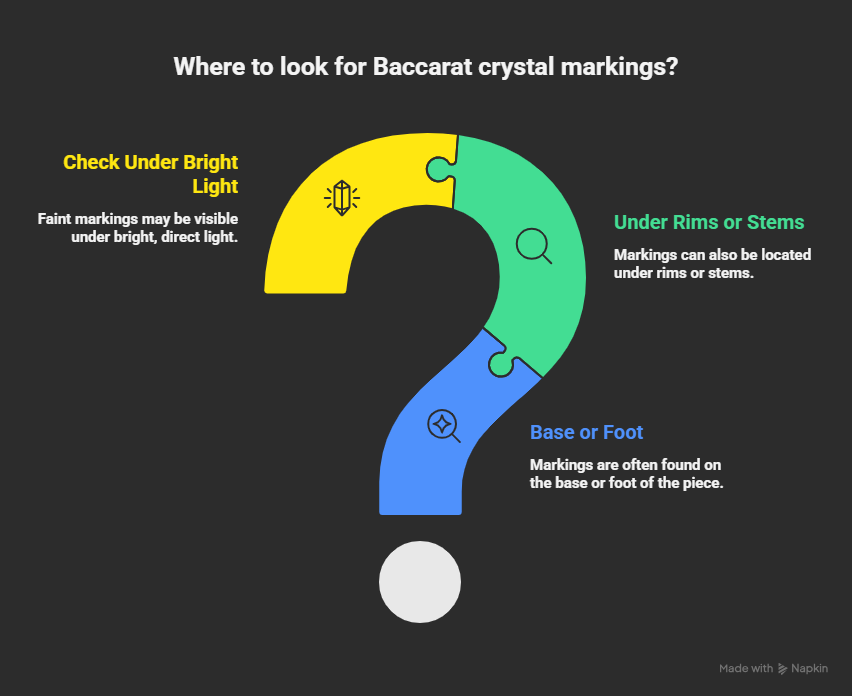
Mark location varies by piece type, but several standard positions apply across most Baccarat items.
Base or Foot of the Piece
The most common location is the flat bottom surface where the piece rests. On footed stemware like wine glasses, check the underside of the circular foot.
On flat-bottomed vases, bowls, or decanters, look at the center of the base where the piece sits on surfaces.
Under Rims or Stems
Some pieces, particularly those with complex bases or decorative feet, place marks on stem undersides or beneath rims where bases meet bodies.
Tilt pieces and examine junction points between different structural elements where marks might hide from casual observation.
Why Markings Can Be Faint
Acid etching creates subtle impressions that may appear faint under certain lighting conditions.
Angle pieces under bright direct light to reveal marks. Additionally, years of handling, washing, and polishing can make marks less immediately obvious, though they never completely disappear on authentically etched pieces.
How to Read and Interpret Baccarat Markings
Understanding mark components helps verify authenticity and date pieces more accurately.
Logo Elements Explained
The complete mark includes three components: the circular border, “BACCARAT” text, and the glass icon showing stemware and a decanter.
All three elements must appear correctly proportioned and positioned. The text curves along the upper half of the circle, while the icon sits below the center.
Size and Clarity Indicators
Authentic marks measure 10-15mm in diameter with consistent proportions regardless of piece size.
Etching depth remains uniform throughout the mark without fade or variation.
Exceptionally large or small marks, relative to standard dimensions, suggest counterfeits that attempt to replicate without precise specifications.
Differences Between Marks and Labels
Acid-etched marks feel slightly recessed when touched and cannot be removed. Paper or foil labels sit on the surface, feeling raised or smooth, and peel away easily.
Labels often include additional information like “Made in France,” while acid marks show only the circular logo design.
What If Your Baccarat Crystal Has No Mark?
Missing marks don’t automatically indicate fakes, especially on older pieces or those that originally had removable labels.
Older Authentic Pieces
Pre-1936 Baccarat legitimately lacks stamps. Many valuable antique items show no marking whatsoever.
Age doesn’t diminish authenticity or value when other authentication factors confirm genuine manufacture.
Historical documentation, design patterns, and material properties provide alternative verification when marks are absent.
Wear from Polishing and Washing
While acid-etched marks don’t disappear entirely, extremely aggressive polishing over decades might lighten them.
However, this is rare; proper hand washing shouldn’t affect mark visibility. If you suspect wear has obscured a mark, examine under various lighting angles and consider professional authentication.
Loss of Paper Labels
Many authentic Baccarat pieces originally sold with paper or foil labels that owners removed during the first washing or over time.
The label’s absence leaves no trace of identification despite a genuine origin.
When evaluating unmarked pieces with other authentic characteristics, consider that temporary labels may have existed.
How to Tell Real Baccarat Markings From Fake Ones
Counterfeiters attempt to replicate Baccarat marks, but several telltale signs reveal fraudulent stamps.
Etching Depth and Precision
Authentic acid etching shows consistent depth throughout the mark with clean edges.
Fakes often display uneven etching with some areas deeper than others, or edges that appear fuzzy rather than sharp.
Run your finger over the mark, genuine etching feels uniformly recessed.
Font Inconsistencies
Examine letter spacing, proportions, and style carefully. Counterfeit marks frequently show incorrect fonts with letters too wide, narrow, or irregularly spaced.
Compare questionable marks against verified Baccarat images, noting any differences in letter formation or the glass icon’s details.
Placement Errors
Fake marks sometimes appear off-center or in unusual locations where Baccarat wouldn’t place stamps.
Authentic marks occupy predictable positions on bases or standard marking locations.
Marks on sides, rims, or other non-traditional spots warrant suspicion and further authentication.
Comparison with Known Originals
Cross-reference your mark against authenticated Baccarat pieces or high-quality reference photographs.
Discrepancies in circle size, text positioning, icon details, or overall mark quality indicate counterfeits.
The Baccarat crystal patterns authentication guide provides detailed comparisons for verification purposes.
Baccarat Crystal Markings vs Other Crystal Brands
Understanding how different luxury crystal manufacturers mark their pieces aids in proper attribution and comparison.
Baccarat vs Waterford Marks
Waterford uses a different marking approach than Baccarat, helping distinguish between these premium crystal producers.
Etched vs Stamped Styles
Waterford traditionally employed a seahorse logo stamped or etched on pieces, distinctly different from Baccarat’s circular text mark.
Recent Waterford items use acid-etched cursive “Waterford” script. The marking styles differ sufficiently that confusion between brands through marks alone is unlikely.
Baccarat vs Lalique Marks
Lalique, another French luxury crystal maker, marks pieces differently, reflecting their distinct design philosophies and manufacturing approaches.
Clear vs Frosted Branding
Lalique often incorporates its signature into frosted or molded designs, integrating the mark artistically into the piece.
Baccarat maintains subtle, functional stamps on clear crystal bases. Lalique’s “R. LALIQUE” or “LALIQUE FRANCE” appears engraved or molded, contrasting with Baccarat’s understated circular acid-etched logo.
Do Baccarat Markings Affect Value?
The presence, absence, or condition of markings influences market value and collector preferences, though other factors matter equally or more.
Marked vs Unmarked Pieces
Marked pieces generally command higher prices due to immediate authentication confidence. Buyers prefer marked items requiring less expertise to verify.
However, unmarked pre-1936 pieces with confirmed authenticity retain full value when properly authenticated through craftsmanship, design documentation, and material properties.
Age, Rarity, and Demand
Rarity and desirability often outweigh marking presence. A rare pattern in excellent condition holds more value than common marked pieces.
Limited editions, discontinued designs, and historically significant items command premiums regardless of marking status.
Age alone doesn’t determine value—condition and pattern scarcity matter more.
Collector Preferences
Serious collectors value authenticity over marks, understanding that many genuine antiques lack stamps.
Beginning collectors and casual buyers prefer marked pieces for confidence. Investment-focused collectors research thoroughly regardless of marks, while decorative buyers might choose pieces based on appearance rather than authentication details.
How to Verify Baccarat Markings Professionally
When self-assessment proves inconclusive, professional authentication provides definitive verification and documentation.
Antique Dealers
Specialized dealers in fine crystal and decorative arts can evaluate Baccarat markings alongside other authentication factors.
They maintain reference libraries and comparison pieces for verification. Reputable dealers provide written authentications useful for insurance documentation and resale purposes.
Auction Houses
Major auction houses like Sotheby’s and Christie’s employ crystal specialists who authenticate pieces for consignment consideration.
Even without selling, these experts offer evaluation services. Regional auction houses with decorative arts departments provide more accessible authentication options for owners seeking professional verification.
Baccarat Brand Archives
The Baccarat Museum in Paris maintains historical manufacturing records and can assist with authentication inquiries.
Contact them with detailed photographs showing marks and overall piece characteristics.
They occasionally provide dating information and pattern identification, particularly for unusual or rare items requiring specialized knowledge.
FAQ — Baccarat Crystal Markings
Does all Baccarat crystals have a marking?
No. Pre-1936 pieces typically have no marks. Some items originally had paper labels that owners removed.
Unmarked pieces require authentication through weight, clarity, craftsmanship, and design pattern verification.
Can Baccarat markings fade or disappear?
Acid-etched marks are permanent and won’t disappear through normal use. They may appear faint under poor lighting but remain visible when properly illuminated. Paper labels can fall off, leaving no trace.
Are paper labels enough to prove authenticity?
Labels alone aren’t definitive proof since they’re easily counterfeited and applied to non-Baccarat pieces.
Verify material quality, weight, and craftsmanship alongside any labels. Authentic pieces show excellence beyond just having labels.
Are newer Baccarat pieces more clearly marked?
Yes. Modern Baccarat uses standardized, clearly visible acid-etched marks with consistent depth and placement.
Older pieces show subtler, more varied marking styles, while pre-1936 items typically lack marks entirely.
Final Verdict — Using Markings to Confirm Baccarat Crystal
Baccarat markings provide valuable authentication evidence when present and genuine, but their absence doesn’t automatically indicate fakes.
Begin by thoroughly examining the base and other standard locations for the circular acid-etched logo containing “BACCARAT” text and glass icon.
Verify the mark shows proper etching depth, precise circle geometry, correct font style, and appropriate placement.
Remember that pre-1936 pieces legitimately lack stamps, and paper labels may have disappeared from otherwise authentic items.
When evaluating marks, check for counterfeiting signs, including poor etching quality, font inconsistencies, or unusual placement.
Compare questionable marks against verified examples. For unmarked pieces, authenticate through weight, clarity, craftsmanship, precision, and design pattern documentation.
Marked pieces offer authentication confidence, but don’t dismiss unmarked items with strong supporting characteristics.
Consider professional authentication when uncertainty persists or for high-value pieces.
Ultimately, combine marking evaluation with a comprehensive assessment of material properties and manufacturing quality for complete authentication confidence.