Do you remember those frantic cooking moments when you’re desperately searching through your kitchen cabinets, hoping to find that perfect dish?
Last month, I found myself in exactly that situation. My mother-in-law had shared her prized dumpling recipe, and there I was, all set to impress – ingredients prepped, steamer ready, but no proper steaming plate in sight.
My eyes landed on my trusty stack of Corelle dishes, and I couldn’t help but wonder if they could save the day.
Can Corelle plates be used for steaming? It’s a question that pops up more often than you might think, especially among home cooks who love these durable dishes.
After reaching out to Corelle’s customer service, I discovered some fascinating insights that might change how you use your Corelle collection.
But before you rush to place that plate in your steamer, there’s something crucial you need to know.
UNDERSTANDING CORELLE’S MATERIAL COMPOSITION
Before we delve into steaming specifics, it’s essential to understand what makes Corelle plates unique.

Manufactured using Vitrelle® glass technology, Corelle plates consist of three layers of tempered glass, laminated together to create a product that’s remarkably durable yet lightweight.
This unique construction provides several advantages that make these plates suitable for various cooking methods.
THE SCIENCE BEHIND VITRELLE® GLASS
The triple-layer construction of Corelle plates offers:
– Superior thermal resistance
– Enhanced durability against breakage
– Even heat distribution
– Resistance to chips and cracks
OFFICIAL STANCE ON STEAMING WITH CORELLE

According to direct communication with Corelle’s customer care representatives, Corelle plates are indeed safe for steaming purposes.
However, this comes with an important caveat: users must avoid subjecting the plates to sudden temperature changes.
This official endorsement provides confidence to users while emphasizing the importance of proper handling.

BEST PRACTICES FOR STEAMING WITH CORELLE
When it comes to setting up your steaming station, think of it like building a cozy little tower for your food.
Start by nestling a steaming rack right in the heart of your pot – this creates a stable foundation.

Next, carefully place your Corelle plate on top of the rack, making sure it sits level and steady.
With your platform now ready, it’s time for the star of the show – gently arrange your food on the plate, keeping in mind that a little breathing room between pieces helps the steam work its magic evenly.
Pro tip: Before you begin, make sure your Corelle plate is at room temperature to prevent any thermal shock.

And remember to check that the plate fits comfortably within your pot with enough space around the edges for steam to circulate.
Furthermore, to ensure safe and effective steaming with your Corelle plates, follow these essential guidelines:
Temperature Management:
1. Start with room temperature plates
2. Allow the plates to heat gradually with the steamer
3. Never place a cold plate into hot steam
4. Let plates cool naturally after use
Proper Placement:
When positioning your Corelle plate in the steamer:
– Ensure stable placement
– Allow adequate space for steam circulation
– Use appropriately sized plates for your steamer
– Consider using steamer rings or supports if needed.
SAFETY CONSIDERATIONS
While Corelle plates are remarkably durable, proper handling during steaming is crucial. Just as you might wonder about the safety of Corelle dishes for oven, steaming requires specific safety protocols:
1. Avoid Thermal Shock
– Never transfer plates directly from the refrigerator to the steamer
– Don’t place hot plates on cold surfaces
– Allow natural cooling after use
2. Steam Distribution
– Ensure even steam exposure
– Avoid direct contact with heating elements
– Maintain proper water levels
IDEAL STEAMING APPLICATIONS
Corelle plates excel at steaming various foods:
Perfect for:
– Dumplings and dim sum
– Fish fillets
– Vegetables
– Rice rolls
– Steamed buns
Less Suitable for:
– Very large portions
– Foods requiring specific steaming equipment
– Items needing raised ridges or drainage
TEMPERATURE GUIDELINES
For optimal results, follow these temperature recommendations:

| Steaming Method | Maximum Safe Temperature | Recommended Duration |
| Standard Steam | 100°C (212°F) | Up to 45 minutes |
| Gentle Steam | 85°C (185°F) | Up to 60 minutes |
MAINTENANCE AND CARE
To ensure longevity when using Corelle plates for steaming:
1. Pre-steaming Care
– Clean plates thoroughly
– Inspect for any damage
– Ensure the room temperature state
2. Post-steaming Care
– Allow natural cooling
– Clean with warm, soapy water
– Store properly after complete drying
COMMON QUESTIONS ANSWERED
CAN I USE CERAMIC AND PORCELAIN PLATES/BOWLS FOR STEAMING (RICE AND CHICKEN)?
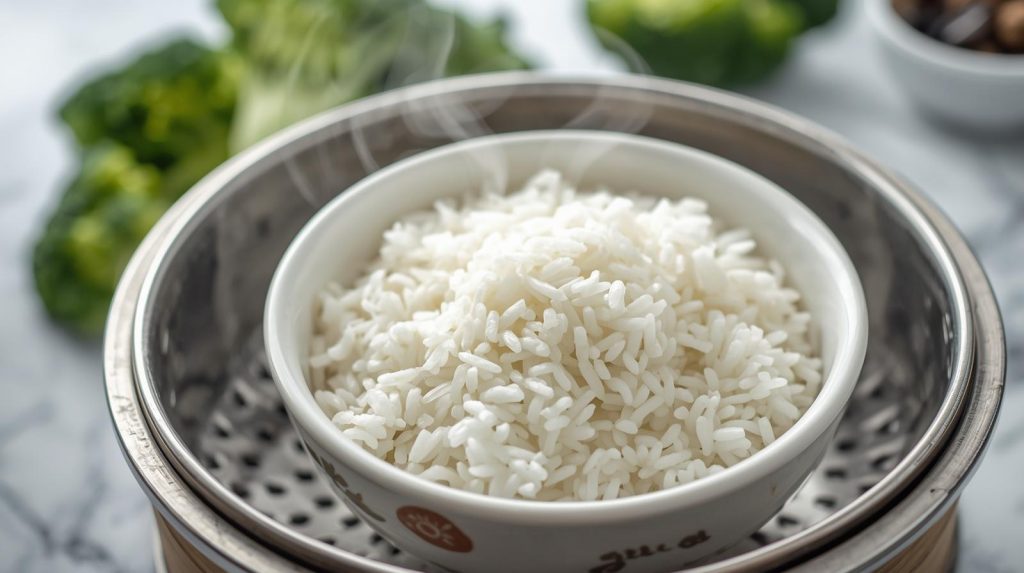
YES. Most high-temperature fired ceramic bowls can be safely used in steamers or rice cookers to steam food, as ceramic is a stable and high-temperature resistant material that will not be damaged under normal steam temperature (about 100°C).
Porcelain bowls can be used for steaming due to their thermal resistance, chemical stability, even heat distribution, and flavor-preserving properties, and they are non-toxic and do not leach harmful substances into food during steaming.
Important requirements:
- Use ceramics fired at high temperatures above 1200°C, such as bone china, reinforced porcelain, or stoneware, which have satisfactory thermal shock resistance
- Avoid low-temperature pottery, bowls with cracks, and non-food-grade craft ceramics
- Warm up the bowl gradually with the steamer to avoid thermal shock from sudden temperature changes.
HOW OFTEN CAN I USE CORELLE PLATES FOR STEAMING?
Corelle plates can be used regularly for steaming, provided proper care guidelines are followed. Their durable construction makes them suitable for frequent use.
WILL STEAMING AFFECT THE PLATE’S APPEARANCE?
When used correctly, steaming shouldn’t affect your Corelle plate’s appearance. The Vitrelle® glass construction resists staining and maintains its appearance even with regular use.
WHAT MATERIALS ARE SAFE FOR STEAMING?
Materials that are safe for steaming include:
– Stainless steel is extremely durable and heat-resistant
– Bamboo (traditional steaming baskets)
– Heat-resistant silicone designed for high temperatures
– Heat-safe ceramic and porcelain dishes
– Tempered glass marked as heat-safe
For plates and bowls specifically, use:
– Stainless steel plates and bowls
– Heat-resistant ceramic dishes labeled for high-temperature use
– Traditional Chinese porcelain steamware
– Heat-safe tempered glass dishes
– Food-grade silicone steamware
CAN I USE PYREX GLASS FOR STEAMING?
YES – especially borosilicate Pyrex. Pyrex steamer baskets made from high-quality borosilicate glass are designed to withstand extreme temperatures from freezer to oven without risk of breakage or deformation, and borosilicate glass retains its shape and strength even when subjected to high temperatures.
Borosilicate glass is resistant to high temperatures, thermal shocks, and scratches, and can be safely used in the oven, microwave, and dishwasher.
Pyrex can be used straight from the freezer to the top of the stove or oven and is freezer, dishwasher, microwave, and oven safe.
Important note: While Pyrex is labeled oven safe, you should avoid using it near 500°F, and steam itself will have a temperature greater than 100°C, so it shouldn’t cause trouble, but avoid cold water hitting hot Pyrex glass.
HOW DO YOU STEAM WITHOUT A STEAMER PLATE?
You can steam food without a dedicated steamer plate using these methods:
– Create a makeshift steamer using a heat-safe bowl inverted in a pot with water
– Use aluminum foil formed into small balls as a raised platform
– Place a heat-safe metal colander inside a larger pot
– Use a metal strainer that fits inside your pot
– Create a foil packet with holes for steam.
WHAT KIND OF MATERIALS SHOULD NOT BE STEAMED?
Avoid steaming with:
– Regular plastic containers (can melt and release chemicals)
– Non-tempered glass (risk of shattering)
– Thin aluminum containers (may warp)
– Wooden dishes (can warp and harbor bacteria)
– Materials not specifically labeled as heat-safe
– Containers with plastic components that could melt.
CAN I USE MICROWAVABLE CONTAINERS FOR STEAMING?
Not all microwavable containers are safe for traditional steaming. Microwave-safe only means the container is safe for microwave use, not necessarily for stovetop steaming. For traditional steaming:
– Only use containers explicitly labeled as heat-safe or steaming-safe
– Check the maximum temperature rating
– Avoid plastic containers, even if microwave-safe
CAN I USE GLASS BOWLS FOR STEAMING?
YES, with cautions. Glass melts at about 1500°F/800°C, so there’s no danger of melting in any steamer, but the real issue is thermal shock – very rapidly cooling glass from hot to cold temperature can cause it to crack or shatter.
Glass bowls can be used in steamers, but must be filled with water or food – without contents, the glass bowl can easily break.
When using glass bowls in a rice cooker or steamer, use ceramic or stainless steel, as both are fine and unlikely to leach strange things into your food.
Key precautions:
- Avoid thermal shock by not exposing hot glass to sudden cold or vice versa
- Glass and ceramic don’t conduct heat fast enough to be reliable for quickly steamed foods like vegetables or fish, but they work fine for steamed dishes with long cooking times, such as steamed puddings, braises, and stocks.
CAN I USE A CERAMIC BOWL FOR A DOUBLE BOILER?
YES, but with limitations. Ceramic bowls can be used as the top part of a double boiler, but it is not safe to use a ceramic bowl as the base since they are not meant for direct heat.
Glass or stainless steel bowls are recommended for double boilers as both materials are heat-resistant and won’t warp or break while their base is heated by steam.
However, if using ceramic for a double boiler, let it preheat for a few minutes, though it may be too insulated to work properly, and timing may be off significantly compared to metal bowls.
When choosing a bowl for a double boiler, use heat-safe glass, ceramic, or metal, but avoid heavy stoneware as heat may not transfer efficiently if the walls are too thick.
Safety tips:
- Make sure the ceramic bowl is heat-safe and oven-rated before use
- Ensure the bowl is not touching the boiling water below and fits snugly into the metal pan
- Ceramic bowls get very hot, so use oven mitts to handle them.
CAN CORELLE PLATES BE USED ON INDUCTION?
No, Corelle plates cannot be used on induction cooktops.
Corelle is made of vitrelle glass, which is not magnetic and therefore won’t work with induction heating. Induction cooking requires magnetic materials like iron or steel.
ALTERNATIVE USES AND VERSATILITY
Beyond steaming, Corelle plates offer versatility in:
– Microwave heating
– Oven warming
– Cold food service
– Traditional Dining
EXPERT TIPS FOR PERFECT STEAMING
1. Preparation
– Lightly oil the plate surface for certain foods
– Use parchment paper when needed
– Consider portion sizes carefully
2. During Steaming
– Monitor water levels
– Use wooden utensils for food handling
– Maintain consistent heat
3. Post-Steaming
– Use proper protection when removing plates
– Allow adequate cooling time
– Clean promptly after use
CONCLUSION
Corelle plates prove to be versatile tools in the kitchen, extending their utility beyond traditional dining to include steaming applications.
With proper care and attention to temperature management, these durable dishes can safely and effectively serve as steaming vessels for various culinary creations.
Remember to always follow the manufacturer’s guidelines and exercise caution with temperature changes to ensure both the safety and longevity of your Corelle collection.
Whether you’re steaming dumplings for a weekend dim sum session or preparing a healthy fish dinner, your Corelle plates can rise to the occasion.
Begin with simple recipes and gradually explore more complex steaming applications as you become comfortable with the process.
Reference: Corelle Safety & Usage