Choosing the right cookware can make or break your culinary experience.
Whether you’re a weekend warrior in the kitchen or a serious home chef, the debate between cast iron and granite pans represents one of the most significant decisions you’ll face when upgrading your cooking arsenal.
Cast iron brings centuries of proven performance and time-tested durability, while granite cookware offers modern convenience with promises of healthier, non-stick cooking.
But which one deserves a place in your home and kitchen?
This comprehensive comparison will examine every aspect, from cooking performance and maintenance requirements to long-term value and health considerations, helping you make an informed decision that aligns with your cooking style, budget, and lifestyle.
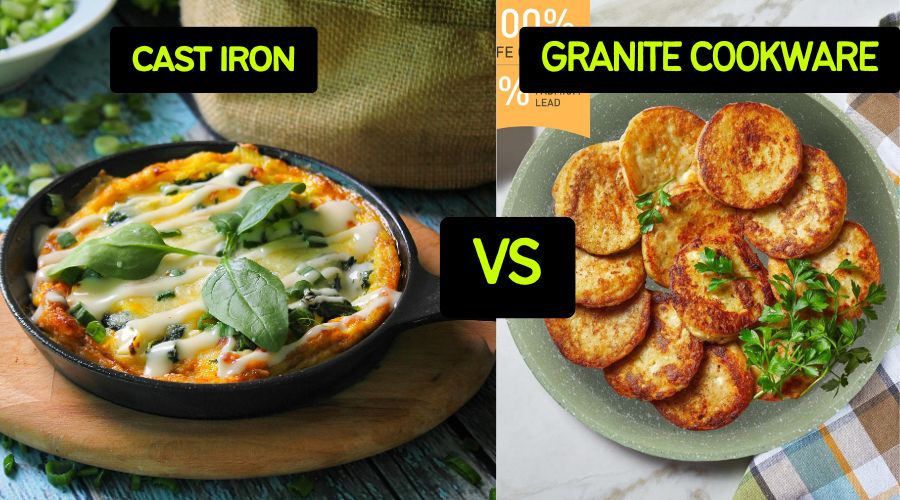
Quick Comparison Overview – Cast Iron vs Granite Pan
| Feature | Cast Iron | Granite Pan |
| Weight | Heavy (3- 8lbs) | Light (1-3 lbs) |
| Heat Retention | Excellent | Good |
| Maintenance | High (seasoning required) | Low |
| Dishwasher | Develops over time, while some are designed with non-stick | Yes |
| Durability | Lifetime with care | 2-5 years typical |
| Best for | Searing, baking, high-heat | Daily cooking, delicate foods |
| Non-stick | Develops over time, while some are designed with non-stick | Aluminum, Stainless steel, Carbon, or other cookware material bases suitable for various stovetops |
| Oven safe | Up to 500°F+ | Up to 400°F typically |
| Price | Low-Mid | Low-Mid |
| Learning Curve | Steep | Gentle |
| Design | Cast iron base | Aluminum, Stainless steel, Carbon, or other cookware material bases suitable for various stovetops. |
Cast Iron Deep Dive
What is Cast Iron Cookware?
Cast iron cookware is manufactured by pouring molten iron into sand molds, creating dense, heavy pans that have been kitchen staples for over 2,000 years.
The manufacturing process results in a naturally porous surface that, when properly seasoned with oil and heat, develops a natural non-stick coating through polymerization.
There are three main types of cast iron cookware: raw (unseasoned) cast iron that requires initial seasoning, pre-seasoned varieties that come ready to use, and enameled cast iron that features a glass coating for easier maintenance.
Key Advantages of Cast Iron Cookware
Superior Heat Retention and Distribution: Cast iron’s density allows it to absorb, retain, and distribute heat more effectively than almost any other cookware material.
Once heated, it maintains consistent temperatures, making it ideal for techniques requiring steady heat.
Unmatched Versatility: From stovetop to oven, grill to campfire, cast iron adapts to virtually any cooking method.
You can sear a steak on the stovetop, then transfer the same pan to a 500°F oven without concern.
Generational Durability: Properly maintained cast iron can last decades or even centuries.
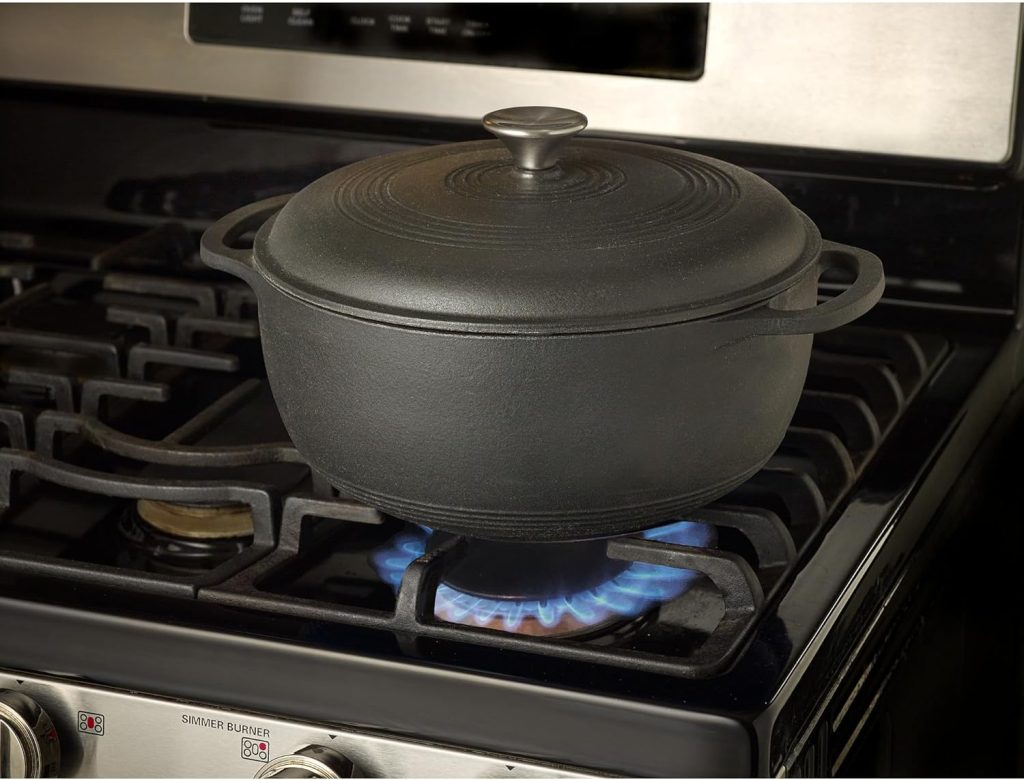
Many families pass down cast iron pieces through generations, with some antique skillets still outperforming modern cookware.
Natural Non-stick Development: Unlike synthetic coatings, cast iron’s seasoning improves with use.
Each cooking session adds to the polymerized oil layer, creating an increasingly effective non-stick surface.
Nutritional Benefits: Cooking in cast iron can add small amounts of dietary iron to your food, which can be beneficial for those with iron deficiencies.
Exceptional Searing Power: The ability to reach and maintain high temperatures makes cast iron unrivaled for achieving perfect sears on meats and developing complex flavours through the Maillard reaction.
Drawbacks & Considerations
Weight Challenges: Cast iron’s heft can be problematic for those with arthritis, wrist issues, or limited upper body strength. A 12-inch skillet can weigh 5-8 pounds before adding food.
Maintenance Intensity: Proper cast iron care requires understanding seasoning techniques, avoiding soap (traditionally), and preventing rust through proper drying and storage.
Reactivity Issues: Unseasoned or poorly seasoned cast iron can react with acidic foods like tomatoes or wine, imparting metallic flavors and potentially damaging the seasoning layer.
Learning Curve: Achieving optimal results requires understanding preheating times, temperature control, and seasoning maintenance – skills that develop over time.
Initial Investment: Quality cast iron pieces, particularly from premium manufacturers, can represent a significant upfront cost, though the per-year value often proves economical.
Granite Pan Deep Dive
What is Granite Pans/Cookware?
Granite cookware features an aluminum or carbon steel base coated with a layer that incorporates granite stone particles.
This coating technology creates a textured, naturally non-stick surface that mimics the appearance of granite stone.
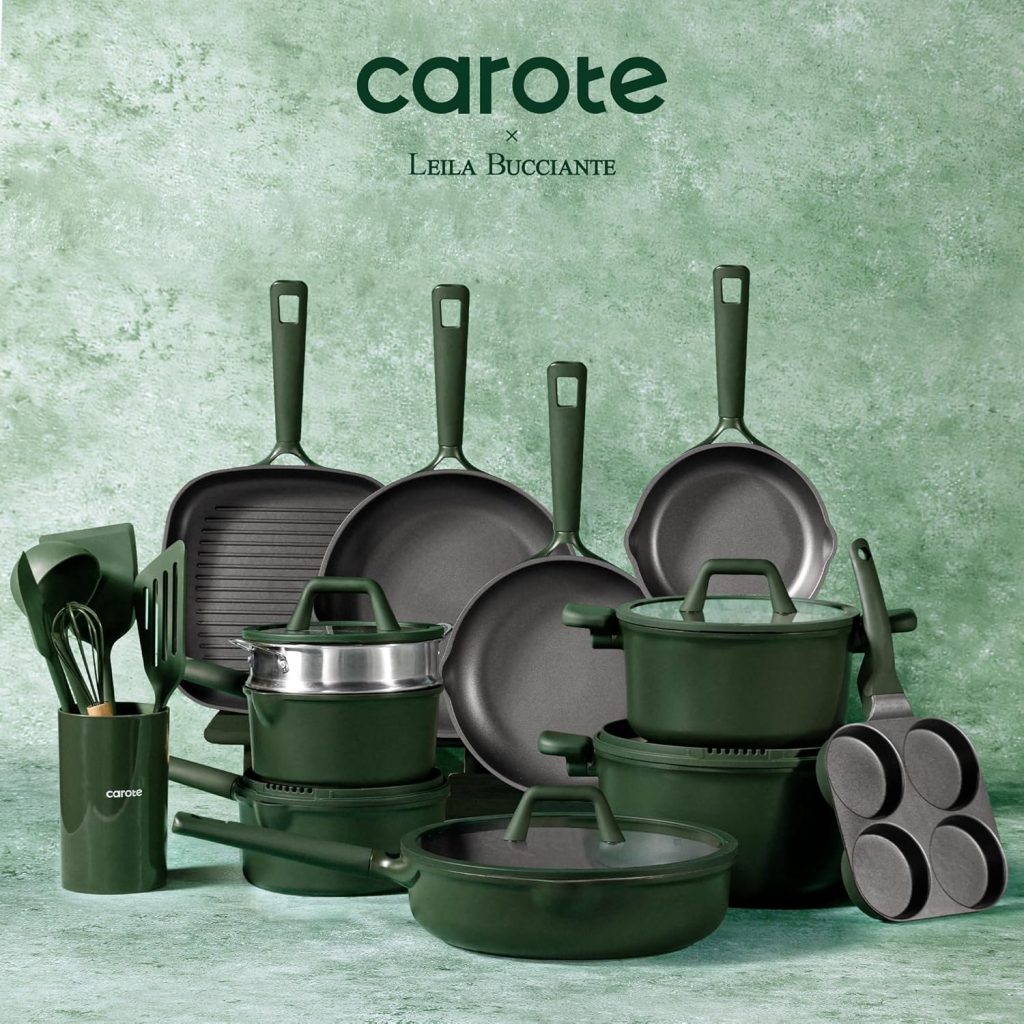
The aluminum core provides excellent heat conduction, while the granite coating offers durability and non-toxic cooking properties.
Modern granite cookware manufacturing uses advanced coating processes that bind stone particles with ceramic or other non-toxic materials, creating surfaces that are free from PTFE, PFOA, and other potentially harmful chemicals found in traditional non-stick coatings.
Key Advantages of Granite Cookware
Lightweight Design: Granite pans typically weigh 50-70% less than equivalent cast iron pieces, making them accessible for cooks with physical limitations or those who prefer easier handling.
Immediate Non-stick Performance: Unlike cast iron’s gradual seasoning development, granite pans provide excellent non-stick properties from the first use, requiring minimal oil for most cooking tasks.
Low Maintenance Requirements: Most granite cookware is dishwasher safe and requires no special seasoning or conditioning. Simple washing with soap and water maintains the surface.
Chemical-Free Cooking: Quality granite coatings contain no PTFE, PFOA, cadmium, or lead, addressing health concerns associated with traditional non-stick cookware.
Rapid Heat Distribution: The aluminum base conducts heat quickly and evenly, reducing hot spots and providing responsive temperature control for precise cooking.
Versatile Compatibility: Most granite pans work on gas, electric, and induction cooktops, with many being oven-safe up to 400°F.
Cons/Drawbacks & Considerations of Granite Cookware
Coating Longevity Concerns: Even high-quality granite coatings typically last 2-5 years with regular use, requiring eventual replacement as the non-stick properties diminish.
Limited High-Heat Capability: While suitable for most cooking methods, granite pans generally can’t withstand the extreme temperatures that cast iron handles effortlessly.
Quality Variation: The granite cookware market includes many low-quality options with poor coating adhesion and short lifespans, making brand selection crucial.
Susceptibility to Damage: Sharp utensils, abrasive cleaning, and extreme temperature changes can chip or damage the granite coating, compromising performance.
Heat Retention Limitations: While granite pans heat quickly, they don’t retain heat as effectively as cast iron, requiring continuous energy input for extended cooking sessions.
Head-to-Head Comparison
Cooking Performance
Heat Distribution and Retention: Cast iron excels in heat retention, maintaining consistent temperatures even when food is added.
This thermal mass makes it superior for techniques requiring steady heat, such as braising or baking.
Granite pans distribute heat more quickly and evenly initially, but require continuous heat input to maintain temperature.
Searing Capabilities: Cast iron’s ability to reach and sustain high temperatures makes it unmatched for achieving restaurant-quality sears.
The thermal mass prevents temperature drops when proteins are added. Granite cookware can sear adequately but may struggle with multiple pieces or thicker cuts that release moisture.
Non-stick Performance: Well-seasoned cast iron develops exceptional non-stick properties that improve over time, particularly for proteins and baked goods.
Granite pans provide consistent non-stick performance from day one, but may gradually decline with use and wear.
Temperature Range and Versatility: Cast iron handles extreme temperatures from stovetop to oven to grill without limitations.
Granite pans/cookware typically have temperature restrictions (usually 400°F maximum) and may not be suitable for broiling or outdoor cooking.
Durability & Longevity
Expected Lifespan: Quality cast iron can last indefinitely with proper care, often becoming family heirlooms.
Granite cookware typically provides 2-5 years of optimal performance, depending on usage frequency and care quality.
Resistance to Wear: Cast iron improves with use, developing better non-stick properties over time.
Granite coatings gradually wear away, particularly in high-use areas, eventually requiring pan replacement.
Repairability: Damaged cast iron can often be restored through re-seasoning or professional reconditioning.
Granite pan/cookware coatings, once compromised, cannot be effectively repaired and require replacement.
Maintenance Requirements
Daily Cleaning: Cast iron traditionally requires avoiding soap and thorough drying to prevent rust, though modern seasoning techniques allow for gentle soap use.
Granite pans clean easily with standard dish soap and are often dishwasher safe.
Long-term Care: Cast iron benefits from periodic re-seasoning and careful storage to prevent rust.
Granite pans/cookware require avoiding abrasive cleaners and metal utensils to preserve the coating.
Storage Considerations: Cast iron should be stored in dry conditions, sometimes with a light oil coating to prevent rust.
Granite pans can be stacked with protective padding and stored normally.
Health & Safety Considerations
Chemical Leaching: Properly seasoned cast iron is completely non-toxic and may provide beneficial dietary iron.
Quality granite coatings are free from harmful chemicals, though cheaper versions may contain questionable materials.
Food Reactivity: Cast iron can react with highly acidic foods if not well-seasoned. Granite surfaces are generally non-reactive across all food types.
Safety Certifications: Reputable granite cookware manufacturers provide safety certifications confirming the absence of harmful chemicals.
Cast iron’s safety is well-established through centuries of use.
Cost Analysis
Initial Investment: Cast iron pieces range from $25-$150*, with premium brands commanding higher prices. Granite pans typically cost $30-$120*, with quality varying significantly across price points.
Please note prices above aren’t accurate; they are simply for instructional and educational purposes ONLY. Kindly contact your retailer to get the actual price range!
Long-term Value: Cast iron’s indefinite lifespan makes it exceptionally cost-effective over time, often costing under $5 per year of use. Granite pans, requiring replacement every few years, may cost $15-$30 annually.
Replacement Frequency: Quality cast iron may never need replacement with proper care. Granite pans typically require replacement every 2-5 years, depending on usage and care quality.
Granite Coated Cookware Pros and Cons
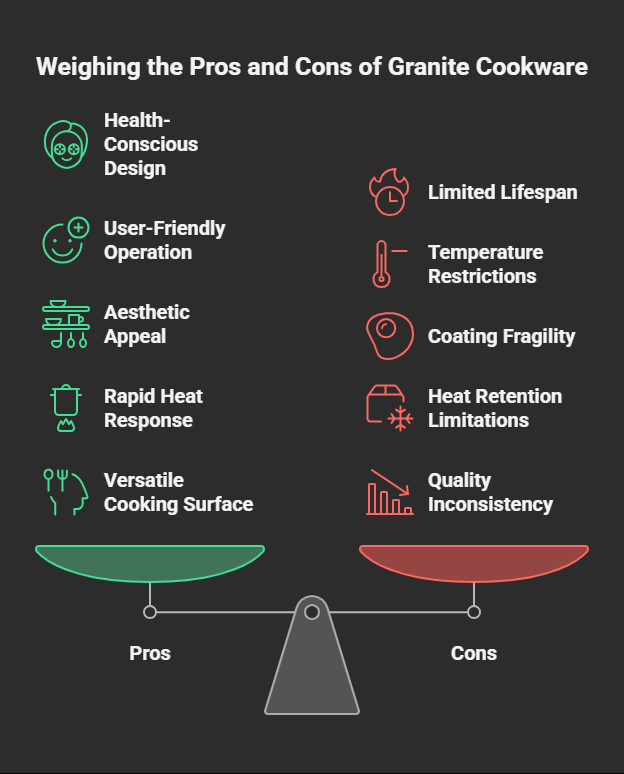
Pros of Granite Coated Cookware
Health-Conscious Design: Modern granite coatings eliminate concerns about PTFE, PFOA, and other chemicals found in traditional non-stick surfaces, providing peace of mind for health-conscious cooks.
User-Friendly Operation: The combination of lightweight construction and immediate non-stick properties makes granite cookware accessible for beginners and experienced cooks alike.
Aesthetic Appeal: Granite cookware often features attractive speckled patterns that complement modern kitchen designs while hiding minor scratches and wear.
Rapid Heat Response: The aluminum base provides quick heat-up times and responsive temperature control, making it ideal for precise cooking techniques.
Versatile Cooking Surface: The textured granite surface works well for various cooking methods, from delicate egg dishes to more robust sautéing and light searing.
Cons of Granite Coated Cookware
Limited Lifespan: Even premium granite coatings eventually wear away with regular use, necessitating replacement every few years regardless of the underlying pan quality.
Temperature Restrictions: Most granite cookware has maximum temperature limits that prevent high-heat techniques and may restrict oven use for certain recipes.
Coating Fragility: Despite durability improvements, granite coatings remain susceptible to damage from metal utensils, extreme temperature changes, and abrasive cleaning methods.
Quality Inconsistency: The granite cookware market includes many inferior products with poor coating adhesion and short lifespans, making careful brand selection essential.
Heat Retention Limitations: While excellent for quick cooking, granite pans don’t maintain heat as effectively as cast iron for slow cooking or serving hot dishes.
Best Use Cases for Each
Cast Iron is Best For:
High-Heat Searing: Nothing matches cast iron’s ability to achieve and maintain the extreme temperatures needed for perfect steaks, chops, and other proteins requiring excellent browning.
Baking Applications: Cast iron skillets excel at cornbread, pizza, fruit cobblers, and other baked goods that benefit from even heat distribution and crispy bottoms.
One-Pot Meals and Braising: The superior heat retention makes cast iron ideal for dishes requiring long, steady cooking like stews, braises, and slow-cooked meals.
Outdoor Cooking: Cast iron’s durability and heat retention make it perfect for camping, grilling, and other outdoor cooking situations where consistent performance matters.
Traditional Cooking Enthusiasts: Cooks who appreciate traditional methods and don’t mind the maintenance requirements will find cast iron deeply satisfying to use and maintain.
Granite Pans Excel At:
Daily Meal Preparation: The combination of easy cleanup and reliable non-stick performance makes granite ideal for everyday cooking tasks and busy weeknight meals.
Delicate Food Preparation: Eggs, fish, and other foods that typically stick benefit from granite’s consistent non-stick surface without requiring perfect technique.
Health-Conscious Cooking: The ability to cook with minimal oil while avoiding chemical concerns makes granite appealing for those prioritizing healthy cooking methods.
Quick Cleanup Requirements: When time is limited, granite’s dishwasher-safe convenience and easy cleaning make it the practical choice.
Lightweight Handling Needs: Cooks with physical limitations or those who prefer lighter cookware will appreciate granite’s manageable weight.
Much like choosing between ceramic vs porcelain for your kitchen surfaces, selecting cookware involves understanding the trade-offs between durability, maintenance, and performance to match your specific needs.
Top Brand Recommendations
Cast Iron Leaders
Lodge: America’s oldest cast iron manufacturer offers excellent value with reliable pre-seasoning and lifetime durability. Their skillets range from affordable prices and provide outstanding performance for the price.
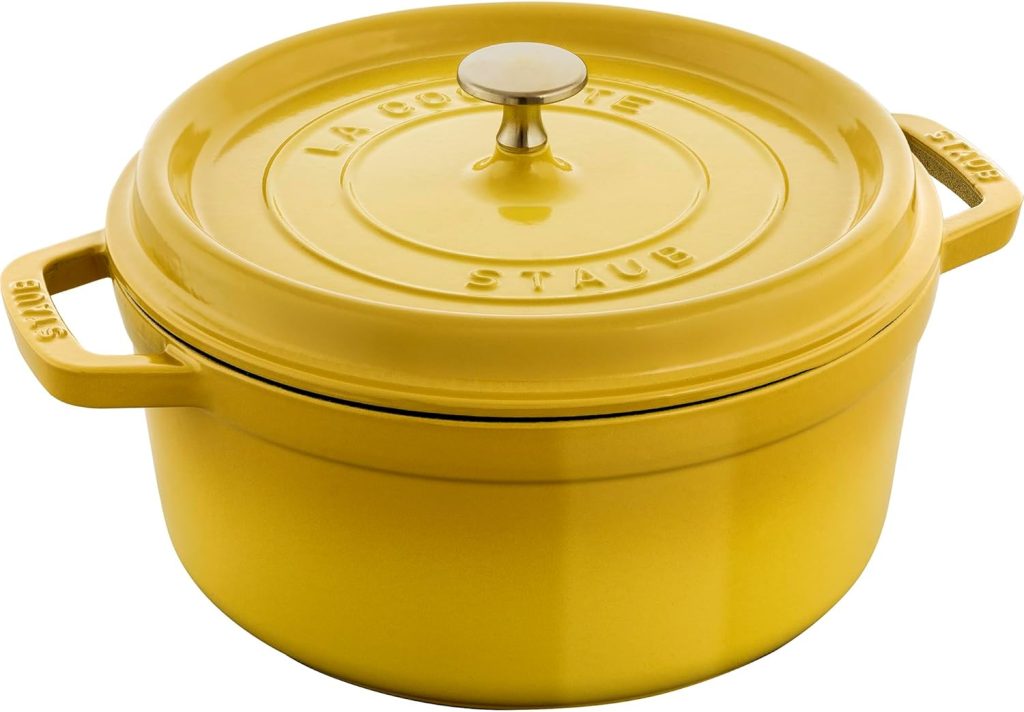
Staub: French-made enameled cast iron combines cast iron’s heat retention with easy-care enamel coating. Premium pricing reflects exceptional quality and elegant design.
Le Creuset: The gold standard for enameled cast iron, offering unmatched quality and warranty support. Prices range from high-premium, but the investment often proves worthwhile for serious cooks.
Finex: Modern cast iron with innovative design features like octagonal shapes and speed-cooling handles. Premium pricing appeals to design-conscious cooks seeking performance upgrades.
Granite Pan Standouts
Ozeri: Known for consistent coating quality and attractive designs. Their Stone Earth line offers good durability and performance across multiple sizes.
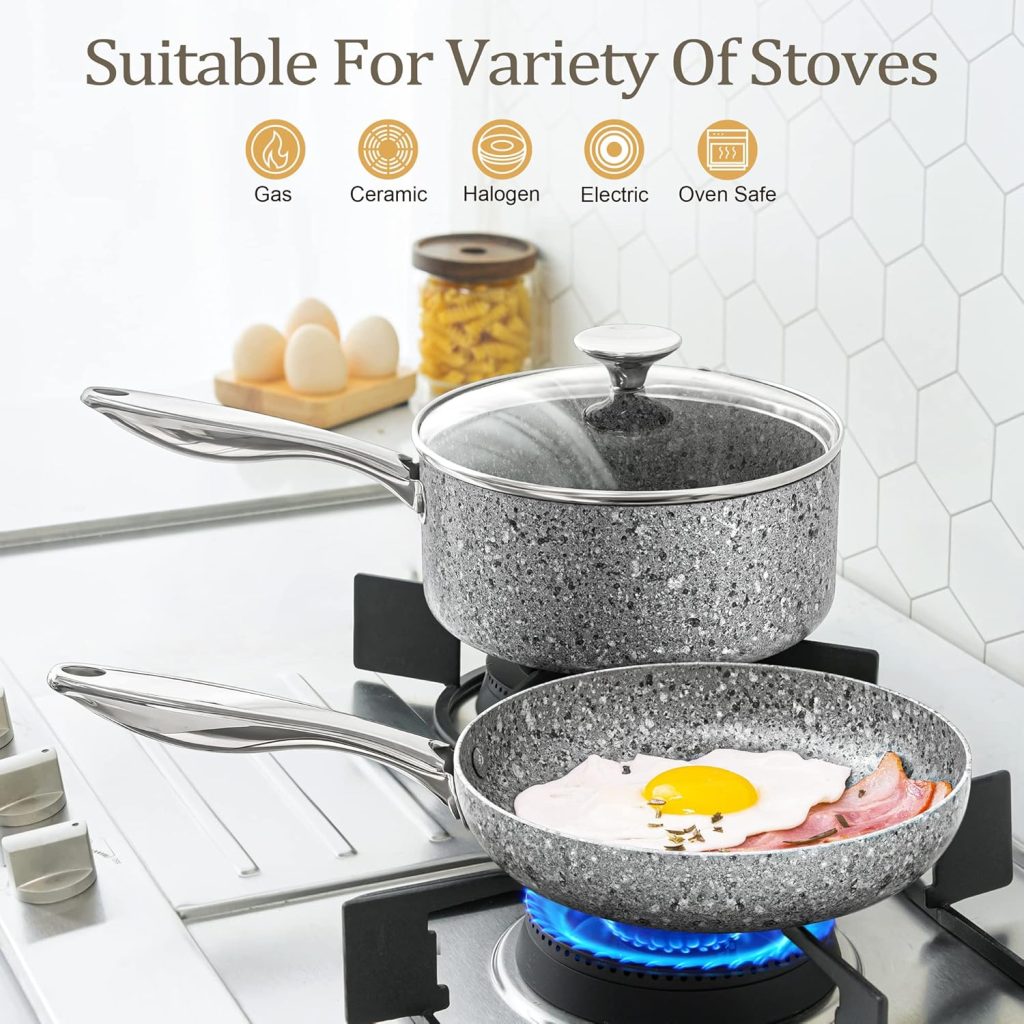
Michelangelo: Italian-designed granite cookware with excellent non-stick properties and oven-safe construction up to 450°F. Mid-range pricing provides good value.
Carote: Budget-friendly option with surprisingly good coating durability and attractive color choices. Prices range from mid to high levels, making it accessible for cost-conscious buyers.
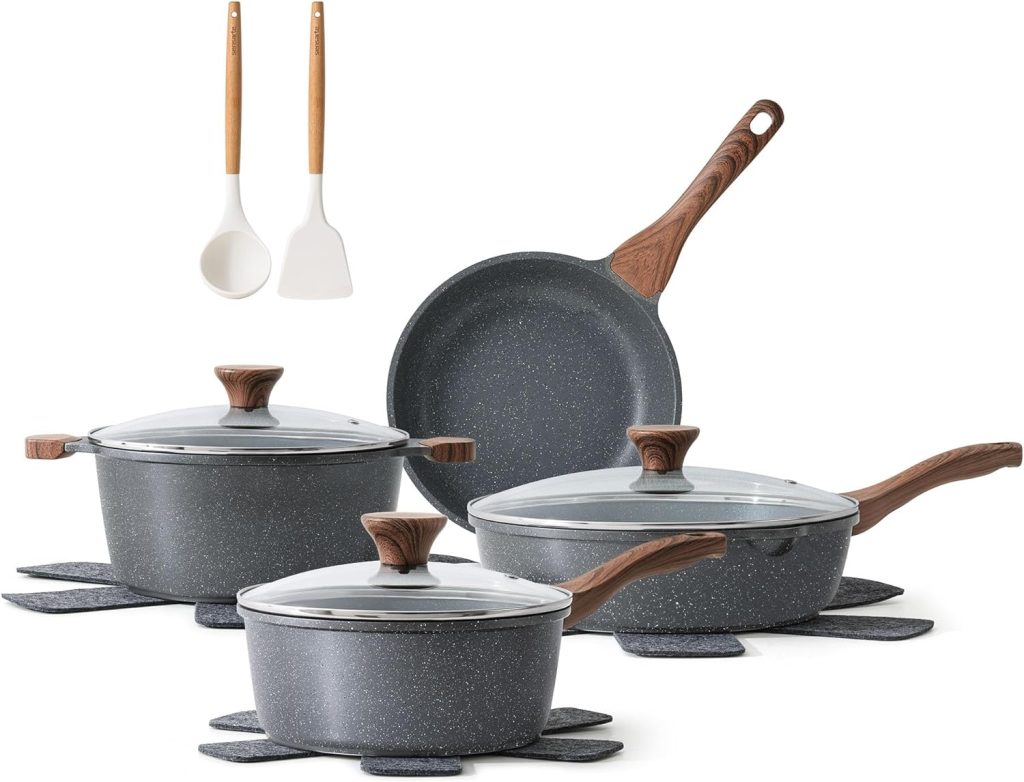
Sensarte: Professional-grade granite coating with superior durability claims and comprehensive warranty coverage. High – Premium pricing targets serious home cooks.
Care & Maintenance Guide
Cast Iron Care Essentials
Proper Seasoning Techniques: Heat the clean pan to 200°F, apply a thin layer of high-smoke-point oil (flaxseed, grapeseed, or canola), then heat the oil to’s smoke point.
Repeat 3-4 times for new pans, once monthly for maintenance.
Cleaning Best Practices: While traditional advice avoided soap, modern dish soaps won’t harm well-seasoned cast iron. Use hot water, gentle scrubbing, and thorough drying. For stubborn food, use coarse salt as an abrasive with oil.
Storage and Rust Prevention: Store cast iron in dry locations with good air circulation. For long-term storage or humid environments, apply a light coating of oil to prevent rust formation.
Re-seasoning When Needed: If food begins sticking or rust appears, strip the pan with steel wool or chemical strippers, then re-season completely following the initial seasoning process.
Granite Pan Care Guidelines
Safe Cleaning Methods: Use warm soapy water with soft sponges or cloths. Avoid abrasive cleaners, steel wool, or scouring pads that can damage the coating. Most granite pans are dishwasher safe for added convenience.
Coating Protection Strategies: Use wooden, plastic, or silicone utensils to prevent scratching. Avoid extreme temperature changes and never place hot pans in cold water, which can cause coating stress and cracking.
Proper Storage Techniques: Stack granite pans with protective padding between surfaces. Hanging storage prevents scratching and maintains coating integrity better than stacking without protection.
For those considering other cookware options, comparing granite cookware vs stainless steel can provide additional insights into material choices and their respective maintenance requirements.
Making Your Decision
Your choice between cast iron and granite cookware should align with your cooking style, maintenance preferences, and long-term kitchen goals.
Consider cast iron if you enjoy traditional cooking methods, don’t mind regular maintenance, and want cookware that improves with age.
The initial learning curve and weight considerations are balanced by unmatched durability and superior high-heat performance.
Choose granite cookware if you prioritize convenience, prefer lightweight handling, and want immediate non-stick performance without maintenance requirements.
The shorter lifespan and temperature limitations are offset by user-friendly operation and health-conscious design.
Budget considerations also play a role: cast iron offers superior long-term value despite higher initial costs for premium pieces, while granite provides good short-term value but requires periodic replacement.
Your physical capabilities, available storage space, and cooking frequency should all influence your decision.
Consider starting with one piece from each category to experience both materials firsthand.
A cast-iron skillet for searing and a granite pan for everyday cooking can provide the best of both worlds while helping you determine which material better suits your cooking style.
FAQ Section
It’s best to avoid metal utensils with granite pans as they can scratch and damage the coating. Stick to wood, plastic, or silicone utensils to preserve the non-stick surface.
Well-seasoned cast iron should have a smooth, dark, almost glossy surface that feels dry to the touch. Water should bead up on the surface, and food should release easily when cooking.
Many granite pans work on induction cooktops, but check the manufacturer’s specifications. The aluminum base needs to be induction-compatible or have a steel disc attached.
With proper care, quality granite coatings typically last 2-5 years of regular use. Heavy use or poor maintenance can shorten this lifespan significantly.
While technically possible, dishwashers can strip seasoning and promote rust. Hand washing and immediate drying are recommended to maintain cast iron’s seasoning and prevent damage.
Most granite cookware is oven-safe up to 400-450°F, though specific limits vary by manufacturer. Always check your pan’s specifications before high-temperature use.
Yes, new cast iron often has a rough texture that smooths over time with use and proper seasoning. The surface gradually becomes smoother and more non-stick with regular cooking.
Conclusion
The cast iron vs granite pan comparison doesn’t have a universal winner – each material excels in different areas and serves different cooking styles.
Cast iron offers unmatched durability, heat retention, and versatility for those willing to invest in proper care and maintenance.
Granite cookware provides modern convenience, health-conscious design, and user-friendly operation for busy home cooks prioritizing ease of use.
Your ideal choice depends on balancing performance needs against maintenance willingness, considering both your current cooking habits and future culinary aspirations.
Whether you choose the time-tested reliability of cast iron or the modern convenience of granite coating, understanding each material’s strengths and limitations ensures you’ll make a decision that enhances your cooking experience for years to come.
The most important factor isn’t which material wins in comparison charts, but which one will inspire you to cook more often and with greater confidence in your kitchen.