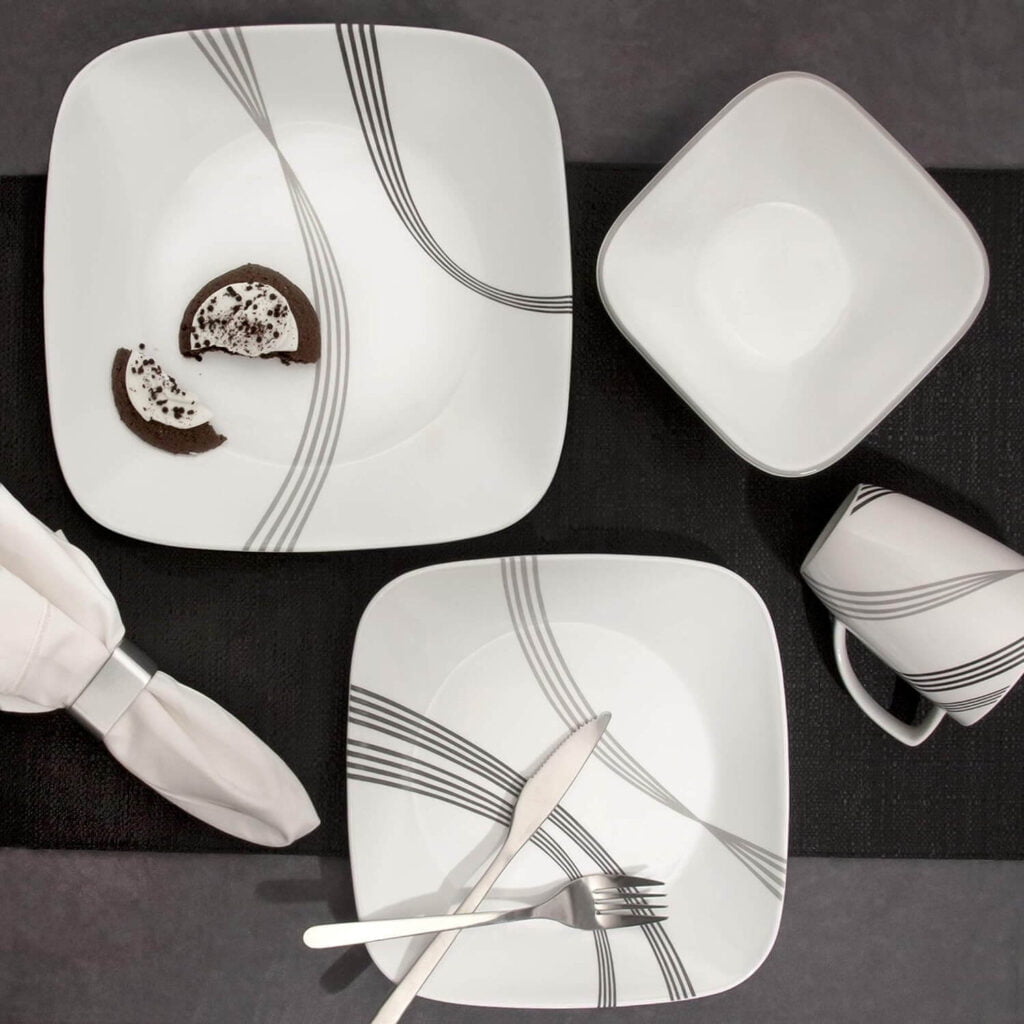
If you’ve spent any time living or traveling in a recreational vehicle, you already know the struggle. You open a cabinet after a long drive and crash a plate slides right off the shelf.
Knowing how to keep dishes from sliding in an RV is one of those practical skills that makes a huge difference in your travel experience.
Sliding dishes cause broken plates, annoying rattling sounds, and even cabinet damage over time.
The good news is there are simple, affordable solutions that make your RV kitchen storage safer and more organized, whether you’re weekend camping or living on the road full-time.
Why Dishes Slide in an RV
Before jumping into fixes, it helps to understand what’s actually causing the problem.
Movement and Road Vibrations
RVs deal with constant travel vibration; every bump, turn, brake, and acceleration sends movement through the entire vehicle.
Unlike a house, your kitchen is essentially rolling down the highway, and anything not secured is going to shift.
Dishes are especially vulnerable because they sit flat on smooth shelves with very little to hold them in place.
Limited Cabinet Design
RV cabinets are built for compactness, not necessarily for dish stabilization.
They’re smaller, shallower, and far less compartmentalized than what you’d find in a home kitchen.
That open space inside the cabinet is exactly where the problem begins. Dishes have room to move, and move they will.
Lightweight or Smooth Dish Materials
Standard ceramic or glass plates have smooth bottoms that offer almost no friction against cabinet shelves.
When you add travel vibration to the mix, even a slightly smooth surface becomes a sliding risk.
Lightweight dishware can actually make this worse, since there’s less weight pressing down to create natural resistance.
Using Non-Slip Shelf Liners
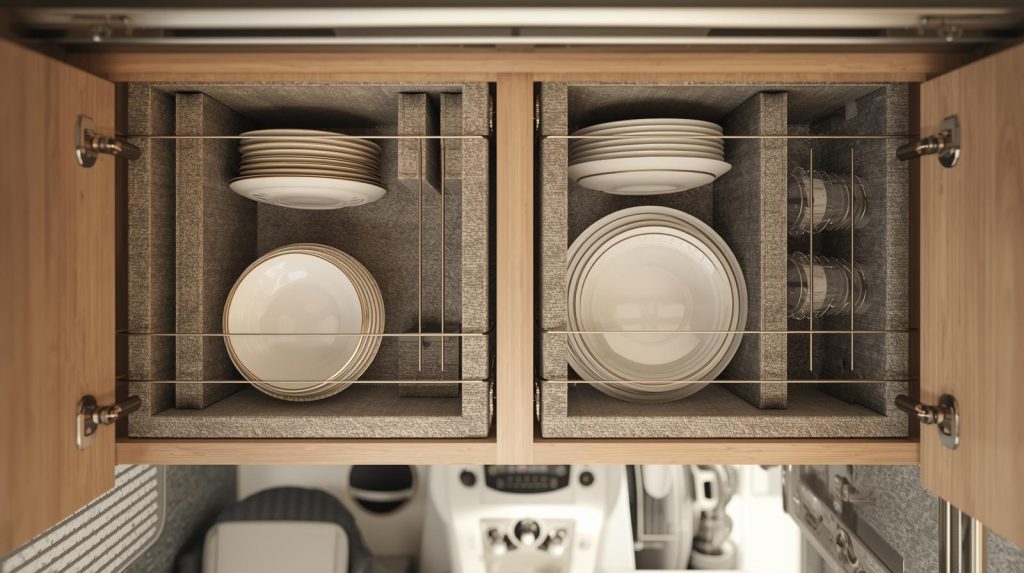
This is one of the easiest and most effective solutions available, and it’s probably where most RV owners start.
What Non-Slip Shelf Liners Are
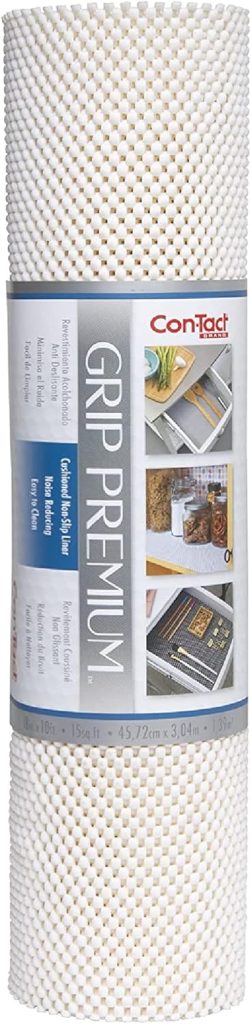
An anti-slip shelf liner is basically a rubberized or foam mat that sits on the surface of your cabinet shelves.
The material creates friction between the shelf and whatever is sitting on it — plates, bowls, cups — so items grip instead of sliding.
You’ll find them in rubber, foam, and silicone shelf liner varieties, each with slightly different textures and durability levels.
Benefits of Shelf Liners
A good cabinet shelf liner does more than just prevent sliding. It also protects the interior surfaces of your cabinets from scratches and chips, which matters a lot in an RV where cabinet wear can lower resale value.
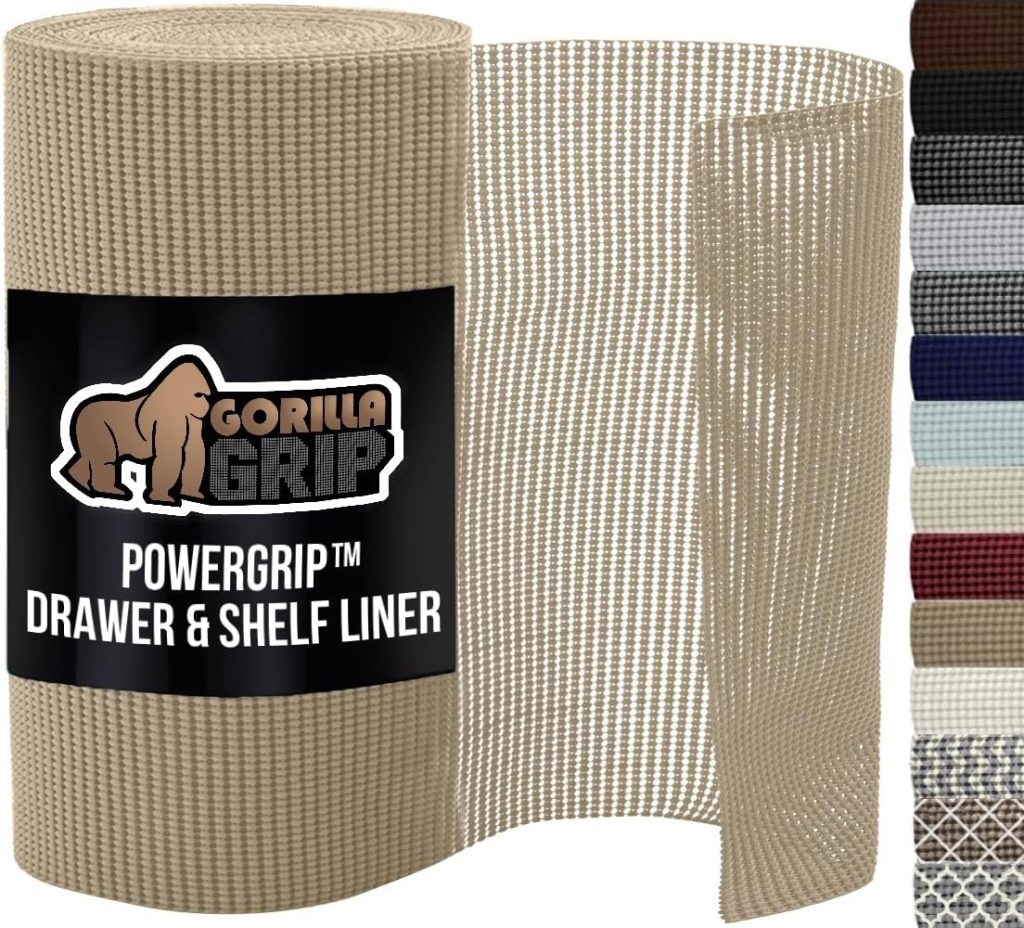
They also dampen the noise that the rattling sound of dishes makes on the road, which is significantly reduced when there’s a non-skid material between the dish and the shelf.
Some silicone kitchen liners are even heat-resistant, making them useful near cooking areas as well.
How to Install Shelf Liners
Installation is straightforward. Measure each shelf before buying anything.
RV cabinet dimensions vary widely. Cut your liner to fit using scissors, leaving a clean edge so it lies flat.
Place it inside the cabinet, smooth-side down if there’s a directional grip.
No adhesive is usually needed; the rubber or foam grip pads hold the liner in place on their own. Swap them out every year or two as they wear down.
Using Dish Holders and Plate Racks
Shelf liners help, but for serious dish movement prevention, you’ll want dedicated storage systems.
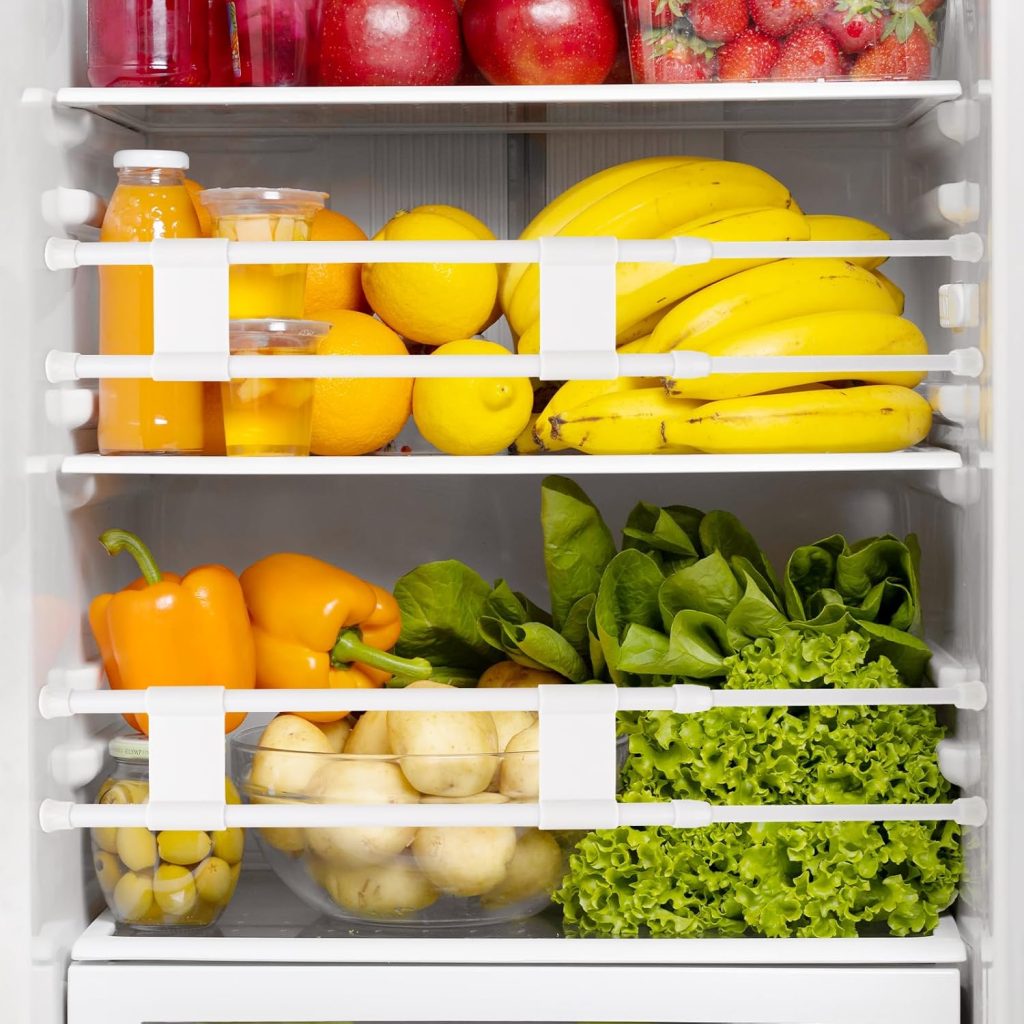
Plate Racks for RV Cabinets
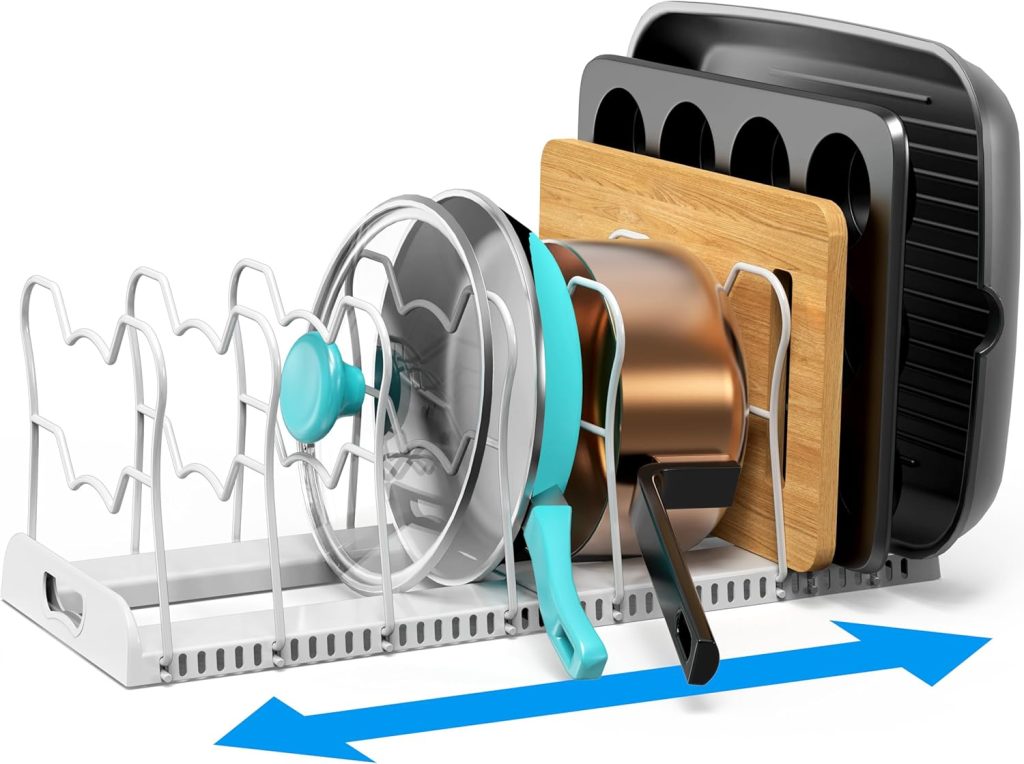
A plate rack or RV plate holder keeps plates stored vertically, which is one of the best ways to prevent them from sliding around.
Instead of stacking plates flat on top of each other, a vertical rack separates each plate in its own slot.
There’s no stacking movement, no shifting pile, and far less risk of breakage during travel.
Adjustable Cabinet Organizers
Adjustable cabinet organizers and plate dividers are another smart option.
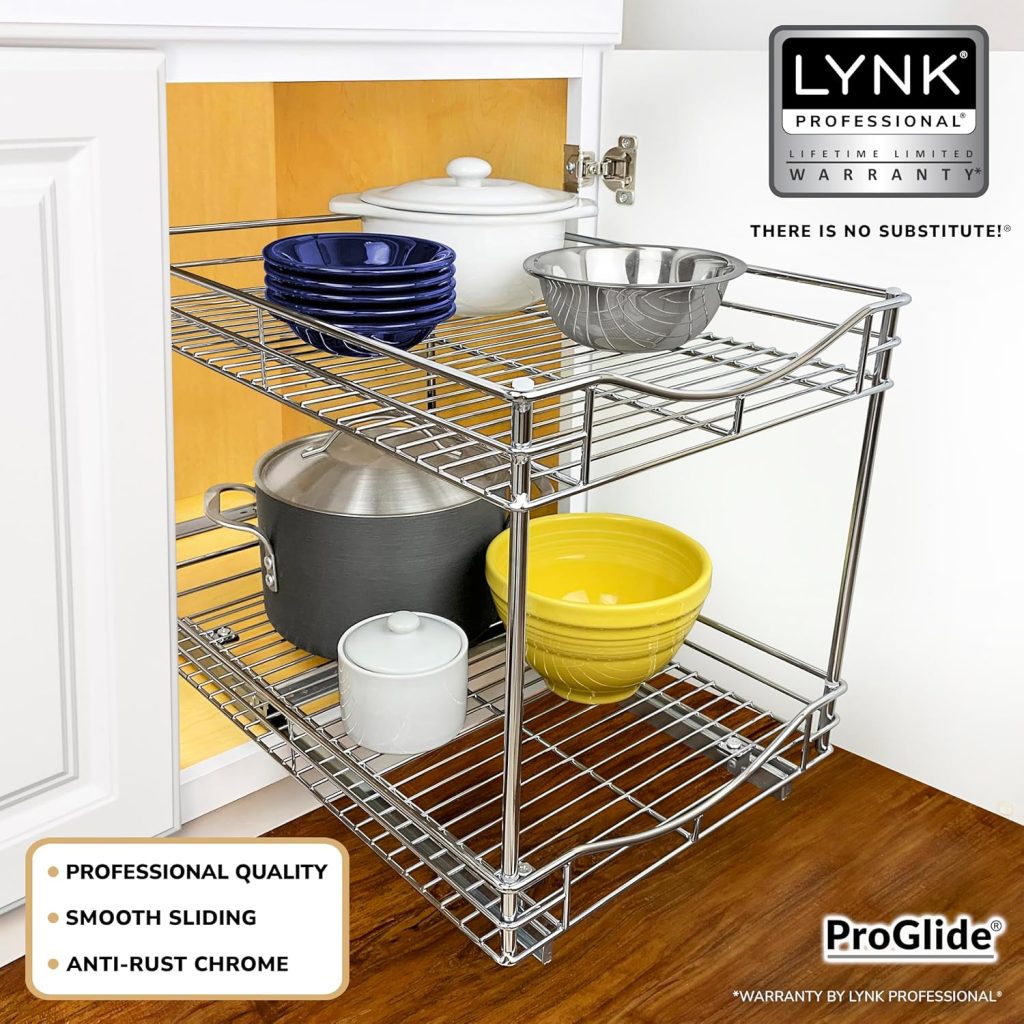
These are essentially customizable inserts that create individual compartments inside your cabinet.
You can reconfigure them based on what you’re storing — plates, bowls, mugs — making them one of the more flexible tools for RV cabinet organization.
Some versions include a drawer organizer tray for smaller items like lids and utensils.
Benefits of Dish Storage Systems
Beyond preventing movement, a proper dish storage rack improves your overall RV kitchen layout.
Everything has a place, you spend less time searching for things, and unpacking after a drive is much faster.
It also reduces the chance of dishes crashing into each other, which is how chips and cracks usually happen.
Using Storage Containers and Bins
Sometimes the simplest fix is just keeping things contained.
Plastic Storage Bins
Grouping dishes inside a kitchen storage bin or container means the bin itself becomes the unit that might shift, not each individual dish.
Even if the bin slides slightly, everything inside moves together without colliding. Look for bins with handles so they’re easy to pull out and put back, especially in deep cabinets.
Stackable Food Containers
For smaller items like cups, mugs, and food storage lids, stackable containers are a smart solution for compact dish storage.
They use vertical space efficiently, which is valuable in a small RV kitchen, and they keep items organized so nothing is rattling loose on the road.
Benefits of Contained Storage
Contained storage is effective because it turns a collection of individual items — each a separate sliding risk — into a single, manageable unit.
A travel storage solution like this also makes packing and unpacking easier and keeps your anti-movement storage approach consistent throughout the kitchen.
Using Non-Breakable RV Dishware
Sometimes the best solution isn’t just how you store dishes, it’s what kind of dishes you use.
Types of RV-Friendly Dishware
Three materials dominate the RV-friendly dishware category:
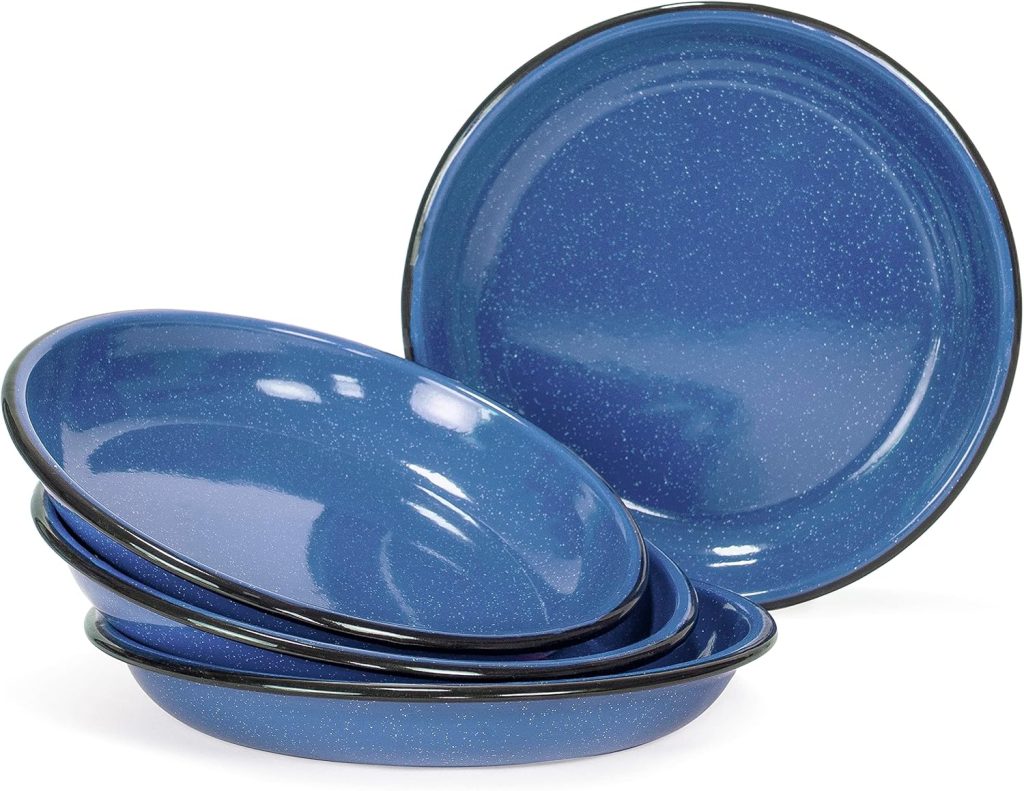
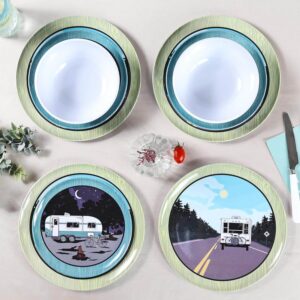
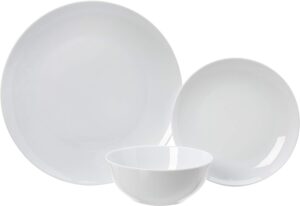
- Melamine dinnerware — Durable, lightweight, and widely available. Melamine resists breakage well and handles travel vibration without cracking.
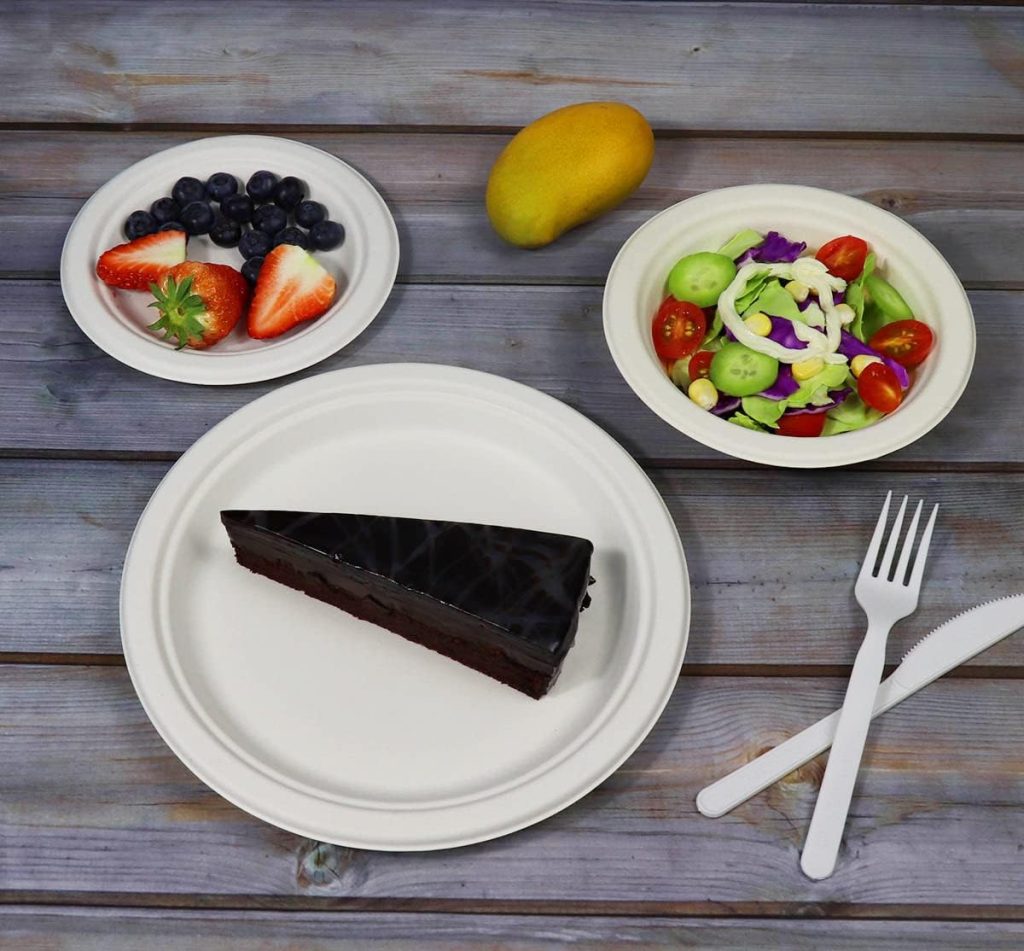
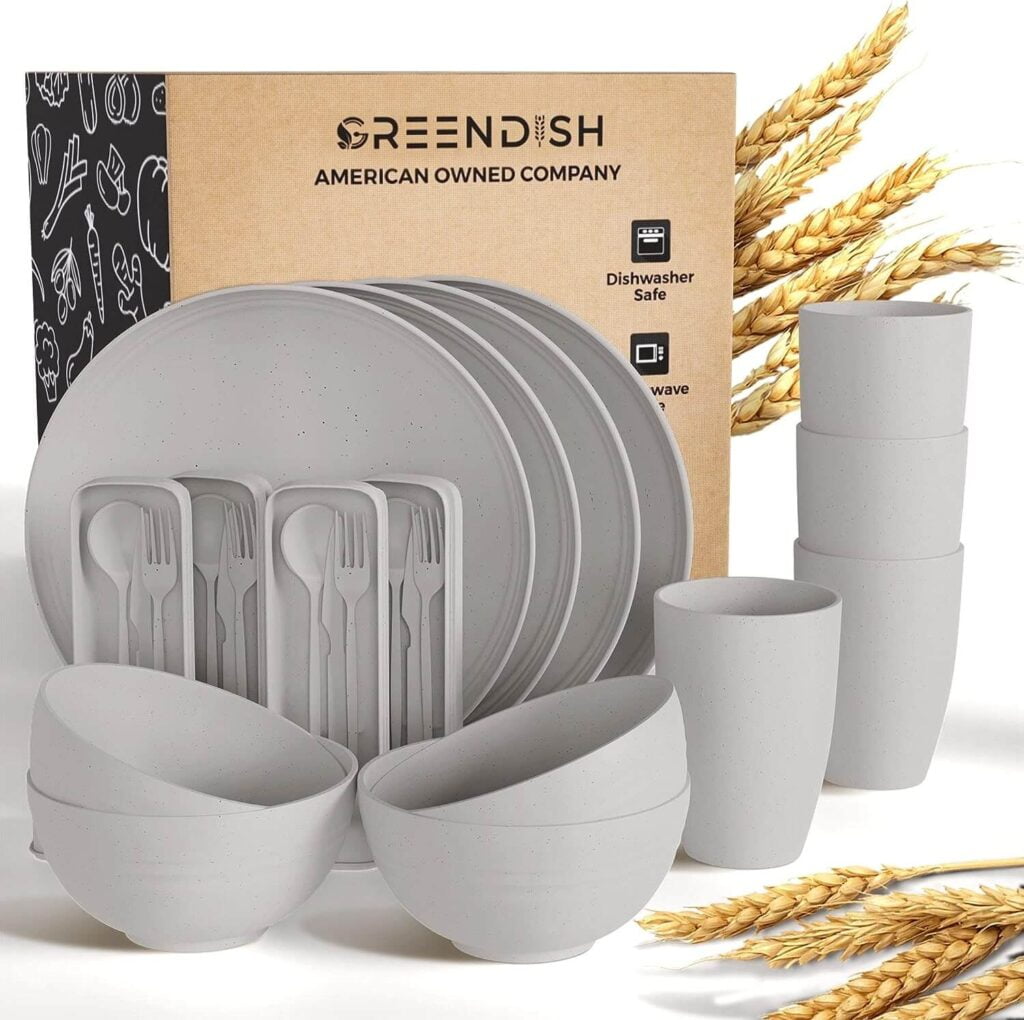
- Bamboo fiber dishes — A more eco-friendly option that’s similarly lightweight and tough. Good for RV owners who prefer sustainable products.
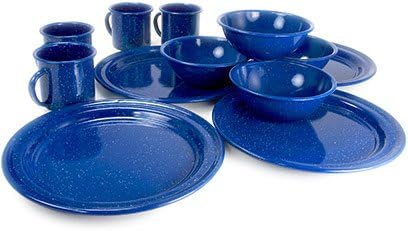
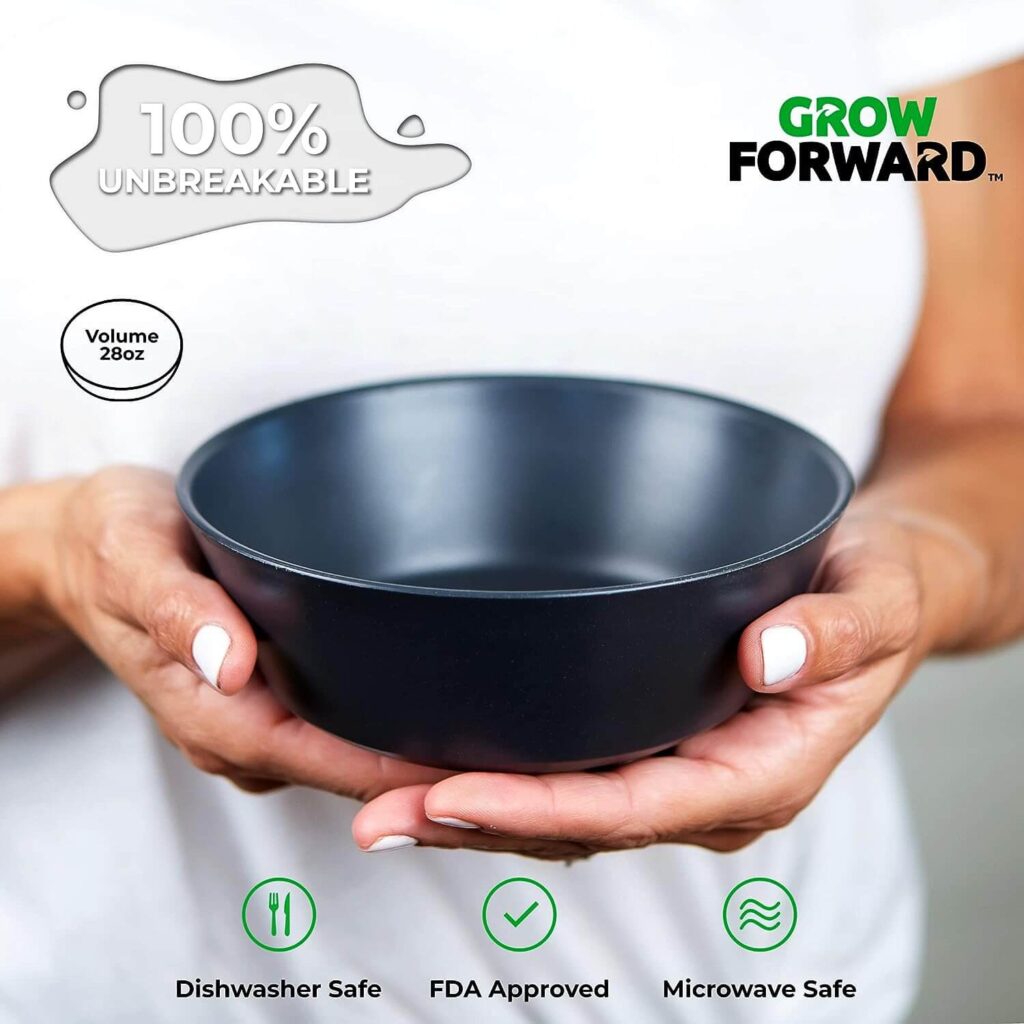
- Plastic dish sets — Budget-friendly and nearly unbreakable. A solid choice for full-time RV living where dishes take more daily wear.
Advantages of Lightweight Dishware
Travel-friendly dishware reduces the weight you’re carrying, which matters for fuel efficiency and overall load management in an RV.
More importantly, non-breakable dishes eliminate the safety risk of shattered ceramic on a moving vehicle. Even if something slips out of a cabinet, the damage is minimal.
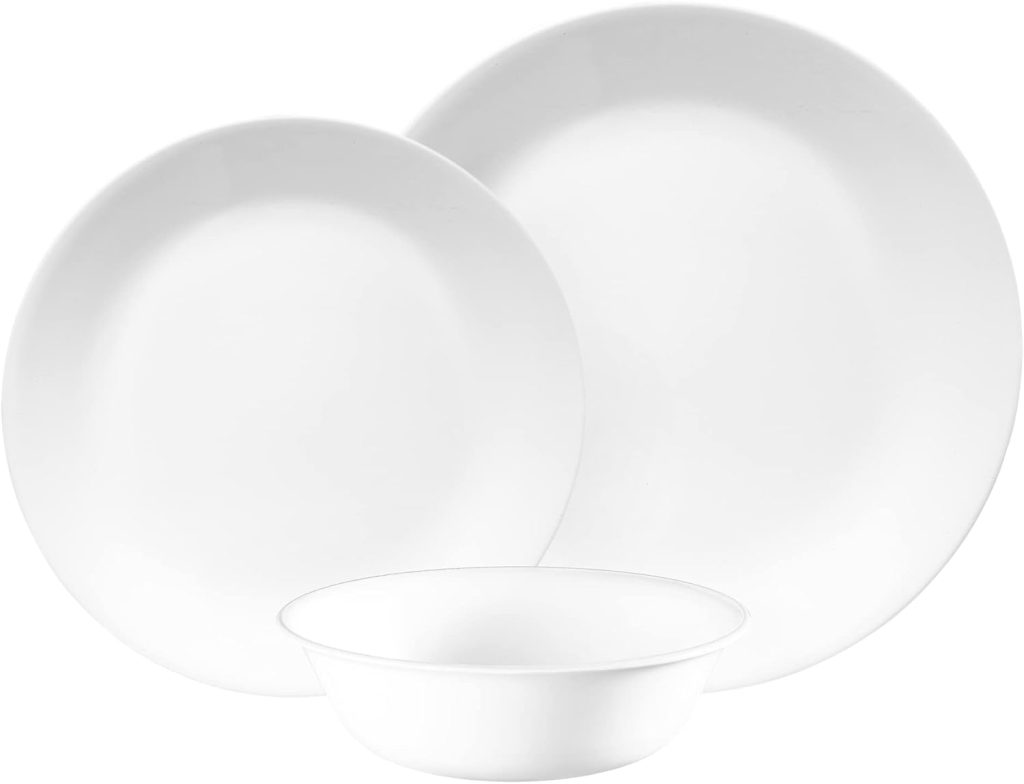
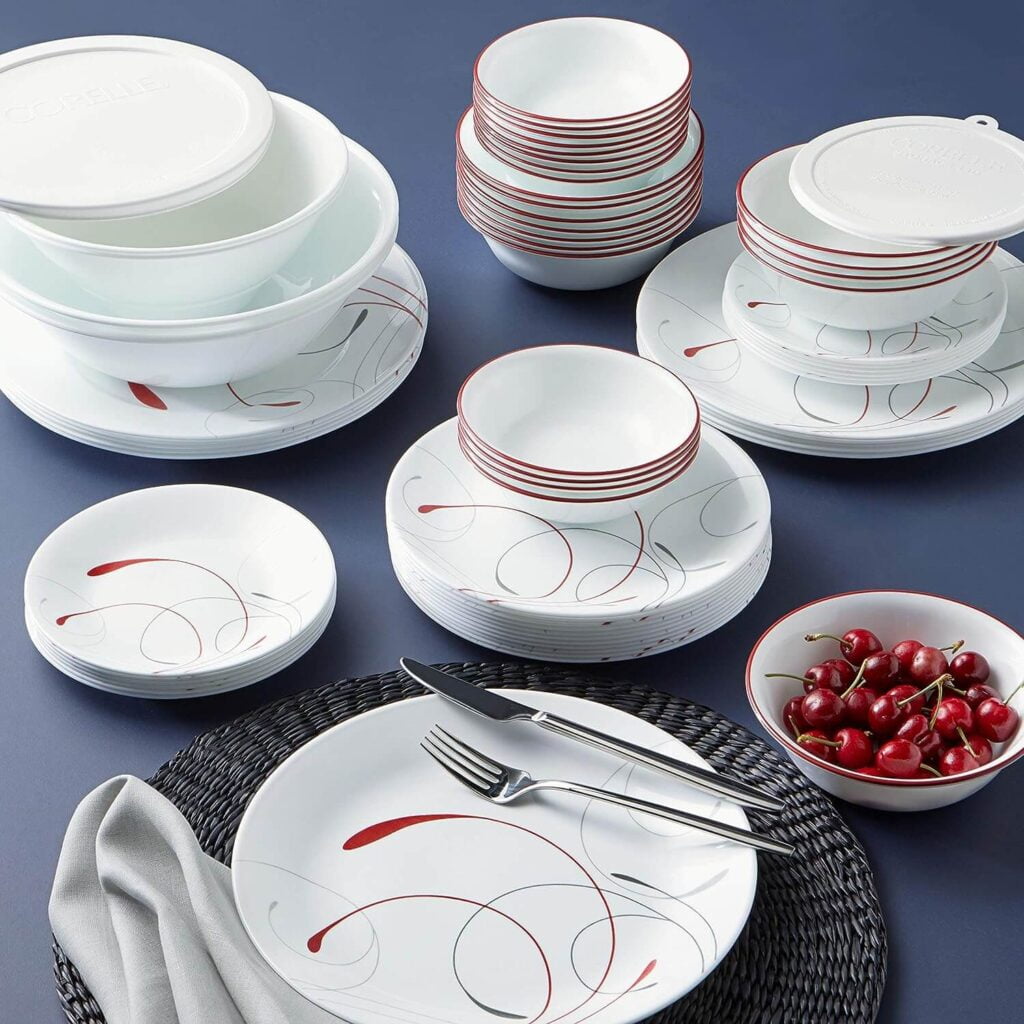
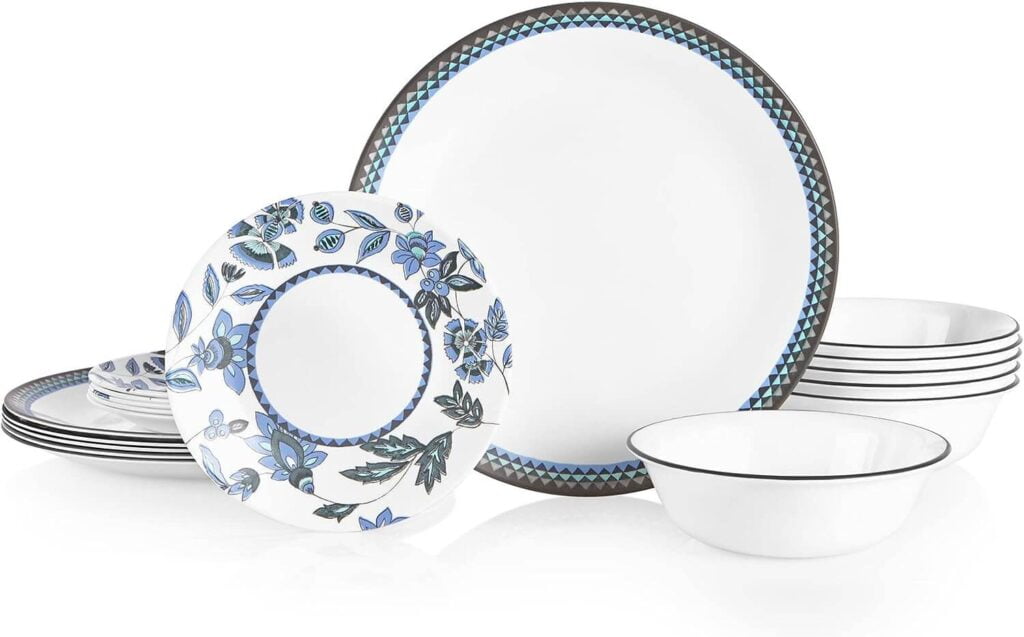
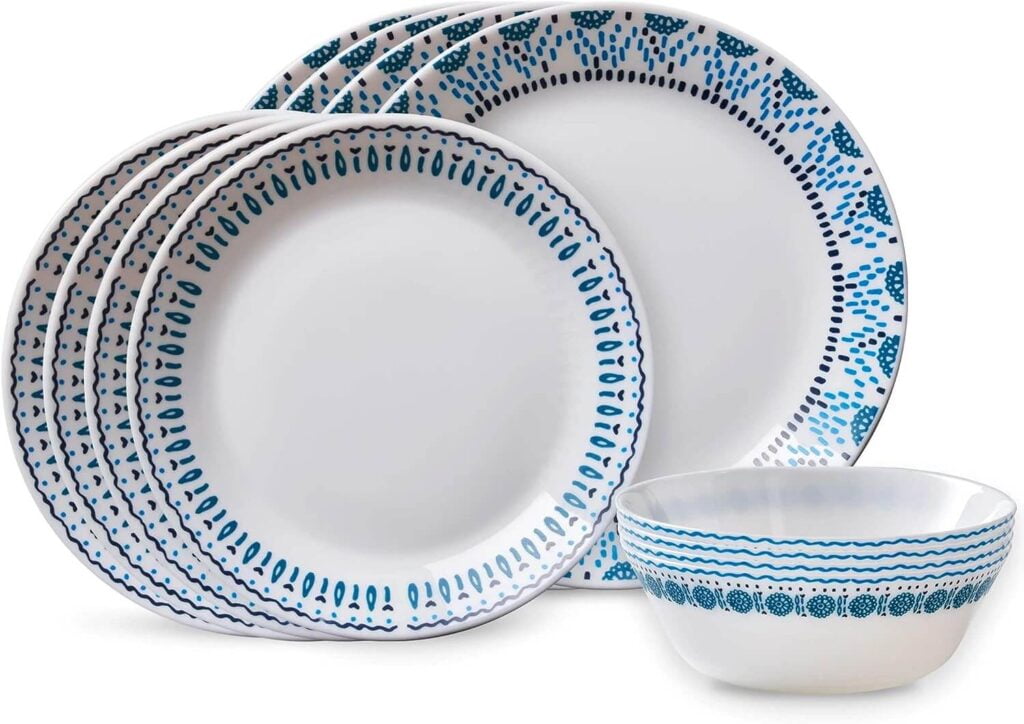
Read more about the use of Lightweight dishes from our guide on: Corelle dinnerware for caravans.
Space-Saving Designs
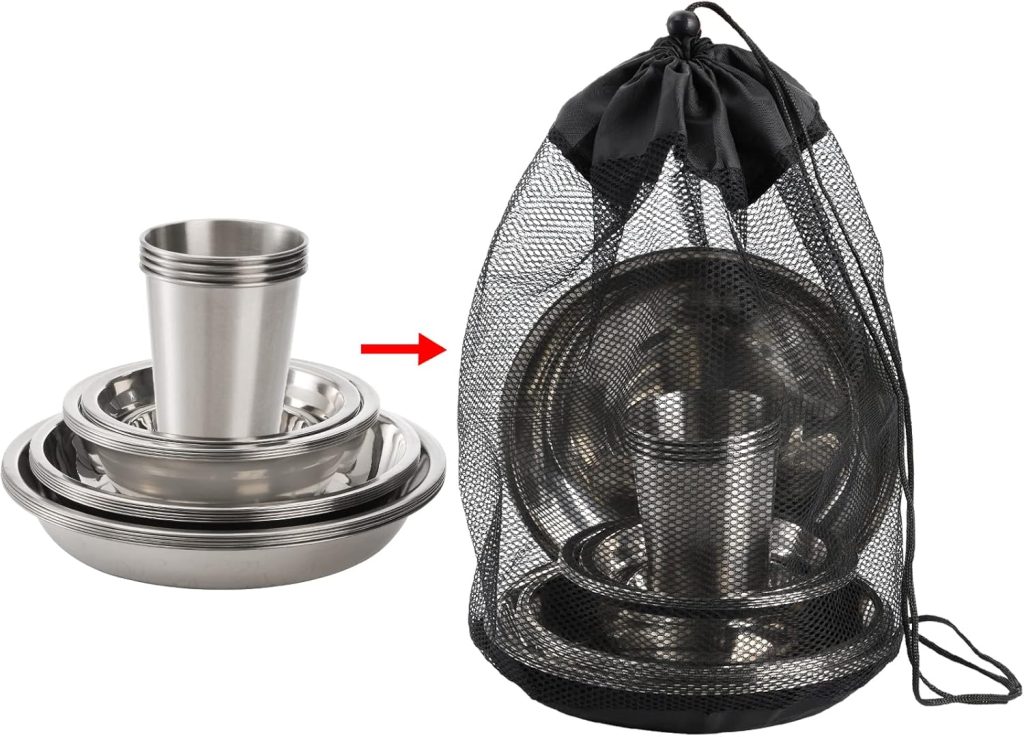
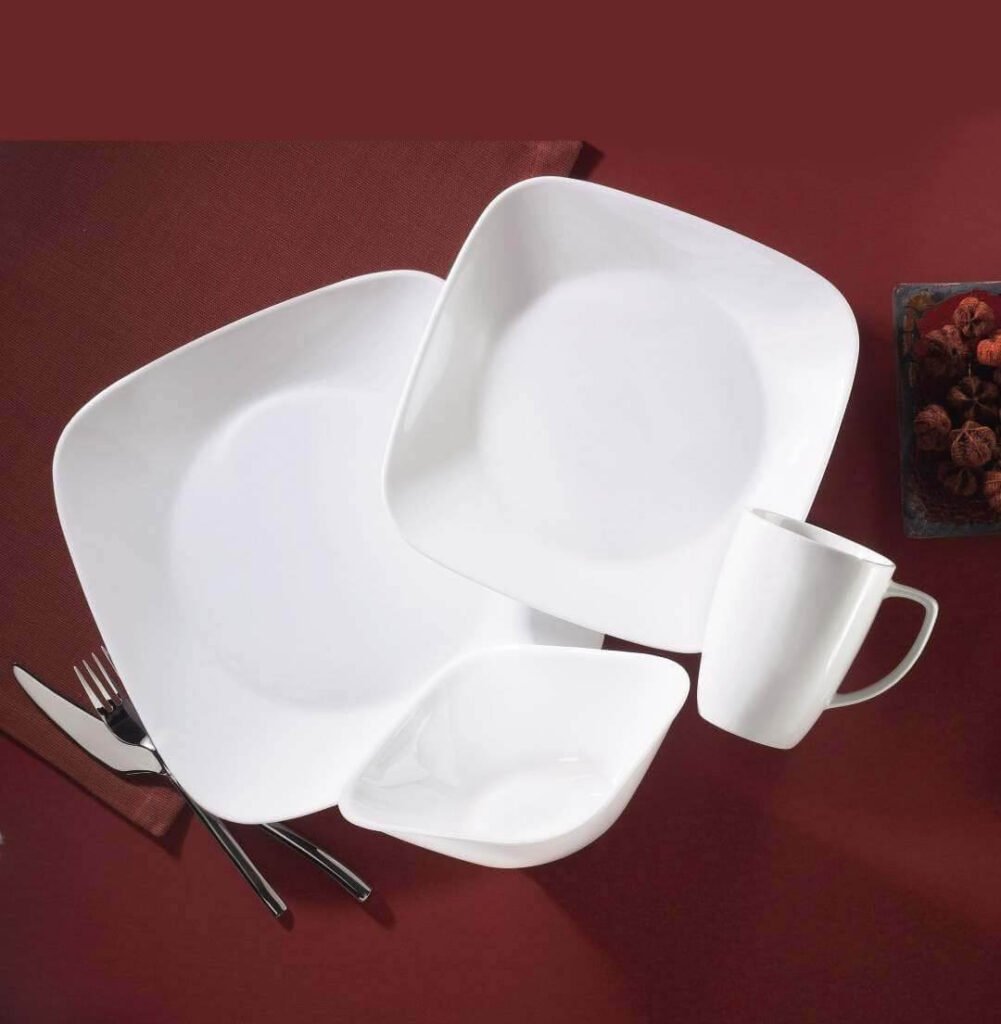
Many RV-compatible dish sets are specifically designed as stackable dinnerware nesting bowls, flat-stacking plates, and cups that fit inside each other.
This kind of compact kitchenware takes up significantly less cabinet space, which also means less room for dishes to shift around.
Check out our guide on the best RV dinnerware sets to start with dishes designed for travel.
Additional Tips to Prevent Dishes from Sliding
These smaller strategies work well on their own or alongside the bigger solutions above.
Using Tension Bars Inside Cabinets
A cabinet tension rod is an adjustable bar that you press between two cabinet walls to create a barrier.
Place one near the front of a shelf, and it acts like a guardrail, blocking dishes from sliding forward when you brake.
They’re inexpensive, easy to install without tools, and one of the more underrated RV storage hacks out there.
Packing Towels Between Dishes
If you’re storing ceramic or glass dishes — or any fragile dishware — packing a kitchen towel or cloth between stacked plates adds dishware cushioning and limits movement.
It’s a low-cost trick that also doubles as protection against chips and cracks. Foam dish separators serve the same purpose and are reusable.
Keeping Cabinets Fully Packed
Empty space is the enemy of dish travel kitchen stability. The more room dishes have to slide, the more they will.
Keeping cabinets fully packed without cramming things in dangerously reduces that free movement significantly.
If a cabinet feels too empty, add a folded towel or a small bin to fill the gap.
Organizing an RV Kitchen for Travel
Good storage systems only work if you use them consistently.
Planning Storage Before Driving
Before every trip, do a quick walkthrough of your RV kitchen. Make sure dishes are in their racks, bins are seated properly, and any loose items are secured.
Cabinet door latches should be checked an RV locking cabinet mechanism that’s slightly loose can pop open on the road and cause a mess.
Developing this pre-drive habit takes two minutes and saves a lot of cleanup.
Checking Cabinets After Long Drives
After a long drive, especially one with lots of turns, hills, or rough roads, open your cabinets and do a quick check.
Items shift gradually over time, and catching a plate that’s worked its way to the edge of a shelf is much better than discovering it broken on the floor.
This is also a good time to readjust your shelf organizers or re-seat any liners that may have moved.
Maintaining an Organized RV Kitchen
RV kitchen safety is an ongoing habit, not a one-time setup.
Clean and re-examine your shelf liners, plate racks, and organizers regularly.
Liners wear out. Tension rods lose their grip. Bins crack. Staying on top of these small maintenance tasks keeps your travel kitchen setup running smoothly, trip after trip.
Conclusion
Keeping dishes from sliding in an RV comes down to using the right combination of tools and habits.
Non-slip shelf liners, plate racks, storage bins, and RV-friendly dishware each address a different part of the problem, and together, they create a kitchen setup that stays organized and safe no matter what the road throws at you.
The goal isn’t perfection; it’s reducing the risk of damage and making your time on the road more enjoyable.
Start with a liner and a plate rack, build from there, and you’ll notice the difference immediately.