Nothing ruins a carefully prepared meal faster than cold food hitting the table.
While most people focus on cooking techniques, the plate itself plays a crucial role in maintaining temperature.
Standard dinner plates made from thin ceramic or porcelain act as heat sinks, rapidly drawing warmth away from your food.
Fortunately, specific plate materials and designs solve this problem effectively.
From thick stoneware that retains heat naturally to innovative thermal-core plates with built-in warming technology, options exist for every dining situation.
This guide explains the science behind heat retention, compares materials, and identifies the best plates for keeping meals warm from first bite to last.
Why Food Gets Cold So Fast on Regular Plates
Understanding heat loss mechanisms reveals why typical dinner plates fail at temperature retention and how material choices dramatically affect performance.
Heat transfer from food to the plate
Food loses heat through direct contact with cooler surfaces beneath it. When hot food touches a room-temperature plate, thermal energy transfers from the warmer object to the colder one until equilibrium occurs.
This conduction process happens instantly and continuously. Thin plates with low thermal mass absorb heat quickly from food without storing it effectively, acting as temperature drains rather than insulators.
The larger the temperature difference between the food and the plate, the faster heat transfers away.
Thin ceramic plates lose heat quickly
Standard ceramic dinnerware typically measures 3-5mm thick, providing minimal thermal mass.
This thinness means plates heat up rapidly when food touches them, but also release that heat just as quickly into the surrounding air.
The ceramic material itself conducts heat moderately well, efficiently pulling warmth from food.
Once heated, thin plates radiate energy into cooler environments fast. Mass matters more than material alone—insufficient thickness prevents adequate heat storage regardless of composition.
Room temperature surfaces & convection
Plates sitting on tables or counters lose heat through their undersides via conduction to cooler surfaces.
Simultaneously, air moving across the top surface carries away warmth through convection currents.
Room air constantly flows over exposed plate edges and food surfaces, accelerating cooling.
Wider plates expose a larger surface area to air, thereby increasing convective losses. Even slight air movement from heating systems or open windows can dramatically speed up cooling rates.
How Plates Can Help Keep Food Warm
Plates maintain food temperature through specific physical properties and preparation methods that slow inevitable heat loss during dining.
Thermal mass vs insulation
Thermal mass refers to a material’s ability to absorb and store heat energy.
Heavy, dense plates with high thermal mass stay warm longer after heating, releasing stored energy back to the food gradually.
Insulation works differently by creating barriers that resist heat flow between surfaces. Double-walled plates trap air gaps that insulate warm food from cool environments.
Both approaches work, but thermal mass requires preheating while insulation works without preparation. Combining both properties produces optimal results.
Pre-heated plates
Warming plates before serving gives them thermal energy to share with food rather than steal from it.
A pre-heated plate maintains food temperature rather than lowering it. The practice originated in fine dining establishments where presentation and temperature both matter.
Safe plate preheating prevents damage while maximizing effectiveness. Pre-warmed plates can extend food temperature by 10-20 minutes, depending on thickness and material.
The technique transforms any plate into a better warming vessel.
Plate thickness & density
Thickness directly determines how much heat a plate stores. A 10mm thick stoneware plate holds twice the thermal energy of a 5mm ceramic one.
Density matters equally; materials with tightly packed molecular structures store more energy per volume.
Cast iron’s exceptional density explains its superior heat retention despite moderate thickness.
Combining substantial thickness with high-density materials creates plates that maintain warmth for extended periods.
Surface area exposure
Larger plates expose more food surface to air, accelerating cooling through increased convection.
Smaller plates with taller rims shield food better by reducing air circulation across surfaces.
Covered serving dishes maintain temperature better than flat plates for this reason. Deep bowls outperform flat plates when keeping soups and stews warm.
Consider portion size when selecting plate dimensions; oversized plates with small portions cool food faster than appropriately sized options.
Best Types of Dinner Plates That Keep Food Warm
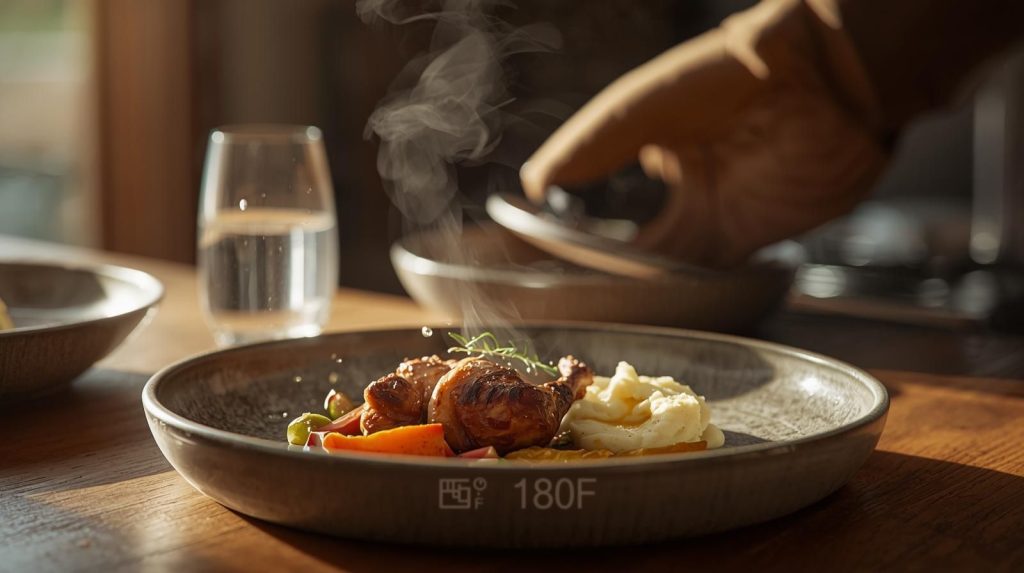
Different materials offer varying heat retention capabilities, with thickness and density creating performance differences within each category.
Stoneware Plates
Stoneware represents the ideal choice for home dining temperature retention.
These plates typically measure 8-12mm thick with dense, vitrified clay bodies that store substantial thermal energy.
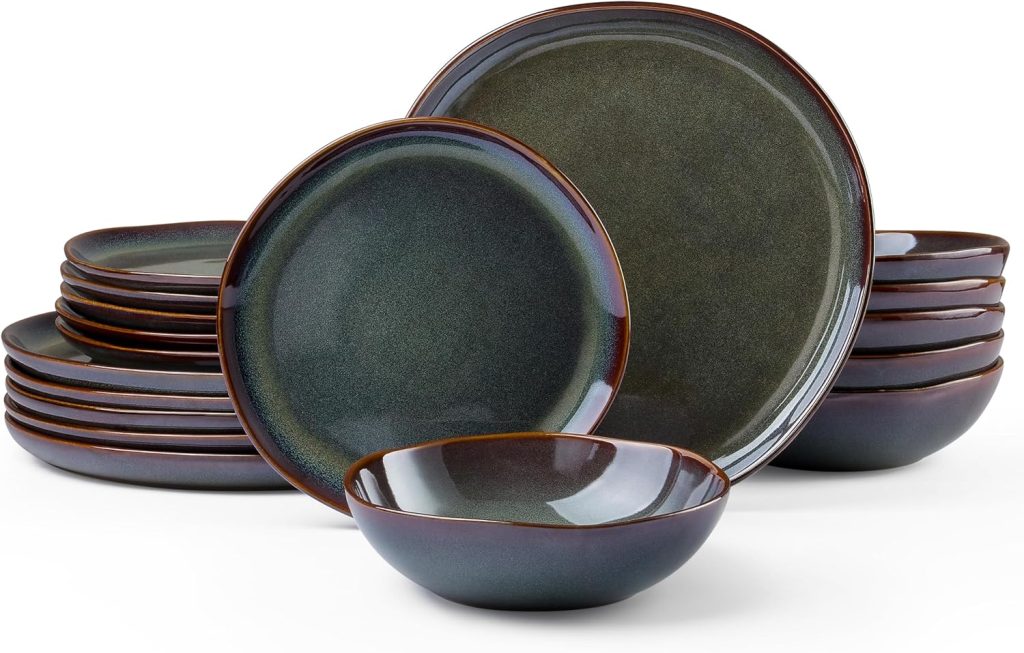
The material composition includes natural clay fired at high temperatures, creating a semi-porous structure that holds heat effectively.
Stoneware plates feel noticeably heavier than standard ceramic, indicating their superior thermal mass.
When preheated, quality stoneware maintains food temperature for 15-25 minutes.
The material handles oven temperatures safely, dishwasher cleans easily, and comes in attractive finishes suitable for everyday use.
Ceramic Plates (High-Fire)
High-fire ceramic refers to porcelain and stoneware blends fired above 2,200°F, creating denser structures than earthenware.
These plates offer moderate heat retention, better than thin porcelain but less effective than pure stoneware.
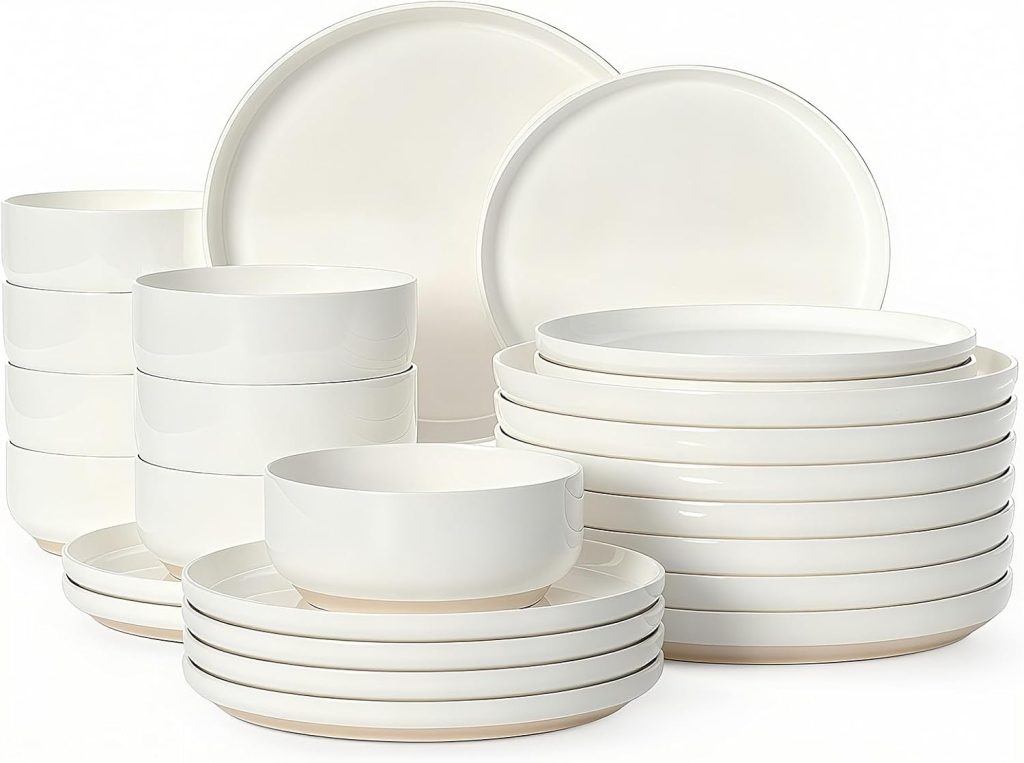
The material provides excellent food safety with non-reactive glazes that don’t leach chemicals.
Most quality ceramic dinnerware falls into this category, balancing aesthetics with functionality.
Thickness varies significantly between manufacturers, so seek options exceeding 7mm for better temperature maintenance.
High-fire ceramic withstands thermal shock better than low-fire alternatives.
Cast Iron Serving Plates
Cast iron delivers exceptional heat retention unmatched by ceramic materials.
Restaurants use these plates for sizzling fajitas and steaks because the dense metal maintains high temperatures throughout meals.
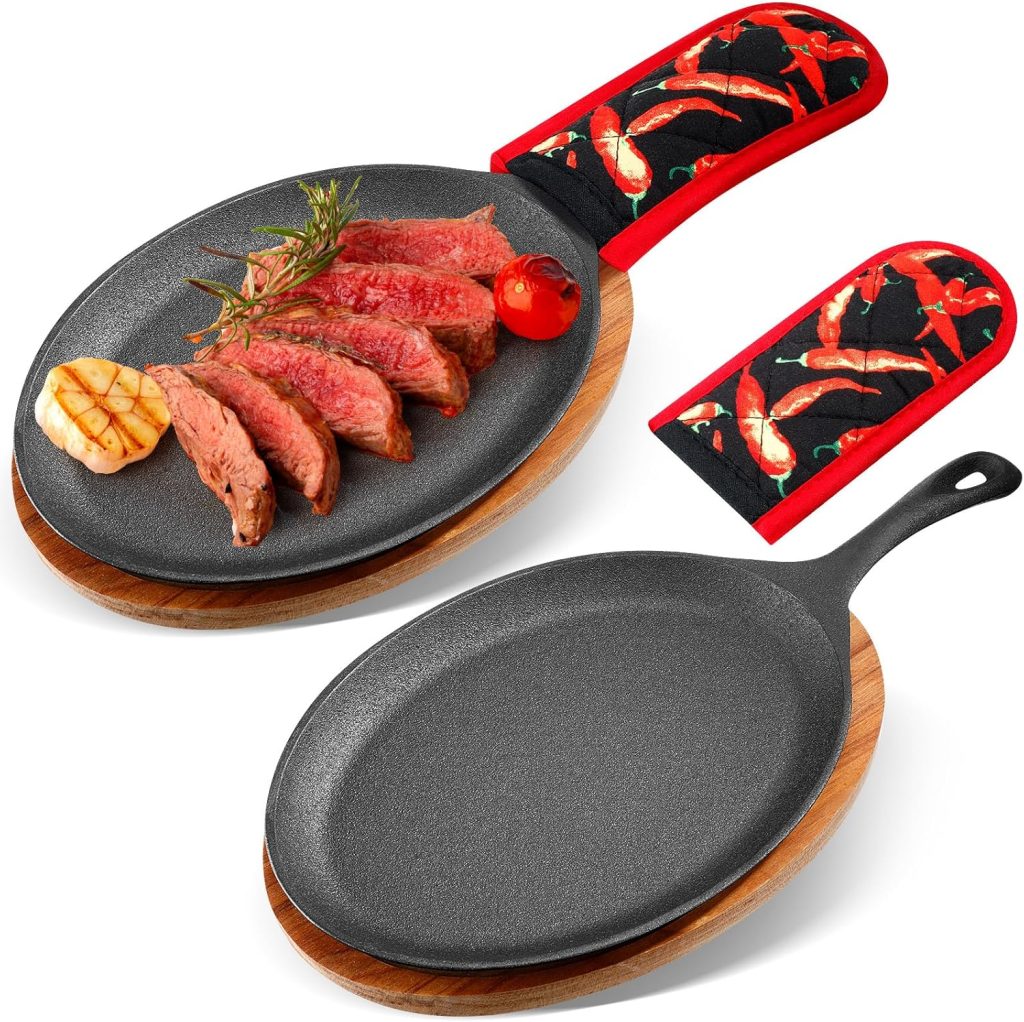
Individual cast iron plates typically feature handles since the material conducts heat too well for direct handling.
Pre-seasoned surfaces prevent sticking and add non-toxic protection. However, cast iron requires careful maintenance, including hand washing and occasional seasoning.
The weight makes daily use impractical for some, but performance justifies the effort for special occasions.
Insulated / Double-Walled Plates
Specialized insulated plates feature air gaps or foam layers between inner and outer walls that resist heat transfer.
These designs work without preheating by preventing food warmth from escaping quickly.
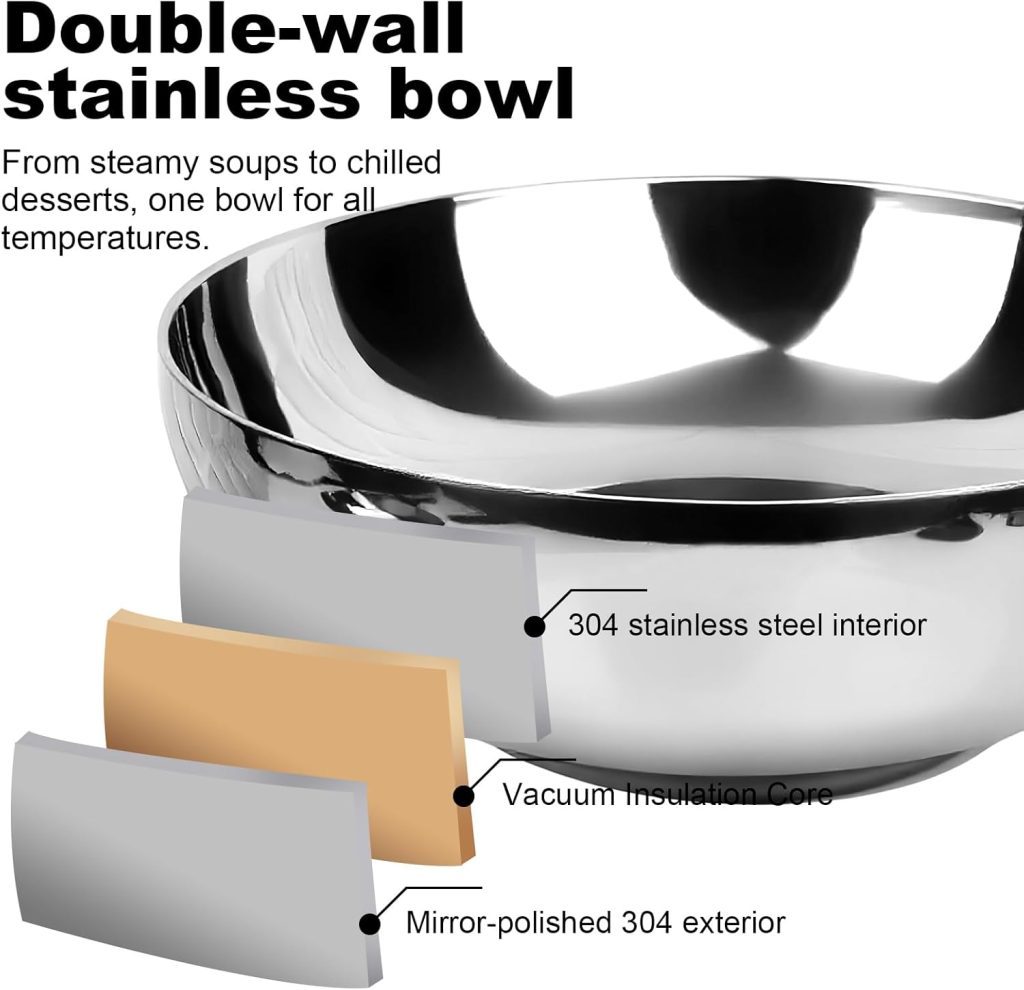
Popular for children’s dinnerware, they maintain temperature for picky eaters who take longer to finish meals.
Solutions for slow eaters often include these plate types.
Construction quality varies significantly. Premium versions use stainless steel with vacuum insulation, while budget options use plastic with simple air gaps.
Check material safety certifications before purchasing.
Stainless Steel Plates (with insulation)
Stainless steel plates combine durability with good heat retention when properly designed.
Single-wall steel conducts heat away quickly, but double-wall insulated versions trap air for better performance.
The material withstands drops and rough handling better than ceramic, making it ideal for outdoor dining or children.
Food-grade stainless steel poses no toxicity concerns and cleans effortlessly.
When preheated in warm water or low ovens, insulated stainless maintains food temperature comparably to stoneware.
The metal’s lightweight nature appeals to users who find heavy ceramic cumbersome.
Plates Designed Specifically to Keep Food Warm
Innovative designs incorporate active warming elements beyond passive heat retention, extending temperature maintenance significantly.
Thermal-core plates
Thermal-core technology embeds heat-storing materials between plate layers.
Manufacturers use substances like silica gel, paraffin wax, or specialized ceramics that absorb and release heat slowly.
Users warm these plates in microwaves or ovens, charging the core material. The stored thermal energy then radiates to food for extended periods—often 30-45 minutes.
The cores add weight and thickness but provide superior performance. Check whether specific models allow microwave charging or require oven heating before purchasing.
Gel-filled warming plates
Gel-filled designs use non-toxic thermal gels sandwiched between food-safe plates.
These products are typically microwaved for 2-3 minutes, heating the gel, which then maintains plate warmth.
The gel distributes heat evenly across surfaces, preventing hot spots that might damage food quality.
Most gel plates work only for reheating since excessive temperatures damage gel cores. They excel at maintaining moderate warmth rather than searing-hot serving.
Durability concerns arise if plates crack, potentially leaking gel, so inspect regularly.
Heat-activated plates
Some specialty plates use chemical reactions or phase-change materials that activate at specific temperatures.
These innovative designs release stored energy gradually as food cools. The technology remains relatively expensive and limited in availability compared to traditional thermal-mass approaches.
Restaurant and healthcare sectors use these more commonly than home consumers.
Performance justifies costs in institutional settings serving large groups requiring synchronized service.
Microwave-warmed base plates
Several manufacturers produce plate systems with removable bases that microwave separately.
Users heat the base for 60-90 seconds, then click the dining surface on top.
This modular approach allows quick reheating between courses without exposing food directly to microwave energy.
The bases typically contain ceramic cores or thermal gels. Systems work well for sequential serving where multiple courses need individual warming.
Cost exceeds conventional plates significantly, but provides active heating without electrical components.
Best Plates for Slow Eaters
Individuals who eat slowly need plates that maintain temperature for extended periods, requiring specific materials and preparation techniques.
Longer meal duration needs
Slow eaters face food cooling below appetizing temperatures before finishing portions. Children, elderly individuals, and those with certain medical conditions often eat gradually.
Standard plates cool food within 10-15 minutes, creating unpleasant dining experiences.
Addressing this requires both appropriate plate selection and proper warming preparation.
Understanding that meals might last 30-45 minutes guides material choices toward maximum thermal mass and insulation properties.
Plate material importance
Thick stoneware plates exceeding 10mm provide optimal performance for slow eaters, maintaining warmth for 20-30 minutes when preheated.
Cast iron offers even longer retention but presents handling challenges. Insulated double-wall plates work well without preheating requirements, suiting situations where preparation time is limited.
Avoid thin ceramic or glass entirely, as these materials cool food within minutes. Prioritize weight and thickness when selecting plates for extended meal durations.
Pre-heating techniques
Pre-warming plates transforms performance dramatically for slow eaters. Place stoneware or ceramic plates in 200°F ovens for 10-15 minutes before serving.
Alternatively, fill plates with hot water for 5 minutes, then dry thoroughly before plating food.
Microwave-safe plates can be warmed for 60-90 seconds on high power. Always test the temperature before serving to prevent burns.
Consistent preheating routines ensure food stays appetizing throughout extended meals.
Portion placement strategies
Mounding food toward the plate center minimizes surface area exposure to air, slowing convective cooling.
Avoid spreading thin layers across entire surfaces. Use smaller plates appropriate to portion sizes rather than oversized options.
Consider transferring food to fresh, pre-warmed plates mid-meal for very slow eaters.
Covering plates partially with lids or other plates between bites reduces heat loss significantly while maintaining accessibility.
How to Preheat Plates Safely
Proper warming techniques maximize heat retention while preventing damage to both plates and users from excessive temperatures or thermal shock.
Oven warming (low temp only)
Ovens provide effective, even heating for ceramic and stoneware plates. Set temperatures between 175°F-225°F—higher heat risks burns and may damage some glazes.
Place plates directly on racks, spacing them for air circulation. Warm for 10-15 minutes before serving time.
Use oven mitts when removing hot plates, as handles heat too. Never exceed manufacturer temperature ratings.
This method works best when warming multiple plates simultaneously for family meals or dinner parties.
Hot water bath method
Filling plates with near-boiling water for 3-5 minutes safely warms them without oven access. Use your hottest tap water or heated kettle water, ensuring complete surface coverage.
This gentle method prevents thermal shock while effectively raising plate temperatures.
Dry plates thoroughly with clean towels before plating food to prevent dilution of sauces or sogginess.
The water bath works particularly well for quick single-plate warming when cooking individual portions.
Microwave safety rules
Only microwave plates explicitly labeled microwave-safe. Heat empty plates for 30-60 seconds, checking temperature carefully.
Some decorative elements contain metals that spark dangerously in microwaves. Plates heat unevenly in microwaves, potentially creating hot spots that burn users.
Rotate plates halfway through warming cycles for better distribution.
Never microwave plates with metallic trim, hand-painted decorations, or chips that might contain moisture, causing explosive heating.
Avoiding thermal shock
Thermal shock occurs when extreme temperature changes cause materials to crack. Never place frozen or refrigerated plates directly into hot ovens.
Allow cold plates to reach room temperature first, or warm gradually, starting at lower temperatures.
Similarly, don’t pour ice water onto hot plates or place hot plates on cold stone counters.
Safe plate preheating prevents costly damage while extending dinnerware life. Quality stoneware resists thermal shock better than thin porcelain or glass.
What Plates Do NOT Keep Food Warm
Understanding poor performers helps avoid disappointment and guides better purchasing decisions for temperature-sensitive dining needs.
Thin porcelain
Fine china and thin porcelain plates typically measure 3-5mm thick with low density, providing minimal thermal mass.
These elegant plates prioritize aesthetics over function, cooling food rapidly. The thin construction heats quickly from food contact but releases that warmth almost immediately into the surrounding air.
Delicate porcelain also restricts safe preheating since thermal shock easily damages thin materials.
Reserve these plates for cold salads or room-temperature appetizers rather than hot entrees requiring temperature maintenance.
Glass plates
Glass combines poor insulation with rapid heat conduction, making it the worst choice for keeping food warm.
Why glass plates lose heat fast explains the material’s thermal properties. Thin glass construction, typical in dinnerware, provides negligible thermal mass.
The material conducts heat efficiently into table surfaces while simultaneously radiating warmth into the air.
Glass plates feel cold to the touch within minutes of serving hot food. Only use glass for cold dishes, desserts, or presentations where temperature maintenance doesn’t matter.
Melamine (unsafe for heat)
Melamine plastic plates cannot withstand high temperatures, making preheating impossible and heat retention poor.
Heating melamine above 160°F releases toxic chemicals into food, creating health hazards. The lightweight plastic provides no thermal mass regardless of thickness.
Melamine plates cool hot food rapidly while offering no safe warming options. These plates suit cold sandwiches, salads, and outdoor dining where temperature control isn’t critical.
Never use for hot foods requiring temperature maintenance or attempt heating in ovens or microwaves.
Plastic plates
Standard plastic dinnerware shares melamine’s limitations without even melamine’s moderate durability.
Thin construction provides zero thermal mass, cooling food immediately upon contact. Heat warps and melts plastic plates, eliminating any preheating possibility.
Chemical leaching concerns arise when hot food contacts plastic surfaces. While convenient for outdoor events and children’s parties, plastic plates offer no temperature retention whatsoever.
Use exclusively for cold foods, room-temperature snacks, or situations where immediate consumption occurs.
Plates vs Plate Warmers — Which Is Better?
Comparing passive heat retention from proper plates against active heating from electric warmers reveals distinct advantages for different situations.
Passive heat retention (plates)
Quality plates with high thermal mass maintain warmth through stored heat without electricity or special equipment.
Stoneware and cast-iron plates work independently once preheated, requiring no cords or monitoring.
This passive approach suits regular dining where preheating routines become habitual.
Initial investment costs remain reasonable since quality plates last for decades.
Passive retention works reliably for 15-30 minutes, adequate for typical meal durations. The simplicity appeals to users wanting straightforward solutions without technology complications.
Active heating (warmers)
Electric plate warmers actively maintain or increase temperatures throughout meals using heating elements.
These devices accommodate any plate type, from thin porcelain to heavy stoneware. Warmers extend temperature maintenance indefinitely as long as power continues.
Restaurant buffets and catering operations rely on warmers for hours-long service. However, warmers require counter space, electrical outlets, and careful monitoring to prevent overheating.
Operating costs include electricity consumption, and units require storage when not in use.
Safety considerations
Both approaches present safety concerns requiring attention. Pre-heated plates can burn unwary diners touching hot surfaces without warning.
Active warmers pose greater risks through electrical hazards, cord tripping, and continuous high temperatures.
Warmers need stable placement away from water sources and flammable materials.
Children and elderly individuals face increased burn risks with both methods.
Proper warnings and careful handling mitigate dangers, but passive plates generally present fewer ongoing hazards.
Cost & convenience
Quality thermal-mass plates may cost $15-$40 (depending on the store) each but require no ongoing expenses beyond occasional replacement.
Plate warmers range from $30 for basic models to $200+ for commercial units, plus electricity costs.
Plates integrate seamlessly into existing kitchen workflows with minimal added effort once preheating becomes routine.
Warmers demand counter space and electrical access, complicating kitchen organization. For occasional use, preheated plates offer better value.
Frequent entertainers or those serving large groups might justify warmer investments.
Safety Considerations When Using Warming Plates
Proper precautions prevent burns, material damage, and health concerns when implementing temperature-retention strategies.
Burn risk
Pre-heated plates reach temperatures between 150°F-180°F, hot enough to burn skin on contact.
Always warn diners before serving on warmed plates. Children and elderly individuals with reduced sensation face elevated injury risks.
Use trivets or placemats providing insulation between hot plates and bare hands. Consider color-coding or marking warmed plates to signal caution.
Train family members to use utensils for plate adjustment rather than direct contact. Allow cooling time before handling plates for clearing.
Food-contact safety
Some materials release harmful chemicals when heated or maintain food contact at elevated temperatures.
Verify all plates meet food-safety certifications before warming. Avoid heating plates with decorative elements that might contain lead or cadmium.
Damaged glazes may leach more readily when hot. Only use oven-safe plates rated for the intended temperatures.
Materials like melamine become toxic when heated. Stick to ceramic, stoneware, and stainless steel from reputable manufacturers with proper safety testing.
Non-toxic materials
Select plates manufactured without lead and cadmium, or other heavy metals that leach into food.
Modern ceramics from established brands typically meet safety standards, but imported products and vintage dishes may contain toxins.
High-fire stoneware and porcelain present minimal leaching risks due to vitrification during firing.
Food-grade stainless steel offers inherent safety. Request test certificates or check for FDA certification when purchasing.
Hand-painted decorations sometimes contain unsafe pigments—avoid heating plates with extensive painting.
Children & elderly considerations
Vulnerable populations need additional protection when using warming plates. Children lack judgment about hot surfaces and may touch plates instinctively.
Use insulated plate holders or ensure plates cool to safe temperatures before serving. Supervise closely until children understand burn risks.
Elderly individuals with neuropathy or dementia may not perceive heat danger appropriately.
Consider moderate warming temperatures, sacrificing some performance for enhanced safety.
Label warm plates clearly and maintain consistent placement routines so users anticipate hot dishes.
FAQ — Dinner Plates That Keep Food Warm
Yes, preheated plates significantly extend food warmth duration.
Warm plates don’t steal heat from food like cold plates do, instead maintaining temperature through stored thermal energy.
Thick stoneware or cast iron heated to 175°F-200°F keeps food appetizing for 20-30 minutes versus 10-15 minutes on room-temperature plates.
The effect increases with plate thickness and density.
Warming plates require careful supervision with children due to burn risks. Heated plates reach temperatures that can injure skin on contact.
Use moderate warming temperatures rather than maximum heat when serving children.
Insulated plate holders or trivets provide protection.
Alternatively, consider insulated double-wall plates that maintain warmth without dangerous surface temperatures, making them inherently safer for young diners.
Only microwave plates explicitly labeled microwave-safe. Many warming plates contain materials or cores that shouldn’t be microwaved.
Gel-filled and thermal-core plates often specify microwave instructions. Standard ceramic and stoneware typically microwave safely when empty.
Check manufacturer guidelines before microwaving.
Never microwave plates with metallic decorations, as these create dangerous sparks and may damage both the plate and the microwave.
Restaurants use multiple methods: thick ceramic plates preheated in warming ovens, cast iron serving platters heated to high temperatures, heat lamps over plated dishes, and heated plate cabinets maintaining ready plates at serving temperature.
High-end establishments often have dedicated plate warmers built into service areas.
Some use heated bases under plates or induction warmers for tableside service.
Commercial plate warmers maintain temperatures continuously during busy service periods.
Final Verdict — The Best Plates for Keeping Food Warm
Thick stoneware plates offer the optimal balance of performance, safety, and practicality for home dining.
When preheated properly, 10-12mm stoneware maintains food temperature for 20-30 minutes, sufficient for typical meals.
The material handles daily dishwasher use, resists chipping better than thin porcelain, and costs reasonably for quality that lasts decades.
For slow eaters requiring extended warmth, consider insulated double-wall plates that work without preheating or cast iron for special occasions, despite maintenance requirements.
Avoid thin ceramic, glass, and all plastic materials that provide no meaningful temperature retention.
The simple practice of preheating existing thick plates transforms dining experiences more effectively than expensive specialty products.
Match plate thickness to typical meal duration, preheat consistently using safe methods, and select materials based on household needs.
Temperature-controlled dining enhances enjoyment without requiring complicated equipment or significant investment beyond choosing appropriate dinnerware.