Ajka crystal represents Hungary’s finest tradition in luxury glassmaking, producing hand-cut lead crystal renowned throughout Europe for exceptional quality and brilliance.
Identifying authentic Ajka pieces requires understanding marking systems, evaluating craftsmanship precision, and recognizing material characteristics that distinguish genuine crystal from ordinary glass.
Unlike some manufacturers with permanent etched logos, Ajka primarily uses paper labels and foil stickers that often disappear over time, making unmarked pieces common.
Authentication depends on assessing weight, clarity, cutting precision, and pattern symmetry alongside any remaining labels.
This comprehensive guide explores Ajka’s history, explains how to locate and interpret marks, details physical characteristics of authentic pieces, and provides expert methods for distinguishing Ajka from similar European crystal brands and generic cut glass through systematic evaluation.
What Is Ajka Crystal?
Ajka crystal is premium Hungarian lead crystal manufactured by Ajka Kristály, celebrated for traditional hand-cutting techniques and European luxury crystal standards.
Ajka Crystal History (Hungary)
Ajka Kristály originated in 1878 in the Hungarian town of Ajka, establishing itself as one of Central Europe’s premier crystal manufacturers.
The company built its reputation producing hand-blown and hand-cut lead crystal using traditional techniques passed through generations of master craftsmen.
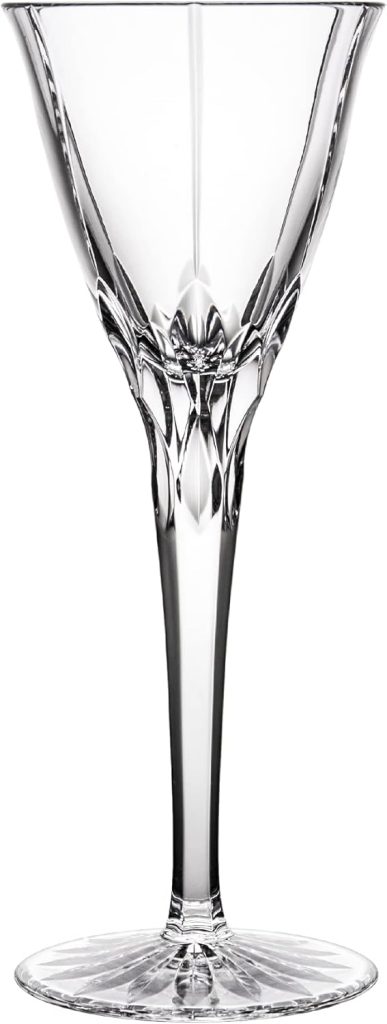
Throughout the 20th century, Ajka supplied European royalty and luxury markets, competing with Bohemian and Austrian crystal makers.
The factory survived wars and political changes while maintaining quality standards, continuing production into the modern era as a symbol of Hungarian craftsmanship excellence.
Ajka’s Reputation in European Crystal
Within European crystal markets, Ajka holds a respected status as a quality manufacturer, though less internationally famous than Waterford or Baccarat.
European collectors particularly value Ajka for intricate cutting patterns, high lead content, and excellent value relative to price.
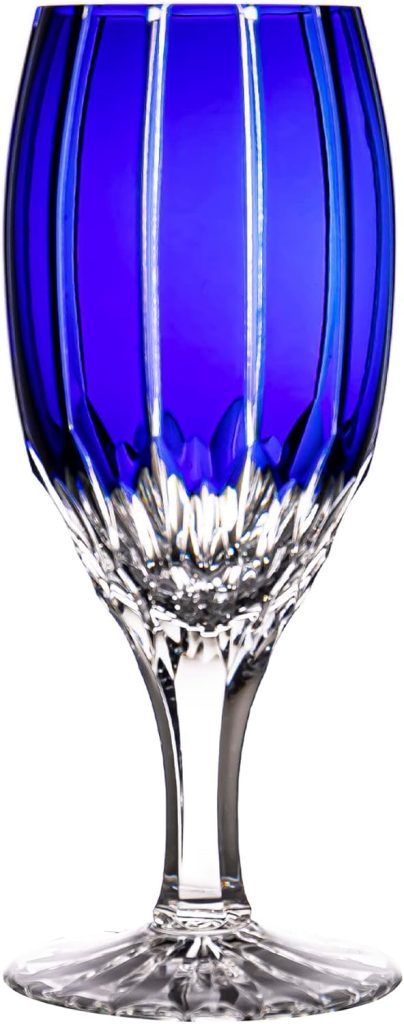
The brand represents accessible luxury—delivering premium crystal quality at a moderate cost compared to French or Irish counterparts.
Ajka’s reputation rests on consistent craftsmanship and traditional production methods, maintaining standards established over 140 years.
Difference Between Ajka and Generic Cut Crystal
Ajka crystal distinguishes itself from generic cut glass through superior material quality, hand-cutting precision, and lead content, creating exceptional weight and brilliance.
Generic cut crystal often uses pressed or machine-cut techniques, producing less sharp edges and inferior clarity.
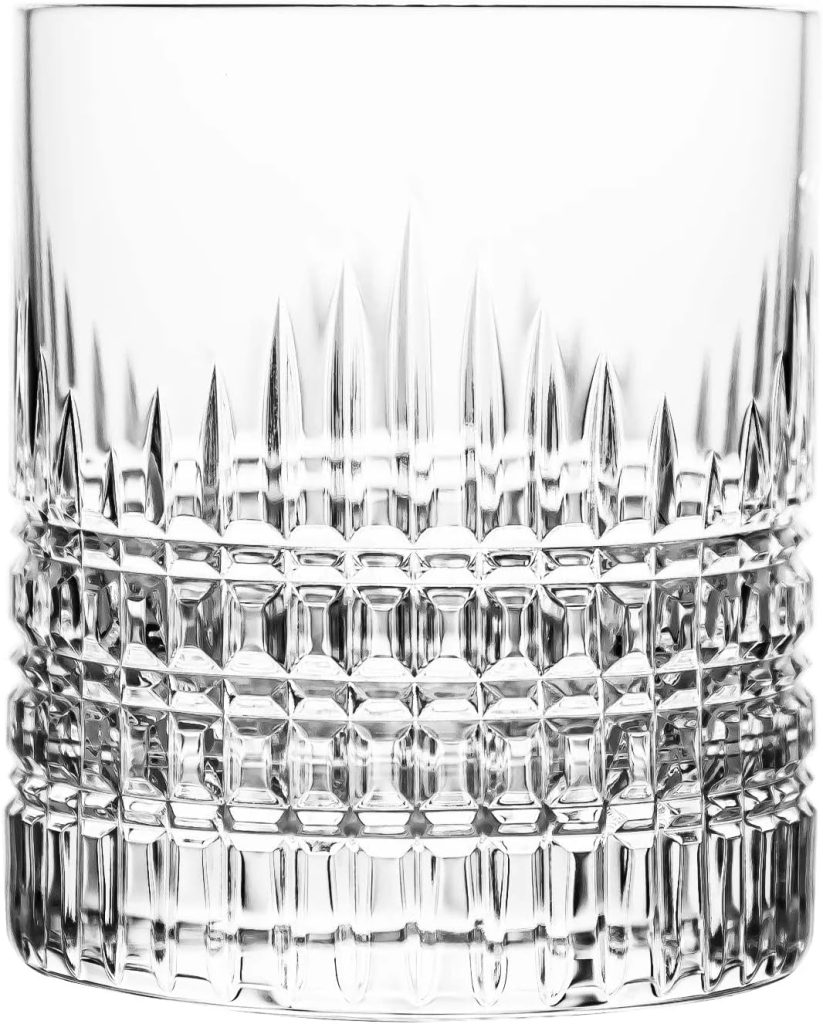
Ajka maintains traditional hand-cutting standards, ensuring pattern symmetry and polish quality that mass-produced alternatives cannot match.
The lead crystal formulation creates distinctive heft and light refraction absent in standard glass, immediately apparent when handling authentic pieces.
Why Identifying Authentic Ajka Crystal Matters
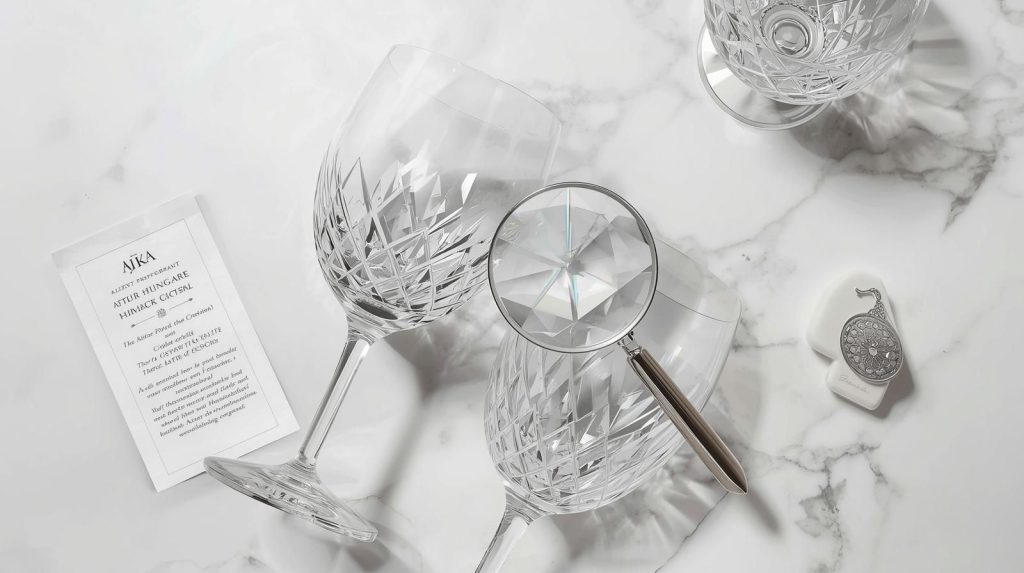
Proper identification protects buyers from overpaying for misattributed pieces while helping collectors understand what they own and its legitimate market value.
Market Value Implications
Authentic Ajka crystal commands significantly higher prices than generic cut glass, with quality pieces valued between $50-500 depending on size, pattern, and condition.
Complete sets or rare patterns appreciate considerably, while common items maintain steady decorative value.
Misidentification leads to either overpaying for non-Ajka glass marketed deceptively or undervaluing genuine pieces sold as generic crystal.
Accurate identification ensures fair transactions, whether buying, selling, or insuring collections.
Collectibility vs Decorative Glass
Ajka occupies the middle ground between mass-produced decorative glass and ultra-premium collectible crystal.
While not commanding Baccarat prices, Ajka attracts dedicated collectors valuing European craftsmanship and traditional techniques.
Understanding this positioning helps set realistic expectations. Ajka represents quality, affordable luxury rather than rare antiques.
Proper identification distinguishes collectible Ajka from purely decorative glass lacking intrinsic value or craftsmanship merit.
Avoiding Mislabeling and Overpaying
Sellers sometimes misattribute generic crystal as Ajka or exaggerate the quality to justify inflated pricing. Without identification knowledge, buyers pay premium prices for ordinary glass.
Conversely, genuine Ajka pieces occasionally sell underpriced rate when sellers don’t recognize quality.
Learning authentication protects against both scenarios, ensuring you neither overpay for misrepresented items nor miss opportunities to acquire undervalued authentic crystal at favorable prices.
Ajka Crystal Marks and Labels
Ajka’s marking systems evolved, with temporary labels being more common than permanent marks, creating authentication challenges when labels disappear.
Ajka Paper Labels & Foil Stickers
Modern Ajka crystal typically features paper labels or metallic foil stickers rather than permanent etched marks.
These temporary identifiers display “Ajka Kristály” or “Ajka Crystal” text, sometimes with “Hungary” or “Made in Hungary” designations.
Common on Modern Pieces
Contemporary Ajka production relies heavily on adhesive labels providing brand identification, quality certifications, and sometimes pattern names.
These labels attach to bases or hang as tags on new purchases.
The label quality varies from simple paper stickers to more elaborate foil designs with holographic elements on premium lines, reflecting production era and item category.
Often Removed or Lost
Paper and foil labels rarely survive years of ownership, washing, and handling.
Many authentic Ajka pieces lose labels during the first cleaning or through normal use over time.
Label absence doesn’t indicate non-Ajka origin—it simply reflects the fragility of temporary marking methods.
Collectors frequently encounter genuine unmarked pieces requiring authentication through craftsmanship and material quality rather than labels.
Etched or Molded Marks
Some Ajka pieces, particularly older or premium items, feature permanent etched signatures or molded marks incorporated during manufacturing.
These permanent identifiers survive indefinitely, unlike temporary labels.
Less Common Than Stickers
Permanent marks appear on only a fraction of Ajka production, making them less reliable for general identification compared to paper labels.
When present, etched marks typically show “Ajka” or “Ajka Kristály” in script or block lettering.
The relative rarity of permanent marks means most authentication relies on recognizing craftsmanship quality rather than seeking specific stamps.
Placement on Base
When permanent marks exist, they typically appear centered on flat base bottoms where pieces rest.
Check the underside of feet on stemware or the center bottom of bowls, vases, and decanters.
Marks may be subtle, requiring bright lighting and multiple viewing angles to detect. Some pieces incorporate marks into decorative cutting patterns, making them less immediately obvious.
When Ajka Crystal Has No Mark
Many authentic Ajka pieces lack any visible identification due to label loss or original production without marking, requiring alternative authentication methods.
Label Loss
The majority of unmarked Ajka crystals originally carried paper labels that owners removed during cleaning, or that fell off over time.
This reality makes unmarked pieces extremely common in secondary markets.
Don’t dismiss potentially authentic pieces simply because labels are missing; instead, apply a comprehensive evaluation examining weight, cutting quality, and material characteristics.
Pattern and Craftsmanship Become Critical
Without marks, authentication depends entirely on recognizing Ajka’s characteristic craftsmanship, including hand-cutting precision, pattern symmetry, lead crystal weight, and superior clarity.
Compare crystal branding methods across manufacturers to understand why some brands rely on permanent marks while others, like Ajka, use temporary labels, making unmarked authentication skills essential for collectors.
Physical Characteristics of Ajka Crystal
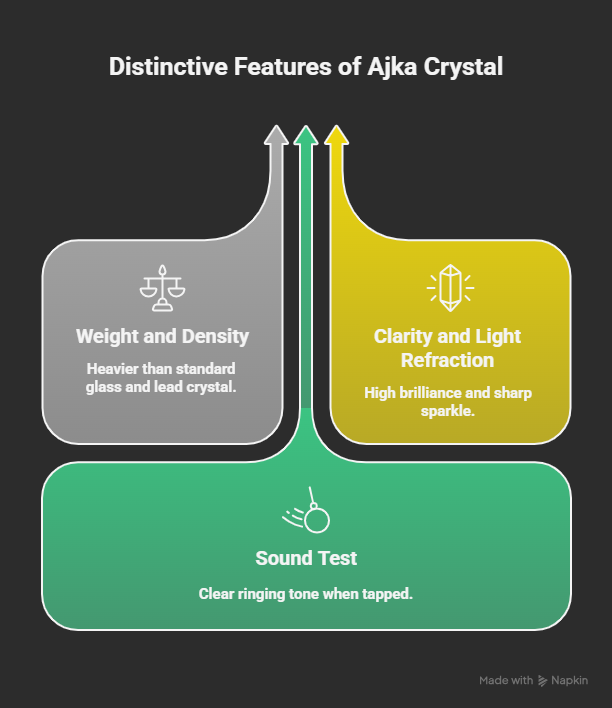
Material properties distinguish authentic Ajka lead crystal from ordinary glass and help authenticate unmarked pieces through tangible qualities.
Weight and Density
Ajka crystal demonstrates substantial heft due to high lead oxide content in its formulation, creating density significantly exceeding standard glass of equivalent dimensions.
Heavier Than Standard Glass
Pick up an Ajka piece and notice the surprising weight relative to its size.
Even small wine glasses feel considerably heavier than expected, while larger items require firm handling.
This substantial weight immediately distinguishes lead crystal from regular glass, providing quick authentication evidence.
The density creates a solid, quality feel absent in lightweight decorative glass.
Lead Crystal Feel
The weight distribution and handling characteristics feel distinctly different from both standard glass and lead-free crystal alternatives.
Ajka’s traditional lead crystal formulation produces a particular heft and balance that experienced collectors recognize instantly.
This tactile quality, combined with visual brilliance, creates the premium feel associated with authentic lead crystal rather than modern substitutes.
Clarity and Light Refraction
Ajka crystal exhibits exceptional transparency and light-handling properties resulting from pure materials and skilled manufacturing, eliminating imperfections.
High Brilliance
Hold Ajka pieces to natural light and observe the remarkable clarity without cloudiness, bubbles, or color tints.
The crystal appears water-clear with perfect transparency, allowing unobstructed light transmission.
This purity results from quality raw materials and careful production, controlling impurities that create haziness in inferior glass.
The brilliance rivals premium international brands despite Ajka’s more accessible pricing.
Sharp Sparkle
When light passes through Ajka’s hand-cut facets, it refracts dramatically, creating intense sparkle and rainbow effects.
The high lead content increases the refractive index, bending light more sharply than standard glass.
Cut patterns amplify this effect, producing the characteristic brilliance that makes crystal desirable.
This optical quality provides immediate visual authentication—dull or minimally sparkling glass suggests non-crystal composition.
Sound Test
Tapping the Ajka crystal produces distinctive acoustic properties that help verify the authenticity of lead crystal composition and manufacturing quality.
Clear Ringing Tone When Tapped
Gently tap the rim or body with your fingernail and listen for a clear, sustained, bell-like ring that lasts several seconds.
Authentic Ajka crystal resonates beautifully, producing pure tones that gradually fade. Regular glass creates dull thuds or brief clinks without resonance.
This sound test works reliably across all authentic lead crystal, providing quick authentication verification through acoustic properties.
Ajka Crystal Craftsmanship & Cut Quality
Manufacturing excellence distinguishes Ajka from inferior alternatives through observable details in cutting precision, finishing, and overall execution quality.
Deep, Precise Hand-Cut Patterns
Ajka employs traditional hand-cutting techniques using copper wheels and diamond abrasives to carve intricate patterns into finished crystal blanks.
Each cut demonstrates controlled depth, exact angles, and sharp definition that machine cutting cannot replicate.
Examine patterns under bright light to assess cutting consistency.
Genuine Ajka shows uniform depth throughout repeated motifs, with each facet meeting others at mathematically precise angles.
This hand-cutting produces the sharp-edged brilliance characteristic of quality crystal.
Symmetry and Polish
Pattern elements repeat identically around circumferences without alignment errors or variations in execution quality.
Check that diamond cuts, fan motifs, or other decorative elements match perfectly when rotating pieces.
Ajka’s quality control ensures flawless symmetry across all production.
Additionally, all surfaces receive meticulous polishing, creating glass-smooth finishes without rough spots, incomplete polishing, or dull areas.
This finishing quality extends to bases, rims, and interior surfaces.
Absence of Mold Seams
Authentic Ajka crystal shows no visible seam lines from molds after hand-finishing removes all manufacturing traces.
Run fingers around pieces, checking for raised seams or ridges; their presence indicates machine production rather than hand-finished crystal.
While Ajka uses molds for initial blank formation, subsequent hand-cutting and polishing eliminate all seam evidence.
Visible mold lines suggest lower-quality alternatives marketed deceptively as Ajka.
How to Tell Ajka Crystal From Regular Glass
Several distinguishing characteristics separate genuine lead crystal from ordinary decorative glass misrepresented as premium crystal.
Weight-to-Size Ratio
Authentic Ajka feels disproportionately heavy for its dimensions due to lead crystal density.
Compare similar-sized pieces if possible—genuine crystal substantially outweighs regular glass.
Even without comparison, experienced handling reveals the characteristic heft.
Lightweight pieces claiming Ajka attribution likely use standard glass or lead-free alternatives, lacking traditional crystal’s density and quality feel.
Sharpness of Cuts
Hand-cut Ajka crystal features exceptionally sharp, clean edges on all facets and decorative elements.
Run fingers carefully over cut surfaces, feeling crisp definition without roughness. Machine-cut or pressed glass produces less sharp edges with slight rounding or roughness.
The cutting sharpness combined with smooth polishing creates Ajka’s distinctive tactile quality, distinguishing it from inferior alternatives.
Optical Clarity
Hold pieces to a bright light, checking for perfect transparency without cloudiness, bubbles, color tints, or distortions.
Genuine Ajka appears water-clear with flawless clarity throughout. Regular glass often shows slight haziness, greenish tints from iron content, or small bubbles from manufacturing.
These imperfections, however subtle, indicate non-crystal composition or inferior production standards.
Ajka Crystal vs Other Crystal Brands
Understanding distinctions between premium crystal manufacturers helps properly attribute pieces and appreciate different quality levels and styles.
Ajka vs Waterford
Both produce quality hand-cut lead crystal, but differences in weight, cutting styles, and branding distinguish these manufacturers.
Cut Style and Weight Differences
Waterford favors deeply intricate patterns with dense crosshatch diamond cutting covering surfaces extensively.
Ajka often employs somewhat bolder, more open patterns with strategic cutting placement. Waterford pieces typically feel slightly lighter than equivalent Ajka items due to different lead content formulations.
Both maintain high quality, but stylistic and material differences allow knowledgeable collectors to distinguish between them through pattern recognition and handling.
Ajka vs Baccarat
The Hungarian and French manufacturers represent different market positions with distinct approaches to branding and production philosophy.
Branding vs Craftsmanship Emphasis
Baccarat emphasizes brand prestige and design innovation with consistent acid-etched marking and international luxury positioning.
Ajka focuses on traditional craftsmanship and value, using temporary labels and maintaining more accessible pricing.
Both produce excellent crystal, but Baccarat commands premium prices for brand cachet while Ajka offers comparable technical quality at moderate cost.
Understanding these positioning differences helps set realistic value expectations.
Is Ajka Crystal Lead Crystal?
Understanding Ajka’s material composition addresses safety concerns and explains the crystal’s characteristic properties and traditional formulation.
Traditional Lead Oxide Content
Ajka crystal contains significant lead oxide content, typically ranging from 24-30%, qualifying it as full lead crystal under international standards.
This traditional formulation creates the weight, clarity, and refractive properties that define premium crystal.
The lead content has remained consistent throughout Ajka’s production history, representing the company’s commitment to traditional crystal manufacturing rather than adopting modern lead-free alternatives.
What “Lead Crystal” Means
The term “lead crystal” describes glass containing at least 24% lead oxide by weight, distinguishing it from regular glass and lead-free crystal alternatives.
Lead oxide lowers the melting point, allowing easier working while increasing refractive index and density.
Despite containing lead, the material structure binds lead atoms, preventing leaching under normal use.
This traditional composition creates the optical and physical qualities collectors value in premium crystal.
Food and Drink Use Considerations
Lead crystal remains safe for occasional food and beverage service.
However, avoid storing acidic liquids like wine, juice, or vinegar in lead crystal decanters for extended periods, as acid can slowly leach trace lead amounts over weeks or months.
Regular drinking and serving pose no health concerns. If concerned about lead exposure, use lead crystal for display or special occasions rather than daily food storage.
Common Signs of Fake or Misattributed Ajka Crystal
Counterfeiters and uninformed sellers sometimes misrepresent generic glass as Ajka, but several indicators reveal fraudulent or mistaken attributions.
Lightweight Pieces
Items lacking the substantial heft characteristic of lead crystal likely use standard glass or lead-free alternatives.
Authentic Ajka demonstrates consistent density across all pieces. Suspiciously lightweight items claiming Ajka origin warrant skepticism and verification through additional authentication factors before accepting attribution.
Weight remains the quickest initial screening method for potential misattribution.
Poorly Defined Cuts
Examine cutting precision carefully. Genuine Ajka shows sharp, clean facets meeting at exact angles with consistent depth throughout patterns.
Blurry cut edges, varying depths, or misaligned pattern elements indicate machine production or inferior craftsmanship.
These quality lapses suggest a non-Ajka origin despite any labels or seller claims about authenticity.
Incorrect or Generic Labels
Counterfeiters sometimes apply fake labels to ordinary glass. Verify label quality: authentic Ajka labels show professional printing without spelling errors or poor graphic quality.
Generic “crystal” labels without specific manufacturer identification or labels claiming “Ajka” with incorrect formatting warrant suspicion.
When labels seem questionable, prioritize material and craftsmanship assessment over label attribution.
How to Verify Ajka Crystal Professionally
Expert authentication provides definitive verification when self-assessment proves inconclusive or high-value pieces require documentation.
Antique Dealers
Specialized dealers in European crystal and decorative arts can evaluate Ajka pieces through comparative examination against known examples.
Reputable dealers maintain reference collections and extensive experience distinguishing Ajka from similar manufacturers.
They provide authentication opinions based on material properties, cutting styles, and manufacturing characteristics.
Written authentications from established dealers offer documentation useful for insurance and resale purposes.
Auction Houses
Regional and international auction houses employ decorative arts specialists familiar with European crystal manufacturers, including Ajka.
These experts authenticate pieces for consignment consideration, offering evaluation services even without selling.
Auction house specialists access extensive databases and reference materials, providing informed opinions on attribution, dating, and valuation.
Their authentication documentation carries authority in collector markets.
Brand References & Catalogs
Research vintage Ajka catalogs, collector references, and museum collections documenting patterns and production characteristics.
While Ajka lacks the extensive archival resources of larger manufacturers, collector communities and European decorative arts references provide valuable comparison materials.
Online resources and collector forums offer pattern identification assistance and authentication guidance based on documented examples.
For comprehensive luxury crystal identification skills applicable across multiple manufacturers, study various authentication methods and comparative materials.
FAQ — Identifying Ajka Crystal
Do all Ajka crystals have a label?
No. While modern pieces typically include paper or foil labels, these rarely survive long-term ownership.
Many authentic Ajka pieces have lost labels through washing and handling, requiring authentication through weight, cutting quality, and material characteristics.
Is Ajka crystal always leaded?
Yes. Ajka produces traditional lead crystal containing 24-30% lead oxide, creating characteristic weight and brilliance.
The company maintains this traditional formulation rather than adopting lead-free alternatives used by some modern manufacturers.
Is the Ajka crystal valuable compared to Waterford?
Ajka typically values lower than equivalent Waterford pieces due to brand recognition differences, though both maintain high quality.
Ajka offers excellent value—comparable craftsmanship at more accessible prices. Rare patterns and complete sets appreciate significantly.
Can Ajka crystal be mistaken for Bohemian crystal?
Yes. Both represent Central European crystal traditions with similar cutting styles and quality levels.
Geographic proximity and shared craftsmanship heritage create similarities. Distinguishing them requires recognizing specific pattern styles and, when present, labels.
You can read our guide on identifying Moser glass to understand Bohemian crystal characteristics for comparison.
Final Verdict — How to Confidently Identify Ajka Crystal
Successfully identifying Ajka crystal requires a systematic evaluation combining multiple authentication factors when temporary labels are absent.
Begin by checking for paper or foil labels displaying “Ajka Kristály” or “Ajka Crystal” with Hungarian origin markings, though label absence doesn’t indicate non-authenticity.
Assess physical characteristics, including substantial weight from lead crystal density, perfect clarity without cloudiness or bubbles, and sharp light refraction creating brilliant sparkle.
Perform the sound test—tap gently and listen for sustained bell-like ringing, confirming lead crystal composition.
Examine craftsmanship through hand-cutting precision, pattern symmetry, and glass-smooth polish quality on all surfaces.
Verify no visible mold seams remain after finishing, and confirm cuts feel sharp with clean edges. Compare the weight-to-size ratio against regular glass to detect density differences.
When distinguishing from other manufacturers, note Ajka’s characteristic cutting styles and material properties.
Avoid assuming lightweight pieces or poorly cut items are authentic despite labels. For valuable pieces or persistent uncertainty, consult antique dealers, auction house specialists, or European crystal references for expert verification.
Ultimately, authentic Ajka identification depends on recognizing the combination of lead crystal material properties, traditional hand-cutting excellence, and characteristic Hungarian craftsmanship quality that distinguishes genuine pieces from generic cut glass, regardless of marking presence.