Lenox crystal has graced American dining tables for generations, with distinctive patterns ranging from deeply cut geometric designs to delicately etched floral motifs.
Identifying specific Lenox crystal patterns allows collectors to replace broken pieces, complete inherited sets, and accurately value their glassware.
Whether you’ve discovered unmarked stemware in an estate sale, inherited crystal from family, or simply want to identify your wedding registry pieces, understanding pattern recognition techniques ensures accurate attribution.
This comprehensive guide provides expert methods for identifying Lenox crystal patterns through visual analysis of cuts, etchings, and structural elements.
You’ll learn to distinguish popular patterns like Charleston and Tuscany, avoid common identification mistakes, and access resources that help match your pieces to official Lenox designs for confident pattern identification.
Why Lenox Crystal Patterns Matter
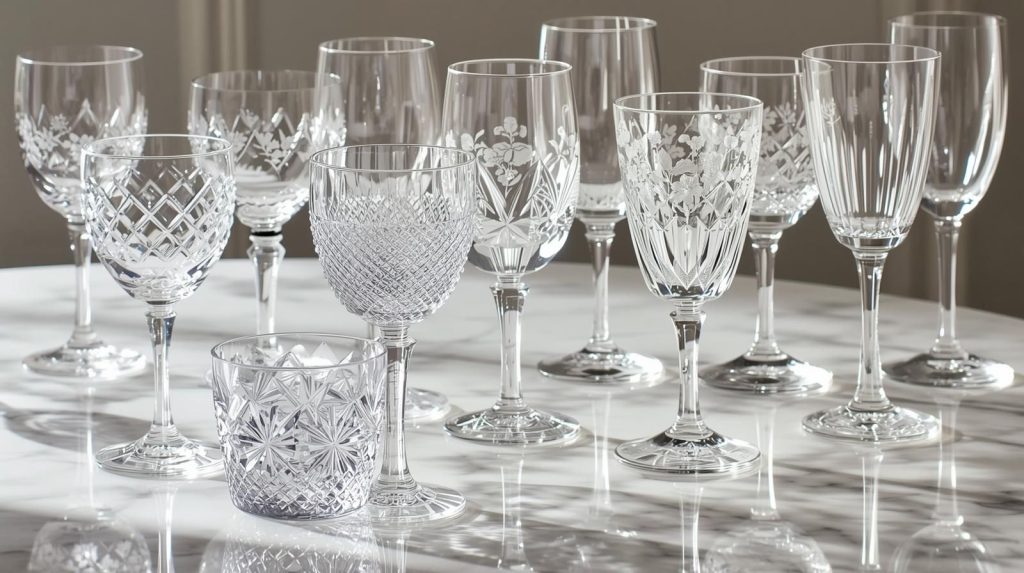
Accurate pattern identification serves practical and financial purposes for Lenox crystal owners.
Knowing your pattern name enables finding replacement pieces, completing partial sets, and determining market value.
Pattern recognition connects decorative elements to specific production periods, helping date pieces and understand their historical context within Lenox’s product evolution.
Replacements for Broken Pieces
Identifying your Lenox crystal pattern allows sourcing exact replacements for broken or damaged items through replacement services and secondary markets.
Many discontinued Lenox patterns remain available through specialized retailers who maintain inventory specifically for completing sets.
Online marketplaces and crystal replacement companies organize inventory by pattern name, making searches impossible without accurate identification.
Matching patterns exactly ensures visual consistency across your collection, maintaining the aesthetic integrity of formal table settings.
Completing Crystal Sets
Partial crystal sets gained through inheritance or incomplete purchases become complete through pattern identification and targeted acquisition.
Many collectors inherit individual pieces or small groupings without knowing the pattern, preventing strategic expansion.
Once identified, you can systematically acquire missing components, additional wine glasses, champagne flutes, or serving pieces to build complete place settings.
Complete sets command significantly higher value than random assortments, making pattern-based completion financially sound for serious collectors.
Determining Collectibility and Value
Pattern identification directly impacts valuation because certain Lenox designs command premium prices based on rarity, aesthetic appeal, and collector demand.
Discontinued patterns, particularly those from limited production runs or specific historical periods, often appreciate beyond their original retail value.
Popular wedding registry patterns from the 1980s-2000s maintain strong secondary markets as couples seek replacements decades later.
Understanding which patterns collectors prioritize helps owners make informed decisions about selling, insuring, or expanding their collections.
Overview of Lenox Crystal
Lenox represents American crystal manufacturing excellence, though the company is best known for fine china production.
The crystal division operated separately with distinct production methods and design philosophies.
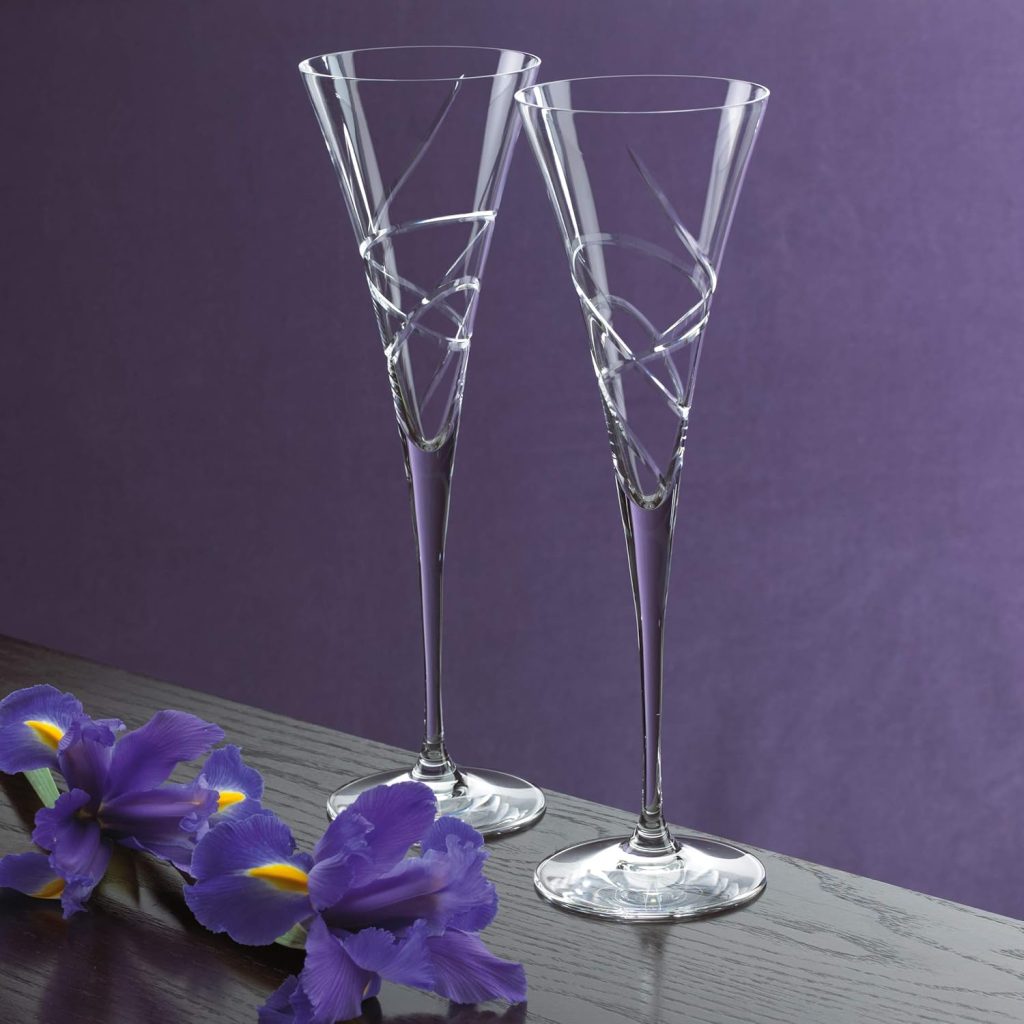
Understanding Lenox’s crystal heritage, manufacturing evolution, and relationship to the china business provides context for pattern identification and helps distinguish authentic pieces from similar brands.
Lenox Crystal History (USA)
Lenox entered crystal production in the 1960s, expanding beyond its established china reputation.
The company positioned itself as an American alternative to European crystal dominants like Waterford, offering quality lead crystal at accessible price points.
Production initially focused on traditional cut crystal patterns appealing to the formal dining preferences of that era.
Through the 1970s-1990s, Lenox crystal became a wedding registry staple, with patterns designed for multi-generational use and timeless appeal.
Difference Between Lenox Crystal and Lenox China
Lenox crystal and Lenox china represent entirely separate product categories with different materials, manufacturing processes, and design approaches.
Lenox china uses fine porcelain with distinctive ivory coloration and decorative patterns applied through various techniques.
Crystal production employed lead crystal formulations, creating clear, brilliant glassware decorated through cutting and etching.
The companies shared brand identity and quality standards but operated as distinct divisions with separate pattern catalogs, making cross-category confusion a common identification mistake.
Domestic vs Imported Production
Lenox crystal production shifted between domestic and international manufacturing over its history, affecting quality characteristics and markings.
Early production took place domestically, utilizing American craftsmanship. Later years saw production move to European facilities and eventually Asian manufacturers as the company adapted to market pressures.
Import origins sometimes appear in markings, helping date pieces and understand quality variations.
These production shifts don’t necessarily indicate inferior quality but reflect changing manufacturing economics in the crystal industry.
How Lenox Crystal Patterns Are Designed
Lenox crystal patterns reflect deliberate design choices that balance aesthetic appeal with production feasibility.
Understanding design methodologies, whether cut, etched, or combined techniques, helps identify patterns by recognizing characteristic approaches.
Design consistency across piece types within patterns provides additional identification clues, as Lenox maintained visual coherence from wine glasses to serving bowls.
Cut Crystal vs Etched Designs
Lenox employed two primary decorative techniques: deep cutting using stone wheels and surface etching, creating frosted designs.
Cut crystal patterns feature geometric precision with faceted surfaces catching light dramatically, exemplified by patterns like Charleston.
Etched designs use acid or abrasive techniques, creating delicate, often floral motifs with matte finishes against clear backgrounds, seen in patterns like Eternal.
Some patterns combine both techniques, featuring cut structural elements with etched decorative accents.
Understanding which technique dominates helps narrow pattern possibilities during identification.
Simplicity vs Ornate Styles
Lenox crystal patterns range from minimalist contemporary designs to elaborate traditional styles, reflecting changing consumer preferences across decades.
Simple patterns like Firelight feature clean vertical lines, appealing to modern aesthetics and easier maintenance.
Ornate patterns incorporate multiple decorative elements—complex cutting, detailed etching, and intricate stems targeting formal dining traditions.
Design complexity often correlates with production era, with mid-century pieces favoring ornamentation while later designs embraced minimalism.
Assessing overall design philosophy helps date pieces and narrow pattern identification.
Consistency Across Stemware Types
Lenox maintained pattern consistency across all pieces within a line—wine glasses, champagne flutes, water goblets, and serving pieces share identical decorative motifs.
This consistency aids identification because examining one piece type reveals the pattern applied to all others.
Stem shapes, bowl cuts, and base designs repeat exactly across the collection.
When identifying patterns, compare your piece’s characteristics against complete pattern photos showing multiple piece types, ensuring all elements match rather than just bowl decoration.
Key Visual Elements Used in Lenox Crystal Pattern Identification
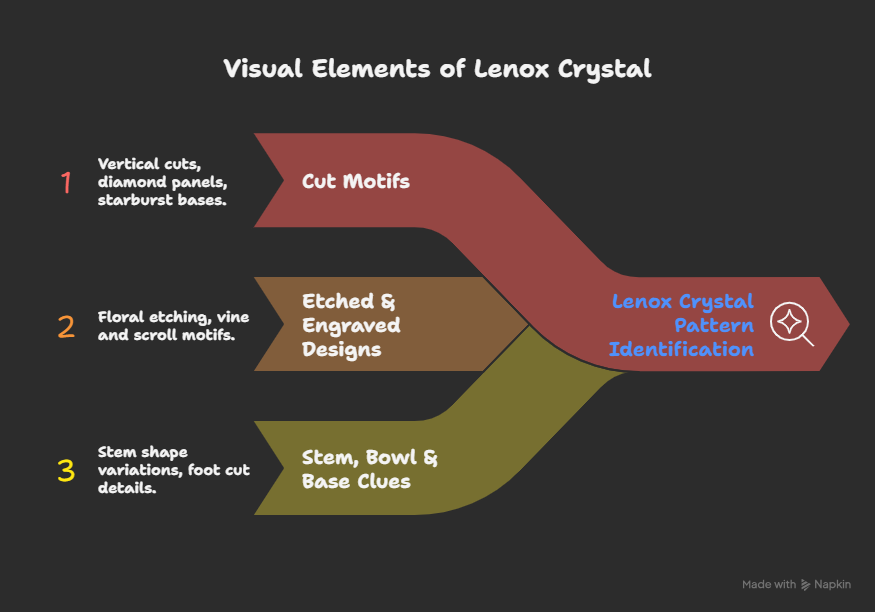
Successful pattern identification requires systematic examination of specific visual elements.
Lenox patterns exhibit distinctive combinations of cuts, etchings, and structural features that, when analyzed together, point toward specific pattern names.
Breaking down the examination into cut motifs, etched designs, and stem characteristics organizes the identification process methodically.
Cut Motifs
Cut crystal patterns create visual interest through geometric shapes and arrangements carved into glass surfaces.
These cuts catch light, creating sparkle and dimensional effects that define pattern character and aid identification.
Vertical Cuts
Vertical cut patterns feature parallel lines running up bowl exteriors, creating fluted or paneled effects.
Firelight exemplifies this approach with evenly spaced vertical cuts creating contemporary elegance.
Vertical arrangements vary in width, depth, and spacing between patterns. Some designs incorporate subtle curves while others maintain strict linearity.
Counting vertical cuts and measuring spacing helps distinguish similar patterns. These cuts often extend from the bowl base toward the rim, though termination points vary by design.
Diamond Panels
Diamond or crosshatch cutting creates geometric patterns resembling quilted or latticed surfaces.
Charleston features prominent diamond cutting, creating traditional formal appeal. These patterns result from intersecting diagonal cuts forming repeating diamond shapes.
Diamond size, depth, and coverage area vary significantly between patterns. Some designs cover entire bowls while others restrict diamonds to specific zones.
The precision and uniformity of diamond cuts indicate quality and help authenticate Lenox production.
Starburst Bases
Many Lenox patterns incorporate starburst or sunburst cuts radiating from base centers, creating dramatic visual focal points.
These cuts typically feature evenly spaced lines extending outward from central points like flower petals or sun rays.
Starburst complexity ranges from simple six-point designs to elaborate multi-layered patterns.
Base cuts often complement bowl decoration, creating cohesive designs.
Examining base patterns provides crucial identification clues, as these elements vary distinctly between patterns and manufacturers.
Etched & Engraved Designs
Etched patterns create frosted decorative motifs through acid treatment or abrasive techniques, contrasting with clear glass backgrounds.
These designs typically feature organic, flowing elements rather than geometric precision.
Floral Etching
Floral etched patterns feature botanical motifs—roses, lilies, vines, leaves—creating romantic, delicate aesthetics. Eternal showcases this approach with graceful floral designs.
Etching creates a matte white appearance against clear crystal, producing subtle elegance.
Floral complexity ranges from simple single blooms to elaborate garden scenes. These patterns particularly appealed to wedding registries, making them common in 1980s-2000s production.
Detail quality and artistic execution help distinguish Lenox from mass-market etched crystal.
Vine and Scroll Motifs
Vine and scroll etching creates flowing, intertwined patterns suggesting classical elegance and timeless design.
These motifs wind around bowl exteriors or create border designs near rims. The organic curves contrast with geometric cut patterns, offering softer aesthetic alternatives.
Scroll work often incorporates leaves, tendrils, or abstract flourishes. Pattern density and artistic complexity vary, with some designs featuring sparse accents while others create full coverage.
These elements frequently appear in combination with other decorative techniques.
Stem, Bowl & Base Clues
Beyond surface decoration, structural elements provide vital identification information.
Stem shapes, bowl profiles, and base configurations vary systematically between patterns, offering definitive identification clues when combined with decorative analysis.
Stem Shape Variations
Lenox employed diverse stem designs from simple straight cylinders to elaborate multi-knob constructions.
Stem profiles—whether faceted, smooth, bulbous, or tapered—characterize patterns distinctly.
Some patterns feature completely plain stems, letting bowl decoration dominate, while others incorporate cut or shaped stems as integral design elements.
Stem height proportions relative to bowl size vary between contemporary and traditional patterns.
These structural choices reflect design eras and aesthetic philosophies, helping date and identify pieces.
Foot Cut Details
Base or foot designs the circular platform supporting stems incorporate specific cut patterns, shapes, and proportions.
Some patterns feature plain polished feet while others display elaborate cutting, mirroring, or complementing bowl decoration.
Foot diameter relative to bowl size affects visual balance and stability. Edge treatments range from simple bevels to detailed scalloping or faceting.
Examining foot characteristics, especially when combined with base starburst patterns, significantly narrows identification possibilities and helps distinguish otherwise similar patterns.
Most Popular Lenox Crystal Patterns
Certain Lenox crystal patterns achieved widespread recognition through wedding registries, advertising, and longevity in production.
Familiarity with these popular patterns aids identification and provides reference points for comparing unknown pieces.
These patterns represent Lenox’s design range from traditional cut crystal to contemporary elegance.
Charleston
Charleston exemplifies classic cut crystal elegance with deep diamond panel cutting covering bowl exteriors.
The pattern features formal, traditional aesthetics perfect for elegant dining occasions. Multiple intersecting cuts create brilliant light refraction and substantial weight.
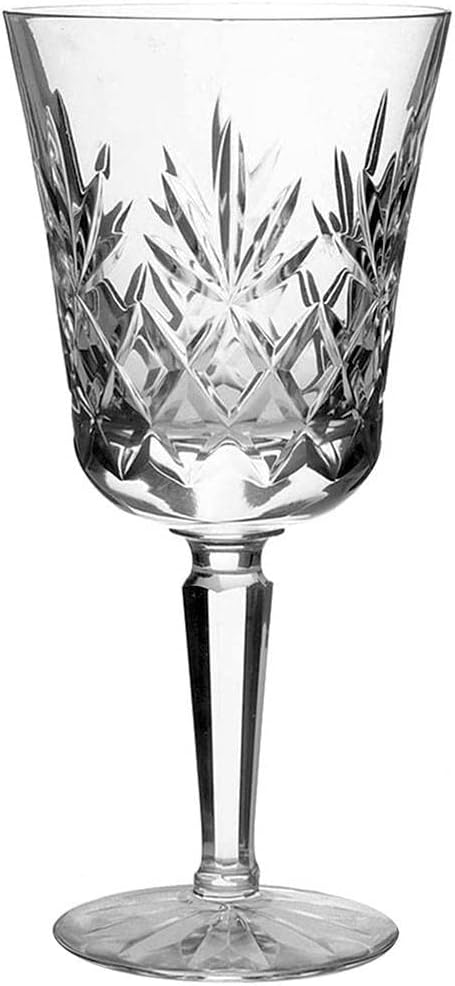
Charleston stems typically feature a clean, simple designs letting bowl cutting dominate.
This pattern became a registry favorite for those preferring timeless traditional styling over contemporary trends.
Its recognition makes Charleston identification relatively straightforward when pieces display characteristic diamond cutting.
Tuscany
Tuscany offers refined elegance through lighter, more delicate cutting than heavy traditional patterns.
The design balances sophistication with contemporary sensibility, appealing to modern tastes while maintaining formality.
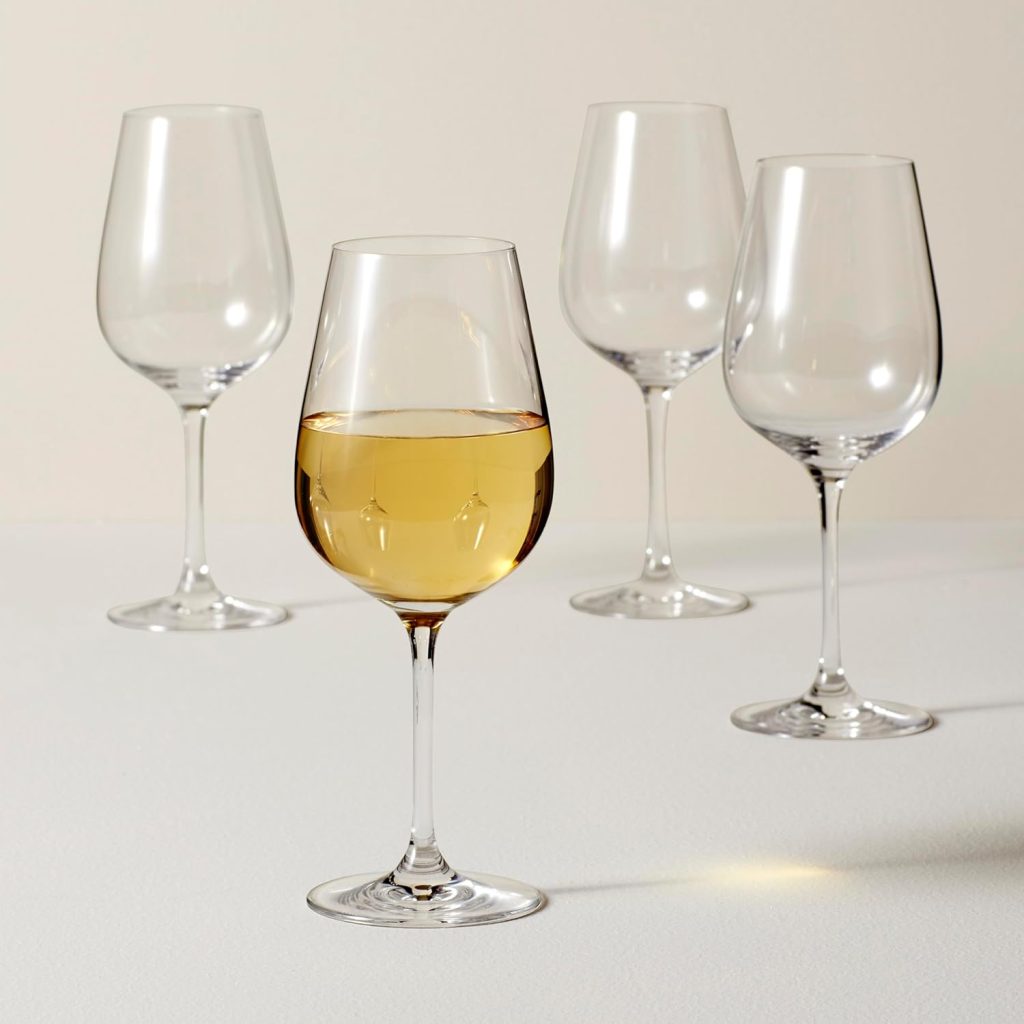
Cutting patterns create sparkle without overwhelming visual simplicity.
Tuscany represents Lenox’s adaptation to changing preferences, favoring understated luxury over ornate traditionalism.
The pattern’s popularity through the 1990s-2000s makes it commonly encountered in secondary markets and replacement searches. Its distinctive proportions and cutting style aid identification.
Firelight
Firelight features bold vertical fluting, creating contemporary, architectural aesthetics.
The pattern’s clean lines and geometric precision appeal to modern design preferences and minimalist sensibilities.
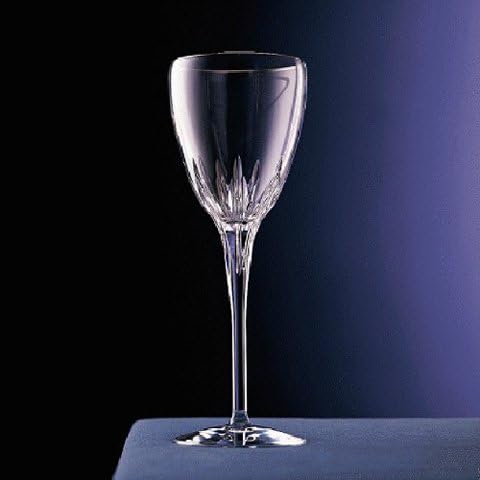
Vertical cuts run bowl exteriors, creating dramatic light effects with streamlined elegance.
Firelight represents Lenox’s contemporary design direction, moving away from traditional ornate patterns.
Its simplicity makes maintenance easier while providing a sophisticated visual impact.
The pattern’s distinctive vertical emphasis makes identification straightforward when this element is present and dominant.
Eternal
Eternal showcases delicate etched floral designs, creating a romantic, timeless appeal.
The pattern became extremely popular for wedding registries due to its soft elegance and sentimental aesthetic.
Frosted floral motifs contrast beautifully with clear crystal backgrounds, creating subtle sophistication.
Eternal represents etched pattern excellence in Lenox’s catalog, demonstrating the company’s mastery of this decorative technique.
The pattern’s enduring popularity means it frequently appears in identification queries and replacement searches.
Recognizing Eternal’s characteristic floral etching style aids quick identification.
How to Identify an Unknown Lenox Crystal Pattern
Systematic identification requires methodical examination of all pattern elements combined with comparative research.
Breaking down the identification process into discrete steps ensures thorough analysis and prevents overlooking crucial details.
Following this diagnostic approach leads to confident pattern attribution.
Examine Bowl, Stem, and Base Separately
Begin identification by analyzing each structural component independently before synthesizing observations.
Study bowl decoration, noting whether cuts, etching, or both appear, and document specific motif types.
Examine stems for shape, texture, and any decorative elements. Inspect bases for starburst patterns, foot cuts, and structural proportions.
This systematic approach prevents missing details and creates organized information for pattern matching.
Photograph each component if possible for comparison against reference materials.
Match Cut Counts and Spacing
For cut crystal patterns, count specific elements like vertical cuts, diamond panels, or base starburst rays.
Measure or estimate spacing between cuts and assess depth uniformity. These quantitative details distinguish similar patterns where qualitative descriptions seem identical.
Pattern databases and catalogs often specify cut counts, making this numerical data valuable for definitive identification.
Precision in counting and measurement significantly increases identification accuracy when comparing against reference materials.
Compare Against Official Lenox Catalogs
Consult official Lenox pattern catalogs, archives, and authorized reference materials for systematic comparison.
Many catalogs include detailed photographs, pattern names, and production dates. Online crystal replacement services maintain extensive pattern libraries with searchable images.
Compare your piece’s characteristics against documented patterns methodically, eliminating mismatches and narrowing possibilities.
Official sources provide definitive answers, though discontinued patterns may require vintage catalogs or specialized collector resources.
Understanding crystal markings and patterns improves comparison accuracy.
Check Markings and Labels
Examine bases and stems for acid-etched marks, paper labels, or foil stickers indicating Lenox production.
Authentic pieces typically feature “LENOX” marks, sometimes with country of origin or pattern names.
Labels, while helpful, detach easily, making absence common. Markings help confirm authenticity and sometimes include pattern names directly, simplifying identification.
However, many authentic pieces lack marks, requiring identification through visual characteristics alone.
When marks exist, they provide valuable confirmation supporting visual pattern analysis.
Dating Lenox Crystal by Pattern
Pattern identification enables approximate dating because Lenox introduced and discontinued designs during specific periods.
Understanding production timelines helps establish piece age, historical context, and potential value.
While precise dating often requires additional research, pattern knowledge provides useful chronological frameworks.
Vintage vs Modern Lenox Crystal
Vintage Lenox crystal generally refers to pieces from the 1960s-1980s featuring traditional cut patterns and heavier construction.
Modern production emphasizes lighter, more contemporary designs with simplified cutting or etching.
Vintage pieces often display domestic production marks, while modern items may indicate imported origins.
Design aesthetics shifted from ornate formality toward streamlined elegance, reflecting changing consumer preferences.
Material quality and cutting depth also evolved with production methods and cost considerations affecting characteristics across eras.
Discontinued Pattern Timelines
Lenox discontinued numerous patterns over decades as market preferences shifted and production economics changed.
Researching specific pattern production dates through catalogs, replacement services, or collector resources provides dating information.
Some patterns enjoyed decades-long production while others lasted only brief periods.
Discontinued pattern knowledge helps explain availability challenges and informs value assessments.
Pattern longevity often correlated with popularity, though some limited productions now command premium collector interest despite brief original availability.
Registry-Era Patterns (1980s–2000s)
The 1980s through 2000s represented peak wedding registry popularity for Lenox crystal, with specific patterns dominating this market.
Patterns like Eternal, Tuscany, and others became synonymous with formal wedding gifts and new household establishment.
These registry-era designs balance traditional elegance with contemporary sensibility, appealing to young couples establishing homes.
High production volumes during this period mean these patterns remain relatively available in secondary markets.
Registry association affects both collectibility and replacement availability positively.
Lenox Crystal Patterns vs Similar Brands
Distinguishing Lenox from comparable crystal brands prevents misattribution and ensures accurate identification.
While quality crystal shares certain characteristics, manufacturers exhibit distinctive features in cutting styles, weight, clarity, and design philosophy.
Understanding these differences helps confirm Lenox attribution and appreciate brand-specific qualities.
Lenox vs Waterford
Waterford crystal, produced in Ireland, represents luxury cut crystal with heavier weight and deeper cutting than typical Lenox patterns.
Waterford uses higher lead content, producing greater weight and more pronounced bell-like resonance when tapped.
Cutting depth and intricacy often exceed Lenox, creating more dramatic light refraction.
Waterford patterns emphasize traditional Irish cutting techniques with distinctive geometric complexity.
Lenox generally offers lighter construction and somewhat less elaborate cutting, positioning itself as an accessible American alternative to European luxury crystal while maintaining quality standards.
Lenox vs Mikasa Crystal
Mikasa crystal provides contemporary designs at moderate price points, often featuring simpler cutting and lighter construction than Lenox.
Mikasa patterns emphasize modern aesthetics with clean lines and minimal ornamentation.
Clarity and cutting precision typically fall below Lenox standards, though Mikasa maintains respectable quality for its market position.
Brand markings differ distinctly, with Mikasa using specific logos and origin marks.
Design philosophy diverges, with Mikasa pursuing trend-forward contemporary looks while Lenox balances tradition and modernity.
These differences become apparent through side-by-side comparison.
Common Mistakes When Identifying Lenox Crystal Patterns
Identification errors typically result from overlooking details, making incorrect assumptions, or insufficient comparative research.
Understanding common pitfalls helps avoid these mistakes and improves identification accuracy.
Awareness of frequent errors speeds the learning process and builds pattern recognition skills.
Confusing Lenox Crystal With Lenox China
The Lenox name appears on both crystal and china, but these represent completely different product categories.
Lenox china uses porcelain with distinctive ivory coloration and applied decorative patterns.
Crystal comprises clear glass with cut or etched decoration. The shared brand name confuses people when they assume china patterns apply to crystal or vice versa.
China markings, catalogs, and identification resources don’t transfer to crystal.
Recognizing this categorical separation prevents fruitless searches and ensures consulting appropriate reference materials.
Ignoring Stem and Base Details
Many identify patterns by bowl decoration alone, overlooking crucial stem and base characteristics.
Pattern attribution requires analyzing complete pieces because stem shapes and base cuts distinguish otherwise similar designs.
Two patterns might feature comparable bowl etching but completely different stems.
Focusing exclusively on one element produces incomplete analysis and potential misidentification.
Comprehensive examination prevents this error and leverages all available identification clues for confident attribution.
Assuming All Etched Designs Are Lenox
Etched floral patterns appear across numerous crystal manufacturers, making the etching style alone insufficient for Lenox attribution.
Many companies produced similar frosted floral motifs, particularly during the peak crystal popularity decades.
Lenox etching exhibits specific artistic execution, detail quality, and characteristic motifs, distinguishing it from generic etched crystal.
Without additional confirming features, markings, stem styles, or documented pattern matches, etched decoration alone doesn’t confirm Lenox production.
Comparative analysis against authenticated examples prevents optimistic misattribution.
Using Pattern Identification to Determine Value
Pattern knowledge directly impacts valuation by revealing rarity, demand, and market positioning.
Certain patterns command premiums while others maintain modest secondary market prices.
Understanding value factors helps owners make informed decisions about selling, insuring, or expanding collections based on realistic market expectations.
Discontinued vs Current Patterns
Discontinued patterns often appreciate beyond their original retail price due to replacement demand from existing owners completing sets.
Limited availability creates scarcity, driving prices upward, particularly for popular patterns with strong aesthetic appeal.
Current production patterns maintain stable values near retail pricing with minimal appreciation potential.
However, some discontinued patterns languish in low demand if their original popularity was limited.
Researching specific pattern market performance through sold listings and replacement services reveals actual value rather than assumed rarity premiums.
Complete Sets vs Singles
Complete place settings or full sets command significantly higher per-piece values than individual items due to collector preference and practical utility.
A complete eight-piece place setting might sell for substantially more than eight individual pieces totaling the same count.
Set completeness eliminates the challenge of finding matching pieces, justifying premium pricing.
Conversely, single pieces or incomplete groupings serve primarily as replacements, limiting buyer pools and suppressing values.
Pattern identification enables strategic set completion, potentially increasing overall collection value substantially.
Condition and Clarity
Crystal condition dramatically affects value regardless of pattern desirability. Chips, cracks, cloudiness, or scratches reduce value significantly, sometimes making pieces essentially worthless.
Mint condition pieces command full market values while damaged items face steep discounts.
Clarity issues from dishwasher damage or hard water deposits diminish appeal and pricing.
When valuing crystal, pattern identification establishes a potential value ceiling, but actual condition determines realized prices.
Careful examination and honest condition assessment ensure realistic value expectations.
Tools & Resources for Lenox Crystal Pattern Identification
Numerous resources support pattern identification efforts, from online databases to professional consultations.
Understanding available tools and their appropriate applications speeds identification and increases accuracy.
Combining multiple resources provides comprehensive information supporting confident attribution.
Lenox Replacement Guides
Specialized crystal replacement companies maintain extensive pattern libraries with photographs and detailed descriptions.
Services like Replacements, Ltd. catalog thousands of patterns with searchable databases allowing visual comparison.
These commercial resources invest heavily in pattern documentation because accurate identification drives their business.
Many offer free identification assistance, hoping to facilitate future purchases.
While commercial, these resources provide valuable reference materials with comprehensive coverage and expert curation.
Starting identification with replacement service databases often yields quick results.
Online Pattern Databases
Various websites and collector forums maintain Lenox crystal pattern information, including images, production dates, and identification tips.
Some databases focus specifically on Lenox while others cover multiple manufacturers.
Online resources vary in accuracy and completeness, requiring verification against multiple sources.
User-contributed databases may contain errors or incomplete information. However, broad coverage and accessibility make online resources valuable starting points.
Cross-referencing multiple databases increases confidence in identification accuracy before reaching definitive conclusions.
Antique Dealers & Appraisers
Professional antique dealers specializing in glass and crystal possess extensive pattern knowledge from handling numerous pieces.
Appraisers provide formal identification and valuation services with documentation suitable for insurance or estate purposes.
Professional consultation costs money but delivers expert analysis and confident attribution.
Dealers and appraisers access reference materials and comparative examples unavailable to casual collectors.
When valuable pieces justify investment or identification proves challenging despite personal research, professional expertise provides definitive answers and peace of mind.
FAQ — Lenox Crystal Pattern Identification
How many Lenox crystal patterns exist?
Lenox produced dozens of crystal patterns over several decades, though exact counts remain undocumented.
Estimates suggest 50+ distinct patterns when including limited editions and discontinued designs.
Pattern databases continue to discover and document unrecorded designs as collectors contribute information.
Are discontinued Lenox patterns more valuable?
Discontinued patterns can be more valuable due to replacement demand from existing owners completing sets.
However, value depends on original popularity and current collector interest.
Some discontinued patterns remain relatively affordable, while popular designs like Eternal command premiums despite availability.
Does Lenox crystal contain lead?
Most Lenox crystal contains lead oxide, typically 24% or more, qualifying as genuine lead crystal.
Lead content creates weight, clarity, and light refraction characteristics, distinguishing crystal from ordinary glass.
Modern health awareness has prompted some manufacturers to offer lead-free alternatives.
Can patterns help date Lenox crystal?
Yes, patterns indicate approximate production periods because Lenox introduced and discontinued designs during specific eras.
Pattern research through catalogs and databases reveals production timelines, helping establish piece age.
However, long-running patterns provide only broad date ranges rather than precise manufacturing years.
Final Verdict — Identifying Lenox Crystal Patterns With Confidence
Identify Lenox crystal patterns through systematic examination, combining multiple identification elements.
Start by documenting bowl decoration, noting whether cutting or etching predominates and specific motif types.
Examine stems for distinctive shapes and any decorative features. Inspect bases for starburst patterns and foot details.
Count cuts and measure spacing for quantitative comparison. Compare observations against Lenox pattern catalogs, replacement service databases, and collector resources methodically.
Check for Lenox markings confirming authenticity. When visual analysis proves insufficient, consult specialized dealers or replacement services offering expert identification assistance.
Remember that pattern knowledge enables practical benefits, such as finding replacements, completing sets, and determining value accurately.
Build identification confidence through handling multiple patterns, studying reference materials, and learning characteristic Lenox design elements that distinguish the brand from competitors.