You’re standing in the kitchen section, staring at two similar-looking plates. One costs $7, the other $15. Both look decent. Both claims are safe. So why the price difference?
If you’ve ever felt confused about choosing dinnerware, you’re not alone.
Many people struggle with this decision. They want something safe for their family. They want value for money. Most importantly, they don’t want to make the wrong choice.
The melamine vs stainless steel decision affects every household.
Should you buy the cheaper melamine plates? Or invest in stainless steel? Each material has devoted fans.
Each has serious drawbacks, too. The truth is, one choice could save you money long-term.
The other might put your family’s health at risk. Here’s what you need to know before your next shopping trip.
UNDERSTANDING MELAMINE DINNERWARE?
Let’s start with the basics. Melamine is a type of plastic made from melamine resin, think of it as the sophisticated cousin of everyday plastic dinnerware.
This material has been around since the 1930s, but it really found its stride in the kitchen world during the post-war boom.
What makes melamine special? Well, it’s incredibly lightweight yet surprisingly durable. You can drop it, and it won’t shatter like traditional ceramics.
This resilience makes it particularly popular for outdoor dining, children’s meals, and commercial establishments where breakage is a constant concern.
However, there’s a catch. Melamine has temperature limitations.
This means no microwaving, no hot foods straight from the oven, and certainly no dishwasher’s heated dry cycle.
WHAT IS STAINLESS STEEL?
Now, let’s talk about stainless steel, what I call the kitchen’s ultimate workhorse.
This isn’t just any metal; it’s an alloy primarily composed of iron, chromium, and often nickel. The chromium content (at least 10.5%) is what gives stainless steel its legendary resistance to rust and corrosion.
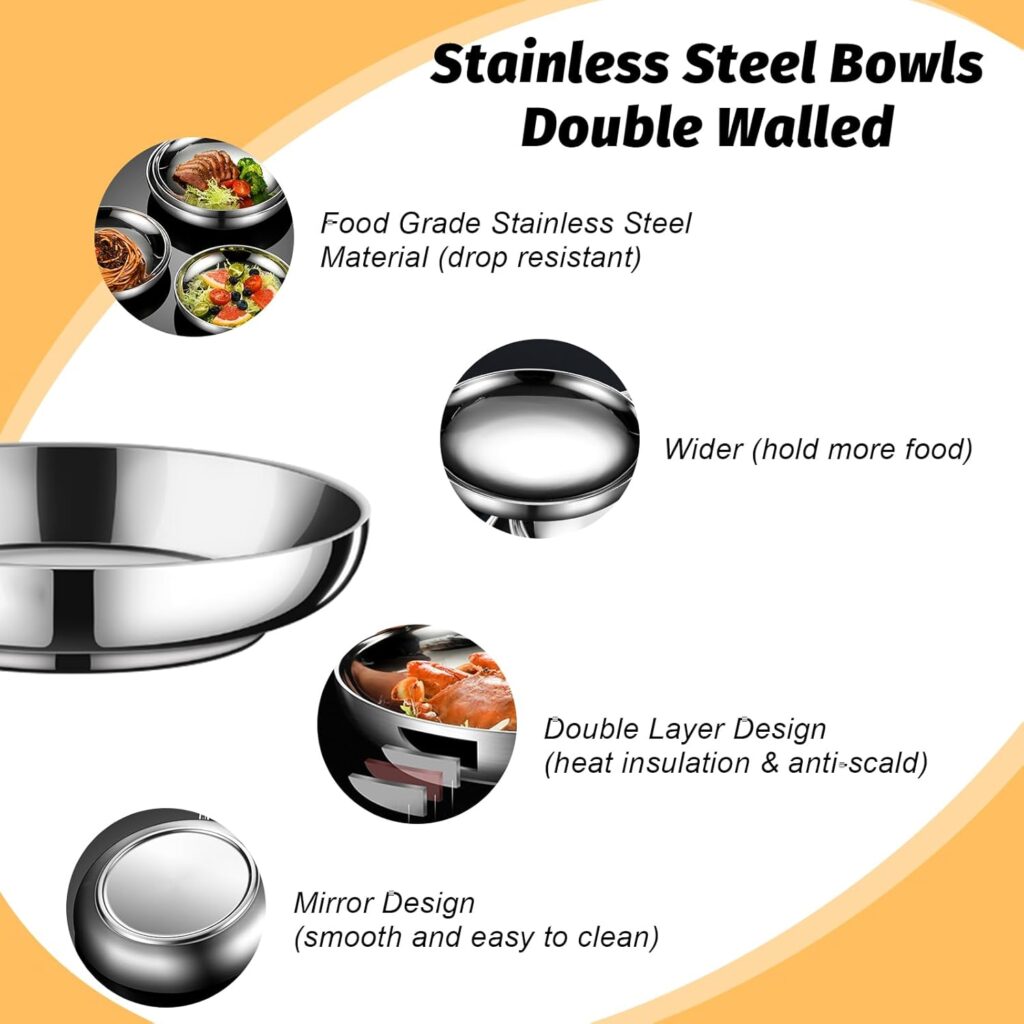
In the dinnerware world, you’ll most commonly encounter 304 stainless steel. This grade contains 18% chromium and 8% nickel, earning it the nickname “18/8 stainless steel.”
It’s food-safe, non-reactive, and can handle temperature extremes that would make other materials weep.
What sets stainless steel apart is its non-reactive nature. Unlike some metals that can impart flavours or react with acidic foods, stainless steel remains completely neutral.
You can serve tomato-based sauces, citrus fruits, or vinegar-heavy dressings without worry.
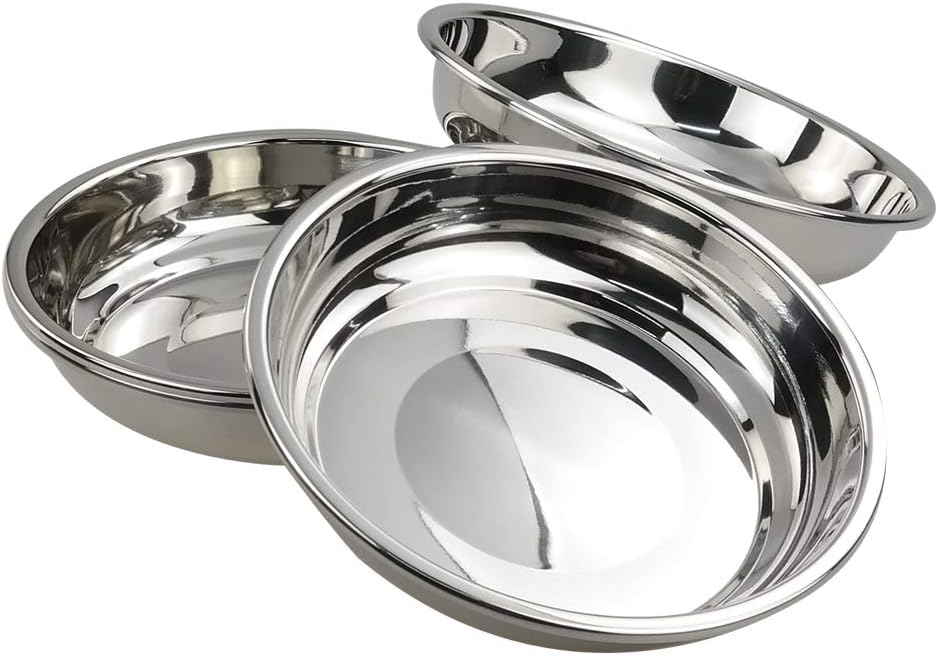
The manufacturing process involves melting the metal components together, then forming them into sheets that are pressed, welded, and polished into dinnerware.
The result is a material that’s virtually indestructible under normal use.
SAFETY COMPARISON: MELAMINE VS STAINLESS STEEL
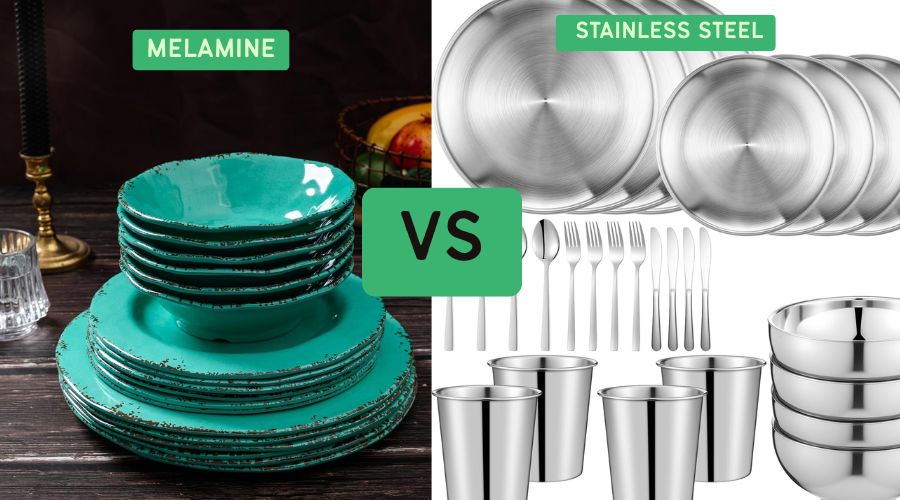
Here’s where things get interesting. When it comes to safety, these materials couldn’t be more different.
Melamine Safety Concerns
Temperature sensitivity is melamine’s Achilles’ heel. When exposed to high temperatures, melamine can release formaldehyde and melamine compounds into food.
The FDA has established that melamine dinnerware is safe for normal use, but with strict temperature restrictions.
A study reported in regulatory assessments and scientific literature found that heating melamine-formaldehyde coatings at around 131°C for 30 minutes or longer can lead to significant migration of melamine due to hydrolytic degradation of the resin.
Migration levels increased with heating time and temperature, but no specific data confirm significant migration at 160°C for 30 minutes.
This is why you’ll never see melamine in professional kitchens where hot food service is paramount.
Additionally, acidic foods can accelerate this chemical migration. Orange juice, tomato sauce, and vinegar-based dressings can cause melamine to break down faster, especially when combined with heat.
Stainless Steel Safety Profile
Stainless steel, on the other hand, is virtually bulletproof from a safety standpoint. It’s approved by food safety authorities worldwide and is the material of choice in commercial kitchens, hospitals, and food processing facilities.
The non-reactive properties mean it won’t leach chemicals into your food, regardless of temperature or acidity. You can serve boiling soup or frozen desserts with equal confidence.
Studies have shown that even with prolonged use and exposure to extreme conditions, high-quality stainless steel maintains its integrity without compromising food safety.
| Safety Factor | Melamine | Stainless Steel |
| Temperature Limit | 70°C (158°F) | 500°C+ (932°F+) |
| Chemical Leaching | Possible with heat | None |
| Microwave Safe | No | Yes |
| Dishwasher Safe | Cold cycle only | All cycles |
| Acidic Food Safe | Limited | Unlimited |
DURABILITY AND LONGEVITY
When it comes to standing the test of time, these materials tell very different stories.
Melamine Durability
Melamine is surprisingly resilient against drops and impacts. It’s virtually unbreakable under normal household use, making it ideal for families with young children or outdoor entertaining.
However, melamine has its vulnerabilities. Scratches appear more readily, especially when cutting directly on the surface. Over time, these scratches can harbour bacteria and make cleaning more difficult.
The material also tends to stain more easily than stainless steel. Coffee, tea, and strongly coloured foods can leave permanent marks that even bleach might not remove completely.
Stainless Steel Longevity
Stainless steel is the marathon runner of dinnerware materials. With proper care, quality stainless steel dinnerware can last decades. Many professional kitchens have pieces that have been in service for 20+ years.
The material’s scratch resistance is superior, though not absolute. Heavy-duty scouring pads and steel wool can leave marks, but these are typically superficial and don’t affect functionality.
Corrosion resistance is where stainless steel truly shines. Unlike regular steel, it won’t rust when exposed to moisture or acidic foods. This makes it perfect for storing leftovers or serving foods with high acid content.
Popular brands like IKEA stainless steel dinnerware brand demonstrate this longevity, with many customers reporting their pieces looking pristine after years of regular use.
COST ANALYSIS
Let’s talk money—because budget matters in every kitchen decision.
Initial Investment
Melamine typically costs 30-50% less than comparable stainless steel pieces.
A basic melamine dinner set might set you back $20-40(*depending on the brand and quality), whilst a similar stainless steel set could cost $40-80(*depending on the brand and quality) or more.
Long-term Value
Here’s where the mathematics gets interesting. Melamine’s lower upfront cost can be misleading. Due to its shorter lifespan and replacement needs, the cost per year of use often exceedsthat of stainless steel.
Consider this scenario: A $30 melamine set lasting 3 years costs $10 annually. A $60 stainless steel set lasting 15 years costs $4 annually. The stainless steel option delivers better value over time.
Hidden Costs
Melamine often requires more frequent replacement due to staining, scratching, and general wear.
There’s also the inconvenience factor; having to replace dinnerware every few years adds up in both time and money.
Stainless steel might require a higher initial investment, but the “buy once, use forever” mentality often proves more economical in the long run.
| Cost Factor | Melamine | Stainless Steel |
| Initial Cost | Affordable | Mid – High |
| Expected Lifespan | 2-5 years | 15-25 years |
| Replacement Frequency | High | Very Low |
STAINLESS STEEL FINISHES EXPLAINED
Not all stainless steel looks the same. Understanding finishes can help you make the right choice for your kitchen aesthetic.
Brushed Finish
Brushed stainless steel features a subtle, matte appearance with fine parallel lines. This finish is incredibly practical because it hides scratches and fingerprints better than polished alternatives.
The brushed finish is achieved through mechanical abrasion, creating tiny grooves that scatter light and reduce glare. It’s the finish of choice for busy kitchens where maintenance ease is paramount.
Polished Finish
Polished stainless steel offers a mirror-like, reflective surface that’s undeniably elegant. It’s the finish you’ll often see in high-end restaurants and contemporary kitchen designs.
However, polished finishes show scratches and fingerprints more readily. They require more maintenance to keep looking pristine, but the aesthetic payoff can be worth it for special occasions or display pieces.
Safety Across Finishes
Here’s the crucial point: all stainless steel finishes are equally safe for food contact. The finish is purely aesthetic and doesn’t affect the material’s food-safe properties.
Whether brushed, polished, or satin, you’re getting the same safety benefits. Here is our guide to the full list of the best lead free dinnerware that are safe for your family.
MELAMINE VS STAINLESS STEEL MIXING BOWLS
The mixing bowl comparison deserves special attention because it highlights each material’s strengths and weaknesses.
Melamine Mixing Bowls
Melamine mixing bowls are lightweight and easy to handle, making them comfortable for extended mixing sessions. They’re also quieter than metal bowls when using electric mixers.
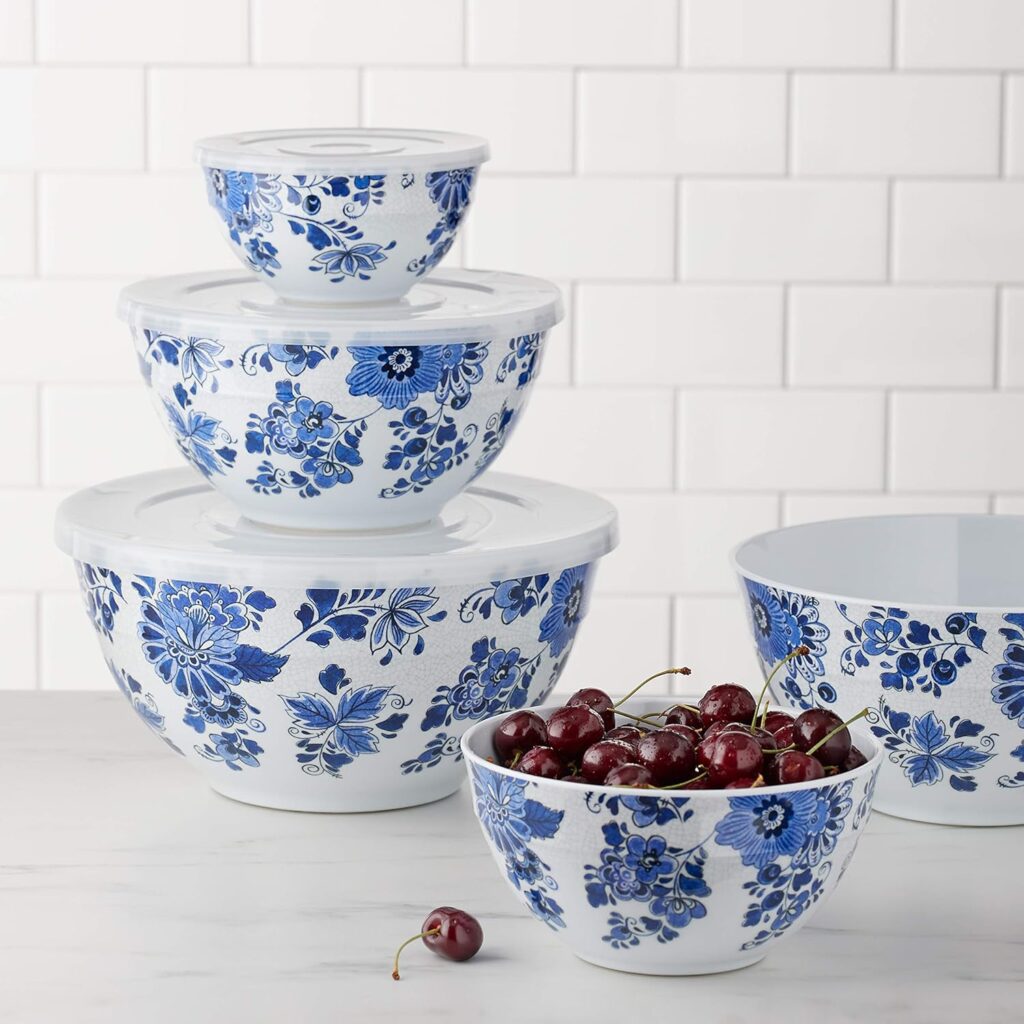
However, their temperature limitations become problematic when dealing with hot ingredients or when you need to create a double-boiler effect. You can’t use them for tempering chocolate or warming ingredients.
Stainless Steel Mixing Bowls
Stainless steel mixing bowls are the professional’s choice for good reason. They’re heat-conductive, which is brilliant for creating bain-maries or gently warming ingredients.

The material’s non-reactive nature makes it perfect for whipping egg whites or cream—no risk of chemical interference affecting your results.
Many professional bakers swear by stainless steel for its reliability and versatility.
Temperature versatility is another advantage. You can use the same bowl for mixing frozen ingredients and hot preparations without concern.
| Feature | Melamine Bowls | Stainless Steel Bowls |
| Weight | Light | Moderate |
| Heat Conductivity | Poor | Excellent |
| Temperature Range | Limited | Unlimited |
| Noise Level | Quiet | Moderate |
| Professional Use | Rare | Standard |
PROS AND CONS SUMMARY
Let’s break down the advantages and disadvantages clearly:
Melamine Advantages
- Lightweight and easy to handle
- Unbreakable under normal use
- Affordable initial cost
- Colourful design options available
- Quiet when used with utensils
- Child-friendly due to safety from breakage
Melamine Disadvantages
- Temperature limitations restrict use
- Not microwave safe
- Potential chemical concerns with heat exposure
- Shorter lifespan than alternatives
- Staining issues with certain foods
- Scratches more easily than steel
Stainless Steel Advantages
- Superior safety profile with no restrictions
- Heat resistant for all cooking needs
- Durable with decades-long lifespan
- Professional appearance and feel
- Non-reactive with all food types
- Dishwasher safe in all cycles.
Stainless Steel Disadvantages
- Higher initial cost than melamine
- Heavier weight can be cumbersome
- Limited design options compared to melamine
- Can dent with severe impact
- Shows fingerprints on polished finishes
- Conducts heat (can be hot to touch).
WHICH SHOULD YOU CHOOSE?
The decision ultimately depends on your specific needs and priorities.
Choose Melamine If:
You’re budget-conscious and need dinnerware for casual use. Melamine works brilliantly for outdoor dining, children’s meals, or temporary living situations.
If you’re furnishing a holiday home or need lightweight options for camping, melamine makes sense.
Families with young children often prefer melamine for daily use due to its unbreakable nature. The peace of mind knowing that dropped plates won’t create dangerous shards is valuable.
Choose Stainless Steel If:
Safety is your top priority. If you want dinnerware that can handle any culinary challenge without restrictions, stainless steel is your answer.
It’s the choice for serious home cooks who need reliable, versatile pieces.
Long-term value matters to you. Despite the higher upfront cost, stainless steel’s durability makes it more economical over time. It’s an investment that pays dividends through decades of use.
Professional-grade performance is important. If you’re taking your cooking seriously or running a food business, stainless steel’s reliability and safety standards are non-negotiable.
Specific Use Case Recommendations
For family dining: Consider a hybrid approach, stainless steel for adults, even children and special occasions, melamine for children and the elderly, for everyday use.
For outdoor entertaining: Melamine’s unbreakable nature makes it ideal for garden parties and picnics.
For professional kitchens: Stainless steel is the only viable option due to safety regulations and performance requirements.
For elderly users: Melamine’s lightweight nature might be beneficial, but ensure temperature restrictions are understood and followed.
MAINTENANCE AND CARE TIPS
Proper care extends the life of both materials significantly.
Melamine Care
- Avoid high temperatures at all costs
- Hand wash with lukewarm water and mild detergent
- Use plastic or wooden utensils to prevent scratching
- Store carefully to avoid impact damage
- Replace immediately if cracks appear.
Stainless Steel Care
- Use appropriate cleaning products designed for stainless steel
- Avoid abrasive cleaners that can scratch the surface
- Dry thoroughly to prevent water spots
- Polish periodically to maintain a lustrous finish
- Store with care to prevent denting.
ENVIRONMENTAL CONSIDERATIONS
Sustainability is increasingly important in dinnerware choices.
Melamine Environmental Impact
Melamine is not biodegradable and can persist in landfills for centuries. However, some manufacturers are developing recycling programmes for melamine products.
The shorter lifespan means more frequent replacement, contributing to waste generation. Additionally, the manufacturing process involves chemicals that require careful handling and disposal.
Stainless Steel Environmental Impact
Stainless steel is infinitely recyclable without losing its properties. This makes it an environmentally responsible choice despite higher manufacturing energy requirements.
The long lifespan means fewer replacements and less waste over time. Many stainless steel pieces become family heirlooms, passed down through generations.
IS STAINLESS STEEL COMPLETELY SAFE FOR ALL FOODS?
Yes, food-grade stainless steel is completely safe for all foods and beverages, regardless of temperature or acidity.
WHICH MATERIAL LASTS LONGER?
Stainless steel significantly outlasts melamine, often by 5-10 times in normal household use.
CONCLUSION
The melamine vs stainless steel discussion isn’t just about materials; it’s about matching your dinnerware to your lifestyle, priorities, and values.
Melamine offers affordability and various functions for casual use, whilst stainless steel provides uncompromising safety and durability for serious home and kitchen work.
For most households, stainless steel represents a better long-term investment. Its safety profile, durability, and versatility make it suitable for virtually any dining situation.
Yes, you’ll pay more upfront, but the decades of reliable service justify the cost.
However, don’t completely dismiss melamine. In specific situations: children’s dinnerware, outdoor dining, or budget-conscious households, it can serve admirably within its limitations.
We at Safekitchn, recommends you consider your cooking habits, family needs, and budget.
Remember, the best dinnerware is the one that serves your lifestyle safely and efficiently.