Choosing the right plate goes beyond aesthetics; it affects how you serve food, maintain safety standards, and organize your kitchen.
From everyday meals to formal gatherings, each plate type serves a distinct purpose.
Understanding plate sizes, materials, and functions helps you make informed decisions for your dining needs.
Whether you’re setting up a new kitchen, hosting events, or simply replacing worn dinnerware, knowing the differences between dinner plates, charger plates, and specialty options ensures you select plates that match your lifestyle.
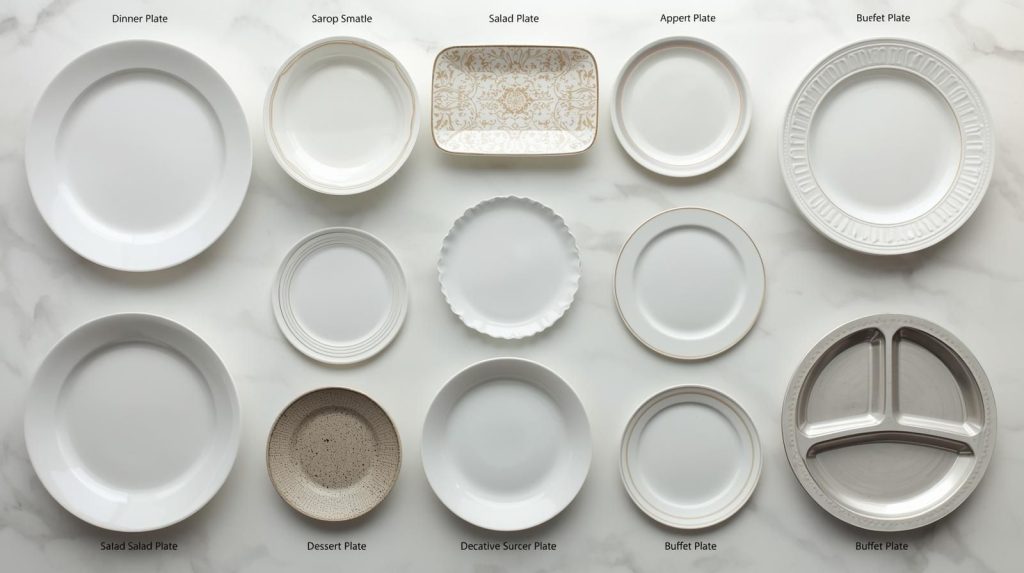
This guide covers 10 essential plate types, their materials, dimensions, and best uses to help you build a functional and safe tableware collection.
1. Dinner Plate
The dinner plate is the foundation of any tableware set, designed to hold your main course during meals.
Standard size (10–12 inches)
Most dinner plates measure between 10 and 12 inches in diameter.
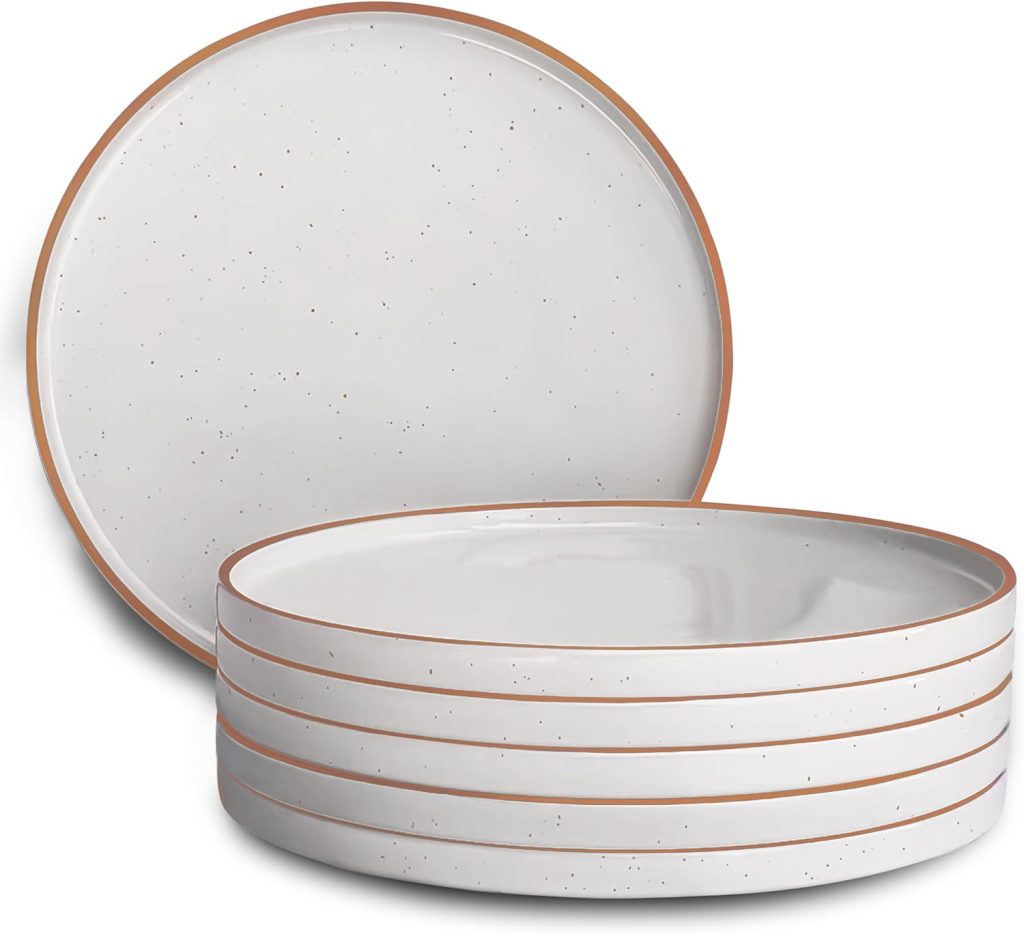
This size accommodates proteins, starches, and vegetables without overcrowding.
The standard dimension ensures compatibility with most dishwasher racks and cabinet storage systems.
Main course plate
Dinner plates serve as the primary vessel for entrees during lunch and dinner.
They provide enough surface area for balanced portions while maintaining visual appeal.
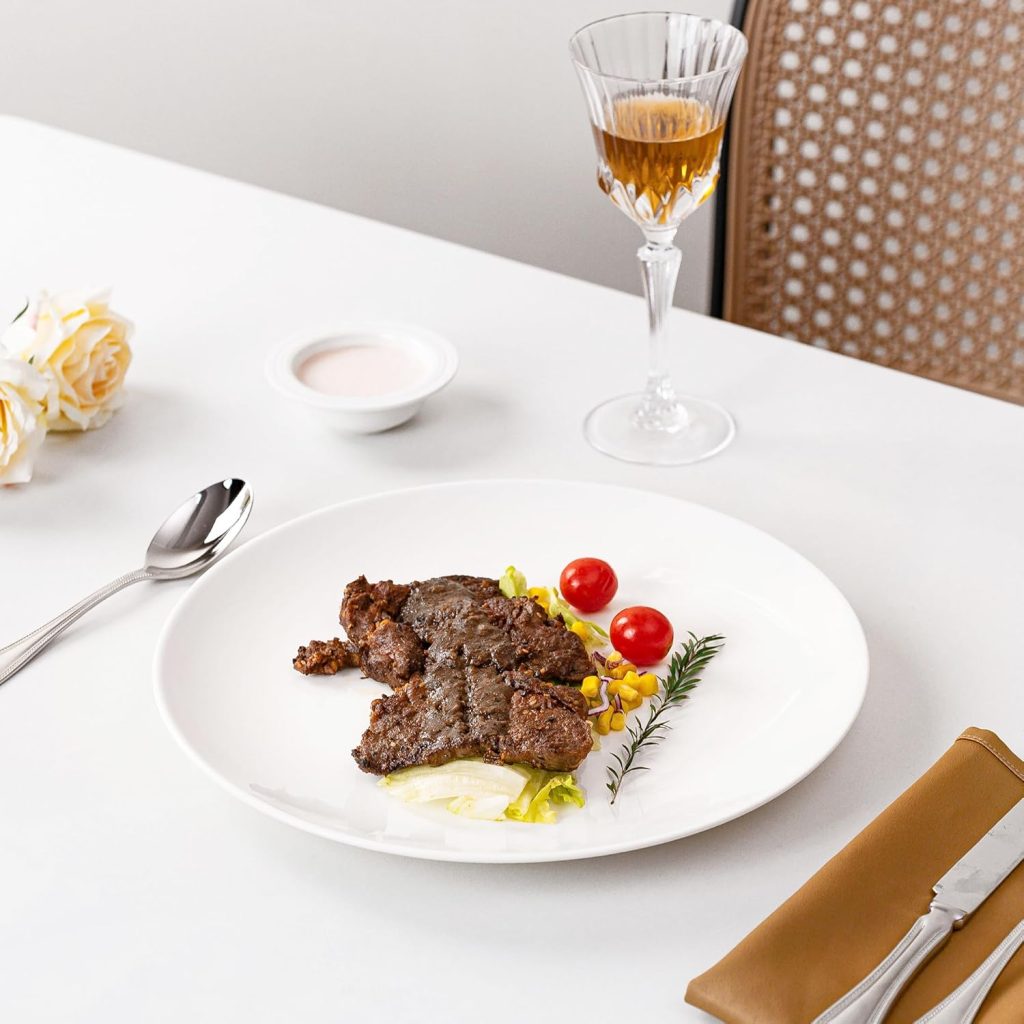
The flat or slightly rimmed design prevents food from spilling.
Materials: ceramic, porcelain, stoneware
Common materials include ceramic for everyday durability, porcelain for elegant dining, and stoneware for rustic aesthetics.
Each material offers varying heat retention, scratch resistance, and weight characteristics. Choose based on your usage frequency and dishwasher needs.
2. Salad Plate
This smaller plate is ideal for lighter courses before or alongside your main meal.
7–9 inches
Salad plates typically range from 7 to 9 inches in diameter. This compact size prevents salad greens from spreading too thin while maintaining proper portion control.
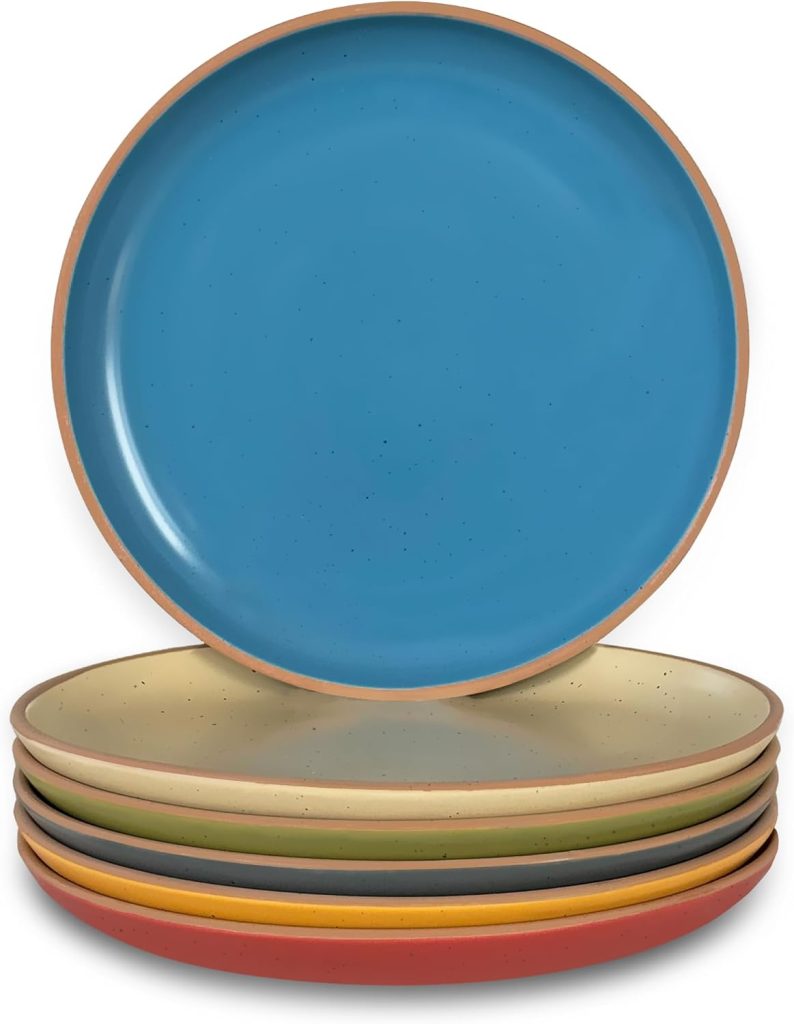
The dimensions make them easy to stack and store efficiently.
For salads, appetizers
Beyond leafy greens, these plates work perfectly for appetizers, side dishes, and small servings.
They’re ideal for bread accompaniments, cheese platters, or tapas-style dining. Many households use them for breakfast, toast, and fruit.
Often paired with dinner sets
Most dinnerware collections include salad plates that match dinner plates in design and material.
This coordination creates visual harmony during formal table settings. Purchasing complete sets ensures consistent quality across all pieces.
3. Dessert Plate
Designed specifically for the final course, dessert plates combine function with decorative appeal.
Similar to a salad plate but decorative
Dessert plates measure around 7–8 inches but often feature more ornamental patterns or colors.
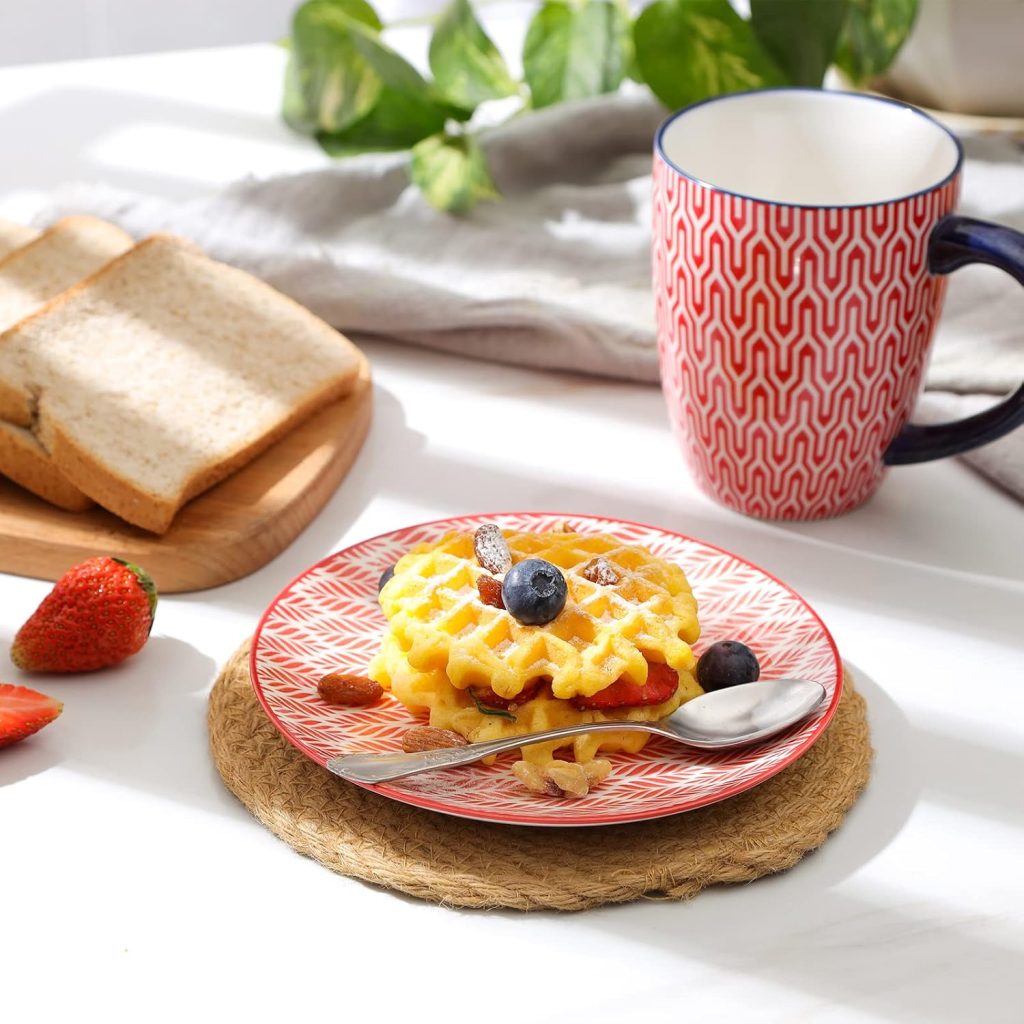
The decorative element enhances the presentation of sweets and treats. Some designs include calloped edges or metallic accents.
Pastries, cake, desserts
These plates accommodate cakes, pastries, cookies, and fruit-based desserts perfectly.
The smaller surface prevents dessert portions from appearing sparse. They’re essential for tea parties, coffee service, and formal dinners with multiple courses.
4. Bread and Butter Plate (B&B Plate)
This small plate serves as a personal space for bread items during formal dining.
5–7 inches
Bread and butter plates measure 5 to 7 inches in diameter, making them the smallest standard table plate.
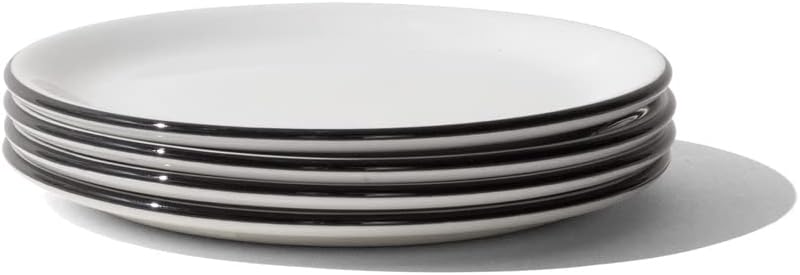
Their compact size fits easily to the left of the main plate setting. The dimensions prevent table clutter during multi-course meals.
Used in formal dining
In traditional table settings, the B&B plate sits above the forks on the left side.
It maintains separation between bread items and the main course. This practice follows classic etiquette standards for upscale restaurants and events.
Also for rolls, snacks
Beyond bread and butter, these plates work well for dinner rolls, crackers, or small snacks.
Many people use them for condiments, lemon wedges, or garnishes. Their versatility extends to casual gatherings and children’s portions.
5. Charger Plate (Service Plate)
Charger plates add elegance to formal table settings without directly contacting food.
Decorative underplate
Charger plates remain on the table throughout the meal as a base layer.
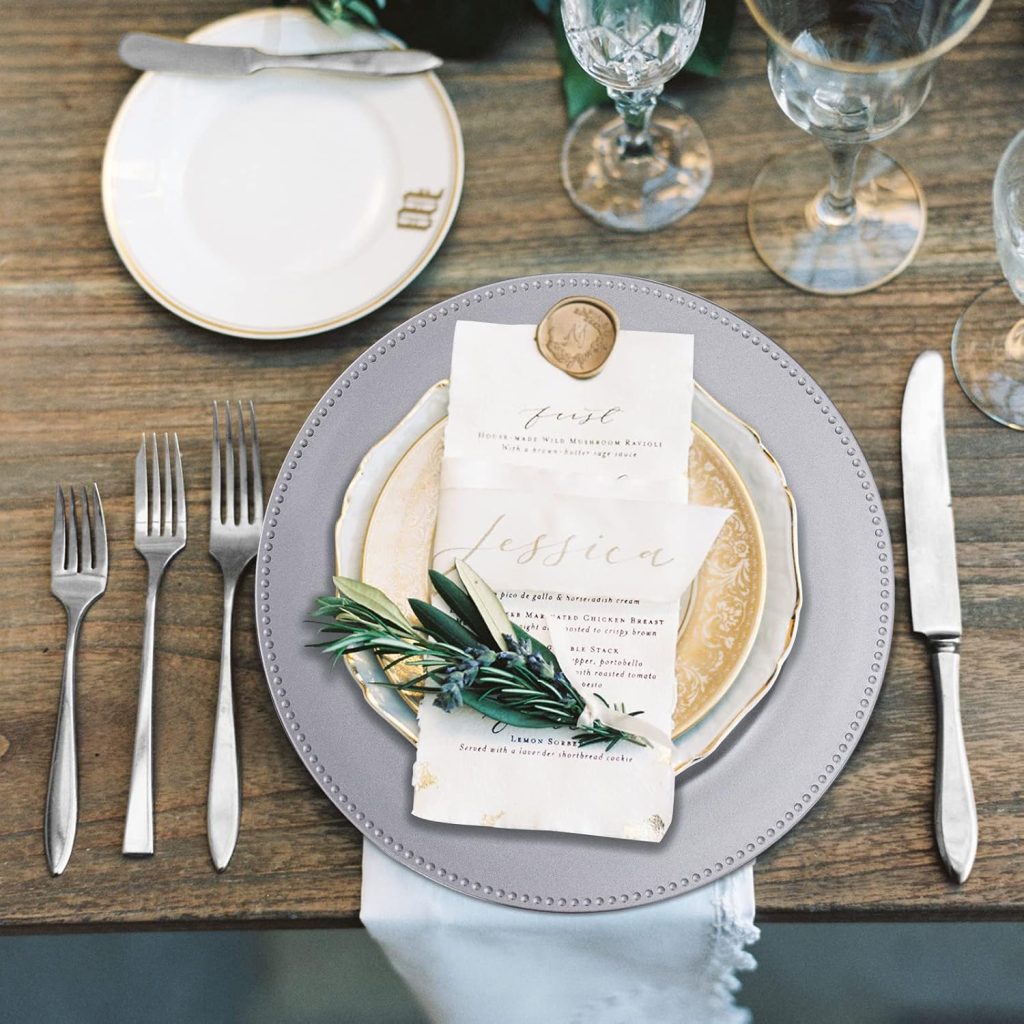
They frame dinner plates and create visual impact through metallic finishes, ornate designs, or bold colors. Remove them before dessert service.
11–14 inches
These large plates measure 11 to 14 inches in diameter, extending beyond the dinner plate edges.
The extra size creates a border effect that enhances table presentation. Proper sizing ensures the charger remains visible beneath standard plates.
Never used for direct food contact
Food should never touch the charger plates directly. They serve purely decorative and protective functions for tablecloths.
Always place dinner plates, salad plates, or bowls on top of chargers during service.
Important safety note about materials
Many chargers use non-food-safe materials like uncoated metals, resin, or decorative finishes.
Always verify food-safety certifications before purchasing.
Avoid materials that could leach chemicals if accidentally used for direct food contact.
6. Appetizer Plate
These small plates facilitate easy serving and eating of pre-meal bites.
Mini portions, hors d’oeuvres
Appetizer plates measure 6–8 inches and handle bite-sized foods perfectly. They’re designed for finger foods, canapés, and tasting portions.
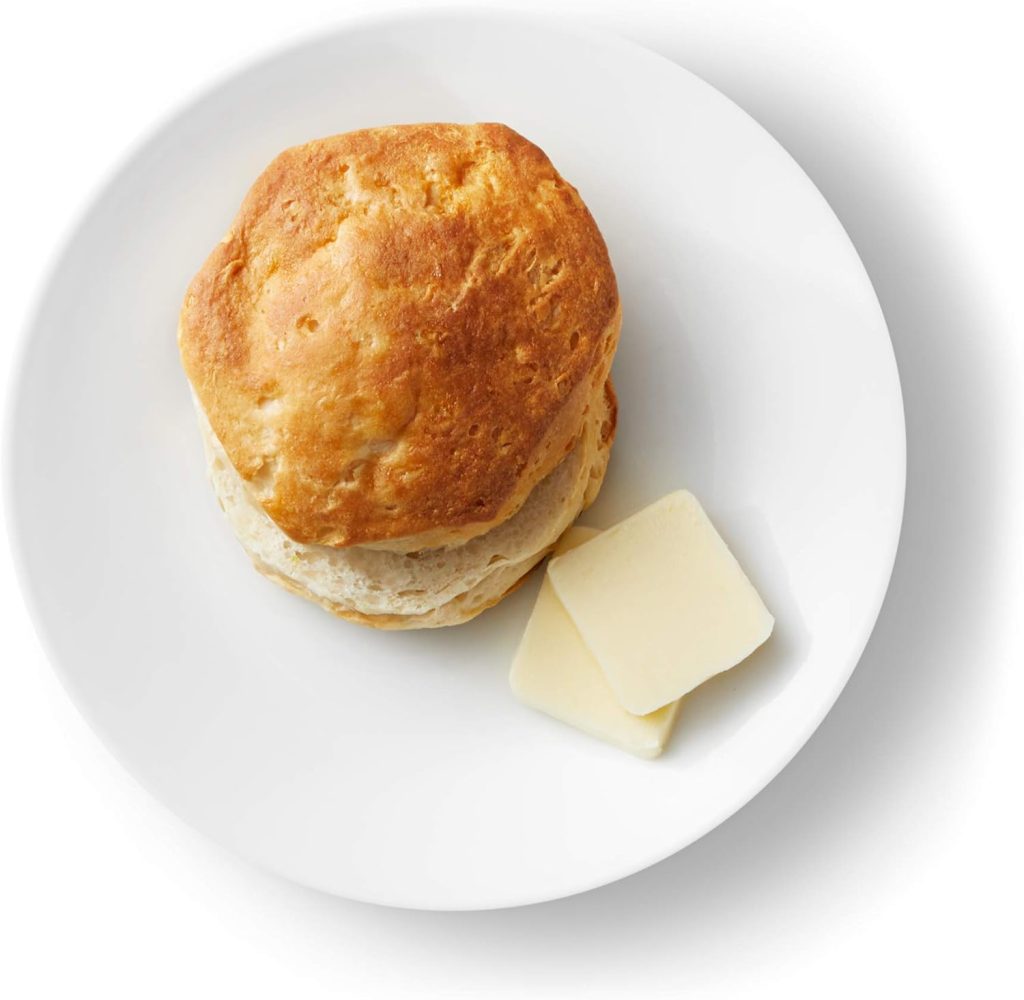
The size encourages sampling multiple items without overwhelming guests.
Often seen at parties
Cocktail parties, receptions, and buffets rely heavily on appetizer plates. Guests can circulate while holding small plates easily.
The plates encourage mingling while preventing food waste from oversized portions.
Multipurpose
Beyond parties, these plates work for everyday snacking, desserts, or children’s meals.
Many households use them for fruit servings, cheese and crackers, or light lunches.
Their versatility makes them valuable in any kitchen collection.
7. Soup Plate / Pasta Plate (Rimmed Bowl Plate)
This hybrid design combines the depth of a bowl with the flatness of a plate.
Wide rim, shallow bowl
Soup plates feature a wide, flat rim surrounding a shallow bowl center. The rim provides space for resting spoons and prevents spills.
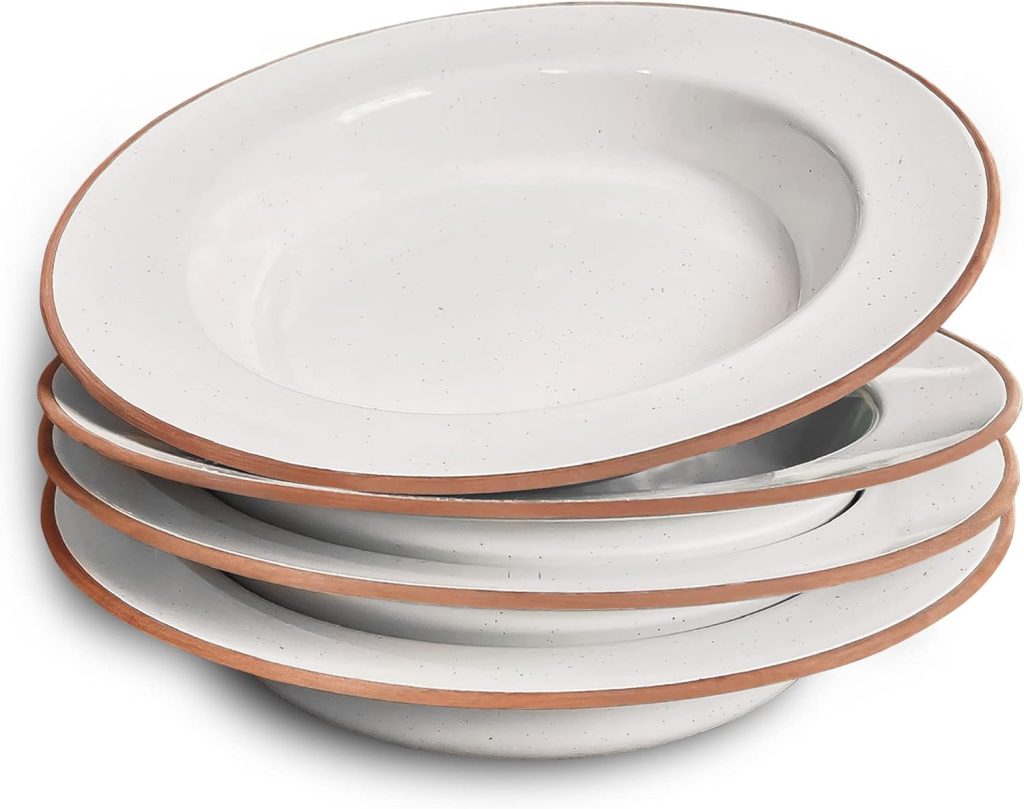
The shallow depth works better than deep bowls for thick soups and saucy pasta.
Soup, pasta, saucy dishes
These plates excel with minestrone, chowders, risotto, and pasta with sauce. The design allows easy twirling of spaghetti against the bowl’s edge.
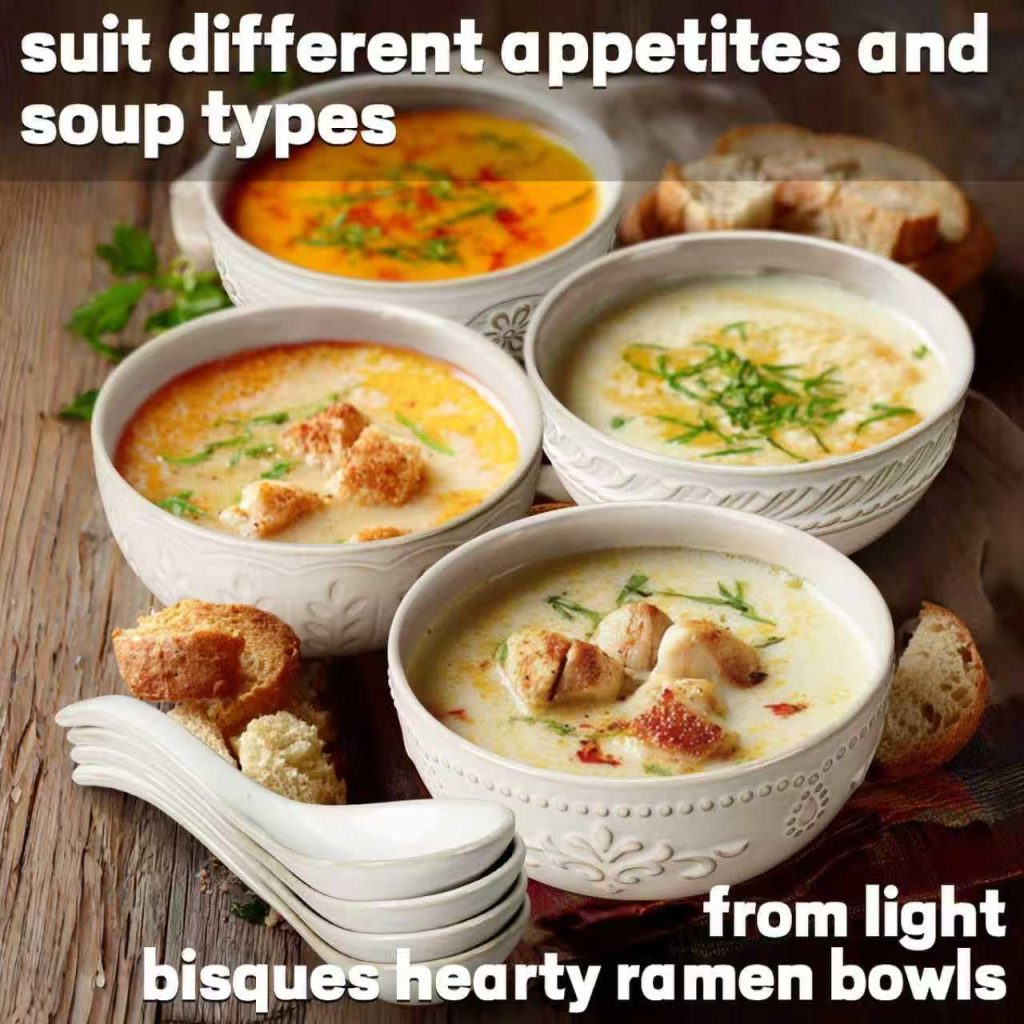
They also work well for stews, curries, and grain bowls.
Usually, ceramic or porcelain
Heat retention makes ceramic and porcelain ideal materials for soup plates.
These materials keep food warm throughout the meal without burning hands.
Avoid materials that conduct heat too quickly, like thin metal.
8. Breakfast Plate
Specifically sized for morning meals, breakfast plates balance portion control with functionality.
Slightly smaller than a dinner plate
Breakfast plates typically measure 8–10 inches, falling between salad and dinner plate sizes.
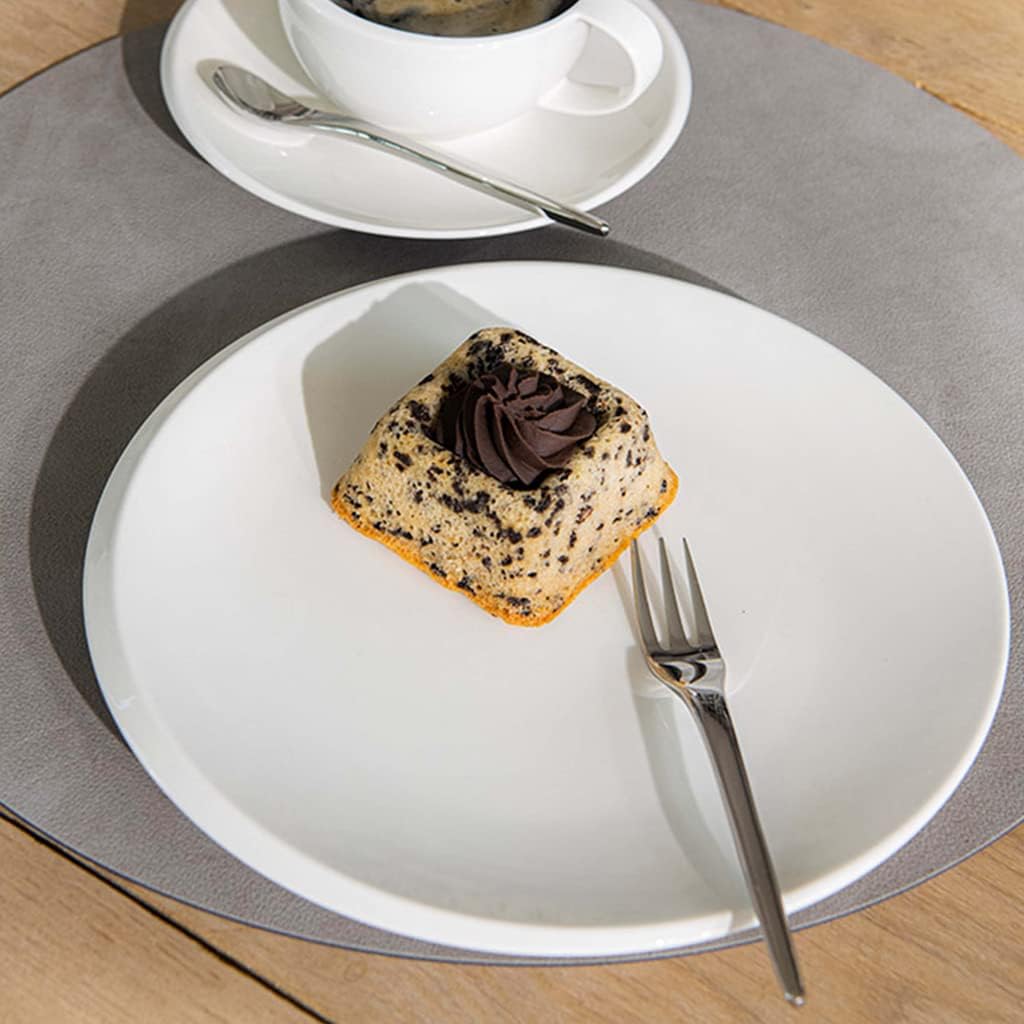
This dimension suits typical morning portions without encouraging overeating.
The size accommodates eggs, toast, and sides comfortably.
Versatile for toast, eggs, and fruits
These plates handle pancakes, waffles, omelets, bacon, and fruit servings effectively.
The moderate size prevents runny eggs from spreading too far.
Many designs include divided sections for separating syrup from other foods.
9. Buffet Plate / Luncheon Plate
Designed for casual dining and event catering, these plates balance size with portability.
9–10 inches
Buffet plates measure 9 to 10 inches, smaller than dinner plates but larger than salad plates.
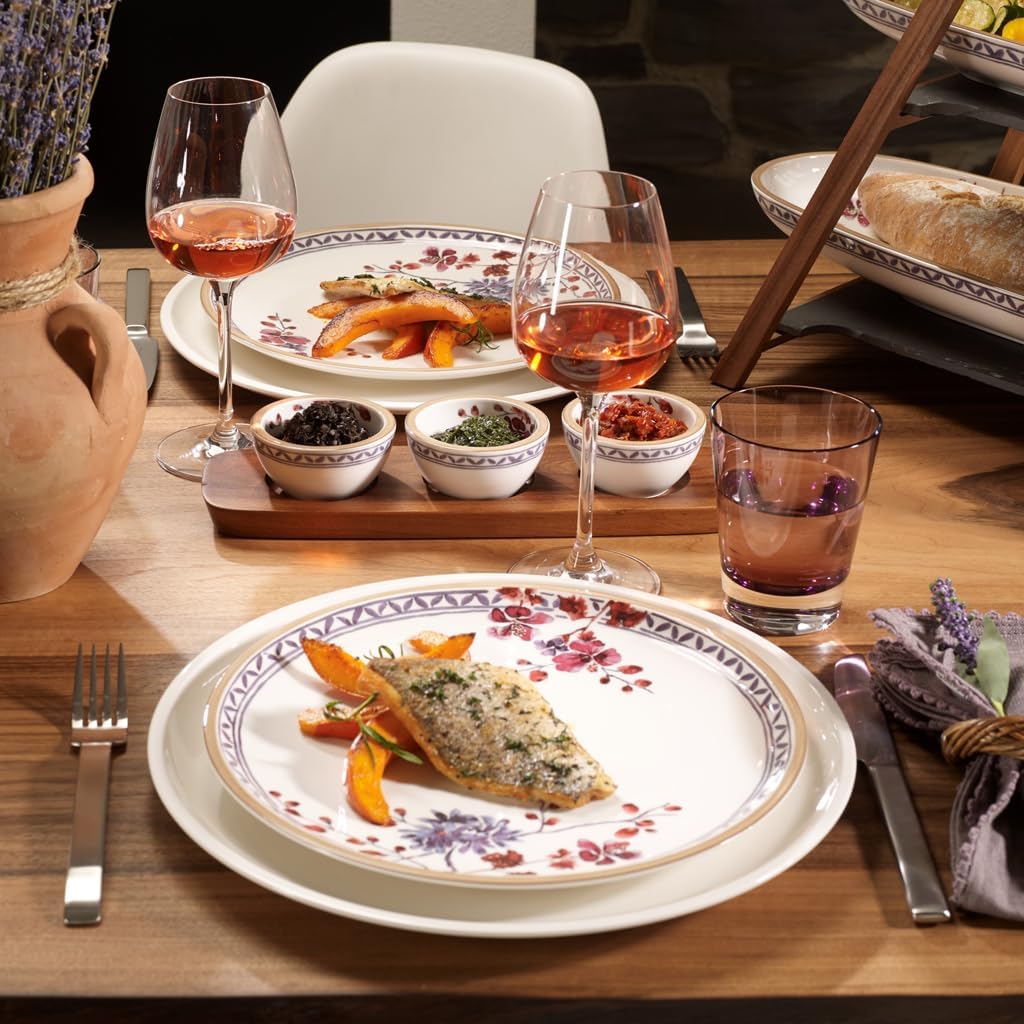
This middle-ground size prevents overloading while providing adequate space.
The dimensions work well for self-serve situations where guests carry their plates.
Lightweight for parties
Event planners prefer lightweight materials that guests can hold easily while standing. Disposable or durable reusable options reduce breakage concerns.
The weight consideration matters for outdoor events and casual gatherings.
Often, durable materials (melamine, plastic—but you can give safer alternatives)
While melamine and plastic offer durability, safer alternatives include bamboo fiber plates, palm leaf plates, or tempered glass options.
Bagasse (sugarcane fiber) and wheat straw plates provide compostable solutions.
For reusable options, choose BPA-free materials or stainless steel for maximum safety.
10. Compartment Plate (Divided Plate)
Built-in dividers separate different foods on a single plate.
Used for kids, picnics
Compartment plates prevent foods from touching, appealing to children and picky eaters.

They’re practical for outdoor dining where multiple plates become cumbersome.
Schools and cafeterias use them extensively for portion-controlled meals.
Stainless steel, bamboo, wheat straw
Stainless steel compartment plates offer unbreakable durability for children and camping.
Bamboo options provide eco-friendly alternatives with natural antimicrobial properties.
Wheat straw plates are lightweight, compostable, and free from harmful chemicals.
Great for portion control
The divided sections naturally create portion guidelines for balanced meals.
Meal preppers use them to separate proteins, carbs, and vegetables systematically.
This visual organization helps with dietary management and calorie tracking.
Bonus: Specialty Plates You May Encounter
Beyond standard types, specialty plates serve niche dining purposes and cultural cuisines.
Cheese plates feature smooth surfaces, sometimes with integrated knife holders or grooves for crackers.
Sushi plates come in rectangular or oval shapes with sections for soy sauce and wasabi.
Taco plates include curved holders that keep shells upright and prevent spillage. Chip-and-dip plates combine a large outer ring for chips with a centered bowl for dips.
Pizza plates are extra-large and flat, designed to support oversized slices without bending.
These specialty options enhance specific dining experiences when standard plates fall short.
How Plate Materials Affect Safety & Durability
Material choice impacts the longevity, safety, and maintenance requirements of your plates.
Ceramic
Ceramic plates offer affordability and a wide design variety with moderate durability.
They resist scratching and staining better than plastic, but can chip if dropped.
Most ceramic plates are dishwasher and microwave-safe, though always check manufacturer specifications for lead-free certification.
Porcelain
Porcelain provides superior strength and elegance compared to standard ceramic. Its dense composition resists chips and maintains its appearance longer.
Porcelain’s non-porous surface prevents bacterial growth, making it highly hygienic for food contact.
Tempered glass (e.g., Corelle)
Tempered glass plates are extremely durable, lightweight, and resistant to breaking.
Brands like Corelle use thermal treatment that strengthens glass significantly.
These plates stack compactly, resist scratches, and maintain clarity without yellowing over time.
Stoneware
Stoneware delivers rustic aesthetics with excellent heat retention for keeping food warm.
It’s heavier and more chip-resistant than standard ceramic.
The material’s natural look complements farmhouse and casual dining styles effectively.
Bamboo & eco plates
Bamboo plates offer renewable, biodegradable alternatives with natural antimicrobial properties.
They’re lightweight and safe for children but require hand washing to prevent warping.
Choose options without melamine binders for maximum safety.
Stainless steel (kid-friendly)
Stainless steel provides unbreakable durability ideal for children, camping, and outdoor use.
It’s free from toxic chemicals and easy to sanitize. The material doesn’t retain flavors or odors, though it conducts heat quickly.
Melamine (avoid for hot foods)
Melamine plates resist breaking but can leach chemicals when exposed to high temperatures.
Never microwave melamine or use it for hot foods above 160°F. Choose certified food-grade melamine and replace it when scratched or damaged.
How to Choose the Right Plate for Your Kitchen
Selecting appropriate plates requires evaluating your lifestyle, safety priorities, and practical needs.
Everyday vs formal
Everyday plates should prioritize durability, dishwasher safety, and affordability for frequent use.
Formal plates emphasize aesthetics and may require hand washing or special care.
Many households maintain two separate sets to balance practicality with elegance.
Material safety
Prioritize lead-free, cadmium-free certifications, especially for daily-use plates.
Verify that decorative glazes meet food-safety standards. Avoid plates with metallic trims if you use microwaves regularly.
Weight & durability
Consider who will handle the plates—lightweight options suit children and elderly users.
Heavy stoneware plates feel substantial but increase breakage risk if dropped. Balance durability needs with comfortable handling weight for your household.
Stacking & storage
Check how plates nest together before purchasing full sets. Poorly designed plates waste cabinet space and increase breakage risk. Consider rim shapes and sizes to ensure efficient stacking.
FAQ — Types of Plates
What size is a standard dinner plate?
Standard dinner plates measure 10 to 12 inches in diameter. This size accommodates balanced portions of protein, vegetables, and starches comfortably.
Most dishwashers and cabinets are designed around this standard dimension for universal compatibility.
Can all plates go in the microwave?
Not all plates are microwave-safe. Avoid plates with metallic trim, melamine construction, or certain glazes that can spark or leach chemicals.
Check for microwave-safe symbols on the bottom of plates before heating. Ceramic, porcelain, and tempered glass are typically safe options.
Which plates are safest for kids?
Stainless steel, bamboo, and wheat straw plates offer the safest options for children.
These materials are non-toxic, free from harmful chemicals, and durable enough to withstand drops.
Avoid melamine for hot foods and any plates with small decorative pieces that could detach.
What plate material lasts the longest?
Tempered glass plates like Corelle last the longest with proper care, resisting chips and scratches for decades.
Porcelain and stainless steel also offer exceptional longevity. While stoneware and ceramic are durable, they’re more prone to chipping from impacts compared to tempered glass.
Conclusion
Selecting the right plates transforms your dining experience from functional to exceptional.
Each plate type, from dinner plates to specialty options, serves specific purposes that enhance meal presentation and practicality.
Material choices affect safety, durability, and maintenance requirements, making it essential to match plates to your household’s needs.
Whether you prioritize everyday durability with tempered glass, child-safe options like stainless steel, or elegant porcelain for special occasions, understanding these distinctions helps you invest wisely.
Build your collection thoughtfully, considering size requirements, storage capacity, and safety certifications.
The right plates don’t just hold food, they elevate every meal while protecting your family’s health and simplifying kitchen management.