Tag: dinnerware material comparison

  • 10 Types of Plates With Names (Uses, Materials & Best Purpose)

    Choosing the right plate goes beyond aesthetics; it affects how you serve food, maintain safety standards, and organize your kitchen.

    From everyday meals to formal gatherings, each plate type serves a distinct purpose.

    Understanding plate sizes, materials, and functions helps you make informed decisions for your dining needs.

    Whether you’re setting up a new kitchen, hosting events, or simply replacing worn dinnerware, knowing the differences between dinner plates, charger plates, and specialty options ensures you select plates that match your lifestyle.
    10 types of plates with names

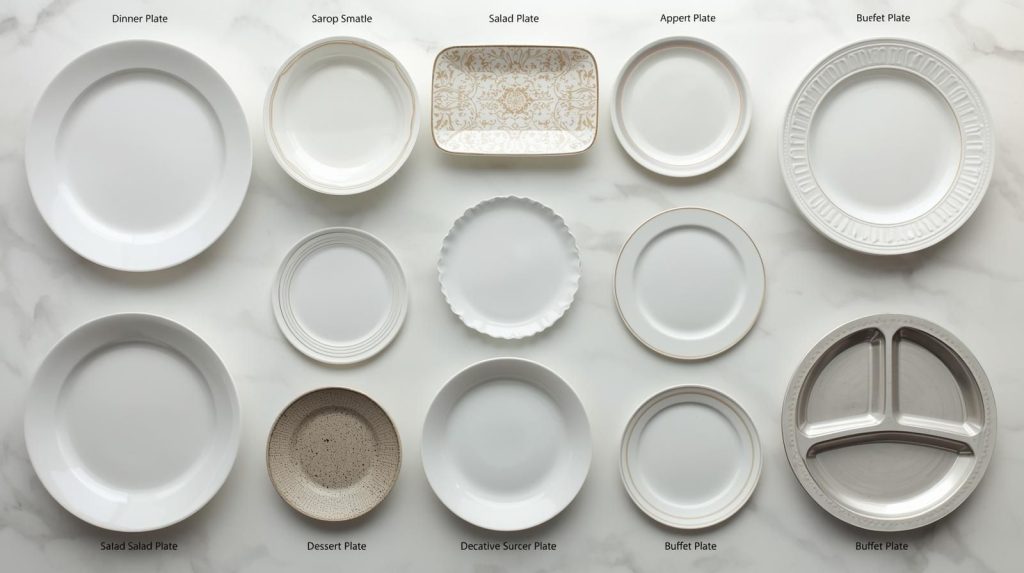
    This guide covers 10 essential plate types, their materials, dimensions, and best uses to help you build a functional and safe tableware collection.

    1. Dinner Plate

    The dinner plate is the foundation of any tableware set, designed to hold your main course during meals.

    Standard size (10–12 inches)

    Most dinner plates measure between 10 and 12 inches in diameter.
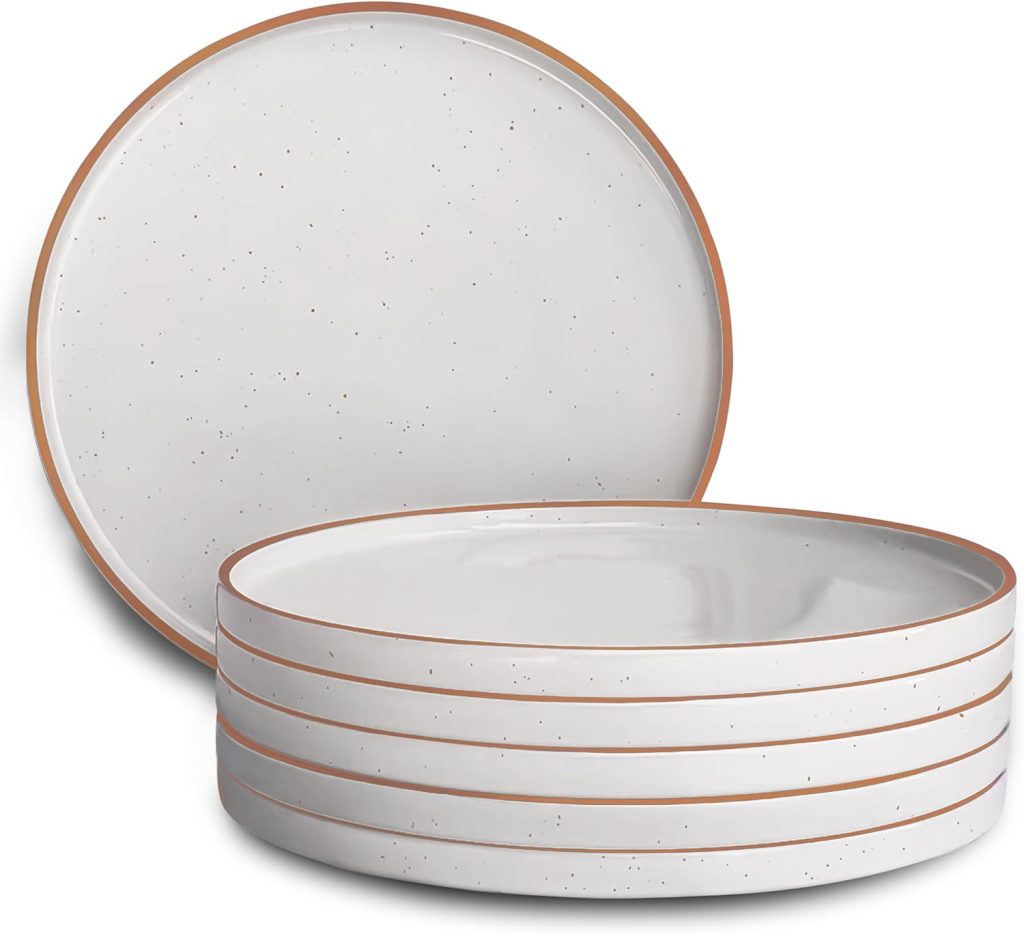
    10.5 inch standard porcelain dinner plates

    This size accommodates proteins, starches, and vegetables without overcrowding.

    The standard dimension ensures compatibility with most dishwasher racks and cabinet storage systems.

    Main course plate

    Dinner plates serve as the primary vessel for entrees during lunch and dinner.

    They provide enough surface area for balanced portions while maintaining visual appeal.
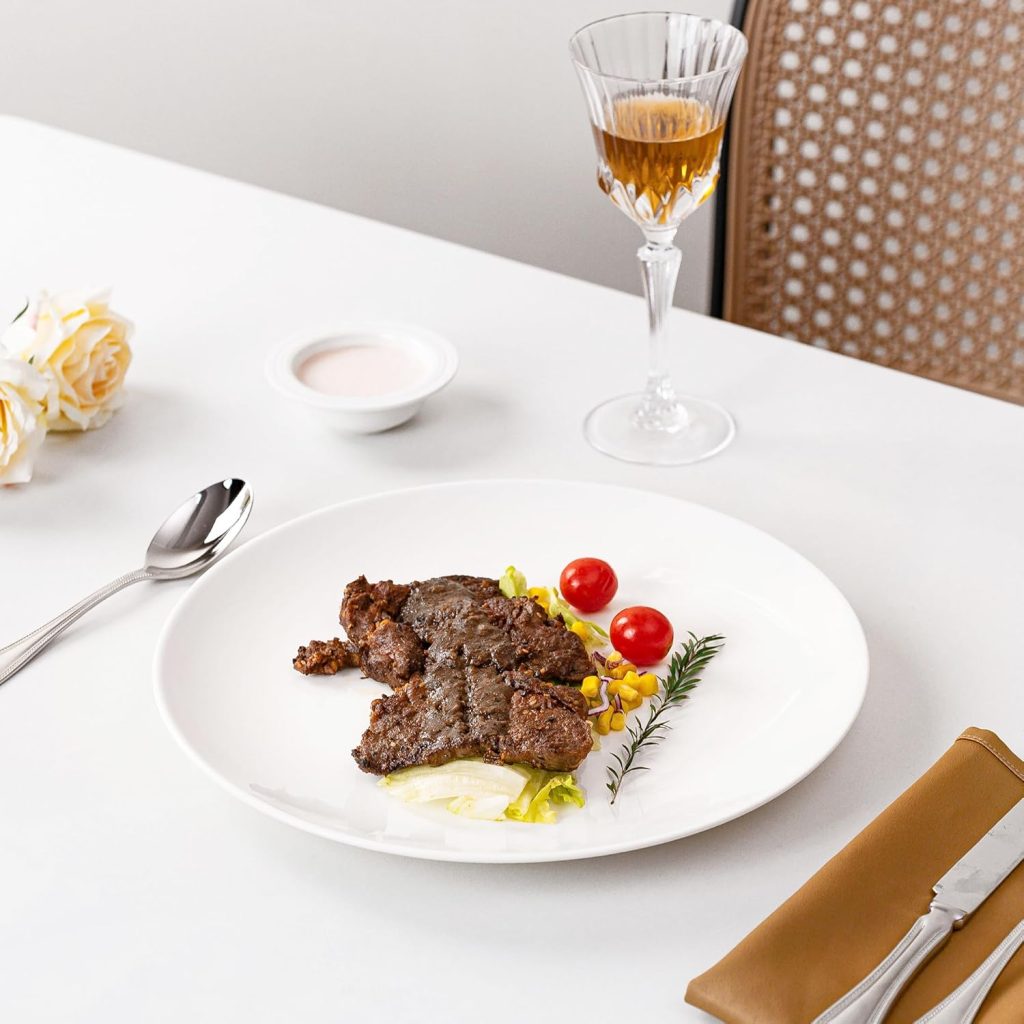
    12 inch ceramic large dinner plate size

    The flat or slightly rimmed design prevents food from spilling.

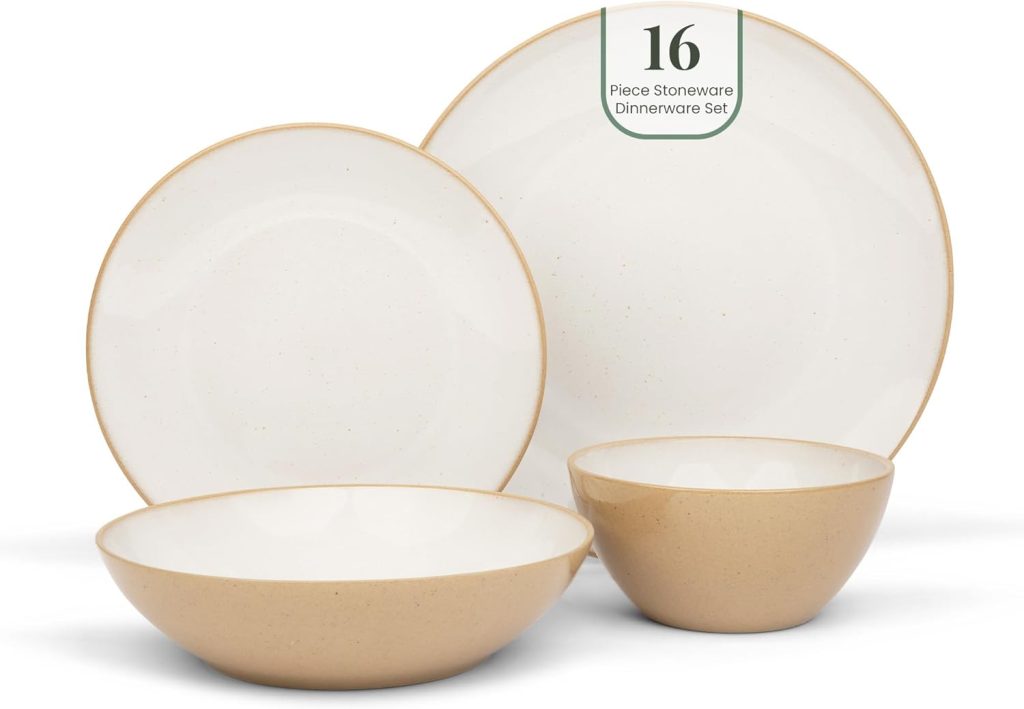
    Materials: ceramic, porcelain, stoneware

    Common materials include ceramic for everyday durability, porcelain for elegant dining, and stoneware for rustic aesthetics.

    Each material offers varying heat retention, scratch resistance, and weight characteristics. Choose based on your usage frequency and dishwasher needs.

    2. Salad Plate

    This smaller plate is ideal for lighter courses before or alongside your main meal.

    7–9 inches

    Salad plates typically range from 7 to 9 inches in diameter. This compact size prevents salad greens from spreading too thin while maintaining proper portion control.
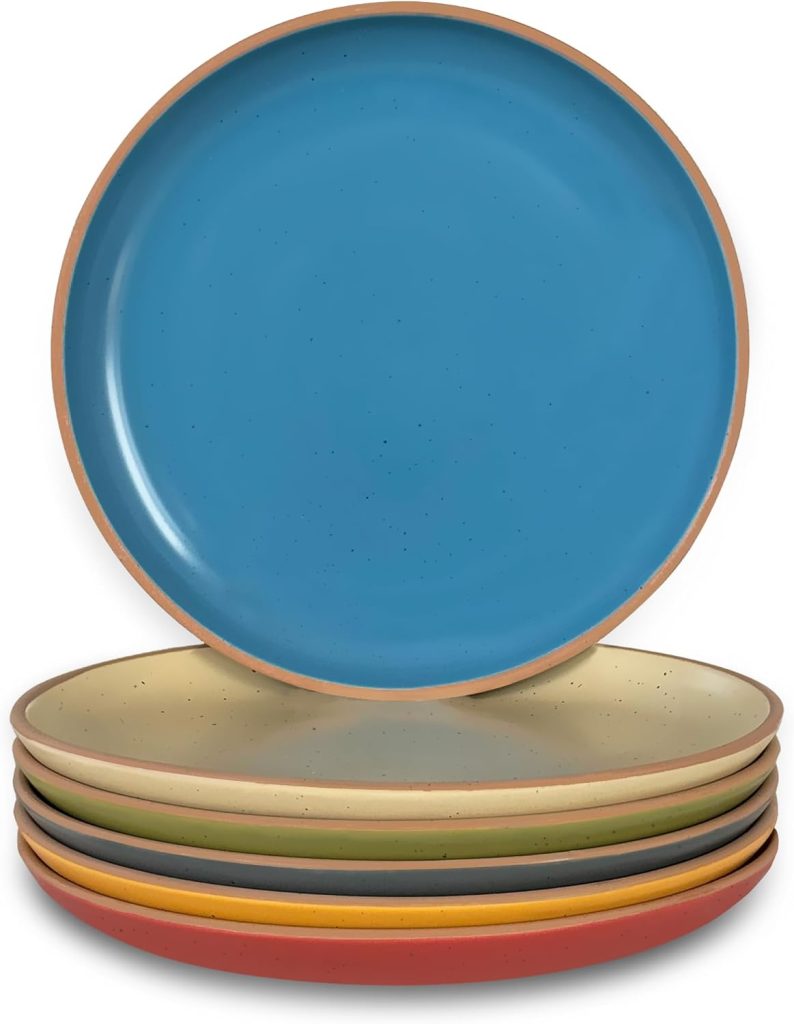
    7.8 inch salad, dessert and appetizer ceramic plate set

    The dimensions make them easy to stack and store efficiently.

    For salads, appetizers

    Beyond leafy greens, these plates work perfectly for appetizers, side dishes, and small servings.

    They’re ideal for bread accompaniments, cheese platters, or tapas-style dining. Many households use them for breakfast, toast, and fruit.

    Often paired with dinner sets

    Most dinnerware collections include salad plates that match dinner plates in design and material.

    This coordination creates visual harmony during formal table settings. Purchasing complete sets ensures consistent quality across all pieces.

    3. Dessert Plate

    Designed specifically for the final course, dessert plates combine function with decorative appeal.

    Similar to a salad plate but decorative

    Dessert plates measure around 7–8 inches but often feature more ornamental patterns or colors.
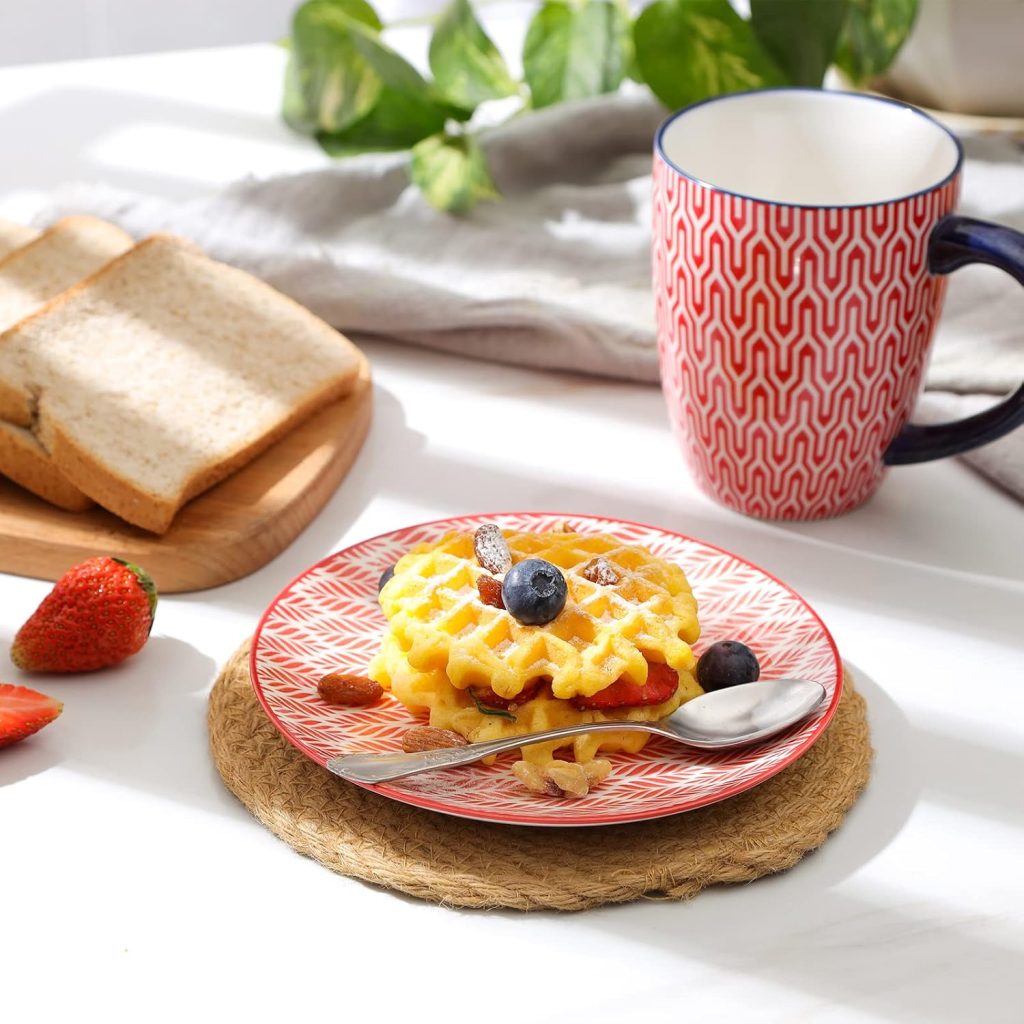
    6 inch dessert snacks and side dish plate

    The decorative element enhances the presentation of sweets and treats. Some designs include calloped edges or metallic accents.

    Pastries, cake, desserts

    These plates accommodate cakes, pastries, cookies, and fruit-based desserts perfectly.

    The smaller surface prevents dessert portions from appearing sparse. They’re essential for tea parties, coffee service, and formal dinners with multiple courses.

    4. Bread and Butter Plate (B&B Plate)

    This small plate serves as a personal space for bread items during formal dining.

    5–7 inches

    Bread and butter plates measure 5 to 7 inches in diameter, making them the smallest standard table plate.
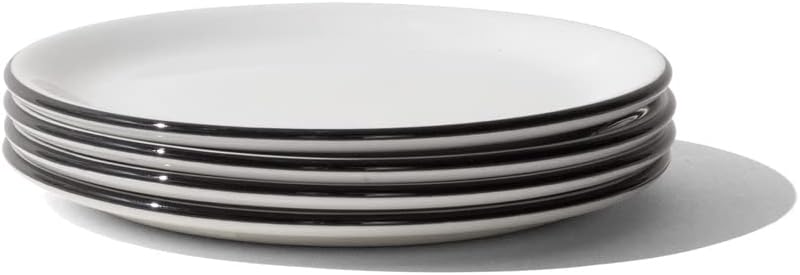
    6 inch bread and butter plates

    Their compact size fits easily to the left of the main plate setting. The dimensions prevent table clutter during multi-course meals.

    Used in formal dining

    In traditional table settings, the B&B plate sits above the forks on the left side.

    It maintains separation between bread items and the main course. This practice follows classic etiquette standards for upscale restaurants and events.

    Also for rolls, snacks

    Beyond bread and butter, these plates work well for dinner rolls, crackers, or small snacks.

    Many people use them for condiments, lemon wedges, or garnishes. Their versatility extends to casual gatherings and children’s portions.

    5. Charger Plate (Service Plate)

    Charger plates add elegance to formal table settings without directly contacting food.

    Decorative underplate

    Charger plates remain on the table throughout the meal as a base layer.
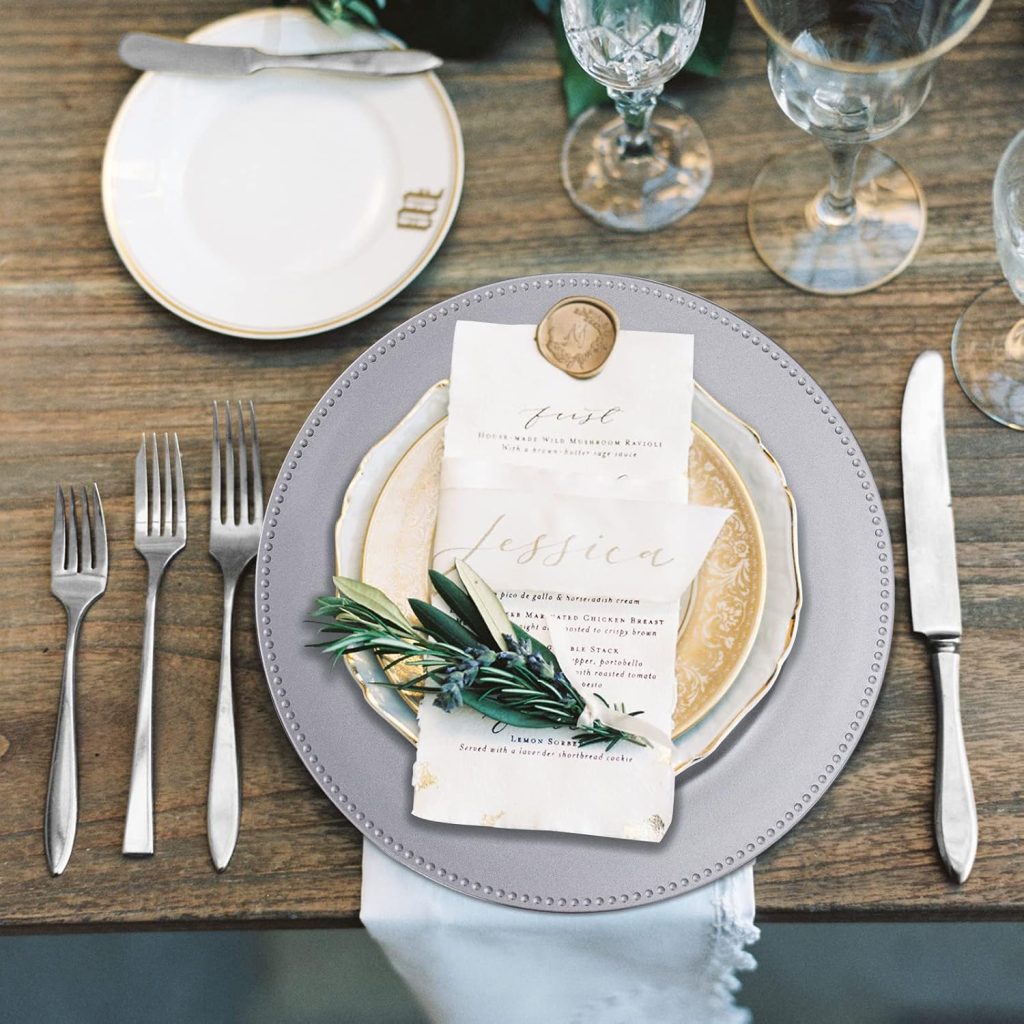
    13 inch Charger or Service plate for wedding and table decor

    They frame dinner plates and create visual impact through metallic finishes, ornate designs, or bold colors. Remove them before dessert service.

    11–14 inches

    These large plates measure 11 to 14 inches in diameter, extending beyond the dinner plate edges.

    The extra size creates a border effect that enhances table presentation. Proper sizing ensures the charger remains visible beneath standard plates.

    Never used for direct food contact

    Food should never touch the charger plates directly. They serve purely decorative and protective functions for tablecloths.

    Always place dinner plates, salad plates, or bowls on top of chargers during service.

    Important safety note about materials

    Many chargers use non-food-safe materials like uncoated metals, resin, or decorative finishes.

    Always verify food-safety certifications before purchasing.

    Avoid materials that could leach chemicals if accidentally used for direct food contact.

    6. Appetizer Plate

    These small plates facilitate easy serving and eating of pre-meal bites.

    Mini portions, hors d’oeuvres

    Appetizer plates measure 6–8 inches and handle bite-sized foods perfectly. They’re designed for finger foods, canapés, and tasting portions.
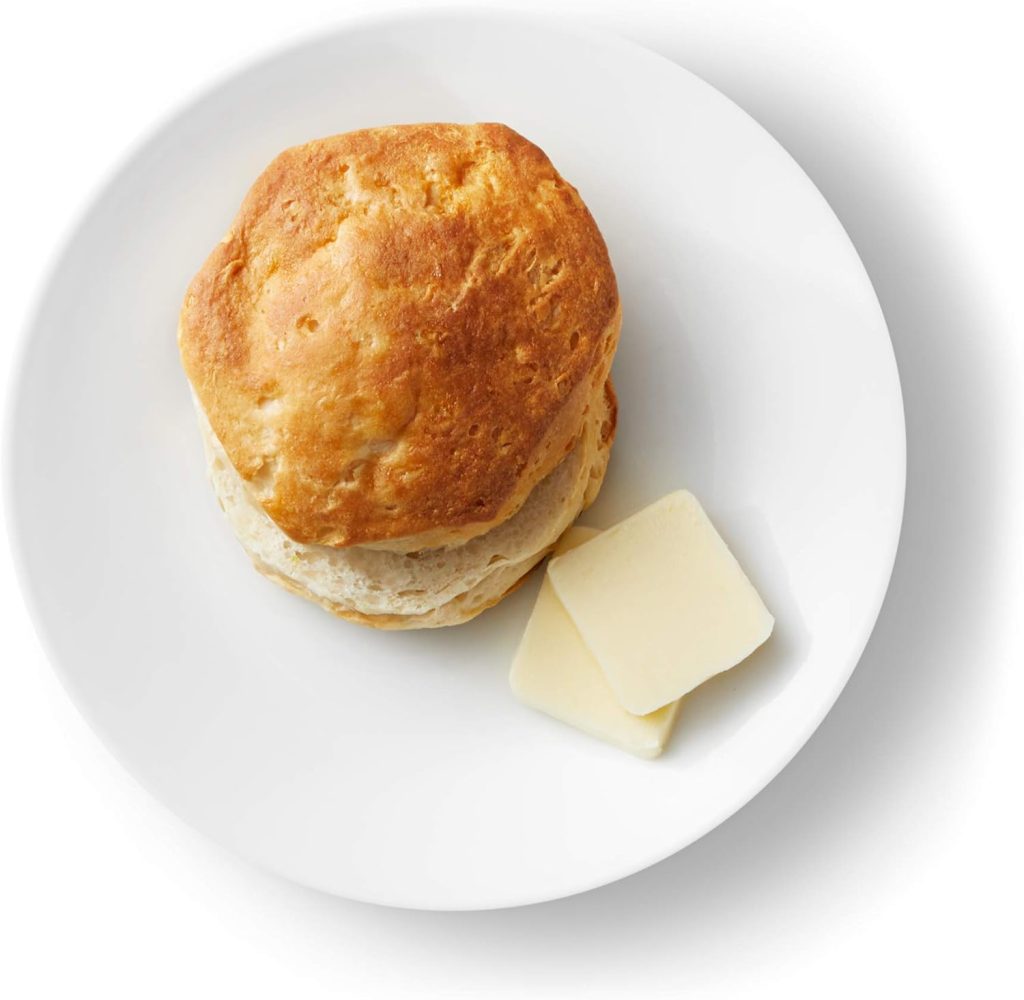
    6 inch Appetizer round corelle plates

    The size encourages sampling multiple items without overwhelming guests.

    Often seen at parties

    Cocktail parties, receptions, and buffets rely heavily on appetizer plates. Guests can circulate while holding small plates easily.

    The plates encourage mingling while preventing food waste from oversized portions.

    Multipurpose

    Beyond parties, these plates work for everyday snacking, desserts, or children’s meals.

    Many households use them for fruit servings, cheese and crackers, or light lunches.

    Their versatility makes them valuable in any kitchen collection.

    7. Soup Plate / Pasta Plate (Rimmed Bowl Plate)

    This hybrid design combines the depth of a bowl with the flatness of a plate.

    Wide rim, shallow bowl

    Soup plates feature a wide, flat rim surrounding a shallow bowl center. The rim provides space for resting spoons and prevents spills.
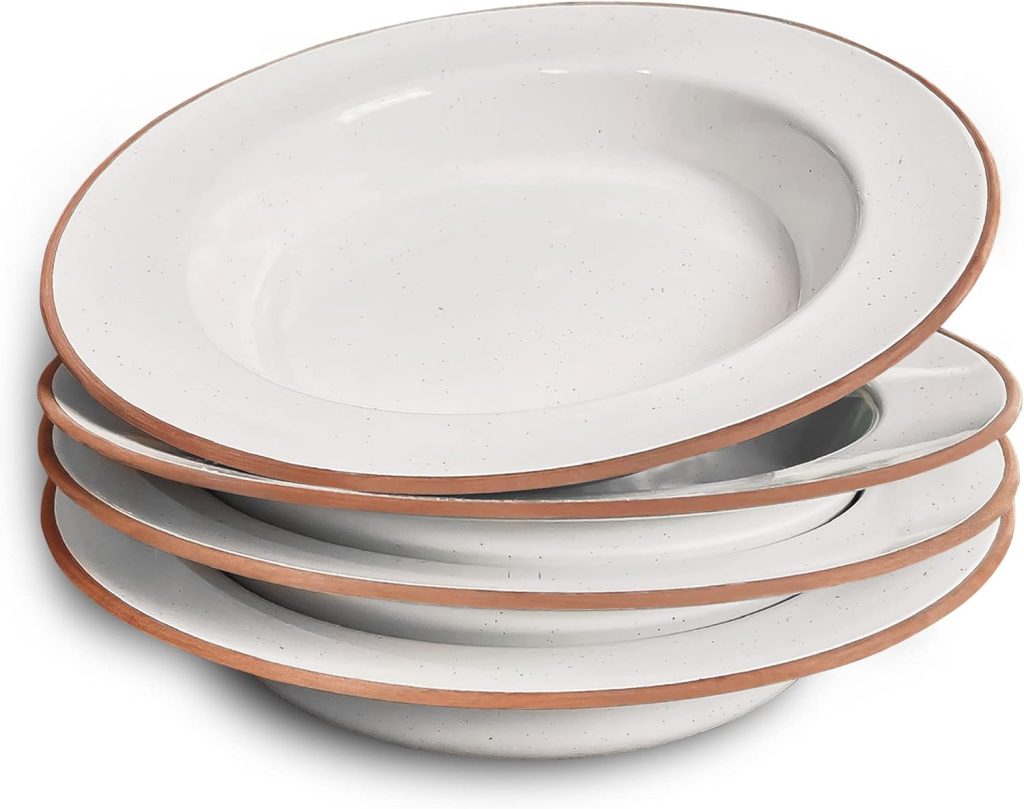
    wide rimmed and shallow soup bowl

    The shallow depth works better than deep bowls for thick soups and saucy pasta.

    Soup, pasta, saucy dishes

    These plates excel with minestrone, chowders, risotto, and pasta with sauce. The design allows easy twirling of spaghetti against the bowl’s edge.
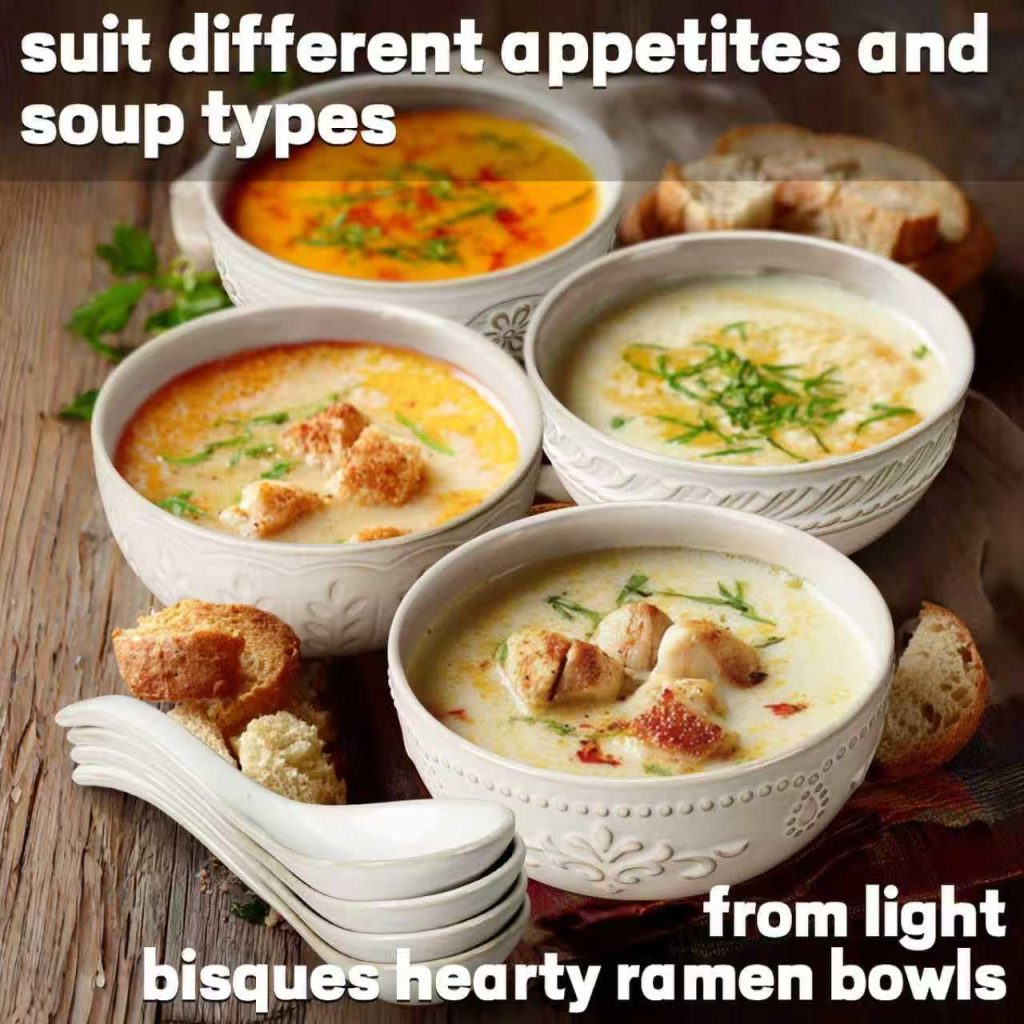
    6.3 inch and 32 Oz soup cereal bowls

    They also work well for stews, curries, and grain bowls.

    Usually, ceramic or porcelain

    Heat retention makes ceramic and porcelain ideal materials for soup plates.

    These materials keep food warm throughout the meal without burning hands.

    Avoid materials that conduct heat too quickly, like thin metal.

    8. Breakfast Plate

    Specifically sized for morning meals, breakfast plates balance portion control with functionality.

    Slightly smaller than a dinner plate

    Breakfast plates typically measure 8–10 inches, falling between salad and dinner plate sizes.
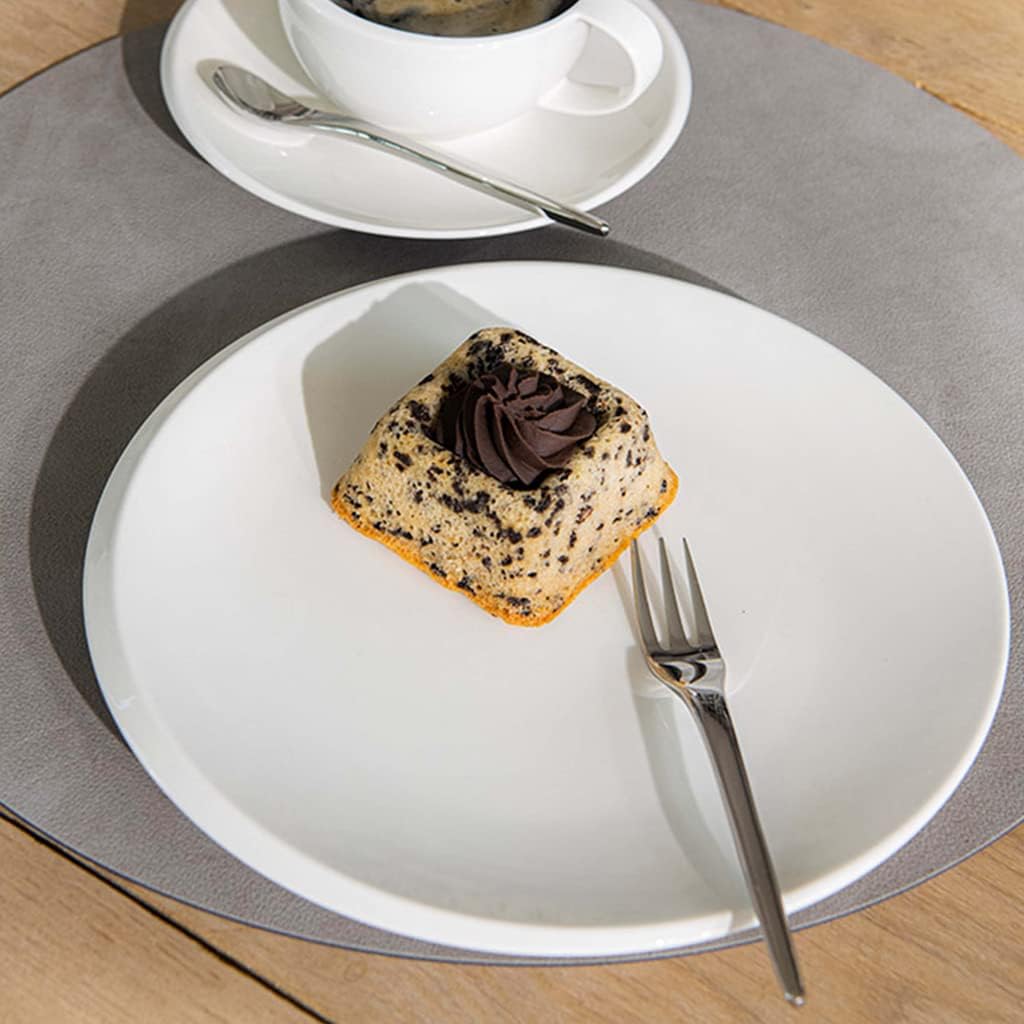
    Breakfast Porcelain Plate

    This dimension suits typical morning portions without encouraging overeating.

    The size accommodates eggs, toast, and sides comfortably.

    Versatile for toast, eggs, and fruits

    These plates handle pancakes, waffles, omelets, bacon, and fruit servings effectively.

    The moderate size prevents runny eggs from spreading too far.

    Many designs include divided sections for separating syrup from other foods.

    9. Buffet Plate / Luncheon Plate

    Designed for casual dining and event catering, these plates balance size with portability.

    9–10 inches

    Buffet plates measure 9 to 10 inches, smaller than dinner plates but larger than salad plates.
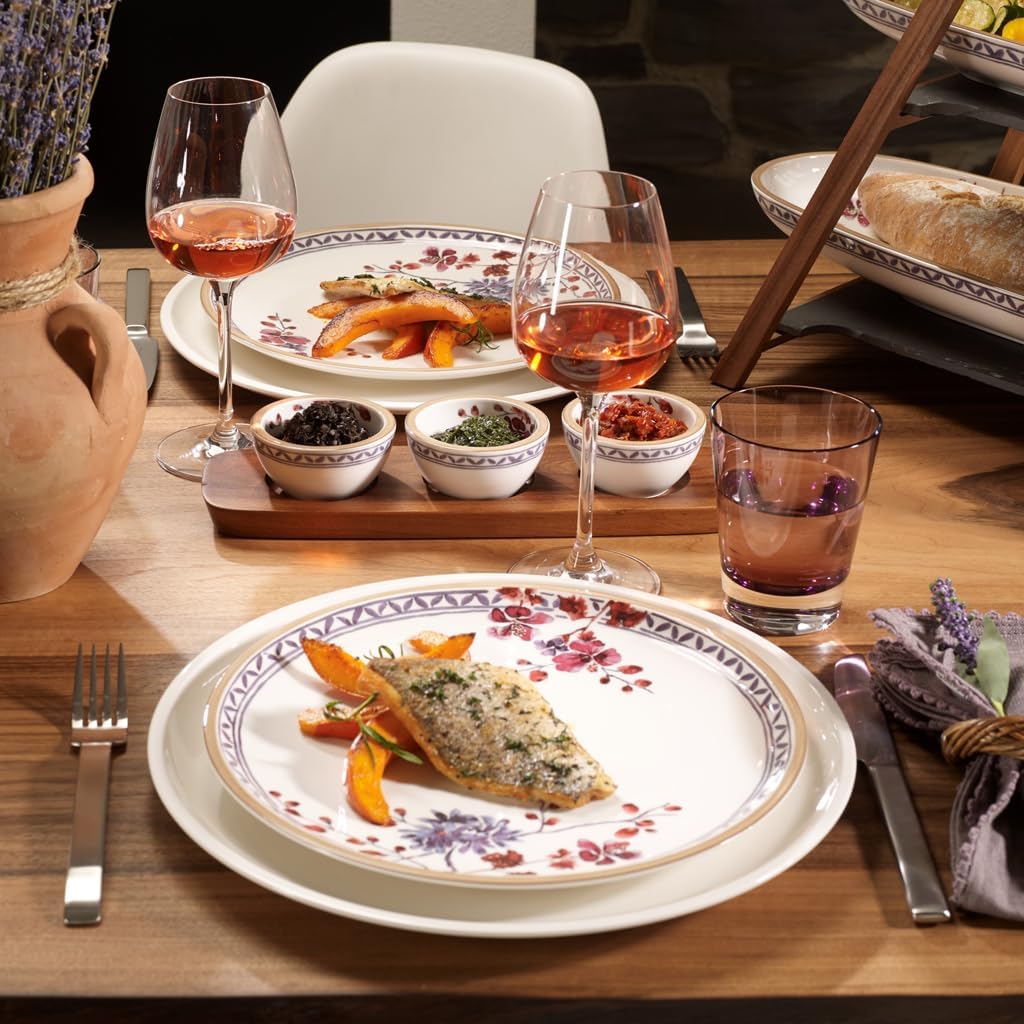
    Buffet and Luncheon Plate

    This middle-ground size prevents overloading while providing adequate space.

    The dimensions work well for self-serve situations where guests carry their plates.

    Lightweight for parties

    Event planners prefer lightweight materials that guests can hold easily while standing. Disposable or durable reusable options reduce breakage concerns.

    The weight consideration matters for outdoor events and casual gatherings.

    Often, durable materials (melamine, plastic—but you can give safer alternatives)

    While melamine and plastic offer durability, safer alternatives include bamboo fiber plates, palm leaf plates, or tempered glass options.

    Bagasse (sugarcane fiber) and wheat straw plates provide compostable solutions.

    For reusable options, choose BPA-free materials or stainless steel for maximum safety.

    10. Compartment Plate (Divided Plate)

    Built-in dividers separate different foods on a single plate.

    Used for kids, picnics

    Compartment plates prevent foods from touching, appealing to children and picky eaters.
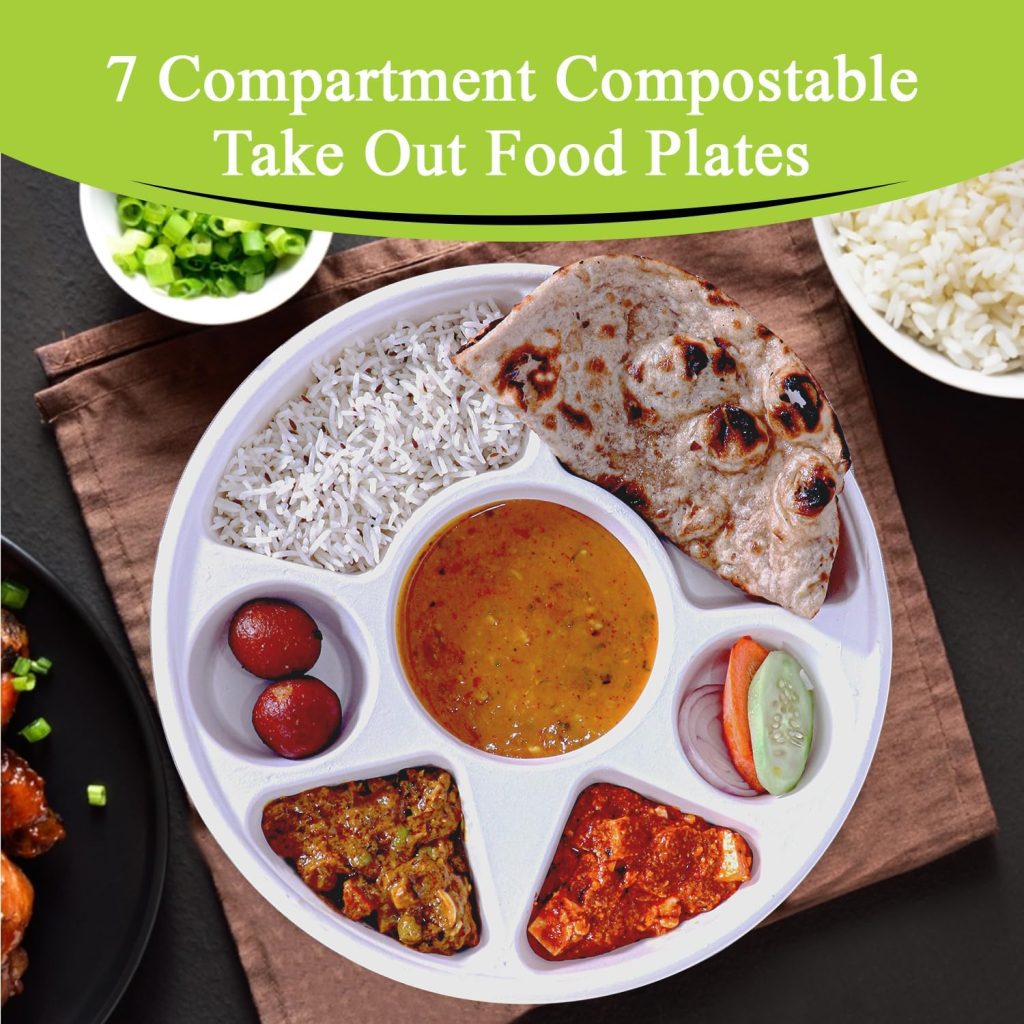
    Compartment or Bagasse disposable divided plate

    They’re practical for outdoor dining where multiple plates become cumbersome.

    Schools and cafeterias use them extensively for portion-controlled meals.

    Stainless steel, bamboo, wheat straw

    Stainless steel compartment plates offer unbreakable durability for children and camping.

    Bamboo options provide eco-friendly alternatives with natural antimicrobial properties.

    Wheat straw plates are lightweight, compostable, and free from harmful chemicals.

    Great for portion control

    The divided sections naturally create portion guidelines for balanced meals.

    Meal preppers use them to separate proteins, carbs, and vegetables systematically.

    This visual organization helps with dietary management and calorie tracking.

    Bonus: Specialty Plates You May Encounter

    Beyond standard types, specialty plates serve niche dining purposes and cultural cuisines.

    Cheese plates feature smooth surfaces, sometimes with integrated knife holders or grooves for crackers.

    Sushi plates come in rectangular or oval shapes with sections for soy sauce and wasabi.

    Taco plates include curved holders that keep shells upright and prevent spillage. Chip-and-dip plates combine a large outer ring for chips with a centered bowl for dips.

    Pizza plates are extra-large and flat, designed to support oversized slices without bending.

    These specialty options enhance specific dining experiences when standard plates fall short.

    How Plate Materials Affect Safety & Durability

    Material choice impacts the longevity, safety, and maintenance requirements of your plates.

    Ceramic

    Ceramic plates offer affordability and a wide design variety with moderate durability.

    They resist scratching and staining better than plastic, but can chip if dropped.

    Most ceramic plates are dishwasher and microwave-safe, though always check manufacturer specifications for lead-free certification.

    Porcelain

    Porcelain provides superior strength and elegance compared to standard ceramic. Its dense composition resists chips and maintains its appearance longer.

    Porcelain’s non-porous surface prevents bacterial growth, making it highly hygienic for food contact.

    Tempered glass (e.g., Corelle)

    Tempered glass plates are extremely durable, lightweight, and resistant to breaking.

    Brands like Corelle use thermal treatment that strengthens glass significantly.

    These plates stack compactly, resist scratches, and maintain clarity without yellowing over time.

    Stoneware

    Stoneware delivers rustic aesthetics with excellent heat retention for keeping food warm.

    It’s heavier and more chip-resistant than standard ceramic.

    The material’s natural look complements farmhouse and casual dining styles effectively.

    Bamboo & eco plates

    Bamboo plates offer renewable, biodegradable alternatives with natural antimicrobial properties.

    They’re lightweight and safe for children but require hand washing to prevent warping.

    Choose options without melamine binders for maximum safety.

    Stainless steel (kid-friendly)

    Stainless steel provides unbreakable durability ideal for children, camping, and outdoor use.

    It’s free from toxic chemicals and easy to sanitize. The material doesn’t retain flavors or odors, though it conducts heat quickly.

    Melamine (avoid for hot foods)

    Melamine plates resist breaking but can leach chemicals when exposed to high temperatures.

    Never microwave melamine or use it for hot foods above 160°F. Choose certified food-grade melamine and replace it when scratched or damaged.

    How to Choose the Right Plate for Your Kitchen

    Selecting appropriate plates requires evaluating your lifestyle, safety priorities, and practical needs.

    Everyday vs formal

    Everyday plates should prioritize durability, dishwasher safety, and affordability for frequent use.

    Formal plates emphasize aesthetics and may require hand washing or special care.

    Many households maintain two separate sets to balance practicality with elegance.

    Material safety

    Prioritize lead-free, cadmium-free certifications, especially for daily-use plates.

    Verify that decorative glazes meet food-safety standards. Avoid plates with metallic trims if you use microwaves regularly.

    Weight & durability

    Consider who will handle the plates—lightweight options suit children and elderly users.

    Heavy stoneware plates feel substantial but increase breakage risk if dropped. Balance durability needs with comfortable handling weight for your household.

    Stacking & storage

    Check how plates nest together before purchasing full sets. Poorly designed plates waste cabinet space and increase breakage risk. Consider rim shapes and sizes to ensure efficient stacking.

    FAQ — Types of Plates

    What size is a standard dinner plate?

    Standard dinner plates measure 10 to 12 inches in diameter. This size accommodates balanced portions of protein, vegetables, and starches comfortably.

    Most dishwashers and cabinets are designed around this standard dimension for universal compatibility.

    Can all plates go in the microwave?

    Not all plates are microwave-safe. Avoid plates with metallic trim, melamine construction, or certain glazes that can spark or leach chemicals.

    Check for microwave-safe symbols on the bottom of plates before heating. Ceramic, porcelain, and tempered glass are typically safe options.

    Which plates are safest for kids?

    Stainless steel, bamboo, and wheat straw plates offer the safest options for children.

    These materials are non-toxic, free from harmful chemicals, and durable enough to withstand drops.

    Avoid melamine for hot foods and any plates with small decorative pieces that could detach.

    What plate material lasts the longest?

    Tempered glass plates like Corelle last the longest with proper care, resisting chips and scratches for decades.

    Porcelain and stainless steel also offer exceptional longevity. While stoneware and ceramic are durable, they’re more prone to chipping from impacts compared to tempered glass.

    Conclusion

    Selecting the right plates transforms your dining experience from functional to exceptional.

    Each plate type, from dinner plates to specialty options, serves specific purposes that enhance meal presentation and practicality.

    Material choices affect safety, durability, and maintenance requirements, making it essential to match plates to your household’s needs.

    Whether you prioritize everyday durability with tempered glass, child-safe options like stainless steel, or elegant porcelain for special occasions, understanding these distinctions helps you invest wisely.

    Build your collection thoughtfully, considering size requirements, storage capacity, and safety certifications.

    The right plates don’t just hold food, they elevate every meal while protecting your family’s health and simplifying kitchen management.
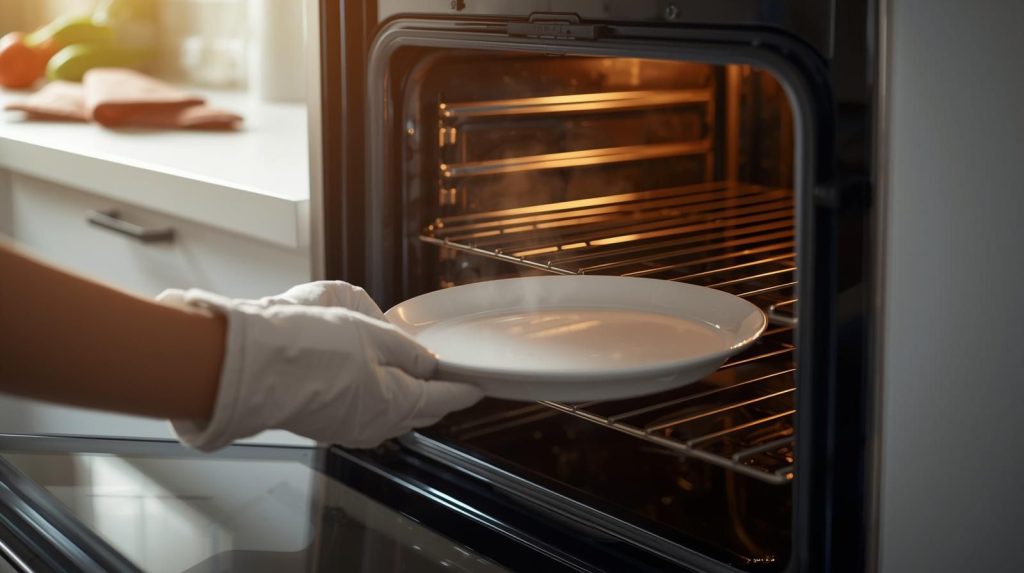
  • Can You Put a Plate in the Oven? (Safety Guide for All Plate Materials)

    Putting a plate in the oven seems straightforward until it cracks, shatters, or worse, explodes.

    The answer depends entirely on your plate’s material and heat tolerance.

    While ceramic, stoneware, and certain glass plates are generally oven-safe, plastic, melamine, and some decorative ceramics are not.

    Understanding which plates can withstand heat prevents dangerous accidents, ruined dinnerware, and wasted food.

    This comprehensive guide examines every plate material, identifies safety symbols, explains temperature limits, and provides brand-specific recommendations.

    Whether you’re warming dinner plates or baking directly on ceramic, knowing the rules keeps your kitchen safe and your meals intact.

    General Rule — Only Oven-Safe Plates Can Go Into the Oven

    can you put a plate in the oven

    The fundamental rule is simple: only plates explicitly marked as oven-safe belong in your oven.

    Oven-safe designation means the manufacturer tested the plate at specific temperatures and verified it won’t crack, release chemicals, or shatter under heat exposure.

    This isn’t about guesswork; it’s about engineered heat resistance built into the plate’s construction and materials.

    What “oven-safe” actually means

    Oven-safe plates undergo manufacturing processes that allow them to withstand thermal expansion without structural failure.

    The glaze, clay body, and firing temperature all contribute to heat tolerance. Manufacturers test these plates at maximum temperatures, ensuring the material composition remains stable.

    An oven-safe rating guarantees the plate won’t leach chemicals, crack from thermal stress, or experience glaze degradation when heated properly.

    The designation includes specific temperature thresholds you must respect.

    How to identify oven-safe symbols

    Check your plate’s underside for stamped symbols or text.

    Look for phrases like “oven-safe,” “oven-proof,” or a symbol showing wavy lines above a dish inside an oven outline.

    Some manufacturers include maximum temperature ratings (e.g., “450°F max”).

    European plates may display a rectangular oven icon. If you see only “microwave-safe,” this does NOT mean oven-safe—microwaves heat food differently than direct oven heat.

    When no markings exist, consult the manufacturer’s website using any brand names or model numbers stamped on the plate.

    Why aren’t all kitchen plates heat-resistant?

    Most everyday dinnerware prioritizes aesthetics, affordability, and dishwasher compatibility over heat resistance.

    Decorative plates often use low-fire glazes, metallic paints, or plastic resins that fail under oven temperatures.

    Budget manufacturers skip expensive high-temperature firing processes to reduce costs.

    Even some ceramic plates use clay bodies that aren’t vitrified enough to handle thermal stress.

    The finish matters too—certain glazes crack at temperatures safe for the underlying material, making the plate unusable.

    What Happens When a Plate Isn’t Oven-Safe?

    Using non-oven-safe plates creates serious hazards beyond ruined dinnerware.

    The consequences range from minor cracks to explosions that can cause burns and injuries.

    Understanding these risks explains why following manufacturer guidelines isn’t optional; it’s essential for kitchen safety.

    Thermal shock

    Thermal shock occurs when rapid temperature changes cause uneven expansion in plate materials.

    Different parts of the plate heat at different rates, creating internal stress. The material tries to expand, but cooler sections resist, generating pressure.

    When this stress exceeds the material’s strength, cracks form instantly. Glass and ceramic are particularly vulnerable because they’re brittle and can’t flex like metal.

    Even small temperature differentials, like placing a room-temperature plate in a 350°F oven, can trigger thermal shock in non-oven-safe materials.

    Why plates crack, shatter, or explode

    Plates fail catastrophically when internal stresses overcome material bonds. Ceramic plates crack along weak points in the clay body or where glaze meets clay.

    Glass plates develop microscopic cracks that suddenly propagate across the entire surface.

    The explosion happens because trapped moisture in porous materials converts to steam, building pressure until the plate shatters.

    Poorly fired ceramics have air bubbles that expand violently. When you hear about Corelle dishes exploding, it’s usually because thermal shock exceeded the tempered glass’s tolerance limits.

    Temperature shock scenarios to avoid

    Never place a refrigerated plate directly into a hot oven—this creates maximum thermal shock.

    Avoid putting frozen food on room-temperature plates and then into the oven, as the cold center creates stress.

    Don’t transfer plates from freezer to oven, even if they’re technically oven-safe.

    Moving hot plates onto cold countertops or wet surfaces also causes reverse thermal shock. Even oven-safe plates need gradual temperature transitions.

    The greater the temperature differential, the higher the explosion risk.

    Risk of flying shards and burns

    When plates explode, sharp fragments fly outward at high velocity, capable of causing lacerations.

    Hot ceramic or glass shards stick to skin, causing severe burns. Opening the oven door when a plate has already cracked can trigger the final explosion toward your face.

    Children and pets near the kitchen face particular danger from flying debris.

    The cleanup afterward is hazardous—microscopic glass particles spread throughout your oven and require thorough decontamination.

    Even small cracks in plates can lead to delayed explosions hours after removing them from the heat.

    Material-by-Material Guide — Which Plates Are Oven-Safe?

    Different materials have vastly different heat tolerances. This section breaks down exactly which plate materials work in ovens, their temperature limits, and specific risks to watch for with each type.

    Ceramic Plates

    Most ceramic plates are oven-safe up to 350–450°F, but quality varies significantly.

    High-quality ceramics fired at high temperatures (cone 6-10) handle heat better than low-fire pottery.

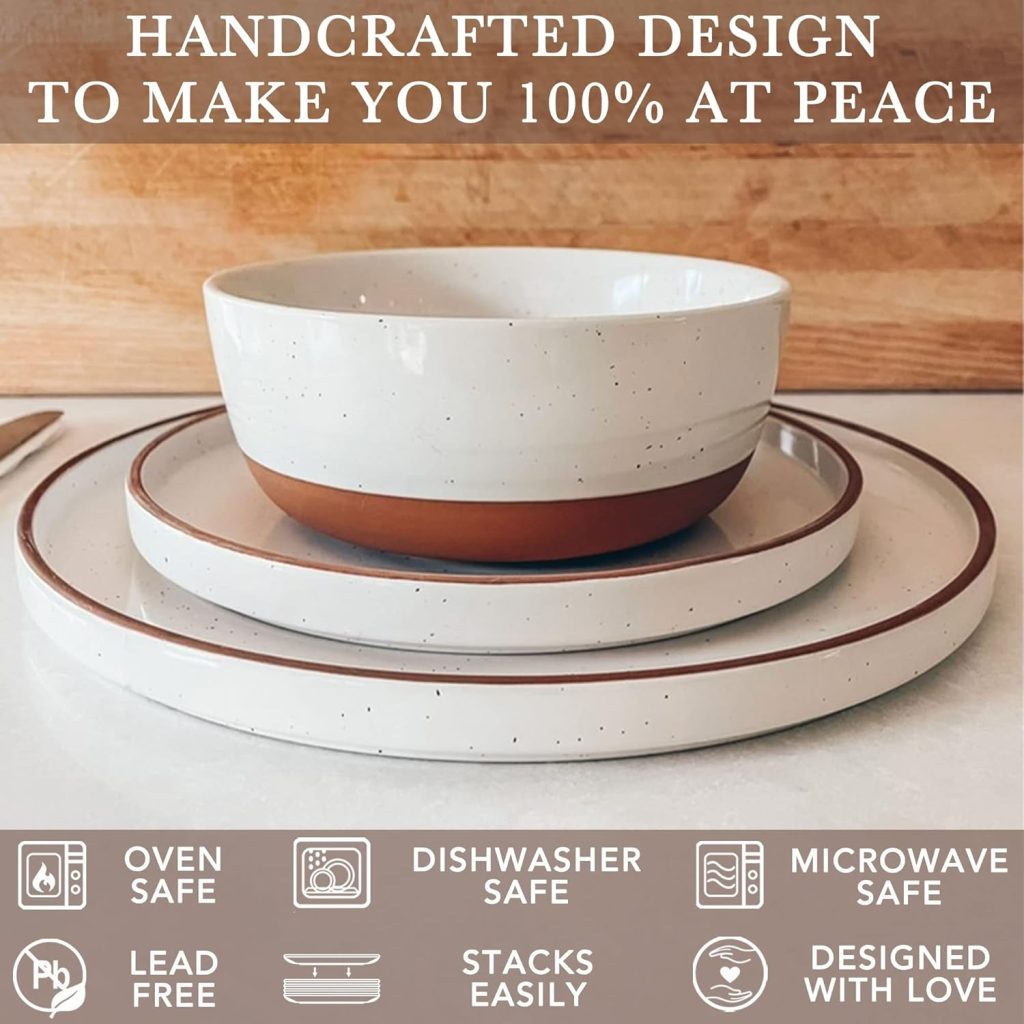
    Mora oven safe ceramic dinnerware

    Check for “oven-safe” stamps before using. Risks include glaze cracking when the glaze and clay body have mismatched expansion rates.

    Cheap ceramic from dollar stores often uses inadequate firing temperatures and can crack on first use.

    Handmade pottery without proper testing poses risks. If your ceramic plate survived dishwasher high-heat cycles without crazing (tiny glaze cracks), it’s more likely oven-safe, though this isn’t guaranteed.

    Porcelain Plates

    Porcelain generally handles heat better than standard ceramic, often safe to 450°F or higher because it’s fired at extremely high temperatures.

    The dense, vitrified body resists thermal shock better than porous ceramics.

    However, fine porcelain or bone china designed for formal dining may be too delicate despite the material’s inherent strength.

    These decorative pieces often have metallic trim or delicate glazes unsuitable for ovens.

    Commercial-grade porcelain used in restaurants typically withstands regular oven use.

    Always verify manufacturer specifications—”porcelain” alone doesn’t guarantee oven safety.

    Stoneware Plates

    Stoneware offers excellent high-temperature tolerance, often rated to 450–500°F. The dense, fully vitrified clay body handles thermal stress well.

    Quality stoneware is naturally oven-safe without special coatings. However, you must avoid cold-to-hot transitions—even durable stoneware cracks when shocked.

    oven safe (up to 482°F) stoneware ceramic dinnerware

    Let refrigerated stoneware reach room temperature before heating. Check for chips or cracks before oven use, as damage creates weak points.

    Glazed stoneware is generally safer than unglazed, which can stain or absorb odors when heated with fatty foods.

    Glass Plates (Including Corelle)

    Tempered glass plates like Corelle are oven-safe within specific limits, typically 350°F maximum.

    Corelle’s three-layer laminated glass construction provides strength but not unlimited heat resistance.

    Modern Corelle explicitly states oven-safe temperatures on packaging. Vintage Corelle patterns have a higher risk because manufacturing standards have evolved.

    Never use decorative glass plates with painted designs—the paint may contain metals that fail under heat.

    Standard soda-lime glass plates aren’t oven-safe at all. Borosilicate glass (like Pyrex) handles higher temperatures but is rare in plate form.

    Plastic Plates

    Plastic plates are never oven-safe under any circumstances. Even heat-resistant plastics deform at oven temperatures, typically melting around 212–300°F.

    Placing plastic in ovens creates multiple hazards: melting onto oven surfaces, releasing toxic fumes, including potential carcinogens, and starting fires if plastic contacts heating elements.

    Some plastics release harmful chemicals like BPA and phthalates when heated.

    Even “heat-resistant” plastic utensils fail at oven temperatures. There are no exceptions—plastic and ovens never mix.

    Melamine

    Melamine plates are absolutely NOT oven-safe and extremely dangerous when heated.

    Melamine resin begins breaking down around 160°F, well below minimum oven temperatures.

    Heated melamine releases formaldehyde and other toxic chemicals into your food and air.

    The plates will warp, discolor, and potentially catch fire. Melamine looks like ceramic but feels lighter and slightly softer.

    When comparing melamine plates vs ceramic, ceramic is always the safer choice for any heating application.

    Even brief oven exposure damages melamine permanently and contaminates food.

    How to Tell If a Plate Is Oven-Safe

    When plates lack clear markings, determining oven safety requires investigation. Never assume—guessing wrong creates safety hazards and ruins your dinnerware.

    Label and stamp identification

    Flip your plate over and examine the underside closely. Look for impressed stamps, printed text, or embossed symbols in the center or around the rim.

    Manufacturer markings often include brand names, country of origin, and safety certifications.

    Oven-safe plates typically display explicit text like “oven-safe to 450°F” or “oven-proof.”

    Some show pictogram symbols: an oven outline, wavy heat lines, or temperature numbers.

    European plates might have different certification marks.

    Check if materials like wheat straw dinnerware list their heat tolerance specifications—these plant-based materials have varying oven compatibility.

    Manufacturer website check

    Visit the manufacturer’s website using any brand information from your plate. Search their product specifications, FAQ sections, or downloadable care guides.

    Many brands maintain databases where you can enter pattern names or numbers to access detailed information.

    Contact customer service directly with photos of your plate’s markings if online information is unclear.

    Check whether specific collections within a brand have different heat ratings—some product lines are oven-safe while others aren’t.

    Never test unknown plates by putting them in the oven “to see what happens.” Testing risks, explosions, injuries, and oven damage.

    Some plates crack or explode only after multiple heating cycles, so surviving one test proves nothing.

    Temperature variations within ovens mean your test conditions differ from others’ experiences.

    The risk to your safety and property far exceeds the cost of replacing questionable plates. When uncertain, treat plates as NOT oven-safe.

    Understanding heat tolerance marks

    Temperature markings indicate maximum safe temperatures, not recommended usage temperatures.

    A “450°F” marking means absolute maximum—use lower temperatures for safety margins. Some plates list both maximum temperature and recommended range.

    Time limits may accompany temperature ratings (e.g., “30 minutes maximum at 350°F”).

    Multiple certification marks indicate testing by different safety organizations. Understanding these marks prevents misuse even with oven-safe plates.

    Safe Temperature Limits for Different Plate Materials

    Specific temperature thresholds determine whether your oven-safe plates survive heating. Exceeding these limits damages even properly rated dinnerware.

    350°F – safe threshold for most ceramics

    350°F represents the conservative safety zone for everyday ceramic plates marked oven-safe.

    Most mid-range ceramic dinnerware tolerates this temperature for reheating meals and warming plates before serving.

    This temperature heats food thoroughly without stressing most glazes or clay bodies. When manufacturer specifications are unclear, but an oven-safe symbol exists, 350°F provides a reasonable maximum.

    Use this temperature for broiler-alternative cooking or keeping dishes warm. Staying at or below 350°F minimizes thermal shock risks during placement and removal.

    450°F – high-end stoneware

    Premium stoneware and professional-grade ceramics often handle 450°F reliably.

    This temperature suits actual cooking rather than just reheating—think finishing casseroles or browning toppings.

    High-fire stoneware achieves this tolerance through extended kiln firing that fully vitrifies the clay.

    Restaurant-quality plates typically meet this standard. However, verify your specific plates’ ratings before assuming 450°F safety.

    Even at this temperature, avoid broiler settings that create localized extreme heat. This range works for non-toxic cookware materials specifically engineered for high-heat applications.

    250°F – tempered glass limit

    Tempered glass plates like Corelle perform best at 250°F or lower, despite some models rating higher.

    This conservative temperature prevents the thermal stress that causes Corelle dishes to explode.

    Use this range for gentle warming, not actual cooking. The three-layer lamination technology in Corelle tolerates gradual heating to this point.

    Vintage or damaged glass plates should stay well below even this conservative limit.

    When warming serving plates, 250°F achieves the goal without approaching the glass’s failure threshold.

    0°F – no cold plate directly into the hot oven

    Zero transition—meaning never place cold plates directly into hot ovens—is non-negotiable.

    Let refrigerated or room-temperature plates warm gradually by sitting at room temperature first.

    Preheat plates slowly by placing them in a cold oven, then turning it on. The temperature differential between cold plates and hot ovens creates maximum thermal shock stress.

    Even oven-safe materials crack under rapid temperature changes. This rule applies equally to all materials—ceramic, glass, and stoneware all need gradual transitions regardless of their heat ratings.

    Common Mistakes That Cause Plates to Break in the Oven

    Even oven-safe plates fail when misused. These common errors cause most plate-related oven accidents.

    Placing refrigerated plates in a hot oven

    Taking plates straight from the refrigerator into a preheated oven creates extreme thermal shock.

    The temperature differential often exceeds 400°F instantly, far beyond what even quality ceramics handle.

    The cold exterior contracts while the heating interior expands, creating internal stress fractures.

    This mistake accounts for most unexpected plate failures with otherwise oven-safe dinnerware.

    Always let plates reach room temperature first, which takes 30-60 minutes for thick ceramics.

    Even warming plates in a low oven (150-200°F) before increasing the temperature reduces shock.

    Using cheap dollar-store ceramic

    Budget ceramic plates often skip essential manufacturing steps to reduce costs.

    Low firing temperatures leave clay bodies porous and weak. Inadequate glaze application creates uneven surfaces that crack under heat.

    Quality control issues mean inconsistent heat tolerance between identical-looking plates. Some budget ceramics use clay compositions unsuitable for thermal cycling.

    The “oven-safe” stamps on these plates may be inaccurate or meaningless. Investing in reputable brands for oven use prevents accidents and repeated replacements.

    Hidden cracks that expand under heat

    Pre-existing damage—even hairline cracks invisible to the naked eye—becomes catastrophic under oven heat.

    Thermal expansion forces cracks to propagate rapidly across the entire plate. Cracks from previous thermal shock, dishwasher damage, or impact create weak points.

    Crazing (fine glaze cracks) indicates previous stress and future failure risk.

    Always inspect plates thoroughly before oven use. Run your fingers across surfaces, feeling for irregularities.

    When plates have survived years of use but suddenly fail in the oven, hidden damage is usually responsible.

    Putting plastic or melamine inside the oven

    Mistaking melamine or plastic for ceramic remains surprisingly common. The lightweight feel and different sound when tapped should alert you, but visual similarity fools many people.

    Checking materials before first oven use prevents this dangerous mistake. Remember that microwave-safe plastic still melts in ovens.

    Some people incorrectly assume all dinnerware handles similar temperatures. This error creates toxic fume exposure, fire hazards, and ruined ovens.

    When uncertain about material composition, keep it out of the oven entirely.

    Brand-Specific Guidelines — Can These Plates Go in the Oven?

    Specific brand policies and construction methods determine oven safety. Here’s what you need to know about popular dinnerware brands.

    Corelle

    Corelle plates are oven-safe up to 350°F according to current manufacturer guidelines.

    The triple-layer Vitrelle glass construction provides durability but has temperature limits.

    Never use Corelle under broilers or on stovetops—these create heat beyond its tolerance.

    Older Corelle patterns may have different ratings or may be lead-free but not oven-rated.

    Check individual pattern specifications on the Corelle website. Despite their strength, Corelle can still fail from thermal shock, so avoid cold-to-hot transitions.

    The brand’s “break and chip resistance” doesn’t equal unlimited heat resistance.

    IKEA Plates

    IKEA dinnerware varies widely by collection and material. Their stoneware and porcelain collections, like IKEA 365+, are generally oven-safe to temperatures specified on packaging.

    However, IKEA’s melamine and plastic options like Kalas are never oven-safe despite being durable for kids.

    Always check product tags and online specifications for your specific IKEA pattern. The company clearly labels oven-safe items in product descriptions.

    Budget IKEA ceramic lines may have lower temperature tolerances than premium options. When in doubt, contact IKEA customer service with your specific product information.

    Pottery Barn

    Pottery Barn dinnerware is typically oven-safe across most collections, with stoneware and porcelain lines rated to 400-450°F.

    Their premium positioning means better quality control and higher firing temperatures during manufacturing.

    Collections like Cambria and Gabriella explicitly state oven-safe status. However, decorative or hand-painted patterns may have restrictions due to metallic glazes.

    Always verify your specific pattern’s care instructions—Pottery Barn provides detailed specifications for each collection online.

    Their customer service can clarify oven safety for discontinued patterns.

    Fiestaware

    Fiestaware is exceptionally oven-safe, rated to 350°F for all pieces. The fully vitrified ceramic body handles thermal stress excellently.

    Both vintage and modern Fiestaware share this durability, though vintage pieces require lead-free verification for food safety.

    The thick, durable construction and high-quality American manufacturing ensure consistent heat tolerance.

    Fiestaware works equally well for reheating and actual cooking applications.

    However, respect the 350°F limit and avoid broilers. The brand’s 75+ year reputation includes reliable oven performance across all its colorful glazes.

    Generic unmarked plates

    Unmarked plates without brand identification or safety symbols should never go in ovens.

    Without manufacturer accountability, you have no way to verify materials, firing temperatures, or heat tolerance.

    These plates likely come from budget manufacturers who skip proper testing and certification.

    The absence of markings often indicates lower quality control standards. Even if the plate “looks” ceramic, an unknown composition makes oven use dangerous.

    The risk of explosion, toxic fume release, or fire isn’t worth saving questionable plates. Replace unmarked dinnerware with properly certified oven-safe options.

    How to Safely Heat Food on a Plate in the Oven

    When you’ve confirmed your plates are oven-safe, proper technique prevents accidents and extends plate life.

    Preheat gradually

    Start with a cold oven and place room-temperature plates inside before turning it on.

    Let the plates heat gradually as the oven reaches the target temperature.

    This method eliminates thermal shock by matching plate temperature to oven temperature throughout heating.

    Gradual preheating works especially well for thick ceramic and stoneware that heat slowly.

    Even with oven-safe plates, avoiding temperature shocks extends their usable life. The extra 10-15 minutes for gradual heating prevents years of potential replacement costs.

    Use low-temperature warming (200–250°F)

    For warming pre-cooked food or heating serving plates, 200-250°F provides plenty of heat without stressing materials.

    This range keeps food hot without overcooking or drying it out. Most oven-safe plates easily tolerate these conservative temperatures, even those with marginal ratings.

    Low-temperature warming works perfectly for dinner parties when you need to keep multiple plates warm.

    Set your oven to the “warm” setting if available, typically around 170-200°F. This approach works even with older plates that might not handle higher temperatures.

    Place the plate on the baking sheet for stability

    Setting plates on baking sheets provides stability and easier handling when hot. The sheet catches any spills, protecting your oven.

    Metal sheets distribute heat more evenly underneath plates, reducing hot spots. Baking sheets make removing multiple hot plates safer; carry the entire sheet instead of individual pieces.

    This technique particularly helps with thin or delicate plates that might warp slightly. The sheet acts as a heat buffer, slowing temperature changes during oven removal.

    Avoid the broiler at all costs

    Broilers create intense direct heat that exceeds virtually all plate ratings, even oven-safe ones.

    The extreme localized heat causes rapid thermal expansion in small areas, creating stress fractures.

    Broiler temperatures often exceed 550°F—well above most ceramic glazes’ tolerance. Even metal-trimmed oven-safe plates spark and fail under broilers.

    The radiant heat from above creates uneven heating patterns that ceramic and glass handle poorly.

    Use broilers only with proper broiler pans and metal cookware—never ceramic plates, regardless of their oven-safe rating.

    Safer Alternatives to Plates in the Oven

    When your plates aren’t oven-safe, or you want better heat performance, these alternatives work better for oven use.

    Oven-safe glass baking dishes

    Borosilicate glass baking dishes like Pyrex handle oven heat far better than glass plates.

    These dishes are engineered specifically for oven use, typically rated to 450-500°F. The thicker construction distributes heat more evenly than thin plate glass.

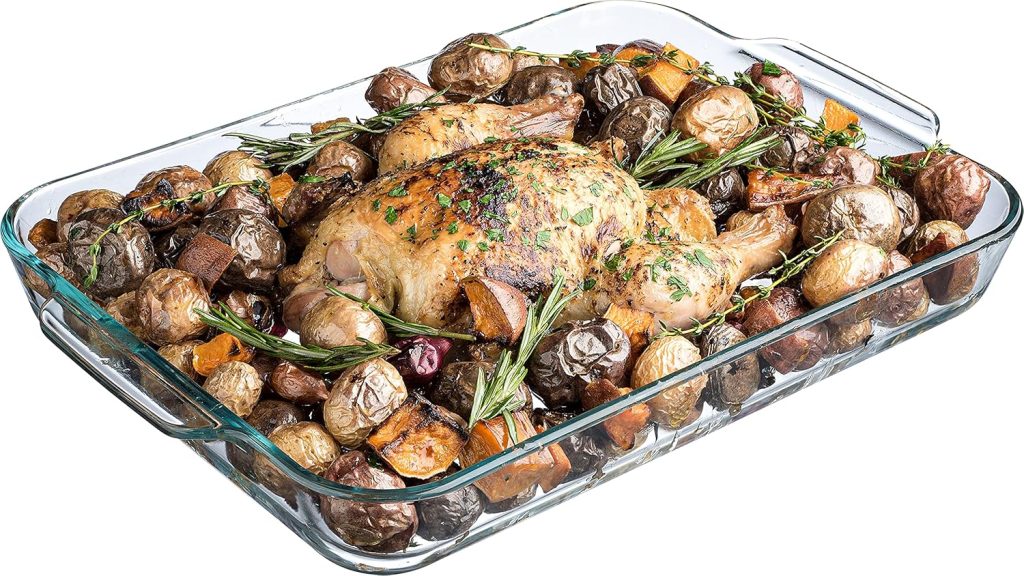
    oven safe glass baking dish

    Glass allows you to monitor food browning while cooking. Use these for casseroles, roasted vegetables, or any cooking application rather than risking plates.

    Glass baking dishes also transition to refrigerator storage better than plates, though you should still avoid extreme temperature changes.

    Stainless steel trays

    Stainless steel is virtually indestructible in ovens, handling temperatures up to 600°F and beyond.

    Metal heats quickly and evenly, ideal for roasting and browning. Stainless steel never cracks, shatters, or releases chemicals regardless of temperature.

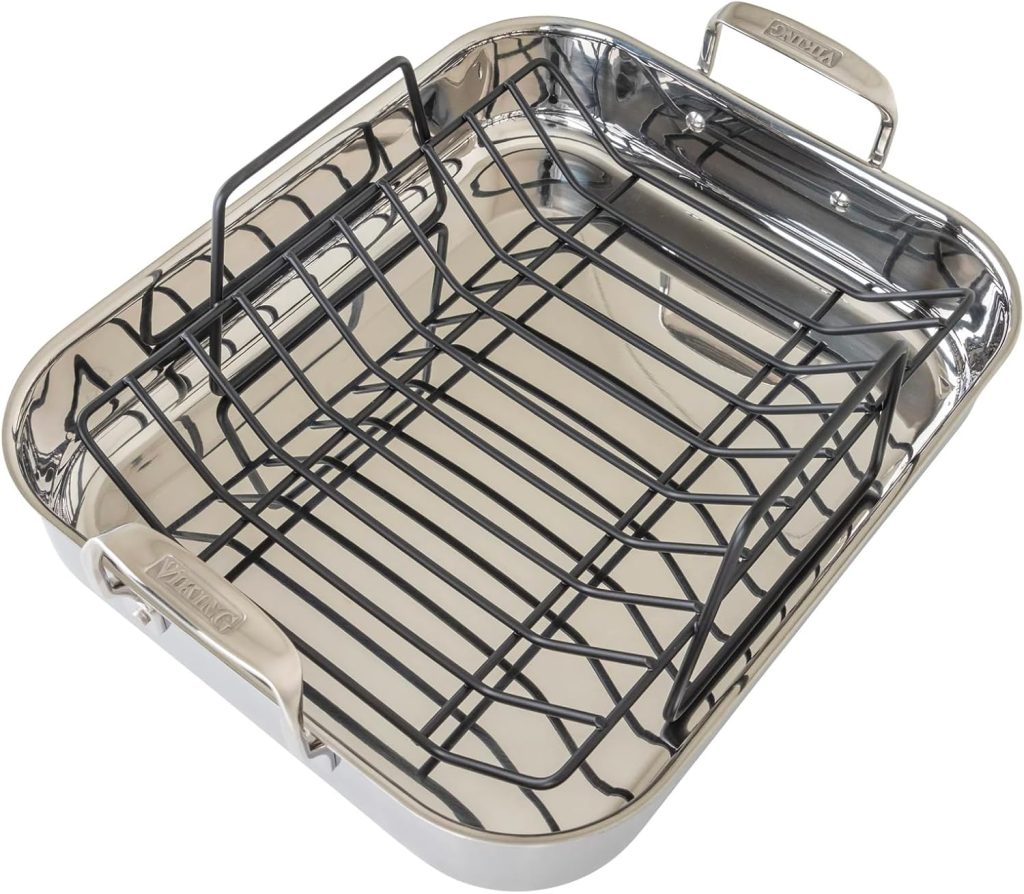
    stainless steel oven safe baking and roasting pan

    These trays work under broilers where ceramic fails. They’re lighter than ceramic, making hot handling easier.

    The main drawback is the lack of visual appeal for serving, transferring food to decorative plates afterward. Stainless steel represents the safest, most versatile oven option.

    Stoneware baking plates

    Purpose-built stoneware baking dishes offer both functionality and presentation appeal. These thick ceramic pieces are specifically engineered for high oven temperatures.

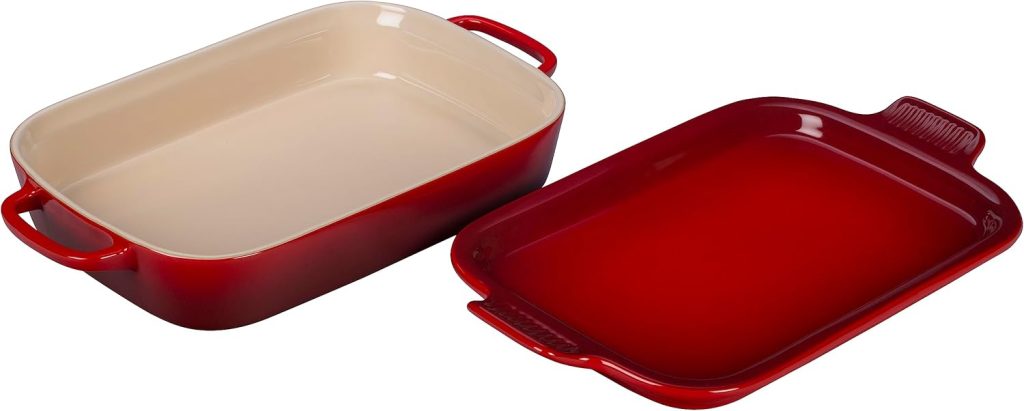
    Le Creuset stoneware ovenproof dish

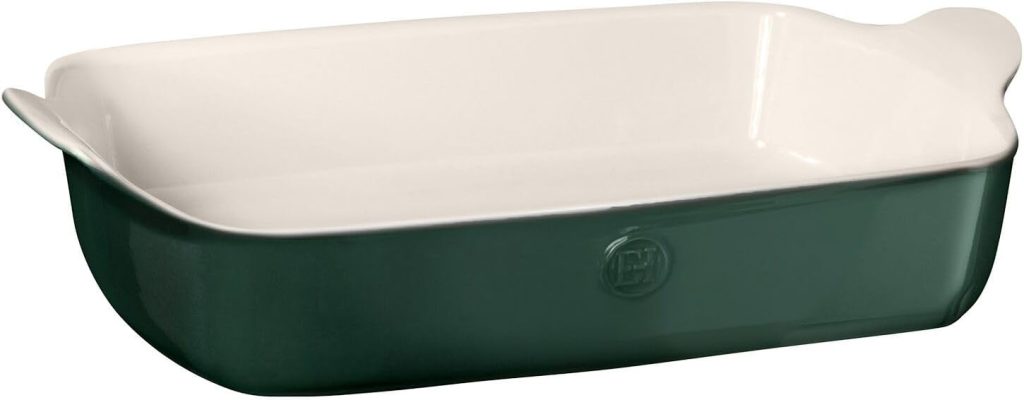
    Brands like Le Creuset and Emile Henry make stoneware rated to 500°F or higher. The excellent heat retention keeps food hot during serving.

    Many stoneware bakers transition from the oven directly to the table, eliminating transfer needs.

    Emile Henry stoneware oven safe casserole dish

    While more expensive than regular plates, dedicated baking stoneware lasts decades with proper care. These pieces handle thermal stress far better than dinner plates.

    Oven-proof ceramic serving dishes

    Dedicated oven-to-table ceramic serving dishes combine cooking capability with presentation quality.

    These pieces use higher-quality glazes and thicker construction than standard dinnerware. Look for terms like “baker,” “gratin dish,” or “oven-to-table” in product descriptions.

    These dishes typically range from 400-450°F and are designed for regular thermal cycling.

    Using purpose-built ovenware rather than adapting dinner plates reduces failure risk.

    Many collections of non-toxic cookware materials include these versatile ceramic pieces that serve both cooking and presentation functions.

    FAQ — Putting Plates in the Oven

    Can you put cold plates in a hot oven?


    No. Placing cold plates in hot ovens causes thermal shock—rapid temperature changes that create internal stress and cracking.

    Always let refrigerated plates reach room temperature first, or place them in a cold oven before turning it on. Even oven-safe plates crack from extreme temperature differentials.

    Can you put a plate in the oven at 350°F?


    Yes, if the plate is marked oven-safe and rated for that temperature.

    Check the underside for “oven-safe” stamps and temperature ratings. Most oven-safe ceramic and stoneware can handle 350°F safely.

    Never use plastic, melamine, or unmarked plates. Glass plates like Corelle typically tolerate 350°F, but verify specifications.

    Is it safe to warm plates before serving?


    Yes, warming oven-safe plates enhances the dining experience by keeping food hot longer.

    Use 200-250°F for 10-15 minutes. Place plates in a cold oven before preheating, or heat them gradually.

    Only warm plates are explicitly marked oven-safe. This practice is common in restaurants using commercial-grade dinnerware designed for regular heating.

    Can you put restaurant plates in the oven?


    Most restaurant plates are commercial-grade and oven-safe, designed to withstand frequent heating for plate warming.

    However, verify before assuming—some restaurants use decorative plates for presentation only.

    Commercial dinnerware typically handles higher temperatures than consumer plates due to better materials and manufacturing.

    Check markings or ask the restaurant for supply information if purchasing used commercial plates.

    Conclusion

    You can safely put plates in the oven, but material type and proper identification are non-negotiable requirements.

    Oven-safe ceramic, stoneware, porcelain, and tempered glass plates work within their specified temperature limits, typically 250-450°F depending on construction quality.

    Never use plastic, melamine, or unmarked plates—these create serious safety hazards, including explosions, toxic fumes, and fires.

    Always check for manufacturer markings, respect temperature limits, and avoid thermal shock by allowing gradual temperature transitions.

    When uncertain about a plate’s oven safety, choose purpose-built baking dishes or ovenware instead.

    Following these guidelines protects your safety, preserves your dinnerware, and ensures successful meal preparation.

    The right plate in the right conditions performs perfectly; the wrong choice creates dangerous, costly disasters.

  • Melamine vs Glass Dinnerware: The Ultimate Guide to Choosing Your Perfect Tableware

    You’re hosting a dinner party, and as you reach for your favourite plate, it slips from your hands.

    Will it shatter into a thousand pieces, or will it bounce harmlessly off the floor? This moment of panic perfectly captures the dinnerware dilemma that haunts every home.

    The choice between melamine vs glass dinnerware has been puzzling families everywhere.

    Both materials promise different things: one offers unbreakable convenience, whilst the other delivers timeless elegance.

    Yet beneath their surface appeal lies a complex web of safety concerns, durability questions, and lifestyle considerations that every discerning homeowner must navigate.

    But which one truly deserves a place on your table? Let’s find out!

    MELAMINE DINNERWARE MANUFACTURING PROCESS

    The manufacturing process involves heating melamine powder and formaldehyde under extreme pressure.

    This creates a hard, heat-resistant plastic that can be moulded into countless shapes and designs.

    Manufacturers often add decorative elements during this process, creating patterns that rival traditional ceramics.

    Key Characteristics

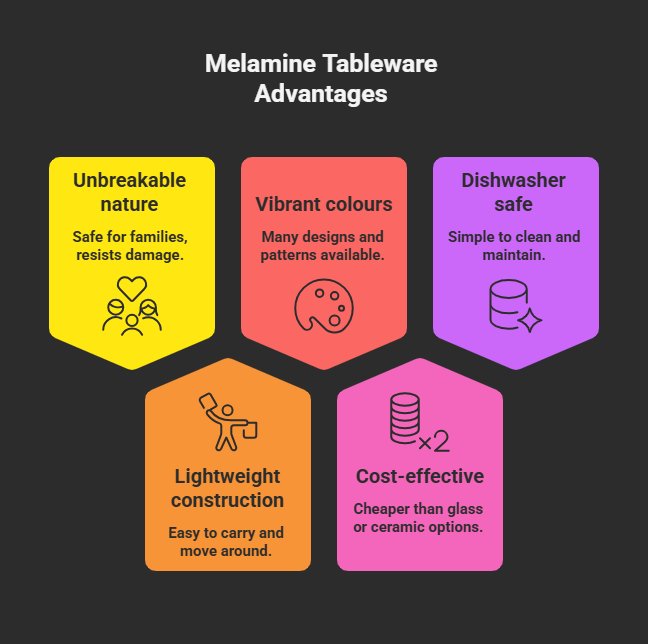
    Key  characteristics of melamine tableware

    Melamine dinnerware, sometimes called melaware – offers several distinctive features:

    • Unbreakable nature: Perfect for families with children
    • Lightweight construction: Easy to handle and transport
    • Vibrant colours: Available in countless designs and patterns
    • Cost-effective: More affordable than glass alternatives
    • Dishwasher safe: Easy maintenance and cleaning

    Melamine unbrekable BPA Free Dinnerware set

    However, not everything glitters in the melamine world. These plates and bowls come with specific limitations that every buyer should understand before making their choice.

    WHAT IS GLASS DINNERWARE?

    Glass dinnerware represents centuries of refined craftsmanship. From the delicate crystal goblets of Victorian dining rooms to today’s tempered glass plates, this material has consistently delivered elegance and functionality.

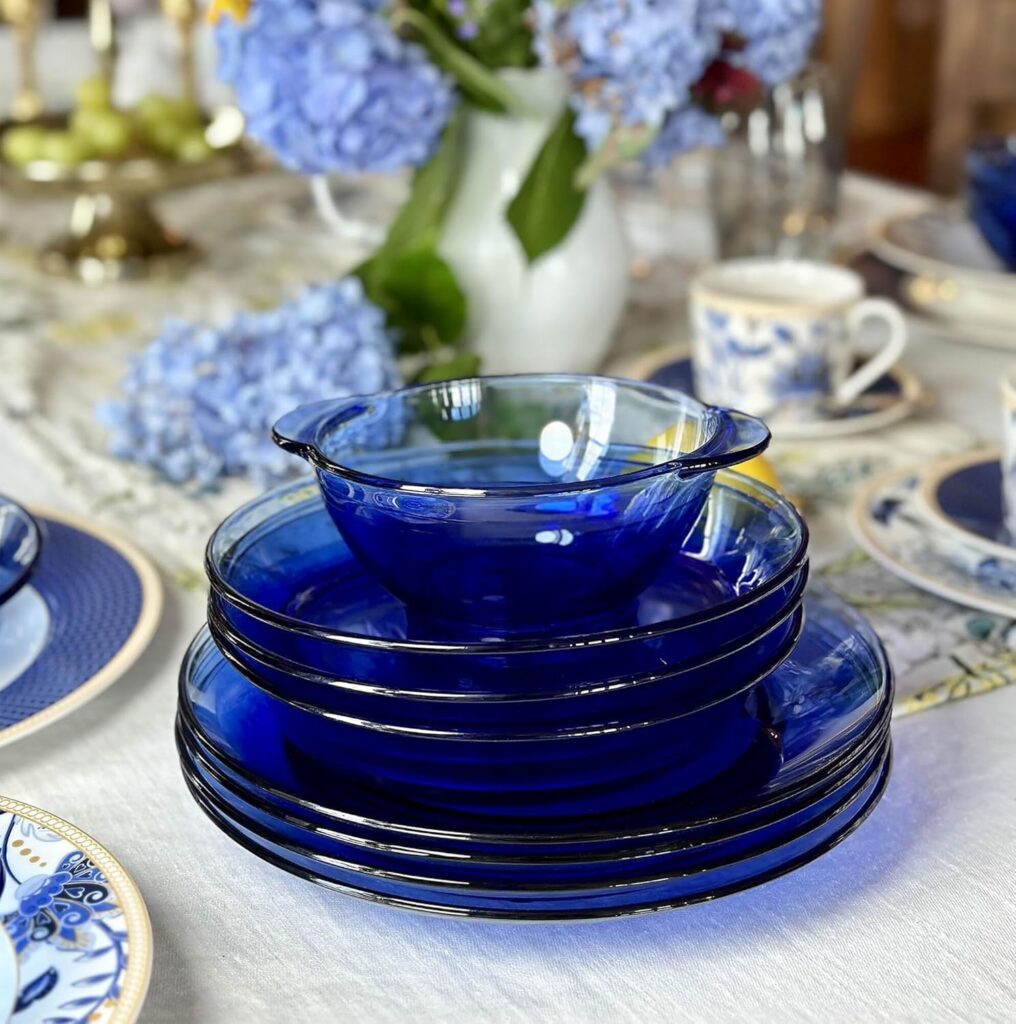
    BPA and Lead Free Glass Dinnerware

    Modern glass dinnerware typically uses tempered glass or borosilicate glass. These materials undergo special heating and cooling processes that increase their strength and thermal resistance.

    The result is tableware that can withstand daily use whilst maintaining its pristine appearance.

    The Manufacturing Process

    Glass dinnerware production involves melting silica sand, soda ash, and limestone at temperatures exceeding 1,500°C.

    The molten glass is then shaped using various techniques, including pressing, blowing, or moulding.

    Finally, the pieces undergo tempering – a process that makes them significantly stronger than regular glass.

    Distinguished Features

    key characteristics of glass dinnerware

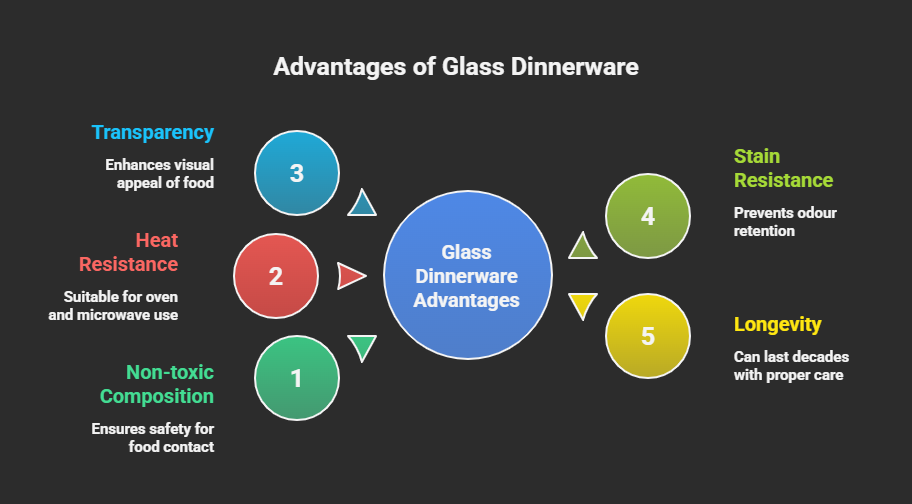
    Glass dinnerware offers unique advantages:

    • Non-toxic composition: Completely safe for food contact
    • Heat resistance: Suitable for oven and microwave use
    • Transparency: Allows visual appeal of food presentation
    • Stain resistance: Non-porous surface prevents odour retention
    • Longevity: Can last decades with proper care

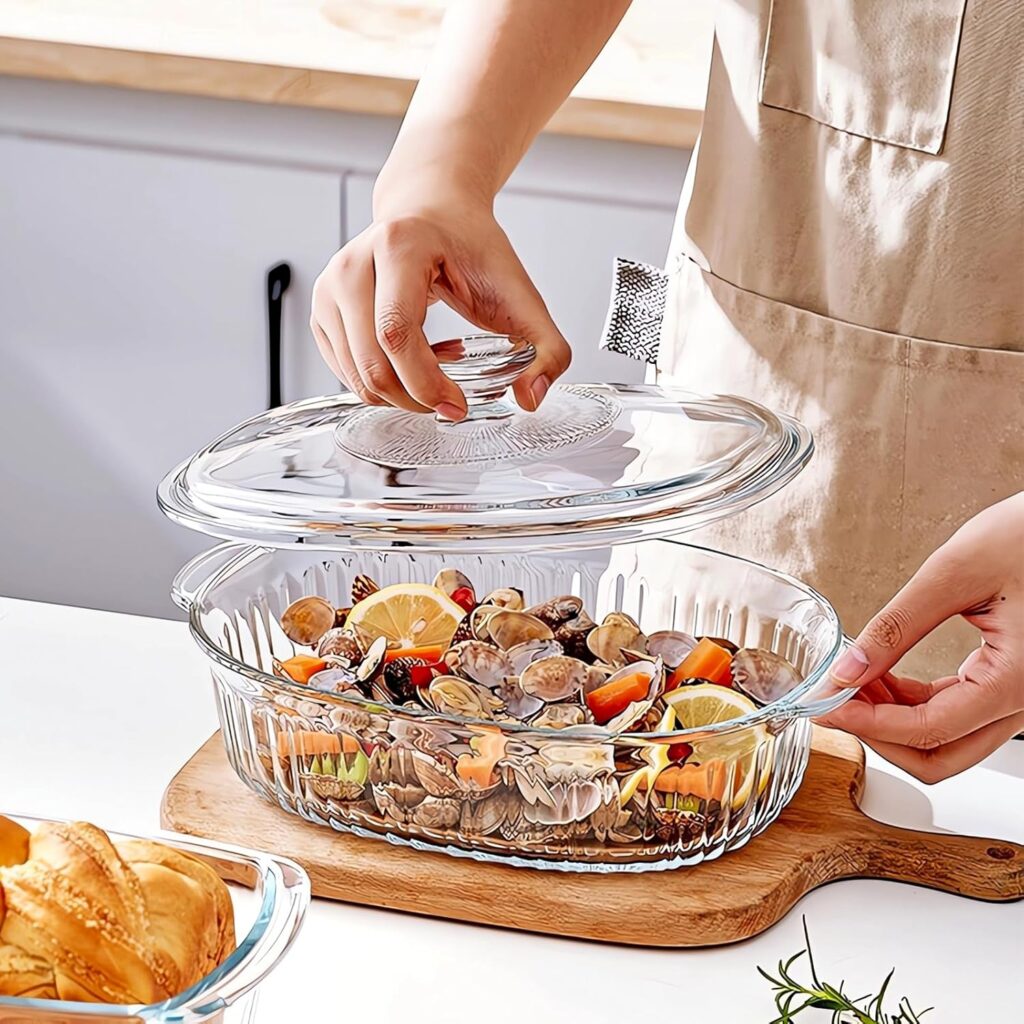
    Borosilicate glass casserole baking dish

    Yet glass isn’t without its challenges. Understanding these limitations helps you make an informed decision about your tableware investment.

    MELAMINE VS GLASS DINNERWARE: THE ULTIMATE COMPARISON

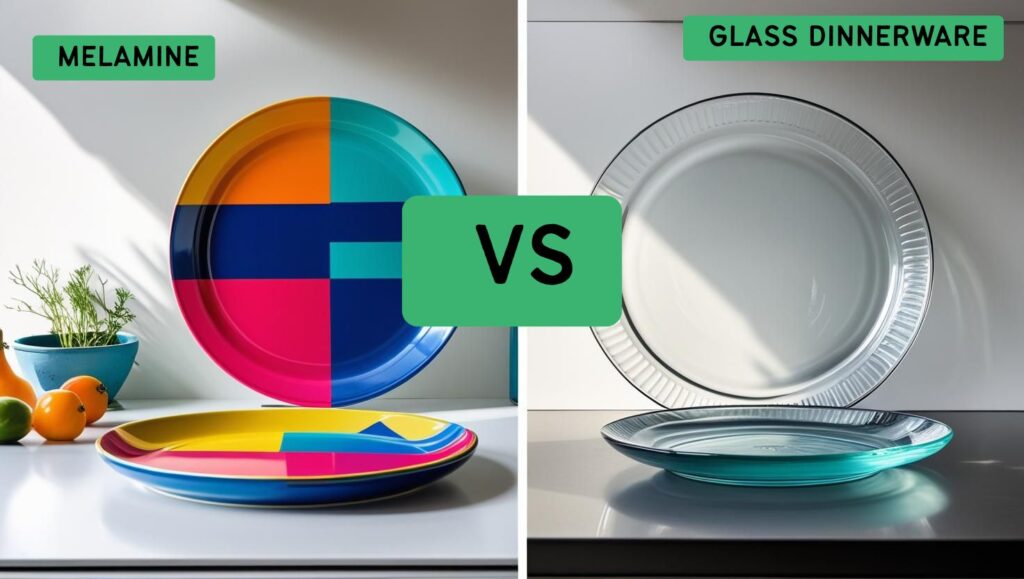
    Melamine vs Glass Dinnerware

    Safety and Health Considerations

    The safety of dinnerware materials represents the most critical factor in any comparison. Here’s where the differences become stark and concerning.

    Glass dinnerware emerges as the clear winner in safety. Its inert nature means it won’t leach chemicals into your food, regardless of temperature or acidity.

    Glass remains completely non-toxic dinnerware, making it ideal for health-conscious households.

    Melamine dinnerware, however, presents several safety concerns:

    • Chemical leaching: Melamine can release harmful chemicals, especially when heated
    • Microwave restrictions: Never microwave melamine plates
    • Temperature limitations: Avoid hot foods above 70°C
    • Acidic food reactions: Citrus and tomato-based foods may cause more leaching

    The FDA originally set the TDI for melamine at 0.63 mg per kg of body weight per day for foods other than infant formula.

    For infant formula, the FDA has recommended a zero-tolerance policy, meaning any detectable amount is considered unacceptable due to the vulnerability of infants.

    While International bodies such as the World Health Organization (WHO) on Melamine exposure have set a lower TDI of 0.2 mg/kg body weight per day.

    Durability and Breakage Resistance

    When it comes to breakage resistant dishes, melamine takes the crown. This material can withstand drops, knocks, and rough handling that would destroy glass dinnerware instantly.

    Melamine advantages:

    • Virtually unbreakable under normal use
    • Ideal for outdoor dinnerware options
    • Perfect for children’s meals
    • Survives camping trips and picnics

    Glass limitations:

    • Susceptible to thermal shock
    • Can shatter with sudden temperature changes
    • Requires careful handling and storage
    • Replacement costs add up over time

    However, durability extends beyond mere breakage resistance. Glass maintains its appearance indefinitely, whilst melamine may show scratches, stains, and wear over time.

    Heat Resistance and Microwave Safety

    Heat resistant dinnerware becomes crucial for modern cooking habits. Glass excels in this category, offering versatility that melamine simply cannot match.

    Glass capabilities:

    • Microwave safe dinnerware
    • Oven-safe up to 220°C
    • Dishwasher safe at any temperature
    • Handles thermal shock better than expected

    Melamine limitations:

    • Never microwave – chemicals can leach
    • Maximum temperature: 70°C
    • Dishwasher safe only on gentle cycles
    • Hot foods may cause warping

    Cost and Value Analysis

    Budget-friendly dinnerware often drives initial purchase decisions. Melamine wins on upfront costs, but the long-term value equation becomes more complex.

    FactorMelamineGlass
    Initial CostAffordableMedium – High
    Replacement Frequency2-3 years8+ years (depends on use and care)
    Long-term ValueModerateExcellent
    Resale ValueLowModerate

    The calculation changes when you factor in replacement costs. Glass dinnerware, despite higher initial investment, often provides better value over time.

    Environmental Impact

    Eco-friendly dinnerware considerations increasingly influence purchasing decisions. Glass demonstrates clear environmental advantages throughout its lifecycle.

    Glass benefits:

    • 100% recyclable
    • Made from abundant natural materials
    • No harmful chemicals in production

    Melamine concerns:

    • Plastic-based production
    • Not easily recyclable
    • Potential chemical emissions
    • Contributes to plastic waste

    Glass Dinnerware Concerns:

    • Not biodegradable (broken or not)

    WHEN TO CHOOSE MELAMINE TABLEWARE

    Perfect Scenarios:

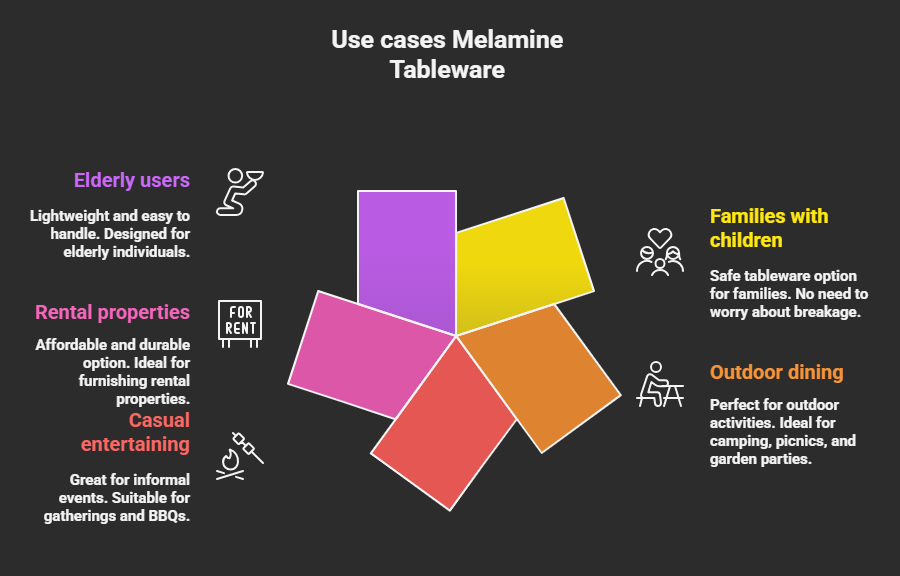
    when to choose melamine dinnerware

    Melamine dinnerware shines in specific situations where its unique properties become valuable assets rather than limitations.

    Ideal for:

    • Families with young children: No fear of breakage
    • Outdoor dining: Camping, picnics, and garden parties
    • Casual entertaining: Informal gatherings and BBQs
    • Rental properties: Affordable and durable
    • Elderly users: Lightweight and easy to handle

    Lifestyle Matching:

    Consider melamine when convenience trumps other factors. Its lightweight dinnerware nature makes it perfect for people who prioritize practicality over prestige.

    WHEN TO CHOOSE GLASS DINNERWARE

    Optimal Conditions:

    when to choose glass dinnerware

    Glass dinnerware excels when elegance, safety, and versatility take precedence over durability concerns.

    Perfect for:

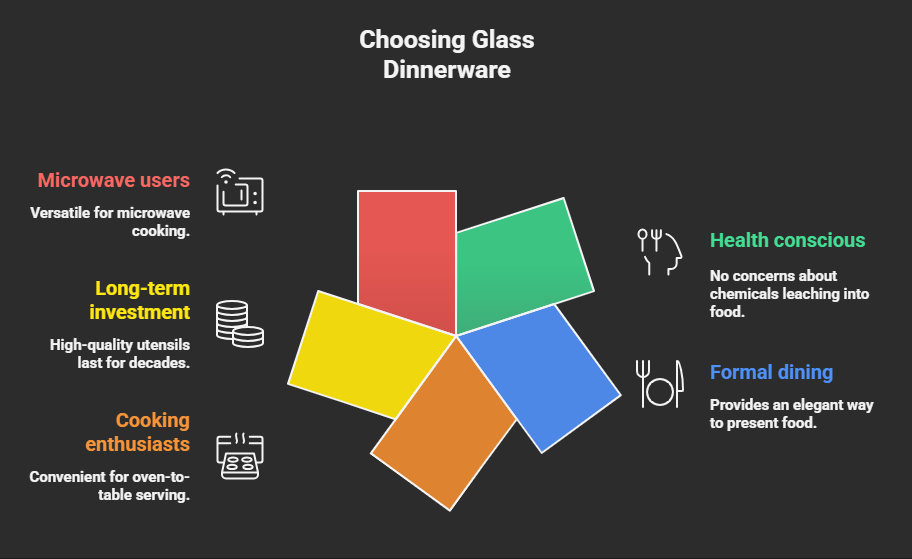
    • Health-conscious households: Zero chemical concerns
    • Formal dining: elegant presentation
    • Cooking enthusiasts: Oven-to-table convenience (Depends on brand quality & specifications)
    • Long-term investment: Quality that lasts decades
    • Microwave users: Complete cooking versatility

    The Sophisticated Choice:

    Glass appeals to those who view dinnerware as an extension of their personal style. Its transparency showcases food beautifully, like white tableware, whilst maintaining absolute safety standards.

    GLASS VS CERAMIC: ADDITIONAL CONSIDERATIONS

    The Third Option

    When comparing glass vs ceramic dinnerware, another compelling option emerges.

    Ceramic offers middle-ground benefits that might influence your melamine versus glass decision.

    Ceramic advantages:

    • Better heat retention than glass
    • More durable than glass
    • Lighter weight than glass
    • Classic beautiful appeal

    Ceramic limitations:

    • More expensive than melamine
    • Still breakable (though less than glass)
    • Heavier than melamine
    • Potential lead concerns in older pieces or low-quality.

    Decision Framework

    Consider ceramic when you want the elegance of glass with slightly better durability, whilst still maintaining the safety benefits of non-toxic dinnerware.

    EXPERT TIPS FOR DINNERWARE SELECTION

    Making the Right Choice

    Selecting the perfect dinnerware requires balancing multiple factors against your specific needs and lifestyle.

    Key considerations:

    1. Household composition: Children require different considerations than adults
    2. Entertaining style: Formal versus casual dining preferences
    3. Storage space: Weight and stackability matter
    4. Maintenance preferences: Time available for careful handling
    5. Budget constraints: Initial cost versus long-term value

    Professional Recommendations

    Interior designers consistently recommend investing in quality glass dinnerware for primary dining, whilst keeping melamine as backup for casual use or outdoor dining.

    Maintenance Mastery

    Glass care:

    • Hand wash delicate pieces
    • Avoid extreme temperature changes
    • Store with padding between pieces
    • Replace damaged items immediately

    Melamine care:

    • Use gentle dishwasher cycles
    • Avoid abrasive cleaners
    • Replace when scratched or stained.

    THE VERDICT: MAKING YOUR CHOICE

    Final Recommendations:

    The melamine vs glass dinnerware comparison ultimately depends on your priorities and lifestyle.

    Neither option represents a universal solution, but understanding their strengths helps you make an informed decision.

    Choose melamine when:

    • Safety from breakage outweighs chemical concerns
    • Budget constraints limit options
    • Outdoor dining represents the primary use
    • Children’s safety requires unbreakable dishes

    Choose glass when:

    • Health and safety take absolute priority
    • Cooking versatility matters
    • Long-term value trumps initial cost
    • Elegant presentation enhances your dining experience

    The Hybrid Approach

    Many households benefit from owning both materials. Use glass for everyday dining and special occasions, whilst keeping melamine for outdoor use, children’s meals, and casual entertaining.

    CAN GLASS DINNERWARE GO IN THE MICROWAVE?

    Yes, most glass dinnerware is microwave safe. However, always check manufacturer guidelines and avoid sudden temperature changes that might cause thermal shock.

    IS MELAMINE OR GLASS BETTER FOR CHILDREN?

    For pure safety from breakage, melamine wins. However, glass offers better food safety with no chemical concerns. Many parents choose melamine for young children and transition to glass as children mature.

    HOW DO I KNOW IF MY DINNERWARE IS MELAMINE OR CERAMIC?

    Melamine feels lighter and warmer to the touch than ceramic. It also produces a different sound when tapped – less resonant than ceramic or glass.

    CONCLUSION

    The choice between melamine and glass dinnerware reflects more than mere material preference; it represents a lifestyle decision that impacts your family’s health, budget, and daily dining experience.

    Glass emerges as the superior choice for those prioritizing safety, versatility, and long-term value.

    Its non-toxic composition and heat resistance make it ideal for health-conscious households willing to handle it with care.

    Melamine serves specific needs brilliantly – particularly for families with young children, outdoor enthusiasts, and budget-conscious buyers who prioritize durability over other factors.

    The sophisticated approach involves recognizing that you don’t need to choose just one.

    Many households successfully incorporate both materials, using each where it performs best.

    What’s your dinnerware story? Share your experiences and preferences in the comments below – we’d love to hear which material has won your heart and why.

  • Why White Dinnerware Shows Food Best

    Bottom Line: White dinnerware shows food best because it acts like a blank canvas, making food colors appear more vibrant through visual contrast. The neutral background eliminates distractions and allows the food to take center stage. This is why professional chefs, restaurants, and food photographers prefer white plates for optimal food presentation.

    INTRODUCTION

    Walk into any high-end restaurant, and you’ll notice something interesting. Almost every dish arrives on white plates.

    This isn’t a coincidence or a simple design choice. There’s real science behind why white dinnerware shows food best.

    Professional chefs and food stylists have known this secret for decades. White plates make food look more appetizing, portions appear larger, and colors seem more vibrant.

    But why does this happen? Moreover, how can you use this knowledge to improve your own dining experience?

    In this article, we’ll explore the fascinating world of color psychology in food presentation. You’ll discover why white plates are the gold standard in professional kitchens.

    Plus, you’ll learn practical tips for creating restaurant-quality presentations at home.

    THE SCIENCE OF VISUAL PERCEPTION

    How Our Eyes Process Food Colors:

    Your brain processes food colors differently depending on the background. When food sits on a white plate, your eyes can focus entirely on the meal itself. This creates what experts call the “blank canvas effect.”

    White plates provide maximum visual contrast for most foods. Think about it: red tomatoes, green herbs, golden pasta, and orange carrots all pop against a white background.

    why white dinnerware shows food best

    This contrast makes colors appear more saturated and appealing.

    Furthermore, white reflects light evenly. This means your food gets proper lighting from all angles. Dark plates absorb light, making food appear dull and less appetizing.

    The Blank Canvas Effect of White Plates

    Professional food stylists compare white plates to an artist’s blank canvas. Just as painters need a neutral background to showcase their work, chefs need white plates to display their culinary creations.

    Gibson Home Porcelain white dinnerware sets

    This blank canvas effect serves several purposes:

    • It eliminates visual distractions
    • It focuses attention on the food
    • It creates a clean, professional appearance
    • It allows food colors to shine.

    Additionally, white plates don’t compete with your food for attention. Colored or patterned plates can clash with certain dishes. White plates work with everything.

    COLOR CONTRAST PRINCIPLES IN FOOD PRESENTATION

    Color theory plays a huge role in food presentation. The best food presentations use complementary colors that enhance each other. White serves as the perfect neutral backdrop for these color combinations.

    For example, a bright red strawberry looks stunning on white. The contrast makes the red appear more intense and appealing.

    Famiware matte white scratch resistant stoneware dinnerware

    Similarly, green vegetables seem fresher and more vibrant against white dinnerware.

    However, there’s one exception to this rule. Pale foods like cauliflower or white fish can get lost on white plates. In these cases, slightly off-white or cream-colored plates work better.

    PSYCHOLOGICAL FACTORS BEHIND WHITE PLATE PREFERENCE

    Cleanliness and Purity Associations:

    White represents cleanliness and purity in most cultures. When people see white plates, they automatically associate them with hygiene and quality.

    This psychological connection makes food appear safer and more appealing.

    Food safe and Lead Free Malacasa white ceramic stoneware dinnerware sets

    Restaurants understand this psychology well. Clean, white plates signal professionalism and attention to detail. Customers feel more confident about the food they’re eating.

    Moreover, white plates are easier to clean thoroughly. Diners can see that the plates are spotless, which adds to their peace of mind.

    Portion Size Perception

    Here’s a surprising fact: white plates can make portions appear larger. This happens because of a visual illusion called the Delboeuf effect. When food contrasts strongly with the plate, portions look more substantial.

    This effect benefits both restaurants and diners. Restaurants can serve appropriate portions while still impressing customers. Diners feel satisfied with what they’re getting.

    Additionally, the contrast helps with portion control at home. You can better judge serving sizes when food stands out clearly against the plate.

    Appetite Stimulation Through Color Psychology

    Color psychology affects appetite in fascinating ways. White plates don’t interfere with your brain’s natural food recognition processes. This allows your appetite to respond naturally to the food itself.

    Research shows that neutral colors like white don’t suppress appetite. In contrast, some colors can actually reduce hunger. Blue plates, for instance, tend to decrease appetite because blue foods are rare in nature.

    White plates let your brain focus on the food’s actual colors, textures, and appearance. This natural focus enhances appetite and enjoyment.

    PROFESSIONAL PERSPECTIVES: WHY CHEFS CHOOSE WHITE

    Chef Preferences and Reasoning:

    Professional chefs overwhelmingly prefer white plates for several reasons. First, white plates make food photography easier. Social media has made food photos more important than ever for restaurants.

    Second, white plates work in any lighting condition. Restaurant lighting varies throughout the day, but white plates always look good. This consistency is crucial for maintaining standards.

    Third, white plates are timeless. Food trends change, but white plates never go out of style. This makes them a smart investment for any restaurant.

    Culinary Pro explains: “White plates are a traditional color favored by chefs because they make the vibrant colors of the food more visually appealing to the guests.”

    Restaurant Industry Standards

    The restaurant industry has embraced white dinnerware as the standard for fine dining. This choice reflects both practical and aesthetic considerations.

    From a practical standpoint, white plates are:

    • Easy to match and replace
    • Suitable for any cuisine style
    • Professional-looking in photos
    • Simple to clean and maintain

    Aesthetically, white plates create a unified look across the dining room. They complement any decor style and never clash with food presentations.

    Food Photography Best Practices

    Food photographers almost always use white plates for several reasons. White provides the best color accuracy in photos. It doesn’t cast unwanted color reflections onto the food.

    Additionally, white plates photograph well under different lighting conditions. They reflect light evenly, reducing harsh shadows and bright spots.

    Professional food stylists keep various white plates in their toolkit. Different textures and shapes serve different purposes, but the color remains consistently white.

    THE COLOR THEORY BEHIND WHITE PLATES

    Complementary Color Enhancement:

    White plates work because they don’t compete with food colors. Instead, they enhance them through contrast. This is basic color theory in action.

    When you place colorful food on a white plate, each color appears more vivid. Red peppers look redder, green spinach looks greener, and yellow corn looks more golden.

    This enhancement happens because white contains all colors of light. It reflects the food’s true colors to your eyes without adding any color cast.

    Neutral Background Benefits

    A neutral background serves multiple purposes in food presentation. It creates visual hierarchy, making the food the clear focal point. It also provides flexibility for different types of dishes.

    Furthermore, neutral backgrounds age well. While trendy colored plates might look dated after a few years, white plates remain classic and elegant.

    The neutral background also helps with portion control. You can clearly see how much food you’re serving or eating.

    When White Doesn’t Work

    While white plates work for most foods, there are exceptions. Very pale foods can disappear against white backgrounds. Examples include:

    • Cauliflower
    • White fish
    • Pale pasta sauces
    • Vanilla ice cream
    • White chocolate desserts

    For these foods, slightly off-white plates work better. Cream, ivory, or light gray plates provide enough contrast without being too bold.

    Alternative Neutral Options

    If pure white doesn’t work for your dish, consider these neutral alternatives:

    • Cream or ivory for pale foods
    • Light gray for a modern look
    • Warm white for comfort foods
    • Bone white for elegant presentations

    These alternatives maintain the benefits of white while providing subtle variation.

    FOOD PHOTOGRAPHY AND SOCIAL MEDIA IMPACT

    Instagram-Worthy Presentations:

    Social media has made food photography more important than ever. White plates photograph beautifully and get more engagement on platforms like Instagram.

    Food Photography on White Dinnerware

    The clean, minimalist look of white plates appeals to modern aesthetics. They create a professional appearance that makes home cooking look restaurant-quality.

    Additionally, white plates work well with various food photography styles. Whether you prefer bright and airy or dark and moody photos, white plates adapt to different lighting setups.

    Lighting Considerations

    Good lighting is crucial for food photography, and white plates help with this. They reflect light evenly, reducing harsh shadows and bright spots on your food.

    Natural light works particularly well with white plates. The combination creates soft, appealing shadows that enhance the food’s texture and appearance.

    For artificial lighting, white plates are forgiving. They don’t require special color correction or complex lighting setups.

    Professional Food Styling Tips

    Professional food stylists offer these tips for using white plates:

    1. Choose the right size plate for your dish
    2. Keep plates spotlessly clean
    3. Warm plates for hot foods
    4. Use textured white plates for added interest
    5. Consider the plate’s rim width

    These details make a significant difference in the final presentation.

    PRACTICAL APPLICATIONS FOR HOME DINING

    Choosing the Right White Dinnerware:

    When selecting white dinnerware for your home, consider these factors:

    Material: Porcelain and bone china photograph best and feel most luxurious. Stoneware is more casual but still effective. Popular options like Corelle Winter Frost white dinnerware offer durability and classic appeal.

    Finish: Matte finishes hide fingerprints better. Glossy finishes reflect more light and create more contrast. Quality white tableware hardly shows scratches when properly maintained.

    Shape: Round plates are classic and versatile. Square plates look more modern. Rimmed plates frame food better.

    Size: Have multiple sizes available. Dinner plates, salad plates, and dessert plates all serve different purposes.

    Special Occasion Presentations

    White plates elevate any special occasion. They make holiday meals look more elegant and birthday dinners more special.

    For formal dinners, use charger plates under your white dinner plates. This creates layers and adds sophistication to your table setting.

    Consider mixing different textures of white plates for visual interest. Combine smooth and textured surfaces for a dynamic look.

    Maintenance and Care Tips

    White plates require proper care to maintain their appearance. High-quality pieces like Corelle Winter Frost white dinnerware are designed to resist chipping and maintain their pristine look with minimal effort:

    1. Wash immediately after use to prevent stains
    2. Use gentle detergents to avoid dulling the finish
    3. Avoid abrasive cleaners that can scratch the surface
    4. Store carefully to prevent chips and cracks
    5. Polish occasionally to maintain shine

    Quality white tableware hardly shows scratches when you follow these care guidelines. This durability makes white dinnerware an excellent long-term investment for your kitchen.

    KEY TAKEAWAYS: WHY WHITE DINNERWARE SHOWS FOOD BEST

    Here are the main reasons why white dinnerware shows food best:

    Visual Benefits

    • Maximum contrast makes food colors appear more vibrant
    • Blank canvas effect eliminates distractions
    • Even light reflection enhances food appearance
    • Universal compatibility works with any cuisine

    Psychological Benefits

    • Cleanliness associations increase appetite
    • Portion size perception makes servings look larger
    • Professional appearance enhances dining experience
    • Neutral psychology doesn’t interfere with natural appetite

    Practical Benefits

    • Photography is friendly for social media sharing
    • Timeless style never goes out of fashion
    • Easy to clean and maintain
    • Versatile use for any occasion

    Professional Standards

    • The chef preferred food presentation
    • Restaurant industry standard for fine dining
    • Food styling essential for photography
    • Color theory has been proven through scientific research.

    CONCLUSION

    White dinnerware shows food best because it combines science, psychology, and practicality. The visual contrast enhances food colors, making meals more appetizing.

    The neutral background creates a professional, clean appearance that appeals to diners.

    Professional chefs and food photographers choose white plates for good reason. They understand that presentation affects taste perception and overall dining satisfaction.

    By using white dinnerware, you can bring restaurant-quality presentation to your own table.

    The next time you’re shopping for dinnerware, remember these insights. Choose white plates that complement your style and enhance your food presentation.

    Your meals will look more appealing, your photos will get more likes, and your dining experience will improve.

  • How to Choose Restaurant Crockery and Cutlery: Complete Selection Guide for Restaurant Owners

    This FREE PDF Guide is for: Restaurant owners, kitchen managers, hospitality procurement professionals, and anyone opening a new food service establishment.

    Problem Solved: Eliminate costly tableware selection mistakes, reduce replacement costs by up to 40%, and create operational efficiency through strategic crockery and cutlery choices.

    Running a successful restaurant requires attention to countless details, but one aspect that dramatically impacts both your operational efficiency and customer satisfaction often gets overlooked: your tableware selection.

    Whether you’re opening your first establishment or upgrading your current setup, our detailed restaurant crockery and cutlery PDF List comes in handy, and a lack of knowledge in business affects your bottom line, staff productivity, and guest experience.

    WHAT RESTAURANT CROCKERY AND CUTLERY SHOULD I BUY?

    Selecting the right restaurant tableware directly impacts your operational costs, staff efficiency, and customer satisfaction.

    Based on industry data, restaurants that make informed tableware choices reduce annual replacement costs by 15-25% and improve operational efficiency by up to 30%.

    Quick Answer: Essential Restaurant Tableware Checklist

    classic restaurant porcelain crockery dinner sets

    Core Crockery Items types:

    • Dinner plates (10-12 inches) – your most-used item
    • Salad/appetizer plates (7-8 inches) – versatile for multiple courses
    • Soup bowls – wide, shallow design for easy handling
    • Bread plates (6-7 inches) – optional for casual dining

    Essential Cutlery:

    restaurant dinner forks, knives and spoons
    • Dinner forks – 4-tine standard design
    • Dinner knives – serrated or straight edge
    • Soup spoons – round bowls, appropriate handle length
    • Teaspoons – multi-purpose for beverages and desserts

    Specialty Items by Restaurant Type:

    • Fine dining: Bone china, sterling silver, complete place settings
    • Casual dining: Durable stoneware, 18/8 stainless steel
    • Quick service: Melamine dishes, 18/0 stainless steel cutlery

    restaurant crockery and cutlery PDF list

    HOW MUCH SHOULD I BUDGET FOR RESTAURANT TABLEWARE?

    Investment Guidelines by Restaurant Type:

    Fine Dining Establishments:

    • Budget: $15-30 per place setting
    • Materials: Porcelain, bone china, 18/10 stainless steel
    • Expected replacement rate: 15-25% annually

    Casual Dining Restaurants:

    • Budget: $8-15 per place setting
    • Materials: Stoneware, porcelain, 18/8 stainless steel
    • Expected replacement rate: 10-20% annually

    Quick Service Operations:

    • Budget: $3-8 per place setting
    • Materials: Melamine, basic stainless steel
    • Expected replacement rate: 5-15% annually

    Total Investment Calculation Formula:

    (Restaurant Seats × 1.5 × Cost per Setting) + Serving Pieces + Specialty Items = Total Investment

    Add 25-50% buffer for breakage, washing cycles, and growth.

    WHAT ARE THE BEST MATERIALS FOR RESTAURANT DISHES?

    Top Crockery Materials Compared:

    porcelain restaurant dinner plates for salad, pasta, snacks and appetizers

    1. Porcelain

    • Best for: Fine dining, upscale casual
    • Pros: Elegant appearance, chip-resistant, dishwasher safe
    • Cons: Higher cost, heavier weight
    • Durability rating: Excellent with proper care

    2. Stoneware

    • Best for: Casual dining, farm-to-table concepts
    • Pros: Outstanding durability, heat retention, rustic appeal
    • Cons: Heavy, limited design options
    • Durability rating: Exceptional for high-volume use

    3. Melamine

    • Best for: Outdoor dining, high-turnover establishments
    • Pros: Virtually unbreakable, lightweight, cost-effective
    • Cons: Not microwave safe, shows scratches over time
    • Durability rating: Superior breakage resistance

    4. Bone China

    • Best for: Premium fine dining
    • Pros: Elegant appearance, surprisingly strong for its weight
    • Cons: Most expensive option, requires careful handling
    • Durability rating: Good with staff training

    Understanding the different types of crockery and their applications helps match materials to your specific operational needs and customer expectations.

    BEST STAINLESS-STEEL GRADES FOR RESTAURANT CUTLERY

    Stainless Steel Quality Rankings:

    18/10 Stainless Steel (Highest Quality)

    • Composition: 18% chromium, 10% nickel
    • Benefits: Superior corrosion resistance, premium feel
    • Best for: Fine dining, long-term investment
    • Cost: Highest upfront, lowest lifetime cost

    18/8 Stainless Steel (Good Quality)

    • Composition: 18% chromium, 8% nickel
    • Benefits: Good corrosion resistance, balanced cost
    • Best for: Most restaurant applications
    • Cost: Mid-range with solid performance

    18/0 Stainless Steel (Budget Option)

    • Composition: 18% chromium, 0% nickel
    • Benefits: Magnetic properties, budget-friendly
    • Best for: High-volume, cost-conscious operations
    • Cost: Lowest upfront, higher replacement frequency.

    HOW MANY PLATES AND UTENSILS DOES MY RESTAURANT NEED?

    Quantity Calculation Method:

    Step 1: Calculate Base Needs

    • Peak dining capacity × 1.5 = minimum quantity per item

    Step 2: Add Operational Buffer

    • Base quantity + 25-50% = recommended inventory level

    Step 3: Account for Variables

    • Multiple daily seatings
    • Private events and catering
    • Dishwashing cycle times
    • Anticipated growth

    Example Calculation (100-seat restaurant):

    • Base need: 100 seats × 1.5 = 150 pieces minimum
    • With buffer: 150 + 40% = 210 pieces recommended
    • Total investment consideration: 210 pieces across all essential items.

    COMMON RESTAURANT TABLEWARE SELECTION MISTAKES

    Costly Errors to Avoid:

    1. Focusing Only on Initial Cost

    • Problem: Cheap items require frequent replacement
    • Solution: Calculate the total cost of ownership over 2-3 years

    2. Ignoring Staff Input

    • Problem: Impractical choices slow service
    • Solution: Test samples with the kitchen and serving staff

    3. Insufficient Quantity Planning

    • Problem: Shortages during peak periods
    • Solution: Use proven calculation formulas with buffers

    4. Mismatched Restaurant Concept

    • Problem: Tableware doesn’t support brand identity
    • Solution: Align material quality with customer expectations

    5. Inadequate Storage Planning

    • Problem: Damage from poor storage increases costs
    • Solution: Plan storage solutions before purchasing.

    HOW TO REDUCE RESTAURANT TABLEWARE REPLACEMENT COSTS

    Proven Cost-Reduction Strategies:

    Proper Staff Training:

    • Implement handling procedures to reduce breakage
    • Train dishwashing staff on material-specific care
    • Establish inspection protocols for damage prevention

    Strategic Purchasing:

    • Volume discounts through larger orders
    • Seasonal timing for better pricing
    • Long-term supplier relationships

    Maintenance Programs:

    • Weekly inspection schedules
    • Proper storage systems with separation
    • Professional cleaning for valuable pieces

    Quality Investment:

    • Higher-grade materials last longer
    • Professional-grade construction withstands commercial use
    • Warranty coverage reduces unexpected costs.

    RESTAURANT TABLEWARE VENDOR SELECTION CRITERIA

    Key Evaluation Factors:

    Product Quality Indicators:

    • Material certifications and testing
    • Manufacturer reputation and history
    • Sample quality and consistency
    • Warranty terms and coverage

    Service Capabilities:

    • Minimum order quantities
    • Delivery reliability and timing
    • Customer service responsiveness
    • Replacement guarantees

    Pricing Structure:

    • Volume discount tiers
    • Payment terms flexibility
    • Price protection policies
    • Hidden fee transparency

    COMPLETE RESTAURANT CROCKERY AND CUTLERY PLANNING RESOURCE

    This strategic approach to tableware selection has helped over 500 restaurant operators reduce replacement costs while improving operational efficiency.

    The complete methodology includes detailed specifications, supplier evaluation frameworks, maintenance protocols, and inventory management systems.

    Key Outcomes from Proper Implementation:

    • 15-25% reduction in annual replacement costs
    • 30% improvement in operational efficiency
    • Enhanced customer satisfaction scores
    • Predictable long-term tableware costs

    What’s Included in the Complete Guide:

    • Detailed material specifications and comparisons
    • Exact quantity calculation worksheets
    • Supplier evaluation checklists
    • Staff training protocols
    • Inventory management systems
    • Cost optimization strategies

    Restaurant owners who follow this systematic approach report significant improvements in both operational efficiency and cost management, with many achieving ROI within the first year through reduced replacement costs and improved staff productivity.

    Access the complete 15-chapter guide covering everything from initial selection through long-term inventory management, developed specifically for hospitality professionals who demand operational excellence.

  • The Ultimate Types of Crockery Guide

    Standing in the dinnerware aisle, overwhelmed by countless plates, bowls, and serving pieces?

    You’re not alone.

    Choosing the right crockery can feel like navigating a maze, especially when you’re unsure about the differences between earthenware and stoneware, or whether you really need those specialty serving pieces gathering dust in stores.

    That’s exactly why I created “The Complete Guide to the Various Types of Crockery PDF.

    A comprehensive 20-page EASY-TO-READ PDF that transforms confusion into confidence, helping you make informed decisions that will enhance your dining experiences for years to come.

    WHY UNDERSTANDING CROCKERY TYPES MATTERS MORE THAN YOU THINK

    Your crockery collection isn’t just about having plates to eat from.

    It’s the foundation of every meal experience, from quick weekday breakfasts to elaborate holiday gatherings.

    The right pieces can elevate simple dishes into restaurant-quality presentations, while poor choices can leave you frustrated with chipped plates and inadequate serving options.

    Many homes make this costly mistake when building their crockery collection, buying pieces that don’t suit their lifestyle, choosing materials that can’t handle their daily routine, or investing in expensive sets without understanding what they actually need.

    This guide eliminates those expensive trial-and-error purchases by giving you the knowledge to choose wisely from the start.

    WHAT MAKES THIS GUIDE DIFFERENT?

    Unlike generic kitchen advice that barely scratches the surface, this comprehensive PDF dives deep into the world of crockery with practical insights you won’t find elsewhere.

    Written by Sarah Emirone, Editor of Safekitchn.com, this guide combines years of kitchen equipment evaluation experience (earned while working with an international FMCG Industry) with real-world testing to deliver actionable information.

    types of crockery PDF

    The guide doesn’t just list different types of dinnerware; it explains the ‘why’ behind each piece, helping you understand when and how to use everything from demitasse cups to au gratin dishes.

    Whether you’re setting up your first kitchen or upgrading your current collection, you’ll discover exactly what you need and why you need it.

    KEY AREAS YOU’LL MASTER

    Understanding Dinnerware Essentials

    The guide breaks down every plate and bowl type with precision, explaining the subtle but important differences between dinner plates and soup plates, or why bread and butter plates serve purposes far beyond their name suggests.

    You’ll learn about sizing standards, functional differences, and how each piece contributes to both everyday meals and special occasions.

    Navigating Material Choices

    One of the most confusing aspects of crockery shopping is understanding materials.

    The guide demystifies earthenware, stoneware, porcelain, and bone China, explaining durability differences, care requirements, and price points.

    You’ll discover which materials work best for different lifestyles and how to balance beauty with practicality.

    Mastering Serveware Selection

    Beyond basic dinnerware, the guide explores the world of serving pieces that transform ordinary meals into memorable experiences.

    charger dinner plates crockery

    From understanding when you need charger plates to selecting the right size serving platters, you’ll learn how to create impressive presentations without unnecessary purchases.

    Decoding Specialty Pieces

    Ever wondered about those mysterious pieces in upscale kitchen stores?

    ceramic ramekins crockery

    The guide explains specialty items like ramekins, tagines, and sake cups, helping you understand which ones truly enhance your cooking and entertaining versus those that might end up as expensive cabinet decorations.

    REAL-WORLD APPLICATIONS YOU’LL DISCOVER

    This isn’t theoretical knowledge – it’s practical wisdom you can apply immediately. The guide teaches you how to:

    • Build a collection strategically rather than buying random pieces that don’t work together
    • Choose the right pieces for your lifestyle, whether you’re feeding a large family or entertaining frequently
    • Understand quality indicators that help you invest in pieces that will last
    • Care for different materials properly to extend their lifespan
    • Create impressive table settings without breaking your budget

    For those in the food service industry or considering it, the guide provides insights that complement understanding restaurant crockery and cutlery list requirements, helping bridge the gap between home and professional kitchen needs.

    THE HIDDEN COSTS OF GETTING IT WRONG

    Making poor crockery choices costs more than just money. Inadequate pieces can:

    • Limit your cooking and presentation options
    • Create storage problems in your kitchen
    • Lead to frequent replacements due to poor durability
    • Causes frustration during meal preparation and serving
    • Result in embarrassing moments when entertaining guests

    The guide’s strategic approach prevents these costly mistakes by teaching you to evaluate pieces based on your actual needs rather than marketing promises or impulse purchases.

    WHAT INDUSTRY PROFESSIONALS ARE SAYING

    The techniques and knowledge in this guide reflect professional standards used in commercial kitchens.

    Many principles that govern restaurant operations, from material selection to functionality prioritization, apply equally to home kitchens.

    Understanding these professional perspectives gives you an edge in creating efficient, beautiful table settings.

    PERFECT TIMING FOR YOUR KITCHEN JOURNEY

    Whether you’re:

    • Setting up your first kitchen and feeling overwhelmed by choices
    • Upgrading from college dishes to adult-worthy pieces
    • Planning a kitchen renovation and want cohesive dinnerware
    • Preparing for frequent entertaining and needing serving pieces
    • Looking to replace chipped or outdated pieces strategically

    This guide provides the foundation knowledge you need to make confident decisions.

    It’s designed for real people with real budgets, real storage limitations, and real-world entertaining needs.

    BEYOND BASIC INFORMATION

    While many resources simply list different types of crockery, this guide goes deeper.

    You’ll understand the historical context behind certain pieces, the cultural significance of different styles, and how modern manufacturing affects quality and pricing.

    This comprehensive approach helps you appreciate your collection while making practical decisions.

    The guide also addresses modern lifestyle considerations often overlooked in traditional dinnerware advice, like dishwasher compatibility, microwave safety, and space-efficient storage solutions that matter in today’s homes.

    YOUR NEXT STEP

    Don’t let another dinner party pass with mismatched plates or another morning start with frustration over inadequate bowls.

    “The Complete PDF Guide to Types of Crockery” is your roadmap to creating a thoughtfully curated collection that serves your needs beautifully.

    This comprehensive 20-page PDF transforms overwhelming choices into clear decisions, expensive mistakes into strategic investments, and ordinary meals into elevated experiences.

    You’ll save money, time, and frustration while building a crockery collection you’ll treasure for years.

    Download your free copy now and start building the kitchen collection you’ve always wanted, one informed decision at a time.