Tag: dinnerware material comparison

  • Are Pfaltzgraff Dishes Oven Safe? The Complete Guide Every Collector Needs

    You’re hosting Sunday dinner, and your gorgeous Pfaltzgraff casserole dish is brimming with your famous shepherd’s pie.

    As you reach for the oven door, a nagging thought hits you: Are Pfaltzgraff Dishes oven safe?

    You pause, realizing you’ve never been entirely sure about the rules.

    If you’re a Pfaltzgraff enthusiast, you’ve probably faced this exact dilemma.

    These beautiful stoneware pieces have graced dining tables for generations, but understanding their oven safety can feel like navigating a maze.

    The truth is, not all Pfaltzgraff dishes are created equal when it comes to heat tolerance.

    Whether you’re dealing with vintage pieces or brand new additions to your collection, knowing which dishes can handle the heat and which ones absolutely cannot could mean the difference between a perfect meal and a kitchen disaster.

    But here’s what most people don’t know about their beloved Pfaltzgraff collection.

    ARE PFALTZGRAFF DISHES OVEN SAFE? -UNDERSTANDING PFALTZGRAFF’S OVEN SAFETY GUIDELINES

    are pfaltzgraff dishes oven safe

    The short answer to “Are Pfaltzgraff dishes oven safe?” is: It depends on the specific piece and how you use it.

    Pfaltzgraff recommends that their dinnerware can be safely warmed or heated in the oven, starting your oven no higher than 225°F for the first 10 minutes, then increasing to a temperature no higher than 350°F for their stoneware, porcelain, and earthenware pieces.

    This gradual heating process is crucial for preventing thermal shock, that heart-stopping moment when your favourite dish cracks right down the middle.

    THE GOLDEN RULES FOR PFALTZGRAFF OVEN USE

    Think of your Pfaltzgraff dishes like a delicate friendship; they need gentle treatment to last. Here’s what you absolutely must know:

    Temperature Limits:

    • Maximum safe temperature: 350°F for most dinnerware
    • Bakeware can withstand up to 500°F
    • Always start low and increase gradually

    What Never Goes in the Oven:

    • Pieces with precious metal accents (gold or silver trim)
    • Regular dinnerware, like plates, bowls, and platters, should not go in the oven
    • Any piece with visible cracks or chips
    • Never place cool dinnerware in a preheated hot oven or on a direct burner, gas, or electric range.

    PFALTZGRAFF OVEN SAFE TEMPERATURE: THE SCIENCE BEHIND THE HEAT

    When it comes to Pfaltzgraff oven-safe temperature limits, understanding the “why” behind these numbers can save your collection from disaster.

    Stoneware is inherently more heat-resistant than regular ceramic, but it’s not indestructible.

    The gradual heating process starting at 225°F allows the clay body to expand evenly, preventing stress fractures that could ruin your piece forever.

    Product TypeMaximum TemperatureGradual Heating RequiredBest Use
    Bakeware500°FNoCasseroles, baking
    Stoneware Dinnerware350°FYesWarming, reheating
    Earthenware350°FYesLight oven use
    Metal-accented piecesNot oven safeN/AServing only

    The key insight here? Unlike earthenware, porcelain, and stoneware, bakeware does not need gradual heating but is okay with a preheated oven.

    Pfaltzgraff winterberry casserole baking oven safe dish

    This makes Pfaltzgraff bakeware incredibly convenient for busy kitchens.

    HOW DO YOU KNOW IF DISHES ARE OVEN SAFE?

    Knowing whether your dishes are oven safe can save you from costly disasters and kitchen heartbreak. Here’s how to determine if any dish can handle the heat:

    Check the Bottom First

    The most reliable method is to flip your dish over and examine the bottom. Look for these telltale signs:

    • “Oven Safe” stamp or symbol – This is your green light
    • Temperature ratings (like “Oven Safe to 350°F”)
    • Manufacturer markings that you can research online
    • Material type indicators (stoneware, ceramic, etc.)

    Material Clues That Matter

    Different materials have different heat tolerances:

    Generally Oven Safe:

    • Stoneware – Usually safe up to 350-450°F
    • Cast iron – Can handle extremely high temperatures
    • Carbon steel – Excellent for high-heat cooking
    • Ceramic and porcelain – Often safe, but check for temperature limits

    Proceed with Caution:

    • Earthenware – Lower temperature tolerance, needs gradual heating
    • Glass dishes – Only if specifically marked “oven safe” (like Pyrex)

    Never Oven Safe:

    • Melamine or plastic – Will melt and release toxins
    • Dishes with metallic trim – Can spark and damage
    • Non-stick coatings – May release harmful fumes at high heat

    The Visual Inspection Test

    Even without markings, you can spot potential problems:

    • Cracks or chips – These weak points will worsen with heat
    • Uneven glaze – Indicates potential thermal stress issues
    • Very thin construction – More likely to break from temperature shock
    • Decorative elements – Gold trim, decals, or painted details often aren’t heat-safe

    When in Doubt, Test It Out

    If you can’t find clear markings, here’s a safe testing method:

    1. Start low – Begin at 200°F for 15 minutes
    2. Check for stress – Look for new cracks or changes
    3. Gradually increase – If it passes, try 250°F next time
    4. Never exceed manufacturer recommendations once you find them

    The Golden Rules

    • When uncertain, don’t risk it – Replace the dish rather than your oven
    • Avoid sudden temperature changes – Let dishes come to room temperature first
    • Research your specific brand – Manufacturer websites often have detailed care instructions

    Remember, it’s always better to use a dish you’re confident about than to gamble with one that might crack, shatter, or worse – release harmful substances into your food.

    The key is being detective-like about your dishware. A few minutes of investigation can save you from cleanup disasters and keep your kitchen adventures safely delicious!

    IS PFALTZGRAFF STONEWARE MICROWAVE SAFE?

    Here’s where things get interesting – and where many collectors breathe a sigh of relief. Yes, most Pfaltzgraff stoneware is microwave safe, but there’s a catch that could affect your vintage pieces.

    Is Pfaltzgraff stoneware microwave safe

    Pfaltzgraff dinnerware without precious metal accents is safe to use in the dishwasher and microwave. However, any dishware with metal components is not microwave-safe.

    The Vintage Warning: Older stoneware pieces might behave differently in microwaves due to changes in clay composition and firing techniques over the decades.

    If you own vintage Pfaltzgraff from the 1970s or earlier, test a small area first or avoid microwave use altogether.

    Quick Microwave Safety Check

    Before popping any Pfaltzgraff piece in the microwave:

    1. Examine for metal trim – even tiny gold or silver details disqualify it
    2. Check for chips or cracks – these can create hot spots
    3. Test with the touch method – microwave empty for 30 seconds; if it’s hot, don’t use it
    4. When in doubt, check the packaging or product details online.

    IS PFALTZGRAFF YORKTOWNE MICROWAVE SAFE?

    The beloved Pfaltzgraff Yorktowne pattern, with its charming Pennsylvania Dutch-inspired design, is indeed microwave safe.

    Pfaltzgraff Yorktowne microwave and dishwasher safe dinner plates

    The Yorktowne dinner plates, salad plates, soup bowls, and mugs are all microwave and dishwasher-safe.

    This pattern has maintained its popularity precisely because it bridges the gap between beautiful design and practical functionality.

    Yorktowne has a devoted following who love its country look, inspired by Pennsylvania Dutch folk art motifs, and thankfully, you can reheat your leftovers without worry.

    Fun fact: The soft blue and gray tones in Yorktowne aren’t just aesthetically pleasing – they’re created using microwave-safe glazes that won’t interfere with your appliance’s operation.

    Don’t forget to pair your Yorktowne dishes with quality Pfaltzgraff silverware for the complete dining experience, and consider adding Pfaltzgraff onion soup bowls to your collection for cozy winter meals.

    IS PFALTZGRAFF WINTERBERRY DISHWASHER SAFE?

    Absolutely yes – and this is fantastic news for busy households during the holiday season.

    Pfaltzgraff Winterberry dinnerware is both microwave and dishwasher-safe, making it perfect for entertaining when you need dishes that can handle heavy use and easy cleanup.

    Pfaltzgraff Winterberry microwave and dishwasher safe dinnerware set

    The Winterberry pattern, with its festive holly and berry motifs, was designed with modern convenience in mind. Each piece can handle:

    • Top rack dishwasher placement (recommended for longevity)
    • Regular dishwasher detergents (avoid harsh, gritty cleaners)
    • Heated dry cycles without damage

    Pro tip: While Winterberry is dishwasher safe, hand washing will preserve the vibrant colours and intricate details for decades longer.

    ARE PFALTZGRAFF CHRISTMAS DISHES DISHWASHER SAFE?

    The answer varies depending on which Christmas pattern you own, but most modern Pfaltzgraff Christmas dishes are dishwasher safe.

    However, here’s where collectors need to pay attention to details:

    Safe for Dishwasher:

    • Winterberry (all variations)
    • Christmas Heritage
    • Holiday Spice
    • Most patterns from 1990 onwards

    Approach with Caution:

    • Vintage Christmas patterns with gold trim
    • Limited edition pieces with metallic accents
    • Hand-painted details that might be delicate

    Since the Pfaltzgraff product line is extensive, checking the packaging or the website product detail page in the Use & Care section is highly recommended.

    THE DIFFERENCE BETWEEN DINNERWARE AND BAKEWARE

    This distinction is crucial and often misunderstood. Here’s the breakdown that every Pfaltzgraff collector should memorize:

    Pfaltzgraff Bakeware

    • Designed for cooking and baking
    • Can withstand temperatures up to 500°F
    • Safe for preheated ovens
    • Includes casserole dishes, baking dishes, and covered casseroles
    • Travels easily from oven to table

    Pfaltzgraff Dinnerware

    • Designed for serving and eating
    • Maximum temperature: 350°F with gradual heating
    • Should not go in the oven for baking purposes
    • Includes plates, bowls, mugs, and serving pieces
    • Better suited for warming rather than cooking

    Think of it this way: bakeware is the workhorse, dinnerware is the show pony. Both have their place, but knowing which is which prevents costly mistakes.

    ESSENTIAL CARE TIPS FOR YOUR PFALTZGRAFF COLLECTION

    Owning Pfaltzgraff is like maintaining a classic car – with proper care, these pieces will serve you for generations. Here are the insider secrets:

    Temperature Shock Prevention

    • Never place hot dishes on wet surfaces – this causes instant cracking
    • Do not handle hot dishes with wet cloths
    • Allow gradual cooling after oven use
    • Room temperature ingredients work best with room temperature dishes

    Cleaning and Maintenance

    • Hand washing preserves colours and extends life
    • Use soft sponges, never abrasive scrubbers
    • Dry thoroughly to prevent water spots
    • Store with protective padding between stacked pieces

    Long-term Storage

    • Climate-controlled environments prevent crazing
    • Avoid sudden temperature changes
    • Check periodically for developing cracks
    • Clean before long-term storage to prevent staining

    COMMON MISTAKES THAT RUIN PFALTZGRAFF DISHES

    Learning from others’ mishaps can save your collection. Here are the most frequent errors:

    The Thermal Shock Disaster: Putting cold dishes directly into hot ovens. This accounts for 70% of Pfaltzgraff breakage.

    The Metal Mistake: Microwaving pieces with metallic accents. This can damage both your dish and your microwave.

    The Stacking Error: Storing pieces without protection, leading to chips and scratches that compromise structural integrity.

    The Chemical Catastrophe: Using harsh cleaners that strip protective glazes and cause premature aging.

    IDENTIFYING YOUR PFALTZGRAFF PIECES

    Not sure what you have? Here’s how to identify your pieces and their capabilities:

    Check the Bottom

    • Look for the Pfaltzgraff mark and pattern name
    • Manufacturing date codes (when present)
    • “Oven Safe” or “Microwave Safe” stamps

    Examine the Glaze

    • Smooth, even glaze indicates oven safety
    • Cracked or crazed glaze suggests age and fragility
    • Metal accents rule out microwave use

    Consider the Age

    • Pre-1960s pieces: Handle with extra care
    • 1960s-1980s: Generally safe with proper precautions
    • 1990s-present: Designed for modern conveniences

    WHEN TO SAY NO: RECOGNISING UNSAFE CONDITIONS

    Sometimes the wisest choice is leaving your precious Pfaltzgraff out of the oven entirely. Here’s when to draw the line:

    Absolute No-Gos:

    • Visible cracks or chips anywhere on the piece
    • Metallic trim or accents of any kind
    • Pieces that have been previously damaged and repaired
    • Extremely old pieces with uncertain provenance

    Proceed with Extreme Caution:

    • Pieces with crazing (fine web-like cracks in the glaze)
    • Dishes that have been stored in damp conditions
    • Items with worn or faded glazes
    • Pieces that feel unusually light or thick

    MAKING THE MOST OF YOUR PFALTZGRAFF COLLECTION

    Your Pfaltzgraff collection represents more than just dishes; it’s an investment in quality, beauty, and family traditions. Here’s how to maximize that investment:

    Smart Usage Strategies

    • Reserve oven use for appropriate pieces only
    • Rotate usage to prevent overuse of favourite pieces
    • Document which pieces are oven/microwave safe for family reference
    • Consider having both “display” and “daily use” sets

    Building Your Collection Wisely

    • Focus on patterns that offer both beauty and functionality
    • Invest in quality bakeware for cooking needs
    • Complement with appropriate Pfaltzgraff silverware for complete table settings
    • Add specialty pieces like Pfaltzgraff onion soup bowls for specific culinary needs

    THE BOTTOM LINE: ENJOYING YOUR PFALTZGRAFF SAFELY

    The beauty of Pfaltzgraff lies not just in its aesthetic appeal but in its practical functionality when used correctly.

    Each piece is designed to serve your family for many years and will stand up to the rigours of everyday dining when properly cared for.

    Key Takeaways:

    • Most Pfaltzgraff stoneware is oven safe up to 350°F with gradual heating
    • Bakeware can handle higher temperatures (up to 500°F)
    • Pieces without metal accents are microwave and dishwasher-safe
    • When in doubt, check product specifications or err on the side of caution

    Remember, these dishes were created to bring families together around the dinner table. By understanding their capabilities and limitations, you ensure they’ll continue doing just that for generations to come.

    CONCLUSION: CONFIDENCE IN YOUR KITCHEN

    Armed with this knowledge, you can confidently use your Pfaltzgraff collection without fear of mishaps.

    Whether you’re warming up leftovers in your Yorktowne bowls, baking a holiday casserole in your Winterberry dish, or setting an elegant table with your Christmas collection, you now know exactly what each piece can handle.

    The next time you’re preparing that Sunday dinner, you won’t hesitate at the oven door.

    You’ll know your Pfaltzgraff pieces inside and out, understanding precisely how to treat them for a lifetime of beautiful meals and cherished memories.

  • Food Serving and Cornware Biodegradables

    Imagine hosting a dinner party where every plate, cup, and utensil could return to the earth after use, leaving no trace of waste.

    This isn’t a scene from a futuristic film—it’s the reality of cornware biodegradables revolutionising our food service industry today.

    As landfills overflow with single-use plastics and our oceans choke with non-degradable waste, the search for sustainable alternatives has never been more urgent.

    Cornware biodegradables—made primarily from cornstarch—offer a promising solution combining convenience and environmental responsibility.

    These innovative products break down naturally within months rather than the centuries required for traditional plastics.

    Ready to discover how switching to cornware could transform your dining experience whilst helping save our planet? The answers will help you.

    WHAT ARE BIODEGRADABLE FOOD CONTAINERS?

    Biodegradable food containers are packaging solutions designed to naturally decompose into non-toxic components when disposed of properly.

    eco friendly biodegrdable food containers

    Unlike conventional plastic containers that persist in the environment for hundreds of years, biodegradable alternatives break down relatively quickly through natural processes.

    These eco-friendly containers are typically made from renewable resources such as:

    Biodegradable corn starch eco friendly plates knife, fork and dinnerware sets

    Cornware specifically refers to biodegradable food service items manufactured from corn-derived materials, primarily polylactic acid (PLA) made from cornstarch.

    These products represent a significant advancement in sustainable food packaging technology.

    When examining cornware biodegradables, it’s worth noting that their manufacturing process consumes significantly less energy than traditional plastic production.

    card board paper food containers microwave and freezer safe

    Additionally, cornware products release fewer greenhouse gases during decomposition compared to petroleum-based plastics.

    THE SCIENCE BEHIND CORNWARE

    The transformation from corn to container involves several steps:

    1. Extraction of starch from corn kernels
    2. Conversion of starch into dextrose (a type of sugar)
    3. Fermentation to create lactic acid
    4. Polymerization to form polylactic acid (PLA)
    5. Processing PLA into various food service items

    The resulting material looks and functions similarly to conventional plastic but with dramatically improved environmental credentials.

    FOOD SERVING AND CORNWARE BIODEGRADABLES

    food serving and cornware biodegradables

    Food serving and cornware biodegradables are eco-friendly alternatives to traditional plastic food packaging and serving products made primarily from cornstarch.

    These items include plates, cups, utensils, and containers that function similarly to conventional plastic but decompose naturally within 90-180 days in proper composting conditions.

    Cornware biodegradables are manufactured from polylactic acid (PLA), created by processing cornstarch through extraction, fermentation, and polymerization.

    These sustainable products reduce environmental impact by using renewable resources, requiring less energy to produce, and breaking down into non-toxic components rather than persisting in landfills for centuries like traditional plastics.

    WHAT DOES IT MEAN WHEN A FOOD IS BIODEGRADABLE?

    When we describe food or food packaging as “biodegradable,” we’re referring to its ability to be broken down by natural biological processes into simple compounds like water, carbon dioxide, and biomass.

    This decomposition occurs through the action of microorganisms such as bacteria and fungi.

    For a product to be genuinely biodegradable, it must:

    • Break down completely within a reasonable timeframe
    • Decompose into non-toxic substances
    • Leave no persistent synthetic residues in the environment

    The biodegradation timeframe varies significantly depending on environmental conditions such as temperature, humidity, and the presence of appropriate microorganisms.

    Under ideal composting conditions, cornware products typically break down within 90-180 days—a remarkable improvement over conventional plastics that may persist for centuries.

    It’s important to distinguish between biodegradability and compostability. While all compostable items are biodegradable, not all biodegradable items are compostable.

    Compostable products must break down into nutrient-rich soil amendments within a specific timeframe and leave no toxic residues.

    WHAT IS AN EXAMPLE OF BIODEGRADABLE FOOD PACKAGING?

    The market for biodegradable food packaging has expanded dramatically in recent years, offering eco-conscious consumers and businesses a wide array of options.

    Here are some prominent examples:

    Cornware Products

    Cornware represents one of the most versatile biodegradable packaging solutions available today. These cornstarch-based products include:

    Disposable Biodegradable Cornstarch food serving tray
    • Plates and bowls
    • Cups and glasses
    • Cutlery sets
    • Food containers with secure lids
    • Straws and stirrers

    These items closely mimic the functionality of traditional plastic products while offering superior environmental benefits.

    Many cornware products can withstand hot foods and liquids, making them suitable for serving soups, coffee, and freshly cooked meals.

    Other Biodegradable Packaging Options

    Beyond cornware, the market offers numerous alternative biodegradable packaging solutions:

    Bagasse and Bamboo fiber Paper compostable plates
    Biodegradable Palm Leaf food serving dinnerware sets

    Each of these alternatives offers unique benefits in terms of strength, heat resistance, moisture barriers, and aesthetic appeal.

    WHAT ARE THE ADVANTAGES OF BIODEGRADABLE PLASTIC BAGS MADE FROM CORN STARCH?

    Biodegradable plastic bags made from corn starch offer several significant advantages over conventional petroleum-based plastic bags:

    Environmental Benefits

    1. Reduced Carbon Footprint: The production of cornstarch bags requires less energy and generates fewer greenhouse gas emissions compared to traditional plastic manufacturing.
    2. Natural Decomposition: When properly disposed of, these bags break down into harmless organic compounds within months rather than centuries.
    3. Renewable Resource Base: Corn is a renewable resource that can be grown annually, unlike petroleum, which is finite and non-renewable.
    4. Less Pollution: Cornstarch bags don’t release toxic chemicals during decomposition, reducing soil and water contamination.

    Practical Advantages

    1. Comparable Strength: Modern cornstarch bags offer durability similar to conventional plastic for everyday use.
    2. Versatility: Available in various sizes, thicknesses, and designs for different applications.
    3. Food Safety: Generally considered safe for food contact, making them suitable for food storage and transportation.
    4. Compostability: Many cornstarch bags are certified compostable, adding value to commercial and home composting systems.

    Economic Considerations

    While cornstarch bags typically cost more than conventional plastic bags, this price difference continues to narrow as production scales up and consumer demand increases.

    Many businesses have found that the positive brand image associated with eco-friendly packaging justifies the modest additional cost.

    TRADITIONAL CORNINGWARE VS. MODERN ALTERNATIVES

    When comparing Corningware to Corelle and modern biodegradable options, several important factors come into play.

    Traditional Corningware, known for its durability and heat resistance, represents a different approach to sustainable dining than single-use biodegradables.

    Durability and Longevity

    Traditional Corningware products were designed to last for decades with proper care. This longevity can be environmentally beneficial as it reduces the need for frequent replacements.

    However, this advantage only applies when the items remain in use rather than being discarded.

    Modern biodegradable alternatives prioritize end-of-life decomposition over durability, making them ideal for situations where washing and reuse aren’t practical.

    Material Composition and Environmental Impact

    Original Corningware was made from Pyroceram, a glass-ceramic material, while modern versions typically use stoneware or vitreous materials.

    In contrast, cornware biodegradables utilize renewable plant-based resources with a significantly lower environmental footprint.

    This table compares key aspects of traditional serveware versus biodegradable alternatives:

    FeatureTraditional CorningwareCornware Biodegradables
    Material SourceMineral-basedPlant-based (renewable)
    Expected LifespanDecadesSingle use
    End-of-LifeLandfill/Limited recyclingBiodegradation/Composting
    Energy to ProduceHighModerate
    WeightHeavyLightweight
    Heat ResistanceExcellentGood (varies by product)
    Initial CostHigherLower
    Long-term CostLower (with proper care)Higher (with repeated purchase)

    DO CORNINGWARE DISHES CONTAIN LEAD?

    The question of lead content in Corningware is important from both health and environmental perspectives.

    Modern Corningware products sold in most developed countries are required to comply with strict regulations regarding lead content.

    Lead Standards and Safety

    Contemporary Corningware products manufactured for the North American and European markets are typically lead-free or contain trace amounts well below safety thresholds.

    However, some vintage pieces produced before stricter regulations (pre-1970s) may contain higher levels of lead, particularly in decorative elements.

    Health authorities recommend:

    • Using modern Corningware products for food service
    • Avoid using heavily scratched or damaged vintage pieces for food
    • Being cautious with very old decorative Corningware items, especially with acidic foods

    Environmental Implications

    The potential presence of lead in older Corningware raises important environmental considerations.

    When improperly disposed of, lead can leach into soil and water systems, causing environmental contamination.

    This represents another advantage of modern cornware biodegradables, which are formulated without heavy metals or toxic components.

    IS CORNINGWARE RECYCLABLE?

    The recyclability of Corningware depends on its specific composition and the recycling facilities available in your region.

    Recycling Challenges

    Traditional Pyroceram Corningware poses significant recycling challenges because:

    1. It doesn’t melt at the same temperature as regular glass
    2. Its glass-ceramic composition requires specialized processing
    3. Many recycling facilities aren’t equipped to handle this material

    Most modern Corningware products made from stoneware or vitreous materials face similar recycling limitations.

    When damaged beyond repair, these items often end up in landfills despite their durability.

    Alternatives to Disposal

    Rather than sending broken Corningware to the landfill, consider:

    • Repurposing broken pieces in mosaic art projects
    • Donating intact but unwanted pieces to charity shops
    • Selling vintage pieces to collectors (more on this below)

    By contrast, properly certified cornware biodegradables offer a significant end-of-life advantage.

    When disposed of in appropriate composting facilities, they return to the natural material cycle rather than requiring complex recycling infrastructure.

    ARE CORNINGWARE DISHES WORTH ANYTHING?

    The value of Corningware dishes varies significantly based on several factors:

    Collector’s Market

    Certain vintage Corningware patterns and pieces have developed substantial collector’s markets. Particularly sought-after items include:

    • Original Blue Cornflower pattern pieces (1958-1988)
    • Limited edition designs
    • Rare promotional items
    • Discontinued patterns and shapes

    Collectors may pay hundreds or even thousands of dollars for rare, pristine examples of certain Corningware items.

    This collector’s value represents an interesting sustainability angle—products that remain desirable decades after production avoid landfill through continued use or display.

    Everyday Value

    Even non-collectible Corningware retains practical value through its:

    • Durability and resistance to thermal shock
    • Versatility for cooking and serving
    • A non-reactive surface that doesn’t absorb flavours
    • Ability to go from freezer to oven safely

    This inherent utility creates a different kind of sustainability than single-use biodegradables—one based on decades of continuous use rather than rapid return to nature.

    THE FUTURE OF FOOD SERVING: BALANCING TRADITION AND INNOVATION

    The sustainable food service landscape continues to evolve, with both traditional durable options like Corningware and innovative biodegradables like cornware playing important roles.

    Hybrid Approaches

    Forward-thinking food service operations often implement hybrid approaches:

    • Durable serveware for eat-in dining
    • Biodegradable takeaway packaging
    • Reusable container programs with deposits
    • Compostable options for events and catering

    This flexibility allows businesses to minimize environmental impact while meeting diverse customer needs.

    Emerging Technologies

    Research continues to improve biodegradable options with innovations such as:

    • Edible packaging made from seaweed or rice paper
    • Self-composting containers with embedded seeds
    • Enhanced barrier properties for longer shelf life
    • Improved heat and moisture resistance

    These advancements promise to further narrow the performance gap between traditional serveware and biodegradable alternatives.

    CONCLUSION

    The shift toward cornware biodegradables represents a significant step in reimagining our food service systems for environmental sustainability.

    These innovative products offer a compelling alternative to single-use plastics by providing similar convenience with dramatically reduced environmental impact.

    Whether you’re a restaurant owner seeking to reduce your carbon footprint, an event planner aiming for zero-waste gatherings, or a consumer making more conscious choices, cornware biodegradables deserve serious consideration.

    By embracing these plant-based alternatives alongside thoughtful use of durable options like traditional Corningware, we can collectively transform our relationship with disposable culture.

    The future of food serving lies not in a single perfect solution, but in thoughtfully combining approaches to minimize waste while maximizing functionality.

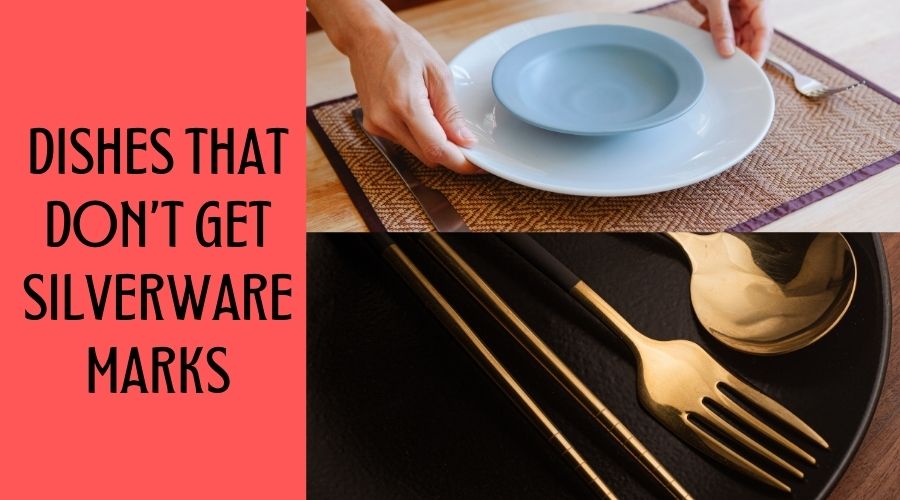
  • Dishes That Don’t Get Silverware Marks

    You’ve just finished hosting a delightful dinner party, the guests have gone home, and you’re left with a pile of dishes to clean.

    As you stack the plates, you notice those familiar grey streaks across your once-pristine dinnerware. Those pesky silverware marks have struck again!

    These unsightly scratches not only detract from your beautiful tableware but can also harbour bacteria and reduce the lifespan of your favorite dishes.

    Whether you’re tired of constantly scrubbing away at metal marks or looking to invest in new dinnerware that stands up to daily use, you’re in the right place.

    Today, we’re diving into the world of scratch-resistant dishes that will keep your table setting looking immaculate meal after meal.

    Ready to say goodbye to silverware marks for good?

    WHAT CAUSES SILVERWARE MARKS ON DISHES?

    Before we explore solutions, let’s understand the enemy. Silverware marks (also known as cutlery marks or metal marks) aren’t scratches in most cases.

    They’re tiny metal deposits left behind when your metal utensils rub against the surface of your dishes.

    The Science Behind the Marks

    When metal utensils like knives, forks, and spoons come into contact with your dishes, tiny metal particles can transfer onto the dish surface. This happens through a process similar to abrasion:

    1. Metal utensils are typically harder than many dish surfaces
    2. The friction created when cutting, scooping, or scraping causes metal particles to detach
    3. These particles then deposit onto the softer dish surface, creating those grey or black marks.

    This is why you’ll often see these marks appear after vigorous cutting or when someone scrapes their knife across a plate to gather those last bits of food.

    Factors That Increase Silverware Marking

    Several factors can make your dishes more susceptible to silverware marks:

    • Dish material hardness: Softer materials like earthenware and bone china are more prone to marking
    • Surface texture: Glossy, smooth surfaces show marks more clearly than textured ones
    • Utensil composition: Stainless steel with higher carbon content tends to leave more marks
    • Eating habits: Forceful cutting, scraping, and scooping increase the likelihood of marks.

    DOES ALL SILVERWARE LEAVE MARKS ON PLATES?

    Not all silverware is created equal when it comes to leaving marks on your dishes. Various factors determine how likely your utensils are to leave those annoying grey streaks.

    Types of Silverware That Commonly Leave Marks

    • Stainless steel utensils: The most common culprits, especially lower-quality ones with higher carbon content
    • Silver-plated utensils: Can leave marks, though typically less than stainless steel
    • Sterling silver: This genuinely leaves fewer marks than stainless steel, but it can still cause some marking.

    Silverware That Minimizes Marking

    • High-quality stainless steel (18/10 or 18/8 grade): Contains more nickel and chromium, making it more resistant to wearing down
    • Plastic or silicone-tipped utensils: Great for everyday use, as they won’t leave metal marks
    • Wooden utensils: They naturally won’t leave metal marks, though they have other limitations

    It’s worth noting that how you use your silverware matters just as much as what it’s made of.

    Gentle handling and avoiding scraping across plates can significantly reduce marking, regardless of the utensil material.

    DOES PORCELAIN GET CUTLERY MARKS?

    Dishes that don't get Silverware marks

    Porcelain is often touted as a premium dinnerware material, but how does it fare against the dreaded silverware mark?

    Porcelain’s Resistance to Marking:

    Porcelain silverware marks free dinnerware

    Porcelain is one of the better materials when it comes to resisting silverware marks. Its natural properties include:

    • Hardness: High-quality porcelain has a Mohs hardness of around 7, making it harder than most metals used in cutlery
    • Smooth glaze: The glass-like surface of well-glazed porcelain provides a barrier that metal has difficulty penetrating
    • Density: The compact structure of porcelain makes it less susceptible to surface abrasion

    That said, not all porcelain is created equal. The quality of the clay, firing temperature, and glazing process all influence how resistant your porcelain dishes will be to cutlery marks.

    Quality Matters

    High-quality porcelain dishes that are properly vitrified (fired at high temperatures until they are glass-like) will resist marks better than lower-quality options.

    Royal Doulton Porcelain that can withstand silverware marks

    Fine bone china, despite its delicate appearance, is quite resistant to cutlery marks due to its hardness and smooth surface.

    If you’re finding that your porcelain dishes are getting marked, it might be worth investing in higher-quality pieces or examining your table habits.

    CERAMIC DISHES THAT DON’T GET SILVERWARE MARKS

    Ceramic plates that won't get silverware marks

    Ceramic is a broad category that includes everything from earthenware to stoneware to porcelain. Let’s explore which ceramic options best resist those annoying silverware marks.

    Best Ceramic Options for Mark Resistance

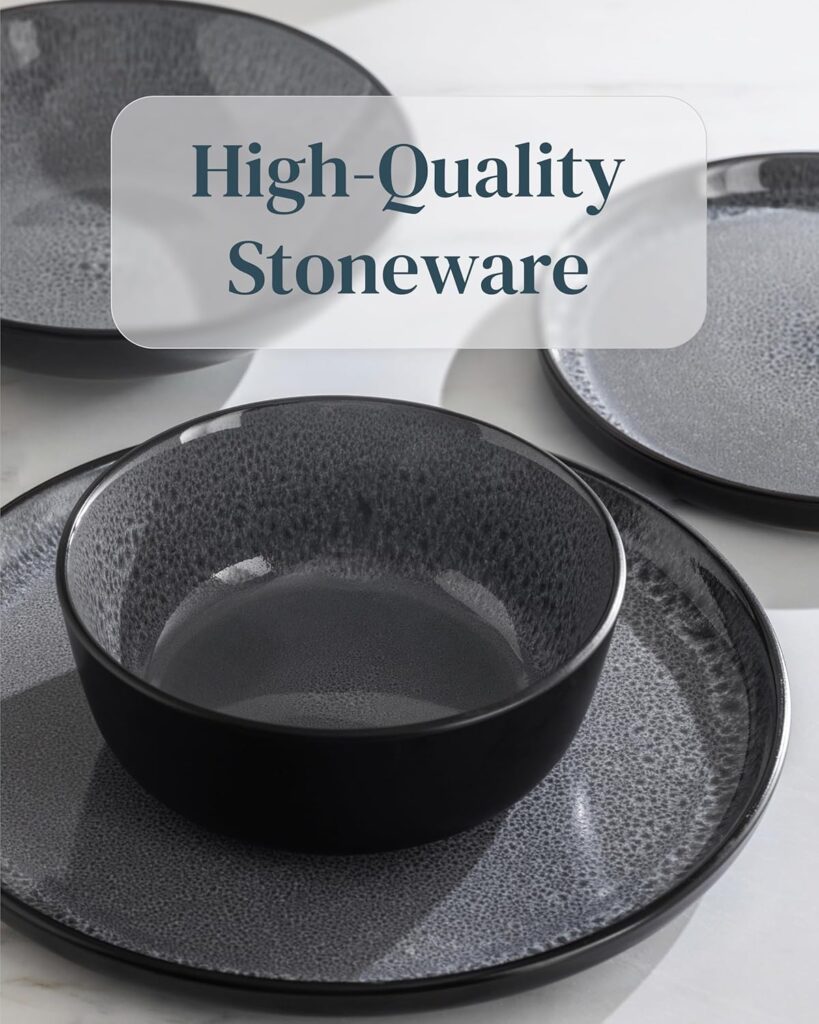
    Vitrified Stoneware scratch resistant dinnerware
    1. Vitrified Stoneware: Fired at high temperatures (2,150-2,330°F), creating a glass-like, non-porous surface that resists marking
    2. High-fired Porcelain: As mentioned above, quality porcelain can be highly resistant to silverware marks
    3. Ceramic-Metal Composites: Some modern ceramic dishes incorporate metal particles in the glaze to increase hardness and scratch resistance.

    Ceramic Features That Enhance Mark Resistance

    • Glazing quality: Smooth, thick, properly applied glazes provide better protection
    • Firing temperature: The higher the firing temperature, the more durable and resistant the ceramic becomes
    • Additives: Some ceramics include additives like alumina or zirconia to increase hardness

    Many manufacturers have developed special glazes specifically designed to resist metal marking.

    These typically incorporate harder materials into the glaze formulation, creating a surface that’s less likely to accept metal deposits.

    BEST SCRATCH-RESISTANT DINNER PLATES

    If you’re in the market for new dinnerware that will resist silverware marks and scratches, here are some excellent options to consider:

    Premium Materials

    Corelle tempered glass mark resistant tableware
    1. Tempered Glass Plates: Brands like Duralex and Arcoroc create tempered glass plates that are incredibly resistant to scratches and marks
    2. Vitrified Stoneware: Look for brands that specifically mention “vitrified” in their description, as this indicates a higher firing temperature
    3. High-quality Porcelain: Opt for brands known for their fine porcelain, like Wedgwood, Royal Doulton, or Lenox.

    Innovative Products

    Several innovative products have been designed specifically to address the silverware mark problem:

    • Corelle Vitrelle Glass Plates: Made with a triple-layer glass construction that’s remarkably resistant to chips, breaks, and silverware marks
    • Melamine Dinnerware: Modern melamine plates (like those from Cambridge or Gibson) are far more durable than older versions and resist marking well
    • Denby Stoneware: Known for its exceptionally hard glaze that resists both scratching and marking

    When shopping for scratch-resistant plates, look for terms like “scratch-resistant,” “mark-resistant,” or “metal-mark resistant” in the product descriptions.

    ARE SCRATCHED PLATES DANGEROUS?

    Many people wonder about the safety implications of using dishes with silverware marks or scratches. Let’s address these concerns:

    Health Concerns with Scratched Plates:

    Scratched plates can indeed pose some health and safety issues:

    • Bacterial Growth: Deep scratches or cracks can harbour bacteria that regular washing might not remove completely
    • Chemical Leaching: In some cases, scratches that penetrate protective glazes might allow chemicals from the underlying materials to leach into food
    • Physical Hazards: Very deep scratches or chips might have sharp edges that could potentially cut lips or fingers.

    WHEN TO REPLACE SCRATCHED DINNERWARE

    While minor silverware marks are generally cosmetic and not dangerous, you should consider replacing dishes that:

    • Have deep scratches that catch your fingernail when you run it across the surface
    • Show crazing (a network of fine cracks in the glaze)
    • Have chips that expose the underlying material
    • Cannot be fully cleaned in scratched areas

    For dishes with light silverware marks that haven’t penetrated the glaze, there’s typically no safety concern – it’s more an aesthetic issue.

    DISHES TURNING BROWN AND OTHER DISCOLORATION ISSUES

    Beyond silverware marks, many dishes face other discoloration problems over time. Dishes turning brown is a common complaint, especially with white or light-coloured dinnerware.

    This can be caused by:

    • Tea and coffee stains that build up over time
    • Residue from acidic foods like tomatoes or citrus
    • Mineral deposits from hard water
    • Improper cleaning techniques

    Unlike silverware marks, which are metal deposits on the surface, brown discoloration often results from substances penetrating microscopic pores in the glaze or being absorbed by the material itself.

    Regular cleaning with a baking soda paste or denture cleaning tablets can help remove this brownish discoloration and restore your dishes to their original brightness.

    HOW TO CHOOSE DISHES THAT WON’T GET SILVERWARE MARKS

    When shopping for new dinnerware that will resist silverware marks, consider these factors:

    Material Selection:

    • Hardness: Choose materials with high Mohs hardness ratings (7+)
    • Surface finishing: Look for dishes with extremely smooth, well-glazed surfaces
    • Composition: Materials with added hardening agents will perform better

    Product Features to Look For:

    • Scratch-resistant technology: Many modern brands advertise specific technologies designed to resist marking
    • Commercial-grade options: Dinnerware designed for restaurants often has enhanced durability
    • Warranty protection: Some premium brands offer warranties against ordinary wear, including silverware marks.

    BRANDS KNOWN FOR MARK RESISTANCE

    Several brands have built their reputation on creating dinnerware that resists silverware marks:

    1. Corelle
    2. Fiesta
    3. Denby
    4. Mikasa
    5. Noritake (especially their BoB line – Built on Strength).

    MAINTAINING YOUR DISHES TO PREVENT SILVERWARE MARKS

    Even with the most resistant dinnerware, proper care can further reduce the likelihood of silverware marks:

    Handling Practices

    • Avoid cutting directly on plates – use cutting boards instead
    • Don’t scrape utensils across dishes
    • Consider using plastic, silicone, or wooden utensils for everyday meals
    • Stack dishes with protective layers between them

    Cleaning Techniques

    • Use non-abrasive cleaners
    • Avoid steel wool or harsh scrubbing pads
    • Clean dishes promptly after use
    • Consider dishwasher-safe options for more thorough cleaning.

    Removing Existing Marks

    If your dishes already show silverware marks, try these removal methods:

    1. Bar Keepers Friend: This mild abrasive cleaner can remove many metal marks without damaging the dish
    2. Baking soda paste: Mix with water and gently rub with a soft cloth
    3. Magic Eraser: Works well for surface marks on many materials
    4. Commercial products: Several products, like Wright’s Silver Cream, are specifically designed for this purpose.

    THE ROLE OF DURABLE AND HARDENED DINNERWARE SURFACES

    Modern manufacturing techniques have introduced remarkable advancements in creating durable and hardened dinnerware surfaces that resist silverware marks.

    These innovations include:

    • Nanotechnology coatings: Ultra-thin protective layers that enhance scratch resistance
    • Tempered and strengthened materials: Special heating and cooling processes that increase hardness
    • Composite materials: Combining different materials to achieve both strength and aesthetic appeal

    Many manufacturers now apply these techniques to create dinnerware that maintains its appearance for years, even with daily use.

    These hardened surfaces not only resist silverware marks but also tend to be more chip-resistant and durable overall.

    SUSTAINABLE OPTIONS FOR MARK-RESISTANT DINNERWARE

    For environmentally conscious consumers, several eco-friendly options also resist silverware marks:

    • Bamboo composite dishes: These combine bamboo fibers with food-safe resins to create durable, mark-resistant dishes
    • Recycled glass plates: Often tempered for strength and naturally resistant to marking
    • Biodegradable plant-based options: Newer materials made from corn, sugarcane, or rice husks with hardening agents

    These sustainable options often perform surprisingly well in terms of mark resistance while reducing environmental impact.

    CONCLUSION

    The quest for dishes that don’t get silverware marks doesn’t have to be an endless struggle.

    With the right knowledge about materials, manufacturing techniques, and proper care, you can enjoy beautiful, mark-free dinnerware for years to come.

    Whether you choose traditional porcelain, modern tempered glass, or innovative composite materials, understanding what causes silverware marks is the first step to preventing them.

    Remember that quality matters – investing in well-made dishes with proper glazing and hardness will save you frustration in the long run.

    Next time you’re shopping for dinnerware, look beyond just the pattern and color; consider the durability and mark-resistance that will keep your table setting looking pristine meal after meal.

    Your future self – the one who isn’t scrubbing away at metal marks – will thank you!

  • Claytan vs Corelle: Which Premium Dinnerware Is Right for You?

    Remember when you dropped a plate while washing dishes and held your breath, hoping it wouldn’t shatter? We’ve all been there! The dishware we choose affects our daily lives more than we realize.

    When it comes to picking the perfect plates for your home, two names often come up: Claytan and Corelle. Both are popular choices, but they are so different in what they offer.

    One gives your table that traditional, elegant look, while the other promises to survive even the clumsiest family member’s handling.

    So, which deserves a spot in your kitchen cabinets? Let’s explore what sets these household favorites apart and find out which might be the perfect match for your dining needs.

    WHAT ARE CLAYTAN AND CORELLE DINNERWARE?

    Claytan: The Ceramic Classic

    Claytan is a well-established brand that specialises in ceramic tableware, manufactured primarily in Asia.

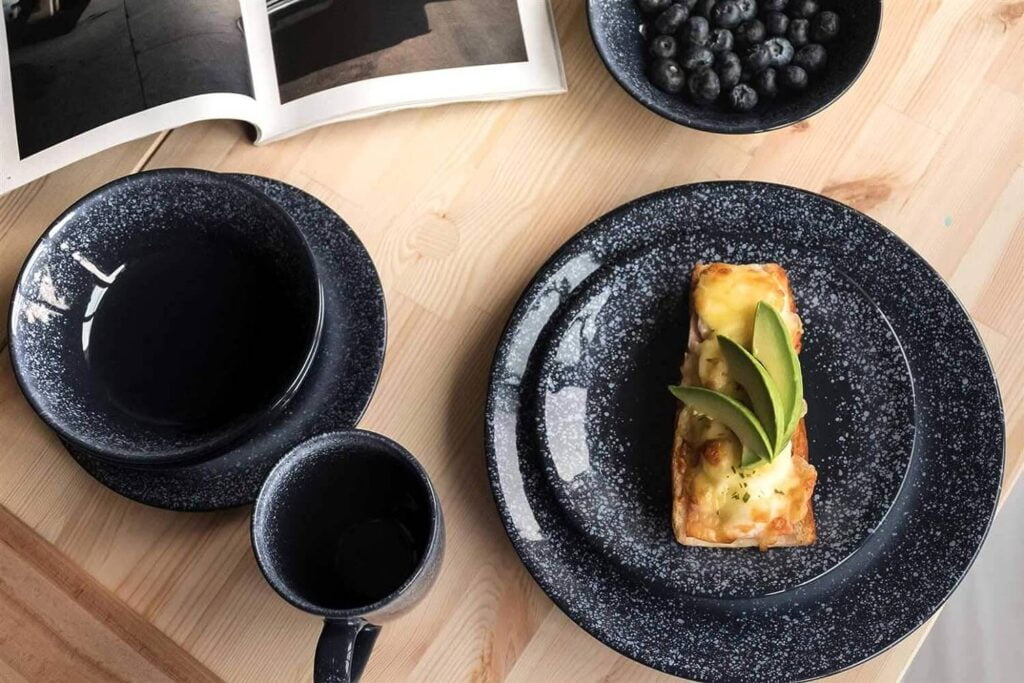
    Claytan Stoneware dinnerware set

    Founded in Malaysia in 1920, the company has built its reputation on producing high-quality ceramic like Mora dinnerware, focusing on traditional ceramic production methods combined with modern design sensibilities.

    Claytan dinnerware typically features:

    • Fine porcelain and ceramic construction
    • Traditional manufacturing techniques
    • Elegant and classic design aesthetics
    • Various collections, ranging from minimalist to ornate
    • Medium to heavyweight construction
    • Designed and Manufactured with British and Japanese Technology
    • Dishwasher, microwave, Freezer, and Lead safe.

    WHAT IS CLAYTAN STONEWARE?

    Claytan is a Malaysian tableware manufacturer that produces high-quality stoneware and ceramic dinnerware.

    The company is one of Southeast Asia’s leading producers of food-safe, durable stoneware products.

    About Claytan:

    • Founded: 1920s in Malaysia
    • Headquarters: Johor, Malaysia
    • Specialty: Stoneware, porcelain, and ceramic tableware
    • Market: Both commercial (restaurants, hotels) and consumer markets

    Claytan Stoneware Features:

    Material Composition:

    • Made from refined natural clay and minerals
    • Fired at high temperatures (around 2,200°F/1,200°C)
    • Vitrified for strength and non-porosity

    Key Characteristics:

    Highly durable and chip-resistant
    Non-porous – doesn’t absorb odors or stains
    Microwave safe
    Dishwasher safe
    Oven safe (most collections)
    Lead-free and food-safe glazes
    Thermal shock resistant
    Commercial-grade quality

    Product Lines:

    • Solid color collections – modern, minimalist designs
    • Patterned collections – floral, geometric, and artistic motifs
    • White/cream basic stoneware – restaurant-quality
    • Specialty items – baking dishes, serving platters, bowls

    Where Used:

    • Hotels and restaurants throughout Asia
    • Home kitchens
    • Catering services
    • Export markets (Asia-Pacific, Middle East, some Western markets)

    Price Range:

    • Affordable to mid-range pricing
    • Excellent value for quality
    • More economical than Western brands like Pfaltzgraff or Corelle

    Why Choose Claytan:

    • Excellent durability for everyday use
    • Asian-inspired designs and styles
    • Trusted brand in commercial food service

    Good balance of quality and affordability.

    Corelle: The Innovation Pioneer

    Corelle, on the other hand, represents American innovation in dinnerware. Launched in 1970 by Corning, Corelle revolutionised the dinnerware industry with its patented Vitrelle glass technology—a unique three-layer construction that sandwiches a glass core between two glass laminate layers.

    Corelle Boutique 12 Piece misty leaves Dinnerware set

    Corelle dinnerware is known for:

    • Lightweight yet durable construction
    • Chip and break resistance
    • Stackable, space-saving design
    • Modern, Versatile Aesthetics
    • Fade-resistant patterns.

    MATERIAL COMPOSITION: A FUNDAMENTAL DIFFERENCE

    Claytan vs Corelle

    The most significant distinction between these brands lies in their core materials, which affect everything from weight to durability to aesthetic appeal.

    Claytan’s Ceramic Foundation

    Claytan dinnerware typically uses:

    • Fine porcelain
    • Bone china
    • Stoneware
    16 Piece Claytan Stoneware Dinnerware set

    These materials undergo firing twice at high temperatures, resulting in dinnerware without the need to worry about chemical effect, substantial heft, and traditional appeal.

    One excellent achievement we cannot ignore about Clyatan dinnerware is that they passed the USA FDA and California Proposition 65 standards for metal release.

    The ceramic construction provides excellent heat retention—plates stay warmer longer when serving hot food, which many culinary enthusiasts appreciate.

    Corelle’s Vitrelle Technology

    Corelle’s patented Vitrelle glass technology creates:

    • Triple-layer glass construction
    • Remarkable strength despite lightweight design
    • Superior resistance to thermal shock
    • Non-porous surface that resists staining
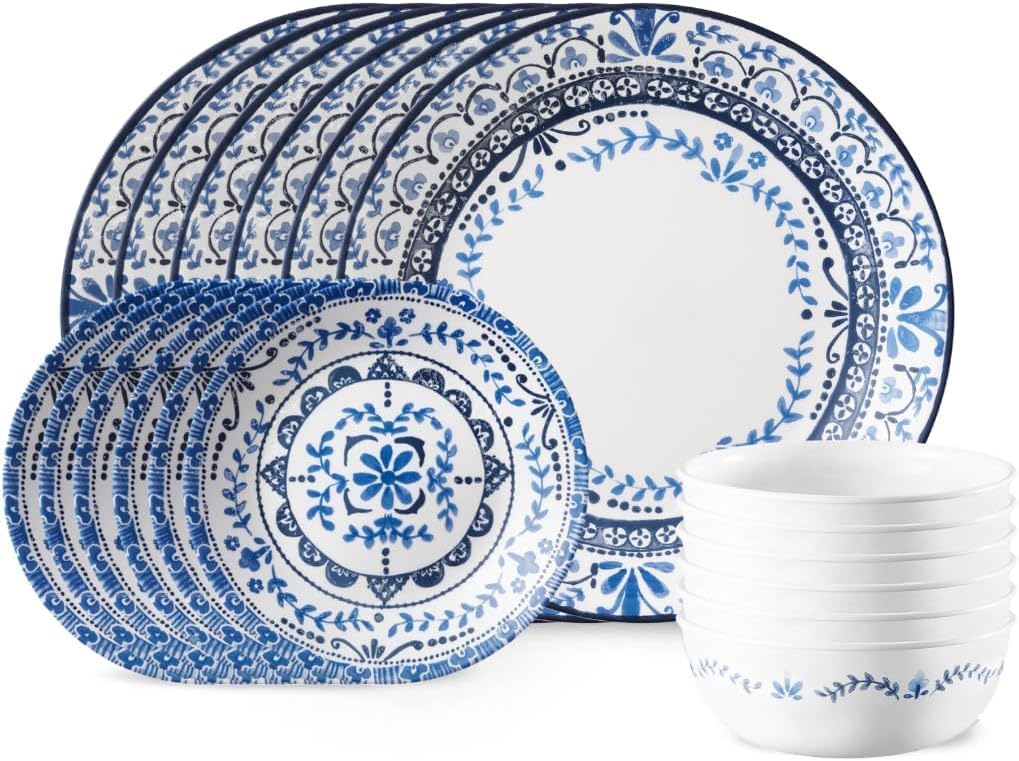
    Corelle Portofino 18 Pcs Plates and Bowls

    This innovative approach results in dinnerware that weighs significantly less than traditional ceramic options while offering impressive durability.

    DURABILITY FACE-OFF: WHICH LASTS LONGER?

    When investing in quality dinnerware, longevity becomes a crucial consideration.

    Claytan’s Durability Profile

    Claytan dinnerware offers:

    • Excellent heat retention, especially for extremely boiled soup/food.
    • Good resistance to scratching because of the second firing process at 1080 degrees Celcius for 12 hours.
    • Heavier weight that some find more substantial
    • Potential for chipping or breaking when dropped
    • Typically dishwasher-safe but may require more careful handling

    Corelle’s Durability Advantages

    Corelle promotes their dinnerware as:

    Beautiful Timber Shadows Corelle 18 Pcs Pattern dinnerware
    • Break and chip-resistant (though not unbreakable)
    • Lightweight and easier to handle
    • Extremely resistant to thermal shock (can go from freezer to oven but allow for a few minutes to cool down)
    • Dishwasher, microwave, and oven safe
    • Stackable with minimal risk of scratching.

    AESTHETIC APPEAL: DESIGN AND STYLE CONSIDERATIONS

    Beyond practical considerations, your choice between Claytan and Corelle often comes down to aesthetic preferences and how each complements your existing décor.

    Claytan’s Design Language

    Claytan tends toward:

    • Traditional elegance
    • Various finishes from glossy to matte
    • Rich colour possibilities, including underglaze techniques
    • Textured options and raised patterns
    • Collections that often evoke classic dining experiences

    Corelle’s Design Approach

    Corelle typically offers:

    • Clean, contemporary lines
    • Simplified patterns that work in diverse settings
    • Consistent thickness throughout the piece
    • Thin profile that appears delicate despite durability
    • Modern interpretations of classic patterns.

    PRICE COMPARISON: INVESTMENT VS. VALUE

    Quality dinnerware represents an investment in your daily dining experience, but price considerations vary significantly between these brands.

    AspectClaytanCorelle
    Starting price (12/16-piece set)VariesVaries
    Premium collectionsExpensiveHigh but lower than Claytan
    Replacement piece availabilityMore limitedWidely available
    Warranty offeringsVaries by collection3-year limited warranty standard
    Long-term valueExcellent for careful usersExcellent for active households

    PRACTICAL CONSIDERATIONS FOR DAILY USE

    Beyond aesthetics and durability, consider how each brand performs in real-world situations.

    Weight and Handling

    Claytan dinnerware typically weighs considerably more than Corelle, which influences:

    • Ease of serving
    • Table setting logistics
    • Storage requirements
    • Dishwasher loading capacity
    • Suitability for children or elderly users

    Corelle’s lightweight design makes it exceptionally practical for everyday use and households with children or elderly members who might struggle with heavier dinnerware.

    Storage Requirements

    The Famiware dinnerware brand offers similar storage challenges to Claytan, where space considerations become important:

    • Claytan requires more careful stacking to prevent chipping
    • Corelle’s slim profile allows more pieces in the same cabinet space
    • Claytan’s weight may require sturdier shelving
    • Corelle’s stackability makes it ideal for smaller kitchens

    Temperature Response

    How dinnerware responds to temperature changes affects both functionality and longevity:

    • Claytan retains heat longer, keeping food warm
    • Corelle and Claytan transition safely between temperature extremes, but caution should be applied to prevent breakage.

    ENVIRONMENTAL AND HEALTH CONSIDERATIONS

    Modern consumers increasingly consider the environmental impact and health implications of their household items.

    Claytan’s Environmental Profile

    Ceramic production typically involves:

    • Higher energy consumption during manufacturing
    • Natural, generally non-toxic materials
    • Longer production processes
    • Greater shipping weight (larger carbon footprint)
    • Extreme durability when properly cared for

    Corelle’s Environmental Considerations

    Corelle’s manufacturing process features:

    • Advanced technology that may reduce some environmental impacts
    • Lighter weight reduces the carbon footprint of shipping.
    • Long lifespan reduces replacement frequency
    • Non-porous surface that doesn’t harbor bacteria.

    BEST USE CASES: WHEN TO CHOOSE EACH BRAND

    Different dining contexts may call for different dinnerware solutions.

    When Claytan Shines

    Claytan dinnerware proves particularly suitable for:

    • Formal dining occasions
    • Presentation-focused meals
    • Traditional table settings
    • Food photography (excellent texture and depth)
    • Heritage dining experiences

    When Corelle Excels

    Corelle dinnerware demonstrates its strengths in:

    • Daily family meals
    • Outdoor dining situations
    • Homes with children
    • Small kitchens with limited storage
    • Households seeking low-maintenance options.

    CARE AND MAINTENANCE: KEEPING YOUR INVESTMENT PRISTINE

    Proper care ensures your dinnerware investment lasts for years or even generations.

    Caring for Claytan

    To maintain Claytan dinnerware:

    • Wash by hand for ultimate longevity, although though dishwasher-safe
    • Avoid extreme temperature changes
    • Store with protective layers between pieces
    • Use non-abrasive cleaners
    • Handle with appropriate care, given the weight

    Caring for Corelle

    To maintain Corelle dinnerware:

    • Safely use in dishwasher (top or bottom rack)
    • Avoid metal utensils on patterned surfaces
    • Stack without protective layers (resistance to scratching)
    • Clean stubborn stains with non-abrasive cleansers
    • Handle normally despite its sophisticated appearance.

    EXPERT OPINIONS: WHAT PROFESSIONALS SAY

    Culinary professionals and interior designers often have distinct preferences between these brands.

    Professional chefs typically appreciate:

    • Claytan’s heat retention for serving hot dishes
    • Corelle’s lightweight nature for busy service environments
    • Claytan’s visual presentation advantages
    • Corelle’s practicality in high-volume situations

    Interior designers frequently note:

    • Claytan’s versatility in traditional settings
    • Corelle’s adaptability to contemporary interiors
    • Claytan’s textural qualities that add dimension to tablescapes
    • Corelle’s clean lines complement minimalist aesthetics.

    MAKING YOUR DECISION: FACTORS TO CONSIDER

    When deciding between Claytan and Corelle, consider these key questions:

    1. What’s your primary use case? Daily family meals or special occasions?
    2. How important is weight in your dinnerware selection?
    3. Do you prefer traditional aesthetics or contemporary design?
    4. What storage capacity do you have available?
    5. Are there young children or elderly individuals in your household?
    6. How do you typically serve and store food?
    7. What’s your tolerance for maintenance requirements?
    8. Does your existing kitchen aesthetic lean toward traditional or modern?

    CONCLUSION

    The Claytan vs Corelle debate ultimately comes down to your personal priorities and lifestyle needs.

    Claytan offers traditional elegance, a substantial feel, and excellent heat retention—perfect for those who value dining as an experience and appreciate ceramic craftsmanship.

    Corelle delivers remarkable innovation, practical lightness, and impressive durability—ideal for busy households seeking beautiful yet functional tableware.

    Rather than declaring an absolute winner, the smartest approach might be to consider where each brand’s strengths align with your specific needs.

    Whether you choose the time-honoured ceramic quality of Claytan or the revolutionary practicality of Corelle, investing in quality dinnerware transforms ordinary meals into memorable dining experiences for years to come.


    The Claytan Brand Dinnerware Story

  • Is Gemco the Same as Corelle

    I can still clearly remember, just like yesterday, when I was going through my grandmother’s china cabinet, and amidst the carefully stacked plates and bowls, I spotted two sets of remarkably similar-looking dinnerware.

    One bears the Gemco mark, while the other showcases the familiar Corelle logo.

    They share that distinctive, translucent appearance that has made people ask: is Gemco the same as Corelle plates.

    To answer this question, we will first examine decades of American manufacturing history, corporate evolution, and innovative glass-making techniques that revolutionized our dining tables and kitchens forever.

    THE HISTORICAL CONNECTION

    When we delve into the story of Gemco and Corelle, we’re exploring a fascinating chapter in American manufacturing history.

    General Housewares Corporation produced Gemco glassware during the 1960s, whilst Corning Glass Works (now owned by Instant Brands) introduced Corelle in 1970.

    Though they might appear similar at first glance, their paths diverged significantly.

    THE BIRTH OF TWO ICONIC BRANDS

    Gemco established itself as a respected manufacturer of glass products, earning particular recognition for its durable tempered glassware.

    The company’s distinctive designs resonated with mid-century modern aesthetics, making their products highly sought-after among homemakers of the era.

    New Gemco butter dish product by LifetimeBrands

    Corning, on the other hand, revolutionized the glass industry through multiple innovations.

    They developed Corelle using their patented Vitrelle glass technology and pioneered glass-ceramic materials, which found widespread applications in electronics, aerospace, commercial tableware, and their signature Visions cookware line.

    Perhaps, one of their most surprising innovation came in 2007 with the development of Gorilla Glass – a remarkable material both thin and lightweight enough for mobile devices, yet durable enough to withstand daily wear and tear.

    Corelle dinnerware by Instant Brands

    If you are curious about exploring the connections between Corning’s various product lines, our detailed article on: is Corelle the same as Corningware provides further insights into this fascinating company’s history.

    MATERIAL COMPOSITION AND MANUFACTURING

    Gemco’s Manufacturing Process

    – Utilised tempered glass technology

    – Single-layer construction

    – Heat-strengthened for durability

    – Known for their distinctive patterns and designs

    Corelle’s Unique Technology

    – Made with Vitrelle glass technology

    – Triple-layer construction

    – Laminated glass structure

    – Superior break and chip resistance

    KEY DIFFERENCES BETWEEN GEMCO AND CORELLE

    is Gemco the same as Corelle

    FeatureGemco WareCorelle
    ManufacturerFormally Corning Inc., but Presently owned by Instant Brands.Formally Corning Inc., but presently owned by Instant Brands.
    Production Period1960s- (55 years)*1970-Present
    MaterialTempered Glass/ Milk GlassVitrelle Glass
    ConstructionSingle LayerTriple Layer
    Current AvailabilityVintage OnlyCurrently Manufactured
    Typical WeightHeavierLighter
    ProductsVinegar cruets, sugar dispensers, pourers, salt and pepper shakers, and related products.Mainly Dinnerware and Ceramic Mugs
    Pattern VarietyLimitedExtensive

    DO WE HAVE GEMCO WARE CORELLE PLATES?

    When people refer to “Gemco Corelle plates” or group them as one brand of dinnerware, it is a misidentification or confusion between them.

    This happens for a few reasons:

    1. Similar appearance – Gemco and Corelle produced white/off-white glassware with similar patterns, making them look quite similar at first glance.

    2. Similar era – Both brands were popular during overlapping periods (1970s-1980s), so people often encountered both in households.

    3. Similar durability—Both brands make durable, break-resistant glassware, which leads people to associate them with each other.

    This kind of misidentification is common with vintage items, especially when brands have similar characteristics.

    Finally, if you see items listed as “Gemco Corelle,” they’re likely either Gemco or Corelle, but not both—they were separate companies with distinct products.

    PATTERN RECOGNITION AND COLLECTIBILITY

    Gemco Patterns

    Gemco’s patterns often reflected the aesthetic of the 1960s and 1970s:

    – Geometric designs

    – Bold colours

    – Mid-century modern influences

    – Limited edition collections

    Corelle Patterns

    Corelle’s pattern library spans several decades:

    – Traditional florals

    – Contemporary designs

    – Seasonal collections

    – Collaborative artist series

    CARE AND MAINTENANCE

    Preserving Vintage Gemco:

    1. Hand washing is recommended

    2. Avoid extreme temperature changes

    3. Store with protective padding

    4. Check for signs of stress or damage

    Modern Corelle Care:

    1. Dishwasher safe

    2. Microwave safe

    3. Stack without protective layers

    4. Resistant to staining

    COLLECTOR’S GUIDE AND VALUE

    Gemco Valuation Factors

    – Pattern rarity

    – Condition

    – Complete set availability

    – Historical significance

    Corelle Market Value

    – Current production pieces

    – Discontinued patterns

    – Limited editions

    – Vintage collections

    MAKING THE RIGHT CHOICE

    Choose Vintage Gemco If:

    – You collect mid-century modern pieces

    – You appreciate the historical value

    – You prefer heavier glassware

    – You’re interested in investment potential

    Choose Corelle If:

    – You need everyday durability

    – You want current pattern options

    – You prefer lightweight dishes

    – You desire warranty protection

    ENVIRONMENTAL IMPACT AND SUSTAINABILITY

    Vintage Gemco Ware

    – Reduces waste through reuse

    – Supports sustainable collecting

    – Limited carbon footprint

    – Already existing products

    Modern Corelle

    – Energy-efficient manufacturing

    – Recycling programmes

    – Break-resistant (reduces waste)

    – Long-lasting products

    CONCLUSION

    While Gemco Ware and Corelle share some visual similarities, they represent distinct chapters in American glassware history.

    Gemco remains a cherished vintage brand, whilst Corelle continues to innovate and produce new collections.

    Whether you’re a collector, an everyday user, or both, understanding these differences helps make informed decisions about your dinnerware choices.

  • Hardened Plates vs Durable Plates

    Have you ever dropped a plate and watched it shatter, taking your dinner plans down?

    We’ve all been there. Whether you’re setting up your first home or looking to replace your worn-out dinnerware, choosing between hardened and durable plates can feel overwhelming.

    With so many options on the market – from everyday ceramic to fancy porcelain – how do you know which ones will last?

    Many of us have spent good money on plates that promised to be “unbreakable,” only to end up with chipped edges and scratched surfaces months later.

    But here’s the thing: understanding the real differences between hardened and durable plates could save you both money and frustration.

    Let’s explore what makes each type special, and most importantly, which is right for your home.

    UNDERSTANDING THE BASICS: WHAT SETS THEM APART

    When diving into the world of dinnerware, it’s crucial to understand that not all plates are created equal.

    hardened plates vs durable plates

    While exploring various types of dinnerware, we discover that the terms “hardened” and “durable” often get tossed around interchangeably, but they represent distinct characteristics that can significantly impact your dining experience.

    HARDENED PLATES: THE SCIENCE BEHIND THE STRENGTH

    Hardened plates undergo a specific manufacturing process that enhances their resistance to scratches and chips.

    According to the British Ceramic Confederation, these plates typically go through a tempering process where they’re heated to extremely high temperatures and then rapidly cooled.

    This process creates a compressed surface layer that’s significantly more resistant to mechanical stress.

    Key characteristics include:

    – Enhanced scratch resistance

    – Better chip resistance

    – Higher thermal shock resistance

    – Typically thinner profile while maintaining strength.

    DURABLE PLATES: BUILT TO LAST

    Durable plates, on the other hand, focus on overall longevity and resistance to daily wear and tear.

    While comparing ceramic and porcelain dishes, we find that durability often comes from the material composition and manufacturing techniques that prioritize thickness and impact resistance.

    Primary features include:

    – Superior impact resistance

    – Excellent heat retention

    – Greater weight and thickness

    – Enhanced stability

    [ NOTE: The characteristics of durable dishes highlighted above don’t mean that hardened dishes don’t have some of the same qualities, but it depends on your usage and maintenance culture.]

    EXAMPLES OF HARDENED AND DURABLE PLATES

    HARDENED PLATES EXAMPLES

    1. Corelle Vitrelle Glass Plates

    corelle vitrelle hardened plates

    – Material: Tempered glass (triple-layer glass laminate)

    – Notable features:

      – Extremely chip and break-resistant

      – Lightweight

      – Thermal shock resistant

      – Stackable without scratching

    – Best for: Daily use in households that want elegant but durable options

    2. Arc International Tempered Glass Plates

    Arc International hardened opal glass plate

    – Material: Fully tempered soda lime glass

    – Notable features:

      – Heat resistant up to 140°C

      – Scratch-resistant surface

      – Thin profile

      – Elegant appearance

    – Best for: Restaurant settings and sophisticated home dining

    3. Duralex Tempered Glass Collection

    – Material: Tempered glass

    – Notable features:

      – Impact and chip resistant

      – Can withstand sudden temperature changes

      – 2.5 times stronger than ordinary glass

      – Lightweight yet sturdy

    – Best for: Family households with children

    4. Luminarc Tempered Glass Plates

    Luminarc tempered glass dinnerware

    – Material: Tempered glass with a hardened surface

    – Notable features:

      – High resistance to mechanical shock

      – Thermal shock resistant

      – Non-porous surface

      – Hygienic and easy to clean

    – Best for: Modern homes and casual dining settings

    DURABLE PLATES EXAMPLES

    1. Fiesta Heavy-Duty Plates

    Fiestaware durable dinnerware set

    – Material: Fully vitrified china with high-fire glaze

    – Notable features:

      – Extra-thick construction

      – Chip resistant

      – Slightly heavyweight for stability

      – Microwave and dishwasher safe

    – Best for: Busy restaurants and heavy-duty home use

    2. Denby Heritage Collection

    Denby USA Made stoneware durable dinnerware set

    – Material: Stoneware with reinforced composition

    – Notable features:

      – Extremely durable construction

      – Excellent heat retention

      – Heavy-duty glaze

      – Resistant to daily wear

    – Best for: Long-term family use and traditional settings

    Finally, the Denby dinnerware brand is a perfect example of stoneware dinnerware made in the USA.

    3. Churchill Super Vitrified Plates

    Churchill Pasta Bowls set

    – Material: Super vitrified china

    – Notable features:

      – Commercial-grade durability

      – Edge chip warranty

      – Thermal shock resistant

      – Heavy-duty construction

    – Best for: Commercial kitchens and high-traffic environments

    4. Steelite Performance Collection

    – Material: Fully vitrified ceramic

    – Notable features:

      – Maximum impact resistance

      – Thermal shock resistant

      – Edge chipping resistance

      – Superior body strength

    – Best for: Professional food service and heavy-use environments

    COMPARISON OF KEY CHARACTERISTICS

    Brand ExampleWeightEdge StrengthTemperature ResistanceBest Use Case
    Corelle VitrelleLightHighVery HighDaily Home Use
    Arc InternationalLightHighHighElegant Dining
    FiestaHeavyHighHighFamily Dining and Commercial Use
    DenbyHeavyVery HighVery HighFamily Dining

    CARE INSTRUCTIONS SPECIFIC TO EXAMPLES

    For Hardened Plates:

    1. Corelle & Arc International:

       – Safe for microwave and dishwasher

       – Avoid sudden temperature changes

       – Stack with minimal spacing needed

    For Durable Plates:

    2. Denby & Churchill:

       – Microwave and dishwasher safe

       – Can handle temperature variations

       – Stack carefully despite durability

       – Use standard cleaning products

    THE MANUFACTURING PROCESS: A TALE OF TWO TECHNIQUES

    Understanding how these plates are made helps explain their distinct properties.

    Let’s break down the manufacturing processes:

    Hardened Plate Production

    1. Initial forming of the base material

    2. Primary firing at 800-1000°C (differs with brands)

    3. Glazing application

    4. Secondary firing at higher temperatures

    5. Tempering process for surface hardening

    Durable Plate Production

    1. Material selection (often including reinforced compounds)

    2. Thick-body forming

    3. Single high-temperature firing

    4. Specialized glazing for additional protection

    PERFORMANCE UNDER PRESSURE: REAL-WORLD TESTING

    When it comes to evaluating dinnerware quality, manufacturers conduct comprehensive testing to assess durability and performance.

    Industry-standard tests typically examine multiple aspects of plate durability, from impact resistance to thermal shock handling.

    Based on standard testing protocols, here’s how hardened and durable plates generally compare:

    Test CategoryHardened PlatesDurable Plates
    Drop ImpactGood but depends on the distance or heightGood, but depends on the distance or height
    Scratch ResistanceExcellentGood
    Thermal ShockExcellentGood
    Daily WearGood (depends on use)Good (depends on use)
    WeightLighterHeavier

    These test results reflect typical performance patterns seen across major manufacturers’ product lines.

    The testing criteria help consumers understand the practical differences between these two plate categories and make informed decisions based on their specific needs.

    In addition, in terms of knowing the drop test conducted by Safekitchn with regard to Corelle and IKEA dishes, kindly read our guide on the difference between Corelle and IKEA Oftast dinnerware brands.

    MAKING THE RIGHT CHOICE: FACTORS TO CONSIDER

    When selecting between hardened and durable plates, consider these key factors:

    Usage Patterns

    – Family with young children? Hardened or Durable plates might be your best bet (depending on the brand you decide to go with)

    – Regular entertainer? Hardened plates offer elegance without compromising too much on strength

    – Professional setting? Consider the balance between presentation and practicality.

    MAINTENANCE REQUIREMENTS

    Hardened plates typically require:

    – Gentle handling despite their strength

    – Specific storage conditions

    – Careful stacking to prevent surface contact

    Durable plates need:

    – Regular inspection for glazing wear

    – Standard cleaning procedures

    – Less particular storage requirements

    INVESTMENT AND VALUE PROPOSITION

    When considering the long-term value:

    Hardened Plates:

    – Higher initial cost (depends on the dinnerware brand, product design, and model)

    – Excellent longevity with proper care

    – Better retention of appearance

    – Premium market positioning

    Durable Plates:

    – Moderate initial investment

    – Outstanding longevity in high-stress environments

    – May show wear more visibly

    – Practical value proposition

    CARE AND MAINTENANCE TIPS

    To maximize the lifespan of your chosen dinnerware:

    For Hardened Plates:

    1. Avoid sudden temperature changes

    2. Use soft cleaning materials

    3. Store with protective layers between pieces

    4. Handle from the base, not the rim

    For Durable Plates:

    1. Regular inspection for signs of wear

    2. Standard dishwasher-safe practices

    3. Stack carefully despite durability

    4. Avoid excessive impact despite strength

    MAKING YOUR FINAL DECISION

    Consider your lifestyle, usage patterns, and aesthetic preferences when making your choice.

    Remember that both options offer distinct advantages, and the “perfect” choice depends entirely on your specific needs.

    A Quick Decision Guide:

    Choose Hardened Plates if you:

    – Prioritize simple food presentation

    – Have carefree handling habits

    – Want scratch-resistant surfaces

    – Prefer lighter-weight options

    Choose Durable Plates if you:

    – Need minimum impact resistance

    – Wants to make a statement with your food presentation

    – Have a not-so-busy household

    – Value stability over weight

    WHAT IS THE BEST MATERIAL FOR UNBREAKABLE PLATES?

    Melamine is the best material for unbreakable plates, offering superior impact resistance and durability.

    For those preferring non-plastic options, tempered glass (like Corelle) provides excellent break resistance while maintaining a more premium feel.

    WHAT IS THE STRONGEST TYPE OF DINNERWARE?

    Vitrified porcelain is the strongest type of dinnerware. It undergoes intense heating that eliminates porosity, creating an extremely dense and durable material resistant to chips, cracks, and breakage.

    Commercial-grade vitrified porcelain used in restaurants offers maximum durability.

    WHAT ARE HARD PLASTIC PLATES CALLED?

    Hard plastic plates are called Melamine dinnerware. This thermosetting plastic combines durability with style and is commonly used in casual dining, outdoor settings, and children’s tableware.

    WHAT IS UNBREAKABLE DINNERWARE CALLED?

    Unbreakable dinnerware is called tempered dinnerware or vitrified dinnerware.

    Common examples include Corelle (tempered glass) and high-fired vitrified porcelain.

    These materials undergo special hardening processes to enhance their break resistance.

    WHAT IS THE MOST DURABLE DINNERWARE MATERIAL?

    Super-vitrified porcelain is the most durable dinnerware material. Created through high-temperature firing (over 1,200°C), it features:

    – Zero porosity

    – Maximum impact resistance

    – Superior chip resistance

    – Excellent thermal shock tolerance

    – Enhanced edge strength

    CONCLUSION

    The choice between hardened and durable plates ultimately comes down to understanding your specific needs and usage patterns.

    Both options offer excellent solutions for different situations, and neither is universally “better” than the other.

    Consider your lifestyle, dining habits, and aesthetic preferences when making your decision.