Kitchen space optimization often leads homeowners to consider stacking appliances, with the air fryer and microwave combination representing one of the most frequently questioned appliance arrangements.
While the practice might seem logical for maximizing counter space, the safety implications, ventilation requirements, and potential performance impacts require careful consideration before implementing this space-saving solution.
Understanding the engineering principles, safety standards, and manufacturer guidelines that govern small kitchen appliance placement helps ensure both optimal performance and household safety.
The decision to stack these appliances involves multiple factors, including heat generation, electromagnetic interference, structural support, and proper ventilation requirements that affect both appliance longevity and user safety.
Understanding Appliance Heat Generation and Ventilation
Both air fryers and microwaves generate significant heat during operation, though through different mechanisms that create unique ventilation and cooling requirements.
Air fryers operate using rapid air circulation heating elements that can reach temperatures between 350°F and 400°F, while microwaves use electromagnetic radiation that heats food directly while generating moderate external heat through magnetron operation and transformer inefficiencies.
Air Fryer Heat Output and Ventilation Needs
Air fryers generate substantial external heat through their heating elements, circulation fans, and exhaust systems that expel hot air to maintain proper internal temperatures.
The convection heating process requires continuous air intake and exhaust, creating heat plumes that can reach several inches above and around the appliance during operation.
Most air fryer manufacturers specify minimum clearance requirements of 4-6 inches on all sides and 6-12 inches above the unit to ensure proper heat dissipation and prevent overheating.
These clearances prevent heat buildup that could damage surrounding surfaces, create fire hazards, or cause the air fryer’s thermal protection systems to activate and shut down the unit.
The exhaust air from air fryers can reach temperatures of 200°F or higher, creating thermal conditions that could damage sensitive electronics, warp plastic components, or create condensation problems when directed toward other appliances or surfaces.
RELATED: MICROWAVE OVEN WEIGHT GUIDEMicrowave Heat Generation Patterns
Microwaves generate heat primarily through their magnetron systems, transformers, and circulation fans that cool internal components during operation.
While the cooking chamber remains relatively cool, the exterior surfaces and ventilation areas can become warm to hot during extended use periods.
The top surface of most microwaves includes ventilation grilles that expel warm air from the magnetron cooling system and internal electronics. Blocking these ventilation areas can cause overheating, reduced performance, and potential component failure that could void manufacturer warranties.
Microwave electromagnetic shielding requirements create specific construction standards that could be compromised by external heat sources or pressure from stacked appliances, potentially affecting both safety and performance characteristics.
RELATED: IS IT RIGHT TO USE EXTENSION CORD WITH A MICROWAVE OVEN?Structural and Weight Considerations
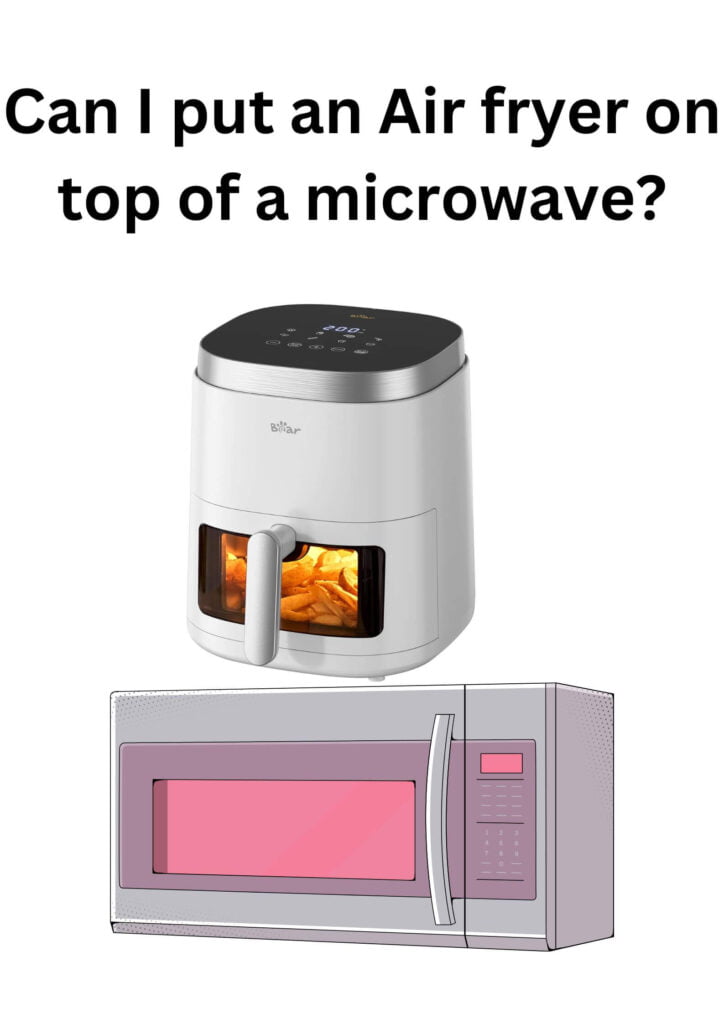
The structural integrity of stacking arrangements depends on the weight-bearing capacity of the lower appliance, the stability of the combined configuration, and the proper distribution of loads that prevent tipping, sliding, or structural damage to either appliance.
Microwave Top Surface Load Ratings
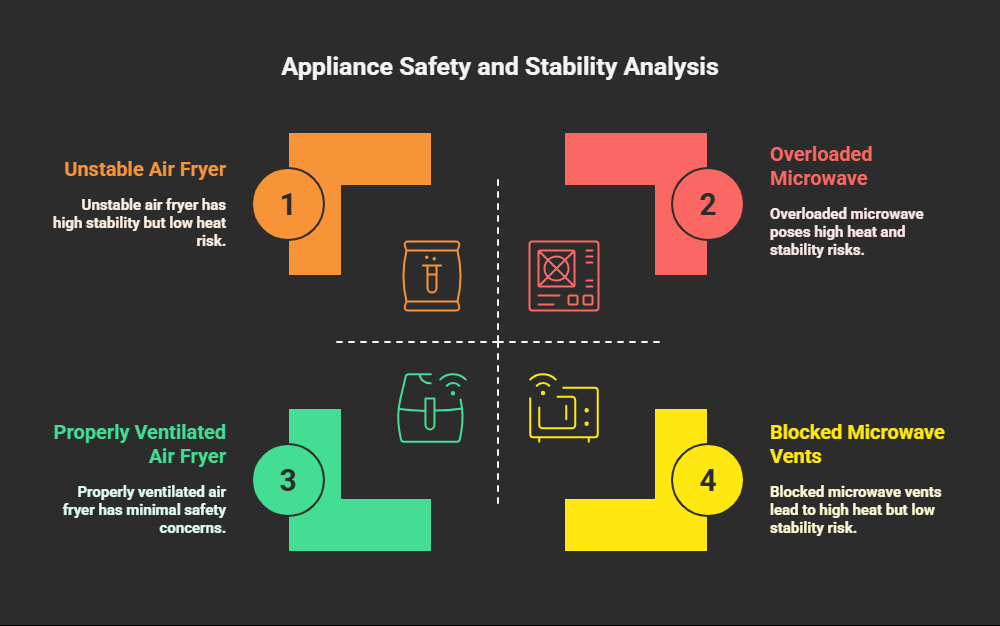
Most countertop microwaves are not designed to support significant additional weight on their top surfaces, with manufacturer specifications typically limiting loads to 10-20 pounds for items like decorative objects or lightweight storage containers.
Air fryers typically weigh 15-25 pounds or more, potentially exceeding these load ratings even before considering the dynamic forces created during operation.
The construction of microwave cases prioritizes electromagnetic shielding, compact design, and cost effectiveness rather than structural load-bearing capacity.
Excessive weight could cause case deformation, ventilation obstruction, or internal component damage that affects performance and safety.
Some commercial-grade or over-the-range microwave models may feature more robust construction suitable for supporting additional weight, though manufacturer specifications should always be verified before attempting stacking arrangements.
RELATED: CAN YOU MOUNT A TOASTER OVEN ON A MICROWAVE OVEN?Air Fryer Base Stability and Heat Transfer
Air fryers typically feature plastic or composite bases with ventilation openings, control components, and heating element housings that could be damaged by direct contact with warm surfaces or inadequate ventilation.
The base design prioritizes heat insulation and electrical component protection rather than heat dissipation to external surfaces.
The combination of external heat from below and internal heat generation during operation could create temperatures that exceed component specifications and safety margins.
The vibration and movement generated by air fryer circulation fans could affect the stability of stacking arrangements, particularly when combined with the weight and thermal stresses involved in the configuration.
Electromagnetic Interference and Performance Impact
The proximity of air fryer electrical components to microwave electromagnetic fields creates potential interference issues that could affect the performance, safety, or lifespan of either appliance.
Understanding these electromagnetic interactions helps evaluate the risks and potential consequences of stacking arrangements.
Microwave Electromagnetic Field Characteristics
Microwaves operate using 2.45 GHz electromagnetic radiation contained within shielded cooking chambers, though some electromagnetic energy inevitably escapes through ventilation areas, door seals, and case structures.
This electromagnetic environment could interfere with sensitive electronic components in nearby appliances.
Air fryer control systems, temperature sensors, and digital displays use electronic components that could be susceptible to electromagnetic interference, potentially causing erratic operation, control panel malfunctions, or sensor accuracy problems.
The electromagnetic shielding effectiveness of microwaves could be compromised by external pressure, heat, or physical stress from stacked appliances, potentially increasing radiation leakage beyond safe exposure limits established by Federal Communications Commission regulations.
Air Fryer Electrical System Vulnerabilities
Modern air fryers incorporate digital controls, temperature sensors, and timing systems that rely on precise electronic operation for safety and performance.
Electromagnetic interference could disrupt these systems, causing temperature control problems, timing malfunctions, or safety system failures.
The heating elements and circulation fans in air fryers generate electrical noise that could interfere with microwave operation, though this interference is typically less significant than the potential impact of microwave electromagnetic fields on air fryer electronics.
Power supply fluctuations caused by the simultaneous operation of both appliances could affect performance and potentially damage sensitive electronic components in either unit, particularly if they share the same electrical circuit.
Manufacturer Guidelines and Warranty Implications
Appliance manufacturers provide specific installation and usage guidelines that address stacking, clearances, and environmental conditions necessary for safe operation and warranty coverage.
Violating these guidelines could void warranties and create liability issues in case of accidents or damage.
Air Fryer Manufacturer Specifications
Major air fryer manufacturers, including Ninja, Cosori, Instant Pot, and Philips, typically specify minimum clearance requirements that prohibit stacking on other heat-generating appliances.
These specifications reflect engineering testing and safety analysis that identify potential hazards and performance issues.
Warranty coverage for air fryers generally includes clauses that void protection for damages resulting from improper installation, inadequate ventilation, or use in environments that exceed specified temperature and humidity ranges.
Operating manuals consistently warn against placing air fryers on or near heat sources, including other appliances, stovetops, or surfaces that could become warm during operation. These warnings reflect safety testing and risk analysis conducted during product development.
Microwave Support and Loading Guidelines
Microwave manufacturers typically specify that their products should not be used as platforms for other appliances, particularly heat-generating devices that could damage the microwave case or interfere with ventilation systems.
The user manuals for major brands like GE, Samsung, LG, and Panasonic include specific warnings about placing objects on microwave tops that could block ventilation, create fire hazards, or damage the appliance through excessive weight or heat exposure.
Warranty terms generally exclude coverage for damage caused by misuse, including using the appliance as a platform for other devices or operating in conditions that exceed environmental specifications.
Safe Alternatives and Space Optimization Solutions
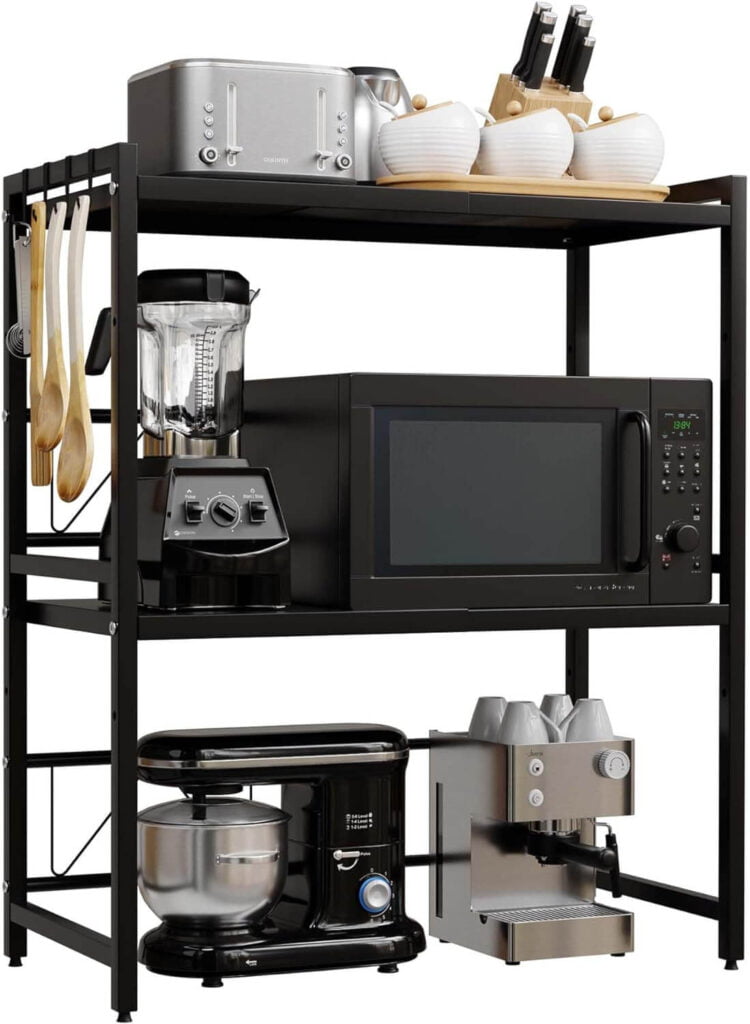
Rather than risking the potential hazards of stacking air fryers on microwaves, several safe alternatives provide effective space optimization while maintaining proper appliance operation and safety margins.
Dedicated Appliance Stands and Shelving
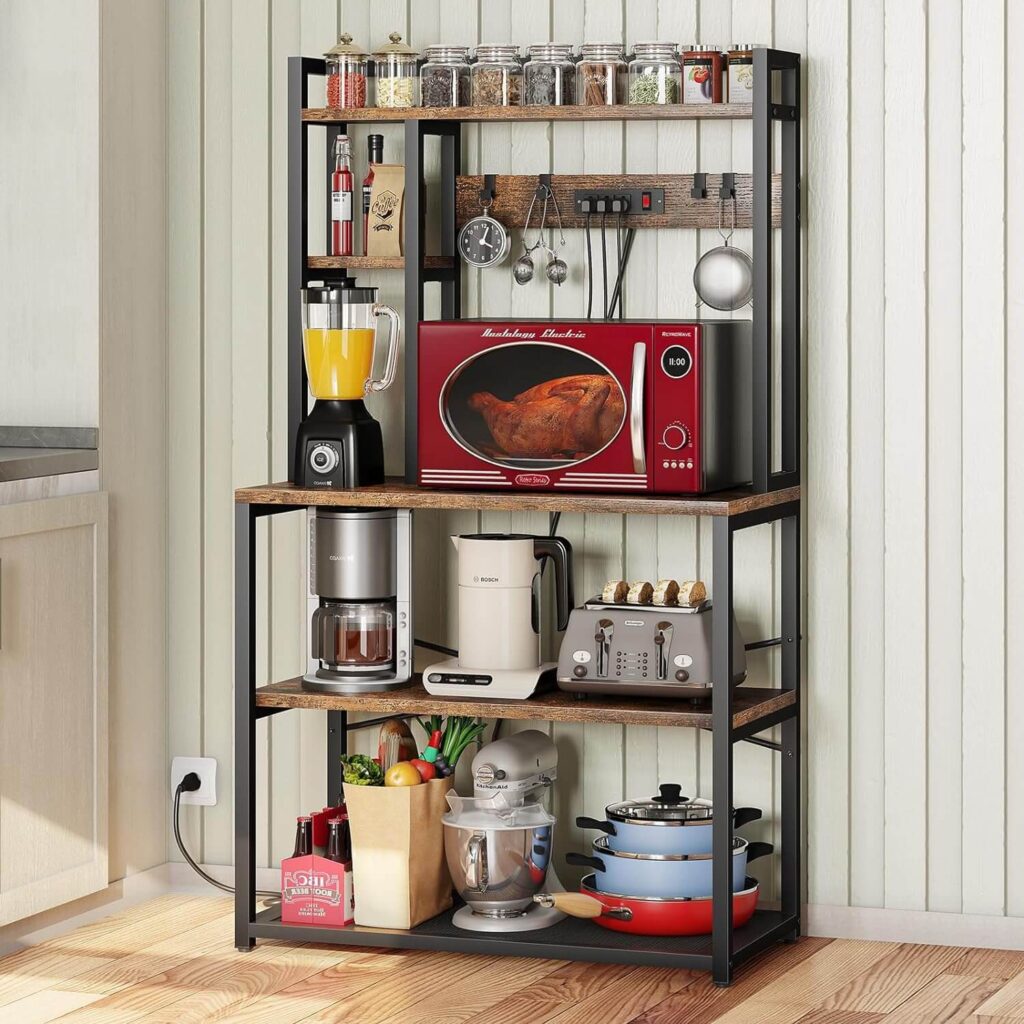
Kitchen appliance stands specifically designed for small appliances provide stable platforms with appropriate weight ratings, ventilation considerations, and clearance specifications that accommodate both air fryers and microwaves safely.
Multi-tier kitchen carts and rolling appliance stations offer flexible storage solutions that can be positioned optimally for ventilation while providing easy access to both appliances.
These solutions often include electrical outlet access and storage for accessories and supplies.
Wall-mounted shelving systems designed for kitchen appliances can provide elevated storage for lighter appliances while maintaining proper clearances and ventilation requirements. Professional installation ensures adequate structural support for appliance weights.
Counter Space Reorganization Strategies
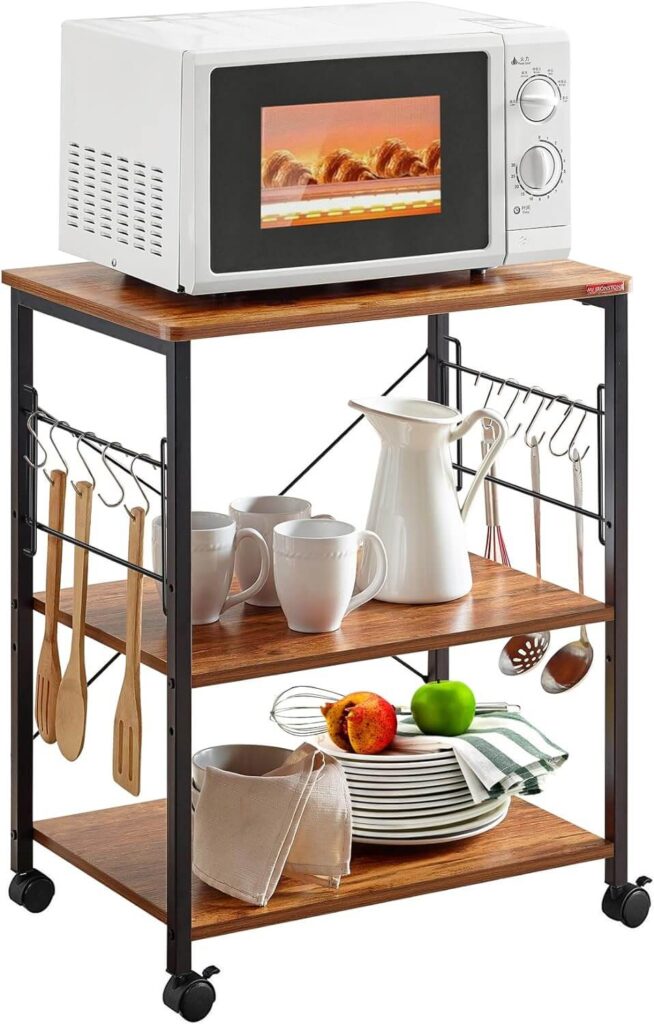
Efficient counter space utilization often eliminates the perceived need for stacking through better organization, appliance selection, and workflow optimization. Consider relocating less frequently used appliances to storage areas or alternate locations.
Corner spaces, peninsula areas, and kitchen islands can provide dedicated appliance zones that accommodate multiple units with proper spacing and ventilation. This approach often improves both safety and convenience while maintaining easy access.
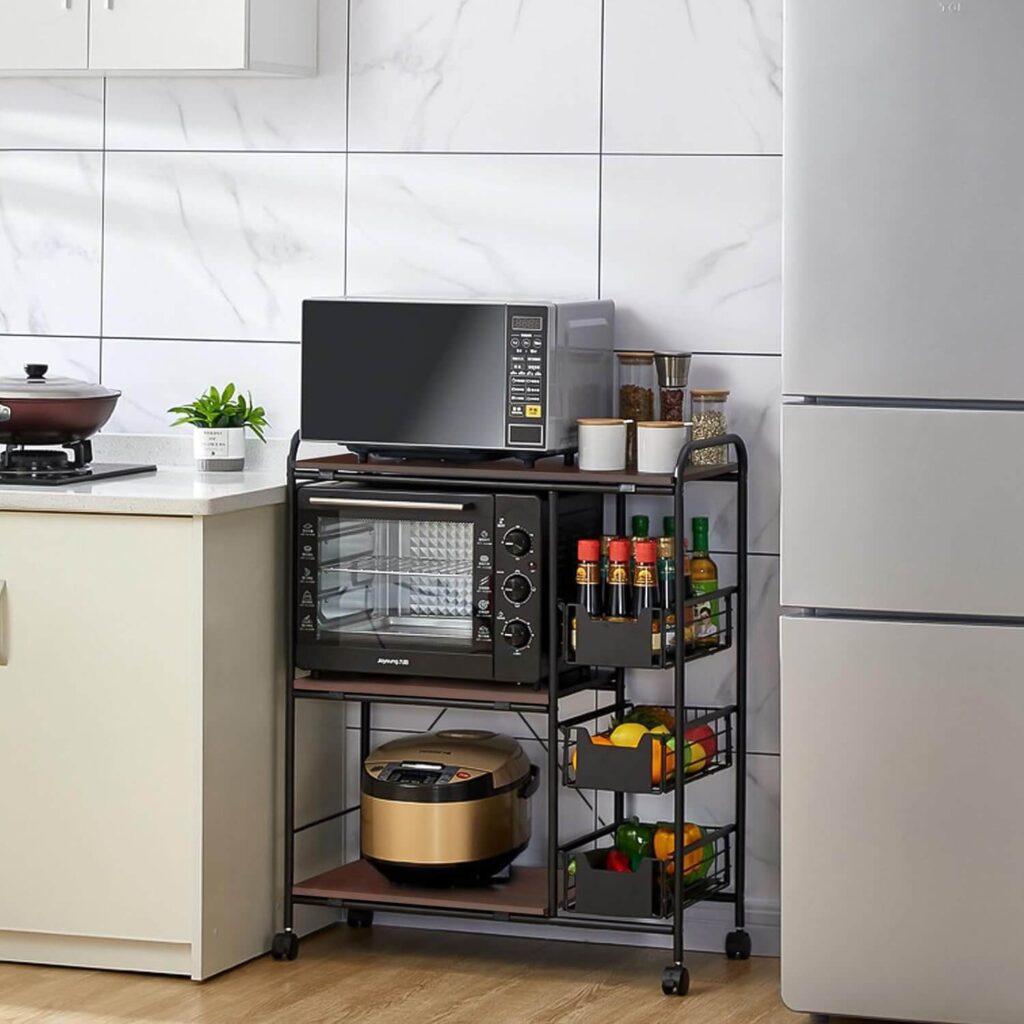
Appliance garages or cabinet storage systems with proper ventilation and electrical connections allow for secure storage of infrequently used appliances while keeping counter space available for daily use items.
Quick Safety Assessment Table: Stacking Air Fryers on Microwaves
| Safety Factor | Risk Level | Explanation |
| Heat Damage | High | Stacking blocks for critical ventilation for both appliances |
| Weight Overload | Medium-High | Air fryers may exceed microwave weight capacity |
| Ventilation Blockage | High | Stacking blocks critical ventilation for both appliances |
| Electromagnetic Interference | Medium | Microwave fields may disrupt air fryer electronics |
| Structural Stability | Medium | Combined weight and vibration create instability risks |
| Fire Hazard | Medium-High | Heat buildup and blocked ventilation increase fire risk |
| Warranty Void | High | Violates manufacturer guidelines for both appliances |
| Performance Impact | High | Reduced efficiency and potential malfunction |
| Accessibility | Medium | Difficult access to controls and loading |
| Code Compliance | Medium | May violate local electrical/fire codes |
Recommended Clearances for Safe Operation
| Appliance | Top Clearance | Side Clearance | Back Clearance | Notes |
| Air Fryer | 6-12 inches | 4-6 inches | 4-6 inches | Heat exhaust requires maximum clearance |
| Microwave | 6-8 inches | 3-4 inches | 4-6 inches | Top ventilation critical for cooling |
| Combined Safe Distance | 12+ inches | 6+ inches | 6+ inches | When positioned near each other. |
Professional Installation and Code Considerations
Local building codes, electrical regulations, and fire safety standards may include specific requirements for kitchen appliance installation that affect stacking arrangements and clearance requirements.
Electrical Code Requirements
The National Electrical Code and local amendments may specify minimum clearances, circuit requirements, and installation standards for kitchen appliances that impact stacking arrangements. High-power appliances like air fryers and microwaves may require dedicated circuits to prevent overloading.
Ground Fault Circuit Interrupter (GFCI) protection requirements for kitchen outlets may affect appliance placement and accessibility, particularly when multiple appliances share circuits or extension cords are used to reach appropriate outlets.
Professional electrical inspection may be required for permanent appliance installations or when modifying kitchen electrical systems to accommodate appliance requirements safely and legally.
Fire Safety and Insurance Considerations
Homeowner insurance policies may include specific requirements or exclusions related to appliance installation and safety practices that could affect coverage in case of fire or damage claims related to improper appliance placement.
Fire safety codes typically address heat-generating appliance clearances, ventilation requirements, and installation practices that reduce fire risk and ensure safe evacuation paths in emergencies.
Professional consultation with certified kitchen designers, electricians, or fire safety inspectors can provide authoritative guidance on safe appliance placement that meets all applicable codes and standards.
Is it Better to reheat in an Air Fryer or a Microwave?
The best reheating method depends on your food type and desired results:
Use the Air Fryer for Reheating:

- Fried foods: Restores crispiness (French fries, chicken wings, pizza)
- Baked goods: Maintains texture (pastries, bread, cookies)
- Roasted items: Keeps exterior crispy (roasted vegetables, meats)
- Time needed: 3-5 minutes at 350°F
Use the Microwave for Reheating:

- Liquid-based foods: Soups, stews, casseroles
- Soft foods: Rice, pasta, mashed potatoes
- Quick reheating: When speed is priority
- Time needed: 1-2 minutes on medium power
Pro tip: For best results with crispy foods, use the air fryer. For quick reheating of soft foods, use the microwave.
Can you put a Fruit Bowl on top of a Microwave?
Yes, you can safely place a fruit bowl on top of a microwave, but consider these factors:
Safe Fruit Bowl Placement:
- Weight: Keep under 5-10 pounds
- Material: Use heat-resistant bowls (ceramic, glass, or thick plastic)
- Size: Ensure bowl doesn’t overhang microwave edges
- Ventilation: Don’t block microwave vents (usually on sides or back)
What to Avoid:
- Metal bowls (can interfere with microwave operation)
- Overly heavy fruit loads
- Placing the bowl directly over the vents
- Delicate or heat-sensitive fruits should be used during heavy microwave use.
Alternative Space-Saving Solutions
Compact Appliance Selection
Consider replacing larger appliances with compact alternatives that provide similar functionality while requiring less counter space. Compact air fryers, small microwaves, and combination appliances offer space-saving benefits without compromising safety.
Multi-function appliances like microwave-convection combinations or pressure cooker-air fryer units can provide the functionality of multiple appliances in a single unit, eliminating the need for stacking arrangements while improving counter space utilization.
Kitchen Layout Optimization
A professional kitchen design consultation can identify opportunities for better space utilization through cabinet modifications, workflow improvements, or appliance placement strategies that maximize functionality while maintaining safety.
Consider relocating appliances to areas with better ventilation, structural support, or electrical access that accommodate safe operation without requiring stacking arrangements or clearance compromises.
Conclusion: Prioritizing Safety Over Convenience
While stacking an air fryer on a microwave might seem like an attractive space-saving solution, the combination of heat generation, weight limitations, ventilation requirements, electromagnetic interference, and manufacturer guidelines creates significant safety risks that outweigh the potential convenience benefits.
The potential consequences of improper stacking include fire hazards, appliance damage, warranty voiding, electromagnetic interference, and structural instability that could result in injury or property damage.
These risks are particularly concerning given the high temperatures and electrical demands of both appliances during operation.
Safe alternatives, including dedicated appliance stands, kitchen carts, wall-mounted shelving, and counter space reorganization, provide effective space optimization without compromising safety or appliance performance.
These solutions often improve kitchen functionality while ensuring compliance with manufacturer guidelines and safety standards.
The definitive answer is no – you should not stack an air fryer on a microwave. Instead, invest in proper appliance storage solutions that provide the space optimization you need while maintaining the safety, performance, and warranty protection that both appliances deserve.
Your kitchen’s functionality and your family’s safety are worth the extra effort and investment required to implement proper appliance placement solutions that serve your needs without creating unnecessary risks.
Comments are closed.