Putting a plate in the oven seems straightforward until it cracks, shatters, or worse, explodes.
The answer depends entirely on your plate’s material and heat tolerance.
While ceramic, stoneware, and certain glass plates are generally oven-safe, plastic, melamine, and some decorative ceramics are not.
Understanding which plates can withstand heat prevents dangerous accidents, ruined dinnerware, and wasted food.
This comprehensive guide examines every plate material, identifies safety symbols, explains temperature limits, and provides brand-specific recommendations.
Whether you’re warming dinner plates or baking directly on ceramic, knowing the rules keeps your kitchen safe and your meals intact.
General Rule — Only Oven-Safe Plates Can Go Into the Oven
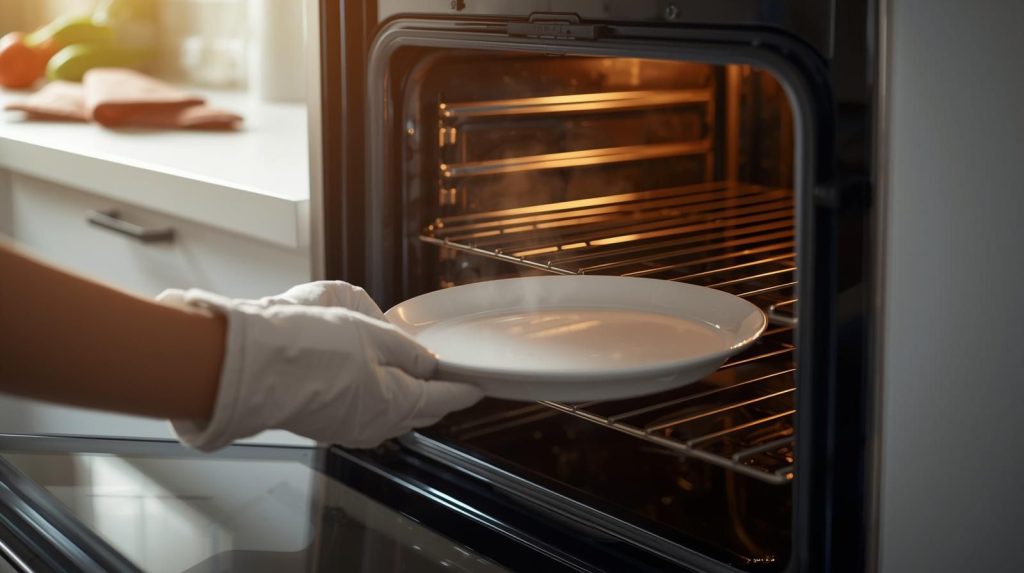
The fundamental rule is simple: only plates explicitly marked as oven-safe belong in your oven.
Oven-safe designation means the manufacturer tested the plate at specific temperatures and verified it won’t crack, release chemicals, or shatter under heat exposure.
This isn’t about guesswork; it’s about engineered heat resistance built into the plate’s construction and materials.
What “oven-safe” actually means
Oven-safe plates undergo manufacturing processes that allow them to withstand thermal expansion without structural failure.
The glaze, clay body, and firing temperature all contribute to heat tolerance. Manufacturers test these plates at maximum temperatures, ensuring the material composition remains stable.
An oven-safe rating guarantees the plate won’t leach chemicals, crack from thermal stress, or experience glaze degradation when heated properly.
The designation includes specific temperature thresholds you must respect.
How to identify oven-safe symbols
Check your plate’s underside for stamped symbols or text.
Look for phrases like “oven-safe,” “oven-proof,” or a symbol showing wavy lines above a dish inside an oven outline.
Some manufacturers include maximum temperature ratings (e.g., “450°F max”).
European plates may display a rectangular oven icon. If you see only “microwave-safe,” this does NOT mean oven-safe—microwaves heat food differently than direct oven heat.
When no markings exist, consult the manufacturer’s website using any brand names or model numbers stamped on the plate.
Why aren’t all kitchen plates heat-resistant?
Most everyday dinnerware prioritizes aesthetics, affordability, and dishwasher compatibility over heat resistance.
Decorative plates often use low-fire glazes, metallic paints, or plastic resins that fail under oven temperatures.
Budget manufacturers skip expensive high-temperature firing processes to reduce costs.
Even some ceramic plates use clay bodies that aren’t vitrified enough to handle thermal stress.
The finish matters too—certain glazes crack at temperatures safe for the underlying material, making the plate unusable.
What Happens When a Plate Isn’t Oven-Safe?
Using non-oven-safe plates creates serious hazards beyond ruined dinnerware.
The consequences range from minor cracks to explosions that can cause burns and injuries.
Understanding these risks explains why following manufacturer guidelines isn’t optional; it’s essential for kitchen safety.
Thermal shock
Thermal shock occurs when rapid temperature changes cause uneven expansion in plate materials.
Different parts of the plate heat at different rates, creating internal stress. The material tries to expand, but cooler sections resist, generating pressure.
When this stress exceeds the material’s strength, cracks form instantly. Glass and ceramic are particularly vulnerable because they’re brittle and can’t flex like metal.
Even small temperature differentials, like placing a room-temperature plate in a 350°F oven, can trigger thermal shock in non-oven-safe materials.
Why plates crack, shatter, or explode
Plates fail catastrophically when internal stresses overcome material bonds. Ceramic plates crack along weak points in the clay body or where glaze meets clay.
Glass plates develop microscopic cracks that suddenly propagate across the entire surface.
The explosion happens because trapped moisture in porous materials converts to steam, building pressure until the plate shatters.
Poorly fired ceramics have air bubbles that expand violently. When you hear about Corelle dishes exploding, it’s usually because thermal shock exceeded the tempered glass’s tolerance limits.
Temperature shock scenarios to avoid
Never place a refrigerated plate directly into a hot oven—this creates maximum thermal shock.
Avoid putting frozen food on room-temperature plates and then into the oven, as the cold center creates stress.
Don’t transfer plates from freezer to oven, even if they’re technically oven-safe.
Moving hot plates onto cold countertops or wet surfaces also causes reverse thermal shock. Even oven-safe plates need gradual temperature transitions.
The greater the temperature differential, the higher the explosion risk.
Risk of flying shards and burns
When plates explode, sharp fragments fly outward at high velocity, capable of causing lacerations.
Hot ceramic or glass shards stick to skin, causing severe burns. Opening the oven door when a plate has already cracked can trigger the final explosion toward your face.
Children and pets near the kitchen face particular danger from flying debris.
The cleanup afterward is hazardous—microscopic glass particles spread throughout your oven and require thorough decontamination.
Even small cracks in plates can lead to delayed explosions hours after removing them from the heat.
Material-by-Material Guide — Which Plates Are Oven-Safe?
Different materials have vastly different heat tolerances. This section breaks down exactly which plate materials work in ovens, their temperature limits, and specific risks to watch for with each type.
Ceramic Plates
Most ceramic plates are oven-safe up to 350–450°F, but quality varies significantly.
High-quality ceramics fired at high temperatures (cone 6-10) handle heat better than low-fire pottery.
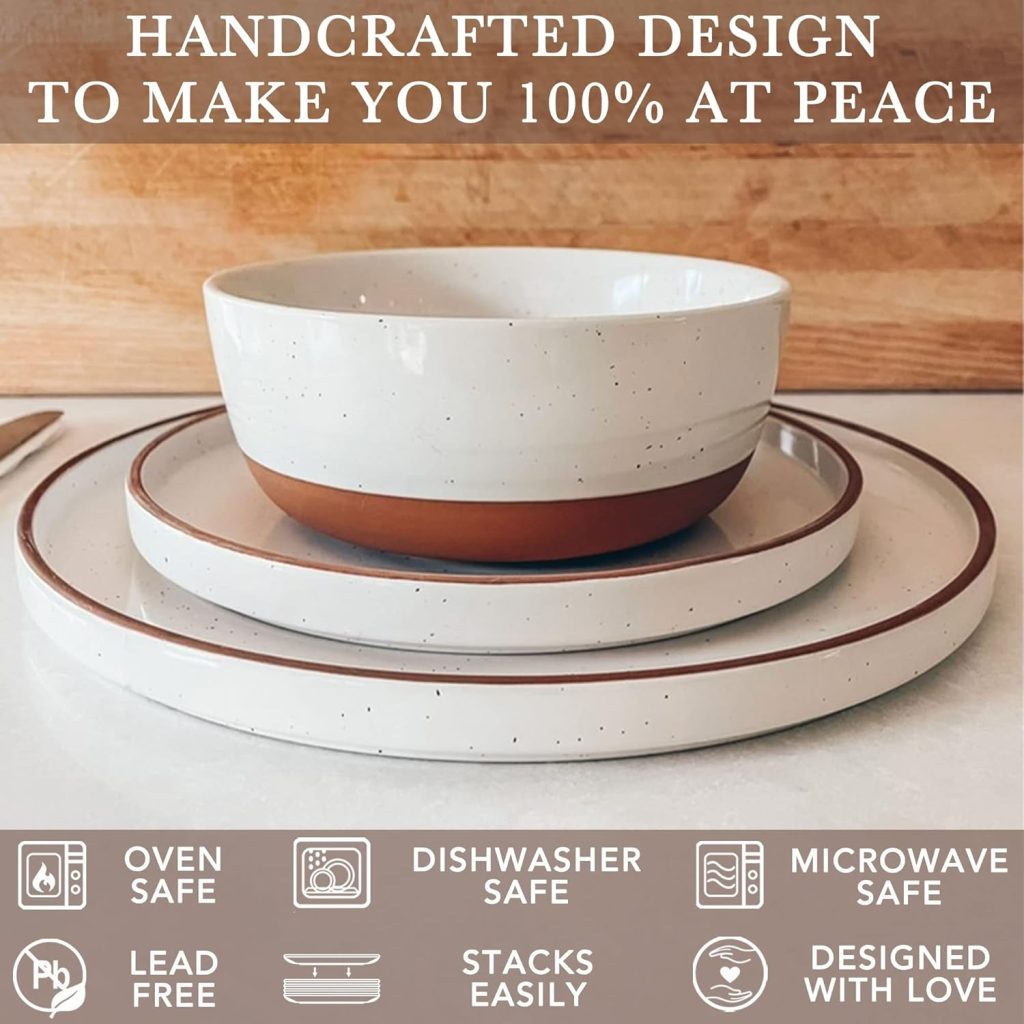
Check for “oven-safe” stamps before using. Risks include glaze cracking when the glaze and clay body have mismatched expansion rates.
Cheap ceramic from dollar stores often uses inadequate firing temperatures and can crack on first use.
Handmade pottery without proper testing poses risks. If your ceramic plate survived dishwasher high-heat cycles without crazing (tiny glaze cracks), it’s more likely oven-safe, though this isn’t guaranteed.
Porcelain Plates
Porcelain generally handles heat better than standard ceramic, often safe to 450°F or higher because it’s fired at extremely high temperatures.
The dense, vitrified body resists thermal shock better than porous ceramics.
However, fine porcelain or bone china designed for formal dining may be too delicate despite the material’s inherent strength.
These decorative pieces often have metallic trim or delicate glazes unsuitable for ovens.
Commercial-grade porcelain used in restaurants typically withstands regular oven use.
Always verify manufacturer specifications—”porcelain” alone doesn’t guarantee oven safety.
Stoneware Plates
Stoneware offers excellent high-temperature tolerance, often rated to 450–500°F. The dense, fully vitrified clay body handles thermal stress well.
Quality stoneware is naturally oven-safe without special coatings. However, you must avoid cold-to-hot transitions—even durable stoneware cracks when shocked.
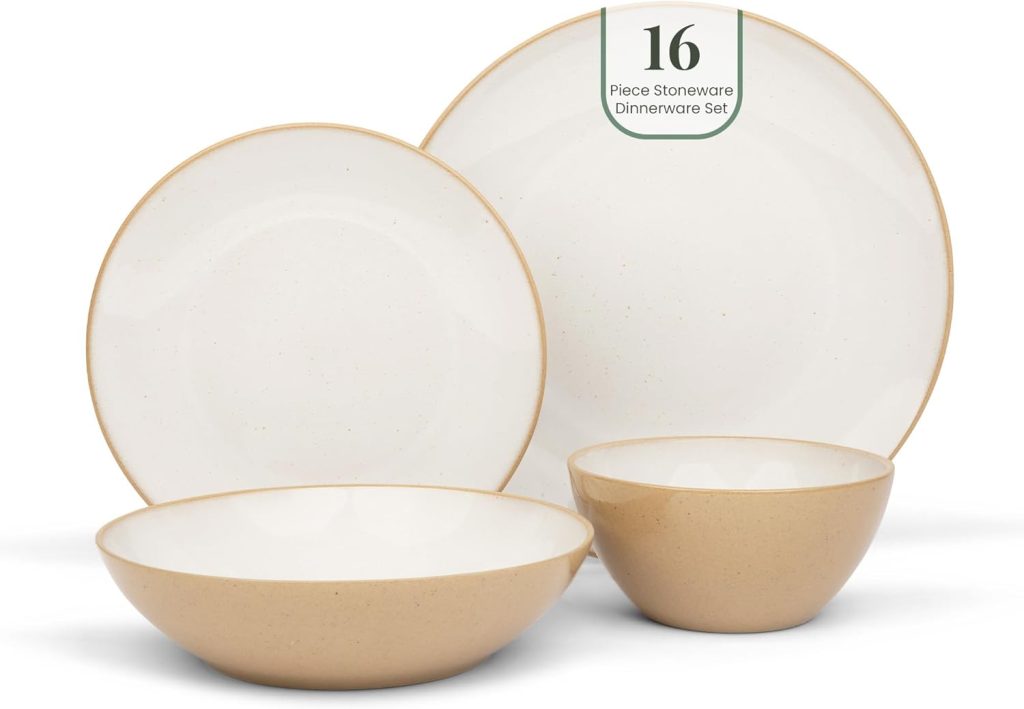
Let refrigerated stoneware reach room temperature before heating. Check for chips or cracks before oven use, as damage creates weak points.
Glazed stoneware is generally safer than unglazed, which can stain or absorb odors when heated with fatty foods.
Glass Plates (Including Corelle)
Tempered glass plates like Corelle are oven-safe within specific limits, typically 350°F maximum.
Corelle’s three-layer laminated glass construction provides strength but not unlimited heat resistance.
Modern Corelle explicitly states oven-safe temperatures on packaging. Vintage Corelle patterns have a higher risk because manufacturing standards have evolved.
Never use decorative glass plates with painted designs—the paint may contain metals that fail under heat.
Standard soda-lime glass plates aren’t oven-safe at all. Borosilicate glass (like Pyrex) handles higher temperatures but is rare in plate form.
Plastic Plates
Plastic plates are never oven-safe under any circumstances. Even heat-resistant plastics deform at oven temperatures, typically melting around 212–300°F.
Placing plastic in ovens creates multiple hazards: melting onto oven surfaces, releasing toxic fumes, including potential carcinogens, and starting fires if plastic contacts heating elements.
Some plastics release harmful chemicals like BPA and phthalates when heated.
Even “heat-resistant” plastic utensils fail at oven temperatures. There are no exceptions—plastic and ovens never mix.
Melamine
Melamine plates are absolutely NOT oven-safe and extremely dangerous when heated.
Melamine resin begins breaking down around 160°F, well below minimum oven temperatures.
Heated melamine releases formaldehyde and other toxic chemicals into your food and air.
The plates will warp, discolor, and potentially catch fire. Melamine looks like ceramic but feels lighter and slightly softer.
When comparing melamine plates vs ceramic, ceramic is always the safer choice for any heating application.
Even brief oven exposure damages melamine permanently and contaminates food.
How to Tell If a Plate Is Oven-Safe
When plates lack clear markings, determining oven safety requires investigation. Never assume—guessing wrong creates safety hazards and ruins your dinnerware.
Label and stamp identification
Flip your plate over and examine the underside closely. Look for impressed stamps, printed text, or embossed symbols in the center or around the rim.
Manufacturer markings often include brand names, country of origin, and safety certifications.
Oven-safe plates typically display explicit text like “oven-safe to 450°F” or “oven-proof.”
Some show pictogram symbols: an oven outline, wavy heat lines, or temperature numbers.
European plates might have different certification marks.
Check if materials like wheat straw dinnerware list their heat tolerance specifications—these plant-based materials have varying oven compatibility.
Manufacturer website check
Visit the manufacturer’s website using any brand information from your plate. Search their product specifications, FAQ sections, or downloadable care guides.
Many brands maintain databases where you can enter pattern names or numbers to access detailed information.
Contact customer service directly with photos of your plate’s markings if online information is unclear.
Check whether specific collections within a brand have different heat ratings—some product lines are oven-safe while others aren’t.
Testing is NOT recommended (dangerous)
Never test unknown plates by putting them in the oven “to see what happens.” Testing risks, explosions, injuries, and oven damage.
Some plates crack or explode only after multiple heating cycles, so surviving one test proves nothing.
Temperature variations within ovens mean your test conditions differ from others’ experiences.
The risk to your safety and property far exceeds the cost of replacing questionable plates. When uncertain, treat plates as NOT oven-safe.
Understanding heat tolerance marks
Temperature markings indicate maximum safe temperatures, not recommended usage temperatures.
A “450°F” marking means absolute maximum—use lower temperatures for safety margins. Some plates list both maximum temperature and recommended range.
Time limits may accompany temperature ratings (e.g., “30 minutes maximum at 350°F”).
Multiple certification marks indicate testing by different safety organizations. Understanding these marks prevents misuse even with oven-safe plates.
Safe Temperature Limits for Different Plate Materials
Specific temperature thresholds determine whether your oven-safe plates survive heating. Exceeding these limits damages even properly rated dinnerware.
350°F – safe threshold for most ceramics
350°F represents the conservative safety zone for everyday ceramic plates marked oven-safe.
Most mid-range ceramic dinnerware tolerates this temperature for reheating meals and warming plates before serving.
This temperature heats food thoroughly without stressing most glazes or clay bodies. When manufacturer specifications are unclear, but an oven-safe symbol exists, 350°F provides a reasonable maximum.
Use this temperature for broiler-alternative cooking or keeping dishes warm. Staying at or below 350°F minimizes thermal shock risks during placement and removal.
450°F – high-end stoneware
Premium stoneware and professional-grade ceramics often handle 450°F reliably.
This temperature suits actual cooking rather than just reheating—think finishing casseroles or browning toppings.
High-fire stoneware achieves this tolerance through extended kiln firing that fully vitrifies the clay.
Restaurant-quality plates typically meet this standard. However, verify your specific plates’ ratings before assuming 450°F safety.
Even at this temperature, avoid broiler settings that create localized extreme heat. This range works for non-toxic cookware materials specifically engineered for high-heat applications.
250°F – tempered glass limit
Tempered glass plates like Corelle perform best at 250°F or lower, despite some models rating higher.
This conservative temperature prevents the thermal stress that causes Corelle dishes to explode.
Use this range for gentle warming, not actual cooking. The three-layer lamination technology in Corelle tolerates gradual heating to this point.
Vintage or damaged glass plates should stay well below even this conservative limit.
When warming serving plates, 250°F achieves the goal without approaching the glass’s failure threshold.
0°F – no cold plate directly into the hot oven
Zero transition—meaning never place cold plates directly into hot ovens—is non-negotiable.
Let refrigerated or room-temperature plates warm gradually by sitting at room temperature first.
Preheat plates slowly by placing them in a cold oven, then turning it on. The temperature differential between cold plates and hot ovens creates maximum thermal shock stress.
Even oven-safe materials crack under rapid temperature changes. This rule applies equally to all materials—ceramic, glass, and stoneware all need gradual transitions regardless of their heat ratings.
Common Mistakes That Cause Plates to Break in the Oven
Even oven-safe plates fail when misused. These common errors cause most plate-related oven accidents.
Placing refrigerated plates in a hot oven
Taking plates straight from the refrigerator into a preheated oven creates extreme thermal shock.
The temperature differential often exceeds 400°F instantly, far beyond what even quality ceramics handle.
The cold exterior contracts while the heating interior expands, creating internal stress fractures.
This mistake accounts for most unexpected plate failures with otherwise oven-safe dinnerware.
Always let plates reach room temperature first, which takes 30-60 minutes for thick ceramics.
Even warming plates in a low oven (150-200°F) before increasing the temperature reduces shock.
Using cheap dollar-store ceramic
Budget ceramic plates often skip essential manufacturing steps to reduce costs.
Low firing temperatures leave clay bodies porous and weak. Inadequate glaze application creates uneven surfaces that crack under heat.
Quality control issues mean inconsistent heat tolerance between identical-looking plates. Some budget ceramics use clay compositions unsuitable for thermal cycling.
The “oven-safe” stamps on these plates may be inaccurate or meaningless. Investing in reputable brands for oven use prevents accidents and repeated replacements.
Hidden cracks that expand under heat
Pre-existing damage—even hairline cracks invisible to the naked eye—becomes catastrophic under oven heat.
Thermal expansion forces cracks to propagate rapidly across the entire plate. Cracks from previous thermal shock, dishwasher damage, or impact create weak points.
Crazing (fine glaze cracks) indicates previous stress and future failure risk.
Always inspect plates thoroughly before oven use. Run your fingers across surfaces, feeling for irregularities.
When plates have survived years of use but suddenly fail in the oven, hidden damage is usually responsible.
Putting plastic or melamine inside the oven
Mistaking melamine or plastic for ceramic remains surprisingly common. The lightweight feel and different sound when tapped should alert you, but visual similarity fools many people.
Checking materials before first oven use prevents this dangerous mistake. Remember that microwave-safe plastic still melts in ovens.
Some people incorrectly assume all dinnerware handles similar temperatures. This error creates toxic fume exposure, fire hazards, and ruined ovens.
When uncertain about material composition, keep it out of the oven entirely.
Brand-Specific Guidelines — Can These Plates Go in the Oven?
Specific brand policies and construction methods determine oven safety. Here’s what you need to know about popular dinnerware brands.
Corelle
Corelle plates are oven-safe up to 350°F according to current manufacturer guidelines.
The triple-layer Vitrelle glass construction provides durability but has temperature limits.
Never use Corelle under broilers or on stovetops—these create heat beyond its tolerance.
Older Corelle patterns may have different ratings or may be lead-free but not oven-rated.
Check individual pattern specifications on the Corelle website. Despite their strength, Corelle can still fail from thermal shock, so avoid cold-to-hot transitions.
The brand’s “break and chip resistance” doesn’t equal unlimited heat resistance.
IKEA Plates
IKEA dinnerware varies widely by collection and material. Their stoneware and porcelain collections, like IKEA 365+, are generally oven-safe to temperatures specified on packaging.
However, IKEA’s melamine and plastic options like Kalas are never oven-safe despite being durable for kids.
Always check product tags and online specifications for your specific IKEA pattern. The company clearly labels oven-safe items in product descriptions.
Budget IKEA ceramic lines may have lower temperature tolerances than premium options. When in doubt, contact IKEA customer service with your specific product information.
Pottery Barn
Pottery Barn dinnerware is typically oven-safe across most collections, with stoneware and porcelain lines rated to 400-450°F.
Their premium positioning means better quality control and higher firing temperatures during manufacturing.
Collections like Cambria and Gabriella explicitly state oven-safe status. However, decorative or hand-painted patterns may have restrictions due to metallic glazes.
Always verify your specific pattern’s care instructions—Pottery Barn provides detailed specifications for each collection online.
Their customer service can clarify oven safety for discontinued patterns.
Fiestaware
Fiestaware is exceptionally oven-safe, rated to 350°F for all pieces. The fully vitrified ceramic body handles thermal stress excellently.
Both vintage and modern Fiestaware share this durability, though vintage pieces require lead-free verification for food safety.
The thick, durable construction and high-quality American manufacturing ensure consistent heat tolerance.
Fiestaware works equally well for reheating and actual cooking applications.
However, respect the 350°F limit and avoid broilers. The brand’s 75+ year reputation includes reliable oven performance across all its colorful glazes.
Generic unmarked plates
Unmarked plates without brand identification or safety symbols should never go in ovens.
Without manufacturer accountability, you have no way to verify materials, firing temperatures, or heat tolerance.
These plates likely come from budget manufacturers who skip proper testing and certification.
The absence of markings often indicates lower quality control standards. Even if the plate “looks” ceramic, an unknown composition makes oven use dangerous.
The risk of explosion, toxic fume release, or fire isn’t worth saving questionable plates. Replace unmarked dinnerware with properly certified oven-safe options.
How to Safely Heat Food on a Plate in the Oven
When you’ve confirmed your plates are oven-safe, proper technique prevents accidents and extends plate life.
Preheat gradually
Start with a cold oven and place room-temperature plates inside before turning it on.
Let the plates heat gradually as the oven reaches the target temperature.
This method eliminates thermal shock by matching plate temperature to oven temperature throughout heating.
Gradual preheating works especially well for thick ceramic and stoneware that heat slowly.
Even with oven-safe plates, avoiding temperature shocks extends their usable life. The extra 10-15 minutes for gradual heating prevents years of potential replacement costs.
Use low-temperature warming (200–250°F)
For warming pre-cooked food or heating serving plates, 200-250°F provides plenty of heat without stressing materials.
This range keeps food hot without overcooking or drying it out. Most oven-safe plates easily tolerate these conservative temperatures, even those with marginal ratings.
Low-temperature warming works perfectly for dinner parties when you need to keep multiple plates warm.
Set your oven to the “warm” setting if available, typically around 170-200°F. This approach works even with older plates that might not handle higher temperatures.
Place the plate on the baking sheet for stability
Setting plates on baking sheets provides stability and easier handling when hot. The sheet catches any spills, protecting your oven.
Metal sheets distribute heat more evenly underneath plates, reducing hot spots. Baking sheets make removing multiple hot plates safer; carry the entire sheet instead of individual pieces.
This technique particularly helps with thin or delicate plates that might warp slightly. The sheet acts as a heat buffer, slowing temperature changes during oven removal.
Avoid the broiler at all costs
Broilers create intense direct heat that exceeds virtually all plate ratings, even oven-safe ones.
The extreme localized heat causes rapid thermal expansion in small areas, creating stress fractures.
Broiler temperatures often exceed 550°F—well above most ceramic glazes’ tolerance. Even metal-trimmed oven-safe plates spark and fail under broilers.
The radiant heat from above creates uneven heating patterns that ceramic and glass handle poorly.
Use broilers only with proper broiler pans and metal cookware—never ceramic plates, regardless of their oven-safe rating.
Safer Alternatives to Plates in the Oven
When your plates aren’t oven-safe, or you want better heat performance, these alternatives work better for oven use.
Oven-safe glass baking dishes
Borosilicate glass baking dishes like Pyrex handle oven heat far better than glass plates.
These dishes are engineered specifically for oven use, typically rated to 450-500°F. The thicker construction distributes heat more evenly than thin plate glass.
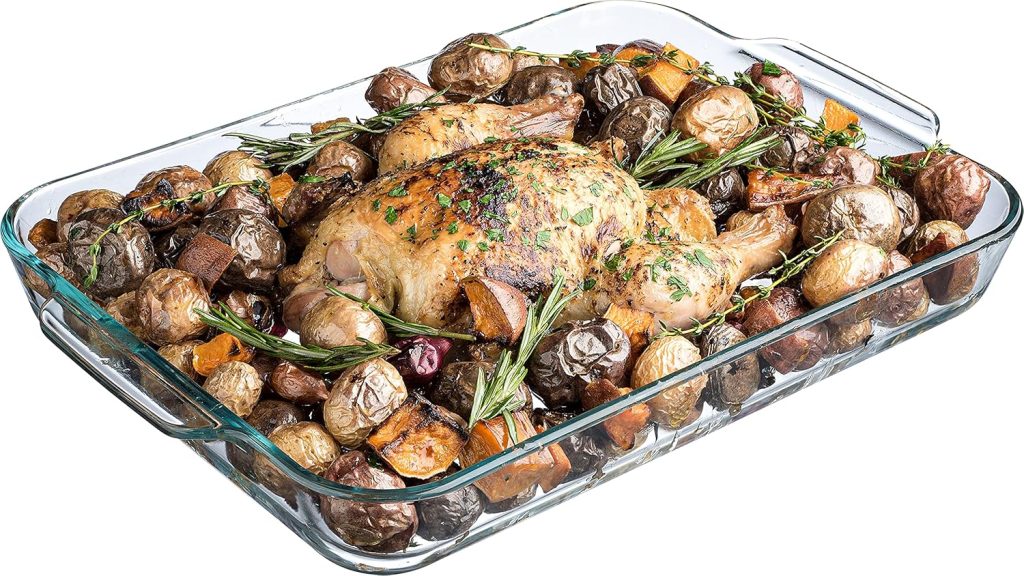
Glass allows you to monitor food browning while cooking. Use these for casseroles, roasted vegetables, or any cooking application rather than risking plates.
Glass baking dishes also transition to refrigerator storage better than plates, though you should still avoid extreme temperature changes.
Stainless steel trays
Stainless steel is virtually indestructible in ovens, handling temperatures up to 600°F and beyond.
Metal heats quickly and evenly, ideal for roasting and browning. Stainless steel never cracks, shatters, or releases chemicals regardless of temperature.
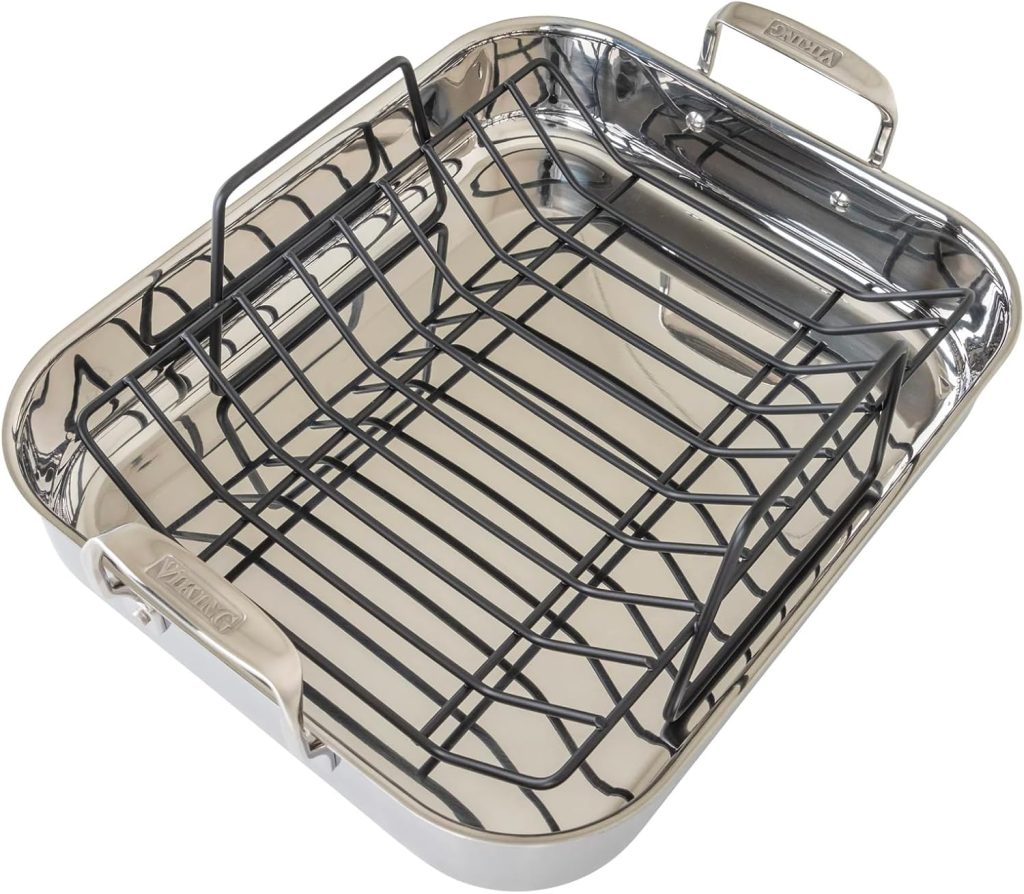
These trays work under broilers where ceramic fails. They’re lighter than ceramic, making hot handling easier.
The main drawback is the lack of visual appeal for serving, transferring food to decorative plates afterward. Stainless steel represents the safest, most versatile oven option.
Stoneware baking plates
Purpose-built stoneware baking dishes offer both functionality and presentation appeal. These thick ceramic pieces are specifically engineered for high oven temperatures.
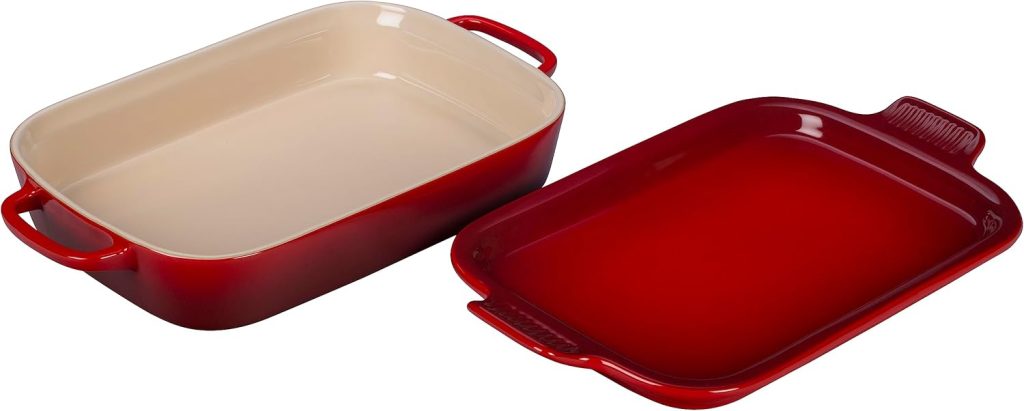
Brands like Le Creuset and Emile Henry make stoneware rated to 500°F or higher. The excellent heat retention keeps food hot during serving.
Many stoneware bakers transition from the oven directly to the table, eliminating transfer needs.
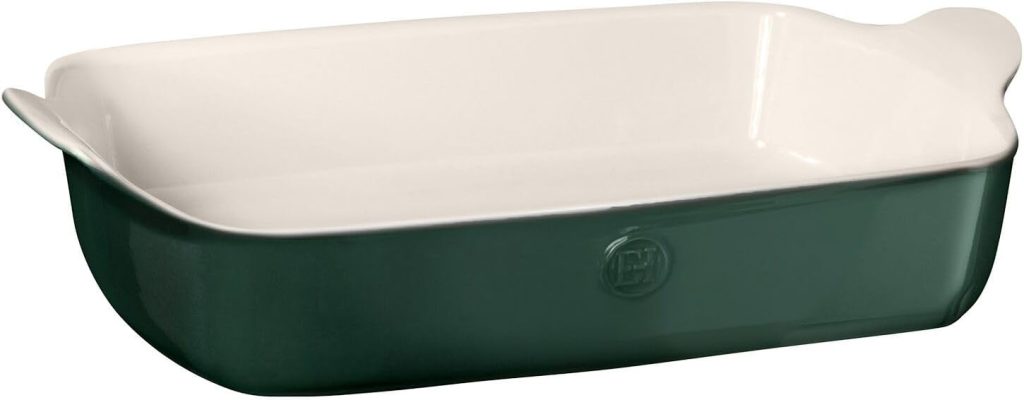
While more expensive than regular plates, dedicated baking stoneware lasts decades with proper care. These pieces handle thermal stress far better than dinner plates.
Oven-proof ceramic serving dishes
Dedicated oven-to-table ceramic serving dishes combine cooking capability with presentation quality.
These pieces use higher-quality glazes and thicker construction than standard dinnerware. Look for terms like “baker,” “gratin dish,” or “oven-to-table” in product descriptions.
These dishes typically range from 400-450°F and are designed for regular thermal cycling.
Using purpose-built ovenware rather than adapting dinner plates reduces failure risk.
Many collections of non-toxic cookware materials include these versatile ceramic pieces that serve both cooking and presentation functions.
FAQ — Putting Plates in the Oven
No. Placing cold plates in hot ovens causes thermal shock—rapid temperature changes that create internal stress and cracking.
Always let refrigerated plates reach room temperature first, or place them in a cold oven before turning it on. Even oven-safe plates crack from extreme temperature differentials.
Yes, if the plate is marked oven-safe and rated for that temperature.
Check the underside for “oven-safe” stamps and temperature ratings. Most oven-safe ceramic and stoneware can handle 350°F safely.
Never use plastic, melamine, or unmarked plates. Glass plates like Corelle typically tolerate 350°F, but verify specifications.
Yes, warming oven-safe plates enhances the dining experience by keeping food hot longer.
Use 200-250°F for 10-15 minutes. Place plates in a cold oven before preheating, or heat them gradually.
Only warm plates are explicitly marked oven-safe. This practice is common in restaurants using commercial-grade dinnerware designed for regular heating.
Most restaurant plates are commercial-grade and oven-safe, designed to withstand frequent heating for plate warming.
However, verify before assuming—some restaurants use decorative plates for presentation only.
Commercial dinnerware typically handles higher temperatures than consumer plates due to better materials and manufacturing.
Check markings or ask the restaurant for supply information if purchasing used commercial plates.
Conclusion
You can safely put plates in the oven, but material type and proper identification are non-negotiable requirements.
Oven-safe ceramic, stoneware, porcelain, and tempered glass plates work within their specified temperature limits, typically 250-450°F depending on construction quality.
Never use plastic, melamine, or unmarked plates—these create serious safety hazards, including explosions, toxic fumes, and fires.
Always check for manufacturer markings, respect temperature limits, and avoid thermal shock by allowing gradual temperature transitions.
When uncertain about a plate’s oven safety, choose purpose-built baking dishes or ovenware instead.
Following these guidelines protects your safety, preserves your dinnerware, and ensures successful meal preparation.
The right plate in the right conditions performs perfectly; the wrong choice creates dangerous, costly disasters.