Category: Dinnerware Sets

  • VITRELLE GLASS VS OPAL GLASS

    I remember growing up with my Grandparents, and as a Kid, I was always served with a lightweight plate to avoid breakage, but I never knew the materials the dinnerwares were made with.

    The plates looked very simple in design, with a white background making my meals appetizing.

    When I inquired, I was told it was Vitrelle glass dinnerware one time and Opal glass tableware the next, so are they the same? What is the distinction between Vitrelle vs Opal glass?

    Do they have any similarities? Why are they important tableware suggested for use at home, by children, and even the elderly?

    We’ll also look at various tableware companies associated with Opal glass, and you’ll find out which one takes center stage on your dining table.

    Let’s get started on this Battle of Dinnerware Elegance and Resilience.

    VITRELLE DISHES

    Customers looking for outstanding durability and style in their dinnerware may consider Vitrelle dishes.

    Vitrelle, a Corelle-developed proprietary material, ensures unrivaled strength and resistance.

    Corelle Vitrelle dishes

    These dishes can resist high temperatures thanks to three fused glass layers, making them microwave, oven, and dishwasher safe.

    Users like Vitrelle’s convenience and versatility.

    They are not only very resistant to chipping, scratching, and staining, but their sleek and thin shape also makes stacking and storing simple.

    Furthermore, the sophisticated designs and finishes will enrich any eating experience. Vitrelle dishes are an excellent combination of durability, practicality, and style.

    IS VITRELLE GLASS SAFE?

    We have answered this in another guide. You can use Vitrelle glass dishes and cups without any worries because they are designed to keep you safe and your food happy!

    OPALWARE DINNER SET

    Opalware can revolutionize your eating experience; as a user, you will be intrigued by the remarkable features of these elegant items.

    Opalware dinner set

    Opalware is a high-end glassware recognized for its opalescent luster and elegance, which adds a touch of class to your table.

    Opalware’s lightweight design makes it easy to handle and ideal for everyday use. With its excellent resistance to chips, cracks, and scratches, you can rest assured that your dinnerware will last for many years.

    Opalware sets are also microwave and dishwasher-safe, making them useful and versatile in the kitchen.

    The non-porous, smooth surface allows for easy cleaning and inhibits the absorption of food odors and stains.

    To learn more about Opalware, kindly check out these comparisons: Opalware material vs bone china and French Arcopal brand vs Corelle USA Brand.

    VITRELLE GLASS VS OPAL GLASS

    Vitrelle glass vs Opal glass

    Here are the most important distinctions between Vitrelle glass and Opal glass:

    Vitrelle glass material (a type of tempered glass) is commonly associated with the Corelle tableware brand, while Opal glass (often called milk glass) is a material associated with various dinnerware brands (e.g., IKEA, Luminarc, Arcopal, etc)

    Vitrelle glass color is often transparent, translucent, or clear, allowing for a versatile and neutral appearance, while Opal glass often has an opaque look.

    Vitrelle glass plates appear to be more durable than Opal glass dishes in terms of break, chip, and scratch resistance.

    🏆 TEST YOUR GLASSWARE KNOWLEDGE: VITRELLE VS OPAL GLASS QUIZ! 🏆
    Question 1 of 5

    Quiz Complete!

    You scored 0 out of 5

    Result copied to clipboard!

    WHAT IS THE DIFFERENCE BETWEEN OPALWARE AND GLASS

    Opalware is a type of ceramic dinnerware created from a combination of glass, feldspar, silica, and other materials mixed and fired under high temperatures.

    It is a lighter and more attractive alternative to regular glass.

    Glass, on the other hand, is clear and is often formed of silica, soda ash, and lime.

    Opalware has a delicate and polished appearance, whereas glass has a classic and translucent appeal.

    IS OPAL GLASS OVEN SAFE?

    Opal glass is normally oven-safe, but it’s necessary to check the manufacturer’s recommendations because different goods may have varying temperature restrictions.

    WHAT IS OPALWARE GLASS?

    Opalware glass is a type of ceramic dinnerware created from a combination of glass, feldspar, and silica (porcelain). It is a lightweight and sophisticated alternative to traditional glassware.

    OPALWARE VS CORELLE

    Opalware vs Corelle

    Opalware and Corelle are two unique dinnerware brands. While they have some similarities, below are the major differences between Opalware and Corelle dinnerware:

    Opalware is a type of glass-ceramic material composed of a combination of glass and other materials that gives it a distinctive white, porcelain-like appearance, while Corelle is made from a unique three-layer glass laminate known for its lightweight, thin yet strong construction.
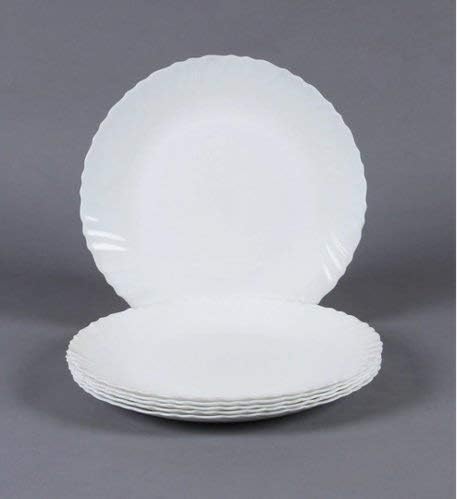
    White 6 Pieces Opalware Dinner set

    Opalware dinnerware is manufactured by melting and fusing various materials, then shaping and cooling them under controlled conditions, while Corelle is manufactured using a patented process called “Vitrelle,” which involves layering and bonding glass materials together.

    In terms of appearance, Opalware has a more traditional porcelain-like look due to its white color and smooth finish, while Corelle often features patterns and designs on the surface due to the laminated layers, offering a variety of styles.
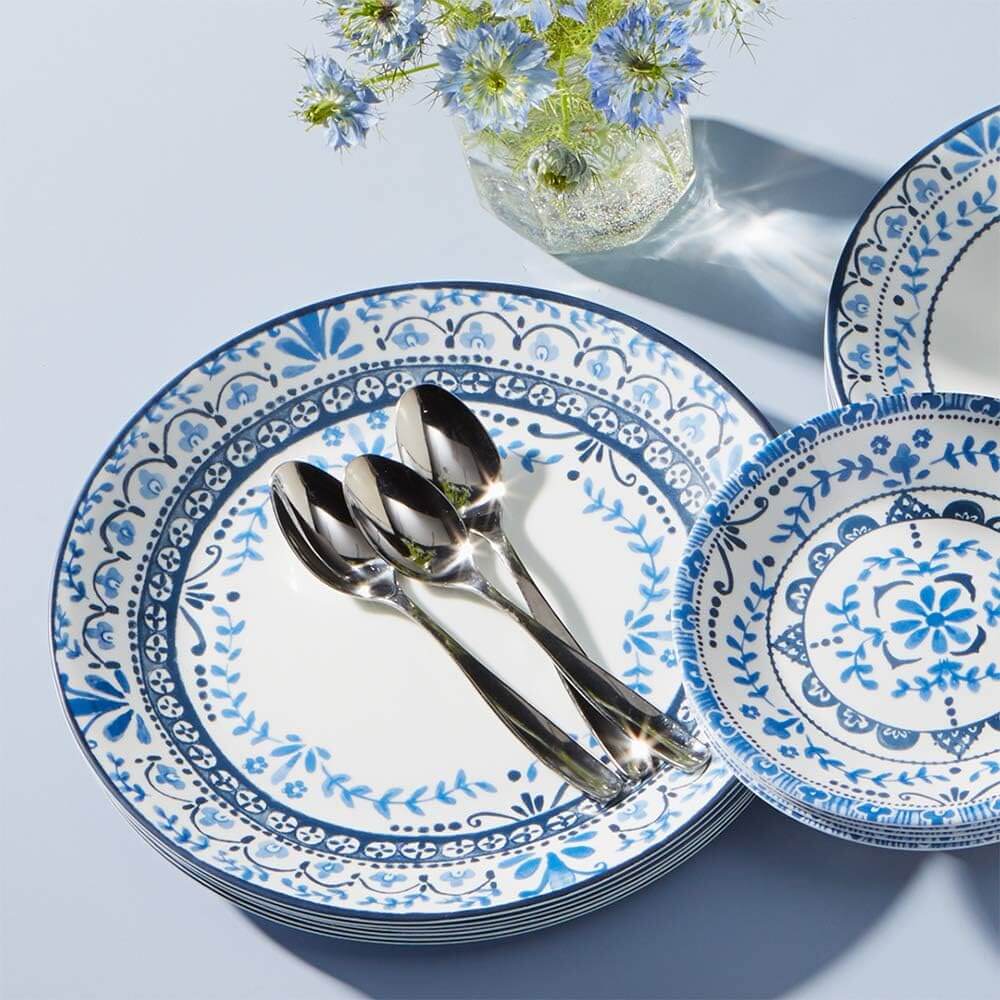
    Service for 6 Corelle Vitrelle dinnerware set

    Opalware and Corelle are generally durable, chip-resistant, and break-resistant, but Corelle has more ability to withstand breaking and chipping than Opalware.

    Opalware dinnerware sets are slightly heavier than Corelle due to their glass-ceramic composition.

    In terms of design, Corelle is renowned for providing a choice of styles to suit all tastes, while Opalware frequently has straightforward, traditional patterns that are ideal for people looking for enduring elegance.

    For a more detailed comparison of Corelle vitrelle material, see the major material distinction between Porcelain china vs vitrelle glass dishes.

    CORELLE MILK GLASS VS VITRELLE

    Corelle milk glass is made of pure, eco-friendly, natural glass, while Vitrelle is tempered three-layered glass used in manufacturing other Corelle patterns like Corelle Livingware and Corelle winter frost white.

    Corelle milk glass dishes are made in China, while Corelle Vitrelle dishes are made in the USA.

    Corelle Vitrelle is more resistant to chipping, cracking, and breaking than Corelle milk glass.

    LUMINARC VS CORELLE

    Luminarc vs Corelle

    Below is a quick summary of the difference between Luminarc and Corelle dinnerware.

    Luminarc is a French brand, while Corelle is an American Brand.

    Luminarc dinnerware is made up of opal glass material, while Corelle is made up of the popular patent 3-ply Vitrelle glass material.

    Corelle dishes are more durable than Luminarc dishes.

    Luminarc dinner plates

    In terms of break resistance, Corelle is more resistant to breakage than Luminarc.

    Corelle has more stain, scratch, and chip resistance than Luminarc dinnerware.

    If you value longevity and modern appearance, Luminarc is a fantastic choice, while Corelle, on the other hand, is worth considering if you want durability and timeless patterns.

    Finally, the choice between Luminarc and Corelle is determined by your unique requirements and tastes, as both brands provide dependable and fashionable tableware solutions that can improve your eating experience.

    Note: Both brands have advantages in terms of durability. Even after years of constant usage, Luminarc’s tempered glass dishes are exceptionally resistant to chipping and cracking.

    FELDSPAR PORCELAIN VS CORELLE

    Feldspar Porcelain vs Corelle

    Below is a summary of the difference between Feldspar porcelain and Corelle dinnerware.

    To begin, Feldspar porcelain is made up of a combination of kaolin, quartz, feldspar, and other ingredients, while Corelle is made predominantly of triple-layer glass called Vitrelle.

    Corelle is more resistant to chipping than Feldspar dishes.

    Feldspar Porcelain Dinner sets

    Corelle is lighter in weight than Feldspar dinnerware.

    Corelle is better suited for regular use at home than Feldspar tableware

    Feldspar Porcelain is a great option if you’re looking for elegance and exquisite decorations, while Corelle is the way to go if practicality, comfort, and durability are your top priorities.

    Feldspar tableware is more expensive than Corelle’s budget-friendly tableware.

    In addition, Feldspar Porcelain and Corelle are two regular options to keep in mind while selecting dinnerware for your home.

     In addition, we are going to look at the difference between Vitrelle glass and Porcelain, Feldspar Porcelain, and Corelle, which also have similar features as seen below.

    Both Corelle and Feldspar tableware are microwave-safe, dishwasher-safe, and suitable for either hot or cold food.

    DANMERS VS CORELLE

    Danmers vs Corelle dishes

    The Danmers and Corelle tableware brands have a lot of similarities, which include: lead and cadmium-free, lightweight, microwave and dishwasher-safe.

    However, below are the main differences between the Danmers and Corelle dinnerware brands:

    Danmers is made in India, while Corelle is made in the USA.

    Danmers is made up of Opal glass and Porcelain (ceramic) material, while Corelle is made up of Vitrelle glass.

    Danmer’s tableware is more expensive than Corelle’s.

    Corelle is lighter than Danmer porcelain tableware.

    DURALEX VS CORELLE

    Duralex vs Corelle

    Duralex and Corelle are two popular dinnerware brands, each with its own distinct characteristics.

    Duralex is well-known for its tempered glass tableware, and Corelle is well-known for its Vitrelle glass dishes.

    Duralex is a French brand, while Corelle is an American brand.

    Duralex clear glass dinner set

    Corelle mugs are made up of stoneware, while Duralex drinking glasses are made up of tempered soda lime glass.

    Corelle is better for everyday usage than Duralex glassware.

    Corelle dinnerware is more resistant to chipping and breakage than the Duralex glassware brand.

    Corelle dishes, on the other hand, are lightweight and easy to handle and stack.

    The Duralex dinnerware brand and Corelle both provide convenience in terms of maintenance. They are both dishwasher-safe, making cleanup a breeze after meals.

    Furthermore, they are both microwave-safe, giving them versatility in reheating or preparing food.

    VITRIFIED GLASS DINNERWARE BRANDS

    Vitrified glass dinnerware is a form of dinnerware produced from a type of glass known as Vitrelle.

    Vitrification is a high-temperature heating technique that makes the glass more robust and resistant to shattering.

    Vitrified glass dinnerware is known for its strength and longevity. It can withstand the rigors of daily use, making it a great choice for busy households and families with children.

    The glass is lightweight, making it easy to handle, and it’s also microwave-safe and dishwasher-friendly.

    Several popular brands offer dinnerware made from vitrified glass. Some notable examples include:

    Corelle: Corelle is a well-known brand that offers a wide range of patterns and colors in its vitrified glass dinnerware sets. They are known for their durability and practicality.

    Arcopal: Arcopal is another brand that produces dinnerware made from vitrified glass. Their sets often feature elegant designs and are highly resistant to chips and breakages.

    Duralex: Duralex is renowned for its tempered glass dinnerware, which is also a type of vitrified glass. Their products are known for their exceptional durability and heat resistance.

    Pyrex: While Pyrex is primarily known for its glass bakeware, it also offers a range of vitrified glass dinnerware. Their sets are known for their versatility and ability to withstand high temperatures.

    WHAT DISHES ARE LIGHTWEIGHT LIKE CORELLE

    There are a few lightweight dishes aside from Opal glass that are similar to or a substitute for Corelle that you can consider:

    Melamine: Melamine dishes are well-known for their low weight. Melamine is a strong, break-resistant plastic material that comes in a variety of designs and colors.

    It is frequently utilized for informal dining or outdoor dining.

    Bamboo: Bamboo dishes are lightweight and environmentally beneficial. They are made of natural bamboo fibers and have a distinct, organic appearance.

    Bamboo dishes are frequently sold in sets and are ideal for daily use.

    Wheat Straw: Wheat straw dishes are also known as eco-friendly dishes because they are made up of natural agricultural products, which are fiber and other constituents that are toxin-free, durable, and have lightweight Corelle properties.

    Glass: Glass dishes, particularly tempered glass, might be a lightweight option. Tempered glass is more durable than normal glass and resists thermal shock.

    It comes in a variety of patterns and shapes that are appropriate for both informal and formal meals.
  • Vitrelle Glass vs Porcelain: The Complete Guide to Choosing Safe Dinnerware for Your Family

    You’re standing in the kitchenware aisle, overwhelmed by endless dinnerware options, wondering which material will keep your family safe while lasting through years of daily use.

    Between the gleaming porcelain sets and the unique Vitrelle glass options, making the right choice feels impossible without a chemistry degree.

    You’re not alone in this struggle.

    Every safety-conscious parent faces this dilemma, wanting beautiful dinnerware that won’t chip into your toddler’s food, break when accidentally dropped, or contain harmful chemicals that could leach into meals.

    The decision between Vitrelle glass and porcelain goes beyond looks; it’s about making smart kitchenware choices that protect your family’s health and safety.

    This comprehensive guide will break down everything you need to know about these two popular dinnerware materials, helping you make an informed decision based on safety, durability, and practical everyday use.

    What is Vitrelle Glass? Understanding This Unique Dinnerware Material

    Vitrelle glass represents a revolutionary approach to dinnerware safety and durability.

    Developed by Corning, this tempered glass material consists of three layers of glass laminated together under extreme heat and pressure.

    The result is dinnerware that’s incredibly strong yet surprisingly lightweight.

    Unlike traditional glass, Vitrelle undergoes a specialized tempering process that makes it up to five times stronger than regular ceramic dinnerware.

    This unique construction means your plates and bowls can withstand significant impact without shattering into dangerous shards – a crucial safety feature for families with children.

    Vitrelle dishes

    The manufacturing process involves heating the glass to extremely high temperatures, then rapidly cooling it to create internal stress patterns that actually strengthen the material.

    This thermal tempering process is what gives Vitrelle its remarkable resistance to thermal shock, meaning you can safely move dishes from the freezer directly to the microwave without fear of cracking.

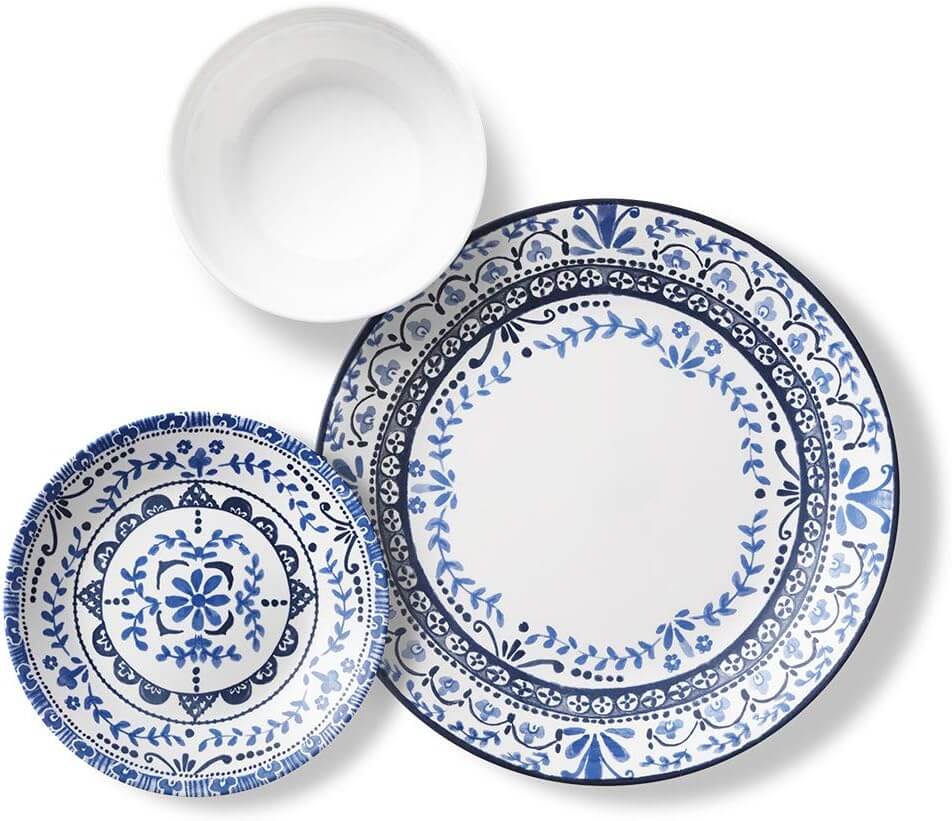
    Corelle Vitrelle Plate Set

    For safety-conscious families, Vitrelle offers peace of mind through its non-porous surface that won’t harbor bacteria or absorb odors and stains.

    The smooth, non-reactive surface ensures that no chemicals leach into your food, making it one of the safest materials for everyday dining.

    Understanding Porcelain: The Traditional Choice for Fine Dinnerware

    Porcelain has graced dining tables for centuries, earning its reputation as the gold standard for elegant dinnerware.

    Porcelain Plates

    This ceramic material is created by firing a mixture of kaolin clay, feldspar, and quartz at temperatures exceeding 2,300°F, resulting in a white, translucent, and remarkably durable material.

    The high-temperature firing process vitrifies the clay, creating a non-porous surface that’s naturally resistant to bacteria and staining.

    Porcelain Dinnerware sets

    Quality porcelain dinnerware offers exceptional durability when handled properly, often lasting generations with careful use.

    Porcelain Salad Bowls

    Traditional porcelain comes in various grades, from everyday dinnerware to fine bone china.

    The key difference lies in the firing temperature and the addition of bone ash in bone china, which creates an even stronger and more translucent material.

    From a safety perspective, high-quality porcelain is completely food-safe, containing no harmful chemicals that could leach into your meals.

    Porcelain Dinnerware sets

    The dense, vitrified surface means bacteria cannot penetrate the material, making it an excellent choice for families prioritizing kitchen safety.

    However, porcelain’s traditional manufacturing process and material composition create certain limitations that modern families should consider when making smart kitchenware choices.

    VITRELLE GLASS VS PORCELAIN

    Vitrelle glass vs Porcelain

    Below are the various categories that show the major differences between these dinnerware materials:

    Country, Weight, and Appearance Comparison

    The name “Vitrelle glass” is synonymous with the Corelle dinnerware brand; it is their design signature, but Porcelain dinnerware can be manufactured by any dinnerware brand, for example, Mikasa, Gibson, and Mora Ceramics. Etc

    Corelle Vitrelle is predominantly an American product, while Porcelain can come from any country.

    In short, most Porcelain brands are nowadays manufactured in China and then shipped to the USA, Europe, and the rest of the World.

    The material composition of Corelle vitrelle makes it extremely lightweight compared to heavy Porcelain.

    Therefore, in terms of versatility, Corelle Vitrelle can handle caravan and home use, but Porcelain is mainly for special occasions at home and restaurants.

    Vitrelle glass is clear and translucent; porcelain is white and opaque.

    Durability Comparison: Which Material Stands Up to Daily Family Use?

    When it comes to withstanding the rigors of family life, Vitrelle glass takes a commanding lead.

    The three-layer laminated construction makes it incredibly resistant to chips, cracks, and breaks – even when subjected to the inevitable drops and bumps of busy household use.

    Vitrelle’s resistance to thermal shock means you can safely use it in microwaves, dishwashers, and even conventional ovens up to 350°F without risk of cracking.

    This versatility makes it ideal for families who need dinnerware that can handle everything from reheating leftovers to serving hot casseroles straight from the oven.

    Porcelain, while durable when handled carefully, is more susceptible to chipping and cracking from impact.

    A dropped porcelain plate often results in chips around the edges or hairline cracks that can harbor bacteria – a significant safety concern for families with young children.

    The edge durability particularly favors Vitrelle glass. While porcelain edges can develop microscopic chips that create rough surfaces and potential cutting hazards, Vitrelle maintains its smooth edges even after years of use and washing.

    However, it’s important to note that when Vitrelle does reach its breaking point (which requires significant force), it breaks into small, relatively harmless pieces rather than large, dangerous shards, thanks to its tempered glass construction.

    Safety Features: Protecting Your Family During Everyday Use

    Kitchen safety should be every family’s top priority when selecting dinnerware, and this is where the differences between Vitrelle glass and porcelain become most pronounced.

    Chemical Safety and Food Contact

    Both materials are completely food-safe when manufactured to proper standards. Neither Vitrelle nor quality porcelain contains harmful chemicals like BPA, phthalates, or heavy metals that could leach into food.

    The non-porous surfaces of both materials prevent bacterial growth and are easy to sanitize thoroughly.

    Break Safety Patterns

    The most significant safety difference lies in how these materials behave when they do break.

    Vitrelle’s tempered glass construction means it breaks into small, relatively blunt pieces that are less likely to cause serious cuts.

    Porcelain, conversely, can shatter into large, sharp fragments that pose a greater injury risk, particularly to children and pets.

    Thermal Safety

    Vitrelle’s superior thermal shock resistance makes it safer for busy kitchens where dishes frequently move between different temperatures.

    You can safely transfer Vitrelle dishes from the freezer to the microwave (although this should be done with care), something that could cause porcelain to crack and potentially create dangerous sharp edges.

    Edge Safety Over Time

    Perhaps most importantly for families, Vitrelle maintains its smooth, safe edges throughout its lifetime.

    Porcelain edges can develop microscopic chips and rough spots that not only harbor bacteria but can also cause minor cuts during handling and washing.

    Maintenance and Care: Keeping Your Dinnerware Safe and Clean

    Proper maintenance directly impacts the safety and longevity of your dinnerware investment. Both materials require specific care approaches to maintain their safety benefits.

    Cleaning and Sanitization

    Vitrelle glass offers superior ease of cleaning due to its completely smooth, non-porous surface.

    Food particles, grease, and bacteria cannot penetrate the surface, making thorough sanitization simple with regular dish soap and hot water.

    The material is dishwasher-safe at any temperature setting and can even be cleaned in commercial dishwashers.

    Porcelain requires more careful handling during cleaning. While the vitrified surface is non-porous, the edges and any decorative elements may have microscopic imperfections where bacteria can hide.

    Hand washing is often recommended for decorated porcelain to preserve surface designs and prevent thermal shock from extreme dishwasher temperatures.

    Long-term Maintenance

    Over time, Vitrelle maintains its like-new appearance with minimal care.

    The surface resists scratching from utensils and won’t develop the fine crazing lines that can appear in porcelain over years of use and thermal cycling.

    Porcelain may develop fine hairline cracks (crazing) over time, especially with repeated temperature changes.

    These cracks, while often barely visible, can harbor bacteria and compromise the dinnerware’s safety and hygiene.

    Cost Analysis: Making Smart Financial Decisions for Your Kitchen

    When evaluating dinnerware options, smart kitchenware choices consider both upfront costs and long-term value.

    This economic comparison reveals important differences between Vitrelle glass and porcelain that impact family budgets.

    Initial Investment

    Vitrelle Corelle dinnerware typically costs less (although this depends on the Corelle vitrelle pattern and number of sets) upfront than most basic porcelain sets, but less than fine bone china.

    However, the price difference is often offset by Vitrelle’s superior durability and lower replacement needs.

    Basic porcelain dinnerware offers the lowest entry price, making it attractive for budget-conscious families.

    However, the need for more frequent replacements due to chips and breaks can increase long-term costs significantly.

    Replacement and Maintenance Costs

    Vitrelle’s exceptional durability means fewer replacements over time. Families report using the same Vitrelle sets for decades without significant damage, making it an excellent long-term investment for growing families.

    Porcelain’s susceptibility to chipping and cracking often leads to gradual set replacement as individual pieces become damaged or unsafe for use.

    The cumulative cost of replacing porcelain pieces can exceed the initial cost of a complete Vitrelle set.

    Value for Safety-Conscious Families

    For families prioritizing kitchen safety, Vitrelle offers exceptional value by combining safety features, durability, and low maintenance requirements.

    Porcelain Pasta Bowls

    The peace of mind from knowing your dinnerware won’t create safety hazards adds intangible value that’s difficult to quantify but important to consider.

    Making the Right Choice: Which Material Best Serves Your Family’s Needs?

    The decision between Vitrelle glass and porcelain ultimately depends on your family’s specific priorities and lifestyle needs.

    Understanding how each material aligns with your safety requirements and daily use patterns will guide you to the best choice.

    Choose Vitrelle Glass If:

    Your family includes young children who are still learning to handle dishes carefully.

    The break-safe properties and chip-resistant edges make Vitrelle ideal for households where safety is paramount.

    You need versatile dinnerware that can go from freezer to microwave to oven without worry.

    Vitrelle’s thermal shock resistance makes it perfect for busy families who rely on convenient reheating and serving options.

    You want low-maintenance dinnerware that stays looking new with minimal care.

    Vitrelle’s resistance to scratching, staining, and edge damage means it maintains its appearance and safety features throughout years of daily use.

    Choose Porcelain If:

    You prioritize traditional elegance and formal dining aesthetics. Quality porcelain offers unmatched beauty for special occasions and formal entertaining.

    Your household handles dinnerware carefully, and you enjoy the ritual of proper china care. With careful handling, porcelain can last generations and become treasured family heirlooms.

    You prefer the weight and feel of traditional ceramic dinnerware. Some families find porcelain’s heft more satisfying and substantial than Vitrelle’s lighter weight.

    Frequently Asked Questions About Vitrelle Glass vs Porcelain

    Is Vitrelle glass safer than porcelain for children?


    Yes, Vitrelle glass is generally safer for families with children due to its break-safe properties, chip-resistant edges, and superior thermal shock resistance.

    When accidents happen, Vitrelle breaks into smaller, less dangerous pieces compared to porcelain’s potentially sharp fragments.

    Can both materials be used in microwaves safely?

    Both materials are microwave-safe, but Vitrelle offers superior performance.

    Its thermal shock resistance means you can safely microwave frozen foods without risk of cracking, while porcelain may crack if subjected to rapid temperature changes.

    Which material lasts longer with daily use?

    Vitrelle typically outlasts porcelain in daily family use due to its superior chip and crack resistance.

    While both materials can last for years with proper care, Vitrelle maintains its safety and appearance longer under normal household conditions.

    Conclusion: Making Smart Kitchenware Choices for Your Family’s Safety

    Choosing between Vitrelle glass and porcelain isn’t just about picking pretty dishes – it’s about making smart kitchenware choices that prioritize your family’s safety and well-being.

    While both materials offer food-safe options for your dining table, Vitrelle glass emerges as the superior choice for families prioritizing safety, durability, and low maintenance.

    The combination of break-safe properties, chip-resistant edges, thermal shock resistance, and easy maintenance makes Vitrelle an ideal choice for busy families who need dinnerware that can keep up with their lifestyle while keeping everyone safe.

    For families with young children, elderly family members, or anyone who values peace of mind in their kitchen choices, Vitrelle offers unmatched safety benefits.

    Ready to make the switch to safer dinnerware? Start by exploring our comprehensive guides on porcelain and glass, which is stronger, La Opala and Corelle brand, French Luminarc vs American Corelle, and discover how timeless and attractive white design can complement any kitchen aesthetic.

    You might also find our comparison of opalware vs bone China dinnerware, Arcopal vs Corelle analysis, and distinction between opal glass and vitrelle glass material can help you explore all your options for creating a safer kitchen environment for your family.

  • Melamine Plates vs Ceramic: Which Dinnerware Material Is Better?

    You want dinnerware that works for your life, not just something that looks good in a store.

    Maybe you have young children, or you entertain outdoors, or you are tired of replacing plates that chip at the rim after six months.

    Whatever the situation, the decision keeps coming back to the same shortlist.

    Melamine plates vs ceramic is one of the most searched comparisons in the dinnerware space, and the reason is simple: they appear to do the same job, but they are built from entirely different materials with different strengths, limits, and safety profiles.

    Choosing the wrong one for your household is a mistake that costs more than money.

    What makes this comparison genuinely interesting is that neither material wins overall, but one will clearly win for you.

    What Are Melamine Plates?

    Melamine plates are everywhere in garden centres, camping supply stores, children’s tableware sections, and budget kitchenware ranges.

    Their prevalence makes them easy to take for granted, but understanding what they actually are matters before putting food on them.

    Is Melamine Plastic or Ceramic?

    Melamine is a plastic, specifically, it is a thermosetting plastic resin made from melamine formaldehyde, a synthetic polymer compound.

    It is not ceramic in any sense. The confusion arises because quality melamine plates are often designed to look like ceramic; they have a smooth, hard surface, a solid weight, and decorative finishes that mimic glazed pottery.

    But the underlying material is entirely synthetic and plastic-based. This distinction matters significantly when it comes to heat use, food safety, and long-term environmental impact.

    Key Features of Melamine Plates

    Melamine’s standout feature is its resistance to breaking. Drop a melamine plate on tile, and it will almost certainly survive without damage.

    Melamine indoor and outdoor plates and Bowls set

    This shatter-resistance is a direct result of the polymer’s ability to flex slightly under impact rather than fracturing like ceramic.

    Melamine is also considerably lighter than ceramic equivalents, which makes it practical for outdoor settings, children’s use, and travel.

    It is one of the most affordable dinnerware materials available, which makes full sets accessible at a low cost.

    The trade-off is heat sensitivity melamine cannot be used in a microwave or oven without risk of degradation.

    Common Uses of Melamine Plates

    Melamine dominates in situations where breakage is a genuine concern.

    Outdoor dining on patios, at poolsides, and during camping or picnicking are ideal applications.

    Melamine Dinnerware sets

    Children’s dinnerware is another major category. The combination of shatter-resistance, light weight, and low replacement cost makes melamine well-suited to young users.

    IKEA Kalas BPA-free plates for kids are a widely used example of this category, offering colourful, food-safe melamine-style options at very accessible prices.

    High-traffic food service settings also rely on melamine for durability and low cost of replacement.

    What Are Ceramic Plates?

    Ceramic dessert and Appetizer Plates

    Ceramic is one of the oldest manufactured materials in human history, and its continued dominance in dinnerware is not simply tradition; it is the result of genuine performance advantages that no synthetic material has fully replicated.

    Composition and Production

    Ceramic plates are made from clay, a naturally occurring mineral-rich material, shaped into the desired form and then fired in a kiln at high temperatures.

    Ceramic flat dinner plate set

    The firing process permanently hardens the clay through chemical transformation, fusing the mineral particles into a solid, dense structure.

    Most ceramic dinnerware is then glazed — a liquid glass coating applied to the surface and fired again — which seals the clay body, creates the finished surface colour and texture, and makes the plate food-safe, non-porous, and easy to clean.

    Key Features of Ceramic Plates

    Ceramic plates handle heat that would destroy melamine without any concern. They are microwave-safe, oven-safe within standard temperature limits, and dishwasher-safe.

    The surface is non-reactive — it does not interact with acidic foods, absorb odours, or transfer flavours between uses.

    Ceramic retains heat well, which keeps food warmer at the table. The aesthetic range is enormous: from rough-textured artisan stoneware to the thin, translucent smoothness of fine porcelain.

    The limitation is brittleness under impact — ceramic will chip or shatter when dropped.

    Common Uses of Ceramic Plates

    Ceramic plates are the default choice for everyday indoor home dining, restaurant service, and formal table settings.

    Their heat compatibility makes them suitable for oven-to-table serving — a casserole dish going straight from the oven to the table without transferring vessels.

    White ceramic plates, in particular, are favoured in restaurants and home entertaining because the neutral surface showcases food presentation best.

    The guide on why white dinnerware shows food best explains the visual and psychological reasons behind this preference in depth.

    Melamine Plates vs Ceramic: Key Differences

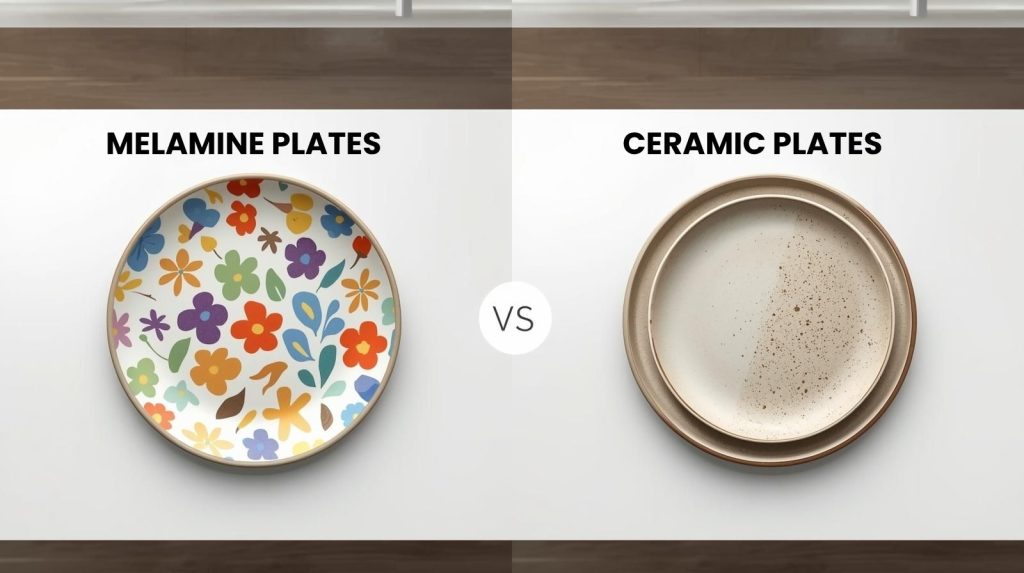
    melamine plates vs ceramic

    Melamine vs Porcelain

    Porcelain is the premium tier of ceramic dinnerware, and the differences between it and melamine are substantial across every meaningful dimension.

    Material: porcelain is a natural mineral-based ceramic fired at high temperature; melamine is a synthetic plastic resin.

    Heat tolerance: porcelain handles microwave, oven, and dishwasher use; melamine tolerates none of the above safely.

    Weight: porcelain is notably heavier despite its fine, thin walls; melamine is lighter for equivalent plate sizes.

    Surface hardness: porcelain’s vitrified glaze is harder and more scratch-resistant than melamine.

    Longevity: porcelain lasts decades; melamine degrades with heavy use over a shorter timeframe.

    Chemical safety: porcelain is non-reactive; melamine can migrate compounds under heat or acidic conditions.

    Aesthetics: porcelain has a refined, translucent quality; melamine mimics this appearance but cannot replicate it.

    For a deeper comparison within the ceramic family itself, the question of whether porcelain is stronger than stoneware addresses the durability hierarchy across ceramic types.

    Melamine Plates vs Plastic

    Melamine is technically a plastic, but it differs meaningfully from standard plastic dinnerware.

    Hardness: Melamine is significantly harder and more rigid than most standard plastics; it does not flex visibly and has a much more ceramic-like feel.

    Surface finish: melamine holds a smooth, hard surface finish that standard plastics do not; it resists surface scratching better than soft plastics.

    Heat resistance: Both melamine and standard plastic have limited heat tolerance, but melamine generally handles slightly higher ambient temperatures before warping.

    Chemical migration: both raise migration concerns at heat, but melamine specifically releases melamine and formaldehyde compounds, which are distinct from the plasticisers found in standard plastic dinnerware.

    Appearance: Melamine holds printed designs and colours far more durably than standard plastic, which fades and discolours with use.

    The issue of surface scratches from utensils affects both materials over time, though melamine’s harder surface degrades more slowly than soft plastic.

    Heat and Microwave Safety

    This is the most operationally significant difference between melamine and ceramic.

    Ceramic plates are microwave-safe and oven-safe up to their rated temperatures.

    You can reheat food directly on a ceramic plate, move a ceramic baking dish from oven to table, and run ceramic through a dishwasher on any cycle.

    Melamine cannot go in a microwave — the resin absorbs microwave energy, heats unevenly, and begins to degrade, potentially releasing compounds into food.

    It is also not oven-safe. For any household that regularly reheats food or cooks and serves from the same vessel, ceramic is the only appropriate choice.

    Weight and Handling

    Ceramic is heavier than melamine for equivalent plate sizes, sometimes significantly so, depending on the ceramic type.

    Stoneware dinner plates can weigh 600–900g each; melamine equivalents typically weigh 200–350g.

    For adults with full grip strength at a set table, the ceramic’s weight is unremarkable.

    For older adults, children setting their own places, or anyone managing limited hand strength, the lighter weight of melamine has genuine practical value.

    For outdoor dining where you are carrying multiple settings across a garden or campsite, the weight difference compounds quickly.

    Safety Considerations

    Food Safety and Material Safety

    Ceramic plates made by reputable manufacturers to modern safety standards are among the safest food contact materials available.

    The glazed surface is non-porous and non-reactive — it does not leach compounds into food under normal conditions.

    The main historical concern with ceramics has been lead and cadmium in older or poorly regulated glaze formulations.

    Modern certified ceramic dinnerware from established manufacturers uses lead-free and cadmium-free glazes.

    For a thorough look at how these concerns apply to specific ceramic categories, the resource on choosing the best dinnerware material covers safety standards across the full range of options.

    Melamine’s safety depends heavily on how it is used. Under normal cold or ambient temperature conditions — serving salads, cold foods, or room-temperature meals, melamine migration into food is minimal and within regulatory limits in most markets.

    The concern intensifies with heat. Studies have shown that melamine compound migration increases significantly when the material is exposed to hot foods, microwaves, and acidic foods.

    Scratched or worn melamine surfaces also show higher migration rates. Replace damaged melamine regularly and never use it for reheating.

    Heat Exposure Risks

    The rule for melamine is straightforward: keep it away from heat sources. No microwave, no oven, no sustained contact with very hot food.

    For ceramics, the rules are far more permissive. Standard ceramic is microwave-safe and oven-safe within its rated temperature range.

    The only ceramic heat caution is avoiding rapid thermal shocks — do not move a ceramic plate directly from a freezer into a hot oven, and do not pour boiling water into a cold ceramic vessel without warming it first.

    Fine porcelain, with its thin walls, is slightly more susceptible to thermal shock than thicker stoneware.

    Pros and Cons of Melamine Plates

    Advantages

    The shatter-resistance of melamine is its most compelling practical advantage.

    For households with young children, this is not a minor convenience; it meaningfully reduces both replacement cost and the safety risk of broken ceramic shards on the floor.

    Its lightweight improves portability and reduces fatigue in extended service settings. The low price point makes full sets accessible and replacement affordable.

    For outdoor entertaining, it is genuinely the most practical option: it survives drops, stacks easily, and is not damaged by normal outdoor conditions.

    Parents looking for budget-friendly, safe starting options might also consider IKEA stainless steel plates for children as an alternative that offers similar durability without the plastic composition concerns.

    Disadvantages

    The microwave restriction is a significant daily inconvenience in most households.

    The plastic-based composition raises concerns around chemical migration at heat, sustainability, and recyclability — melamine is not recyclable in standard streams and does not biodegrade.

    The surface scratches over time, particularly from metal cutlery, and scratched melamine is both less hygienic and more prone to compound migration.

    The concern about dishes that don’t get silverware marks is particularly relevant for melamine, which shows metal transfer marks more readily than hard ceramic surfaces over time.

    Pros and Cons of Ceramic Plates

    Ceramic vs Porcelain Plates Weight

    Weight varies considerably across ceramic types, and it is worth understanding the spectrum before buying.

    Stoneware is the heaviest common ceramic dinnerware thick walls and dense clay body mean a standard dinner plate can weigh 700–900g.

    Earthenware is slightly lighter but still substantial. Porcelain is fired at higher temperatures to a denser, more vitrified state, but its thin walls mean individual pieces often weigh less than stoneware of equivalent diameter — a porcelain dinner plate typically weighs 400–600g.

    Bone china, with its distinctive translucency, is the lightest ceramic option, often 30–40% lighter than equivalent stoneware.

    For households where weight is a daily concern, porcelain or bone china offers ceramic’s benefits at a more manageable weight.

    The full breakdown of how ceramic types compare in terms of durability is covered in the disadvantages of stoneware dinnerware material guide.

    Porcelain vs Ceramic Plates Durability

    Within the ceramic family, durability varies by type. Stoneware is the most impact-resistant common ceramic — its thick walls absorb bumps better than thin porcelain, making it more forgiving in everyday use.

    Porcelain is denser and harder at the surface due to its higher firing temperature, which makes it more scratch-resistant and chip-resistant at the rim than stoneware, despite its thinner profile.

    Earthenware is the most fragile ceramic type — lower firing temperatures produce a more porous, softer body that chips more easily.

    All ceramic types, regardless of subtype, will shatter if dropped on a hard floor. For a head-to-head comparison within the ceramic range, stoneware vs melamine plates addresses the stoneware category specifically.

    Disadvantages

    Breakage is ceramic’s main limitation. Chip a rim, crack a base, or drop a piece on tile, and it is done.

    The weight of stoneware in particular can be a practical challenge for older adults or users with limited hand strength.

    Ceramic is more expensive than melamine at equivalent quality levels. And while ceramic is generally dishwasher-safe, delicate hand-painted or metallic-accented pieces may require hand-washing to preserve the decoration.

    When to Choose Melamine vs Ceramic

    Best Uses for Melamine Plates

    Melamine earns its place in outdoor and high-activity settings.

    Garden dining, poolside entertaining, camping trips, beach outings, and family picnics are all situations where ceramic breakage would be a recurring problem.

    Households with toddlers and young children benefit from melamine’s shatter-resistance and low replacement cost during the years when plates regularly hit the floor.

    Travel, rental properties, and holiday homes where replacement inventory matters financially are also natural fits.

    Just keep melamine away from the microwave and hot food applications, and replace pieces once the surface shows significant wear.

    Best Uses for Ceramic Plates

    Ceramic is the right choice for everyday indoor home dining, restaurant service, and any situation where food is reheated or served hot directly onto the plate.

    Oven-to-table serving is a particular strength — ceramic casserole dishes, baking plates, and serving bowls move from the oven to the table without any material risk.

    Formal dining settings benefit from ceramic’s aesthetic quality and the sense of weight and craft that synthetic materials cannot replicate.

    For anyone prioritising non-toxic materials, long-term value, and versatile heat compatibility, ceramic is the more considered long-term investment.

    Care and Maintenance

    Cleaning Melamine Plates

    Most melamine is dishwasher-safe on the top rack, though repeated high-temperature dishwasher cycles gradually dull the surface over time.

    Hand-washing in warm, soapy water is gentler and extends the lifespan of printed designs.

    Avoid abrasive scrubbing pads — they accelerate surface scratching. Never use melamine in a microwave to heat food before washing.

    Inspect pieces regularly and retire any showing deep scratches, discolouration, or surface crazing, as degraded melamine surfaces are less hygienic and more prone to compound migration.

    Cleaning Ceramic Plates

    The vast majority of modern ceramic dinnerware is dishwasher-safe and handles repeated machine washing without degrading.

    Hand-washing is appropriate for older, hand-painted, or metallic-accented pieces where the decoration might be vulnerable to dishwasher chemicals.

    Stack ceramics carefully; rim chips are the most common form of damage and often occur during stacking and unstacking.

    Use felt or silicone separators between stacked plates to prevent surface contact.

    For stubborn stains on unglazed ceramic, a paste of baking soda and water applied briefly before washing removes most marks without abrasive damage.

    Conclusion

    Melamine and ceramic are both capable dinnerware materials, but they just belong in different situations.

    Melamine wins on shatter-resistance, portability, and affordability, making it the clear choice for outdoor dining, children’s settings, and travel.

    Ceramic wins on heat compatibility, non-toxic material composition, longevity, and aesthetic quality, making it the better fit for everyday indoor home dining and any application involving microwave or oven use.

    The smartest households often use both. Choose your ceramic for the table and your melamine for the garden, the kids’ plates, and the camping bag.

    Match the material to the moment, and both will serve you well.