There’s nothing more disheartening than watching a lovingly prepared meal turn cold halfway through dinner.
For slow eaters, whether elderly loved ones savoring each bite, children who take their time, or individuals with medical conditions that affect eating pace, cold food isn’t just unappetizing; it can diminish the entire dining experience.
Plate warmers for slow eaters offer a simple yet transformative solution, gently maintaining food temperature throughout the meal without constant trips to the microwave.
These thoughtful devices restore comfort, dignity, and enjoyment to mealtimes, ensuring every bite is as warm and delicious as the first.
If you’ve been searching for ways to keep meals warm longer, you’re about to discover how the right plate warmer can change everything.
Why Slow Eaters Need a Plate Warmer
Eating slowly isn’t a choice for many people; it’s a reality shaped by age, health conditions, or simply personal eating habits.
Understanding why plate warmers matter starts with recognizing the genuine challenges slow eaters face daily.
The Problem with Food Getting Cold Before Finishing
Food loses heat rapidly once served, typically dropping to lukewarm temperatures within 15-20 minutes.
For slow eaters who may take 30-45 minutes or longer to finish a meal, this means enduring cold, congealed food that’s lost its texture and appeal.
Fats solidify, sauces thicken unpleasantly, and flavors become muted.
The constant interruption of reheating disrupts the natural flow of dining, turning what should be a relaxing experience into a frustrating cycle of heating and eating.
Health and Comfort Challenges for Elderly or Disabled Users
Elderly individuals and those with disabilities often face specific eating challenges, including reduced jaw strength, swallowing difficulties, or medications that slow digestion.
Cold food becomes harder to chew and swallow, potentially creating safety concerns. For dementia patients, temperature consistency helps maintain focus on eating.
Arthritis sufferers may struggle with repeated trips to reheat food.
Heated plates for senior citizens address these concerns by maintaining optimal food temperature throughout extended mealtimes, supporting both nutrition and safety while providing the gentle warmth that makes dining more comfortable.
How Plate Warmers Improve Dining Experience
Plate warmers restore dignity and pleasure to mealtimes by eliminating the anxiety of racing against cooling food.
They create a stress-free environment where slow eaters can enjoy meals at their natural pace without compromise.
Caregivers benefit too, spending less time reheating and more time enjoying shared meals.
The consistent warmth enhances food flavor, maintains proper texture, and demonstrates thoughtful care for those who need extra time at the table.
How Plate Warmers Work
Understanding the technology behind plate warmers helps you choose the right solution for your specific needs. These devices use various heating methods to maintain food temperature safely and efficiently.
Types — Electric, Hot-Water, and Insulated Base Warmers
Electric plate warmers plug into standard outlets and use heating elements to warm plates from below, typically reaching 140-200°F.
Hot-water warmers contain sealed compartments filled with water that’s heated in the microwave, then radiates warmth for 30-60 minutes.
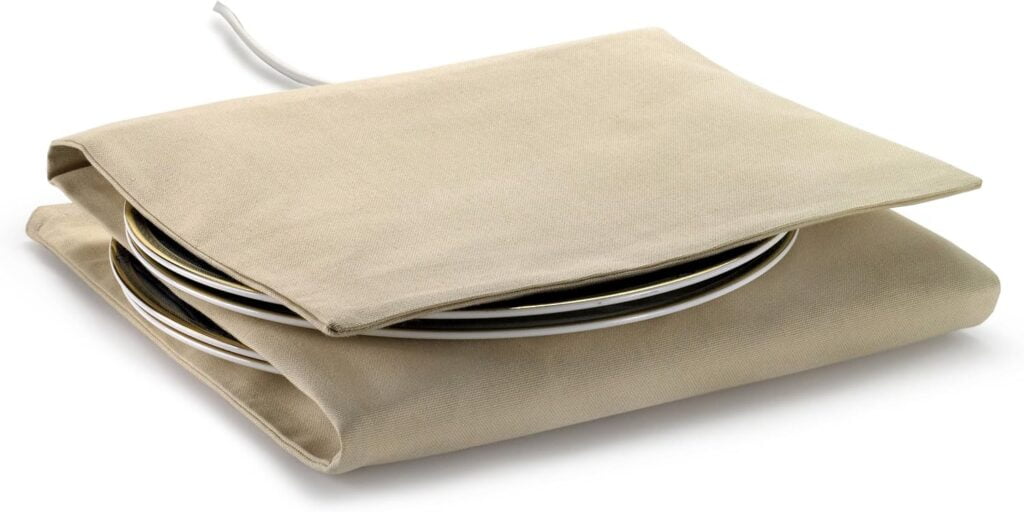
Insulated base warmers combine thermal retention materials with reflective covers to trap existing heat.
Each type offers distinct advantages: electric models provide consistent, long-lasting warmth; hot-water versions offer portability without cords; insulated options work entirely without power, making them ideal for outdoor dining or travel.
Temperature Retention and Heat Distribution Explained
Quality plate warmers maintain food temperatures between 140-165°F—the safe zone that prevents bacterial growth while keeping food appetizing.
Heat distribution varies by design: flat electric warmers heat uniformly across the plate surface, while some models feature raised edges that create air circulation.
Thermal mass matters too—ceramic and stone warmers retain heat longer than thin metal designs.
The best electric plate warmers include thermostats that cycle heating elements to maintain consistent temperatures without overheating, ensuring food stays warm for 45-90 minutes, depending on the model.
Energy Efficiency and Safety Features
Modern energy-efficient plate warmers consume surprisingly little power, typically 15-25 watts—less than a standard light bulb.
Many include automatic shut-off timers (usually 60-90 minutes), preventing energy waste and overheating.
Safety certifications like UL or CE listings ensure electrical components meet rigorous standards.
Cool-touch exteriors protect users from burns, while non-slip surfaces prevent plate sliding.
Overheat protection circuits automatically cut power if temperatures exceed safe limits, making these devices suitable for unsupervised use by elderly or disabled individuals.
Best Plate Warmers for Slow Eaters (2025 Recommendations)
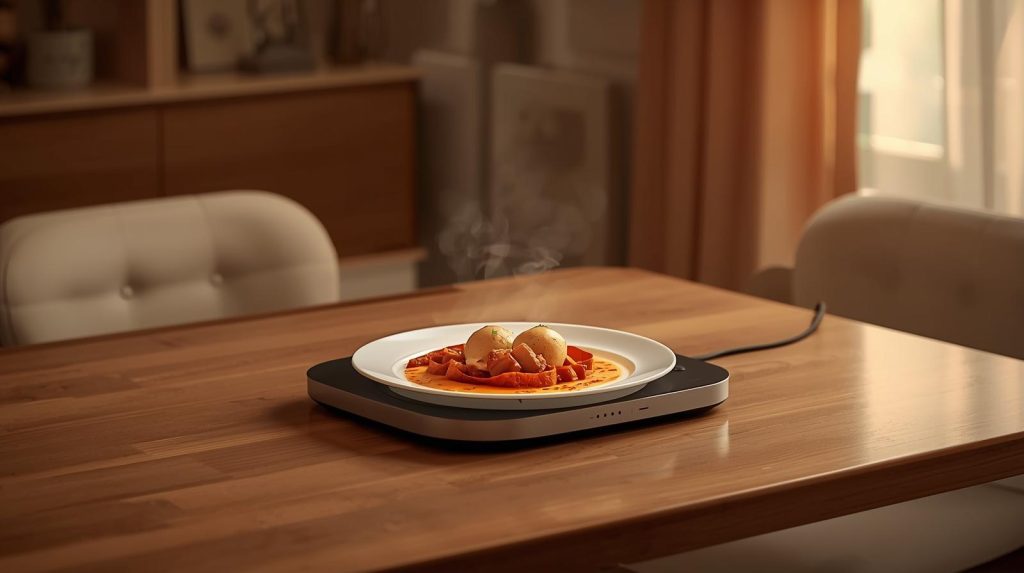
After extensive research and comparison, these plate warmers stand out for reliability, safety, and effectiveness in keeping meals warm for extended periods.
Norpro Electric Plate Warmer — Best Overall Choice
The Norpro Electric Plate Warmer heats plates to 200°F in approximately 8-10 minutes, maintaining warmth for 60+ minutes.
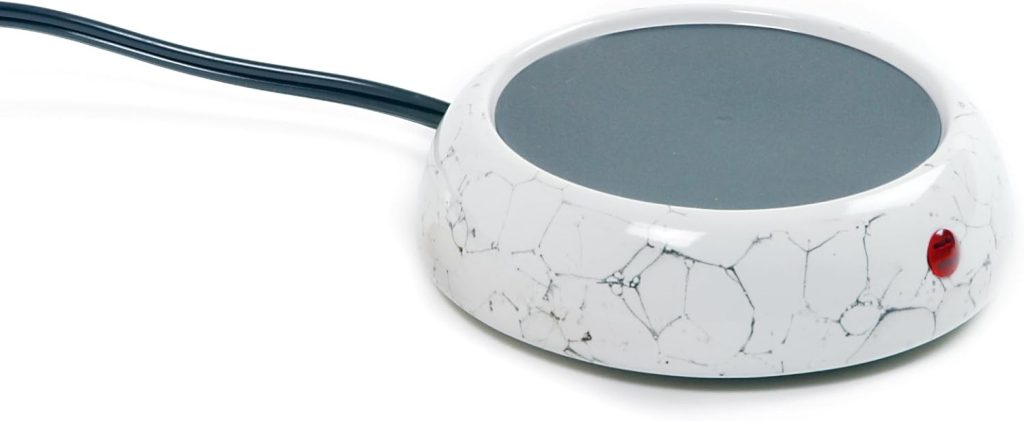
Its 12-inch diameter accommodates most dinner plates and specifically ceramic coffee mugs, while the 20-watt heating element provides gentle, consistent heat.
The cordless design, after heating, offers table flexibility.
Ideal for: Elderly users, family dinners, anyone needing reliable warmth for 45-60 minute meals
Pros:
- Fast heat-up time
- Energy-efficient operation
- Accommodates various plate sizes
- Affordable price point
Cons:
- Requires outlet access during heating
- The surface can get quite hot (use caution).
Home-X Heated Plate Mat — Best for Everyday Use
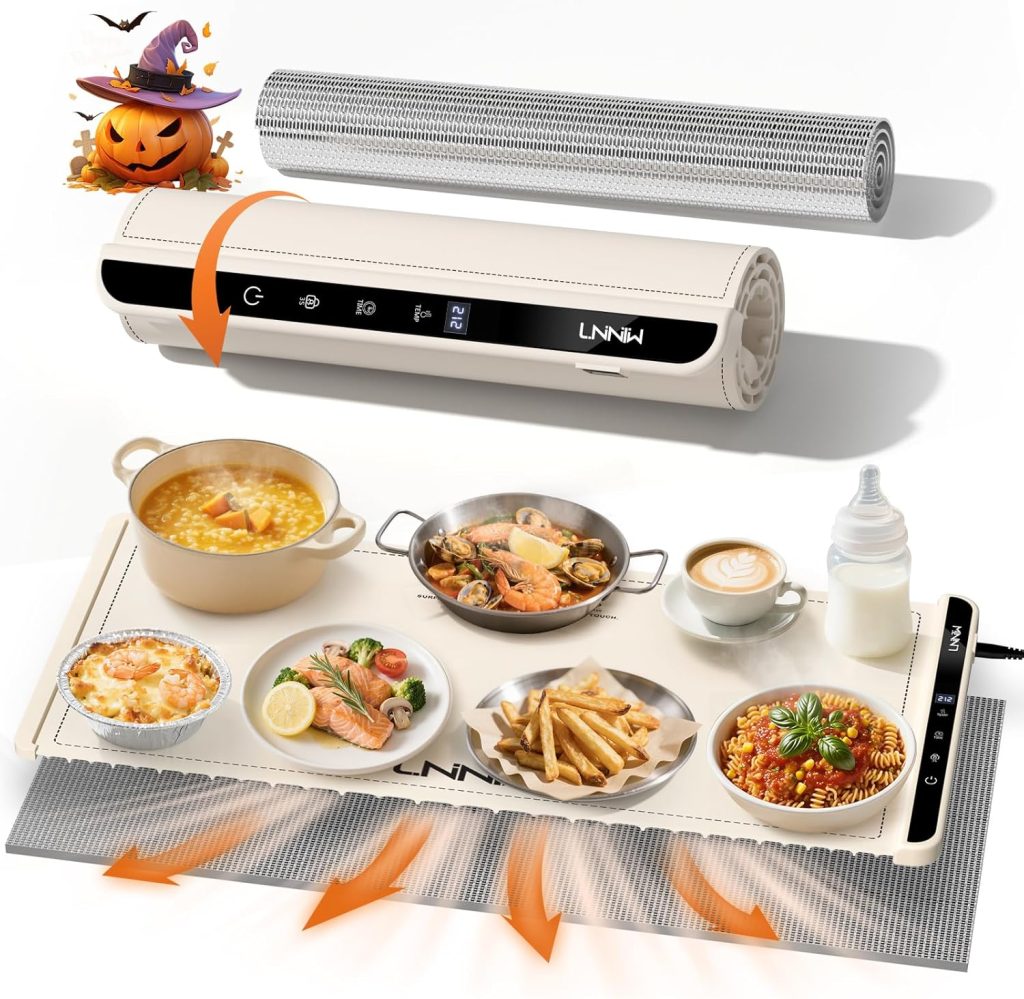
This practical heated plate mat offers 15-watt heating in a slim, portable design perfect for daily use.
It reaches optimal temperature in 10-12 minutes and maintains food warmth for 40-50 minutes. The lightweight construction makes it easy to store when not needed.
Ideal for: Children who eat slowly, everyday family use, small apartments with limited storage
Pros:
- Compact and easy to store
- Very energy-efficient
- Simple on/off operation
- Budget-friendly
Cons:
- Shorter warming duration than premium models
- Best for standard-sized plates only.
ROMMELSBACHER WPS 857/E — Best Premium Option
The ROMMELSBACHER features dual heating zones, adjustable temperature settings (up to 185°F), and a generous 14-inch surface.
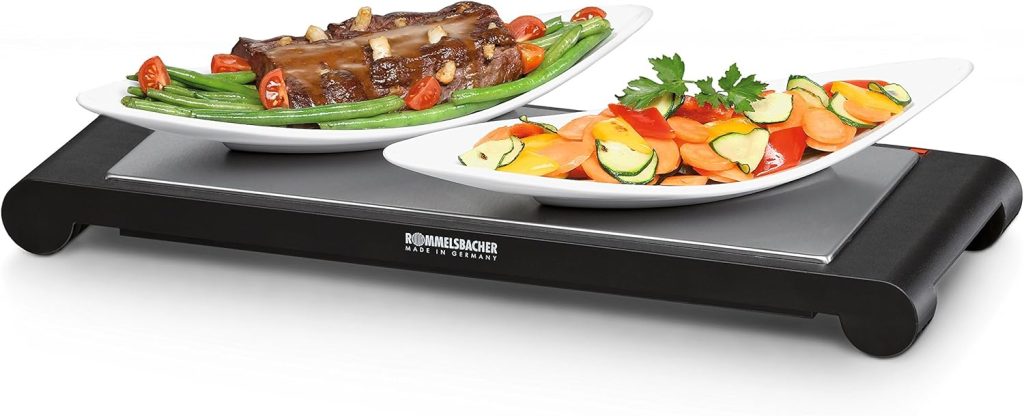
Its thermostat-controlled heating maintains precise temperatures for 90+ minutes, while the ceramic heating plate distributes warmth evenly. The sleek stainless steel design looks elegant on any table.
Ideal for: Frequent use, entertaining, users requiring extended meal times, those wanting premium features
Pros:
- Adjustable temperature control
- Extra-long warming duration
- Large capacity for bigger plates
- Professional-grade construction
- The indicator light shows the heating status
Cons:
- Higher price point
- A larger footprint requires more table space.
Hot-Pak Microwave Heat Pad — Best Portable Pick
This non-electric alternative contains a sealed gel that’s heated in the microwave for 60-90 seconds, then maintains warmth for 30-45 minutes.
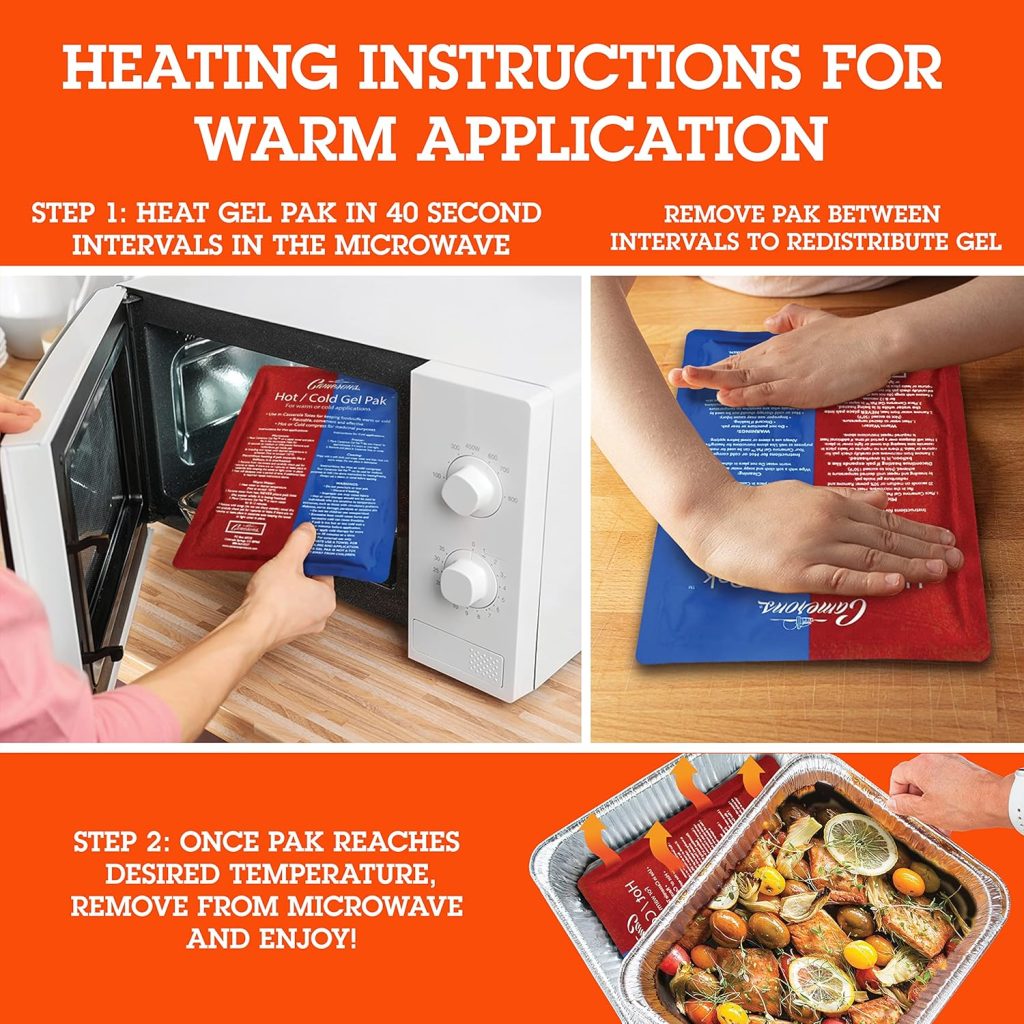
The flexible design fits under various plate sizes, and the portable nature means it works anywhere—no outlets required.
Ideal for: Travel, outdoor dining, RVs, situations without electrical access, backup option
Pros:
- Completely portable
- No electricity needed
- Reusable hundreds of times
- Safe for all ages
- Affordable
Cons:
- Requires microwave access
- Shorter warming period
- Heat gradually diminishes.
Insulated Plate Covers — Best Non-Electric Alternative
Insulated plate covers use reflective thermal materials and foam insulation to trap existing heat, keeping food warm for 20-30 minutes without any power source.

They work best when plates are preheated and work alongside other warming methods.
Ideal for: Eco-conscious users, supplementing other warming methods, and budget-conscious families
Pros:
- Zero energy consumption
- Extremely affordable
- Lightweight and stackable
- Safe for everyone
- No maintenance required
Cons:
- Shorter effective warming time
- Requires preheated plates for best results
- Doesn’t actively generate heat.
Servit Hot Plate Heaters
The Servit Hot plate heaters keep your plate hot long enough so you can enjoy your meals.

Here is how the Servit Hot Plate heater works: Place your microwave-safe dinnerware inside the microwave, then place the hot plate heater in between the dinnerware sets, and you can stack 2 or 3 dishes on top of each other.
Heat for about 30 seconds, gently remove the Servit hot plate heaters, then place your food on the heated plate.
We recommend you use thick ceramic dinnerware for this, so the heat can last longer, which helps for slow eaters.
The First drawback of the Servit hot plate heater disk is that it is not designed to keep your food warm while you eat; rather, it warms up your plate so that the plate is hot when you serve the food, and then you can enjoy your meal.
Another disadvantage of the Servit hot plate heater is that you must warm the plate (using a microwave oven) before adding food, thereby helping your food stay warm much longer.
We also recommend that you don’t overheat the plates in the microwave, so they don’t crack.
With this plate heater device, you instantly get your plate hot in seconds, and your meal stays warm while you eat.
Let’s see examples of electric plate warmers for sluggish eaters.
Insulated Plate to Keep Food Warm
Insulated plates are like special dishes designed to keep your food warm for longer. They work by using two layers.

The inner layer is usually made of a good heat-retaining material like stainless steel or ceramics. This layer holds the heat from your hot food.
The outer layer is where the magic happens. It’s made of materials that don’t let heat escape easily, like plastic or more insulation.
This layer acts like a cozy blanket for your food, trapping the heat inside and not letting it escape into the room.
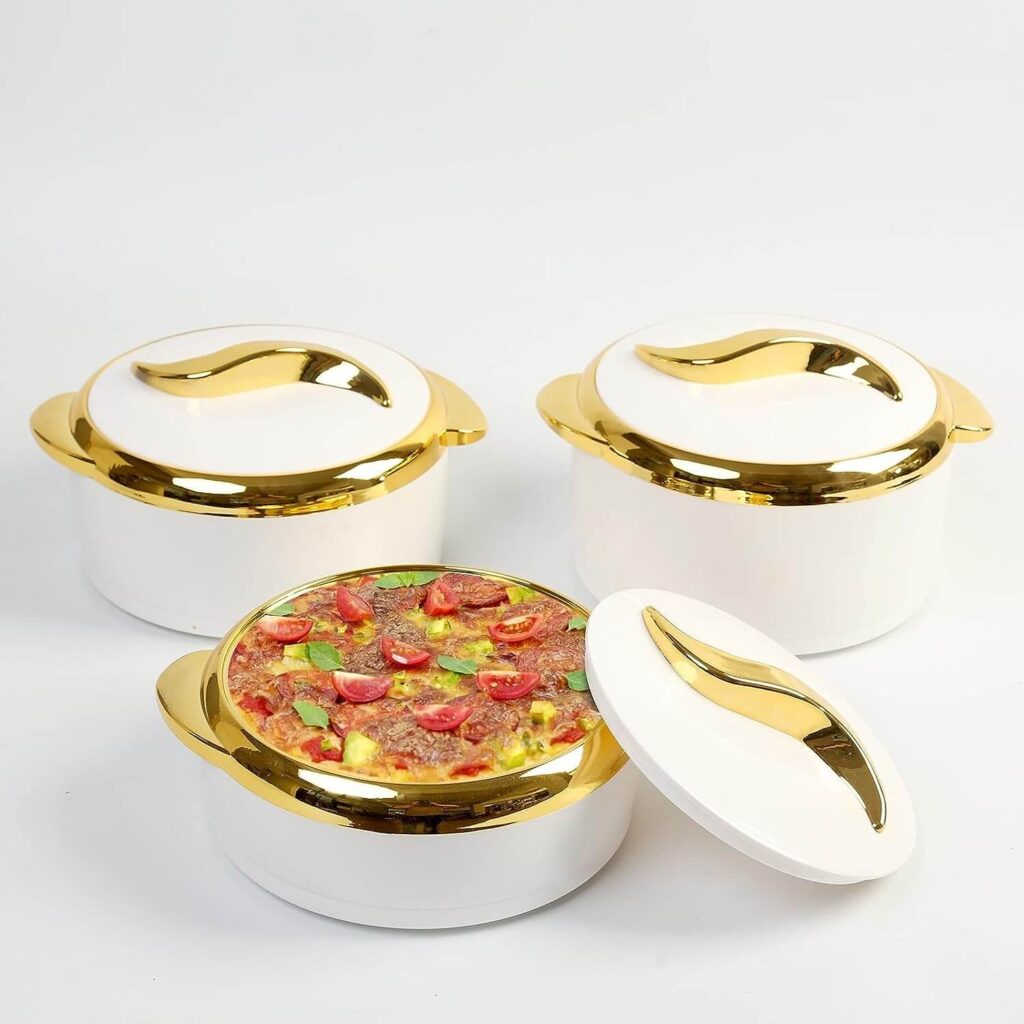
So, when you put your hot food on this plate, the inner layer keeps the food warm, and the outer layer keeps the heat from escaping.
It’s a bit like wearing a warm winter coat on a cold day – it helps you stay warm by trapping your body heat.
This way, even after some time, when you come back to your food, it’s still warm and tasty.
Insulated plates are handy for keeping your meals nice and toasty, especially when you want to enjoy your food slowly without it getting cold too quickly.
Hotsmart Hot Gourmet Plates

The Hotsmart hot gourmet plate is made up of bone china that can store heat comfortably.
The Hotsmart hot gourmet plate can also prevent your food from overheating or overcooking. Your favorite meal can stay hot, especially for the elderly, Alzheimer’s, and Parkinson’s patients.
You simply preheat for up to 30 seconds, heat your food at any desired temperature on the plate, and monitor it frequently while turning the food with the aid of the microwave oven turntable.
It is a perfect feeding aid for the sick and the elderly with geriatrics.
Individual Dinner Plate Warmer
The Individual dinner plate warmer is also known as the warm plate helper; it is like giving your plate superhero power to stay hot and yummy while you eat.
There are plate warmers that can be used for up to 5 to 10 persons, but the individual dinner plate warmers can be used by only one person at a time.
You know how sometimes, when you’re eating, your food starts to get a bit cold, especially if you take your time to enjoy it?
Well, the individual dinner plate warmer is like a superhero that saves your food from getting cold!
Here’s how it works: You place your regular plate of food on top of this special plate warmer. The plate warmer is like a secret heating pad, but it’s safe for plates.
It gently warms the plate from underneath, just like a cozy blanket, so your food stays warm and delicious until you finish eating!
So, you can take your time to chat with your family or friends during dinner without worrying about your food getting cold.
Factors to Consider Before Buying a Plate Warmer
Choosing the right plate warmer requires evaluating several key factors that affect performance, safety, and user satisfaction. These considerations ensure your investment meets your specific needs.
Heat-Up Time and Temperature Range
Heat-up time varies from 5 to 15 minutes depending on the model and desired temperature.
Electric plate warmers typically reach 140-200°F, with higher temperatures heating faster but requiring more careful monitoring.
Consider your typical meal duration: if meals last 60+ minutes, prioritize models that maintain 160°F+ for extended periods.
Temperature range flexibility matters for different food types—delicate items like fish need gentler warmth (140-150°F) while heartier dishes benefit from higher heat (170-190°F).
Models with adjustable thermostats offer the most versatility.
Power Source (Electric vs Thermal)
Electric plate warmers provide consistent, reliable heating but require outlet access and consume continuous power during operation.
They’re ideal for stationary dining areas and frequent use. Thermal warmers (microwave-heated pads) offer portability and zero electricity at the table, but need reheating access and provide shorter warming duration.
Battery-operated options exist but typically offer limited heating capacity. Consider your dining setup: fixed dining room tables suit electric models, while eat-anywhere flexibility favors thermal options.
Energy costs for electric warmers remain minimal at 15-25 watts per use.
Size, Weight, and Compatibility with Plates
Plate warmer surfaces range from 10 to 14 inches in diameter. Measure your most-used dinner plates; they should sit comfortably on the warmer surface without overhanging.
Weight affects portability and storage: lightweight models (under 2 lbs) suit users with limited strength, while heavier units (3-5 lbs) often indicate better construction and heat retention.
Check plate material compatibility; most warmers work with ceramic, porcelain, and stoneware, but some may not suit thin glass or metal plates.
Warmer thickness matters too for table clearance and storage space. Many senior citizens find lightweight plates useful when paired with plate warmers, as the combination reduces the overall weight they need to handle during meals.
Energy Usage and Safety Certifications
Look for UL, CE, or ETL safety certifications confirming the device meets electrical safety standards. Energy-efficient models consume 15-25 watts, costing mere pennies per use.
Auto shut-off features (30-90 minute timers) prevent energy waste and reduce fire risk. Overheat protection automatically cuts power at unsafe temperatures.
Cool-touch housings protect users from burns, essential for households with children or elderly users.
Non-slip feet prevent accidents, while cord length (typically 3-5 feet) affects placement flexibility. Read user reviews specifically mentioning safety experiences before purchasing.
Safety and Maintenance Tips
Proper use and care of your plate warmer ensures longevity, optimal performance, and, most importantly, prevents accidents or injuries during use.
Safe Use for Children or the Elderly
Never leave heating plate warmers unattended with unsupervised children, as surfaces can reach temperatures causing burns.
For elderly users, choose models with cool-touch exteriors and clear indicator lights showing when heating is active.
Place warmers on stable, flat surfaces away from table edges to prevent tipping. Ensure cords don’t create tripping hazards.
For dementia patients or those with reduced sensation, consider non-electric thermal options or use plate covers over electric warmers as a protective barrier.
Always test the plate temperature before serving to vulnerable users.
Cleaning and Storage Practices
Unplug electric warmers and allow complete cooling before cleaning, typically 20-30 minutes. Wipe surfaces with damp cloths; avoid submerging electrical components in water.
Most plate warmer surfaces are water-resistant but not waterproof. Remove food spills immediately to prevent buildup that affects heat distribution.
For thermal heat pads, clean vinyl surfaces with mild soap and water. Store plate warmers in dry locations away from moisture.
Coil electrical cords loosely to prevent wire damage. Avoid stacking heavy items on top of warmers during storage, which can warp heating surfaces.
Avoiding Overheating or Burns
Use the lowest effective temperature setting for your food type—higher isn’t always better and can dry out meals.
Don’t preheat the warmer for longer than the manufacturer’s recommendations, typically 8-12 minutes. Never place empty plates on maximum heat settings for extended periods.
Use oven mitts or pot holders when handling heated plates, even if the warmer base feels cool. Don’t cover electric warmers with towels or tablecloths during operation, as this can trap heat dangerously.
Keep flammable materials (paper napkins, placemats) at least 6 inches away from active heating surfaces.
Alternative Ways to Keep Food Warm
While plate warmers offer excellent solutions, several alternative methods can keep food warm for slow eaters, either as standalone options or complementary approaches.
Insulated Bowls and Covers
Double-walled insulated bowls trap heat effectively, keeping soups, stews, and hot cereals warm for 30-45 minutes without power.
Some features include vacuum-sealed construction similar to thermoses, offering superior heat retention.
Insulated plate covers create a microclimate over food, reducing heat loss by up to 60% compared to uncovered plates.
Combining a preheated plate with an insulated cover can maintain food temperature for 40-50 minutes.
These options work excellently for travel, outdoor dining, or as eco-friendly alternatives.
They’re particularly useful for children’s meals at school or daycare, where electrical devices aren’t practical.
Preheating Plates with Hot Water
A simple, zero-cost method involves running plates under hot water or submerging them in a sink of hot water for 2-3 minutes before plating food.
This technique works surprisingly well, keeping food warm for an additional 15-20 minutes. For better results, heat plates in a 200°F oven for 10 minutes—effective but requires planning.
Some dishwashers have “sanitize” cycles that heat dishes to 150°F+, perfect for preheating before meals.
This method pairs excellently with insulated covers for extended warmth without electricity.
Using Warming Trays and Pads
Full-size warming trays offer larger surfaces (16-24 inches), accommodating multiple plates simultaneously, ideal for family dinners or entertaining.
They typically maintain 140-200°F across the entire surface. Smaller warming pads provide targeted heat for individual plates or serving dishes.
Some models include adjustable temperature zones for different food types. Chafing dishes work well for buffet-style serving, keeping food warm in serving bowls rather than individual plates.
These alternatives suit different dining scenarios; choose based on whether you need individual plate warming or multi-dish warming capabilities.
FAQs About Plate Warmers for Slow Eaters
Electric plate warmers typically keep food hot for 45-90 minutes, depending on the model, starting food temperature, and ambient room temperature.
Premium models with thermostat controls maintain consistent heat for up to 2 hours. Non-electric thermal warmers (microwave-heated pads) provide 30-45 minutes of warmth. Insulated covers alone offer 20-30 minutes.
For best results, combine a preheated plate with an electric warmer and serve food piping hot initially.
Yes, when used properly. Choose models with cool-touch exteriors, automatic shut-off features, and stable non-slip bases.
Always supervise children during use and test the plate temperature before serving. For elderly users, especially those with reduced sensation or dementia, non-electric thermal options may be safer alternatives.
Never allow unsupervised use by individuals who cannot recognize hot surfaces. Models with UL or CE safety certifications offer additional peace of mind.
Most ceramic, porcelain, and stoneware plates work excellently on plate warmers. However, avoid thin glass plates that may crack from uneven heating, and metal plates that can conduct heat excessively.
Check your plate’s diameter against the warmer’s surface size; plates should rest fully on the heating surface without overhanging.
Heavily decorated plates with metallic trim may not be suitable for some warmers. When in doubt, start with shorter heating times and monitor carefully.
Electric plate warmers consuming 15-20 watts are most energy-efficient, costing approximately 1-2 cents per hour of operation.
Models with auto shut-off timers prevent unnecessary energy use. However, non-electric options like microwave-heated thermal pads use zero electricity at the table, though they require microwave energy for initial heating.
Insulated covers consume no energy whatsoever. For frequent daily use, low-wattage electric models offer the best balance of convenience and efficiency.
Conclusion — Warm Meals, Happier Dining
Plate warmers for slow eaters transform mealtimes from frustrating races against cooling food into relaxed, enjoyable experiences.
Whether you’re caring for an elderly parent, supporting a child who needs extra time, or simply want to savor meals at your own pace, the right plate warmer delivers comfort, dignity, and delicious warm food from first bite to last.
The best plate warmer 2025 models offer impressive energy efficiency, robust safety features, and reliable performance that make them worthy investments in mealtime quality.
From budget-friendly options to premium temperature-controlled models, there’s a perfect solution for every need and budget.
Don’t let cold food diminish another meal—choose a plate warmer that brings warmth back to your table.