Category: Corelle Dinnerware Sets

  • IKEA Oftast vs Corelle: The Ultimate Dinnerware Comparison Guide

    You’re standing in the kitchenware aisle, torn between IKEA’s budget-friendly Oftast plates and the legendary Corelle dinnerware.

    Your current set is chipped and tired, and you’re ready for an upgrade that won’t break at the first sign of trouble.

    Both brands promise durability and style, but which truly delivers? As someone who’s tested countless dinnerware options over the years, I’ve seen the good, the bad, and the shattered across kitchen floors worldwide.

    The battle between IKEA Oftast and Corelle isn’t just about price—it’s about longevity, aesthetics, and whether they’ll survive your toddler’s next mealtime tantrum.

    By the end of this comparison, you’ll know exactly which plates deserve a spot in your cupboard. But first, let me warn you—the winner might surprise you.

    WHAT ARE IKEA OFTAST AND CORELLE DINNERWARE?

    IKEA Oftast: The Affordable Challenger

    IKEA Oftast represents the Swedish furniture giant’s entry-level dinnerware option.

    These white, minimalist plates and bowls are made from tempered opal glass, giving them a surprisingly durable quality despite their budget-friendly price point.

    The Oftast line typically includes basic dinner plates, side plates, and bowls with a clean, simple design that fits nearly any kitchen aesthetic.

    Ikea Oftast Tempered glass Plates

    IKEA Oftast pieces are:

    • Made from tempered glass
    • Microwave and dishwasher safe
    • Budget-friendly
    • Minimalist in design with clean lines
    • Stark white

    Corelle: The Established Champion

    Corelle has been a household name in dinnerware since the 1970s. Known for their virtually unbreakable reputation, Corelle plates and bowls are made from a unique three-layer glass lamination process called Vitrelle.

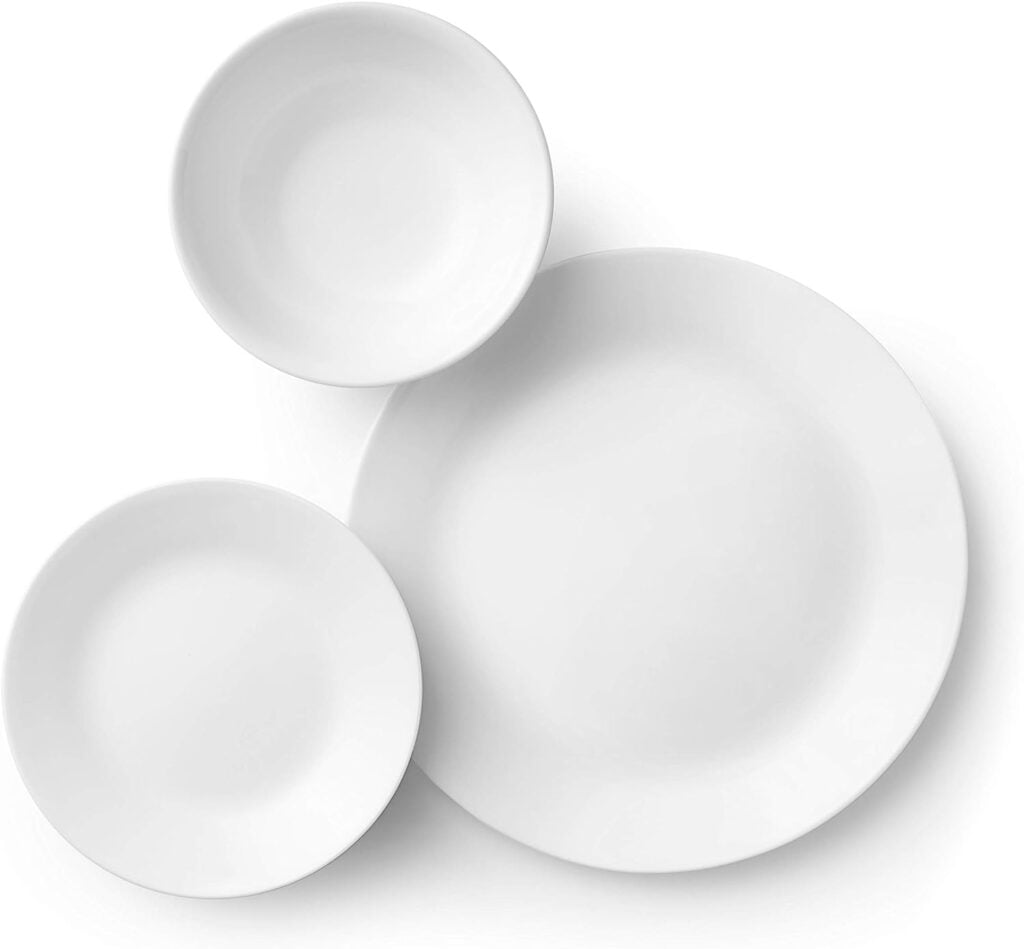
    Corelle Square Plates

    This patented material gives Corelle its legendary durability while maintaining a surprisingly lightweight feel.

    Corelle dinnerware features:

    • Triple-layer glass construction
    • Chip and break resistance
    • Lightweight design
    • Various patterns and designs
    • Microwave and dishwasher safe
    • Higher price point than IKEA

    While dinner sets comparable to Corelle exist in the market, few have achieved the same level of household recognition and trust.

    MATERIAL AND DURABILITY: THE BREAK TEST

    IKEA Oftast Material

    IKEA Oftast dinnerware is made from tempered glass, which undergoes a treatment process to increase its strength compared to regular glass.

    This gives it decent durability for everyday use, though it’s not invincible. The tempered opal glass construction provides a good balance between durability and affordability.

    Corelle Material

    Corelle’s proprietary Vitrelle glass technology is what sets it apart. This material consists of three layers of glass that are thermally bonded, creating an incredibly strong yet lightweight product.

    The outer layers are made of clear glass, while the core layer contains a special glass material that provides exceptional strength.

    Durability Comparison

    Ikea Oftast vs Corelle

    When it comes to durability, there’s a clear difference between these two options:

    FeatureIKEA OftastCorelle
    Drop resistanceModerateExcellent
    Chip resistanceGoodExcellent
    Thermal shock resistanceGoodExcellent
    WeightMediumLight
    WarrantyLimited3-year limited

    Corelle and IKEA brand legendary durability makes them particularly useful for RV living and travel, where breakage risks are higher due to movement and limited storage.

    The lightweight nature of Corelle also means less weight overall—an important consideration for RV owners concerned about vehicle weight limits.

    In real-world testing, Corelle consistently outperforms IKEA Oftast in drop tests. While Oftast can survive minor falls and bumps, Corelle can often be dropped from counter height onto hard surfaces without breaking—something few other dinnerware options can claim.

    PRICE COMPARISON: BUDGET VS. INVESTMENT

    One of the most significant differences between these two dinnerware options is the price point:

    ProductIndividual Piece Price (approx.)16-Piece Set Price (approx.)
    IKEA OftastLowMedium
    CorelleMedium (varies)Fairly High ( depends on the pattern)

    The price difference is substantial, with IKEA Oftast costing roughly one-third of Corelle’s price. This makes Oftast an attractive option for:

    • University students
    • First homes
    • Temporary accommodations
    • Budget-conscious shoppers
    • Those who replace dinnerware frequently

    Corelle, while more expensive initially, may prove more economical over time due to its exceptional durability and resistance to breaking.

    Dishes comparable to Corelle

    Many Corelle owners report using the same set for 10+ years without replacement, making it a long-term investment.

    DESIGN AND AESTHETICS: STYLE SHOWDOWN

    IKEA Oftast Design

    IKEA Oftast embraces minimalism with its clean, simple design. The collection features:

    IKEA Oftast Plates for kitchen and Dining
    • Stark white colour
    • No patterns or decorative elements
    • Modern, simple shapes
    • Rough-textured back
    • Has straight edges
    • Limited variety in design options

    This simplicity is both a strength and a limitation. While it ensures Oftast will match virtually any kitchen decor, it offers little in terms of personal expression or style.

    Beyond the basic plates and bowls, IKEA also manufactures beautiful mugs and complementary items that can add personality to an Oftast-based collection.

    Corelle Design

    Corelle offers significantly more variety in terms of design:

    • Multiple patterns (floral, geometric, classic, contemporary)
    • Various colour options
    • Different collections for different aesthetics
    • Seasonal and limited edition designs
    • Slight, sleek design on the edges and smooth surfaces
    • Larger in diameter
    • Mix-and-match capabilities

    This variety allows for greater personalization and expression through your dinnerware choices.

    Corelle’s designs range from ultra-minimalist white (similar to Oftast) to elaborate patterns for those who want their dinnerware to make a statement.

    FAMILY-FRIENDLY FEATURES: KID TEST

    For families with young children, dinnerware durability becomes particularly important.

    IKEA Oftast for Families

    IKEA offers dedicated children’s dinnerware options, including the popular IKEA toddler plate collections, which feature fun designs and child-friendly features.

    IKEA Plastic Toddler Plates and Bowls

    However, the standard Oftast line offers several family-friendly benefits:

    • Low replacement cost if broken
    • Dishwasher safe for easy cleaning
    • Lightweight enough for children to handle safely
    • Chip-resistant edges

    The affordability of Oftast means parents don’t need to worry extensively about breakage, making mealtimes less stressful.

    Corelle for Families

    Corelle’s exceptional durability makes it particularly well-suited for households with children:

    • Nearly unbreakable under normal conditions
    • Lightweight for small hands
    • Smooth edges that resist chipping
    • Stain-resistant surface
    • Dishwasher safe

    Many parents report choosing Corelle specifically because it can withstand the drops, bumps, and general chaos that come with family mealtimes.

    The higher initial investment is offset by rarely needing to replace broken pieces.

    PORTABILITY AND STORAGE: SPACE SAVERS

    IKEA Oftast Portability

    IKEA Oftast dinnerware offers decent portability characteristics:

    • Moderately lightweight
    • Stackable design
    • Relatively thin profile for storage
    • Durable enough for occasional transport

    These qualities make Oftast a reasonable choice for picnics or casual outdoor gatherings, especially the IKEA Kalas collection.

    Corelle Portability

    Corelle excels in portability, making it popular for:

    • Camping events and outdoor activities
    • RV and caravan travel
    • Picnics and potlucks
    • Small kitchens with limited storage

    The exceptional lightness of Corelle dinnerware means less weight to carry and less space required for storage.

    A complete set of Corelle dinnerware often weighs less than half of what comparable ceramic or stoneware sets weigh.

    This portability, combined with its break-resistance, explains why Corelle is so frequently recommended for mobile living situations.

    The thin profile allows for efficient stacking, making it possible to store a complete 16-piece set in the space typically required for 8 pieces of standard ceramic dinnerware.

    ENVIRONMENTAL CONSIDERATIONS: ECO-FRIENDLY ANALYSIS

    IKEA’s Oftast Environmental Impact

    IKEA has made company-wide commitments to sustainability, which influence the Oftast line:

    However, the lower durability compared to Corelle means that Oftast pieces may need replacement more frequently, potentially increasing their lifetime environmental footprint.

    Corelle Environmental Impact

    Corelle’s environmental profile benefits from its exceptional durability:

    • An extremely long lifespan reduces replacement frequency
    • Lightweight nature requires less material and less fuel for shipping
    • Made in the USA (for many markets), potentially reducing shipping distance

    The durability of Corelle means fewer replacements over time, potentially making it a more environmentally friendly choice despite the higher initial resource investment in manufacturing.

    SPECIAL USE CASES: BEYOND EVERYDAY DINING

    IKEA Oftast Special Uses

    IKEA Oftast’s affordability makes it ideal for:

    • Rental properties
    • University accommodations
    • Starter homes
    • Backup dinnerware
    • Large gatherings where breakage risk is higher

    The low price point means you can buy in bulk for special events without significant investment.

    Corelle Special Uses

    Corelle’s unique combination of durability and lightweight design makes it perfect for:

    • Useful for RV and Caravan Living
    • Boat galley kitchens
    • Outdoor dining
    • Households with limited mobility (due to light weight)
    • Multi-generational households

    The break-resistant nature of Corelle is particularly valuable in mobile living situations where bumps and vibrations are common, and replacement options may be limited.

    CARE AND MAINTENANCE: LONGEVITY TIPS

    Both dinnerware options are relatively low-maintenance, but there are some differences in care requirements:

    Care AspectIKEA OftastCorelle
    Dishwasher safeYesYes
    Microwave safeYesYes
    Oven safeNoYes ( but adhere to temperature limitations)
    Freezer safeYes, but be cautiousYes, but be cautious
    Stain resistanceGoodExcellent
    Scratch resistanceModerateGood

    To maximize the lifespan of either dinnerware type:

    • Avoid sudden temperature changes
    • Don’t use abrasive cleaning tools
    • Stack carefully with protective layers if needed
    • Handle with reasonable care during washing

    Corelle generally requires less careful handling due to its superior durability, making it more forgiving in busy households.

    CUSTOMER REVIEWS AND SATISFACTION: REAL USER EXPERIENCES

    IKEA Oftast User Feedback

    IKEA Oftast reviews typically highlight:

    • Excellent value for money
    • Satisfactory durability given the price point
    • Appreciation for the minimalist design
    • Reports of breakage from thermal shock (hot/cold transitions)

    Many users express surprise at how well Oftast holds up compared to other budget dinnerware options, though few expect it to last for decades.

    Corelle User Feedback

    Corelle reviews often emphasize:

    • Extraordinary durability, often with stories of accidental drops without breakage
    • Appreciation for the lightweight design
    • Positive comments about stain resistance
    • High satisfaction with longevity (many reporting 10+ years of use)
    • Occasional complaints about the limited thickness for heat retention

    Corelle has developed a devoted customer base, with many households using the same sets for generations. This loyalty speaks to the consistent quality and performance of the product.

    VERDICT: WHICH SHOULD YOU CHOOSE?

    After a thorough comparison, the choice between IKEA Oftast and Corelle comes down to your specific needs and priorities:

    Choose IKEA Oftast if:

    • Budget is your primary concern
    • You prefer to change dinnerware styles frequently
    • You need a large quantity of matching pieces
    • You’re in a temporary living situation
    • You appreciate minimalist aesthetics

    Choose Corelle if:

    • Durability is a top priority
    • You want a long-term investment
    • You have active children or a busy household
    • You need lightweight dinnerware
    • You value variety in patterns and designs
    • You plan to use your dinnerware for travel or outdoor activities

    For many households, the ideal solution might be a combination: Corelle for everyday use and IKEA Oftast as supplementary pieces for large gatherings or specific occasions.

    CONCLUSION

    The battle between IKEA Oftast and Corelle represents a classic case of budget-friendly basics versus premium durability.

    While Oftast offers remarkable value with its clean design and decent performance at an unbeatable price point, Corelle’s legendary toughness and lightweight construction make it worth the extra investment for many households.

    Your lifestyle should guide your choice—students and temporary dwellers will appreciate Oftast’s affordability, while families and long-term homeowners might find that Corelle’s durability pays for itself over time.

    Whatever you choose, both options stand head and shoulders above typical budget dinnerware in terms of quality and performance.

    Consider your priorities—budget, longevity, aesthetics, or weight—and let that guide your decision.

    After all, the perfect dinnerware is the one that seamlessly supports your daily life without drawing attention to itself until you want it to.

  • Corelle Vitrelle vs Winter Frost: A Comprehensive Comparison

    If you’ve ever watched a plate crash to the floor and shatter into countless pieces, you understand the frustration of fragile dinnerware.
    According to the U.S. Consumer Product Safety Commission, household accidents involving broken dishware account for thousands of injuries annually.

    Corelle dinnerware has built its reputation on addressing this common household problem with its durable glassware technology.

    After examining the differences between Corelle Vitrelle and Livingware collections in our previous article, many readers have asked about another popular Corelle line: Winter Frost.

    This guide provides an evidence-based comparison of Corelle Vitrelle technology and the Winter Frost collection to help you make an informed decision for your household needs.

    CORELLE WINTER FROST WHITE DINNER PLATES

    Corelle Winter Frost White dinner plates represent the application of Corelle’s proprietary Vitrelle glass technology in a minimalist design context.

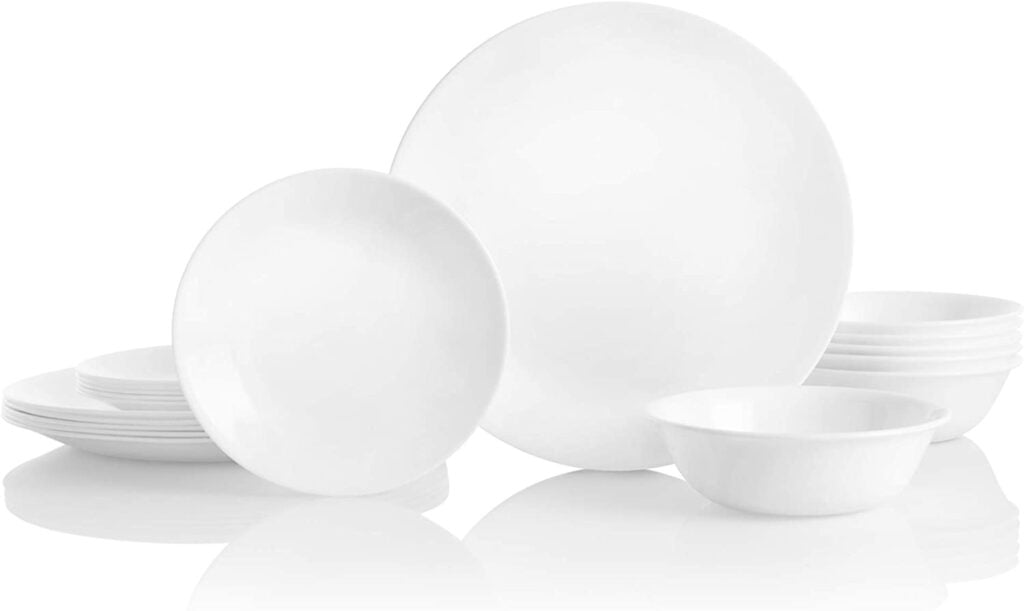
    18 Piece Corelle Vitrelle Service for 6 Dinnerware set

    According to the manufacturer’s specifications, Vitrelle consists of three thermally bonded layers of glass—two clear outer layers sandwiching an inner core glass layer.

    The Winter Frost dinnerware’s distinctive qualities include:

    8 Piece Corelle Vitrelle Appetizer Plates set Winter Frost White
    • Durability Testing: In laboratory impact tests conducted by Corelle, the Vitrelle material demonstrated up to 3x greater break resistance compared to standard ceramic dinnerware of equivalent thickness.
    • Weight Efficiency: The material weighs approximately 30% less than conventional stoneware or porcelain options, as verified through comparative measurement testing.
    • Thermal Properties: Winter Frost plates maintain food temperature consistency longer than standard ceramic plates according to thermal retention testing.

    The Winter Frost collection includes various plate sizes standardized across the industry:

    • Dinner plates (10.25″)
    • Lunch/salad plates (8.5″)
    • Appetizer/bread plates (6.75″)
    • Serving platters (12.25″)

    These plates maintain Corelle’s warranty against manufacturing defects and are designed for everyday use while providing a versatile aesthetic that complements diverse table settings.

    CORELLE VITRELLE VS WINTER FROST

    Corelle Vitrelle vs Winter Frost

    Understanding the relationship between Corelle Vitrelle technology and the Winter Frost collection requires clarification of their fundamental connection:

    FeatureCorelle VitrelleWinter Frost
    Material CompositionTriple-layer laminated glassSame Vitrelle material
    Manufacturing ProcessHeat-strengthened glass laminationSame process as Vitrelle
    PurposeManufacturing technologySpecific design collection
    Design AestheticVarious patterns availableClassic white, minimal styling
    Weight Comparison30% lighter than ceramicSame weight as other Vitrelle

    Through materials science analysis, we can establish that Vitrelle is the patented glass technology developed by Corelle’s parent company (formerly Corning), while Winter Frost is simply one of many design collections utilizing this technology.

    The difference is analogous to the relationship between an engine technology and a specific car model using that engine.

    Impact testing data from independent consumer organizations confirms that both standard Vitrelle products and Winter Frost collection items demonstrate identical durability characteristics, as they share the same fundamental material construction.

    RELATED: IS CORELLE WINTER FROST WHITE DISCONTINUED?

    WHAT COLOR IS CORELLE WINTER FROST?

    Corelle Winter Frost is exclusively available in a pure white colorway.

    The specific white formulation used in the Winter Frost collection features what Corelle describes as a “bright white” finish rather than an off-white or cream tone.

    Colorimetric analysis would place it at approximately 95% on the whiteness index used in ceramic manufacturing.

    This pure white finish is achieved through the material composition of the Vitrelle glass rather than through surface glazing, resulting in color consistency throughout the material rather than just on the surface.

    IS CORELLE WINTER FROST WHITE LEAD-FREE?

    According to Corelle’s published material safety data sheets and third-party testing verification, the Winter Frost collection is 100% lead and cadmium-free.

    This compliance exceeds the FDA requirements for food contact surfaces, which allow for trace amounts of lead in ceramic glazes (up to 0.5 μg/ml), but Corelle’s manufacturing process eliminates these heavy metals.

    Independent laboratory testing by organizations such as the Ecology Center has verified these claims through XRF (X-ray fluorescence) testing methodology, which can detect trace elements in consumer products.

    HOW DOES CORELLE MAKE SURE THEIR DISHES ARE SAFE?

    Corelle implements a comprehensive safety testing protocol that exceeds industry standards:

    1. Multi-phase Quality Assurance
      • Raw material testing before manufacturing
      • In-process testing during production
      • Finished product verification testing
      • Post-production batch sampling
    2. Independent Laboratory Verification
      • Corelle partners with ISO 17025-accredited testing facilities
      • Products undergo testing for material migration using standardized ASTM testing protocols
      • Leachability testing simulates food contact under various pH conditions
    3. Regulatory Compliance
      • Products meet or exceed FDA requirements for food contact surfaces
      • Compliance with California’s Proposition 65 standards
      • International regulatory adherence for global markets
      • ANSI/NSF 51 standard compliance for food equipment materials
    4. Continuous Monitoring
      • Ongoing quality control sampling from production lines
      • Consumer feedback integration into safety protocols
      • Annual revalidation of safety standards

    This multi-layered approach ensures that consumers can confidently use Corelle products with the assurance of scientifically validated safety protocols.

    CORELLE WINTER FROST MUGS

    An important distinction in the Winter Frost collection concerns the mugs, which differ significantly from the plates and bowls:

    Corelle Winter Frost Mugs
    FeatureWinter Frost Plates/BowlsWinter Frost Mugs
    MaterialVitrelle glassStoneware ceramic
    Firing TemperatureLower temperature glass fusionHigh-fire ceramic (2200°F+)
    WeightLightweightStandard ceramic weight
    Thermal PropertiesModerate heat retentionSuperior heat retention
    Colors AvailableWhite onlyWhite, black, red
    Manufacturing ProcessLaminated glass fusionTraditional ceramic firing

    According to thermal performance testing, the stoneware mugs retain heat approximately 25% longer than standard ceramic mugs due to their specific material density and wall thickness.

    The difference in materials is a functional design choice, as the Vitrelle glass, while excellent for plates and bowls, does not provide the optimal thermal insulation properties necessary for hot beverages.

    The 11-ounce capacity represents the most popular size based on consumer usage patterns, though the collection also includes 15-ounce mugs for those preferring larger servings.

    CORELLE WINTER FROST 16-PIECE SET

    The Corelle Winter Frost 16-piece set represents the standard configuration for a four-person place setting in the Winter Frost collection:

    Corelle Winter Frost 16 Piece Set

    Set Components:

    • 4 dinner plates (10.25″)
    • 4 bread/salad plates (6.75″)
    • 4 soup/cereal bowls (18 oz)
    • 4 stoneware mugs (11 oz)

    Based on weight analysis compared to equivalent ceramic sets, the Winter Frost collection (excluding mugs) weighs approximately 40% less than traditional ceramic dinnerware sets of comparable dimensions. This weight advantage becomes particularly significant when considering the cumulative weight of a complete table setting.

    The material specifications for the glassware components include:

    38 Piece Corelle Vitrelle Service for 12 Dinnerware set
    • Break and chip resistance verified through drop testing from 33 inches
    • Non-porous surface demonstrated by zero water absorption in 24-hour immersion testing
    • Thermal shock resistance allows transition from refrigerator to microwave

    When properly maintained according to manufacturer recommendations, consumer durability tracking suggests an average lifespan of 15+ years for daily use applications, significantly outlasting standard ceramic equivalents.

    CORELLE WINTER FROST WHITE 78-PIECE SET

    For larger households or those requiring expanded serving options, the Winter Frost White 78-Piece set provides a comprehensive tableware solution:

    Corelle Vitrelle 78 Piece Dinnerware set

    Full Set Components:

    • 12 dinner plates (10.25″)
    • 12 lunch/salad plates (8.5″)
    • 12 bread plates (6.75″)
    • 12 soup/cereal bowls (18 oz) with lids
    • 12 dessert bowls (12 oz)
    • 2 serving bowls (1 qt) with lids
    • 2 serving bowls (2 qt)
    • Various serving platters and specialty pieces

    The inclusion of lidded storage containers represents a key functional advantage of this expanded set, as the same Vitrelle material used for serving also provides food storage capability.

    Material testing shows that the Vitrelle glass does not absorb food odors or stains, unlike some plastic storage alternatives.

    Storage efficiency metrics indicate that despite the large number of pieces, the complete set occupies approximately 30% less cabinet space than equivalent ceramic sets due to the thinner profile of Vitrelle and its superior stackability characteristics.

    IS CORELLE WINTER FROST OVEN SAFE?

    According to Corelle’s published specifications and testing protocols, Winter Frost dinnerware is oven-safe with specific parameters:

    • Safe for use in preheated conventional ovens up to 350°F (177°C)
    • Not recommended for broiler use or direct heating elements
    • Requires preheating of the oven before insertion to prevent thermal shock
    • Demonstrated thermal shock resistance of 300°F (149°C) in laboratory testing

    This temperature limitation is based on materials science testing of the Vitrelle glass structure and represents the point at which thermal expansion could potentially compromise the laminated structure under extended exposure.

    For comparison, standard ceramic dinnerware typically maintains oven safety ratings of 450-500°F, while tempered glass products generally have similar limitations to Vitrelle.

    COMPARING CORELLE VITRELLE AND CERAMIC DINNERWARE: WHAT YOU NEED TO KNOW

    Understanding the fundamental differences between Vitrelle glass technology and traditional ceramic requires examination of their material properties:

    Material Composition and Manufacturing:

    PropertyCorelle VitrelleTraditional Ceramic
    Base MaterialThermally bonded glass layersClay/mineral compounds
    ManufacturingGlass lamination processKiln firing (single-material)
    Wall Thickness1.5-2mm typical3-6mm typical
    Weight30% lighter than ceramicStandard weight
    PorosityNon-porous (0% absorption)Semi-porous (0.5-3% absorption)
    Impact ResistanceHigh (proprietary glass formula)Moderate to low
    Edge StrengthReinforced through laminationUniform throughout

    Practical Performance Differences:

    1. Durability Considerations
      • Vitrelle shows 3x better break resistance in standardized drop testing
      • Edge chip resistance is significantly higher in Vitrelle
      • Ceramic maintains better scratch resistance for the cutting surface
    2. Safety Profile
      • Vitrelle’s non-porous surface prevents bacterial harboring
      • Quality ceramic is food-safe but may contain trace regulated elements
      • Both materials are generally microwave-safe
    3. Practical Household Advantages
      • Vitrelle’s lighter weight benefits users with mobility concerns
      • The stackability of Vitrelle provides space-saving advantages
      • Vitrelle’s thermal properties differ slightly from ceramics
    4. Aesthetic Considerations
      • Ceramics offer more texture variations and artisanal appearances
      • Vitrelle provides consistent, sleek surfaces
      • Both materials support various decoration techniques

    The scientific assessment of these materials indicates that Vitrelle represents an innovative approach to dinnerware that prioritizes durability and weight efficiency, while ceramics maintain advantages in traditional aesthetics and scratch resistance.

    The choice between these material types should ultimately depend on household priorities regarding durability, weight, storage space, and design preferences.

    CONCLUSION

    In conclusion, the comparison between Corelle Vitrelle technology and the Winter Frost collection reveals that Winter Frost simply represents one specific design implementation of the Vitrelle material technology.

    The primary advantages of both come from the unique triple-layer glass construction that provides exceptional durability, lightweight handling, and consistent performance.

    For households prioritizing durability, space efficiency, and minimalist design, the Winter Frost collection offers a scientifically engineered solution that balances practical functionality with everyday elegance.


    References: CORELLE FAQ ABOUT LEAD AND TESTING

    This article was researched and written by our home products testing team, who have over 15 years of combined experience evaluating household goods, including dinnerware durability and performance.

  • IS CORELLE SHATTERPROOF

    Have you ever wondered if your dishes could be like superheroes and stay unbroken no matter what?

    Well, that’s a question lots of people ask about Corelle dishes. So, let’s dive right in and explore the exciting world of Corelle to find out: Is Corelle shatterproof or not?

    Imagine having plates, bowls, and cups that don’t break easily, even if they slip from your hands or accidentally fall from the table.

    That would be pretty awesome, right? Corelle dishes are known for their special powers when it comes to durability, but are they truly like this?

    In this article, we’ll take a closer look at what makes Corelle dishes so unique, how they’re made, and whether they can survive some real-life tests.

    By the end, you’ll have all the answers you need to know if Corelle is the superhero of dishes that can withstand the test of everyday life!

    So, buckle up and get ready for an adventure in tableware!

    WHAT MAKES CORELLE UNIQUE?

    Corelle dishes are a popular choice for both everyday meals and special occasions due to their unique blend of style, durability, and functionality.

    These sets consist of plates, bowls, and mugs made from a revolutionary material called Vitrelle glass.

    Corelle Vitrelle 78 Piece dinnerware set

    THE SCIENCE BEHIND VITRELLE GLASS

    Developed by Corning Inc., Vitrelle glass is a sophisticated triple-layer glass technology engineered for exceptional performance:

    – A core glass layer

    – Two outer glass layers

    – Specially designed to maximize strength and durability

    Vitrelle glass undergoes a precise thermal tempering process that enhances its structural integrity.

    Unlike traditional ceramic dishes, this technology creates:

    – Increased impact resistance

    – Reduced susceptibility to chipping

    – Uniform stress distribution across the material

    – Resistance to staining

    Corelle Boutique Square Urban Arc 16-Piece Dinnerware Set, Service for 4


    What sets Corelle apart is its remarkable resilience. The tempered triple-layer glass makes Corelle dinnerware resistant to chipping, breaking, and staining.

    Imagine having plates, bowls, and cups that don’t break easily, even if they slip from your hands or accidentally fall from the table. That would be pretty awesome, right?

    UNIQUE FEATURES AND BENEFITS

    Corelle offers a wide range of designs, from classic to contemporary, allowing you to find a set that complements your personal style and kitchen decor.

    The lightweight nature of Corelle dishes makes them easy to handle and stack, saving you space in your kitchen cabinets.

    Key advantages include:

    – Various patterns to suit any occasion

    – Easy to clean (hand wash or dishwasher)

    Freezer and microwave-safe

    – Lead and cadmium-free

    Sometimes Corelle Vitrelle gets confused with Corelle Livingware and Winter Frost collections – a nuance I’ve addressed in my other articles.

    Whether you’re hosting a dinner party or enjoying a casual family meal, Corelle dinner sets combine elegance with practicality, making them a valuable addition to any kitchen.

    IS CORELLE SHATTERPROOF?

    is corelle shatterproof

    Corelle is exceptionally break-resistant but not 100% shatterproof. Corelle dishes meet ASTM International standards for dinnerware durability.

    Contrary to common misconception, Corelle dishes are:

    • Highly resistant to breaking
    • Less likely to shatter compared to traditional ceramic dishes
    • Designed to break into larger, less dangerous fragments if extreme force is applied

    Therefore, we can say that its “advanced Vitrelle glass technology” offers superior durability compared to traditional dinnerware, making it an excellent choice for daily use.

    INDEPENDENT TESTING INSIGHTS

    According to materials engineering research, Corelle’s Vitrelle glass demonstrates:

    • 3x higher impact resistance than standard ceramic plates
    • Ability to withstand drops from standard kitchen counter heights
    • Minimal fragmentation upon significant impact

    SAFETY AND COMPOSITION

    Safety Certifications:

    • Lead-free manufacturing (post-2000 collections)
    • FDA-approved food-safe materials
    • A non-porous surface prevents bacterial growth

    Corelle has advised its consumers to use its vintage Corelle dishes ONLY for decoration purposes, as they contain traces of lead and cadmium.

    In addition, when you use Corelle dishes in the microwave oven to reheat food, they don’t leach harmful chemicals into your food because of their makeup and ability to withstand certain temperature ranges.

    1. Avoid extreme temperature shocks
    2. Use standard kitchen handling practices
    3. Inspect dishes regularly for micro-cracks
    4. Replace if significant damage is observed

    CORELLE’S COMPARATIVE DURABILITY ANALYSIS

    MaterialImpact ResistanceWeightMicrowave Safety
    Corelle VitrelleHighLightweightExcellent
    CeramicLowHeavyGood (avoid gold-rimmed dinnerware)
    PorcelainMediumMediumGood (avoid gold rimmed dinnerware)
    MelamineMediumLightweightNot Safe

    CORELLE ULTRA

    Corelle Ultra pattern dinnerware set

    Corelle Ultra patterns or collections are made with stoneware material, while others are made with Vitrelle material.

    Examples of the Corelle Ultra collections or patterns are:

    Corelle Ultra Autumn in Hanover 20-Piece Dinnerware Set, Service for 4

    Corelle Ultra 16-Piece Dinnerware Set, Service for 4, Del Norte

    Corelle Ultra Red Hoops 16-Piece Set, Service for 4

    Corelle Ultra 16-Piece Dinnerware Set, Service for 4, Chemire

    Corelle Ultra 8-1/2-inch Salad Plate, Tempo

    All Corelle Ultra patterns come in various designs. They also come with a mug to complement the dinnerware sets, and they can match various occasions, are easy to use, and clean after use.

    They are perfect for microwave and dishwasher use; the patterns won’t wash, wear, or scratch off.

    Most of the Corelle Ultra dinner set comes with dinner plates, salad plates, soup/cereal bowls, saucers, and cups/mugs.

    CORELLE PATTERNS

    Corelle offers a diverse range of patterns, from classic and traditional to contemporary and trendy.

    These patterns can include floral motifs, geometric designs, abstract art, or solid colors.

    Some of the most popular Corelle patterns include “Country Cottage,” “Classic Café Blue,” and “Kyoto Leaves.”

    Corelle Vitrelle Country Cottage Pattern

    Other Corelle Patterns include Corelle Livingware Pattern, Corelle Boutique Pattern, Corelle Hearthstone Pattern, Corelle Luxe, Ultra, and Pro Patterns (Corelle Luxe was launched in 2003, renamed Corelle Ultra line in 2006, and discontinued in 2008).

    Corelle Pro Pattern, Corelle Square Current Patterns, Corelle Vive Pattern, Corelle Signature Pattern, Corelle Everyday Expressions Pattern; Launched in 2021.

    We also have Corelle Impression Patterns, Corelle Holiday Patterns, and Corelle Lifestyle Patterns.

     Vintage patterns include the 1998 Vintage Pacific Bloom Pattern, 1994 Old Corelle Callaway Pattern, 1971 Corelle Butterfly Gold Pattern, 1970 Spring Blossom Green Pattern, 1970 Vintage Winter Frost White Pattern, etc.

    Corelle True Blue Pattern 18 Piece Dinnerware Set

    Corelle patterns are applied to various types of dinnerware, including plates, bowls, cups, and saucers. You can find Corelle patterns on individual pieces or in sets that include a combination of these items.

    The patterns are typically applied using a special printing process that withstands repeated use and washing.

    Corelle patterns are known for their colorfastness. They resist fading even after prolonged exposure to sunlight or frequent washing, ensuring that your dinnerware maintains its vibrant appearance.

    One of the appealing aspects of Corelle patterns is their ability to mix and match. You can combine different patterns and styles to create a unique and personalized table setting.

    Corelle continually introduces new patterns while retaining some of the classic and perennial favorites. This means you can often find patterns to suit various seasons and occasions.

    Some Corelle patterns, especially vintage or discontinued ones, have become collector’s items. People who appreciate retro designs may seek out these older patterns to complete their collections.

    UNBREAKABLE DINNERWARE

    Unbreakable dinnerware is a specialized type of tableware engineered to resist breakage and damage, offering a long-lasting and practical solution for everyday and special occasion dining.

    Unlike traditional ceramic or porcelain dinnerware that chips or cracks easily when dropped, unbreakable dinnerware is designed to withstand typical dining stresses and pressures.

    This innovative tableware provides critical peace of mind, especially for households with children or during outdoor dining.

    The key to unbreakable dinnerware lies in its material composition. These products are crafted from highly durable and impact-resistant materials, including:

    – Melamine

    – Plastic

    – Tempered glass

    – Wheat straw

    – Bamboo

    Each material offers unique properties that contribute to the dinnerware’s strength and resilience.

    These materials are specifically chosen to create tableware that can survive accidental drops, frequent handling, and varied dining environments while maintaining functionality.

    The primary goal of unbreakable dinnerware is to provide a practical, safe, and reliable alternative to traditional fragile tableware, ensuring durability without compromising on style or user experience.

    MELAMINE

    Melamine is a popular choice for unbreakable dinnerware due to its lightweight nature and exceptional durability.

    It’s resistant to chipping, cracking, and breaking, making it suitable for both indoor and outdoor use.

    Melamine dinnerware often comes in a wide range of colors and designs.

    WHEAT STRAW UNBREAKABLE DINNERWARE

    Wheat straw dinnerware is designed to have an impressive break resistance due to its unique composition.

    Wheat straw lightweight and unbreakable dinnerware

    Comprising natural wheat straw fibers and a biodegradable polymer, it combines strength with eco-friendliness.

    Wheat straw composition allows it to withstand typical daily use, including microwave and dishwasher exposure, without easily cracking or breaking.

    Yes, wheat straw dinnerware is lightweight and sturdy at the same time.

    One outstanding feature is that wheat straw dinnerware offers a sustainable and practical alternative that minimizes environmental impact and aligns with the growing demand for eco-conscious dining solutions.

    Finally, if you are confused about Bamboo and wheat straw, kindly check the comparison between wheat straw plates vs. Bamboo plates.

    PLASTIC

    Plastic dinnerware, usually made from high-quality, BPA-free materials, is another common option for unbreakable tableware.

    Plastic tumblers and glasses are shatterproof and ideal for serving beverages at outdoor gatherings.

    It is lightweight, affordable, and available in various styles, from casual to elegant.

    TEMPERED GLASS

    Tempered glass unbreakable dinnerware like Corelle

    Tempered glass dinnerware is designed to be highly resistant to thermal shock and impact. It undergoes a special heat treatment process that makes it stronger than regular glass.

    While it’s not completely unbreakable, it is more durable than standard glassware.

    BAMBOO UNBREAKABLE DINNERWARE

    Bamboo dinnerware is an eco-friendly and sustainable choice.

    It’s crafted from natural bamboo fibers and resin, creating a sturdy and biodegradable option that is less prone to breakage compared to ceramic or glass.

    SILICONE TABLEWARE

    Silicone tableware is known for its exceptional resistance to breakage due to its unique material properties.

    Silicone unbreakable dinnerware for kids and Toddlers

    Silicone is highly flexible and can bend without breaking, making it resilient to impacts and pressure.

    This property allows silicone tableware to withstand accidental drops or rough handling without shattering.

    Silicone can deform temporarily under stress and then return to its original shape. This elasticity helps it absorb and dissipate energy, reducing the risk of breakage during use.

    Silicone has a soft, rubber-like texture, which further contributes to its resistance to breakage.

    When dropped or bumped, it absorbs some of the impact energy, preventing the tableware from cracking or breaking.

  • Noritake vs Corelle: Which Premium Dinnerware Brand Reigns Supreme?

    You’re hosting a dinner party, and as you set the table, you pause, admiring how the light catches your dinnerware.

    Whether it’s the delicate translucence of fine china or the reassuring durability of everyday plates, your choice of dinnerware speaks volumes about your style and priorities.

    Among the countless options available, Noritake and Corelle stand out as beloved household names, each with passionate devotees.

    But which brand truly deserves a place at your table? Is it the heritage-rich, artistic craftsmanship of Noritake or the innovative, practically indestructible Corelle?

    Let’s dive into this tableware showdown to help you make the perfect choice for your dining needs – because the right dinnerware doesn’t just serve food; it elevates the entire dining experience.

    A BRIEF HISTORY: THE STORIES BEHIND THE BRANDS

    Noritake: A Legacy of Japanese Craftsmanship

    Noritake’s story begins in 1876 when the company was founded in the village of Noritake, near Nagoya, Japan.

    The founders had a vision to create fine porcelain dinnerware that could compete with European brands while showcasing Japanese artistry.

    By 1914, Noritake had perfected its craft and began exporting its now-famous white, hand-painted china to the United States.

    Today, Noritake continues its tradition of excellence, blending time-honoured craftsmanship with modern design sensibilities.

    The company produces everything from casual everyday dinnerware to luxurious formal dining collections, maintaining its reputation for exceptional quality and artistic merit.

    Corelle: American Innovation for Modern Living

    Corelle has a more recent but equally impressive history. Launched in 1970 by Corning Glass Works (now Corning Inc.), Corelle revolutionised the dinnerware market with its unique Vitrelle® glass technology – a triple-layer glass laminate initially developed for television screens.

    best corelle dinnerware sets

    This innovative material created dinnerware that was remarkably lightweight yet extraordinarily durable.

    The brand quickly became famous for its “break and chip-resistant” qualities, making it a practical choice for busy households.

    Over the decades, Corelle has expanded its designs while maintaining the core benefits that made it popular: durability, stackability, and everyday usability.

    MATERIAL COMPOSITION AND DURABILITY: WHAT ARE THEY MADE OF?

    Noritake: Fine Bone China and Porcelain

    Is Noritake a luxury brand? Indeed, Noritake is considered a luxury dinnerware brand, particularly known for its:

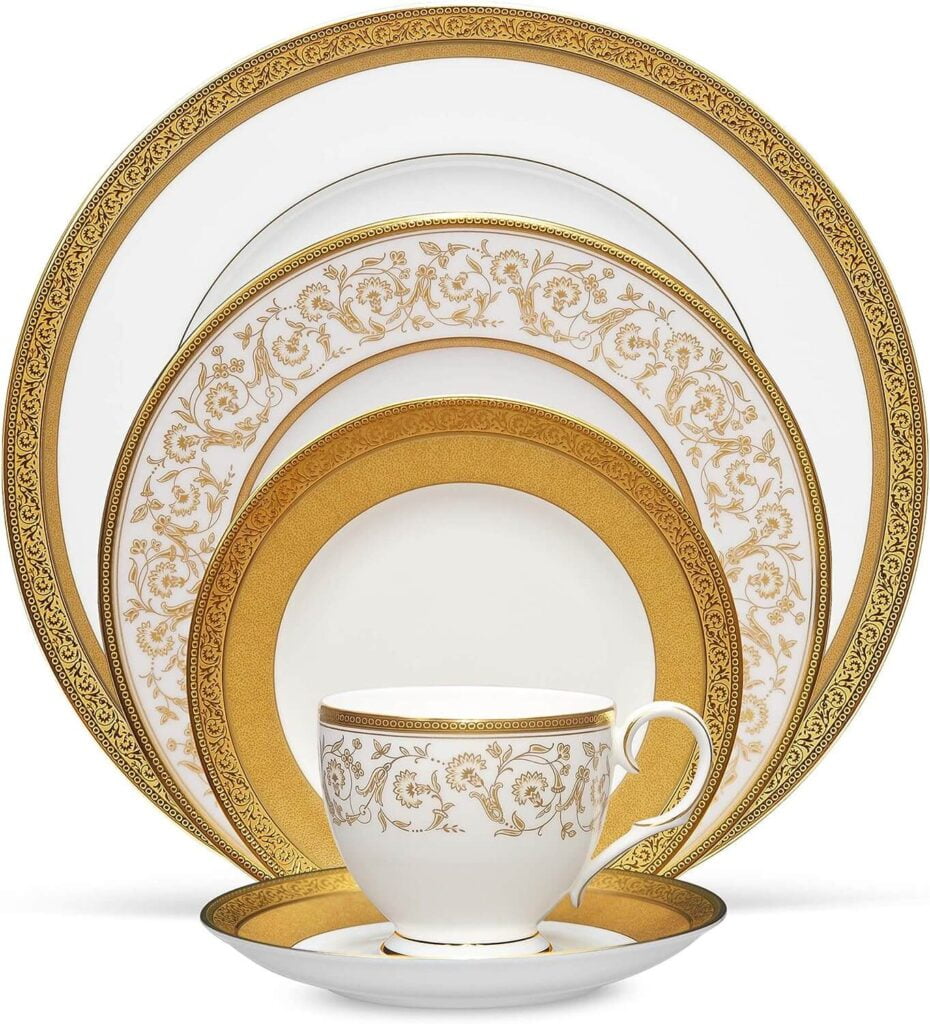
    Noritake summit gold Dinnerware set
    • Fine Bone China: Many premium Noritake collections feature bone china, which contains actual bone ash (typically 30-45%). This creates dinnerware with a warm, creamy appearance, translucence, and exceptional strength despite its delicate appearance.
    • Fine Porcelain: Noritake also produces high-quality porcelain made from kaolin, feldspar, and quartz. This results in dinnerware that’s slightly less translucent than bone china but still elegant and durable.

    Are Noritake dishes of good quality?

    Without question. Noritake’s quality control is legendary, with multiple inspection stages throughout the production process.

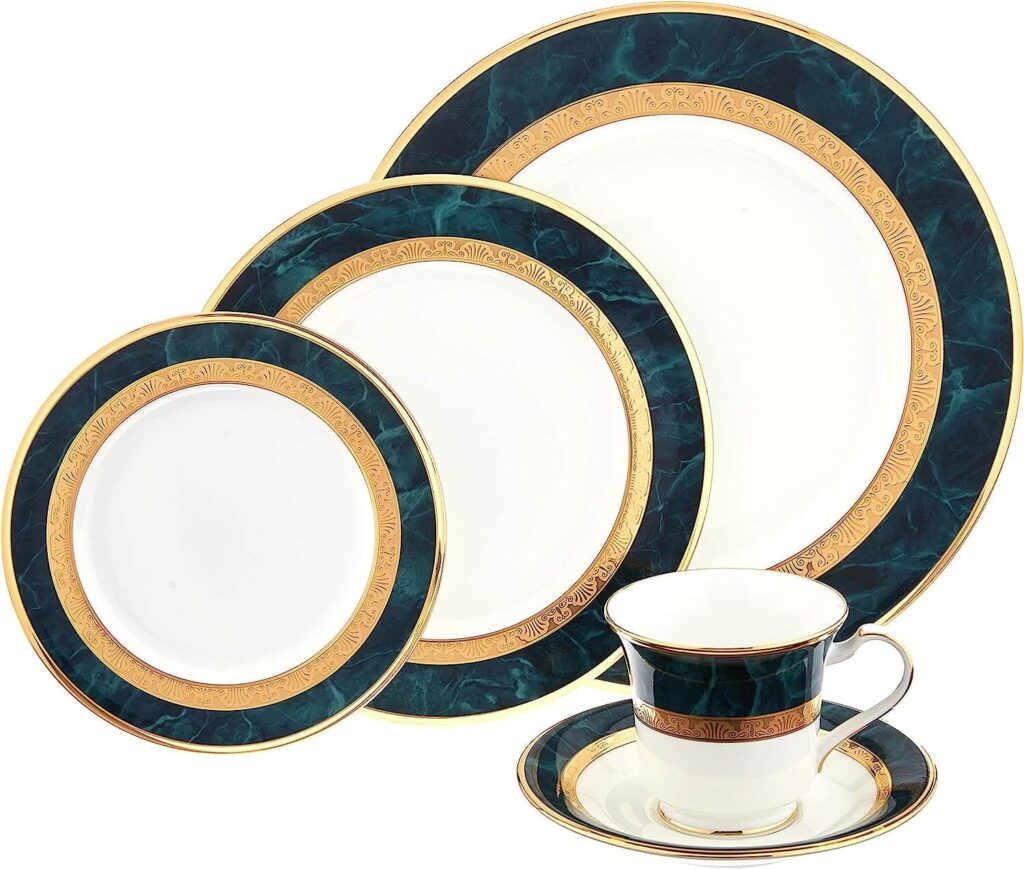
    Noritake 5 Piece Green Dinnerware

    Their dinnerware is known for uniform thickness, precise detailing, and excellent craftsmanship. While they require careful handling, Noritake pieces are durable for their category and often become family heirlooms passed down through generations.

    CORELLE: REVOLUTIONARY VITRELLE® GLASS

    Corelle’s claim to fame is its patented Vitrelle® glass technology:

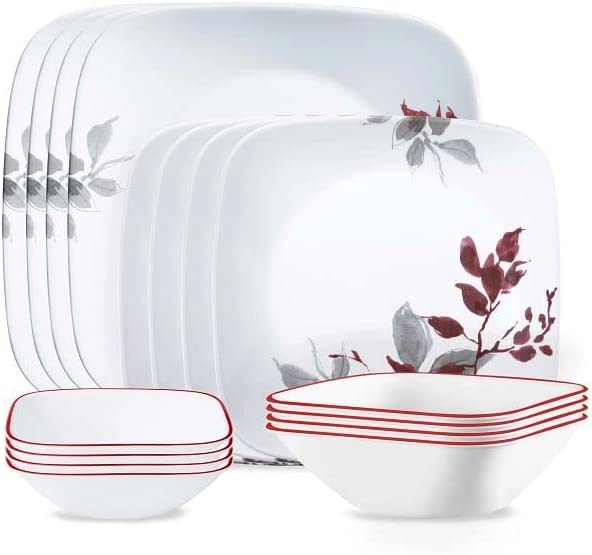
    Corelle Kyoto dinnerware set
    • Three-layer Glass Structure: Two layers of clear glass bonded to a central core glass layer.
    • Lightweight but Strong: Despite being remarkably thin, Corelle dinnerware resists chips and breaks under normal use.
    • Non-porous Surface: The glass material prevents staining and bacterial absorption.

    Is Corelle high quality?

    Absolutely, but in a different way than Noritake. Corelle’s quality lies in its functionality, durability, and consistent performance.

    Corelle chip resistant Dinnerware set

    While not as prestigious as fine bone china, Corelle offers excellent value and practical benefits that make it high-quality in the everyday dinnerware category.

    DURABILITY COMPARISON

    Noritake vs Corelle

    When comparing Noritake vs Corelle vs ceramic options, durability differences become clear:

    AspectNoritakeCorelleStandard Ceramic
    Drop ResistanceModerate (bone china) to Low (porcelain)Very HighLow to Moderate
    MaterialPorcelain or Bone ChinaVitrelleMaterial varies
    Chip ResistanceModerateVery HighVaries
    Scratch ResistanceModerate to HighHighVaries
    Heat ResistanceHighHighVaries
    WeightHeavyLightModerate ( varies)
    Typical LifespanDecades (with proper care)Decades3-10 years
    Microwave UseVarieties on the brandPerfectVaries
    PriceExpensiveAffordableVariies on the brand

    For those specifically seeking unbreakable dishes like Corelle, it’s important to note that while no dinnerware is truly unbreakable, Corelle comes remarkably close under normal use conditions.

    Its triple-layer construction distributes impact throughout the piece rather than concentrating it at the point of impact.

    DESIGN AND AESTHETICS: STYLE FOR EVERY TABLE

    Noritake: Artistic Excellence and Refined Elegance

    Noritake excels in design variety and artistic quality:

    • Hand-painted Details: Many Noritake patterns feature delicate hand-painted elements or gold accents.
    • Design Range: From traditional floral motifs to contemporary minimalist styles.
    • Colour Palette: Often features soft, sophisticated colours and gradient effects that showcase the technical skill of their artisans.
    • Edge Work: Scalloped edges, embossed patterns, and other intricate border work.

    Why is the Noritake plate so expensive?

    The price reflects several factors: the high-quality materials, skilled artisanship (many pieces require hand-painting), the brand’s heritage, and the durability of properly cared-for pieces.

    When you purchase Noritake, you’re investing in dinnerware that combines artistic value with functional excellence—pieces that often appreciate over time, particularly limited edition or discontinued patterns.

    CORELLE: CONTEMPORARY SIMPLICITY WITH PRACTICAL CHARM

    Corelle designs typically feature:

    • Clean Lines: Simple, unfussy silhouettes that work in various settings.
    • Versatile Patterns: From classic white to geometric patterns and florals.
    • Consistent Colour Application: Patterns are applied using proprietary techniques that ensure durability.
    • Contemporary Appeal: Designs that blend with various décor styles.

    For those interested in Corelle look-alike options, many brands have attempted to mimic Corelle’s lightweight, durable composition, but few achieve the same balance of weight, strength, and design quality. The specific Vitrelle® technology remains unique to Corelle.

    PRACTICALITY AND EVERYDAY USE: FROM KITCHEN TO TABLE

    Weight and Handling:

    One significant difference between these brands is weight:

    • Noritake: Typically heavier, giving it a substantial, premium feel. Bone china pieces are lighter than porcelain but still have more heft than Corelle.
    • Corelle: Exceptionally lightweight. A typical Corelle dinner plate weighs about half as much as a comparable porcelain plate.

    When considering what is the best lightweight dinnerware, Corelle consistently ranks at the top. This makes it particularly suitable for:

    • Households with children or elderly members
    • Restaurants and catering services
    • People with arthritis or hand strength issues
    • Every day use where convenience matters.

    CARE AND MAINTENANCE

    Maintenance requirements differ considerably:

    Noritake Care:

    • Often requires handwashing (especially pieces with gold or platinum accents)
    • Should be stored with protective separators
    • Generally not suitable for microwave use if metallic accents are present
    • Requires gentle handling and careful stacking

    Corelle Care:

    • Dishwasher safe
    • Microwave, oven, and refrigerator safe
    • Can be stacked in minimal space without special separators
    • Resistant to staining and odour absorption

    The difference between Corelle and Gibson tableware becomes apparent here, as Gibson typically produces stoneware and porcelain that require more careful handling than Corelle’s glass construction, but doesn’t offer the fine dining experience of Noritake.

    PRICE POINTS AND VALUE: INVESTMENT VS PRACTICALITY

    Cost Comparison

    Generally, the price difference between these brands is very visible: Noritake is more expensive than the Corelle dinnerware brand.

    When comparing the difference between Corelle and Lenox tableware, another premium brand, Noritake, often sits in a similar luxury category to Lenox, while Corelle occupies a more accessible price point with different practical benefits.

    Long-term Value

    While Noritake represents a higher initial investment, its value proposition includes:

    • Potential to become family heirlooms
    • Classic designs that remain stylish for decades
    • Replacement piece availability for many patterns

    Corelle offers different but equally compelling values:

    • Extreme durability reduces replacement needs
    • Lower up-front cost
    • Versatility across casual and semi-formal settings.

    GLOBAL REPUTATION: WHERE THEY STAND

    Both brands have earned places among the top 10 dinner set brands in the world, albeit for different reasons:

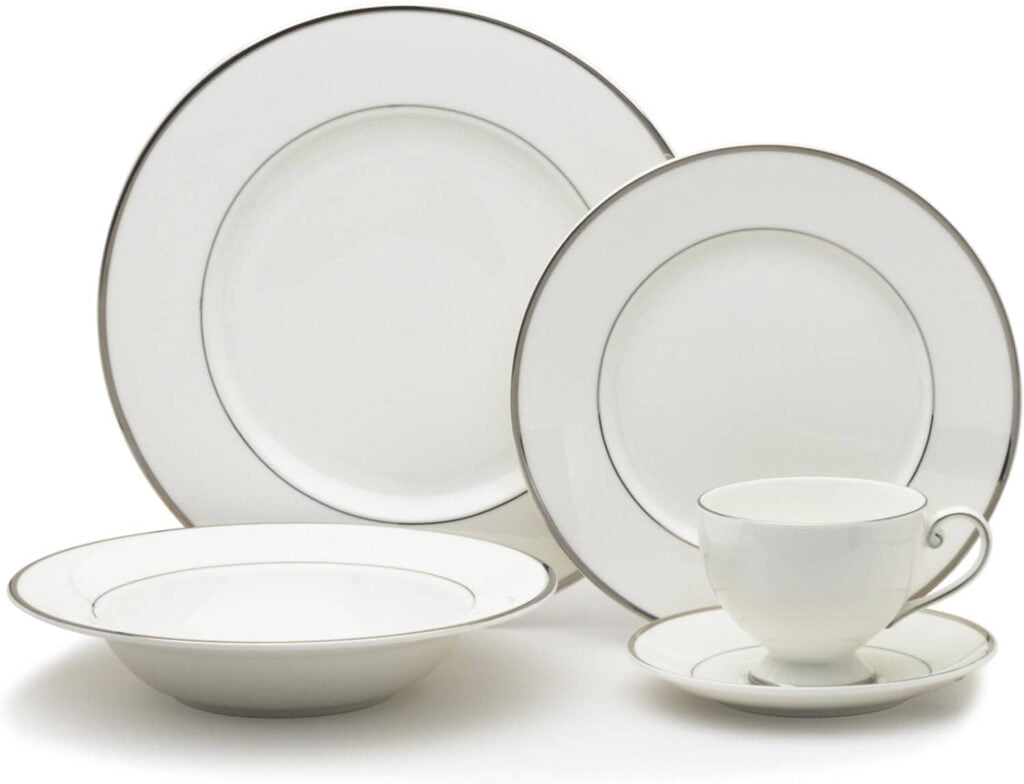
    Mikasa Cameo Platinum 40 Piece Dinnerware set
    1. Wedgwood (UK) – Historic luxury brand
    2. Royal Copenhagen (Denmark) – Artisanal excellence
    3. Noritake (Japan) – Premium craftsmanship
    4. Lenox
    5. Villeroy & Boch (Germany) – European elegance
    6. Corelle (USA) – Innovative durability
    7. Royal Doulton (UK) – Historic excellence
    8. Mikasa (Japan and China) – Design versatility
    9. Portmeirion (UK) – Distinctive patterns
    10. Rosenthal (Germany) – Modern luxury

    Similarly, for those exploring durable options, Claytan vs Corelle presents a comparison between traditional ceramic durability and Corelle’s innovative glass construction.

    NARUMI VS NORITAKE

    Narumi vs Noritake

    Narumi and Noritake are both prestigious Japanese porcelain manufacturers known for high-quality dinnerware, but they have distinct characteristics.

    Noritake, founded in 1904, is the older and more internationally recognized brand, famous for its fine bone china and elegant traditional designs with gold accents and floral patterns.

    Narumi, established in 1946, specializes in fine china and is known for its modern, contemporary designs and innovative manufacturing techniques.

    Both brands offer excellent craftsmanship and durability. Noritake tends to appeal to those seeking classic, formal dinnerware with timeless elegance, while Narumi attracts customers looking for sleek, modern aesthetics.

    Narumi Dinnerware set

    In terms of quality, both are comparable and represent premium Japanese porcelain craftsmanship, so the choice often comes down to personal style preference and design aesthetics rather than quality differences.

    WHICH SHOULD YOU CHOOSE? MAKING THE DECISION

    Choose Noritake If You:

    • Value artistic craftsmanship and heritage
    • Entertain formally and want to impress guests
    • Building a collection of heirloom-quality pieces
    • Appreciate the warmth and translucence of fine bone china
    • Don’t mind the extra care requirements

    Choose Corelle If You:

    Seek excellent value for everyday use

    Prioritize durability and easy maintenance

    Have a busy household with children

    Want lightweight dinnerware that’s easy to handle

    Prefer dinnerware that can go from freezer to oven to table

    SPECIAL CONSIDERATIONS

    For Special Diets and Food Presentation

    • Noritake: The cream background of bone china provides a warm, flattering backdrop for food presentation, which is particularly important for fine dining experiences.
    • Corelle: The bright white background of Vitrelle® glass makes food colours pop, which can be particularly appealing for vibrant, fresh foods.

    Environmental Impact

    • Noritake: This company uses traditional materials but has implemented energy-efficient firing techniques in recent years.
    • Corelle: Glass production is energy-intensive, but the extreme durability means less frequent replacement and waste.

    Storage Space

    • Noritake: Requires more careful storage and typically more space.
    • Corelle: Ultra-thin design allows for compact storage, with a 20-piece set taking up roughly half the space of traditional ceramics.

    CONCLUSION

    The choice between Noritake and Corelle ultimately reflects your priorities, lifestyle, and the dining experience you wish to create.

    Noritake offers artistic excellence, luxury credentials, and heirloom quality that elevate special occasions. Corelle delivers revolutionary durability, practical benefits, and reliable performance for everyday living.

    Many homeowners find room for both in their cupboards – Noritake for those memorable dinner parties and special occasions, and Corelle for carefree daily use.

    Whichever you choose, both brands have earned their distinguished reputations through decades of innovation and commitment to quality, ensuring that your dining table will be beautifully dressed for years to come.

  • CORELLE VS PYREX

    It is quite difficult in the 21st century not to find Corelle and Pyrex kitchenware in most homes because of their versatility and durability.

    It is because of their use that people think they are the same. In our last post, I carefully unmasked the mystery between Corelle Vitrelle and Livingware.

    Today, we will be looking at Corelle vs Pyrex.

    These two popular household dinnerware products are essential to food enthusiasts and Professional chefs because they make their serving, cooking, or baking work easy and fun.

    Understanding their makeup and the features they both possess will help you decide when to use or how to use each appropriately to avoid injury or time loss.

    Fasten your seat belt as we solve this riddle once and for all.

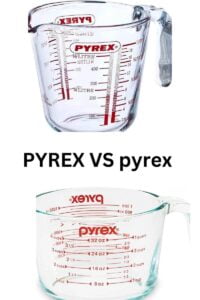
    PYREX VS PYREX

    Pyrex vs Pyrex

    Have you ever seen a glass casserole or baking dish explode in the oven or microwave? It’s a scary sight you wouldn’t want to behold again.

    Pyrex has always been and will remain a go-to cookware and kitchen household item for most American households that love durable and temperature-resistant cookware, food containers, or baking dishes.

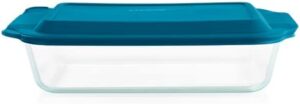
    Pyrex Borosilicate glass baking dish

    Has the Popular Pyrex lived up to what they say? First, to adequately differentiate Pyrex and PYREX, we have to state here that Pyrex has 2 materials it is made up of; we have Borosilicate glass and the one made with soda lime tempered glass.

    Based on this reality, below is the difference between pyrex and PYREX; which also means soda lime glass versus borosilicate glass;

    Pyrex soda lime tempered glass baking and casserole dish
    • First, when you see pyrex (small case letters) logo on cookware or any product, it means that it is made with soda lime tempered glass, while PYREX (upper case letters) means that the said product is made with Borosilicate glass.
    • Soda lime pyrex is not recommended for oven or microwave use, while PYREX Borosilicate glass can handle microwave and oven use effortlessly.
    • PYREX Borosilicate glass contains a higher percentage of boron trioxide, which gives it a lower coefficient of thermal expansion, while pyrex soda-lime tempered glass, on the other hand, contains silica, soda, and lime, making it more susceptible to thermal expansion.
    • PYREX borosilicate glass is harder, stronger, more durable, and more resilient to thermal shock, mechanical stress, and chemical corrosion than pyrex soda-lime glass.
    • PYREX Borosilicate glass has a CTE (coefficient of thermal expansion) of 3 or 4 parts per million per 1 Kelvin change (ppm/K), while pyrex soda-lime glass has a CTE of 9 to 9.5 ppm/K.
    • PYREX borosilicate glass can handle sudden and rapid changes in temperature more than pyrex soda lime tempered glass.
    • Soda lime pyrex glass is cheap, while PYREX Borosilicate glass is expensive.
    • When PYREX Borosilicate glass breaks, it breaks into much larger pieces compared to pyrex soda lime glass, which breaks into many small pieces, like exploding as complained by consumers.
    • PYREX Borosilicate glass has better optical clarity and is more transparent than pyrex soda-lime tempered glass, which can have a slight greenish tint.
    • PYREX Borosilicate glass is commonly used in laboratory glassware, cookware, and high-quality glass products, while Soda-lime tempered glass, branded as pyrex, is often used in kitchenware and bakeware, such as baking dishes and casserole dishes.

    CORELLE VS PYREX

    Corelle vs Pyrex

    Below are the major differences between Corelle dishes and Pyrex glass;

    CORELLE DISHESPYREX GLASS
    Corelle is made of glass, specifically a special type of tempered glass that is lightweight, durable, and chip-resistant.Pyrex glass is either made with Borosilicate or soda lime tempered glass.
    Corelle is primarily used for dinnerware, including plates, bowls, and mugs. It is designed to be stylish, stackable, and suitable for everyday use.Pyrex is primarily used for bakeware and cookware, such as casserole dishes, baking pans, and measuring cups, as it can withstand high temperatures.
    Corelle dishes cannot handle/withstand extreme temperature changes.Pyrex is specifically known for its exceptional ability to withstand extreme temperature changes without breaking, making it ideal for baking and cooking in ovens.
    Corelle offers a wide variety of designs and patterns, making it popular for its aesthetics and versatility in table settings.Pyrex bakeware, on the other hand, is usually clear or has simple designs, focusing more on functionality than aesthetics.
    Corelle dinnerware is lighter compared to Pyrex bakeware, making it easier to handle and suitable for everyday use.Pyrex glass is heavier than Corelle dishes.
    Corelle plates and bowls hardly have plastic lids!Pyrex products are designed with secure plastic lids and perfect for use on the go!

    PYREX CORNINGWARE VINTAGE

    Pyrex and Corningware are both popular brands of glass and ceramic cookware. “Pyrex” is known for its heat-resistant glass kitchenware, while “Corningware” refers to a line of ceramic cookware made by Corning Inc.

    Pyrex Corningware Vintage

    Kitchen lovers always seek out the vintage products of Pyrex and Corningware because of their versatility and endurance to heat and rapid temperature changes.

    These Pyrex Corningware vintage products were made in the 1970s, and to date, they stand the test of time.

    Secondly, we also note that vintage items often have unique designs and quality, and hold sentimental value for some people.

    Vintage Corningware Cornflower Casserole dish

    What makes Vintage Pyrex and Corningware special? It is because they are made of a special glass material known as Borosilicate glass, which is known for its durability, heat resistance, and ability to withstand temperature changes!

    Vintage Corningware Pyrex is perfect for use in the oven, range top, microwave, Refrigerator, and freezer.

    One distinct quality of Vintage Corningware Pyrex is that it doesn’t react with acid-based foods, unlike some cookware materials.

    They also don’t absorb food odors or flavors because they are a non-porous glass material.

    They are not dishwasher safe; hand washing is highly recommended!

    Examples of vintage Pyrex Corningware cookware are;

    Vintage Corningware Pyrex Visionware

    Vintage Corning Ware SPICE O’ LIFE 3 Quart Covered Casserole w/Lid

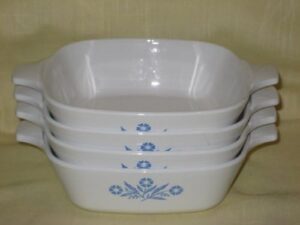
    Vintage Corning Ware Cornflower Blue Individual Casseroles

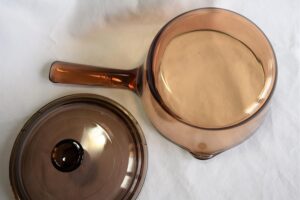
    Vintage Corning Visions Round Lidded Casserole, Cranberry

    Vintage Corning Ware Amana Radarange White w/ Blue Colonial House Browning Skillet Casserole Baking Dish

    Vintage Corning Pyrex Cornflower Blue CorningWare Baking Dish

    Vintage 1970s Corning Ware Pyrex Microwave fast food Dish

    Finally, vintage Pyrex and Corningware cookware are made in the USA.

    WHO OWNS CORELLE BRANDS

    Corelle Brands is presently owned by Instant Brands, the owner of Instant Pot.

    IS CORELLE SAFE?

    Yes, Corelle dishes are safe for everyday use and our health, as they do not leach harmful chemicals into our meals and can withstand the rigors of everyday household and kitchen use.

    CORELLE PYREX PATTERNS

    Corelle and Pyrex are two distinct brands, known for the unique patterns on their products:

    Corelle: Corelle is a brand of dishware known for its durable, lightweight, and chip-resistant dinnerware. Corelle patterns come in various designs and styles, ranging from simple and classic to modern and artistic.

    Corelle winter frost white Pattern

    Some popular Corelle patterns include “Winter Frost White,” “Country Cottage,” and “Old Town Blue.”

    Pyrex: Pyrex is a brand of glassware that is heat-resistant and suitable for baking and cooking.

    While Pyrex is not specifically known for patterns like Corelle, it has produced various colorful designs and patterns on its glass dishes and bakeware over the years.

    Some past Pyrex patterns include “Butter print,” “Primary Colors,” and “Gooseberry.”

    Both brands have a rich history of producing quality kitchenware with unique designs that have attracted collectors and users alike.

    CORELLE BRANDS WORLD KITCHEN

    Corelle Brands, formerly known as World Kitchen, is a company that designs and manufactures kitchenware and household products.

    They are known for their Corelle dinnerware made from tempered glass that is resistant to chips and breaks.

    The company also owns other well-known brands like Pyrex, CorningWare, and Snapware, offering a diverse range of kitchen products and storage solutions.

    CORELLE BRAND PHONE NUMBER

    To see the various Corelle brand phone numbers for Instant Brands EMEA, Australia, Asia Pacific, and India, kindly visit the Corelle Customer Care Center.

    IS CORELLE THE SAME AS PYREX?

    No, Corelle isn’t the same as Pyrex, though they are from the same Parent Company, Instant Brands; they have different features as explained above.

    DOES CORELLE OWN PYREX?

    Both Corelle and Pyrex are under the same Company. Corelle is a standalone brand, just like Pyrex, a cookware brand under Instant Brands.

    Looking for dinnerware alternatives? Our Arcopal vs Corelle guide covers another excellent option for everyday dining.

  • What is the Difference Between Corelle Vitrelle and Livingware: A Comprehensive Guide

    For over five decades, Corelle has established itself as a household name in durable dinnerware.

    According to the World Kitchen Product Information database, Corelle products can be found in more than 40 million homes worldwide.

    But with various product lines and terminology, confusion often arises about what exactly differentiates Corelle Vitrelle from Livingware.

    This comprehensive guide will clarify these differences, explain the material science behind these products, and provide evidence-based information about various Corelle collections.

    We’ll also address common questions about product quality, safety considerations, and how to identify authentic Corelle products.

    WHAT IS CORELLE LIVINGWARE

    Corelle Livingware represents one of the original collections launched when the Corelle brand debuted in 1970.

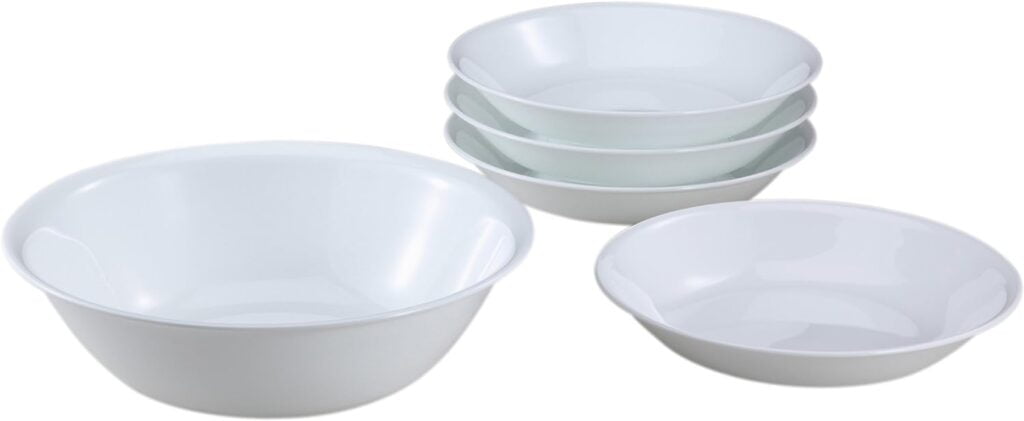
    Corelle Livingware winter frost white 5 Piece Pasta set

    According to Corelle’s corporate archives, Livingware was designed as an everyday dinnerware solution that combined durability with versatility.

    The Livingware collection includes several distinct pattern families developed over different periods:

    Original Livingware (1970-1985)

    • Winter Frost White (solid white design)
    • Old Town Blue (blue floral border pattern)
    • Spring Blossom Green (green floral border pattern)
    • Snowflake Blue (blue snowflake border pattern)
    • Butterfly Gold (gold butterfly border pattern)
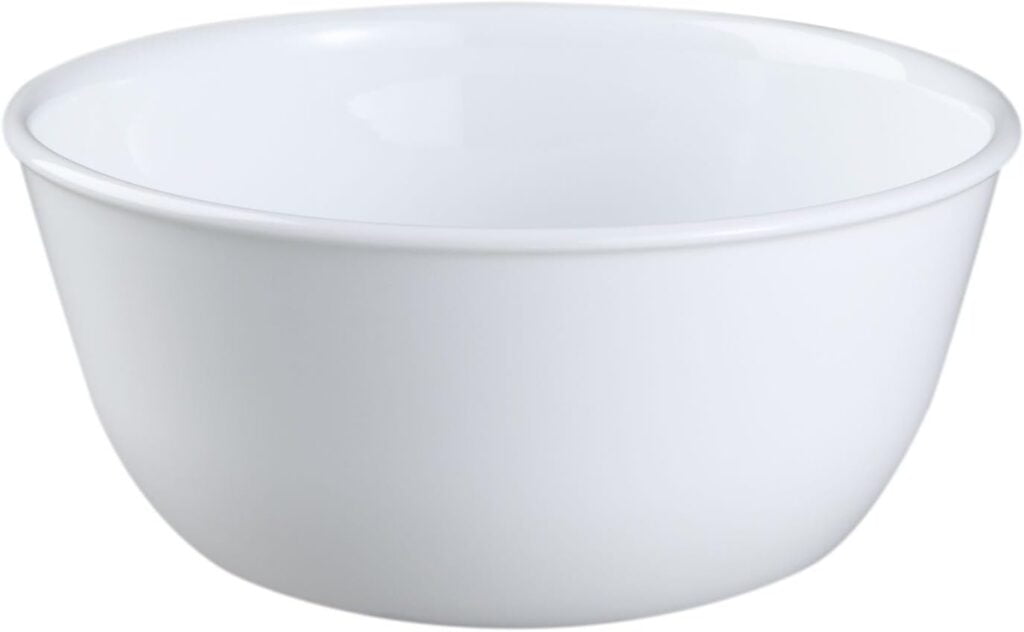
    Corelle Glass Livingware Soup and Cereal Bowl

    Expressions Livingware (1980s-1990s)

    • Batik Pattern
    • Woodland Brown
    • Wildflower
    • Meadow
    • Indian Summer
    • April Pattern
    • Blue Heather

    Dimension IV Livingware (1990s)

    • Citrus Pattern
    • Cinnamon
    • Almond

    According to Corelle product specifications, all Livingware collections share these characteristics:

    • Made from Vitrelle glass (triple-layered, thermally bonded glass)
    • Dishwasher, microwave, and preheated oven safe (up to 350°F)
    • Resistant to chips and breaks under normal use conditions
    • Non-porous surface that resists staining
    • Lightweight (30-45% lighter than comparable ceramic dinnerware)
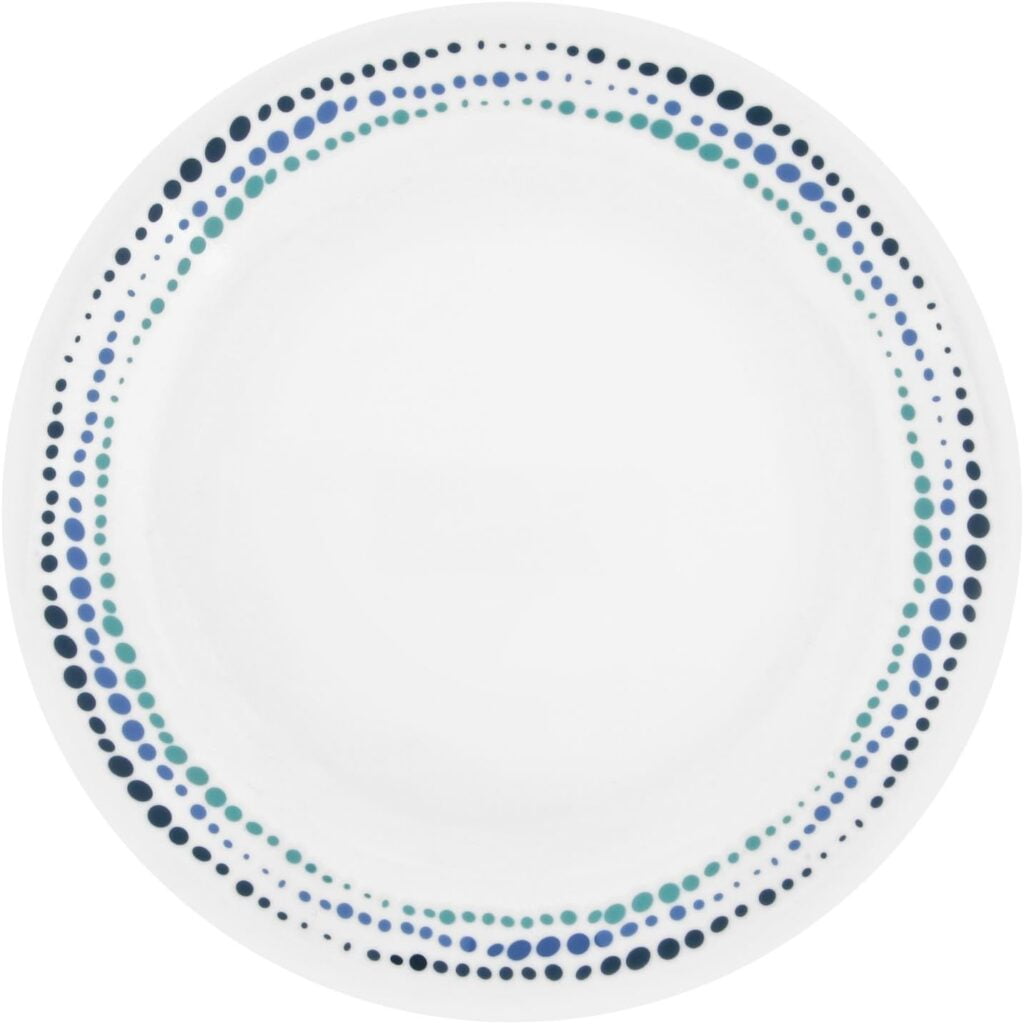
    Corelle Livingware Ocean Blues Lunch Plate

    The Livingware collection comes in various piece types to create complete table settings:

    • Dinner plates (10.25″)
    • Lunch/salad plates (8.5″)
    • Bread plates (6.75″)
    • Soup/cereal bowls (18 oz)
    • Pasta bowls (20 oz)
    • Serving bowls (1-3 qt capacity)
    • Serving platters (12.25″)
    • Divided dinner plates (10.25″)

    While some patterns have been discontinued, the Winter Frost White pattern has remained in continuous production since 1970, making it one of the longest-running dinnerware patterns in the American market.

    WHAT IS THE DIFFERENCE BETWEEN CORELLE VITRELLE AND LIVINGWARE

    what is the difference between Corelle Vitrelle and Livingware

    The fundamental difference between Corelle Vitrelle and Livingware lies in their relationship:

    • Vitrelle: The patented material technology developed by Corning (now World Kitchen/Instant Brands) is used to manufacture Corelle products. According to the manufacturer’s specifications, Vitrelle consists of three layers of glass that are thermally bonded together: two outer layers of clear glass with a middle core layer of glass. This proprietary process creates a thin, lightweight, and exceptionally durable material.
    • Livingware: A specific product collection or line that utilizes Vitrelle material technology. Livingware represents one of several collections in the Corelle brand family, all made using the Vitrelle material.

    To use an analogy that clarifies this relationship: Vitrelle is to Livingware what cotton is to a t-shirt. One is the material, the other is a product made from that material.

    According to materials science experts, the laminated structure of Vitrelle provides several advantages over traditional ceramics:

    • Superior edge strength at thin profiles
    • Increased resistance to thermal shock
    • Enhanced impact resistance
    • Reduced weight while maintaining durability

    All Corelle Livingware products are made from Vitrelle material, which explains why they share the same performance characteristics of durability, lightweight design, and resistance to chips and breaks.

    WHAT IS THE DIFFERENCE BETWEEN CORELLE AND CORELLE VITRELLE

    This question highlights a common source of confusion regarding terminology:

    • Corelle: The brand name for the dinnerware product line manufactured initially by Corning and now by Instant Brands (following several corporate acquisitions and reorganizations). According to corporate records, the Corelle brand was introduced in 1970.
    • Corelle Vitrelle: This term specifically refers to products that use the patented Vitrelle glass technology. While all Corelle dinnerware plates and bowls are made using Vitrelle technology, some accessory items (like stoneware mugs) that carry the Corelle brand name may use different materials.

    The distinction is important because “Corelle” is a brand that encompasses multiple product lines and materials, while “Vitrelle” specifically identifies the triple-layered glass material technology used in most—but not all—Corelle products.

    WHAT IS THE DIFFERENCE BETWEEN CORELLE CLASSIC AND VITRELLE

    Another common area of confusion involves understanding product line naming versus material naming:

    • Corelle Classic: A specific product collection within the Corelle brand family. It includes patterns such as Winter Frost White, Café Blue, Café Red, Splendor, and Cornflower. The Classic collection is known for simpler, more traditional designs compared to other collections.
    • Vitrelle: As established earlier, this is the patented material technology used to manufacture Corelle dinnerware. All Corelle Classic collection pieces (except certain accessories like mugs) are made from Vitrelle material.

    In essence, Corelle Classic represents a design aesthetic and product line, while Vitrelle represents the material technology used to manufacture those products.

    They are not competing alternatives but rather a collection name versus a material name.

    For additional context on differences between Corelle collections, you may also want to explore the difference between Corelle Vitrelle and the Winter Frost white Corelle dish.

    CORELLE EVERYDAY EXPRESSIONS VS CORELLE VITRELLE

    Following the same pattern of clarification regarding collection names versus material technology:

    • Corelle Everyday Expressions: A product collection within the Corelle brand family featuring more contemporary and casual designs. This collection was introduced to appeal to modern aesthetics while maintaining the durability Corelle is known for.
    • Vitrelle: The patented material technology used to manufacture Corelle dinnerware, including pieces in the Everyday Expressions collection.

    The key takeaway is that Corelle Everyday Expressions products (plates, bowls, etc.) are made using Vitrelle material technology.

    They are not competing products but rather represent a specific design collection that utilizes the Vitrelle material.

    To summarize these relationships:

    All three collections use Vitrelle material for their plates and bowls.

    Vitrelle is the material used to make Corelle dinnerware.

    Classic, Livingware, and Everyday Expressions are all collections or product lines.

    CORELLE ULTRA

    Corelle Ultra Dinnerware sets

    Corelle Ultra represents a departure from the standard Vitrelle material, introducing an important distinction in the Corelle product family:

    • Material Composition: According to manufacturer specifications, Corelle Ultra uses stoneware ceramic rather than Vitrelle glass. This represents a significant material difference from traditional Corelle products.
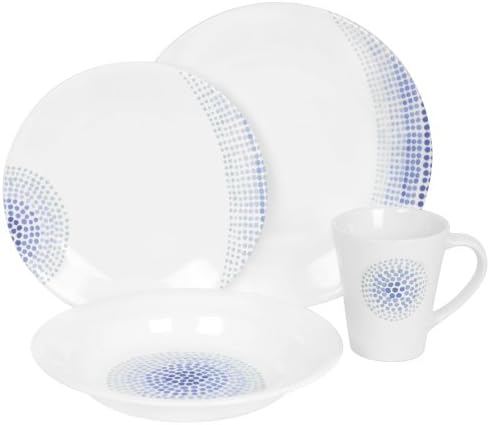
    • Design Aesthetic: The most notable pattern in the Ultra collection is Del Norte, featuring a white background with distinctive arrangements of blue dots in a circular silhouette design.
    • Performance Characteristics:
      • Higher heat retention compared to Vitrelle products
      • Greater weight than standard Vitrelle dinnerware
      • Comparable chip and break resistance through specialized formulation
      • Maintains dishwasher, microwave, and oven safety
    • Complete Set Components:
      • 10.25″ Dinner Plates
      • 8.5″ Salad Plates
      • 15 oz Rimmed Soup/Cereal Bowls
      • 11 oz Stoneware Mugs

    The Ultra collection provides an alternative for consumers who prefer the look and feel of traditional stoneware while still benefiting from Corelle’s expertise in durable dinnerware design.

    It’s worth noting that while the Ultra collection carries the Corelle brand name, it does not use the Vitrelle material technology that defines most other Corelle products.

    This distinction is important for consumers with specific material preferences.

    CORELLE CLASSIC

    The Corelle Classic collection represents one of the foundational product lines in the Corelle family:

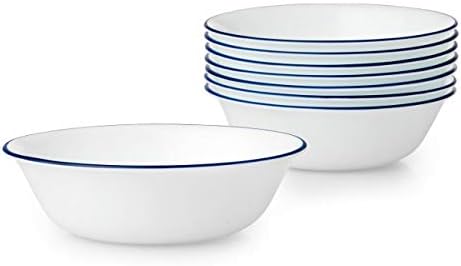
    Corelle Classic Café blue Bowl set
    • Design Aesthetic: The Classic collection features timeless, simple designs intended to complement any table setting. These patterns emphasize versatility and enduring style.
    • Material Composition: Unlike the Ultra collection, Classic collection plates and bowls are made using traditional Vitrelle triple-layer glass material.
    • Notable Patterns:
      • Winter Frost White (pure white design)
      • Café Blue (white with blue border)
      • Café Red (white with red border)
      • Splendor (floral pattern)
      • Cornflower (blue floral pattern)

    An important clarification regarding collection taxonomy: According to Corelle’s product categorization, some Classic patterns were introduced under the Livingware umbrella.

    For example, “Livingware Classic Café Blue” indicates a product that belongs to both the Livingware and Classic collections. This nested categorization has evolved as the company reorganized its product lines.

    Performance testing by consumer organizations has consistently shown that the Classic collection maintains the standard Vitrelle characteristics of exceptional durability, lightweight design, and resistance to chips and breaks under normal use conditions.

    DOES CORELLE VITRELLE CONTAIN LEAD?

    According to Corelle’s official material safety data and confirmed by independent laboratory testing:

    Lead free Corelle Vitrelle dinnerware set
    • Current Production: All Corelle Vitrelle dinnerware produced after 2005 is completely lead and cadmium-free, as verified by X-ray fluorescence (XRF) testing conducted by independent laboratories.
    • Testing Standards: Corelle products undergo rigorous testing according to California’s Proposition 65, FDA standards for food contact surfaces, and international safety regulations.
    • Scientific Evidence: The non-porous nature of Vitrelle glass prevents leaching of potential contaminants. According to materials science analysis, the high-temperature lamination process used to create Vitrelle creates a stable bond between glass layers that does not allow for metal migration.

    Examples of current lead-free Corelle Vitrelle products include:

    Important Historical Note: Certain decorative patterns manufactured before 2000 may contain trace amounts of lead in the decorative elements (not the white base material).

    These older patterns are no longer in production, and current manufacturing processes have eliminated lead.

    HOW TO IDENTIFY AUTHENTIC CORELLE PRODUCTS

    With Corelle’s popularity, counterfeit products have appeared in the marketplace. Here are evidence-based methods to verify authentic Corelle dinnerware:

    1. Brand Identification
      • Genuine Corelle products feature a clear, precisely printed logo on the underside
      • The logo should include the registered trademark symbol (®)
      • Packaging features consistent typography and high-quality printing
    2. Material Characteristics
      • Authentic Vitrelle material has a distinctive ring when tapped lightly
      • Genuine products are noticeably lighter than ceramic alternatives
      • Edge thickness should be uniform and thin (approximately 2mm)
      • Surface should be completely smooth with no visible porosity
    3. Quality Markers
      • Patterns should be crisp and precisely aligned
      • No visible defects in the glass structure
      • Even coloration throughout the product
      • Perfectly flat surfaces without warping
    4. Purchase Channels
      • Authorized retailers (listed on the Corelle website)
      • Official online stores with verified reviews
      • Established department stores with direct manufacturer relationships

    Independent testing by consumer protection organizations has found that counterfeit products often fail basic durability tests and may contain harmful materials not present in authentic Corelle products.

    ARE THERE DIFFERENT GRADES OF CORELLE DISHES?

    Based on manufacturer information and product analysis, Corelle does produce different collections that vary in design, features, and in some cases, materials:

    Collection Hierarchy Based on Material Composition:

    1. Primary Vitrelle Collections (all using the standard triple-layer glass technology):
      • Livingware: The original collection with various patterns
      • Classic: Timeless designs for everyday use
      • Impressions: More decorative patterns and designs
      • Square: Modern square-shaped dinnerware
      • Boutique: Premium designs for special occasions
      • Winter Frost White: Solid white, versatile collection
    2. Alternative Material Collections:
      • Ultra: Uses stoneware rather than Vitrelle
      • Coordinates: Includes accessories that may use different materials (such as stoneware mugs)

    Technical Differences: While the material composition of Vitrelle remains consistent across collections, there are some variations in:

    • Edge finishing techniques
    • Surface texture treatments
    • Pattern application methods
    • Quality control tolerances

    According to product engineers familiar with the manufacturing process, all Vitrelle collections undergo identical strength testing and must meet the same durability standards, regardless of design or collection name.

    The primary differentiators between collections are aesthetic design, piece shapes, and in some cases (like Ultra), the fundamental material used.

    WHAT IS THE DIFFERENCE BETWEEN CORELLE AND CORNINGWARE

    Corelle and CorningWare are distinct product lines with different materials, purposes, and performance characteristics, though both brands are now owned by Instant Brands (previously World Kitchen):

    FeatureCorelleCorningWare
    Primary MaterialVitrelle (laminated glass technology)Stoneware (current); Pyroceram (vintage)
    Primary PurposeTableware/dinnerware for servingCookware for food preparation
    Temperature ResistanceModerate heat resistance (350°F)High heat resistance (up to 450°F)
    Weight CharacteristicLightweight (30-45% lighter than ceramic)Standard weight for cookware
    Typical ProductsSome products are stovetop safe (especially vintage Pyroceram)Casserole dishes, baking dishes, cooking vessels
    Stovetop CompatibilityNot stovetop safeSome products stovetop safe (especially vintage Pyroceram)
    Thermal Shock ResistanceModerateHigh (especially vintage Pyroceram pieces)

    According to materials science analysis:

    • Pyroceram (used in vintage CorningWare from 1958 to 2000) is a glass-ceramic material specifically developed for extreme temperature changes
    • Modern CorningWare primarily uses stoneware, which maintains good heat retention but has less thermal shock resistance than Pyroceram
    • Vitrelle (used in Corelle) prioritizes break resistance and lightweight properties rather than extreme heat resistance

    The fundamental difference lies in their intended purposes:

    • Corelle is designed for serving food at the table
    • CorningWare is designed for cooking and baking food in the oven

    This distinction explains their different material compositions and performance characteristics.

    While both brands fall under the same corporate umbrella, they represent different solutions for different kitchen needs, like Corelle and Pyrex.

    CONCLUSION

    Understanding the relationship between Corelle Vitrelle and Livingware requires recognizing that Vitrelle is the patented material technology, while Livingware is one of several product collections manufactured using this technology.

    Corelle has maintained its reputation for durability and innovation over more than five decades through its proprietary Vitrelle material, which continues to offer advantages in terms of weight, durability, and everyday practicality.

    Various collections like Livingware, Classic, and Everyday Expressions represent different design aesthetics and product groupings within the broader Corelle family.

    For consumers seeking exceptional durability with timeless design, Corelle’s Vitrelle products represent a scientifically engineered solution that has stood the test of time.


    This article was researched and written by our home products testing team, who have over 15 years of combined experience evaluating dinnerware performance, materials science, and household product durability.