Category: Glass and Crystal Identification

  • Glass Markings Identification Guide: How to Identify and Authenticate Your Glassware

    Ever found a beautiful glass piece at an estate sale and wondered, “Who made this, and is it valuable?” You’re not alone.

    Thousands of collectors flip over vases, bowls, and stemware every day, squinting at mysterious symbols, signatures, and stamps that seem impossible to decode.

    The frustration is real—one tiny mark can mean the difference between a $20 flea market find and a $2,000 antique treasure.

    Glass markings are your secret weapon for authenticating pieces, dating glassware, and identifying manufacturers.

    Whether you’ve inherited Grandma’s crystal collection or you’re building your own vintage glassware collection, learning to read these hidden clues will transform you from a casual browser into a confident collector.

    In this comprehensive guide, you’ll discover how to locate markings, decode manufacturer symbols, distinguish authentic signatures from reproductions, and use this knowledge to build a collection you’ll treasure for years.

    Understanding Glass Markings: The Basics

    Glass markings are intentional identifiers that manufacturers place on their pieces to indicate origin, authenticity, and sometimes even the production date.

    Think of them as the “birth certificates” of glassware—they tell you where a piece came from and when it was made.
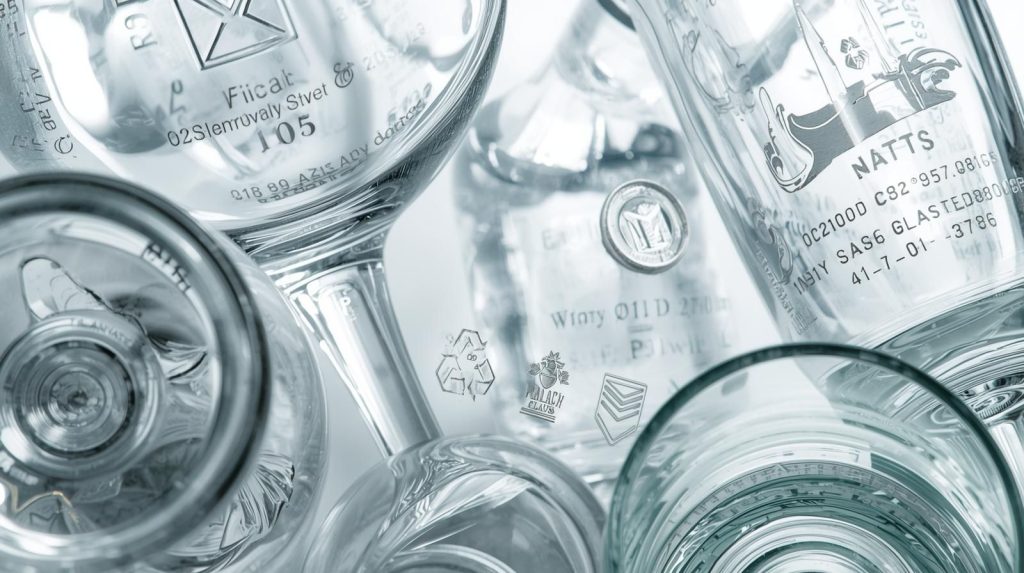
    Glass markings identification

    These markings come in various forms: etched signatures, molded logos, paper labels, acid stamps, and engraved symbols.

    Some are obvious and easy to spot, while others require a magnifying glass and good lighting to detect.

    The location matters too—most manufacturers had preferred spots for their marks, typically on the base, along the rim, or near the pontil mark (that rough spot where the glass was separated from the glassblowing rod).

    Understanding the different types of glass helps you know what kind of markings to expect.

    Cut glass often features acid-etched marks, while pressed glass might have molded marks that are part of the original casting.

    Art glass typically showcases hand-engraved signatures, and depression glass sometimes relies on paper labels that have long since disappeared.

    Are all the glass marked?

    The challenge? Not all glass is marked. In fact, many stunning vintage pieces left the factory completely unmarked, especially if they were mass-produced or made before branding became standard practice.

    This is why understanding markings works hand-in-hand with recognizing glass patterns; sometimes the design itself is your best clue.

    Glass Manufacturer’s Marks

    Manufacturer’s marks are the most valuable identifiers on any glass piece because they directly link the item to its maker.

    These marks underwent significant evolution over the centuries, reflecting changes in production methods, branding strategies, and legal requirements.

    In the early days of glassmaking (before the 1900s), marks were rare. Glasshouses focused on production rather than branding, and skilled artisans often moved between factories, making attribution difficult.

    When marks did appear, they were usually simple: initials, factory numbers, or basic symbols.

    As competition increased in the late 1800s and early 1900s, companies began marking pieces more consistently to protect their reputations and prevent counterfeiting

    Major American glass companies developed distinctive marking systems. Fenton used both paper labels and molded marks, often featuring their name in script within an oval.

    Cambridge Glass Company frequently used a triangle with a “C” inside, while Heisey became famous for their diamond-H mark.

    European manufacturers had their own traditions—Baccarat used acid-etched marks, Waterford employed deep engravings, and Murano glassmakers often included paper labels with authenticity certificates.

    Practical Application

    Start by examining the base of your piece with a magnifying glass under bright light.

    Rotate the piece slowly, looking for etched lines, raised letters, or subtle impressions.

    Check the pontil mark area—manufacturers often placed marks near this rough spot. If you find a symbol or letters, photograph it clearly and compare it to online databases or reference books.

    Remember that marks can wear down over time, so faint impressions might still be authentic marks that have degraded with age and cleaning.

    Vintage Glassware Manufacturer’s Makers Marks

    Vintage glassware from the 1920s through the 1970s represents a golden age of American glass production, and the makers’ marks from this era are particularly important for collectors.

    This period saw the rise of depression glass, elegant glass, and mid-century modern designs—each with distinct marking practices.
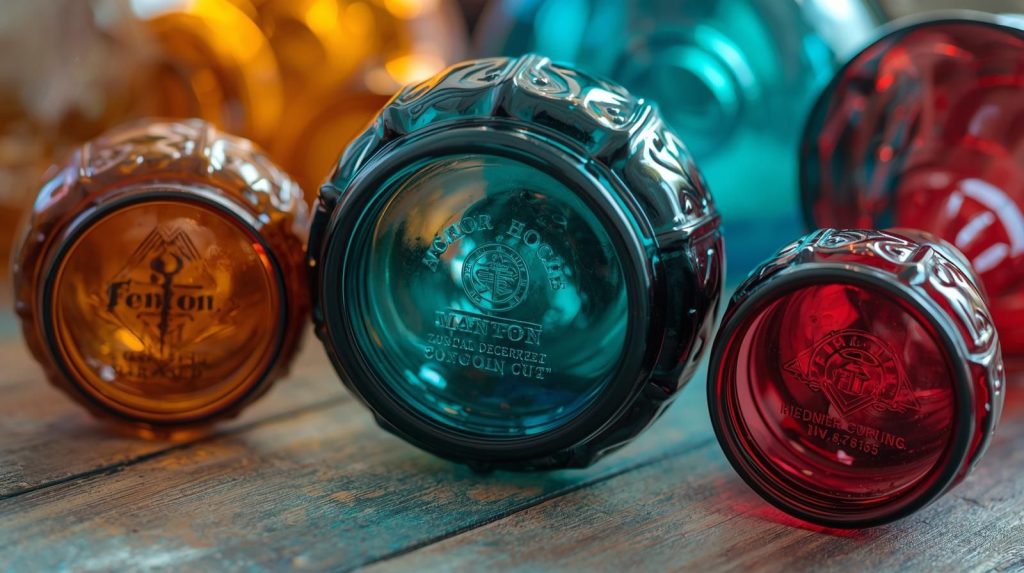
    Vintage Glassware Manufacturer's Makers Marks

    Depression glass (1920s-1940s) presents unique challenges. Much of it was produced quickly and cheaply during the Great Depression, often sold as premiums or giveaways.

    Companies like Anchor Hocking, Federal Glass, and Jeannette Glass sometimes marked their pieces, but frequently they didn’t.

    When marks exist, they’re usually molded into the glass during production—look for small letters or symbols on the base. The famous “H over A” mark of Anchor Hocking, for instance, appears on many Fire-King pieces.
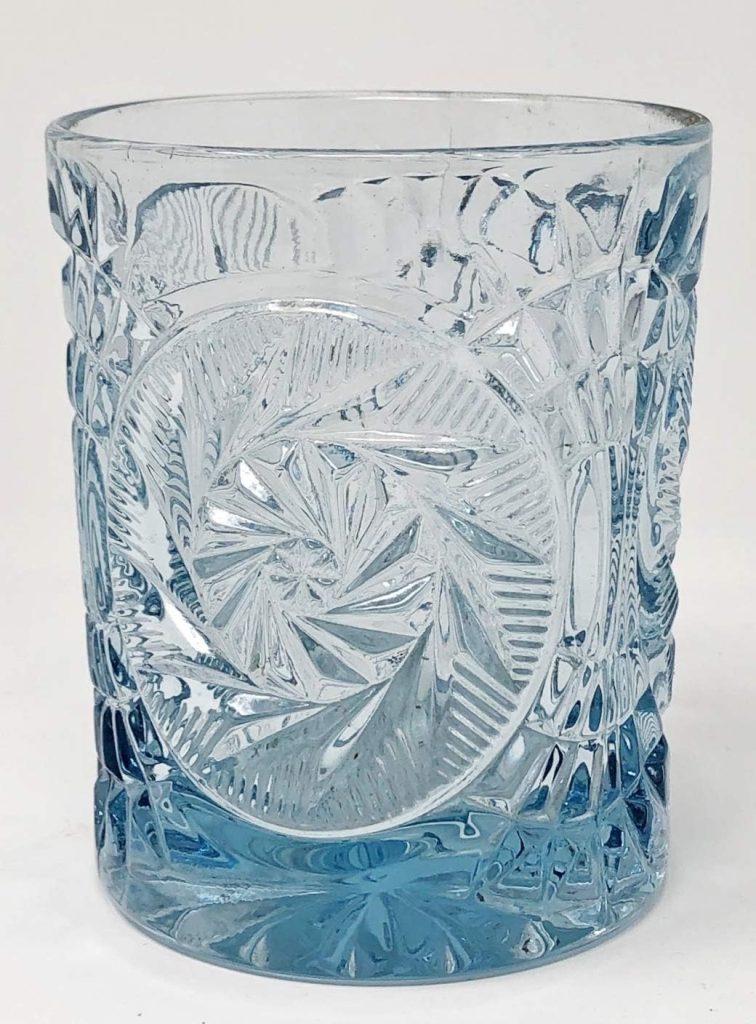
    Fostoria discontinued vintage glass marks

    Elegant glassware from companies like Fostoria, Cambridge, and Duncan & Miller typically received better treatment.

    These higher-quality pieces often featured acid-etched marks or paper labels. Fostoria’s script signature appeared on many of their patterns, while Duncan & Miller sometimes used a simple “D” with arrows.

    The problem? Paper labels fall off, and acid marks fade, so many authentic pieces appear unmarked today.

    Mid-century glass manufacturers (1950s-1970s) were more consistent with marking. Blenko often signed pieces with an engraved signature, Pilgrim Glass used paper labels, and Viking Glass employed molded marks.

    This era also saw the rise of Scandinavian glass imports, with companies like Orrefors and Kosta Boda carefully marking their elegant designs.

    Practical Application

    Build a reference library of marks from your favorite vintage periods. Take close-up photos of any marks you find and keep a digital folder organized by manufacturer.

    Join online collector groups where members share their finds—seeing hundreds of examples helps you recognize authentic marks versus reproductions.

    When evaluating a piece, consider the mark in context with the glass quality, pattern, and construction method. A perfect mark on poorly made glass is a red flag for reproductions.

    Identification Modern Glass Makers Mark

    Modern glass marks (1980s to present) differ significantly from vintage markings because contemporary makers face different market conditions, legal requirements, and branding strategies.

    Today’s glass artists and manufacturers are more likely to sign their work consistently, partly due to increased collector interest and legal protections for intellectual property.

    Studio glass artists—individual craftspeople creating one-of-a-kind or limited production pieces—almost always sign their work.

    These signatures typically appear as engraved names with dates, often including the artist’s location.

    Dale Chihuly’s pieces, for example, bear his signature along with the year of creation. Other contemporary artists like Lino Tagliapietra, William Morris, and Nancy Callan follow similar practices. These signatures substantially increase value and authenticity.

    Modern factory production from companies like Lenox, Waterford (post-1990s), and Riedel consistently includes marks.

    Waterford’s current pieces feature a laser-etched seahorse logo along with the Waterford name. Lenox crystal includes acid-etched marks.

    These contemporary marks are generally easier to read and authenticate than vintage marks because companies maintain detailed records and provide authenticity information online.

    Import marks also matter for modern glass. U.S. customs law requires that imported glass be marked with the country of origin.

    You’ll see “Made in China,” “Made in the Czech Republic,” or “Made in Poland” on many contemporary pieces.

    While country of origin doesn’t determine quality (the Czech Republic and Poland produce exceptional glass), it does help with identification and valuation.

    Practical Application

    If you’re collecting contemporary glass, photograph the mark and search the artist’s or manufacturer’s website—many maintain databases of their marks and can verify authenticity.

    For studio glass, look for consistency in signature style; authentic artists sign pieces the same way over time. Be cautious of unsigned contemporary art glass, as most serious artists wouldn’t skip this step.

    When buying modern pieces, ask for certificates of authenticity and original packaging, which often include information about markings.

    Glassware Symbols

    Beyond letters and names, many glass manufacturers used symbols and logos as their primary marks.

    These visual identifiers range from simple geometric shapes to elaborate emblems, and learning to recognize them is essential for quick identification.

    Common symbolic marks include the Heisey diamond-H (a diamond shape with an H inside), the Cambridge triangle-C, and the Imperial Glass cross mark.

    European manufacturers favored more elaborate symbols: Baccarat used a tumbler with “Baccarat” underneath, Val St. Lambert featured a castle, and Bohemian makers often incorporated crowns or shields into their marks.

    Some symbols indicate production methods rather than specific manufacturers.

    The pontil mark—that rough, unpolished spot on the base—tells you the piece was handblown and removed from the punty rod.

    A smooth, polished pontil suggests higher quality or later refinishing. Ground and polished bases indicate careful finishing work, typical of better-quality pieces.

    Pattern numbers sometimes accompany symbols. Fostoria, for instance, used pattern numbers alongside their script signature.

    These numbers help identify specific patterns within a manufacturer’s catalog, which is invaluable when researching rare or discontinued designs.

    Practical Application

    Create a quick-reference chart of the most common symbols you encounter in your collecting focus. Print it out or save it on your phone for estate sales and antique shops.

    When you spot an unfamiliar symbol, sketch it or photograph it, then compare it to symbol databases online.

    The Kovels’ website and various collector guides offer extensive symbol libraries. Remember that symbol orientation matters—some marks look different when viewed upside down, so check all angles before concluding a piece is unmarked.

    Glass Identification Signatures

    Signatures on glass fall into two main categories: engraved signatures from the original maker and acid-etched signatures applied after production.

    Understanding the difference is crucial for authentication and valuation.

    Engraved signatures are cut directly into the glass using a wheel or diamond-point tool. These signatures create a tactile groove you can feel with your fingertip.

    When held up to light, engraved signatures often show slight roughness or “grab” light differently than the surrounding glass.

    Master glassmakers like Steuben artists, individual studio glass artists, and high-end European makers typically used engraving.

    These signatures are difficult to fake convincingly because they require skill and specific tools.

    Acid-etched signatures use hydrofluoric acid to etch designs or text into the glass surface. The acid creates a frosted appearance that’s smooth to the touch—you’ll see the mark but won’t feel significant texture.

    Many manufacturers preferred acid etching for consistency and efficiency. Waterford, Orrefors, and many American elegant glass companies used this method.

    Acid-etched marks can fade over time, especially with repeated washing in harsh detergents.

    Reproductions and fakes often feature signatures that don’t match the original marking method. A molded signature (raised or indented) on a piece that should have an engraved signature is a major red flag.

    Similarly, laser-etched marks (extremely precise, modern-looking) on supposedly vintage pieces indicate reproduction.

    Practical Application

    Develop your tactile sense by running your fingertip gently over signatures. Real engraved signatures have depth and texture.

    Use a jeweler’s loupe or magnifying glass to examine the edges of signatures—authentic engraved marks show tool marks and slight irregularities, while molded fakes appear too uniform.

    Compare the signature style to verified examples. If you’re considering an expensive purchase, consult with an appraiser who can verify marking authenticity using specialized equipment and experience.

    Glass Stamps Marks

    Stamped marks on glass include both impressed stamps (pushed into soft glass during production) and printed stamps (applied as labels or decals).

    Each type serves different purposes and presents unique identification challenges.

    Impressed stamps are molded into the glass during manufacturing. The mark becomes a permanent part of the piece, raised above or recessed below the surface.

    These marks are incredibly durable—they don’t fade or wear off like surface marks. Many pressed glass manufacturers used this method because it was efficient for mass production.

    Look for impressed marks on the bases of bottles, jars, and pressed glass dishes. Examples include the Anchor Hocking “H over A” mark and various fruit jar manufacturer marks like Ball and Mason.

    Paper labels and stickers were common from the 1920s onward because they were cheap and allowed companies to include more information than a simple mark.

    Unfortunately, these labels rarely survive. They fall off with washing, wear away with handling, or deteriorate with age.

    When you do find pieces with original labels intact, preserve them carefully—they significantly increase value and make identification certain.

    Companies like Imperial Glass, Viking Glass, and many importers relied heavily on paper labels.

    Some manufacturers used a combination approach: a small molded mark plus a more detailed paper label.

    This gave them brand protection (the permanent mark) while allowing marketing flexibility (the removable label).

    If you find a piece with a faint adhesive residue, it likely once had a label—check for any remaining fragments that might include partial text or logos.

    Practical Application

    When examining a piece for stamped marks, use raking light (shine a flashlight across the surface at a low angle) to reveal subtle impressed marks you might miss in normal lighting.

    For pieces with paper label residue, photograph the area and try to determine the label’s shape and any remaining text—this might be enough to identify the manufacturer through collector databases.

    Never try to remove or clean original labels; this destroys value. Instead, display and store these pieces carefully to preserve the labels.

    If you’re selling or appraising, note the presence of original labels prominently, as collectors highly prize them.

    Common Marking Locations: Where to Look

    Knowing where manufacturers typically place marks saves time and prevents you from overlooking crucial identification clues.

    Different types of glassware and production methods resulted in marks appearing in predictable locations.
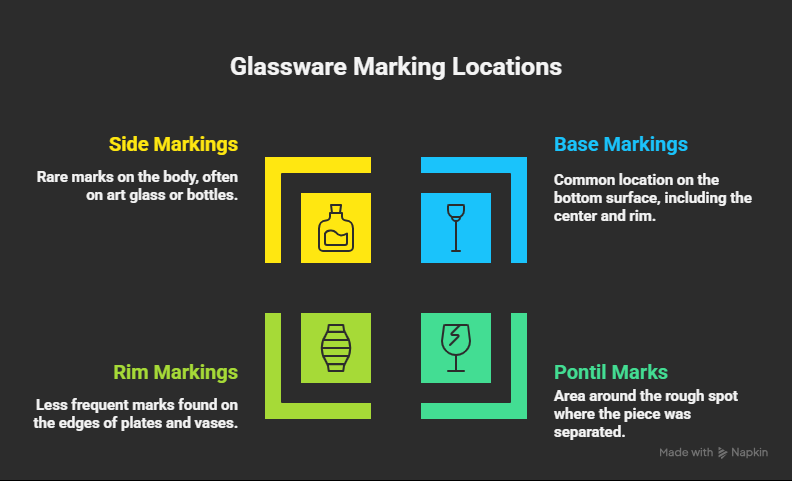
    glassware markings locations

    Base markings

    They are the most common location. Turn the piece over and examine the entire bottom surface, including the center, outer rim, and the area around the pontil mark.

    Use bright light and magnification because marks can be tiny or faint. Rotate the piece while looking—marks might only be visible from certain angles.

    Stemware bases, bowl bottoms, and vase undersides are prime marking territory.

    Pontil marks and adjacent areas

    These areas deserve special attention. The pontil mark is that rough, unfinished spot where the piece was separated from the glassblowing rod.

    Manufacturers often placed marks near this area because it was already “imperfect,” so adding a mark didn’t detract from aesthetics.

    Look all around the pontil mark’s perimeter—signatures might curve around it or appear just to one side.

    Rim and edge markings

    They appear less frequently but occur on certain types of glassware. Some manufacturers marked plates and bowls on the rim’s underside.

    Vases occasionally have marks on the outer rim. These marks are easy to miss because we don’t naturally look at edges carefully, so make rim inspection part of your routine.

    Side markings

    They appear on the body of the piece are rare but not unheard of. Some art glass pieces feature signatures on the side where they’re clearly visible.

    Bottles and decanters might have marks embossed on the shoulder or body. Studio glass artists sometimes sign pieces on the side, particularly sculptures or art pieces where the base isn’t meant to be visible.

    Practical Application

    Develop a systematic examination routine. Start with the base, checking every inch of the bottom surface. Move to the pontil area, examining all around it.

    Check the rim next, running your finger along the edge while looking carefully. Finally, scan the sides and body.

    This methodical approach ensures you don’t miss markings. Keep a small LED flashlight and a 10x magnifying glass in your collecting toolkit—proper lighting and magnification reveal marks that are invisible to the naked eye.

    Take photos of any marks you find with a coin or ruler in the frame for scale; this helps when comparing to online databases later.

    Dating Glass Through Marks

    Marks not only identify who made a piece but also when it was made. Manufacturers changed their marking systems over time, creating a timeline that helps date pieces accurately.

    Understanding these changes turns marks into dating tools.

    Many companies evolved through distinct marking periods.

    Fenton Art Glass, for example, used different marks across their history: no marks before the 1970s (relying on paper labels), then an oval mark with “Fenton” in script from 1970-1973, followed by the addition of a number indicating the decade (8 for 1980s, 9 for 1990s, 0 for 2000s).

    Learning these progression patterns for your favorite manufacturers provides a built-in dating system.

    Country of origin marks also help with dating. Before the 1890 McKinley Tariff Act, imported glass didn’t require country markings.

    After 1890, imports needed country names. From 1914 to about 1921, during and after World War I, imports had to say “Made in [Country].” After 1921, this became standard but was not strictly enforced until later.

    Post-1945 marks often include more specific information like “Made in Occupied Japan” (1945-1952) or “West Germany” (1949-1990). These historical markers provide date ranges.

    Patent numbers and registration marks offer precise dating. U.S. patent numbers on glass can be traced through patent office databases to exact dates.

    British registration marks (the diamond-shaped marks used from 1842 to 1883) encode the exact registration date within the symbol. Decoding these marks provides day-specific dates.

    Practical Application

    Once you identify a mark, research that manufacturer’s marking timeline. Many collector websites and reference books document when companies used specific marks.

    Cross-reference multiple sources because marking dates sometimes overlap during transition periods. Create a personal reference file for manufacturers you frequently encounter, noting their marking periods.

    When evaluating a piece’s age, consider whether the mark’s date matches the style, pattern, and construction method—inconsistencies might indicate marriages (bases from one piece attached to tops from another) or reproductions using old molds.

    Reproduction and Fake Marks: Red Flags

    The glass collecting world has a significant problem with reproductions, and unfortunately, many reproductions include fake marks designed to deceive collectors.

    Knowing how to spot suspicious marks protects your investment and helps you buy with confidence.

    Modern molded reproductions of vintage marks are the most common fakes. Unscrupulous manufacturers make new pieces using old patterns and include marks that imitate famous makers.

    These molded marks often appear too perfect—real engraved or acid-etched marks have slight irregularities from hand tools or chemical processes, while molded marks show machine-like uniformity.

    The glass quality is usually the giveaway: reproductions often use clearer, more modern glass that lacks the slight imperfections, bubbles, or color variations of vintage production.

    Marks in the wrong locations signal reproductions. Research the correct marking location for specific patterns and manufacturers.

    If a piece has a Fenton mark but the marking style or location doesn’t match known Fenton practices for that pattern, be suspicious.

    Counterfeiters sometimes don’t do their homework and put marks where they don’t belong.

    Added marks to authentic unmarked pieces constitutes fraud. Some sellers, unfortunately, add marks to unmarked vintage glass to increase value.

    These marks typically look newer, shinier, or different in texture from the surrounding glass.

    Under magnification, you might see that the glass around an added mark has been disturbed—scratches, chemical etching, or other signs of post-production modification.

    Practical Application

    Educate yourself about the specific patterns and makers you collect. Join collector groups where members share information about known reproductions.

    When examining an expensive piece, compare every detail—not just the mark—to verified authentic examples.

    Look at photographs of documented pieces from museums, collector archives, and reputable dealers. If something feels off, trust your instincts and pass on the purchase.

    For high-value acquisitions, consider paying for professional authentication from an appraiser who specializes in glass. The cost of authentication is minor compared to the risk of buying an expensive fake.

    Conclusion

    Glass markings are more than just manufacturer signatures—they’re keys to unlocking the history, authenticity, and value of every piece in your collection.

    From vintage glassware manufacturers’ marks that survived the Depression era to modern studio glass signatures and everything in between, each marking tells a story about craftsmanship, origin, and age.

    Remember to examine every piece systematically: check bases, pontil areas, rims, and sides with proper lighting and magnification.

    Cross-reference marks against reliable databases, understand dating through marking evolution, and stay alert for reproduction red flags.

    The most successful collectors combine marking knowledge with pattern recognition and quality assessment—no single factor tells the whole story.
  • Dating Libbey Glass Marks: Your Complete Identification Guide

    You’ve just found a stunning piece of glassware at an estate sale. The delicate curves catch the light perfectly.

    There’s something elegant about it that screams quality. But here’s the million-dollar question: is it actually valuable vintage Libbey?

    Dating Libbey glass marks becomes your secret weapon for unlocking the mystery behind that beautiful find.

    You’re holding a piece that could be worth hundreds or just twenty dollars. The difference lies in a tiny mark, often no bigger than your thumbnail.

    It’s like being a detective, but instead of solving crimes, you’re solving the puzzle of glass history. And trust me, once you crack the code, you’ll never look at glassware the same way again.

    The Toledo Legacy: Where It All Began

    Understanding Libbey glass marks starts with knowing the story. In 1888, Edward Drummond Libbey moved his glass company from Cambridge, Massachusetts, to Toledo, Ohio.

    Why Toledo? Simple. The city offered abundant natural resources for glassmaking, plus it gave Libbey four acres and 50 lots for worker housing.

    This wasn’t just a business move. It was the birth of America’s glass capital.

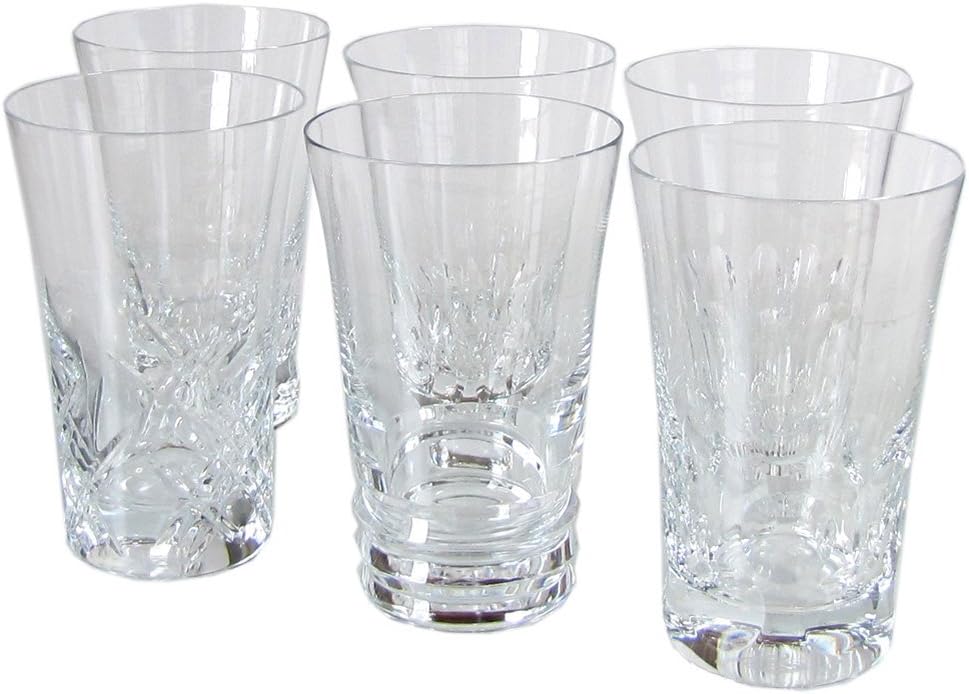
    Libbey vintage style tumbler drinking glass set

    The company traces its roots back to 1818 with the New England Glass Company.

    But the real magic happened when Edward Libbey took control. He transformed a struggling Eastern company into a glass empire.

    Key Historical Dates:

    • 1818: New England Glass Company founded
    • 1883: Edward Drummond Libbey takes control
    • 1888: Company moves to Toledo
    • 1892: Officially becomes Libbey Glass Company

    Think of it this way: every mark on your Libbey piece tells part of this incredible story. Each signature represents a different chapter in American glassmaking history.

    The Mark Evolution: Your Dating Roadmap

    dating libbey glass marks

    Here’s where things get exciting. Libbey marks changed over time, giving you a roadmap to date your pieces. It’s like reading the DNA of your glassware.

    Early Period Marks (1890s-1920s)

    The earliest Libbey pieces often featured the company name in script. The trademark application stated it consisted of the word “Libbey” and a representation of a sword under the word.

    libbey sword dating marks

    These early marks are rare treasures.

    What to Look For:

    • Full “Libbey” script writing
    • Sword underneath the name
    • Usually acid-etched, not molded
    • Often quite small and delicate

    This sword trademark has been found on glass dated as early as 1902, though it’s seldom seen. Finding one is like discovering a piece of American industrial history.

    The Circle Era (1920s-1940s)

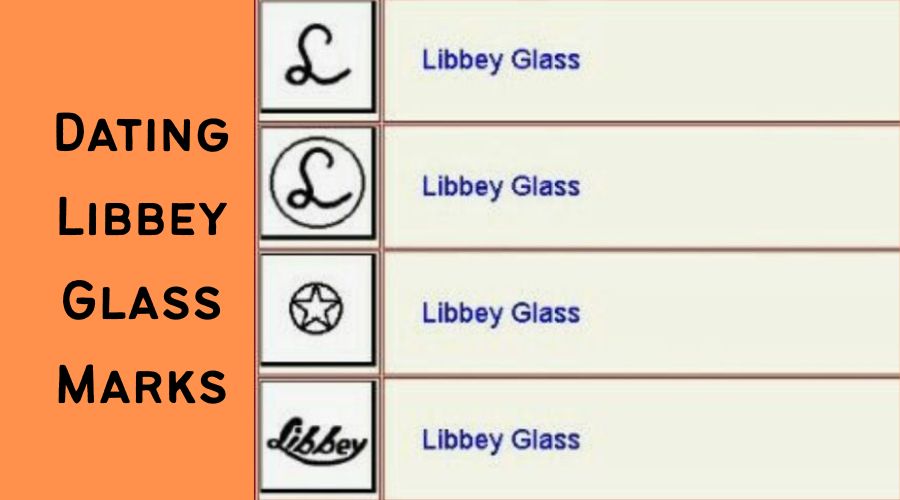
    The 1920s brought a major change. Around 1924, Libbey introduced the cursive L inside a “double circle” or “double-ring”. This became their signature look for decades.

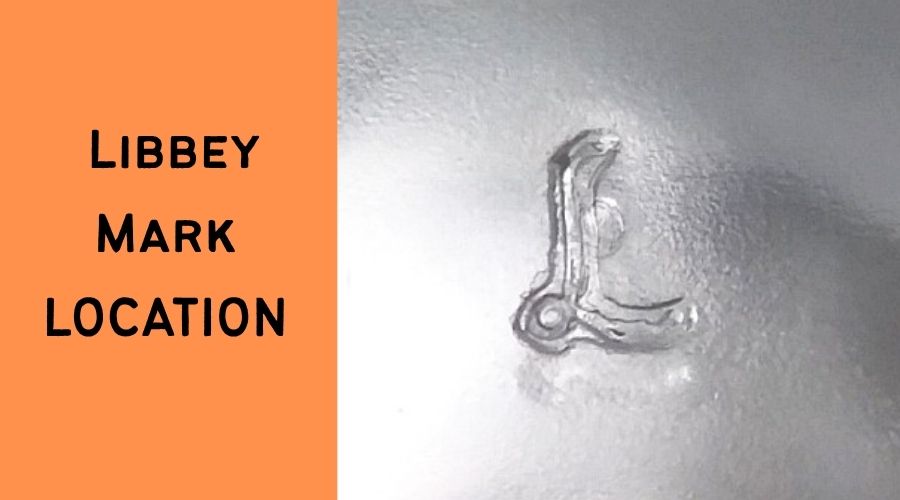
    Cursive L on the bottom of the Glass

    Meaning

    The cursive L mark on the bottom of the glass indicates it was manufactured by the Libbey Glass Company, one of America’s most prolific and historic glassware manufacturers.

    The company originated as the New England Glass Company in East Cambridge, Massachusetts, in 1818.

    Edward Drummond Libbey moved the operation to Toledo, Ohio, approximately 70 years later, and renamed it the Libbey Glass Company.

    Evolution of the Mark

    The cursive L trademark evolved through distinct periods that help date pieces:

    1920-1936: A cursive “L” inside a double circle (created around 1924)

    1937-1954: A three-segmented circle with the cursive “L” inside (created around 1937)

    1955-1980s: A single circle containing the cursive capital “L” (introduced in 1955). This mark often appears backwards when viewed from outside the glass, but reads correctly when looking down through the inside.

    Recent decades: Just the cursive “L” alone without any circle, rendered with delicate styling.

    The mark can appear clear on some pieces, while on others it’s lightly embossed, faint, smeared, or nearly invisible—sometimes resembling a short curly hair embedded in the glass surface.

    Notable History

    In 1933, Libbey hired Douglas Nash, a former Tiffany designer, to create luxury stemware with eighty-two cut and engraved patterns inspired by Art Nouveau.

    The company produced highly collectible Disney Snow White promotional glassware in 1937.

    In the 1960s, Libbey introduced dimensional designs with bold colors (bronze, gold, pink) and nature motifs. Popular patterns include Gibraltar, Golden Ice, Danube, and Roses.

    Value and Worth

    Libbey glassware value ranges dramatically from very affordable to expensive. Common mid-century tumblers typically sell for $5-15 each.

    Corelle Coordinates glasses from the 1970s-1980s fetch $10-15 each. Vintage Nash-designed luxury pieces and Disney promotional items command higher prices.

    Value depends on age, pattern rarity, condition, completeness of sets, and historical significance. While common pieces are affordable, they represent authentic American glass-making heritage.

    The Paper Label Revolution (1930s-1960s)

    Here’s where many collectors get confused. The mid-century period marked a dramatic shift to paper labels. These circular or oval paper stickers became Libbey’s primary marking method.

    Paper Label Characteristics:

    • Circular labels with “Libbey” inside a circle
    • Two main versions: thick black circle (1920-1930s) and empty double circle (1939-1945)
    • Often included pattern names or numbers
    • Many labels are lost over time, making identification challenging

    This period creates both opportunities and frustrations for collectors. Finding pieces with intact paper labels is like discovering buried treasure—rare and valuable.

    The Final Script Era (1950s)

    The last major etched signature was the 1958 stemware patterns known as the “1818” line, featuring the Libbey name in script with a sword above and below.

    This creates an interesting collecting opportunity. These 1950s pieces bridge vintage charm with more accessible pricing.

    Modern Era Marks (1970s-Present)

    The 1970s brought the modern era of Libbey marking. Simple, clean, and unmistakable.

    Molded Marks in Glass:

    • “L” inside a circle or square
    • “Libbey” spelled out in raised letters
    • Sometimes includes “USA” designation
    • Pattern numbers or codes may be present

    These molded marks represent a complete departure from earlier methods. They’re permanent, clear, and easy to identify, perfect for mass production needs.

    You can’t date what you can’t find. Libbey marks have favorite hiding spots, and knowing where to look saves time and frustration.

    Primary Mark Locations

    Libbey mark location under or bottom of drinking glass

    Bottom Center: Most common location for etched marks. Turn your piece over and look for small script or symbols in the center of the base.

    Near the Rim: Some pieces feature marks just below the rim, especially on stemware and tumblers.

    Handle Area: Pitchers and handled pieces sometimes carry marks near the handle attachment.

    Stem Base: Wine glasses and goblets often have marks where the bowl meets the stem.

    Key Dating Timeline Summary

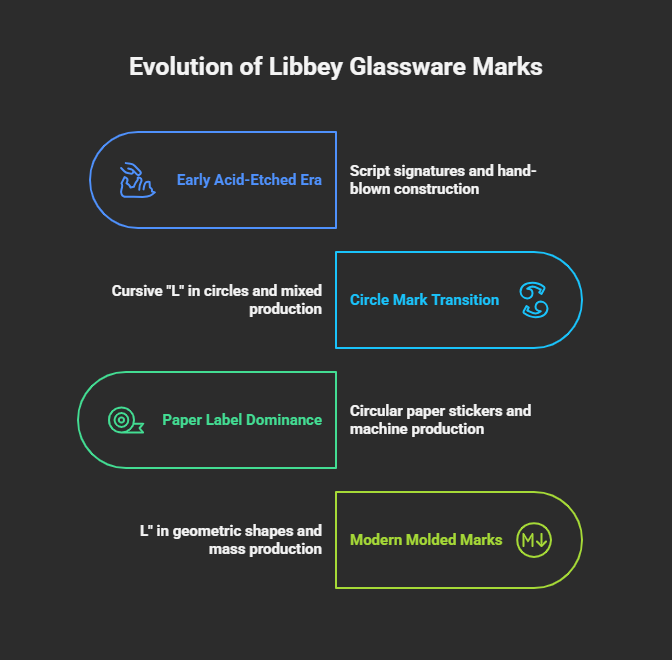
    dating Libbey glassware timeline

    Here’s your quick reference guide for Libbey glass dating:

    1888-1920s: Early Acid-Etched Era

    • Script “Libbey” signatures
    • Hand-blown construction
    • Highest collector values

    1920s-1930s: Circle Mark Transition

    • Cursive “L” in double circles
    • Beginning of machine production
    • Mixed hand-blown and machine pieces

    1930s-1960s: Paper Label Dominance

    • Circular paper stickers
    • “Libbey” inside circle designs
    • Machine-made construction standard

    1970s-Present: Modern Molded Marks

    • “L” in geometric shapes
    • Molded directly into glass
    • Mass production focus

    Acid-Etched Marks:

    • Feel slightly rough to the touch
    • Usually clear or frosted appearance
    • Most authentic and valuable
    • Used from 1890s through 1950s

    Molded Marks:

    • Raised or recessed into the glass
    • Smooth to the touch
    • More common on mass-produced pieces
    • Generally less valuable than etched

    Paper Labels:

    • Black stickers with white lettering
    • Found on 1950s pieces and later
    • Often lost over time
    • Less reliable for dating.

    The Value Connection: Why Dating Matters

    Here’s the truth: collectors don’t always share. Not all Libbey glass is created equal. Dating your marks directly impacts value, and understanding this relationship puts money in your pocket.

    High-Value Periods

    Brilliant Cut Period (1890s-1915): This era produced Libbey’s most valuable pieces. Libbey became the largest cut glass factory in the world during the Brilliant Period. Pieces from this era with proper marks can sell for hundreds or thousands.

    Art Glass Era (1900s-1920s): Experimental pieces and artistic collaborations. Look for unusual colors or techniques combined with early marks.

    Depression Era Transition (1920s-1930s): The circle marks from this period represent good value. Quality remained high while prices stayed accessible.

    Moderate Value Periods

    Mid-Century Modern (1940s-1960s): Clean lines and simple marks. Growing collector interest, but still affordable.

    Contemporary Pieces (1970s-Present): Generally lower collectible value but perfect for daily use. Plus, there’s always the question of understanding if Libbey glass has lead, which becomes crucial for modern safety-conscious collectors.

    Market Insights

    The antique glass market follows specific patterns:

    • Rarity drives premium pricing
    • Condition matters more than age sometimes
    • Complete sets command higher prices
    • Unusual colors or patterns increase value.

    Authenticity Alert: Spotting Fakes and Reproductions

    The popularity of vintage Libbey has created a thriving reproduction market. Knowing how to spot fakes protects your investment and reputation.

    Red Flags for Reproductions

    Mark Quality:

    • Poorly executed script
    • Wrong fonts or styles
    • Marks that look “too perfect”
    • Inconsistent sizing

    Glass Quality:

    • Lighter weight than expected
    • Poor optical clarity
    • Visible mold lines
    • Rough pontil marks

    Historical Inconsistencies:

    • Marks that don’t match known periods
    • Modern glass with vintage-style marks
    • Patterns that never existed historically

    Authentication Tips

    Research First: Use reputable reference books and databases. Cross-reference mark styles with known production periods.

    Feel the Difference: Authentic vintage Libbey has weight and quality that’s hard to fake. The glass feels substantial and well-made.

    Compare Similar Pieces: Study authentic examples at museums or reputable dealers. Your eyes will develop over time.

    Seek Expert Opinion: When in doubt, consult experienced collectors or professional appraisers.

    Tools of the Trade: Essential Dating Resources

    Professional collectors don’t work from memory alone. They use specific tools and resources to verify their findings.

    Reference Books

    Bottle Makers and Their Marks” by Julian Toulouse (1971): Illustrates the cursive L marks with introduction dates. Essential for serious collectors.

    “400 Trademarks on Glass” by Arthur G. Peterson (1968): Mentions the 1937 three-segmented circle mark. Great for cross-referencing.

    Company Catalogs: Original Libbey catalogs provide definitive proof of patterns and dating.

    Online Resources

    Glass Encyclopedia Websites: Comprehensive databases with photos and dates.

    Collector Forums: Connect with experienced collectors who share knowledge freely.

    Auction Archives: Research completed sales to understand current market values.

    Physical Tools

    Magnifying Glass: Essential for reading small or worn marks clearly.

    UV Light: Some marks show better under ultraviolet light.

    Digital Calipers: Precise measurements help identify specific patterns.

    Camera with Macro Lens: Document your pieces for future reference.

    Condition Assessment: How Wear Affects Dating

    Even perfect mark identification means nothing if you can’t assess the condition properly. Wear patterns tell stories about age and authenticity.

    Natural Aging Signs:

    • Slight cloudiness from washing
    • Minor scratches from use
    • Wear on high-contact areas
    • Patina development on older pieces

    Concerning Damage:

    • Chips or cracks
    • Deep scratches
    • Acid damage from improper cleaning
    • Heat damage from dishwashers

    Dating Through Wear

    Interestingly, wear patterns help confirm age. A piece claiming to be from 1920 should show appropriate aging. Brand-new looking “vintage” pieces raise red flags.

    Authentic Wear Indicators:

    • Consistent aging throughout
    • Wear patterns match expected use
    • Proper patina development
    • Natural-looking surface changes

    Regional Variations: Toledo vs. Other Locations

    While Toledo remained Libbey’s primary location, the company operated other facilities over the years. These regional differences affect both dating and value.

    Toledo Production Characteristics

    Quality Standards: Toledo pieces generally represent the highest quality Libbey production.

    Mark Consistency: More consistent marking practices due to centralized quality control.

    Pattern Availability: Widest range of patterns and styles produced.

    Subsidiary Operations

    Different Marking Practices: Some subsidiary operations used different marking systems or no marks at all.

    Quality Variations: Secondary facilities sometimes produced lower-grade pieces for the mass market.

    Dating Challenges: Pieces from subsidiary operations can be harder to date accurately.

    Building Your Collection: Smart Acquisition Strategies

    Understanding mark dating transforms you from a casual browser to a strategic collector. Here’s how to build a collection that grows in value over time.

    Focus Areas for New Collectors

    Single Pattern Mastery: Choose one pattern and learn everything about it. This focused approach builds expertise quickly.

    Mark Period Specialization: Concentrate on one mark era. Become the expert on circle marks or script signatures.

    Condition-Based Collecting: Focus on excellent condition pieces, even if they’re more common patterns.

    Advanced Collecting Strategies

    Gap Filling: Identify missing pieces in established collections and target those specifically.

    Market Timing: Buy during market downturns and sell during peaks.

    Cross-Pattern Collecting: Look for pieces that bridge different collecting categories.

    Investment Potential: The Long View

    Smart collectors think beyond immediate pleasure. They consider long-term investment potential when evaluating Libbey pieces.

    Growing Market Segments

    Mid-Century Modern: Increasing interest from younger collectors drives prices up.

    Complete Sets: Intact sets command premium pricing and show strong appreciation.

    Rare Colors: Unusual color variations continue to attract collector interest.

    Demographic Shifts: As baby boomers downsize, more vintage pieces enter the market.

    Authentication Technology: Better authentication methods may affect future valuations.

    International Interest: Growing global collecting interest expands market potential.

    Conservation and Care: Protecting Your Investment

    Proper care preserves both the physical condition and historical integrity of your Libbey collection.

    Cleaning Best Practices

    Gentle Methods Only: Use mild dish soap and soft cloths. Avoid abrasive cleaners or scrubbers.

    Temperature Considerations: Sudden temperature changes can crack vintage glass. Room temperature water works best.

    Drying Techniques: Air dry when possible. If towel drying, use lint-free cloths.

    Storage Solutions

    Individual Protection: Wrap each piece in acid-free tissue paper.

    Climate Control: Stable temperature and humidity prevent stress fractures.

    Display Considerations: Keep pieces away from direct sunlight and high-traffic areas.

    Your Next Steps: From Knowledge to Action

    Now you have the tools to confidently date Libbey glass marks. But knowledge without action remains just interesting information.

    Start Small: Begin with pieces you already own. Practice identifying marks and dating them.

    Join Communities: Connect with other collectors through forums and local clubs.

    Keep Learning: Glass history is deep and fascinating. There’s always more to discover.

    Document Everything: Create detailed records of your pieces, including photos and research notes.

    The world of Libbey glass collecting offers endless fascination. Every mark tells a story.

    Every piece connects you to American industrial history. And every successful identification brings the satisfaction of solving a beautiful puzzle.

  • Waterford Goblet Patterns

    Are you holding a beautiful crystal goblet and wondering if it’s genuine Waterford? Or maybe you’re shopping for the perfect piece but feel overwhelmed by all the choices?

    You’re not alone. Many people struggle to identify authentic pieces or don’t know which design will best suit their home and lifestyle.

    Waterford goblet patterns are more than just pretty glassware; they’re pieces of Irish craftsmanship that have graced dining tables for generations.

    Each design tells its own story through intricate cuts, unique patterns, and timeless elegance.

    Whether you’re looking at the classic Lismore with its diamond and wedge cuts, the romantic Colleen design, or the modern Marquis collection, understanding these crystal patterns helps you make informed decisions about collecting, gifting, or simply appreciating these stunning pieces.

    From identifying vintage designs to selecting new ones for special occasions, understanding these beautiful crystal goblets opens up a world of Irish tradition that transforms any gathering into something truly special.

    THE MAGNIFICENT HERITAGE OF WATERFORD CRYSTAL GOBLETS

    When George and William Penrose established their glassworks in the Irish port city of Waterford, they couldn’t have imagined they were creating what would become the world’s most coveted crystal.

    Since 1783, we have crafted luxury, hand-cut crystal glassware, barware, and homeware of unrivalled brilliance and clarity, and their goblet patterns have become the stuff of legend.

    What sets Waterford goblets apart isn’t just their beauty – it’s the extraordinary precision of their cuts.

    Each pattern tells a story, whether ancient Irish castles, the rolling countryside, or the dramatic coastline inspire it.

    The weight of authentic Waterford in your hand is unmistakable; it’s substantial yet perfectly balanced, designed to enhance both the visual and tactile experience of fine dining.

    The company’s commitment to traditional hand-cutting methods means that no two pieces are identical.

    Each goblet bears the subtle variations that mark true craftsmanship, tiny differences that make your collection uniquely yours.

    ICONIC WATERFORD GOBLET PATTERNS EVERY COLLECTOR SHOULD KNOW

    waterford goblet patterns

    Lismore: The Crown Jewel of Crystal Patterns

    Waterford Crystal designer Miroslav Havel created the Lismore pattern in 1952, and it has since become the world’s best-selling stemware pattern.

    waterford Lismore Goblet pair of crystal glass

    The pattern was inspired by Lismore Castle, which majestically sits on a cliff above the River Blackwater, near the Knockmealdown Mountains.

    The Lismore pattern is instantly recognisable by its:

    • Diamond-shaped cuts that create brilliant light refraction
    • Symmetrical wedge cuts flow upward in perfect harmony
    • Deep, precise grooves that catch and reflect light magnificently
    • Substantial weight that feels luxurious in the hand

    Shannon: Elegance in Simplicity

    Waterford Shannon Claret wine Goblet Pattern

    Named after Ireland’s longest river, the Shannon pattern embodies understated sophistication. The popular ones are Lismore, Colleen, Shannon, and Tramore, and are easily identified by collectors. This pattern features:

    • Vertical linear cuts that create elegant pillars of light
    • Clean, geometric lines are perfect for modern dining settings
    • Lighter weight compared to Lismore, making it ideal for extended use
    • Versatile design that complements both formal and casual occasions

    Colleen: The Feminine Touch

    Waterford crystal colleen goblet

    The Colleen pattern, named after the Irish term for a young woman, brings graceful curves to the Waterford collection. Its distinctive features include:

    • Scalloped cuts that resemble delicate lacework
    • Curved motifs that soften the goblet’s profile
    • The romantic aesthetic is perfect for intimate gatherings
    • Intricate detailing that rewards close examination

    Tramore: Coastal Inspiration

    waterford crystal Tramore Goblet

    Drawing inspiration from the Irish seaside town, Tramore goblets feature:

    • Wave-like patterns that echo ocean movements
    • Horizontal cutting that creates flowing lines
    • Beach-inspired motifs that bring seaside elegance to your table
    • Unique texture that feels wonderful under the fingers.

    Other Classic and Popular Waterford Goblet Patterns include:

    Traditional Patterns:

    • Alana
    • Allaire
    • Araglin
    • Ashbourne
    • Ashling
    • Avoca
    • Ballylee
    • Ballymore
    • Ballyshannon
    • Boyne

    Elegant Designs:

    • Carina
    • Carleton Gold
    • Castlemaine
    • Castletown
    • Chelsea (including Chelsea Gold Trim)
    • Clare
    • Claria
    • Comeragh
    • Curraghmore

    Heritage Collection:

    • Donegal
    • Eileen
    • Elberon
    • Glengarriff
    • Grenville
    • Hanover Gold
    • Hanover Platinum
    • Kathleen
    • Kelsey
    • Kylemore

    Contemporary & Special Editions:

    • Metropolitan
    • Millennium
    • Mourne
    • Shamrock
    • Waterford Wishes
    • Wynnewood Platinum
    • Araglin Platinum
    • Colleen Encore (Cut Foot)

    Vintage & Rare Patterns:

    • Seahorse – One of Waterford’s most timeless and iconic cuts that echoes the curves of the sea
    • Quadrata (Marquis line)

    The most popular patterns that are easily identified by collectors include Lismore, Colleen, Shannon, and Tramore. These four represent the cornerstone of most Waterford collections.

    These patterns range from simple, clean-lined designs to highly intricate cuts requiring master craftsmanship to create.

    Each pattern reflects different aspects of Irish heritage, from castle-inspired designs to coastal and river motifs.

    HOW TO IDENTIFY AUTHENTIC WATERFORD GOBLET PATTERNS

    Knowing how to spot genuine Waterford is crucial for any serious collector. Here’s your expert guide:

    The Waterford Mark

    The first way to tell an authentic piece of Waterford is to look for the Waterford acid mark.

    Using a magnifying glass or holding the crystal up to the light, search for the stamp. The mark typically appears:

    • On the stem’s base in gothic script (pre-1999)
    • In the grooves of the pattern itself
    • As a stencil-style etching (post-1999)
    • With the seahorse logo on older pieces

    The Seahorse Legacy

    A seahorse is also the symbol for the Waterford Crystal company, and for many years, Waterford Crystal was identified by the green-and-gold seahorse sticker.

    While many vintage pieces have lost their stickers, finding one intact significantly increases the piece’s value.

    Weight and Feel Test

    Authentic Waterford goblets have a distinctive heft that immediately sets them apart from imitations. The crystal should feel:

    • Substantial but not unwieldy
    • Perfectly balanced when held by the stem
    • Cool to the touch initially
    • Smooth with no rough edges on the cuts

    Sound Test

    When gently tapped with a fingernail, genuine Waterford crystal produces a clear, ringing tone that resonates beautifully. This “ping” is unmistakable and impossible to replicate in lesser quality glass.

    THE ART OF COLLECTING WATERFORD GOBLETS

    Starting Your Collection

    Beginning collectors often wonder where to start. Here’s my advice:

    Choose Your Primary Pattern First: Rather than mixing patterns randomly, select one primary pattern that speaks to you. Lismore remains the most popular choice for its timeless appeal and strong resale value.

    Start with Essential Pieces

    • Water goblets (the largest in the set)
    • Wine glasses (red and white wine versions)
    • Champagne flutes
    • Sherry glasses (if you entertain formally)

    Investment Considerations

    PatternInvestment Grade / RarityResale ValueCollectibility
    LismoreExcellent / CommonHighVery High
    ShannonGood / ModerateModerateHigh
    ColleenExcellent / RareVery HighExceptional
    TramoreGood / ModerateModerateHigh
    AlanaFair / DiscontinuedVariableModerate

    WHERE TO FIND WATERFORD GOBLETS

    The hunt for perfect pieces is half the fun of collecting:

    Authorised Retailers

    Secondary Markets

    • Estate sales (often the best deals)
    • Antique shops
    • Online auctions (be cautious of authenticity)
    • Crystal replacement services.

    Caring for Your Waterford Goblet Collection

    Daily Care

    Your Waterford goblets deserve the royal treatment:

    Hand Washing Only. Never put Waterford crystal in the dishwasher. The harsh detergents and high temperatures can damage the crystal and dull the cuts.

    Proper Washing Technique

    1. Use lukewarm water with mild washing-up liquid
    2. Wash one piece at a time
    3. Support the bowl while cleaning the stem
    4. Rinse thoroughly with clean water
    5. Dry immediately with a lint-free cloth

    Storage Solutions

    • Use padded storage boxes for infrequently used pieces
    • Store goblets upright, never stacked
    • Ensure adequate spacing between pieces
    • Consider climate-controlled storage for valuable collections

    Professional Restoration

    Even the most careful collector occasionally faces chips or cracks. Professional crystal restoration can work miracles, but it’s expensive.

    Minor chips on the rim can often be polished out, whilst major cracks usually mean retirement from active service.

    THE PSYCHOLOGY OF CRYSTAL COLLECTING

    There’s something deeply satisfying about collecting Waterford goblets that goes beyond mere acquisition.

    Each piece represents a moment in time, a celebration captured in crystal. Whether it’s the goblet from your wedding toast or the rare pattern discovered at an estate sale, these pieces become repositories of memory.

    The ritual of setting the table with your finest crystal transforms everyday dining into a ceremonial occasion.

    Your guests unconsciously adjust their behaviour when drinking from Waterford Conversations.

    Their behaviour becomes more refined, posture improves, and the entire dining experience elevates.

    FREQUENTLY ASKED QUESTIONS ABOUT WATERFORD GOBLET PATTERNS

    How can I identify my Waterford pattern if there’s no marking?

    Pattern identification often requires comparing your piece to reference guides. The cut patterns, proportions, and overall design are unique to each pattern.

    Professional crystal identification services can help with difficult cases.

    Are newer Waterford pieces as valuable as vintage ones?

    Generally, vintage pieces (1950s-1990s) command higher prices due to their hand-crafted nature and rarity. However, limited editions and discontinued modern patterns can also appreciate significantly.

    What’s the difference between Waterford and Waterford Marquis?

    Waterford Marquis was a lower-priced line featuring machine-made crystal. While still attractive, it lacks the hand-cut precision and investment potential of traditional Waterford.

    How do I display my goblet collection safely?

    Use display cabinets with individual slots or padded shelving. Ensure adequate lighting to showcase the crystal’s brilliance, but avoid direct sunlight, which can cause etching over time.

    Can a damaged Waterford be repaired?

    Minor chips can often be professionally polished out, but significant damage is usually irreversible. Prevention through careful handling and proper storage is always preferable to restoration.

  • Waterford Marquis Patterns

    You’re setting the table for Sunday dinner, and as you place that special crystal glass next to each plate, it catches the light from your dining room chandelier and sends tiny rainbows dancing across the wall.

    That magical sparkle? That’s the beauty of fine crystal working its charm in your everyday life.

    Waterford Marquis Patterns represent some of the world’s most beloved crystal designs, bringing elegance and sophistication to homes everywhere.

    These stunning pieces feature intricate cuts and timeless designs that transform ordinary moments into special occasions.

    Are you planning on serving morning coffee in a crystal mug or toasting a birthday with champagne flutes?

    These beautiful patterns add that touch of luxury we all crave.

    From geometric brilliance to classic elegance, these designs offer something for every taste and budget, making your everyday meals feel special and turning your kitchen counter into a showcase.

    WHAT MAKES WATERFORD MARQUIS PATTERNS SPECIAL?

    Waterford Marquis patterns represent the perfect marriage of traditional Irish craftsmanship and contemporary accessibility.

    These pieces bring sophistication to every occasion, making them ideal for both everyday use and special celebrations.

    The genius of Marquis lies in its positioning. It’s not quite the full Waterford experience, which can cost a small fortune, but it’s far from ordinary glassware.

    Think of it as the premium economy of crystal: you get the prestige, the beauty, and much of the craftsmanship at a price that won’t require you to sell your grandmother’s jewellery.

    The Heritage Behind the Patterns

    Waterford Crystal has been synonymous with luxury since 1783, when brothers George and William Penrose established their glasshouse in Ireland.

    The Marquis line was introduced as a way to bring Waterford’s renowned design aesthetic to a broader audience without compromising on quality.

    Each piece is finely crafted under the meticulous eye and exacting standards of Waterford, ensuring that even the more accessible Marquis line maintains the brand’s reputation for excellence.

    waterford marquis patterns

    Classic Patterns That Never Go Out of Style:

    Markham Pattern:

    Waterford Marquis Markham pattern

    The Markham pattern is like the little black dress of crystal, elegant, versatile, and always appropriate.

    With its distinctive diamond cuts and clean lines, it’s perfect for both formal dinners and casual gatherings. The pattern creates a beautiful play of light that makes even tap water look sophisticated.

    Lacey Pattern:

    Marquis waterford Lacey pattern bowl

    Looking like delicate Irish lace, the Lacey pattern features intricate crosshatch designs that create stunning visual texture.

    It’s particularly popular among collectors who appreciate detailed craftsmanship and want pieces that serve as conversation starters.

    Brookside Pattern:

    Marquis waterford Brookside Goblet

    The Brookside pattern offers a more contemporary take on traditional crystal cutting.

    Its flowing lines and curved cuts create a modern aesthetic that appeals to younger collectors while maintaining the timeless quality for which Waterford is known.

    Other Popular Marquis Patterns (Current & Recent) include :

    • Brady
    • Caprice
    • Carberry
    • Carlisle
    • Celebrating
    • Centra
    • Chelsea
    • Chrystal
    • Clarion
    • Corbel
    • Crescent
    • Crosby
    • Dearborn
    • Devlin
    • Dunlevy
    • Eldridge
    • Emilia
    • Emmet
    • Encore
    • Fairmont
    • Hanover
    • Harper
    • Hawthorne
    • Hayden
    • Henley
    • Hourglass
    • Huntley
    • Kells
    • Lexington
    • Liberty
    • Logan
    • Maxwell
    • Melrose
    • Noblesse
    • Northbridge
    • Omega
    • Phoenix
    • Rainfall
    • Rainfall Gold
    • Regal
    • Shelton
    • Sheridan
    • Sparkle
    • Vintage
    • Waterford Wishes
    • Whirlpool
    • Woodside

    Discontinued/Vintage Marquis Patterns:

    • Ashbourne
    • Beamish
    • Belfast
    • Canterbury
    • Cavalier
    • Haddon
    • Hanover Square
    • Honour
    • Montrose
    • Newberry
    • Sherborne
    • Treviso
    • Versa
    • Vintage (original)

    Special/Limited Edition Patterns:

    • Holiday Collection patterns (seasonal releases)
    • Anniversary editions
    • Commemorative patterns
    • Regional exclusives

    Pattern Categories:

    1. Traditional Cut Patterns – Classic diamond and geometric cuts
    2. Contemporary Designs – Modern, simplified cutting styles
    3. Floral/Organic Motifs – Nature-inspired patterns
    4. Textured Patterns – Complex surface designs
    5. Minimalist Patterns – Clean, simple lines

    Note: Waterford regularly updates its Marquis line, so some patterns may be discontinued while new ones are introduced. For the most current availability, it’s best to check with authorised Waterford retailers or their official website.

    SEASONAL AND SPECIAL EDITION PATTERNS

    Waterford regularly releases limited edition Marquis patterns that become highly sought after by collectors. These pieces often feature:

    • Holiday themes with festive motifs
    • Anniversary editions celebrating milestones
    • Collaborative designs with renowned artists
    • Regional patterns inspired by Irish heritage.

    UNDERSTANDING WATERFORD MARQUIS VS. TRADITIONAL WATERFORD

    FeatureTraditional WaterfordMarquis by Waterford
    ProductionHand-cut in IrelandMachine-cut, hand-finished
    Lead Content33% lead crystal24% lead crystal
    ComplexityHighly intricate cutsSimplified elegant cuts
    AvailabilityLimited productionWidely available
    MarkingSigned with acid stampLaser-etched “M”

    The key difference is beyond price, it’s a matter of philosophy.

    Traditional Waterford is about owning a piece of art. Marquis is about living with beautiful, functional pieces that enhance your daily life.

    HOW TO IDENTIFY AUTHENTIC WATERFORD MARQUIS PATTERNS

    The Telltale Signs:

    The Laser-Etched Mark: All genuine Marquis pieces feature a small “M” laser-etched into the glass. This mark is typically found on the base and is your first indication of authenticity.

    Quality of Cut: Even though Marquis pieces are machine-cut, the quality remains exceptional. The cuts should be clean, sharp, and consistent. Poor imitations often have rough edges or inconsistent patterns.

    Weight and Feel: Authentic Marquis crystal has a substantial weight due to its lead content. It should feel solid in your hand and produce a clear, bell-like tone when gently tapped.

    Pattern Consistency: Genuine Waterford Marquis patterns are precisely consistent across pieces in the same collection. Variations in pattern alignment or depth suggest imitation pieces.

    Red Flags to Watch For

    • Missing or poorly executed markings
    • Unusually low prices from unknown sellers
    • Inconsistent pattern details between pieces
    • Rough or unfinished edges on cuts
    • Lightweight feel compared to genuine pieces.

    CARING FOR YOUR WATERFORD MARQUIS COLLECTION

    Daily Maintenance:

    Your Marquis pieces want to be used, not hidden away. Here’s how to keep them sparkling:

    Hand Washing Only: Never put your Marquis crystal in the dishwasher. The high temperatures and harsh detergents can damage the crystal and dull the cuts. Instead:

    1. Use warm (not hot) water
    2. Add a small amount of mild dish soap
    3. Wash gently with a soft sponge
    4. Rinse thoroughly with clean water
    5. Dry immediately with a lint-free cloth

    Storage Solutions

    • Use cloth separators between stacked pieces
    • Store upright when possible to prevent stress on delicate stems
    • Avoid temperature extremes in storage areas
    • Keep away from direct sunlight to prevent potential damage

    Deep Cleaning and Restoration

    For pieces that have developed cloudiness or stubborn stains:

    White Vinegar Solution: Mix equal parts white vinegar and water for a natural cleaning solution that removes mineral deposits without damaging the crystal.

    Professional Restoration: For valuable or damaged pieces, consider professional restoration services. Many crystal specialists can repair chips, restore clarity, and even recreate missing pieces in discontinued patterns.

    BUILDING YOUR WATERFORD MARQUIS COLLECTION

    Starting Your Collection: The Essentials

    The Foundation Four

    1. Wine glasses (red and white wine varieties)
    2. Champagne flutes for celebrations
    3. Tumblers for everyday use
    4. A decanter for special occasions

    Budget-Friendly Collecting Tips

    • Start with open stock pieces rather than complete sets
    • Watch for seasonal sales at authorised retailers
    • Consider discontinued patterns for unique finds
    • Mix patterns thoughtfully for an eclectic yet cohesive look

    Advanced Collecting Strategies

    Pattern Appreciation: As your collection grows, you’ll develop preferences for certain cut styles. Some collectors focus on:

    • Geometric patterns with clean, mathematical precision
    • Floral motifs that showcase organic beauty
    • Traditional cuts that echo historical designs
    • Contemporary patterns that reflect modern aesthetics

    Investment Pieces: While Marquis isn’t typically considered an investment like traditional Waterford, certain pieces do appreciate:

    • Limited editions from significant years
    • Discontinued patterns that develop cult followings
    • Complete sets in popular patterns
    • Commemorative pieces marking special events.

    THE ART OF USING WATERFORD MARQUIS

    Entertaining with Elegance:

    Formal Dining: Your Marquis pieces aren’t museum pieces; they’re meant to be used. For formal dinners:

    • Match the glass to the beverage for optimal enjoyment
    • Consider the pattern’s formality when setting the table
    • Mix textures by combining crystal with fine china and silver
    • Use accent lighting to highlight the crystal’s brilliance

    Casual Sophistication: The beauty of the Marquis is its versatility. You can use these pieces for:

    • Sunday morning coffee in crystal mugs
    • Afternoon tea with crystal sugar bowls
    • Weekend gatherings with friends
    • Solo dining that feels special

    Pairing Patterns with Occasions:

    Holiday Entertaining: Certain Marquis patterns shine during specific seasons:

    • Winter patterns with geometric cuts reflect candlelight beautifully
    • Spring designs with floral motifs complement fresh flowers
    • Summer patterns with lighter cuts feel breezy and casual
    • Autumn designs with rich textures match seasonal decor.

    FREQUENTLY ASKED QUESTIONS ABOUT WATERFORD MARQUIS PATTERNS

    What’s the difference between Waterford and Marquis by Waterford?

    The primary differences lie in production methods and price points. Traditional Waterford crystal is hand-cut in Ireland with 33% lead content, while Marquis pieces are machine-cut with hand-finishing and contain 24% lead crystal.

    This makes Marquis more accessible while maintaining much of the beauty and quality associated with the Waterford name.

    Are Waterford Marquis patterns discontinued frequently?

    Waterford regularly updates its Marquis line, introducing new patterns while discontinuing others.

    This practice keeps the collection fresh and contemporary.

    However, popular patterns often remain available for years, and discontinued patterns can sometimes be found through specialty retailers or secondary markets.

    How can I tell if my Waterford Marquis is vintage?

    Vintage Marquis pieces (typically those from the 1980s and 1990s) often have different marking styles and may feature patterns no longer in production.

    Look for the marking style, research the pattern name, and check production dates. Vintage pieces can be particularly valuable to collectors.

    What’s the best way to start collecting Waterford Marquis?

    Begin with pieces you’ll use regularly wine glasses, tumblers, or serving pieces. This approach ensures you’ll appreciate your collection daily while building knowledge about different patterns and cuts.

    Start with one pattern to create cohesion, then expand to complementary designs.

    Can I mix different Marquis patterns?

    Absolutely! Mixing patterns can create visual interest and reflect your style.

    The key is finding common elements, similar cut styles, complementary formality levels, or shared design themes.

    Many collectors create beautiful, eclectic collections by thoughtfully combining different patterns.

    CONCLUSION

    Waterford Marquis patterns represent more than just beautiful glassware; they’re your gateway into a world where everyday moments become special occasions.

    Whether you’re drawn to the geometric precision of the Markham pattern, the delicate beauty of Lacey, or the contemporary elegance of Brookside, each piece tells a story of craftsmanship, tradition, and personal style.

    The beauty of collecting Marquis lies not just in the pieces themselves, but in the memories they help create.

    Every dinner party, celebration, or quiet evening becomes elevated when surrounded by crystal that catches the light and captures the imagination.

  • The Ultimate Guide to the Names of Crystal Glassware

    You’re at a fancy restaurant and the waiter asks if you’d like your wine in a Bordeaux glass or a Burgundy glass.

    Or maybe you’re shopping online and keep seeing terms like “highball,” “tumbler,” and “snifter,” but have no idea what they look like. Sound familiar?

    Don’t worry, you’re not alone in feeling confused by all these fancy glass names. Learning the names of crystal glassware doesn’t have to be scary or complicated.

    Once you know the basic names and what each glass is used for, you’ll feel much more confident whether you’re shopping, entertaining guests, or just trying to set your table properly.

    The good news is that most crystal glassware brand names are pretty simple once you understand what they mean.

    Each name usually tells you something about the glass’s shape, size, or what drink it’s meant for.

    Let’s break down the most common ones you’ll use in real life.

    THE ART OF CRYSTAL NOMENCLATURE: WHY NAMES MATTER

    Crystal glassware names aren’t merely decorative labels; they’re roadmaps to history, craftsmanship, and value.

    Each name tells a story, sometimes of the artisan who created the design, the region where it originated, or the technique used to achieve its distinctive appearance.

    Understanding these names serves multiple purposes for the discerning collector:

    Authentication and Investment Protection: Knowing the proper terminology helps you identify genuine pieces and avoid costly mistakes.

    A true Baccarat “Harcourt” tumbler carries significantly more value than a well-made imitation.

    Historical Appreciation: Many crystal names honour centuries-old traditions. Waterford’s “Lismore” pattern, for instance, pays homage to the Irish castle town where the company’s founders once lived.

    Collecting Strategy: Familiarity with naming conventions helps you build cohesive collections and understand which pieces complement one another.

    NAMES OF CRYSTAL GLASSWARE MANUFACTURER BRANDS

    names of crystal glassware

    Before diving into specific patterns, it’s essential to understand that the names of crystal glassware begin with the manufacturers themselves.

    These brand names represent centuries of craftsmanship and serve as the foundation of any crystal discussion.

    Luxury Crystal House Names

    The Elite Tier: These names command immediate respect in crystal circles:

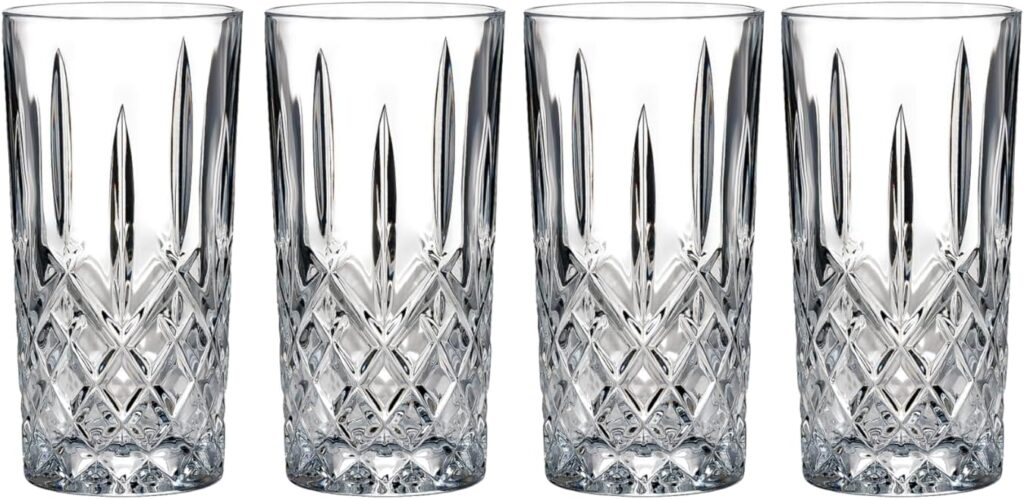
    Baccarat crystal highball glass set
    • Baccarat (France): The undisputed king of crystal, synonymous with perfection since 1764

    waterford markham iced beverage glass set
    • Waterford (Ireland): Ireland’s crystal ambassador to the world

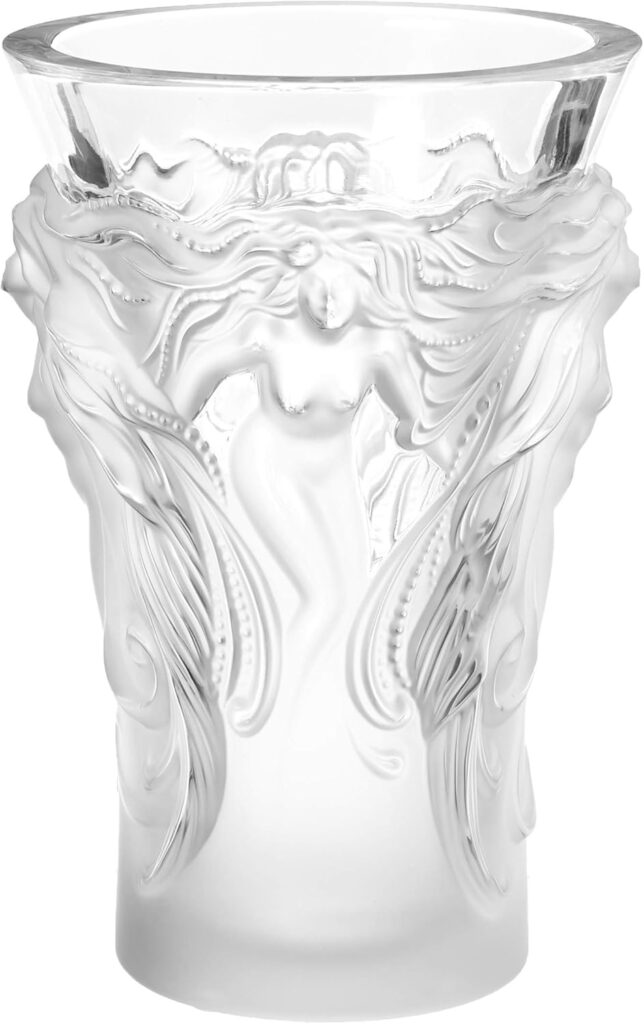
    Lalique crystal vase
    • Lalique (France): Where art meets functionality in perfect harmony

    Swarovski crystalline toasting flutes
    • Swarovski (Austria): Precision-cut brilliance that captures light like no other
    • Steuben (USA): America’s answer to European crystal excellence

    The Artistic Innovators: Names that push creative boundaries:

    Orrefors blue martini crystal glass
    • Orrefors (Sweden): Scandinavian minimalism meets crystal artistry
    • Kosta Boda (Sweden): Bold, contemporary designs that challenge convention
    • Daum (France): Masters of pâte de verre technique
    • Moser (Czech Republic): Bohemian tradition with jewel-toned brilliance

    Mid-Range Quality Names

    These manufacturer names offer excellent quality without the premium price:

    Lenox crystal flute
    • Lenox (2020 – Present Outside the USA): Elegance and reliability
    • Mikasa (Japan): International appeal with consistent quality
    • Rogaska (Slovenia): European tradition at accessible prices
    • Villeroy & Boch (Germany): Germanic precision in crystal form
    Schott Zwiesel German brand name crystal glass
    • Schott Zwiesel (Germany): Innovation meets durability

    Collectible American Names

    Vintage American manufacturers whose names now command collector attention:

    • Fostoria: The “America’s Crystal” legacy lives on in vintage pieces
    • Cambridge Glass: Mid-century American elegance
    • Heisey: Distinctive pressed glass patterns from Ohio’s crystal heritage

    PRESTIGIOUS CRYSTAL HOUSES AND THEIR SIGNATURE PATTERNS

    Waterford Crystal: Irish Heritage in Every Name

    Waterford Crystal remains synonymous with luxury, and their naming convention reflects deep Irish roots. The company’s most celebrated patterns carry names that resonate with Celtic history:

    • Lismore: Perhaps the most iconic Waterford pattern, named after the historic Irish town
    • Colleen: Celebrating Irish femininity with delicate, flowing lines
    • Powerscourt: Honouring the magnificent Irish estate and gardens
    • Araglin: Named after a river in County Cork

    Each Waterford piece bears the signature deep cuts and brilliant clarity that made Irish crystal famous worldwide.

    The company’s commitment to traditional mouth-blowing and hand-cutting techniques ensures that every piece bearing these names meets exacting standards.

    Baccarat: French Elegance Personified

    Baccarat crystal represents the pinnacle of French luxury glassmaking. Their naming system often reflects aristocratic heritage and architectural grandeur:

    • Harcourt: The company’s most prestigious line, created for King Louis-Philippe
    • Massena: Named after Napoleon’s marshal, featuring bold geometric cuts
    • Vega: A contemporary design that bridges classical and modern aesthetics
    • Harmonie: Embodying perfect balance in both name and form

    The weight and clarity of authentic Baccarat pieces make them immediately recognisable to trained eyes, whilst their names evoke the grandeur of French palaces and châteaux.

    Lalique: Art Nouveau Artistry

    René Lalique’s legacy lives on through crystal pieces that blur the line between functional glassware and fine art. Lalique names often reflect nature and feminine beauty:

    • Bacchantes: Featuring dancing nymphs in relief
    • Serpent: Showcasing the sinuous curves of stylised snakes
    • Hirondelles: Celebrating swallows in flight
    • Feuilles: Capturing the delicate beauty of leaves.

    UNDERSTANDING CRYSTAL GLASSWARE TERMINOLOGY

    Technical Terms Every Collector Should Know

    Mastering the vocabulary of crystal glassware elevates your appreciation and helps you communicate effectively with dealers and fellow collectors:

    TermDefinitionExample
    Lead CrystalGlass containing at least 24% lead oxideWaterford, Baccarat
    Full Lead CrystalGlass with 30% or more lead oxide contentPremium Waterford pieces
    Blown GlassShaped by inflating molten glassTraditional champagne flutes
    Pressed GlassFormed using moulds under pressureSome vintage pieces
    Cut CrystalHand-cut patterns using grinding wheelsMost luxury crystal
    Etched CrystalDesigns created using acid or sandblastingDelicate pattern work

    Pattern Categories and Their Characteristics

    Crystal patterns generally fall into several categories, each with distinctive naming conventions:

    Geometric Patterns: Names like “Diamond,” “Crosshatch,” or “Honeycomb” describe the mathematical precision of cuts.

    Nature-Inspired Designs: “Fern,” “Ivy,” “Rose,” and similar names reflect organic motifs carved into the crystal.

    Commemorative Pieces: Named after royalty, historical events, or significant locations.

    Abstract Patterns: Modern designs with names that evoke emotions or concepts rather than literal descriptions.

    REGIONAL VARIATIONS AND CULTURAL INFLUENCES

    Irish Crystal Traditions

    Irish crystal names often reflect the country’s rich Celtic heritage and natural landscapes. Beyond Waterford, companies like Galway Crystal and Tipperary Crystal continue these traditions:

    • Claddagh: The famous symbol of love, friendship, and loyalty
    • Celtic Knot: Intricate interwoven patterns with no beginning or end
    • Shamrock: Ireland’s national symbol incorporated into crystal designs
    • Aran: Named after the rugged Irish islands

    Bohemian and Czech Crystal Heritage

    The Bohemian crystal tradition represents one of Europe’s oldest glassmaking legacies, with manufacturer names that carry centuries of history:

    Moser: Founded in 1857, famous for richly coloured crystal with intricate gold decoration. The name “Moser” on a piece immediately signals exceptional Bohemian craftsmanship.

    Bohemia Crystal: An umbrella term covering various Czech manufacturers, each maintaining traditional techniques whilst embracing contemporary designs.

    These Czech and Bohemian names often appear alongside technical terms like “lead crystal” or “hand-cut,” indicating traditional manufacturing methods passed down through generations.

    Contemporary International Influences

    Modern crystal houses worldwide have developed their naming conventions:

    Swedish Orrefors and Kosta Boda: Clean, minimalist names like “Harmony” and “Elegance” reflecting Scandinavian design philosophy Italian Murano: Artistic names reflecting Venice’s glassmaking heritage, though technically art glass rather than lead crystal German Precision: Names like Schott Zwiesel emphasise technical innovation and durability American Innovation: Steuben names often honour American landmarks and personalities, whilst vintage Fostoria carried the proud “America’s Crystal” designation.

    COLLECTING STRATEGIES: BUILDING YOUR CRYSTAL VOCABULARY

    Starting Your Collection Journey

    For newcomers to crystal collecting, understanding names helps prioritise purchases and avoid costly mistakes:

    Focus on Established Patterns: Begin with well-known names like Waterford’s “Lismore” or Baccarat’s “Harcourt”—these hold their value and remain readily identifiable.

    Learn the Hierarchy: Within each crystal house, certain names command higher prices due to complexity, age, or prestige.

    Understand Variations: Many patterns have evolved, with subtle differences between vintage and contemporary versions.

    Authentication Through Naming

    Proper knowledge of crystal names serves as your first line of defence against counterfeits:

    Signature Placement: Genuine pieces bear the manufacturer’s name in specific locations.

    Pattern Consistency: Authentic pieces maintain precise pattern proportions.

    Historical Accuracy: Understanding when certain patterns were introduced helps identify period pieces

    THE INVESTMENT PERSPECTIVE: NAMES THAT HOLD VALUE

    Blue-Chip Crystal Names

    Certain crystal names have proven themselves as solid investments over decades:

    Baccarat Harcourt: Consistently appreciates, particularly vintage pieces. Waterford Lismore: The gold standard for Irish crystal collecting, Lalique Limited Editions: Named pieces with small production runs, Steuben Classics: American crystal with historically significant names.

    Emerging Collectibles

    Contemporary crystal houses are creating tomorrow’s classics:

    Modern Waterford: New patterns like “Seahorse” and “Elegance” show promise. Artisan Collaborations: Limited editions with celebrity or designer names. Cultural Commemoratives: Pieces celebrating significant events or anniversaries.

    CARING FOR NAMED CRYSTAL PIECES

    Preservation Strategies:

    Proper care ensures your named crystal pieces maintain their beauty and value:

    Hand Washing Only: Machine washing can damage delicate cuts and patterns.

    Gentle Detergents: Avoid harsh chemicals that might affect crystal clarity.

    Proper Storage: Individual wrapping prevents scratching and chipping.

    Temperature Consideration: Avoid extreme temperature changes.

    Display Techniques

    Showcasing your collection properly highlights the beauty of each named piece:

    Lighting Placement: Strategic lighting enhances the crystal’s natural brilliance.

    Grouping Strategies: Display related patterns together for maximum impact.

    Security Measures: Protect valuable pieces whilst maintaining accessibility.

    FREQUENTLY ASKED QUESTIONS ABOUT CRYSTAL GLASSWARE NAMES

    How do I distinguish between different crystal manufacturer names?

    Each major crystal house has distinctive characteristics that help identify its pieces:

    Visual Signatures:

    • Baccarat: Exceptional weight and clarity, often with the distinctive acid-etched signature
    • Waterford: Deep, precise cuts creating brilliant light refraction
    • Swarovski: Machine-perfect precision and exceptional sparkle
    • Lalique: Frosted or satin-finished surfaces with artistic motifs
    • Orrefors: Clean Scandinavian lines with subtle elegance

    Historical Markers:

    • Fostoria: Look for the paper labels on vintage pieces (1924-1957)
    • Cambridge: Often features the “C in triangle” mark
    • Heisey: Diamond H mark pressed into the glass
    • Moser: Distinctive jewel tones and gold decoration

    What’s the difference between crystal brand names and pattern names?

    This distinction confuses many new collectors:

    Brand Names identify the manufacturer (Waterford, Baccarat, Lenox). Pattern Names specify the design within that brand (Lismore, Harcourt, Debut)

    For example:

    • “Waterford Lismore” = Brand + Pattern
    • “Baccarat Harcourt” = Brand + Pattern
    • “Lenox Debut” = Brand + Pattern

    Understanding both levels helps you:

    • Research values more effectively
    • Find matching pieces for sets
    • Communicate clearly with dealers
    • Avoid costly identification mistakes

    What makes some crystal names more valuable than others?

    Several factors influence the value associated with crystal names:

    • Rarity: Limited production runs increase desirability
    • Historical Significance: Pieces commemorating important events or people
    • Craftsmanship Complexity: Intricate patterns requiring master craftsmen
    • Brand Prestige: Established houses like Baccarat command premium prices
    • Condition: Perfect pieces significantly outvalue damaged ones.

    How do I verify the authenticity of named crystal pieces?

    Authentication requires multiple verification steps:

    • Manufacturer Marks: Look for etched or sand-blasted signatures
    • Pattern Accuracy: Compare against authorised pattern guides
    • Quality Indicators: Assess weight, clarity, and cutting precision
    • Provenance Research: Trace the piece’s ownership history when possible
    • Professional Appraisal: Consult certified appraisers for valuable pieces.

    Are newer crystal patterns worth collecting?

    Contemporary patterns can indeed be valuable collectibles:

    • Limited Editions: Modern limited runs often appreciate quickly
    • Designer Collaborations: Pieces created with renowned artists or designers
    • Technical Innovation: New cutting or colouring techniques add interest
    • Cultural Relevance: Patterns reflecting current events or trends.
  • The Complete Guide to Types of Crystal Glassware: From Everyday Elegance to Heirloom Treasures

    You’re hosting your first proper dinner party, and as you reach for those wedding gift wine glasses tucked away in the cupboard, you pause.

    Are these crystals? What’s the difference between crystal and regular glass anyway? And why does your grandmother’s sherry set seem to sing when you tap it gently?

    If you’ve ever found yourself mesmerised by the way light dances through a beautifully crafted crystal tumbler or wondered why some glassware feels so much more substantial in your hand, you’re not alone.

    The world of crystal glassware is far more intricate than most people realise, a realm where centuries-old craftsmanship meets modern innovation.

    Understanding the various types of crystal glassware can dramatically transform both your drinking experience and investment decisions.

    From the distinctive musical ring of lead crystal to the modern safety standards of unleaded crystal, from the intricate patterns of hand-blown Waterford to the everyday pieces of machine-pressed crystal, each variety serves unique purposes across different price points and occasions.

    Whether you’re identifying pieces in your current collection or considering your first serious crystal purchase, mastering these distinctions will forever change how you view your glassware cabinet.

    UNDERSTANDING CRYSTAL GLASSWARE: MORE THAN JUST FANCY GLASS

    Before we dive into the specific types of crystal glassware, let’s address the elephant in the room: what exactly makes crystal different from ordinary glass?

    The answer lies in its composition and the artistry behind its creation.

    True crystal glassware contains lead oxide, typically ranging from 10% to 30%, which gives it several distinctive characteristics.

    Lead crystal whiskey glasses for water and beverages

    This lead content increases the glass’s density, making it feel notably heavier in your hand.

    More importantly, it enhances the material’s optical properties, creating that brilliant sparkle and clarity that makes crystal so captivating.

    However, the crystal landscape has undergone significant evolution. Modern manufacturers now produce lead-free crystal alternatives that maintain many of the crystal’s desirable properties without the health concerns associated with lead.

    Lead free crystal cocktail glass

    These pieces often contain potassium or barium instead, achieving similar brilliance and durability.

    The distinction matters more than you might think. Traditional lead crystal offers superior light refraction, which is why your grandmother’s decanter creates those stunning rainbow patterns when sunlight hits it just right.

    Lead-free alternatives, while lacking some of this optical drama, provide peace of mind for daily use and are often more affordable.

    THE MAGNIFICENT SEVEN: ESSENTIAL TYPES OF CRYSTAL GLASSWARE

    types of crystal glassware

    1. Wine Glasses: The Crown Jewels of Crystal Collections

    Crystal wine glasses represent perhaps the most diverse category in the crystal world.

    Each style serves a specific purpose, designed to enhance particular wine characteristics through careful attention to bowl shape, rim thickness, and overall proportions.

    hand blown crystal Bordeaux wine glasses

    Bordeaux glasses feature tall, broad bowls perfect for full-bodied reds like Cabernet Sauvignon and Merlot. The generous space allows the wine to breathe, while the tapered rim concentrates the aromatic compounds toward your nose.

    Premium crystal versions from houses like Riedel or Waterford can cost upwards of $50 per glass, but the difference in your wine’s presentation is remarkable.

    Burgundy glasses, with their balloon-like bowls, cater to more delicate reds like Pinot Noir. The wider opening allows these subtle wines to express their complex bouquet fully.

    Champagne flutes hand blown lead free crystal glass

    Meanwhile, Champagne flutes maintain their narrow profile to preserve effervescence, though many experts now prefer slightly wider bowls that allow sparkling wines to develop their full aromatic potential.

    Wine Glass TypeBowl ShapeBest For
    BordeauxTall, broadCabernet, Merlot
    BurgundyWide, balloon-shapedPinot Noir, light reds
    Champagne FluteNarrow, tallSparkling wines
    White WineMedium bowlChardonnay, Sauvignon Blanc

    2. Whisky Tumblers: Where Craft Meets Tradition

    The crystal whisky tumbler occupies a special place in British drinking culture. These short, wide glasses, often called old-fashioned glasses or rocks glasses, are designed with both aesthetics and function in mind.

    Traditional cut crystal tumblers feature intricate patterns that aren’t merely decorative. The cuts create additional surface area, helping to aerate the whisky and release its complex aromatics.

    Crystal Whiskey Tumblers

    The weight of quality crystal also provides a satisfying heft that enhances the drinking ritual.

    Modern crystal manufacturers like Glencairn have revolutionised whisky appreciation with their tulip-shaped tasting glasses.

    While not traditional tumblers, these crystal pieces concentrate the whisky’s nose while the narrow opening prevents alcohol burn from overwhelming the palate.

    Glencairn whisky glass

    Hand-blown crystal tumblers represent the pinnacle of the craft. Each piece is unique, with slight variations that remind you of the human artisan behind its creation.

    These pieces often feature thicker bases for stability and temperature retention, crucial when you’re savoring a 25-year-old single malt.

    3. Decanters: Functional Art for Your Sideboard

    Crystal decanters serve dual purposes: practical wine or spirits storage and stunning decorative elements. The decanting process itself serves different functions depending on what you’re storing.

    For wine, decanting separates the liquid from sediment while allowing oxygen contact to soften tannins and open up flavours.

    Wine decanters typically feature wide bases and narrow necks, maximising surface area for optimal aeration.

    Crystal wine and Whiskey hand blown Decanter

    Crystal versions excel here because the material’s clarity allows you to observe the wine’s colour development as it breathes.

    Whisky decanters serve different purposes entirely. Here, you’re showcasing and preserving your spirits while adding elegance to your home bar.

    The airtight seal becomes crucial poorly sealed decanters can lead to alcohol evaporation and flavor degradation over time.

    Vintage crystal decanters often feature elaborate cut patterns that create stunning light displays.

    However, be cautious with antique pieces containing high lead content; they’re magnificent for display but not ideal for long-term spirits storage.

    4. Champagne Coupes: Vintage Glamour Reimagined

    The crystal champagne coupe represents one of glassware’s most romantic stories. Legend suggests these wide, shallow bowls were modelled after Marie Antoinette’s breast, though this tale is likely apocryphal.

    What’s certain is that coupes defined elegant entertaining throughout the early 20th century.

    Modern sommeliers often dismiss coupes as impractical because their wide openings allow bubbles to dissipate quickly.

    Champagne coupe glass

    However, crystal coupes have found new life in cocktail culture. Their generous bowls perfectly accommodate champagne cocktails, while their elegant stems add theatrical flair to your drinks service.

    Hand-blown crystal coupes offer particular appeal because each piece’s slight variations create unique drinking experiences.

    The thin crystal rim enhances the drinking sensation, while the material’s brilliance showcases the drink’s colour beautifully.

    5. Brandy Snifters: Engineering Meets Elegance

    Crystal brandy snifters represent some of the most thoughtfully designed glassware ever created. Their distinctive balloon shape isn’t mere aesthetics, it’s precision engineering designed to enhance brandy’s complex character.

    The wide bowl allows you to swirl the brandy, releasing volatile compounds while the narrow rim concentrates these aromatics.

    Crystal brandy snifter glasses

    Quality crystal versions feature thick bases that warm the brandy through hand contact while the material’s thermal properties prevent rapid temperature changes.

    Premium crystal snifters often feature subtle cut work around the base, creating visual interest without compromising function.

    The finest examples, from houses like Baccarat or Saint-Louis, can cost several hundred pounds but transform brandy appreciation into a multisensory experience.

    6. Crystal Vases: Beyond Floral Arrangements

    While not technically drinkware, crystal vases deserve mention in any comprehensive crystal discussion.

    These pieces showcase crystal’s optical properties better than any other form, creating stunning light displays that transform any room.

    crystal vase

    Cut crystal vases feature geometric patterns that multiply and refract light, creating rainbow effects throughout your space. The weight and clarity of quality crystal make these pieces conversation starters even when empty.

    Modern blown crystal vases often emphasise organic forms, celebrating the material’s ability to capture and enhance natural light.

    These pieces work as standalone sculptures, proving that crystal’s beauty extends far beyond the dining room.

    7. Specialty Crystal Pieces: The Connoisseur’s Collection

    Beyond standard categories lie numerous specialty crystal pieces designed for specific purposes.

    crystal specialty connoisseur tumbler by Waterford

    Crystal beer glasses are designed for particular styles. Think wheat beer glasses with their distinctive curved shapes enhance beer appreciation similarly to wine glasses.

    Crystal cocktail glasses, from martini glasses to Nick & Nora coupes, bring elegance to mixology.

    The material’s clarity showcases cocktail colours while its weight adds sophistication to the drinking experience.

    LEAD CRYSTAL VS LEAD-FREE: MAKING THE RIGHT CHOICE

    The lead crystal versus lead-free crystal debate continues to divide enthusiasts. Traditional lead crystal offers superior optical properties with that brilliant sparkle and rainbow refraction that makes crystal so captivating.

    The lead content also makes the glass softer, allowing for more intricate cut work and engraving.

    However, health concerns about lead leaching have driven innovation in lead-free alternatives.

    Modern lead-free crystal uses potassium, barium, or other compounds to achieve similar properties.

    While these alternatives may lack some of lead crystal’s optical drama, they’re completely safe for daily use and often more durable.

    Professional sommeliers increasingly favour lead-free options for restaurants and tasting rooms, while collectors often prefer traditional lead crystal for special occasions and display pieces.

    CRYSTAL CARE: PRESERVING YOUR INVESTMENT

    Proper crystal glassware care ensures your pieces maintain their brilliance for generations. Hand washing remains the gold standard; dishwashers’ high temperatures and harsh detergents can cloud crystal permanently.

    Use lukewarm water and mild washing-up liquid, avoiding abrasive sponges that might scratch the surface. For cut crystal pieces, use a soft brush to clean intricate patterns where dirt can accumulate.

    Storage matters equally. Wrap pieces individually in soft cloth, avoiding newspaper, which can leave ink stains. Display pieces away from direct sunlight to prevent cloudiness over time.

    CHOOSING YOUR CRYSTAL: A BUYER’S GUIDE

    When selecting crystal glassware for your home, consider both function and aesthetic appeal.

    Start with basic wine glasses appropriate for your drinking preferences, whisky tumblers if you enjoy spirits, and perhaps a decanter for special occasions.

    Budget considerations vary enormously. Quality crystal from established manufacturers starts around $30-50 per piece for basic designs, while hand-blown or heavily cut pieces can cost several hundred dollars each.

    Vintage pieces offer excellent value, though ensure they’re lead-free if you plan regular use.

    Consider your lifestyle too. Daily entertainers might prefer durable, lead-free crystal, while collectors might gravitate toward traditional lead crystal for its superior optical properties.

    THE FUTURE OF CRYSTAL GLASSWARE

    The crystal industry continues evolving, embracing both tradition and innovation. Modern manufacturers experiment with new compositions, achieving crystal-like properties without lead, while traditional houses maintain centuries-old techniques.

    Sustainability concerns drive innovation, too. Some manufacturers now offer crystal made from recycled glass, maintaining quality while reducing environmental impact.

    REGIONAL STYLES AND RENOWNED MANUFACTURERS

    European crystal traditions vary significantly by region. Bohemian crystal from the Czech Republic emphasises elaborate cut work and vibrant colours, while Irish crystal like Waterford focuses on precision cutting and clarity.

    French crystal houses like Baccarat and Saint-Louis represent luxury’s pinnacle, creating pieces that function as investment art. Their crystal often features subtle colours and exceptional optical clarity.

    German manufacturers like Schott balance traditional craftsmanship with modern innovation, producing both traditional lead crystal and cutting-edge lead-free alternatives.

    COLLECTING AND INVESTMENT POTENTIAL

    Crystal collecting has gained popularity as both a hobby and an investment. Vintage pieces from renowned manufacturers often appreciate significantly, particularly limited editions or discontinued patterns.

    However, collect for enjoyment first. The most valuable crystal collections reflect personal taste and actual use rather than pure investment strategy. After all, crystal’s true value lies in the pleasure it brings to your daily life.

    CONCLUSION: ELEVATING EVERY OCCASION

    Now that you know about the different types of crystal glassware, you can make better choices for your home and special occasions.

    Whether you pick lead crystal for its beautiful sound and sparkle, or go with lead-free crystal for everyday safety, each type has its benefits.

    Remember, you don’t need to spend a fortune to enjoy good crystal. Start with a few basic pieces that you’ll use, maybe some wine glasses or water tumblers.

    Look for sales at department stores, check out estate sales, or even browse online marketplaces for genuine pieces at better prices.

    The most important thing is to choose a crystal that fits your lifestyle and budget. If you have young children, lead-free might be your best bet.

    If you love hosting dinner parties, investing in a few lead crystal pieces can make your table look amazing.

    Take another look at those glasses in your cupboard – you might be surprised by what you already own. And next time you’re shopping for glassware, you’ll know exactly what to look for and why it matters.

    What’s your favorite type of crystal glassware? Share your experiences and recommendations in the comments below.