Choosing the right food storage containers can make or break your meal prep routine, food freshness, and even your family’s health.
With countless options flooding the market, the fundamental question remains: Should you invest in glass or stick with plastic containers?
This comprehensive comparison will help you understand the key differences, benefits, and drawbacks of each material so you can make an informed decision for your kitchen.
Whether you’re comparing premium brands like Rubbermaid Brilliance vs OXO Pop containers or looking for budget-friendly alternatives, the material choice is your foundation.
By the end of this guide, you’ll know exactly which type suits your lifestyle, budget, and storage needs. For a broader overview of all container options, check out our complete food storage containers guide.
Glass Food Storage Containers: The Premium Choice
Health and Safety Benefits
Glass containers offer unmatched safety when it comes to food storage.
Unlike plastic, glass is completely non-reactive, meaning it won’t leach chemicals into your food regardless of temperature or acidity levels.
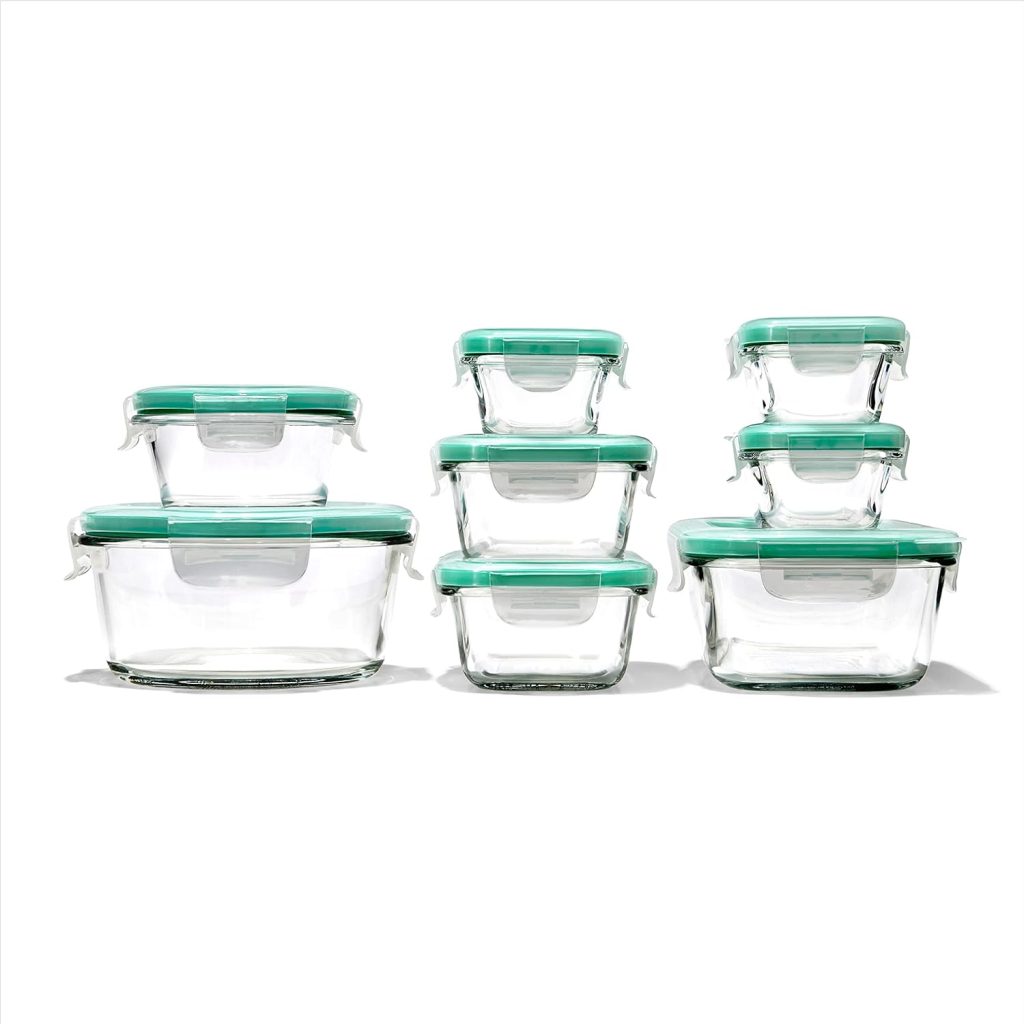
This makes glass containers ideal for storing everything from leftover tomato sauce to reheating yesterday’s curry.
The non-porous surface of glass ensures that no flavors, odors, or stains penetrate the material.
You’ll never taste last week’s garlic from your glass container, unlike some plastic alternatives that seem to hold onto strong flavors indefinitely.
Durability and Longevity
Quality glass containers can literally last decades with proper care.
While the initial investment might be higher than plastic options, glass containers maintain their clarity, functionality, and safety over the years of use.
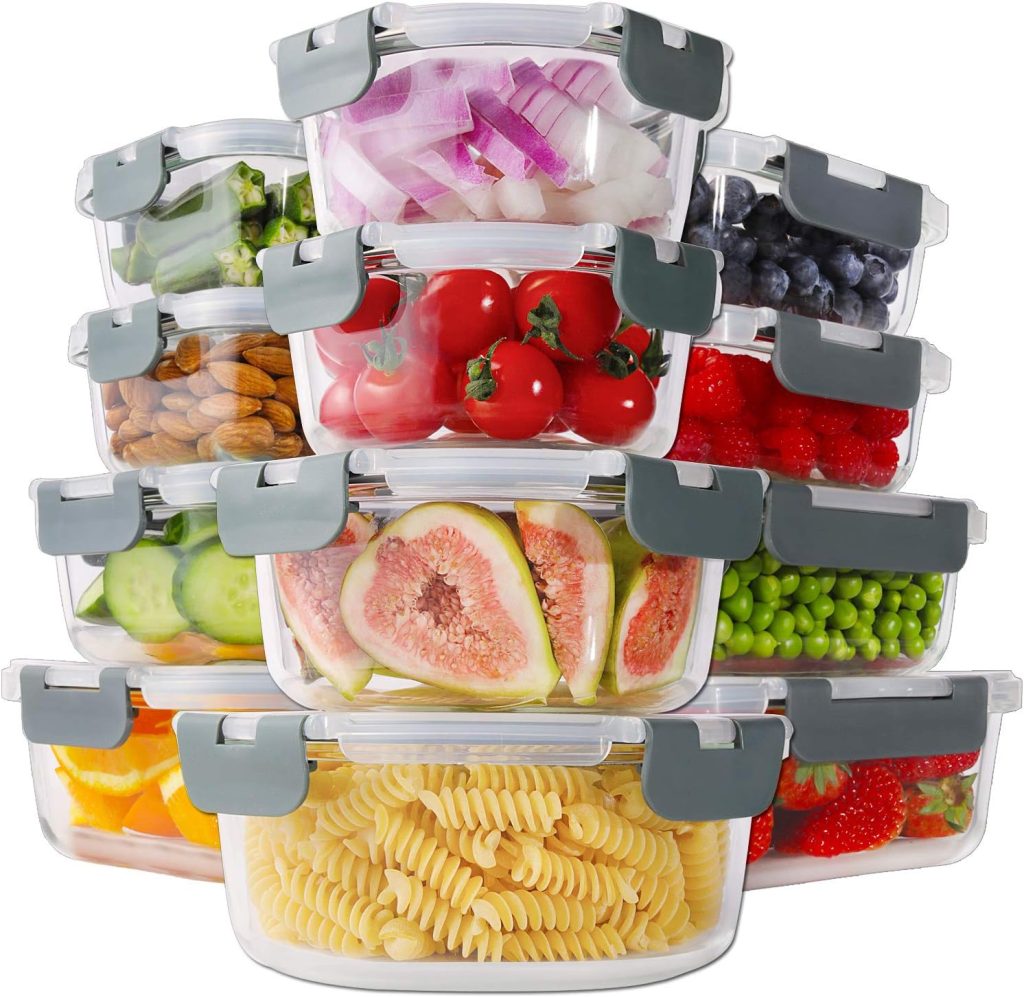
Many people still use glass containers passed down from previous generations.
The transparency of glass never clouds or yellows, making it easy to identify contents at a glance.
This clarity remains consistent even after hundreds of wash cycles, unlike plastic containers that can become foggy over time.
Versatility in Use
Glass containers excel in versatility, safely transitioning from freezer to microwave to oven (container body only – lids are typically plastic).
You can store soup in the freezer, then reheat it directly in the microwave without transferring to another dish.
This convenience factor makes glass particularly appealing for meal prep enthusiasts.
Most glass containers are dishwasher safe on all racks, making cleanup effortless. The smooth surface resists stubborn food residues that often stick to plastic surfaces.
Environmental Impact
From an environmental standpoint, glass is infinitely recyclable without losing quality.
Unlike plastic, which degrades with each recycling cycle, glass can be recycled endlessly while maintaining its properties.
This makes glass containers a more sustainable long-term choice for environmentally conscious consumers.
Drawbacks of Glass Containers
Weight and Portability Issues
Glass containers are significantly heavier than their plastic counterparts, which can be problematic for packed lunches, picnics, or travel.
A large glass container filled with food can become quite cumbersome, especially for children’s lunch boxes or office meals.
The weight factor also affects shipping costs when ordering online, potentially making glass containers more expensive than their listed price suggests.
Breakage Concerns
The most obvious drawback of glass is its fragility. While modern glass containers are designed to be more durable, they can still shatter if dropped on hard surfaces.
This makes them less suitable for outdoor activities, camping, or households with young children who might drop containers.
Thermal shock is another concern – rapidly changing temperatures can cause glass to crack or break.
While most quality glass containers handle normal temperature variations well, extreme changes should be avoided.
Cost Considerations
Glass containers typically cost 2-3 times more than comparable plastic options.
While the long-term value might justify this cost, the initial investment can be substantial, especially when outfitting an entire kitchen with storage containers.
Plastic Food Storage Containers: The Practical Choice
Convenience and Practicality
Plastic containers win hands-down for everyday convenience.
Their lightweight nature makes them perfect for packed lunches, travel, and situations where breakage would be problematic.
You can toss a plastic container in a backpack without worry, making them ideal for active lifestyles.
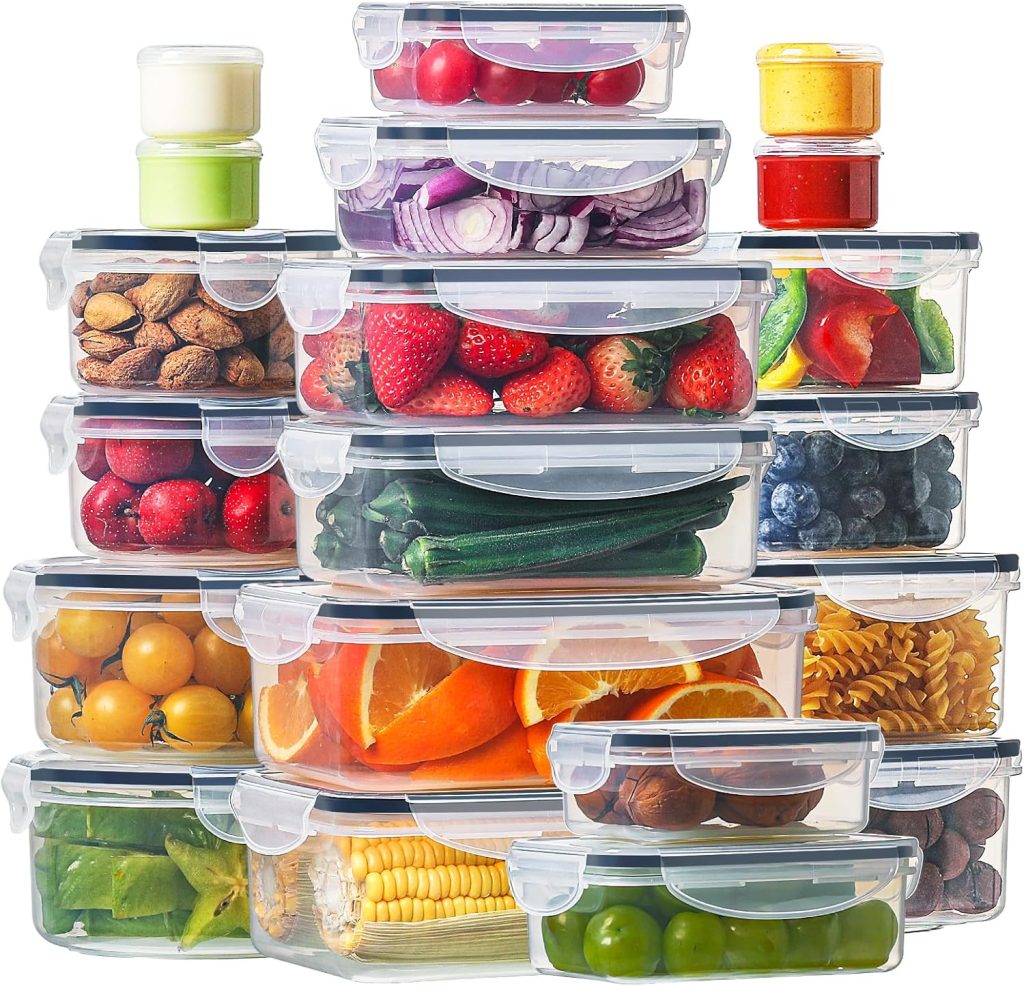
The flexibility of plastic also allows for better lid sealing mechanisms.
Many plastic containers feature innovative sealing systems that create superior airtight seals compared to glass containers with plastic lids.
Affordability and Accessibility
Cost is where plastic containers truly shine. You can outfit your entire kitchen with quality plastic storage containers for the price of a few glass alternatives.
This makes plastic containers accessible to every budget and ideal for households that need many containers
.
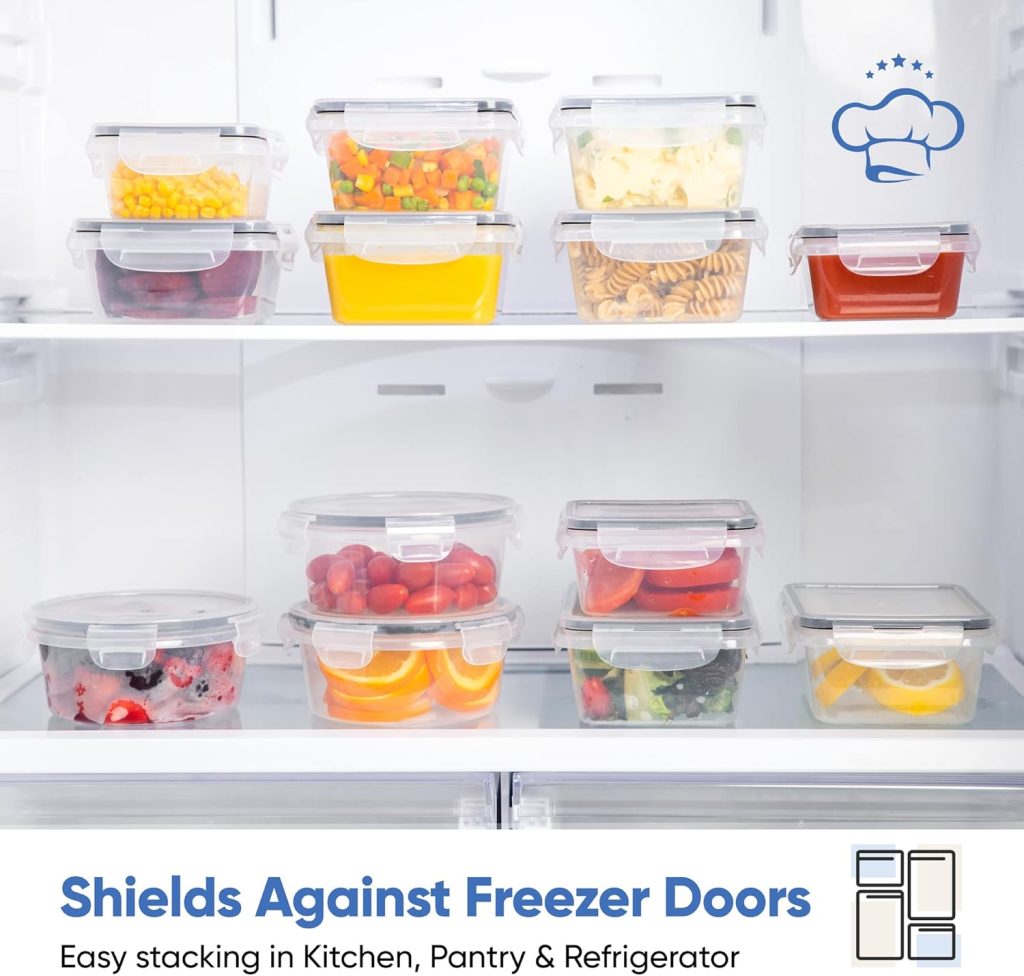
The lower replacement cost also reduces anxiety about loss or damage. If a plastic container gets lost at the office or damaged, replacement doesn’t break the bank.
Variety and Innovation
Plastic containers offer far more variety in shapes, sizes, and features.
Manufacturers can create complex designs, specialized compartments, and unique shapes that would be impossible or prohibitively expensive in glass.
This innovation has led to specialized containers for specific foods and uses.
Many plastic containers also feature measurement markings, pour spouts, and other convenience features that enhance functionality beyond simple storage.
Drawbacks of Plastic Containers
Chemical Concerns
The primary concern with plastic containers is potential chemical leaching, especially when exposed to heat, acidic foods, or over time.
While modern BPA-free plastic containers have addressed some concerns, questions remain about alternative chemicals used in “safer” plastics.
Older plastic containers or those not specifically labeled as BPA-free may pose greater risks, particularly when used for heating food or storing acidic items.
Staining and Odor Absorption
Plastic’s porous nature means it absorbs stains, odors, and flavors over time. Tomato-based sauces leave permanent orange stains, while strong-smelling foods like onions or fish can leave lasting odors.
This absorption affects both appearance and functionality.
Even thorough washing cannot eliminate absorbed odors and stains, eventually requiring container replacement.
Degradation Over Time
Plastic containers don’t age gracefully. Over time, they become cloudy, develop micro-cracks, and may warp from heat exposure.
The degradation affects both appearance and safety, as damaged plastic is more likely to harbor bacteria and leach chemicals.
Most plastic containers need replacement every 2-3 years with regular use, making their “affordable” nature less economical over time.
Head-to-Head Comparison
Safety and Health Winner: Glass
When it comes to pure safety, glass containers are the clear winner.
With no risk of chemical leaching and complete non-reactivity, glass provides peace of mind for health-conscious consumers.
This advantage becomes even more significant for families with young children or individuals with sensitivities to chemicals.
However, high-quality BPA-free plastic containers can be safe when used properly, making this less of a black-and-white issue than it once was.
Cost Analysis: Plastic Wins Short-term, Glass Wins Long-term
Initial cost clearly favors plastic containers, with quality options available at a fraction of glass prices.
However, when factoring in replacement cycles, glass containers often prove more economical over 5-10 years.
The break-even point typically occurs around 3-4 years for most users, assuming normal replacement patterns and careful handling of glass containers.
Convenience Factor: Depends on Use Case
For everyday home use, glass containers offer superior convenience with their versatility and easy cleaning. For portable use, travel, or active lifestyles, plastic containers are more practical.
Many households find success with a mixed approach: glass for home storage and reheating, plastic for portable and travel use.
Environmental Impact: Glass Takes the Lead
While both materials have environmental implications during production, glass’s infinite recyclability and lack of microplastic shedding make it the more environmentally responsible choice long-term.
Plastic containers, even when recycled, eventually end up in landfills or as microplastics in the environment.
When to Choose Glass vs Plastic
Choose Glass When:
Reheating Food Regularly: If you frequently reheat leftovers, glass containers eliminate concerns about chemical leaching and hot spots. They transition seamlessly from refrigerator to microwave.
Storing Acidic Foods: Tomato-based sauces, citrus fruits, and vinegar-based dressings are safer in glass containers, which won’t react with acidic contents.
Long-term Storage: For bulk storage of dry goods or freezer items you’ll keep for months, glass maintains food quality better and doesn’t absorb odors.
Health is Priority: If you’re concerned about chemical exposure or have family members with sensitivities, glass provides the safest option.
Choose Plastic When:
Portability Matters: For lunch boxes, picnics, camping, or travel, lightweight plastic containers are more practical and less risky.
Budget is Limited: When you need many containers quickly or affordably, quality plastic options provide good value.
Kids are Involved: In households with young children, unbreakable plastic containers reduce safety risks and replacement costs.
Specialized Needs: For unique shapes, compartments, or specific storage requirements, plastic offers more innovative solutions.
Top Recommendations by Category
Best Overall Glass Options
For premium glass containers that balance durability with functionality, consider researching options that offer reinforced corners and quality lid sealing systems.
Look for containers that can handle temperature changes well and come with reliable warranties.
When comparing specific brands like Rubbermaid vs Tupperware, consider how their glass lines stack up against their plastic offerings in terms of lid quality and overall system design.
Best Plastic Alternatives
If choosing plastic, prioritize containers made from polypropylene (#5 plastic) or other proven BPA-free materials.
Look for containers with good sealing mechanisms and clear labeling about safe temperature ranges.
Consider systems like Rubbermaid Brilliance that combine plastic benefits with improved sealing and clarity, though remember that even the best plastic has limitations compared to glass.
Budget-Friendly Choices
For those starting with limited budgets, consider a hybrid approach: invest in a few glass containers for acidic foods and reheating, while using quality plastic containers for general storage and portable use.
This approach maximizes safety where it matters most while keeping costs manageable.
Making Your Decision: Practical Next Steps
The glass vs plastic decision ultimately depends on your specific needs, budget, and priorities. Consider these factors:
- Primary Use: Storage only, or frequent reheating?
- Portability Needs: Home use or travel requirements?
- Budget: Initial cost vs long-term value
- Health Priorities: Chemical sensitivity levels
- Household Composition: Adults only or children involved?
For most households, a mixed approach works best: glass for home use and reheating, plastic for portability and specialized needs.
This combination maximizes the benefits of both materials while minimizing their respective drawbacks.
Conclusion
Both glass and plastic food storage containers have their place in modern kitchens.
Glass containers excel in safety, durability, and versatility, making them ideal for health-conscious consumers who prioritize long-term value.
Plastic containers offer unmatched convenience, affordability, and portability, perfect for active lifestyles and budget-conscious shoppers.
The best choice depends on your specific needs, but understanding these differences helps you make informed decisions.
Whether you choose the premium path of glass, the practical route of quality plastic, or a combination of both, the right containers will improve your food storage experience and potentially save money by keeping food fresher longer.
For more specific brand comparisons and detailed reviews, explore our comprehensive food storage materials guide, where we dive deep into individual products and their real-world performance.
Ready to make your choice? Consider starting with a small set of your preferred material to test how well it fits your routine before investing in a complete storage system.