The “BPA-Free” label has become ubiquitous on plastic food storage containers, but what does it actually mean for your health and safety?
As consumers become increasingly aware of potential chemical risks in food packaging, understanding BPA and its alternatives has never been more important.
This comprehensive guide will help you navigate the complex world of plastic food storage safety, decode confusing labels, and make informed choices for your family.
Whether you’re comparing popular brands or trying to understand if BPA-free truly means safer, we’ll break down everything you need to know.
By the end of this article, you’ll be equipped to confidently choose the safest plastic containers for your needs.
For a broader comparison of all storage materials, be sure to check our complete glass vs plastic food storage containers guide.
Understanding BPA and Its Alternatives
What is BPA, and why is there Concern?
Bisphenol A (BPA) is a chemical compound used since the 1960s to make certain plastics harder and more durable.
It’s found in polycarbonate plastics (recycling code #7) and was commonly used in food storage containers, water bottles, and can linings until health concerns emerged.
The primary worry about BPA stems from its ability to mimic estrogen in the human body, potentially disrupting hormonal systems.
Studies have linked BPA exposure to various health issues, including reproductive problems, heart disease, diabetes, and developmental issues in children.
BPA can leach from containers into food, especially when exposed to heat, acidic foods, or over time as containers age.
This leaching process increases significantly when containers are microwaved, washed in hot water, or used to store acidic foods like tomatoes or citrus.
Common BPA Alternatives: Not Always Safer
When manufacturers removed BPA from their products, they didn’t eliminate chemicals – they replaced BPA with alternatives. The most common BPA substitutes include:
Bisphenol S (BPS) and Bisphenol F (BPF) are the most frequent replacements, but emerging research suggests these chemicals may have similar hormonal effects as BPA.
Some studies indicate BPS might be even more persistent in the environment and potentially more harmful than the original BPA.
Other chemical alternatives include various phthalates and newer compounds that haven’t been extensively studied for long-term health effects.
The troubling reality is that “BPA-free” doesn’t mean chemical-free or even safer – it simply means that a specific chemical isn’t present.
This is why many experts recommend [glass food storage containers] as the safest option when chemical exposure is a primary concern.
The Regulation Reality
Currently, the FDA maintains that BPA is safe at low levels found in food containers, though they’ve supported industry efforts to remove it from baby bottles and sippy cups.
However, many other countries have taken stronger stances, with some banning BPA entirely from food contact materials.
The lack of comprehensive long-term studies on BPA alternatives means we’re essentially participating in a real-world experiment with our food storage choices.
How to Identify BPA-Free Containers
Reading Recycling Codes Like a Pro
The recycling code system provides your first clue about container safety:
Avoid #7 plastics – These “other” plastics often contain BPA, especially older containers. While some newer #7 plastics are BPA-free, it’s difficult to determine without specific labeling.
Generally safer codes include #1 (PET), #2 (HDPE), #4 (LDPE), and #5 (PP – polypropylene). These plastic types rarely contain BPA, though they may contain other chemicals of concern.
#3 and #6 plastics (PVC and polystyrene) should generally be avoided for food storage as they can contain other harmful chemicals, even if they’re technically BPA-free.
Decoding Manufacturer Labels
Look for explicit “BPA-Free” labeling from reputable manufacturers. However, don’t stop there – research the specific materials used.
The best manufacturers will clearly state what their containers are made from, such as “made from polypropylene” or “Tritan copolyester.”
Be wary of vague terms like “safe plastic” or “food-grade” without specific material identification.
Legitimate manufacturers of quality containers, like those in our Rubbermaid vs Tupperware comparison, are usually transparent about their materials.
Certification and Testing
Some manufacturers go beyond basic BPA-free claims by obtaining third-party certifications or conducting additional safety testing.
Look for containers that have been tested for chemical migration under various conditions (heat, acidity, time).
European certifications often have stricter standards than US requirements, so containers meeting EU food contact regulations may offer additional assurance.
Best BPA-Free Plastic Options
Polypropylene (PP) – The Gold Standard
Why PP (#5) is Preferred: Polypropylene is widely considered the safest plastic for food storage.
It’s naturally BPA-free and has excellent chemical resistance, meaning it’s less likely to leach other harmful substances into food.
PP containers handle temperature variations well, resist staining and odor absorption better than other plastics, and maintain their integrity over time.
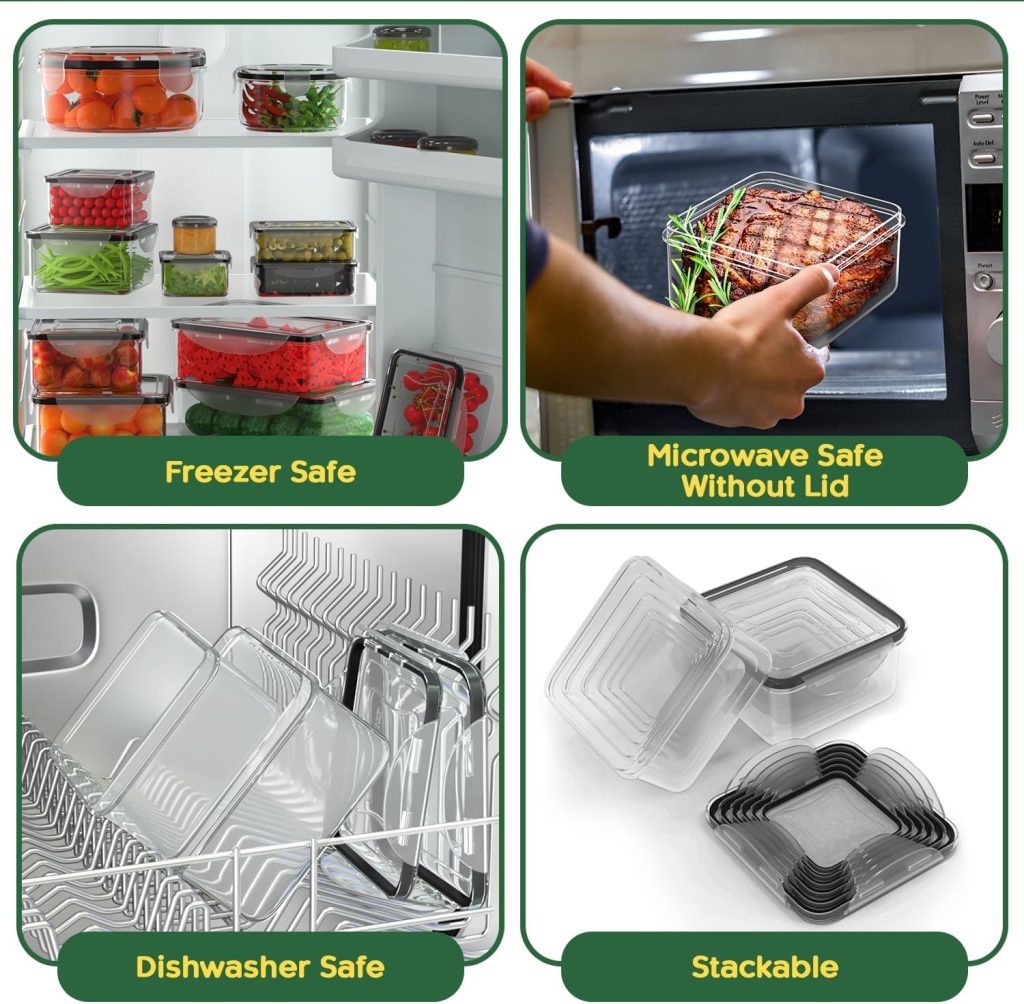
Most microwave-safe plastic containers are made from polypropylene.
Performance Characteristics: PP containers typically offer good clarity, reasonable durability, and excellent sealing properties. They’re dishwasher safe and can handle both hot and cold foods safely.
Many premium container systems like Rubbermaid Brilliance utilize polypropylene construction, combining safety with performance features.
Polyethylene Options: PE-HD and PE-LD
High-Density Polyethylene (#2 HDPE) and Low-Density Polyethylene (#4 LDPE) are both BPA-free options, though less common in rigid food storage containers.
HDPE offers excellent chemical resistance and is often used for larger storage containers and some lid components. LDPE is more flexible and commonly used for squeeze bottles and flexible storage bags.
Both materials are considered safe for food contact, but may not offer the durability and versatility of polypropylene for regular food storage use.
Tritan Copolyester: The Premium Alternative
Tritan is a newer plastic that’s specifically designed to be BPA-free while offering glass-like clarity and durability. It’s more expensive than traditional plastics but offers superior performance characteristics.
Advantages of Tritan: Crystal-clear appearance that doesn’t cloud over time, excellent durability, dishwasher safe, and resistant to staining and odors. Some manufacturers use Tritan for premium container lines.
Considerations: While Tritan is BPA-free and has passed safety tests, it’s a relatively new material with limited long-term studies. The higher cost also puts it out of reach for budget-conscious consumers.
Brand Analysis and Recommendations
When evaluating specific brands, look for companies that clearly state their materials and safety testing.
Established brands often provide more detailed information about their BPA-free claims and manufacturing processes.
Consider how different brands handle the trade-offs between safety, functionality, and cost.
Some brands excel in material safety but compromise on features like airtight sealing, while others balance multiple factors effectively.
For detailed brand comparisons, our articles on specific matchups like Sistema vs Rubbermaid and Rubbermaid Premier vs Brilliance examine how different product lines approach the BPA-free challenge.
Safety Tips for Plastic Container Use
Microwave Safety Guidelines
Even BPA-free containers require careful microwave use.
Always check that containers are specifically labeled as microwave-safe, as this involves testing beyond just material safety.
Safe microwaving practices include using medium power settings, avoiding containers with metallic elements, and never microwaving empty containers.
Remove lids or ensure venting to prevent pressure buildup.
Temperature considerations: Avoid microwaving containers that are already warm or hot, as this increases the risk of chemical migration.
Let containers cool between uses if heating multiple items.
Some plastic containers marked as microwave-safe may still release chemicals when overheated, so moderate temperature use is always safer.
When to Replace Your Containers
Plastic containers don’t last forever, and knowing when to replace them is crucial for safety.
Replace containers that show cloudiness, cracks, warping, persistent stains, or strong odors that won’t wash out.
Time-based replacement: Even well-maintained plastic containers should be replaced every 2-3 years with regular use. Containers used frequently for reheating may need replacement sooner.
Damage assessment: Any visible damage to plastic containers can create harboring spots for bacteria and increase the likelihood of chemical leaching.
Proper Cleaning and Maintenance
Proper care extends container life and maintains safety.
Avoid abrasive cleaners that can create micro-scratches where bacteria can hide and chemicals can leach more easily.
Hot water considerations: While most BPA-free containers can handle dishwasher temperatures, hand-washing in moderately warm water may extend container life and reduce chemical migration risk.
Thorough drying: Ensure containers are completely dry before storage to prevent bacterial growth and maintain material integrity.
Food Compatibility Guidelines
Certain foods pose a higher risk for chemical leaching from any plastic container.
Acidic foods like tomatoes, citrus, and vinegar-based dressings are more likely to cause chemical migration from plastic containers.
Hot foods should be cooled before being placed in plastic containers, even those labeled as heat-resistant. The combination of heat and direct food contact creates the highest risk conditions for chemical leaching.
Fatty foods can also increase chemical absorption, so consider glass alternatives for storing oils, butter, or high-fat leftovers long-term.
BPA-Free Plastic vs Glass: Making the Right Choice
When BPA-Free Plastic Makes Sense
BPA-free plastic containers excel in situations where portability and safety from breakage are priorities.
For packed lunches, travel, camping, or households with young children, quality BPA-free containers offer a good compromise between safety and practicality.
Cost considerations also favor plastic when you need many containers or have budget constraints. A complete set of quality BPA-free containers costs significantly less than comparable glass options.
Specialized applications like compartmented containers, unique shapes, or containers with innovative sealing mechanisms are often only available in plastic materials.
When Glass Still Wins
Despite improvements in BPA-free plastics, glass remains the safest option for food storage when chemical exposure is the primary concern.
Glass is completely non-reactive and will never leach chemicals into food regardless of temperature, acidity, or age.
Long-term storage situations favor glass, especially for bulk items, freezer storage, or foods you’ll keep for extended periods. Glass maintains food quality better over time without absorbing flavors or odors.
Frequent reheating applications make glass the clear winner, as you can safely transition from freezer to microwave to oven without any concerns about chemical migration or thermal stress.
Cost-Benefit Analysis
While glass containers cost more initially, they last significantly longer than plastic alternatives.
Break-even analysis typically shows glass becoming more economical after 3-4 years for most users.
The hidden costs of plastic include more frequent replacement, potential food waste from odor/flavor absorption, and possible health costs from chemical exposure, though these are difficult to quantify.
For detailed comparisons, including cost analysis, see our comprehensive glass vs plastic food storage containers guide.
Top BPA-Free Container Recommendations
Best Overall Value
Look for containers made from polypropylene with clear material labeling and good sealing mechanisms.
The best options balance safety, functionality, and reasonable pricing while providing long-term value.
Consider container systems that offer multiple sizes with interchangeable lids, which provide better organization and potentially lower per-container costs.
Budget-Friendly Options
Even budget-conscious consumers can find safe BPA-free options by focusing on basic polypropylene containers from established manufacturers.
Avoid extremely cheap options that may compromise on material quality or safety testing.
Shopping tips: Look for sales on established brands rather than choosing unknown manufacturers solely based on price.
The small price difference often represents significant quality and safety improvements.
Premium Choices for Maximum Safety
For those prioritizing safety above all else, consider Tritan-based containers or premium polypropylene options with extensive third-party testing.
These containers often feature superior construction and longer warranties.
Investment approach: High-quality BPA-free containers can provide years of safe use, making the premium worthwhile for families with specific health concerns or heavy usage requirements.
Complete System Recommendations
Consider how individual containers fit into your overall food storage system.
The best BPA-free containers integrate well with your existing storage, offer consistent sealing across sizes, and provide the features you actually use.
For specific brand comparisons and detailed reviews of complete systems, explore our detailed analyses of popular options like Rubbermaid Brilliance vs OXO Pop containers.
Your BPA-Free Container Shopping Checklist
Before making your purchase, verify these key points:
- Material identification: Confirm containers are made from polypropylene (#5), Tritan, or other clearly identified BPA-free materials
- Microwave safety: Ensure specific microwave-safe labeling if you plan to reheat food
- Sealing performance: Test or research lid sealing effectiveness for your intended uses
- Size variety: Choose systems with multiple sizes that fit your storage needs
- Replacement availability: Verify you can buy replacement lids or additional containers later
- Warranty coverage: Check what’s covered and for how long.
Conclusion: Making Informed Choices
BPA-free plastic containers can be a safe choice for food storage when you select quality materials and use them properly.
Polypropylene containers from reputable manufacturers offer the best combination of safety, performance, and value in the plastic category.
However, remember that “BPA-free” doesn’t automatically mean “completely safe” – it simply means one specific chemical isn’t present.
For maximum safety, especially for frequent reheating or long-term storage, glass containers remain the gold standard.
The key is matching your container choice to your specific needs, budget, and safety priorities.
Whether you choose high-quality BPA-free plastic for its convenience and durability or opt for glass for maximum safety, understanding these factors helps you make the best decision for your family.
For additional guidance on choosing the right containers for your needs, explore our complete food storage containers guide, where we compare all major options and help you build the perfect storage system for your kitchen.
Ready to upgrade your food storage? Start by identifying your primary use cases, then choose materials and features that align with your priorities and lifestyle needs.