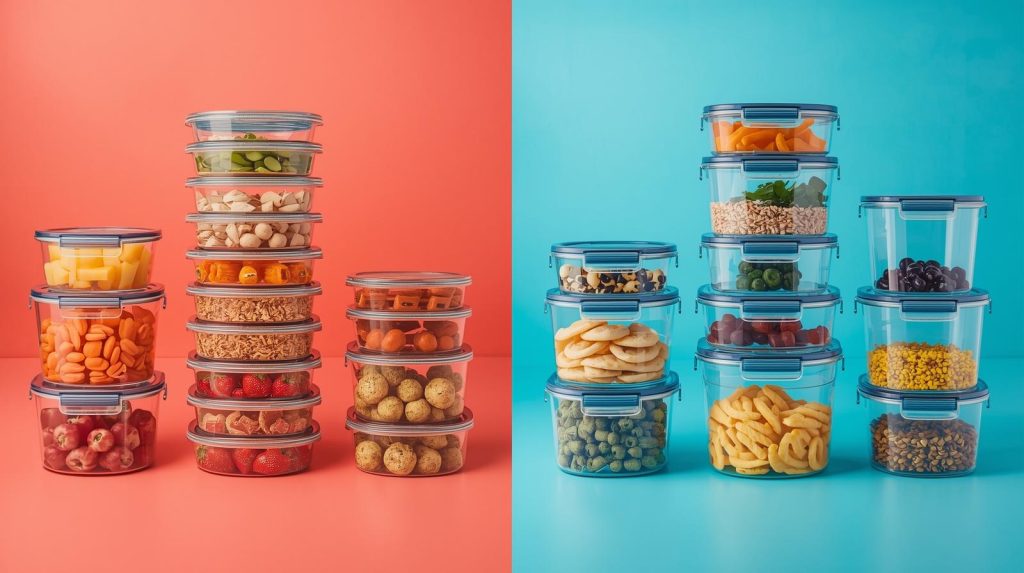
Tag: food storage containers

  • Food Safe Container Materials: A Complete Safety Guide

    Understanding food-safe materials is crucial for protecting your family’s health and ensuring that your food storage choices don’t compromise the quality or safety of the foods you eat.

    With growing awareness of chemical migration, microplastics, and other food safety concerns, choosing the right container materials has never been more important.

    This comprehensive guide examines every major food storage material currently available, from traditional options like glass and plastic to newer alternatives like silicone and stainless steel.

    We’ll explore the safety profiles, potential risks, and best applications for each material, helping you make informed decisions about what belongs in your kitchen.

    Whether you’re concerned about chemical leaching from plastic containers, wondering if glass is always the safest option, or trying to understand confusing safety labels and certifications, this guide provides the scientific facts you need to protect your family while maintaining practical food storage solutions.

    By understanding the true safety characteristics of different materials, you can build a food storage system that balances safety, functionality, and cost-effectiveness for your specific needs and risk tolerance levels.

    Understanding Food Safety in Container Materials

    What Makes a Material “Food Safe”

    Food-safe materials must meet strict criteria established by regulatory agencies like the FDA, ensuring they don’t transfer harmful substances to food under normal use conditions.

    This involves extensive testing for chemical migration, biological contamination potential, and structural integrity under various stress conditions.

    Migration Testing Requirements: Materials undergo rigorous testing to measure how much, if any, of their chemical components transfer into food simulants under worst-case scenarios, including high temperatures, long contact times, and acidic conditions that promote chemical migration.
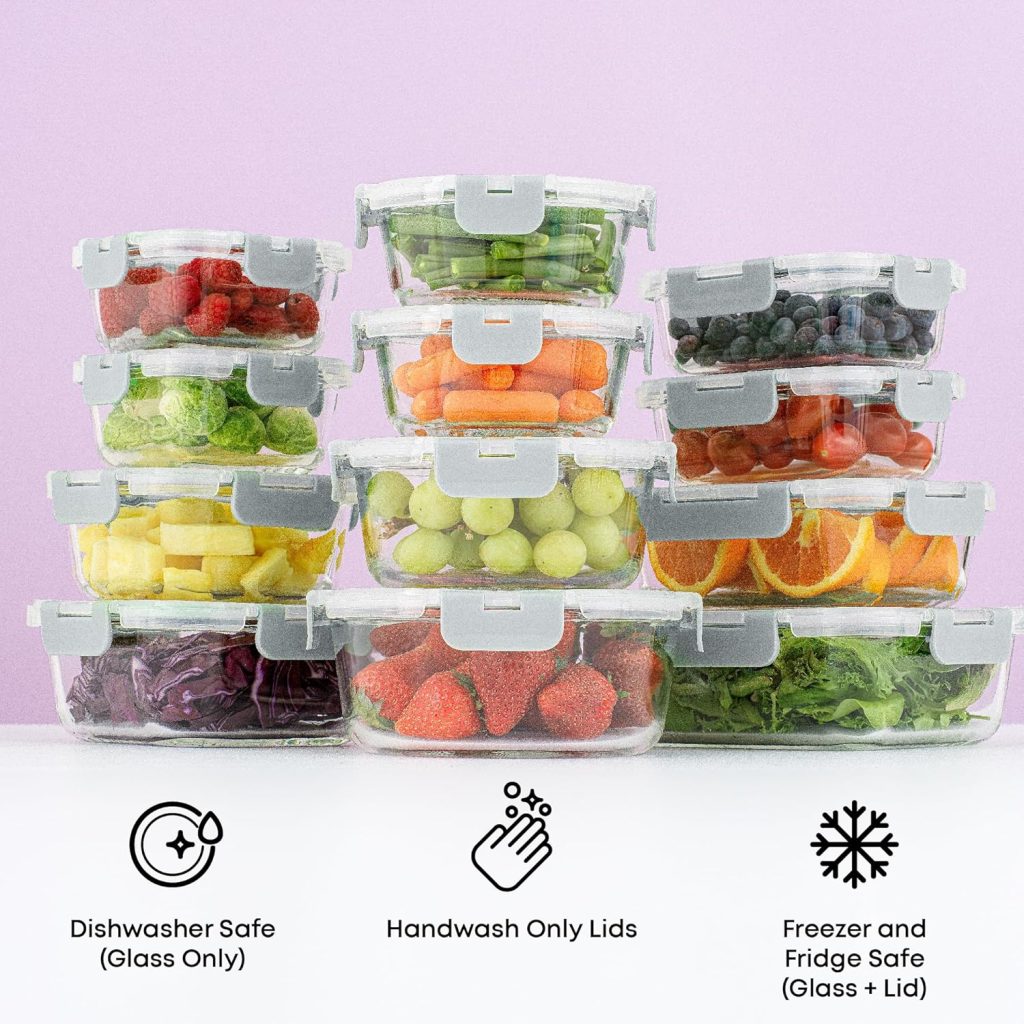
    Food Safe Container Materials

    Biological Safety Standards: Food-safe materials must resist bacterial growth, be cleanable to sanitary standards, and not provide conditions that promote harmful microorganism development.

    This includes surface porosity considerations and cleaning compatibility.

    Structural Integrity: Materials must maintain their safety characteristics throughout their intended lifespan, including resistance to degradation that might compromise safety performance over time.

    Regulatory Oversight: In the United States, the FDA regulates food contact substances through specific approval processes that require extensive safety data before materials can be marketed for food storage applications.

    Chemical Migration: The Primary Safety Concern

    Understanding Migration Pathways: Chemical migration occurs when molecular components of container materials move into food through diffusion processes.

    This migration increases with temperature, time, and food acidity, making understanding these factors crucial for safe container use.

    Concentration and Risk Assessment: Not all migration represents significant health risks.

    Regulatory agencies establish acceptable daily intake levels for various compounds, and approved materials must keep migration below these safety thresholds under intended use conditions.

    Cumulative Exposure Considerations: While individual container migration might be minimal, cumulative exposure from multiple sources throughout daily life requires consideration when evaluating overall safety approaches to food storage.

    Vulnerable Populations: Children, pregnant women, and individuals with compromised immune systems may have different risk tolerances that influence material selection priorities for household food storage systems.

    Factors That Affect Material Safety

    Temperature Impact: Heat accelerates chemical migration and can cause structural changes in materials that affect safety.

    Understanding temperature limits for different materials is essential for safe use across various applications.

    Time and Contact Duration: Extended contact between containers and food increases migration potential. Materials that perform safely for short-term storage might pose risks during long-term storage applications.

    Food Acidity and Composition: Acidic foods, fatty foods, and alcohol can increase chemical extraction from container materials. Some materials show excellent safety with neutral foods but pose risks with challenging food types.

    Material Age and Degradation: Older containers may pose greater risks as materials degrade over time, potentially increasing migration rates or creating new compounds not present in fresh materials.

    Glass: The Gold Standard for Food Safety

    Why Glass Excels in Safety

    Glass represents the gold standard for food-safe storage because it’s completely inert and non-reactive with food contents.

    Unlike polymer materials, glass doesn’t contain additives, plasticizers, or other compounds that could migrate into food under any normal use conditions.

    Chemical Inertness: Glass consists of silica and other minerals that have already achieved their most stable chemical state.

    This means glass cannot leach chemicals into food regardless of temperature, acidity, or contact time within normal use parameters.
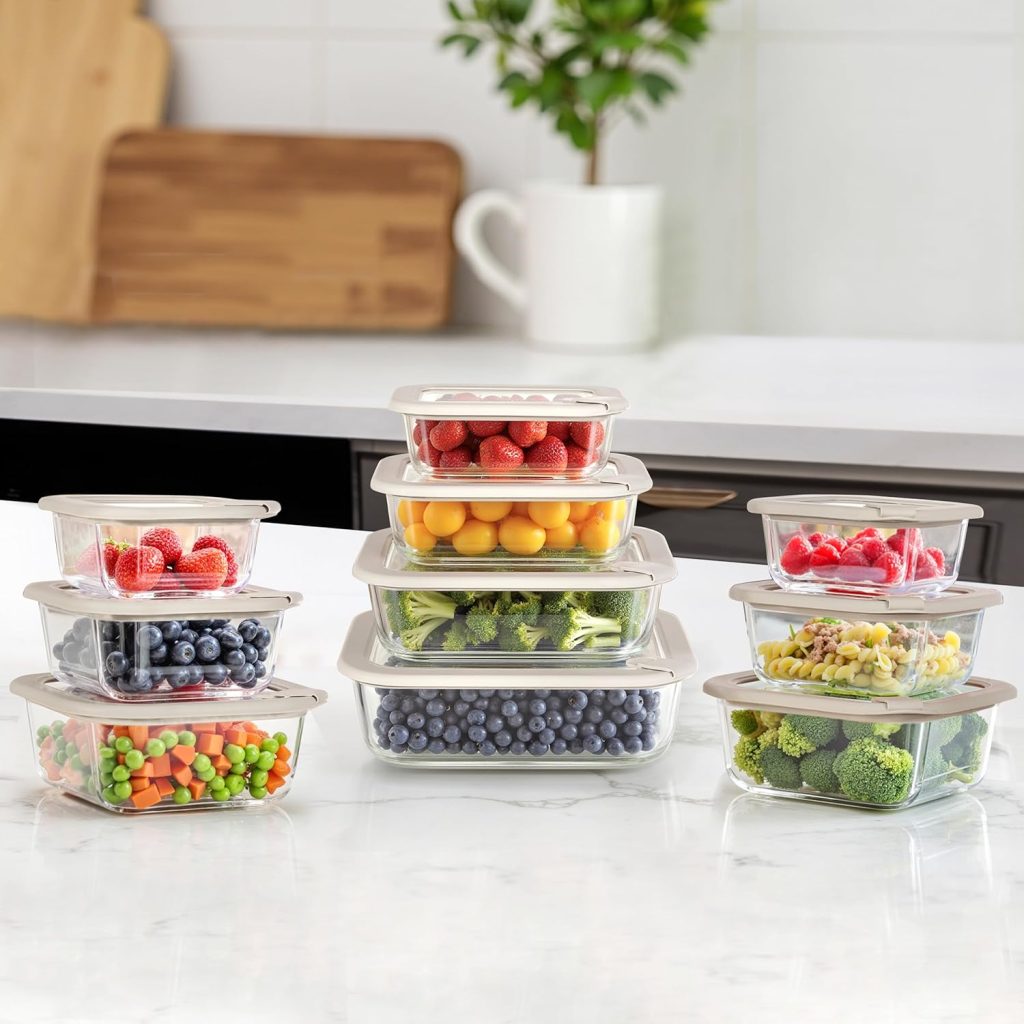
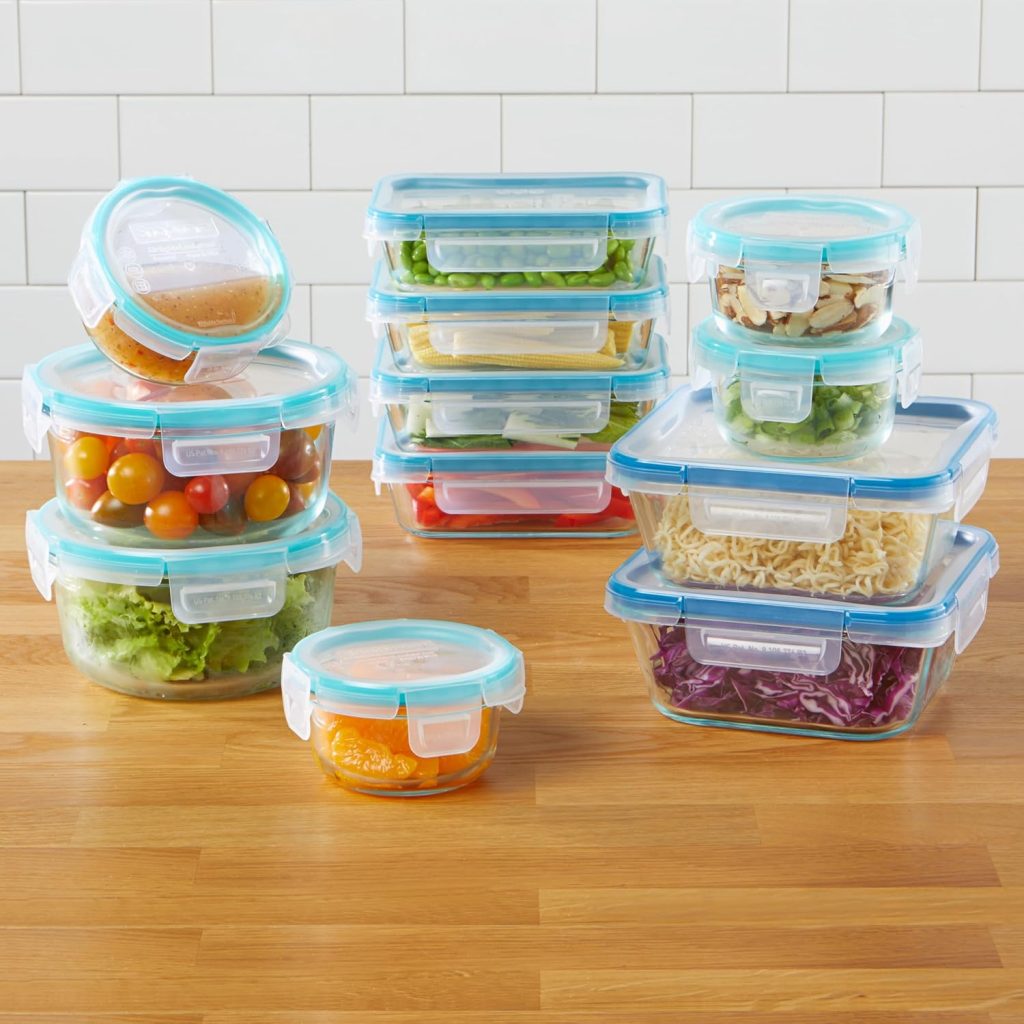
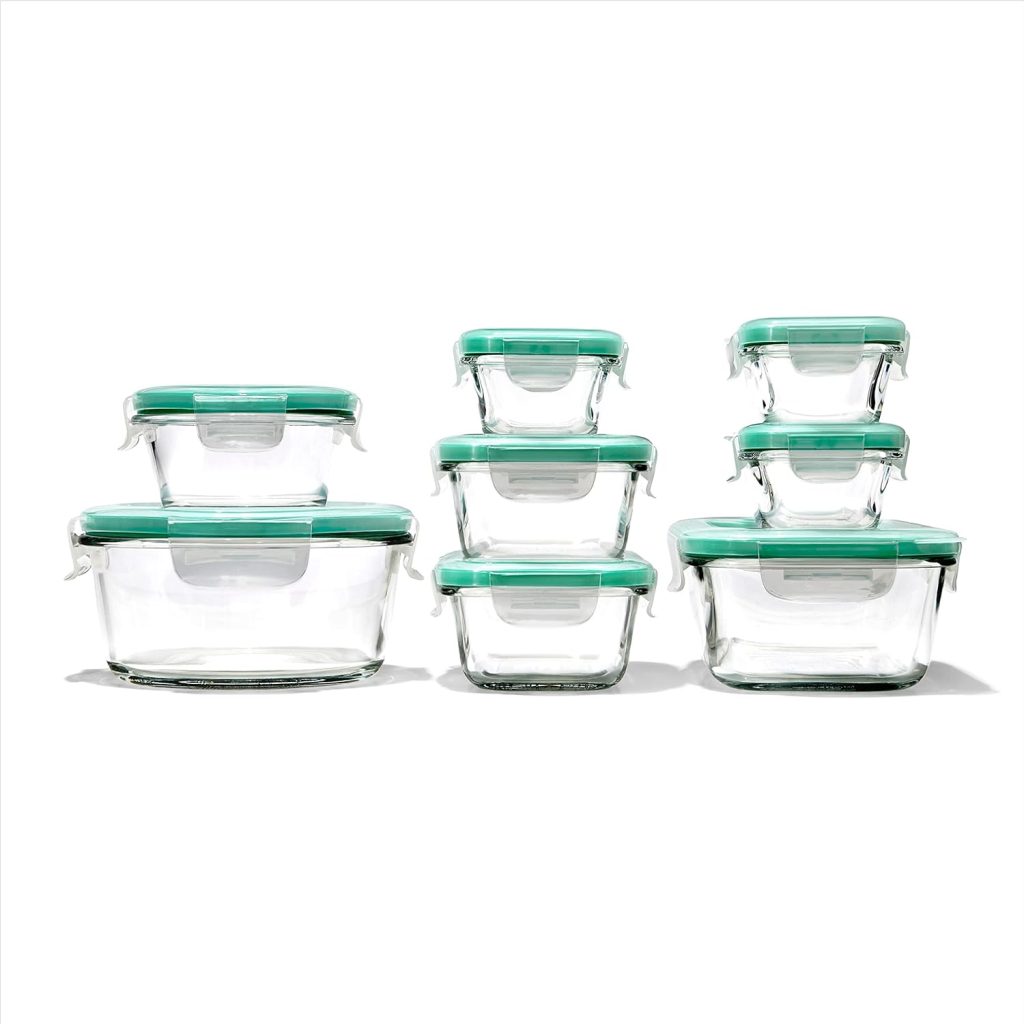
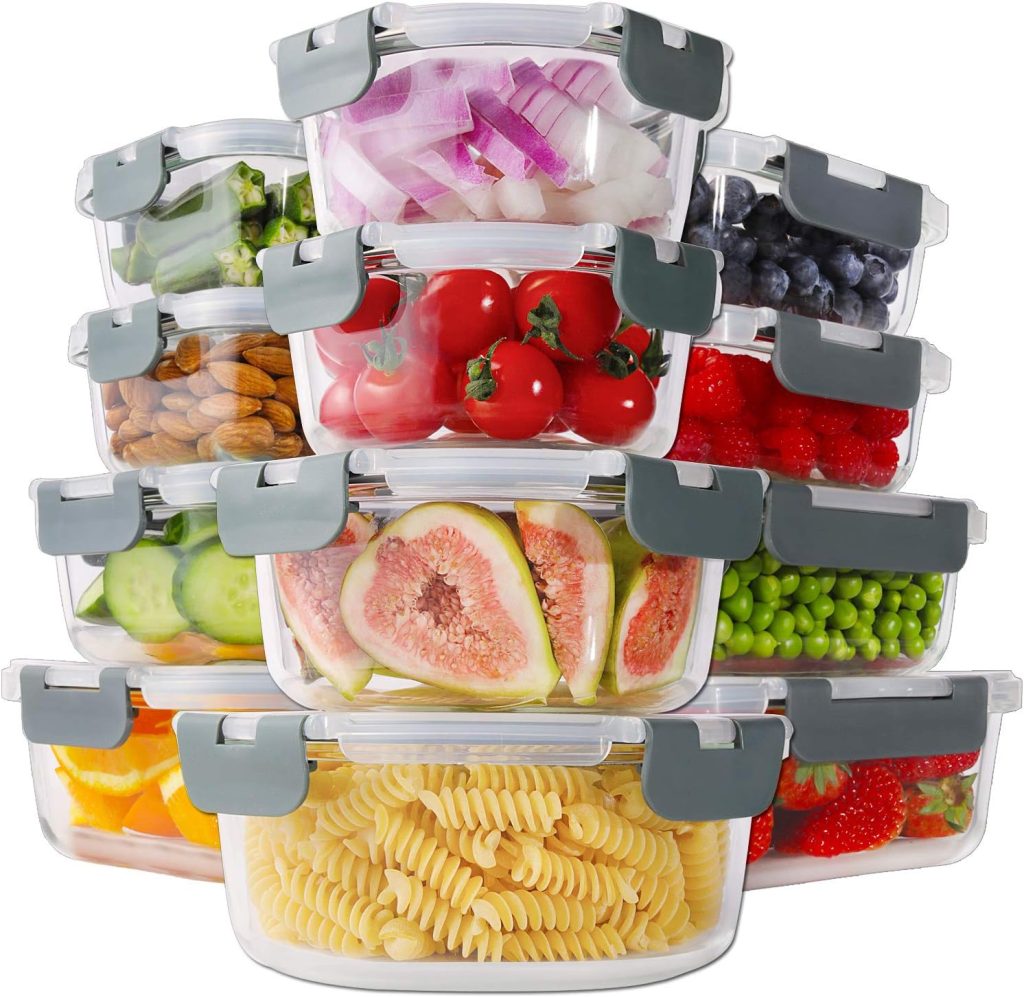
    glass food safe air tight microwave safe containers

    Non-Porous Surface: The smooth, non-porous surface of glass prevents bacterial growth and allows for complete sanitization using standard cleaning methods.

    This surface also means no absorption of food flavors, odors, or stains that could affect subsequent food storage.

    Temperature Stability: Quality food storage glass can handle temperature ranges from freezer to oven, maintaining its safety characteristics across all normal food storage and reheating applications.

    Longevity Without Degradation: Glass containers maintain their safety characteristics indefinitely when properly cared for.

    Unlike plastic materials that degrade over time, glass provides consistent safety performance throughout its useful life.

    Types of Glass Used in Food Storage

    Borosilicate Glass: The premium option for food storage, borosilicate glass offers superior thermal shock resistance and maintains safety characteristics across extreme temperature changes.

    This glass type is used in laboratory applications and premium food storage products.

    Soda-Lime Glass: The most common glass type for food storage containers, soda-lime glass provides excellent safety characteristics at a lower cost than borosilicate alternatives.

    While less resistant to thermal shock, it performs well for normal food storage applications.

    Tempered Glass: Strengthened through thermal treatment, tempered glass offers improved impact resistance while maintaining the safety benefits of standard glass.

    When it does break, it crumbles into small, less dangerous pieces.

    Glass Safety Considerations

    Physical Safety Risks: The primary safety concern with glass containers involves breakage and potential injury from sharp fragments.

    Modern food storage glass is designed to minimize these risks, but careful handling remains important.

    Thermal Shock Prevention: While glass is chemically safe across temperature ranges, rapid temperature changes can cause cracking or shattering.

    Understanding and respecting thermal limitations prevents both safety hazards and container loss.

    Lead Concerns in Older Glass: Some older glass products, particularly decorative items not specifically designed for food storage, might contain lead.

    Modern food storage glass is lead-free, but vintage containers should be avoided for food contact applications.

    For detailed information about glass container benefits and selection criteria, see our comprehensive Glass vs Plastic Food Storage Containers guide.

    When Glass Is the Optimal Choice

    Chemical Sensitivity: For individuals with chemical sensitivities or those prioritizing absolute minimal exposure to synthetic compounds, glass provides unmatched peace of mind for food storage applications.

    Acidic Food Storage: Glass excels for storing acidic foods like tomato products, citrus fruits, or vinegar-based preparations that can increase chemical migration from other materials.

    Long-Term Storage: For extended storage applications where containers will be in contact with food for weeks or months, glass eliminates concerns about time-dependent migration increases.

    High-Temperature Applications: Glass containers excel for applications involving heating, whether microwave reheating or oven warming, without any safety compromise from temperature exposure.

    Plastic Materials: Understanding the Complexity

    The Challenge of Plastic Safety Assessment

    Plastic materials present the most complex safety landscape in food storage, with significant variations between different plastic types, additives, manufacturing processes, and intended applications.

    Understanding these differences is crucial for making informed safety decisions.

    Polymer Base Material Variations: Different plastic polymers have vastly different safety profiles.

    Polypropylene offers excellent safety characteristics, while polycarbonate has faced scrutiny due to BPA content. The base polymer largely determines basic safety characteristics.

    Additive Complexity: Plastics contain various additives, including stabilizers, colorants, plasticizers, and processing aids.
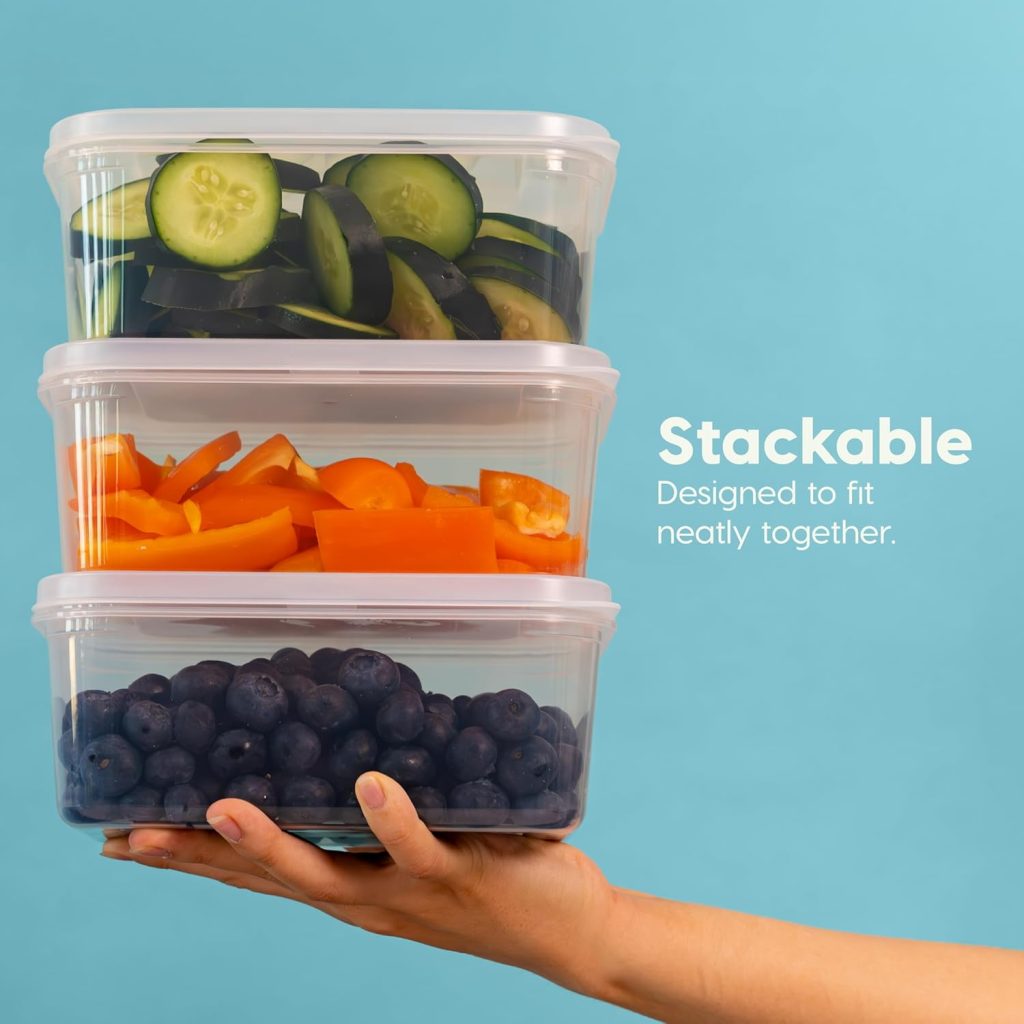
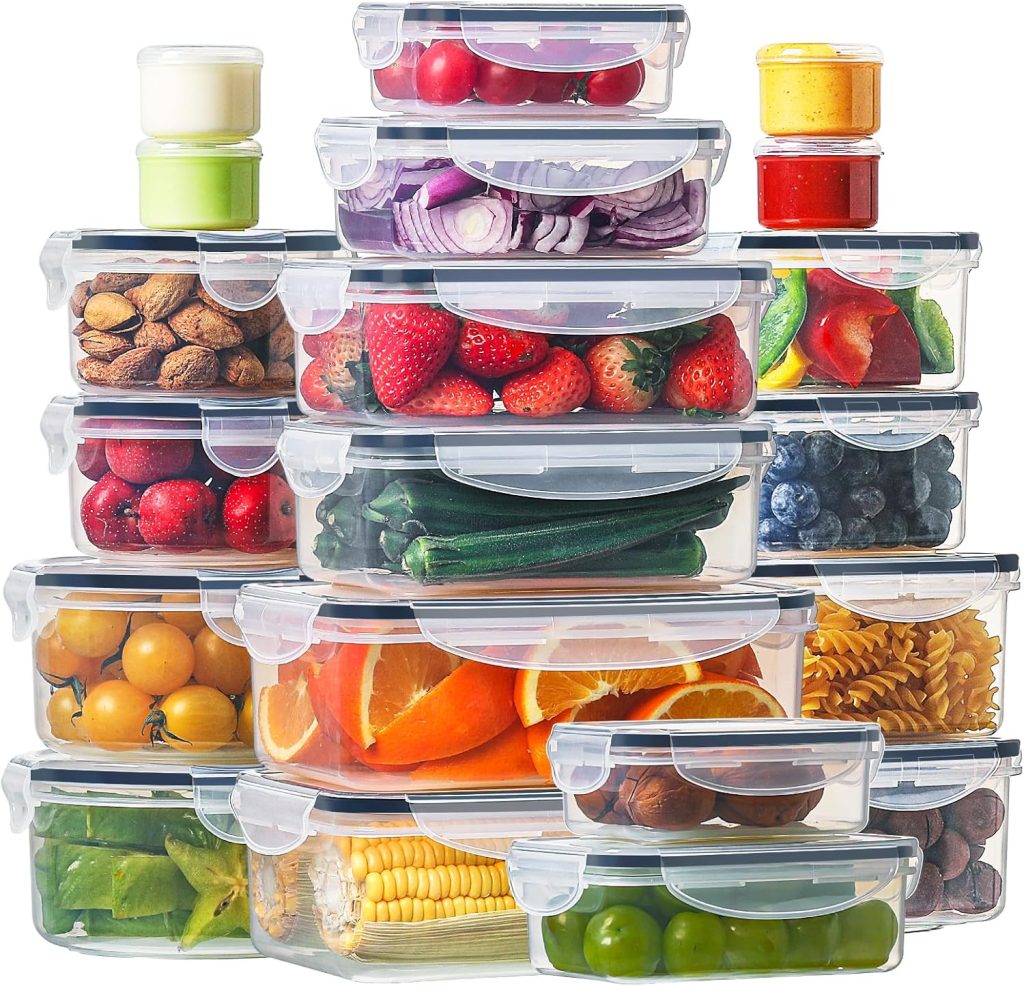
    BPA Plastic safe food storage material for office and leftovers

    These additives can migrate into food and often present greater safety concerns than the base polymer materials.

    Manufacturing Variable Impact: Processing conditions, quality control standards, and manufacturing facility standards all influence final product safety.

    Identical polymer formulations can have different safety profiles based on manufacturing differences.

    Regulatory Evolution: Plastic safety understanding continues evolving as new research emerges.

    Materials previously considered safe might face restrictions, while new formulations receive approval after extensive testing.

    Safe Plastic Types for Food Storage

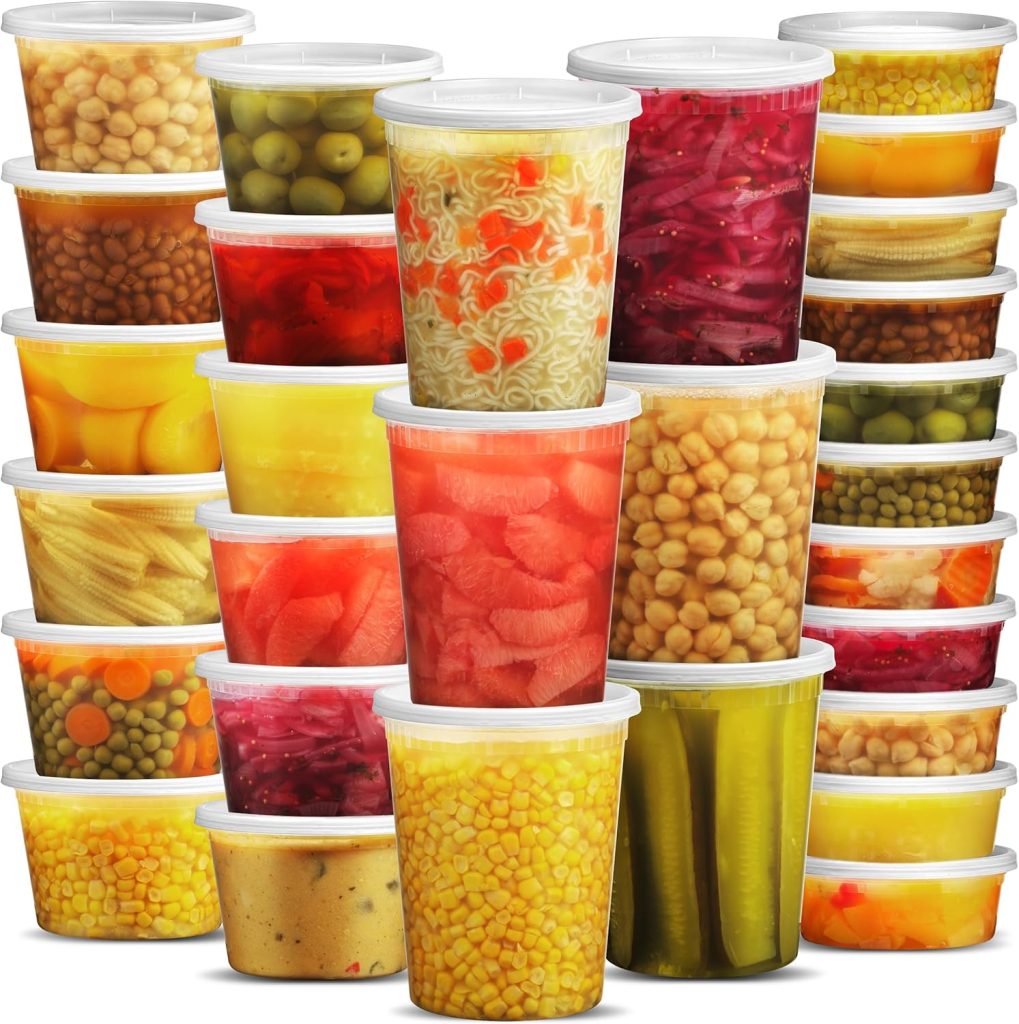
    Polypropylene (#5): The Safest Plastic Option: Polypropylene is widely considered the safest plastic for food storage applications.
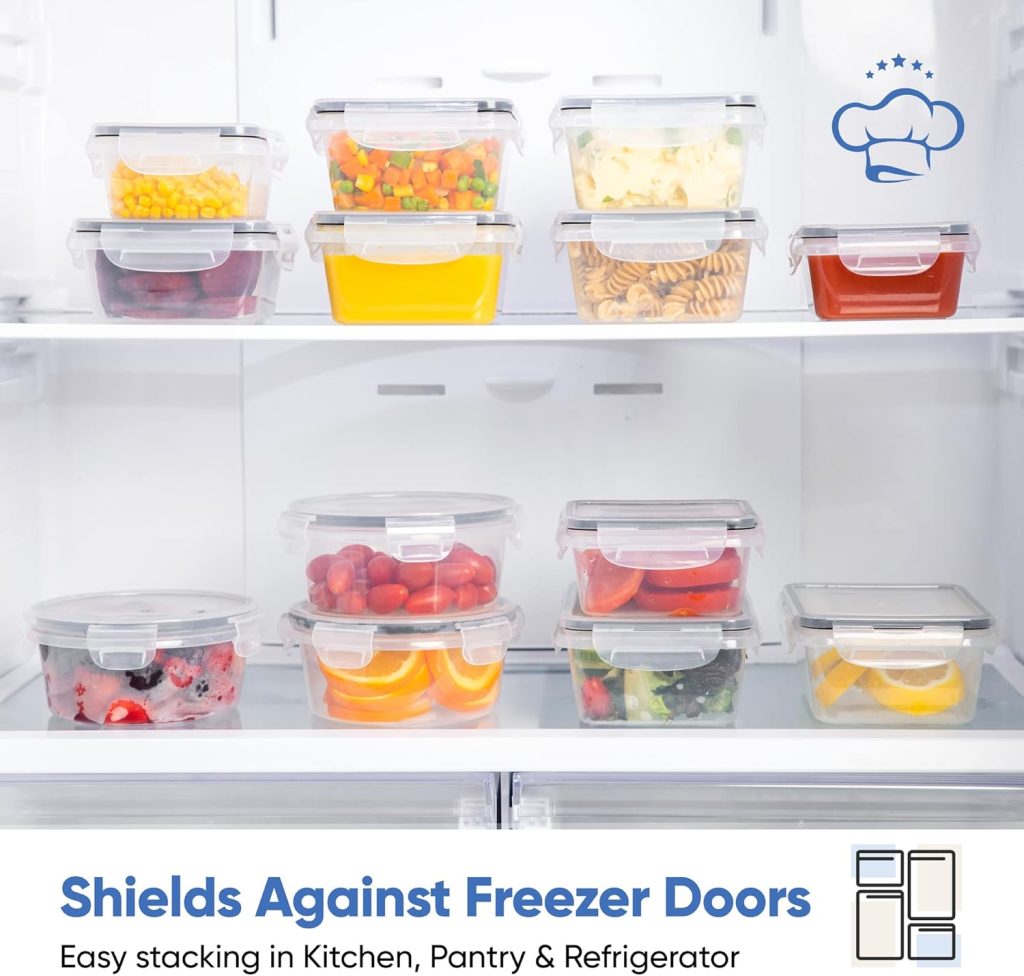
    Polypropylene plastic safe food containers

    It’s naturally BPA-free, has excellent chemical resistance, and shows minimal migration even under stress conditions like heating or acidic food contact.

    Polyethylene Types (#1, #2, #4): High-density polyethylene (HDPE #2), low-density polyethylene (LDPE #4), and polyethylene terephthalate (PET #1) all offer good safety profiles for food storage.

    These materials are commonly used for water bottles, milk jugs, and various food containers.

    Tritan Copolyester: A newer plastic specifically engineered to be BPA-free while providing glass-like clarity and durability.

    Tritan has undergone extensive safety testing and offers superior performance compared to traditional plastics, though at a higher cost.

    PETE/PET (#1): Commonly used for single-use bottles and some storage containers, PET offers good safety characteristics for appropriate applications.

    However, it’s not designed for repeated use or high-temperature applications.

    Plastics to Avoid or Use Cautiously

    Polycarbonate (#7): Traditional polycarbonate plastics contain BPA, which has been linked to various health concerns.

    While some newer #7 plastics are BPA-free, the recycling code doesn’t distinguish between formulations, making identification difficult.

    PVC (#3): Polyvinyl chloride contains plasticizers and other additives that can migrate into food. PVC is rarely used for direct food storage but appears in some older containers and should be avoided for food contact.

    Polystyrene (#6): Foam and rigid polystyrene can leach styrene, particularly when used with hot foods or oils. While approved for food contact, many experts recommend limiting exposure, especially for children.

    Mixed or Unknown Plastics (#7 Other): The #7 category includes various plastic types, some safe and others problematic.

    Without specific identification, it’s difficult to assess safety, making these containers risky choices for food storage.

    Understanding BPA and Alternatives

    BPA Migration and Health Concerns: Bisphenol A can migrate from containers into food, particularly when heated or in contact with acidic foods.

    Research has linked BPA exposure to hormonal disruption, reproductive issues, and other health problems.

    BPA-Free Doesn’t Mean Chemical-Free: Many BPA alternatives, including BPS and BPF, may have similar health effects as the original compound. “BPA-free” labeling doesn’t guarantee complete safety from chemical migration concerns.

    Safer Plastic Selection Strategy: Focus on plastics with proven safety records like polypropylene rather than relying solely on “BPA-free” claims.

    Consider the specific application and choose materials with appropriate safety margins for your intended use.

    For comprehensive information about selecting safe plastic containers and understanding BPA alternatives, see our detailed BPA-Free Plastic Containers: What You Need to Know guide.

    Proper Plastic Container Use for Safety

    Temperature Limitations: Respect manufacturer temperature guidelines and avoid exposing plastic containers to temperatures beyond their design limits.

    Heat increases migration rates and can cause structural changes that affect safety.

    Microwave Safety Protocols: Use only containers specifically labeled as microwave-safe, and avoid microwaving plastic containers that show any signs of wear, warping, or discoloration.

    Replacement Timeline: Replace plastic containers regularly, typically every 2-3 years for frequently used items. Older containers pose greater migration risks as materials degrade over time.

    Food Compatibility: Consider food types when selecting plastic containers. Acidic, fatty, or alcoholic foods increase migration potential and might be better stored in glass containers for maximum safety.

    Silicone: The Flexible Safety Alternative

    Silicone Safety Profile and Advantages

    Food-grade silicone offers unique safety benefits that make it attractive for specific food storage applications.

    Unlike plastic polymers, silicone maintains chemical stability across extreme temperature ranges without degrading in ways that compromise safety.

    Chemical Inertness: High-quality food-grade silicone doesn’t leach chemicals into food, even under challenging conditions like high temperatures, acidic foods, or extended contact time.

    This inertness rivals glass while offering flexibility benefits.
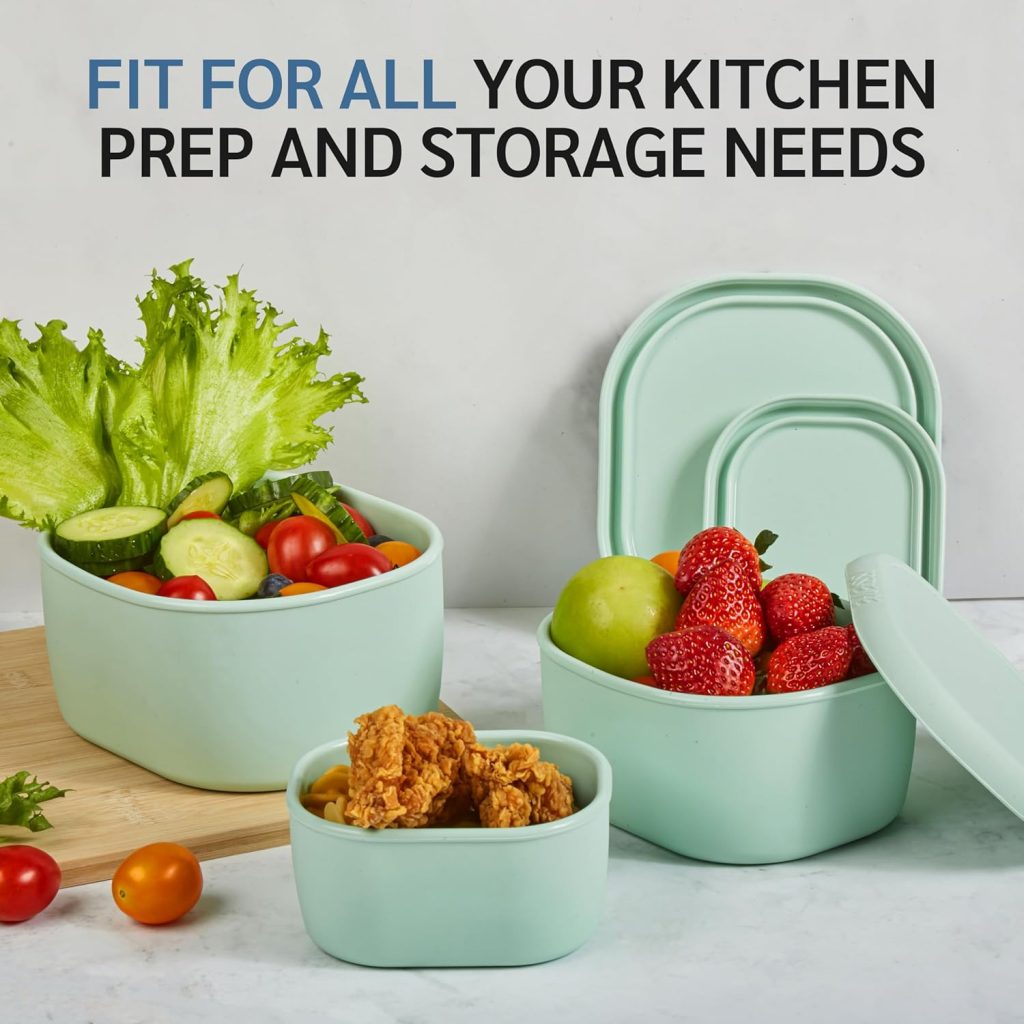
    Reusable silicone nesting meal storage containers

    Temperature Versatility: Silicone safely handles temperatures from deep freezer (-40°F) to high oven heat (450°F+), maintaining safety characteristics across this entire range.

    This versatility surpasses both glass and plastic capabilities.

    FDA Approval: Food-grade silicone has received FDA approval for food contact applications, indicating that extensive testing has demonstrated safety under intended use conditions.

    Non-Porous Properties: Like glass, silicone’s non-porous surface resists bacterial growth and doesn’t absorb flavors, odors, or stains that could affect food quality or safety.

    Quality Indicators for Safe Silicone

    Platinum vs Peroxide Curing: Platinum-cured silicone offers superior safety and stability compared to peroxide-cured alternatives.

    Look for products that specify platinum curing, as this process results in cleaner, safer silicone with better performance characteristics.

    Food-Grade Certification: Verify that silicone containers carry explicit food-grade certifications.

    Not all silicone products meet food contact standards, and industrial or craft-grade silicones may contain compounds unsuitable for food applications.

    Manufacturing Standards: Choose silicone containers from reputable manufacturers who provide clear information about safety testing, certifications, and material specifications.

    Avoid products with unclear origins or missing safety documentation.

    Silicone Safety Considerations

    Quality Variations: Silicone safety depends heavily on material quality and manufacturing standards.

    Low-quality silicone might not provide the safety benefits associated with premium food-grade materials.

    Proper Use Requirements: While silicone is generally safe across wide temperature ranges, respecting manufacturer guidelines ensures continued safety performance and prevents material degradation that could affect safety.

    Cleaning and Maintenance: Proper cleaning maintains silicone safety by preventing bacterial growth and removing food residues.

    The material’s flexibility allows thorough cleaning but requires attention to ensure complete sanitization.

    For detailed information about silicone container benefits and selection criteria, see our comprehensive Silicone Food Storage Containers: Pros, Cons & Best Options guide.

    Stainless Steel: Durability Meets Safety

    Safety Characteristics of Stainless Steel

    Stainless steel offers excellent safety for food storage applications, combining durability with minimal migration potential.

    The material’s composition and surface characteristics make it suitable for various food storage needs while maintaining safety over extended use periods.

    Corrosion Resistance: Quality stainless steel (typically 304 or 316 grade) resists corrosion and doesn’t react with most foods, including acidic items that can cause problems with other materials.

    This resistance prevents unwanted chemical reactions that could affect food safety.
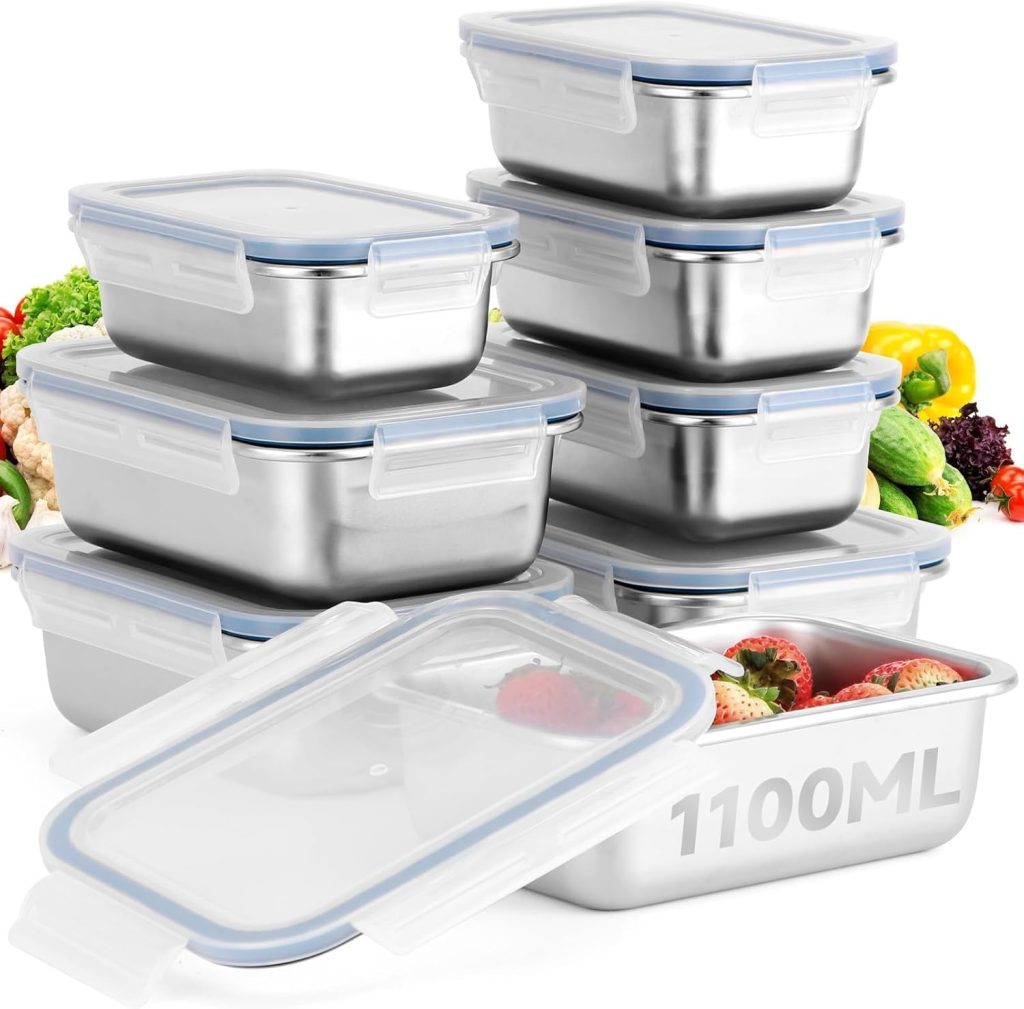
    304 Stainless Steel leakproof food containers

    Non-Reactive Surface: Stainless steel doesn’t absorb flavors, odors, or stains, and its non-porous surface prevents bacterial growth when properly maintained.

    These characteristics support both food quality and safety over extended use.

    Temperature Tolerance: Stainless steel handles extreme temperatures safely, from freezer storage to high-heat applications, without degrading or releasing compounds that could affect food safety.

    Longevity: Well-made stainless steel containers can last decades without safety degradation, providing consistent performance and eliminating concerns about material aging that affect some other options.

    Grades and Quality Considerations

    304 Stainless Steel: The most common food-grade stainless steel, offering good corrosion resistance and safety for most food storage applications.

    This grade provides excellent value for typical household food storage needs.

    316 Stainless Steel: A premium grade with enhanced corrosion resistance, particularly valuable for acidic foods or marine environments.

    While more expensive, 316 grade offers superior long-term performance and safety margins.

    Surface Finish Impact: The finish quality affects both safety and performance. Food-grade stainless steel should have smooth, uniform surfaces that facilitate cleaning and prevent contamination accumulation.

    Limitations and Considerations

    Microwave Incompatibility: Stainless steel cannot be used in microwave ovens, limiting convenience for reheating applications. This restriction requires food transfer for microwave heating.

    Cost Considerations: Quality stainless steel containers typically cost more than plastic alternatives, though they often provide better long-term value through extended durability and consistent performance.

    Limited Transparency: Unlike glass or clear plastic, stainless steel doesn’t allow visual inspection of contents, which can be inconvenient for organization and food monitoring.

    Thermal Conductivity: Stainless steel conducts heat, making containers hot or cold to handle when contents are at temperature extremes. This characteristic requires careful handling but doesn’t affect food safety.

    Other Materials: Specialty Options and Considerations

    Ceramic and Porcelain Containers

    Safety Profile: Quality ceramic and porcelain containers offer excellent food safety characteristics similar to glass, with non-reactive surfaces that don’t leach chemicals into food.

    However, glazes and decorative elements require careful evaluation.

    Glaze Considerations: Lead-containing glazes in older or imported ceramics can pose serious health risks.

    Modern food-grade ceramics use lead-free glazes, but verification is important, especially for vintage or decorative pieces.

    Temperature Limitations: While ceramics handle most food storage temperatures well, thermal shock can cause cracking.

    Understanding temperature limitations prevents both safety hazards and container damage.

    Best Applications: Ceramic containers excel for serving and short-term storage, where their aesthetic appeal provides value.

    They’re less practical for everyday storage due to weight and fragility considerations.

    Bamboo and Wood-Based Materials

    Natural Material Appeal: Bamboo and wood containers appeal to consumers seeking natural alternatives to synthetic materials.

    However, these materials present unique safety considerations that require careful evaluation.

    Treatment and Safety: Untreated natural materials can harbor bacteria and absorb moisture that promotes microbial growth.

    Food-safe treatments are necessary but may involve chemicals that affect the “natural” appeal.

    Maintenance Requirements: Natural materials require more careful maintenance to ensure continued food safety, including thorough drying and periodic sanitization to prevent bacterial or mold growth.

    Limited Applications: Natural materials work best for dry goods storage rather than moist foods or applications requiring frequent washing. Understanding these limitations prevents safety problems.

    Composite and Hybrid Materials

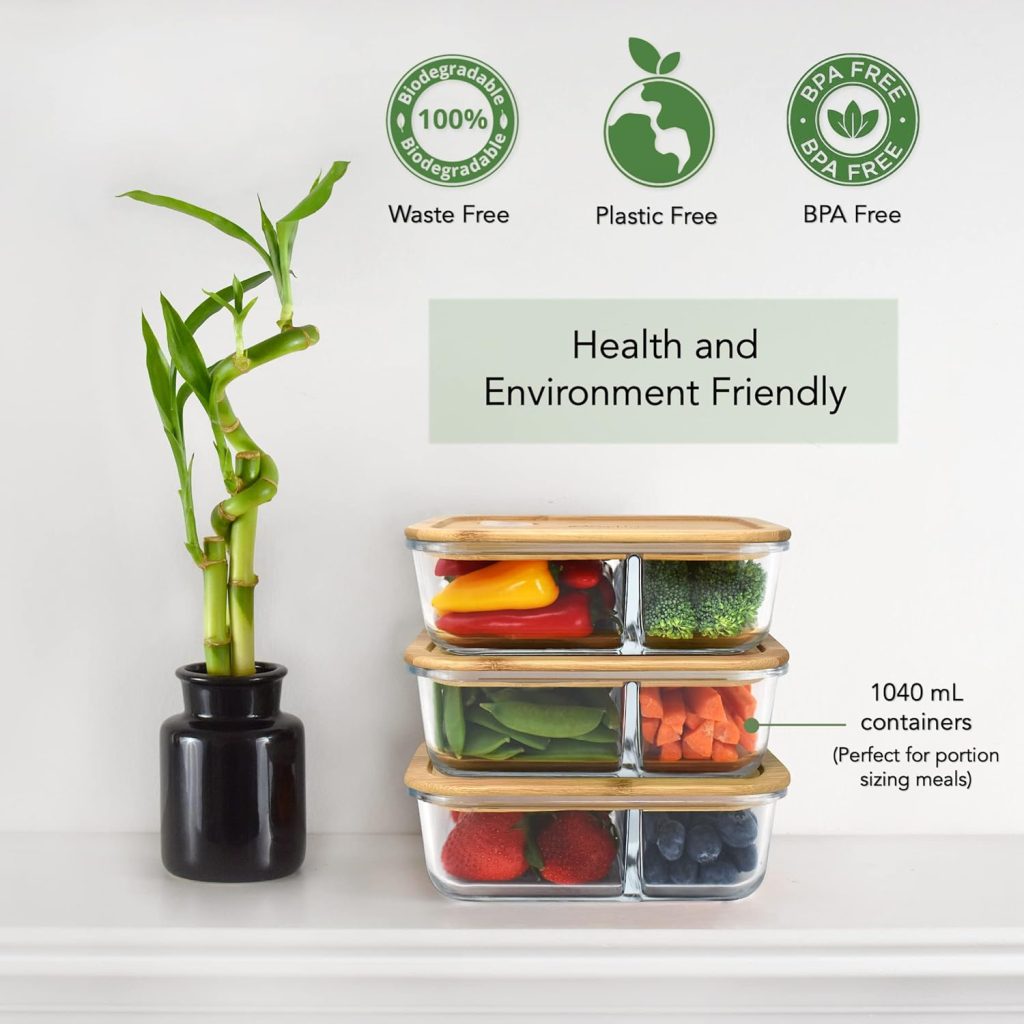
    Multi-Material Construction: Some modern containers combine different materials to optimize performance and safety.

    These might include glass containers with plastic lids or stainless steel containers with silicone seals.
    composite eco friendly food safe containers

    Safety Assessment Complexity: Composite containers require evaluating the safety of each material component and their interactions.

    The overall safety profile depends on the weakest safety link among materials.

    Replacement Considerations: Composite containers might require replacing individual components over time.

    Understanding replacement part availability and material compatibility ensures continued safe use.

    Regulatory Standards and Certifications

    Understanding FDA Food Contact Regulations

    Premarket Approval Process: The FDA requires extensive safety testing before materials can be approved for food contact.

    This process includes migration testing, toxicology studies, and environmental fate assessments.

    Generally Recognized as Safe (GRAS): Some materials receive GRAS status based on extensive use history and safety data.

    This designation indicates broad acceptance of safety for intended applications.

    Food Contact Notifications: Manufacturers must notify the FDA before marketing new food contact substances, providing safety data that demonstrates acceptable migration levels under intended use conditions.

    Ongoing Monitoring: The FDA continues monitoring approved materials as new research emerges, and can restrict or ban materials if safety concerns develop.

    International Standards and Variations

    European Union Regulations: EU food contact material regulations often have stricter requirements than US standards, particularly for plastic materials and migration testing protocols.

    Global Harmonization Efforts: International organizations work toward harmonizing food contact material standards, though significant variations still exist between regions.

    Import Considerations: Products manufactured in different countries may meet different safety standards, making verification of compliance with local standards important for consumer safety.

    Certification Programs and Testing

    Third-Party Testing: Independent testing laboratories verify manufacturer safety claims through standardized testing protocols that simulate real-world use conditions.

    Industry Standards: Organizations like ASTM International develop standardized testing methods that ensure consistent evaluation of food contact material safety across different manufacturers and products.

    Certification Markings: Look for certification marks from recognized testing organizations that indicate compliance with relevant safety standards for food contact applications.

    Making Informed Material Choices

    Risk Assessment and Personal Priorities

    Individual Risk Tolerance: Different families have varying risk tolerance levels based on health concerns, family composition, and personal values. Understanding your priorities helps guide material selection decisions.

    Vulnerable Population Considerations: Households with pregnant women, young children, or individuals with compromised immune systems might prioritize maximum safety margins over convenience or cost considerations.

    Usage Pattern Analysis: Consider how containers will be used—storage only, frequent reheating, temperature extremes, or specific food types—to identify which safety characteristics matter most for your applications.

    Cost-Benefit Evaluation: Balance safety benefits against practical considerations like cost, convenience, and functionality to develop a food storage strategy that works for your household long-term.

    Building a Safe Food Storage System

    Material Diversification Strategy: Using different materials for different applications often provides optimal safety and functionality.

    Glass for acidic foods and reheating, quality plastic for portable use, and stainless steel for durability needs.

    Prioritization Approach: Invest in the safest materials for high-risk applications (temperature extremes, acidic foods, long-term storage) while using less expensive alternatives for lower-risk uses.

    Gradual Transition Planning: Replace existing containers gradually, starting with those presenting the highest safety concerns or showing signs of wear that could compromise safety.

    Maintenance and Monitoring: Establish routines for inspecting containers, maintaining them properly, and replacing them when safety performance degrades.

    Staying Informed About Safety Updates

    Regulatory Changes: Stay informed about evolving regulations and safety recommendations from agencies like the FDA, as new research can change safety assessments of existing materials.

    Research Developments: Follow reputable sources for information about new research on food contact materials, as scientific understanding continues evolving with new studies and analytical methods.

    Manufacturer Updates: Monitor communications from container manufacturers about safety recalls, usage updates, or new safety information about products you own.

    For ongoing updates and comprehensive comparisons of different food storage materials, bookmark our main Food Storage Containers guide, which provides current information about safety developments and material recommendations.

    Conclusion: Building Your Safe Food Storage Strategy

    Food-safe container materials form the foundation of healthy food storage practices, but no single material excels in every application.

    Understanding the strengths and limitations of different materials empowers you to make informed decisions that protect your family’s health while maintaining practical functionality.

    Glass remains the gold standard for chemical safety, offering complete inertness and freedom from migration concerns.

    Choose glass for acidic foods, frequent reheating, long-term storage, and situations where absolute safety takes priority over other considerations.

    Quality plastic containers can be safe when chosen carefully and used appropriately.

    Focus on polypropylene (#5) and other proven safe plastics, avoid problematic types like polycarbonate, and replace containers regularly to maintain safety as materials age.

    Silicone offers unique benefits for temperature-extreme applications and situations requiring flexibility. When choosing silicone, verify food-grade certification and platinum curing to ensure safety characteristics.

    Stainless steel provides durability and safety for applications where transparency isn’t required. It’s particularly valuable for travel, outdoor use, and situations where container longevity is important.

    Strategic material selection works better than trying to find one perfect material.

    Use each material where its safety and functional characteristics provide optimal value for your specific applications and risk tolerance.

    Safety priorities should guide decisions about where to invest in premium materials versus where acceptable alternatives suffice.

    Focus on the safest materials on the highest-risk applications while using practical alternatives for lower-risk storage needs.

    Ongoing vigilance remains important as research continues to reveal new information about food contact materials.

    Stay informed about regulatory changes and replace containers when safety performance degrades or new information emerges about potential risks.

    The goal isn’t perfect safety—which is likely impossible—but rather informed decision-making that balances safety, functionality, cost, and convenience in proportions that work for your household’s needs and values.

  • Silicone Food Storage Containers: Pros, Cons & Best Options

    Silicone food storage containers have emerged as an innovative alternative to traditional glass and plastic options, offering unique benefits that appeal to health-conscious consumers and those seeking versatile storage solutions.

    But are they worth the investment, and how do they stack up against more established materials?

    As concerns about plastic safety continue to grow and glass containers prove impractical for certain situations, silicone has carved out its own niche in the food storage market.

    From collapsible lunch containers to freezer-safe storage bags, silicone offers flexibility—both literal and figurative—that other materials simply can’t match.

    This comprehensive guide explores everything you need to know about silicone food storage containers, from their safety profile and environmental impact to their practical advantages and limitations.

    We’ll help you understand when silicone containers make sense for your needs and which options provide the best value and performance.

    Whether you’re considering silicone as a complete replacement for your current storage system or as a strategic addition to complement your existing glass and plastic containers, this guide will give you the information needed to make an informed decision.

    What Are Silicone Food Storage Containers?

    Understanding Food-Grade Silicone

    Food-grade silicone is a synthetic polymer made from silicon, oxygen, carbon, and hydrogen.

    Unlike plastic polymers, silicone maintains its flexibility and stability across extreme temperature ranges, making it uniquely suited for food storage applications that other materials can’t handle effectively.

    The “food-grade” designation is crucial, as not all silicone products meet the safety standards required for food contact.

    Silicone food storage containers

    Food-grade silicone undergoes specific manufacturing processes and testing to ensure it doesn’t leach harmful chemicals into food, even under stress conditions like high temperatures or acidic food contact.

    Quality food-grade silicone is typically platinum-cured rather than peroxide-cured, resulting in a more stable material with better safety characteristics.

    This manufacturing distinction affects both performance and safety, making it important to verify the curing process when selecting silicone containers.

    How Silicone Differs from Other Storage Materials

    Unlike rigid materials like glass or hard plastic, silicone’s flexibility allows containers to expand and contract with food contents and temperature changes.

    This flexibility prevents cracking from freezer expansion and makes containers easier to empty.

    Silicone also offers temperature versatility that surpasses most other materials.

    Quality silicone containers can safely transition from freezer temperatures (as low as -40°F) to oven temperatures (up to 450°F in many cases), providing usage flexibility that neither glass nor plastic can match.

    The non-porous surface of silicone resists staining and odour absorption better than plastic while being more forgiving than glass when dropped or subjected to impact.

    This combination of properties creates a unique middle ground between the extremes of other materials.

    Types of Silicone Food Storage Products

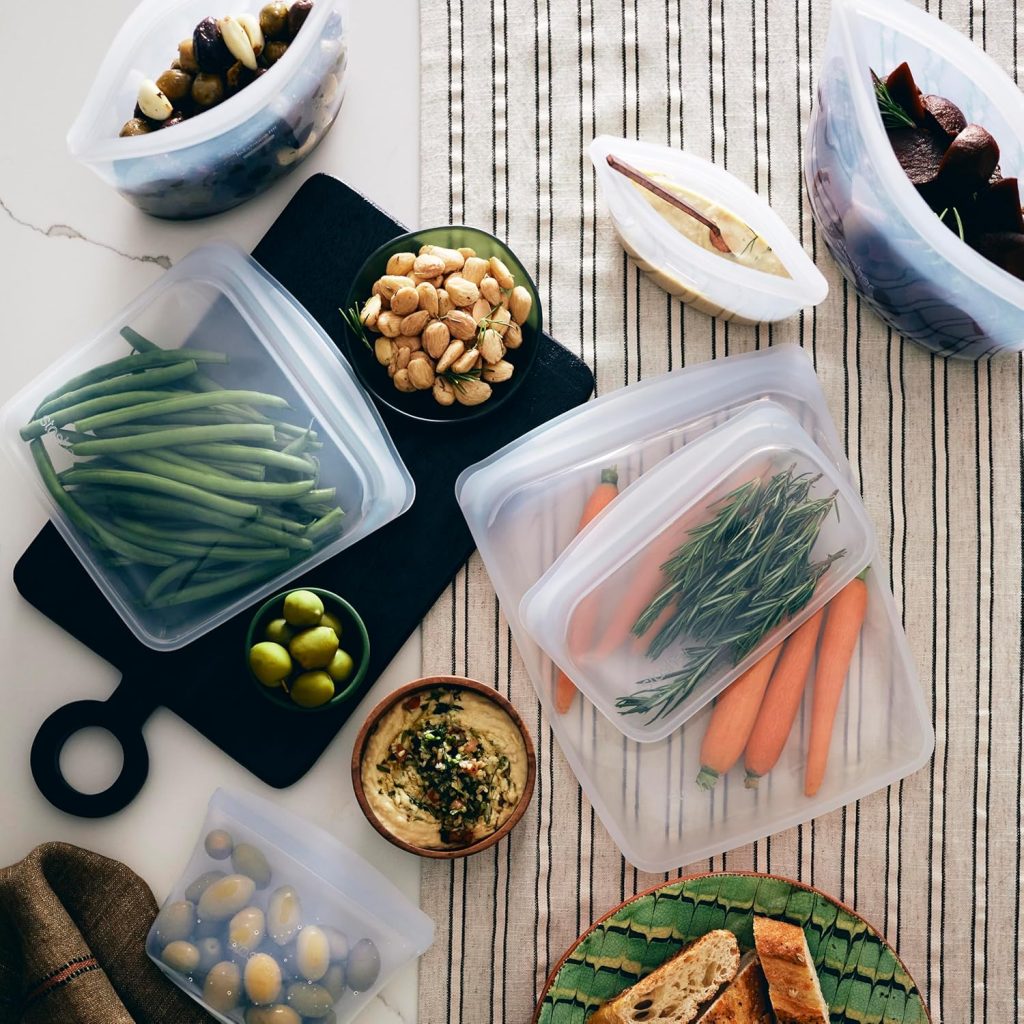
    Rigid Silicone Containers: These maintain a consistent shape like traditional containers but offer the flexibility benefits of silicone material.

    They’re ideal for users who want silicone’s benefits while maintaining familiar container functionality.

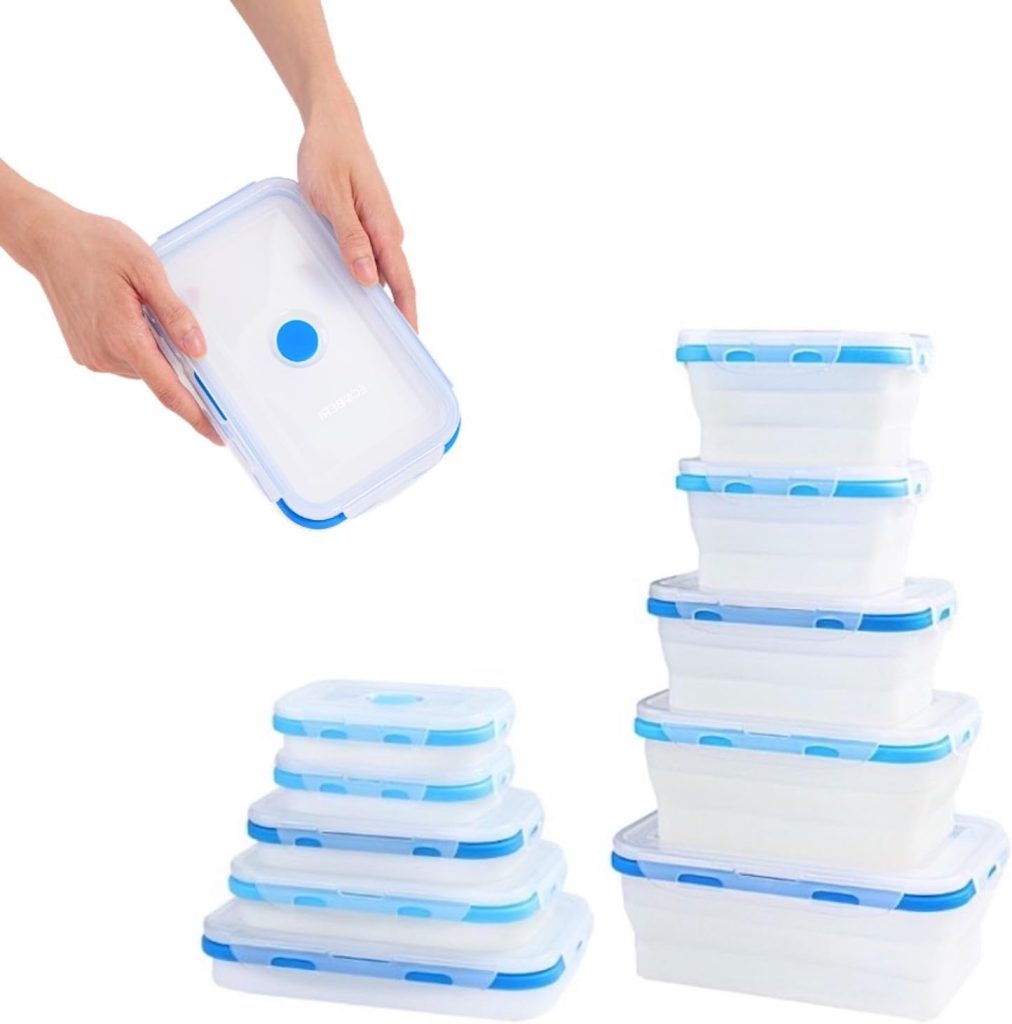
    BPA free collapsible silicone meal and food containers

    Collapsible Containers: One of silicone’s most innovative applications, these containers can be compressed when empty, saving significant storage space.

    They expand to full size when needed, making them perfect for travel or small kitchens.

    silicone reusable food storage bags

    Silicone Storage Bags: Reusable alternatives to plastic storage bags, these products offer environmental benefits while providing excellent sealing and versatility for various food types.

    Specialized Silicone Products: Including ice cube trays, muffin cups used for storage, and custom-shaped containers designed for specific foods or applications.

    The Pros of Silicone Food Storage Containers

    Temperature Versatility and Safety

    Extreme Temperature Range: Silicone containers excel in temperature versatility, safely handling everything from freezer storage to oven reheating without material degradation.

    This range eliminates the need to transfer food between containers for different temperature applications.

    No Thermal Shock: Unlike glass containers that can crack from sudden temperature changes, silicone’s flexibility allows it to handle rapid temperature transitions safely.

    You can move containers directly from the freezer to the microwave without concern for material failure.

    Oven-Safe Applications: Many silicone containers can go directly into conventional ovens, making them suitable for cooking and reheating applications that would damage plastic containers or require transferring food from glass containers due to lid limitations.

    Microwave Excellence: Silicone heats evenly in microwaves without creating hot spots or warping, providing reliable reheating performance.

    The material doesn’t absorb microwave energy, so containers remain cool to the touch even when contents are hot.

    Flexibility and Convenience Benefits

    Easy Food Removal: Silicone’s flexibility makes it easy to remove every bit of food from containers.

    You can gently push from the bottom or flex the sides to release stubborn items like frozen soups or sticky foods completely.

    Impact Resistance: Dropped silicone containers bounce rather than break, making them ideal for households with children or outdoor activities where traditional containers might be damaged.

    This durability reduces replacement costs and safety hazards.

    Comfortable Handling: Silicone’s non-slip surface and flexibility provide a secure, comfortable grip even when containers are wet or greasy.

    The material doesn’t become slippery like glass or some plastics when moisture is present.

    Space-Saving Design: Collapsible silicone containers can reduce storage space by up to 75% when empty, making them invaluable for small kitchens, RVs, or travelers who need efficient packing solutions.

    Health and Safety Advantages

    Chemical Inertness: High-quality silicone doesn’t leach chemicals into food, even under extreme conditions.

    Unlike some plastics that can release compounds when heated or stressed, food-grade silicone maintains its chemical stability across all normal use conditions.

    Non-Porous Surface: Silicone’s non-porous surface resists bacterial growth and doesn’t absorb flavors, odors, or stains like plastic containers often do.

    This characteristic helps maintain food quality and container hygiene over extended use.

    BPA and Phthalate Free: Silicone contains none of the chemical additives found in plastics that raise health concerns.

    This makes silicone an attractive option for families seeking to minimize exposure to potentially harmful compounds.

    Easy Sanitization: The non-porous surface and temperature resistance allow for thorough sanitization using hot water, steam, or even boiling, providing confidence in container cleanliness for sensitive applications.

    Environmental Considerations

    Durability and Longevity: Quality silicone containers can last for many years with proper care, reducing the need for frequent replacements that contribute to waste.

    The material’s resistance to degradation means a longer useful life compared to plastic alternatives.

    Recyclability Potential: While silicone recycling isn’t as widespread as glass or plastic recycling, the material can be recycled through specialized programs, and its durability means less frequent disposal needs.

    Reusability: Silicone storage bags and containers can replace hundreds of single-use plastic bags over their lifetime, providing significant environmental benefits for households committed to waste reduction.

    The Cons of Silicone Food Storage Containers

    Cost Considerations and Value Analysis

    Higher Initial Investment: Silicone containers typically cost 2-4 times more than comparable plastic options and often exceed glass container prices.

    This premium pricing can make building a complete storage system expensive, particularly for budget-conscious households.

    Limited Size Options: The silicone container market offers fewer size and shape options compared to plastic alternatives.

    This limitation might require compromises in storage efficiency or necessitate mixing container types to meet all storage needs.

    Replacement Part Availability: Unlike established plastic container systems, where replacement lids and components are widely available, silicone container replacement parts can be harder to find and more expensive when available.

    Cost Per Use Analysis: While silicone containers last longer than plastic, the significantly higher initial cost means longer payback periods.

    For occasional-use applications, the cost premium might never justify itself through extended durability.

    Practical Limitations and Performance Issues

    Structural Flexibility Challenges: The same flexibility that provides benefits can also create problems.

    Silicone containers can be difficult to stack stably, especially when full, and may not maintain a perfect shape under weight or pressure.

    Limited Rigidity for Some Applications: Some food storage tasks benefit from rigid container walls.

    Silicone’s flexibility can make it challenging to pack containers efficiently in refrigerators or transport them without shape distortion.

    Sealing Mechanism Limitations: Most silicone containers rely on flexible lids that may not provide the same airtight sealing performance as rigid plastic or glass containers with engineered sealing systems.

    This can affect food freshness.

    Size and Weight When Filled: While collapsible when empty, silicone containers can become bulky and heavy when filled, particularly in larger sizes.

    The flexible walls may bulge outward, taking up more space than rigid alternatives.

    Cleaning and Maintenance Challenges

    Grease and Oil Attraction: Silicone’s surface properties can attract and hold onto greasy substances, making thorough cleaning more challenging than with glass or hard plastic surfaces.

    Some users report difficulty removing oily residues completely.

    Lint and Dust Magnetism: Silicone surfaces tend to attract lint, dust, and small particles, requiring more frequent cleaning to maintain appearance.

    This characteristic can be particularly problematic in busy kitchens or when containers are stored openly.

    Deep Cleaning Requirements: While silicone resists staining, thorough cleaning sometimes requires more effort than other materials.

    The flexible surface can trap particles in microscopic irregularities that require aggressive cleaning techniques.

    Drying Time Considerations: Silicone’s flexibility can create crevices and folds that trap water, extending drying time and potentially creating conditions for bacterial growth if not thoroughly dried.

    Performance Limitations in Specific Applications

    Stacking Efficiency: Flexible container walls don’t stack as efficiently as rigid alternatives, potentially wasting refrigerator and pantry space.

    This limitation becomes more pronounced with larger containers or when storage space is at a premium.

    Pouring and Dispensing: Silicone containers can be awkward for pouring liquids or dispensing small items like nuts or cereals.

    The flexible walls may collapse or distort during pouring, creating spills or making controlled dispensing difficult.

    Transportation Challenges: For lunch containers or travel applications, silicone’s flexibility can be a disadvantage.

    Containers may not maintain their shape in bags, and the soft sides provide less protection for delicate foods.

    Limited Clear Visibility: Many silicone containers lack the crystal-clear visibility of glass or high-quality plastic containers, making it difficult to identify contents at a glance or assess food quality without opening the containers.

    Safety Profile of Silicone Food Storage

    Understanding Food-Grade Silicone Safety

    FDA Approval and Regulations: Food-grade silicone has received FDA approval for food contact applications, indicating that it meets safety standards for direct food contact across typical use conditions.

    However, not all silicone products carry this designation, making verification important.

    Chemical Stability: Unlike plastics that can break down and release chemicals over time, high-quality silicone maintains its chemical structure across a wide range of temperature extremes and prolonged use.

    This stability means consistent safety performance throughout the product’s lifetime.

    Testing Standards: Reputable silicone container manufacturers conduct migration testing to verify that no harmful substances leach into food under various conditions, including high temperatures, acidic foods, and extended contact time.

    Comparative Safety: When compared to plastic containers, especially older ones that may contain BPA or other concerning chemicals, food-grade silicone offers superior safety assurance.

    For detailed plastic safety information, see our BPA-Free Plastic Containers: What You Need to Know guide.

    Quality Indicators and Safety Verification

    Platinum vs Peroxide Curing: Platinum-cured silicone offers superior safety and performance compared to peroxide-cured alternatives.

    Look for products that specifically mention platinum curing, as this process results in more stable, safer silicone.

    Certification and Testing: Quality manufacturers provide information about third-party testing and certifications.

    Look for containers that meet or exceed FDA standards and have undergone independent safety testing.

    Origin and Manufacturing: Silicone containers manufactured in facilities with strict quality control and safety standards provide better assurance than products from unknown or questionable sources.

    Research the manufacturer’s reputation and manufacturing standards.

    Warning Signs: Avoid silicone containers with strong chemical odors, unusual flexibility that seems excessive, or products that lack clear safety information.

    These characteristics might indicate lower-quality silicone that could pose safety risks.

    Proper Use Guidelines for Maximum Safety

    Temperature Limits: Even though silicone handles extreme temperatures well, respect the manufacturer’s temperature limits.

    Exceeding recommended temperatures might cause degradation that could affect safety or performance.

    Food Compatibility: While silicone is generally compatible with all foods, some manufacturers provide specific guidance about extended contact with certain food types.

    Follow these guidelines to ensure continued safety.

    Cleaning and Sanitization: Proper cleaning maintains safety by preventing bacterial growth and removing food residues that might interact with container materials over time.

    The non-porous surface makes effective sanitization achievable with standard cleaning methods.

    For a broader context on food-safe materials and how silicone compares to other options, our Food Safe Container Materials guide provides comprehensive safety information across all container types.

    Best Silicone Food Storage Options

    Top-Rated Rigid Silicone Containers

    Premium Performance Options: The highest-quality rigid silicone containers combine durability with functionality, offering reliable sealing, temperature versatility, and long-term performance.

    These options typically feature reinforced construction, quality lids, and comprehensive temperature ratings.

    Mid-Range Value Choices: Containers that balance quality with affordability provide good silicone benefits without premium pricing.

    These options might have simpler designs or slightly lower temperature ratings, but still offer core silicone advantages.

    Specialized Applications: Some rigid silicone containers excel in specific applications like freezer storage, microwave reheating, or oven use.

    Choosing containers optimized for your primary use cases often provides better performance than general-purpose options.

    Collapsible Container Recommendations

    Travel and Space-Saving Leaders: The best collapsible containers maintain structural integrity when expanded, while compressing efficiently when empty.

    Look for options with reinforced rims and reliable locking mechanisms that ensure proper sealing.

    Lunch and Portable Options: Collapsible containers designed for portable use often feature enhanced sealing, comfortable carrying handles, and sizes optimized for typical meal portions.

    These specialized features justify higher costs for users who prioritize portability.

    Large Capacity Storage: Collapsible containers for bulk storage or batch cooking need reinforced construction to handle larger food quantities without losing shape or seal integrity.

    The best large-capacity options balance flexibility with necessary structural support.

    Silicone Storage Bag Alternatives

    Reusable Bag Systems: High-quality silicone storage bags can replace disposable plastic bags while offering superior durability and safety.

    The best options feature reliable sealing mechanisms, multiple sizes, and dishwasher-safe construction.

    Freezer-Specific Options: Silicone bags designed specifically for freezer use often feature enhanced sealing and materials optimized for low-temperature performance.

    These specialized bags provide better long-term storage performance than general-purpose alternatives.

    Multi-Purpose Solutions: Versatile silicone bags that handle multiple applications—from sous vide cooking to microwave reheating to freezer storage—offer excellent value for households that want maximum functionality from minimal products.

    Brand and Quality Considerations

    Established Brand Benefits: Well-known brands typically offer better quality control, customer service, and replacement part availability.

    While they may cost more initially, established brands often provide better long-term value through superior performance and support.

    Innovation Leaders: Some manufacturers focus specifically on silicone innovation, developing new features and improvements that enhance functionality.

    These specialized companies often offer the most advanced silicone container technologies.

    Value Brand Evaluation: Budget-friendly silicone options can provide good basic functionality, but verify safety certifications and material quality before choosing lower-cost alternatives.

    Poor-quality silicone might not provide the safety and performance benefits that make the material attractive.

    When comparing silicone options to traditional materials, consider reading our Glass vs Plastic Food Storage Containers comparison to understand how silicone fits into the broader container landscape and when it might be the optimal choice for your specific needs.

    Choosing the Right Silicone Containers for Your Needs

    Use Case Analysis and Selection Criteria

    Primary Application Assessment: Identify your main storage needs—daily lunch containers, bulk meal prep, freezer storage, or specialized applications like sous vide cooking.

    Different silicone containers excel in different applications, so matching container features to your primary uses ensures satisfaction with your investment.

    Temperature Requirements: Consider your typical temperature range needs.

    If you frequently move food between the freezer and the oven, prioritize containers with the widest safe temperature ranges.

    For primarily room temperature or refrigerated storage, standard temperature ratings may suffice.

    Space Constraints: Evaluate your storage space limitations both for empty containers and when filled.

    Collapsible options excel in small spaces, while rigid containers provide better stacking efficiency when space isn’t constrained.

    Budget and Value Priorities: Determine whether initial cost savings or long-term value take priority.

    Silicone containers require a higher upfront investment but can provide years of reliable service, making them cost-effective for frequent users.

    Integration with Existing Storage Systems

    Complementary Approach: Rather than replacing all containers with silicone, consider using silicone strategically where its unique benefits provide maximum value.

    This might mean silicone for temperature-extreme applications while maintaining [glass containers] for general storage.

    Size Coordination: If mixing container types, consider how different sizes coordinate in your storage spaces.

    Silicone containers might not stack perfectly with glass or plastic alternatives, potentially affecting organizational efficiency.

    Lid and Accessory Compatibility: Some storage systems benefit from interchangeable lids or accessories.

    Pure silicone systems typically don’t offer this compatibility with other materials, which might influence your selection strategy.

    Quality Assessment and Purchase Guidelines

    Safety Verification: Always verify that containers are made from food-grade silicone and carry appropriate certifications.

    Avoid products that lack clear safety information or seem priced suspiciously low, as these might indicate inferior materials.

    Construction Quality: Examine sealing mechanisms, wall thickness, and overall construction quality.

    Well-made silicone containers should feel substantial and maintain their shape well when empty, while still offering flexibility benefits.

    Manufacturer Support: Consider warranty coverage, replacement part availability, and customer service quality when selecting containers.

    These factors become important for products you’ll use regularly over many years.

    Testing and Reviews: Research user experiences with specific products, particularly focusing on long-term performance and any issues that develop over extended use.

    Real-world testing often reveals performance characteristics that aren’t apparent from product specifications alone.

    Maintenance and Care Tips

    Cleaning Best Practices for Silicone Containers

    Daily Cleaning Routine: Wash silicone containers promptly after use with warm, soapy water to prevent food residues from bonding to the surface.

    The flexible material allows for easy cleaning of corners and crevices that might be difficult to reach in rigid containers.

    Deep Cleaning Techniques: For thorough cleaning, silicone containers can be safely cleaned with baking soda paste, which helps remove stubborn residues and odors without damaging the material.

    The paste can be worked into the flexible surface and rinsed away completely.

    Grease and Oil Removal: Silicone’s tendency to attract oils requires specific attention.

    Use degreasing dish soap or a mixture of warm water and white vinegar to cut through oily residues effectively. Multiple rinses may be necessary for complete removal.

    Sanitization Methods: The temperature resistance of silicone allows for effective sanitization using boiling water, steam cleaning, or even oven sanitization at moderate temperatures.

    This capability provides excellent hygiene assurance for sensitive applications.

    Preventing Common Problems

    Lint and Dust Prevention: Store clean, dry silicone containers in enclosed spaces or covers to minimize lint and dust attraction.

    The electrostatic properties that attract particles are reduced when containers are completely clean and dry.

    Odor Prevention: While silicone resists odor absorption better than plastic, strong-smelling foods can still leave traces.

    Clean containers immediately after use with strong-scented foods, and consider using baking soda treatments preventively for problematic foods.

    Shape Maintenance: Store collapsible containers properly expanded or collapsed to maintain their intended shape.

    Avoid storing them in partially collapsed positions, which can create creases or weak points that affect performance.

    Seal Preservation: Keep sealing surfaces clean and free from food particles that might prevent proper closure. Inspect seals regularly for wear or damage that could affect container performance.

    Long-Term Care and Replacement Indicators

    Monitoring Material Integrity: Regularly inspect silicone containers for signs of wear, including persistent stains that won’t clean, loss of flexibility, or development of tears or weak spots.

    These indicators suggest replacement needs.

    Performance Assessment: Monitor sealing effectiveness, shape retention, and cleaning ease over time. Degradation in these performance areas indicates that containers are reaching the end of their useful life.

    Safety Considerations: Replace containers that develop strong odors that resist cleaning, show signs of material degradation, or no longer meet the safety standards you require for food contact applications.

    For comprehensive maintenance guidance across all container types, including comparative care requirements, see our main Food Storage Containers guide, which covers maintenance strategies for different materials and applications.

    Silicone vs Other Materials: When to Choose What

    Silicone vs Glass: The Safety and Convenience Trade-off

    Temperature Versatility Comparison: While both materials handle temperature extremes well, silicone offers greater flexibility in rapid temperature changes and doesn’t carry breakage risks that glass presents.

    However, glass provides a completely inert food contact that some users prefer for ultimate safety assurance.

    Durability Considerations: Glass lasts longer overall but requires careful handling to prevent breakage. Silicone offers impact resistance and flexibility, but may need replacement sooner due to wear from regular flexing and cleaning.

    Cost Analysis: Initial costs favor glass for basic functionality, but silicone’s specialized benefits might justify premium pricing for specific applications. Consider your usage patterns when evaluating long-term value.

    Silicone vs Plastic: Safety and Performance Comparison

    Chemical Safety: High-quality silicone provides superior chemical safety compared to plastic containers, especially for temperature-extreme applications.

    Even BPA-free plastic options can’t match silicone’s chemical inertness across all use conditions.

    Convenience and Variety: Plastic containers offer greater variety, lower costs, and more familiar functionality. Silicone provides unique benefits but requires adaptation to different handling and storage characteristics.

    Longevity and Value: While plastic containers cost less initially, quality silicone containers often provide better long-term value through extended usable life and maintained performance characteristics.

    Strategic Material Mixing

    Complementary Strengths: Many households benefit from using different materials strategically—glass for general storage and reheating, silicone for temperature extremes and flexibility needs, and quality plastic for portable applications and basic storage.

    Application-Specific Selection: Choose materials based on primary use cases rather than trying to find one material that handles all needs adequately.

    This approach optimizes performance while managing costs effectively.

    Transition Strategies: Consider gradually introducing silicone containers for specific applications rather than completely replacing existing systems.

    This approach allows you to evaluate silicone benefits before making larger investments.

    Conclusion: Making the Silicone Decision

    Silicone food storage containers offer unique benefits that make them valuable additions to modern kitchens, particularly for users who prioritize temperature versatility, impact resistance, and chemical safety.

    However, they’re not universal solutions and work best when chosen for specific applications where their advantages provide clear value.

    When Silicone Makes Sense: Choose silicone containers when you need temperature extremes capability, want impact-resistant portability, require space-saving collapsible storage, or prioritize chemical safety above all other considerations.

    These applications justify silicone’s higher costs through performance benefits that other materials can’t match.

    When Other Materials Are Better: For general storage where cost efficiency matters most, basic refrigerated storage without temperature extremes, or applications requiring rigid stacking and organization, traditional glass or quality plastic containers might provide better value.

    Strategic Integration: The best approach for many households involves using silicone strategically alongside other materials.

    Use silicone where its unique benefits provide maximum value, while employing glass or plastic for applications where those materials excel.

  • BPA Free Plastic Food Storage Containers

    The “BPA-Free” label has become ubiquitous on plastic food storage containers, but what does it actually mean for your health and safety?

    As consumers become increasingly aware of potential chemical risks in food packaging, understanding BPA and its alternatives has never been more important.

    This comprehensive guide will help you navigate the complex world of plastic food storage safety, decode confusing labels, and make informed choices for your family.

    Whether you’re comparing popular brands or trying to understand if BPA-free truly means safer, we’ll break down everything you need to know.

    By the end of this article, you’ll be equipped to confidently choose the safest plastic containers for your needs.

    For a broader comparison of all storage materials, be sure to check our complete glass vs plastic food storage containers guide.

    Understanding BPA and Its Alternatives

    What is BPA, and why is there Concern?

    Bisphenol A (BPA) is a chemical compound used since the 1960s to make certain plastics harder and more durable.

    It’s found in polycarbonate plastics (recycling code #7) and was commonly used in food storage containers, water bottles, and can linings until health concerns emerged.

    The primary worry about BPA stems from its ability to mimic estrogen in the human body, potentially disrupting hormonal systems.

    BPA Free Plastic food storage containers

    Studies have linked BPA exposure to various health issues, including reproductive problems, heart disease, diabetes, and developmental issues in children.

    BPA can leach from containers into food, especially when exposed to heat, acidic foods, or over time as containers age.

    This leaching process increases significantly when containers are microwaved, washed in hot water, or used to store acidic foods like tomatoes or citrus.

    Common BPA Alternatives: Not Always Safer

    When manufacturers removed BPA from their products, they didn’t eliminate chemicals – they replaced BPA with alternatives. The most common BPA substitutes include:

    Bisphenol S (BPS) and Bisphenol F (BPF) are the most frequent replacements, but emerging research suggests these chemicals may have similar hormonal effects as BPA.

    Some studies indicate BPS might be even more persistent in the environment and potentially more harmful than the original BPA.

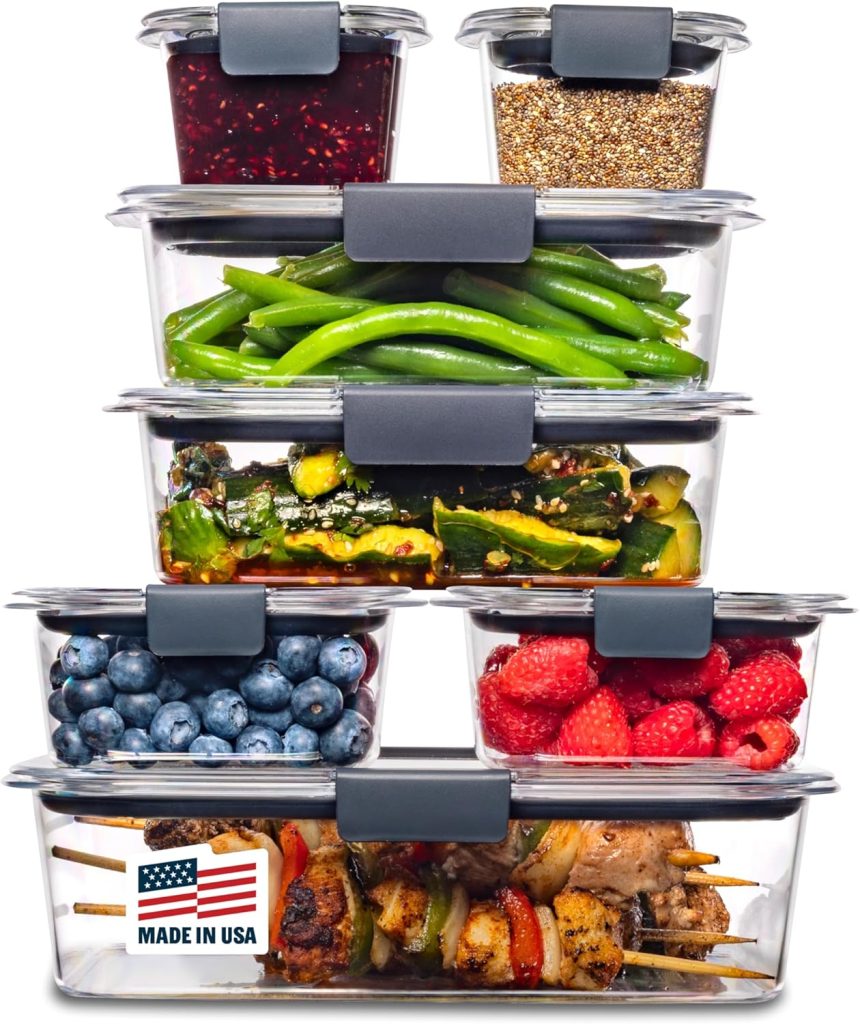
    USA Made BPA Free Plastic containers

    Other chemical alternatives include various phthalates and newer compounds that haven’t been extensively studied for long-term health effects.

    The troubling reality is that “BPA-free” doesn’t mean chemical-free or even safer – it simply means that a specific chemical isn’t present.

    This is why many experts recommend [glass food storage containers] as the safest option when chemical exposure is a primary concern.

    The Regulation Reality

    Currently, the FDA maintains that BPA is safe at low levels found in food containers, though they’ve supported industry efforts to remove it from baby bottles and sippy cups.

    However, many other countries have taken stronger stances, with some banning BPA entirely from food contact materials.

    The lack of comprehensive long-term studies on BPA alternatives means we’re essentially participating in a real-world experiment with our food storage choices.

    How to Identify BPA-Free Containers

    Reading Recycling Codes Like a Pro

    The recycling code system provides your first clue about container safety:

    Avoid #7 plastics – These “other” plastics often contain BPA, especially older containers. While some newer #7 plastics are BPA-free, it’s difficult to determine without specific labeling.

    Generally safer codes include #1 (PET), #2 (HDPE), #4 (LDPE), and #5 (PP – polypropylene). These plastic types rarely contain BPA, though they may contain other chemicals of concern.

    #3 and #6 plastics (PVC and polystyrene) should generally be avoided for food storage as they can contain other harmful chemicals, even if they’re technically BPA-free.

    Decoding Manufacturer Labels

    Look for explicit “BPA-Free” labeling from reputable manufacturers. However, don’t stop there – research the specific materials used.

    The best manufacturers will clearly state what their containers are made from, such as “made from polypropylene” or “Tritan copolyester.”

    Be wary of vague terms like “safe plastic” or “food-grade” without specific material identification.

    Legitimate manufacturers of quality containers, like those in our Rubbermaid vs Tupperware comparison, are usually transparent about their materials.

    Certification and Testing

    Some manufacturers go beyond basic BPA-free claims by obtaining third-party certifications or conducting additional safety testing.

    Look for containers that have been tested for chemical migration under various conditions (heat, acidity, time).

    European certifications often have stricter standards than US requirements, so containers meeting EU food contact regulations may offer additional assurance.

    Best BPA-Free Plastic Options

    Polypropylene (PP) – The Gold Standard

    Why PP (#5) is Preferred: Polypropylene is widely considered the safest plastic for food storage.

    It’s naturally BPA-free and has excellent chemical resistance, meaning it’s less likely to leach other harmful substances into food.

    PP containers handle temperature variations well, resist staining and odor absorption better than other plastics, and maintain their integrity over time.

    non toxic plastic airtight containers

    Most microwave-safe plastic containers are made from polypropylene.

    Performance Characteristics: PP containers typically offer good clarity, reasonable durability, and excellent sealing properties. They’re dishwasher safe and can handle both hot and cold foods safely.

    Many premium container systems like Rubbermaid Brilliance utilize polypropylene construction, combining safety with performance features.

    Polyethylene Options: PE-HD and PE-LD

    High-Density Polyethylene (#2 HDPE) and Low-Density Polyethylene (#4 LDPE) are both BPA-free options, though less common in rigid food storage containers.

    HDPE offers excellent chemical resistance and is often used for larger storage containers and some lid components. LDPE is more flexible and commonly used for squeeze bottles and flexible storage bags.

    Both materials are considered safe for food contact, but may not offer the durability and versatility of polypropylene for regular food storage use.

    Tritan Copolyester: The Premium Alternative

    Tritan is a newer plastic that’s specifically designed to be BPA-free while offering glass-like clarity and durability. It’s more expensive than traditional plastics but offers superior performance characteristics.

    Advantages of Tritan: Crystal-clear appearance that doesn’t cloud over time, excellent durability, dishwasher safe, and resistant to staining and odors. Some manufacturers use Tritan for premium container lines.

    Considerations: While Tritan is BPA-free and has passed safety tests, it’s a relatively new material with limited long-term studies. The higher cost also puts it out of reach for budget-conscious consumers.

    Brand Analysis and Recommendations

    When evaluating specific brands, look for companies that clearly state their materials and safety testing.

    Established brands often provide more detailed information about their BPA-free claims and manufacturing processes.

    Consider how different brands handle the trade-offs between safety, functionality, and cost.

    Some brands excel in material safety but compromise on features like airtight sealing, while others balance multiple factors effectively.

    For detailed brand comparisons, our articles on specific matchups like Sistema vs Rubbermaid and Rubbermaid Premier vs Brilliance examine how different product lines approach the BPA-free challenge.

    Safety Tips for Plastic Container Use

    Microwave Safety Guidelines

    Even BPA-free containers require careful microwave use.

    Always check that containers are specifically labeled as microwave-safe, as this involves testing beyond just material safety.

    Safe microwaving practices include using medium power settings, avoiding containers with metallic elements, and never microwaving empty containers.

    Remove lids or ensure venting to prevent pressure buildup.

    Temperature considerations: Avoid microwaving containers that are already warm or hot, as this increases the risk of chemical migration.

    Let containers cool between uses if heating multiple items.

    Some plastic containers marked as microwave-safe may still release chemicals when overheated, so moderate temperature use is always safer.

    When to Replace Your Containers

    Plastic containers don’t last forever, and knowing when to replace them is crucial for safety.

    Replace containers that show cloudiness, cracks, warping, persistent stains, or strong odors that won’t wash out.

    Time-based replacement: Even well-maintained plastic containers should be replaced every 2-3 years with regular use. Containers used frequently for reheating may need replacement sooner.

    Damage assessment: Any visible damage to plastic containers can create harboring spots for bacteria and increase the likelihood of chemical leaching.

    Proper Cleaning and Maintenance

    Proper care extends container life and maintains safety.

    Avoid abrasive cleaners that can create micro-scratches where bacteria can hide and chemicals can leach more easily.

    Hot water considerations: While most BPA-free containers can handle dishwasher temperatures, hand-washing in moderately warm water may extend container life and reduce chemical migration risk.

    Thorough drying: Ensure containers are completely dry before storage to prevent bacterial growth and maintain material integrity.

    Food Compatibility Guidelines

    Certain foods pose a higher risk for chemical leaching from any plastic container.

    Acidic foods like tomatoes, citrus, and vinegar-based dressings are more likely to cause chemical migration from plastic containers.

    Hot foods should be cooled before being placed in plastic containers, even those labeled as heat-resistant. The combination of heat and direct food contact creates the highest risk conditions for chemical leaching.

    Fatty foods can also increase chemical absorption, so consider glass alternatives for storing oils, butter, or high-fat leftovers long-term.

    BPA-Free Plastic vs Glass: Making the Right Choice

    When BPA-Free Plastic Makes Sense

    BPA-free plastic containers excel in situations where portability and safety from breakage are priorities.

    For packed lunches, travel, camping, or households with young children, quality BPA-free containers offer a good compromise between safety and practicality.

    Cost considerations also favor plastic when you need many containers or have budget constraints. A complete set of quality BPA-free containers costs significantly less than comparable glass options.

    Specialized applications like compartmented containers, unique shapes, or containers with innovative sealing mechanisms are often only available in plastic materials.

    When Glass Still Wins

    Despite improvements in BPA-free plastics, glass remains the safest option for food storage when chemical exposure is the primary concern.

    Glass is completely non-reactive and will never leach chemicals into food regardless of temperature, acidity, or age.

    Long-term storage situations favor glass, especially for bulk items, freezer storage, or foods you’ll keep for extended periods. Glass maintains food quality better over time without absorbing flavors or odors.

    Frequent reheating applications make glass the clear winner, as you can safely transition from freezer to microwave to oven without any concerns about chemical migration or thermal stress.

    Cost-Benefit Analysis

    While glass containers cost more initially, they last significantly longer than plastic alternatives.

    Break-even analysis typically shows glass becoming more economical after 3-4 years for most users.

    The hidden costs of plastic include more frequent replacement, potential food waste from odor/flavor absorption, and possible health costs from chemical exposure, though these are difficult to quantify.

    For detailed comparisons, including cost analysis, see our comprehensive glass vs plastic food storage containers guide.

    Top BPA-Free Container Recommendations

    Best Overall Value

    Look for containers made from polypropylene with clear material labeling and good sealing mechanisms.

    The best options balance safety, functionality, and reasonable pricing while providing long-term value.

    Consider container systems that offer multiple sizes with interchangeable lids, which provide better organization and potentially lower per-container costs.

    Budget-Friendly Options

    Even budget-conscious consumers can find safe BPA-free options by focusing on basic polypropylene containers from established manufacturers.

    Avoid extremely cheap options that may compromise on material quality or safety testing.

    Shopping tips: Look for sales on established brands rather than choosing unknown manufacturers solely based on price.

    The small price difference often represents significant quality and safety improvements.

    Premium Choices for Maximum Safety

    For those prioritizing safety above all else, consider Tritan-based containers or premium polypropylene options with extensive third-party testing.

    These containers often feature superior construction and longer warranties.

    Investment approach: High-quality BPA-free containers can provide years of safe use, making the premium worthwhile for families with specific health concerns or heavy usage requirements.

    Complete System Recommendations

    Consider how individual containers fit into your overall food storage system.

    The best BPA-free containers integrate well with your existing storage, offer consistent sealing across sizes, and provide the features you actually use.

    For specific brand comparisons and detailed reviews of complete systems, explore our detailed analyses of popular options like Rubbermaid Brilliance vs OXO Pop containers.

    Your BPA-Free Container Shopping Checklist

    Before making your purchase, verify these key points:

    1. Material identification: Confirm containers are made from polypropylene (#5), Tritan, or other clearly identified BPA-free materials
    2. Microwave safety: Ensure specific microwave-safe labeling if you plan to reheat food
    3. Sealing performance: Test or research lid sealing effectiveness for your intended uses
    4. Size variety: Choose systems with multiple sizes that fit your storage needs
    5. Replacement availability: Verify you can buy replacement lids or additional containers later
    6. Warranty coverage: Check what’s covered and for how long.

    Conclusion: Making Informed Choices

    BPA-free plastic containers can be a safe choice for food storage when you select quality materials and use them properly.

    Polypropylene containers from reputable manufacturers offer the best combination of safety, performance, and value in the plastic category.

    However, remember that “BPA-free” doesn’t automatically mean “completely safe” – it simply means one specific chemical isn’t present.

    For maximum safety, especially for frequent reheating or long-term storage, glass containers remain the gold standard.

    The key is matching your container choice to your specific needs, budget, and safety priorities.

    Whether you choose high-quality BPA-free plastic for its convenience and durability or opt for glass for maximum safety, understanding these factors helps you make the best decision for your family.

    For additional guidance on choosing the right containers for your needs, explore our complete food storage containers guide, where we compare all major options and help you build the perfect storage system for your kitchen.

    Ready to upgrade your food storage? Start by identifying your primary use cases, then choose materials and features that align with your priorities and lifestyle needs.

  • Glass vs Plastic Food Storage Containers

    Choosing the right food storage containers can make or break your meal prep routine, food freshness, and even your family’s health.

    With countless options flooding the market, the fundamental question remains: Should you invest in glass or stick with plastic containers?

    This comprehensive comparison will help you understand the key differences, benefits, and drawbacks of each material so you can make an informed decision for your kitchen.

    Whether you’re comparing premium brands like Rubbermaid Brilliance vs OXO Pop containers or looking for budget-friendly alternatives, the material choice is your foundation.

    By the end of this guide, you’ll know exactly which type suits your lifestyle, budget, and storage needs. For a broader overview of all container options, check out our complete food storage containers guide.

    Glass Food Storage Containers: The Premium Choice

    Health and Safety Benefits

    Glass containers offer unmatched safety when it comes to food storage.

    Unlike plastic, glass is completely non-reactive, meaning it won’t leach chemicals into your food regardless of temperature or acidity levels.

    Glass smart seal airtight everyday food container set

    This makes glass containers ideal for storing everything from leftover tomato sauce to reheating yesterday’s curry.

    The non-porous surface of glass ensures that no flavors, odors, or stains penetrate the material.

    You’ll never taste last week’s garlic from your glass container, unlike some plastic alternatives that seem to hold onto strong flavors indefinitely.

    Durability and Longevity

    Quality glass containers can literally last decades with proper care.

    While the initial investment might be higher than plastic options, glass containers maintain their clarity, functionality, and safety over the years of use.

    glass food storage conrtainers with Lids

    Many people still use glass containers passed down from previous generations.

    The transparency of glass never clouds or yellows, making it easy to identify contents at a glance.

    This clarity remains consistent even after hundreds of wash cycles, unlike plastic containers that can become foggy over time.

    Versatility in Use

    Glass containers excel in versatility, safely transitioning from freezer to microwave to oven (container body only – lids are typically plastic).

    You can store soup in the freezer, then reheat it directly in the microwave without transferring to another dish.

    This convenience factor makes glass particularly appealing for meal prep enthusiasts.

    Most glass containers are dishwasher safe on all racks, making cleanup effortless. The smooth surface resists stubborn food residues that often stick to plastic surfaces.

    Environmental Impact

    From an environmental standpoint, glass is infinitely recyclable without losing quality.

    Unlike plastic, which degrades with each recycling cycle, glass can be recycled endlessly while maintaining its properties.

    This makes glass containers a more sustainable long-term choice for environmentally conscious consumers.

    Drawbacks of Glass Containers

    Weight and Portability Issues

    Glass containers are significantly heavier than their plastic counterparts, which can be problematic for packed lunches, picnics, or travel.

    A large glass container filled with food can become quite cumbersome, especially for children’s lunch boxes or office meals.

    The weight factor also affects shipping costs when ordering online, potentially making glass containers more expensive than their listed price suggests.

    Breakage Concerns

    The most obvious drawback of glass is its fragility. While modern glass containers are designed to be more durable, they can still shatter if dropped on hard surfaces.

    This makes them less suitable for outdoor activities, camping, or households with young children who might drop containers.

    Thermal shock is another concern – rapidly changing temperatures can cause glass to crack or break.

    While most quality glass containers handle normal temperature variations well, extreme changes should be avoided.

    Cost Considerations

    Glass containers typically cost 2-3 times more than comparable plastic options.

    While the long-term value might justify this cost, the initial investment can be substantial, especially when outfitting an entire kitchen with storage containers.

    Plastic Food Storage Containers: The Practical Choice

    Convenience and Practicality

    Plastic containers win hands-down for everyday convenience.

    Their lightweight nature makes them perfect for packed lunches, travel, and situations where breakage would be problematic.

    You can toss a plastic container in a backpack without worry, making them ideal for active lifestyles.

    plastic food storage containers for home

    The flexibility of plastic also allows for better lid sealing mechanisms.

    Many plastic containers feature innovative sealing systems that create superior airtight seals compared to glass containers with plastic lids.

    Affordability and Accessibility

    Cost is where plastic containers truly shine. You can outfit your entire kitchen with quality plastic storage containers for the price of a few glass alternatives.

    This makes plastic containers accessible to every budget and ideal for households that need many containers

    .

    Plastic easy snap airtight food containers

    The lower replacement cost also reduces anxiety about loss or damage. If a plastic container gets lost at the office or damaged, replacement doesn’t break the bank.

    Variety and Innovation

    Plastic containers offer far more variety in shapes, sizes, and features.

    Manufacturers can create complex designs, specialized compartments, and unique shapes that would be impossible or prohibitively expensive in glass.

    This innovation has led to specialized containers for specific foods and uses.

    Many plastic containers also feature measurement markings, pour spouts, and other convenience features that enhance functionality beyond simple storage.

    Drawbacks of Plastic Containers

    Chemical Concerns

    The primary concern with plastic containers is potential chemical leaching, especially when exposed to heat, acidic foods, or over time.

    While modern BPA-free plastic containers have addressed some concerns, questions remain about alternative chemicals used in “safer” plastics.

    Older plastic containers or those not specifically labeled as BPA-free may pose greater risks, particularly when used for heating food or storing acidic items.

    Staining and Odor Absorption

    Plastic’s porous nature means it absorbs stains, odors, and flavors over time. Tomato-based sauces leave permanent orange stains, while strong-smelling foods like onions or fish can leave lasting odors.

    This absorption affects both appearance and functionality.

    Even thorough washing cannot eliminate absorbed odors and stains, eventually requiring container replacement.

    Degradation Over Time

    Plastic containers don’t age gracefully. Over time, they become cloudy, develop micro-cracks, and may warp from heat exposure.

    The degradation affects both appearance and safety, as damaged plastic is more likely to harbor bacteria and leach chemicals.

    Most plastic containers need replacement every 2-3 years with regular use, making their “affordable” nature less economical over time.

    Head-to-Head Comparison

    Glass vs Plastic Food Storage Containers

    Safety and Health Winner: Glass

    When it comes to pure safety, glass containers are the clear winner.

    With no risk of chemical leaching and complete non-reactivity, glass provides peace of mind for health-conscious consumers.

    This advantage becomes even more significant for families with young children or individuals with sensitivities to chemicals.

    However, high-quality BPA-free plastic containers can be safe when used properly, making this less of a black-and-white issue than it once was.

    Cost Analysis: Plastic Wins Short-term, Glass Wins Long-term

    Initial cost clearly favors plastic containers, with quality options available at a fraction of glass prices.

    However, when factoring in replacement cycles, glass containers often prove more economical over 5-10 years.

    The break-even point typically occurs around 3-4 years for most users, assuming normal replacement patterns and careful handling of glass containers.

    Convenience Factor: Depends on Use Case

    For everyday home use, glass containers offer superior convenience with their versatility and easy cleaning. For portable use, travel, or active lifestyles, plastic containers are more practical.

    Many households find success with a mixed approach: glass for home storage and reheating, plastic for portable and travel use.

    Environmental Impact: Glass Takes the Lead

    While both materials have environmental implications during production, glass’s infinite recyclability and lack of microplastic shedding make it the more environmentally responsible choice long-term.

    Plastic containers, even when recycled, eventually end up in landfills or as microplastics in the environment.

    When to Choose Glass vs Plastic

    Choose Glass When:

    Reheating Food Regularly: If you frequently reheat leftovers, glass containers eliminate concerns about chemical leaching and hot spots. They transition seamlessly from refrigerator to microwave.

    Storing Acidic Foods: Tomato-based sauces, citrus fruits, and vinegar-based dressings are safer in glass containers, which won’t react with acidic contents.

    Long-term Storage: For bulk storage of dry goods or freezer items you’ll keep for months, glass maintains food quality better and doesn’t absorb odors.

    Health is Priority: If you’re concerned about chemical exposure or have family members with sensitivities, glass provides the safest option.

    Choose Plastic When:

    Portability Matters: For lunch boxes, picnics, camping, or travel, lightweight plastic containers are more practical and less risky.

    Budget is Limited: When you need many containers quickly or affordably, quality plastic options provide good value.

    Kids are Involved: In households with young children, unbreakable plastic containers reduce safety risks and replacement costs.

    Specialized Needs: For unique shapes, compartments, or specific storage requirements, plastic offers more innovative solutions.

    Top Recommendations by Category

    Best Overall Glass Options

    For premium glass containers that balance durability with functionality, consider researching options that offer reinforced corners and quality lid sealing systems.

    Look for containers that can handle temperature changes well and come with reliable warranties.

    When comparing specific brands like Rubbermaid vs Tupperware, consider how their glass lines stack up against their plastic offerings in terms of lid quality and overall system design.

    Best Plastic Alternatives

    If choosing plastic, prioritize containers made from polypropylene (#5 plastic) or other proven BPA-free materials.

    Look for containers with good sealing mechanisms and clear labeling about safe temperature ranges.

    Consider systems like Rubbermaid Brilliance that combine plastic benefits with improved sealing and clarity, though remember that even the best plastic has limitations compared to glass.

    Budget-Friendly Choices

    For those starting with limited budgets, consider a hybrid approach: invest in a few glass containers for acidic foods and reheating, while using quality plastic containers for general storage and portable use.

    This approach maximizes safety where it matters most while keeping costs manageable.

    Making Your Decision: Practical Next Steps

    The glass vs plastic decision ultimately depends on your specific needs, budget, and priorities. Consider these factors:

    1. Primary Use: Storage only, or frequent reheating?
    2. Portability Needs: Home use or travel requirements?
    3. Budget: Initial cost vs long-term value
    4. Health Priorities: Chemical sensitivity levels
    5. Household Composition: Adults only or children involved?

    For most households, a mixed approach works best: glass for home use and reheating, plastic for portability and specialized needs.

    This combination maximizes the benefits of both materials while minimizing their respective drawbacks.

    Conclusion

    Both glass and plastic food storage containers have their place in modern kitchens.

    Glass containers excel in safety, durability, and versatility, making them ideal for health-conscious consumers who prioritize long-term value.

    Plastic containers offer unmatched convenience, affordability, and portability, perfect for active lifestyles and budget-conscious shoppers.

    The best choice depends on your specific needs, but understanding these differences helps you make informed decisions.

    Whether you choose the premium path of glass, the practical route of quality plastic, or a combination of both, the right containers will improve your food storage experience and potentially save money by keeping food fresher longer.

    For more specific brand comparisons and detailed reviews, explore our comprehensive food storage materials guide, where we dive deep into individual products and their real-world performance.

    Ready to make your choice? Consider starting with a small set of your preferred material to test how well it fits your routine before investing in a complete storage system.

  • Food Storage Containers: The Complete Guide

    The right food storage containers can transform your kitchen organization, extend food freshness, save money on groceries, and even protect your family’s health.

    Yet with hundreds of options flooding the market-from budget-friendly plastic sets to premium glass systems – choosing the perfect containers feels overwhelming.

    Whether you’re a meal prep enthusiast looking to streamline your weekly routine, a busy parent trying to keep leftovers fresh, or simply tired of containers that leak, stain, or crack after a few months.

    This comprehensive guide will help you navigate every aspect of food storage containers.

    We’ll explore different materials, compare top brands, examine specific use cases, and provide actionable recommendations for every budget and lifestyle.

    By the end of this guide, you’ll know how to build a food storage system that actually works for your needs, saves you money in the long run, and keeps your food fresher for longer.

    From understanding the safety implications of different plastics to knowing which containers work best for meal prep versus pantry storage, we’ll cover everything you need to make informed decisions about one of your kitchen’s most essential tools.

    Types of Food Storage Containers by Material

    Food storage containers

    Glass Containers: The Premium Safety Choice

    Glass containers have surged in popularity as health-conscious consumers seek alternatives to plastic storage.

    The appeal is clear: glass is completely non-reactive, meaning it will never leach chemicals into your food regardless of temperature, acidity, or how long food is stored.

    Safety and Health Benefits

    Unlike plastic alternatives, glass containers pose zero risk of chemical migration into food.

    This makes them particularly valuable for storing acidic foods like tomato sauce, citrus fruits, or vinegar-based dressings that can cause chemical leaching from plastic containers.

    Families with young children or individuals with chemical sensitivities often prefer glass for this peace of mind.

    Durability and Longevity

    Quality glass containers can literally last decades with proper care.

    While the initial investment is higher than plastic options, glass containers maintain their clarity, functionality, and safety over the years of use.

    The transparency never clouds or yellows, making it easy to identify contents at a glance, even after hundreds of wash cycles.

    Versatility in Use

    Glass excels in versatility, safely transitioning from freezer to microwave to oven (container body only – lids are typically plastic).

    You can store soup in the freezer, then reheat it directly in the microwave without transferring to another dish.

    This convenience factor makes glass particularly appealing for busy households and meal prep enthusiasts.

    Drawbacks to Consider

    The main limitations of glass containers are weight and fragility.

    Glass containers are significantly heavier than plastic alternatives, which can be problematic for packed lunches or travel.

    The breakage risk, while minimized in modern designs, still makes glass less suitable for outdoor activities or households with young children who might drop containers.

    For a detailed comparison of glass versus plastic options, including cost analysis and specific use recommendations, see our comprehensive Glass vs Plastic Food Storage Container guide.

    Plastic Containers: Convenience Meets Innovation

    Despite health concerns that have emerged over the years, plastic containers remain popular due to their convenience, affordability, and innovative features.

    Plastic containers with Lids

    However, not all plastics are created equal, and understanding the differences is crucial for making safe choices.

    Modern Safety Standards

    Today’s plastic containers are dramatically safer than those from previous decades.

    The widespread adoption of BPA-free materials has addressed many historical concerns, though it’s important to understand that “BPA-free” doesn’t automatically mean chemical-free.

    Quality manufacturers now use materials like polypropylene (#5 plastic) that have excellent safety profiles and minimal leaching risks when used properly.

    Convenience Advantages

    Plastic containers offer unmatched convenience for everyday use. They’re lightweight, making them ideal for packed lunches, travel, and situations where breakage would be problematic.

    The flexibility of plastic also allows for better lid sealing mechanisms, with many containers featuring innovative systems that create superior airtight seals.

    Variety and Innovation

    Plastic containers offer far more variety in shapes, sizes, and features than glass alternatives.

    Manufacturers can create compartmentalized designs, unique shapes for specific foods, and specialized features like pour spouts or measurement markings that would be impossible or prohibitively expensive in glass.

    Material Types to Look For

    The safest plastic containers are made from polypropylene (#5), which is naturally BPA-free and has excellent chemical resistance.

    Other food-safe container options include certain polyethylene types (#1, #2, #4) and newer materials like Tritan copolyester, which offers glass-like clarity with plastic’s durability.

    Limitations and Concerns

    Even the best plastic containers have limitations. They can absorb odors, stains, and flavors over time, particularly from strong-smelling or acidic foods.

    Most plastic containers also degrade over time, becoming cloudy or developing micro-cracks that can harbor bacteria and increase chemical leaching risks.

    BPA Free clear glass storage containers

    For detailed information about choosing safe plastic options, including how to identify quality materials and avoid problematic chemicals, check our guide on BPA-Free Plastic Containers: What You Need to Know.

    Silicone Containers: Flexible Innovation

    Silicone containers represent a newer category that bridges some gaps between glass and plastic options.

    Silicone freezer microwave safe containers space saving

    Made from food-grade silicone, these containers offer unique benefits for specific use cases.

    Flexibility Advantages

    Silicone’s flexibility makes it excellent for freezer storage, as it can expand and contract with temperature changes without cracking.

    This same flexibility makes silicone containers easy to clean and allows for space-saving storage when containers can be collapsed or nested efficiently.

    Safety Profile

    Food-grade silicone is generally considered very safe, with minimal chemical leaching concerns.

    It can handle a wide temperature range safely, from freezer temperatures to oven use in many cases, making it versatile for various storage and reheating needs.

    Limitations

    Silicone containers often lack the rigid structure needed for efficient stacking and organization.

    They can also be more expensive than comparable plastic options while not offering the complete safety assurance of glass.

    Stainless Steel Options: Durability Champions

    Stainless steel containers are less common for general food storage but excel in specific applications, particularly for portable use and items that need extreme durability.

    Stainless steel containers airtight with Lids

    Durability Benefits: Stainless steel containers are virtually indestructible under normal use conditions.

    They won’t break if dropped, don’t absorb odors or stains, and maintain their appearance indefinitely with proper care.

    Best Applications: These containers work exceptionally well for dry goods storage, travel situations where durability is paramount, and foods that might stain other container types.

    They’re also popular for outdoor activities and camping, where lightweight, unbreakable storage is valuable.

    Considerations: Stainless steel containers cannot be used in microwaves, and they don’t provide the visual transparency that many users prefer for quick content identification.

    They also tend to be more expensive than plastic alternatives.

    Containers by Use Case

    Meal Prep Containers: Streamlining Weekly Planning

    Meal prep has revolutionized how many people approach weekly eating, and the right containers are essential for success.

    meal prep reusable leakproof containers

    Meal prep containers need specific features that differ from general storage requirements.

    Portion Control Features

    The best meal prep containers offer consistent portion sizes that help with nutritional planning and calorie control.

    Look for containers with internal dividers or compartments that keep different food components separate until eating time.

    This prevents soggy vegetables or mixed flavors that can make prepped meals less appealing by mid-week.

    Stackability for Efficiency

    Meal prep often involves preparing multiple meals at once, so containers must stack efficiently in both refrigerator and freezer storage.

    The best systems use identical footprints across different sizes, allowing for stable stacking that maximizes storage space in crowded refrigerators.

    Reheating Compatibility

    Since most meal prep involves reheating, containers must be microwave-safe and able to handle the transition from cold storage to heating without warping or releasing chemicals.

    Glass containers excel here, but quality plastic options like those made from polypropylene can also perform well.

    Leak-Proof Security

    Nothing ruins meal prep planning like discovering your container has leaked in your bag or refrigerator.

    Look for containers with reliable sealing mechanisms, preferably with silicone gaskets or advanced locking systems that maintain their seal integrity over repeated use.

    For detailed recommendations on the best containers specifically designed for meal prep success, including portion size guides and meal planning tips, see our comprehensive Best Containers for Meal Prep guide.

    Pantry Storage: Organizing Dry Goods and Bulk Items

    pantry food storage for home

    Pantry storage containers serve different purposes than refrigerator storage, focusing on protecting dry goods from pests, moisture, and staleness while maintaining easy access and organization.

    Pest Prevention

    One of the primary functions of pantry containers is protecting food from insects and rodents.

    Airtight seals are crucial, but the container material also matters.

    Hard plastics and glass provide better barriers than soft materials, and clear containers allow for easy monitoring of contents for signs of pest activity.

    Pantry storage organization for kitchen

    Moisture Control

    Many pantry items like cereals, crackers, and baking ingredients are susceptible to humidity and moisture absorption.

    Quality containers with reliable seals help maintain the proper moisture content, keeping foods fresh and preventing clumping or staleness.

    Size Considerations for Bulk Storage

    Pantry containers often need to accommodate bulk purchases from warehouse stores or large family portions.

    Look for containers sized appropriately for your shopping habits, with larger options for frequently used items like cereal or flour, and smaller containers for items used in smaller quantities.

    Organization and Identification

    Clear containers allow for easy identification of contents and remaining quantities, making meal planning and shopping lists more efficient.

    Consider containers with wide openings for easy scooping and filling, and flat surfaces that accept labels well.

    Our detailed Pantry Organization Containers guide provides specific recommendations for different types of dry goods and strategies for creating an efficient pantry storage system.

    Freezer Storage: Handling Extreme Conditions

    Freezer storage presents unique challenges that require containers specifically designed to handle extreme temperature conditions and the expansion that occurs when foods freeze.

    Material Considerations for Freezing

    Not all containers handle freezer conditions well. Glass containers can crack if food expands too much during freezing, while some plastics become brittle at low temperatures.

    Look for containers specifically labeled as freezer-safe, and consider leaving some headspace for expansion.

    Preventing Freezer Burn

    Airtight seals become even more critical in freezer storage, where air exposure leads to freezer burn and quality degradation.

    The best freezer containers create a complete barrier against air infiltration, preserving food quality for extended storage periods.

    Easy Identification and Dating

    Frozen foods can look remarkably similar after a few weeks in the freezer. Choose containers that accept labels well, or consider systems with built-in labeling areas.

    Clear containers help with identification, but consider the trade-offs between visibility and protection from light exposure.

    Thawing and Reheating Compatibility

    The best freezer containers allow for easy transition to thawing and reheating.

    This might mean microwave-safe materials for quick defrosting or containers that can go from freezer to oven for certain foods.

    For comprehensive guidance on choosing freezer-appropriate containers and maximizing frozen food quality, check our Freezer-Safe Food Storage guide.

    Lunch Containers: Portable Food Solutions

    Lunch containers need to balance portability, leak-proof reliability, and convenience features while maintaining food safety and appeal throughout the day.

    Portability Requirements

    Lunch containers spend time in bags, cars, and various environments before reaching their destination.

    They need to be lightweight yet durable, with secure closures that won’t accidentally open during transport.

    Size matters too – containers should fit comfortably in lunch bags or briefcases without taking up excessive space.

    Temperature Management

    Many lunch containers need to keep food at appropriate temperatures for several hours.

    Insulated options or containers designed to work with ice packs can help maintain food safety and quality.

    Consider whether you’ll have access to refrigeration or microwave facilities when choosing containers.

    Easy Opening and Eating

    Lunch containers should be easy to open even when your hands aren’t perfectly clean, and the design should facilitate comfortable eating directly from the container if necessary.

    Rounded corners are easier to eat from than sharp angles, and wide openings allow for easier access to food.

    Child-Specific Considerations

    Lunch containers for children need additional safety considerations, including easy-open mechanisms that small hands can manage, unbreakable materials, and sizes appropriate for smaller appetites and lunch box dimensions.

    Our Lunch Box Containers guide provides specific recommendations for different age groups and lunch-packing scenarios, including options for hot and cold foods.

    Key Features to Consider when Selecting Food Storage Containers

    Airtight Sealing: The Foundation of Food Freshness

    Airtight sealing is arguably the most critical feature in food storage containers, directly impacting food freshness, safety, and storage duration.

    Understanding what makes a truly airtight seal helps you evaluate container options effectively.

    How Airtight Seals Work

    True airtight seals prevent air exchange between the container interior and the external environment.

    This prevents oxidation that causes food to spoil, maintains optimal moisture levels, and prevents absorption of external odors or flavors.

    Quality seals typically use silicone gaskets, multiple locking points, or innovative compression systems.

    Testing Seal Quality

    You can evaluate seal quality through simple tests. Fill a container partway with water, seal it, and gently shake – any leakage indicates poor sealing.

    For air-tightness, try the paper test: close a piece of paper in the seal – if you can pull it out easily, the seal isn’t tight enough.

    Seal Maintenance

    Even the best seals degrade over time. Look for containers with replaceable gaskets or seals, and maintain existing seals by keeping them clean and free from food debris.

    Proper storage of containers also helps maintain seal integrity – avoid stacking heavy items on sealed containers.

    Different Sealing Technologies

    Various manufacturers use different approaches to achieve airtight seals.

    Some use traditional compression seals, others employ vacuum-creating mechanisms, and innovative designs might use multiple sealing points or specialized gasket materials.

    Understanding these differences helps you choose systems that align with your needs and maintenance preferences.

    For detailed information about evaluating and maintaining airtight seals, plus recommendations for the most reliable sealing systems, see our Airtight vs Regular Containers guide.

    Microwave and Dishwasher Safety: Modern Convenience Requirements

    Modern food storage containers must integrate seamlessly with contemporary kitchen appliances, particularly microwaves and dishwashers.

    However, not all containers handle these environments safely.

    Microwave Safety Essentials

    Microwave-safe containers must handle rapid temperature changes without warping, releasing chemicals, or creating hot spots that could cause burns.

    Look for explicit microwave-safe labeling, but understand that this involves specific testing beyond just material safety.

    Understanding Microwave Ratings

    Containers might be safe for reheating but not for cooking, or safe at certain power levels but not others.

    Quality manufacturers provide specific guidelines about temperature limits, power settings, and duration recommendations for their containers.

    Dishwasher Compatibility Factors

    Dishwasher safety involves more than just surviving hot water.

    Containers must maintain their shape, seal integrity, and surface quality through repeated exposure to high temperatures, strong detergents, and mechanical action from water jets.

    Heat Distribution and Hot Spots

    Quality microwave-safe containers distribute heat evenly, preventing dangerous hot spots that can cause burns or uneven heating.

    Some materials and designs perform better than others in this regard, with glass generally providing the most even heating distribution.

    Our Microwave-Safe Food Storage guide provides detailed safety information and specific recommendations for containers that excel in microwave applications.

    Size and Stackability: Maximizing Storage Efficiency

    Container sizing and stackability directly impact kitchen organization efficiency and storage space utilization. Smart sizing choices can dramatically improve your food storage system’s functionality.

    Size Strategy for Different Foods

    Different foods require different container proportions.

    Leftover portions often need shallow, wide containers for quick reheating, while bulk storage benefits from taller, narrower containers that maximize vertical space.

    Consider your typical food quantities when selecting size ranges.

    Stackability System Design

    The best container systems use consistent footprints across sizes, allowing smaller containers to nest within larger ones and enabling stable stacking when full.

    Look for systems where lids are interchangeable across sizes, reducing the frustration of mismatched components.

    Space Efficiency Calculations

    Consider both filled and empty storage space requirements.

    Containers that nest when empty save significant storage space, while efficient stacking when full maximizes refrigerator and pantry capacity.

    Some systems offer better space efficiency than others through thoughtful design.

    Modular Organization Benefits

    Modular container systems allow you to customize your storage setup as needs change.

    You can add specific sizes without disrupting your existing organization, and components work together seamlessly for maximum efficiency.

    For comprehensive guidance on choosing the right sizes and creating efficient storage systems, check our Food Storage Container Sizes Guide with detailed sizing recommendations for different household needs.

    Brand Comparisons Overview

    Understanding the Competitive Landscape

    The food storage container market features several dominant brands, each with distinct strengths, weaknesses, and target audiences.

    Understanding these differences helps you choose brands that align with your priorities and budget.

    Premium Brand Positioning

    Some brands position themselves as premium options, offering superior materials, innovative features, and longer warranties.

    These brands often use higher-quality plastics, more sophisticated sealing mechanisms, and more durable construction, but at significantly higher price points.

    Value-Oriented Options

    Other brands focus on providing good functionality at accessible price points.

    These options might not offer the latest innovations or premium materials, but they can provide reliable performance for budget-conscious consumers who prioritize basic functionality over advanced features.

    Innovation Leaders

    Certain brands consistently introduce new technologies and features, such as advanced sealing systems, specialized materials, or unique design approaches.

    These innovation leaders often influence industry trends and set standards that other manufacturers eventually adopt.

    Specialty Focus Areas

    Some brands excel in specific niches, such as meal prep containers, pantry organization, or portable lunch solutions.

    Understanding each brand’s strengths helps you choose the right manufacturer for your specific needs.

    Major Brand Comparisons and Recommendations

    Rubbermaid vs Tupperware

    These two giants represent different approaches to food storage, with distinct philosophies about materials, features, and pricing.

    Rubbermaid vs Tupperware provides a detailed analysis of how these industry leaders compare across multiple factors, including durability, sealing performance, and overall value.

    Rubbermaid Product Line Differentiation

    Within the Rubbermaid brand, different product lines target different market segments and use cases.

    Rubbermaid Premier vs Brilliance examines how the company’s premium lines differ in materials, features, and performance, helping you choose the right level within the brand.

    Rubbermaid vs OXO Innovation Battle

    Rubbermaid Brilliance vs OXO Pop compares two of the most popular premium container lines, examining their different approaches to sealing, clarity, and user convenience.

    This comparison helps you understand which innovation approach better suits your needs.

    International vs Domestic Options

    Sistema vs Rubbermaid explores how international brands compete with established domestic options, often offering different design philosophies and pricing strategies that appeal to different consumer segments.

    Manufacturing and Quality Considerations

    For consumers concerned about manufacturing origin and quality control, is Rubbermaid Made in USA? provides important information about production locations and what this means for product quality and availability.

    Choosing the Right Brand for Your Needs

    Performance vs Price Analysis: Different brands offer varying value propositions.

    Premium brands might justify higher costs through superior performance, durability, or features, while budget options might provide adequate functionality at lower price points.

    Consider your usage patterns and priorities when evaluating these trade-offs.

    Feature Innovation Evaluation: Brands differ significantly in their approach to innovation.

    Some focus on sealing technology, others on material improvements, and still others on convenience features.

    Identify which innovations actually benefit your usage patterns versus those that add cost without practical value.

    Long-term Support Considerations: Consider each brand’s approach to replacement parts, warranty coverage, and product line continuity.

    Brands with strong long-term support make it easier to maintain and expand your container system over time.

    The detailed brand comparison articles provide specific recommendations based on different priorities, budgets, and use cases, helping you navigate the complex landscape of container options.

    Shopping Guide and Budget Considerations

    Understanding Value vs Cost in Container Selection

    Smart container shopping requires understanding the difference between initial cost and long-term value.

    The cheapest options often prove expensive over time through frequent replacement needs, poor performance, or food waste due to inadequate storage.

    Initial Investment vs Lifetime Cost

    Premium containers might cost 2-3 times more initially, but often last 5-10 times longer than budget alternatives.

    Calculate the cost per year of use rather than just the purchase price to understand the true value.

    Factor in replacement costs, as well as potential food waste from poor-performing containers.

    Performance Impact on Food Costs

    Quality containers that maintain food freshness longer can significantly reduce grocery bills through reduced food waste.

    Airtight seals that actually work, materials that don’t absorb odors, and reliable construction that prevents leaks all contribute to keeping more of your food investment fresh and usable.

    Feature Value Assessment

    Not all features provide equal value for every user.

    Advanced sealing mechanisms justify their cost for users who prioritize food freshness, while basic functionality might suffice for those primarily needing simple organization.

    Identify which features actually benefit your usage patterns.

    Budget Allocation Strategy

    Consider spreading container purchases over time, starting with the most critical pieces and gradually building a complete system.

    This approach allows you to invest in quality for high-use items while choosing budget options for occasional-use containers.

    Shopping Timing and Location Strategy

    Seasonal Sales Opportunities: Container sales often coincide with back-to-school seasons, New Year’s resolutions, and spring cleaning periods.

    Planning purchases around these cycles can provide significant savings on quality options.

    Retail Channel Comparison: Different retail channels offer varying advantages.

    Warehouse stores provide bulk pricing but limited selection, specialty kitchen stores offer expert advice but higher prices, and online retailers provide extensive selection with convenient comparison shopping.

    Set vs Individual Purchase Decisions: Container sets often provide better per-unit pricing but might include sizes you don’t need.

    Evaluate whether set components align with your actual usage patterns, or if individual purchases of specific sizes provide better value.

    For comprehensive shopping guidance, including where to find the best deals and how to evaluate different retail options, see our Where to Buy Food Storage Containers guide.

    Budget-Friendly Strategies That Don’t Compromise Safety

    Material Prioritization: Focus your budget on containers made from safe materials like polypropylene, even if it means choosing simpler designs or fewer features.

    Material safety should never be compromised for cost savings, as the potential health implications outweigh any financial benefits.

    Size Strategy for Budget Shoppers: Choose versatile sizes that serve multiple purposes rather than specialized containers for specific uses.

    A few well-chosen sizes can handle most storage needs more economically than many specialized options.

    Brand Strategy: Consider newer or lesser-known brands that offer good materials and construction at lower prices.

    These brands might lack the marketing budget of major names, but can provide excellent value for budget-conscious shoppers.

    Hybrid Approach Benefits: Combine different price points strategically – invest in premium options for high-use applications like daily lunch containers or frequent meal prep, while choosing budget options for occasional-use items like seasonal storage.

    Our Budget Food Storage Containers guide provides specific recommendations for quality options at various price points, helping you build an effective storage system without overspending.

    Maintenance and Care

    Cleaning Best Practices for Different Materials

    Proper cleaning extends container life, maintains food safety, and preserves container functionality.

    Different materials require different approaches for optimal care.

    Glass Container Care

    Glass containers are generally low-maintenance, handling most cleaning methods well. However, avoid extreme temperature changes that can cause thermal shock and cracking.

    When cleaning stubborn stains, baking soda paste works effectively without scratching, while vinegar solutions help remove mineral deposits from hard water.

    Plastic Container Maintenance

    Plastic containers require more careful cleaning to prevent staining, odor absorption, and surface damage.

    Avoid abrasive cleaners that create micro-scratches where bacteria can hide and chemicals can leach more easily.

    For stubborn stains, try soaking in a baking soda solution overnight before washing.

    Lid and Seal Maintenance

    Container lids and sealing mechanisms need special attention, as they’re critical for container performance.

    Remove and clean seals regularly, checking for food debris or damage.

    Many containers allow seal replacement, extending container life significantly.

    When to Replace Your Containers

    Visible Damage Indicators: Replace containers showing cracks, chips, or warping, as these defects can harbor bacteria and compromise food safety.

    Plastic containers that have become cloudy, stained, or retain strong odors should also be replaced, as these changes indicate material degradation.

    Performance Degradation: Containers that no longer seal properly, leak occasionally, or show other performance issues should be replaced even if they appear intact.

    Poor performance can lead to food waste that quickly exceeds replacement costs.

    Time-Based Replacement Guidelines: Even well-maintained containers have finite lifespans.

    Glass containers can last decades, but plastic containers typically need replacement every 2-3 years with regular use.

    Containers used for acidic foods or frequent microwaving may need more frequent replacement.

    For detailed guidance on container maintenance and replacement timing, including specific care instructions for different materials, see our [When to Replace Food Storage Containers] guide.

    Stain and Odor Removal Techniques

    Natural Cleaning Solutions: Many effective container cleaning solutions use common household items.

    Baking soda paste removes most stains without scratching surfaces, while white vinegar neutralizes odors and dissolves mineral deposits.

    Lemon juice helps with both stains and odors while leaving a fresh scent.

    Stubborn Stain Strategies: For persistent stains like tomato sauce or turmeric, try soaking containers in warm water with oxygen bleach (color-safe bleach) overnight.

    Denture cleaning tablets also work well for removing stains and odors from plastic containers.

    Odor Elimination Methods: Strong odors like garlic or fish can be challenging to remove.

    Try filling containers with crumpled newspaper overnight to absorb odors, or use a paste of baking soda and water left in containers for several hours before washing.

    Our comprehensive guide on how to Remove Stains from Food Storage Containers provides detailed instructions for dealing with specific stains and odors, including prevention strategies to minimize future problems.

    Common Problems and Solutions

    Seal Failure and Leakage Issues

    Seal failure is one of the most frustrating container problems, often developing gradually until you discover a mess in your refrigerator or bag.

    Understanding why seals fail helps prevent problems and guides repair or replacement decisions.

    Common Causes of Seal Failure: Food debris in seal grooves, worn or damaged gaskets, warped container rims, and improper closure technique all contribute to seal failure.

    Regular cleaning and inspection can prevent many of these issues.

    Temporary Fixes: While permanent solutions usually require replacement parts or new containers, temporary fixes can extend container life.

    Cleaning seal areas thoroughly, adjusting closure pressure, or repositioning gaskets might restore temporary functionality.

    Prevention Strategies: Proper loading techniques, avoiding overfilling, maintaining clean seal areas, and gentle handling all help maintain seal integrity longer.

    Understanding your container’s closure system helps you use it correctly.

    Staining and Odor Absorption

    Plastic containers inevitably absorb some stains and odors over time, but understanding prevention and treatment strategies helps maintain container appearance and functionality longer.

    Prevention Techniques: Cooling foods before storing, avoiding highly pigmented foods in light-colored containers, and prompt cleaning after use all help minimize staining.

    Using glass containers for problematic foods eliminates the issue.

    Treatment Approaches: Various household remedies can remove or minimize stains and odors.

    Sun exposure helps bleach some stains naturally, while specific cleaning solutions target different types of discoloration and odors.

    Containers face stress from temperature changes during normal use, and understanding these stresses helps prevent damage and safety issues.

    Thermal Shock Prevention: Avoid extreme temperature changes, such as moving containers directly from freezer to microwave or exposing hot containers to cold water.

    Gradual temperature transitions reduce thermal stress and prevent cracking or warping.

    Material-Specific Considerations: Different materials handle temperature stress differently.

    Glass can crack from thermal shock, plastic can warp from excessive heat, and some materials become brittle at low temperatures.

    Recommendations by Category

    Best Overall Value Containers

    Premium Category Leaders

    For users prioritizing maximum performance and longevity, certain container systems consistently outperform alternatives across multiple criteria.

    These systems typically feature superior sealing mechanisms, durable materials, and comprehensive size ranges, justifying their higher initial costs through extended usability and reliability.

    Mid-Range Sweet Spot

    The best value often exists in the mid-range category, where containers offer most of the performance benefits of premium options without the highest-tier pricing.

    These containers typically use quality materials like polypropylene, provide reliable sealing, and offer good durability at accessible price points.

    Budget Champions

    Even budget-conscious consumers can find containers that provide good safety and basic functionality without compromising on essential features.

    The key is identifying which features are truly necessary versus those that add convenience but not core performance.

    Specialized Use Recommendations

    Meal Prep Excellence: Containers designed specifically for meal prep offer features like portion control compartments, superior stackability, and reliable reheating performance.

    These specialized options often justify higher costs through improved meal prep efficiency and food quality maintenance.

    Pantry Organization Stars: Bulk storage containers require different optimization than portion-sized options.

    The best pantry containers maximize storage efficiency, provide excellent pest protection, and maintain easy access for frequently used items.

    Travel and Portability Leaders: Containers intended for regular transport need optimization for weight, durability, and leak-proof reliability under movement conditions.

    These requirements often favor specific materials and closure designs over others.

    Material-Specific Champions

    Glass Container Leaders: Within the glass category, certain brands and models excel in combining safety with practical features like reliable sealing, thermal shock resistance, and convenient sizing options.

    Plastic Safety Leaders: Among plastic options, containers made from the safest materials with the best manufacturing standards provide the optimal combination of convenience and health safety.

    For detailed recommendations across all categories, including specific model suggestions and performance comparisons, our buying guides provide comprehensive analysis to match different needs and budgets.

    Conclusion and Next Steps

    Choosing the right food storage containers is an investment in your kitchen’s efficiency, your family’s health, and your food budget’s optimization.

    The perfect container system balances safety, functionality, durability, and cost in proportions that match your specific needs and priorities.

    Key Takeaways

    Glass containers offer maximum safety and longevity but require careful handling and a higher initial investment.

    Quality plastic containers provide convenience and versatility when made from safe materials like polypropylene.

    The best approach for many households combines both materials strategically, using each where its strengths provide maximum benefit.

    Action Steps

    Start by assessing your current container situation and identifying the biggest problems – leaking containers, stained plastics, insufficient sizes, or safety concerns about older containers.

    Prioritize replacing the most problematic containers first, then gradually build toward a complete system.

    Building Your System

    Consider starting with a few containers in your most-used sizes and applications.

    This approach allows you to test how well specific containers work for your needs before committing to complete sets.

    Focus on versatile sizes that serve multiple purposes rather than highly specialized containers initially.

    Budget Strategy

    Remember that container purchases can be spread over time. Investing in one or two quality containers that handle your highest-priority applications often provides more value than purchasing a complete set of mediocre containers all at once.

    Ongoing Evaluation

    As your needs change – family size, cooking habits, meal prep routines – be prepared to adjust your container system accordingly.

    Quality containers maintain good resale or gift value when you outgrow them, making system evolution less costly.

    Final Recommendations: For immediate next steps, consider reading our specialized guides based on your primary needs:

    • If safety is your top priority, start with our [Glass vs Plastic Food Storage Containers] comparison
    • For plastic safety guidance, review our [BPA-Free Plastic Containers: What You Need to Know] guide
    • If you’re comparing specific brands, check our detailed brand comparison articles

    The right food storage containers can transform your relationship with food preparation, storage, and organization.

    Take time to understand your needs, research your options, and invest in solutions that will serve your household well for years to come.

    Quality containers are tools that pay for themselves through improved food freshness, reduced waste, and enhanced kitchen organization efficiency.

    Your journey toward better food storage starts with understanding your options and making informed choices.

    Use this guide as your roadmap, and don’t hesitate to revisit specific sections as your needs evolve or new products enter the market.

  • RUBBERMAID BRILLIANCE VS OXO POP

    Food storage containers have revolutionized the way we preserve and organize our leftovers and ingredients.

    Originally, Tupperware emerged as the pioneer, introducing plastic containers for home use.

    Over time, brands like Snapware, Oxo POP, Rubbermaid, and Sistema have entered the scene, offering an array of features and designs to meet diverse storage needs.

    Today, we will compare Rubbermaid Brilliance vs Oxo POP. Do they have the same features? What makes them unique?

    The one thing that unites these two brands, despite everything else, is their shared emphasis on convenience and durability.

    The search to find the better option between Oxo POP and Rubbermaid Brilliance is still a hot topic of discussion among kitchen fans.

    To help you choose the best option for your kitchen needs, this comparison will examine and highlight each product’s unique qualities.

    But first, let’s determine whether the Oxo POP food storage container is truly worth the price.

    IS OXO POP WORTH IT?

    Are you unfamiliar with the Oxo POP storage container brand or wondering why it is so popular?

    These are the justifications for why the Oxo POP food storage container is worthwhile and why we recommend it.

    • The Oxo POP food storage container is one of the best airtight seal kitchen equipment/accessories that can keep your food fresh for longer periods.
    • Their stackable design maximizes space and keeps your kitchen or pantry organized.
    • The Oxo POP brand is built to last, taking the customer first into consideration, and is made of high-quality material.
    • They are available in various sizes and shapes, suitable for storing a wide range of food items.

    • Finally, the Oxo POP containers are user-friendly with a push-button lid for effortless opening and closing.

    RUBBERMAID BRILLIANCE VS OXO POP

    Rubbermaid Brilliance vs Oxo POP

    The following are the key differences between Rubbermaid Brilliance and Oxo POP food storage containers:

    The Rubbermaid Brilliance product line is made in the USA, while the Oxo POP storage container is made in China, although headquartered in the USA.

    Oxo Steel POP set container for Dry food

    Rubbermaid Brilliance offers secure latches that are 100% airtight seals, while Oxo POP offers a push-button Lid that creates an airtight seal and doubles as a handle for easy one-handed opening.

    The closure type for the Rubbermaid Brilliance is either a Latch or a snap closure, while the Oxo POP food storage container may include: snap, flip top, twist, Lock, and Clip-on.

    Oxo Good Grips POP Container

    Rubbermaid Brilliance Lids are made with StainShield Plastic, while the Oxo POP are either made with plastic or a combination of plastic and stainless steel.

    Rubbermaid Brilliance food storage container is either made with Plastic or soda lime glass material, while Oxo POP is either made with Plastic, Borosilicate glass, or a combination of silicone(for the lids) and stainless steel.

    Oxo good grips POP Container for Tea Bags, Baking Supplies and Nuts

    The Rubbermaid Brilliance soda lime glass storage container is lighter in weight than the Oxo POP Borosilicate glass food storage container.

    Rubbermaid Brilliance storage food glass containers have vented microwave-safe lids for easy, splatter-resistant microwaving, but the Oxo POP isn’t designed this way.

    RUBBERMAID BRILLIANCE VS OXO POP SIZE

    Rubbermaid Brilliance and Oxo POP food storage containers come in various sizes, but the specific dimensions and shapes of the containers differ between the two brands.

    The sizes offered may vary in terms of capacity, height, width, and depth, catering to different storage needs.

    For example, a medium rectangular Rubbermaid Brilliance food storage container has a size of 3.2 cups, while an Oxo POP medium rectangular container has a size of 2.7 Qt.

    Finally, we recommend you check the specific measurements of each brand’s container to find the ideal fit for your requirements.

    RUBBERMAID BRILLIANCE VS OXO POP DIMENSIONS

    The dimensions of Rubbermaid Brilliance containers and OXO POP containers can vary depending on the specific sizes and shapes.

    Both brands offer various sizes and shapes of containers. For example, if we take a cue from above, the medium size of Rubbermaid Brilliance container with a rectangular shape has a dimension of 7.88 x 2.49 x 5.36 inches, while the Oxo POP medium size has a dimension of 11.22 x 9.02 x 5.43 inches.

    Final verdict: Always check for the specific containers you’re interested in, as they can differ based on the model and size.”

    RUBBERMAID BRILLIANCE PANTRY

    Every kitchen has a Pantry, helping you easily arrange or organize your food items, kitchen supplies, and even non-perishable goods instead of leaving them flying all over the place.

    For those who love kitchen organization, having a pantry storage container is a must-have.

    Examples of the best food storage containers for the pantry are:

    Rubbermaid Brilliance Pantry food storage container
    • The Rubbermaid Brilliance Pantry container with Lids and Scoops for Flour, Sugar, and Pasta.


    Oxo POP Container for Pantry Organization
    • Oxo POP Pantry container for storing pantry staples like coffee, cereal, flour, sugar, pasta, rice, dried beans, nuts, and snacks.

    FreshKeeper Cereal Pantry Organization Container
    • Fresh Keeper food Storage Cereal Containers, Airtight Food Pantry Organization Canisters for Rice, Flour, Sugar, and Dry Food in the Kitchen.

    Chef's Path Airtight food storage for Flour, Cereal and Rice
    • Chef’s Path Kitchen Storage Box for Sugar, Flour, Cereal, and Rice.


    Best food storage Airtight container Pantry
    • Tourdeus Pop Airtight Food Storage Containers for Pantry Organization

    Most of the best pantry food storage containers have similar features, which we will look into briefly.

    For example, the Rubbermaid Brilliance Pantry is a line of food storage containers designed specifically for organizing pantry items.

    These containers are made of durable, BPA-free plastic and come in various sizes, making them ideal for storing a wide range of food products such as flour, sugar, cereal, pasta, snacks, and more.

    As we have always discussed, one outstanding feature of all food storage containers for the Pantry, including the Rubbermaid Brilliance pantry, is that they are designed with an airtight seal that does an excellent job of preserving the freshness of all stored food items.

    Secondly, because they are organizational storage containers, they are designed to be stackable, maximizing space.

    Thirdly, they are made with clear plastic material that allows for easy visibility of all your food contents, making it easy for quick and safe identification.

    Another beautiful advantage of all Pantry containers, even the Rubbermaid Brilliance Pantry container,s is that they come in various sizes to accommodate different storage needs, from smaller containers suitable for spices or snacks to larger ones for items like cereal or flour.

    So, here you have it, the Rubbermaid Brilliance Pantry container will keep your pantry neat, tidy, and easily accessible, and learn you keep your food items fresh for a longer time.

    ARE RUBBERMAID BRILLIANCE AIRTIGHT?

    Yes, the Rubbermaid Brilliance food storage container is 100% airtight due to its silicone gaskets and secure latches.

    The silicone gasket creates a tight seal when the lid is locked in place, preventing air and moisture from entering, thus keeping the contents fresh and airtight.

    The combination of the gasket and the secure latches forms a tight seal that helps maintain the airtight environment within the container.