Picking new dishes sounds simple until you’re standing in an aisle or scrolling through pages of options, wondering why there are so many. The truth is, knowing how to choose the right dinnerware material makes a real difference.
The material determines how durable your dishes are, how easy they are to maintain, how they feel in your hand, and whether they can go in the dishwasher or microwave without issue. Porcelain, stoneware, bone china, earthenware, glass, and melamine all behave differently.
This guide walks you through each one so you can make a decision that actually fits your lifestyle.
Why Dinnerware Material Matters
Durability and Longevity
Not all dinnerware holds up the same way under daily use. Corelle, for example, produces glass-ceramic dishes that withstand impact exceptionally well and are known for their chip resistance.
Stoneware from brands like Denby is thick and dense, making it resistant to the kind of everyday bumps that would crack thinner materials.
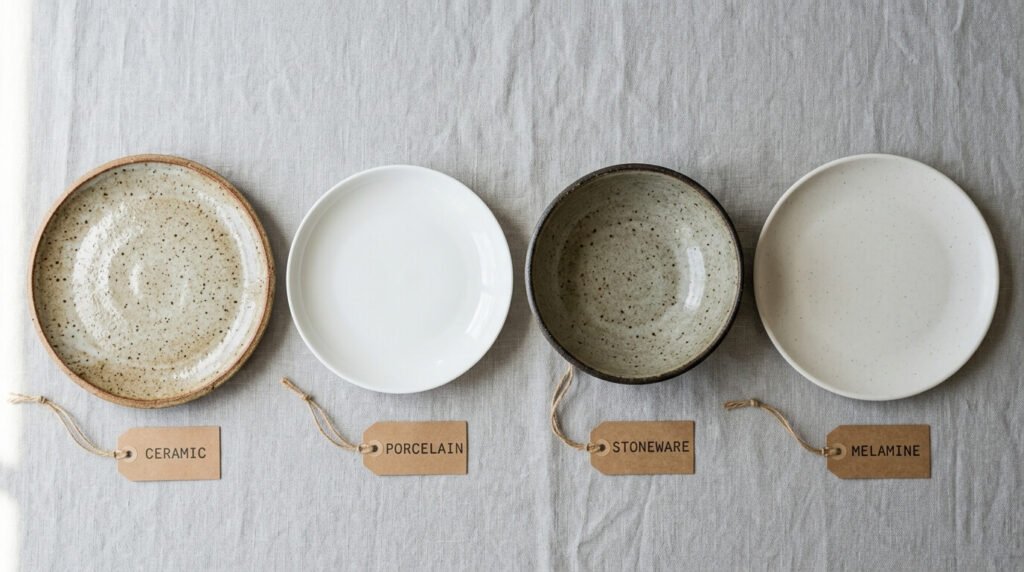
Porcelain, while elegant, can chip at the edges if handled roughly. The bottom line: if durability is your priority, material choice matters more than price tag. A cheaper but tougher material will outlast an expensive, fragile one in a busy household.
Weight and Handling
Dinnerware material directly affects handling. Bone china from Wedgwood is famously thin and lightweight despite its strength, making it comfortable to hold during long dinner parties.
Stoneware, on the other hand, is noticeably heavier, which some people love for its solid, substantial feel, and others find tiring.
Lenox produces porcelain pieces that strike a middle ground: refined and elegant without being overly heavy.
If you have children, elderly family members, or simply prefer lighter dishes, weight should factor into your material decision just as much as aesthetics.
Heat and Appliance Compatibility
One of the most practical questions to ask about any dinnerware material is what appliances it can handle. Porcelain and stoneware are generally microwave safe and dishwasher safe, making them the most kitchen-friendly options for everyday use.
Le Creuset’s ceramic pieces are oven safe, tolerating baking temperatures without issue.
Melamine is dishwasher safe but should never go in the microwave. Glass dinnerware, like Corelle’s tempered glass, handles microwave heating comfortably.
Always check the manufacturer’s guidance; not every piece within a material category shares the same heat resistance rating.
Common Dinnerware Materials Explained
Porcelain Dinnerware
Porcelain is one of the most versatile dinnerware materials available. It’s fired at high temperatures, which produces a dense, non-porous surface that resists heat and staining.
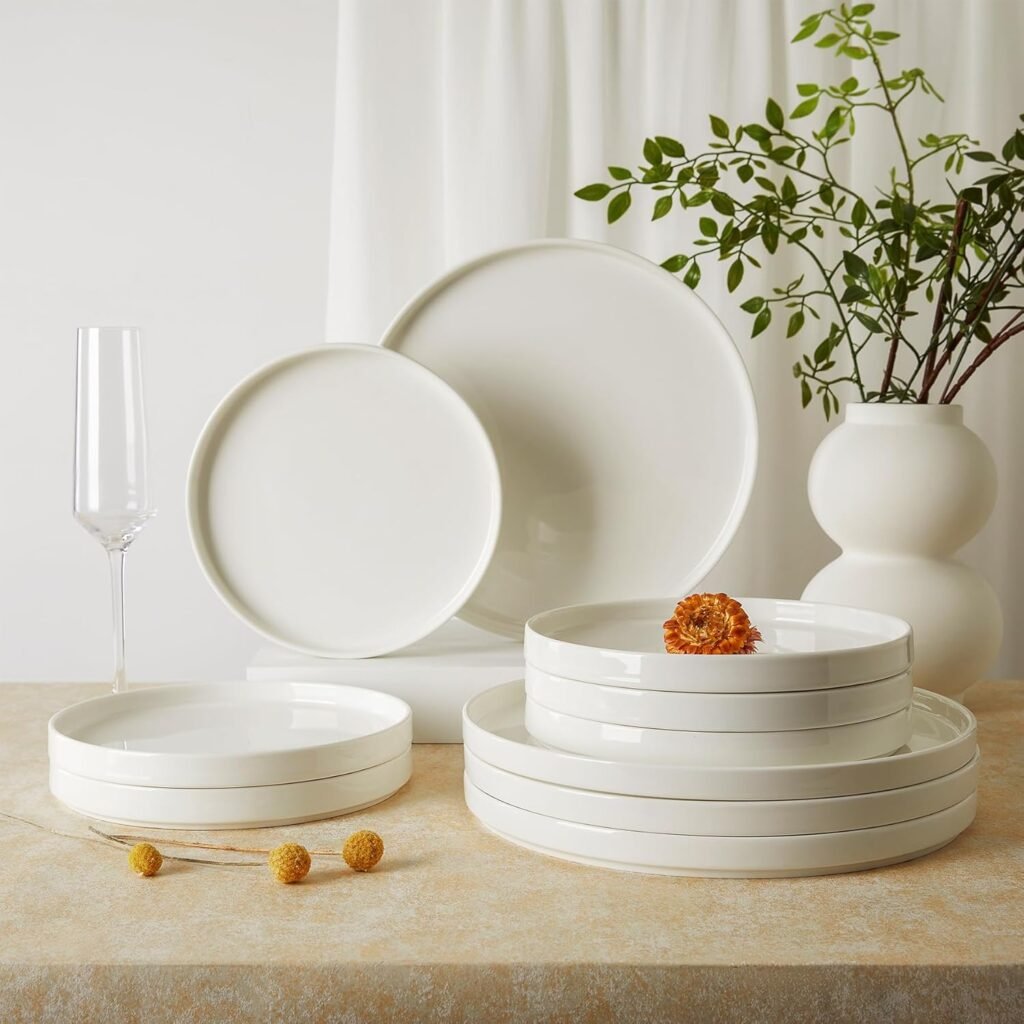
The result is dinnerware that looks refined and holds up well. Villeroy & Boch is a well-regarded name in the porcelain space, producing pieces that work equally well for casual everyday meals and formal dinner settings.
Porcelain tends to be lighter than stoneware and is generally dishwasher and microwave-safe. Its clean, smooth surface also means food residue doesn’t cling, making it easy to wash and maintain long-term.
Stoneware Dinnerware
Stoneware is made from dense clay fired at high temperatures, which gives it a thicker, heavier construction that withstands daily use reliably.
Brands like Denby have built their reputation on stoneware; its characteristic texture and earthy color palette suit rustic, farmhouse, and casual dining aesthetics particularly well.
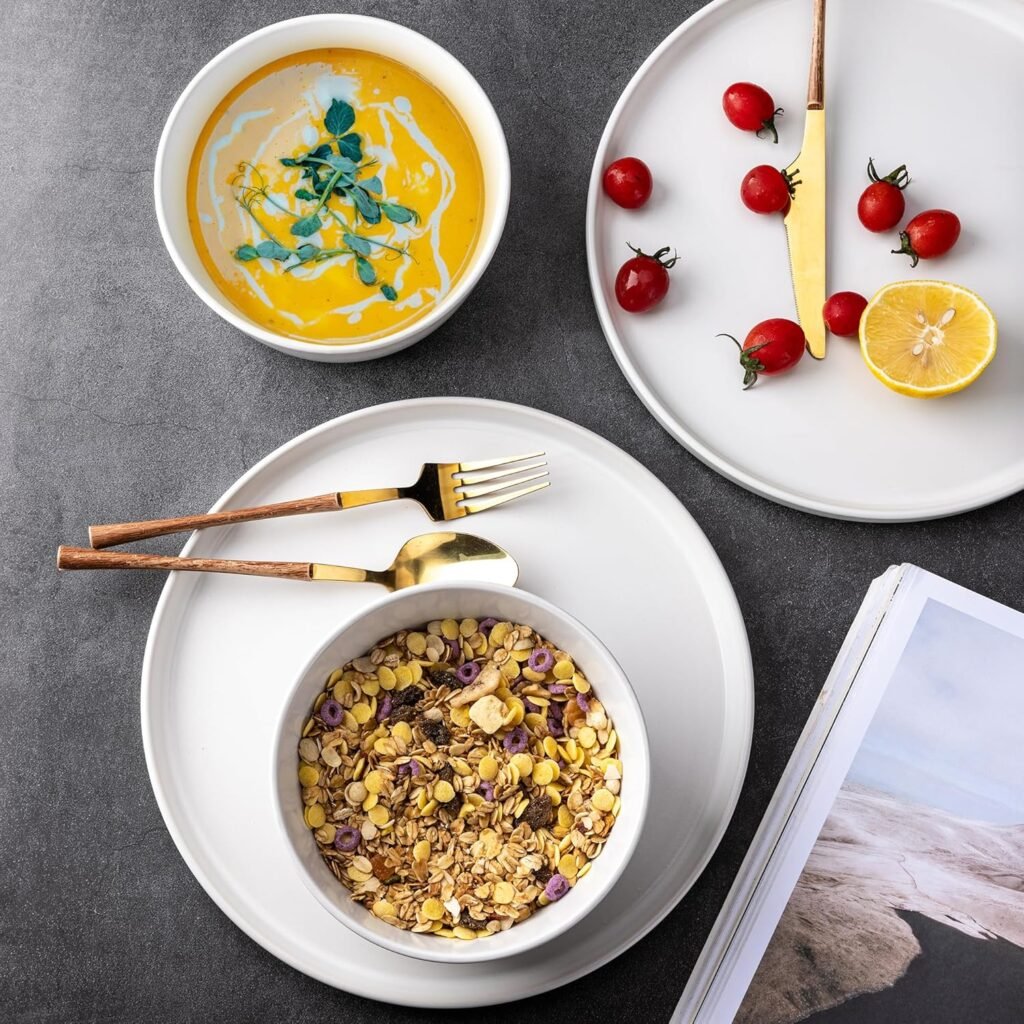
Stoneware is chip-resistant and holds heat longer than porcelain, which is great for keeping food warm at the table. It’s dishwasher safe in most cases and works well in the microwave.
If you want dishes that feel sturdy and look at home on a relaxed, everyday table, stoneware is a strong choice.
Bone China
Bone china increases strength by incorporating bone ash into the porcelain formula during production. The result is a material that’s thinner and lighter than standard porcelain but actually more durable at the edges.
Wedgwood is the most recognized name in bone china and has been producing it for centuries.
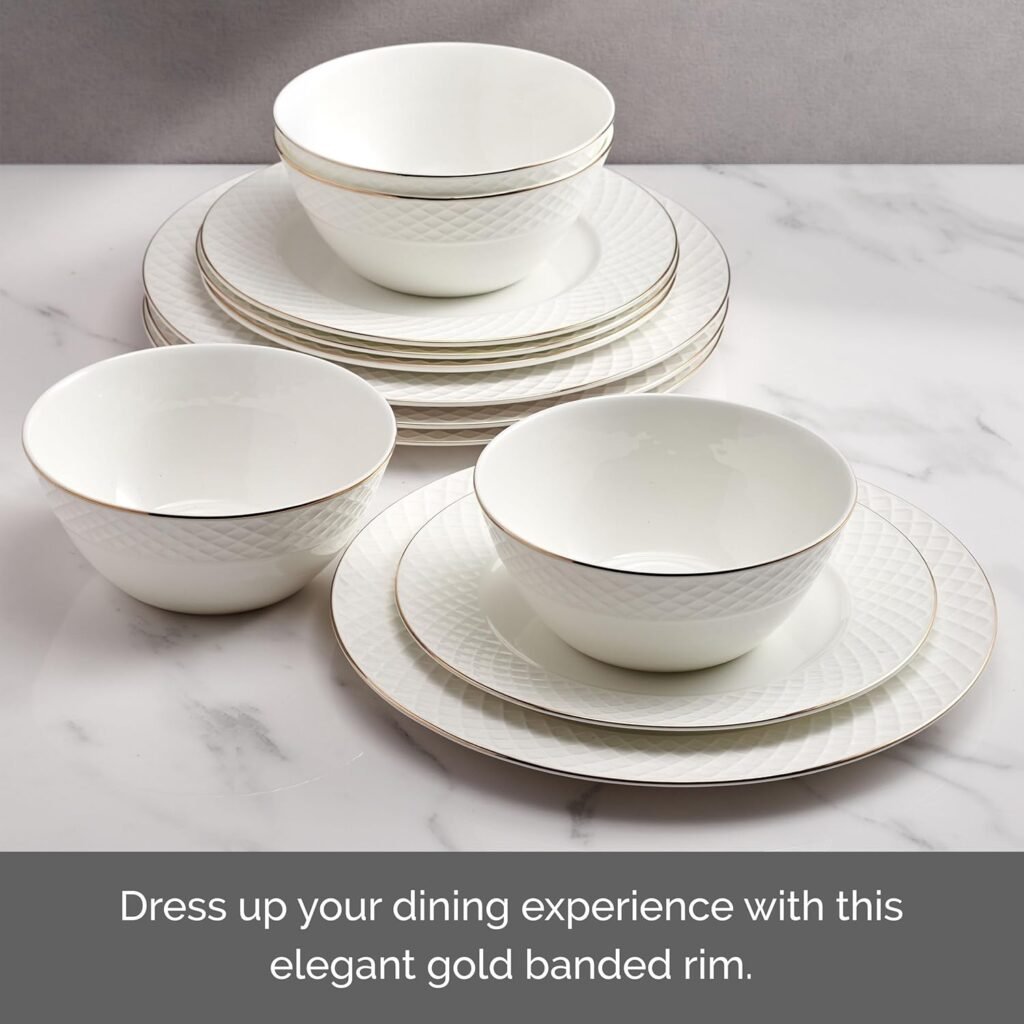
The translucent, delicate appearance makes it a popular choice for formal dinnerware and luxury table settings, but quality bone china is tough enough for regular use too.
It’s typically dishwasher safe, though hand washing is recommended to preserve decorative patterns and gilded edges over time.
Earthenware
Earthenware is a low-temperature-fired ceramic that absorbs glaze during production, giving it rich, saturated color and a characteristically handmade feel.
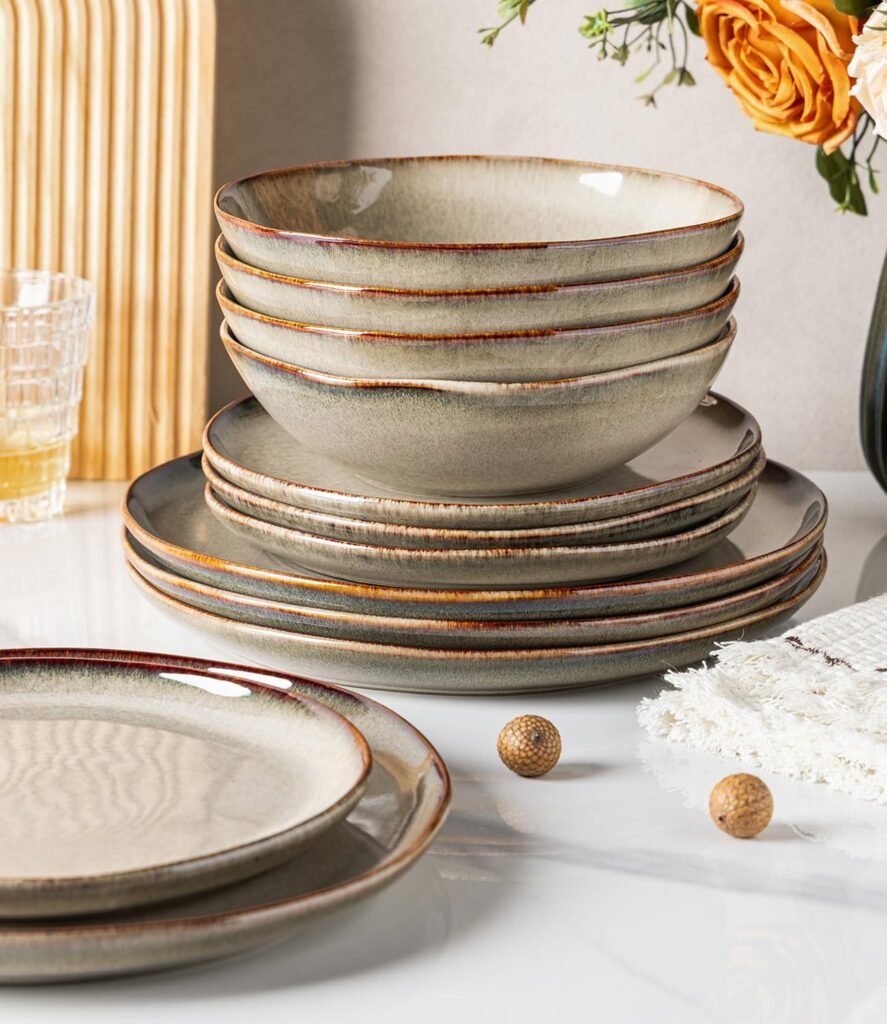
Fiesta Dinnerware has made earthenware famous with its bold color palette and thick, casual styling. Because it’s fired at lower temperatures than porcelain or stoneware, earthenware is more porous and prone to chipping, which makes it less durable under heavy daily use.
It works best for decorative sets or households where dishes are handled carefully. Its charm lies in its personality; no other material has quite the same warm, artisan quality that earthenware brings to a table.
Glass Dinnerware
Glass dinnerware offers a clean, modern look and a smooth surface that resists chips and is easy to keep clean.
Corelle’s Vitrelle glass, a form of tempered glass developed by Corning Incorporated, is the best-known example: it’s lighter than ceramic, stackable, and durable for everyday use.
Glass dinnerware is microwave and dishwasher-safe and doesn’t absorb food odors or stains.
The minimalist, transparent-to-opaque aesthetic works well in contemporary kitchen settings. For anyone who wants a practical, low-maintenance set with a sleek appearance, glass dinnerware is worth serious consideration.
For a full breakdown, see a complete, detailed guide on the different types of dinnerware materials.
Melamine Dinnerware
Melamine is a durable synthetic material that resists breakage, making it the go-to choice for outdoor dining, households with young children, and anyone who needs dishes that survive rough handling.
Brands like Zak Designs produce melamine sets in a wide range of colorful, playful designs that suit casual family dining well.
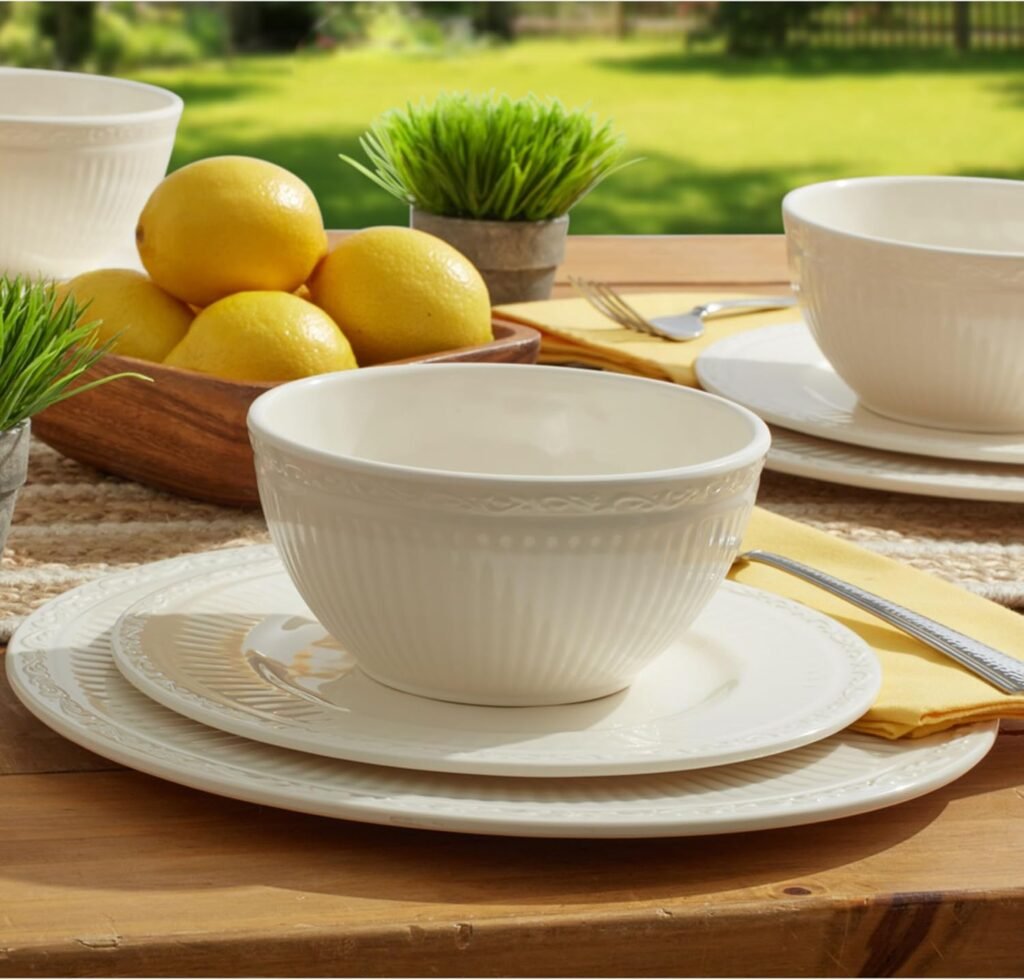
Melamine is dishwasher safe but not microwave safe, which is its main limitation. It’s also lighter than ceramic, which makes it ideal for picnics, camping, and RV use.
If durability and kid-friendliness are priorities, melamine delivers on both without sacrificing too much on style.
Factors to Consider When Choosing Dinnerware Material
Everyday Use vs Special Occasions
The way you actually use your dinnerware should drive your material choice more than anything else. Casual dinnerware, stoneware, porcelain, or melamine is designed to support daily use without requiring careful handling.
Formal dinnerware in bone china or fine porcelain elevates a table for entertaining guests, but may not be practical for weeknight meals.
Some households keep two sets: a durable everyday option and a more refined formal set for special occasions. Knowing which category you’re shopping for will narrow your options quickly and prevent you from buying something that doesn’t fit your actual dining habits.
Household Lifestyle
Your household’s lifestyle shapes what material makes sense. A family with young children benefits from melamine or stoneware materials that resist breakage and withstand the kind of everyday impacts that happen in a busy kitchen.
Corelle’s glass-ceramic is also a family-friendly option, given how well it handles impact without shattering.
Single adults or couples who entertain regularly might prefer the elegance of bone china or porcelain. Think about who’s using the dishes, how often they’re washed, and what your kitchen routines look like.
Lifestyle needs to shape the decision more than aesthetics do in the long run.
Storage and Stackability
How your dishes are stored is a practical consideration that’s easy to overlook until you’re struggling to fit them in a cabinet. Corelle’s slim profile stacks efficiently, making it a popular choice for smaller kitchens and apartments.
Stoneware and earthenware tend to be bulkier and may require more cabinet space per piece.
Bone china should ideally be stored with protective dividers to prevent scratching. If your kitchen has limited storage, prioritize materials with a stackable design and a slimmer profile.
A dinnerware set that looks great but creates daily storage headaches will quickly become frustrating to live with.
Comparing Dinnerware Materials
Durability Comparison
When it comes to resisting chips and cracks, not all materials are equal. Stoneware and Corelle glass-ceramic sit at the top for chip resistance in everyday use; both are built for impact.
Bone china is stronger than it looks, but vulnerable at thin edges. Porcelain is durable but can chip if knocked against hard surfaces.
Earthenware is the most fragile of the traditional ceramics. Melamine doesn’t chip at all since it’s plastic, but it can scratch over time. For a household that prioritizes durability above all else, stoneware or Corelle glass-ceramic is the most reliable long-term choice.
Weight and Comfort
Material weight affects the experience of using dishes more than most people expect. Bone china and glass dinnerware are the lightest options, comfortable to hold for extended meals and easy to handle when setting or clearing the table.
Porcelain sits in the middle range. Stoneware and earthenware are the heaviest, which can feel grounding and quality-oriented but may be tiring for some users.
Lenox’s porcelain pieces offer a good balance between a quality feel and manageable weight. If you’re serving older guests or have family members with limited grip strength, lighter materials are genuinely more practical.
Maintenance and Cleaning
Ease of maintenance varies significantly between materials. Porcelain and glass dinnerware are the easiest to clean because their non-porous surfaces don’t hold onto food residue, stains, or odors. Stoneware is similarly easy to maintain and is typically dishwasher safe.
Earthenware, being more porous, can be trickier to clean thoroughly and may absorb staining liquids if the glaze is chipped.
Bone china with decorative edges is best hand-washed to protect patterns. Melamine cleans easily in the dishwasher but can discolor over time with repeated washing. For truly low-maintenance dinnerware, porcelain and glass lead the field.
Choosing Dinnerware for Different Needs
Best Material for Everyday Use
For daily meals, you want something that handles washing, microwave reheating, and regular handling without showing wear. Stoneware and porcelain are the best
everyday dinnerware materials, durable, dishwasher safe, microwave safe, and available at a wide range of price points. Corelle glass-ceramic is another excellent everyday option, particularly for households that want lightweight dishes that stack well.
IKEA offers affordable porcelain and stoneware sets that balance quality with value, making it easy to outfit a kitchen without overspending. For a broader look at complete set options, a complete, comprehensive guide on dinnerware sets covers everything you need to know.
Best Material for Formal Dining
When the occasion calls for something more elegant, bone china and fine porcelain elevate a table setting noticeably. Wedgwood’s bone china and Lenox’s formal porcelain lines are both designed to signal quality and care, the kind of dinnerware that makes guests take notice.
Bone china in particular has a delicate translucency that no other material replicates.
Villeroy & Boch produces formal porcelain that balances aesthetic refinement with genuine durability. For entertaining, formal dinnerware in these materials communicates hospitality and attention to detail in a way that everyday dishes simply can’t match.
Best Material for Outdoor Dining
Outdoor dining requires materials that resist breakage, tolerate handling without wrapping tissue around every piece, and clean up easily after outdoor meals. Melamine is the clear winner here.
Zak Designs and similar brands produce outdoor-ready sets that resist breakage on patios, at picnics, and during camping trips.
Some glass-ceramic options, like Corelle, are also suitable for outdoor casual settings due to their impact resistance.
Bamboo dinnerware is a newer, eco-friendly alternative worth considering for outdoor use, as it biodegrades and reduces waste, an important consideration for environmentally conscious households following UN Environment Programme guidelines on sustainable consumption.
Common Mistakes When Choosing Dinnerware Material
Choosing Style Over Durability
It’s easy to fall for a beautiful pattern or a striking color scheme and overlook how a material actually holds up. Earthenware dishes in bold Fiesta Dinnerware colors look fantastic on a table, but they chip more easily than stoneware and require more careful handling.
Some luxury dinnerware collections from brands like Versace Home are genuinely stunning but better suited to display than daily use.
Before committing to a set based on how it looks, think about how it’ll hold up after a year of regular washing, stacking, and use. Style matters, but it shouldn’t come at the cost of functionality.
Ignoring Maintenance Requirements
Some materials require more care than most buyers anticipate at the point of purchase. Bone china with gold or platinum trim is not dishwasher safe; the metallic edges degrade in the machine over time.
Unglazed stoneware or earthenware can absorb moisture and odors if not dried properly.
Even a lead-free glaze, which the FDA certifies as food-safe, can deteriorate faster if the dinnerware is regularly exposed to abrasive dishwasher detergents.
Read care instructions carefully before buying, and be honest about whether you’ll actually follow them. A material that needs hand washing only is a poor fit for a household that machine-washes everything.
Not Considering Household Needs
A common mistake is buying dinnerware that suits an idealized version of your household rather than the real one. Fragile bone china in a home with toddlers will result in broken pieces within months.
Heavy stoneware in a kitchen with limited storage creates a daily stacking challenge.
Selecting materials unsuitable for your family lifestyle leads to frustration and premature replacement.
Think about who lives in your home, what your typical meals look like, whether you entertain formally or casually, and what your kitchen storage situation is.
The best material for your household is the one that fits your actual daily life, not just your aspirational table setting.
Final Thoughts
The best dinnerware material isn’t a single answer; it depends on your durability needs, lifestyle, maintenance preferences, and personal style. Porcelain and stoneware are workhorses for everyday dining.
Bone china and fine porcelain elevate formal occasions. Earthenware brings artisan warmth, glass dinnerware offers low-maintenance practicality, and melamine is built for durability and outdoor use.
Understanding the differences between these materials is the foundation of a smart buying decision. Choose dinnerware that balances functionality, durability, and aesthetics, not just what looks good in the store, but what genuinely works in your home.