Tag: fine china tableware

  • The Ultimate Guide to Pfaltzgraff Onion Soup Bowls

    You’ve just made the perfect French onion soup, complete with melted cheese bubbling on top.

    But when you serve it in a regular bowl, it doesn’t look quite right. The cheese slides off, the soup cools too quickly, and your guests aren’t getting that authentic restaurant experience you were hoping for.

    This is where Pfaltzgraff Onion Soup Bowls China Dinnerware come to the rescue.

    These specially designed bowls aren’t just about looks; they’re crafted to keep your soup hot longer and provide the perfect surface for that golden, bubbly cheese topping.

    Whether you’re hosting a dinner party or simply want to elevate your weeknight meals, having the right bowls makes all the difference between a good soup and an unforgettable dining experience.

    WHAT MAKES PFALTZGRAFF FRENCH ONION SOUP BOWLS SPECIAL?

    Pfaltzgraff French onion soup bowls represent the perfect marriage of American craftsmanship and French culinary tradition.

    Founded in 1811 in Pennsylvania, Pfaltzgraff has been creating quality flatware and dinnerware for over two centuries, and its onion soup bowls showcase this heritage beautifully.

    These bowls are characterized by their distinctive, wide, shallow design with sturdy handles on either side.

     Pfaltzgraff Onion soup bowls china dinnerware

    The classic cream or white glaze provides the perfect backdrop for the rich, golden-brown cheese that traditionally tops French onion soup.

    What sets Pfaltzgraff apart is its attention to detail, from the subtle rim that prevents spills to the perfectly balanced weight that feels substantial without being cumbersome.

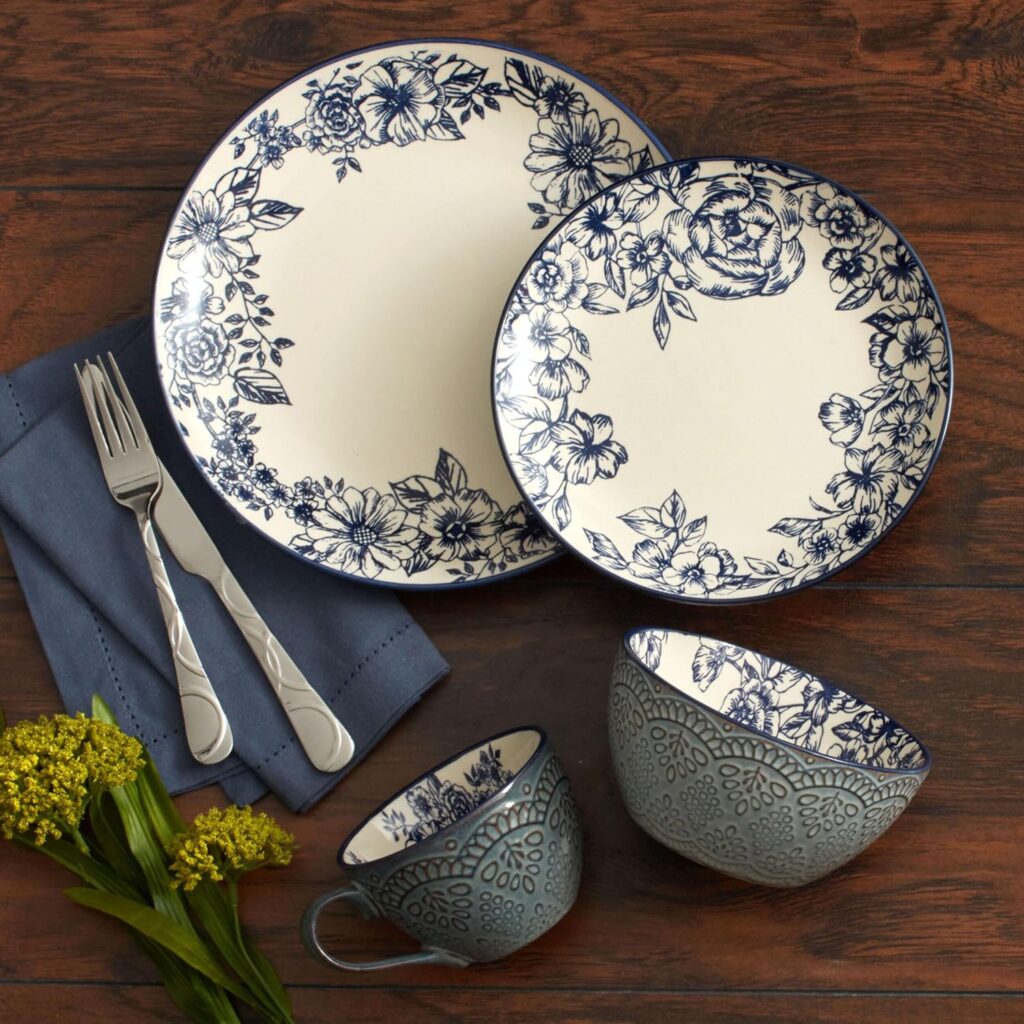
    The Heritage Collection remains one of their most popular lines, featuring that timeless cream colour with delicate blue accents that whisper of French countryside charm.

    Meanwhile, their Naturewood and Tea Rose patterns offer more contemporary takes on the classic design.

    The Anatomy of Excellence

    What makes these bowls truly exceptional isn’t just their appearance; it’s their functional design. The wide opening allows for proper heat distribution, ensuring your soup maintains the perfect temperature throughout your meal.

    The handles aren’t merely decorative; they’re positioned at the ideal angle for comfortable handling, even when the bowl is piping hot.

    The slightly sloped sides serve a practical purpose, too. They’re designed to hold the perfect amount of soup whilst providing ample surface area for that glorious layer of melted Gruyère cheese that defines authentic French onion soup.

    ARE PFALTZGRAFF BOWLS MICROWAVE SAFE?

    Here’s where things get delightfully practical. Yes, most Pfaltzgraff bowls are microwave safe, but there’s a caveat that every sophisticated soup lover should know.

    Pfaltzgraff stoneware microwave safe Bowl

    The key lies in understanding which specific pieces you’re working with.

    Pfaltzgraff’s stoneware collections, including their popular onion soup bowls, are generally microwave safe.

    However, pieces with metallic accents or gold trim should never see the inside of your microwave unless you fancy a rather spectacular light show that’s far less amusing than it sounds.

    The Microwave Safety Checklist

    Before heating your soup, always check for:

    • No metallic accents or gold trim
    • The microwave-safe symbol on the bottom of the bowl
    • Any cracks or chips that could cause uneven heating

    When reheating soup in these bowls, use medium power settings and heat in 30-second intervals. This prevents the handles from becoming too hot to touch and ensures even warming throughout.

    CAN YOU PUT PFALTZGRAFF BOWLS IN THE OVEN?

    This is where Pfaltzgraff truly shines. Most Pfaltzgraff stoneware bowls are oven safe up to 450°F (232°C), making them perfect for that authentic French onion soup experience where you broil the cheese topping to golden perfection.

    The key to success lies in gradual temperature changes. Never place a cold bowl directly into a hot oven—this thermal shock could cause cracking.

    Instead, let your bowl come to room temperature first, or better yet, warm it slightly with lukewarm water.

    Oven Safety Guidelines

    Temperature RangeSafety LevelBest Practices
    Up to 350°F (175°C)ExcellentPerfect for most soup recipes
    350-450°F (175-232°C)GoodIdeal for cheese melting
    Above 450°F (232°C)Not recommendedRisk of thermal shock

    When using your Pfaltzgraff bowls in the oven, avoid sudden temperature changes. This means no placing hot bowls on cold surfaces or transferring them directly from oven to refrigerator.

    WHY DO ONION SOUP BOWLS HAVE LIDS?

    Ah, the eternal question that separates the casual soup sipper from the true aficionado. Traditional French onion soup bowls often feature lids, but not for the reasons you might think.

    The lid serves several crucial functions:

    Onion soup bowls with Lids

    Heat retention is paramount. French onion soup is meant to be enjoyed piping hot, and the lid traps steam and warmth, keeping your soup at the perfect temperature longer. This is particularly important given the soup’s generous cheese topping, which can quickly form a skin if exposed to cool air.

    Presentation plays a significant role, too. There’s something rather theatrical about lifting a lid to reveal that bubbling, cheese-covered masterpiece beneath. It’s dinner theatre at its finest.

    Practicality shouldn’t be overlooked either. The lid prevents splashing when transporting bowls from the kitchen to the table—a godsend when you’re carrying multiple servings of this notoriously messy soup.

    The Lid Controversy

    Not all Pfaltzgraff onion soup bowls come with lids, and this has sparked quite the debate among soup enthusiasts.

    Purists argue that authentic French onion soup should be served uncovered, allowing the cheese to form that perfect golden crust under the broiler.

    Pragmatists counter that lids offer superior heat retention and mess control.

    The truth? Both approaches have merit. Choose lidded bowls if you prioritize heat retention and formal presentation. Opt for lidless versions if you prefer the traditional broiled cheese experience.

    WHAT IS THE BEST BOWL FOR SOUP?

    Choosing the perfect soup bowl is rather like selecting the right wine; it depends entirely on what you’re serving and the experience you’re after.

    But if we’re talking about versatility, durability, and style, Pfaltzgraff onion soup bowls consistently rank among the top choices.

    The Soup Bowl Hierarchy

    Shallow, wide bowls (like Pfaltzgraff onion soup bowls) excel at:

    • Broth-based soups with toppings
    • Bisque and cream soups
    • Soups are meant to be eaten with bread

    Deep, narrow bowls work better for:

    • Hearty stews and chowders
    • Ramen and noodle soups
    • Soups you want to keep very hot

    Material Matters

    MaterialHeat RetentionDurabilityStyle Factor
    Stoneware (Pfaltzgraff)ExcellentVery HighClassic
    PorcelainGoodHighElegant
    CeramicGoodMediumVaried
    GlassPoorMediumModern

    Stoneware, like Pfaltzgraff’s offerings, provides the best balance of heat retention, durability, and aesthetic appeal. It’s thick enough to keep soup warm but not so heavy as to be unwieldy.

    WHAT ELSE CAN YOU USE FRENCH ONION SOUP BOWLS FOR?

    Your Pfaltzgraff bowls can do so much more than just serve onion soup. You’d be surprised how many different ways you can use them around your kitchen.

    Creative Uses for Your Pfaltzgraff Bowls

    French Onion Soup bowls

    Individual gratins are a natural fit. The wide surface area and oven-safe construction make these bowls perfect for personal-sized potato gratins, baked mac and cheese, or any dish that benefits from a golden, bubbling top.

    Dessert presentations take on new sophistication. Imagine serving individual bread puddings or crème brûlée in these elegant vessels. The handles make them easy to serve, and the presentation is undeniably impressive.

    Breakfast dishes get an upgrade, too. Baked eggs, individual quiches, or even oatmeal with toppings look restaurant-worthy when served in proper bowls.

    Dips and appetizers find their perfect home here. The wide opening makes them ideal for warm spinach and artichoke dip or baked brie at your next dinner party.

    The Entertaining Advantage

    Using Pfaltzgraff onion soup bowls for various dishes creates visual cohesion on your table.

    Rather than mixing and matching different serving pieces, you can create an elegant, unified presentation that speaks to your attention to detail.

    DOES PANERA HAVE SOUP IN A BREAD BOWL?

    Since we’re discussing soup bowls, let’s address the edible bowl phenomenon that’s captured so many hearts.

    Yes, Panera does indeed serve soup in bread bowls, and it’s become something of a signature offering.

    But here’s the sophisticated soup lover’s dilemma: while bread bowls are undeniably fun, they’re not exactly the pinnacle of dining elegance. They’re more comfort food theatre than refined dining.

    The Bread Bowl vs. Proper Bowl Debate

    Bread bowls offer:

    • Novelty factor – undeniably fun
    • Edible container – less washing up
    • Casual dining appeal – perfect for certain occasions

    Proper bowls like Pfaltzgraff provide:

    • Heat retention – keeps soup warmer longer
    • Portion control – proper serving sizes
    • Refined presentation – suitable for any dining occasion
    • Reusability – environmentally friendly

    The verdict? Both have their place. Bread bowls for casual lunches and fun family meals; Pfaltzgraff bowls for when you want to elevate the experience.

    CARING FOR YOUR PFALTZGRAFF ONION SOUP BOWLS

    Investing in quality Pfaltzgraff dinnerware means you’ll want to protect that investment. Proper care ensures these bowls will grace your table for decades to come.

    Cleaning and Maintenance

    Hand washing is always preferable, though most Pfaltzgraff bowls are dishwasher safe. Use gentle detergents and avoid abrasive scouring pads that could scratch the glaze.

    For stubborn stains (and onion soup can be notoriously stubborn), create a paste with baking soda and water. Let it sit for 15 minutes before gentle scrubbing with a soft brush.

    Storage matters too. Stack bowls with soft cloth or paper towels between them to prevent scratching. If you’re storing them for extended periods, ensure they’re completely dry to prevent any moisture-related issues.

    Avoiding Common Mistakes

    Thermal shock is the enemy of stoneware. Never place hot bowls directly onto cold surfaces or run cold water over hot bowls. This sudden temperature change can cause cracking.

    Microwave misuse is another pitfall. Even microwave-safe bowls can become extremely hot. Always use oven mitts when removing heated bowls, and remember that the handles may be as hot as the bowl itself.

    STYLING YOUR PFALTZGRAFF COLLECTION

    Presentation is everything when it comes to creating memorable dining experiences. Your Pfaltzgraff onion soup bowls deserve to be showcased properly.

    Table Setting Excellence

    Colour coordination is key. The classic cream and blue of Heritage Pfaltzgraff pairs beautifully with navy blue napkins and silver cutlery. For a more contemporary look, try crisp white linens with gold accents.

    Layering creates visual interest. Place your soup bowl on a slightly larger dinner plate to catch any drips and create a more formal presentation. Add a folded napkin beneath the bowl for extra sophistication.

    Lighting can make or break your presentation. Warm, soft lighting brings out the cream tones in the bowls and creates an inviting atmosphere that encourages lingering over your meal.

    Seasonal Styling

    Autumn calls for rich, warm colours. Pair your bowls with burgundy napkins, gold chargers, and perhaps a few autumn leaves as natural decoration.

    Winter presentations benefit from deeper blues and silvers, creating a cozy, sophisticated atmosphere perfect for warming soups.

    Spring and summer allow for lighter touches, perhaps pale green accents or fresh herbs as garnish that complement the soup and the bowl’s classic styling.

    BUILDING YOUR COLLECTION

    Starting a Pfaltzgraff collection is rather like building a wardrobe; you want pieces that work together while serving different purposes.

    Essential Pieces for Soup Lovers

    Four to six onion soup bowls form the foundation. This allows you to host small dinner parties whilst having backups for everyday use.

    Matching serving pieces extend your collection’s versatility. Look for large serving bowls, soup tureens, and ladles in coordinating patterns.

    Complementary pieces from the same pattern line create cohesion. Dinner plates, salad bowls, and mugs allow you to create complete table settings.

    Mixing and Matching

    Don’t feel constrained to single patterns. Heritage and Naturewood can work beautifully together, creating an eclectic yet cohesive look that speaks to your personal style.

    Colour coordination matters more than exact pattern matching. Pieces that share similar colour palettes will look intentional rather than accidentally mismatched.

    CONCLUSION

    The world of Pfaltzgraff onion soup bowls offers far more than initially meets the eye. These aren’t simply pieces of dinnerware, they’re vessels of experience, tools of hospitality, and expressions of personal style that transform ordinary meals into memorable occasions.

    From their oven-safe construction to their microwave-friendly design, from their versatile functionality to their timeless aesthetic appeal, these bowls represent the perfect marriage of form and function.

    Whether you’re serving authentic French onion soup, creative gratins, or elegant desserts, they rise to the occasion with style and sophistication.

    Your soup deserves better than a basic bowl, and your guests deserve the elevated experience that comes with proper presentation.

    Pfaltzgraff onion soup bowls offer both, wrapped in a package that speaks to your attention to detail and appreciation for quality.
  • Does Pfaltzgraff Contain Lead

    You’ve just unpacked your grandmother’s vintage Pfaltzgraff dishes, admiring their timeless patterns and sturdy design.

    As you prepare to serve your family dinner, a thought suddenly crosses your mind: could these beautiful dishes contain lead?

    It’s a fair question that many Pfaltzgraff lovers ask, especially when using older pieces or introducing new collections to their homes.

    Lead in dinnerware has become a significant concern for health-conscious consumers, and rightfully so.

    Pfaltzgraff is a beloved brand with a history spanning over 200 years, so understanding what goes into these dishes matters.

    Are your favourite heritage patterns safe? What about those new Winterberry plates you’ve been eyeing? Let’s uncover the truth about lead in Pfaltzgraff dinnerware.

    THE HISTORY OF PFALTZGRAFF AND LEAD CONCERNS

    Pfaltzgraff has been a household name in dinnerware since 1811, making it one of America’s oldest pottery companies.

    But what about today? Continue reading to discover if Pfaltzgraff is still made in the USA.

    The brand began in York, Pennsylvania, where German immigrants Johann George and Henry Pfaltzgraff established their first pottery shop.

    Pfaltzgraff Josephine 24Pcs Dinnerware Set

    Throughout its long history, manufacturing practices and safety standards have evolved considerably.

    Before the 1970s, lead was commonly used in ceramic glazes across the industry to create vibrant colours and enhance durability.

    This wasn’t unique to Pfaltzgraff – it was standard practice for most ceramic manufacturers worldwide.

    The turning point came in 1971 when the FDA established regulations limiting the amount of leachable lead allowed in ceramic tableware.

    New Pfaltzgraff Gabriela Blue Dinnerware Pattern

    These regulations have been updated several times since, becoming increasingly stringent.

    By the 1990s, most major manufacturers, including Pfaltzgraff, had significantly reduced or eliminated lead from their glazes.

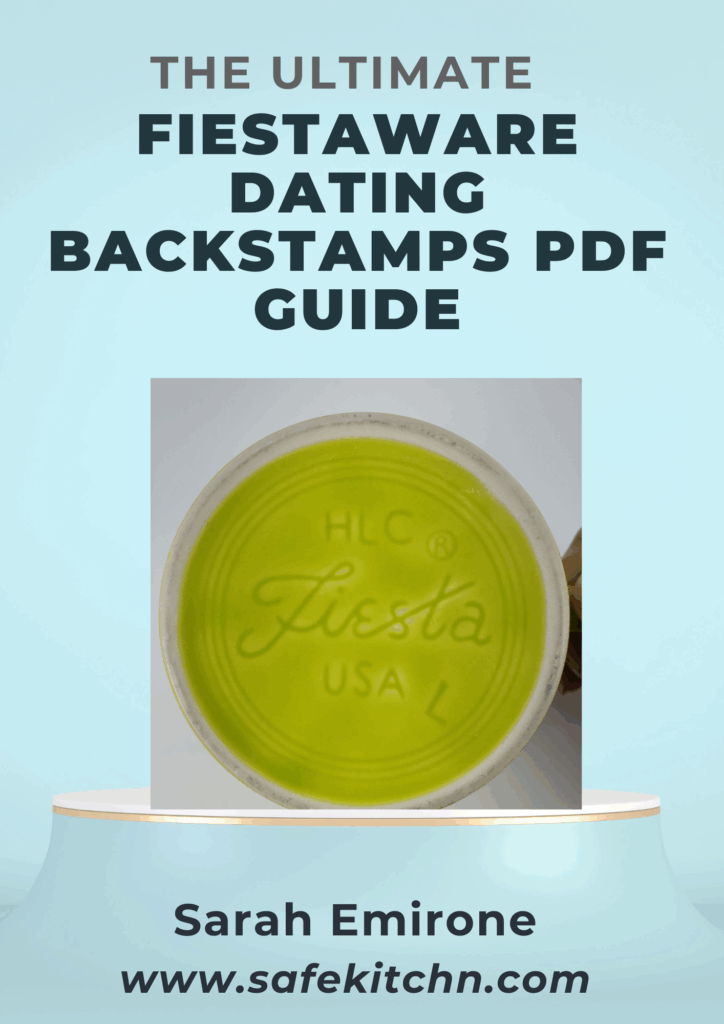
    Fiestaware dating backstamps pdf guide

    CURRENT LEAD STANDARDS FOR DINNERWARE

    Today, strict regulations govern how much lead can be present in dinnerware:

    Regulatory BodyLeachable Lead LimitApplies To
    FDA (USA)Varies by category:
    3 ppm (flatware),
    2 ppm (small hollowware),
    1 ppm (large hollowware),
    0.5 ppm (cups/mugs)
    Dinnerware
    California Prop 65Stricter limits:
    0.10 ppm (hollowware/cups/mugs),
    0.226 ppm (plates)
    All ceramic ware sold in California
    EU StandardsVaries by category:
    0.8 mg/dm²
    4 mg/L
    Ceramic food contact materials  

    Note: PPM stands for parts per million, which is a measurement of lead concentration.

    DOES MODERN PFALTZGRAFF CONTAIN LEAD?

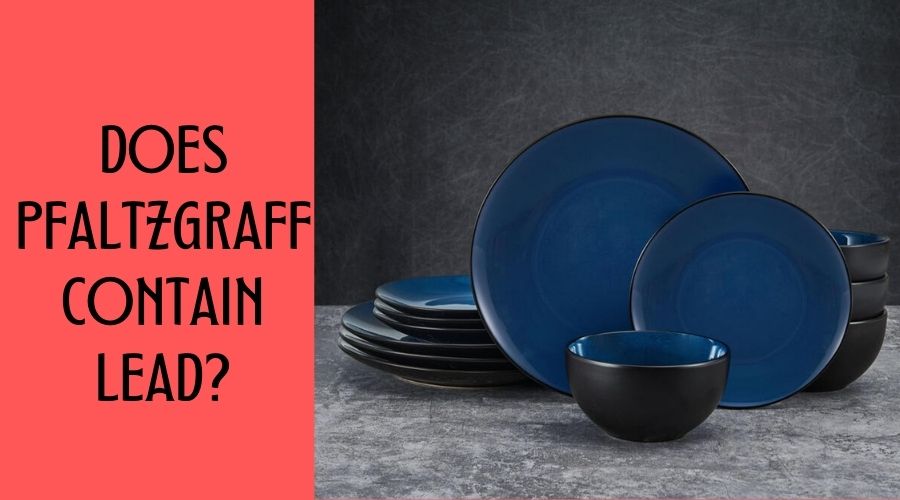
    Does Pfaltzgraff Contain Lead

    Modern Pfaltzgraff products are indeed designed to meet regulatory standards, specifically those set by the U.S. Food and Drug Administration (FDA) regarding lead content.

    The company has stated that its current products comply with all applicable FDA regulations concerning lead levels in dinnerware and other food-related items.

    The FDA does not permit lead to be used as a color or food additive in foodware, and it actively works to limit lead exposure from products intended for food use.

    Manufacturers are legally required to ensure their products do not contain unsafe levels of lead, and the FDA can take regulatory action against those that do.

    Pfaltzgraff asserts that all its products are tested by accredited, independent laboratories to ensure compliance with federal standards related to lead and other contaminants.

    This claim aligns with the FDA’s guidelines, which emphasize that there are no safe levels of lead exposure for humans, particularly vulnerable populations such as children.

    For example, it’s worth noting that “lead-free” in the ceramic industry often means the product contains no intentionally added lead, rather than being 100% free of any lead traces.

    This distinction is important because minute traces of lead can sometimes be found in raw materials used in ceramics manufacturing.

    Furthermore, Pfaltzgraff has faced scrutiny in the past. For instance, in 2008, some of its dinnerware was recalled due to concerns about high lead or cadmium levels. Despite this history, the company has made efforts to ensure that its current offerings meet safety standards.

    In summary, while Pfaltzgraff claims compliance with FDA regulations regarding lead content in its products, consumers should remain informed about potential risks associated with older or vintage items and verify the safety of specific products when necessary.

    DOES PFALTZGRAFF WINTERBERRY CONTAIN LEAD?

    Pfaltzgraff’s Winterberry collection is one of their most popular patterns, especially during the holiday season.

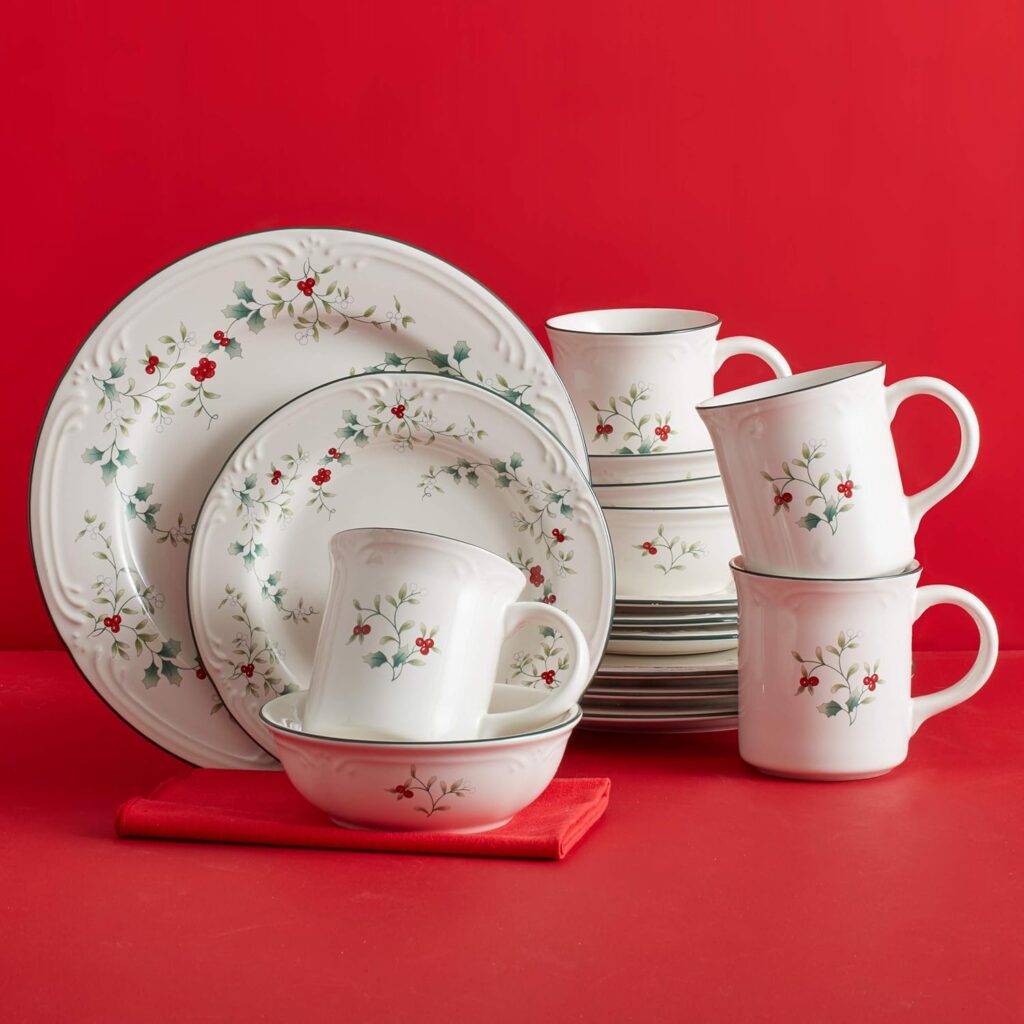
    Does Pfaltzgraff Winterberry Contain Lead

    The Winterberry collection, like other modern Pfaltzgraff lines, is manufactured to meet current FDA standards.

    This means that any lead content would be within regulated safe limits. The bright red berries that characterize this pattern use modern ceramic pigments that don’t rely on lead for their vibrant colour, unlike some older red glazes from decades past.

    For those particularly concerned about the Winterberry pattern, it’s worth noting that this collection was introduced in 1991 and has been updated over time to comply with evolving safety standards.

    Current production of Winterberry items uses modern manufacturing techniques and glazes that are designed to be safe for food contact.

    DOES VINTAGE PFALTZGRAFF HAVE LEAD?

    Older Pfaltzgraff pieces, especially those manufactured before the 1990s, have been found to contain higher levels of lead in their glazes or decorative elements compared to modern safety standards.

    This is consistent with findings from XRF testing, which has detected lead levels exceeding safe thresholds in vintage Pfaltzgraff items from the 1980s and 1990s.

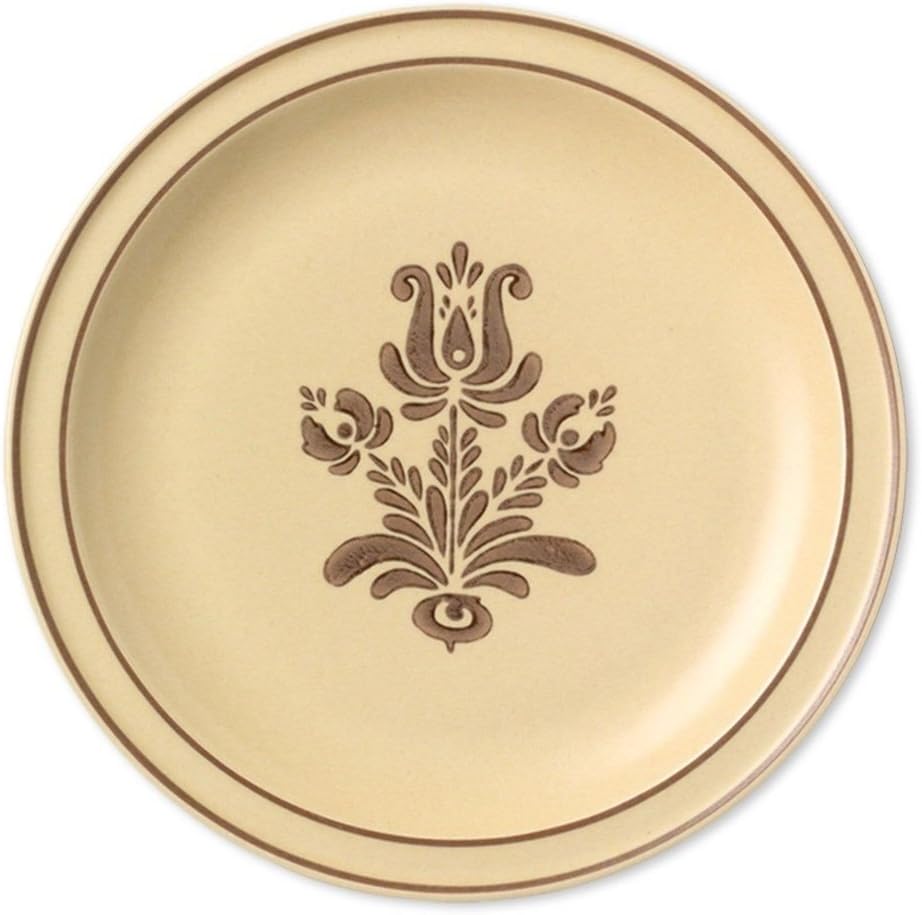
    Vintage Pfaltzgraff 1970 village Pattern

    Such lead content was common in ceramic dinnerware from that era, not unique to Pfaltzgraff.

    Vintage Pfaltzgraff patterns from the 1960s, 70s, and early 80s were likely produced using glazes containing lead, as this was standard practice before stricter regulations were implemented.

    The lead content in these vintage pieces might exceed current safety standards, particularly if the glaze shows signs of wear, cracking, or crazing.

    Some indicators that your vintage Pfaltzgraff might contain high levels of lead include:

    • Manufacturing date before the mid-1980s
    • Bright red, orange, or yellow decorations (these colours often require lead-based pigments)
    • Visible crazing or cracking in the glaze
    • High gloss or exceptionally bright colours

    While many collectors cherish vintage Pfaltzgraff for decorative purposes, it’s advisable to use caution when using very old pieces for food service, especially for acidic foods that might accelerate lead leaching.

    WHICH PFALTZGRAFF PATTERNS CONTAIN LEAD?

    If you’re wondering which Pfaltzgraff patterns contain lead, here’s a general guide based on manufacturing eras:

    Patterns More Likely to Contain Lead:

    Patterns produced before the 1990s may contain higher lead levels than modern standards permit. Some notable older collections include:

    • Yorktowne (pre-1990s versions)
    • Village
    • Folk Art
    • Heritage
    • Early versions of Remembrance

    Patterns Less Likely to Contain Lead:

    Patterns produced after the late 1990s typically comply with modern lead safety standards:

    It’s important to note that Pfaltzgraff has produced hundreds of patterns over decades, and many patterns have been produced across different eras with different manufacturing standards.

    The actual lead content would depend on when a specific piece was manufactured rather than just the pattern name.

    If you own Pfaltzgraff onion soup bowls from vintage collections, these would follow the same guidelines as other items from their respective eras.

    Modern versions should comply with current safety standards.

    HOW TO TEST PFALTZGRAFF DISHES FOR LEAD

    If you’re concerned about potential lead content in your Pfaltzgraff dinnerware, several options exist for testing:

    Home Lead Test Kits

    Swab tests like those made by 3M or Lead Check can provide a preliminary indication of lead presence.

    These tests change colour when they detect lead on surfaces and are relatively inexpensive and easy to use. However, they have limitations:

    • They typically only detect high levels of lead
    • They test surface lead that might rub off, not necessarily lead that could leach into food
    • False negatives are possible, especially with lower lead concentrations

    Professional Laboratory Testing

    For more accurate results, professional laboratory testing is recommended. Labs can perform X-ray fluorescence (XRF) testing or leach testing that simulates food acids to determine how much lead might transfer to food.

    XRF Testing Services

    Some communities offer XRF testing services through health departments or lead safety programs.

    Some companies specialize in household testing and can come to your home and test your dinnerware.

    Remember that testing should be done periodically on older items, as wear and tear can affect lead leaching over time.

    IS PFALTZGRAFF STONEWARE MICROWAVE SAFE?

    Yes, most Pfaltzgraff stoneware is microwave safe.

    Key Points:

    • Modern Pfaltzgraff stoneware (1970s-present) is generally designed to be microwave safe
    • The backstamp on the bottom of each piece will indicate “MICROWAVE SAFE” if approved
    • Popular patterns like Yorktowne, Tea Rose, Naturewood, and Winterberry are all microwave safe

    Important Precautions:

    Always check the backstamp – look for the microwave-safe symbol or text
    Avoid pieces with metallic trim – gold or silver decorations are NOT microwave safe
    Vintage pieces from pre-1960s may not be microwave safe – use caution
    Don’t overheat – prolonged microwaving can cause any stoneware to become extremely hot
    Check for damage – cracked or chipped pieces should not be microwaved

    Best Practices:

    • Use moderate heating times
    • Use pot holders when removing (stoneware retains heat well)
    • Allow hot pieces to cool before washing with cold water (prevents thermal shock).

    HOW TO SAFELY USE OLDER PFALTZGRAFF COLLECTIONS

    If you own and love older Pfaltzgraff patterns but are concerned about potential lead content, here are some practical guidelines for safer use:

    1. Avoid using vintage pieces for serving or storing acidic foods (tomatoes, citrus, vinegar-based dressings)
    2. Don’t use older dishes in the microwave, as heat can accelerate lead leaching
    3. Consider using vintage pieces for decoration rather than everyday eating
    4. Wash older dishes by hand rather than in the dishwasher to prevent glaze deterioration
    5. Inspect pieces regularly for signs of wear, crazing, or scratches in the glaze
    6. Be especially cautious with pieces that have bright red, orange, or yellow decorations
    7. Don’t store food in vintage ceramic pieces for extended periods

    These precautions are particularly important for households with children, pregnant women, or those with certain health conditions that might make them more vulnerable to the effects of lead exposure.

    DOES PFALTZGRAFF CHIP EASILY?

    The durability of Pfaltzgraff dinnerware can vary depending on the specific collection and era of manufacture.

    Generally, Pfaltzgraff stoneware is known for its durability and resistance to chipping compared to more delicate ceramics like porcelain.

    The brand built its reputation partly on creating sturdy, everyday dishes that could withstand regular use.

    However, no ceramic product is entirely chip-proof. Factors affecting chip resistance include:

    • Material composition: Different Pfaltzgraff lines use varying materials, from earthenware to stoneware, each with different durability profiles
    • Glaze type: Some glazes provide better protection than others
    • Manufacturing era: Production techniques have evolved, potentially affecting durability
    • Usage patterns: Even durable dinnerware can chip if subjected to impacts or improper handling

    Modern Pfaltzgraff collections typically feature improved durability compared to vintage pieces, partly due to advances in manufacturing technology.

    Many current lines, like the Pfaltzgraff Silverware are specifically designed to withstand the rigours of everyday use, including dishwasher cleaning.

    DOES PFALTZGRAFF SCRATCH?

    Another common concern is Does Pfaltzgraff scratch? Like chipping, scratch resistance varies across different Pfaltzgraff collections and manufacturing eras.

    Pfaltzgraff stoneware generally offers good scratch resistance due to its hard glaze finish. However, it’s not impervious to scratching, especially when:

    • Metal utensils are used aggressively on the surface
    • Pieces are stacked without protective materials between them
    • Abrasive cleaning tools or harsh scouring pads are used
    • Pieces are subjected to cutting directly on the surface

    To minimize scratching on your Pfaltzgraff dinnerware:

    • Use wooden, silicone, or plastic utensils when possible
    • Avoid cutting directly on plates
    • Use non-abrasive cleaning materials
    • Place protective materials between stacked dishes during storage
    • Hand washing, particularly cherished or delicate pieces

    Modern Pfaltzgraff pieces typically feature improved scratch resistance compared to vintage items.

    CARE AND MAINTENANCE OF PFALTZGRAFF DINNERWARE

    Proper care can extend the life of your Pfaltzgraff collection and reduce potential concerns about lead or other issues:

    Dishwasher Safety

    Many modern Pfaltzgraff collections are dishwasher-safe. However, you may be wondering if Pfaltzgraff dishes are oven-safe. We have answered in another guide.

    Hand Washing Recommendations

    For vintage pieces or especially cherished items:

    • Use mild dish soap
    • Avoid abrasive scouring pads
    • Dry thoroughly before storing
    • Don’t soak for extended periods

    Storage Suggestions

    • Place protective materials between stacked dishes
    • Store in a stable environment away from extreme temperature changes
    • Display pieces vertically, when possible, to reduce stress on edges

    Signs It’s Time to Retire Pieces from Food Use

    Consider using pieces for decoration only if you notice:

    • Crazing (fine cracks in the glaze)
    • Chips that expose the clay body
    • Worn decoration, especially on eating surfaces
    • Very old pieces (pre-1980s) with bright colours.

    ALTERNATIVES FOR THOSE CONCERNED ABOUT LEAD

    If you’re particularly concerned about potential lead exposure, several alternatives exist:

    Lead-Free Dinnerware Options

    • Clear glass (like Pyrex, Anchor Hocking)
    • Plain white ceramics from brands that certify lead-free status
    • Stainless steel
    • Bamboo or other natural materials
    • Certified lead-free ceramic brands like the Mora Ceramic Brand (many now prominently advertise this status)

    When to Consider Replacing Older Pieces

    While it can be emotionally difficult to part with inherited or collected pieces, consider replacing items for daily use if:

    • They show signs of wear, especially in food contact surfaces
    • They were manufactured before the more stringent lead regulations
    • You’re serving vulnerable populations like children or pregnant women
    • You’ve had them tested, and they show concerning lead levels.

    CONCLUSION

    When it comes to the question “Does Pfaltzgraff contain lead?” the answer largely depends on when your pieces were manufactured.

    Modern Pfaltzgraff dinnerware is designed to meet current safety standards, while vintage pieces may contain higher levels of lead typical of their era.

    By understanding potential risks, testing options, and proper usage guidelines, you can make informed decisions about your beloved Pfaltzgraff collection.

    Whether you’re admiring the timeless beauty of Winterberry or cherishing heritage patterns passed down through generations, balancing appreciation for these ceramics with appropriate safety measures ensures you can enjoy your Pfaltzgraff dishes for years to come.

    For specific concerns about your collection, consider professional testing and always prioritize safety when it comes to items used for food service.


    Citations:

    1. FDA Regulations on Leachable Lead Limit in Flatware
    2. California 65 lead regulation
    3. EU Regulations on Ceramic Dinnerware.
  • Is China Microwave Safe

    You’ve just hosted a fabulous dinner party, and your beautiful China plates are stacked with tasty leftovers.

    As you stare at them the next morning, your stomach growls, craving those delicious remains.

    But wait – a tiny voice in your head asks, “Should I risk putting these precious plates in the microwave?”

    You pause, hand hovering uncertainly, remembering how your grandmother always warned about being careful with the “fancy, heavily decorated dishes.”

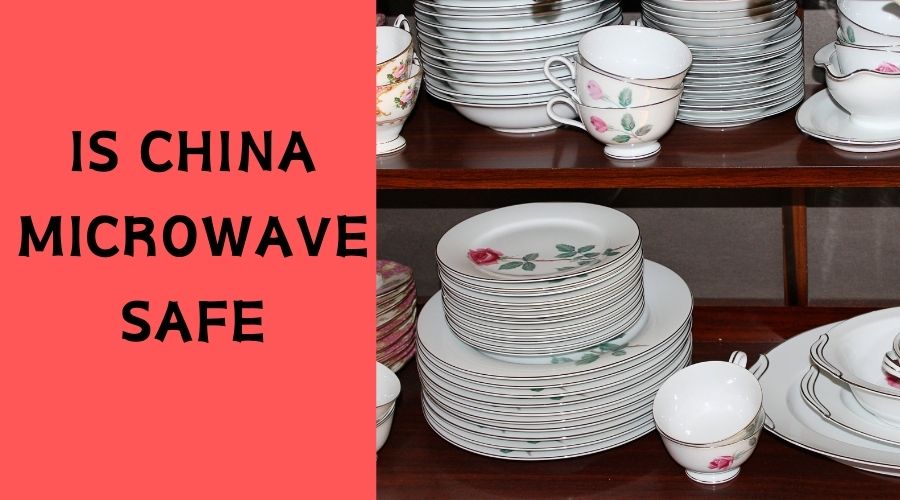
    The question “Is China microwave safe?” is one that puzzles many homeowners, especially those who cherish their elegant dinnerware.

    After all, these aren’t just ordinary plates – they’re often family treasures, wedding gifts, or special pieces that make every meal feel like a celebration.

    While modern life pushes us toward quick and convenient solutions, the thought of damaging these beloved pieces with a simple touch of the microwave button can make anyone hesitate.

    Let me guide you through everything you need to know about microwaving your cherished Porcelain, so you can make confident decisions about using these beautiful pieces in today’s fast-paced world.

    UNDERSTANDING YOUR CHINA: NOT ALL PIECES ARE CREATED EQUAL

    Before we dive into microwave safety, it’s essential to understand what we’re working with.

    Fine China comes in various forms, each with its own composition and characteristics.

    Sweese Porcelain microwave and dishwasher safe china dinnerware

    Modern manufacturers have evolved their production methods significantly, making many contemporary pieces more versatile than their antique counterparts.

    TYPES OF CHINA AND THEIR CHARACTERISTICS

    1. Bone China

       – Composed of bone ash, feldspathic material, and kaolin

       – Known for its characteristic translucency

       – Generally, the most durable type of fine china

    2. Porcelain

       – Made from kaolin, feldspar, and quartz

       – More opaque than Bone china

       – Often more affordable while maintaining elegance

    3. Fine China

       – Similar to porcelain but typically thinner

       – Usually more translucent than standard porcelain

       – May contain different mineral compositions

    THE SCIENCE BEHIND MICROWAVE SAFETY

    When it comes to determining whether your China is microwave-safe, understanding the science can help you make better decisions.

    Microwaves work by exciting water molecules within food, creating heat through molecular motion, which further determines the temperature within the microwave.

    This process can affect different materials in various ways. Below are the various factors that determine the microwave safety of your Cherished fine China tableware:

    FACTORS THAT DETERMINE MICROWAVE SAFETY

    1. Metallic Content

       – Many vintage pieces contain metallic trim or decorations

       – Gold, silver, or platinum details can cause sparking

       – Even minimal metallic content can be problematic

    2. Thermal Shock Resistance

       – Quality China’s ability to withstand temperature changes

       – Varies significantly between manufacturers and periods

       – Modern pieces often feature improved thermal properties

    IS CHINA MICROWAVE SAFE?

    Is China Microwave Safe

    China dinnerware is generally microwave safe only if it meets specific criteria, primarily because its safety depends on three key factors.

    Modern China without metallic decorations (like gold or silver trim) is typically safe for microwave use because it’s made from ceramic materials that don’t interact with microwave radiation.

    However, antique or decorated China pieces are often not microwave safe because they may contain metallic elements that can cause sparking, or their aged composition might make them vulnerable to thermal shock.

    To determine if your specific China is microwave safe:

    1. Check for a “microwave safe” label on the bottom

    2. Look for metallic decorations that could spark

    3. Test it by placing the empty piece in the microwave with a cup of water for 30 seconds – if China stays cool while the water heats up, it’s likely safe.

    Always reference the manufacturer’s guidelines when available, as they provide the most accurate information for your specific pieces.

    For irreplaceable or antique China, it’s best to err on the side of caution and avoid microwave use altogether.

    EXAMPLES OF CHINA SAFE DINNERWARE SETS

    Popular brands like Mikasa and Gibson Home offer a wide range of microwave-safe China dinnerware that combines elegance with modern functions.

    Dowan Ceramic Dinnerware

    Mikasa’s Bone China collections, particularly their modern lines, are specially designed to withstand microwave use when they don’t feature metallic trim.

    Similarly, Gibson Home’s contemporary pieces often come with clear microwave-safe labeling.

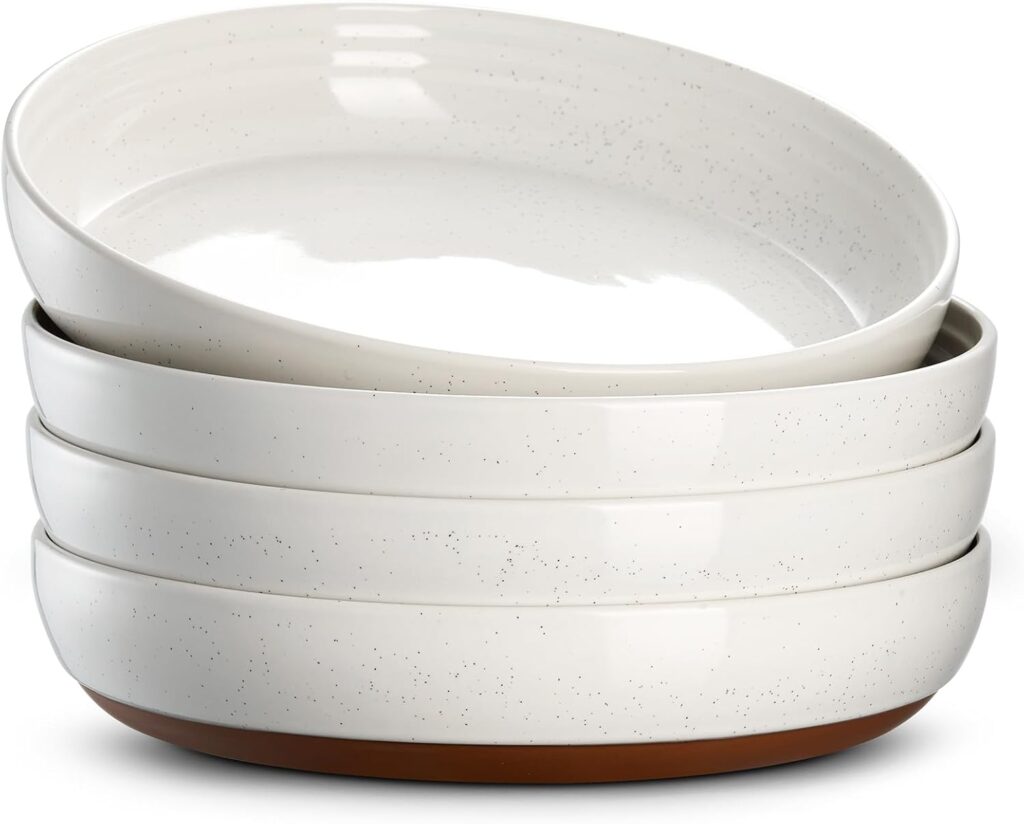
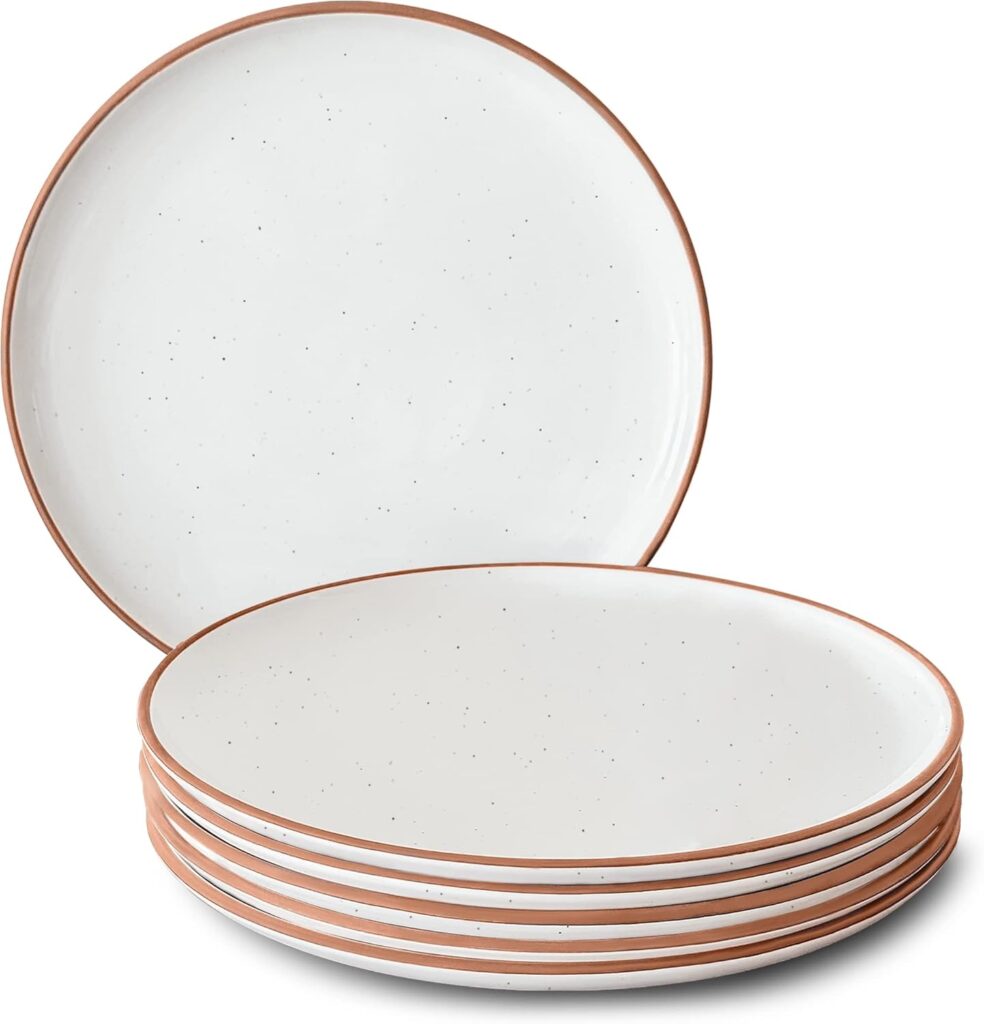
    Mora ceramic dishwasher and microwave safe dinnerware

    Newer brands like Sweese and Dowan have embraced technology in their manufacturing process, creating durable porcelain dinnerware that’s specifically engineered for microwave use.

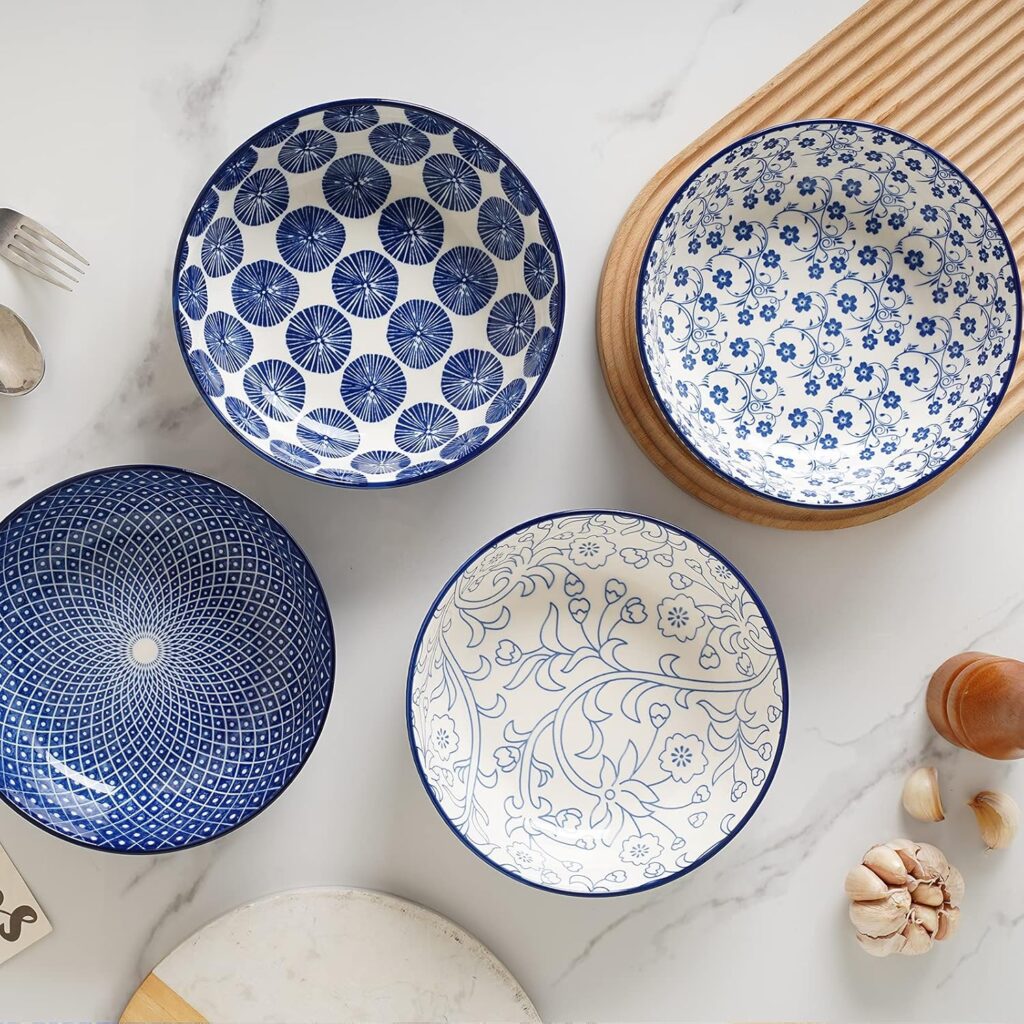
    Their pieces often feature thermal-shock-resistant properties that help prevent cracking. Mora and Selamica also produce microwave-safe options, with Selamica’s collections being particularly noted for maintaining their decorative patterns even with regular microwave use.

    Selamica China ceramic Bowls

    Remember: Always check the bottom of your pieces for microwave-safe symbols or consult the manufacturer’s care instructions, even with these trusted brands.

    HUTSCHENREUTHER GERMANY CHINA

    Hutschenreuther is a prestigious German porcelain manufacturer founded in 1814 by Carolus Magnus Hutschenreuther in Hohenberg an der Eger, Bavaria.

    The 20-year-old porcelain painter established the first private porcelain factory in northeastern Bavaria, initially producing pipe bowls, cups, and dessert plates.

    Hutschenreuther revolutionized the German china industry by making porcelain accessible to common people and recruiting talented artists and craftsmen from across Europe.

    After the founder died in 1845, his widow Johanna and sons continued the business. In 1857, his son Lorenz established a second factory in Selb, which became known as the “City of Porcelain.”

    Lorenz focused on dinnerware and partnered with prestigious companies like Haviland and Wedgwood.

    The company expanded significantly through acquisitions in the early 1900s, and in 1969, the two family branches merged to form Hutschenreuther AG, eventually employing over 6,000 people across 15 production sites.

    The company produces a wide range of high-quality porcelain, including dinnerware, figurines, vases, and decorative items.

    Famous patterns include Blue Onion (1930), Maria Theresia, Maple Leaf, and Racine. Hutschenreuther is particularly renowned for its elegant figurines of dancers, animals, and the collectible, limited-edition Christmas bells.

    Today, Hutschenreuther operates under Rosenthal GmbH, with production at factories in Selb and Speicherersdorf.

    The company maintains its reputation for exceptional German porcelain while implementing sustainable, energy-efficient manufacturing practices.

    Collectors particularly prize pieces from Hutschenreuther Selb, and the brand remains a leader in the global fine porcelain industry, combining traditional craftsmanship with contemporary design.

    WARNING SIGNS TO WATCH FOR

    – Unusual sounds during heating

    – Pieces are becoming very hot while empty

    – Visible sparking or crackling

    – Discolouration of patterns or glazes

    BEST PRACTICES FOR MICROWAVING CHINA

    If you’ve determined that your China is microwave-safe, follow these guidelines to ensure longevity:

    1. Temperature Management

       – Start with shorter heating times

       – Allow pieces to cool naturally

       – Avoid extreme temperature changes

    2. Proper Placement

       – Centre dishes in the microwave

       – Use microwave-safe supports when needed

       – Avoid overcrowding

    IS FINE BONE CHINA MICROWAVE SAFE?

    Modern fine bone China is typically microwave safe only if it doesn’t have metallic accents because it’s made from a combination of bone ash, feldspathic material, and kaolin that doesn’t react with microwave energy.

    However, bone China with gold or silver trim, hand-painted metallic designs, or platinum banding should never be used in the microwave, as these decorative elements can cause sparking and damage.

    IS BONE CHINA DISHWASHER AND MICROWAVE SAFE?

    Most contemporary Bone China is both dishwasher and microwave safe because manufacturers now use durable glazes and heat-resistant materials in production.

    However, antique pieces or those with metallic decorations should be hand-washed and kept out of the microwave to prevent damage.

    Always check the manufacturer’s guidelines and look for dishwasher-safe and microwave-safe labels on the bottom of your pieces.

    To know more, read our guide on: how Bone China stands the temperature in the Microwave.

    IS PORCELAIN MICROWAVE SAFE?

    Plain white porcelain is generally microwave safe because it’s made from natural clay materials that don’t interfere with microwave radiation.

    DO NOT USE Porcelain dinnerware with metallic decorations, glazes, or trim in the microwave, as these elements can cause sparking.

    IS CERAMIC MICROWAVE SAFE?

    Ceramic dishes are usually microwave safe because they’re made from clay materials that don’t react with microwave energy.

    However, their safety depends on the glaze and decorations used – ceramics with metallic glazes or decorations should not be microwaved.

    For optimal safety, look for pieces marked as microwave-safe and avoid using antique or hand-painted ceramic items in the microwave.

    IS STONEWARE MICROWAVE SAFE?

    Stoneware is generally microwave safe because it’s made from dense, non-porous clay fired at high temperatures, making it resistant to heat and thermal shock.

    However, sudden temperature changes should be avoided, and pieces with metallic decorations shouldn’t be microwaved.

    IS BONE CHINA OVEN SAFE?

    When considering your China safe cookware options, bone China generally isn’t recommended for oven use because it’s more delicate than other ceramics and can be damaged by direct heat.

    While some modern Bone China pieces may be oven-safe at low temperatures (usually under 350°F/175°C), most manufacturers advise against using Bone China in the oven to prevent cracking, warping, or complete breakage.

    Always check the manufacturer’s specific guidelines for oven use.

    SPECIAL CONSIDERATIONS FOR ANTIQUE PIECES

    Antique China requires extra attention and care. These pieces were crafted before the microwave era and often contain elements that make them unsuitable for microwave use:

    1. Age-Related Factors

       – Microscopic cracks that may worsen

       – Weakened structural integrity

       – Historical value considerations

    2. Alternative Heating Methods

       – Gentle warming in conventional ovens

       – Water bath techniques

       – Room temperature serving options

    MODERN INNOVATIONS IN CHINA MANUFACTURING

    The new dinnerware utilizes advanced glazes that are specifically designed to withstand extreme temperature changes.

    For example, improved thermal-resistant glazes help prevent thermal shock, which can lead to cracking or breaking when hot items are placed in cooler environments, such as moving directly from the oven to a cold surface. 

    Secondly, in line with growing health and environmental concerns, the new China dinnerware features decorative elements that are entirely metal-free.

    This design choice not only enhances the aesthetic appeal but also ensures that the dinnerware remains safe for everyday use.

    As we have discussed here, traditional metallic accents, while visually striking, can sometimes require special care and pose risks of leaching harmful substances into food. 

    Additionally, the absence of metallic elements in both the glaze and decorations reduces the risk of wear over time, ensuring that the dinnerware maintains its appearance longer than traditional options.

    Finally, the durability of the new dinnerware is significantly improved through innovative manufacturing techniques.

    These include higher firing temperatures during production, which enhance the strength of the ceramic body and glaze.

    The incorporation of durable materials like feldspar and kaolin in the clay mixture contributes to a more robust product that can endure daily use without chipping or scratching easily.

    CARING FOR YOUR CHINA COLLECTION

    Beyond microwave considerations, proper care ensures your collection’s longevity:

    1. Storage

       – Use protective padding

       – Store pieces separately

       – Maintain a stable environment

    2. Cleaning

       – Hand wash when possible

       – Use appropriate detergents

       – Avoid abrasive materials.

    WHEN TO ERR ON THE SIDE OF CAUTION

    Sometimes, it’s better to choose alternative serving methods:

    1. High-Value Pieces

       – Museum-quality items

       – Family treasures

       – Rare patterns or makers

    2. Uncertain Providence

       – Unknown manufacturing date

       – Unclear composition

       – Missing maker’s marks

    CONCLUSION

    The question of microwave safety for China isn’t one-size-fits-all, but with proper knowledge and testing, you can make informed decisions about your collection.

    Remember that while convenience is valuable, preserving your cherished pieces for future generations might sometimes mean taking the extra time to heat food using traditional methods.

    Are you a seasoned collector or new to the world of fine dining? Understanding these guidelines helps ensure your beautiful China continues to grace your table for years to come.

    When in doubt, consider investing in dedicated microwave-safe serving pieces for reheating, saving your finest China for those special moments where time and tradition take precedence over convenience.


    References:

    Special thermal-resistant Ceramic Glazes

    Metallic- Free Decorative Elements

    Enhanced Durability Features of China Dinnerware

  • Where are Dowan Products Made

    With Dowan’s growing presence in homes worldwide, its elegant yet affordable dinnerware raises a common question among shoppers: Where are Dowan products made?

    As these stylish ceramic plates, bowls, and mugs continue to catch the eye of design-conscious consumers, understanding their origin has become increasingly important.

    Whether you’re admiring their sleek coffee mugs online or considering a complete dinnerware set for your home, knowing where these popular kitchen items come from can help you make an informed buying decision.

    Join us as we explore the manufacturing story behind these sought-after pieces that have been making their way into kitchens and dining rooms worldwide.

    DOWAN DINNERWARE BRAND – THE STORY

    For more than 30 years, Dowan has been crafting both traditional and modern dinnerware.

    The company takes pride in exploring new ideas and making products that customers truly need, always pushing forward in the ceramic industry and setting new standards with each step.

    Dowan doesn’t just make ceramic items – they put their heart into creating special pieces for their community.

    where are Dowan Products made

    From ramekin bowls to butter keepers, every product is made with genuine care and passion.

    They believe this human touch makes their products special in a way machines simply can’t match, and their love for ceramics shows in every piece they deliver to customers.

    At the core of Dowan’s philosophy is the concept of balance in life. They create dinnerware that’s not just beautiful but also helps people live better.

    This commitment shows in their practical, earth-friendly tableware with inspiring designs – pieces meant to remind people to take care of themselves and enjoy life’s simple moments.

    WHERE ARE DOWAN PRODUCTS MADE?

    All of Dowan’s Products (dinner plates, server wares, drinkware, and bakeware) are manufactured in China.

    DOWAN PRODUCT LINES

    Dowan specializes in premium ceramic and porcelain kitchenware, standing alongside respected brands like Selamica Dinnerware in terms of quality and craftsmanship.

    Each piece is fired at 1,280 degrees Celsius, ensuring the elimination of harmful residues while achieving exceptional durability.

    Like Bico ceramic products, Dowan’s manufacturing process emphasizes both safety and sustainability, utilizing 100% natural materials that are fully recyclable and free from harmful chemicals.

    Through a double-firing technique similar to that used by Gibson Dinnerware, their products achieve superior stain resistance and consistent quality.

    Distinguished by their contemporary aesthetic and ergonomic design, Dowan products offer an ideal balance of functionality and modern style, competing with other China-made ceramic brands.

    Their comprehensive kitchen and dining collection includes:

    Dinnerware Collection:

    – Dinner plates designed for elegant meal presentation

    – Various serving bowls for different dining occasions

    – Specialized bowls for soup, cereal, pasta, and salads

    – Serving platters for entertaining

    – Mixing bowls for food preparation

    – Dessert plates for after-meal treats

    – Dip bowls and soup spoons for complementary serving pieces

    Serveware Collection:

    – Practical butter containers

    – Storage canisters for dry goods

    – Stylish utensil holders

    – Sugar bowls for table service

    Bakeware Collection:

    – Versatile ramekins for individual portions

    – Durable baking pans for various cooking needs

    Drinkware Collection:

    – Coffee mugs for daily use

    – Teacups for elegant service

    – Espresso cups for specialty coffee

    – Coffee filters for brewing needs

    DOWAN PASTA SERVING BOWLS

    These versatile 8″ bowl plates are perfect for meals that are between soup and solid food.

    Think pasta with sauce, chunky chilis, or loaded salads – foods that need deeper sides but still let you cut with a knife.

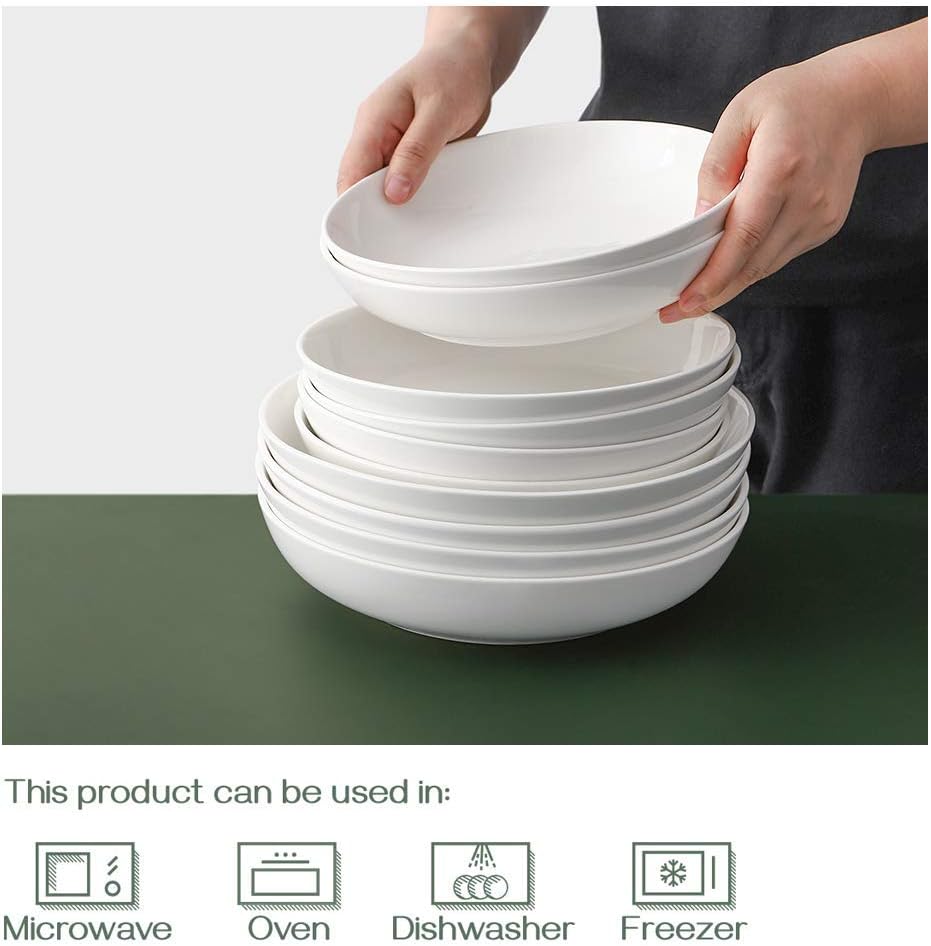
    Dowan Porcelain serving pasta Bowls

    They’re made of lightweight, high-quality porcelain that’s durable and dishwasher-safe.

    What makes them special is their smart design: flat bottom with gently curved sides that are high enough to keep saucy foods contained but not as confining as a deep bowl.

    Unlike similar products that are too shallow, these have just the right depth for practical everyday use.

    The simple white design matches most dinnerware and makes food look appealing. At 32oz capacity, they’re ideal for generous portions without being bulky.

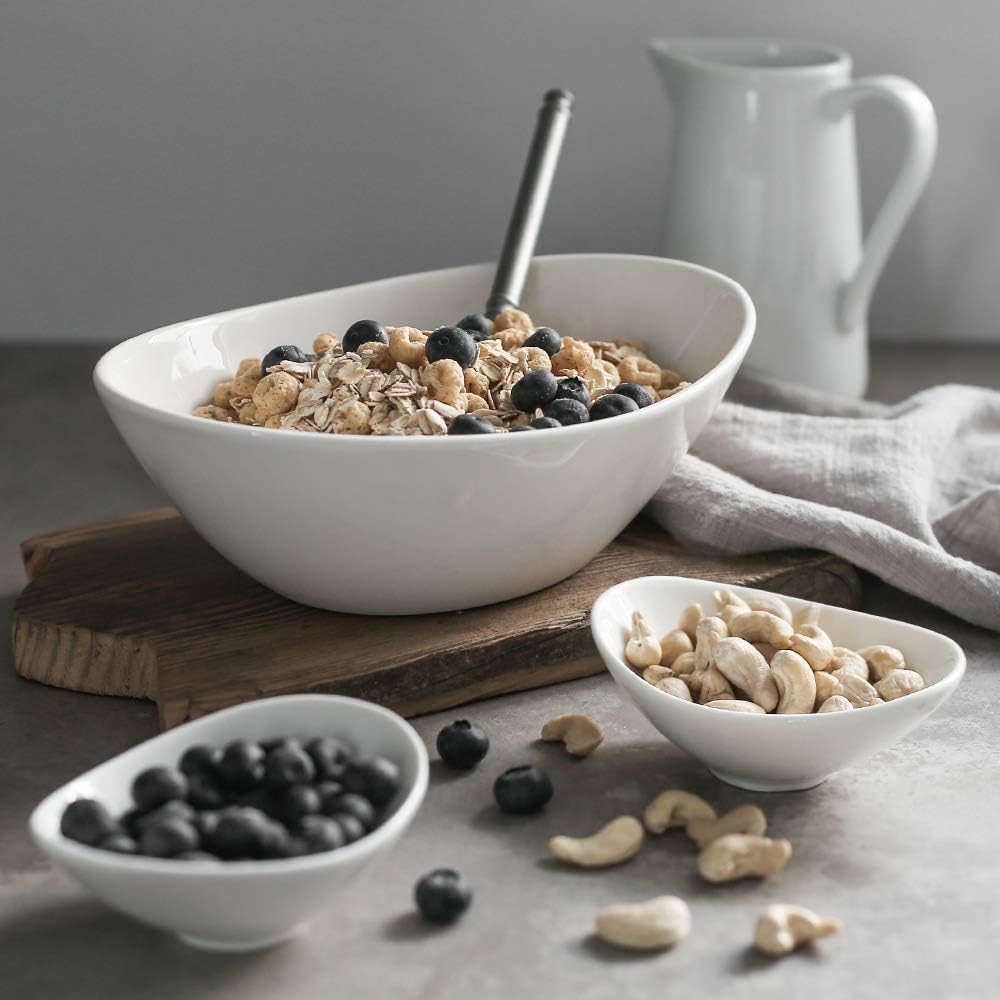
    Dowan oval shape serving Bowls

    Perfect for anyone who loves pasta dishes, rice bowls, or hearty salads and wants practical, stylish tableware.

    DOWAN RAMEKINS

    These porcelain ramekins are beyond beautiful and give you what you need.

    The exterior comes in a soothing pale turquoise that pairs beautifully with casual dinnerware, while the clean white interior makes it easy to see your food – perfect for serving kids or making desserts. 

    The quality shines through in their durability: they’re well-made with smooth, even glazing and can handle microwave, oven, and refrigerator use without issues.

    Dowan oven safe Ramekins for baking

    The clever stacking design prevents tipping, and they’re lightweight yet sturdy enough to survive accidental drops.

    At 6 oz, they’re ideally sized for lava cakes, individual desserts, dips, or snack portions.

    The optional silicone lids (sold separately) make them perfect for storing and transporting food.

    Plus, they’re easy to clean and come in sturdy boxes, great for storage. A practical choice for everyday use that looks elegant enough for special occasions.

    DOWAN CERAMIC CASSEROLE BAKING DISH

    This deep casserole dish solves the common problem of lasagna overflow.

    With its extra depth that perfectly fits lasagna noodles, you can finally make generously layered lasagnas without mess in your oven.

    Dowan ceramic casserole baking Dish

    The sturdy construction includes convenient handles for safe carrying from oven to table.

    The dish isn’t just practical – it’s attractive enough to serve from, coming in a stylish mint green that adds a decorative touch to your table.

    While it’s slightly heavier than standard baking dishes, the quality ceramic ensures even cooking and easy cleanup.

    Just remember to let it cool completely before washing to prevent cracking.

    Perfect for anyone who loves making deep-dish lasagna or other layered casseroles and wants a durable, attractive baking dish that prevents overflow and looks great on the table.

    DOWAN CERAMIC COFFEE MUGS

    Need the perfect coffee mug that makes your morning better?

    The Dowan 16 oz Coffee Mugs come in a set of 6 black ceramic cups that solve common mug problems.

    Dowan black ceramic porcelain coffee mugs

    The large size fits a full cup of coffee plus cream, while the extra-wide handle keeps your hands safe from heat and fits all hand sizes comfortably – even those with larger hands.

    These mugs are built to last, with a special glaze that prevents coffee stains and makes cleaning easy.

    They’re dishwasher-safe and microwave-friendly, staying cool to the touch even when your drink is hot.

    The simple black design fits any kitchen style, making it perfect for both home use and gifts.

    In addition, they’re the perfect size for Keurig machines (even the 12oz setting with room for cream), keep coffee hot longer, and are sturdy without being too heavy.

    ARE ALL DOWAN’S PRODUCTS FREEZER, DISHWASHER, MICROWAVE, AND OVEN SAFE?

    Yes, all Dowan’s products (ramekins, dinnerware, drinkware, serveware, and baking dishes) are dishwasher, freezer, microwave, and oven safe.

    Their high-quality ceramic and porcelain materials are specially designed to handle temperature changes safely.

    These products can withstand temperatures up to 482°F (250°C), making them versatile for all your baking and everyday home and kitchen needs.

    ARE DOWAN CERAMICS LEAD-FREE?

    While Dowan states their products are lead and cadmium-free, at SafeKitchn, we recommend not solely relying on manufacturer claims, as these could be marketing statements.

    That’s why we always encourage customers to perform independent lead testing on their ceramic products for complete peace of mind.

    Here are questions and answers on Lead-Glazed Traditional Pottery / ceramic dishes by the FDA below:

    Key Safety Concerns:

    – Lead can be present in glazes and decorations on ceramic pottery

    – If not manufactured properly, lead can leach into food and drinks

    – Even items labeled “lead-free” may contain dangerous lead levels

    Highest Risk Pottery Types to Watch Out For:

    1. Handmade items with crude or irregular shapes

    2. Antique pieces

    3. Damaged or worn ceramics

    4. Items from flea markets or street vendors

    5. Pottery with bright orange, red, or yellow decorations

    6. Traditional or folk pottery, especially from non-commercial sources

    Health Risks:

    – Lead poisoning can affect almost every body system

    – Children and developing fetuses are especially vulnerable

    – Can cause learning disabilities, developmental delays, and lower IQ scores

    – Symptoms may not be visible, especially in children

    Safety Precautions:

    1. Use lead-testing kits (available at hardware stores) to check questionable items

    2. Look for warning labels on decorative items

    3. Avoid using questionable items for food/drinks

    4. Be aware that washing or boiling cannot remove lead from pottery

    Good News:

    Commercial factory-made ceramics for everyday use are generally much safer and less likely to have lead problems.


    Further Reading: Dowan Tableware Brand

  • Where is Bico ceramic Dinnerware Made

    Setting the perfect table needs the right dinnerware – pieces that look beautiful and last for years.

    Bico ceramic dinnerware has become popular in many homes due to its unique designs and strong build quality.

    These pieces stand out for their bright colors and patterns, making every meal feel special.

    Where is Bico ceramic dinnerware made? It’s a question many shoppers ask when they see these striking plates, bowls, and serving dishes in stores.

    The answer reveals an interesting story about how traditional skills and modern methods come together to create these special pieces.

    From family dinners to holiday celebrations, these ceramics have earned their place on tables around the world.

    The secret behind their quality lies in both their manufacturing location and their careful attention to detail at every step of production.

    WHAT IS CERAMIC CROCKERY MADE OF?

    Ceramic crockery is primarily made from these main components:

    1. Clay (the main ingredient)

    – Porcelain clay (kaolin) – a pure, white clay

    – Stoneware clay – stronger and more durable

    – Earthenware clay – commonly used for terracotta items

    2. Other essential materials:

    – Silica (sand) – helps control shrinkage and adds strength

    – Feldspar – helps with the melting process and creates a glass-like surface

    – Water – to make the clay workable

    3. The manufacturing process involves:

    – Mixing these materials into a workable paste

    – Shaping the items (by hand or machine)

    – Drying to remove moisture

    – Firing at high temperatures (usually between 1,200-2,400°F)

    – Glazing (applying a protective, decorative coating)

    – Final firing to set the glaze

    This combination of materials and processes creates the durable, heat-resistant, and food-safe dishes we use daily.

    The exact proportions and types of materials can vary depending on the manufacturer and desired end product.

    WHERE IS BICO CERAMIC DINNERWARE MADE?

    where is Bico ceramic dinnerware made

    Bico ceramic dinnerware is manufactured in China, where its factory was established in 1996.

    The company’s headquarters is in Taipei, Taiwan, where it was founded in 1987 as Bico International Co., Ltd.

    Through its subsidiary Hua Feng Ceramics, it produces tableware and kitchenware products in its Chinese manufacturing facility.

    BICO CERAMICS DINNERWARE

    Stepping into the world of Bico ceramic dinnerware means discovering a perfect blend of functionality and artistic expression.

    Made from predominantly premium ceramic materials, each piece serves as both a practical kitchen essential and a stunning design statement.

    What sets Bico apart is its vibrant color palette and distinctive patterns.

    Their collections feature eye-catching designs ranging from Multi Stripes to Spring Bird, Autumn Maples, Quad Pop, and even festive Gloomy Xmas themes.

    The cultural inspiration behind their popular styles – Blue Talavera, Morocco, Tunisian, Havana, and Protea Cynaroides – brings a global aesthetic to your dining table.

    The Bico collection covers every dining need imaginable. Their dinnerware line includes essential pieces like salad plates, cereal bowls, pasta sets, and serving platters, along with charming accessories like sugar and creamer sets.

    The kitchen collection extends to practical items like lidded bowls, canister sets, and butter dishes, while their bakeware range offers various-sized baking dishes, ramekin sets, and unique pieces like taco holders.

    This comprehensive range puts them in direct competition with both Selamica’s extensive collections and Dowan’s diverse product offerings.

    Whether it’s for daily meals, special occasions, or holiday celebrations, Bico’s versatile pieces seamlessly transition between casual dining and elegant entertainment.

    Each item combines durability with decorative appeal, making them ideal for both everyday use and seasonal celebrations.

    BICO TUNISIAN CERAMIC DINNER BOWLS

    As the name implies, this bowl set is designed with the Tunisian style in mind. It has a bright yellow base color and beautiful patterns that complement the design.

    Bico tunisian ceramic dinner Bowls

    When I am using my bowls for soup, pasta, beans, or salad, I always look out for the shallowness, wide mouth, and the ability for me to easily scoop from it.

    The size we recommend for a good bowl is 35oz, and this Bico bowl set is perfect.

    At first, when you see the beautiful designs, you might be scared that it won’t be right to use them in the dishwasher, but that’s far from the truth; they are not only dishwasher safe but also microwave safe – thanks to the high-quality ceramic material.

    However, I prefer using my hands in washing them since they hardly stain, and the meals I prepare are easy to wash off.

    Our family and kids will be happy using this bowl, they are perfect for the following occasions, including Easter celebrations, Christmas, Birthdays, Thanksgiving, and housewarming.

    BICO SUGAR AND CREAM SET

    Imagine your dining or kitchen without a sugar and cream ceramic set, hard to imagine, right?

    Bico tunisian ceramic sugar and cream set

    I do remember when I was growing up, my mum had this on her table, and it was the lead-free Fiesta ware brand cream and sugar set.

    This Bico ceramic sugar and cream set has vibrant colors and resists chipping more than regular pottery. I particularly love the simple design and shape, nothing too complicated.

    The longer spout on the creamer is perfect for your needs. It is the perfect-sized creamer that can handle your daily usage.

    You will surely amaze your guests with this amazing premium craftsmanship free from toxins like lead and cadmium.

    BICO TUNISIAN CERAMIC BUTTER DISH

    You will be happy with this beautiful piece; it is the right size for a full stick of butter. I have used other brands of butter dishes, but the Bico Tunisian-styled design butter dish is wider than most brands.

    Bico ceramic butter dish

    The high-quality glaze also ensures stain resistance, a non-porous surface that ensures hand washing is quick and easy.

    Keep your butter soft and fresh at room temperature, perfect for daily use. They are also microwave safe, a perfect gift for a loved one or newlywed.

    BICO TUNISIAN STONEWARE BAKING DISH

    The Bico baking dish is designed with stoneware material that is suitable for oven heat.

    The recommended and oven-safe temperature should be under 400℉, and can also go from oven to microwave to table without shattering or breaking.

    Bico stoneware baking dish for Lasagna and Casserole

    Prepare your favourite casserole, bread, pasta, chicken, beef, pound cakes, vegetables, and Lasagna, you will love it.

    The size is perfect for handling all your baking needs. You can also store and reheat all your leftovers with ease.

    After use, washing with hands is a breeze, or you can opt for the dishwasher. In addition, this baking dish is scratch-resistant and freezer-safe.

    The two drawbacks are: 1) It is not designed with a cover or lid. 2) Please don’t put the hot baking dish into the cold water immediately to avoid any accidents; rather, allow it to cool down for a while.

    Finally, one feature we love about the Bico tableware brand is that all products are affordable.

    WHAT ARE THE DISADVANTAGES OF CERAMIC PLATES

    Here are the key disadvantages of ceramic plates:

    1. Breakage and Chipping

    – Easily broken if dropped or bumped against hard surfaces

    – Edges can chip from regular use or stacking

    – May crack when exposed to sudden temperature changes

    2. Weight Issues

    – Heavier than plastic or melamine alternatives

    – Can be tiring to carry multiple plates

    – Storage needs stronger shelving support

    3. Temperature Sensitivity

    – Can crack or break when moving from hot to cold temperatures quickly

    – May break if taken directly from freezer to hot oven

    – Not suitable for microwave use if they have metallic decorations

    4. Cost Factors

    – Generally, more expensive than plastic alternatives

    – Replacing broken pieces can be costly

    – Complete sets are pricey

    – Individual replacement pieces may be hard to match

    5. Maintenance Concerns

    – Need careful handling during washing

    – Can develop stains or scratches from metal utensils

    – May absorb odors and flavors over time

    – Glazes can wear down with heavy use

    6. Storage Requirements

    – Need more careful storage to prevent chips and cracks

    – Take up more space due to their thickness

    – Often requires protective layers between plates when stacking

    – Need stable, sturdy shelving

    CONCLUSION

    Bico dinnerware may not be a household name like some popular brands, but their decades of experience speak through their exceptional quality and versatility.

    Since 1987, they’ve quietly built a reputation for excellence in ceramic craftsmanship.

    From daily dining to special occasions, Bico offers a complete range of kitchen solutions.

    Whether you need microwave-safe plates for quick meals or oven-safe stoneware for your favorite casserole, their collection meets every cooking and serving need.

    Ready to bring life to your dining table? Bico’s vibrant designs and reliable quality offer a refreshing change from ordinary dinnerware.

    Their colorful patterns and durable construction prove that practical can also be beautiful – making every meal just a little more special.


    Reference: Bico International Tablewares and Kitchenwares

  • Where is Selamica Made

    Have you ever picked up your favorite dinner plate and wondered about its journey to your table?

    While we often focus on the meals we serve, the story behind our dinnerware can be just as fascinating.

    From ancient Chinese porcelain to American-crafted dinnerware and delicate European China, each piece of ceramics carries a legacy of artistry and culture spanning centuries.

    As Selamica’s elegant designs grace dining tables worldwide, one question often sparks curiosity among its admirers: Where is Selamica made?

    The answer reveals a compelling story of craftsmanship, heritage, and attention to detail that has made this dinnerware brand a cherished presence in homes worldwide.

    THE STORY – SELAMICA PORCELAIN DINNERWARE BRAND

    Think about your favorite meal at home. Now imagine serving it on plates that make it look even better.

    That’s what Selamica does – they make dinnerware that turns everyday meals into something special.

    Black Porcelain Selamica Pasta and Soup Bowls

    What makes Selamica different? First, they understand that everyone’s style is unique. Maybe you love clean, simple designs, or perhaps you prefer something more eye-catching.

    Selamica dinnerware brand is mostly made up of ceramic porcelain, a high-quality material that is resistant to high temperatures, unlike regular glass or low-grade ceramic plates.

    Their collections range from ceramic cat food bowl sets, classic Chinese patterned flowered white and blue plates, to dark black eye-catching ceramic dinnerware that lets your food shine, to bold patterns that become conversation starters at dinner parties.

    Secondly, each piece of Selamica porcelain brand is manufactured using premium materials and state-of-the-art techniques, ensuring durability and longevity.

    With a focus on sustainability, Selamica strives to minimize its environmental footprint throughout the production process.

    But here’s what’s clever about Selamica: they’ve figured out how to make plates and bowls that look fancy but are tough enough for daily use, meeting your home and kitchen needs effortlessly.

    And whether you’re having a quick breakfast before work or hosting your in-laws for dinner, these dishes fit right in.

    Think of them as the perfect mix of special-occasion elegance and everyday practicality.

    Want to know what I find most interesting about Selamica? Stay with me as we explore some of the product’s lineup.

    WHERE IS SELAMICA MADE?

    where is Selamica made

    The Selamica Porcelain Dinnerware brand is manufactured in China.

    SELAMICA CERAMIC LARGE SERVING PASTA BOWLS

    These bowls are a beauty to behold.

    Made from high-grade porcelain, they’re safe for your microwave, oven, dishwasher, and fridge.

    The vintage blue pattern, inspired by traditional Chinese porcelain, adds a timeless touch to your table.

    Selamica ceramic large pasta serving bowls

    Each bowl holds 36 ounces and measures 8 inches wide by 2.3 inches high – perfect for everything from salads and pasta to soups and stir-fries.

    Their wide, shallow design makes them versatile serving bowls, while the raised edges help prevent spills during family gatherings.

    The bowls stack neatly to save cabinet space and are lead and cadmium-free.

    Whether you’re buying for yourself or as a gift, these durable, elegant bowls work well for both everyday meals and special occasions.

    SELAMICA CERAMIC RECTANGULAR SALAD PLATES

    These 8.3″ x 5″ plates feature curved edges that keep food secure and are perfect for portion control.

    Their geometric patterns in vibrant blue add style to any table setting, whether you’re serving sushi, appetizers, or desserts.

    Selamica rectangular salad plates

    Made from sturdy porcelain, they won’t absorb odors or stains. They’re safe for microwaves, ovens, fridges, and dishwashers.

    The raised edges make them easy to grip and handle, while their rectangular shape allows for neat stacking in cabinets.

    These versatile plates work well for everyday meals at home, restaurants, or special occasions like weddings and holiday gatherings.

    Their scratch-resistant surface makes cleanup simple, whether washing by hand or in the dishwasher.

    SELAMICA COFFEE MUGS SET

    Lovers of tea and coffee aren’t left out to experience the practicality of the Selamica porcelain brand.

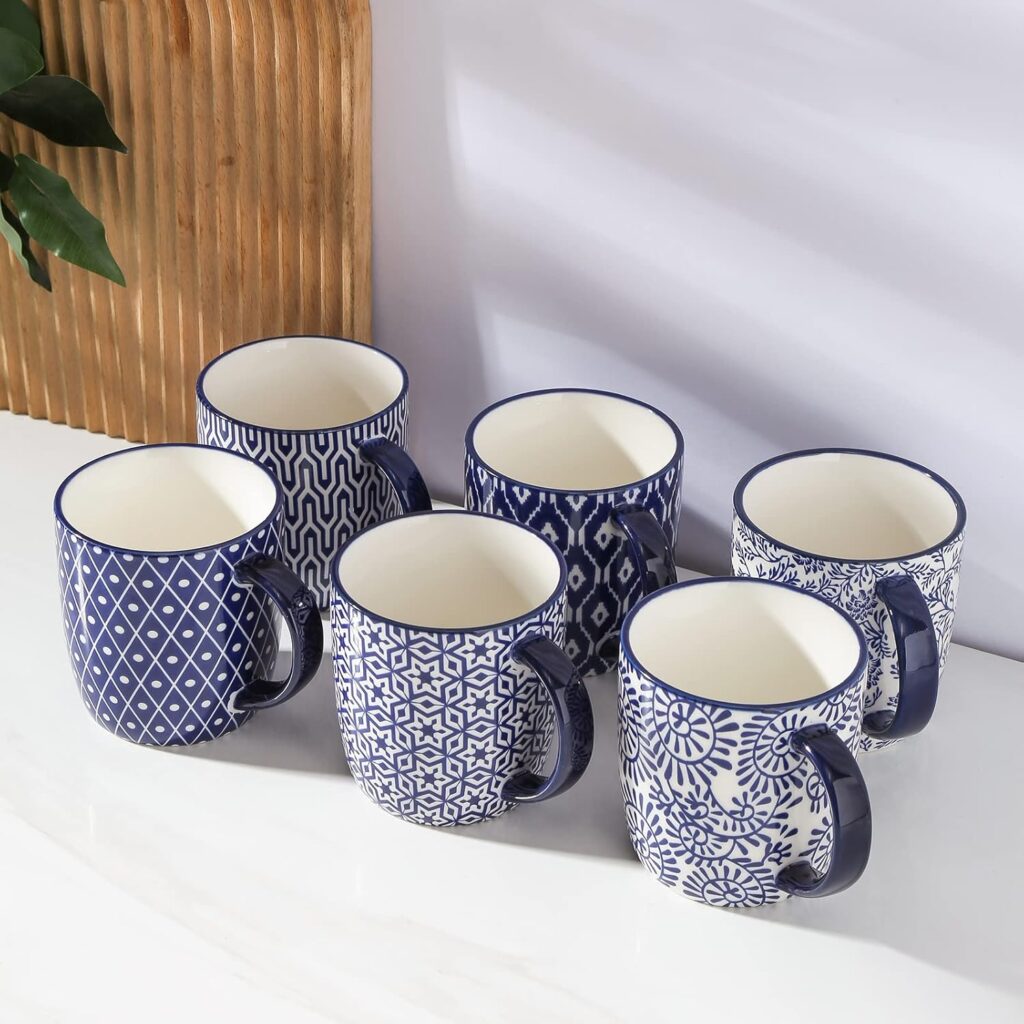
    Selamica Porcelain Coffee Mugs

    The Coffee mug set has the same colour and design pattern as the dinnerware.

    They are designed with a spacious handle, making them comfortable.

    Whether sipping coffee, tea, or hot chocolate, these mugs keep your beverage warm without getting too hot to hold.

    Made from premium, lead-free materials, they’re sturdy enough for daily use and safe for dishwashers, microwaves, ovens, and fridges.

    Their sleek finish prevents coffee and tea stains, making cleanup easy.

    Perfect for home, office, or café use, these mugs add a touch of elegance to your morning routine while being practical enough for everyday use.

    SELAMICA CERAMIC OVEN-SAFE SOUP CROCK BOWLS WITH HANDLES

    I’ve been using these blue-rimmed soup bowls for months now, and they’re really practical.

    ceramic soup crocks with handles

    They’re just the right size (15oz) for a hearty bowl of French onion soup, stew, or my morning oatmeal. The handles are super helpful – I can easily grab them from the oven without burning myself.

    What I love is how tough these bowls are. I use them daily and pop them in the microwave, oven (up to 482°F), and dishwasher without any problems.

    They’re made of safe materials, so I don’t worry about harmful chemicals.

    One tip, though – after washing, flip the bowls upside down to drain the water that collects in the handle holes.

    The bowls look nice on my table too, with their blue trim. They’ve handled everything from hot soups to cold desserts without any issues.

    SELAMICA CERAMIC RAMEKINS

    These 4-oz ramekins have been super handy in my kitchen. I mostly use them for individual desserts – my kids love it when I make chocolate lava cakes in them.

    ceramic oven safe ramekins for baking

    They’re also perfect for holding dips, sauces, and small portions of nuts or olives when we have guests over.

    The colorful patterns make it easy to remember whose dessert is whose, and they stack nicely in my cabinet without taking up much space.

    They’re tough little dishes – I’ve used them in the oven, microwave, and dishwasher without any issues.

    My favorite thing is that I can bake, serve, and store leftovers all in the same dish.

    Just make sure to handle them carefully when hot, as they’re small but can get quite warm.

    CONCLUSION

    I’ve been really happy with my Selamica dishes – they’re good quality without the high-end price tag.

    If you’re looking to update your kitchen this year, these are worth considering. I’m planning to get a new set myself and pass my old dishes to my friends and sister.

    What I like most is that they hold up well to daily use, from morning coffee to dinner parties.

    While Selamica might be newer compared to some traditional brands, don’t let that stop you. Sometimes the lesser-known brands can surprise you with their quality.

    Speaking of quality dinnerware, check out our guide on where Bico ceramic dinnerware is made.


    Reference: Selamica Porcelain Dinnerware Brand