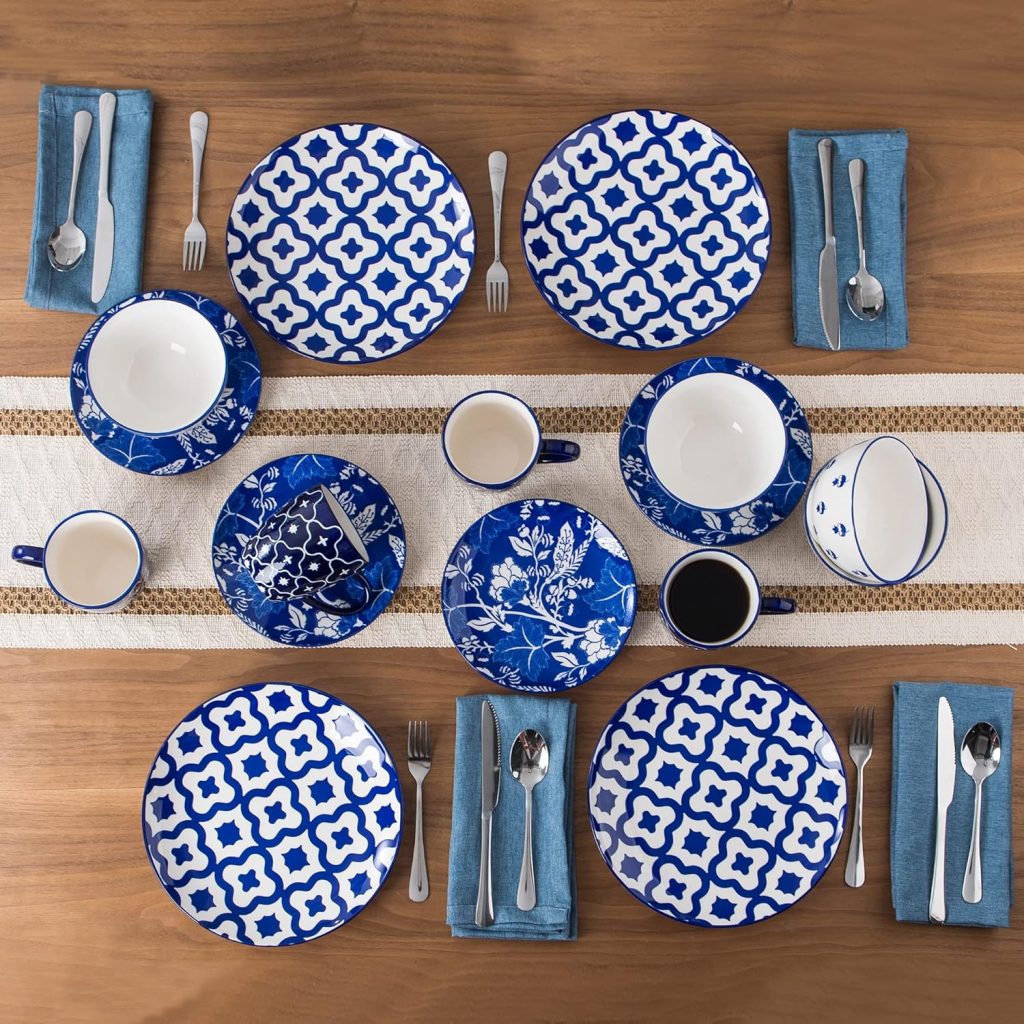
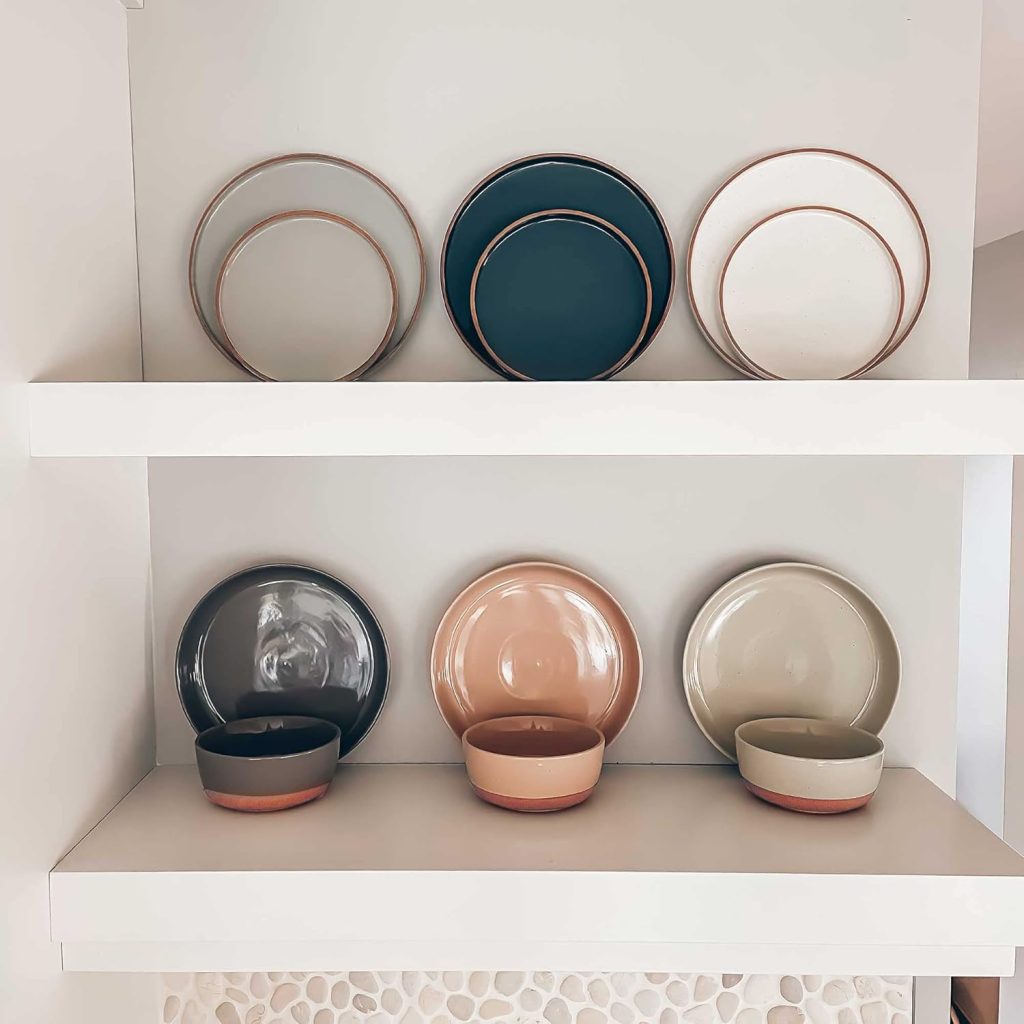
Tag: fine china tableware

  • Identifying Pfaltzgraff Marks

    If you’ve inherited a set of sturdy stoneware dishes or picked up charming dinnerware at an estate sale, there’s a good chance you’re holding Pfaltzgraff.

    For generations, this American brand defined everyday dining with patterns like Yorktowne, Tea Rose, and Village that became kitchen staples.

    The backstamps on these pieces tell you when and where they were made, helping you authenticate what you own and understand its history.

    Pfaltzgraff marks evolved significantly over the decades, reflecting the company’s transition from domestic craftsmanship to international production.

    Learning to identify these marks means you can date your dishes, distinguish USA-made pieces from imports, spot rare patterns, and make informed decisions about value and safety all from a glance at the bottom of a plate.

    What Are Pfaltzgraff Marks?

    Pfaltzgraff marks are backstamps found on the underside of dinnerware that identify the manufacturer and often indicate where the piece was produced.

    These marks typically include the Pfaltzgraff name and may also show country of origin, pattern information, or production codes. They’re the manufacturer’s signature on each piece.

    Purpose of Backstamps on Dinnerware

    Backstamps serve multiple purposes: they authenticate the manufacturer, establish brand identity, and provide production information.

    For consumers, marks confirm you’re buying genuine Pfaltzgraff rather than a copycat.

    For collectors, backstamps become essential tools for dating pieces, tracing manufacturing changes, and verifying authenticity when building or valuing collections.

    Marks vs Decorative Patterns

    The backstamp is different from the decorative pattern on the front of the dish. The pattern, like Yorktowne’s iconic folk art design, is the visual element you see when using the piece.

    The mark is purely functional identification on the bottom. Both matter for identification, but the backstamp specifically confirms the manufacturer.

    Why Pfaltzgraff Marks Changed Over Time

    Pfaltzgraff’s marks evolved to reflect manufacturing changes, particularly the shift from American production to overseas facilities.

    Early marks emphasized USA origins, while later ones indicated China, Mexico, or Indonesia.

    Changes in printing technology, corporate ownership transitions, and legal requirements for country-of-origin labeling all influenced how marks appeared across different eras.

    Overview of Pfaltzgraff Dinnerware

    Pfaltzgraff built its reputation on durable, attractive stoneware that served American families for decades.
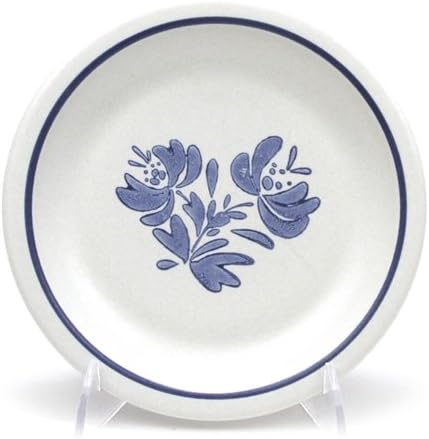
    Pfaltzgraff Yorktowne Stoneware dinner plate

    Understanding the company’s background and product evolution helps you contextualize the marks you’ll find and explains why certain backstamps indicate more desirable pieces to collectors.

    History of Pfaltzgraff (USA)

    Founded in 1811 in York, Pennsylvania, Pfaltzgraff started as a small pottery making simple redware and stoneware crocks.

    The company evolved into a major dinnerware manufacturer during the 20th century, creating beloved patterns that defined casual American dining.

    While production shifted overseas in later years, the Pfaltzgraff name remains synonymous with quality everyday dishes.

    Stoneware vs Earthenware Lines

    Pfaltzgraff primarily produced stoneware—heavy, durable ceramic fired at high temperatures.
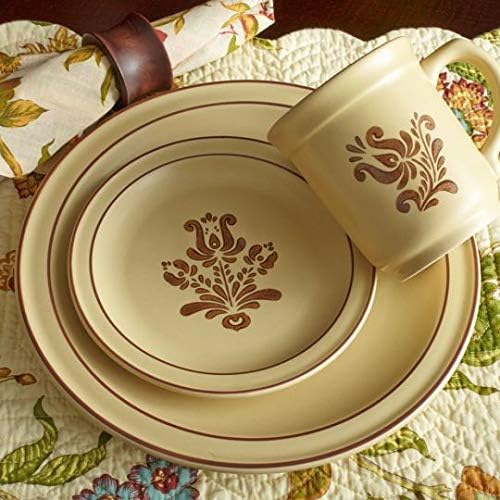
    Pfaltzgraff village pattern stoneware salad plate

    Their stoneware is thicker and more chip-resistant than standard earthenware, which explains why so many pieces survive in good condition decades later.

    Some later lines used earthenware, which is lighter but less durable than their traditional stoneware.

    Transition From USA-Made to Imported Production

    Through the 1980s, most Pfaltzgraff was manufactured domestically in Pennsylvania.

    Economic pressures led the company to move production overseas starting in the 1990s, with facilities in China, Mexico, and Indonesia producing pieces for the American market.

    This transition is clearly documented in the backstamps, making marks crucial for determining where pieces originated.

    Common Types of Pfaltzgraff Marks
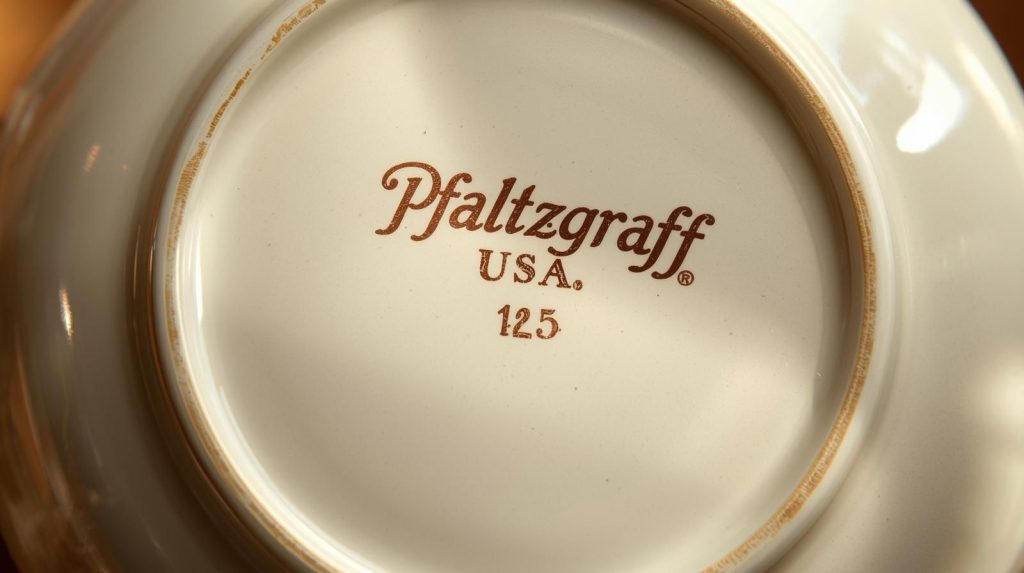
    Identifying Pfaltzgraff Marks

    Pfaltzgraff used several distinct backstamp styles throughout its production history.

    Recognizing these common marks helps you quickly identify genuine pieces and narrow down their production period.

    The mark style often reveals more about a piece than just the manufacturer’s name.

    “Pfaltzgraff USA” Backstamp

    The “Pfaltzgraff USA” mark is the most desirable to collectors because it confirms American manufacturing.

    This backstamp typically appears in various fonts—sometimes stamped in ink, sometimes molded into the clay.

    USA marks generally indicate pieces made before the 1990s and represent the company’s domestic production era, when quality control was entirely in-house.

    “Pfaltzgraff” Name-Only Marks

    Some pieces carry just “Pfaltzgraff” without country designation, often appearing during transitional periods when manufacturing locations were changing.

    These marks require additional investigation—you’ll need to examine the pattern, glaze quality, and weight to determine origin.

    Name-only marks sometimes appear on pieces made for specific retailers or promotional lines.

    Country-of-Origin Marks

    Later, Pfaltzgraff carries explicit country names like “China,” “Mexico,” or “Indonesia” alongside the brand name.

    These marks reflect manufacturing after the overseas transition and typically appear as printed backstamps rather than impressed marks.

    While imported pieces maintain the Pfaltzgraff patterns and designs, collectors often distinguish them from USA-made examples.

    How Pfaltzgraff Marks Changed Over Time

    Understanding the temporal evolution of Pfaltzgraff marks helps you date pieces accurately and recognize which production era they represent.

    These changes mirror the company’s manufacturing history and broader shifts in American ceramic production.

    Early Pfaltzgraff (1930s–1960s)

    Early Pfaltzgraff marks were often hand-stamped or impressed directly into the clay before glazing, creating marks that are sometimes less clear than later printed versions.

    These pieces feature heavy stoneware construction with simple marks that might only say “Pfaltzgraff” or include basic model numbers.

    The marks can be quite faint or partially obscured by glaze.

    Mid-Century to 1980s

    This era represents Pfaltzgraff’s golden age, with clear “Pfaltzgraff USA” backstamps becoming standard.

    Pattern names often appeared alongside the mark, and printing quality improved significantly.

    This period saw the massive expansion of popular patterns like Yorktowne, making these marked pieces abundant in the secondary market but still desirable for their domestic origin.

    1990s–Present

    The shift to imported production brought country-specific marks that clearly state where pieces were manufactured.

    Modern marks are typically printed or inked rather than impressed, appearing crisper and more uniform.

    Contemporary pieces sometimes include additional codes, barcodes, or symbols that earlier domestic production never carried.

    Where to Find Pfaltzgraff Marks

    Knowing where to look for backstamps saves time and prevents you from missing subtle marks.

    Pfaltzgraff consistently placed marks in predictable locations, though glaze coverage and wear patterns can affect visibility.

    Bottom of Plates and Bowls

    Flip any Pfaltzgraff piece over and check the center of the base—this is where you’ll find the backstamp on plates, bowls, mugs, and serving pieces.

    The mark sits in the unglazed or lightly glazed area called the foot ring. Clean the bottom if needed, as food residue or staining can obscure marks.

    Why Marks May Be Partially Covered by Glaze

    Sometimes glaze runs or pools over the backstamp during firing, partially obscuring the mark.

    This wasn’t intentional, but happens in ceramic production when glaze migrates.

    You might see only part of the text or notice the mark appears fainter in some areas. Tilting the piece under bright light helps you read partially covered marks.

    Faded or Worn Backstamps

    Decades of washing, stacking, and general use can wear down printed or stamped marks, especially on frequently used pieces.

    Dishwashers and abrasive scrubbing accelerate fading. If a mark seems barely visible, try examining it under strong directional lighting or slightly dampening the area to increase contrast temporarily.

    How to Date Pfaltzgraff Using Marks

    Dating Pfaltzgraff requires matching backstamp characteristics to specific production periods and confirming with pattern details.

    While marks won’t give you an exact production year, they reliably narrow the timeframe when combined with other identifying features.

    Identify Wording and Font Style

    Start by reading exactly what the mark says and noting the font style. Early impressed marks have distinct handcrafted qualities, mid-century printed marks show consistent professional typography, and modern marks often include additional symbols or codes.

    The specific wording—especially “USA” versus country names—immediately places pieces in broad time categories.

    Look for “USA” vs Country Names

    This is your most important dating clue. “Pfaltzgraff USA” indicates pre-1990s domestic production, while “Made in China,” “Made in Mexico,” or other country designations point to 1990s or later.

    The absence of any country designation often suggests earlier production or transitional pieces.

    Cross-Check With Known Pattern Timelines

    Don’t rely solely on marks for dating—confirm with the pattern itself. Certain Pfaltzgraff patterns were only produced during specific decades, and pattern variations evolved.

    Yorktowne, for example, has subtle differences between early and late production runs. Match your mark to the pattern’s known production timeline for accurate dating.

    Identifying Pfaltzgraff Without a Clear Mark

    When backstamps are missing, worn beyond recognition, or partially obscured by glaze, you can still identify Pfaltzgraff through physical characteristics and design elements.

    These secondary identification methods require closer examination, but remain reliable once you know what to look for.

    Pattern Recognition

    Pfaltzgraff’s most popular patterns—Yorktowne, Village, Tea Rose, Naturewood—are distinctive and well-documented.

    Even without a clear mark, a recognizable pattern strongly suggests Pfaltzgraff origin. Pattern databases, collector guides, and online resources provide visual references for comparison.

    The pattern artwork remains consistent across pieces, making it a reliable identifier.

    Glaze Color and Texture

    Pfaltzgraff developed characteristic glaze finishes for different patterns.

    Yorktowne’s cream background with brown folk art motifs, Village’s warm ivory tone, and Tea Rose’s pink florals each have specific glaze qualities.

    The texture—smooth or slightly textured—and the glaze’s sheen level help confirm Pfaltzgraff when marks aren’t readable.

    Weight and Stoneware Thickness

    Genuine Pfaltzgraff stoneware has substantial heft and thickness that distinguishes it from lighter ceramics.

    Pick up a piece and feel its weight—Pfaltzgraff plates and bowls are noticeably heavier than comparable items from many competitors.

    The thickness remains consistent throughout the piece, with solid, substantial foot rings on plates and bowls.

    Pfaltzgraff Marks vs Other American Dinnerware Brands

    Several American dinnerware manufacturers produced during Pfaltzgraff’s heyday, and distinguishing between them requires attention to backstamp details and material differences.

    Understanding these distinctions prevents misidentification and helps you accurately attribute unmarked or partially marked pieces.

    Pfaltzgraff vs Corelle

    Corelle, made by Corning, uses a completely different material, laminated tempered glass rather than ceramic stoneware.

    Corelle pieces are exceptionally thin and light compared to Pfaltzgraff’s heavy stoneware.

    Corelle backstamps typically say “Corelle” with pattern names, and the glass composition makes them unmistakable once you handle both types.

    Pfaltzgraff vs Homer Laughlin

    Homer Laughlin, maker of Fiesta and other popular dinnerware, used much more elaborate backstamps that often included specific date codes, plant locations, and detailed company information.

    Their marks tend to be more complex than Pfaltzgraff’s straightforward backstamps.

    Homer Laughlin also produced not too thin stoneware, lighter dinnerware compared to Pfaltzgraff’s chunky stoneware.

    Do Pfaltzgraff Marks Indicate Lead or Safety?

    Backstamps don’t directly tell you whether Pfaltzgraff contains lead, but they help identify which pieces warrant testing.

    Understanding when and where lead appears in vintage dinnerware helps you make safe decisions about using older pieces for food.

    Vintage Glaze Concerns

    Vintage Pfaltzgraff, particularly pieces with brightly colored glazes or decorative elements, may contain lead.

    Ceramic glazes manufactured before strict regulations often included lead compounds to achieve certain colors and finishes.

    The stoneware body itself is typically safe; concerns focus on the glaze surface that contacts food.

    Decorated vs Plain Surfaces

    Plain, undecorated glaze areas on Pfaltzgraff are generally lower risk than heavily decorated sections.

    Pieces with painted or applied decorations, especially in reds, oranges, and yellows, historically carried higher lead content.

    If you’re concerned about specific pieces, focus testing on the decorated surfaces rather than plain backgrounds.

    When Lead Testing Is Recommended

    If you plan to use vintage Pfaltzgraff for food—especially pieces made before 1990—testing is wise.

    USA-made pieces from the 1970s-1980s warrant particular attention, as this period preceded current lead-free standards.

    For comprehensive guidance on checking your dishes, consult our safety testing guide before using vintage pieces regularly.

    If testing reveals lead, consider using those pieces decoratively or researching safer alternatives for everyday dining.

    Using Pfaltzgraff Marks to Determine Value

    Backstamps significantly influence Pfaltzgraff’s collectible value by confirming origin and production era.

    While marks alone don’t determine worth, they’re a critical factor alongside pattern, condition, and completeness when assessing what pieces might sell for.

    USA-Made vs Imported Pieces

    “Pfaltzgraff USA” marked pieces generally command higher prices than imports because collectors value domestic manufacturing and associate it with superior quality.

    The difference might be modest for common patterns but becomes significant for rare or discontinued designs.

    Imported pieces still have value but typically sell at 30-50% less than equivalent USA-made examples.

    Discontinued Patterns

    Marks that confirm discontinued patterns increase value, especially for sought-after designs that aren’t in current production.

    Village, Yorktowne, and Tea Rose remain popular, but rarer patterns that were produced briefly or in limited quantities become more valuable when authentic marks verify them.

    Discontinued USA-made patterns represent the top tier.

    Complete Sets vs Replacements

    Marked complete sets—eight place settings with serving pieces bring significantly more than individual replacement pieces.

    The marks confirm every piece is genuine Pfaltzgraff, which matters when buyers are investing in an entire set.

    Even incomplete sets with clear USA marks typically sell better than mixed or unmarked groupings.

    FAQ — Pfaltzgraff Marks

    Does All Pfaltzgraff Dinnerware Have a Mark?

    Most Pfaltzgraff carries backstamps, but some pieces, particularly from early production or specific promotional lines, may lack clear marks.

    Additionally, marks can wear off heavily used pieces over decades of washing and handling.

    Are Pfaltzgraff USA Pieces More Valuable?

    Yes, “Pfaltzgraff USA” marked pieces typically command higher prices than imported equivalents because collectors prefer domestic production.

    The value difference is most pronounced for discontinued patterns and complete sets in excellent condition.

    Can Pfaltzgraff Marks Fade Over Time?

    Printed or stamped marks can fade from repeated washing, dishwasher use, and abrasive cleaning.

    Impressed marks molded into the clay are more permanent but can fill with residue. Most marks remain partially readable even when worn.

    Do Marks Help Identify the Pattern?

    Sometimes marks include pattern names, which immediately identify the design.

    Even without pattern names, marks help narrow production periods, and patterns were often era-specific, making the mark an indirect identifier of possible patterns.

    Final Verdict — How to Confidently Identify Pfaltzgraff Marks

    Pfaltzgraff backstamps are reliable identifiers when present and legible, providing clear evidence of the manufacturer and often revealing production location and era.

    A visible “Pfaltzgraff USA” mark immediately confirms American manufacturing and helps date pieces to pre-1990s production, while country-specific marks indicate later imported pieces.

    However, marks aren’t the complete story; they work best when combined with pattern recognition, glaze characteristics, and physical qualities like weight and stoneware thickness.

    Don’t dismiss pieces with worn or partially obscured marks; instead, use multiple identification factors together.

    Whether you’re collecting Yorktowne, building a Village set, or simply curious about inherited dishes, understanding Pfaltzgraff’s marking evolution and cross-referencing marks with patterns gives you confidence in authentication.

    The most reliable identification comes from evaluating marks alongside the craftsmanship, design, and materials that made Pfaltzgraff an American dinnerware staple.
  • Are Dishes With Crazing Safe to Use? (Lead, Bacteria & Safety Guide)

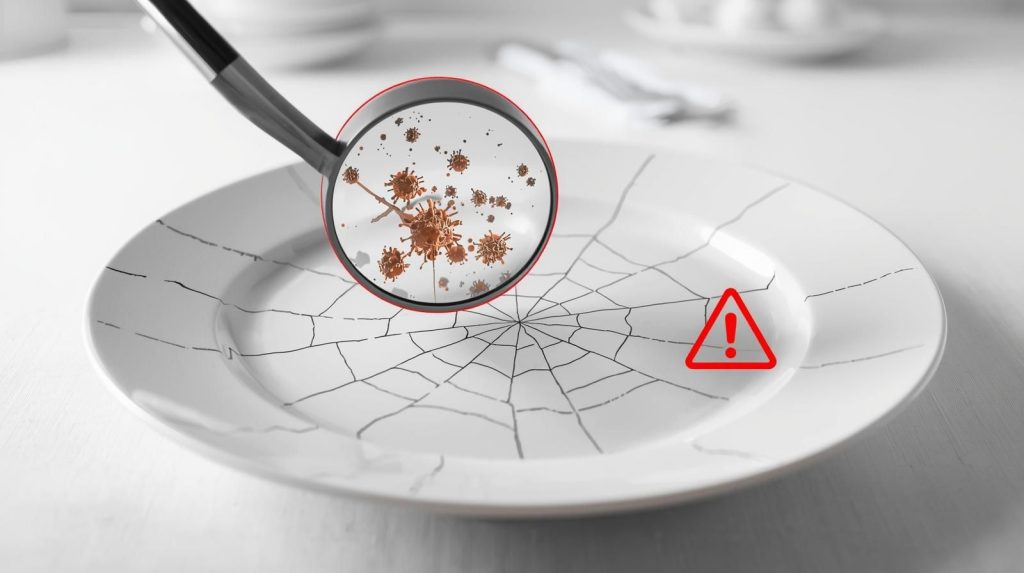
    Crazing appears as delicate spiderweb patterns across ceramic dishes, creating a vintage aesthetic that many find charming.

    However, these fine cracks represent serious safety concerns that go beyond cosmetic damage.

    When glaze integrity fails, the protective barrier between food and the porous ceramic breaks down, creating pathways for bacterial contamination and toxic metal leaching.

    Many people unknowingly use crazed dishes daily, unaware that heat, acids, and moisture amplify health risks significantly.

    Vintage dishes pose particular dangers due to outdated manufacturing standards and lead-containing glazes.

    This comprehensive guide examines the science behind crazing, explains why compromised glaze integrity threatens food safety, and provides clear guidance on when dishes should be retired from kitchen use for your family’s protection.

    What Is Crazing on Dishes?

    are dishes with crazing safe to use

    Crazing represents visible glaze failure that compromises the protective surface of ceramic dishware.

    Definition: Tiny cracks in glaze

    Crazing consists of microscopic to visible cracks forming networks across a dish’s glazed surface.

    These cracks penetrate through the glaze layer, exposing the porous ceramic body underneath.

    The fractures create pathways for liquids, bacteria, and food particles to infiltrate the dish structure.

    While individual cracks may measure only micrometers wide, their cumulative effect destroys the glaze’s protective function.

    Caused by tension between the clay body & glaze

    The ceramic body and glaze have different expansion and contraction rates during firing and cooling.

    When these rates don’t match properly, internal stress develops within the glaze layer. Over time or with temperature changes, this stress exceeds the glaze’s tensile strength, causing fractures.

    Manufacturers call this “glaze fit” issues, when expansion coefficients are incompatible, crazing becomes inevitable.

    Looks like spiderweb cracks or fine lines

    Crazing appears as interconnected hairline fractures resembling spider webs, crackled patterns, or random fine lines.

    The cracks may be barely visible initially, but they become more apparent as food stains, oils, and moisture accumulate within them.

    Patterns range from tight, uniform networks to irregular branching cracks. The appearance often worsens with continued use and washing.

    Happens in both vintage and modern dishes

    While more common in older dishes, crazing affects contemporary ceramics too.

    Poor manufacturing quality control, inadequate testing, or cost-cutting measures cause modern dishes to craze prematurely.

    Even premium brands can develop crazing if subjected to thermal shock or extended use. The phenomenon is not exclusive to any era, though vintage pieces show crazing more frequently due to age and manufacturing standards.

    Why Does Crazing Happen?

    Multiple factors contribute to glaze failure, often working together to cause crazing.

    Age and natural wear

    Years of use gradually weaken glaze integrity through repeated thermal cycling and mechanical stress.

    Microscopic damage accumulates invisibly until reaching a threshold where visible cracks appear.

    Even properly manufactured dishes eventually develop crazing after decades of service.

    The aging process is accelerated by frequent temperature changes and harsh cleaning methods.

    Poor glaze fit during manufacturing

    Manufacturing defects occur when the glaze and clay body have incompatible thermal expansion properties.

    If the glaze shrinks more than the clay during cooling, it remains under constant tension. This pre-stressed condition makes the glaze vulnerable to cracking from minimal additional stress.

    Some manufacturers use incompatible glaze formulations to reduce costs or achieve specific aesthetic effects.

    Rapid temperature changes (thermal shock)

    Moving dishes from the refrigerator to the microwave, pouring hot liquids into cold dishes, or placing hot dishes in cold water creates sudden temperature differentials.

    The glaze and clay body expand or contract at different rates during these transitions. This differential movement generates stress that can initiate or propagate cracks.

    Similar to scratched plates, damaged surfaces become increasingly vulnerable to further deterioration.

    Dishwasher damage over time

    Modern dishwashers subject dishes to repeated cycles of high heat, harsh detergents, and rapid temperature changes.

    The aggressive cleaning environment gradually degrades glaze quality. Water jets create mechanical stress, while alkaline detergents may chemically attack certain glaze compositions.

    Over hundreds of wash cycles, these factors combine to induce crazing in susceptible dishes.

    Are Crazed Dishes Safe to Use?

    Short Answer: Often No.

    Crazing compromises dish safety through multiple pathways that increase health risks significantly.

    Crazing allows liquids, acids, and oils to penetrate the glaze

    The protective glaze layer acts as a barrier, preventing food contact with porous ceramic.

    Once cracks form, liquids seep through to the absorbent clay body underneath.

    Acidic foods like tomato sauce, vinegar, or citrus juice penetrate particularly deeply.

    Oils saturate the ceramic, creating permanent stains and rancidity over time. This infiltration cannot be reversed or cleaned effectively.

    It can cause bacterial growth in cracks

    Moisture and food particles trapped in crazing cracks create ideal environments for bacterial colonization.

    The narrow crevices protect bacteria from normal washing and sanitizing. Pathogens like Salmonella, E. coli, and Staphylococcus can establish colonies within the ceramic matrix.

    Each use potentially recontaminates fresh food placed on the dish, creating ongoing health hazards.

    Crazing increases lead and cadmium leaching, especially in vintage dishes

    Intact glaze traps heavy metals within its matrix, preventing food contact.

    Crazed glaze exposes metal-containing layers to acids and heat, dramatically increasing leaching rates.

    Vintage dishes manufactured before lead regulations pose extreme risks when crazed.

    Even dishes that tested safe when new may become dangerous after crazing develops, especially with repeated exposure to acidic or hot foods.

    Heat (microwave, hot food) accelerates leaching

    High temperatures increase the rate of chemical reactions, causing metals to leach more rapidly from compromised glaze.

    Microwaving crazed dishes intensifies this effect through both heat and moisture. Hot foods sitting on crazed surfaces extract metals more efficiently than cold foods.

    The combination of heat, acidity, and time maximizes toxic metal transfer into food.

    Lead & Cadmium Risks in Crazed Dishes

    Heavy metal contamination presents the most serious health threat from using crazed dishware.

    Lead-containing glazes can release more toxins when cracked

    Lead provides desirable properties in ceramic glazes, including vibrant colors, smooth finish, and low firing temperatures.

    When glaze integrity fails, food acids can reach lead-containing layers directly. Research shows crazed dishes leach lead at rates hundreds of times higher than intact glaze.

    Even low-level chronic exposure accumulates in the body, affecting neurological development and organ function.

    Torch, pour tests & why crazing makes results unreliable

    Home lead testing methods, like the swab test, provide screening information for intact glazes.

    However, crazing creates inconsistent results because cracks may not reach the lead-containing glaze layers uniformly.

    A negative test on one area doesn’t guarantee safety across the entire dish. The only reliable approach for crazed dishes involves laboratory testing or complete avoidance.

    Testing crazed dishes for toxic metals requires professional analysis to accurately assess contamination risks.

    Risk is higher in: Vintage dishes (1970s and earlier), Imported ceramics, Handmade pottery

    Pre-1970s dishes were manufactured before lead regulations, making them particularly dangerous when crazed.

    Many imported ceramics come from countries with lax safety standards. Artisan pottery may use traditional glazes containing lead for aesthetic purposes.

    These categories deserve extreme caution—crazing transforms them from potentially safe to definitively hazardous for food contact.

    Bacterial Risks in Crazed Dishes

    Microbial contamination creates immediate and ongoing infection risks separate from heavy metal concerns.

    Moisture trapped in cracks

    The network of cracks in crazed glaze acts as a sponge, absorbing and retaining moisture long after washing.

    This trapped water provides the essential environment that bacteria need to survive and multiply.

    Even after apparent drying, moisture remains deep in the ceramic matrix. Humidity and repeated use maintain this moisture, sustaining bacterial populations indefinitely.

    Food residues that cannot be fully cleaned

    Normal washing removes surface contamination but cannot penetrate narrow, crazing cracks.

    Proteins, sugars, and fats lodge deep in crevices where detergents and mechanical action cannot reach.

    These nutrients feed bacterial colonies continuously. Even aggressive scrubbing fails to extract embedded food particles, making truly sanitary cleaning impossible for crazed dishes.

    Bacteria survive dishwashers because cracks protect them

    While dishwasher temperatures kill surface bacteria, organisms sheltered within crazing cracks remain protected.

    The ceramic material insulates bacteria from lethal temperatures. Water and detergent cannot penetrate sufficiently to sanitize deep crevices.

    Each wash cycle may kill surface contamination while leaving protected colonies intact, ready to recontaminate the next meal served.

    Are Crazed Dishes Safe If They Are Labeled “Food-Safe”?

    Original safety certifications become invalid once glaze integrity fails through crazing.

    “Food-safe” label applies only when the glaze is intact

    Manufacturers test dishes with undamaged glaze to obtain food-safe certifications. These tests measure leaching from intact surfaces under standard conditions.

    The certification makes no claims about safety after glaze failure. Testing protocols don’t account for compromised barriers created by crazing.

    Any food-safe label becomes meaningless once visible glaze damage appears.

    Crazing voids the protective barrier

    The entire premise of ceramic dish safety depends on maintaining an impermeable glaze layer.

    This barrier prevents contact between food and the porous ceramic body containing potentially harmful materials.

    Crazing breaches this barrier fundamentally, eliminating the protective function that enables safe food contact. No amount of careful use can restore the compromised protection.

    Regulatory standards assume no glaze failure

    Food safety regulations for ceramic dishware presume proper manufacturing and intact glaze throughout the product’s lifetime.

    Standards don’t address safety after physical damage because damaged dishes are expected to be discarded.

    Continuing to use crazed dishes places users outside the safety framework that regulations provide, entering uncharted risk territory.

    Are Modern Crazed Dishes Safer Than Vintage Ones?

    Contemporary manufacturing standards reduce but don’t eliminate risks from crazed dishware.

    Modern glazes have stricter lead limits

    Current regulations severely restrict lead and cadmium in ceramic glazes for food contact.

    Dishes manufactured after the 1990s generally contain much lower heavy metal concentrations than vintage pieces.

    These restrictions significantly reduce—but don’t eliminate—toxic metal leaching risks from crazed modern dishes.

    The reduced initial contamination means lower absolute exposure even with crazing.

    But crazing still exposes porous ceramic beneath

    Regardless of the glaze’s lead content, crazing exposes the underlying ceramic body to food contact.

    This porous material absorbs liquids, harbors bacteria, and may contain other problematic substances.

    The ceramic body itself wasn’t formulated for direct food contact because the glaze was meant to provide protection. Modern manufacturing doesn’t change this fundamental vulnerability.

    Safety risk is still present, especially with acidic foods

    Acidic foods aggressively attack exposed ceramic, leaching various compounds regardless of heavy metal content.

    Tomatoes, citrus, vinegar, and wine create particularly aggressive environments.

    Even lead-free modern ceramics contain aluminum, silica, and other compounds that may leach in concerning quantities.

    The health implications of these exposures remain uncertain but justify caution.

    When You Should Stop Using Crazed Dishes

    Specific conditions indicate crazed dishes pose unacceptable safety risks requiring immediate retirement.

    If used for hot food

    Heat dramatically increases leaching rates and bacterial growth in compromised glaze.

    Hot soups, microwaved meals, or freshly cooked foods create the worst-case scenario for contamination.

    The combination of heat, moisture, and potential acidity maximizes both toxic metal extraction and bacterial proliferation.

    Reserve crazed dishes strictly for cold, dry applications or remove them from food service entirely.

    If they are vintage

    Pre-1970s dishes carry a high probability of lead-containing glazes that become extremely dangerous when crazed.

    The risk-benefit calculation never favors using vintage crazed dishes for food. Sentimental value doesn’t justify potential lead poisoning, particularly for children.

    Display vintage crazed pieces decoratively rather than risking family health through continued food contact.

    If liquid seeps into cracks

    Visible moisture absorption proves that the glaze barrier has failed completely. Watch for water beading in crack patterns or color changes when wet, indicating liquid penetration.

    Once liquids visibly infiltrate, bacterial contamination and leaching become certainties rather than possibilities.

    This observation provides definitive evidence requiring immediate retirement from food service.

    If discoloration appears

    Staining within crazing cracks indicates that food compounds, oils, or bacteria have colonized the ceramic matrix.

    Brown, gray, or colored lines following crack patterns prove contamination. This discoloration cannot be cleaned because it exists deep within the ceramic structure.

    Stained crazing demonstrates ongoing contamination that will transfer to future food contact.

    What to Do With Dishes That Are Crazed

    Crazed dishes retain value for non-food purposes despite being unsafe for meals.

    Repurpose for décor plants

    Crazed dishes make attractive planters for small succulents or decorative arrangements.

    The moisture retention that creates bacterial problems for food actually benefits plants.

    Vintage pieces add character to displays. This repurposing preserves sentimental value while eliminating health risks, creating a safe way to continue enjoying beloved pieces.

    Use only for dry, non-food storage

    Store office supplies, jewelry, keys, or craft materials in crazed dishes without health concerns. The items never contact mouths and don’t support bacterial growth.

    Bathroom use for cotton balls or cosmetics poses minimal risk. Ensure everyone in the household understands these dishes are permanently retired from food service to prevent accidental use.

    DO NOT donate (passes risk to others)

    Donating crazed dishes to thrift stores or charities transfers health risks to unsuspecting recipients who may lack knowledge about crazing dangers.

    This practice is particularly irresponsible because vulnerable populations often rely on donated goods.

    The ethical approach requires destroying obviously damaged dishes or clearly marking them “decorative use only—not food safe” if donating.

    How to Prevent Crazing in Future Dishes

    Proper care significantly extends dish life and prevents premature glaze failure.

    Avoid rapid temp changes

    Allow dishes to reach room temperature before exposing them to extreme heat or cold.

    Never transfer dishes directly from the refrigerator to the oven or microwave.

    Don’t pour boiling water into cold dishes or place hot dishes in cold water for washing.

    These gradual temperature transitions reduce thermal stress that initiates crazing.

    Hand-wash instead of dishwasher

    Manual washing with moderate water temperatures and gentle detergents minimizes stress on glaze.

    Avoid abrasive scrubbers that create microscopic damage. While less convenient, hand washing significantly extends dish life by eliminating harsh dishwasher conditions.

    Reserve dishwasher use for explicitly dishwasher-safe rated dishes and use gentle cycles when possible.

    Choose high-quality glaze-fit brands

    Research manufacturers known for proper glaze formulation and quality control. Premium brands invest in testing to ensure glaze and clay body compatibility.

    While more expensive initially, these dishes resist crazing and provide safer, longer service.

    Read reviews specifically mentioning crazing resistance before purchasing new dinnerware sets.

    Avoid cheap ceramic imports

    Budget-priced imported ceramics often cut costs through poor quality control and incompatible materials. Manufacturing shortcuts increase crazing likelihood significantly.

    These dishes may fail within months rather than years. The apparent savings disappear when dishes require premature replacement—invest in quality pieces that resist degradation.

    Safer Alternatives to Crazed Ceramic Dishes

    Multiple options provide safe alternatives when replacing compromised ceramic dishware.

    High-quality porcelain

    Premium porcelain features superior glaze fit and higher firing temperatures that create more durable surfaces.

    True porcelain resists crazing far better than earthenware or stoneware. While more expensive, porcelain dishes justify the investment through longevity and maintained safety.

    Choose reputable manufacturers with transparent quality standards.

    Tempered glass (Corelle)

    Tempered glass dishes eliminate glaze, removing the primary failure mechanism. Brands like Corelle offer lightweight, stackable dishes that resist breaking and never craze.

    The non-porous glass surface remains hygienic indefinitely without absorption issues.

    These dishes provide exceptional value through decades of safe service without degradation.

    Pure ceramic (Xtrema)

    Specialty brands produce ceramic dishes without glaze using pure ceramic formulations throughout.

    These solid-composition dishes can’t develop crazing because there’s no separate glaze layer to crack.

    While premium-priced, they offer maximum safety for those preferring ceramic aesthetics without glazing risks.

    The material is naturally non-toxic and highly durable.

    Stoneware with well-fitted glaze

    Quality stoneware from reputable manufacturers features carefully formulated glazes matched to the clay body.

    The higher firing temperatures create stronger bonds less prone to crazing.

    Select brands with established reputations for durability and safety rather than choosing based on appearance alone.

    Properly manufactured stoneware serves safely for many years.

    Stainless steel for kids

    Unbreakable stainless steel eliminates all concerns about glaze failure, toxic metals leaching, or bacterial harboring.

    Perfect for children’s dishes where drops and rough handling occur frequently.

    The material sanitizes easily, withstands dishwashers, and lasts indefinitely.

    While lacking ceramic aesthetics, stainless steel provides unmatched safety and durability for daily family use.

    FAQ — Crazed Dishes Safety

    Is crazing harmful?

    Yes, crazing creates pathways for bacterial contamination and increases toxic metal leaching from glazes.

    The cracks trap food particles that can’t be cleaned, supporting bacterial growth. Heat and acidic foods accelerate contamination.

    While severity varies by dish age and condition, crazing generally makes dishes unsafe for food contact.

    Can I microwave crazed dishes?

    No, microwaving crazed dishes is particularly dangerous. Heat dramatically increases lead and cadmium leaching rates from compromised glazes.

    The combination of heat and moisture creates ideal conditions for maximum contamination.

    Microwaving also risks thermal shock, causing complete dish failure. Always avoid heating food on or in crazed dishes.

    Are crazed dishes safe if I only serve dry food?

    Dry foods pose less immediate risk than wet or acidic foods, but bacteria can still transfer from contaminated dishes.

    Moisture from humidity or handling can activate trapped contamination. Complete avoidance is safest—repurpose crazed dishes for non-food uses instead.

    No food contact eliminates all potential health risks.

    Why do old dishes craze more easily?

    Vintage dishes used different manufacturing standards with poorer glaze-fit testing.

    Many contain lead-based glazes more prone to degradation.

    Decades of use, thermal cycling, and washing accumulate damage that manifests as crazing.

    Additionally, older dishes had already experienced years of stress before regulations improved manufacturing quality and durability standards.

    Final Answer — Crazing Compromises the Safety of Most Dishes

    Crazed dishes fail the fundamental requirement for safe food contact, maintaining an intact barrier between food and potentially hazardous materials.

    The spiderweb cracks that create vintage charm actually represent serious health risks through bacterial contamination and toxic metal leaching.

    While modern dishes pose somewhat lower risks than vintage pieces, crazing makes any dish questionable for food service.

    Heat, acidity, and moisture amplify dangers significantly, making crazed dishes particularly unsuitable for typical meal service.

    The safest approach treats all visible crazing as disqualifying for food contact, regardless of the dish’s age, brand, or original quality.

    Repurpose sentimental, crazed pieces decoratively and invest in crack-resistant alternatives like tempered glass or quality porcelain to protect your family’s health while maintaining functional, beautiful tableware for daily use.

  • Where is Wisenvoy Dinnerware Made?

    You’re setting the table for Sunday dinner, and your guests can’t stop admiring your elegant dinnerware.

    The plates gleam with that perfect ceramic finish, and you feel confident knowing they’re completely safe for your family. But here’s the thing: Do you actually know where your beloved dinnerware comes from?

    This question has become increasingly important as more people seek non-toxic, high-quality ceramics for their homes.

    You want beautiful pieces that won’t leach harmful chemicals into your food. You want durability that lasts for years. Most importantly, you want transparency about what you’re putting on your table.

    Today, we’re diving deep into Wisenvoy dinnerware, a brand that’s been quietly revolutionizing the ceramic industry for three decades.

    But here’s what might surprise you about their manufacturing story.

    THE WISENVOY STORY: 30 YEARS OF CERAMIC EXCELLENCE

    A Legacy Built on Quality:

    Wisenvoy isn’t just another dinnerware brand that appeared overnight.

    They’ve been perfecting their craft for 30 years, which is practically ancient history in today’s fast-moving consumer world. This extensive experience shows in every piece they create.

    The company specializes in designing and producing premium dinnerware sets that serve multiple purposes.

    Whether you’re a collector hunting for unique pieces, someone who needs reliable daily dinnerware, or searching for the perfect gift, Wisenvoy has built its reputation on versatility.

    Nature-Inspired Design Philosophy

    What sets Wisenvoy apart is its commitment to nature-inspired creativity. Each piece reflects careful attention to organic patterns and earthy aesthetics.

    This approach resonates particularly well with consumers who appreciate the connection between natural elements and their dining experience.

    WHERE IS WISENVOY DINNERWARE MADE? THE MANUFACTURING TRUTH

    After extensive research, Wisenvoy dinnerware is manufactured in China. Now, before you raise an eyebrow, let’s address the elephant in the room.

    where is Wisenvoy dinnerware made

    China has become one of the world’s ceramic manufacturing hubs for good reason; it’s mastered the art of high-quality ceramic production at scale.

    The key isn’t where something is made, but rather how it’s made and what standards are followed.

    Wisenvoy has established stringent quality control measures that ensure its Chinese manufacturing meets international safety standards.

    Why China Makes Sense for Ceramic Production

    China’s dominance in ceramic manufacturing isn’t accidental. Here’s why:

    • Ancient expertise: China invented porcelain over 1,000 years ago
    • Advanced facilities: Modern factories with cutting-edge equipment
    • Skilled workforce: Generations of ceramic artisans
    • Cost efficiency: Competitive pricing without compromising quality
    • Raw material access: Abundant high-quality clay deposits

    Similarly, brands like Mora high-quality ceramics and Famiware china tableware have also recognized these advantages, establishing their manufacturing presence in China whilst maintaining strict quality standards.

    MATERIALS USED IN WISENVOY DINNERWARE: A DEEP DIVE

    Premium Ceramic Construction:

    Wisenvoy uses high-quality ceramic materials that are specifically chosen for their durability and safety. But what exactly makes their ceramic “premium”?

    Material TypePropertiesBenefits
    High-Grade CeramicNon-porous, dense structureStain-resistant, easy to clean
    PorcelainFired at high temperaturesChip-resistant, elegant finish
    StonewareThick, durable constructionPerfect for daily use

    The Hand-Painted Advantage

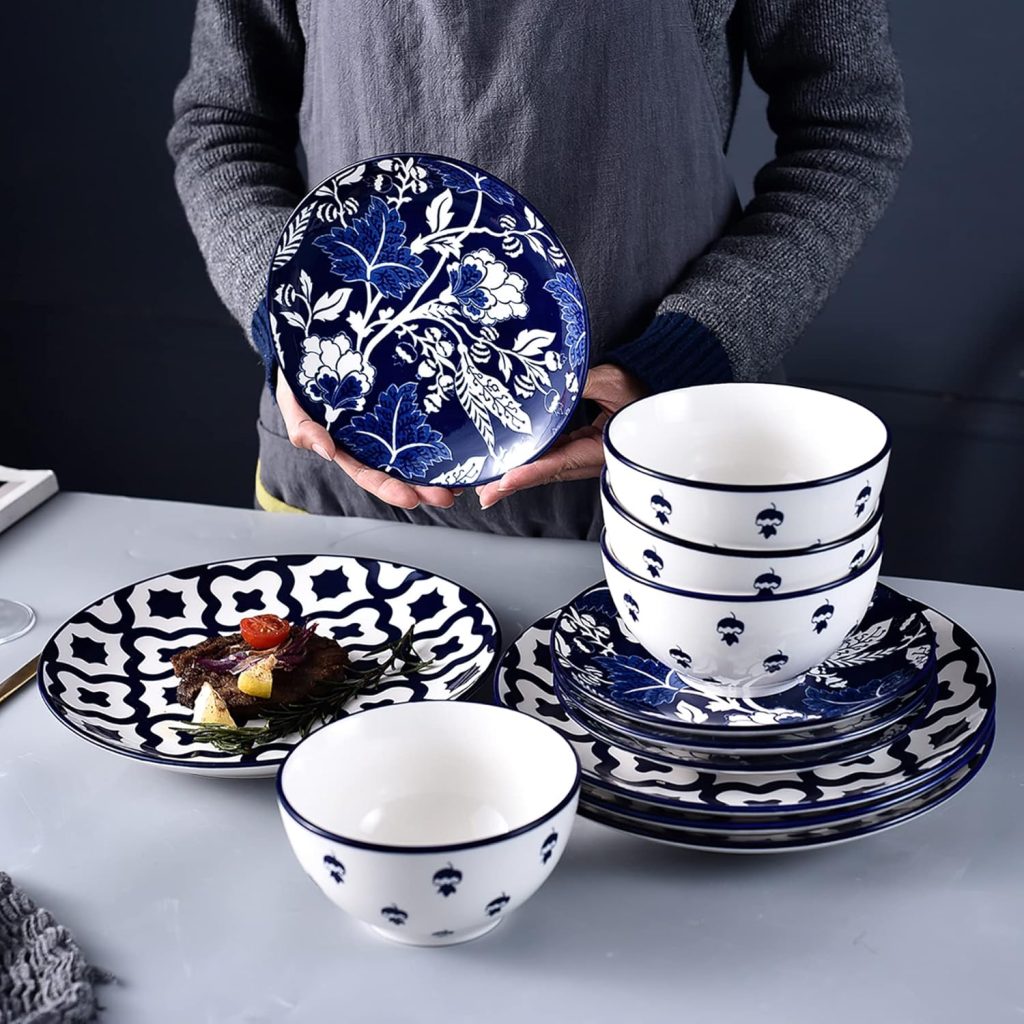
    One of Wisenvoy’s standout features is its hand-painted ceramic production process. This traditional method ensures that each piece is unique whilst maintaining consistent quality standards.

    hand painted stoneware Wisenvoy dinnerware sets

    The hand-painting process involves:

    • Skilled artisans apply designs individually
    • Multiple firing stages to ensure durability
    • Quality inspection at each step
    • Unique variations that make each piece special

    Non-Toxic Guarantee

    Here’s what matters most to health-conscious consumers: Wisenvoy dinnerware contains no harmful toxins. This commitment to safety includes:

    • Lead-free glazes
    • Cadmium-free materials
    • Food-safe certifications
    • Regular testing for heavy metals

    THE MANUFACTURING PROCESS: FROM CLAY TO TABLE

    Step-by-Step Production

    Understanding how Wisenvoy creates their pieces helps appreciate the quality:

    1. Clay preparation: High-grade clay is mixed and refined
    2. Shaping: Pieces are formed using traditional methods
    3. First firing: Bisque firing at controlled temperatures
    4. Glazing: Hand-application of non-toxic glazes
    5. Decorating: Hand-painted designs added
    6. Final firing: High-temperature firing for durability
    7. Quality control: Rigorous inspection before packaging

    Quality Control Measures

    Wisenvoy’s 30-year experience shows in their quality control:

    • Temperature monitoring throughout firing processes
    • Visual inspection for defects or inconsistencies
    • Stress testing for durability
    • Safety testing for food contact materials.

    PRODUCT RANGE: MORE THAN JUST DINNERWARE

    Dinnerware Sets

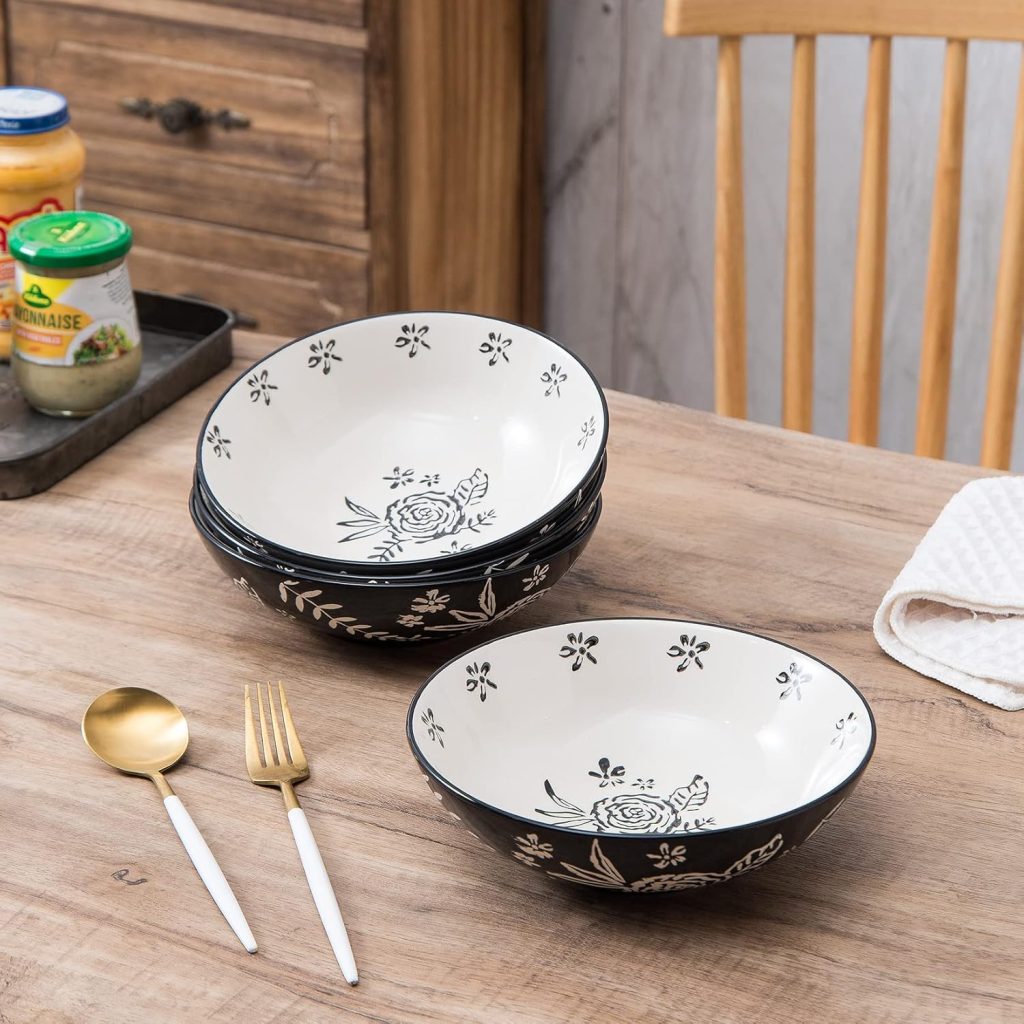
    Wisenvoy pasta Ceramic Bowls

    Wisenvoy’s core offering includes complete dinnerware sets suitable for various occasions:

    • Everyday collections: Durable pieces for daily use
    • Special occasion sets: Elegant designs for entertaining
    • Mix-and-match options: Flexible pieces for personalized table settings

    Bakeware Collection

    The brand extends beyond dinnerware into bakeware, featuring:

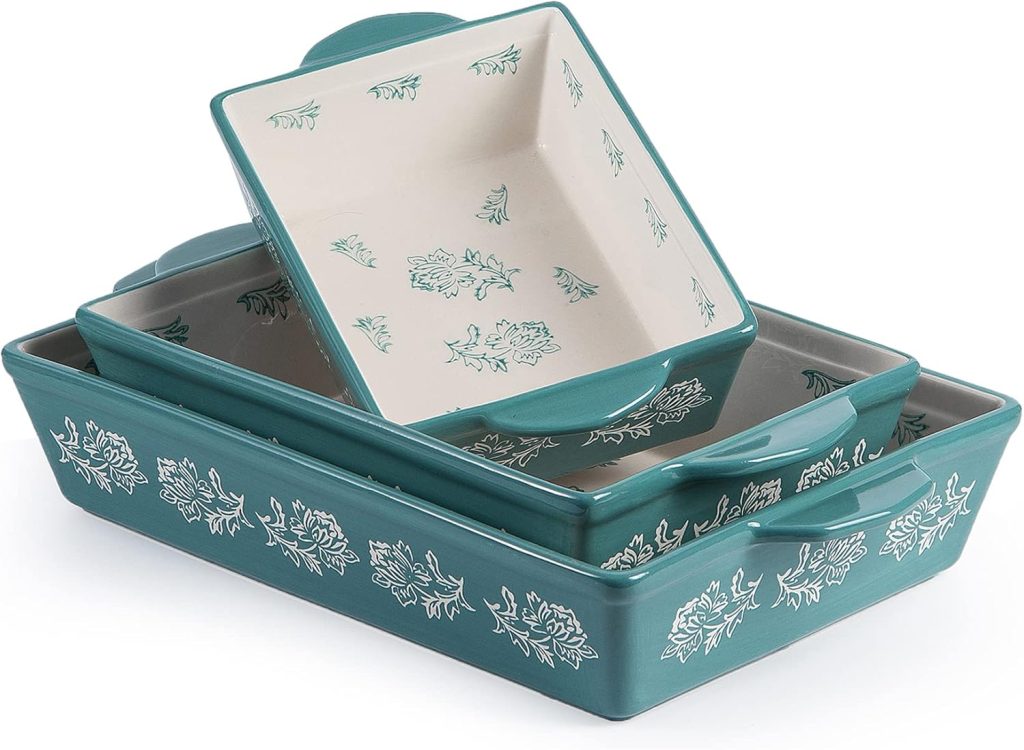
    Wisenvoy Bakeware ceramic casserole baking dish
    • Casserole dishes made from durable porcelain
    • Baking pans with even heat distribution
    • Serving pieces that transition from oven to table

    Specialty Items

    For collectors and gift-givers, Wisenvoy offers:

    • Limited edition pieces
    • Seasonal collections
    • Customizable options for special events.

    HEALTH AND SAFETY: WHY MATERIALS MATTER

    The Non-Toxic Promise

    When you choose Wisenvoy dinnerware, you’re selecting pieces that prioritize your family’s health. The premium healthy ceramic construction means:

    • No leaching of harmful chemicals
    • Safe for microwave and dishwasher use
    • Maintains food flavours without interference
    • Suitable for all family members, including children

    Comparing Safety Standards

    Safety AspectWisenvoyStandard CeramicCheap Alternatives
    Lead Content0%VariesOften present
    Cadmium-FreeUsuallyNot guaranteed
    Food SafetyCertifiedVariesQuestionable
    DurabilityHighMediumLow

    CARING FOR YOUR WISENVOY DINNERWARE

    Daily Maintenance

    Proper care ensures your Wisenvoy pieces last for years:

    • Washing: Use warm, soapy water or dishwasher-safe cycles
    • Drying: Air dry or use soft towels
    • Storage: Stack carefully with protective padding
    • Handling: Avoid sudden temperature changes

    Long-term Care

    For lasting beauty:

    • Avoid abrasive cleaners
    • Check for chips or cracks regularly
    • Store in secure locations
    • Handle with care during moves.

    COMPARING WISENVOY WITH COMPETITORS

    Market Position:

    Wisenvoy occupies a unique space in the ceramic dinnerware market. Unlike mass-produced alternatives, their focus on hand-painted details and premium materials sets them apart.

    Brands like Mora high-quality ceramics share similar commitments to excellence, whilst Famiware china tableware offers different design aesthetics within the same quality tier.

    Value Proposition:

    What you get with Wisenvoy:

    • 30 years of expertise in ceramic production
    • Hand-painted uniqueness in every piece
    • Non-toxic materials for family safety
    • Durable construction for long-term use
    • Versatile designs suitable for multiple occasions.

    FREQUENTLY ASKED QUESTIONS

    Is Wisenvoy dinnerware safe for daily use?


    Absolutely. Wisenvoy dinnerware is made from premium healthy ceramic that’s completely safe for daily use.

    The materials contain no harmful toxins, making them suitable for the entire family.

    Can I put Wisenvoy dinnerware in the microwave?


    Yes, Wisenvoy ceramic dinnerware is microwave-safe. The high-quality ceramic construction handles microwave heating without issues.

    How do I know if my Wisenvoy dinnerware is authentic?


    Authentic Wisenvoy pieces feature:
    Consistent hand-painted quality
    Proper weight and thickness
    Clear brand markings
    Premium packaging.

    What makes Wisenvoy different from other ceramic brands?


    Wisenvoy stands out through:
    30 years of manufacturing experience
    Hand-painted production process
    Non-toxic material guarantee
    Nature-inspired designs
    Versatile product range.

    Where can I buy genuine Wisenvoy dinnerware?


    Purchase from:
    Authorised retailers
    Established online marketplaces
    Direct from verified sellers
    Ceramic specialty stores.

    THE FUTURE OF CERAMIC MANUFACTURING

    Trends in the Industry

    The ceramic dinnerware industry continues evolving:

    • Sustainability focus: Eco-friendly production methods
    • Health consciousness: Increased demand for non-toxic materials
    • Customization: Personalized designs and colours
    • Technology integration: Advanced manufacturing techniques

    Wisenvoy’s Role

    With their 30-year foundation, Wisenvoy is well-positioned to adapt to changing consumer preferences whilst maintaining their commitment to quality and safety.

    INVESTMENT VALUE: IS WISENVOY WORTH IT?

    Cost Considerations

    Wisenvoy dinnerware represents a mid-to-premium investment. Here’s why it’s worth considering:

    • Durability: Pieces last for years with proper care
    • Safety: Non-toxic materials protect your family
    • Versatility: Suitable for daily use and special occasions
    • Uniqueness: Hand-painted details add character

    Long-term Value

    Consider the cost per use over several years. Quality ceramic dinnerware often proves more economical than frequently replacing cheaper alternatives.

    MAKING YOUR DECISION: WHAT TO CONSIDER

    Your Needs Assessment

    Before purchasing, consider:

    • Usage frequency: Daily use vs. special occasions
    • Family size: Number of place settings needed
    • Style preferences: Design aesthetic that matches your home
    • Budget constraints: Investment level you’re comfortable with

    Quality Indicators

    Look for:

    • Consistent thickness and weight
    • Smooth, even glazing
    • Clear, crisp designs
    • Proper packaging and documentation.

    CONCLUSION: THE WISENVOY CHOICE

    Wisenvoy dinnerware, manufactured in China with 30 years of expertise behind it, represents a thoughtful choice for those seeking premium ceramic dinnerware.

    The combination of traditional hand-painted techniques, non-toxic materials, and durable construction creates pieces that serve both practical and aesthetic purposes.

    The Chinese manufacturing location shouldn’t deter you; it’s where the world’s finest ceramics are produced today.

    What matters is the commitment to quality, safety, and craftsmanship that Wisenvoy demonstrates in every piece.

    Whether you’re building your first dinnerware collection or upgrading from basic pieces, Wisenvoy offers the reliability and elegance that discerning consumers seek.

    The investment in premium healthy ceramic pays dividends in safety, durability, and dining pleasure.

  • Where Is Famiware Dinnerware Made?

    When you’re shopping for new dishes, it’s natural to wonder where they actually come from. 

    Famiware dinnerware has become a popular choice for home cooks and design-conscious buyers who want clean, modern tableware without spending a fortune.

    But like many people, you might be asking: where is Famiware dinnerware made, and does that matter?

    The answer touches on global manufacturing, material standards, and what actually goes into producing quality ceramic dinnerware.

    This article walks you through everything you need to know about Famiware’s manufacturing origin, the materials used, and how it holds up as an everyday option.

    Overview of the Famiware Dinnerware Brand

    What Is Famiware?

    Famiware is a home goods brand focused on modern, affordable tableware for everyday use.

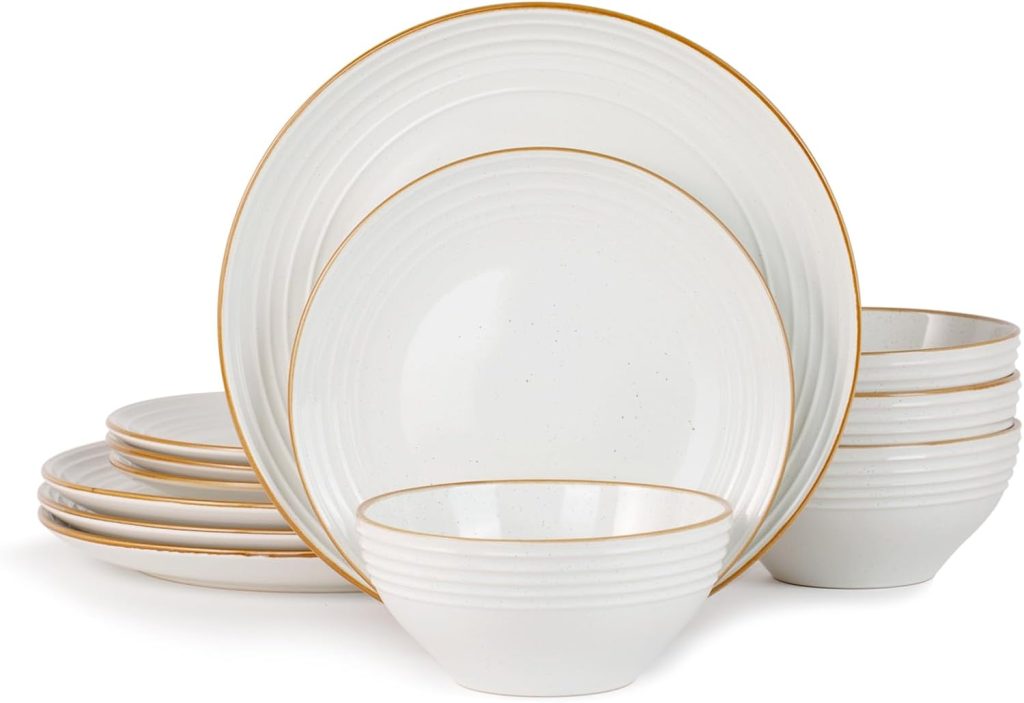
    famiware jupiter stoneware dinnerware set

    It targets consumers who want stylish kitchen products without the premium price tag.

    The brand leans into minimalist dinnerware aesthetics, making it a fit for contemporary kitchens that value clean lines and understated design.

    Famiware positions itself in the kitchenware consumer market as a practical yet design-forward option.

    Product Categories Offered by Famiware

    Famiware carries a range of tableware products. Their lineup typically includes dinner plates, salad plates, soup bowls, pasta bowls, mugs, and complete dinnerware sets designed for everyday households.

    Famiware saturn stoneware dinnerware collection

    Some collections also include cup and saucer sets. These products are often sold as bundled table setting packages, making them convenient for anyone furnishing a kitchen from scratch or refreshing an older set.

    Popularity of Famiware Dinnerware

    Famiware has grown steadily through e-commerce retail platforms like Amazon, where modern tableware trends have driven strong consumer interest.

    Shoppers gravitating toward rustic ceramic style and matte-finish aesthetics have found Famiware’s collections appealing.

    The brand benefits from the broader shift in dining culture toward home cooking and intentional table settings, which has pushed demand for affordable yet attractive dinnerware sets across the home goods industry.

    Where is Famiware Dinnerware manufactured?

    Where is Famiware Dinnerware made

    Country of Manufacture

    Famiware dinnerware is manufactured in China, which serves as one of the world’s leading ceramic export hubs.

    China has dominated the global ceramic trade for decades, and the country’s infrastructure supports both mass production ceramics and more refined manufacturing processes.

    For consumers focused on country-of-origin labels, this is consistent with the vast majority of affordable dinnerware brands available in the U.S. market today.

    Dinnerware manufacturing at this scale requires established industrial capacity that few other countries can match.

    Manufacturing and Production Facilities

    Like most brands at Famiware’s price point, the company works through OEM manufacturing arrangements, meaning a third-party ceramic factory produces products to Famiware’s design and quality specifications.

    This is a standard model in the tableware industry. Private label dinnerware brands operate this way routinely, partnering with experienced production facilities rather than owning their own factories.

    The production line for ceramic dinnerware typically involves several stages: clay processing, mold casting through either slip casting or press molding, a drying process, biscuit firing in an industrial kiln, glazing, and then glaze firing at high temperatures.

    Each step in the process contributes to the final product’s durability and surface texture.

    Kiln firing, in particular, where pieces are exposed to intense heat treatment, is what gives ceramic and stoneware pieces their structural strength.

    Quality Control and Production Standards

    Quality control is a critical part of the supply chain for any reputable dinnerware brand.

    Famiware, like other brands operating in export manufacturing, is expected to meet product labeling standards and import regulations that apply to goods sold in the U.S. market.

    This includes compliance with FDA compliance requirements for food-safe coating and lead-free glaze standards.

    Products are typically inspected at multiple points in the production line to catch defects before packaging for dinnerware and international shipping.

    Brand transparency in this area matters. Consumers increasingly want product traceability — knowing that what they’re eating off meets basic safety thresholds — and food-safe, lead-free production has become a baseline expectation in the kitchenware market.

    Materials Used in Famiware Dinnerware

    Types of Materials Used

    Famiware dinnerware is primarily made from stoneware, which is a dense, fired ceramic material known for its durability and weight.

    Stoneware sits between earthenware and porcelain in terms of density and heat resistance.

    Famiware milky way plates and Bowl set

    It’s produced using a combination of ceramic materials, including kaolin clay, feldspar, and silica — the core raw inputs used in industrial ceramics.

    The specific blend of these materials affects the finished piece’s color, texture, and structural integrity.

    Porcelain, while similar in look, is fired at higher temperatures and tends to be thinner and more translucent.

    Famiware’s aesthetic leans toward the heavier, more tactile feel that stoneware provides, which suits its rustic ceramic style and matte glaze finishes.

    Durability and Heat Resistance

    Famiware dinnerware sets are generally marketed as both microwave safe and dishwasher safe, which are practical priorities for everyday households.

    The stoneware construction offers reasonable chip resistance and heat resistance for normal use.

    That said, like any ceramic product, they are not immune to chipping if dropped or handled roughly.

    Scratch resistance on glazed ceramic surfaces is generally decent, though metal utensils used aggressively over time can leave marks on the glaze.

    Tableware durability in the stoneware category is generally considered better than earthenware but comparable to mid-range porcelain for most everyday tasks.

    Environmental and Safety Considerations

    Famiware’s product listings emphasize that their pieces are made with lead-free glaze and food-safe coating materials, which aligns with FDA compliance standards required for tableware sold in the United States.

    On the sustainability front, the global ceramic industry has increasingly adopted sustainable manufacturing practices, including waste clay recycling and reduced-carbon footprint processes — though the extent to which individual brands implement these practices varies.

    Consumers interested in this aspect should look for specific brand disclosures rather than assuming industry-wide adoption.

    How Famiware Dinnerware Is Designed

    Design Philosophy

    Famiware’s brand identity is built around minimalist dinnerware, clean shapes, simple silhouettes, and a design language that fits easily into modern home aesthetics.

    The kitchen lifestyle branding the company uses speaks to consumers who treat their table settings as part of their overall home design, not just a functional necessity.

    Color and Texture Options

    The brand offers collections in matte glaze finishes with neutral color palettes, think warm whites, grays, and earthy tones.

    Some collections incorporate reactive glaze techniques, where slight color variation occurs naturally during the glaze firing process, giving each piece a slightly unique appearance.

    This handcrafted feel is a nod to the ceramic craft tradition, even in a mass-production context.

    Functionality for Everyday Use

    Beyond aesthetics, Famiware designs with practical daily use in mind.

    Pieces are typically stackable to save cabinet space, and the surface texture is designed to balance grip with ease of cleaning.

    The combination of tableware design choices, manageable weight, smooth interiors, and consistent sizing makes these sets functional as both everyday household dishes and casual restaurant tableware for small food businesses.

    How Famiware Compares to Other Dinnerware Brands

    Price and Value

    Famiware sits comfortably in the affordable dinnerware segment.

    Compared to brands like Corelle, Gibson, Wisenvoy, or Mora Ceramic, it occupies a similar price tier while leaning more heavily into design appeal.

    The value proposition is straightforward: modern aesthetics and solid everyday functionality at a price accessible to most households.

    Within the marketplace platforms where it sells, Famiware competes primarily on visual appeal and set completeness.

    Design and Aesthetic Appeal

    In terms of industrial design, Famiware holds its own against similarly priced brands.

    The matte finishes and consistent forms give it a premium appearance that punches slightly above its price point.

    Brands like Mora or Stone Lain occupy the same modern tableware trends space, and the differences often come down to subtle variations in glaze color, weight, and set options rather than fundamental design quality.

    Durability and Customer Feedback

    Consumer reviews for Famiware are generally positive on design, but more mixed on long-term chip resistance.

    This is consistent with most stoneware brands in the same price range — the material is durable under normal conditions, but not indestructible.

    Buyers who treat these dishes carefully tend to report high satisfaction, while those who put them through heavy daily stress sometimes notice wear over time.

    Overall, perceptions of product quality are in line with what the price point reasonably promises.

    What to Consider When Buying Dinnerware

    Material Quality

    When comparing dinnerware options, material matters.

    Ceramic is a broad category earthenware is the most porous and least durable, stoneware is denser and more practical, and porcelain is the most refined but often more fragile if thinly made.

    For everyday household use, stoneware like what Famiware uses is a practical middle ground that balances durability with a quality feel.

    Manufacturing Origin

    Some buyers genuinely care about the country of manufacture, whether for ethical sourcing reasons, quality assumptions, or personal preference.

    It’s worth noting that many premium dinnerware brands — including well-regarded European and American labels — also source from international manufacturing partners, including China.

    The factory location alone doesn’t determine quality; what matters more is the production standards, materials science applied, and quality control processes in place.

    Everyday Practicality

    Before buying any dinnerware set, confirm the basics: Is it dishwasher safe? Does it offer sufficient chip resistance for your household?

    Are the pieces stackable for convenient storage? For families with children or high-traffic kitchens, these practical considerations often matter more than brand origin or design details.

    Famiware ticks most of these boxes for the average home kitchen.

    Conclusion

    Famiware dinnerware is manufactured in China through OEM manufacturing partnerships, which is standard practice across the global dinnerware manufacturing industry.

    The brand uses stoneware materials — kaolin clay, feldspar, and silica — fired through industrial kiln processes that produce durable, food-safe, and lead-free finished products.

    What makes Famiware appealing isn’t just the manufacturing origin but the combination of minimalist design, practical functionality, and accessible pricing.

    When choosing dinnerware, it’s worth weighing both where a product is made and how it’s made.

    Famiware delivers solid everyday value for consumers who want modern tableware that works well without breaking the budget.

  • Where Are Mora Ceramics Made? The Complete Manufacturing Guide

    You’re holding a beautifully crafted ceramic mug, steam rising from your morning coffee, and suddenly you wonder where exactly this piece was made.

    More importantly, is it safe for you and your family? In today’s world of mass production and questionable manufacturing practices, discerning consumers are increasingly asking these vital questions about their dinnerware.

    Mora Ceramics has emerged as a beacon of transparency in the ceramic industry, but its story goes far beyond typical manufacturing.

    Founded by Alix in Minneapolis as a response to her personal mental health journey, this brand represents something deeper: a commitment to wellness, sustainability, and artisanal quality that spans continents.

    Their unique approach to ceramic production involves a fascinating blend of American design sensibilities and Asian manufacturing expertise.

    But here’s where it gets interesting: Mora’s manufacturing process involves a proprietary clay formula that’s revolutionizing the ceramic industry, and their production story might just change how you think about where your dinnerware should come from.

    MORA CERAMICS MANUFACTURING LOCATION: A GLOBAL APPROACH TO LOCAL QUALITY

    Design Process in Minneapolis

    The journey of every Mora Ceramics piece begins in the heart of Minneapolis, Minnesota. This isn’t just about geography; it’s about philosophy.

    Alix, the founder, thoughtfully designs each piece with care in her Minneapolis studio, ensuring that every curve, every handle, and every glaze colour reflects the brand’s commitment to mindful living.

    The design process in Minneapolis represents more than just artistic vision. It’s where the brand’s core values of wellness and intentional living are translated into tangible products.

    Each piece is conceptualized with the user’s daily rituals in mind, creating what the brand calls “moments of pause” in our increasingly hectic lives.

    Production in Xiamen, China: The Family-Owned Difference

    Here’s where many ceramic enthusiasts might raise an eyebrow—Mora Ceramics are manufactured in Xiamen, China.

    But before you make assumptions, let’s delve into what makes this arrangement extraordinary.

    where are Mora ceramics made?

    The creation moves to their family-owned studio in Xiamen, where production takes place under the direct supervision of Alix’s brother-in-law.

    This isn’t your typical outsourced manufacturing relationship. It’s a family affair that bridges continents whilst maintaining the highest quality standards.

    Xiamen, located in Fujian Province, has been a centre of ceramic excellence for centuries.

    The city’s rich history in porcelain production, combined with modern manufacturing capabilities, creates the perfect environment for Mora’s high-quality ceramic production.

    Quality Control and Family Ownership

    What sets Mora apart from other brands manufacturing in China is their approach to quality control. Alix’s brother-in-law serves as the quality control manager and leads the production team, creating a direct family connection to every piece produced.

    This family-owned studio model ensures that:

    • Every batch is meticulously overseen with precision and care
    • Quality standards remain consistently high
    • The brand’s values are maintained throughout production
    • Direct communication exists between design and manufacturing teams

    IS MORA CERAMICS MICROWAVE SAFE? TEMPERATURE RESISTANCE AND PRACTICAL USAGE

    Temperature Resistance and Heat Handling

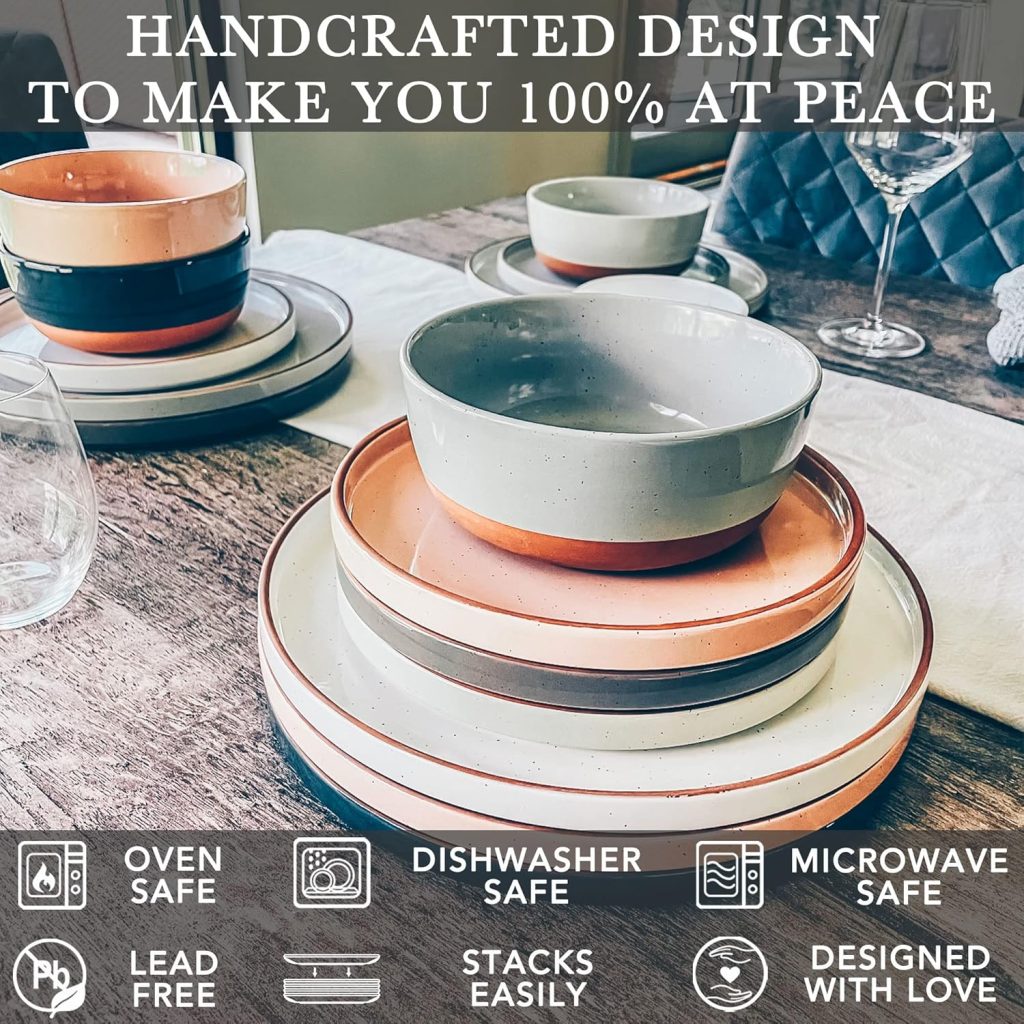
    One of the most frequently asked questions about Mora Ceramics microwave safety deserves a definitive answer: Yes, Mora Ceramics are microwave safe.

    Mora Porcelain modern Pasta Bowls set

    But the story behind this safety extends far beyond simple microwave compatibility.

    Mora ceramics are fired at an impressive 1500°F, creating a strength and durability that handles temperature variations with ease. This high-temperature firing process results in ceramics that are:

    • Microwave safe for everyday heating
    • Oven safe up to 500°F (even at broiler temperatures)
    • Freezer safe for food storage
    • Dishwasher safe for easy cleaning

    Safe Usage Guidelines

    Whilst Mora Ceramics dishwasher safe and microwave-friendly properties make them incredibly versatile, there are some important guidelines to follow:

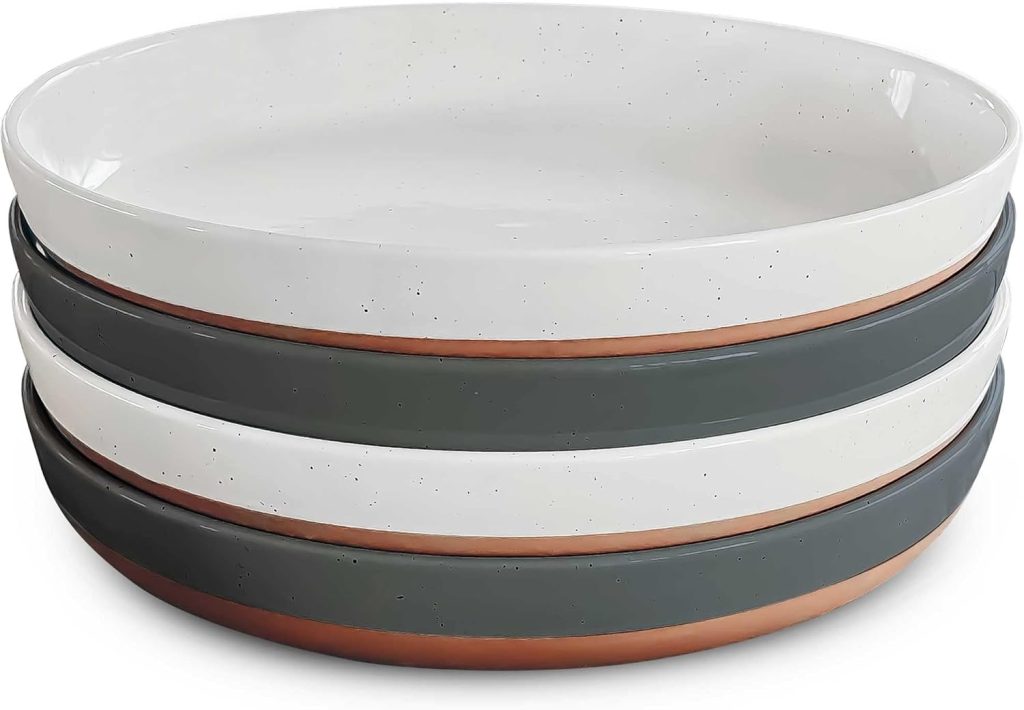
    Mora ceramic flat dinner plates with high edge

    Important Safety Notes:

    • Never place ceramics directly over an open flame
    • Allow ceramics to reach room temperature before extreme temperature changes
    • Avoid transferring directly from freezer to oven
    • Use proper oven mitts when handling hot ceramics

    Oven and Freezer Compatibility

    The temperature resistance of Mora Ceramics makes them incredibly versatile for modern cooking needs.

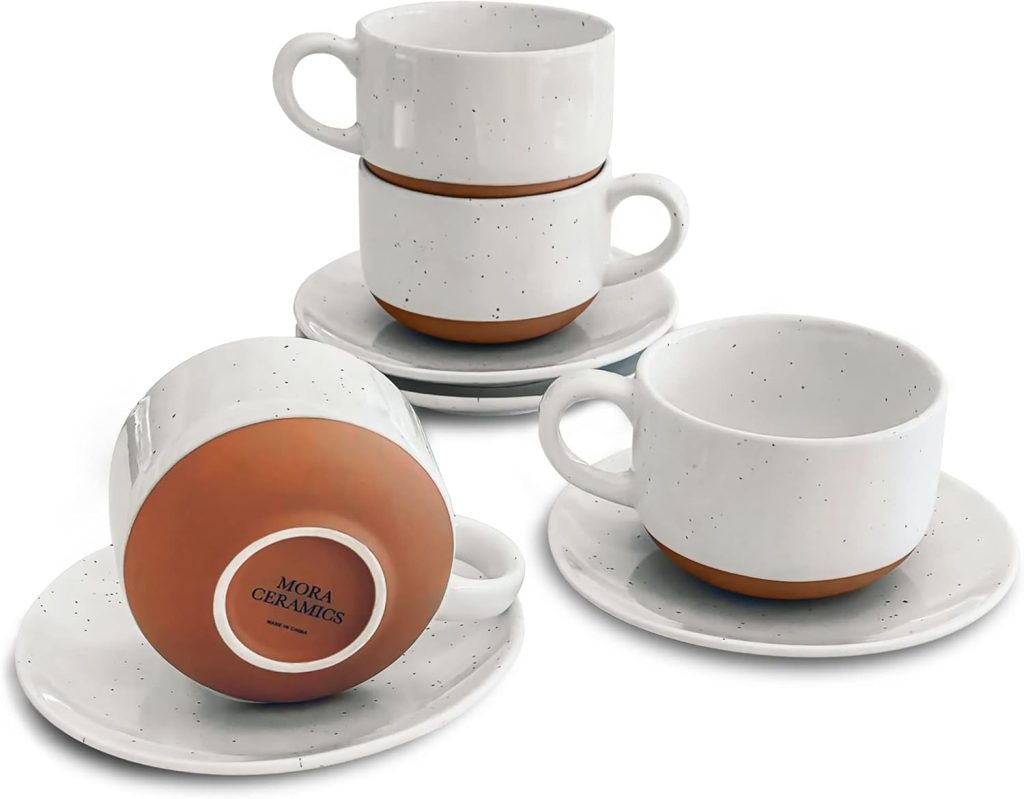
    Mora ceramic Cappuccino mugs

    Whether you’re reheating leftovers in the microwave or preparing a casserole in the oven, these ceramics handle the heat with remarkable stability.

    Usage TypeTemperature RangeSafety Status
    MicrowaveStandard heating✓ Safe
    OvenUp to 500°F✓ Safe
    FreezerStandard freezing✓ Safe
    DishwasherStandard cycles✓ Safe
    Open flameDirect contact✗ Not safe

    MORA CERAMICS SAFETY AND NON-TOXIC PROPERTIES: YOUR HEALTH MATTERS

    Lead-Free Certification and Peace of Mind

    When it comes to Mora Ceramics lead free properties, the brand takes an uncompromising stance. None of their glazes or clay contain lead, cadmium, or any other heavy metals.

    This isn’t just a marketing claim, it’s a fundamental commitment to your family’s health.

    The importance of lead-free ceramic dinnerware cannot be overstated. Lead exposure, even in small amounts, can have serious health implications, particularly for children.

    Mora’s commitment to lead-free production ensures that every meal served on their ceramics is completely safe.

    Heavy Metal-Free Composition

    Mora Ceramics non-toxic properties extend beyond just lead-free certification. The brand’s approach to heavy metal free ceramics includes:

    • No lead in glazes or clay
    • No cadmium in any component
    • No mercury or other toxic metals
    • No arsenic or harmful compounds

    This comprehensive approach to safety means you can serve food to your family with complete confidence, knowing that no harmful substances will leach into your meals.

    PFOA-Free Materials

    In addition to being heavy metal-free, Mora Ceramics are also PFOA-free. PFOAs (perfluorooctanoic acids) are synthetic chemicals commonly found in non-stick coatings, but have no place in quality ceramics.

    The brand’s commitment to PFOA-free ceramics ensures that your dinnerware remains free from these potentially harmful synthetic compounds, supporting your family’s long-term health and well-being.

    California Prop 65 Compliance

    Mora products meet the strict safety standards of California Prop 65, one of the most stringent consumer protection laws in the United States.

    This compliance ensures that the ceramics are free from harmful substances that could pose health risks.

    California Prop 65 compliance is particularly significant because it requires manufacturers to prove their products don’t contain any of over 900 chemicals known to cause cancer or reproductive harm.

    Mora’s compliance with these standards provides additional peace of mind for health-conscious consumers.

    UNDERSTANDING PALADIN CLAY TECHNOLOGY: THE SCIENCE BEHIND SUPERIOR CERAMICS

    What Makes Paladin Clay Unique

    At the heart of every Mora ceramic piece lies Paladin clay, a proprietary formulation that sets the brand apart from conventional ceramic manufacturers.

    Jerry, Co-founder and chemical engineer, developed this high-quality clay made specially for Mora Ceramics.

    The name “Paladin” isn’t chosen arbitrarily. Named after historical Paladins (known for being strong and lean), this exclusive Paladin clay creates ceramics that are 20% stronger and impressively lightweight.

    Paladin clay composition represents years of research and development, creating a material that combines:

    • Superior strength (20% stronger than standard ceramics)
    • Lightweight design for comfortable handling
    • Chip-resistant properties for durability
    • Restaurant-grade performance for commercial use

    Strength and Durability Features

    The strength and durability of Paladin clay make Mora ceramics suitable for both home and commercial use.

    This restaurant-grade ceramics designation isn’t just marketing, it’s a testament to the material’s ability to withstand the rigours of professional kitchen environments.

    Key strength features include:

    • 20% stronger than conventional ceramics
    • Chip-resistant surface that maintains appearance
    • Lightweight construction for easy handling
    • Thermal shock resistance for temperature changes

    Chemical Engineer Development Process

    The development of Paladin clay showcases the brand’s commitment to scientific excellence. Jerry’s background as a chemical engineer brings a level of technical expertise rarely seen in ceramic manufacturing.

    The clay recipe is a closely guarded secret, but the continuous refinement process ensures that each batch meets the highest standards. This ceramic manufacturing process involves:

    • Ongoing formula optimization
    • Regular quality testing
    • Continuous improvement protocols
    • Scientific analysis of performance metrics

    MATERIALS AND MANUFACTURING PROCESS: FROM CLAY TO KITCHEN

    Clay Composition and Properties

    The materials used in Mora Ceramics manufacturing represent a perfect blend of traditional ceramic knowledge and modern scientific innovation.

    While the exact Paladin clay composition remains proprietary, we know it’s formulated to deliver exceptional performance characteristics.

    Key material properties include:

    • High-temperature resistance (fired at 1500°F)
    • Non-porous surface that resists staining
    • Smooth texture for comfortable handling
    • Consistent colour across production batches

    Glazing System and Finish

    The glazing system used by Mora represents another crucial aspect of their manufacturing excellence.

    In-house glazes are completely free of heavy metals, PFOAs, lead, and cadmium, designed to complement rather than complicate your life.

    Glaze characteristics include:

    • Food-safe formulation with no toxic substances
    • Durable finish that resists wear and scratching
    • Easy cleaning properties for maintenance
    • Consistent appearance across product lines

    Quality Control Standards

    The quality control standards maintained by Mora Ceramics ensure that every piece meets their exacting specifications.

    Each batch is meticulously overseen with precision and care, maintaining consistency across all products.

    Quality control measures include:

    • Visual inspection of every piece
    • Dimensional accuracy checking
    • Glaze consistency verification
    • Strength testing protocols
    Quality CheckFrequencyStandard
    Visual inspectionEvery pieceZero defects
    Dimensional accuracyRandom sampling±2% tolerance
    Glaze consistencyEvery batchColour match
    Strength testingWeekly20% above standard

    CARE AND MAINTENANCE GUIDELINES: KEEPING YOUR CERAMICS BEAUTIFUL

    Dishwasher Safety and Cleaning

    Mora Ceramics dishwasher safe properties make maintenance incredibly convenient.

    All ceramics are dishwasher safe to make cleanup a breeze, though the brand recommends specific care for optimal longevity.

    Dishwasher guidelines:

    • Use standard dishwasher cycles
    • Avoid overcrowding to prevent chipping
    • Use mild detergents for best results
    • Allow proper drying time

    Proper Cleaning Methods

    While dishwasher cleaning is convenient, proper hand washing can extend the life of your ceramics.

    The brand recommends handwashing glassware and accessories like infusers, spoons, and lids to keep them looking their best.

    Hand washing tips:

    • Use warm water and mild soap
    • Avoid abrasive cleaners or scrubbers
    • Dry thoroughly to prevent water spots
    • Store carefully to prevent chipping

    Storage Recommendations

    Proper storage ensures your Mora Ceramics maintain their beauty and functionality over time. Consider these storage best practices:

    • Stack carefully with protective padding
    • Store in dry conditions to prevent moisture damage
    • Avoid extreme temperatures during storage
    • Handle with care to prevent accidental damage

    COMPARING CERAMIC MANUFACTURING: A GLOBAL PERSPECTIVE

    When discussing where ceramics are made, it’s worth noting that consumers often wonder about other popular brands.

    For instance, questions like “where is Wisenvoy dinnerware made?” or “where is Famiware dinnerware made?” reflect the growing consumer awareness about manufacturing origins and quality standards.

    Mora’s approach to international manufacturing sets a benchmark for transparency and quality control that other brands might emulate.

    Their family-owned studio model in Xiamen demonstrates that the location of manufacturing matters less than the commitment to quality and safety.

    Manufacturing Transparency in the Industry

    The ceramic industry has seen increasing demand for manufacturing transparency. Consumers want to know:

    • Where their products are made
    • What materials are used
    • How quality is ensured
    • What safety standards are met

    Mora’s open approach to sharing their manufacturing story, from Minneapolis design to Xiamen production, reflects this industry trend towards transparency.

    THE ENVIRONMENTAL IMPACT: SUSTAINABLE MANUFACTURING PRACTICES

    Packaging and Sustainability:

    Mora’s commitment to environmental responsibility extends beyond their ceramics to their packaging practices.

    Their cardboard packaging is all recyclable, allowing consumers to continue building their collections guilt-free.

    Sustainable packaging features:

    • Recyclable cardboard primary packaging
    • Biodegradable foam for protection when needed
    • Minimal packaging approach
    • Eco-friendly materials throughout

    Manufacturing Footprint

    The environmental impact of ceramic manufacturing is an important consideration for conscious consumers. Mora’s approach to sustainable manufacturing includes:

    • Energy-efficient firing processes
    • Waste reduction protocols
    • Responsible sourcing of materials
    • Long-lasting products that reduce replacement needs

    FREQUENTLY ASKED QUESTIONS: EVERYTHING YOU NEED TO KNOW

    Are Mora Ceramics suitable for commercial use?


    Their strength, durability, and safety features make them excellent for professional kitchens and hospitality environments.

    How do I know if my ceramics are authentic Mora products?


    Authentic Mora Ceramics feature consistent quality, proper packaging, and come with official documentation. Purchase from authorized retailers to ensure authenticity.

    Can I use Mora Ceramics for baking?


    Yes, Mora Ceramics are oven safe up to 500°F, making them suitable for baking applications. Always follow proper temperature guidelines for best results.

    What should I do if my ceramics develop grey marks?


    Grey marks from silverware are easily removed using a nylon scrubber and a gentle abrasive like Bar Keeper’s Friend.

    These marks are superficial and don’t affect the ceramic’s safety or integrity.

    How long do Mora Ceramics typically last?


    With proper care, Mora Ceramics can last for decades. Their chip-resistant properties and durable construction make them a long-term investment for your kitchen.

    CONCLUSION: WHY MORA CERAMICS REPRESENTS THE FUTURE OF DINNERWARE

    Mora Ceramics represents more than just beautifully crafted dinnerware; it’s a testament to what’s possible when design excellence meets manufacturing integrity.

    From their Minneapolis design studio to their family-owned facility in Xiamen, every aspect of their process reflects a commitment to quality, safety, and transparency.

    The Paladin clay technology, non-toxic materials, and microwave-safe properties make Mora ceramics an ideal choice for health-conscious consumers who refuse to compromise on style or safety.

    Their lead-free certification and California Prop 65 compliance provide the peace of mind that modern families deserve.

    As we’ve explored throughout this guide, where ceramics are made matters less than how they’re made and who’s responsible for quality.

    Mora’s family-owned approach to manufacturing, combined with their scientific approach to materials development, creates products that exceed industry standards whilst maintaining artisanal quality.

    Your family’s health and your home’s beauty deserve nothing less than the best. Make the switch to Mora Ceramics today.


    For more information about ceramic safety standards and manufacturing practices, visit California Prop 65 and FDA Ceramic Dinnerware Safety Guidelines for comprehensive resources.

  • Dinner Plates with Dogs on them: Your Complete Guide to Finding the Perfect Canine-Themed Dinnerware

    Dog-themed home decor has become incredibly popular in recent years. More pet lovers are bringing their passion for pups into every room of their house.

    One of the most charming ways to show your love for dogs is through dinner plates with dogs on them.

    Whether you’re looking for everyday dinnerware or special collectible pieces, there’s a perfect dog plate waiting for you.

    This guide covers everything from modern designs to vintage treasures.

    You’ll learn about different materials, popular brands, and where to find the best options.

    TYPES OF DOG-THEMED DINNER PLATES

    Modern Dog Plates:

    Today’s dog-themed dinnerware offers endless variety. You can find plates featuring specific breeds, cartoon dogs, or artistic interpretations of dogs.

    Many modern designs feature clean, simple graphics that complement any decor style.

    Dinner plates with dogs on them

    Breed-specific plates are especially popular. Dachshund lovers can find plates celebrating their favorite “wiener dogs.” Golden retriever fans have plenty of options, too.

    Almost every popular breed has dedicated dinnerware designs.

    Hunting and wildlife themes appeal to outdoor enthusiasts. These plates often feature realistic paintings of hunting dogs in action.

    They’re perfect for cabins, lodges, or anyone who loves the great outdoors.

    Casual party themes work great for dog birthday parties or casual gatherings. These fun designs often feature cartoon-style dogs or playful patterns.

    They’re usually made from durable materials that can handle everyday use.

    VINTAGE AND ANTIQUE DOG PLATES

    Vintage dog plates represent a fascinating world of collectible dinnerware. These pieces often showcase the artistic styles of their era.

    Victorian-era plates feature delicate hand-painted designs with gold accents. Mid-century pieces show the clean lines and bold colors of the 1950s and 1960s.

    Collectible dog plates can be excellent investments. Some rare pieces increase in value over time. However, most people collect them simply because they love the beautiful artwork and historical significance.

    Antique dog plates tell stories of different time periods. They show how people’s relationships with dogs have evolved. Many vintage pieces were made by famous pottery companies that are no longer in business.

    MATERIALS AND CONSTRUCTION

    Understanding materials helps you choose the right plates for your needs. Each material has unique benefits and care requirements.

    Modern Materials

    Melamine is perfect for everyday use. This plastic material resists breaking and chipping. It’s lightweight and dishwasher safe. Melamine plates work great for outdoor dining and families with children.

    Porcelain offers elegance and durability. High-quality porcelain plates can last for generations. They’re microwave and dishwasher-safe. Porcelain works well for both casual and formal dining.

    affordable ceramic Dog plates for home

    Ceramic provides versatility at affordable prices. Ceramic plates come in many styles and colors. They’re heavier than melamine but lighter than porcelain. Most ceramic plates are dishwasher and microwave-safe.

    Dog and Cat Bamboo non toxic plate for kids and toddlers

    Eco-friendly options combine sustainability with style. Some manufacturers use bamboo-melamine blends. These plates are biodegradable and still offer durability.

    Vintage Materials

    Bone china was the premium choice for fine dinnerware. This material contains bone ash, making it stronger than regular porcelain. Vintage bone china plates often feature intricate designs and gold trim.

    Earthenware was commonly used for everyday dishes. This ceramic material has a rustic, handmade appearance. Earthenware plates are usually thicker and heavier than modern ceramics.

    Stoneware became popular in mid-century designs. This material is very durable and chip-resistant. Stoneware plates often have a matte finish and earth-tone colors.

    Contemporary Brands

    VIETRI wildlife hunting dog ceramic themed handmade dinnerware

    VIETRI creates premium hunting dog-themed dinnerware. Their plates feature beautiful artwork and superior craftsmanship. VIETRI plates fall into the premium price category but offer exceptional quality.

    Portmeirion ceramic Dog Bowl for home and gifts

    Portmeirion offers comprehensive animal collections. Their dog plates coordinate with matching bowls, mugs, and serving pieces. Portmeirion products are mid-range priced and widely available.

    Pottery Barn provides quality everyday pieces. Their dog plates feature simple, modern designs. Pottery Barn items are mid-range priced and perfect for casual dining.

    Target offers budget-friendly options for dog lovers. Their seasonal collections include disposable and reusable dog plates. Target’s prices are very affordable for most budgets.

    VINTAGE AND COLLECTIBLE BRANDS

    Royal Doulton created some of the most sought-after dog collector plates. This British company produced beautiful decorative pieces featuring various dog breeds.

    Royal Doulton plates are highly collectible and often increase in value.

    Spode woodland earthenware vintage Dog Plate

    Spode has a long history of creating traditional British ceramics. Their dog plates often feature hunting scenes and countryside themes. Spode pieces are considered premium collectibles.

    Beswick became famous for animal figurines and plates. Their dog plates feature realistic artwork and fine craftsmanship. Beswick items are popular with serious collectors.

    Johnson Bros produced octagonal plates in the 1920s and 1930s. These unique shapes make them stand out from round plates. Johnson Bros pieces are affordable vintage options.

    MATERIAL AND BRAND COMPARISON

    MaterialDurabilityCareBest For
    MelamineExcellentEasyEveryday use, outdoor dining
    PorcelainVery GoodModerateSpecial occasions, gifts
    CeramicGoodEasyCasual dining, everyday use
    Bone ChinaExcellentCarefulCollecting, formal dining
    Brand CategoryQualityAvailabilityTarget Audience
    VIETRIPremiumGoodLuxury buyers
    PortmeirionHighExcellentGeneral consumers
    Royal DoultonPremiumLimitedCollectors
    TargetGoodExcellentBudget-conscious

    COLLECTOR’S GUIDE TO VINTAGE DOG PLATES

    Investment Potential

    Vintage dog plates can be smart investments for collectors. However, not all vintage pieces increase in value. Rarity, condition, and manufacturer reputation affect prices the most.

    Market trends show steady interest in mid-century and Victorian-era pieces. Plates from famous manufacturers like Royal Doulton tend to hold their value better.

    Limited edition pieces often appreciate more than mass-produced items.

    Authentication is crucial when buying vintage plates. Look for manufacturer marks on the bottom. Research the company’s history and typical markings.

    When in doubt, consult with experienced collectors or appraisers.

    WHERE TO BUY VINTAGE PLATES

    Auction houses offer authenticated pieces with detailed histories. They’re great for serious collectors looking for rare items. However, auction prices can be unpredictable.

    Specialty dealers focus on specific manufacturers or time periods. They often provide certificates of authenticity. Building relationships with dealers can lead to better finds.

    Online marketplaces like eBay offer huge selections. However, buyer beware – not all sellers are honest about condition or authenticity. Always ask for detailed photos and descriptions.

    Estate sales can yield amazing finds at reasonable prices. Arrive early for the best selection. Bring a magnifying glass to check for chips or cracks.

    BUYING GUIDE FOR ALL TYPES

    For Everyday Use

    Durability should be your top priority for daily-use plates. Look for chip-resistant materials like melamine or high-quality ceramic. Avoid delicate vintage pieces for regular meals.

    Care requirements vary by material. Choose dishwasher-safe options if you prefer easy cleanup. Some materials can’t go in the microwave, so check before buying.

    Style coordination helps create a cohesive look. Consider how dog plates will work with your existing dinnerware. You might also want to explore pet drinkware and kitchenware to complete the theme.

    For Collectors

    Research is essential before making expensive purchases. Learn about different manufacturers and their marks. Join collector groups online to share knowledge and find deals.

    Condition assessment affects value significantly. Small chips or cracks can dramatically reduce worth. Learn to spot restoration work, which may not be obvious to beginners.

    Storage and display protect your investment. Use plate stands for display pieces. Store stacked plates with protective padding between them.

    CARE AND MAINTENANCE

    Modern Plates

    Dishwasher safety depends on the material. Most melamine and ceramic plates are dishwasher safe. Check manufacturer instructions before the first wash.

    Storage tips help prevent damage. Stack plates with protective padding. Store them in cabinets away from heavy items that might fall.

    Microwave use varies by material. Melamine plates are NOT SUITABLE FOR MICROWAVE USE. Ceramic and porcelain are usually microwave safe.

    Vintage Plates

    Gentle cleaning preserves delicate vintage pieces. Hand wash with mild soap and soft sponges. Avoid harsh chemicals or abrasive cleaners.

    Display considerations protect plates from sunlight and humidity. UV rays can fade colors over time. Use proper plate stands to prevent stress cracks.

    Insurance documentation protects valuable collections. Photograph each piece and keep purchase records. Consider adding collectibles to your homeowner’s insurance.

    WHERE TO BUY DOG PLATES

    Online Retailers

    Amazon offers the largest selection of modern dog plates. You’ll find everything from budget options to premium brands. Prime shipping makes it convenient for quick delivery.

    Wayfair specializes in home decor and dinnerware. They carry many dog-themed options from various manufacturers. Their website makes it easy to filter by material and style.

    Etsy features unique and custom dog plates. Many artists create one-of-a-kind pieces. This is perfect if you want something truly special or personalized.

    Specialty dealers

    Antique shops often have vintage dog plates mixed in with other collectibles. Building relationships with shop owners can lead to special finds.

    Collector shows bring together dealers and collectors. These events are great for seeing items in person before buying. You can also learn from other collectors.

    1stDibs offers authenticated antique and vintage pieces. Their selection includes high-end collectibles from reputable dealers worldwide.

    Physical Stores

    Department stores like Macy’s and Nordstrom carry designer dog plates. You can see and feel the quality before purchasing.

    Home goods stores like HomeGoods and TJ Maxx sometimes have discounted designer pieces. Selection varies, but you might find great deals.

    Pet stores increasingly carry dog-themed human dinnerware. This makes sense since dog owners are their target customers.

    GIFT IDEAS AND OCCASIONS

    Dog lover gifts are always appreciated by pet parents. A beautiful set of dog plates makes a thoughtful housewarming present. Consider the recipient’s favorite breed when choosing designs.

    Holiday themes add seasonal fun to dog plates. Christmas plates with Santa dogs or Halloween designs with costumed pups are popular. These seasonal pieces can become treasured traditions.

    Memorial pieces help honor beloved pets who have passed away. Some artists create custom plates featuring specific dogs. These meaningful gifts provide comfort during difficult times.

    Collector additions make excellent gifts for serious collectors. Research what pieces they’re missing from their collection. Limited edition or rare vintage pieces are especially appreciated.

    EXPANDING YOUR COLLECTION

    Once you start collecting dog plates, you might want to expand into related items. Corelle plates with dogs on them offer durability and classic American styling.

    These lightweight plates are perfect for everyday use and camping.

    Consider building a complete table setting with matching pieces. Bowls, mugs, and serving dishes help create a cohesive look. This approach works well for both modern and vintage collections.

    HOW CAN I TELL IF A VINTAGE DOG PLATE IS AUTHENTIC?

    Look for manufacturer marks on the bottom of the plate. Research the company’s typical markings and production periods. When in doubt, consult with experienced collectors or professional appraisers.

    ARE VINTAGE DOG PLATES DISHWASHER SAFE?

    Most vintage plates should be hand-washed to preserve their value and appearance. The glazes and decorations from earlier eras may not withstand modern dishwasher detergents and high temperatures.

    CONCLUSION

    Dinner plates with dogs offer endless possibilities for dog lovers. Whether you prefer modern designs or vintage treasures, there’s something for every taste and budget.

    Modern plates provide durability and convenience for everyday use. Vintage pieces offer historical significance and potential investment value.

    Remember to consider your specific needs when shopping. Everyday plates need durability and easy care. Collector pieces require careful handling and proper storage.

    Either way, dog plates bring joy and personality to your dining experience.