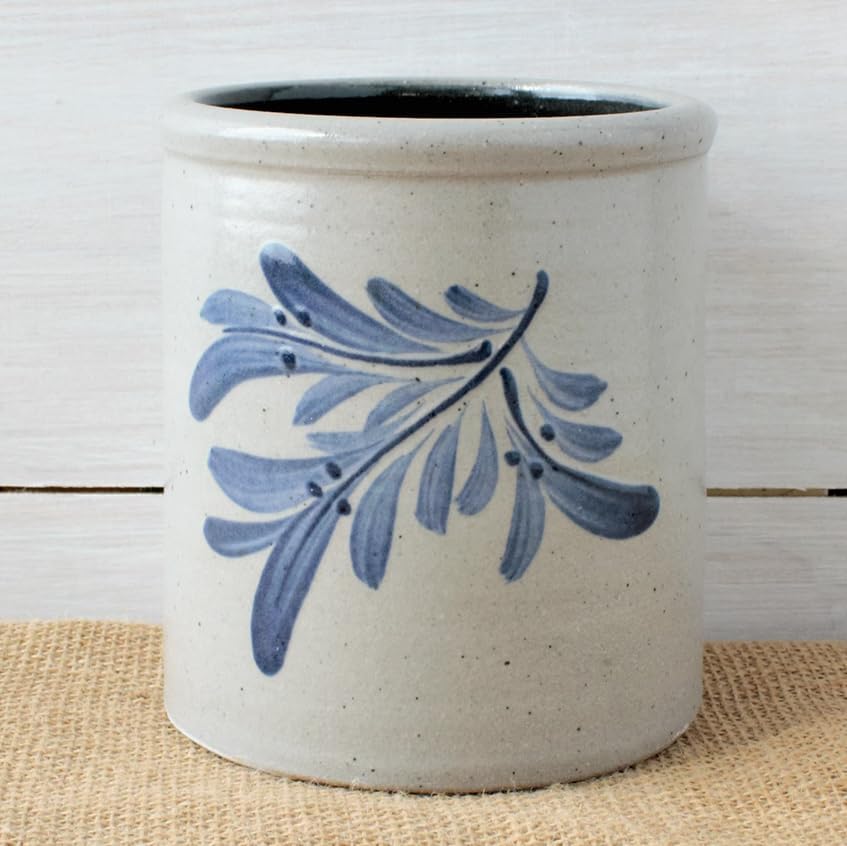
Tag: pottery tableware

  • French Porcelain Brands: A Complete Guide to Timeless Elegance

    You’re standing in a boutique home goods store, admiring a stunning white porcelain dish with that unmistakable French elegance.

    The price tag makes you pause. Is it really worth the investment? With so many French porcelain brands claiming heritage and quality, how do you know which ones deliver on their promises?

    Whether you’re furnishing your first home, upgrading your kitchenware, or searching for an heirloom-quality piece, understanding these porcelain brands can feel overwhelming.

    This comprehensive guide will walk you through everything you need to know about French porcelain, from iconic traditional brands to antique treasures, proper terminology, and practical tips for choosing pieces that will grace your table for generations to come.

    Traditional French Porcelain Brands
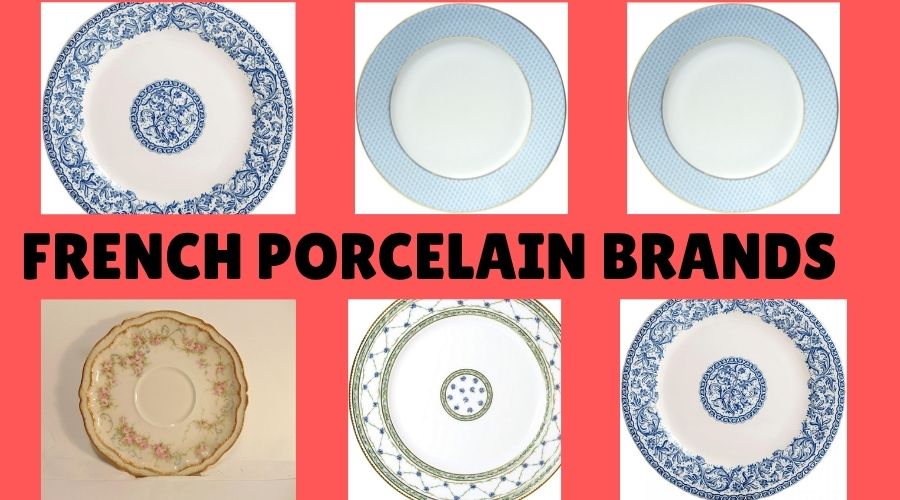
    French Porcelain Brands

    When we talk about traditional French porcelain brands, we’re discussing manufacturers that have maintained their commitment to quality craftsmanship while adapting to modern needs.

    These brands represent the heart of French ceramic excellence, combining centuries-old techniques with contemporary design sensibilities.

    Pillivuyt stands as one of France’s most respected porcelain manufacturers, founded in 1818.
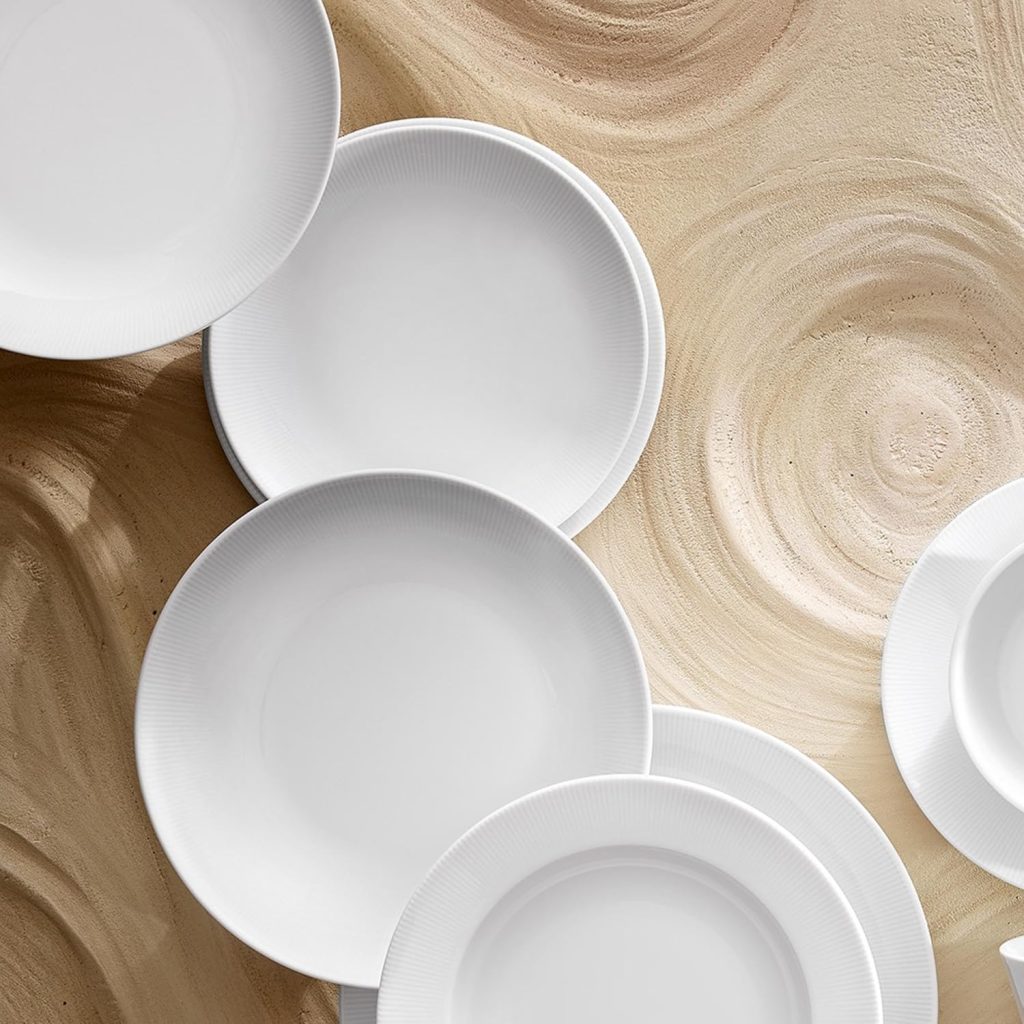
    Pillivuyt traditional white porcelain hard glaze plates

    What sets Pillivuyt apart is its unwavering commitment to producing all its porcelain in France, maintaining traditional manufacturing methods while creating pieces that work beautifully in today’s kitchens.

    Their Pillivuyt Porcelain collections are known for exceptional durability and heat retention, making them favourites among professional chefs and home cooks alike.

    The brand’s signature white porcelain has a distinctive creamy undertone that catches light beautifully on any table setting.

    Apilco represents another cornerstone of traditional French porcelain. Established in the early 20th century, Apilco gained fame for creating the iconic white porcelain used in Parisian bistros and brasseries.
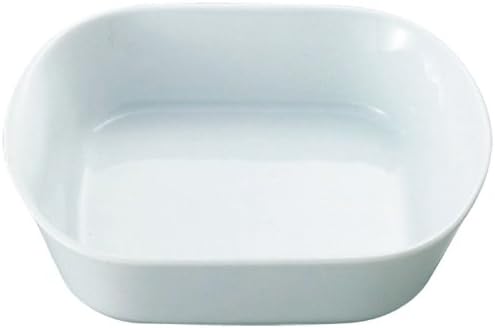
    Apilco square roast dish

    Their Apilco Porcelain French pieces embody that effortless French elegance, simple, functional, and timelessly stylish.

    When comparing Pillivuyt to Apilco brand offerings, you’ll notice both emphasize durability and classic design, though Pillivuyt tends toward thicker, more substantial pieces while Apilco offers slightly more delicate profiles.

    Choosing the Right Brand for Your Needs

    The practical application here is understanding your specific needs. If you’re looking for everyday dinnerware that can withstand daily dishwasher use and occasional bumps, both Pillivuyt and Apilco deliver exceptional durability.

    For baking enthusiasts, Pillivuyt bakeware offers superior heat distribution and retention, while Apilco bakeware provides that classic French bistro aesthetic with excellent functionality.

    Antique French Porcelain Brands

    Antique French porcelain represents the pinnacle of decorative arts, with brands that defined luxury and craftsmanship during their heyday.

    These pieces aren’t just tableware; they’re historical artifacts that tell stories of artistic innovation and royal patronage.

    Sèvres

    This remains the most prestigious name in antique French porcelain. Established in 1740 and eventually becoming the royal porcelain manufactory, Sèvres created pieces for French royalty and aristocracy.

    Their signature cobalt blue (bleu de Sèvres) and elaborate gold decoration set standards that other manufacturers aspired to match.

    Genuine antique Sèvres pieces command extraordinary prices at auction, with some selling for hundreds of thousands of dollars.

    Limoges
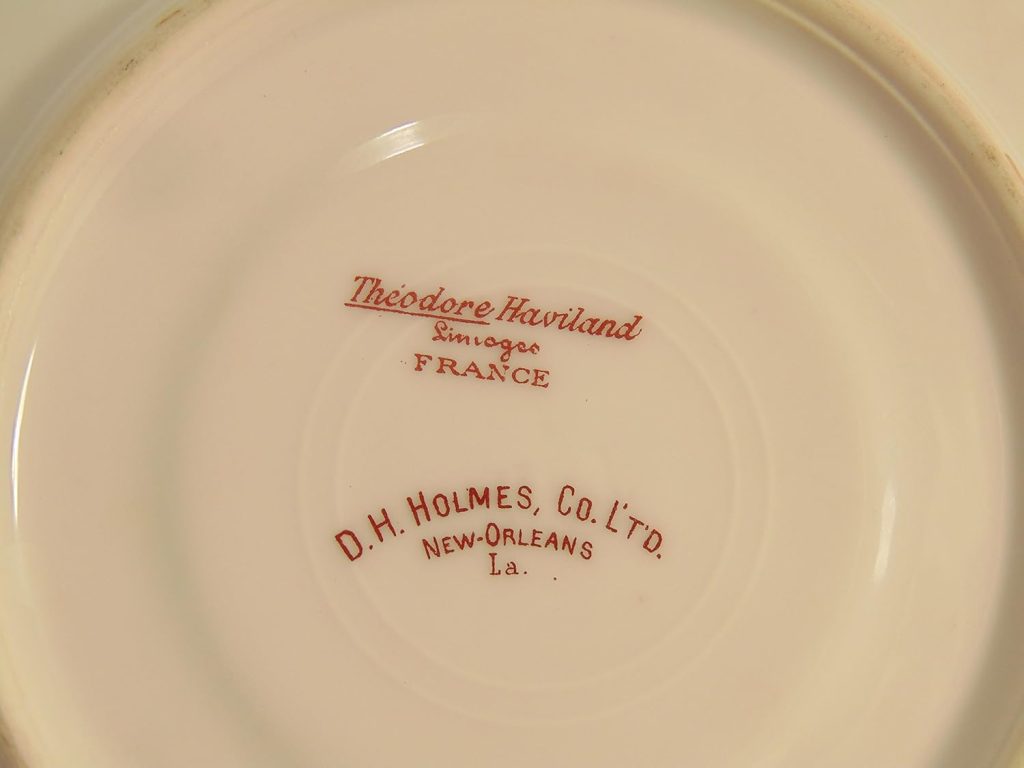
    Limoges Haviland France Porcelain Plate

    This porcelain represents an entire region’s contribution to French ceramic excellence. The city of Limoges became synonymous with fine porcelain after kaolin deposits were discovered nearby in 1768.

    Haviland Limoges Collector Plate

    Numerous manufacturers operated in this region, each with distinct marks and styles.

    Haviland, one of the most recognized Limoges producers, created exquisite dinnerware patterns that graced American tables throughout the 19th and early 20th centuries.
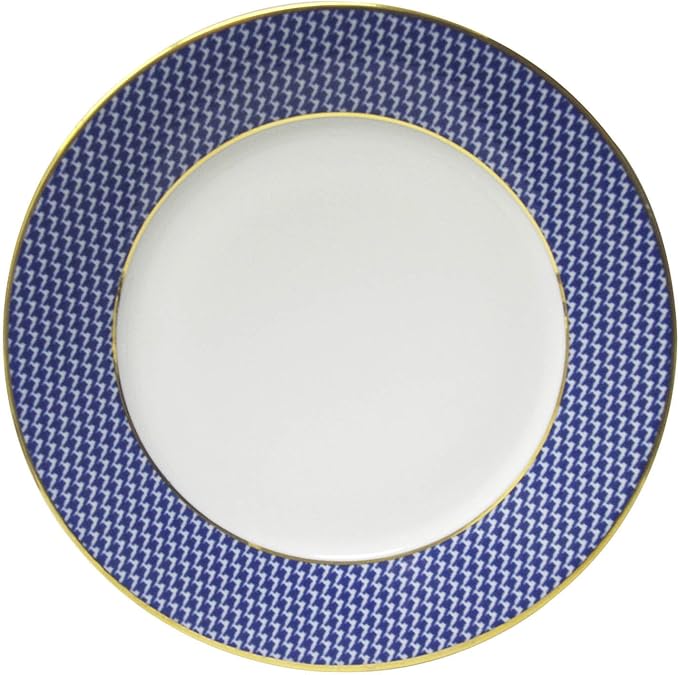
    Hard Porcelain Limoges

    Their hand-painted florals and delicate gold trim exemplify the romantic aesthetic of the Victorian era.

    Samson et Cie

    This brand operated from 1845 to 1969, creating both original designs and reproductions of earlier porcelain styles.

    While their reproductions were clearly marked initially, over time these marks have sometimes been removed, making authentication tricky for collectors.

    Despite this controversy, Samson pieces demonstrate exceptional craftsmanship and artistry in their own right.

    Practical Tips for Collecting Antique French Porcelain

    If you’re drawn to antique pieces, start by learning manufacturer marks and signatures.

    Invest in a good reference book or consult with reputable dealers who specialize in French porcelain.

    Examine pieces carefully for repairs, which significantly affect value.

    Most importantly, buy what you love, even if a piece isn’t museum-quality. If it brings you joy and fits your budget, it’s a worthy addition to your collection.

    Old French Porcelain Brands

    The distinction between “old” and “antique” French porcelain matters in the collecting world.

    While antique generally refers to items over 100 years old, old French porcelain brands encompass manufacturers from the late 19th through mid-20th centuries, pieces that carry historical significance without always commanding antique prices.

    Bernardaud

    Founded in Limoges in 1863, bridges the gap between historical and contemporary porcelain production.

    This family-owned company continues operating today, but its older pieces from the early to mid-20th century represent exceptional value for collectors.

    Bernardaud collaborated with renowned artists and designers, creating patterns that ranged from traditionally ornate to surprisingly modern.

    Their Art Deco pieces from the 1920s-1930s are particularly sought-after.

    Raynaud

    Began in Limoges in 1849 and built a reputation for creating custom porcelain for hotels, restaurants, and ocean liners.
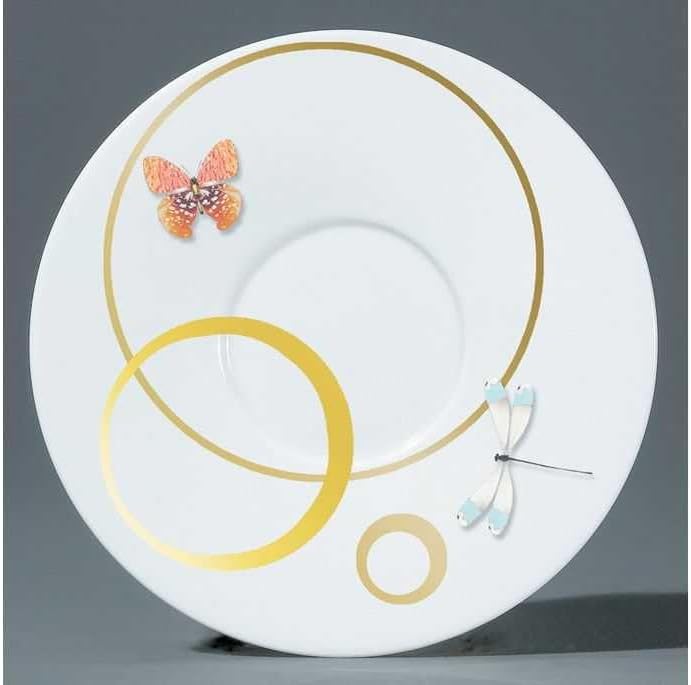
    Raynaud Porcelain dinnerware

    Their vintage pieces often feature hotel crests or shipping line logos, making them fascinating historical documents.

    The company still produces today, but its mid-century pieces offer collectors accessible entry points into quality French porcelain.

    Gien faïence

    While technically earthenware rather than porcelain, it deserves mention in any discussion of French ceramic heritage.
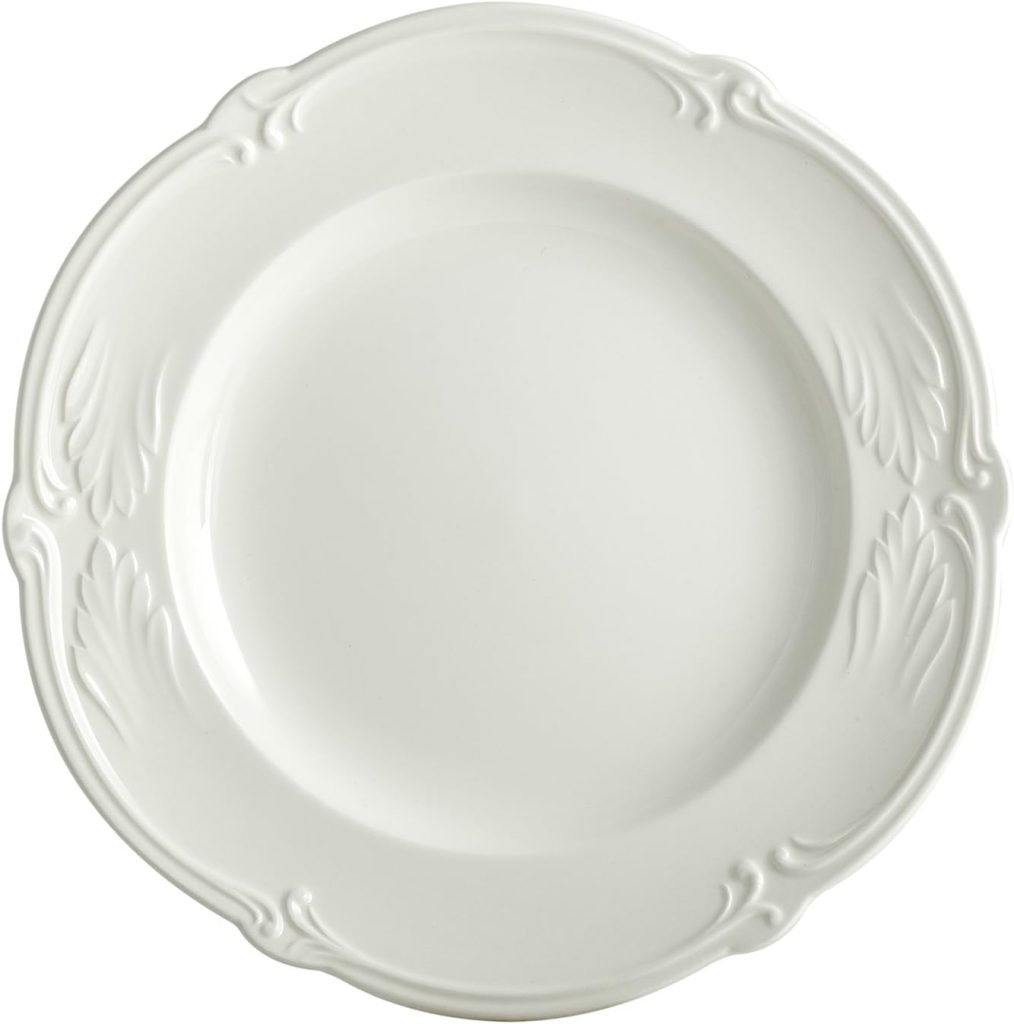
    Gien france hard earthenware ceramic plate

    Founded in 1821, Gien became famous for colorful hand-painted patterns depicting French countryside scenes, flowers, and wildlife.

    Their older patterns from the 19th and early 20th centuries have developed a devoted following among collectors who appreciate their whimsical charm and durability.

    Making Old Porcelain Work in Modern Homes

    You don’t need to keep old French porcelain locked in a cabinet. These pieces were made to be used, and many are remarkably durable.

    Mix vintage patterns with contemporary table linens for an eclectic look.

    Use Apilco cereal bowls alongside vintage Limoges plates for an interesting contrast between classic bistro style and ornate decoration.

    Display larger serving pieces on open shelving where their artistry can be appreciated daily.

    What’s Another Name for Porcelain?

    Understanding porcelain terminology helps you navigate both shopping and collecting with confidence.

    Porcelain goes by several names, each with subtle distinctions that reflect its origins, composition, or cultural context.

    China

    This is perhaps the most common alternative name for porcelain in everyday English, derived from the country where porcelain was first developed during the Tang Dynasty (618-907 CE).

    When someone refers to their “good china,” they’re typically talking about fine porcelain dinnerware reserved for special occasions.

    The terms are often used interchangeably in casual conversation, though technically “china” can also refer to bone china, which includes bone ash in its composition.

    Fine china

    This specifically denotes high-quality porcelain dinnerware, emphasizing its delicate appearance and superior craftsmanship.

    This term distinguishes premium porcelain from everyday ceramics. When you’re shopping for Apilco pasta bowls or other French porcelain pieces, you’re investing in fine china that combines beauty with surprising durability.

    Vitreous china

    This describes porcelain that has been fired at high temperatures until it becomes glass-like (vitrified) and non-porous.

    This term is more common in technical or commercial contexts, particularly when discussing bathroom fixtures or commercial dinnerware.

    The vitrification process makes porcelain resistant to staining and bacterial growth, a key reason why it’s prized for both tableware and sanitary applications.

    Ceramic

    This is the broader category that includes porcelain, along with earthenware, stoneware, and other clay-based materials.

    All porcelain is ceramic, but not all ceramic is porcelain. Porcelain distinguishes itself through its white color, translucence, and high firing temperature (typically 1200-1400°C or 2200-2550°F).

    Why Terminology Matters When Shopping

    Understanding these terms helps you evaluate product descriptions accurately.

    If something is described simply as “ceramic,” it might not have porcelain’s durability or appearance.

    True porcelain should be somewhat translucent when held to light, have a clear ring when tapped gently, and display a smooth, glass-like surface.

    When you’re comparing products, these distinctions affect both performance and value.

    What is French Porcelain Called?

    French porcelain carries specific names that reflect its cultural heritage and manufacturing traditions. Understanding these terms deepens your appreciation for what makes French porcelain special.

    Porcelaine de France

    This is the straightforward French term for French porcelain, but it signifies more than just geography.

    This designation indicates porcelain manufactured in France according to traditional methods, often with strict quality standards.

    When you see “Porcelaine de France” marked on pieces, you’re looking at products that typically meet higher production standards than mass-market alternatives.

    Porcelaine de Limoges

    This deserves special recognition as both a geographical and a quality indicator. Limoges porcelain isn’t just porcelain made in the Limoges region—it represents a specific tradition of excellence backed by ideal raw materials.

    The kaolin deposits near Limoges produce porcelain of exceptional whiteness and translucency.

    Many manufacturers mark their pieces with “Limoges, France” to distinguish them from porcelain made elsewhere.

    Both Haviland and Bernardaud produce authentic Limoges porcelain that carries this prestigious designation.

    Porcelaine dure

    This translates to “hard-paste porcelain,” the true porcelain formula that includes kaolin, feldspar, and quartz.

    This is the type of porcelain that French manufacturers perfected, creating pieces with superior durability and that distinctive luminous quality.

    Hard-paste porcelain requires extremely high firing temperatures but results in the strongest, most beautiful porcelain.

    Porcelaine tendre

    Or “soft-paste porcelain” was developed in Europe before manufacturers discovered the hard-paste formula.

    Early French porcelain, including pieces from Sèvres before 1769, used soft-paste formulas.

    These pieces are more fragile and less translucent than hard-paste porcelain but often feature more elaborate decoration since the material was easier to work with before firing.

    Regional Variations and What They Mean

    Different regions of France developed distinct porcelain styles. Limoges is known for pure white porcelain and elegant decoration.

    Sèvres represents royal magnificence and elaborate artistic decoration.

    Understanding these regional characteristics helps you appreciate the diversity within French porcelain and choose pieces that align with your aesthetic preferences.

    The Manufacturing Process: What Makes French Porcelain Special

    Understanding how French porcelain is made helps explain why it commands premium prices and why certain brands have maintained their reputations for centuries.

    The process combines art, science, and painstaking attention to detail.

    Traditional French porcelain begins with carefully selected raw materials. Kaolin (china clay) provides whiteness and structure, feldspar acts as a flux to help materials fuse, and quartz adds strength.

    The specific proportions and quality of these materials significantly impact the final product’s appearance and durability.

    French manufacturers, particularly those in Limoges, benefit from access to exceptionally pure kaolin deposits.

    The shaping process varies depending on the piece. Simple forms might be created using molds, while more complex pieces require skilled artisans who shape the porcelain on potter’s wheels or construct intricate forms by hand.

    At this stage, the material is still fragile and pliable, a seemingly delicate state that requires experienced handling.

    After initial shaping, pieces undergo their first firing (bisque firing) at temperatures around 900-1000°C.

    This hardens the porcelain into a porous state that can accept glazes and decoration. Many French porcelain pieces receive hand-painted decoration at this stage, a process requiring steady hands and artistic skill.

    The level of hand decoration significantly affects a piece’s value. Compare a simple white piece to one with intricate hand-painted florals, and you’ll understand why prices vary dramatically.

    The glaze application and final firing happen at extreme temperatures (1200-1400°C), vitrifying the porcelain and fusing the glaze into a smooth, glass-like surface.

    This high-temperature firing gives porcelain its characteristic strength, translucence, and non-porous quality.

    The intense heat also means that any flaws in the piece or firing process become permanent—there’s no fixing mistakes at this stage.

    What This Means for Your Purchase

    When you invest in authentic French porcelain, you’re paying for this complex, time-intensive process.

    Cheaper alternatives often skip steps, use inferior materials, or fire at lower temperatures—resulting in pieces that look similar initially but lack the durability, translucence, and beauty of true porcelain.

    Quality Pillivuyt bakeware can withstand extreme temperature changes and years of use, specifically because of this rigorous manufacturing process.

    Caring for Your French Porcelain

    Owning beautiful French porcelain comes with the responsibility of proper care, but don’t let this intimidate you.

    Most modern French porcelain is surprisingly practical for everyday use when you follow basic guidelines.

    Dishwasher Use

    Contemporary French porcelain from brands like Pillivuyt and Apilco is generally dishwasher-safe.

    The high-quality glaze resists detergent damage, and the porcelain itself won’t absorb water or odors.

    However, if pieces feature metallic decoration (gold or platinum trim), hand-washing is essential—dishwasher detergents will gradually remove these precious metal accents.

    Antique and delicate vintage pieces should always be hand-washed regardless of decoration.

    Temperature Considerations

    Quality porcelain handles temperature extremes well, but sudden changes can cause thermal shock.

    Don’t transfer a dish directly from freezer to oven, even though the porcelain could theoretically handle it—allow pieces to come closer to room temperature first.

    Most French porcelain bakeware excels in oven use, with pieces like Pillivuyt bakeware and Apilco bakeware specifically designed to go from oven to table beautifully.

    Storage

    Stack plates with care, ideally using felt or fabric protectors between pieces to prevent scratching. The glazed surface is hard, but stacking without protection can create fine scratches over time.

    Store cups by hanging them from hooks rather than stacking when possible—this prevents chips to delicate handles and rims.

    Stain Removal

    Porcelain’s non-porous surface resists most staining, but tea, coffee, and certain foods can leave marks over time.

    For stubborn stains, create a paste with baking soda and water, apply gently with a soft cloth, and rinse thoroughly.

    Avoid abrasive scrubbers that might scratch the glaze. For antique pieces with crazing (fine cracks in the glaze), be especially gentle; these cracks can trap stains and cleaning agents.

    Making Porcelain Part of Daily Life

    The beauty of French porcelain is that it’s meant to be used, not just displayed. Start your morning coffee in an elegant Pillivuyt cup rather than a generic mug.

    Serve pasta in Apilco pasta bowls that make even a simple weeknight dinner feel special. Use Apilco cereal bowls for breakfast; they’re durable enough for daily use and beautiful enough to make ordinary moments feel elevated.

    The more you use quality porcelain, the more you’ll appreciate its practical benefits alongside its aesthetic appeal.

    Investing in French Porcelain: Value Considerations

    Whether you’re building a collection or simply choosing dinnerware for your home, understanding value helps you make informed decisions.

    French porcelain represents a spectrum of investment levels, from accessible everyday pieces to museum-quality antiques.

    Everyday Contemporary Pieces

    Brands like Pillivuyt and Apilco offer the best value in this category. You’re investing in pieces that will last decades with proper care, often at prices comparable to mid-range stoneware.

    A complete place setting might cost $80-150, but consider the cost-per-use over the years of daily service.

    These pieces rarely go on sale, but their durability means you won’t need to replace them.

    Vintage and Collectible Pieces

    Mid-20th-century French porcelain from established brands often represents exceptional value.

    These pieces have proven their durability over decades, and their prices haven’t yet reached the levels of genuine antiques.

    You might find vintage Limoges dessert plates for $15-30 each, or vintage Bernardaud serving pieces for $50-150.

    When comparing Pillivuyt to Apilco brand vintage offerings, both maintain value well, with complete vintage sets occasionally appreciating over time.

    Antique Investment Pieces

    Genuine antique Sèvres, early Limoges, or museum-quality pieces from other prestigious manufacturers represent serious financial investments.

    Prices range from hundreds to hundreds of thousands of dollars, depending on rarity, condition, provenance, and artistic merit.

    If you’re investing at this level, work with reputable dealers and auction houses, and consider pieces you genuinely love—appreciation isn’t guaranteed, and market values fluctuate.

    Building a Collection Strategically

    Start with pieces you’ll use regularly. A set of quality dinner plates, bowls, and cups from Pillivuyt Porcelain or Apilco Porcelain provides the foundation.

    Add serving pieces gradually, a beautiful platter, a set of bakeware, and specialty bowls. If you’re drawn to vintage or antique pieces, buy them for their beauty and your enjoyment rather than purely as investments.

    The joy of using and appreciating beautiful objects often outweighs any financial appreciation.

    Common Misconceptions About French Porcelain

    Let’s address some widespread myths that might be holding you back from enjoying French porcelain or leading you to make poor purchasing decisions.

    Misconception 1: “French porcelain is too delicate for everyday use.”

    This is perhaps the most damaging myth. While antique decorative pieces might be fragile, contemporary French porcelain from established manufacturers is remarkably durable.

    Pillivuyt and Apilco pieces are used in professional restaurants where they endure far more abuse than your home would inflict.

    The high-firing temperatures create an incredibly strong material; it’s the awkward handling of thin edges that causes most breakage, not inherent fragility.

    Misconception 2: “All white porcelain is basically the same.”

    Quality differences matter significantly. Compare an inexpensive porcelain-look ceramic to genuine French porcelain by holding each to the light.

    Real porcelain shows translucence, revealing your fingers’ shadow through the material.

    The weight, surface texture, and ring when tapped also differ noticeably. These qualities affect not just appearance but functionality, heat retention, resistance to chipping, and how food looks when served.

    Misconception 3: “Porcelain can’t go in the microwave.”

    Most contemporary French porcelain is microwave-safe, though you should always check manufacturer guidelines for specific pieces.

    The porcelain itself handles microwave energy fine—it’s the metallic decoration that creates problems. Your plain white Pillivuyt or Apilco pieces are perfectly suited to microwave use.

    Misconception 4: “French porcelain is always expensive.”

    While investment pieces exist, many French porcelain options compete price-wise with quality stoneware or mid-range ceramic dinnerware.

    The perception of expense often comes from comparing French porcelain to the cheapest possible alternatives rather than to other quality options.

    When you factor in longevity, French porcelain often represents better long-term value than cheaper alternatives you’ll replace multiple times.

    The Truth About Value and Practicality

    French porcelain succeeds because it balances beauty with functionality.

    Yes, you’re paying for aesthetic qualities, but you’re also getting superior performance in the kitchen and at the table.

    Food looks better on quality white porcelain—there’s a reason fine restaurants choose it.

    Porcelain’s heat retention means your coffee stays warm longer, your baked dishes stay hot from oven to table, and your cold desserts stay chilled.

    These aren’t luxury concerns—they’re practical benefits you’ll appreciate daily.

    Conclusion

    French porcelain represents centuries of ceramic excellence, combining artistry with remarkable functionality.

    From traditional brands like Pillivuyt and Apilco that continue producing exceptional pieces today, to antique treasures from Sèvres and Limoges that grace museums and collections worldwide, French porcelain offers something for every taste and budget.

    Understanding the terminology, from “porcelaine de France” to the distinction between hard-paste and soft-paste porcelain, empowers you to make informed decisions whether you’re shopping for everyday dinnerware or investment pieces.

    The beauty of French porcelain lies not just in its appearance but in its invitation to elevate daily life. That morning, coffee tastes better from a beautiful cup.

    Dinner feels more special on elegant plates. These aren’t indulgences, they’re small acts of self-care that cost nothing once you’ve made the initial investment.

    French porcelain isn’t just tableware; it’s a daily reminder that beauty and quality matter.

  • Dinner Plates with Dogs on them: Your Complete Guide to Finding the Perfect Canine-Themed Dinnerware

    Dog-themed home decor has become incredibly popular in recent years. More pet lovers are bringing their passion for pups into every room of their house.

    One of the most charming ways to show your love for dogs is through dinner plates with dogs on them.

    Whether you’re looking for everyday dinnerware or special collectible pieces, there’s a perfect dog plate waiting for you.

    This guide covers everything from modern designs to vintage treasures.

    You’ll learn about different materials, popular brands, and where to find the best options.

    TYPES OF DOG-THEMED DINNER PLATES

    Modern Dog Plates:

    Today’s dog-themed dinnerware offers endless variety. You can find plates featuring specific breeds, cartoon dogs, or artistic interpretations of dogs.

    Many modern designs feature clean, simple graphics that complement any decor style.

    Dinner plates with dogs on them

    Breed-specific plates are especially popular. Dachshund lovers can find plates celebrating their favorite “wiener dogs.” Golden retriever fans have plenty of options, too.

    Almost every popular breed has dedicated dinnerware designs.

    Hunting and wildlife themes appeal to outdoor enthusiasts. These plates often feature realistic paintings of hunting dogs in action.

    They’re perfect for cabins, lodges, or anyone who loves the great outdoors.

    Casual party themes work great for dog birthday parties or casual gatherings. These fun designs often feature cartoon-style dogs or playful patterns.

    They’re usually made from durable materials that can handle everyday use.

    VINTAGE AND ANTIQUE DOG PLATES

    Vintage dog plates represent a fascinating world of collectible dinnerware. These pieces often showcase the artistic styles of their era.

    Victorian-era plates feature delicate hand-painted designs with gold accents. Mid-century pieces show the clean lines and bold colors of the 1950s and 1960s.

    Collectible dog plates can be excellent investments. Some rare pieces increase in value over time. However, most people collect them simply because they love the beautiful artwork and historical significance.

    Antique dog plates tell stories of different time periods. They show how people’s relationships with dogs have evolved. Many vintage pieces were made by famous pottery companies that are no longer in business.

    MATERIALS AND CONSTRUCTION

    Understanding materials helps you choose the right plates for your needs. Each material has unique benefits and care requirements.

    Modern Materials

    Melamine is perfect for everyday use. This plastic material resists breaking and chipping. It’s lightweight and dishwasher safe. Melamine plates work great for outdoor dining and families with children.

    Porcelain offers elegance and durability. High-quality porcelain plates can last for generations. They’re microwave and dishwasher-safe. Porcelain works well for both casual and formal dining.

    affordable ceramic Dog plates for home

    Ceramic provides versatility at affordable prices. Ceramic plates come in many styles and colors. They’re heavier than melamine but lighter than porcelain. Most ceramic plates are dishwasher and microwave-safe.

    Dog and Cat Bamboo non toxic plate for kids and toddlers

    Eco-friendly options combine sustainability with style. Some manufacturers use bamboo-melamine blends. These plates are biodegradable and still offer durability.

    Vintage Materials

    Bone china was the premium choice for fine dinnerware. This material contains bone ash, making it stronger than regular porcelain. Vintage bone china plates often feature intricate designs and gold trim.

    Earthenware was commonly used for everyday dishes. This ceramic material has a rustic, handmade appearance. Earthenware plates are usually thicker and heavier than modern ceramics.

    Stoneware became popular in mid-century designs. This material is very durable and chip-resistant. Stoneware plates often have a matte finish and earth-tone colors.

    Contemporary Brands

    VIETRI wildlife hunting dog ceramic themed handmade dinnerware

    VIETRI creates premium hunting dog-themed dinnerware. Their plates feature beautiful artwork and superior craftsmanship. VIETRI plates fall into the premium price category but offer exceptional quality.

    Portmeirion ceramic Dog Bowl for home and gifts

    Portmeirion offers comprehensive animal collections. Their dog plates coordinate with matching bowls, mugs, and serving pieces. Portmeirion products are mid-range priced and widely available.

    Pottery Barn provides quality everyday pieces. Their dog plates feature simple, modern designs. Pottery Barn items are mid-range priced and perfect for casual dining.

    Target offers budget-friendly options for dog lovers. Their seasonal collections include disposable and reusable dog plates. Target’s prices are very affordable for most budgets.

    VINTAGE AND COLLECTIBLE BRANDS

    Royal Doulton created some of the most sought-after dog collector plates. This British company produced beautiful decorative pieces featuring various dog breeds.

    Royal Doulton plates are highly collectible and often increase in value.

    Spode woodland earthenware vintage Dog Plate

    Spode has a long history of creating traditional British ceramics. Their dog plates often feature hunting scenes and countryside themes. Spode pieces are considered premium collectibles.

    Beswick became famous for animal figurines and plates. Their dog plates feature realistic artwork and fine craftsmanship. Beswick items are popular with serious collectors.

    Johnson Bros produced octagonal plates in the 1920s and 1930s. These unique shapes make them stand out from round plates. Johnson Bros pieces are affordable vintage options.

    MATERIAL AND BRAND COMPARISON

    MaterialDurabilityCareBest For
    MelamineExcellentEasyEveryday use, outdoor dining
    PorcelainVery GoodModerateSpecial occasions, gifts
    CeramicGoodEasyCasual dining, everyday use
    Bone ChinaExcellentCarefulCollecting, formal dining
    Brand CategoryQualityAvailabilityTarget Audience
    VIETRIPremiumGoodLuxury buyers
    PortmeirionHighExcellentGeneral consumers
    Royal DoultonPremiumLimitedCollectors
    TargetGoodExcellentBudget-conscious

    COLLECTOR’S GUIDE TO VINTAGE DOG PLATES

    Investment Potential

    Vintage dog plates can be smart investments for collectors. However, not all vintage pieces increase in value. Rarity, condition, and manufacturer reputation affect prices the most.

    Market trends show steady interest in mid-century and Victorian-era pieces. Plates from famous manufacturers like Royal Doulton tend to hold their value better.

    Limited edition pieces often appreciate more than mass-produced items.

    Authentication is crucial when buying vintage plates. Look for manufacturer marks on the bottom. Research the company’s history and typical markings.

    When in doubt, consult with experienced collectors or appraisers.

    WHERE TO BUY VINTAGE PLATES

    Auction houses offer authenticated pieces with detailed histories. They’re great for serious collectors looking for rare items. However, auction prices can be unpredictable.

    Specialty dealers focus on specific manufacturers or time periods. They often provide certificates of authenticity. Building relationships with dealers can lead to better finds.

    Online marketplaces like eBay offer huge selections. However, buyer beware – not all sellers are honest about condition or authenticity. Always ask for detailed photos and descriptions.

    Estate sales can yield amazing finds at reasonable prices. Arrive early for the best selection. Bring a magnifying glass to check for chips or cracks.

    BUYING GUIDE FOR ALL TYPES

    For Everyday Use

    Durability should be your top priority for daily-use plates. Look for chip-resistant materials like melamine or high-quality ceramic. Avoid delicate vintage pieces for regular meals.

    Care requirements vary by material. Choose dishwasher-safe options if you prefer easy cleanup. Some materials can’t go in the microwave, so check before buying.

    Style coordination helps create a cohesive look. Consider how dog plates will work with your existing dinnerware. You might also want to explore pet drinkware and kitchenware to complete the theme.

    For Collectors

    Research is essential before making expensive purchases. Learn about different manufacturers and their marks. Join collector groups online to share knowledge and find deals.

    Condition assessment affects value significantly. Small chips or cracks can dramatically reduce worth. Learn to spot restoration work, which may not be obvious to beginners.

    Storage and display protect your investment. Use plate stands for display pieces. Store stacked plates with protective padding between them.

    CARE AND MAINTENANCE

    Modern Plates

    Dishwasher safety depends on the material. Most melamine and ceramic plates are dishwasher safe. Check manufacturer instructions before the first wash.

    Storage tips help prevent damage. Stack plates with protective padding. Store them in cabinets away from heavy items that might fall.

    Microwave use varies by material. Melamine plates are NOT SUITABLE FOR MICROWAVE USE. Ceramic and porcelain are usually microwave safe.

    Vintage Plates

    Gentle cleaning preserves delicate vintage pieces. Hand wash with mild soap and soft sponges. Avoid harsh chemicals or abrasive cleaners.

    Display considerations protect plates from sunlight and humidity. UV rays can fade colors over time. Use proper plate stands to prevent stress cracks.

    Insurance documentation protects valuable collections. Photograph each piece and keep purchase records. Consider adding collectibles to your homeowner’s insurance.

    WHERE TO BUY DOG PLATES

    Online Retailers

    Amazon offers the largest selection of modern dog plates. You’ll find everything from budget options to premium brands. Prime shipping makes it convenient for quick delivery.

    Wayfair specializes in home decor and dinnerware. They carry many dog-themed options from various manufacturers. Their website makes it easy to filter by material and style.

    Etsy features unique and custom dog plates. Many artists create one-of-a-kind pieces. This is perfect if you want something truly special or personalized.

    Specialty dealers

    Antique shops often have vintage dog plates mixed in with other collectibles. Building relationships with shop owners can lead to special finds.

    Collector shows bring together dealers and collectors. These events are great for seeing items in person before buying. You can also learn from other collectors.

    1stDibs offers authenticated antique and vintage pieces. Their selection includes high-end collectibles from reputable dealers worldwide.

    Physical Stores

    Department stores like Macy’s and Nordstrom carry designer dog plates. You can see and feel the quality before purchasing.

    Home goods stores like HomeGoods and TJ Maxx sometimes have discounted designer pieces. Selection varies, but you might find great deals.

    Pet stores increasingly carry dog-themed human dinnerware. This makes sense since dog owners are their target customers.

    GIFT IDEAS AND OCCASIONS

    Dog lover gifts are always appreciated by pet parents. A beautiful set of dog plates makes a thoughtful housewarming present. Consider the recipient’s favorite breed when choosing designs.

    Holiday themes add seasonal fun to dog plates. Christmas plates with Santa dogs or Halloween designs with costumed pups are popular. These seasonal pieces can become treasured traditions.

    Memorial pieces help honor beloved pets who have passed away. Some artists create custom plates featuring specific dogs. These meaningful gifts provide comfort during difficult times.

    Collector additions make excellent gifts for serious collectors. Research what pieces they’re missing from their collection. Limited edition or rare vintage pieces are especially appreciated.

    EXPANDING YOUR COLLECTION

    Once you start collecting dog plates, you might want to expand into related items. Corelle plates with dogs on them offer durability and classic American styling.

    These lightweight plates are perfect for everyday use and camping.

    Consider building a complete table setting with matching pieces. Bowls, mugs, and serving dishes help create a cohesive look. This approach works well for both modern and vintage collections.

    HOW CAN I TELL IF A VINTAGE DOG PLATE IS AUTHENTIC?

    Look for manufacturer marks on the bottom of the plate. Research the company’s typical markings and production periods. When in doubt, consult with experienced collectors or professional appraisers.

    ARE VINTAGE DOG PLATES DISHWASHER SAFE?

    Most vintage plates should be hand-washed to preserve their value and appearance. The glazes and decorations from earlier eras may not withstand modern dishwasher detergents and high temperatures.

    CONCLUSION

    Dinner plates with dogs offer endless possibilities for dog lovers. Whether you prefer modern designs or vintage treasures, there’s something for every taste and budget.

    Modern plates provide durability and convenience for everyday use. Vintage pieces offer historical significance and potential investment value.

    Remember to consider your specific needs when shopping. Everyday plates need durability and easy care. Collector pieces require careful handling and proper storage.

    Either way, dog plates bring joy and personality to your dining experience.

  • How to Choose Restaurant Crockery and Cutlery: Complete Selection Guide for Restaurant Owners

    This FREE PDF Guide is for: Restaurant owners, kitchen managers, hospitality procurement professionals, and anyone opening a new food service establishment.

    Problem Solved: Eliminate costly tableware selection mistakes, reduce replacement costs by up to 40%, and create operational efficiency through strategic crockery and cutlery choices.

    Running a successful restaurant requires attention to countless details, but one aspect that dramatically impacts both your operational efficiency and customer satisfaction often gets overlooked: your tableware selection.

    Whether you’re opening your first establishment or upgrading your current setup, our detailed restaurant crockery and cutlery PDF List comes in handy, and a lack of knowledge in business affects your bottom line, staff productivity, and guest experience.

    WHAT RESTAURANT CROCKERY AND CUTLERY SHOULD I BUY?

    Selecting the right restaurant tableware directly impacts your operational costs, staff efficiency, and customer satisfaction.

    Based on industry data, restaurants that make informed tableware choices reduce annual replacement costs by 15-25% and improve operational efficiency by up to 30%.

    Quick Answer: Essential Restaurant Tableware Checklist

    classic restaurant porcelain crockery dinner sets

    Core Crockery Items types:

    • Dinner plates (10-12 inches) – your most-used item
    • Salad/appetizer plates (7-8 inches) – versatile for multiple courses
    • Soup bowls – wide, shallow design for easy handling
    • Bread plates (6-7 inches) – optional for casual dining

    Essential Cutlery:

    restaurant dinner forks, knives and spoons
    • Dinner forks – 4-tine standard design
    • Dinner knives – serrated or straight edge
    • Soup spoons – round bowls, appropriate handle length
    • Teaspoons – multi-purpose for beverages and desserts

    Specialty Items by Restaurant Type:

    • Fine dining: Bone china, sterling silver, complete place settings
    • Casual dining: Durable stoneware, 18/8 stainless steel
    • Quick service: Melamine dishes, 18/0 stainless steel cutlery

    restaurant crockery and cutlery PDF list

    HOW MUCH SHOULD I BUDGET FOR RESTAURANT TABLEWARE?

    Investment Guidelines by Restaurant Type:

    Fine Dining Establishments:

    • Budget: $15-30 per place setting
    • Materials: Porcelain, bone china, 18/10 stainless steel
    • Expected replacement rate: 15-25% annually

    Casual Dining Restaurants:

    • Budget: $8-15 per place setting
    • Materials: Stoneware, porcelain, 18/8 stainless steel
    • Expected replacement rate: 10-20% annually

    Quick Service Operations:

    • Budget: $3-8 per place setting
    • Materials: Melamine, basic stainless steel
    • Expected replacement rate: 5-15% annually

    Total Investment Calculation Formula:

    (Restaurant Seats × 1.5 × Cost per Setting) + Serving Pieces + Specialty Items = Total Investment

    Add 25-50% buffer for breakage, washing cycles, and growth.

    WHAT ARE THE BEST MATERIALS FOR RESTAURANT DISHES?

    Top Crockery Materials Compared:

    porcelain restaurant dinner plates for salad, pasta, snacks and appetizers

    1. Porcelain

    • Best for: Fine dining, upscale casual
    • Pros: Elegant appearance, chip-resistant, dishwasher safe
    • Cons: Higher cost, heavier weight
    • Durability rating: Excellent with proper care

    2. Stoneware

    • Best for: Casual dining, farm-to-table concepts
    • Pros: Outstanding durability, heat retention, rustic appeal
    • Cons: Heavy, limited design options
    • Durability rating: Exceptional for high-volume use

    3. Melamine

    • Best for: Outdoor dining, high-turnover establishments
    • Pros: Virtually unbreakable, lightweight, cost-effective
    • Cons: Not microwave safe, shows scratches over time
    • Durability rating: Superior breakage resistance

    4. Bone China

    • Best for: Premium fine dining
    • Pros: Elegant appearance, surprisingly strong for its weight
    • Cons: Most expensive option, requires careful handling
    • Durability rating: Good with staff training

    Understanding the different types of crockery and their applications helps match materials to your specific operational needs and customer expectations.

    BEST STAINLESS-STEEL GRADES FOR RESTAURANT CUTLERY

    Stainless Steel Quality Rankings:

    18/10 Stainless Steel (Highest Quality)

    • Composition: 18% chromium, 10% nickel
    • Benefits: Superior corrosion resistance, premium feel
    • Best for: Fine dining, long-term investment
    • Cost: Highest upfront, lowest lifetime cost

    18/8 Stainless Steel (Good Quality)

    • Composition: 18% chromium, 8% nickel
    • Benefits: Good corrosion resistance, balanced cost
    • Best for: Most restaurant applications
    • Cost: Mid-range with solid performance

    18/0 Stainless Steel (Budget Option)

    • Composition: 18% chromium, 0% nickel
    • Benefits: Magnetic properties, budget-friendly
    • Best for: High-volume, cost-conscious operations
    • Cost: Lowest upfront, higher replacement frequency.

    HOW MANY PLATES AND UTENSILS DOES MY RESTAURANT NEED?

    Quantity Calculation Method:

    Step 1: Calculate Base Needs

    • Peak dining capacity × 1.5 = minimum quantity per item

    Step 2: Add Operational Buffer

    • Base quantity + 25-50% = recommended inventory level

    Step 3: Account for Variables

    • Multiple daily seatings
    • Private events and catering
    • Dishwashing cycle times
    • Anticipated growth

    Example Calculation (100-seat restaurant):

    • Base need: 100 seats × 1.5 = 150 pieces minimum
    • With buffer: 150 + 40% = 210 pieces recommended
    • Total investment consideration: 210 pieces across all essential items.

    COMMON RESTAURANT TABLEWARE SELECTION MISTAKES

    Costly Errors to Avoid:

    1. Focusing Only on Initial Cost

    • Problem: Cheap items require frequent replacement
    • Solution: Calculate the total cost of ownership over 2-3 years

    2. Ignoring Staff Input

    • Problem: Impractical choices slow service
    • Solution: Test samples with the kitchen and serving staff

    3. Insufficient Quantity Planning

    • Problem: Shortages during peak periods
    • Solution: Use proven calculation formulas with buffers

    4. Mismatched Restaurant Concept

    • Problem: Tableware doesn’t support brand identity
    • Solution: Align material quality with customer expectations

    5. Inadequate Storage Planning

    • Problem: Damage from poor storage increases costs
    • Solution: Plan storage solutions before purchasing.

    HOW TO REDUCE RESTAURANT TABLEWARE REPLACEMENT COSTS

    Proven Cost-Reduction Strategies:

    Proper Staff Training:

    • Implement handling procedures to reduce breakage
    • Train dishwashing staff on material-specific care
    • Establish inspection protocols for damage prevention

    Strategic Purchasing:

    • Volume discounts through larger orders
    • Seasonal timing for better pricing
    • Long-term supplier relationships

    Maintenance Programs:

    • Weekly inspection schedules
    • Proper storage systems with separation
    • Professional cleaning for valuable pieces

    Quality Investment:

    • Higher-grade materials last longer
    • Professional-grade construction withstands commercial use
    • Warranty coverage reduces unexpected costs.

    RESTAURANT TABLEWARE VENDOR SELECTION CRITERIA

    Key Evaluation Factors:

    Product Quality Indicators:

    • Material certifications and testing
    • Manufacturer reputation and history
    • Sample quality and consistency
    • Warranty terms and coverage

    Service Capabilities:

    • Minimum order quantities
    • Delivery reliability and timing
    • Customer service responsiveness
    • Replacement guarantees

    Pricing Structure:

    • Volume discount tiers
    • Payment terms flexibility
    • Price protection policies
    • Hidden fee transparency

    COMPLETE RESTAURANT CROCKERY AND CUTLERY PLANNING RESOURCE

    This strategic approach to tableware selection has helped over 500 restaurant operators reduce replacement costs while improving operational efficiency.

    The complete methodology includes detailed specifications, supplier evaluation frameworks, maintenance protocols, and inventory management systems.

    Key Outcomes from Proper Implementation:

    • 15-25% reduction in annual replacement costs
    • 30% improvement in operational efficiency
    • Enhanced customer satisfaction scores
    • Predictable long-term tableware costs

    What’s Included in the Complete Guide:

    • Detailed material specifications and comparisons
    • Exact quantity calculation worksheets
    • Supplier evaluation checklists
    • Staff training protocols
    • Inventory management systems
    • Cost optimization strategies

    Restaurant owners who follow this systematic approach report significant improvements in both operational efficiency and cost management, with many achieving ROI within the first year through reduced replacement costs and improved staff productivity.

    Access the complete 15-chapter guide covering everything from initial selection through long-term inventory management, developed specifically for hospitality professionals who demand operational excellence.

  • Dishes That Don’t Get Silverware Marks

    You’ve just finished hosting a delightful dinner party, the guests have gone home, and you’re left with a pile of dishes to clean.

    As you stack the plates, you notice those familiar grey streaks across your once-pristine dinnerware. Those pesky silverware marks have struck again!

    These unsightly scratches not only detract from your beautiful tableware but can also harbour bacteria and reduce the lifespan of your favorite dishes.

    Whether you’re tired of constantly scrubbing away at metal marks or looking to invest in new dinnerware that stands up to daily use, you’re in the right place.

    Today, we’re diving into the world of scratch-resistant dishes that will keep your table setting looking immaculate meal after meal.

    Ready to say goodbye to silverware marks for good?

    WHAT CAUSES SILVERWARE MARKS ON DISHES?

    Before we explore solutions, let’s understand the enemy. Silverware marks (also known as cutlery marks or metal marks) aren’t scratches in most cases.

    They’re tiny metal deposits left behind when your metal utensils rub against the surface of your dishes.

    The Science Behind the Marks

    When metal utensils like knives, forks, and spoons come into contact with your dishes, tiny metal particles can transfer onto the dish surface. This happens through a process similar to abrasion:

    1. Metal utensils are typically harder than many dish surfaces
    2. The friction created when cutting, scooping, or scraping causes metal particles to detach
    3. These particles then deposit onto the softer dish surface, creating those grey or black marks.

    This is why you’ll often see these marks appear after vigorous cutting or when someone scrapes their knife across a plate to gather those last bits of food.

    Factors That Increase Silverware Marking

    Several factors can make your dishes more susceptible to silverware marks:

    • Dish material hardness: Softer materials like earthenware and bone china are more prone to marking
    • Surface texture: Glossy, smooth surfaces show marks more clearly than textured ones
    • Utensil composition: Stainless steel with higher carbon content tends to leave more marks
    • Eating habits: Forceful cutting, scraping, and scooping increase the likelihood of marks.

    DOES ALL SILVERWARE LEAVE MARKS ON PLATES?

    Not all silverware is created equal when it comes to leaving marks on your dishes. Various factors determine how likely your utensils are to leave those annoying grey streaks.

    Types of Silverware That Commonly Leave Marks

    • Stainless steel utensils: The most common culprits, especially lower-quality ones with higher carbon content
    • Silver-plated utensils: Can leave marks, though typically less than stainless steel
    • Sterling silver: This genuinely leaves fewer marks than stainless steel, but it can still cause some marking.

    Silverware That Minimizes Marking

    • High-quality stainless steel (18/10 or 18/8 grade): Contains more nickel and chromium, making it more resistant to wearing down
    • Plastic or silicone-tipped utensils: Great for everyday use, as they won’t leave metal marks
    • Wooden utensils: They naturally won’t leave metal marks, though they have other limitations

    It’s worth noting that how you use your silverware matters just as much as what it’s made of.

    Gentle handling and avoiding scraping across plates can significantly reduce marking, regardless of the utensil material.

    DOES PORCELAIN GET CUTLERY MARKS?

    Dishes that don't get Silverware marks

    Porcelain is often touted as a premium dinnerware material, but how does it fare against the dreaded silverware mark?

    Porcelain’s Resistance to Marking:

    Porcelain silverware marks free dinnerware

    Porcelain is one of the better materials when it comes to resisting silverware marks. Its natural properties include:

    • Hardness: High-quality porcelain has a Mohs hardness of around 7, making it harder than most metals used in cutlery
    • Smooth glaze: The glass-like surface of well-glazed porcelain provides a barrier that metal has difficulty penetrating
    • Density: The compact structure of porcelain makes it less susceptible to surface abrasion

    That said, not all porcelain is created equal. The quality of the clay, firing temperature, and glazing process all influence how resistant your porcelain dishes will be to cutlery marks.

    Quality Matters

    High-quality porcelain dishes that are properly vitrified (fired at high temperatures until they are glass-like) will resist marks better than lower-quality options.

    Royal Doulton Porcelain that can withstand silverware marks

    Fine bone china, despite its delicate appearance, is quite resistant to cutlery marks due to its hardness and smooth surface.

    If you’re finding that your porcelain dishes are getting marked, it might be worth investing in higher-quality pieces or examining your table habits.

    CERAMIC DISHES THAT DON’T GET SILVERWARE MARKS

    Ceramic plates that won't get silverware marks

    Ceramic is a broad category that includes everything from earthenware to stoneware to porcelain. Let’s explore which ceramic options best resist those annoying silverware marks.

    Best Ceramic Options for Mark Resistance

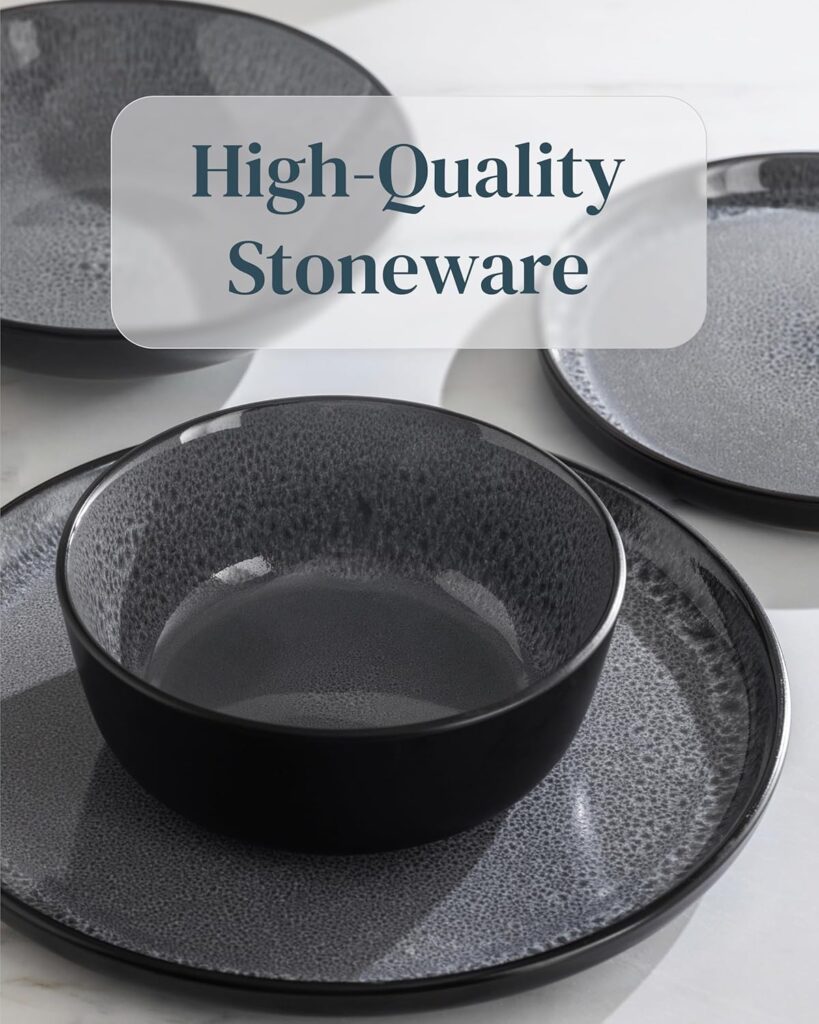
    Vitrified Stoneware scratch resistant dinnerware
    1. Vitrified Stoneware: Fired at high temperatures (2,150-2,330°F), creating a glass-like, non-porous surface that resists marking
    2. High-fired Porcelain: As mentioned above, quality porcelain can be highly resistant to silverware marks
    3. Ceramic-Metal Composites: Some modern ceramic dishes incorporate metal particles in the glaze to increase hardness and scratch resistance.

    Ceramic Features That Enhance Mark Resistance

    • Glazing quality: Smooth, thick, properly applied glazes provide better protection
    • Firing temperature: The higher the firing temperature, the more durable and resistant the ceramic becomes
    • Additives: Some ceramics include additives like alumina or zirconia to increase hardness

    Many manufacturers have developed special glazes specifically designed to resist metal marking.

    These typically incorporate harder materials into the glaze formulation, creating a surface that’s less likely to accept metal deposits.

    BEST SCRATCH-RESISTANT DINNER PLATES

    If you’re in the market for new dinnerware that will resist silverware marks and scratches, here are some excellent options to consider:

    Premium Materials

    Corelle tempered glass mark resistant tableware
    1. Tempered Glass Plates: Brands like Duralex and Arcoroc create tempered glass plates that are incredibly resistant to scratches and marks
    2. Vitrified Stoneware: Look for brands that specifically mention “vitrified” in their description, as this indicates a higher firing temperature
    3. High-quality Porcelain: Opt for brands known for their fine porcelain, like Wedgwood, Royal Doulton, or Lenox.

    Innovative Products

    Several innovative products have been designed specifically to address the silverware mark problem:

    • Corelle Vitrelle Glass Plates: Made with a triple-layer glass construction that’s remarkably resistant to chips, breaks, and silverware marks
    • Melamine Dinnerware: Modern melamine plates (like those from Cambridge or Gibson) are far more durable than older versions and resist marking well
    • Denby Stoneware: Known for its exceptionally hard glaze that resists both scratching and marking

    When shopping for scratch-resistant plates, look for terms like “scratch-resistant,” “mark-resistant,” or “metal-mark resistant” in the product descriptions.

    ARE SCRATCHED PLATES DANGEROUS?

    Many people wonder about the safety implications of using dishes with silverware marks or scratches. Let’s address these concerns:

    Health Concerns with Scratched Plates:

    Scratched plates can indeed pose some health and safety issues:

    • Bacterial Growth: Deep scratches or cracks can harbour bacteria that regular washing might not remove completely
    • Chemical Leaching: In some cases, scratches that penetrate protective glazes might allow chemicals from the underlying materials to leach into food
    • Physical Hazards: Very deep scratches or chips might have sharp edges that could potentially cut lips or fingers.

    WHEN TO REPLACE SCRATCHED DINNERWARE

    While minor silverware marks are generally cosmetic and not dangerous, you should consider replacing dishes that:

    • Have deep scratches that catch your fingernail when you run it across the surface
    • Show crazing (a network of fine cracks in the glaze)
    • Have chips that expose the underlying material
    • Cannot be fully cleaned in scratched areas

    For dishes with light silverware marks that haven’t penetrated the glaze, there’s typically no safety concern – it’s more an aesthetic issue.

    DISHES TURNING BROWN AND OTHER DISCOLORATION ISSUES

    Beyond silverware marks, many dishes face other discoloration problems over time. Dishes turning brown is a common complaint, especially with white or light-coloured dinnerware.

    This can be caused by:

    • Tea and coffee stains that build up over time
    • Residue from acidic foods like tomatoes or citrus
    • Mineral deposits from hard water
    • Improper cleaning techniques

    Unlike silverware marks, which are metal deposits on the surface, brown discoloration often results from substances penetrating microscopic pores in the glaze or being absorbed by the material itself.

    Regular cleaning with a baking soda paste or denture cleaning tablets can help remove this brownish discoloration and restore your dishes to their original brightness.

    HOW TO CHOOSE DISHES THAT WON’T GET SILVERWARE MARKS

    When shopping for new dinnerware that will resist silverware marks, consider these factors:

    Material Selection:

    • Hardness: Choose materials with high Mohs hardness ratings (7+)
    • Surface finishing: Look for dishes with extremely smooth, well-glazed surfaces
    • Composition: Materials with added hardening agents will perform better

    Product Features to Look For:

    • Scratch-resistant technology: Many modern brands advertise specific technologies designed to resist marking
    • Commercial-grade options: Dinnerware designed for restaurants often has enhanced durability
    • Warranty protection: Some premium brands offer warranties against ordinary wear, including silverware marks.

    BRANDS KNOWN FOR MARK RESISTANCE

    Several brands have built their reputation on creating dinnerware that resists silverware marks:

    1. Corelle
    2. Fiesta
    3. Denby
    4. Mikasa
    5. Noritake (especially their BoB line – Built on Strength).

    MAINTAINING YOUR DISHES TO PREVENT SILVERWARE MARKS

    Even with the most resistant dinnerware, proper care can further reduce the likelihood of silverware marks:

    Handling Practices

    • Avoid cutting directly on plates – use cutting boards instead
    • Don’t scrape utensils across dishes
    • Consider using plastic, silicone, or wooden utensils for everyday meals
    • Stack dishes with protective layers between them

    Cleaning Techniques

    • Use non-abrasive cleaners
    • Avoid steel wool or harsh scrubbing pads
    • Clean dishes promptly after use
    • Consider dishwasher-safe options for more thorough cleaning.

    Removing Existing Marks

    If your dishes already show silverware marks, try these removal methods:

    1. Bar Keepers Friend: This mild abrasive cleaner can remove many metal marks without damaging the dish
    2. Baking soda paste: Mix with water and gently rub with a soft cloth
    3. Magic Eraser: Works well for surface marks on many materials
    4. Commercial products: Several products, like Wright’s Silver Cream, are specifically designed for this purpose.

    THE ROLE OF DURABLE AND HARDENED DINNERWARE SURFACES

    Modern manufacturing techniques have introduced remarkable advancements in creating durable and hardened dinnerware surfaces that resist silverware marks.

    These innovations include:

    • Nanotechnology coatings: Ultra-thin protective layers that enhance scratch resistance
    • Tempered and strengthened materials: Special heating and cooling processes that increase hardness
    • Composite materials: Combining different materials to achieve both strength and aesthetic appeal

    Many manufacturers now apply these techniques to create dinnerware that maintains its appearance for years, even with daily use.

    These hardened surfaces not only resist silverware marks but also tend to be more chip-resistant and durable overall.

    SUSTAINABLE OPTIONS FOR MARK-RESISTANT DINNERWARE

    For environmentally conscious consumers, several eco-friendly options also resist silverware marks:

    • Bamboo composite dishes: These combine bamboo fibers with food-safe resins to create durable, mark-resistant dishes
    • Recycled glass plates: Often tempered for strength and naturally resistant to marking
    • Biodegradable plant-based options: Newer materials made from corn, sugarcane, or rice husks with hardening agents

    These sustainable options often perform surprisingly well in terms of mark resistance while reducing environmental impact.

    CONCLUSION

    The quest for dishes that don’t get silverware marks doesn’t have to be an endless struggle.

    With the right knowledge about materials, manufacturing techniques, and proper care, you can enjoy beautiful, mark-free dinnerware for years to come.

    Whether you choose traditional porcelain, modern tempered glass, or innovative composite materials, understanding what causes silverware marks is the first step to preventing them.

    Remember that quality matters – investing in well-made dishes with proper glazing and hardness will save you frustration in the long run.

    Next time you’re shopping for dinnerware, look beyond just the pattern and color; consider the durability and mark-resistance that will keep your table setting looking pristine meal after meal.

    Your future self – the one who isn’t scrubbing away at metal marks – will thank you!

  • Stoneware Dinnerware Made in the USA

    You’re hosting a dinner party, proudly serving your homemade feast on beautiful dinnerware that not only showcases your culinary creations but also tells a story of American craftsmanship.

    There’s something deeply satisfying about setting a table with pieces made by artisans who pour their passion into every plate and bowl.

    In recent years, more households have been turning away from mass-produced, potentially harmful tableware in favour of non-toxic alternatives crafted right here in the USA.

    The resurgence of interest in American-made stoneware isn’t just about patriotism—it’s about health, sustainability, and supporting local artistry.

    But what makes these pieces so special, and why are they becoming the preferred choice for health-conscious homeowners?

    Let’s explore the artistry, tradition, and benefits behind these remarkable American treasures.

    WHAT MAKES AMERICAN STONEWARE SPECIAL?

    Stoneware dinnerware made in the USA carries a legacy of craftsmanship that dates back centuries.

    Unlike conventional imported dinnerware that may contain harmful chemicals, American stoneware is typically crafted with a focus on non-toxic materials and traditional methods that prioritise both beauty and safety.

    The Non-Toxic Advantage

    When it comes to dining, what your food touches matters just as much as the food itself.

    American-made ceramic tableware brands pride themselves on using lead-free glazes and clays free from harmful additives.

    Unlike some imported options that may contain concerning levels of lead, cadmium, or other heavy metals, USA-made stoneware typically adheres to stricter safety standards.

    Research conducted by the University of Plymouth, led by Dr. Andrew Turner, revealed that some imported ceramics and enamelled glassware contained lead concentrations up to 1,000 times and cadmium concentrations up to 100 times higher than regulatory limits.

    American manufacturers, bound by FDA regulations, generally adhere to stricter safety standards.

    DURABILITY THAT STANDS THE TEST OF TIME

    American stoneware isn’t just safer—it’s built to last. Fired at temperatures between 2150°F and 2330°F (1177°C to 1277°C), proper stoneware achieves a density and durability that can withstand decades of daily use. This longevity makes it not only a healthier choice but also a more sustainable one.

    Supporting Local Artisans and Economy

    When you purchase stoneware made in the USA, you’re supporting American artisans and helping preserve traditional crafting techniques.

    According to Localwe, each direct ceramics job creates approximately 1.78 additional jobs in related industries, making your purchase a meaningful contribution to local economies.

    TOP AMERICAN STONEWARE MANUFACTURERS

    Stoneware Dinnerware made in the USA

    Let’s explore some of the finest stoneware producers in the United States, each with its unique aesthetic and manufacturing approach. They are:

    Farmhouse Pottery

    Emerson Creek Pottery

    Stoneware & Co

    Hanselmann Pottery

    Bennington Pottery

    East Fork Pottery

    Heath Ceramics

    Fiesta Dinnerware (Homer Laughlin China Company)

    Farmhouse Pottery

    Based in Woodstock, Vermont, Farmhouse Pottery creates handcrafted stoneware that beautifully blends traditional, modern, classic, and rustic styles.

    Their pieces feature earthy tones and tactile textures that add warmth to any table setting.

    Founded by husband and wife team James and Zoe Zilian in 2012, Farmhouse Pottery embodies the farm-to-table ethos in their “farm-to-table-to-home” approach to dinnerware.

    Each piece is wheel-thrown by master potters and glazed with non-toxic materials, making them safe for your family and the environment.

    Emerson Creek Pottery

    Located in Bedford, Virginia, Emerson Creek Pottery has been creating functional and decorative ceramics since 1977.

    Emerson Creek Pottery Stoneware dish

    Their pieces feature nature-inspired motifs and are known for their rustic charm and detailed craftsmanship.

    Emerson Creek takes pride in their eco-friendly practices, using locally sourced materials wherever possible. Their stoneware is lead-free, microwave and dishwasher-safe, and designed to withstand years of use.

    Stoneware & Co.

    With roots dating back to the 18th century, Louisville, Kentucky-based Stoneware & Co. combines traditional techniques with contemporary aesthetics.

    Louisville Stoneware & Co dish

    Their dinnerware collections balance durability with elegant design, offering pieces that transition seamlessly from everyday meals to special occasions.

    Their commitment to American craftsmanship includes using clay sourced from the Ohio River Valley, continuing a tradition that spans generations.

    All their glazes are lead-free and food-safe, meeting strict FDA requirements.

    Hanselmann Pottery

    Founded by Bob Hanselmann in 1970 and located in Corrales, New Mexico, Hanselmann Pottery is renowned for its unique glazing techniques and nature-inspired designs.

    Their work often incorporates earthy tones that reflect the beauty of the surrounding New Mexico landscape.

    Each piece is handmade using traditional methods, ensuring that no two items are exactly alike. Their stoneware is nontoxic, microwave and dishwasher-safe, and built to withstand daily use.

    HOW TO CHOOSE THE RIGHT AMERICAN-MADE STONEWARE

    Selecting the perfect stoneware for your home involves considering several factors beyond just aesthetics.

    Material Safety

    When shopping for non-toxic dinnerware, always look for products explicitly labeled as lead-free and cadmium-free.

    Reputable American manufacturers will typically provide information about their glazing processes and safety certifications.

    Durability and Maintenance

    Consider how the stoneware will be used in your home. Most high-quality stoneware is:

    • Dishwasher safe
    • Microwave safe
    • Oven safe (with proper precautions)
    • Freezer safe

    However, specific care instructions may vary by manufacturer, so always check before purchasing.

    Visual Appeal and Versatility

    Choose stoneware that complements your existing décor and dining style. Many American manufacturers offer dinnerware in various collections that can be mixed and matched for a personalised look.

    BrandLocationDistinctive FeaturesNon-Toxic Certifications
    Bennington PotteryVermontCobalt blue decorations, traditional designsFDA-compliant, lead-free
    Farmhouse PotteryVermontRustic aesthetic, earthy tonesLead-free, food-safe glazes
    Emerson CreekVirginiaNature-inspired motifs, rustic charmLead-free, FDA-compliant
    Stoneware & Co.KentuckyTraditional techniques, contemporary designsLead-free, food-safe glazes
    East ForkNorth CarolinaMinimalist aesthetic, muted coloursLead-free, cadmium-free
    Heath CeramicsCaliforniaMid-century modern design, distinctive glazesLead-free, in-house developed glazes
    FiestaWest VirginiaVibrant colours, iconic concentric circle designLead-free, FDA-compliant

    CARING FOR YOUR AMERICAN STONEWARE

    To ensure your stoneware remains beautiful and functional for generations:

    1. Avoid Thermal Shock: Though stoneware is generally heat-resistant, sudden temperature changes can cause cracking. Allow pieces to come to room temperature before placing them in a hot oven or a cold refrigerator.
    2. Hand Wash When Possible: While most stoneware is dishwasher safe, hand washing can extend its lifespan and preserve decorative elements.
    3. Use Gentle Cleaning Methods: Avoid abrasive scrubbers that might damage glazes. For stubborn stains, soak in warm, soapy water rather than scrubbing aggressively.
    4. Store Properly: Avoid stacking pieces without protective padding between them to prevent chips and scratches.
    5. Handle with Care: Despite its durability, stoneware can chip or break if dropped on hard surfaces. Handle with appropriate care, especially when washing.

    BEYOND DINNERWARE: EXPANDING YOUR AMERICAN STONEWARE COLLECTION

    Many American pottery studios offer complementary pieces that can enhance your dining experience:

    • Serving platters and bowls
    • Bakeware and casserole dishes
    • Tea and coffee sets
    • Pitchers and drink dispensers
    • Vases and decorative items

    Collecting pieces from the same manufacturer ensures a cohesive look, but mixing items from different studios can create an eclectic, personalised table setting that showcases American craftsmanship in all its diversity.

    CONCLUSION

    Choosing stoneware dinnerware made in the USA isn’t just about supporting local artisans—it’s about bringing beauty, history, and safety to your table.

    From Vermont to California, American potters continue a tradition of excellence that prioritises both aesthetics and health.

    Whether you’re drawn to the rustic charm of Farmhouse Pottery or the colourful tradition of Fiesta, American-made stoneware offers peace of mind alongside its distinctive style.

    As you gather around your table with family and friends, there’s something profoundly satisfying about knowing the plates beneath your food tell a story of American craftsmanship, environmental responsibility, and non-toxic living.

    Why not start your collection today?

  • Ceramic Dinnerware Made in the USA

    You’re setting the table for a special dinner, laying out plates that tell a story of American craftsmanship.

    There’s something deeply satisfying about knowing exactly where your dinnerware comes from—especially when it’s made right here in the USA.

    In a world of mass-produced imports, American-made ceramic dinnerware stands apart not just for its quality and beauty but for its commitment to non-toxic materials that keep your family safe.

    Whether you’re a passionate home cook or someone who simply appreciates the finer details of dining, ceramic tableware crafted on American soil offers peace of mind alongside undeniable style.

    But with so many options available, how do you know which USA-made ceramics are truly worth your investment? That’s where our journey begins…

    WHAT MAKES AMERICAN-MADE CERAMIC DINNERWARE SPECIAL?

    American-made ceramic dinnerware stands out in today’s market for several compelling reasons.

    Unlike mass-produced imported options, USA-made ceramics typically undergo stricter quality control standards and adhere to more rigorous safety regulations regarding non-toxic materials.

    Most American pottery studios take pride in their craftsmanship, with many pieces being hand-thrown or hand-finished.

    This attention to detail results in dinnerware that’s not just functional but truly artisanal—each piece carries slight variations that give your table setting character and charm.

    Many USA ceramic manufacturers also prioritize sustainability, using locally sourced materials and environmentally friendly production methods.

    This reduces carbon footprint while supporting local economies and preserving traditional American craft techniques.

    When you purchase ceramic tableware made in America, you’re not just buying plates and bowls—you’re investing in pieces that reflect America’s rich ceramic heritage while meeting modern safety standards for your family’s health.

    UNDERSTANDING CERAMIC TYPES: PORCELAIN, STONEWARE, AND EARTHENWARE

    Before diving into specific brands, it’s important to understand the different types of ceramics used in dinnerware production.

    Porcelain and stoneware American-made tableware brands offer different benefits depending on your lifestyle and dining preferences.

    Ceramic TypeCharacteristicsDurabilityBest For
    PorcelainFine-grained, translucent, fired at high temperatures (1,200-1,400°C)Chip-resistant, strongFormal dining, everyday elegance
    StonewareDense, opaque, fired at moderate temperatures (1,100-1,300°C)Highly durable, heavier feelDaily use, casual dining
    More fragile, may chip more easilyPorous, often hand-painted, fired at lower temperatures (950-1,150°C)More fragile, may chip easierDecorative use, casual entertaining

    Understanding these differences helps you select dinnerware that aligns with your lifestyle needs.

    American manufacturers excel in all three categories, though each brand typically specializes in a particular ceramic type based on their artistic tradition and production methods.

    TOP AMERICAN-MADE CERAMIC DINNERWARE BRANDS

    Ceramic Dinnerware made in the USA

    Let’s explore some of the finest ceramic dinnerware manufacturers operating in the United States today, with details about their production processes, product lines, and what makes each brand unique.

    Bauer Pottery

    Based in Los Angeles, California, Bauer Pottery has a fascinating history dating back to the early 20th century.

    After the original company closed in the 1960s, the brand was revived in the 1990s with a commitment to recreating classic American designs using modern, non-toxic materials.

    Bauer ceramic America Pottery

    Key Features:

    • Manufactured in Los Angeles, California
    • Known for vibrant, colorful glazes
    • Offers casual yet sophisticated ceramic mugs, dinnerware, and servingware
    • Uses modern low-fire glazing techniques

    Care Instructions:

    • While dishwasher safe, hand washing is recommended
    • Microwave safe
    • Not suitable for oven use beyond warm settings
    • Not frost-proof due to earthenware construction

    Safety Profile: Bauer’s modern ceramic products are lead, cadmium, and uranium-free, making them a safe choice for everyday use.

    However, if you collect vintage Bauer pieces, it’s wise to have them tested for harmful substances before using them with food, as older manufacturing processes didn’t adhere to today’s safety standards.

    Heath Ceramics

    Since 1948, Heath Ceramics has been crafting exceptional stoneware in California. Their timeless designs have earned them a place in American design history, with pieces featured in museums and cherished in homes across the country.

    Heath Ceramics

    Key Features:

    • Based in Sausalito and San Francisco, California
    • Known for minimalist, mid-century-inspired designs
    • Offers complete dinnerware collections plus decorative items
    • Famous for their signature glazes with subtle variations

    Popular Collections:

    • Coupe Line (their most iconic design)
    • Rim Line
    • Plaza Line
    • Chez Panisse Line (designed for Alice Waters’ famous restaurant)

    Care Instructions:

    • Dishwasher and microwave safe
    • Recommended use with gentle, eco-friendly detergents
    • Avoid thermal shock by heating gradually

    Heath Ceramics represents the perfect blend of artisanal craft and industrial precision. Each piece is made using a combination of machine processes and hand-finishing techniques, ensuring consistency while maintaining the human touch that makes handcrafted ceramics special.

    Rowe Pottery

    Founded in 1975 in Cambridge, Wisconsin, Rowe Pottery began as a revival of traditional salt-glazed stoneware but has evolved to include a diverse range of ceramics for the modern home.

    Wisconsin made stoneware mug pottery

    Key Features:

    • Handcrafted in Cambridge, Wisconsin
    • Specializes in personalized and custom designs
    • Offers limited-edition collections perfect for gifts
    • Known for blending traditional techniques with contemporary design

    Popular Collections:

    • Classic Collection
    • Ridges Collection
    • Provincial Collection
    • Simply Rowe Collection
    • Farm Collection
    • Northwood Collection

    Care Instructions:

    • Microwave and dishwasher safe
    • Durable enough for everyday use

    Rowe Pottery maintains a strong connection to American craft traditions while innovating to meet contemporary needs.

    Their pieces often feature subtle textural elements and earthy glazes that create a warm, inviting table setting.

    Bennington Potters

    With a history dating back to 1948, Bennington Potters of Vermont has become synonymous with durable, functional stoneware that stands the test of time.

    Many families pass down their Bennington pieces through generations.

    Bennington Pottery Baking dish made in Vermont

    Key Features:

    • Made in Bennington, Vermont
    • Known for exceptionally durable stoneware
    • Features distinctive glazes like their famous Blue Agate pattern
    • Each piece goes through 12 separate production steps

    Popular Products:

    • Trigger Mugs (their iconic design)
    • Bowls in various sizes
    • Complete place settings
    • Serving pieces

    Care Instructions:

    • Oven, microwave, and dishwasher safe
    • Virtually indestructible in normal use
    • Can go from freezer to oven without cracking

    Bennington’s production process combines traditional pottery techniques with modern efficiency.

    While some steps are mechanized for consistency, skilled craftspeople are involved at critical stages, ensuring each piece meets their exacting standards.

    East Fork Pottery

    A newer addition to the American ceramics scene, East Fork Pottery has quickly developed a devoted following for its contemporary take on traditional stoneware.

    Founded in 2010 in Asheville, North Carolina, they’ve grown from a small studio to a significant manufacturer while maintaining their commitment to quality.

    Key Features:

    • Made in Asheville, North Carolina
    • Contemporary designs with a rustic influence
    • Known for their limited-edition seasonal glazes
    • Committed to ethical manufacturing and fair labor practices

    Popular Products:

    • The Everyday Bowl
    • The Breakfast Bowl
    • Dinner Plates
    • Serving platters

    Care Instructions:

    • Dishwasher, microwave, and oven safe
    • Exceptionally durable for daily use

    East Fork represents the new wave of American ceramic manufacturing, combining traditional craft knowledge with modern business practices and design sensibilities.

    They’ve developed a unique voice in the industry, attracting younger consumers interested in supporting domestic manufacturing.

    BENEFITS OF NON-TOXIC CERAMIC DINNERWARE

    When selecting dinnerware for your home, safety should be a top priority alongside aesthetics. Here’s why non-toxic ceramic dinnerware offers significant advantages:

    Health Considerations

    Many imported ceramic products may contain concerning levels of lead, cadmium, or other heavy metals in their glazes.

    These substances can leach into food, especially when serving acidic dishes like tomato sauce or citrus.

    American manufacturers typically follow stricter safety protocols, ensuring their products are free from harmful substances.

    Durability and Value

    While American-made ceramics might have a higher initial cost than mass-produced imports, they typically offer superior durability.

    This longevity translates to better value over time, as quality pieces can last for decades or even generations with proper care.

    HOW TO IDENTIFY AUTHENTIC USA-MADE CERAMICS

    With increased interest in American-made products, it’s important to know how to verify a product’s origin:

    1. Check the backstamp – Authentic American pottery will typically have a clear mark indicating it was made in the USA.
    2. Research the company – Visit brand websites to confirm their manufacturing locations.
    3. Look for certification – Some companies participate in verification programs like “Made in USA Certified.”
    4. Ask questions – Don’t hesitate to contact companies directly about their manufacturing processes.
    5. Watch for vague language – Terms like “Designed in USA” may indicate overseas manufacturing.

    CARING FOR YOUR AMERICAN CERAMIC DISHES

    To ensure your investment lasts for years to come, follow these care guidelines:

    General Care Tips

    • While many American ceramics are dishwasher safe, hand washing will extend their lifespan
    • Avoid extreme temperature changes that can cause cracking
    • Store plates with felt protectors between them to prevent scratching
    • Use wooden or silicone utensils rather than metal to minimize marking

    Type-Specific Care

    Different ceramic types require slightly different care approaches:

    Porcelain: Despite its delicate appearance, high-fired porcelain is quite durable. Still, avoid stacking heavy items on top of porcelain pieces.

    Stoneware: Though robust, stoneware can chip if knocked against hard surfaces. Avoid dragging pieces across abrasive surfaces.

    Earthenware: The most fragile ceramic type requires gentle handling. Never subject earthenware to sudden temperature changes.

    CREATING BEAUTIFUL TABLE SETTINGS WITH AMERICAN CERAMICS

    American-made ceramics offer tremendous versatility for styling your table:

    Mix and Match Appeal

    One of the joys of collecting American ceramics is the ability to create eclectic table settings. Consider:

    • Combining different patterns in complementary colors
    • Mixing vintage and contemporary pieces
    • Creating seasonal table settings with limited-edition pieces

    Styling Tips

    • Use neutral American-made dinnerware as a canvas for colorful food presentation
    • For casual dining, combine stoneware plates with handmade textile napkins
    • For special occasions, layer different-sized plates from the same collection
    • Display favorite pieces on open shelving when not in use.

    CONCLUSION

    Bringing ceramic dinnerware made in the USA to your table connects you to a rich tradition of American craftsmanship that dates back centuries.

    Beyond the satisfaction of supporting domestic manufacturing, you’re investing in pieces crafted with care, attention to detail, and a commitment to safety through non-toxic materials.

    From the vibrant colors of Bauer Pottery to the minimalist elegance of Heath Ceramics, American ceramics offer something for every aesthetic preference.

    While they may represent a greater initial investment than imported alternatives, their durability, timeless design, and health benefits make them a worthy addition to any home.

    Why not start your collection today with a signature piece that speaks to your style?