Tag: American crafted kitchenwares

  • Corelle Dinnerware Recall: The Truth Behind the Viral Safety Scare

    You’re browsing social media over your morning coffee when a shocking headline stops you mid-scroll. “Corelle Dinnerware Recalled Due to Lead!”

    Your heart skips a beat as you glance at the familiar white dishes in your cupboard – the very ones your grandmother passed down, the ones that have survived countless family dinners and kitchen disasters.

    You’re not alone in this moment of panic. Millions of households have experienced this exact scenario. The Corelle “recall” story has become one of the most confusing and widely misunderstood safety scares in recent memory.

    Social media posts have gone viral, family WhatsApp groups have been flooded with warnings, and dinner party conversations have turned into impromptu safety discussions.

    But here’s the twist that might surprise you: there has never been an official Corelle dinnerware recall. Not by the FDA, not by the Consumer Product Safety Commission, and certainly not by any safety authorities.

    So what’s really going on behind this widespread confusion, and more importantly, what does it mean for your lead-free dinnerware aspirations?

    WHAT IS CORELLE DINNERWARE?

    Before we dive into the recall rumours, let’s establish what we’re actually discussing. Corelle dinnerware represents one of the most recognizable brands in kitchen history.

    These lightweight, chip-resistant dishes have graced dining tables since the 1970s, becoming synonymous with durability and practicality.

    The brand’s signature three-layer glass construction – called Vitrelle – made it virtually unbreakable under normal use.

    Corelle vitrelle triple layer glass white frost dinnerware

    This revolutionary design turned Corelle into a household name, particularly popular among families seeking reliable, everyday dinnerware.

    However, like many vintage products, Corelle’s manufacturing processes have evolved significantly over the decades.

    The decorative patterns and glazes used in earlier productions tell a different story from today’s offering, and that’s where our tale begins.

    THE GREAT CORELLE RECALL MYTH: SEPARATING FACT FROM FICTION

    corelle dinnerware recall information

    The Truth About Official Recalls

    Let’s address the elephant in the room with crystal clarity: No government agency has ever issued an official recall for Corelle dinnerware.

    This bears repeating because the misinformation has spread faster than butter on warm toast.

    Official recalls require specific criteria:

    • Violation of safety regulations
    • Documented health hazards
    • Regulatory agency involvement
    • Mandatory consumer notifications

    None of these conditions has been met regarding Corelle products.

    What Actually Happened?

    The confusion stems from Corelle’s own voluntary recommendation in December 2019. The company suggested that consumers use pre-2005 dishes as “decorative pieces” due to concerns about lead levels.

    This recommendation – not a recall – sparked the widespread panic.

    Think of it this way: if recalls were restaurant closures, Corelle’s recommendation was more like a chef suggesting you might prefer the new menu. Voluntary guidance, not mandatory action.

    THE LEAD CONCERN: UNDERSTANDING THE REAL ISSUE

    The Science Behind the Scare:

    Lead contamination in vintage Corelle dishes is a legitimate concern, but the situation is far more nuanced than social media suggests.

    Independent testing by advocate Tamara Rubin using XRF (X-ray fluorescence) technology revealed significant lead content in decorative patterns on older Corelle pieces.

    Here’s what the testing revealed:

    Corelle PatternLead Content (ppm)Year Range
    Butterfly Gold18,7001970s-1980s
    Spring Blossom15,2001970s-1980s
    Snowflake Blue12,8001970s-1990s
    Plain White0-100All years

    Note: ppm = parts per million

    The Manufacturing Timeline

    Corelle dish safety manufacturing timeline

    Understanding when your Corelle was made is crucial:

    Pre-2000 Era: Higher likelihood of lead in decorative glazes. 2000-2005: Transitional period with reduced lead content. Post-2005: Compliant with stricter FDA regulations.

    The golden rule: Plain white Corelle dishes from any era are generally considered lead-free.

    WHY NO OFFICIAL RECALL? THE REGULATORY REALITY

    FDA Standards vs. Health Advocacy:

    Here’s where things get interesting. Current FDA regulations allow certain levels of lead in dinnerware, and vintage Corelle dishes technically meet these standards.

    The controversy highlights a gap between what’s legally compliant and what health advocates recommend.

    It’s like comparing speed limits to driving recommendations – you might legally drive 70mph, but safety experts might suggest 60mph in certain conditions.

    The Corporate Response Evolution

    Corelle’s parent company, Instant Brands, has navigated this situation carefully:

    1. Initial Recommendation (2019): Use pre-2005 dishes decoratively
    2. Testing Programme (2022): Confirmed FDA compliance
    3. Current Position (2025): Products meet regulatory standards

    The company maintains that its testing confirms vintage products comply with FDA lead-safety regulations.

    FREQUENTLY ASKED QUESTIONS ABOUT CORELLE SAFETY

    Is There a Current Corelle Dinnerware Recall?

    No, there is no official Corelle dinnerware recall. Despite widespread social media claims, no government agency has issued a recall for Corelle products.

    The confusion stems from the company’s voluntary 2019 recommendation regarding pre-2005 dishes.

    Which Corelle Dishes Contain Lead?

    Vintage Corelle dishes with decorative patterns (manufactured before 2005) may contain lead in their glazes. Plain white Corelle dishes and newer patterns are generally lead-free.

    The most concerning patterns include:

    Butterfly Gold
    Spring Blossom Green
    Snowflake Blue
    Old Town Blue

    How Can I Tell If My Corelle Is Safe?

    Check the manufacturing date and pattern type. Corelle dishes made after 2005 comply with current FDA regulations.

    Plain white dishes from any era are typically safe. Look for date stamps on the bottom of pieces, and be cautious with heavily decorated vintage patterns.

    Should I Throw Away My Vintage Corelle?

    The decision is ultimately personal. Corelle maintains their vintage products meet FDA standards, but some health advocates recommend avoiding them.

    Consider factors like:

    Dish condition (worn glaze increases risk)
    Usage frequency
    Household members (children are more vulnerable)
    Personal risk tolerance

    THE SOCIAL MEDIA EFFECT: HOW MISINFORMATION SPREADS

    Viral Panic in the Digital Age:

    socia media corelle misinformation date line

    Social media has transformed how safety information spreads, but it’s also amplified confusion. The Corelle story demonstrates how quickly partial information can become accepted fact.

    Consider this timeline:

    • 2019: Company issues voluntary recommendation
    • 2020-2021: Independent testing results circulate
    • 2022: Social media posts claim “recall.”
    • 2023-2025: Misinformation becomes widespread

    The Echo Chamber Effect

    Once misinformation enters social media circulation, it gains momentum through shares, likes, and comments. Each retelling tends to amplify the perceived danger while losing detail.

    EXPERT PERSPECTIVES: WHAT THE PROFESSIONALS SAY

    Health Advocates’ Position

    Independent safety advocates like Tamara Rubin emphasize the precautionary principle: when in doubt, choose safer alternatives.

    Their testing reveals lead levels that, while legally compliant, exceed their recommended safety thresholds.

    Industry Response

    Corelle and Instant Brands maintain their position that vintage products meet current safety standards. They point to extensive testing and regulatory compliance as evidence of product safety.

    Regulatory Stance

    Government agencies haven’t mandated recalls because current lead levels don’t violate existing regulations.

    However, this doesn’t mean the products are risk-free – it means they fall within acceptable legal limits.

    MAKING INFORMED DECISIONS: YOUR LEAD-FREE JOURNEY

    Risk Assessment Framework

    Evaluate your situation using these criteria:

    1. Dish Age and Condition
      • Pre-2005 with decorative patterns: Higher risk
      • Post-2005 or plain white: Lower risk
      • Worn or chipped glazes: Increased concern
    2. Usage Patterns
      • Daily use: Consider alternatives
      • Occasional use: Personal choice
      • Decorative only: Minimal risk
    3. Household Vulnerability
      • Children under 6: Higher risk sensitivity
      • Pregnant women: Increased caution advised
      • Adults only: Standard risk assessment

    Lead-Free Alternatives

    If you’re committed to completely lead-free dinnerware, consider these options:

    MaterialLead RiskDurabilityPrice Range
    Modern CorelleVery LowExcellentModerate
    Certified Lead-Free CeramicNoneGoodModerate-High
    Glass DinnerwareNoneModerateLow-Moderate
    Stainless SteelNoneExcellentModerate

    THE FUTURE OF CORELLE AND KITCHEN SAFETY

    Industry Changes

    Stricter regulations and consumer awareness are driving changes in dinnerware manufacturing. Companies are increasingly moving towards lead-free formulations, even when not legally required.

    Consumer Empowerment

    The Corelle controversy has educated consumers about asking the right questions:

    • When was this manufactured?
    • What materials were used?
    • Are safety certificates available?
    • What testing has been conducted?

    Technology’s Role

    Advanced testing methods like XRF technology are making it easier to identify problematic products. This transparency is forcing manufacturers to be more accountable for their safety claims.

    PRACTICAL STEPS FOR CORELLE OWNERS

    Immediate Actions

    If you own vintage Corelle dishes:

    1. Identify the age and pattern of your pieces
    2. Assess their condition (look for wear, chips, or fading)
    3. Consider your household’s vulnerability (children, pregnancy)
    4. Make an informed decision based on your risk tolerance

    Long-term Considerations

    For those seeking completely lead-free options:

    • Research modern alternatives with safety certifications
    • Gradually replace vintage pieces if desired
    • Stay informed about safety updates from manufacturers
    • Consider professional testing if uncertain

    THE BIGGER PICTURE: KITCHEN SAFETY EVOLUTION

    Historical Context:

    The Corelle situation reflects broader changes in how we approach kitchen safety. What was considered safe decades ago might not meet today’s standards – and that’s actually progress.

    Consumer Awareness:

    Today’s consumers are more informed about potential health risks. The lead-free movement represents a shift towards preventive rather than reactive safety measures.

    Industry Accountability:

    Manufacturers are increasingly transparent about their processes and materials. This transparency, while sometimes concerning, ultimately benefits consumer safety.

    CONCLUSION: NAVIGATING THE CORELLE CONFUSION

    The Corelle dinnerware “recall” story serves as a masterclass in how safety information can be misinterpreted and amplified in our digital age.

    The truth is more complicated than social media suggests: there’s no official recall, but legitimate safety concerns exist for vintage pieces.

    Your journey towards lead-free dinnerware doesn’t require panic or hasty decisions.

    Instead, it calls for informed choice-making based on facts rather than fear. Whether you choose to continue using vintage Corelle, replace it gradually, or switch to certified lead-free alternatives, the key is making decisions that align with your family’s needs and risk tolerance.

    The real victory here isn’t about winning an argument over Corelle’s safety; it’s about becoming a more informed consumer who asks the right questions and makes decisions based on solid information rather than viral headlines.

    What’s your next step? Take a moment to assess your current dinnerware situation.

    Check those date stamps, evaluate your household’s needs, and remember that the safest kitchen is one where you understand what you’re using and why.

    Have you discovered concerning information about your vintage dinnerware? Share your experience in the comments below and help others navigate this confusing landscape.
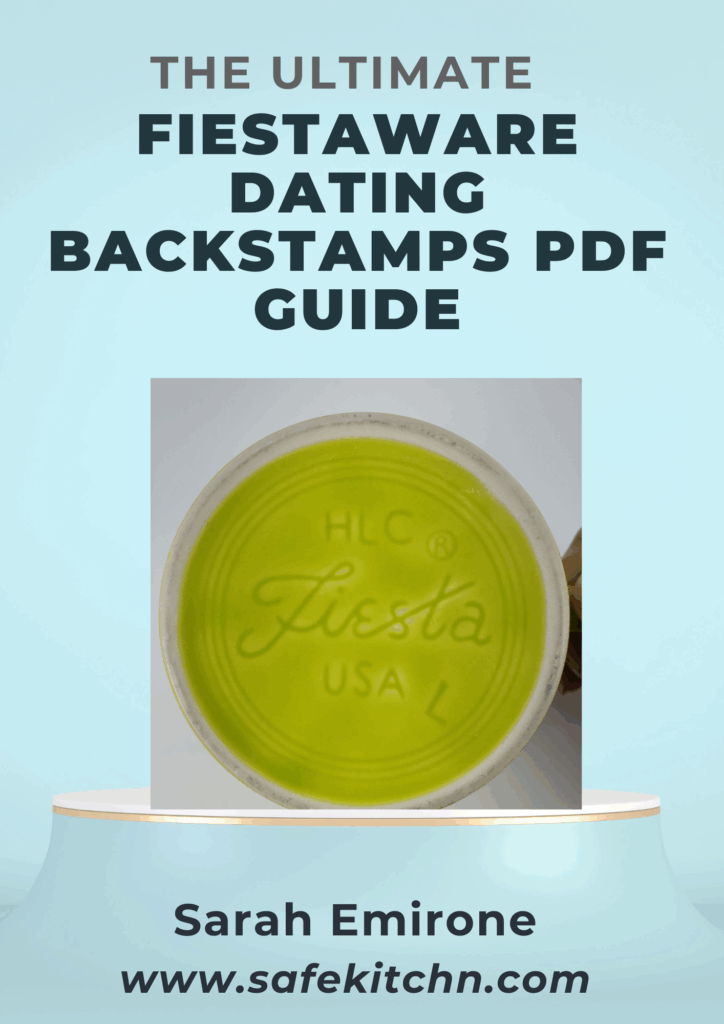
  • Fiestaware Dating Backstamps PDF Guide: Your Complete Resource for Authentic Collection Dating

    For nearly 90 years, Fiestaware has graced American tables with its vibrant colors and distinctive Art Deco design.

    Whether you’ve inherited a collection from your grandmother or you’re actively hunting for pieces at estate sales, understanding how to properly date your Fiestaware is crucial for any serious collector.

    That’s why we’ve created the ultimate Fiestaware Dating Backstamps PDF Guide – a comprehensive PDF resource that will transform you from a casual admirer into a confident authenticator.

    WHY FIESTAWARE DATING MATTERS MORE THAN YOU THINK

    Many collectors focus solely on color and condition when evaluating Fiestaware pieces, but they’re missing a critical piece of the puzzle.

    Fiestaware dating backstamps pdf guide

    The backstamp – that small marking on the bottom of each piece – holds the key to unlocking your collection’s true value and historical significance.

    Accurately dating your Fiestaware helps you:

    • Determine the authentic market value and rarity of each piece
    • Distinguish genuine vintage pieces from modern reproductions
    • Understand the historical context of your collection
    • Make informed decisions when buying or selling
    • Build a more valuable and cohesive collection over time

    Without this knowledge, you might unknowingly pass up a rare find or overpay for a common reproduction. Our comprehensive guide ensures you’ll never make these costly mistakes again.

    THE FOUR DISTINCT FIESTAWARE ERAS EXPLAINED

    One of the most valuable aspects of our guide is how it breaks down Fiestaware’s production history into four distinct periods, each with unique characteristics and identification markers.

    The Original Era (1936-1973): The Golden Age

    This period represents the pinnacle of Fiestaware design and collectibility. Original era pieces feature the classic Art Deco styling that made Fiestaware famous, along with the most sought-after vintage colors like the iconic Fiesta Red.

    The backstamps from this period are typically impressed directly into the clay, creating distinctive raised or recessed lettering that’s become synonymous with authentic vintage pieces.

    The Ironstone Period (1969-1973): The Transition Years

    During this brief transitional period, Homer Laughlin experimented with ironstone production, creating pieces that bridge the gap between vintage and modern.

    These pieces are particularly interesting to collectors because they represent a unique moment in Fiestaware history, featuring different backstamp styles and limited color options that make them quite distinctive.

    Post-86 Revival (1986-Present): The Modern Renaissance

    When Fiestaware returned to production in 1986, it brought updated manufacturing processes while maintaining the classic appeal collectors loved.

    This era introduced new backstamp designs, modern production techniques, and an explosion of new colors that continues today.

    Contemporary & Special Editions: The Collector’s Challenge

    Recent decades have brought numerous limited editions, anniversary pieces, and special colorways, each requiring specific knowledge to identify and authenticate properly.

    MASTER THE ART OF BACKSTAMP READING

    Our guide teaches you exactly where to find backstamps on different piece types and how to interpret what you discover.

    This isn’t just academic knowledge; it’s practical expertise that will serve you every time you examine a piece.

    Location Mastery

    Different Fiestaware pieces have backstamps in varying locations:

    • Plates and saucers feature center-bottom markings, usually within recessed areas
    • Bowls display backstamps on the center bottom of the base
    • Cups and mugs may have smaller markings due to space constraints
    • Serving pieces often feature larger, more detailed backstamps with additional production information

    Decoding Impressed vs. Stamped Marks

    Understanding the difference between impressed marks (pressed into clay) and stamped marks (applied with ink) is crucial for period identification.

    Impressed marks dominated the original era, while stamped marks became more common in the Post-86 revival period. Our guide shows you exactly what to look for and why these differences matter.

    Cracking the Code System

    Date codes, letter markings, and symbol variations aren’t random; they follow specific patterns that, once understood, reveal precise production information.

    Our guide demystifies these markings, teaching you to recognize:

    • Letter codes corresponding to specific years or production runs
    • Number codes indicating mold numbers and production dates
    • HLC monogram variations across different periods
    • USA markings and their significance for authentication

    VISUAL TIMELINE: YOUR QUICK REFERENCE TOOL

    One of the most powerful features of our guide is the comprehensive visual timeline that shows backstamp evolution across different eras.

    This at-a-glance reference allows you to quickly categorize pieces and narrow down production periods without memorizing complex details.

    The timeline clearly illustrates how markings evolved from the simple “FIESTA MADE IN USA” of the early original era to the modern “FIESTA® HOMER LAUGHLIN CHINA USA LEAD FREE” designations found on contemporary pieces.

    COLOR INTRODUCTION TIMELINE: THE COLLECTOR’S SECRET WEAPON

    colour timeline of Fiestaware dinnerware

    Colors weren’t introduced randomly; they follow specific timeline patterns that serious collectors use for authentication.

    Our guide provides the complete color introduction timeline, showing exactly when each shade entered and left production. This knowledge is invaluable because:

    • Original colors (Red, Blue, Green, Yellow, Ivory) debuted in 1936
    • Turquoise joined the lineup in 1938
    • The 1950s brought Forest Green, Rose, Chartreuse, and Gray
    • Post-86 colors began with White, Black, Apricot, and Cobalt
    • Limited and discontinued colors created some of today’s most valuable pieces

    AUTHENTICATION RED FLAGS: PROTECT YOUR INVESTMENT

    Perhaps the most valuable section of our guide covers authentication red flags, the telltale signs that separate genuine pieces from clever reproductions.

    Red flags of fake Fiestaware dinnerware Logo Backstamps

    We detail exactly what to look for:

    Warning Signs of Fakes:

    • Blurry or poorly defined backstamps
    • Incorrect spelling or spacing in markings
    • Modern copyright symbols on supposedly vintage pieces
    • Backstamps that appear painted rather than properly impressed or stamped
    • Color combinations that were never produced during the claimed time periods

    Authentic Indicators:

    • Clean, precise markings appropriate to the era
    • Consistency with documented backstamp variations
    • Proper color and period combinations
    • Quality clay and glaze consistent with Homer Laughlin standards

    BEYOND DATING: BUILDING COLLECTION VALUE

    Our guide goes beyond simple identification to help you build a more valuable collection.

    We cover value estimation basics, explaining how factors like rarity, condition, size, and regional demand affect pricing.

    You’ll learn to categorize pieces from common everyday items to investment-grade rarities.

    We also provide guidance on safe buying and selling, including recommended sources and red flags to avoid.

    This practical advice can save you from costly mistakes and help you find genuine treasures.

    TROUBLESHOOTING REAL-WORLD CHALLENGES

    Not every piece you encounter will have a perfect, clearly readable backstamp. Our guide addresses common real-world challenges like:

    • Reading faded or worn backstamps using lighting techniques and digital enhancement
    • Identifying unmarked pieces through alternative methods
    • Recognizing special edition and commemorative pieces
    • Knowing when to seek professional authentication

    YOUR COMPLETE RESOURCE FOR FIESTAWARE SUCCESS

    This comprehensive guide represents years of research and practical collecting experience condensed into an easy-to-use reference that you can keep handy during shopping trips, estate sales, or while organizing your existing collection.

    Whether you’re a beginning collector trying to understand what you’ve inherited or an experienced enthusiast looking to refine your authentication skills, this guide provides the knowledge and confidence you need to succeed in the fascinating world of Fiestaware collecting.

    Download your free copy today and start dating your Fiestaware collection like a professional appraiser.

    Your future collecting success depends on the knowledge you gain today, and there’s no better investment in your collecting journey than understanding the authentic markers that separate valuable vintage pieces from modern reproductions.

    Don’t let another valuable piece slip through your fingers. Arm yourself with the expertise that serious collectors rely on every day.

  • Stoneware Dinnerware Made in the USA

    You’re hosting a dinner party, proudly serving your homemade feast on beautiful dinnerware that not only showcases your culinary creations but also tells a story of American craftsmanship.

    There’s something deeply satisfying about setting a table with pieces made by artisans who pour their passion into every plate and bowl.

    In recent years, more households have been turning away from mass-produced, potentially harmful tableware in favour of non-toxic alternatives crafted right here in the USA.

    The resurgence of interest in American-made stoneware isn’t just about patriotism—it’s about health, sustainability, and supporting local artistry.

    But what makes these pieces so special, and why are they becoming the preferred choice for health-conscious homeowners?

    Let’s explore the artistry, tradition, and benefits behind these remarkable American treasures.

    WHAT MAKES AMERICAN STONEWARE SPECIAL?

    Stoneware dinnerware made in the USA carries a legacy of craftsmanship that dates back centuries.

    Unlike conventional imported dinnerware that may contain harmful chemicals, American stoneware is typically crafted with a focus on non-toxic materials and traditional methods that prioritise both beauty and safety.

    The Non-Toxic Advantage

    When it comes to dining, what your food touches matters just as much as the food itself.

    American-made ceramic tableware brands pride themselves on using lead-free glazes and clays free from harmful additives.

    Unlike some imported options that may contain concerning levels of lead, cadmium, or other heavy metals, USA-made stoneware typically adheres to stricter safety standards.

    Research conducted by the University of Plymouth, led by Dr. Andrew Turner, revealed that some imported ceramics and enamelled glassware contained lead concentrations up to 1,000 times and cadmium concentrations up to 100 times higher than regulatory limits.

    American manufacturers, bound by FDA regulations, generally adhere to stricter safety standards.

    DURABILITY THAT STANDS THE TEST OF TIME

    American stoneware isn’t just safer—it’s built to last. Fired at temperatures between 2150°F and 2330°F (1177°C to 1277°C), proper stoneware achieves a density and durability that can withstand decades of daily use. This longevity makes it not only a healthier choice but also a more sustainable one.

    Supporting Local Artisans and Economy

    When you purchase stoneware made in the USA, you’re supporting American artisans and helping preserve traditional crafting techniques.

    According to Localwe, each direct ceramics job creates approximately 1.78 additional jobs in related industries, making your purchase a meaningful contribution to local economies.

    TOP AMERICAN STONEWARE MANUFACTURERS

    Stoneware Dinnerware made in the USA

    Let’s explore some of the finest stoneware producers in the United States, each with its unique aesthetic and manufacturing approach. They are:

    Farmhouse Pottery

    Emerson Creek Pottery

    Stoneware & Co

    Hanselmann Pottery

    Bennington Pottery

    East Fork Pottery

    Heath Ceramics

    Fiesta Dinnerware (Homer Laughlin China Company)

    Farmhouse Pottery

    Based in Woodstock, Vermont, Farmhouse Pottery creates handcrafted stoneware that beautifully blends traditional, modern, classic, and rustic styles.

    Their pieces feature earthy tones and tactile textures that add warmth to any table setting.

    Founded by husband and wife team James and Zoe Zilian in 2012, Farmhouse Pottery embodies the farm-to-table ethos in their “farm-to-table-to-home” approach to dinnerware.

    Each piece is wheel-thrown by master potters and glazed with non-toxic materials, making them safe for your family and the environment.

    Emerson Creek Pottery

    Located in Bedford, Virginia, Emerson Creek Pottery has been creating functional and decorative ceramics since 1977.

    Emerson Creek Pottery Stoneware dish

    Their pieces feature nature-inspired motifs and are known for their rustic charm and detailed craftsmanship.

    Emerson Creek takes pride in their eco-friendly practices, using locally sourced materials wherever possible. Their stoneware is lead-free, microwave and dishwasher-safe, and designed to withstand years of use.

    Stoneware & Co.

    With roots dating back to the 18th century, Louisville, Kentucky-based Stoneware & Co. combines traditional techniques with contemporary aesthetics.

    Louisville Stoneware & Co dish

    Their dinnerware collections balance durability with elegant design, offering pieces that transition seamlessly from everyday meals to special occasions.

    Their commitment to American craftsmanship includes using clay sourced from the Ohio River Valley, continuing a tradition that spans generations.

    All their glazes are lead-free and food-safe, meeting strict FDA requirements.

    Hanselmann Pottery

    Founded by Bob Hanselmann in 1970 and located in Corrales, New Mexico, Hanselmann Pottery is renowned for its unique glazing techniques and nature-inspired designs.

    Their work often incorporates earthy tones that reflect the beauty of the surrounding New Mexico landscape.

    Each piece is handmade using traditional methods, ensuring that no two items are exactly alike. Their stoneware is nontoxic, microwave and dishwasher-safe, and built to withstand daily use.

    HOW TO CHOOSE THE RIGHT AMERICAN-MADE STONEWARE

    Selecting the perfect stoneware for your home involves considering several factors beyond just aesthetics.

    Material Safety

    When shopping for non-toxic dinnerware, always look for products explicitly labeled as lead-free and cadmium-free.

    Reputable American manufacturers will typically provide information about their glazing processes and safety certifications.

    Durability and Maintenance

    Consider how the stoneware will be used in your home. Most high-quality stoneware is:

    • Dishwasher safe
    • Microwave safe
    • Oven safe (with proper precautions)
    • Freezer safe

    However, specific care instructions may vary by manufacturer, so always check before purchasing.

    Visual Appeal and Versatility

    Choose stoneware that complements your existing décor and dining style. Many American manufacturers offer dinnerware in various collections that can be mixed and matched for a personalised look.

    BrandLocationDistinctive FeaturesNon-Toxic Certifications
    Bennington PotteryVermontCobalt blue decorations, traditional designsFDA-compliant, lead-free
    Farmhouse PotteryVermontRustic aesthetic, earthy tonesLead-free, food-safe glazes
    Emerson CreekVirginiaNature-inspired motifs, rustic charmLead-free, FDA-compliant
    Stoneware & Co.KentuckyTraditional techniques, contemporary designsLead-free, food-safe glazes
    East ForkNorth CarolinaMinimalist aesthetic, muted coloursLead-free, cadmium-free
    Heath CeramicsCaliforniaMid-century modern design, distinctive glazesLead-free, in-house developed glazes
    FiestaWest VirginiaVibrant colours, iconic concentric circle designLead-free, FDA-compliant

    CARING FOR YOUR AMERICAN STONEWARE

    To ensure your stoneware remains beautiful and functional for generations:

    1. Avoid Thermal Shock: Though stoneware is generally heat-resistant, sudden temperature changes can cause cracking. Allow pieces to come to room temperature before placing them in a hot oven or a cold refrigerator.
    2. Hand Wash When Possible: While most stoneware is dishwasher safe, hand washing can extend its lifespan and preserve decorative elements.
    3. Use Gentle Cleaning Methods: Avoid abrasive scrubbers that might damage glazes. For stubborn stains, soak in warm, soapy water rather than scrubbing aggressively.
    4. Store Properly: Avoid stacking pieces without protective padding between them to prevent chips and scratches.
    5. Handle with Care: Despite its durability, stoneware can chip or break if dropped on hard surfaces. Handle with appropriate care, especially when washing.

    BEYOND DINNERWARE: EXPANDING YOUR AMERICAN STONEWARE COLLECTION

    Many American pottery studios offer complementary pieces that can enhance your dining experience:

    • Serving platters and bowls
    • Bakeware and casserole dishes
    • Tea and coffee sets
    • Pitchers and drink dispensers
    • Vases and decorative items

    Collecting pieces from the same manufacturer ensures a cohesive look, but mixing items from different studios can create an eclectic, personalised table setting that showcases American craftsmanship in all its diversity.

    CONCLUSION

    Choosing stoneware dinnerware made in the USA isn’t just about supporting local artisans—it’s about bringing beauty, history, and safety to your table.

    From Vermont to California, American potters continue a tradition of excellence that prioritises both aesthetics and health.

    Whether you’re drawn to the rustic charm of Farmhouse Pottery or the colourful tradition of Fiesta, American-made stoneware offers peace of mind alongside its distinctive style.

    As you gather around your table with family and friends, there’s something profoundly satisfying about knowing the plates beneath your food tell a story of American craftsmanship, environmental responsibility, and non-toxic living.

    Why not start your collection today?

  • Ceramic Dinnerware Made in the USA

    You’re setting the table for a special dinner, laying out plates that tell a story of American craftsmanship.

    There’s something deeply satisfying about knowing exactly where your dinnerware comes from—especially when it’s made right here in the USA.

    In a world of mass-produced imports, American-made ceramic dinnerware stands apart not just for its quality and beauty but for its commitment to non-toxic materials that keep your family safe.

    Whether you’re a passionate home cook or someone who simply appreciates the finer details of dining, ceramic tableware crafted on American soil offers peace of mind alongside undeniable style.

    But with so many options available, how do you know which USA-made ceramics are truly worth your investment? That’s where our journey begins…

    WHAT MAKES AMERICAN-MADE CERAMIC DINNERWARE SPECIAL?

    American-made ceramic dinnerware stands out in today’s market for several compelling reasons.

    Unlike mass-produced imported options, USA-made ceramics typically undergo stricter quality control standards and adhere to more rigorous safety regulations regarding non-toxic materials.

    Most American pottery studios take pride in their craftsmanship, with many pieces being hand-thrown or hand-finished.

    This attention to detail results in dinnerware that’s not just functional but truly artisanal—each piece carries slight variations that give your table setting character and charm.

    Many USA ceramic manufacturers also prioritize sustainability, using locally sourced materials and environmentally friendly production methods.

    This reduces carbon footprint while supporting local economies and preserving traditional American craft techniques.

    When you purchase ceramic tableware made in America, you’re not just buying plates and bowls—you’re investing in pieces that reflect America’s rich ceramic heritage while meeting modern safety standards for your family’s health.

    UNDERSTANDING CERAMIC TYPES: PORCELAIN, STONEWARE, AND EARTHENWARE

    Before diving into specific brands, it’s important to understand the different types of ceramics used in dinnerware production.

    Porcelain and stoneware American-made tableware brands offer different benefits depending on your lifestyle and dining preferences.

    Ceramic TypeCharacteristicsDurabilityBest For
    PorcelainFine-grained, translucent, fired at high temperatures (1,200-1,400°C)Chip-resistant, strongFormal dining, everyday elegance
    StonewareDense, opaque, fired at moderate temperatures (1,100-1,300°C)Highly durable, heavier feelDaily use, casual dining
    More fragile, may chip more easilyPorous, often hand-painted, fired at lower temperatures (950-1,150°C)More fragile, may chip easierDecorative use, casual entertaining

    Understanding these differences helps you select dinnerware that aligns with your lifestyle needs.

    American manufacturers excel in all three categories, though each brand typically specializes in a particular ceramic type based on their artistic tradition and production methods.

    TOP AMERICAN-MADE CERAMIC DINNERWARE BRANDS

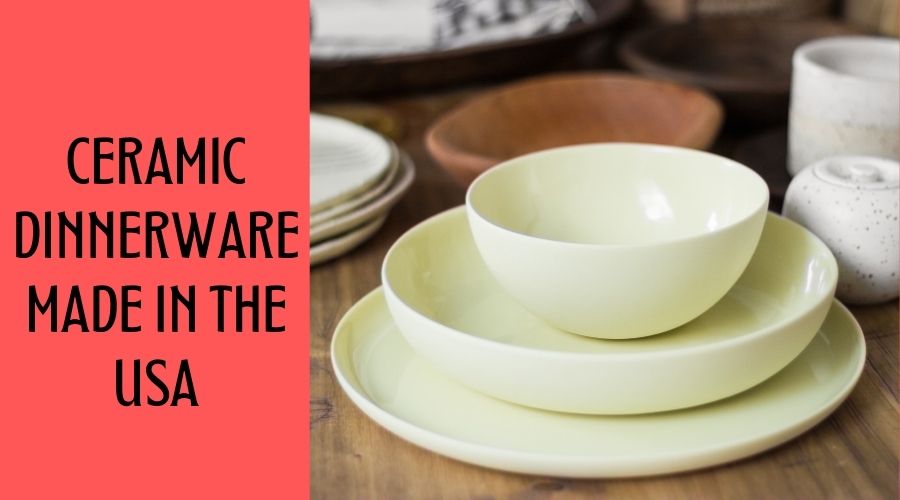
    Ceramic Dinnerware made in the USA

    Let’s explore some of the finest ceramic dinnerware manufacturers operating in the United States today, with details about their production processes, product lines, and what makes each brand unique.

    Bauer Pottery

    Based in Los Angeles, California, Bauer Pottery has a fascinating history dating back to the early 20th century.

    After the original company closed in the 1960s, the brand was revived in the 1990s with a commitment to recreating classic American designs using modern, non-toxic materials.

    Bauer ceramic America Pottery

    Key Features:

    • Manufactured in Los Angeles, California
    • Known for vibrant, colorful glazes
    • Offers casual yet sophisticated ceramic mugs, dinnerware, and servingware
    • Uses modern low-fire glazing techniques

    Care Instructions:

    • While dishwasher safe, hand washing is recommended
    • Microwave safe
    • Not suitable for oven use beyond warm settings
    • Not frost-proof due to earthenware construction

    Safety Profile: Bauer’s modern ceramic products are lead, cadmium, and uranium-free, making them a safe choice for everyday use.

    However, if you collect vintage Bauer pieces, it’s wise to have them tested for harmful substances before using them with food, as older manufacturing processes didn’t adhere to today’s safety standards.

    Heath Ceramics

    Since 1948, Heath Ceramics has been crafting exceptional stoneware in California. Their timeless designs have earned them a place in American design history, with pieces featured in museums and cherished in homes across the country.

    Heath Ceramics

    Key Features:

    • Based in Sausalito and San Francisco, California
    • Known for minimalist, mid-century-inspired designs
    • Offers complete dinnerware collections plus decorative items
    • Famous for their signature glazes with subtle variations

    Popular Collections:

    • Coupe Line (their most iconic design)
    • Rim Line
    • Plaza Line
    • Chez Panisse Line (designed for Alice Waters’ famous restaurant)

    Care Instructions:

    • Dishwasher and microwave safe
    • Recommended use with gentle, eco-friendly detergents
    • Avoid thermal shock by heating gradually

    Heath Ceramics represents the perfect blend of artisanal craft and industrial precision. Each piece is made using a combination of machine processes and hand-finishing techniques, ensuring consistency while maintaining the human touch that makes handcrafted ceramics special.

    Rowe Pottery

    Founded in 1975 in Cambridge, Wisconsin, Rowe Pottery began as a revival of traditional salt-glazed stoneware but has evolved to include a diverse range of ceramics for the modern home.

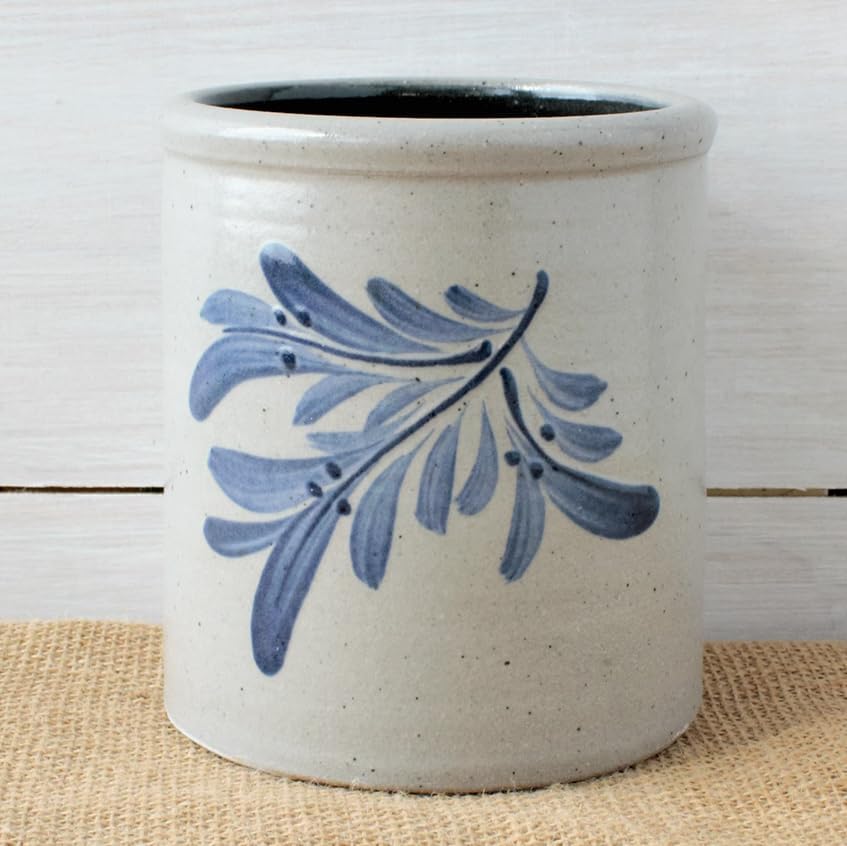
    Wisconsin made stoneware mug pottery

    Key Features:

    • Handcrafted in Cambridge, Wisconsin
    • Specializes in personalized and custom designs
    • Offers limited-edition collections perfect for gifts
    • Known for blending traditional techniques with contemporary design

    Popular Collections:

    • Classic Collection
    • Ridges Collection
    • Provincial Collection
    • Simply Rowe Collection
    • Farm Collection
    • Northwood Collection

    Care Instructions:

    • Microwave and dishwasher safe
    • Durable enough for everyday use

    Rowe Pottery maintains a strong connection to American craft traditions while innovating to meet contemporary needs.

    Their pieces often feature subtle textural elements and earthy glazes that create a warm, inviting table setting.

    Bennington Potters

    With a history dating back to 1948, Bennington Potters of Vermont has become synonymous with durable, functional stoneware that stands the test of time.

    Many families pass down their Bennington pieces through generations.

    Bennington Pottery Baking dish made in Vermont

    Key Features:

    • Made in Bennington, Vermont
    • Known for exceptionally durable stoneware
    • Features distinctive glazes like their famous Blue Agate pattern
    • Each piece goes through 12 separate production steps

    Popular Products:

    • Trigger Mugs (their iconic design)
    • Bowls in various sizes
    • Complete place settings
    • Serving pieces

    Care Instructions:

    • Oven, microwave, and dishwasher safe
    • Virtually indestructible in normal use
    • Can go from freezer to oven without cracking

    Bennington’s production process combines traditional pottery techniques with modern efficiency.

    While some steps are mechanized for consistency, skilled craftspeople are involved at critical stages, ensuring each piece meets their exacting standards.

    East Fork Pottery

    A newer addition to the American ceramics scene, East Fork Pottery has quickly developed a devoted following for its contemporary take on traditional stoneware.

    Founded in 2010 in Asheville, North Carolina, they’ve grown from a small studio to a significant manufacturer while maintaining their commitment to quality.

    Key Features:

    • Made in Asheville, North Carolina
    • Contemporary designs with a rustic influence
    • Known for their limited-edition seasonal glazes
    • Committed to ethical manufacturing and fair labor practices

    Popular Products:

    • The Everyday Bowl
    • The Breakfast Bowl
    • Dinner Plates
    • Serving platters

    Care Instructions:

    • Dishwasher, microwave, and oven safe
    • Exceptionally durable for daily use

    East Fork represents the new wave of American ceramic manufacturing, combining traditional craft knowledge with modern business practices and design sensibilities.

    They’ve developed a unique voice in the industry, attracting younger consumers interested in supporting domestic manufacturing.

    BENEFITS OF NON-TOXIC CERAMIC DINNERWARE

    When selecting dinnerware for your home, safety should be a top priority alongside aesthetics. Here’s why non-toxic ceramic dinnerware offers significant advantages:

    Health Considerations

    Many imported ceramic products may contain concerning levels of lead, cadmium, or other heavy metals in their glazes.

    These substances can leach into food, especially when serving acidic dishes like tomato sauce or citrus.

    American manufacturers typically follow stricter safety protocols, ensuring their products are free from harmful substances.

    Durability and Value

    While American-made ceramics might have a higher initial cost than mass-produced imports, they typically offer superior durability.

    This longevity translates to better value over time, as quality pieces can last for decades or even generations with proper care.

    HOW TO IDENTIFY AUTHENTIC USA-MADE CERAMICS

    With increased interest in American-made products, it’s important to know how to verify a product’s origin:

    1. Check the backstamp – Authentic American pottery will typically have a clear mark indicating it was made in the USA.
    2. Research the company – Visit brand websites to confirm their manufacturing locations.
    3. Look for certification – Some companies participate in verification programs like “Made in USA Certified.”
    4. Ask questions – Don’t hesitate to contact companies directly about their manufacturing processes.
    5. Watch for vague language – Terms like “Designed in USA” may indicate overseas manufacturing.

    CARING FOR YOUR AMERICAN CERAMIC DISHES

    To ensure your investment lasts for years to come, follow these care guidelines:

    General Care Tips

    • While many American ceramics are dishwasher safe, hand washing will extend their lifespan
    • Avoid extreme temperature changes that can cause cracking
    • Store plates with felt protectors between them to prevent scratching
    • Use wooden or silicone utensils rather than metal to minimize marking

    Type-Specific Care

    Different ceramic types require slightly different care approaches:

    Porcelain: Despite its delicate appearance, high-fired porcelain is quite durable. Still, avoid stacking heavy items on top of porcelain pieces.

    Stoneware: Though robust, stoneware can chip if knocked against hard surfaces. Avoid dragging pieces across abrasive surfaces.

    Earthenware: The most fragile ceramic type requires gentle handling. Never subject earthenware to sudden temperature changes.

    CREATING BEAUTIFUL TABLE SETTINGS WITH AMERICAN CERAMICS

    American-made ceramics offer tremendous versatility for styling your table:

    Mix and Match Appeal

    One of the joys of collecting American ceramics is the ability to create eclectic table settings. Consider:

    • Combining different patterns in complementary colors
    • Mixing vintage and contemporary pieces
    • Creating seasonal table settings with limited-edition pieces

    Styling Tips

    • Use neutral American-made dinnerware as a canvas for colorful food presentation
    • For casual dining, combine stoneware plates with handmade textile napkins
    • For special occasions, layer different-sized plates from the same collection
    • Display favorite pieces on open shelving when not in use.

    CONCLUSION

    Bringing ceramic dinnerware made in the USA to your table connects you to a rich tradition of American craftsmanship that dates back centuries.

    Beyond the satisfaction of supporting domestic manufacturing, you’re investing in pieces crafted with care, attention to detail, and a commitment to safety through non-toxic materials.

    From the vibrant colors of Bauer Pottery to the minimalist elegance of Heath Ceramics, American ceramics offer something for every aesthetic preference.

    While they may represent a greater initial investment than imported alternatives, their durability, timeless design, and health benefits make them a worthy addition to any home.

    Why not start your collection today with a signature piece that speaks to your style?

  • Is Gemco the Same as Corelle

    I can still clearly remember, just like yesterday, when I was going through my grandmother’s china cabinet, and amidst the carefully stacked plates and bowls, I spotted two sets of remarkably similar-looking dinnerware.

    One bears the Gemco mark, while the other showcases the familiar Corelle logo.

    They share that distinctive, translucent appearance that has made people ask: is Gemco the same as Corelle plates.

    To answer this question, we will first examine decades of American manufacturing history, corporate evolution, and innovative glass-making techniques that revolutionized our dining tables and kitchens forever.

    THE HISTORICAL CONNECTION

    When we delve into the story of Gemco and Corelle, we’re exploring a fascinating chapter in American manufacturing history.

    General Housewares Corporation produced Gemco glassware during the 1960s, whilst Corning Glass Works (now owned by Instant Brands) introduced Corelle in 1970.

    Though they might appear similar at first glance, their paths diverged significantly.

    THE BIRTH OF TWO ICONIC BRANDS

    Gemco established itself as a respected manufacturer of glass products, earning particular recognition for its durable tempered glassware.

    The company’s distinctive designs resonated with mid-century modern aesthetics, making their products highly sought-after among homemakers of the era.

    New Gemco butter dish product by LifetimeBrands

    Corning, on the other hand, revolutionized the glass industry through multiple innovations.

    They developed Corelle using their patented Vitrelle glass technology and pioneered glass-ceramic materials, which found widespread applications in electronics, aerospace, commercial tableware, and their signature Visions cookware line.

    Perhaps, one of their most surprising innovation came in 2007 with the development of Gorilla Glass – a remarkable material both thin and lightweight enough for mobile devices, yet durable enough to withstand daily wear and tear.

    Corelle dinnerware by Instant Brands

    If you are curious about exploring the connections between Corning’s various product lines, our detailed article on: is Corelle the same as Corningware provides further insights into this fascinating company’s history.

    MATERIAL COMPOSITION AND MANUFACTURING

    Gemco’s Manufacturing Process

    – Utilised tempered glass technology

    – Single-layer construction

    – Heat-strengthened for durability

    – Known for their distinctive patterns and designs

    Corelle’s Unique Technology

    – Made with Vitrelle glass technology

    – Triple-layer construction

    – Laminated glass structure

    – Superior break and chip resistance

    KEY DIFFERENCES BETWEEN GEMCO AND CORELLE

    is Gemco the same as Corelle

    FeatureGemco WareCorelle
    ManufacturerFormally Corning Inc., but Presently owned by Instant Brands.Formally Corning Inc., but presently owned by Instant Brands.
    Production Period1960s- (55 years)*1970-Present
    MaterialTempered Glass/ Milk GlassVitrelle Glass
    ConstructionSingle LayerTriple Layer
    Current AvailabilityVintage OnlyCurrently Manufactured
    Typical WeightHeavierLighter
    ProductsVinegar cruets, sugar dispensers, pourers, salt and pepper shakers, and related products.Mainly Dinnerware and Ceramic Mugs
    Pattern VarietyLimitedExtensive

    DO WE HAVE GEMCO WARE CORELLE PLATES?

    When people refer to “Gemco Corelle plates” or group them as one brand of dinnerware, it is a misidentification or confusion between them.

    This happens for a few reasons:

    1. Similar appearance – Gemco and Corelle produced white/off-white glassware with similar patterns, making them look quite similar at first glance.

    2. Similar era – Both brands were popular during overlapping periods (1970s-1980s), so people often encountered both in households.

    3. Similar durability—Both brands make durable, break-resistant glassware, which leads people to associate them with each other.

    This kind of misidentification is common with vintage items, especially when brands have similar characteristics.

    Finally, if you see items listed as “Gemco Corelle,” they’re likely either Gemco or Corelle, but not both—they were separate companies with distinct products.

    PATTERN RECOGNITION AND COLLECTIBILITY

    Gemco Patterns

    Gemco’s patterns often reflected the aesthetic of the 1960s and 1970s:

    – Geometric designs

    – Bold colours

    – Mid-century modern influences

    – Limited edition collections

    Corelle Patterns

    Corelle’s pattern library spans several decades:

    – Traditional florals

    – Contemporary designs

    – Seasonal collections

    – Collaborative artist series

    CARE AND MAINTENANCE

    Preserving Vintage Gemco:

    1. Hand washing is recommended

    2. Avoid extreme temperature changes

    3. Store with protective padding

    4. Check for signs of stress or damage

    Modern Corelle Care:

    1. Dishwasher safe

    2. Microwave safe

    3. Stack without protective layers

    4. Resistant to staining

    COLLECTOR’S GUIDE AND VALUE

    Gemco Valuation Factors

    – Pattern rarity

    – Condition

    – Complete set availability

    – Historical significance

    Corelle Market Value

    – Current production pieces

    – Discontinued patterns

    – Limited editions

    – Vintage collections

    MAKING THE RIGHT CHOICE

    Choose Vintage Gemco If:

    – You collect mid-century modern pieces

    – You appreciate the historical value

    – You prefer heavier glassware

    – You’re interested in investment potential

    Choose Corelle If:

    – You need everyday durability

    – You want current pattern options

    – You prefer lightweight dishes

    – You desire warranty protection

    ENVIRONMENTAL IMPACT AND SUSTAINABILITY

    Vintage Gemco Ware

    – Reduces waste through reuse

    – Supports sustainable collecting

    – Limited carbon footprint

    – Already existing products

    Modern Corelle

    – Energy-efficient manufacturing

    – Recycling programmes

    – Break-resistant (reduces waste)

    – Long-lasting products

    CONCLUSION

    While Gemco Ware and Corelle share some visual similarities, they represent distinct chapters in American glassware history.

    Gemco remains a cherished vintage brand, whilst Corelle continues to innovate and produce new collections.

    Whether you’re a collector, an everyday user, or both, understanding these differences helps make informed decisions about your dinnerware choices.

  • IS CORELLE WINTER FROST WHITE DISCONTINUED

    You know that moment of panic when you break your favorite plate, rush to buy a replacement, and suddenly can’t find it anywhere?

    The story of Corelle Winter Frost White dishes is like a family tradition in many homes.

    These simple white plates have been passed down from mothers to daughters, survived countless family dinners, and somehow managed to stay brand new despite years of use.

    So when rumors started spreading about these classic dishes being discontinued, it sent waves of worry through kitchens across the country.

    But here’s the thing – I did some digging and got in touch with Corelle directly about this whole situation.

    What they told me might surprise you, and it’s good news for anyone who loves these timeless dishes.

    Want to know what I found out?

    THE LEGACY OF CORELLE WINTER FROST WHITE

    Before we dive into the discontinuation drama, let’s take a moment to appreciate why Corelle Winter Frost White has been the belle of the ball in kitchens across the USA.

    Is corelle winter frost white discontinued

    Corelle Winter Frost White isn’t just dinnerware; it’s a cultural icon. Launched in the 1970s, this simple yet elegant design quickly became the go-to choice for everyone from college students to newlyweds to established families. Its appeal?

    A perfect blend of durability, style, and affordability that’s hard to beat.

    WHY AMERICANS LOVE CORELLE WINTER FROST WHITE

    1. Practically Indestructible: These dishes are like the Superman of the kitchen – seemingly impervious to chips, cracks, and breaks.

    2. Lightweight: Easy to handle, even when juggling a full dinner service.

    3. Stackable: A godsend for small kitchens and storage-challenged spaces.

    4. Versatile Design: The clean, white aesthetic goes with everything, from grandma’s vintage tablecloth to your latest IKEA find.

    5. Microwave and Dishwasher Safe: Because who has time for hand-washing in this day and age?

    THE RUMORS AND THE REALITY

    Rumors of Corelle Winter Frost White’s demise have been greatly exaggerated. While it’s true that Corelle has made some changes to its product lineup over the years, Winter Frost White remains a core part of their offerings.

    However, here’s where things get a bit tricky:

    1. Product Evolution: Corelle has introduced new, similar white designs that have caused some confusion among loyal Winter Frost White fans.

    2. Limited Availability: Certain pieces or sets in the Winter Frost White line may be harder to find, leading to speculation about discontinuation.

    3. Regional Differences: Availability can vary depending on where you’re shopping, both in-store and online.

    New Corelle Winter Frost White Dinner and Bread Plates

    IS CORELLE WINTER FROST WHITE DISCONTINUED

    Now, onto the million-dollar question: Is Corelle Winter Frost White being discontinued?

    Good news! Corelle Winter Frost White is NOT discontinued. Corelle also confirmed that ” Bella Faenza Corelle Patterns” are still in production and you can buy it from stores.

    So, if you’re looking to buy Winter Frost White dishes or want to add pieces to your existing set, you can still find them for sale.

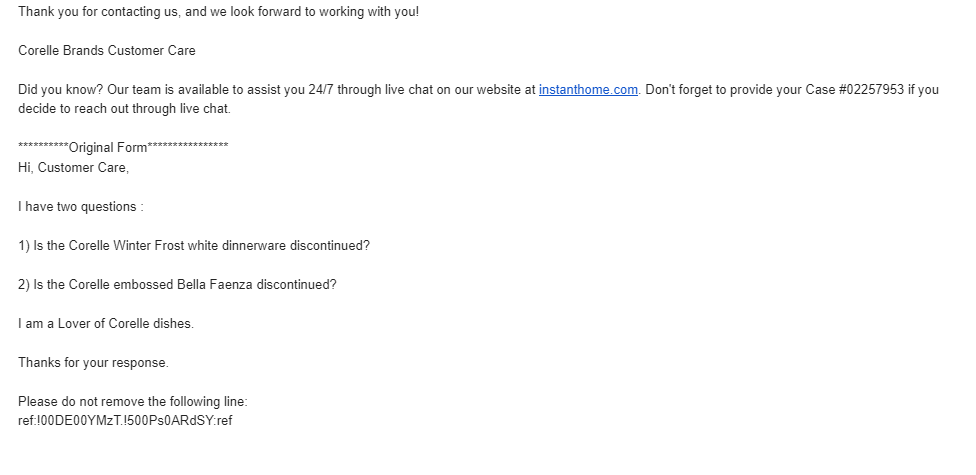
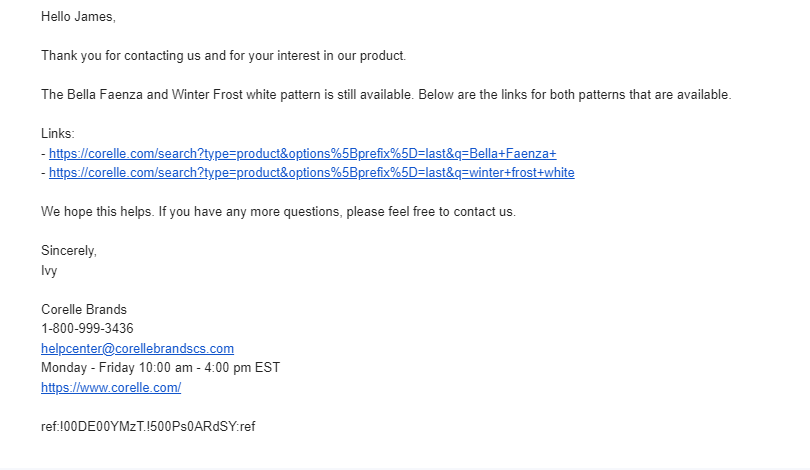
    See pictures below of the email sent and reply:

    email sent to Corelle to determine if winter frost white pattern has been discontinued
    Reply from Corelle showing that the Corelle winter frost white is still in Production

    THE WINTER FROST WHITE SURVIVAL GUIDE

    If you’re a die-hard Winter Frost White fan (and let’s be honest, who isn’t?), here’s how to navigate these uncertain dinnerware times:

    1. Stock Up: If you see your favorite pieces, consider buying extras. It’s like squirreling away nuts for winter, but with plates.

    Corelle embossed Bella Faenza Lunch Plate

    2. Explore Alternatives: Corelle offers several white designs that are kissing cousins to Winter Frost White. They might just win your heart (and your cupboard space).

    3. Mix and Match: Embrace the eclectic look by combining Winter Frost White with other Corelle patterns. It’s not cheating; it’s evolving.

    4. Check Multiple Sources: Don’t limit yourself to one store or website. Cast a wide net to find the pieces you need.

    Corelle Winter Frost White Quiz

    Corelle Winter Frost White Quiz

    CORELLE WINTER FROST WHITE FAQ

    Let's address some of the burning questions that keep Corelle enthusiasts up at night:

    Question: What's the difference between Corelle pure white and winter frost?

    Answer: It's all in the details. Pure White has a slightly brighter, more stark white appearance, while Winter Frost White has a softer, slightly warmer tone. It's like comparing fresh snow to a cozy white sweater.

    Question: Is Corelle Winter Frost White safe to use?

    Answer: Absolutely. Corelle dishes, including Winter Frost White, are made from a special tempered glass that's not only durable but also safe for food use. They're free from harmful chemicals like lead and cadmium.

    Question: Why is my Corelle chipping on the edges?

    Answer: While Corelle is known for its durability, it's not invincible. Chipping can occur from repeated impacts or improper storage. To prevent this, avoid stacking too many pieces on top of each other and handle them with care.

    Question: Is Corelle still made in the USA?

    Answer: We have answered this question in this detailed article: Are all Corelle dishes made in America?

    THE GREAT CORELLE COMPARISON

    corelle dinnerware pattern comparison of corelle winter frost white, corelle faenza and corelle pure white

    To help you navigate the world of white Corelle dinnerware, we've put together this handy comparison table:

    Feature Winter Frost WhitePure WhiteBella Faenza
    ShadeSoft, Warm WhiteBright whiteBright white with subtle texture
    FinishSmoothSmoothSlightly textured
    RimClassic RoundClassic RoundScalloped edge
    Sets AvailableVariesExtensiveVaries

    THE FUTURE OF CORELLE WINTER FROST WHITE

    While Winter Frost White isn't riding off into the sunset just yet, the dinnerware landscape is always evolving.

    Corelle continues to innovate, introducing new designs and materials to meet changing consumer preferences.

    CONCLUSION

    For those of us who've grown up with these dishes, who've celebrated milestones and nursed breakups over meals served on Winter Frost White, it's more than just dinnerware.

    It's a piece of Americana, as familiar and comforting as a warm apple pie (preferably served on a Corelle plate, of course).

    Whether you're a long-time fan or a curious newcomer, Corelle Winter Frost White remains a solid choice for durable, versatile dinnerware.

    So, go ahead, and set that table with pride. Your Winter Frost White dishes aren't just serving meals; they're serving up a slice of American kitchen history. And that, my friends, is something to raise a (Corelle) glass to.

    Ready to start your Corelle collection or add to your existing set? Check out [Corelle's official website] for the latest offerings and availability.