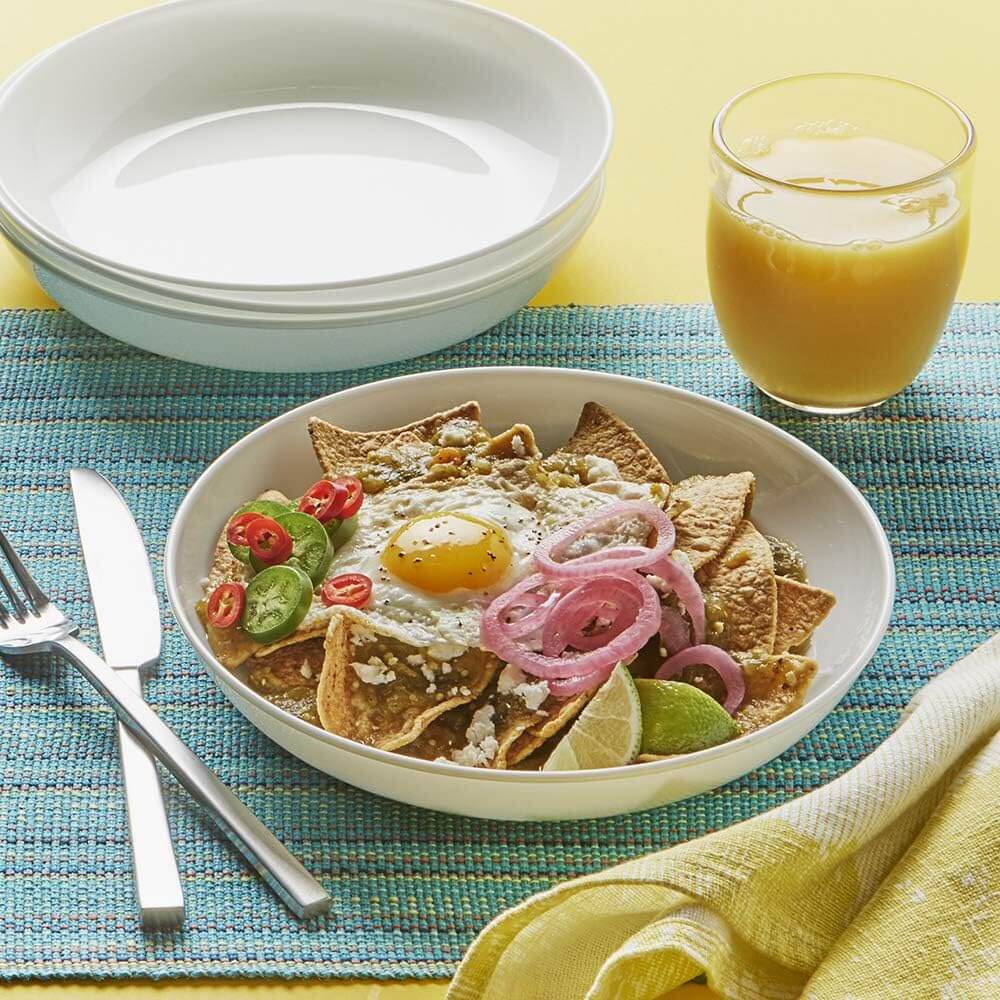
Curiosity about where products are made often leads us to explore the origins of everyday items.
One such common household item is Pfaltzgraff dinnerware. So, is Pfaltzgraff made in USA? Many are still confused about its origin. If you are, then stick around for the answer.
One certain thing is this: consumers attach the originality, superiority, and quality of items based on their origin, and the Pfaltzgraff dinnerware brand isn’t left out.
In addition, we can’t deny the fact that every gathering adorned with classic and contemporary Pfaltzgraff dinnerware designs tells a story.
I’m sure you’d like to be a part of that story. So, supporting your country’s commodities is a definite method to boost the economy, create jobs, and promote locally made items.
Join me, and let’s embark on a journey to uncover where Pfaltzgraff is manufactured, exploring the subtle narratives etched into each piece and discovering if they weave a tale of American craftsmanship.
PFALTZGRAFF DISHES/PLATES
The Pfaltzgraff dinnerware brand started over 200 years ago as a small pottery shop but has, over the years, blossomed into one of the best-known designers of ceramic dishes, drinkware, and other ceramic accessories.
In the past, the Pfaltzgraff dinnerware brand was made up of earthenware, bone china, stoneware, and porcelain, but presently, they are made with either stoneware or porcelain.
Their goal is simple, which is to bring quality dinnerware to our homes, beginning in America and then going all over the world.
Pfaltzgraff dinnerware is known for its high-quality craftsmanship.
As said above, since they are made from stoneware or porcelain, they are durable and sturdy and also come in various gorgeous designs (having various colors and design patterns).
For example, the stoneware collections often feature hand-painted designs, while the porcelain sets boast more classic and elegant designs and patterns that capture the eye and blend with any table setting.
The Pfaltzgraff dinnerware is safe for dishwasher use, microwave use, and even conventional oven to warm and bake foods, especially the stoneware Pfaltzgraff dinnerware brand, because it is fired at 2200 degrees Fahrenheit.
In addition, because the stoneware Pfaltzgraff dinnerware is fired at high temperatures, it can be chip-resistant and withstand daily use.
They often have a glazed and smooth finish, making them ideal for all kinds of occasions, like casual and formal settings.
One distinct feature bout the Pfaltzgraff dinnerware brand is that they have various price ranges suitable for every family, which means that no matter your budget, you can have access to quality and versatile dinnerware without breaking the bank.
IS PFALTZGRAFF MADE IN USA?
No, the Pfaltzgraff dinnerware brand is presently made in China.
WHERE WAS PFALTZGRAFF ORIGINALLY MADE?
The Pfaltzgraff dinnerware was originally made in York County, Pennsylvania, USA, by potters from the Pfaltzgraff family in 1811, its founding date.
WHEN DID PFALTZGRAFF MOVE TO CHINA?
The Pfaltzgraff brand moved to China in 2005 when it was bought over by Lifetime Brands.
The Pfaltzgraff silverware products are made in China.
WHEN WAS PFALTZGRAFF VILLAGE MADE?
The Pfaltzgraff village pattern product lines were made or introduced in 1970.
PFALTZGRAFF VILLAGE PATTERN HISTORY
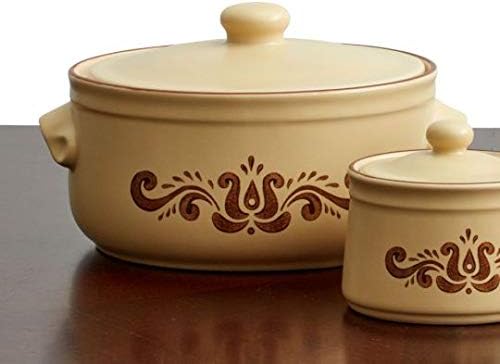
The Pfaltzgraff Village pattern is a classic stoneware design introduced in 1970. It features a rustic, earthy motif inspired by traditional Pennsylvania Dutch folk art.
The pattern includes various illustrations like barns, roosters, and trees.
Pfaltzgraff, a well-known American pottery company at that time, produced this pattern, and it became quite popular for its charming and nostalgic aesthetic.
Examples of the Pfaltzgraff village pattern collections are:
Pfaltzgraff village Soup Cup & Saucer
Pfaltzgraff Village Luncheon Plate 8 ½ inch service for 4 dinnerware
USA-Made Pfaltzgraff Village Salad Plate
Pfaltzgraff village stoneware Butter Dish
Pfaltzgraff Village Art Serving Bowl
Pfaltzgraff Coffee Mug
Pfaltzgraff Snow Village 14-inch Oval Platter
IS PFALTZGRAFF HIGH QUALITY?
Yes, Pfaltzgraff is considered high quality because it’s crafted with durable, high-quality materials that undergo thorough testing for lead concern, sturdiness, and versatility for home, kitchen, and various occasion uses.
The brand’s commitment to quality craftsmanship and independent lab testing for safety and longevity contributes to its reputation for reliable and attractive dinnerware.
PFALTZGRAFF YORKTOWNE
Pfaltzgraff Yorktowne refers to a popular dinnerware pattern produced by the pottery company Pfaltzgraff.
There is hardly any brand of dinnerware that has one pattern or collection; the same goes for the Pfaltzgraff dinnerware brand, which comes in various patterns or collections, giving the power of choice to the consumer.
These patterns come in various colors and designs and can fit various occasions. One takeaway is this: no matter your budget, you can purchase one or more patterns without much stress.
In addition, the Pfaltzgraff dinnerware brand has more than 65 patterns or even more. Below are a few examples:
Pfaltzgraff Winterberry pattern
Pfaltzgraff Amelia Cream pattern
Pfaltzgraff Janelle Pattern
Pfaltzgraff Sadie pattern
Pfaltzgraff village pattern
Pfaltzgraff Venice Pattern dinnerware
Pfaltzgraff Gabriela Gray/Blue pattern
Pfaltzgraff Sylvia pattern
Pfaltzgraff Arlie Gray pattern
Pfaltzgraff Kenna pattern
Pfaltzgraff Painted Poppies pattern
Pfaltzgraff Havana pattern
Pfaltzgraff Trellis White pattern
Pfaltzgraff Evergreen Ernie pattern
Pfaltzgraff Adina pattern
Pfaltzgraff Chateau Cream pattern
Pfaltzgraff Bumblebee pattern
Pfaltzgraff Eclipse Blue pattern
Pfaltzgraff Lexi pattern
Pfaltzgraff Cassandra pattern
Pfaltzgraff Pistoulet Red pattern
Pfaltzgraff Rustic Leaves pattern
Pfaltzgraff Panama pattern
PfaltzgraffSeraphina pattern
Pfaltzgraff Isabella pattern
Pfaltzgraff Farm House pattern
Pfaltzgraff Hudson pattern
Pfaltzgraff Maddox pattern
Pfaltzgraff French Lace pattern
Pfaltzgraff Jaimie pattern
Pfaltzgraff Jules pattern
VINTAGE PFALTZGRAFF
Vintage Pfaltzgraff refers to dinnerware and pottery produced by the Pfaltzgraff Company in earlier decades, known for its quality craftsmanship and distinctive designs.
Pfaltzgraff has a rich history dating back to the early 19th century, and vintage pieces are often characterized by handcrafted details, durable stoneware, and unique patterns.
Some examples of vintage Pfaltzgraff patterns include:
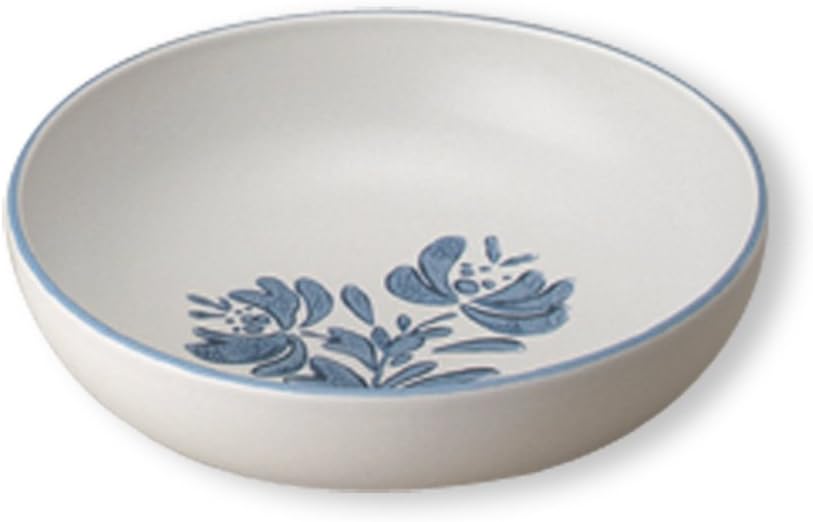
Yorktowne (1967- present): A popular blue and white pattern featuring a colonial-style design with a cobalt blue floral motif.
Village (1970-1989): Earthy tones and a rustic feel define this pattern, which features a village scene with houses and trees.
Heritage (1963-2008): Simple and elegant, Heritage showcases a cream-colored background with embossed details and a brown trim.
Naturewood (1997-2005): Inspired by nature, this pattern features botanical elements like leaves and insects in earthy tones.
Tea Rose (1985- present): Recognizable by its pink floral motif, Tea Rose adds a touch of classic charm to any table setting.
These are just a few examples, and Pfaltzgraff has produced a wide range of patterns over the years.
Collectors often appreciate vintage Pfaltzgraff for its nostalgic value, craftsmanship, and the enduring appeal of its timeless designs.
PFALTZGRAFF DISCONTINUED PATTERNS
Pfaltzgraff, like many other dinnerware manufacturers, has discontinued certain patterns over the years.
Reasons for discontinuation can vary and may include changes in consumer preferences, production costs, or a desire to introduce new designs.
Some examples of discontinued Pfaltzgraff patterns include “Yorktowne,”“Naturewood,” and “Folk Art.”
Keep in mind that the availability of discontinued patterns may vary in the secondary market or through collectors.
MOST VALUABLE PFALTZGRAFF MARKS
Pfaltzgraff has various marks that collectors consider valuable, with older or discontinued patterns often holding a higher value.
Some sought-after marks include early Yorktowne, Village, and Heirloom patterns.
However, the value of Pfaltzgraff pieces can depend on factors like rarity, condition, and specific patterns.
Corelle vs Fiestaware – two iconic names in the world of dinnerware that have sparked countless debates among homemakers and enthusiasts alike, just like Corelle vs Mikasa, and Corelle vs Corningware.
It’s a clash of titans, akin to deciding between your favorite flavors of ice cream or picking a team in a heated game.
Imagine for a moment you’re at a grand banquet, and the table is elegantly set with these two contenders.
On one side, you have the timeless, feather-light Corelle, known for its durability and understated elegance.
On the other hand, the vibrant and bold Fiestaware is the life of the party, with its rainbow of colors and quirky designs.
Each has its loyal fan base, but what makes them stand apart? What’s the secret ingredient that gives one the upper hand over the other?
Let’s delve into these two popular brand dinnerware showdowns and uncover the delightful fine distinction between Corelle and FiestaWare.
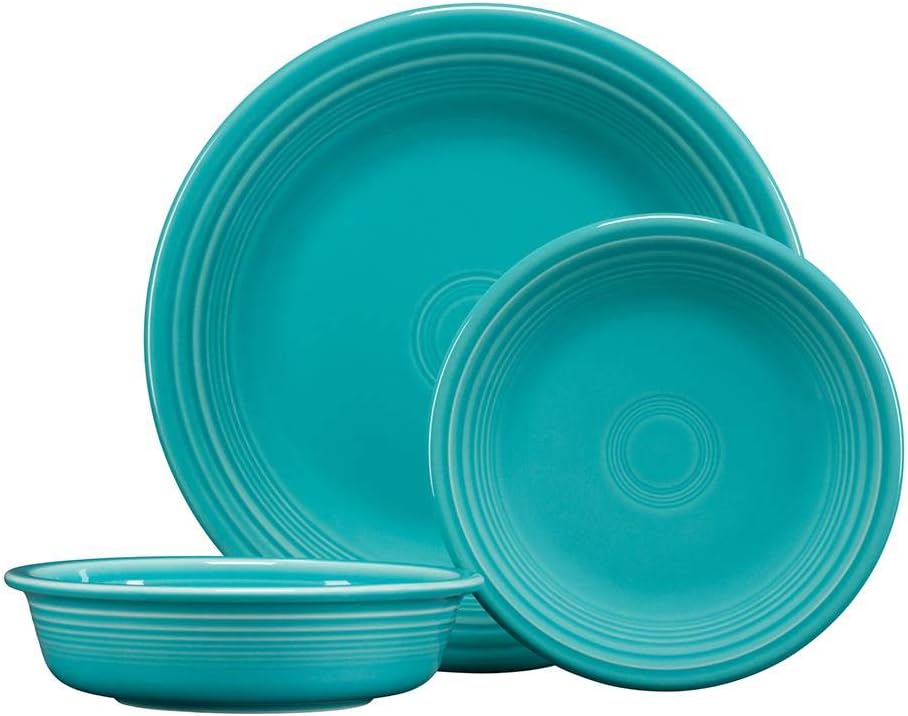
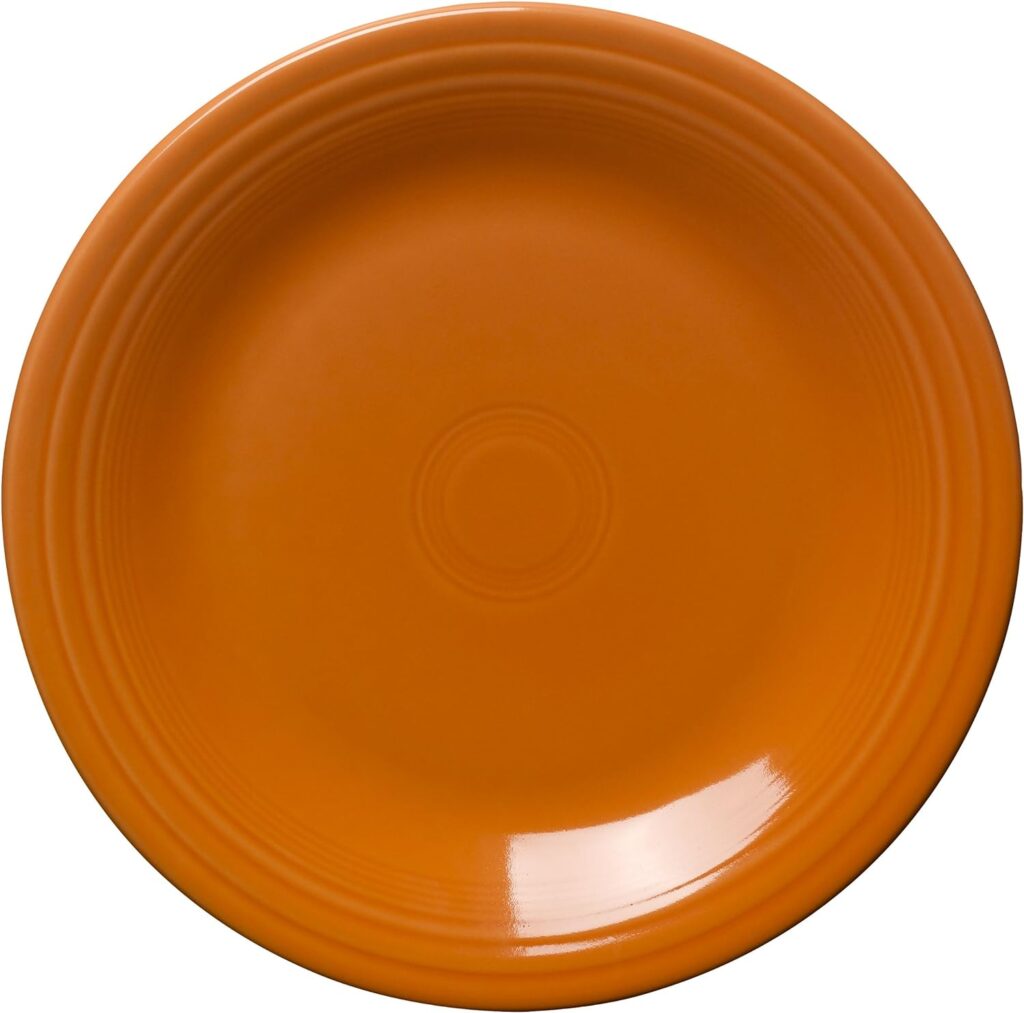
Fiestaware is special because of its distinctive American Art Deco design, vibrant color collections, and exceptional durability.
Made in the USA since 1936, it features a unique, fully vitrified china construction that resists chipping and scratching.
Each piece is characterized by concentric rings, giving it an iconic Art Deco look. The dinnerware is notable for its heat retention properties, being oven-safe up to 350°F, microwave-safe, and dishwasher-safe.
Fiestaware is also lead and cadmium-free, making it safe for everyday use. The brand is particularly famous for its collectible pieces, with some vintage colors like the original Radioactive Red becoming highly valuable.
Each year, Fiestaware releases new seasonal colors while retiring others, creating a dynamic collecting market.
The dishes are also remarkably versatile, moving seamlessly from oven to table, and the glazes are designed to resist fading even with regular use.
Key Special Features:
– Made in the USA since 1936
– Fully vitrified china construction
– Signature concentric ring design
– 35+ glaze colors available
– Oven-safe up to 350°F
– Collectible value
– 5-year chip resistance warranty
– Lead and cadmium-free
– Commercial-grade durability
– Color-matching guarantee across years.
WHY DO PEOPLE LIKE FIESTAWARE SO MUCH?
Consumers appreciate Fiestaware for a variety of reasons, but the main reason is that it is adaptable (versatile), colorful, and sturdy (durable); you can truly mix and match to create your distinctive style for your dining table.
The Power to create your happy ending is literally in our hands.
CORELLE VS FIESTAWARE: A COMPREHENSIVE COMPARISON
Material Composition
– Corelle: Manufactured using Vitrelle®, a unique three-layer tempered glass material (two layers of glass laminated to a glass core).
– Fiestaware: Made from high-quality ceramic (vitrified china) with a durable glaze finish.
Design Aesthetics
– Corelle:
– Minimalist and classic designs
– Predominantly white base with subtle patterns
– Contemporary and traditional patterns available
– Emphasis on versatility and timeless appeal.
– Fiestaware:
– Known for bold, vibrant color collections
– Iconic art deco-inspired designs
– Solid color glazes with distinctive concentric rings
– Collectable seasonal and limited-edition pieces.
Durability Characteristics
– Corelle:
– Exceptional resistance to chips and cracks
– Break-resistant due to Vitrelle® technology
– Can shatter into small pieces if dropped on hard surfaces
– More durable in everyday handling.
– Fiestaware:
– Durable but more susceptible to chipping
– Good impact resistance
– Can develop crazing (fine cracks in glaze) over time
– Corelle: Significantly lighter weight, making it ideal for everyday use and easier handling
– Fiestaware: Substantially heavier, providing a more substantial feel but requiring more careful handling
Price Point
– Corelle:
– More affordable initial investment
– Excellent value for money
– Lower replacement costs
– Often available in complete sets
– Fiestaware:
– Premium pricing
– Higher individual piece costs
– Collectible value potential
– Investment pieces
Common Features
Both brands share these characteristics:
– Dishwasher safe
– Microwave safe
– Lead and cadmium-free
– Made in the USA
– Strong brand reputation
– Extensive warranty coverage
Usage Recommendations
– Corelle: Ideal for:
– Daily family use
– Households with children
– Casual Dining
– Space-saving storage
-Fiestaware: Best suited for:
– Special occasions
– Display purposes
– Colorful table settings
– Oven-to-table serving.
CORELLE DINNERWARE
One beautiful feature I love about the Corelle brand is that they are affordable and can be purchased by lower-class, middle-class, and upper-class families.
Their affordability doesn’t mean it is cheap. Yes, you can comfortably beat your chest for Corelle dishes because they are as strong as a shield; they don’t break easily, unlike heavy ceramic dishes.
We can boldly say the Corelle is almost shatterproof, it hardly scratches or chips because the Vitrelle material is the backbone.
Now that doesn’t mean you can intentionally drop it anyhow you like, especially on hard surfaces.
I label the Corelle brand – the best lightweight dinnerware that is sleek, durable, easy to use, store, and thin in design.
There are some dinnerware brands with so much heavy glaze and design that they are unsafe for serving food and laden with dangerous chemicals, but not the Corelle dinnerware, made with safe materials, easy, cool, and stylish patterns that are simple and add beauty to your kitchen and dining settings.
Corelle dinnerware is easy to clean up either by hand or by dishwasher, it is also safe to use in the microwave, and it stacks up perfectly in a house with a small space.
Finally, you can depend on Corelle dishes any time or day, and for any occasion. Save time and money today by using the Corelle Dinnerware Brand!
CORELLE VS FIESTAWARE WHICH IS BETTER?
None is “better” than the other; it all boils down to your dining setting style, budget, and needs.
Based on your preference when it comes to factors like weight, durability, and design, you might consider Corelle over Fiestaware, and at other times consider Fiestaware over Corelle.
So, in essence, Corelle isn’t better than Fiestaware, and Fiestaware isn’t better than Corelle since they are both quality, safe, durable, budget-friendly, and versatile dinnerware.
CORELLE VS FIESTAWARE PRICE
In general, Corelle dishes are slightly affordable compared to Fiestaware.
For example, a simple Corelle Vitrelle soup bowl set starts from $1,6 while a Fiestaware Bistro salad plate begins at $20.
However, you have to bear in mind that the actual process may vary depending on the specific patterns, sizes, and sets you choose.
In addition, during promotion seasons, prices usually fluctuate, so we recommend you always compare prices from various retailers to find the best deal for the specific dinnerware, pattern, or product line you are interested in.
IS FIESTAWARE GOOD QUALITY?
Fiestaware dinnerware sets are considered good quality because they are made from vitrified ceramic, which is fired at high temperatures using safe and modern manufacturing techniques, resulting in Fiestaware being less prone to chipping, cracking, and fading, enhancing its longevity.
Secondly, Fiestaware is produced in the United States, which is a strong indication of its quality.
Pfaltzgraff dinnerware is one of the popular dinnerwares and is typically made from various materials, including porcelain, Bone china, stoneware, and Earthenware.
However, you will find that the present Pfaltzgraff dinnerware manufactured is predominantly made with either stoneware or porcelain, and the best manufacturing procedures are followed during the manufacturing of Pfaltzgraff dinnerware sets.
This is what gives birth to the high-quality dinnerware we all admire; they are widely accepted for their durability, ability to retain heat, microwave, and dishwasher-safe features.
Pfaltzgraff’s dinnerware origin can be traced back to the United States, to the early 19th century, when the family began producing pottery in York County, Pennsylvania.
Personally, I am in love with the wide range of designs that Pfaltzgraff has to offer.
We have modern, traditional, and classic designs that come with various patterns (classic floral motifs to contemporary geometric shapes), colors, and textures.
This helps you to easily match all kinds of dining settings, either indoor or outdoor; the Pfaltzgraff dinnerware is suitable for special occasions and even perfect as a gift for newlyweds.
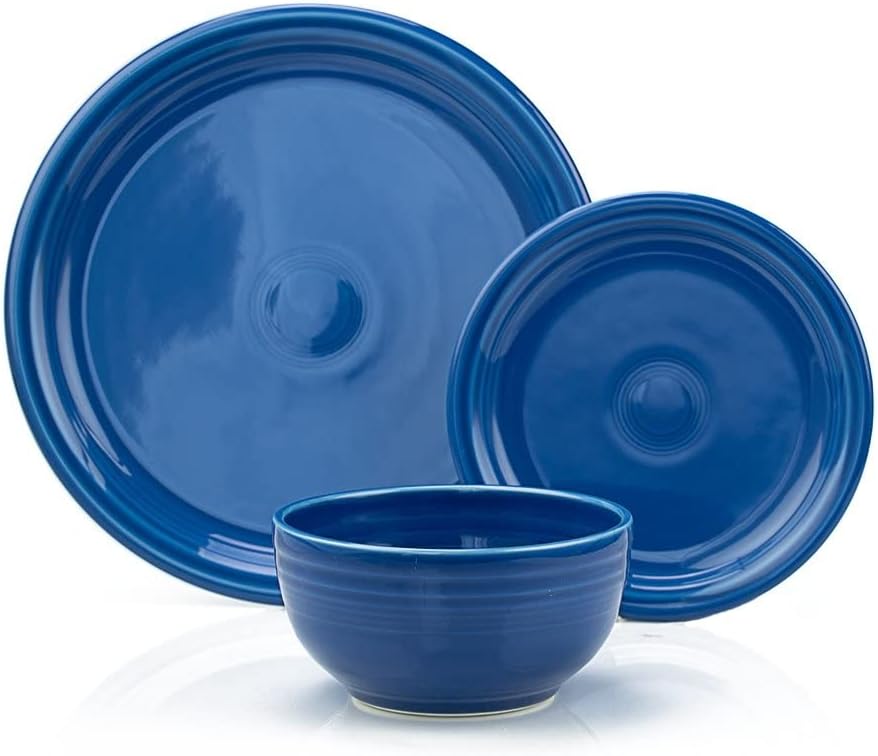
The Pfaltzgraff dinnerware set always comes with plates, bowls, mugs, and additional serving pieces, catering to various dining needs.
Perfect for serving meals, these sets are crafted to withstand regular use, making them ideal for both daily family dinners and formal gatherings.
Finally, depending on the pattern, Pfaltzgraff tableware ranges in price from reasonable to expensive; it is accessible to people of all income levels.
You’re hosting a dinner party, and as you set the table, your gleaming stainless steel plates catch the light perfectly.
Your guests can’t help but admire them. “Are these new?” they ask, running their fingers along the smooth, polished edges.
There’s something special about stainless steel dinnerware made in USA, it brings together exceptional craftsmanship, durability, and timeless style.
Whether you’re a cooking enthusiast, a homeowner seeking long-lasting kitchenware, or simply someone who appreciates quality dining experiences, USA-made dinnerware brands offer something truly remarkable.
But what makes these domestic treasures so special compared to imported alternatives? How do you choose the perfect set for your home?
Let’s discover why these gleaming kitchen essentials might be exactly what your dining table needs.
WHAT MAKES AMERICAN STAINLESS STEEL DINNERWARE SPECIAL?
Superior Quality Control Standards
American manufacturers adhere to strict quality control measures that exceed many international standards.
When you purchase stainless steel dinnerware made in the USA, you’re investing in products that have undergone rigorous testing and inspection processes.
These stringent measures ensure consistency in thickness, finish, and overall durability.
Unlike some imported options that might cut corners to reduce costs, American manufacturers typically prioritize quality over quantity.
This commitment to excellence translates into dinnerware that maintains its appearance and structural integrity for decades rather than just a few years.
Exceptional Craftsmanship
The tradition of metalworking in America dates back centuries, and this expertise is evident in the stainless steel dinnerware produced domestically.
American craftspeople often combine time-honored techniques with modern manufacturing processes to create products with impeccable finishes and attention to detail.
Many USA manufacturers employ skilled artisans who take pride in their work, resulting in dinnerware with perfectly balanced weight, smooth edges, and flawless surfaces.
This human touch, even in more automated production environments, contributes to the superior feel and function of American-made pieces.
Sustainable and Ethical Production
Buying stainless steel dinnerware often means supporting more sustainable and ethical production practices.
American manufacturers operate under stricter environmental regulations and labor laws than many overseas facilities.
This translates to:
Lower carbon footprint due to reduced shipping distances
Better working conditions for employees
More environmentally friendly manufacturing processes
Support for local economies and jobs
Health and Safety Benefits
When it comes to items that come into direct contact with your food, safety should be a top priority.
Quality stainless steel doesn’t leach harmful chemicals into food, unlike some plastic alternatives. The 18/10 or 18/8 stainless steel commonly used in American dinnerware indicates a higher nickel content, which enhances corrosion resistance and ensures your dinnerware remains safe and hygienic throughout its lifetime.
TOP AMERICAN STAINLESS STEEL DINNERWARE MANUFACTURERS
Liberty Tabletop
Based in Sherrill, New York, Liberty Tabletop stands as the only flatware manufacturer still producing in the United States.
Each piece is crafted from high-quality 18/10 stainless steel, providing excellent durability and a brilliant finish that maintains its luster over time.
What sets Liberty apart is its dedication to sustainable manufacturing practices. Their factory runs on hydroelectric power, and they’ve implemented numerous environmentally friendly initiatives throughout their production process.
Vollrath
Based in Wisconsin since 1874, Vollrath has built a reputation for producing exceptional commercial-grade kitchenware, including stainless steel serving dishes and food service equipment.
With a heritage dating back to 1901, this Wisconsin-based company represents the longevity and quality associated with American manufacturing traditions.
Their products feature thoughtful designs that address real kitchen needs while maintaining aesthetic appeal.
COMPARING USA-MADE VS. IMPORTED STAINLESS STEEL DINNERWARE
Understanding the key differences between domestic and imported options can help you make an informed decision about your dinnerware investment.
Feature
USA-Made Stainless Steel
Typical Imported Options
Quality Control
Stricter standards, consistent quality
A wide variety of designs are available
Materials
Typically 18/10 or 18/8 grade
Variable quality may have inconsistencies
Durability
Designed for decades of use
May have a shorter lifespan
Price
Higher initial investment
A wide variety of designs are are available
Environmental Impact
Lower shipping footprint, stricter regulations
Higher shipping emissions, variable standards
Labor Practices
Fair wages, better working conditions
Variable labor standards
Warranty
Often more comprehensive
Typically limited
Design Options
May have fewer style variations
Generally,y lower upfront cost
While imported options might seem more affordable initially, the longevity and quality of American-made stainless steel dinnerware often represent better value over time.
Many homeowners find that USA-made products maintain their appearance and functionality for decades, eliminating the need for frequent replacements.
CHOOSING THE RIGHT STAINLESS STEEL DINNERWARE FOR YOUR HOME
With many types of dinnerware available on the market, selecting the perfect stainless steel set requires considering several important factors.
Understand Stainless Steel Grades
The numbers you often see associated with stainless steel (like 18/10) indicate the metal composition:
The first number represents the percentage of chromium
The second number indicates the percentage of nickel
Higher nickel content (the second number) generally results in:
Better corrosion resistance
Enhanced shine and luster
Greater durability over time
For everyday home use, 18/10 stainless steel offers the ideal balance of durability, appearance, and value.
This high-quality grade maintains its shine and resists rust, making it perfect for daily use and special occasions alike.
Consider Weight and Balance
Quality stainless steel dinnerware has a substantial feel without being uncomfortable to use. When selecting your pieces:
Hold them to assess the weight
Check that the plates lie flat without wobbling
Evaluate how utensils feel in your hand
Ensure cups and bowls have balanced bases
The right weight indicates quality construction and proper metal distribution, which contributes to both durability and dining pleasure.
Evaluate, Finish, and Design
American manufacturers typically offer various finishes to suit different aesthetic preferences:
High-polish mirror finish for formal dining
Satin or brushed finish for contemporary styling
Textured or patterned designs for a unique character
Consider how your chosen finish will complement your existing kitchen aesthetics and how it will show fingerprints and water spots. While mirror finishes create a striking impression, brushed finishes often hide minor scratches and marks better over time.
Assess Versatility and Practicality
The best stainless steel dinnerware seamlessly transitions between everyday meals and special occasions. Look for sets that include:
Versatile pieces that serve multiple purposes
Stackable designs for efficient storage
Dishwasher-safe construction for easy cleaning
Many American manufacturers design their products with these practical considerations in mind, creating dinnerware that functions beautifully in real-world kitchens.
CARING FOR YOUR STAINLESS STEEL DINNERWARE
Proper maintenance ensures your investment will last for generations.
Most quality American-made stainless steel dinnerware is dishwasher safe, but hand washing can help preserve the finish over many years of use. If using a dishwasher, avoid overcrowding and prevent pieces from rubbing against each other.
Removing Stubborn Stains and Marks
Despite its resistance to staining, stainless steel occasionally develops marks or discoloration. For these situations:
Create a paste of baking soda and water for gentle scrubbing
Use white vinegar to dissolve mineral deposits
Try a specialized stainless steel cleaner for tough spots
Polish with a few drops of olive oil on a soft cloth for added shine
Proper Storage Solutions
How you store your stainless steel dinnerware impacts its longevity. Consider using:
Plate separators to prevent scratching
Felt lining in drawers
Dedicated storage cases for special occasion pieces ( for example, we have the popular USA-made Rubbermaid food storage containers) are different from storage solutions for your stainless steel tableware.
Avoid stacking heavy items on delicate pieces, and ensure storage areas remain dry to prevent any potential corrosion or spotting.
ARE STAINLESS STEEL PLATES LEAD-FREE?
Yes, properly manufactured stainless steel plates are lead-free. High-quality stainless steel dinnerware is made from an alloy of iron, chromium, and nickel, with no lead in its composition.
The most common grades used for food-contact items are 18/8 and 18/10 stainless steel, which contain 18% chromium with 8% or 10% nickel, respectively.
Unlike some ceramic or painted dinnerware that may contain lead in glazes or decorative elements, stainless steel is naturally lead-free.
This makes it a safe choice for everyday dining, especially for those concerned about heavy metal exposure from tableware.
To ensure your stainless steel plates are completely lead-free, purchase from reputable manufacturers that follow FDA guidelines for food contact materials.
IS IT GOOD TO EAT ON A STAINLESS STEEL PLATE?
Yes, eating from stainless steel plates is good for both health and practical reasons.
Stainless steel is non-reactive with food, meaning it won’t leach chemicals or metals into your meals, even with acidic foods like tomatoes or citrus.
These plates are extremely durable, resistant to scratches, and won’t break if dropped, making them ideal for daily use and households with children.
Stainless steel plates are also dishwasher-safe, stain-resistant, and don’t absorb odors or flavors from food.
From a health perspective, they’re naturally antibacterial and don’t harbor bacteria in microscopic cracks like some other materials might.
Additionally, stainless steel is environmentally friendly as it’s 100% recyclable and typically lasts for decades, reducing waste compared to disposable or less durable dinnerware options.
CONCLUSION
American-made stainless steel dinnerware represents more than just tableware—it embodies craftsmanship, sustainability, and enduring quality.
From the satisfying weight in your hand to the brilliant shine that lights up your table setting, these domestic treasures enhance every dining experience while supporting local manufacturing and sustainable practices.
Whether you’re setting a table for a special celebration or enjoying a quiet weeknight dinner, this stainless steel dinnerware adds both value and pleasure to your home.
Fiestaware, often referred to as Fiesta, represents a vibrant range of ceramic dinnerware initially unveiled by the Homer Laughlin China Company in 1936.
Across its existence, Fiestaware has traversed numerous production eras, with Fiestaware vintage markings serving as invaluable clues for collectors seeking to ascertain their origins and ages.
Understanding Fiestaware hallmark inscriptions is pivotal. Notable among them are the vintage red clay pieces from 1936 to 1943, distinguished by their “HLC” encircled emblem and varying renditions of “Fiesta” or “Fiesta Kitchen Kraft.”
Another distinctive period comprises the post-war years (1945-1959) with pieces marked by “Homer Laughlin China Co..” or “Homer Laughlin Made in U.S.A.”
Later periods saw shifts in backstamp details, such as the “Fiesta HLC USA” emblem from 1969 to 1972.
Now you have an idea, let’s dive in!
HOW CAN YOU TELL IF A FIESTAWARE IS VINTAGE
Several significant aspects must be considered when identifying old Fiestaware:
The Color: Vintage Fiestaware frequently contains distinct color palettes manufactured throughout specific eras. Original Red, Cobalt Blue, Light green, Original Yellow, Old Ivory, Original Turquoise, and other colors are connected with distinct periods.
Understanding these historical colors might be a powerful indicator.
The Fiesta Mark: Vintage Fiestaware features distinctive bottom markings. For older pieces, look for “HLC” (Homer Laughlin China) around “Fiesta” or “Fiesta Kitchen Kraft” marks.
Variations in these markers can aid in the dating of things.
Seek Professional Help: For correct identification, seek the help of Fiestaware experts or collectors’ guides. Professionals can shed light on small differences, uniqueness, and authenticity.
They can also assist in distinguishing vintage pieces from contemporary reproductions.
Combining these techniques will enable you to accurately establish whether a piece of Fiestaware is vintage or modern.
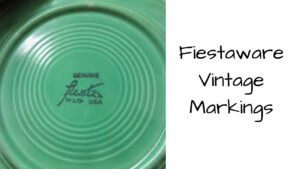
FIESTAWARE VINTAGE MARKINGS
Fiestaware vintage markings tell a story of the product’s rich history, including its resurgences and contemporary variations. Fiestaware Lovers and Collectors can rely on these identifiers to decipher the heritage of their cherished Fiestaware pieces.
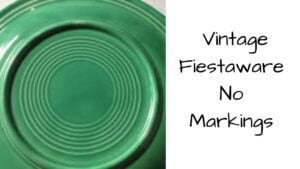
VINTAGE FIESTAWARE NO MARKINGS
While most vintage Fiestaware pieces do have distinctive markings on the undersides, there are a few exceptions that are mostly motivated by design reasons.
Fiestaware’s hallmark practice entails marking ceramics to indicate authenticity and production details. Certain pieces, particularly those with elaborate or textured motifs, use an unmarked approach.
This choice stems from a desire to preserve the piece’s beauty, as embossing or stamping could break the visual harmony of these delicate patterns.
As a result, while Fiestamarkings are an important tool for dating and identification, collectors should be aware that some great Fiestaware designs prioritize beauty over traditional markings, making them one-of-a-kind jewels in the world of vintage tableware.
The makers’ distinctive marks serve as a differentiating characteristic between old and new Fiestaware.
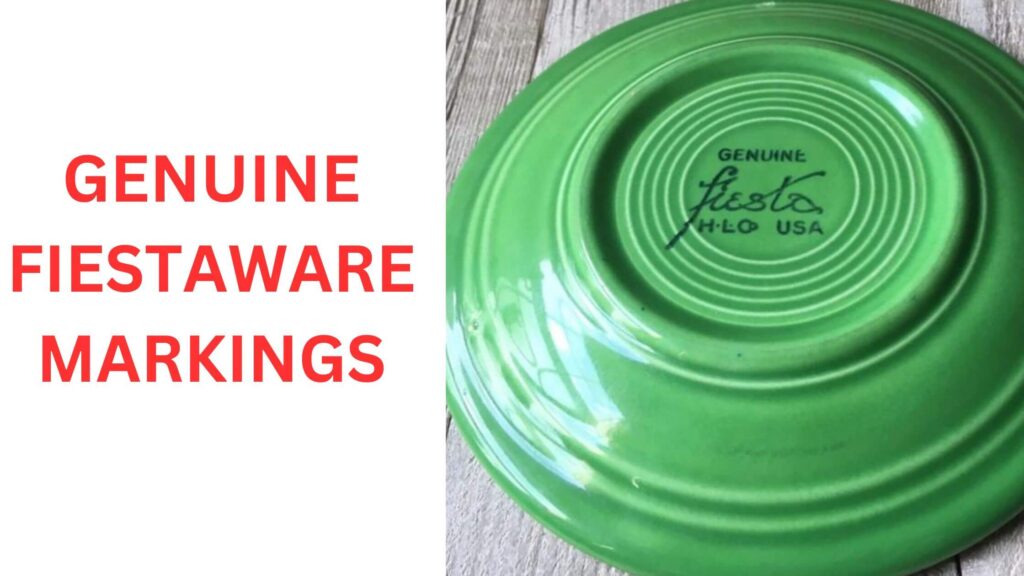
Symbol ink stamps imprint genuine fiesta with fiesta in stylized lowercase and HLCO USA in a straight line on earlier collections, giving these pieces a vintage feel.
Instead of the linear arrangement seen in previous editions, in the new Fiestaware line, the word fiesta now has a capital F, and the markings are delivered in a round or curved fashion.
The updated stamp from the Homer Laughlin China Company not only distinguishes earlier products but also displays an appealing new perspective to precisely recognize and distinguish between vintage and modern FiestaWare
That is why we advise Fiesta lovers and collectors to keep a close eye on these distinctive markings to ensure that their collections remain true to their chosen period of concentration.
HOW IS VINTAGE FIESTAWARE MARKED?
The bottom of a piece of vintage Fiestaware is generally marked with distinctive stamps or impressions that reveal the item’s age and provenance. Here are a few typical markings seen on old Fiestaware:
HLC or HLCo: The initials “HLC” or “HLCo,” which are stamped or embossed on the bottom and stand for Homer Laughlin China Company, are frequently present. This is a crucial sign of authentic Fiestaware.
Lowercase “Fiesta” in Script: Search for the word “Fiesta” in scripted lowercase. This stylized typography is a distinguishing element of antique Fiestaware and is frequently complemented by other characteristics.
Marks That Indicate the Decade of Manufacturing: Vintage Fiestaware frequently has additional marks that indicate the decade of manufacturing. For instance, the word “Genuine” might be embossed, and the markings’ arrangement and design might differ.
Additional Information: Depending on the particular era and production period, you might find extra details like the name of the color, the mold number, or other identifiers.
HOW OLD IS VINTAGE FIESTAWARE
The phrase “vintage Fiestaware” often refers to Fiestaware made by the Homer Laughlin China Company between its founding in the 1930s and the late 1960s and early 1970s in its original vibrant designs and glazes.
So the period generally regarded as vintage Fiestaware spans from the 1930s to the early 1970s, with the rare items frequently coming from the earlier decades.
The post-vintage or modern Fiestaware lines are generally thought to include items made after the early 1970s.
However, collectors and experts may have different conceptions of exactly what is meant by “vintage”.
The overall breakdown of vintage Fiestaware per era is as follows:
1930s: Since 1936 saw the debut of Fiestaware, items from this era are among the earliest vintage examples.
1940s: Throughout this decade, Fiestaware’s popularity grew.
1950s: During this decade, numerous classic hues and fashion trends were created.
1960s: Although Fiestaware’s appeal began to wane in the late 1950s, it was nevertheless manufactured into the early 1970s.
FIESTAWARE VINTAGE MARKINGS IDENTIFICATION
Collectors and fans must be able to identify old Fiestaware markings. These inscriptions can aid in determining the date and authenticity of Fiestaware objects.
Here are some essential historical markers and identifying tips:
Older Red Clay Pieces (1936-1943):
Look for the words “HLC” (Homer Laughlin China) in a circle on the bottom, often accompanied by “Fiesta” or “Fiesta Kitchen Kraft.”
Radioactive Red Glaze (1936-1943):
Some early pieces had a radioactive red glaze, which differs slightly from the later red glaze.
Genuine Mark (1936-1951):
Many vintage pieces have the word “Genuine” embossed on the bottom.
Markings Change (1943-1944):
During World War II, markings changed due to production restrictions. Look for “HLC USA” or simply “USA” on the bottom.
Post-War Pieces (1945-1959):
After the war, pieces may have “Homer Laughlin China Co.” or “Homer Laughlin Made in U.S.A.” markings.
“Fiesta HLC USA” (1969-1972):
During this period, pieces were often marked with “Fiesta HLC USA.”
Backstamp Changes (Post-1986):
In the late 1980s, Fiestaware introduced new backstamps with the year of production, aiding precise dating.
FIESTAWARE VINTAGE MARKINGS CHART
To assist you in identifying and dating old Fiestaware pieces, below is a simplified Fiestaware vintage markings chart:
“HLC” (Homer Laughlin China) in a circle, typically with “Fiesta” or “Fiesta Kitchen Kraft.”
Original Cobalt Blue, Light Green, 1936-1951.
Markings: A variety of markings, including “Genuine,” as well as additional characteristics.
From 1936 until 1969 (Original Yellow).
Markings: As with other vintage items, “Genuine” and other details may be included.
From 1936 through 1951 (Old Ivory).
Markings: Similar to other old items, but with differences.
1937-1969 (Turquoise Original).
Markings: Complies with historic marking patterns.
1951-1959 (Green Forest, Rose, Chartreuse, Grey).
Markings: Reflect authentic Fiestaware markings from this era.
Mango Red, Antique Gold, Turf Green – Fiesta Ironstone, 1969-1972:
Marks: Different marks than earlier vintage pieces.
Post-1986 (Multiple Colors).
Backstamps: Look for a variety of backstamps, which often include the year of manufacture, to help date objects precisely.
VINTAGE FIESTAWARE COLORS
The eye-catching variety of colors found in vintage Fiestaware is treasured; each color represents a different period in the product’s history.
One of the first Fiestaware colors was red, which was offered from 1936 to 1943 and then again from 1959 to 1972. The original “Radioactive Red” glaze is highly prized by collectors.
Green (Light) and Blue (Cobalt), two other colors from the original palette, were created between 1936 and 1951. These ageless colors are prized for their traditional appeal.
From 1936 through 1969, yellow, another original color, was used to decorate Fiestaware, giving collections a cheery and sunny feel.
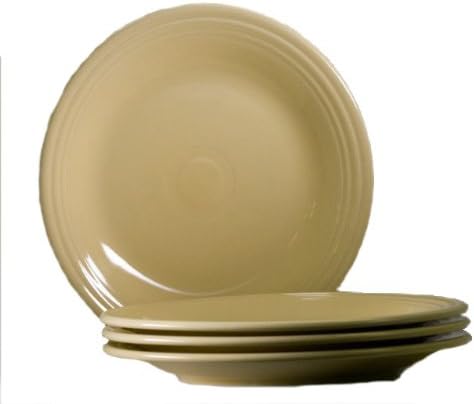
From 1936 through 1951, Old Ivory introduced a sophisticated, neutral tone that drew in customers looking for a little bit of refinement.
Turquoise made its debut in 1937 and was produced until 1969 due to the popularity of its cool and refreshing tint.
From 1951 through 1959, Forest Green, Rose, Chartreuse, and Grey were created, providing a variety of subdued yet distinctive alternatives.
From the late 1950s to 1969, Medium Green was the dominant color, and from 1969 to 1972, the Fiesta Ironstone line featured Mango Red, Antique Gold, and Turf Green.
In addition to representing many eras in Fiestaware’s history, these vintage Fiestaware colors also add to the enduring attractiveness of accumulating these classic ceramics.
Fiestaware is an ever-evolving collector gem since each color reflects the fashions and tastes of the time it was created.
WHAT ARE THE ORIGINAL VINTAGE FIESTA COLORS
The history of this classic tableware is largely shaped by the original vintage Fiesta colors, which were initially used when Fiestaware was first debuted in the 1930s.
Because of their enduring attractiveness, these colors are prized. Red, Cobalt (a dark blue), Yellow, Light Green, Old Ivory (a soft off-white), and Turquoise made up the original color scheme.
Numerous tables and kitchens were decorated with these cheery and vibrant colors, making Fiestaware a well-liked brand.
Fiestaware increased the range of colors it offered in the 1950s by adding Grey, Rose (a delicate pink), Chartreuse (a vivid green), and Forest Green.
The styles of the day were mirrored in these colors.
Especially noteworthy among the historical Fiesta colors is Medium Green, which debuted in the latter half of the 1950s and persisted into the early 1960s. Because of its rarity and striking color, collectors lust after it.
In the world of collectible tableware, the original and 1950s Fiestaware colors are lauded for their enduring appeal and relevance in expressing the spirit of mid-century American design and style.
FIESTAWARE COLORS BY YEAR
Fiestaware, known for its vibrant colors, has evolved over the years, offering a rich tapestry of hues that reflect changing tastes and trends.
Understanding these colors by year allows collectors and enthusiasts to appreciate the historical and aesthetic nuances of this iconic dinnerware.
Original Red (1936-1943 & 1959-1972): This fiery hue, particularly the early “Radioactive Red,” is among the most sought-after vintage Fiestaware colors.
Blue (Original Cobalt) & Green (Light) (1936-1951): These classic colors added elegance to Fiestaware’s early years.
Original Yellow (1936-1969): A cheerful and sunny shade that remained popular for decades.
Old Ivory (1936-1951): A neutral tone offering sophistication to the collection.
Original Turquoise (1937-1969): A refreshing and cool color beloved by collectors.
Forest Green, Rose, Chartreuse, Gray (1951-1959): A period marked by muted yet distinctive hues.
Post-86:
– White (1986-): A clean and timeless addition.
– Black (1986-2015): A striking contrast color.
– Rose (1986-2005): A softer shade reminiscent of vintage Rose.
– Apricot (1986-1998): A warm and inviting color.
– Cobalt Blue (1986- ): A revival of the classic blue.
– Yellow (1987-2002): A bright and sunny option.
– Turquoise (1988- ): A nod to the beloved vintage Turquoise.
– Periwinkle (1989-2006): A calming and serene choice.
– Sea Mist (1991-2005): A subtle and soothing color.
– Lilac (1993-1995): A short-lived, unique hue.
– Persimmon (1995-2008): A warm, earthy color.
– Sapphire (1996-2008): A deep and rich blue.
– Raspberry (1997): A limited-edition shade.
– Chartreuse (1997-1999): A vibrant green.
– Pearl Gray (1999-Dec 2001): A muted, contemporary color. You can see the full master list on the collecting Fiestaware website.
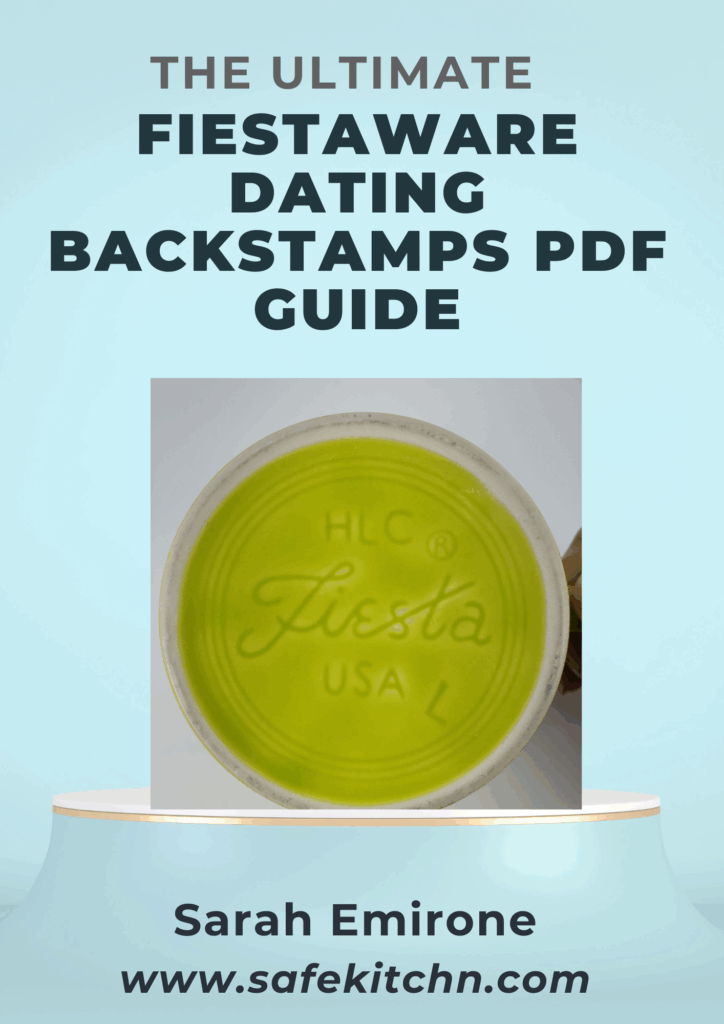
FIESTAWARE DATE CODES
Fiestaware labels its items with a date coding method. This date code is made up of a letter and a number.
The letter denotes the decade in which the piece was created, and the number denotes the year within that decade.
Here’s how it works:
Vintage (1930s-1970s):
A for the 1930s
G for the 1940s
K for the 1950s
L for the 1960s
M for the 1970s. For example, if you find a piece with the code “L-4,” that means it was made in the 1960s, especially in the fourth year of that decade, 1964.
Spotting fake Fiestaware can be essential for preserving the authenticity and value of your collection. Here’s how to discern genuine Fiestaware from imitations:
Check the Markings: Authentic Fiestaware has distinct markings on the bottom. Look for “HLC USA” or “Homer Laughlin China Co.,” along with the specific color name and, in some cases, the production year.
Color Authenticity: Familiarize yourself with the vintage color chart and be wary of unusual or off-color shades that don’t match the established Fiestaware palette.
Feel the Weight: Real Fiestaware is heavy, with a substantial feel in your hand. Lightweight pieces may indicate counterfeit items.
Inspect the Glaze: Authentic Fiestaware should have a smooth, glossy glaze with no noticeable imperfections or brush marks. Uneven glazing can be a red flag.
Pay Attention to Detail: Look for well-defined edges, sharp corners, and consistent patterns. Poor craftsmanship and sloppy detailing are signs of fakes.
Seek Expert Guidance: When in doubt, consult Fiestaware experts, collector’s guides, or online forums. Experienced collectors can provide valuable insights.
Fiestaware markings serve as the primary method for authenticating genuine pieces, dating production periods, and understanding the rich history of America’s most iconic dinnerware.
While the vast majority of Fiestaware pieces feature some form of marking, the complexity of identification requires understanding how these markings evolved over eight decades of continuous production at the Homer Laughlin China Company in Newell, West Virginia.
Not all Fiestaware pieces carry identical markings, and some legitimate pieces may appear unmarked due to production variations, wear, or specific manufacturing circumstances.
The Homer Laughlin China Company has employed multiple marking systems throughout Fiestaware’s production history, each reflecting different manufacturing periods, quality control standards, and company branding strategies.
The presence, style, and location of markings provide crucial authentication information for collectors, dealers, and consumers seeking to verify genuine Fiestaware pieces.
Understanding these marking variations helps distinguish authentic Homer Laughlin production from reproduction attempts, foreign imitations, and fantasy pieces created by other manufacturers.
Original Fiestaware Markings (1936-1973)
The original Fiestaware production period established the foundational marking system that collectors use to identify vintage pieces today.
During this era, Homer Laughlin implemented impressed markings that were pressed into the clay before glazing and firing, creating permanent identification that couldn’t be removed or worn away through normal use.
Standard Impressed Markings
Original Fiestaware pieces typically feature the word “fiesta” in lowercase letters, impressed into the base of the piece.
This marking appears alongside “HLCo USA” indicating Homer Laughlin China Company and United States manufacturing. The impressed nature of these markings means they remain visible even when covered by glaze, appearing as subtle indentations in the ceramic surface.
Hollow pieces like teapots, sugar bowls, and cream pitchers often display these markings on their bases, while flat pieces such as plates and platters feature markings on their undersides.
The consistent placement and style of these impressions reflect the standardized quality control processes that Homer Laughlin maintained throughout the original production period.
Dating Code Systems
Original Fiestaware incorporated dating codes that help collectors determine specific production years and quarters. These codes typically appear as combinations of letters and numbers impressed alongside the main Fiesta marking.
Understanding these dating systems allows collectors to pinpoint production timing and identify rare or significant pieces from specific periods.
The dating codes changed periodically as Homer Laughlin updated their record-keeping systems and production tracking methods.
Early pieces may feature simpler coding systems, while later original production items display more complex alphanumeric combinations that correspond to detailed manufacturing records maintained by the company.
Contemporary Fiestaware Markings (1986-Present)
When Homer Laughlin reintroduced Fiestaware in 1986, they implemented updated marking systems that reflected modern manufacturing capabilities while maintaining connections to the original line’s heritage.
Current Fiestaware production employs both impressed and stamped marking techniques, depending on the piece type and production requirements.
Most contemporary pieces feature “Fiesta” in script lettering, often accompanied by “HLC USA” or “Homer Laughlin China USA” to clearly identify the manufacturer and country of origin.
The script-style “Fiesta” marking represents a significant visual departure from the lowercase block letters used in original production, making it relatively easy to distinguish contemporary pieces from vintage examples.
This intentional differentiation helps maintain the collectible value of original pieces while clearly identifying current production items.
Ink Stamp Markings
Many contemporary Fiestaware pieces feature ink stamp markings applied after glazing but before final firing. These stamps typically appear in colors that contrast with the piece’s glaze, making them easily visible for identification purposes.
The ink stamps may include production dates, quality control codes, or specific collection identifiers.
Ink stamp markings can be more susceptible to wear than impressed markings, particularly on heavily used pieces or items that undergo frequent washing.
However, their visibility and detailed information make them valuable for dating and authentication purposes, especially for recent production items.
While most Fiestaware pieces feature some form of marking, certain legitimate examples may appear unmarked due to specific manufacturing circumstances or historical production practices.
Understanding when and why unmarked pieces occur helps collectors and buyers make informed decisions about authenticity.
Production Variations and Quality Control
Some Fiestaware pieces may have markings that are extremely faint, partially obscured by glaze, or located in positions where they’re difficult to detect without careful examination.
Heavy glaze applications can sometimes completely cover impressed markings, making them invisible to casual inspection but still detectable through tactile examination or specialized lighting techniques.
Factory seconds or pieces with minor production flaws may have had their markings intentionally obscured or removed during quality control processes.
These pieces were sometimes sold through factory outlets or employee sales, creating legitimate unmarked examples that originated from Homer Laughlin production facilities.
Specific Piece Categories
Certain types of Fiestaware items were less likely to receive standard markings due to their size, shape, or production methods.
Small items like individual salt and pepper shakers, promotional pieces, or experimental prototypes may lack conventional markings while still representing authentic Homer Laughlin production.
Special order items, custom pieces, or limited production runs sometimes bypassed standard marking procedures, particularly during periods when Homer Laughlin was fulfilling specific customer requirements or testing new designs and colors before full production implementation.
Fiestaware Marks
Fiestaware marks, often referred to as back stamps, are imprints on the underside of Fiestaware pieces.
These marks are crucial for dating and authenticating items. Vintage markings, which are those used during the earlier production years, include variations like the “Old Fiesta” logo with a single lowercase“f” (1936-1943) and the “Medium Green” logo (1944-1959).
These marks signify specific production eras, helping collectors trace design changes and authenticate vintage Fiestaware.
Accurate identification of these markings is essential for enthusiasts to assess the historical context and value of their Fiestaware collectibles.
Yellow Fiestaware
Yellow Fiestaware has a rich history and comes in different versions. The vintage version, produced from 1951 to 1959, is highly sought after by collectors due to its rarity and unique shade.
Then, there’s The Yellow from 1987 until 2002, which is another beloved classic that spans 15 years and is known for its sunny charm.
In addition to these vintage and classic variations, there’s the current Sunflower Yellow, which continues to be a part of the Fiestaware collection.
Sunflower Yellow maintains a vibrant and cheerful appeal, making it a popular choice for contemporary table settings.
Its availability ensures that the tradition of using Yellow Fiestaware endures, whether for nostalgia or as a timeless addition to modern dining.
Each version of Yellow Fiestaware adds a touch of warmth and color to the table, appealing to collectors and those who appreciate its enduring charm.
Is Fiestaware Marked on the Bottom?
Certainly, Fiestaware typically bears markings on the bottom. However, there are exceptions within certain collections where no markings appear due to design constraints.
This omission occurs primarily on pieces with irregular or curved surfaces, like some flat dinnerware items.
Placing the emblem on such surfaces would not have been feasible without compromising the design’s integrity.
Reproduction and Fantasy Piece Markings
The popularity and value of authentic Fiestaware have spawned numerous reproduction attempts and fantasy pieces that may feature misleading or counterfeit markings.
Understanding these imitation markings helps buyers avoid purchasing non-authentic items while supporting legitimate collecting activities.
Common Reproduction Markings
Reproduction: Fiestaware often features markings that attempt to mimic authentic Homer Laughlin stamps and impressions.
However, these reproductions typically display telltale signs of inauthenticity, including incorrect font styles, improper marking placement, or anachronistic dating codes that don’t correspond to actual Homer Laughlin production periods.
Many reproductions use stamped markings that appear too sharp, clear, or uniform compared to authentic impressed markings that show slight variations due to hand-pressing techniques used in original production.
The quality and consistency of reproduction markings often reveal their non-authentic nature to experienced collectors and dealers.
Fantasy Pieces and Misleading Markings
Fantasy pieces represent items that were never produced by Homer Laughlin but feature Fiesta-style designs and sometimes counterfeit markings.
These pieces may display completely fabricated marking systems, incorrect company names, or impossible combinations of authentic marking elements from different production periods.
Some fantasy pieces attempt to capitalize on Fiestaware’s popularity by using similar but legally distinct markings that might confuse casual buyers.
These markings often feature subtle differences from authentic Homer Laughlin markings, such as altered spacing, modified lettering, or additional elements not found on genuine pieces.
Authentication Techniques Beyond Markings
While markings provide primary authentication evidence, experienced collectors and dealers employ additional techniques to verify Fiestaware authenticity.
These supplementary methods help confirm genuineness when markings are unclear, absent, or potentially counterfeit.
Physical Characteristics and Quality Indicators
Authentic Fiestaware exhibits specific physical characteristics that result from Homer Laughlin’s proprietary clay formulations, glazing processes, and firing techniques.
The weight,density, and feel of genuine pieces reflect the high-quality materials and manufacturing standards maintained throughout the company’s production history.
Ring testing—gently tapping pieces with a utensil—produces distinctive sounds from authentic Fiestaware due to its dense, properly fired construction.
Reproduction pieces often sound different due to variations in clay composition, firing temperatures, or structural integrity that affect their acoustic properties.
Color and Glaze Analysis
Homer Laughlin’s glaze formulations create specific color characteristics and surface qualities that are difficult for reproductions to replicate exactly.
Authentic Fiestaware colors display particular depth, consistency, and finish qualities that experienced collectors can recognize through visual and tactile examination.
The way authentic glazes interact with light, their resistance to wear patterns, and their aging characteristics provide additional authentication clues beyond marking verification.
These subtle qualities develop through decades of consistent manufacturing processes and quality control standards.
Fiestaware Back Stamps
Fiestaware backstamps are the markings on the underside of Fiestaware pieces that hold valuable information about their production.
These back stamps typically consist of a letter and a number, representing the manufacturing date of the item.
Understanding these markings is crucial for collectors and enthusiasts, as they provide essential historical context and authenticity verification.
The letter on the back stamp corresponds to the year of production, with each letter representing a specific year. For example, “F” can indicate the year 1936.
The number represents the month of manufacture, with “7” signifying July, for instance. By deciphering these codes, collectors can determine the approximate age of their Fiestaware pieces.
Backstamps are indispensable for several reasons. First, they aid in dating and categorizing items by era, allowing collectors to trace design changes and color introductions over time.
This historical context enhances the appreciation of FiestaWare’s evolution.
Secondly, back stamps are a crucial tool for authenticity verification. With the popularity of vintage and collectible Fiestaware, knowing when and where a piece is produced helps ensure that it is a genuine item and not a reproduction.
Ultimately, Fiestaware backstamps serve as a valuable resource for collectors, helping them assess the historical significance, rarity, and potential value of their pieces, contributing to the preservation of the Fiestaware legacy.
Fiestaware Logo
The unique and recognizable Fiestaware logo is a key factor in classifying and dating Fiestaware products.
The word “Fiesta” appears in the logo often in large, stylized letters, frequently accompanied by additional graphic components. Collectors and aficionados must comprehend these emblems and their variations.
Over time, Fiestaware logos have changed, with several variations corresponding to various eras. These differences are crucial for classifying and dating artifacts.
For instance, from 1936 until 1943, the “Old Fiesta” emblem, which consisted of a single lower-case “f,” was utilized. The “Medium Green” emblem, on the other hand, was used from 1944 to 1959 and had all capital letters.
Collectors can benefit from these logos in several ways. They aid in estimating the approximate age of Fiestaware products, enabling collectors to follow design evolution and the introduction of new colors over time.
A piece’s prospective value and popularity can also be determined by its logo, with rarer or discontinued logos frequently fetching higher prices in the collector’s market.
Fiestaware logos, in essence, acts as a visual chronology that helps us better comprehend and appreciate this cherished dinnerware.
Is Fiesta and Fiestaware the Same?
Yes, even though the phrases are occasionally used interchangeably, “Fiesta” and “Fiestaware” refer to the same product.
The Homer Laughlin China Company’s vibrant and valuable tableware is frequently referred to by both of these names.
For the tableware line, “Fiesta” is frequently used as a shorthand or informal moniker, and this is how many people refer to these dishes in casual conversation.
The word “Fiestaware” matches the official trademarked name for this particular kind of tableware and is a more formal way to refer to the same product.
So whether you refer to it as “Fiesta” or “Fiestaware,” you’re talking about the same renowned collection of ceramic dishes noted for its eye-catching hues and classic style that has long been a favorite among collectors and Fiesta lovers.
Collecting and Investment Considerations
Understanding Fiestaware markings significantly impacts collecting strategies, investment potential, and market valuation of individual pieces and complete sets.
Marked pieces generally command higher prices and greater collector confidence than unmarked examples, even when the unmarked pieces are demonstrably authentic.
Market Value and Authentication
Clearly marked Fiestaware pieces typically achieve higher auction prices and resale values due to the authentication confidence that visible markings provide.
Collectors and dealers prefer marked pieces because they eliminate authentication uncertainty and provide clear provenance documentation for insurance and resale purposes.
Unmarked authentic pieces may represent bargain opportunities for knowledgeable collectors who can confidently identify genuine Homer Laughlin production through alternative authentication methods.
However, these pieces may be more difficult to resell due to potential buyer skepticism about their authenticity.
Documentation and Provenance
Maintaining detailed documentation about Fiestaware purchases, including photographs of markings, purchase receipts, and seller information, creates valuable provenance records that enhance both authentication confidence and potential resale value.
This documentation becomes particularly important for unmarked pieces or items with unusual marking variations.
Professional appraisals for insurance purposes should include detailed marking documentation and photographs that clearly show any authentication indicators present on each piece.
This documentation protects collectors’ investments while providing clear evidence of authenticity for insurance claims or estate planning purposes.
Expert Authentication Resources
When questions arise about Fiestaware markings or authenticity, several expert resources provide professional authentication services and educational information.
These resources help collectors, dealers, and casual buyers make informed decisions about potential purchases and existing collections.
Professional Appraisal Services
Certified appraisers specializing in American pottery and dinnerware can provide authoritative authentication opinions based on comprehensive examination of markings, physical characteristics, and production history knowledge.
These professionals maintain current market value information and understand the nuances of Fiestaware production across all manufacturing periods.
Professional authentication becomes particularly valuable for high-value pieces, rare colors, or items with unusual characteristics that might indicate special significance or extraordinary value.
The cost of professional appraisal often represents a wise investment for protecting significant Fiestaware collections.
Collector Organizations and Reference Materials
The Fiesta Tableware Company Collectors Club and similar organizations provide educational resources, reference materials, and expert knowledge sharing that helps members develop authentication expertise.
These organizations often publish detailed marking guides, production histories, and identification resources.
Reference books, online databases, and collector websites maintain comprehensive marking documentation with photographs and detailed descriptions of authentic examples from all production periods.
These resources serve as valuable authentication tools for both novice and experienced collectors.
Conclusion: The Importance of Comprehensive Authentication
While most Fiestaware pieces feature some form of marking, the complexity of Homer Laughlin’s production history means that authentication requires understanding multiple factors beyond simple marking presence or absence.
Legitimate unmarked pieces exist, reproduction markings can be misleading, and production variations create authentication challenges that require comprehensive knowledge and careful examination.
Successful Fiestaware collecting and authentication depends on developing expertise in markings, physical characteristics, production history, and market knowledge that enables confident identification of authentic pieces regardless of their marking status.
This comprehensive approach protects collectors’ investments while supporting the continued appreciation and preservation of America’s most beloved dinnerware tradition.
Whether you’re examining a potential purchase, evaluating an inherited collection, or simply satisfying curiosity about pieces in your own cupboard, understanding the complete picture of Fiestaware markings provides the foundation for confident authentication and informed decision-making in the exciting world of American pottery collecting.
Choosing the right dinnerware for your kitchen can feel overwhelming with so many options available.
Two popular brands that often come up in discussions are Arcopal and Corelle – both known for their durability and practicality. But which one deserves a spot in your kitchen?
Whether you’re replacing broken dishes, setting up a new home, or simply want dinnerware that can handle daily family meals without constant worry about chips and cracks, this comprehensive comparison will help you make an informed decision.
In this guide, we’ll dive deep into the materials, durability, pricing, and practical features of both brands to help you choose the perfect dinnerware for your needs.
Arcopal dinnerware is crafted from tempered opal glass – a specialized glass-ceramic material that undergoes heat treatment to enhance its strength. This process creates a material that’s significantly more durable than traditional ceramic or porcelain while maintaining an elegant appearance.
Key Material Benefits: • Durability: 3x stronger than regular glass • Thermal resistance: Handles temperature changes up to 275°F • Non-porous surface: Resists stains and odors • Lead-free composition: Safe for food contact
Design and Aesthetics
Arcopal focuses on classic European styling with clean lines and sophisticated patterns. Most collections feature: • White or cream base colors • Subtle decorative patterns • Minimalist designs • Elegant, timeless appeal
Pricing and Value
Arcopal dinnerware typically ranges from $25-65 for a 16-piece set ( please note this price depends on the specific pattern/collection, whether it’s new or pre-owned, the retailer (eBay, Amazon, or Walmart), and current availability, positioning it as a mid-range option.
While more expensive than basic ceramic sets, it offers excellent value considering its durability and elegant appearance.
UNDERSTANDING CORELLE DINNERWARE
Brand Heritage
Corelle, now owned by Instant Brands, has been a household name in American kitchens since 1970. The brand revolutionized dinnerware with its unique Vitrelle glass technology, creating dishes that are both incredibly durable and remarkably lightweight.
Corelle’s signature material is Vitrelle glass – a proprietary three-layer laminated glass that’s thinner and lighter than traditional dinnerware while being exceptionally strong.
According to detailed user reviews, Corelle’s unique Vitrelle material makes it a lightweight dinnerware that resists breaking, cracking, chipping, scratching, and permanent staining.
The plates and bowls are also thinner than china plates and stack better, so you can fit more in the cupboard, with all four plates taking up way less space than standard plates.
Vitrelle Glass Advantages: • Triple-layer construction: Two clear glass layers sandwich a core layer • Ultra-lightweight: 50% lighter than ceramic • Space-saving: Thin profile for compact storage • Break-resistant: Engineered to resist chips and cracks.
The non-porous glass surface doesn’t retain food odours and particles, doesn’t stain, and is easy to wash. Users report successful testing in dishwashers several times and use in microwaves with no problems.
Design Variety
Corelle offers an extensive range of patterns and styles: • Classic white: Timeless and versatile • Seasonal collections: Holiday and themed designs • Contemporary patterns: Modern geometric and artistic designs • Vintage reproductions: Nostalgic patterns from past decades.
Pricing and Accessibility
Corelle sets range from $32-$60 for 16-piece collections (depending on the Corelle pattern and retailer), making them accessible to various budgets.
The brand’s wide availability in retail stores and online makes it easy to find and purchase.
While both brands offer excellent durability, Corelle’s Vitrelle glass technology gives it a slight edge. The three-layer construction makes it exceptionally resistant to chips and cracks.
Real-world testing shows that Corelle can survive multiple drops without breaking, making it particularly suitable for busy households. Arcopal’s tempered opal glass is also highly durable but may show more wear over time with heavy use.
Weight and Handling
Winner: Corelle
Corelle’s ultra-lightweight design makes it ideal for everyday use, especially for families with children or elderly users.
The lightweight nature is particularly beneficial for packing lunches, as users report sending meals to work in Corelle containers without adding unnecessary weight to lunch bags. Arcopal, while lighter than ceramic, is still heavier than Corelle.
Heat Resistance
Winner: Corelle
Both brands are microwave and dishwasher-safe, but Corelle is oven-safe, although you MUST follow the safety temperature recommendations above.
Arcopal can handle temperatures up to 275°F, while Corelle can handle 350°F, higher than the Arcopal brand.
Design Options
Winner: Corelle
Corelle offers significantly more design variety, from classic white to seasonal patterns and contemporary designs. Arcopal focuses on elegant, minimalist European styling with limited pattern options.
Price Value
Winner: Corelle
Corelle provides better value for money, offering similar durability at a lower price point with wider availability and better warranty coverage.
Brand Reliability
Winner: Tie
Both Corelle and Arcopal have become household giants over 50 years in the market, with global availability and a quality focus.
Unlike plastic containers, glass dinnerware doesn’t contain BPA (Bisphenol A) or other hormone disruptors, making it a safer choice for food contact.
Cleaning and Care
Daily Maintenance: • Both are dishwasher-safe on all cycles • Hand washing with mild soap is recommended for longevity • Avoid abrasive cleaners that can scratch surfaces.
Glass (vitrelle & tempered opal) dinnerware comes out of the dishwasher feeling clean, smelling clean, and looking sparkling clean, unlike plastic, which can retain residue and odors even after washing.
Long-term Care: • Store carefully to prevent impacts • Use trivets for hot items (though both are heat-resistant) • Check for hairline cracks periodically.
STORAGE AND ORGANIZATION BENEFITS
Both Corelle and Arcopal offer superior storage advantages compared to traditional dinnerware.
Users particularly appreciate how the thinner profile allows for more efficient storage, with some reporting that they can fit twice as many plates in the same space.
WHERE TO BUY
Arcopal Availability
Online: Amazon, specialty kitchenware sites • Retail: Limited availability in US stores • • Shipping: May require international shipping in some regions.
Corelle Availability
Online: Amazon, Walmart, Target, official Corelle website • Retail: Widely available in department stores• Shipping: Readily available with standard shipping.
USER EXPERIENCE AND REVIEWS
Arcopal User Feedback
Positive Reviews: • “Elegant design that looks expensive” • “Surprisingly durable for daily use” • “Perfect weight – not too heavy or light”.
Common Concerns: • “Limited design options” • “Harder to find replacement pieces” • “More expensive than expected”.
Corelle User Feedback
Positive Reviews: • “Incredibly lightweight and stackable” • “Survived years of family use” • “Great value for the price” • “Love the variety of patterns”.
Common Concerns: • “Can shatter dramatically if it does break” • “Some patterns fade over time” • “Very thin feel takes getting used to”.
MULTI-PURPOSE FUNCTIONALITY
One of the significant advantages of both Corelle and Arcopal is their versatility. Unlike traditional dinnerware, these vitrelle & opal glass pieces can serve multiple purposes – you can serve, store, and reheat all in the same container.
This multi-functionality means fewer dishes to wash and more convenient meal preparation and storage.
WHICH SHOULD YOU CHOOSE?
Choose Arcopal If:
• You prefer European-style elegance • You want mid-weight dinnerware (not too heavy, not too light) • You appreciate minimalist design • You’re willing to pay more for unique styling • You don’t mind limited availability.
Choose Corelle If:
• You prioritize durability and value • You want ultra-lightweight dinnerware • You prefer variety in design options • You need easily replaceable pieces • You want proven long-term reliability • You’re budget-conscious.
For Families with Children
Recommendation: Corelle. The ultra-lightweight design and superior chip resistance make Corelle ideal for households with young children who might drop dishes.
The material’s resistance to breaking, cracking, and chipping makes it particularly suitable for families, especially those with clumsy members who tend to drop things.
For Entertaining and Special Occasions
Recommendation: Arcopal. The elegant European styling and substantial feel make Arcopal perfect for dinner parties and special gatherings.
For Everyday Use
Recommendation: Corelle. The combination of durability, lightweight design, and value makes Corelle the practical choice for daily meals.
FREQUENTLY ASKED QUESTIONS
Is Arcopal the same as Corelle?
No, Arcopal and Corelle are different brands with different materials. Arcopal uses tempered opal glass while Corelle uses Vitrelle glass technology.
While both are white-based, they have different weights and slightly different styling, so mixing them may not create a cohesive look. However, it depends on your dining style and preference.
FINAL VERDICT
Both Arcopal and Corelle offer excellent dinnerware options, but they serve different needs and preferences.
Corelle emerges as the overall winner for most households due to its superior value, wider availability, extensive design options, and proven durability. It’s particularly ideal for families, everyday use, and budget-conscious buyers.
Arcopal is the better choice for those who prioritize European elegance, prefer mid-weight dinnerware, and don’t mind paying more for unique styling. It’s perfect for entertaining and special occasions.
Ultimately, your choice should align with your specific needs, budget, and aesthetic preferences. Both brands will serve you well with proper care and handling.
Looking for more dinnerware comparisons? Since Arcopal and Luminarc are both Arc International brands, you might also want to compare Luminarc vs Corelle and Vitrelle Glass vs Porcelain to make the best choice for your kitchen.