You want dinnerware that looks beautiful on the table, survives the dishwasher, and doesn’t chip the moment a fork grazes it the wrong way. Reasonable expectations.
But then you’re standing in a store or scrolling endlessly online, faced with the same question thousands of buyers wrestle with every year: Porcelain vs Bone China, or between porcelain or bone china, which is better for everyday use?
Both look polished. Both feel premium. And the price difference between them can be startling. But here’s what most buying guides won’t tell you upfront: the better choice isn’t always the more expensive one, and the “delicate” option might actually be tougher than you think.
The answer depends on something most people overlook entirely.
What Is Porcelain Dinnerware?
Composition and Manufacturing
Porcelain is made primarily from kaolin, a refined white clay, combined with feldspar and silica. The raw materials are shaped, then fired in a kiln at extremely high temperatures, typically between 1,200°C and 1,400°C.
This intense heat vitrifies the clay, meaning it partially melts and fuses into a dense, glass-like structure.
The result is a non-porous, hard ceramic that’s fundamentally different from earthenware or lower-fired stoneware.
That high-fire process is what gives porcelain its characteristic density, whiteness, and impermeability qualities that make it one of the most reliable materials in dinnerware history.
Key Characteristics of Porcelain
Porcelain is dense, hard, and non-porous, which means it resists staining exceptionally well; tomato sauce, coffee, red wine, and other stubborn foods wipe clean without leaving traces on the surface.
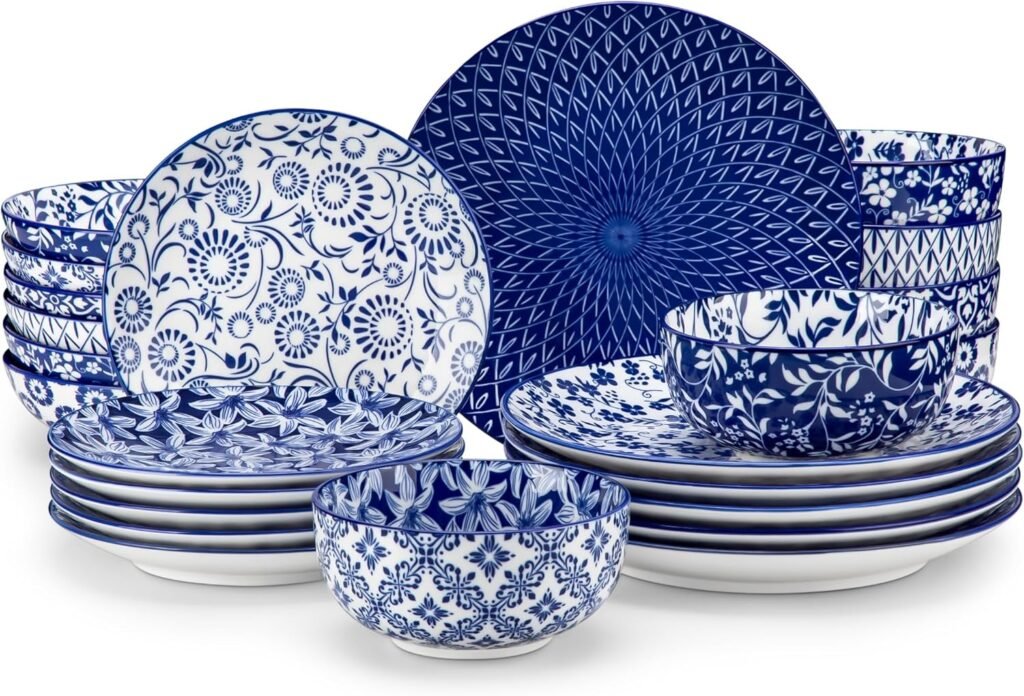
It’s resistant to scratches from normal cutlery use and holds up to thermal stress reasonably well when properly manufactured.
The surface has a smooth, bright white finish that photographs beautifully and complements both simple everyday meals and more dressed-up table settings. It’s not the most forgiving material if dropped on a hard floor, but under normal use, it’s genuinely built to last.
Common Uses of Porcelain Dinnerware
Porcelain’s combination of durability, clean aesthetics, and relatively accessible price point makes it the backbone of everyday dinnerware in millions of households.
It’s also the dominant material in restaurant and hospitality tableware globally, precisely because it holds up to commercial dishwashers, constant handling, and high-volume use.
Modern kitchen sets from brands across every price tier, from IKEA to Williams Sonoma, predominantly use porcelain.
If you want to understand how porcelain compares across the full spectrum of dinnerware options, exploring the broader landscape of types of dinnerware material gives useful context for where porcelain sits relative to stoneware, earthenware, and glass alternatives.
What is Bone China?
Composition and Manufacturing
Bone china is made from a specific blend of porcelain clay mixed with bone ash, typically around 25 to 45 percent calcined animal bone, usually sourced from cattle.
This mixture is fired at high temperatures, though typically slightly lower than standard porcelain.
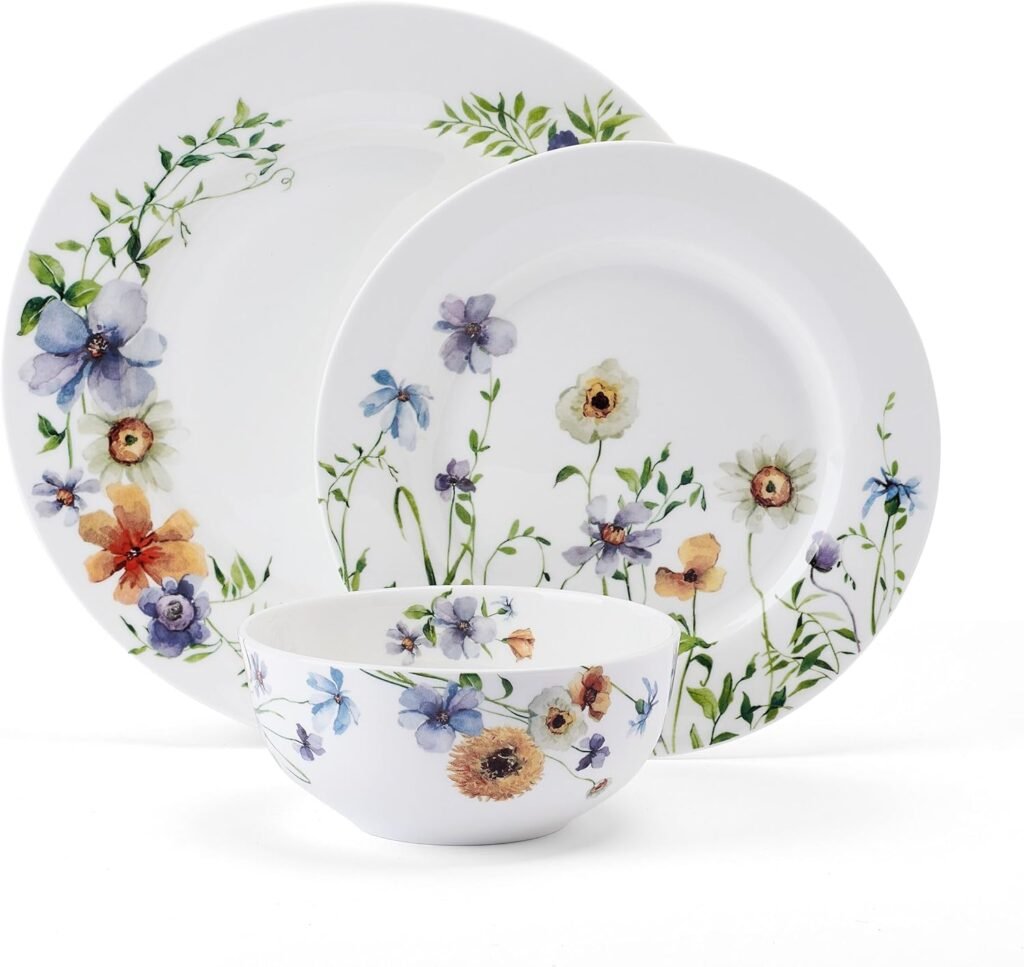
The bone ash is what sets bone china apart chemically: it creates a crystalline structure within the ceramic body that is both translucent and remarkably strong relative to its weight.
The manufacturing process is more complex and the raw materials more costly than standard porcelain, which is directly reflected in the price of finished bone china products.
Key Characteristics of Bone China
Bone china is best described as deceptively strong. It’s noticeably lighter than porcelain of comparable size, and it has a warm, slightly translucent quality.
Hold a piece up to light, and you’ll often see the shadow of your hand through it.
The surface has a naturally ivory or creamy white tone rather than the stark white of porcelain, which many people find warmer and more elegant.
Despite its delicate appearance, well-made bone china is highly chip-resistant due to the calcium phosphate structure created by the bone ash. This combination of lightness, strength, and beauty is what gives bone china its premium reputation.
Common Uses of Bone China
Bone china has historically been the material of choice for formal dining sets, fine tea services, and luxury tableware collections. Brands like Wedgwood, Royal Doulton, and Lenox have built their reputations almost entirely on bone china.
While it was once considered too precious for daily use, modern bone china, particularly from well-established manufacturers, is entirely suitable for everyday dining.
It’s also worth noting that the bone ash content raises specific questions for certain consumers. The kosher status of bone china is a genuine consideration for some households, as is its vegan status, both of which we address later in this article.
Is Bone China Vegan?
This is a straightforward question with a simple answer: traditional bone china is not vegan. The bone ash used in its manufacture comes from the calcined bones of cattle, typically a byproduct of the meat industry, but an animal-derived ingredient regardless.
For strict vegans, this is a genuine concern, and it’s worth knowing before purchasing.
Some manufacturers have developed bone-free alternatives that mimic the translucency and lightness of bone china using synthetic or mineral-based compounds, sometimes labeled as “fine china” or “new bone china.”
If vegan compliance matters to you, look specifically for products that confirm no animal-derived bone ash in their composition.
Porcelain vs Bone China: Key Differences
Material Composition
The foundational difference between the two is what they’re made of. Porcelain is a clay-based ceramic kaolin, feldspar, and silica, all minerals in origin.
Bone china adds animal bone ash to that base, typically comprising a significant portion of the final material by weight.
This single compositional difference drives virtually every other distinction between the two: the weight, the translucency, the firing characteristics, the manufacturing complexity, and ultimately the price. Everything else flows from that one ingredient.
Durability and Strength
Both materials are genuinely strong, but in slightly different ways. Porcelain is harder; it resists scratching and surface abrasion better.
Bone china, while softer on the hardness scale, has higher tensile strength and chip resistance due to its calcium phosphate crystal structure, meaning it flexes slightly under impact rather than shattering immediately.
For everyday practical purposes, both are durable enough to handle regular use well. Bone china’s reputation as fragile is largely a hangover from its association with formal dining and precious heirloom sets, not an accurate reflection of its engineering.
Weight and Feel
Pick up a bone china plate, then pick up a porcelain plate of a similar size. The difference is immediately noticeable.
Bone china is significantly lighter, a quality that many diners find more comfortable, particularly for older adults or anyone with reduced grip strength.
This is one reason bone china is often specifically recommended as lightweight dinner plates for the elderly.
The reduced weight makes handling multiple plates, clearing the table, and loading the dishwasher genuinely easier.
Porcelain has a more substantial, grounded feel that many people associate with sturdiness, though it’s more a matter of density than actual durability.
Appearance and Transparency
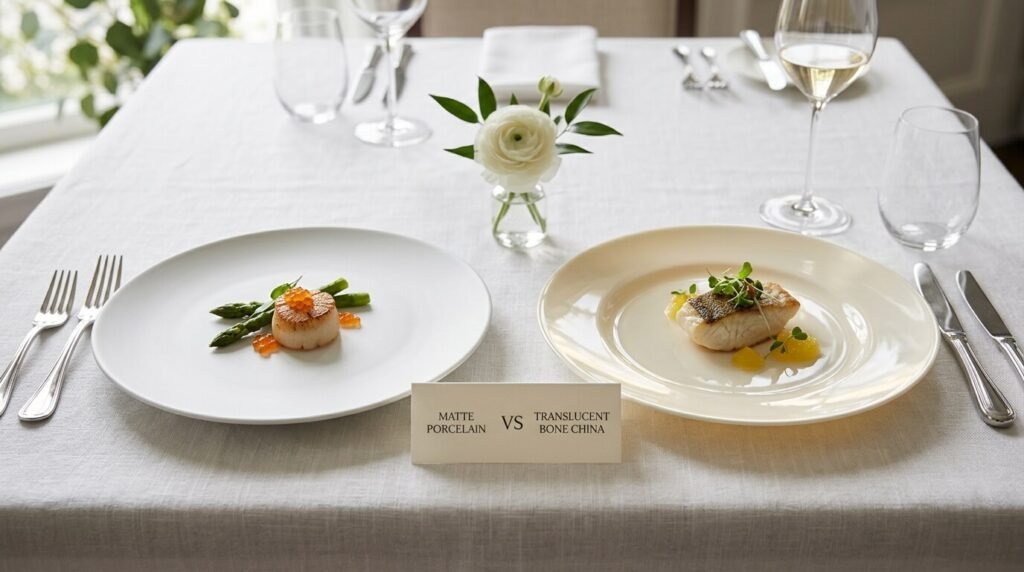
The visual difference between the two is most striking when held up to light. Bone china glows with a warm translucency and an almost luminous quality that fine dinnerware manufacturers actively celebrate in their photography.
Porcelain is opaque and bright white, with a clean crispness that suits contemporary and minimalist aesthetics particularly well.
Neither look is objectively superior; it’s genuinely a matter of personal preference and the style of your table setting. Bone china tends to feel warmer and more traditional; porcelain reads as more modern and graphic.
Bone China vs Fine China
These two terms confuse a lot of buyers, and understandably so; they sound nearly interchangeable. Fine china is the broader category: it refers to any high-quality, thin ceramic dinnerware made from refined materials and fired at high temperatures.
Bone china is a specific type of fine china distinguished by its bone ash content.
So all bone china is fine china, but not all fine china is bone china. Fine china without bone ash is typically just high-grade porcelain, denser, more opaque, and heavier than bone china, but still a premium product.
When a brand says “fine china” without specifying bone ash content, you’re generally looking at refined porcelain.
Bone China vs Ceramic — All Major Differences
“Ceramic” is an umbrella term covering any material made from fired clay, which technically includes bone china itself. But in common usage, when people compare bone china to “ceramic,” they usually mean standard earthenware or lower-fired ceramic pieces.
Here are the key differences:
Firing temperature: Bone china is fired at high temperatures (around 1,200°C), creating a dense, vitrified body. Standard ceramics are often fired at lower temperatures, producing a more porous result.
Strength: Bone china is significantly stronger and more chip-resistant than standard ceramics despite being thinner and lighter. Lower-fired ceramics chip more easily.
Porosity: Bone china is non-porous and stain-resistant. Many standard ceramics are porous unless glazed, making them more susceptible to absorbing liquids and odors over time.
Weight: Bone china is lighter. Standard ceramics tend to be heavier and thicker for equivalent strength.
Appearance: Bone china has a translucent, refined look. Standard ceramics are opaque and typically have a more rustic, handcrafted aesthetic.
Price: Bone china sits at the premium end. Standard ceramics range from very affordable to mid-range, depending on the brand and finish quality.
Bone China vs Stoneware — All Major Differences
Stoneware is a step up from earthenware but a step below bone china in both refinement and price. Here’s how they compare directly:
Composition: Stoneware uses denser, coarser clay fired at high temperatures. Bone china uses refined clay mixed with bone ash for a lighter, more translucent result.
Weight: Stoneware is noticeably heavier and chunkier. Bone china is delicate and light, often half the weight of a comparable stoneware piece.
Durability: Stoneware is highly resistant to chipping and cracking from impact; it’s genuinely tough. Bone china is strong but rewards more careful handling, particularly for vintage or heirloom pieces.
Aesthetics: Stoneware has an earthy, artisan appeal that suits casual dining and rustic table settings. Bone china has an elegant, refined look suited to formal or aspirational everyday settings.
Microwave and dishwasher use: Most stoneware handles both appliances well. Bone china varies by manufacturer; some sets are fully dishwasher and microwave safe, others require hand washing.
Price: Stoneware is generally mid-range. Bone china occupies the premium price tier for most consumer brands.
Is Lenox Bone China or Porcelain?
Lenox produces both, and this distinction matters when you’re shopping their collections. Their higher-end lines, including Eternal and Opal Innocence, are made from bone china and carry all the translucency, lightness, and elegant finish associated with the material.
Their more accessible everyday collections are made from porcelain or fine china without bone ash. The difference is visible in both the product labeling and the price.
If you’re buying Lenox specifically for the bone china quality, check the material specification on the individual collection rather than assuming all Lenox products are bone china. The brand explicitly identifies bone china pieces in its product descriptions.
Is Porcelain or Bone China More Expensive?
Bone china is almost always more expensive than equivalent porcelain, and the gap can be significant. A mid-range porcelain dinner set for four might cost between $40 and $120.
A comparable bone china set from a reputable brand typically starts around $80 and can reach several hundred dollars for premium collections.
The price difference reflects the manufacturing complexity, the bone ash sourcing, the precise blending ratios required, and the higher skill involved in producing thin, translucent pieces without warping or cracking during firing.
That said, entry-level bone china from manufacturers in China and Southeast Asia has brought the price point down considerably in recent years, making it more accessible than it once was.
Which Is Better for Everyday Use?
Durability for Daily Meals
For pure daily-use durability, porcelain has the edge not because bone china can’t handle it, but because porcelain forgives neglect more readily. It’s harder, more scratch-resistant, and less sensitive to detergent and water chemistry in the dishwasher over time.
That said, modern bone china from reputable manufacturers is entirely capable of everyday use. The key is buying quality: cheap bone china chips easily, while good bone china holds up remarkably well.
If your household includes young children, pets, or people who aren’t particularly careful with dishes, porcelain is the more forgiving choice.
Microwave and Dishwasher Compatibility
Most porcelain dinnerware is microwave and dishwasher-safe, a significant practical advantage for everyday households.
Bone china varies: many modern sets explicitly confirm dishwasher and microwave safety, but some, particularly older, heavily decorated, or gilded sets, require hand washing.
Always check the manufacturer’s guidance for bone china before putting it in the dishwasher or microwave.
If appliance compatibility is a non-negotiable for you and you’re open to alternatives beyond porcelain and bone china, it’s worth considering options like chemical-free vitrelle glass or comparing vitrelle glass vs opal glass, both tempered glass alternatives that are fully microwave and dishwasher safe with excellent durability for everyday use.
Maintenance and Cleaning
Both materials clean up easily under normal conditions. The non-porous surfaces of both porcelain and bone china resist staining and don’t harbor bacteria when glazed properly.
For porcelain, dishwasher use is straightforward for most sets. For bone china, if the set is dishwasher-safe, use a gentle cycle and avoid harsh detergents that can dull the glaze over time.
Hand washing with warm, soapy water and a soft cloth is the safest approach for both materials if you want to preserve their finish and pattern quality for the long term. Avoid abrasive sponges on either.
Pros and Cons of Porcelain Dinnerware
Advantages
Porcelain is the practical workhorse of the dinnerware world. It’s widely available at every price point, from budget supermarket sets to designer collections. Its hardness makes it scratch-resistant under normal cutlery use.
The non-porous surface handles everything from pasta to citrus without staining. Most porcelain is microwave and dishwasher-safe without special conditions.
It’s versatile enough to look at home at a casual family dinner or a more formal gathering, and its bright white finish suits virtually any table styling.
Disadvantages
Porcelain is heavier than bone china, which matters for some users, particularly older adults or those serving large numbers of guests and doing significant plate-carrying.
It lacks the warm translucency and premium aesthetic that bone china delivers, which may matter if the look of your table setting is a priority. A
t the budget end of the market, lower-quality porcelain can chip at the rim relatively easily, so price point matters when assessing durability.
Pros and Cons of Bone China Dinnerware
Advantages
Bone china combines a genuinely elegant, refined appearance with strength that surprises most people who assume it’s purely decorative. It’s lighter than porcelain, a real advantage for everyday handling and for users who find heavier plates uncomfortable.
The warm ivory tone and translucency give bone china a premium quality that reads as expensive even at mid-range price points.
For households that want everyday dinnerware that also works beautifully for dinner parties without maintaining two separate sets, bone china is the natural solution.
Disadvantages
Bone china is more expensive than comparable porcelain, and cheaper bone china sets deliver significantly inferior quality, making the price-to-quality equation more complex than with porcelain.
Some sets require more careful handling, particularly around the rim, where thinness can make it susceptible to chipping under impact.
The bone ash content makes it unsuitable for vegans and raises questions for some religious dietary frameworks. And while many modern sets are dishwasher-safe, that compatibility isn’t universal, adding a maintenance consideration that porcelain typically doesn’t impose.
When to Choose Porcelain vs Bone China
Best Choice for Everyday Family Use
For a busy family household, especially one with children, high-volume cooking, and dishwasher dependency, porcelain is the more practical choice.
It handles rough-and-tumble daily use without demanding special care, replaces affordably if pieces break, and performs consistently across every modern appliance.
A good quality porcelain set at a mid-range price point will outlast years of daily use without requiring you to think too much about how it’s being handled.
Best Choice for Formal Dining
Bone china wins unambiguously for formal dining and special occasions. Its translucency, elegant proportions, and refined finish elevate a table setting in ways that porcelain simply can’t replicate.
For hosting dinner parties, celebrating with family, or creating a table that feels genuinely special, bone china delivers an aesthetic that’s worth the extra care and cost.
If budget allows, choosing a bone china set that’s also dishwasher-safe gives you the best of both worlds: elegance without the maintenance penalty.
Best Choice for Restaurants or Frequent Entertaining
Restaurants and frequent entertainers have different priorities again. Commercial settings almost universally choose porcelain for its hardness, stacking durability, and tolerance for industrial dishwashers.
For home entertainers who host regularly but also use their dinnerware daily, a high-quality bone china set that’s confirmed dishwasher-safe represents an investment that pays off over time, one set that works equally well for Tuesday’s pasta and Saturday’s dinner party.
Care Tips for Porcelain and Bone China
Proper Cleaning Methods
For both materials, warm water and a mild dish soap applied with a soft cloth or non-abrasive sponge is the gold standard for hand washing. Avoid steel wool, abrasive powders, or harsh scrubbing pads; they’ll damage the glaze surface over time on both porcelain and bone china.
If using a dishwasher, load pieces so they don’t touch during the cycle (contact causes chipping at pressure points), use a gentle detergent, and avoid high-temperature drying cycles where possible. For decorated or gilded pieces, hand washing is always the safer choice regardless of material.
Avoiding Chips and Cracks
The edges and rims of both porcelain and bone china are the most vulnerable points. When stacking, place a soft cloth, felt pad, or paper towel between pieces to prevent rim-to-base contact that causes micro-chips over time.
Don’t stack too many pieces; the weight of a tall stack concentrates pressure at the rim of each underlying plate.
Handle with both hands when carrying multiple pieces, and avoid placing hot cookware directly onto a cold ceramic surface, as thermal shock can cause invisible micro-fractures that eventually become visible cracks.
Safe Storage of Dinnerware
Store dinnerware in a cabinet or shelf away from direct heat sources. Use plate racks for vertical storage where possible; vertical stacking puts less cumulative pressure on each piece than horizontal stacking.
For bone china sets used infrequently for formal occasions, individual felt storage bags or the original packaging box keep pieces protected between uses.
Avoid storing heavy items on top of dinnerware stacks, and ensure shelving is stable — a wobbly shelf is one of the most common causes of unexpected dinnerware damage.
What Is the Best Material for Everyday Dinnerware?
The honest answer is: it depends on your priorities. For sheer durability and practical convenience, porcelain leads. For a premium look and feel with surprisingly good resilience, bone china is hard to beat.
For casual, relaxed everyday dining with a rustic aesthetic, stoneware is a strong contender. If you prioritize complete appliance compatibility and nearly indestructible performance, tempered glass and vitrelle options are worth considering.
Budget, household size, aesthetic preferences, and how carefully your household handles dishes all factor into the right answer.
There is no single universally best material, only the best material for your specific daily life.
Conclusion
Choosing between porcelain and bone china for everyday use comes down to two things: how you live and what you value. Porcelain is the dependable, practical, versatile choice. It handles daily demands without complaint and replaces easily without guilt.
Bone china is the choice for people who want their everyday table to feel a little more considered, and who are willing to match that with a touch more care. Both materials are genuinely durable when bought at a reasonable quality. Both clean up beautifully.
The difference is mostly in weight, feel, aesthetics, and price. Know your household, know your priorities, and choose accordingly because the best dinnerware is simply the one you’ll actually enjoy using every day.