Tag: fine china tableware

  • Types of Dinner Plate Materials: Complete Guide (2025)

    Quick Answer Box: What are most plates made of? Ceramic (60% of households), porcelain (25%), melamine (10%), and glass (5%). Best overall: Porcelain for durability and elegance. Most unbreakable: Melamine and stainless steel. Safest for health: Porcelain and ceramic.

    WHAT ARE PLATES MADE OF? (MOST COMMON MATERIALS)

    Most dinner plates today are made from these 4 primary materials:

    1. Ceramic (60% of households)

    • Most affordable and widely available
    • Made from clay fired at moderate temperatures
    • Good for everyday use, but it can chip

    2. Porcelain (25% of households)

    • Premium ceramic fired at higher temperatures
    • Stronger and more elegant than regular ceramic
    • Translucent appearance, restaurant-quality

    3. Melamine (10% of households)

    • Plastic-like material, virtually unbreakable
    • Popular for outdoor dining and kids
    • Not microwave safe

    4. Other Materials (5%)

    • Glass, stainless steel, bamboo, wheat straw
    • Specialty uses and eco-friendly options

    BEST PLATE MATERIALS BY USE CASE

    Best Material for Everyday Use

    Winner: Porcelain

    • Durable enough for daily use
    • Dishwasher and microwave safe
    • Elegant appearance for any occasion
    • Resistant to staining and odors

    Best Material for Durability

    Winner: Vitrified Porcelain

    • 3x stronger than regular ceramic
    • Commercial kitchen grade
    • Chip and crack-resistant
    • Long-term investment

    Best Material for Formal Dining

    Winner: Bone China

    • Finest dinnerware material available
    • Lightweight yet incredibly strong
    • Distinctive warm, translucent appearance
    • Premium choice for special occasions

    Best Budget-Friendly Material

    Winner: Ceramic

    • Most affordable option
    • Available in countless designs
    • Suitable for basic daily needs
    • Easy to replace if broken

    UNBREAKABLE PLATE MATERIALS

    For households with kids, outdoor dining, or high-traffic use:

    Truly Unbreakable Options:

    1. Melamine Plates

    • Virtually shatterproof plastic composite
    • Lightweight and colorful
    • Perfect for picnics and children
    • ❌ Not microwave safe

    2. Stainless Steel Plates

    • Completely unbreakable metal construction
    • Ideal for camping and outdoor use
    • Easy to clean and sanitize
    • ❌ Can’t use in the microwave

    3. Heavy-Duty Plastic Plates

    • Thick plastic construction
    • Dishwasher-safe varieties available
    • Very affordable
    • ❌ Can warp with heat

    Nearly Unbreakable Options:

    4. Tempered Glass Plates

    • 5x stronger than regular glass
    • Shatter-resistant design
    • Microwave and oven safe
    • Clear, elegant appearance

    5. High-Quality Stoneware

    • Thick, dense ceramic construction
    • Excellent chip resistance
    • Retains heat well
    • Rustic, handcrafted appearance

    SAFEST PLATE MATERIALS FOR HEALTH

    Healthiest Materials (No Chemical Concerns):

    1. Porcelain – Top Choice

    • A non-porous surface prevents bacteria
    • No harmful chemical leaching
    • Lead-free when properly manufactured
    • Temperature stable

    2. Ceramic (Glazed)

    • Safe when meeting FDA standards
    • Non-reactive with foods
    • Easy to sanitize
    • Avoid vintage pieces (may contain lead)

    3. Glass

    • Completely non-toxic
    • No chemical leaching ever
    • Easy to clean thoroughly
    • See-through for easy inspection

    4. Stainless Steel (Food Grade)

    • No coating to wear off
    • Naturally antibacterial
    • No chemical concerns
    • Commercial kitchen standard

    Materials to Use Carefully:

    • Melamine: Safe for cold foods, avoid hot foods above 160°F
    • Plastic: Choose BPA-free, avoid microwaving
    • Bamboo: Natural antibacterial, but may contain binding agents

    10 TYPES OF DINNER PLATE MATERIALS (DETAILED GUIDE)
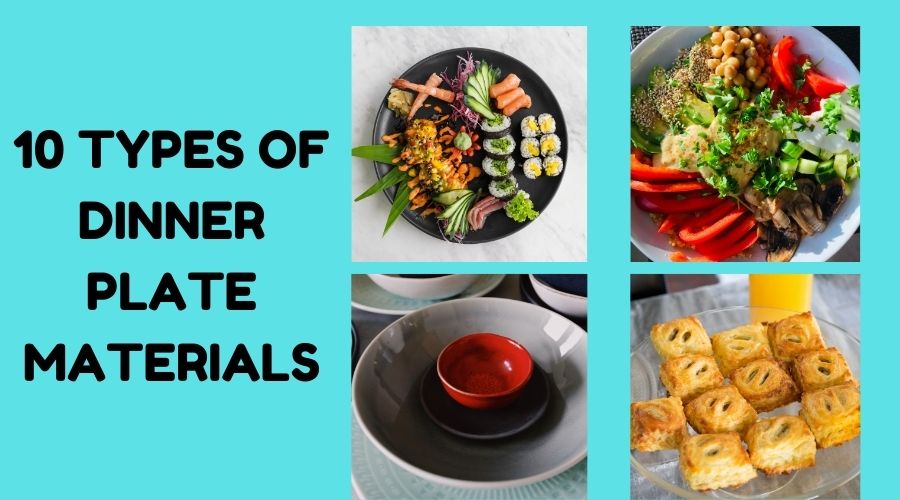
    types of dinner plate materials

    The various types of dinner plate materials common to every home are:

    1. Porcelain
    2. Ceramic
    3. Stoneware
    4. Melamine
    5. Bone China
    6. Wheat Straw
    7. Bamboo
    8. Glass
    9. Stainless Steel
    10. Plastic

    Porcelain: The Elegant Classic

    Think of porcelain plates as the tough, fancy dishes in your kitchen. They’re made by baking special clay at super-hot temperatures – hotter than a pizza oven!
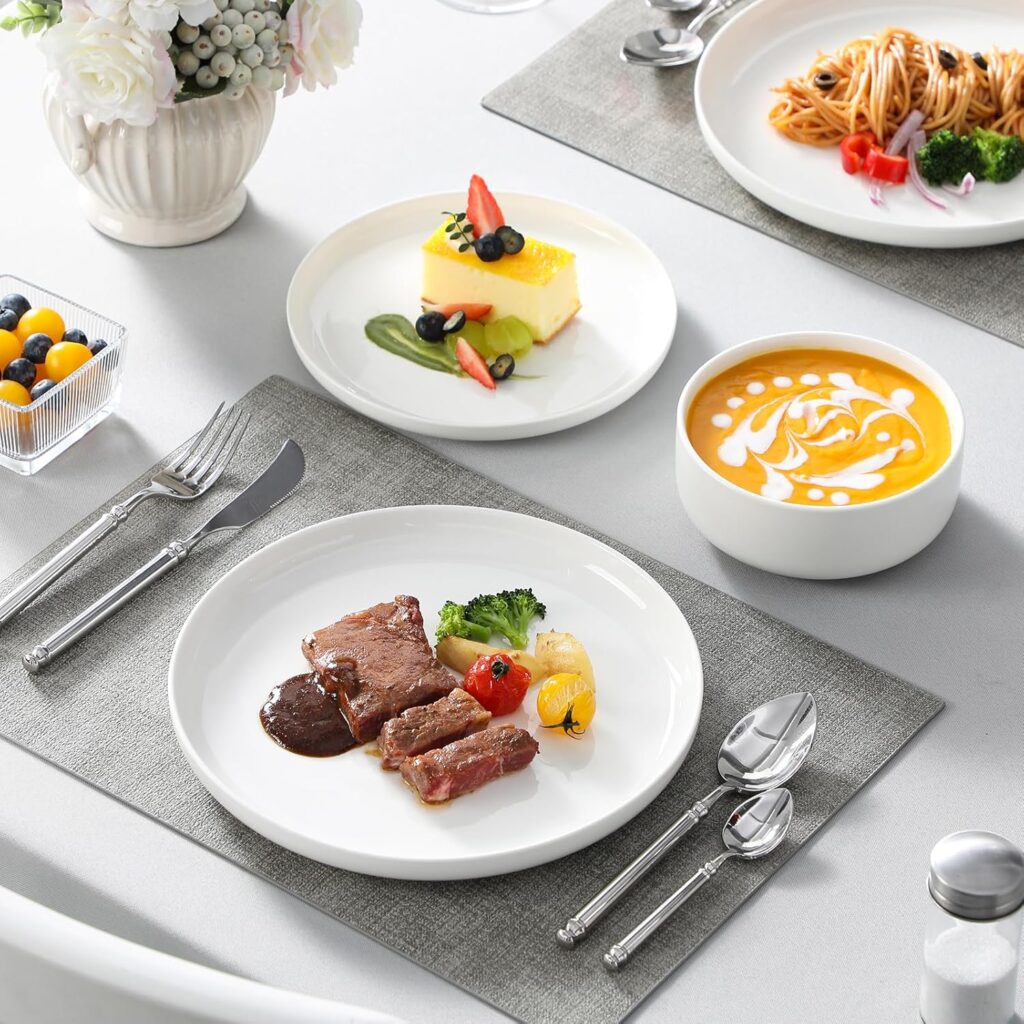
    Porcelain Plates and Bowls

    People often ask between porcelain and ceramic dinnerware which is better for home use? We have answered in another guide.

    Porcelain plates are special because they’re slightly see-through – hold one up to the light, and you might notice a faint glow, like when light passes through a thin white curtain.

    They’re also really strong and hardly contain any toxic elements, so you don’t have to worry about chips when stacking them in the dishwasher.

    Unlike regular plates, porcelain won’t hold onto food smells or stains, so your leftover curry won’t leave a mark.

    You can find these plates in many sizes and styles, from plain white to ones with pretty patterns.

    Key characteristics are: – Non-porous surface resistant to staining – Excellent heat retention – Microwave and dishwasher safe – Elegant translucent appearance.

    Stoneware: The Rustic Charmer

    Stoneware dishes bring a rustic, handcrafted feel to your table. Made from thick clay and fired at high temperatures, these plates are like the heavyweight champions of the kitchen.

    Think of them as the cozy sweater of dinnerware – they keep food warm longer and have a natural, earthy look.
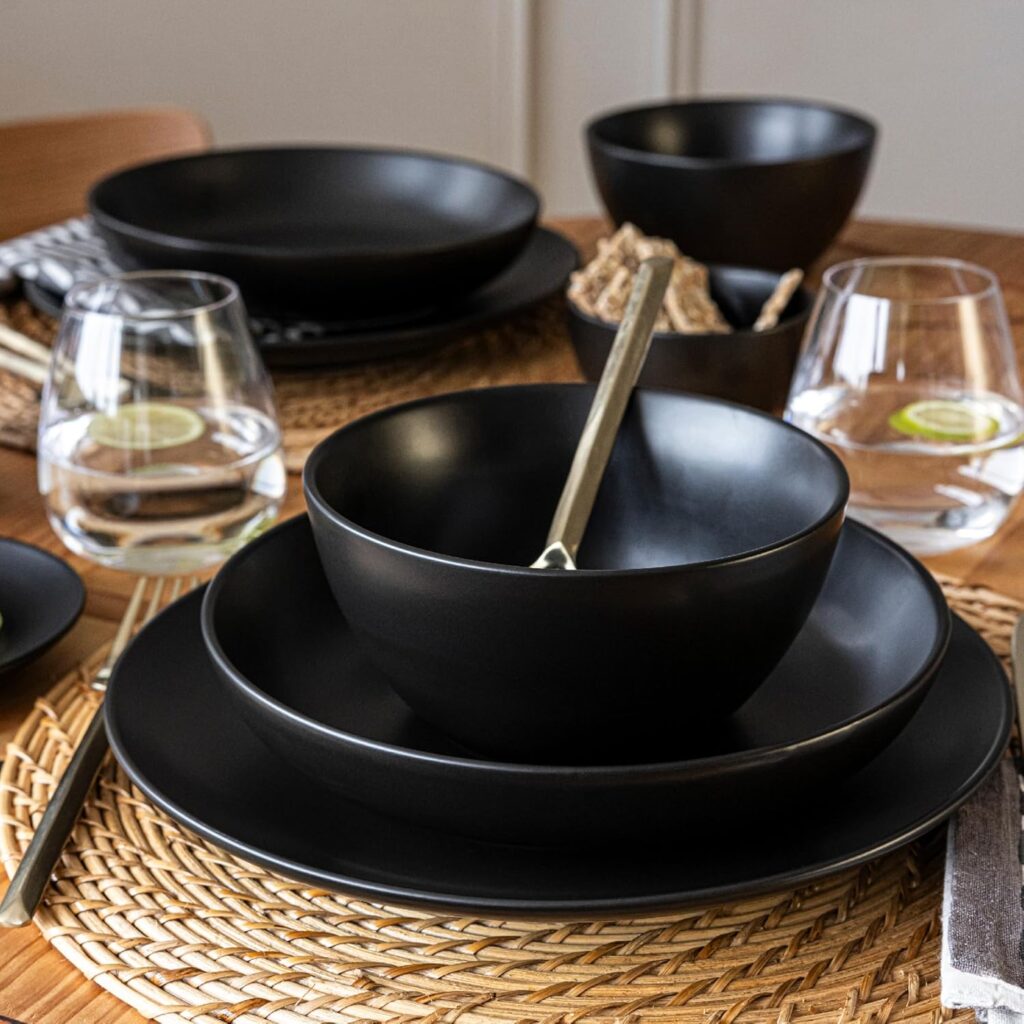
    Stoneware dinnerware material

    While they’re heavier than other plates, stoneware resists scratches and can handle hot food straight from the oven.

    Each piece often has unique speckles or subtle color variations, making your dinner set one-of-a-kind.

    To know more about the Stoneware dinnerware material, read our guide on the disadvantages of stoneware and porcelain vs stoneware.

    Key characteristics: – Dense, opaque material fired at high temperatures (1,200°C to 1,400°C) – Excellent heat retention properties – Naturally non-stick surface that develops over time – Distinctive rustic appearance with unique glazing options – Highly resistant to scratching and chipping (depends heavily on your use and maintenance culture) – Microwave, oven, and dishwasher safe – More substantial weight compared to other materials.
    types of crockery PDF

    Melamine: The unbreakable choice

    For casual dining and outdoor entertainment (camping and RV), melamine has revolutionized the market.

    Melamine plates are like plastic’s tougher cousin – imagine if plastic and ceramic had a baby!
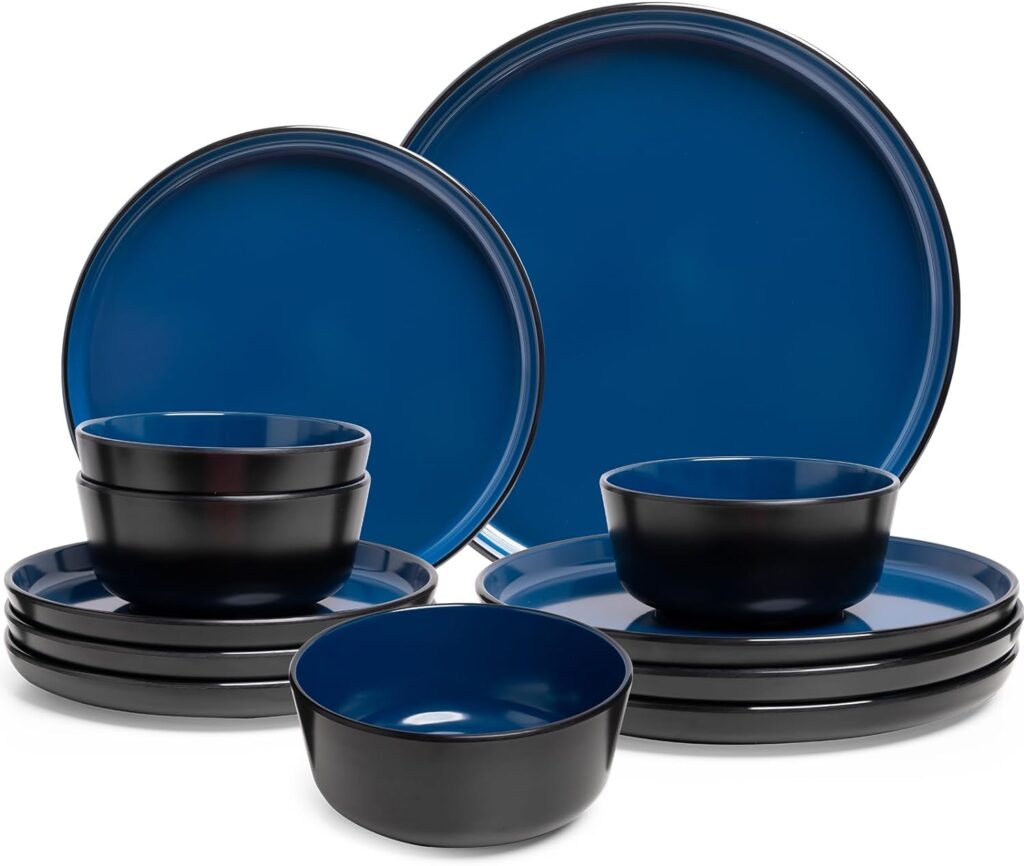
    Melamine unbreakable dinnerware sets

    They’re super lightweight and nearly impossible to break when dropped, making them perfect for outdoor picnics and kids’ meals.

    While they’re not microwave-safe (they can release harmful chemicals when heated), these dishes are dishwasher-friendly and come in fun, bright colors.

    Think of them as the playground-tough dishes that can handle being tossed around but still look nice enough for a family dinner.

    To learn more about melamine, see our guide on the difference between stoneware and melamine dishes.

    Some of its key characteristics are: – Lightweight construction – Virtually unbreakable design – Kid-friendly safety features – Affordable pricing.

    Bone China: The Luxury Choice

    Bone China represents the pinnacle of formal dinnerware, commonly called China dishes.

    Bone China dishes earned the name “Bone China” because of their constituents of bone ash, which is about 30%; other brands might have a higher amount.

    Bone China lightweight Mikasa dinnerware set

    This is what has contributed to its remarkable strength and translucency. They are also dishwasher and microwave oven-safe.

    Key characteristics: – Exceptional strength-to-weight ratio – Superior chip resistance despite its delicate appearance – Distinctive warm, creamy white colour – The highest level of translucency among all dinnerware materials – Fine, elegant rim detail – Superior thermal conductivity – Excellent resistance to thermal shock – Premium pricing reflecting its quality and craftsmanship.

    Ceramic: The Versatile Standard

    Ceramic plates are like the trusty old jeans of your kitchen.

    Made from clay baked at moderate temperatures, these dishes, one of the healthiest dinnerware materials, don’t contain any harsh chemicals and are safe for all your meals if properly manufactured and meet FDA standards.
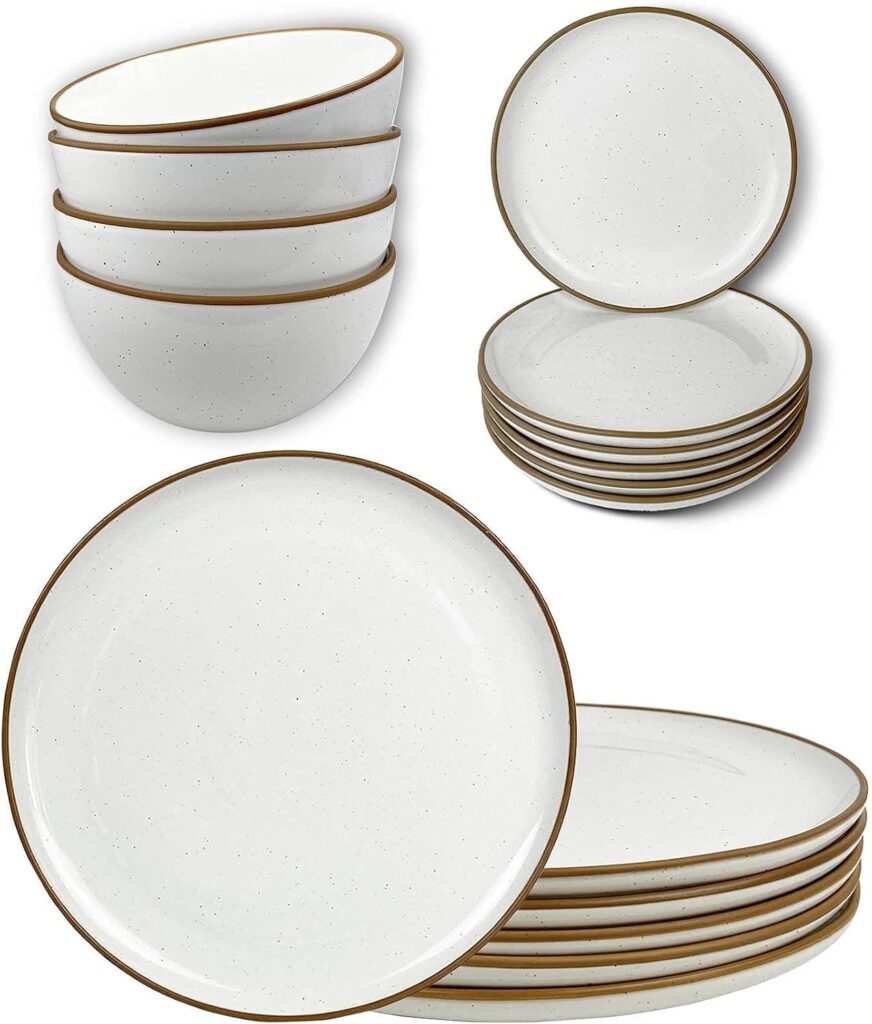
    Modern ceramic dinner plates and Bowls by Mora

    They’re great for everyday use, but can chip if dropped – like getting a small tear in your favorite shirt.

    Available in countless colors and patterns, ceramic dishes are budget-friendly and keep food warm nicely. Just avoid sudden temperature changes to prevent cracking.

    Key characteristics: – Moderate heat retention – Available in various price points – Resistant to scratching and cutlery marks – Generally microwave and dishwasher safe – Can be either glazed or unglazed – Suitable for both casual and formal dining.

    Wheat Straw: The Sustainable Innovation

    This innovative material represents a sustainable solution in modern dinnerware, made from agricultural by-products that would otherwise be waste.

    18pcs wheat straw dinnerware set

    Key characteristics of wheat straw dinnerware material include: – Biodegradable and eco-friendly composition – Lightweight yet durable construction – Microwave safe up to specific temperatures – Natural antibacterial properties – Break-resistant design – Ideal for both indoor and outdoor use – Available in soft, natural colours – Cost-effective pricing – Free from BPA and other harmful chemicals.

    Bamboo: The Eco-Friendly Alternative

    Bamboo plates have gained popularity among environmentally conscious consumers seeking sustainable alternatives to traditional materials.
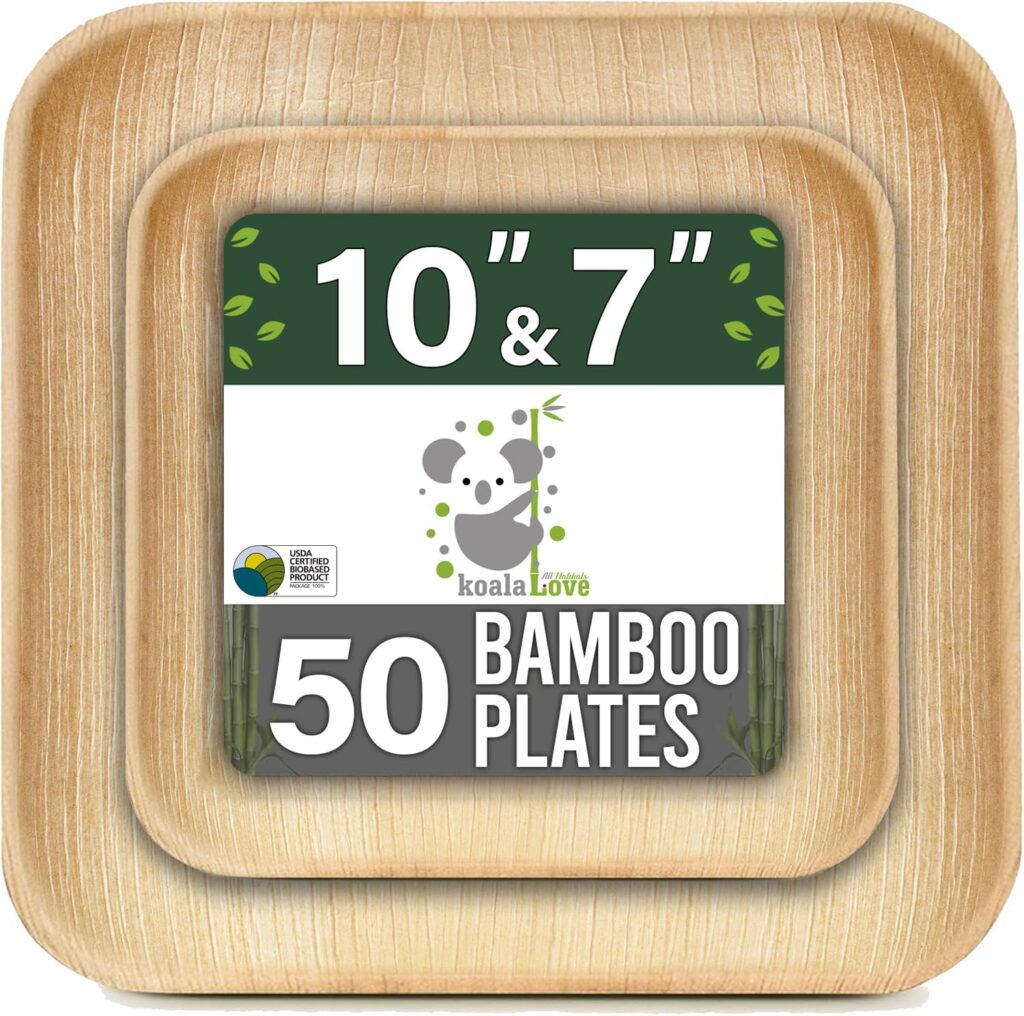
    Bamboo biodegradable Plates

    Key characteristics: – Naturally renewable and sustainable resource – Antibacterial and antimicrobial properties – Lightweight and portable – Biodegradable at end of life – Resistant to water absorption – Available in both natural and dyed finishes – Ideal for casual dining and outdoor events – Not suitable for microwave use – Requires careful maintenance to maintain appearance.

    Glass: The Pure Choice

    Glass plates are like see-through warriors in your kitchen! They’re completely non-toxic and won’t absorb food smells or stains.

    elegant textured glass dinner plates

    Key feature: you can watch your food heat up in the microwave through them. While they can break if dropped, they’re surprisingly sturdy for daily use.

    The best part? You can spot any missed spots while washing instantly, making them super easy to keep clean.

    Key characteristics: – Completely non-porous and hygienic – No chemical leaching concerns – Microwave and oven safe (check manufacturer specifications) – Easy to clean and maintain – Transparent for easy inspection – Available in various thicknesses and designs – Recyclable and environmentally friendly.

    Stainless Steel: The Durable Performer

    Think of stainless steel plates as the nearly indestructible tanks of your kitchen.

    They’re practically unbreakable, won’t rust, and can handle any temperature without flinching.

    Stainless steel Dinnerware

    Key feature: incredible durability. Perfect for outdoor dining and kids’ meals, they’ll likely outlast all your other plates.

    The downside? They can’t go in the microwave, and they might show scratches over time. To know more about the best stainless steel brands, kindly read our guide on American-made stainless steel dishes.

    Key characteristics: – Virtually unbreakable construction – Rust and corrosion resistant – Lightweight yet durable – Easy to sanitize – Suitable for outdoor use – Cannot be used in a microwave – May show scratches with heavy use.

    Plastic: The Casual Option

    These are like the casual, easy-going plates in your collection. Super lightweight and budget-friendly, plastic dishes are perfect for picnics and casual meals.
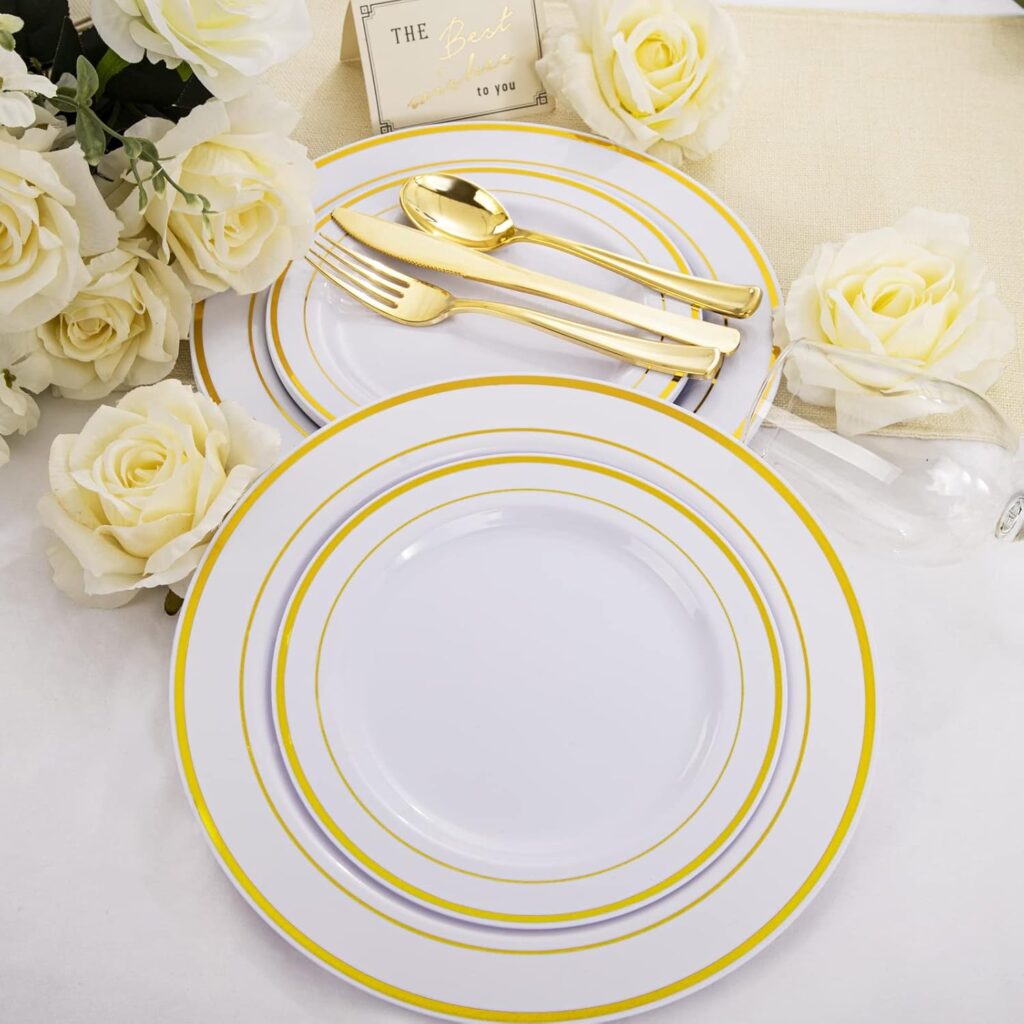
    Plastic Dinnerware sets

    Key feature: extreme portability. While they’re not microwave-safe and can stain easily, they’re great for kids’ meals and outdoor events where breaking dishes would be a concern.

    Just remember, they can warp in high heat.

    Key characteristics: – Extremely lightweight and portable – Very affordable option – Available in numerous colors and designs – Break-resistant for safety – Can stain and retain odors – May warp with heat exposure – Choose BPA-free varieties for safety.

    MATERIAL COMPARISON CHART

    MaterialDurabilityMicrowave & Dishwasher SafeBest For
    Porcelain⭐⭐⭐⭐⭐✅ BothEveryday elegance
    Ceramic⭐⭐⭐✅ BothBudget-conscious
    Stoneware⭐⭐⭐⭐✅ BothRustic charm
    Melamine⭐⭐⭐⭐❌ Microwave / ✅ DishwasherKids & outdoor
    Bone China⭐⭐⭐⭐⭐✅ BothFormal dining
    Glass⭐⭐⭐✅ BothHealth-conscious
    Stainless Steel⭐⭐⭐⭐⭐❌ Microwave / ✅ DishwasherDurability
    Plastic⭐⭐❌ Microwave / ✅ DishwasherCasual use
    Bamboo⭐⭐⭐❌ Microwave / ✅ DishwasherEco-friendly
    Wheat Straw⭐⭐⭐✅ Both*Sustainable

    *Limited temperature range for the microwave.

    WHAT IS THE BEST DINNERWARE MATERIAL?

    The ideal dinnerware material depends on your specific needs:

    For Everyday Use:

    Porcelain is often considered the best all-rounder because it offers: – Superior durability – Excellent heat retention – Elegant appearance – Versatility for all occasions

    For Maximum Durability:

    – Vitrified porcelain – Bone china – High-quality stoneware

    For Casual Dining:

    – Melamine – Stoneware – Ceramic

    For Formal Settings:

    – Bone china – Fine porcelain – Premium ceramic

    For Eco-Conscious Users:

    – Bamboo composites – Wheat straw – Recycled glass

    Remember that the “best” material ultimately depends on your specific needs, lifestyle, and preferences.

    Consider how you’ll primarily use the dinnerware, your maintenance habits, and your budget when making your selection.

    IMPORTANT FACTORS TO CONSIDER WHEN CHOOSING DINNERWARE

    – Intended use (daily vs special occasions)

    – Care/cleaning requirements

    – Budget constraints

    – Storage space

    – Lifestyle needs

    Scratch resistivity

    – Environmental impact

    – Dishwasher and microwave compatibility

    – Weight preferences

    – Design preferences

    – Typical meal types.

    FAQ: CHOOSING THE RIGHT MATERIAL

    What are most dinner plates made of?

    Most dinner plates are made of ceramic (60%) and porcelain (25%). These clay-based materials offer the best balance of affordability, durability, and appearance for everyday use.

    What is the most durable dinnerware material?

    Vitrified porcelain and bone china are the most durable materials, followed by high-quality stoneware. For unbreakable options, choose melamine or stainless steel.

    Which plate material is safest for health?

    Porcelain and ceramic (meeting FDA standards) are the safest materials. They’re non-porous, don’t leach chemicals, and resist bacterial growth.

    What are unbreakable plates made of?

    Unbreakable plates are typically made of melamine (plastic composite), stainless steel, or heavy-duty plastic. These materials can withstand drops and impacts.

    Can dinner plates go in the oven?

    Porcelain, ceramic, stoneware, and glass plates are generally oven-safe. Always check manufacturer specifications. Avoid melamine, plastic, and some decorated plates in ovens.

    What is the best plate material for everyday use?

    Porcelain offers the best combination of durability, elegance, and practicality for daily use. It’s microwave and dishwasher-safe while maintaining an upscale appearance.

    What are plates made out of?

    Plates are primarily made from clay-based materials (ceramic, porcelain, stoneware), synthetic materials (melamine, plastic), metals (stainless steel), glass, or natural materials (bamboo, wheat straw).

    What are most plates made of?

    Most household plates are made of ceramic or porcelain. Ceramic is the most common due to its affordability, while porcelain is preferred for its superior durability and elegant appearance.

    What is the healthiest dinnerware material?

    The healthiest dinnerware materials are porcelain, ceramic (FDA-approved), and glass. These materials are non-reactive, don’t contain harmful chemicals, and maintain food safety standards.

    CONCLUSION

    Your choice of dinner plate material reflects not just your style but your lifestyle.

    Whether you’re drawn to the timeless elegance of porcelain, the durability of melamine, or the rustic charm of stoneware, understanding these materials helps you make an informed decision that enhances your dining experience.

    Looking to upgrade your dinnerware? Consider starting with a versatile material that matches your primary usage needs, then perhaps expanding your collection to include specialty pieces for specific occasions.

    The best dinner plate material depends on your specific needs:

    • Daily use: Porcelain
    • Unbreakable: Melamine or stainless steel
    • Health-focused: Porcelain or ceramic
    • Budget: Ceramic
    • Formal: Bone china
    • Eco-friendly: Bamboo or wheat straw

    Consider your lifestyle, budget, and dining habits when choosing. Most households benefit from having 2-3 different materials for various occasions.


    Resources and Further Reading:
    Ceramic Tableware – Manufacturing and Material Constituents

    Melamine Dinnerware Questions

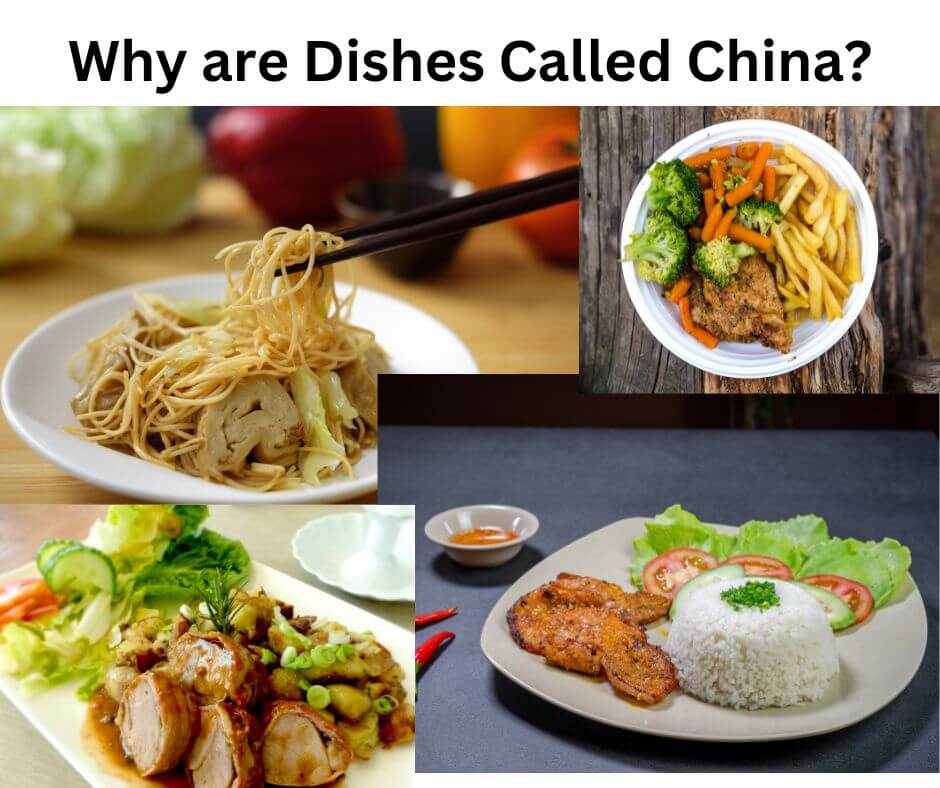
  • Why are Dishes called China

    Imagine an elegant dining setting: the soft glow of candlelight, the clink of silverware, and the delicate beauty of fine china adorning the table.

    For centuries, dishes have been more than mere vessels for food—they are symbols of culture, status, and craftsmanship. But have you ever wondered why we call them “China”?

    Diving into the origins of this term reveals a fascinating journey through history, culture, and trade.

    From the bustling markets of ancient civilizations to the royal courts of Europe, the story of why are dishes called china is intertwined with the evolution of human civilization.

    In this article, we’ll unravel the mystery behind the term “chinaware”.

    We’ll explore its historical roots, examine the cultural significance of fine dining, and uncover the influence of global trade on culinary traditions.

    By the end, you’ll have a deeper appreciation for the humble dish and its remarkable journey through time.

    Join me as we embark on a captivating exploration of why dishes bear the name “China in America and English,” inviting you to ponder the intricacies of language and culture.

    WHY ARE DISHES CALLED CHINA IN ENGLISH AND AMERICA

    The term “china” for dishes originated from the country China, where porcelain was first produced.

    This has led to why dishes are called china in English, because it is a common way to refer to ceramic dishes and tableware made of porcelain or a similar material.

    While in America, dishes are called china due to the historical association with porcelain production in China.”

    WHY ARE DISHES CALLED CHINA?

    Why are dishes called China

    Dishes are commonly called china because dinnerware, which includes fancy plates and cup,s was first made in China around 2,000 years ago under the name Porcelain.

    Chinese porcelain became famous for its beauty and quality, and it was highly prized by people in other countries.

    When Europeans started making similar dishes later on, they called them “china” to show that they were like the ones from China.

    So, the term stuck, and now we use “china” to refer to fine porcelain dishes regardless of where they are made.”

    WHY DID EUROPEANS REFER TO FINE DINNERWARE AS “CHINA”?

    Fine dinnerware is called “china” because China was the source of porcelain, a superior ceramic material developed during the Tang Dynasty (600-700 CE).

    When Portuguese traders introduced Chinese porcelain to Europe in the 16th century, its exceptional qualities—translucency, durability, and pure white color—made it highly prized among European nobility.

    China maintained a monopoly on porcelain production for nearly 1,000 years, making it so valuable it was known as “white gold.”

    Even after Europeans learned to make their porcelain at Meissen, Germany in 1708, the term “china” had become firmly established as the generic name for fine porcelain dinnerware, reflecting China’s mastery of porcelain-making and its lasting influence on ceramic arts worldwide.

    WHY ARE FANCY DISHES CALLED CHINA?

    Fancy dishes are called China because fine porcelain originated in China during the Tang Dynasty (618-907 AD).

    The Chinese carefully guarded their porcelain-making secrets, making them extremely valuable.

    When porcelain finally reached Europe through trade routes, it was so prestigious that “China” became synonymous with fine dinnerware.

    WHY IS BONE CHINA CALLED CHINA?

    Bone China got its name from its origins in China, and its unique composition contains bone ash (up to 50% of animal bone).

    The term became popular in the 18th century when English potters added bone ash to porcelain to create a stronger, more translucent material that rivaled Chinese porcelain.

    WHY IS FINE CHINA CALLED CHINA?

    Fine China bears this name because China was the birthplace of porcelain, keeping its manufacturing process secret for over 1,000 years.

    The term “Fine China” specifically refers to high-grade, translucent porcelain first produced in Jingdezhen, China.

    Europeans couldn’t replicate this quality until the 18th century, cementing China’s reputation as the origin of superior porcelain.

    IS CHINA PORCELAIN?

    As explained above, you can see that there is a correlation between “China” and “Porcelain”.

    What do I mean? The term “China” first refers to a country, and if you combine “China Porcelain”, it simply denotes that it is a type of ceramic ware known as Porcelain that originated in China during the Tang dynasty (618–907 AD).

    China Porcelain Dinnerware by Lenox

    The beauty and craftsmanship involved with china porcelain made it highly prized and exported to various parts of the world, leading to its association with the country.

    Later on, other countries began producing porcelain as well, but the name “china” stuck as a generic term for this type of ceramic ware.

    In addition, in case you are still confused about what chinaware or china set is, allow me to make it easy for you

    So, what is Chinaware or China Set? They are a collection of beautiful, matching dishes and serving pieces you have at home made from either fine ceramic or porcelain material.

    Gibson Home China Porcelain Dinnerware set

    Generally, China sets include plates, salad plates, soup bowls, saucers, cups, serving bowls, and serving platters that are often designed with beautiful patterns or handcrafted designs.

    Finally, Chinaware or Chinese sets are commonly used for formal dining occasions or special gatherings.

    CHINA PLATES

    To follow through with our discussion, China plates are also known as fine China plates; they can be used interchangeably. Some people still prefer to call Chinese plates Porcelain.

    Chinese plates can also be said to be simply ceramic dishes made for the singular purpose of serving cold or hot food.

    China plates or fine china plates are known for their translucent quality, white or off-white; they are designed with colorful designs and patterns, and appear elegant and smooth.

    Sweese Fine China Porcelain Plates and Bowls

    China plates or fine china are made up of kaolin clay, feldspar, and quartz. These materials are fired at high temperatures to create a durable and non-porous surface, making china plates resistant to scratches, stains, and chips.

    In addition, China plates are commonly made using a process called slip casting or molding.

    This involves pouring liquid clay into molds, allowing it to set, and then firing it in a kiln at high temperatures to harden and create the final product.

    The country of origin of the China plates and the methods of manufacturing cause consumers to wonder if plates made in China are safe.

    Stone Lain China Plates and Bowls set

    Fine china dishes are ideal for formal dinners or special occasions where guests must be served separately, but this does not exclude you from using china plates for regular use at home – it all comes down to personal opinion.

    Furthermore, the delicate appearance and fine craftsmanship of china plates make them a popular choice for weddings, holidays, decorative purposes, and other important gatherings.

    China plates are also recognized for their lightweight nature, but not all of them.

    They are also easy to handle and can maintain heat, keeping your meal warm for a longer period of time.

    To care for china plates, it’s important to hand-wash them gently with mild detergent and warm water.

    Avoid using abrasive cleaners or scrubbers that could scratch the surface.

    Finally, storing them properly by placing felt or cloth between stacked plates can prevent scratching and chipping.

    WHY ARE CHINA PLATES SO EXPENSIVE?

    China plates command high prices due to their superior materials, skilled craftsmanship, and intricate manufacturing process.

    The production requires refined kaolin clay, precise temperature control, and multiple firing stages.

    Hand-painted designs, gold or platinum trim, and limited production runs further increase costs. Premium brands also factor in their heritage and reputation.

  • Does Bone China Get Hot in the Microwave?

    You reach for your beautiful bone china plate after reheating dinner, expecting it to be cool like usual. Instead, it’s burning hot and you nearly drop your expensive dish. Sound familiar?

    This happens to many people who own fine china dinnerware. You want to use your nice dishes for everyday meals, not just special occasions. But you’re worried about damaging them or burning your fingers.

    The big question on your mind is: Does bone china get hot in the microwave? You need a clear answer because your safety matters, and so does protecting your investment in quality dinnerware.

    DOES BONE CHINA GET HOT IN THE MICROWAVE?

    Does Bone China get hot in the Microwave

    Yes, high-quality bone china stays cool in the microwave. However, not all bone china is created equal. The key factors are manufacturing quality, decorative elements, and the age of the pieces.

    WHAT MAKES BONE CHINA DIFFERENT FROM REGULAR DISHES?

    Bone china contains 30-50% bone ash mixed with china clay and feldspar. This unique recipe creates dishes that are:

    Mikasa Bone China Safe Microwave Oven Dinnerware
    • Stronger than regular ceramics
    • Lighter than porcelain
    • More heat-resistant than earthenware
    • Less likely to crack from temperature changes
    Mikasa Seaside Coastal Bone China Dinnerware set

    The bone ash comes from cattle bones. This ingredient makes bone china naturally resistant to microwave heating because it creates a non-porous surface, for example is the Mikasa Bone China Brand.

    HOW MICROWAVES HEAT DIFFERENT MATERIALS

    Understanding microwave science helps explain why some dishes get hot while others stay cool.

    Microwaves work by exciting water molecules in food. Materials with high water content heat up quickly. Materials with low water absorption stay cooler.

    Materials that get hot in microwaves:

    • Stoneware (absorbs moisture over time)
    • Earthenware (naturally porous)
    • Dishes with metallic decorations
    • Cracked or damaged ceramics

    Materials that stand a higher chance of staying cool in the microwave:

    BEST BONE CHINA BRANDS FOR MICROWAVE USE

    Based on manufacturing quality and safety testing, these brands perform well in microwaves:

    Wedgwood Bone china dinnerrware that won't get hot in the microwave

    Premium Options:

    Quality Indicators to Look For:

    • “Microwave Safe” marking on the bottom
    • Minimal or no decorative elements
    • Smooth, non-porous surface
    • Reputable manufacturer name.

    IS BONE CHINA OVEN SAFE?

    Is Bone China Oven Safe

    It is not all Bone china dinnerware brands that are recommended and safe for oven use because generally, bone china dinnerware is susceptible to thermal shock, and sudden temperature changes can cause Bone china to shatter or break.

    To be safe, kindly read the manufacturer’s recommendation regarding your Bone china dinnerware oven use guidelines.

    Examples of Bone china dinnerware that are oven safe are the Mikasa Delray Bone China Dinnerware Set and the Godinger White Bone China 16-Piece Dinnerware Set, which is Oven Safe to 250 degrees.

    DOES CERAMIC GET HOT IN THE MICROWAVE?

    Most ceramics get warm in the microwave, but the heating level varies greatly by type. High-quality ceramics with microwave-safe glazes stay cooler, while porous ceramics like earthenware, as we have explained, can get very hot.

    DOES PORCELAIN GET HOT IN THE MICROWAVE?

    High-quality porcelain stays relatively cool in the microwave, but it may get slightly warmer than bone china. The heating depends on the porcelain type, glaze quality, and manufacturing process.

    Why Porcelain Behaves Differently in Microwaves

    Porcelain is made from kaolin clay, feldspar, and quartz. This porcelain composition makes it denser than bone china, which can cause it to absorb slightly more microwave energy and heat up more.

    Factors that affect porcelain heating:

    • Hard-paste porcelain (fired at higher temperatures) stays cooler
    • Soft-paste porcelain may get warmer due to lower firing temperatures
    • Glaze type significantly impacts heating behavior
    • Age and condition of the pieces matter

    Types of Porcelain and Microwave Safety

    Hard-Paste Porcelain

    • Fired at temperatures above 1,400°C
    • More microwave-friendly
    • Stays cooler during heating
    • Examples: Fine Chinese porcelain, German porcelain

    Soft-Paste Porcelain

    • Fired at lower temperatures (1,000-1,200°C)
    • May get warmer in microwaves
    • Less durable than hard-paste
    • Common in decorative pieces.

    THE METALLIC TRIM PROBLEM: WHAT NEVER GOES IN THE MICROWAVE

    Never microwave bone china with gold, silver, or platinum trim. Here’s why:

    Safety risks include:

    • Electrical arcing and sparking
    • Fire hazards
    • Damage to your microwave
    • Cracked or shattered dishes

    Hidden metallics to watch for:

    • Lustre finishes with iridescent shine
    • Certain red or orange glazes (especially on older pieces)
    • Raised decorative patterns
    • “Antique” or vintage pieces made before 1980.

    STEP-BY-STEP MICROWAVE SAFETY TEST

    Before using any bone china piece in the microwave, follow this simple test:

    1. Visual inspection: Look for any metallic elements or cracks
    2. Empty dish test: Microwave the empty dish for 30 seconds
    3. Temperature check: Touch the dish immediately after heating
    4. Results: If the dish is warm, don’t use it for microwave cooking

    Safe result: The dish should be cool or barely warm to the touch.

    COMPARING BONE CHINA VS OTHER DINNERWARE IN MICROWAVES

    MaterialHeat AbsorptionBest UseSafety Rating
    Bone ChinaVery LowDaily reheatingExcellent
    PorcelainLow-ModerateOccasional useGood( depends on quality)
    StonewareModerate-HighServing warm foodGood( depends on quality)
    EarthenwareHighAvoid microwaving( heavily depends on brand quality)Poor( depends on brand quality)

    COMMON MICROWAVE PROBLEMS AND SOLUTIONS

    Problem: Dish gets unexpectedly hot?

    Possible causes:

    • Hidden metallic decorations
    • Moisture trapped in hairline cracks
    • Low-quality manufacturing
    • Age-related ceramic changes

    Solution: Stop using the dish in the microwave immediately. Inspect for damage and research the manufacturer’s safety guidelines.

    Problem: Uneven heating patterns?

    Symptoms: Some areas of the dish are hot while others stay cool.

    Solution: This indicates structural problems. Don’t use these pieces in microwaves.

    SAFE ALTERNATIVES FOR DECORATED BONE CHINA

    If you own beautiful bone china with metallic trim, here are safe ways to use it:

    Transfer Method:

    1. Heat food in a microwave-safe container
    2. Transfer hot food to your decorated bone china for serving
    3. This protects both your dishes and your microwave

    Warming Plate Method:

    Conventional Oven Method:

    • Heat food in a regular oven at low temperatures
    • Use oven-safe bone china (check manufacturer guidelines)
    • Allow gradual temperature changes to prevent cracking.

    EXPERT TIPS FOR LONG-TERM BONE CHINA CARE

    Daily Maintenance:

    • Clean with mild dish soap and warm water
    • Avoid harsh detergents that can damage glazes
    • Check regularly for new chips or cracks
    • Store in dry locations to prevent moisture absorption

    Professional Storage Tips:

    • Use felt pads between stacked plates
    • Store cups and saucers separately
    • Keep decorated pieces away from the microwave area
    • Maintain consistent temperature in storage areas.

    BUILDING A SMART DINNERWARE COLLECTION

    For home cooks who want both beauty and function, consider this approach:

    Everyday Use:

    • Plain white bone china for daily microwave use
    • 2-3 basic shapes (dinner plate, bowl, mug)
    • Choose one trusted brand for consistency

    Special Occasions:

    • Decorated bone china for holidays and dinner parties
    • Use conventional heating methods only
    • Focus on pieces that make the biggest visual impact

    Backup Options:

    • Modern microwave-safe ceramics for convenience
    • Tempered glass pieces for versatility
    • Heat-resistant serving dishes for entertaining

    CURRENT SAFETY STANDARDS

    Recent manufacturer guidelines emphasize these key points:

    New Recommendations:

    • Never heat empty bone china vessels
    • Start with 30-second heating intervals
    • Monitor dishes for surface texture changes
    • Follow manufacturer-specific guidelines

    Industry Changes:

    • Improved manufacturing processes reduce heating risks
    • Better quality control in premium brands
    • Enhanced safety markings on new pieces
    • Updated testing standards for microwave compatibility.

    RED FLAGS: WHEN TO STOP USING BONE CHINA IN MICROWAVES

    Stop microwave use immediately if you notice:

    • Dishes are getting warmer than before
    • New cracks or chips appearing
    • Color changes in decorative elements
    • Strange sounds during heating
    • Uneven food heating patterns

    These signs indicate potential safety issues that could worsen over time.

    THE BOTTOM LINE: MAKING SMART CHOICES

    High-quality bone china offers the best combination of elegance and microwave safety for most home cooks.

    However, success depends on choosing the right pieces and using them correctly.

    Key takeaways for safe microwave use:

    • Buy from reputable manufacturers
    • Avoid any metallic decorations
    • Test new pieces before regular use
    • Inspect dishes regularly for damage
    • Keep decorated pieces for special occasions only

    Best practices for daily use:

    • Heat food in 30-second intervals
    • Never microwave empty dishes
    • Allow gradual temperature changes
    • Clean gently to maintain surface integrity

    By following these guidelines, you can enjoy beautiful bone china dinnerware while maintaining kitchen safety and protecting your investment.

    Whether you’re reheating leftovers or preparing fresh meals, the right knowledge helps you use your fine dinnerware confidently every day.

    Remember: when in doubt, use the transfer method. Heat food in a microwave-safe container, then serve on your beautiful bone china. This approach gives you the best of both worlds – convenience and elegance.

  • IS PFALTZGRAFF MADE IN USA

    Curiosity about where products are made often leads us to explore the origins of everyday items.

    One such common household item is Pfaltzgraff dinnerware. So, is Pfaltzgraff made in USA? Many are still confused about its origin. If you are, then stick around for the answer.

    One certain thing is this: consumers attach the originality, superiority, and quality of items based on their origin, and the Pfaltzgraff dinnerware brand isn’t left out.

    In addition, we can’t deny the fact that every gathering adorned with classic and contemporary Pfaltzgraff dinnerware designs tells a story.

    I’m sure you’d like to be a part of that story. So, supporting your country’s commodities is a definite method to boost the economy, create jobs, and promote locally made items.

    Join me, and let’s embark on a journey to uncover where Pfaltzgraff is manufactured, exploring the subtle narratives etched into each piece and discovering if they weave a tale of American craftsmanship.

    PFALTZGRAFF DISHES/PLATES

    The Pfaltzgraff dinnerware brand started over 200 years ago as a small pottery shop but has, over the years, blossomed into one of the best-known designers of ceramic dishes, drinkware, and other ceramic accessories.

    In the past, the Pfaltzgraff dinnerware brand was made up of earthenware, bone china, stoneware, and porcelain, but presently, they are made with either stoneware or porcelain.

    Pfaltzgraff Autumn Berry 16 Piece Dinnerware set

    Their goal is simple, which is to bring quality dinnerware to our homes, beginning in America and then going all over the world.

    Pfaltzgraff dinnerware is known for its high-quality craftsmanship.

    As said above, since they are made from stoneware or porcelain, they are durable and sturdy and also come in various gorgeous designs (having various colors and design patterns).

    Pfaltzgraff Gabriela Gray stoneware dinnerware set

    For example, the stoneware collections often feature hand-painted designs, while the porcelain sets boast more classic and elegant designs and patterns that capture the eye and blend with any table setting.

    The Pfaltzgraff dinnerware is safe for dishwasher use, microwave use, and even conventional oven to warm and bake foods, especially the stoneware Pfaltzgraff dinnerware brand, because it is fired at 2200 degrees Fahrenheit.

    Pfaltzgraff Sylvia white Dinnerware set

    In addition, because the stoneware Pfaltzgraff dinnerware is fired at high temperatures, it can be chip-resistant and withstand daily use.

    They often have a glazed and smooth finish, making them ideal for all kinds of occasions, like casual and formal settings.

    One distinct feature bout the Pfaltzgraff dinnerware brand is that they have various price ranges suitable for every family, which means that no matter your budget, you can have access to quality and versatile dinnerware without breaking the bank.

    IS PFALTZGRAFF MADE IN USA?

    Is Pfaltzgraff made in USA

    No, the Pfaltzgraff dinnerware brand is presently made in China.

    WHERE WAS PFALTZGRAFF ORIGINALLY MADE?

    The Pfaltzgraff dinnerware was originally made in York County, Pennsylvania, USA, by potters from the Pfaltzgraff family in 1811, its founding date.

    WHEN DID PFALTZGRAFF MOVE TO CHINA?

    The Pfaltzgraff brand moved to China in 2005 when it was bought over by Lifetime Brands.

    WHERE IS PFALTZGRAFF SILVERWARE MADE?

    Where is Pfaltzgraff silverware Flatware Made

    The Pfaltzgraff silverware products are made in China.

    WHEN WAS PFALTZGRAFF VILLAGE MADE?

    The Pfaltzgraff village pattern product lines were made or introduced in 1970.

    PFALTZGRAFF VILLAGE PATTERN HISTORY

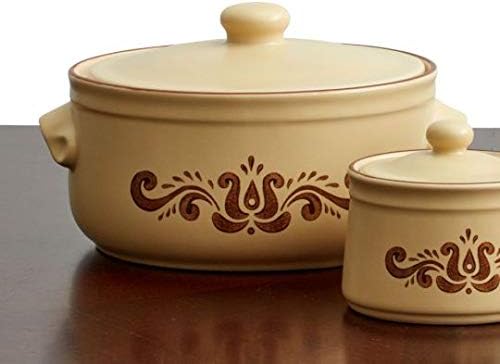
    The Pfaltzgraff Village pattern is a classic stoneware design introduced in 1970. It features a rustic, earthy motif inspired by traditional Pennsylvania Dutch folk art.

    Pfaltzgraff village Pattern

    The pattern includes various illustrations like barns, roosters, and trees.

    One unique feature about the Pfaltzgraff village pattern is that it is made in the USA; check here to see the 15 best dinnerware brands made in America.

    Pfaltzgraff, a well-known American pottery company at that time, produced this pattern, and it became quite popular for its charming and nostalgic aesthetic.

    Examples of the Pfaltzgraff village pattern collections are:

    Pfaltzgraff village Soup Cup & Saucer

    Pfaltzgraff Village Luncheon Plate 8 ½ inch service for 4 dinnerware

    USA-Made Pfaltzgraff Village Salad Plate

    Pfaltzgraff village stoneware Butter Dish

    Pfaltzgraff Village Art Serving Bowl

    Pfaltzgraff Coffee Mug

    Pfaltzgraff Snow Village 14-inch Oval Platter

    IS PFALTZGRAFF HIGH QUALITY?

    Yes, Pfaltzgraff is considered high quality because it’s crafted with durable, high-quality materials that undergo thorough testing for lead concern, sturdiness, and versatility for home, kitchen, and various occasion uses.

    The brand’s commitment to quality craftsmanship and independent lab testing for safety and longevity contributes to its reputation for reliable and attractive dinnerware.

    PFALTZGRAFF YORKTOWNE

    Pfaltzgraff Yorktowne refers to a popular dinnerware pattern produced by the pottery company Pfaltzgraff.

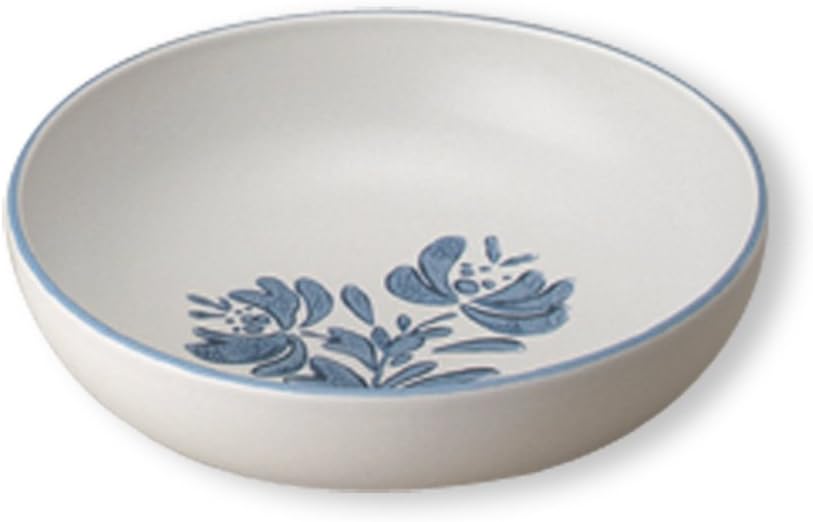
    Pfaltzgraff Yorktowne

    The design features a deep blue hand-applied floral motif on a cream background, with a traditional and timeless design.

    The Pfaltzgraff Yorktowne has been a staple in many households since its introduction in 1967, known for its durability and versatility.

    The collection includes various pieces such as plates, bowls, and special serving dishes, meeting various household needs.

    Furthermore, the Pfaltzgraff Yorktowne is made up of stoneware; it is also dishwasher, microwave, and freezer safe.

    Lastly, an example of the Pfaltzgraff Yorktowne types of dishes includes:

    Pfaltzgraff Yorktowne Covered Butter Dish

    Pfaltzgraff Yorktowne Corn Dishes

    Pfaltzgraff Yorktowne Jumbo Soup Mug

    Pfaltzgraff Yorktowne Salad Plate

    Pfaltzgraff Yorktowne Vegetable/Serve Bowl

    Pfaltzgraff Yorktowne Teapot

    Pfaltzgraff Yorktowne Dinner Plate

    Pfaltzgraff Yorktowne Rim Soup Bowl

    PFALTZGRAFF PATTERNS

    Pfaltzgraff Chateau Pattern

    There is hardly any brand of dinnerware that has one pattern or collection; the same goes for the Pfaltzgraff dinnerware brand, which comes in various patterns or collections, giving the power of choice to the consumer.

    These patterns come in various colors and designs and can fit various occasions. One takeaway is this: no matter your budget, you can purchase one or more patterns without much stress.

    Pfaltzgraff Trellis white Dinnerware Pattern

    In addition, the Pfaltzgraff dinnerware brand has more than 65 patterns or even more. Below are a few examples:

    Pfaltzgraff Winterberry pattern

    Pfaltzgraff Amelia Cream pattern

    Pfaltzgraff Janelle Pattern

    Pfaltzgraff Sadie pattern

    Pfaltzgraff village pattern

    Pfaltzgraff Venice Pattern dinnerware

    Pfaltzgraff Gabriela Gray/Blue pattern

    Pfaltzgraff Sylvia pattern

    Pfaltzgraff Arlie Gray pattern

    Pfaltzgraff Kenna pattern

    Pfaltzgraff Painted Poppies pattern

    Pfaltzgraff Havana pattern

    Pfaltzgraff Trellis White pattern

    Pfaltzgraff Evergreen Ernie pattern

    Pfaltzgraff Adina pattern

    Pfaltzgraff Chateau Cream pattern

    Pfaltzgraff Bumblebee pattern

    Pfaltzgraff Eclipse Blue pattern

    Pfaltzgraff Lexi pattern

    Pfaltzgraff Cassandra pattern

    Pfaltzgraff Pistoulet Red pattern

    Pfaltzgraff Rustic Leaves pattern

    Pfaltzgraff Panama pattern

    Pfaltzgraff Seraphina pattern

    Pfaltzgraff Isabella pattern

    Pfaltzgraff Farm House pattern

    Pfaltzgraff Hudson pattern

    Pfaltzgraff Maddox pattern

    Pfaltzgraff French Lace pattern

    Pfaltzgraff Jaimie pattern

    Pfaltzgraff Jules pattern

    VINTAGE PFALTZGRAFF

    Vintage Pfaltzgraff refers to dinnerware and pottery produced by the Pfaltzgraff Company in earlier decades, known for its quality craftsmanship and distinctive designs.

    Pfaltzgraff has a rich history dating back to the early 19th century, and vintage pieces are often characterized by handcrafted details, durable stoneware, and unique patterns.

    Some examples of vintage Pfaltzgraff patterns include:

    Yorktowne (1967- present): A popular blue and white pattern featuring a colonial-style design with a cobalt blue floral motif.

    Village (1970-1989): Earthy tones and a rustic feel define this pattern, which features a village scene with houses and trees.

    Heritage (1963-2008): Simple and elegant, Heritage showcases a cream-colored background with embossed details and a brown trim.

    Naturewood (1997-2005): Inspired by nature, this pattern features botanical elements like leaves and insects in earthy tones.

    Tea Rose (1985- present): Recognizable by its pink floral motif, Tea Rose adds a touch of classic charm to any table setting.

    These are just a few examples, and Pfaltzgraff has produced a wide range of patterns over the years.

    Collectors often appreciate vintage Pfaltzgraff for its nostalgic value, craftsmanship, and the enduring appeal of its timeless designs.

    PFALTZGRAFF DISCONTINUED PATTERNS

    Pfaltzgraff, like many other dinnerware manufacturers, has discontinued certain patterns over the years.

    Reasons for discontinuation can vary and may include changes in consumer preferences, production costs, or a desire to introduce new designs.

    Some examples of discontinued Pfaltzgraff patterns include “Yorktowne,” “Naturewood,” and “Folk Art.”

    Keep in mind that the availability of discontinued patterns may vary in the secondary market or through collectors.

    MOST VALUABLE PFALTZGRAFF MARKS

    Pfaltzgraff has various marks that collectors consider valuable, with older or discontinued patterns often holding a higher value.

    Some sought-after marks include early Yorktowne, Village, and Heirloom patterns.

    However, the value of Pfaltzgraff pieces can depend on factors like rarity, condition, and specific patterns.

  • ARE DISHES MADE IN CHINA SAFE

    Did you know that every dinnerware you use at home and on several occasions is linked to a country?

    Yes! Dinnerware brands are linked to various countries of origin. One popular country that manufactures dinnerware is China, but are dishes made in China safe?

    While this is what we will look at today, before that, we will first seek to understand how to test for lead in Chinese dishes and correct various erroneous views consumers have about China-made dishes.

    Then we will seek to establish examples of non-toxic dinnerware brands, their countries of origin, material makeup, and manufacturing processes that have made them earn the name lead-free dinnerware brands.

    CHINA DINNERWARE OVERVIEW

    Every choice of china dish you have didn’t just start yesterday, it has a long, rich history, and dishes made in China are often referred to as “china” or “porcelain”.

    China has a history of manufacturing dinnerware, mainly porcelain, dating back over 2,000 years, and this craft has been a closely guarded secret for centuries.

    Mora Ceramic Porcelain China Dinner Plates

    Traditional Chinese porcelain is made from a special type of clay called kaolin, combined with other minerals.

    Traditional Chinese porcelain production might differ for various brands, but it mainly involves clay preparation, shaping, glazing, and firing at extremely high temperatures.

    Gibson Home China Porcelain Dinnerware set

    The firing process results in a smooth, glass-like finish that is both durable and elegant.

    One key feature of Chinese-made dishes is that they are famous for their exquisite designs and decorations.

    Traditional Chinese dinnerware patterns often feature intricate blue and white motifs, although other colors and styles have been used throughout history.

    Porcelain square Dinner Plates for steak, pasta, salad and snacks

    Common motifs include dragons, phoenixes, flowers, and landscapes.

    For design and Decorations, Chinese dishes are famous for their varieties and produce a wide range of dinnerware, including plates, bowls, teapots, cups, and more.

    Today, Chinese dinnerware continues to be produced with both traditional craftsmanship and modern techniques. Contemporary designs and materials cater to a wide range of tastes and budgets.

    Finally, made-in-China dishes, or “Chinese porcelain” as fondly called, have attained Global Influence on ceramics and dinnerware worldwide.

    Malacasa china Porcelain Dessert Salad serving Plates

    It inspired European porcelain manufacturers, leading to the development of famous brands like Wedgwood and Meissen.

    ARE DISHES MADE IN CHINA SAFE?

    Are Dishes Made in China Safe

    Not all dishes made in China are safe because not all of them follow established safety standards; it is highly dependent on the manufacturer and its manufacturing methods.

    IS PORCELAIN SAFE TO EAT OFF OF?

    Yes, porcelain is safe to eat off of when it’s properly manufactured and food-grade certified.

    High-quality porcelain dinnerware is fired at extremely high temperatures (around 2,300-2,600°F), which creates a non-porous, glass-like surface that doesn’t absorb food particles or bacteria.

    Food-safe porcelain is free from harmful chemicals like lead and cadmium when made by reputable manufacturers following safety standards.

    To ensure safety, look for porcelain labeled as “food-safe,” “FDA-approved,” or compliant with California Prop 65 standards.

    Avoid using decorative or vintage porcelain pieces for food unless they’re specifically marked as food-safe, as older items may contain lead in their glazes or decorative elements.

    K.T.& K. S-V CHINA

    K.T. & K. stands for Knowles, Taylor & Knowles, a prominent American pottery company based in East Liverpool, Ohio.

    The company was originally founded in 1854 by Isaac Watts Knowles and Isaac Harvey, then reorganized in 1870 when Knowles’s son-in-law, John N. Taylor, and his son Homer S. Knowles joined the business.

    The company was formally incorporated in 1891.

    The marking “S-V” on your piece stands for “semi-vitreous,” which refers to the quality and fineness of the china.

    Semi-vitreous dinnerware represents everyday, durable pottery rather than fine porcelain. Your piece likely dates to around 1925, during the company’s semi-vitreous dinnerware production era.

    Throughout its history, Knowles, Taylor & Knowles produced various types of pottery, including yellow ware, Rockingham, ironstone, and semi-vitreous dinnerware.

    The company is best known for its Lotus Ware, a lightweight, translucent porcelain produced mainly in the 1890s that was designed to compete with Irish Belleek porcelain.

    In the 1860s-1870s, they made Rockingham and yellow earthenware, but when white ironstone hotel china was introduced in 1872, these earlier lines were discontinued.

    The company faced financial difficulties in the mid-1920s and ceased operations in 1931.

    Today, K.T. & K. pieces are considered moderately priced collectibles. While some designs are attractive, most sets don’t command high values as they were intended as everyday dinnerware rather than fine china.

    Important note: K.T. & K. should not be confused with Knowles China of Newell, West Virginia, which operated independently despite the family connection.

    IS BONE CHINA SAFE TO EAT OFF OF?

    is bone china safe to eat off of

    Yes, Bone China is safe to eat from.

    Modern Bone China meets FDA safety standards and is one of the most durable and safest dinnerware options available.

    Research and Manufacturers of Bone China dinnerware have confirmed that properly manufactured Bone China has zero percent of toxic elements like lead and cadmium, which makes it non-toxic and doesn’t leach harmful substances.

    Key safety factors:

    – High firing temperature (2,200-2,300°F) creates a non-porous surface that prevents bacterial growth

    – Lead-free glazes used in modern production (regulated since the 1970s)

    – Bone ash content (up to 50%) increases strength and decreases the risk of chipping

    The only exceptions are antique Bone China pieces made before 1970, which may contain lead in their glazes.

    For modern Bone China, look for certification from organizations like Prop 65 or FDA compliance stamps to ensure maximum safety.

    ARE DISHES MADE IN CHINA SAFE TO EAT?

    Are Dishes Made in China Safe to Eat

    Dishes made in China can be safe for serving food, but it’s important to exercise caution, especially with older or vintage items that may have been produced before modern safety standards were established.

    Always buy from reputable sources, inspect your dishes for damage, and follow proper use and care guidelines to ensure safety.

    If you have concerns about lead content, choose dishes that are labeled as lead-free or meet applicable safety standards in your region.

    DO DISHES MADE IN CHINA CONTAIN LEAD?

    Historically, there have been concerns about Lead in some China-made ceramic dishes because Lead glazes were used in the past and can potentially leach into food if the glaze is not properly formulated or if the dish is damaged.

    However, modern regulations in most countries, including China, have restricted the use of lead in ceramics for food use.

    Newer China dinnerware products are less likely to contain harmful levels of lead.

    Take, for example, we are all aware that Corelle dishes are made in the USA, but did you know that Corelle stoneware dishes are made in China, and guess what?

    They are safe for use and do not contain Lead.

    To learn more about China tableware, kindly read our guide on: Is China Tableware Microwave Safe?

    LEAD AND CADMIUM-FREE DINNERWARE BRANDS

    In case you aren’t convinced about using China-made dishes, there are other dinnerware sets made in various countries that are safe for use. Let’s see them below.

    We have already established the fact that some dinnerware is made with materials that can be harmful to you if they get into your food and then into your body.

    That’s why we recommend lead and cadmium-free brands because they are simply bowls, plates, and cups that are made without any trace of lead or cadmium metals.

    In other words, we can confidently say that Lead and cadmium-free dinnerware brands can also be called non-toxic dinnerware brands.

    These Non-toxic dinnerware sets are designed to be safe for food consumption and are typically made from materials that do not contain toxic elements or compounds.

    We can’t stress enough the effects of lead and cadmium when they get into our bodies; that’s why you should pay utmost attention to the type of dinnerware materials used in manufacturing to prevent any health risk or loss.

    It’s essential to use dinnerware that is lead and cadmium-free because it keeps you safe and healthy, just like having a superhero protecting your food!

    Below are the best dinnerware brands that are non-toxic and free from lead, cadmium, and other harmful materials:

    Corelle Lead-free winter frost dinnerware set

    Non-toxic Libbey glass plates and Bowls

    Fiesta lead-free ceramic dinnerware.

    Bormioli Rocco cadmium-free drinking glasses

    Non-toxic tempered Duralex glassware Brand

    HF Coors non-toxic dinnerware Brand

    Anchor Hocking’s non-toxic dinnerware brands

    Lead and cadmium-free Luminarc dinnerware and glassware brand

    IKEA non-toxic dinnerware.

    Pyrex non-toxic glass Brand

    Oneida safe Stainless steel Brand

    Vitrified glass safe dinnerware Brands

    WHAT YOU SHOULD KNOW ABOUT LEAD IN CHINA DISHES

    Lead in Chinese dishes is a concern because lead can be harmful if it leaches into food or drink, but is it only China we should be worried about?

    In many countries, including the United States, there are regulations and standards in place to limit the amount of lead that can be present in ceramics and other food contact materials.

    Manufacturers are typically required to meet these safety standards.

    In the United States, for example, tableware created in the United States and even from other nations must pass the FDA test or meet California Proposition 65.

    To further grasp this, keep in mind that modern china dishes and vintage china dishes were manufactured at different times, utilizing different materials and manufacturing methods, which undoubtedly influenced the outcome of the dinnerware.

    As a result, the question is, do all vintage dishes contain lead? The simple answer is yes and no because it is heavily dependent on a variety of elements such as manufacturing time, country of origin, material used, and manufacturing procedures.

    In addition, we can’t possibly deny that Vintage or antique china dishes, especially those made before the 1970s, may have been glazed with lead-based glazes.

    This is particularly true for hand-painted or hand-decorated items. If you have older dishes, be cautious and consider testing them for lead.

    It is typically recommended that you avoid using lead china plates for serving food, particularly acidic or high-temperature foods, and instead use them for ornamental purposes solely; this was even advocated by the popular Corelle brand for their vintage Corelle dishes.

    Finally, before you seek legal recourse if you discover that your new china dishes have excessive levels of lead, we have carefully highlighted numerous techniques to test for Lead in China dishes so you can prevent yourself and your family from harm and negative health impacts.

    HOW TO TEST FOR LEAD IN CHINA DISHES

    Testing for lead in your china dishes is a responsible way to ensure their safety, especially if you have concerns about the potential presence of lead in older or vintage items.

    Find below several methods you can use to test for lead in your china dishes:

    LEAD TEST KITS

    This is the easiest method to start with. Kindly purchase a Home Lead Test Kit. These kits are available at hardware stores, home improvement centers, and online retailers.

    They typically include test swabs or strips that change color in the presence of lead. Follow the kit’s instructions carefully for accurate results.

    XRF LEAD TESTING

    XRF stands for X-ray Fluorescence (XRF) Analyzer. This method is highly accurate and is often used by professionals.

    Portable XRF devices can be rented or used by specialists to analyze your dishes for lead content.

    They work by emitting X-rays and measuring the resulting fluorescence, which can determine the presence and concentration of lead.

    LABORATORY TESTING

    Professional Laboratory testing is done by simply sending a sample of your china dishes to a certified testing laboratory for a comprehensive analysis.

    This method provides precise information about lead content and is often used for important or valuable items.

    HOME LEAD PAINT TEST STRIPS

    Finally, you can use Lead Paint Test Strips. These are designed primarily for testing painted surfaces but can also be used on ceramics.

    They work similarly to lead test kits and change color in the presence of lead. Follow the instructions carefully.

    DOES VINTAGE BONE CHINA CONTAIN LEAD

    Vintage bone china can contain trace amounts of lead, primarily in the decorative glazes and hand-painted designs, because Lead was historically used in some glazes and paints to achieve certain colors and effects.

    However, if you intend to use vintage bone china for serving food, we recommend you test it for Lead first or purchase from trusted manufacturers that make use of safe manufacturing methods and materials.

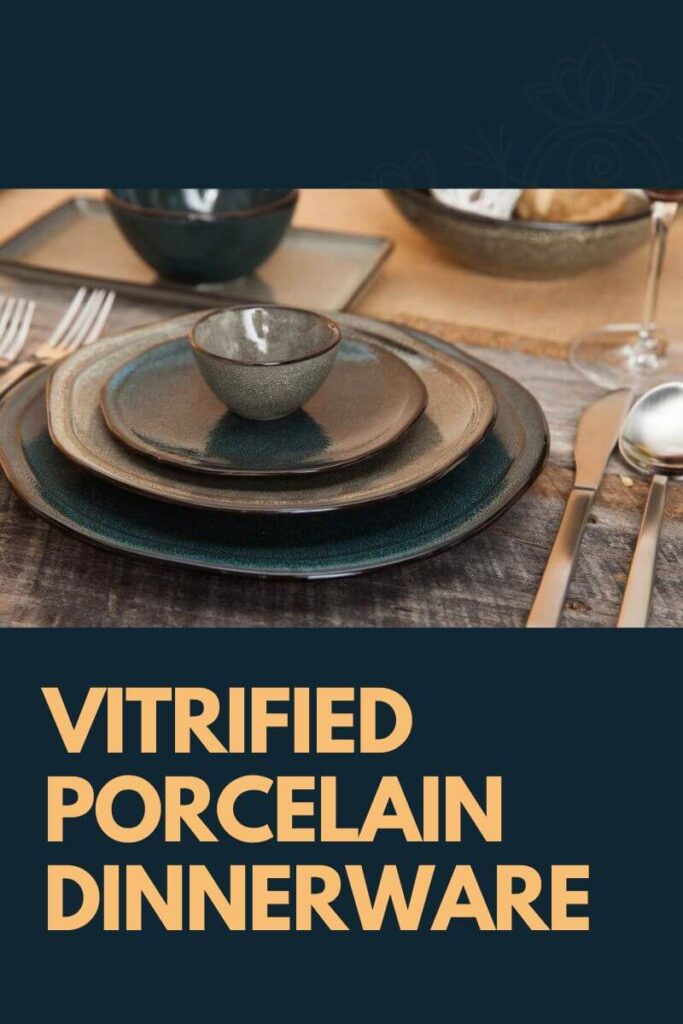
  • Vitrified Porcelain Dinnerware: The Complete Safety Guide for Smart Kitchen Choices

    You’re standing in the dinnerware aisle, overwhelmed by endless options promising durability, safety, and style.

    Your family’s health is your priority, but how do you distinguish between marketing claims and genuine kitchen safety?

    If you’ve ever wondered whether vitrified porcelain dinnerware lives up to its reputation as a safe, practical choice for families, you’re asking the right questions.

    Choosing the right dinnerware isn’t just about designs or beauty; it’s about making informed decisions that protect your loved ones from harmful chemicals, reduce replacement costs, and simplify your daily routine.

    This comprehensive guide will help you understand exactly what vitrified porcelain dinnerware is, why it matters for kitchen safety, and how to make the smartest choice for your family’s needs.

    Vitrified Glass Dinnerware

    Vitrified glass dinnerware is tableware made from glass that has undergone a vitrification process – heating the glass to extremely high temperatures (typically around 1,200-1,400°F or 650-760°C) until it becomes non-porous and fully fused.

    This process creates a material that is:

    • Extremely durable and chip-resistant
    • Non-porous (doesn’t absorb liquids, stains, or odors)
    • Hygienic and easy to clean
    • Thermal shock resistant (can withstand sudden temperature changes)
    • Dishwasher, microwave, and oven safe

    The vitrification process essentially transforms the glass into a dense, glass-like ceramic material that’s stronger than regular glass or pottery.

    Examples of Vitrified Glass Dinnerware Brands:

    • Corelle (by Corning) – The most famous brand, made from Vitrelle glass (a special triple-layer laminated glass)
    • Duralex (France) – Known for tempered vitrified glass products
    • Luminarc (by Arc International) – Offers vitrified tempered glass dinnerware
    • Arcoroc (by Arc International) – Commercial-grade vitrified glass tableware
    • Bormioli Rocco (Italy) – Produces tempered vitrified glass dinnerware
    • Anchor Hocking – Some lines feature vitrified glass construction
    • Cardinal Glassware – Commercial vitrified glass dinnerware.

    What Is Vitrified Porcelain Dinnerware?

    What is vitrified Porcelain dinnerware

    Vitrified porcelain dinnerware represents one of the safest and most durable options available for modern kitchens.

    The term “vitrified” comes from the Latin word “vitrum,” meaning glass, referring to the glass-like qualities achieved through a specific high-temperature manufacturing process.

    During vitrification, porcelain clay is fired at extremely high temperatures—typically between 2,200°F and 2,400°F (1,200°C to 1,315°C).

    This intense heat causes the clay particles to fuse completely, creating a dense, non-porous surface that’s virtually impermeable to liquids and bacteria.

    The result is dinnerware that’s significantly stronger and more hygienic than standard ceramic plates and bowls.

    The Science Behind Vitrification

    The vitrification process transforms ordinary clay into something extraordinary.

    As temperatures reach their peak, the silica and feldspar in the porcelain mixture begin to melt and flow, filling in microscopic gaps between clay particles.

    Vitrified glass dinnerware

    This creates a uniform, glass-like structure throughout the entire piece, not just on the surface.

    This scientific process directly impacts your family’s safety.

    The non-porous nature of vitrified porcelain means bacteria, food particles, and stains cannot penetrate the surface, making your dinnerware inherently more hygienic than porous alternatives.

    Key Safety Benefits of Vitrified Porcelain

    When you’re prioritizing kitchen safety and smart kitchenware choices, vitrified porcelain dinnerware offers several compelling advantages that directly impact your family’s well-being.

    Chemical-Free Food Contact

    Unlike some plastic dinnerware that may leach harmful chemicals like BPA or phthalates, vitrified porcelain is completely inert.

    This means it won’t react with acidic foods like tomatoes or citrus fruits, eliminating concerns about chemical migration into your meals.

    Vitrified china dinnerware

    For families with young children who are particularly vulnerable to chemical exposure, this peace of mind is invaluable.

    Superior Hygiene Standards

    The non-porous surface of vitrified porcelain prevents bacterial growth and eliminates microscopic hiding places for germs.

    This is particularly crucial for families dealing with food allergies or immune system concerns.

    Unlike wooden cutting boards or porous ceramics that can harbor bacteria even after washing, vitrified porcelain can be truly sanitized with standard dishwashing practices.

    Heat and Thermal Shock Resistance

    Quality vitrified porcelain can safely transition from freezer to oven to dishwasher without cracking or breaking.

    This thermal stability means you can serve hot foods without worrying about sudden temperature changes causing dangerous breaks or chips that could injure family members.

    Is Vitrified Porcelain Dinnerware Safe?

    Yes, vitrified porcelain is very safe when properly manufactured:

    Safety Benefits:

    • Chemical-free: No BPA, phthalates, or harmful plastics
    • Non-reactive: Won’t leach chemicals into food
    • Non-porous: Prevents bacterial growth and contamination
    • Lead-free: Modern pieces from reputable manufacturers
    • Heat-stable: Safe temperature transitions

    Safety Considerations:

    • Choose certified manufacturers with FDA compliance
    • Avoid antique or unknown-origin pieces (potential lead content)
    • Replace chipped or cracked pieces immediately
    • Follow manufacturer guidelines for temperature limits

    Compared to Alternatives:

    • Safer than plastic (no chemical leaching)
    • More hygienic than porous ceramics
    • Less breakage risk than regular glass

    Different Types of Porcelain Plates

    Manufacturing Process:

    • Hard-paste porcelain: Traditional European-style, highest quality
    • Soft-paste porcelain: Lower firing temperature, more decorative
    • Bone china: Contains bone ash, very durable and translucent
    • Vitrified porcelain: Glass-like, non-porous, maximum durability

    By Finish:

    • Glazed porcelain: Shiny, easy-to-clean surface
    • Matte porcelain: Non-reflective finish, modern aesthetic
    • Textured porcelain: Raised patterns or surfaces

    Intended Use:

    • Fine dining porcelain: Thin, elegant, formal occasions
    • Everyday porcelain: Thicker, more durable for daily use
    • Commercial porcelain: Extra-thick, designed for restaurant use
    • Oven-to-table porcelain: Heat-resistant for cooking and serving.

    How Vitrified Porcelain Compares to Other Dinnerware Materials

    Understanding how vitrified porcelain stacks up against other popular dinnerware options helps you make the most informed decision for your family’s safety and budget.

    Vitrified Porcelain vs. Regular Ceramic

    Regular ceramic dinnerware often has a more porous structure, making it more susceptible to staining, bacterial growth, and gradual deterioration.

    While both are fired clay products, the higher temperatures and longer firing times used in vitrification create a significantly superior product for kitchen safety.

    Standard ceramic may also be more prone to chipping and cracking under normal use, potentially creating sharp edges that pose safety risks, especially in households with children.

    For more comparison, see our guide on the difference between vitrelle glass and porcelain dinnerware.

    Vitrified Porcelain vs. Glass Options

    While both vitrified porcelain and quality glass dinnerware offer excellent safety profiles, they each have distinct advantages.

    Glass is completely transparent to microwave energy and offers unmatched visibility for food presentation, but it can be more susceptible to thermal shock and breakage.

    Vitrified porcelain typically offers better heat retention for serving hot meals and often provides superior durability for everyday family use.

    The choice between these materials often comes down to personal preference and specific family needs rather than safety concerns.

    See more comparison here: vitrelle glass vs opal glass distinctions, and is porcelain stronger than regular glass?

    Difference between Stoneware and Vitrified Porcelain

    Stoneware:

    • Made from coarser clay fired at lower temperatures (2,100°F-2,300°F)
    • More porous structure, though still durable
    • Thicker, heavier construction
    • More rustic, casual appearance
    • Good heat retention, but more prone to thermal shock
    • Less expensive to manufacture
    • More susceptible to staining and bacterial absorption

    Vitrified Porcelain:

    • Made from fine clay fired at higher temperatures (2,200°F-2,400°F)
    • Non-porous, glass-like structure
    • Thinner, lighter construction with superior strength
    • Elegant, refined appearance
    • Better thermal shock resistance
    • More expensive but longer-lasting
    • Completely non-porous, preventing bacterial growth and staining

    Key Safety Difference: Vitrified porcelain’s non-porous nature makes it significantly more hygienic for food safety.

    Vitrified China vs Bone China Comparison

    FeatureVitrified ChinaBone China
    CompositionMade from a mixture of clay, feldspar, and quartz/silica; fired at very high temperatures (1,200-1,400°C)Contains 25-50% bone ash (from animal bones), plus kaolin clay and feldspar
    PorosityIvory-white with a warm tone; highly translucent when held to lightLow porosity but slightly more porous than vitrified china
    DurabilityExtremely durable, chip-resistant, and impact-resistant; ideal for commercial useMore delicate and prone to chipping; requires careful handling
    WeightHeavier and thickerLighter and thinner while maintaining strength
    AppearanceWhite to off-white; less translucent; more opaqueTraditionally, England, now also China, Japan
    Price PointMore affordable; budget to mid-rangePremium to luxury pricing; more expensive
    Best UseCommercial settings (restaurants, hotels, cafeterias); everyday home useFine dining, special occasions, elegant table settings
    Dishwasher SafeYes, highly dishwasher safe and resistant to harsh detergentsTraditionally England, now also China, Japan
    Microwave SafeYes, excellent for microwave useUsually yes, but check manufacturer guidelines
    Thermal Shock ResistanceExcellent; can withstand sudden temperature changesModerate; more susceptible to thermal shock
    Stain ResistanceExcellent; non-porous surface resists stainingGood, but may stain over time with heavy use
    Manufacturing OriginWorldwide; mass-producedGenerally, yes, but requires a gentle cycle and careful handling
    Longevity in Commercial UseExcellent; 3-5+ years in heavy useFair; chips and breaks more easily in commercial settings

    What is Vitrified Porcelain Dinnerware Used For?

    Primary Uses:

    • Daily meal service: Plates, bowls, cups for family dining
    • Food storage: Non-reactive surface safe for refrigerator storage
    • Serving: Platters and serving dishes for entertaining
    • Baking dishes: Oven-safe varieties for cooking and serving

    Specific Applications:

    • Hot beverage service: Coffee cups and tea sets
    • Acidic food service: Safe for tomatoes, citrus, vinegar-based foods
    • Children’s meals: Non-toxic, easy-to-clean surface
    • Special dietary needs: Ideal for families with food allergies (non-porous prevents cross-contamination)

    Commercial Uses:

    • Restaurant and hotel dining
    • Healthcare facilities (easy sanitization)
    • Catering services
    • Institutional dining.

    Disadvantages of Porcelain Plates

    Cost Considerations:

    • Higher initial investment compared to ceramic or melamine
    • Replacement costs can be significant for quality pieces

    Handling Concerns:

    • Can chip or crack if dropped, especially on hard surfaces
    • Broken pieces can create sharp edges (safety hazard)
    • Requires careful storage to prevent damage

    Practical Limitations:

    • Not suitable for extreme temperature changes without a gradual transition
    • Some pieces may not be microwave-safe if they contain metallic elements
    • Can be slippery when wet, increasing drop risk

    Weight Factor:

    • Heavier than some alternatives, like melamine or lightweight ceramics
    • It may be challenging for elderly users or children to handle safely.

    Vitrified Porcelain Brands (Examples)

    Villeroy & Boch Premium  Porcelain Dinnerware

    Premium Brands:

    Mid-Range Quality:

    • Gibson: Affordable vitrified porcelain options
    • Pfaltzgraff: Brand with safety certifications
    • Mikasa: Wide variety of vitrified porcelain collections

    Commercial/Restaurant Grade:

    • Homer Laughlin: Professional-grade vitrified china
    • International Tableware (ITI): Commercial foodservice focus
    • World Tableware: Heavy-duty vitrified porcelain

    Budget-Friendly Options:

    • 10 Strawberry Street: Basic vitrified porcelain sets
    • Mainstays (Walmart brand): Entry-level vitrified pieces

    Key Selection Tip: Always verify FDA compliance and look for “lead-free” certifications regardless of brand or price point. Quality vitrified porcelain should clearly state its safety standards and the manufacturing country.

    Identifying Quality Vitrified Porcelain Dinnerware

    Not all products labeled as “vitrified porcelain” meet the same quality standards. Learning to identify truly high-quality pieces ensures you’re making a smart investment in your family’s kitchen safety.

    Visual and Tactile Inspection

    High-quality vitrified porcelain has a smooth, glass-like surface with a subtle translucent quality when held up to light.

    The edges should be perfectly smooth without rough spots that could indicate incomplete vitrification.

    When you tap quality vitrified porcelain with your fingernail, it should produce a clear, ringing sound rather than a dull thud.

    Manufacturer Standards and Certifications

    Look for dinnerware that meets or exceeds FDA standards for food contact surfaces.

    Reputable manufacturers will clearly state their compliance with safety regulations and often provide additional certifications from organizations like NSF International or similar food safety authorities.

    Weight and Thickness Considerations

    Quality vitrified porcelain feels substantial without being overly heavy. The walls should be thick enough to provide durability but not so thick that the pieces become unwieldy for daily use.

    This balance indicates proper manufacturing processes and quality control.

    Maintenance and Care for Maximum Safety

    Proper care of your vitrified porcelain dinnerware ensures it maintains its safety benefits and extends its lifespan, making it a truly smart kitchen investment.

    Daily Cleaning Best Practices

    Despite being dishwasher safe, hand washing vitrified porcelain with warm, soapy water often provides the best results for maintaining its appearance and safety properties.

    Use non-abrasive sponges to avoid microscopic scratches that could potentially compromise the surface integrity over time.

    For stubborn stains or food residue, a paste made from baking soda and water provides gentle yet effective cleaning without harsh chemicals that could affect food safety.

    Long-term Maintenance Strategies

    Regularly inspect your vitrified porcelain for chips or cracks, especially around edges and handles.

    Even small damage can compromise the non-porous properties that make this material so safe for food contact.

    Replace damaged pieces promptly to maintain your kitchen’s safety standards.

    Store pieces carefully with adequate padding between stacked items to prevent chips that could create safety hazards during use.

    Common Concerns and Misconceptions

    Many families have questions or concerns about vitrified porcelain dinnerware based on outdated information or confusion with other materials.

    Lead Content Worries

    Modern vitrified porcelain dinnerware from reputable manufacturers is lead-free, especially pieces manufactured after current safety regulations took effect.

    However, antique or imported pieces of unknown origin may contain lead in glazes, so stick to certified, contemporary products from established manufacturers.

    Microwave and Oven Safety

    Quality vitrified porcelain is generally safe for microwave use, though pieces with metallic trim should be avoided.

    For oven use, gradually preheat the dinnerware with the oven to prevent thermal shock, and always verify manufacturer recommendations for temperature limits.

    Durability Expectations

    While vitrified porcelain is highly durable, it’s not indestructible. Setting realistic expectations helps prevent disappointment and ensures proper care.

    Vitrified ware for salad and Desserts

    With reasonable care, quality vitrified porcelain can last decades, making it an excellent long-term investment for family kitchen safety.

    Making the Smart Choice for Your Family

    Selecting vitrified porcelain dinnerware represents a commitment to both safety and practicality in your kitchen.

    This material offers the perfect balance of chemical safety, durability, and ease of maintenance that busy families need.

    When shopping, prioritize pieces from established manufacturers with clear safety certifications over cheaper alternatives of questionable origin.

    Consider starting with basic place settings to test the quality and gradually building your collection as your budget allows.

    Remember that investing in quality dinnerware is ultimately more economical than repeatedly replacing inferior products that chip, crack, or pose safety concerns over time.

    Your family deserves dinnerware that supports both safety and convenience in your daily routine.

    Vitrified porcelain dinnerware delivers on both fronts, providing peace of mind with every meal while standing up to the demands of active family life.

    Ready to explore safer kitchenware options? Check out our detailed comparisons of different dinnerware materials and discover which lead-free porcelain dinnerware brands offer the best combination of safety and value for your family’s needs.