Tag: French glassware

  • Waterford Marquis Patterns

    You’re setting the table for Sunday dinner, and as you place that special crystal glass next to each plate, it catches the light from your dining room chandelier and sends tiny rainbows dancing across the wall.

    That magical sparkle? That’s the beauty of fine crystal working its charm in your everyday life.

    Waterford Marquis Patterns represent some of the world’s most beloved crystal designs, bringing elegance and sophistication to homes everywhere.

    These stunning pieces feature intricate cuts and timeless designs that transform ordinary moments into special occasions.

    Are you planning on serving morning coffee in a crystal mug or toasting a birthday with champagne flutes?

    These beautiful patterns add that touch of luxury we all crave.

    From geometric brilliance to classic elegance, these designs offer something for every taste and budget, making your everyday meals feel special and turning your kitchen counter into a showcase.

    WHAT MAKES WATERFORD MARQUIS PATTERNS SPECIAL?

    Waterford Marquis patterns represent the perfect marriage of traditional Irish craftsmanship and contemporary accessibility.

    These pieces bring sophistication to every occasion, making them ideal for both everyday use and special celebrations.

    The genius of Marquis lies in its positioning. It’s not quite the full Waterford experience, which can cost a small fortune, but it’s far from ordinary glassware.

    Think of it as the premium economy of crystal: you get the prestige, the beauty, and much of the craftsmanship at a price that won’t require you to sell your grandmother’s jewellery.

    The Heritage Behind the Patterns

    Waterford Crystal has been synonymous with luxury since 1783, when brothers George and William Penrose established their glasshouse in Ireland.

    The Marquis line was introduced as a way to bring Waterford’s renowned design aesthetic to a broader audience without compromising on quality.

    Each piece is finely crafted under the meticulous eye and exacting standards of Waterford, ensuring that even the more accessible Marquis line maintains the brand’s reputation for excellence.

    waterford marquis patterns

    Classic Patterns That Never Go Out of Style:

    Markham Pattern:
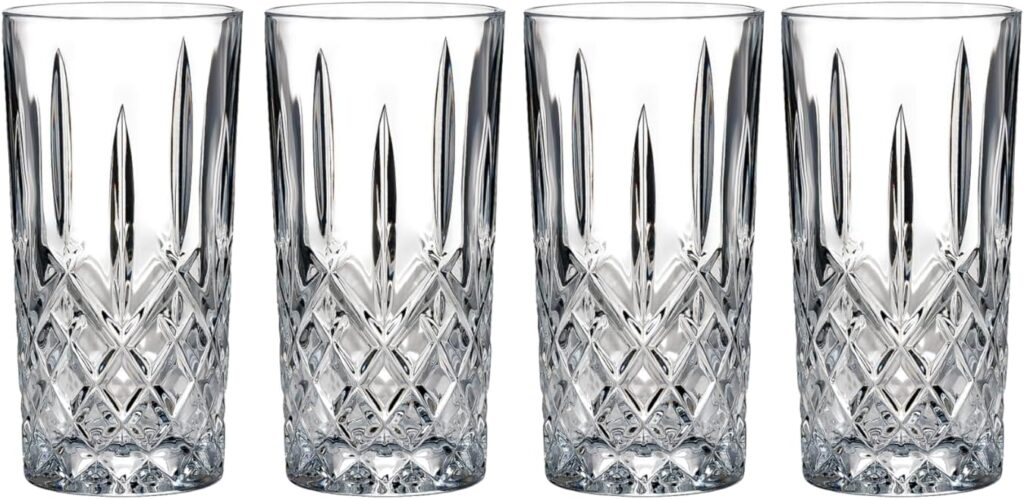
    Waterford Marquis Markham pattern

    The Markham pattern is like the little black dress of crystal, elegant, versatile, and always appropriate.

    With its distinctive diamond cuts and clean lines, it’s perfect for both formal dinners and casual gatherings. The pattern creates a beautiful play of light that makes even tap water look sophisticated.

    Lacey Pattern:

    Marquis waterford Lacey pattern bowl

    Looking like delicate Irish lace, the Lacey pattern features intricate crosshatch designs that create stunning visual texture.

    It’s particularly popular among collectors who appreciate detailed craftsmanship and want pieces that serve as conversation starters.

    Brookside Pattern:

    Marquis waterford Brookside Goblet

    The Brookside pattern offers a more contemporary take on traditional crystal cutting.

    Its flowing lines and curved cuts create a modern aesthetic that appeals to younger collectors while maintaining the timeless quality for which Waterford is known.

    Other Popular Marquis Patterns (Current & Recent) include :

    • Brady
    • Caprice
    • Carberry
    • Carlisle
    • Celebrating
    • Centra
    • Chelsea
    • Chrystal
    • Clarion
    • Corbel
    • Crescent
    • Crosby
    • Dearborn
    • Devlin
    • Dunlevy
    • Eldridge
    • Emilia
    • Emmet
    • Encore
    • Fairmont
    • Hanover
    • Harper
    • Hawthorne
    • Hayden
    • Henley
    • Hourglass
    • Huntley
    • Kells
    • Lexington
    • Liberty
    • Logan
    • Maxwell
    • Melrose
    • Noblesse
    • Northbridge
    • Omega
    • Phoenix
    • Rainfall
    • Rainfall Gold
    • Regal
    • Shelton
    • Sheridan
    • Sparkle
    • Vintage
    • Waterford Wishes
    • Whirlpool
    • Woodside

    Discontinued/Vintage Marquis Patterns:

    • Ashbourne
    • Beamish
    • Belfast
    • Canterbury
    • Cavalier
    • Haddon
    • Hanover Square
    • Honour
    • Montrose
    • Newberry
    • Sherborne
    • Treviso
    • Versa
    • Vintage (original)

    Special/Limited Edition Patterns:

    • Holiday Collection patterns (seasonal releases)
    • Anniversary editions
    • Commemorative patterns
    • Regional exclusives

    Pattern Categories:

    1. Traditional Cut Patterns – Classic diamond and geometric cuts
    2. Contemporary Designs – Modern, simplified cutting styles
    3. Floral/Organic Motifs – Nature-inspired patterns
    4. Textured Patterns – Complex surface designs
    5. Minimalist Patterns – Clean, simple lines

    Note: Waterford regularly updates its Marquis line, so some patterns may be discontinued while new ones are introduced. For the most current availability, it’s best to check with authorised Waterford retailers or their official website.

    SEASONAL AND SPECIAL EDITION PATTERNS

    Waterford regularly releases limited edition Marquis patterns that become highly sought after by collectors. These pieces often feature:

    • Holiday themes with festive motifs
    • Anniversary editions celebrating milestones
    • Collaborative designs with renowned artists
    • Regional patterns inspired by Irish heritage.

    UNDERSTANDING WATERFORD MARQUIS VS. TRADITIONAL WATERFORD

    FeatureTraditional WaterfordMarquis by Waterford
    ProductionHand-cut in IrelandMachine-cut, hand-finished
    Lead Content33% lead crystal24% lead crystal
    ComplexityHighly intricate cutsSimplified elegant cuts
    AvailabilityLimited productionWidely available
    MarkingSigned with acid stampLaser-etched “M”

    The key difference is beyond price, it’s a matter of philosophy.

    Traditional Waterford is about owning a piece of art. Marquis is about living with beautiful, functional pieces that enhance your daily life.

    HOW TO IDENTIFY AUTHENTIC WATERFORD MARQUIS PATTERNS

    The Telltale Signs:

    The Laser-Etched Mark: All genuine Marquis pieces feature a small “M” laser-etched into the glass. This mark is typically found on the base and is your first indication of authenticity.

    Quality of Cut: Even though Marquis pieces are machine-cut, the quality remains exceptional. The cuts should be clean, sharp, and consistent. Poor imitations often have rough edges or inconsistent patterns.

    Weight and Feel: Authentic Marquis crystal has a substantial weight due to its lead content. It should feel solid in your hand and produce a clear, bell-like tone when gently tapped.

    Pattern Consistency: Genuine Waterford Marquis patterns are precisely consistent across pieces in the same collection. Variations in pattern alignment or depth suggest imitation pieces.

    Red Flags to Watch For

    • Missing or poorly executed markings
    • Unusually low prices from unknown sellers
    • Inconsistent pattern details between pieces
    • Rough or unfinished edges on cuts
    • Lightweight feel compared to genuine pieces.

    CARING FOR YOUR WATERFORD MARQUIS COLLECTION

    Daily Maintenance:

    Your Marquis pieces want to be used, not hidden away. Here’s how to keep them sparkling:

    Hand Washing Only: Never put your Marquis crystal in the dishwasher. The high temperatures and harsh detergents can damage the crystal and dull the cuts. Instead:

    1. Use warm (not hot) water
    2. Add a small amount of mild dish soap
    3. Wash gently with a soft sponge
    4. Rinse thoroughly with clean water
    5. Dry immediately with a lint-free cloth

    Storage Solutions

    • Use cloth separators between stacked pieces
    • Store upright when possible to prevent stress on delicate stems
    • Avoid temperature extremes in storage areas
    • Keep away from direct sunlight to prevent potential damage

    Deep Cleaning and Restoration

    For pieces that have developed cloudiness or stubborn stains:

    White Vinegar Solution: Mix equal parts white vinegar and water for a natural cleaning solution that removes mineral deposits without damaging the crystal.

    Professional Restoration: For valuable or damaged pieces, consider professional restoration services. Many crystal specialists can repair chips, restore clarity, and even recreate missing pieces in discontinued patterns.

    BUILDING YOUR WATERFORD MARQUIS COLLECTION

    Starting Your Collection: The Essentials

    The Foundation Four

    1. Wine glasses (red and white wine varieties)
    2. Champagne flutes for celebrations
    3. Tumblers for everyday use
    4. A decanter for special occasions

    Budget-Friendly Collecting Tips

    • Start with open stock pieces rather than complete sets
    • Watch for seasonal sales at authorised retailers
    • Consider discontinued patterns for unique finds
    • Mix patterns thoughtfully for an eclectic yet cohesive look

    Advanced Collecting Strategies

    Pattern Appreciation: As your collection grows, you’ll develop preferences for certain cut styles. Some collectors focus on:

    • Geometric patterns with clean, mathematical precision
    • Floral motifs that showcase organic beauty
    • Traditional cuts that echo historical designs
    • Contemporary patterns that reflect modern aesthetics

    Investment Pieces: While Marquis isn’t typically considered an investment like traditional Waterford, certain pieces do appreciate:

    • Limited editions from significant years
    • Discontinued patterns that develop cult followings
    • Complete sets in popular patterns
    • Commemorative pieces marking special events.

    THE ART OF USING WATERFORD MARQUIS

    Entertaining with Elegance:

    Formal Dining: Your Marquis pieces aren’t museum pieces; they’re meant to be used. For formal dinners:

    • Match the glass to the beverage for optimal enjoyment
    • Consider the pattern’s formality when setting the table
    • Mix textures by combining crystal with fine china and silver
    • Use accent lighting to highlight the crystal’s brilliance

    Casual Sophistication: The beauty of the Marquis is its versatility. You can use these pieces for:

    • Sunday morning coffee in crystal mugs
    • Afternoon tea with crystal sugar bowls
    • Weekend gatherings with friends
    • Solo dining that feels special

    Pairing Patterns with Occasions:

    Holiday Entertaining: Certain Marquis patterns shine during specific seasons:

    • Winter patterns with geometric cuts reflect candlelight beautifully
    • Spring designs with floral motifs complement fresh flowers
    • Summer patterns with lighter cuts feel breezy and casual
    • Autumn designs with rich textures match seasonal decor.

    FREQUENTLY ASKED QUESTIONS ABOUT WATERFORD MARQUIS PATTERNS

    What’s the difference between Waterford and Marquis by Waterford?

    The primary differences lie in production methods and price points. Traditional Waterford crystal is hand-cut in Ireland with 33% lead content, while Marquis pieces are machine-cut with hand-finishing and contain 24% lead crystal.

    This makes Marquis more accessible while maintaining much of the beauty and quality associated with the Waterford name.

    Are Waterford Marquis patterns discontinued frequently?

    Waterford regularly updates its Marquis line, introducing new patterns while discontinuing others.

    This practice keeps the collection fresh and contemporary.

    However, popular patterns often remain available for years, and discontinued patterns can sometimes be found through specialty retailers or secondary markets.

    How can I tell if my Waterford Marquis is vintage?

    Vintage Marquis pieces (typically those from the 1980s and 1990s) often have different marking styles and may feature patterns no longer in production.

    Look for the marking style, research the pattern name, and check production dates. Vintage pieces can be particularly valuable to collectors.

    What’s the best way to start collecting Waterford Marquis?

    Begin with pieces you’ll use regularly wine glasses, tumblers, or serving pieces. This approach ensures you’ll appreciate your collection daily while building knowledge about different patterns and cuts.

    Start with one pattern to create cohesion, then expand to complementary designs.

    Can I mix different Marquis patterns?

    Absolutely! Mixing patterns can create visual interest and reflect your style.

    The key is finding common elements, similar cut styles, complementary formality levels, or shared design themes.

    Many collectors create beautiful, eclectic collections by thoughtfully combining different patterns.

    CONCLUSION

    Waterford Marquis patterns represent more than just beautiful glassware; they’re your gateway into a world where everyday moments become special occasions.

    Whether you’re drawn to the geometric precision of the Markham pattern, the delicate beauty of Lacey, or the contemporary elegance of Brookside, each piece tells a story of craftsmanship, tradition, and personal style.

    The beauty of collecting Marquis lies not just in the pieces themselves, but in the memories they help create.

    Every dinner party, celebration, or quiet evening becomes elevated when surrounded by crystal that catches the light and captures the imagination.
  • The Ultimate Guide to the Names of Crystal Glassware

    You’re at a fancy restaurant and the waiter asks if you’d like your wine in a Bordeaux glass or a Burgundy glass.

    Or maybe you’re shopping online and keep seeing terms like “highball,” “tumbler,” and “snifter,” but have no idea what they look like. Sound familiar?

    Don’t worry, you’re not alone in feeling confused by all these fancy glass names. Learning the names of crystal glassware doesn’t have to be scary or complicated.

    Once you know the basic names and what each glass is used for, you’ll feel much more confident whether you’re shopping, entertaining guests, or just trying to set your table properly.

    The good news is that most crystal glassware brand names are pretty simple once you understand what they mean.

    Each name usually tells you something about the glass’s shape, size, or what drink it’s meant for.

    Let’s break down the most common ones you’ll use in real life.

    THE ART OF CRYSTAL NOMENCLATURE: WHY NAMES MATTER

    Crystal glassware names aren’t merely decorative labels; they’re roadmaps to history, craftsmanship, and value.

    Each name tells a story, sometimes of the artisan who created the design, the region where it originated, or the technique used to achieve its distinctive appearance.

    Understanding these names serves multiple purposes for the discerning collector:

    Authentication and Investment Protection: Knowing the proper terminology helps you identify genuine pieces and avoid costly mistakes.

    A true Baccarat “Harcourt” tumbler carries significantly more value than a well-made imitation.

    Historical Appreciation: Many crystal names honour centuries-old traditions. Waterford’s “Lismore” pattern, for instance, pays homage to the Irish castle town where the company’s founders once lived.

    Collecting Strategy: Familiarity with naming conventions helps you build cohesive collections and understand which pieces complement one another.

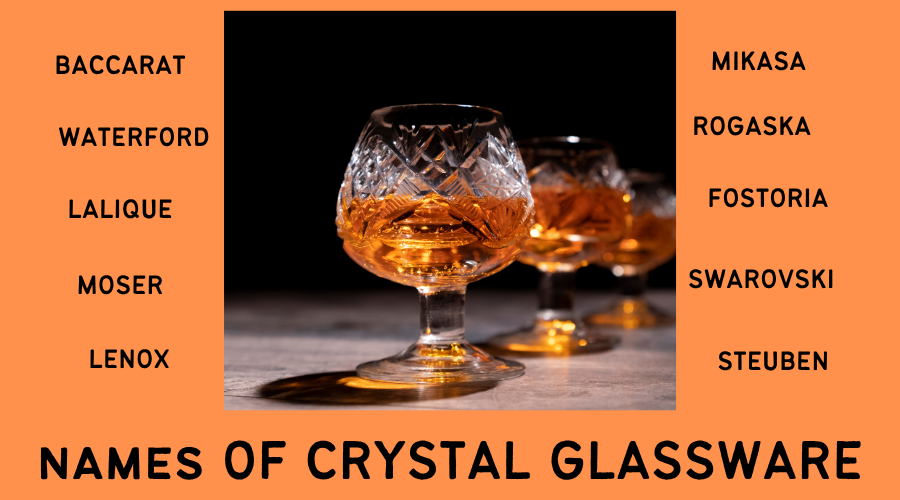
    NAMES OF CRYSTAL GLASSWARE MANUFACTURER BRANDS

    names of crystal glassware

    Before diving into specific patterns, it’s essential to understand that the names of crystal glassware begin with the manufacturers themselves.

    These brand names represent centuries of craftsmanship and serve as the foundation of any crystal discussion.

    Luxury Crystal House Names

    The Elite Tier: These names command immediate respect in crystal circles:

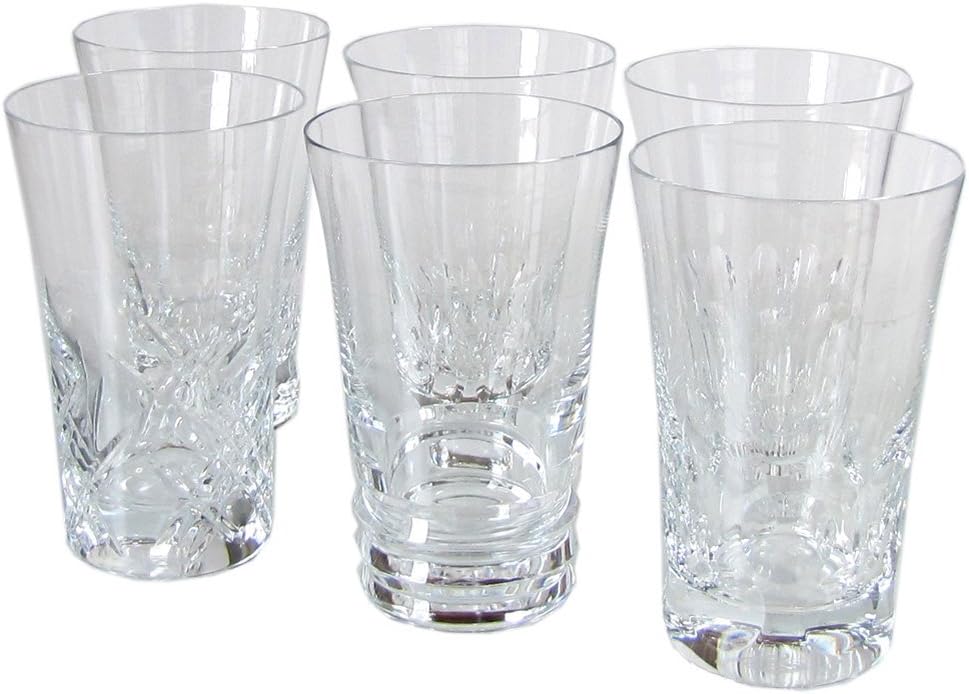
    Baccarat crystal highball glass set
    • Baccarat (France): The undisputed king of crystal, synonymous with perfection since 1764

    waterford markham iced beverage glass set
    • Waterford (Ireland): Ireland’s crystal ambassador to the world

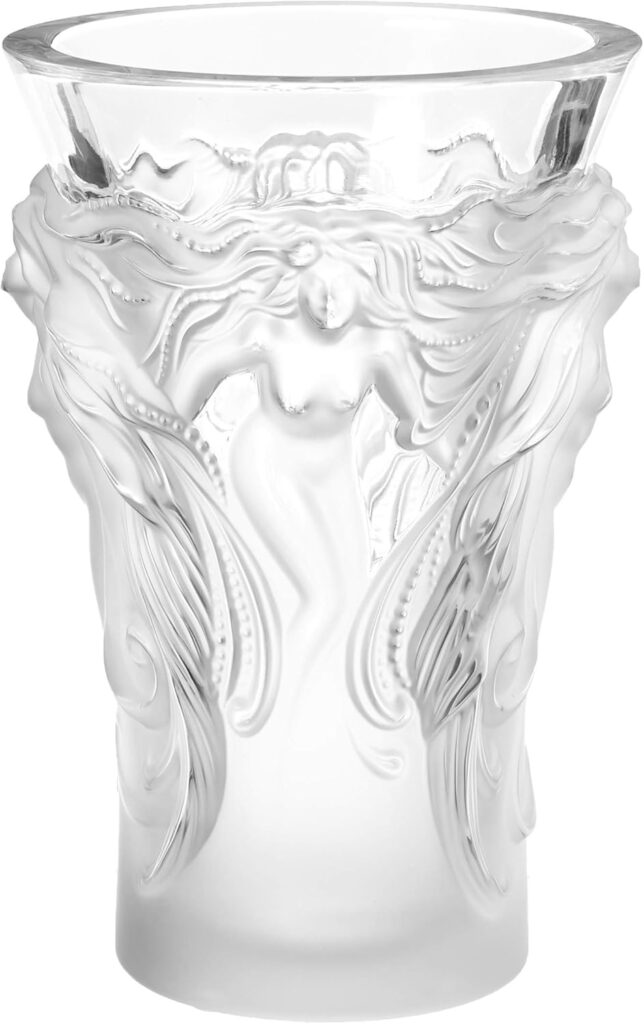
    Lalique crystal vase
    • Lalique (France): Where art meets functionality in perfect harmony

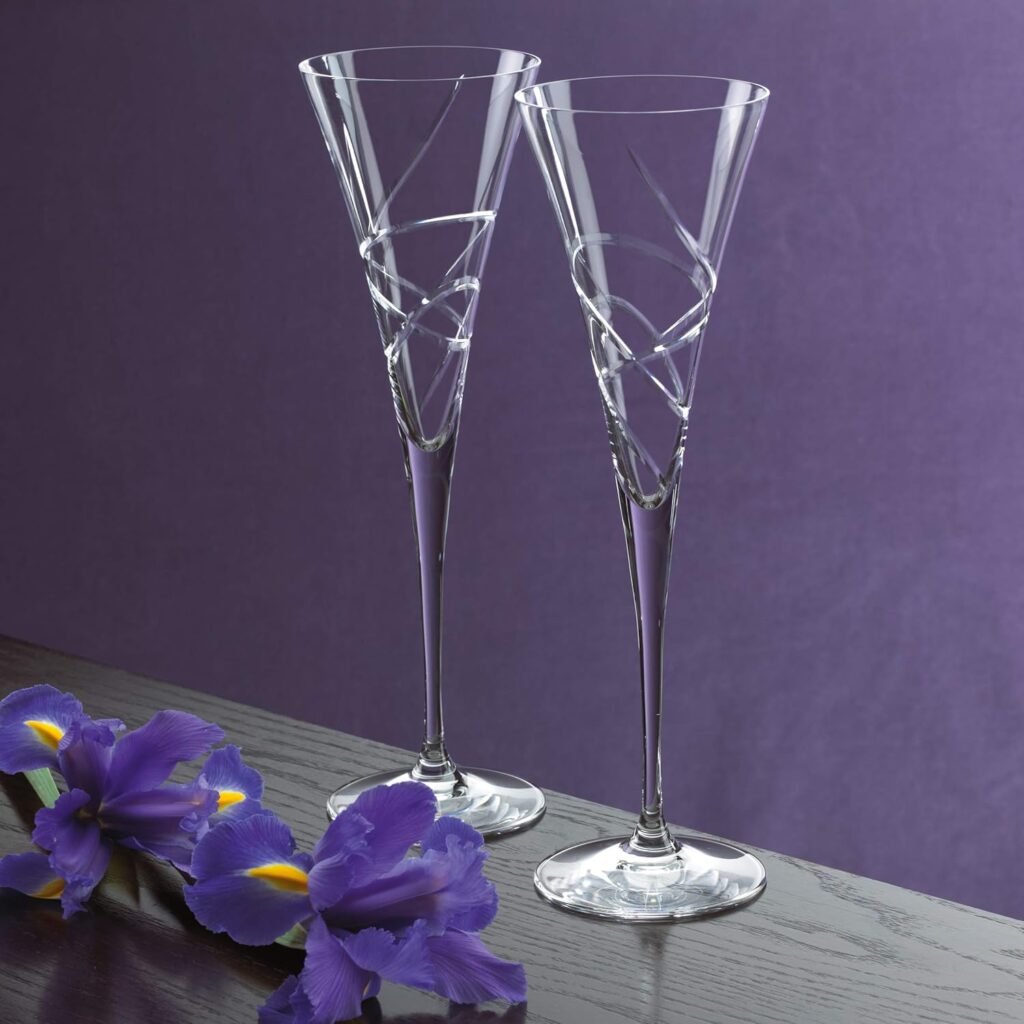
    Swarovski crystalline toasting flutes
    • Swarovski (Austria): Precision-cut brilliance that captures light like no other
    • Steuben (USA): America’s answer to European crystal excellence

    The Artistic Innovators: Names that push creative boundaries:

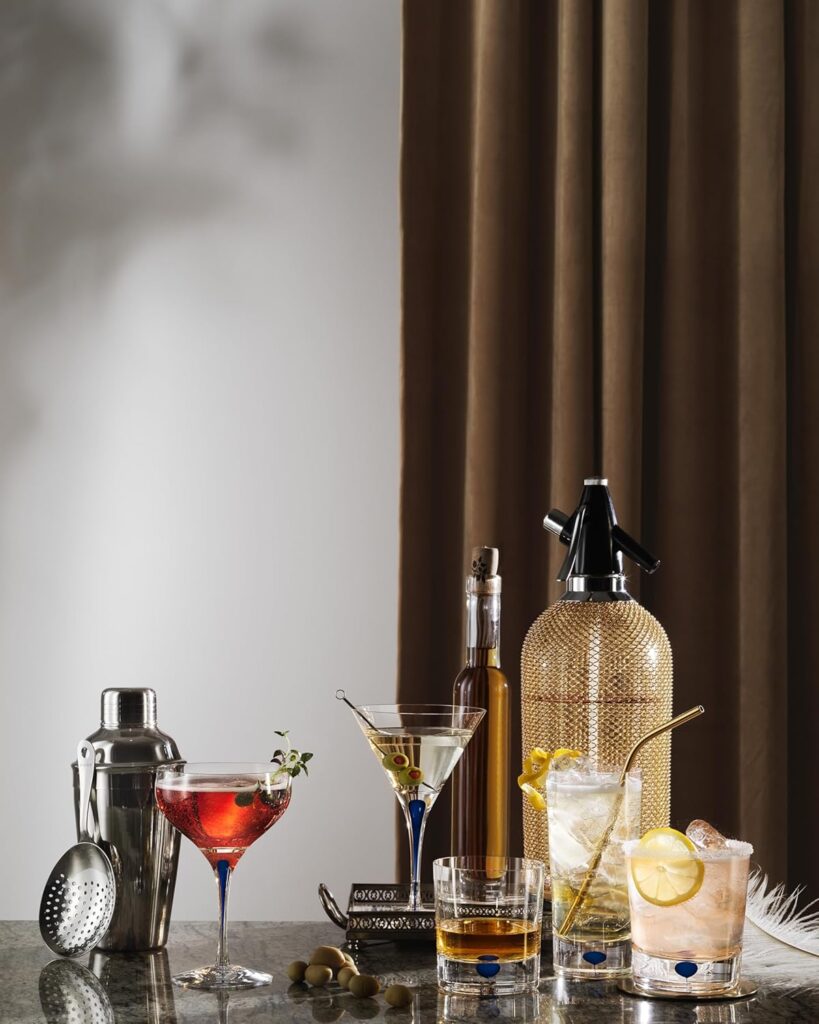
    Orrefors blue martini crystal glass
    • Orrefors (Sweden): Scandinavian minimalism meets crystal artistry
    • Kosta Boda (Sweden): Bold, contemporary designs that challenge convention
    • Daum (France): Masters of pâte de verre technique
    • Moser (Czech Republic): Bohemian tradition with jewel-toned brilliance

    Mid-Range Quality Names

    These manufacturer names offer excellent quality without the premium price:

    Lenox crystal flute
    • Lenox (2020 – Present Outside the USA): Elegance and reliability
    • Mikasa (Japan): International appeal with consistent quality
    • Rogaska (Slovenia): European tradition at accessible prices
    • Villeroy & Boch (Germany): Germanic precision in crystal form
    Schott Zwiesel German brand name crystal glass
    • Schott Zwiesel (Germany): Innovation meets durability

    Collectible American Names

    Vintage American manufacturers whose names now command collector attention:

    • Fostoria: The “America’s Crystal” legacy lives on in vintage pieces
    • Cambridge Glass: Mid-century American elegance
    • Heisey: Distinctive pressed glass patterns from Ohio’s crystal heritage

    PRESTIGIOUS CRYSTAL HOUSES AND THEIR SIGNATURE PATTERNS

    Waterford Crystal: Irish Heritage in Every Name

    Waterford Crystal remains synonymous with luxury, and their naming convention reflects deep Irish roots. The company’s most celebrated patterns carry names that resonate with Celtic history:

    • Lismore: Perhaps the most iconic Waterford pattern, named after the historic Irish town
    • Colleen: Celebrating Irish femininity with delicate, flowing lines
    • Powerscourt: Honouring the magnificent Irish estate and gardens
    • Araglin: Named after a river in County Cork

    Each Waterford piece bears the signature deep cuts and brilliant clarity that made Irish crystal famous worldwide.

    The company’s commitment to traditional mouth-blowing and hand-cutting techniques ensures that every piece bearing these names meets exacting standards.

    Baccarat: French Elegance Personified

    Baccarat crystal represents the pinnacle of French luxury glassmaking. Their naming system often reflects aristocratic heritage and architectural grandeur:

    • Harcourt: The company’s most prestigious line, created for King Louis-Philippe
    • Massena: Named after Napoleon’s marshal, featuring bold geometric cuts
    • Vega: A contemporary design that bridges classical and modern aesthetics
    • Harmonie: Embodying perfect balance in both name and form

    The weight and clarity of authentic Baccarat pieces make them immediately recognisable to trained eyes, whilst their names evoke the grandeur of French palaces and châteaux.

    Lalique: Art Nouveau Artistry

    René Lalique’s legacy lives on through crystal pieces that blur the line between functional glassware and fine art. Lalique names often reflect nature and feminine beauty:

    • Bacchantes: Featuring dancing nymphs in relief
    • Serpent: Showcasing the sinuous curves of stylised snakes
    • Hirondelles: Celebrating swallows in flight
    • Feuilles: Capturing the delicate beauty of leaves.

    UNDERSTANDING CRYSTAL GLASSWARE TERMINOLOGY

    Technical Terms Every Collector Should Know

    Mastering the vocabulary of crystal glassware elevates your appreciation and helps you communicate effectively with dealers and fellow collectors:

    TermDefinitionExample
    Lead CrystalGlass containing at least 24% lead oxideWaterford, Baccarat
    Full Lead CrystalGlass with 30% or more lead oxide contentPremium Waterford pieces
    Blown GlassShaped by inflating molten glassTraditional champagne flutes
    Pressed GlassFormed using moulds under pressureSome vintage pieces
    Cut CrystalHand-cut patterns using grinding wheelsMost luxury crystal
    Etched CrystalDesigns created using acid or sandblastingDelicate pattern work

    Pattern Categories and Their Characteristics

    Crystal patterns generally fall into several categories, each with distinctive naming conventions:

    Geometric Patterns: Names like “Diamond,” “Crosshatch,” or “Honeycomb” describe the mathematical precision of cuts.

    Nature-Inspired Designs: “Fern,” “Ivy,” “Rose,” and similar names reflect organic motifs carved into the crystal.

    Commemorative Pieces: Named after royalty, historical events, or significant locations.

    Abstract Patterns: Modern designs with names that evoke emotions or concepts rather than literal descriptions.

    REGIONAL VARIATIONS AND CULTURAL INFLUENCES

    Irish Crystal Traditions

    Irish crystal names often reflect the country’s rich Celtic heritage and natural landscapes. Beyond Waterford, companies like Galway Crystal and Tipperary Crystal continue these traditions:

    • Claddagh: The famous symbol of love, friendship, and loyalty
    • Celtic Knot: Intricate interwoven patterns with no beginning or end
    • Shamrock: Ireland’s national symbol incorporated into crystal designs
    • Aran: Named after the rugged Irish islands

    Bohemian and Czech Crystal Heritage

    The Bohemian crystal tradition represents one of Europe’s oldest glassmaking legacies, with manufacturer names that carry centuries of history:

    Moser: Founded in 1857, famous for richly coloured crystal with intricate gold decoration. The name “Moser” on a piece immediately signals exceptional Bohemian craftsmanship.

    Bohemia Crystal: An umbrella term covering various Czech manufacturers, each maintaining traditional techniques whilst embracing contemporary designs.

    These Czech and Bohemian names often appear alongside technical terms like “lead crystal” or “hand-cut,” indicating traditional manufacturing methods passed down through generations.

    Contemporary International Influences

    Modern crystal houses worldwide have developed their naming conventions:

    Swedish Orrefors and Kosta Boda: Clean, minimalist names like “Harmony” and “Elegance” reflecting Scandinavian design philosophy Italian Murano: Artistic names reflecting Venice’s glassmaking heritage, though technically art glass rather than lead crystal German Precision: Names like Schott Zwiesel emphasise technical innovation and durability American Innovation: Steuben names often honour American landmarks and personalities, whilst vintage Fostoria carried the proud “America’s Crystal” designation.

    COLLECTING STRATEGIES: BUILDING YOUR CRYSTAL VOCABULARY

    Starting Your Collection Journey

    For newcomers to crystal collecting, understanding names helps prioritise purchases and avoid costly mistakes:

    Focus on Established Patterns: Begin with well-known names like Waterford’s “Lismore” or Baccarat’s “Harcourt”—these hold their value and remain readily identifiable.

    Learn the Hierarchy: Within each crystal house, certain names command higher prices due to complexity, age, or prestige.

    Understand Variations: Many patterns have evolved, with subtle differences between vintage and contemporary versions.

    Authentication Through Naming

    Proper knowledge of crystal names serves as your first line of defence against counterfeits:

    Signature Placement: Genuine pieces bear the manufacturer’s name in specific locations.

    Pattern Consistency: Authentic pieces maintain precise pattern proportions.

    Historical Accuracy: Understanding when certain patterns were introduced helps identify period pieces

    THE INVESTMENT PERSPECTIVE: NAMES THAT HOLD VALUE

    Blue-Chip Crystal Names

    Certain crystal names have proven themselves as solid investments over decades:

    Baccarat Harcourt: Consistently appreciates, particularly vintage pieces. Waterford Lismore: The gold standard for Irish crystal collecting, Lalique Limited Editions: Named pieces with small production runs, Steuben Classics: American crystal with historically significant names.

    Emerging Collectibles

    Contemporary crystal houses are creating tomorrow’s classics:

    Modern Waterford: New patterns like “Seahorse” and “Elegance” show promise. Artisan Collaborations: Limited editions with celebrity or designer names. Cultural Commemoratives: Pieces celebrating significant events or anniversaries.

    CARING FOR NAMED CRYSTAL PIECES

    Preservation Strategies:

    Proper care ensures your named crystal pieces maintain their beauty and value:

    Hand Washing Only: Machine washing can damage delicate cuts and patterns.

    Gentle Detergents: Avoid harsh chemicals that might affect crystal clarity.

    Proper Storage: Individual wrapping prevents scratching and chipping.

    Temperature Consideration: Avoid extreme temperature changes.

    Display Techniques

    Showcasing your collection properly highlights the beauty of each named piece:

    Lighting Placement: Strategic lighting enhances the crystal’s natural brilliance.

    Grouping Strategies: Display related patterns together for maximum impact.

    Security Measures: Protect valuable pieces whilst maintaining accessibility.

    FREQUENTLY ASKED QUESTIONS ABOUT CRYSTAL GLASSWARE NAMES

    How do I distinguish between different crystal manufacturer names?

    Each major crystal house has distinctive characteristics that help identify its pieces:

    Visual Signatures:

    • Baccarat: Exceptional weight and clarity, often with the distinctive acid-etched signature
    • Waterford: Deep, precise cuts creating brilliant light refraction
    • Swarovski: Machine-perfect precision and exceptional sparkle
    • Lalique: Frosted or satin-finished surfaces with artistic motifs
    • Orrefors: Clean Scandinavian lines with subtle elegance

    Historical Markers:

    • Fostoria: Look for the paper labels on vintage pieces (1924-1957)
    • Cambridge: Often features the “C in triangle” mark
    • Heisey: Diamond H mark pressed into the glass
    • Moser: Distinctive jewel tones and gold decoration

    What’s the difference between crystal brand names and pattern names?

    This distinction confuses many new collectors:

    Brand Names identify the manufacturer (Waterford, Baccarat, Lenox). Pattern Names specify the design within that brand (Lismore, Harcourt, Debut)

    For example:

    • “Waterford Lismore” = Brand + Pattern
    • “Baccarat Harcourt” = Brand + Pattern
    • “Lenox Debut” = Brand + Pattern

    Understanding both levels helps you:

    • Research values more effectively
    • Find matching pieces for sets
    • Communicate clearly with dealers
    • Avoid costly identification mistakes

    What makes some crystal names more valuable than others?

    Several factors influence the value associated with crystal names:

    • Rarity: Limited production runs increase desirability
    • Historical Significance: Pieces commemorating important events or people
    • Craftsmanship Complexity: Intricate patterns requiring master craftsmen
    • Brand Prestige: Established houses like Baccarat command premium prices
    • Condition: Perfect pieces significantly outvalue damaged ones.

    How do I verify the authenticity of named crystal pieces?

    Authentication requires multiple verification steps:

    • Manufacturer Marks: Look for etched or sand-blasted signatures
    • Pattern Accuracy: Compare against authorised pattern guides
    • Quality Indicators: Assess weight, clarity, and cutting precision
    • Provenance Research: Trace the piece’s ownership history when possible
    • Professional Appraisal: Consult certified appraisers for valuable pieces.

    Are newer crystal patterns worth collecting?

    Contemporary patterns can indeed be valuable collectibles:

    • Limited Editions: Modern limited runs often appreciate quickly
    • Designer Collaborations: Pieces created with renowned artists or designers
    • Technical Innovation: New cutting or colouring techniques add interest
    • Cultural Relevance: Patterns reflecting current events or trends.
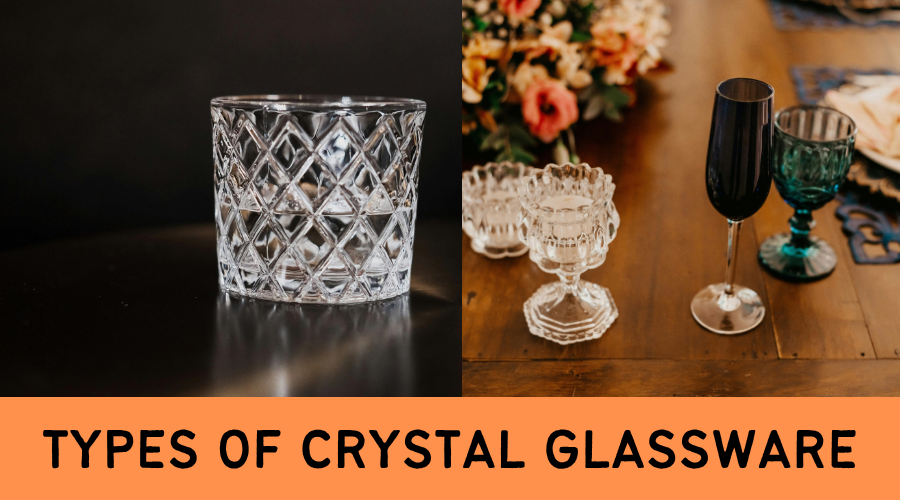
  • The Complete Guide to Types of Crystal Glassware: From Everyday Elegance to Heirloom Treasures

    You’re hosting your first proper dinner party, and as you reach for those wedding gift wine glasses tucked away in the cupboard, you pause.

    Are these crystals? What’s the difference between crystal and regular glass anyway? And why does your grandmother’s sherry set seem to sing when you tap it gently?

    If you’ve ever found yourself mesmerised by the way light dances through a beautifully crafted crystal tumbler or wondered why some glassware feels so much more substantial in your hand, you’re not alone.

    The world of crystal glassware is far more intricate than most people realise, a realm where centuries-old craftsmanship meets modern innovation.

    Understanding the various types of crystal glassware can dramatically transform both your drinking experience and investment decisions.

    From the distinctive musical ring of lead crystal to the modern safety standards of unleaded crystal, from the intricate patterns of hand-blown Waterford to the everyday pieces of machine-pressed crystal, each variety serves unique purposes across different price points and occasions.

    Whether you’re identifying pieces in your current collection or considering your first serious crystal purchase, mastering these distinctions will forever change how you view your glassware cabinet.

    UNDERSTANDING CRYSTAL GLASSWARE: MORE THAN JUST FANCY GLASS

    Before we dive into the specific types of crystal glassware, let’s address the elephant in the room: what exactly makes crystal different from ordinary glass?

    The answer lies in its composition and the artistry behind its creation.
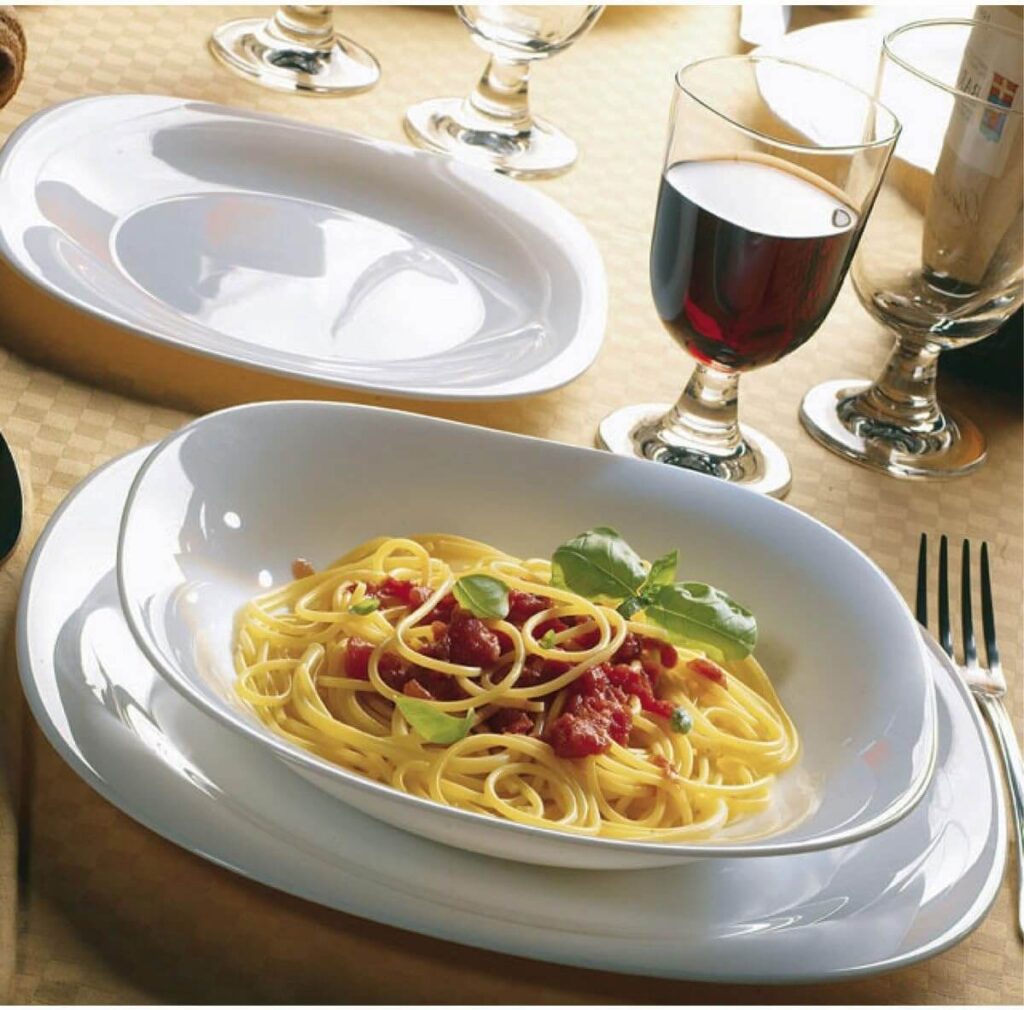
    True crystal glassware contains lead oxide, typically ranging from 10% to 30%, which gives it several distinctive characteristics.

    Lead crystal whiskey glasses for water and beverages

    This lead content increases the glass’s density, making it feel notably heavier in your hand.

    More importantly, it enhances the material’s optical properties, creating that brilliant sparkle and clarity that makes crystal so captivating.

    However, the crystal landscape has undergone significant evolution. Modern manufacturers now produce lead-free crystal alternatives that maintain many of the crystal’s desirable properties without the health concerns associated with lead.
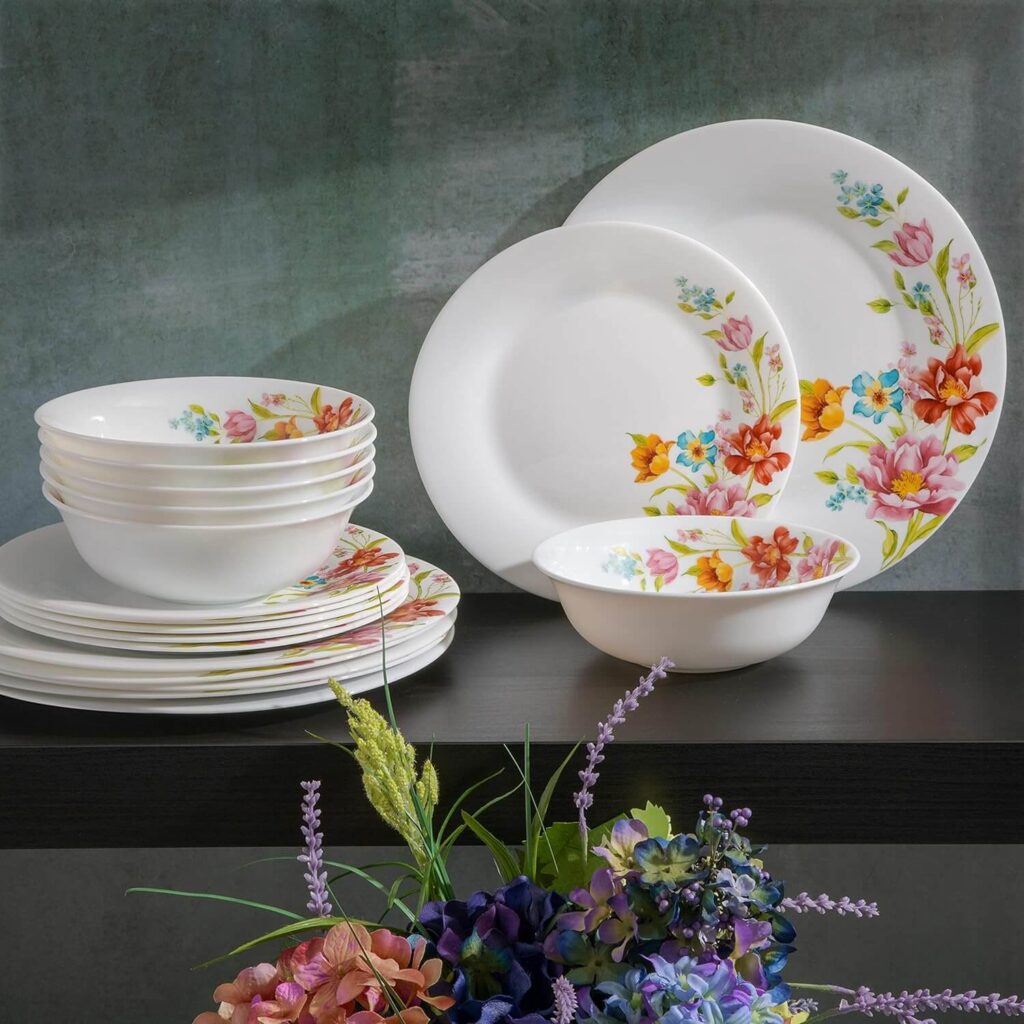
    Lead free crystal cocktail glass

    These pieces often contain potassium or barium instead, achieving similar brilliance and durability.

    The distinction matters more than you might think. Traditional lead crystal offers superior light refraction, which is why your grandmother’s decanter creates those stunning rainbow patterns when sunlight hits it just right.

    Lead-free alternatives, while lacking some of this optical drama, provide peace of mind for daily use and are often more affordable.

    THE MAGNIFICENT SEVEN: ESSENTIAL TYPES OF CRYSTAL GLASSWARE

    types of crystal glassware

    1. Wine Glasses: The Crown Jewels of Crystal Collections

    Crystal wine glasses represent perhaps the most diverse category in the crystal world.

    Each style serves a specific purpose, designed to enhance particular wine characteristics through careful attention to bowl shape, rim thickness, and overall proportions.

    hand blown crystal Bordeaux wine glasses

    Bordeaux glasses feature tall, broad bowls perfect for full-bodied reds like Cabernet Sauvignon and Merlot. The generous space allows the wine to breathe, while the tapered rim concentrates the aromatic compounds toward your nose.

    Premium crystal versions from houses like Riedel or Waterford can cost upwards of $50 per glass, but the difference in your wine’s presentation is remarkable.

    Burgundy glasses, with their balloon-like bowls, cater to more delicate reds like Pinot Noir. The wider opening allows these subtle wines to express their complex bouquet fully.

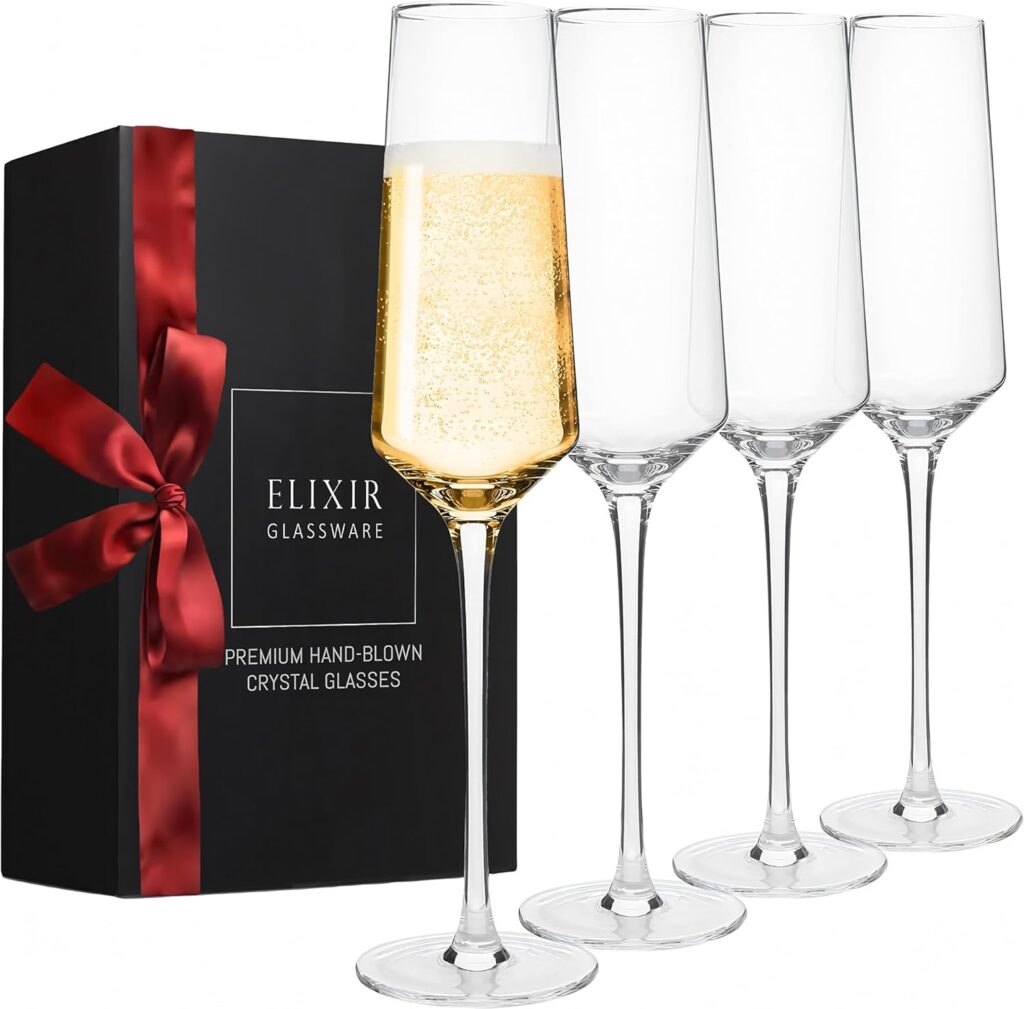
    Champagne flutes hand blown lead free crystal glass

    Meanwhile, Champagne flutes maintain their narrow profile to preserve effervescence, though many experts now prefer slightly wider bowls that allow sparkling wines to develop their full aromatic potential.

    Wine Glass TypeBowl ShapeBest For
    BordeauxTall, broadCabernet, Merlot
    BurgundyWide, balloon-shapedPinot Noir, light reds
    Champagne FluteNarrow, tallSparkling wines
    White WineMedium bowlChardonnay, Sauvignon Blanc

    2. Whisky Tumblers: Where Craft Meets Tradition

    The crystal whisky tumbler occupies a special place in British drinking culture. These short, wide glasses, often called old-fashioned glasses or rocks glasses, are designed with both aesthetics and function in mind.

    Traditional cut crystal tumblers feature intricate patterns that aren’t merely decorative. The cuts create additional surface area, helping to aerate the whisky and release its complex aromatics.

    Crystal Whiskey Tumblers

    The weight of quality crystal also provides a satisfying heft that enhances the drinking ritual.

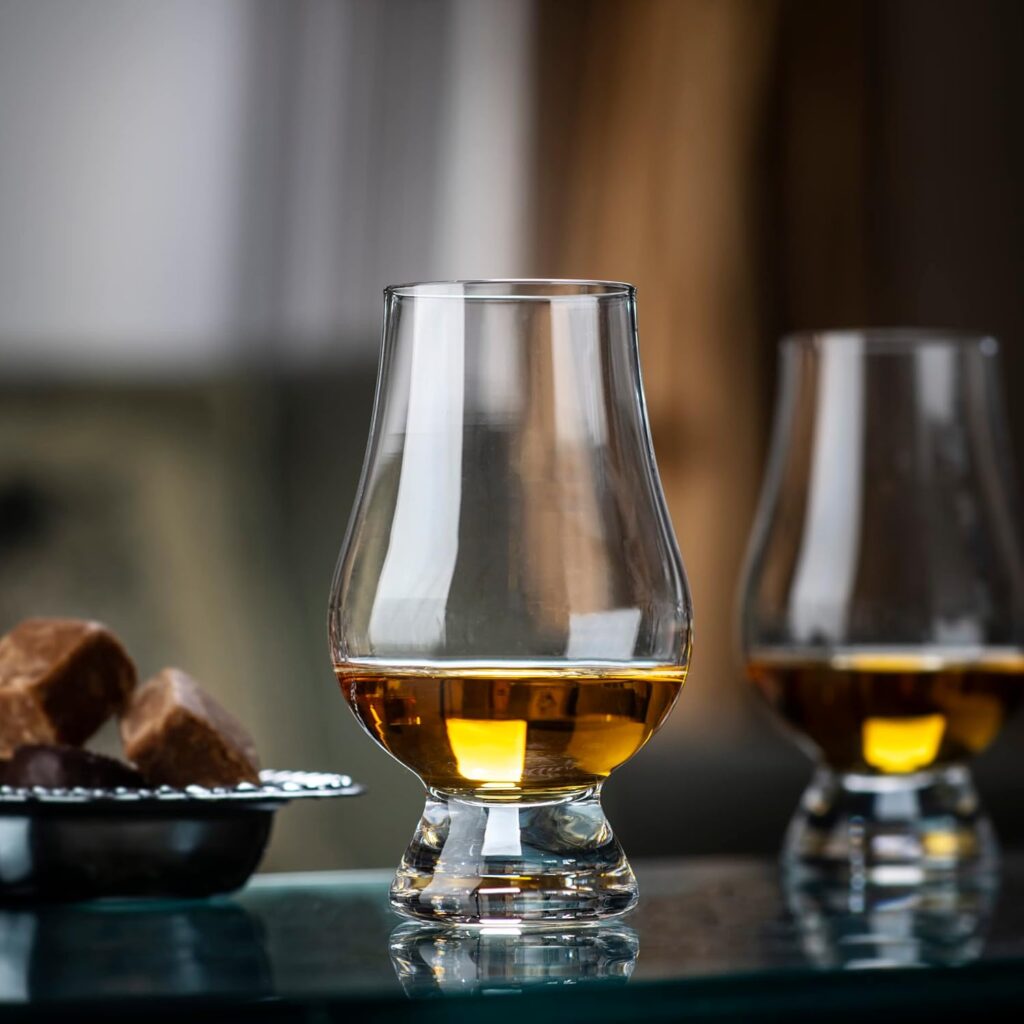
    Modern crystal manufacturers like Glencairn have revolutionised whisky appreciation with their tulip-shaped tasting glasses.

    While not traditional tumblers, these crystal pieces concentrate the whisky’s nose while the narrow opening prevents alcohol burn from overwhelming the palate.

    Glencairn whisky glass

    Hand-blown crystal tumblers represent the pinnacle of the craft. Each piece is unique, with slight variations that remind you of the human artisan behind its creation.
    These pieces often feature thicker bases for stability and temperature retention, crucial when you’re savoring a 25-year-old single malt.

    3. Decanters: Functional Art for Your Sideboard

    Crystal decanters serve dual purposes: practical wine or spirits storage and stunning decorative elements. The decanting process itself serves different functions depending on what you’re storing.

    For wine, decanting separates the liquid from sediment while allowing oxygen contact to soften tannins and open up flavours.

    Wine decanters typically feature wide bases and narrow necks, maximising surface area for optimal aeration.
    Crystal wine and Whiskey hand blown Decanter

    Crystal versions excel here because the material’s clarity allows you to observe the wine’s colour development as it breathes.
    Whisky decanters serve different purposes entirely. Here, you’re showcasing and preserving your spirits while adding elegance to your home bar.

    The airtight seal becomes crucial poorly sealed decanters can lead to alcohol evaporation and flavor degradation over time.

    Vintage crystal decanters often feature elaborate cut patterns that create stunning light displays.

    However, be cautious with antique pieces containing high lead content; they’re magnificent for display but not ideal for long-term spirits storage.

    4. Champagne Coupes: Vintage Glamour Reimagined

    The crystal champagne coupe represents one of glassware’s most romantic stories. Legend suggests these wide, shallow bowls were modelled after Marie Antoinette’s breast, though this tale is likely apocryphal.

    What’s certain is that coupes defined elegant entertaining throughout the early 20th century.

    Modern sommeliers often dismiss coupes as impractical because their wide openings allow bubbles to dissipate quickly.

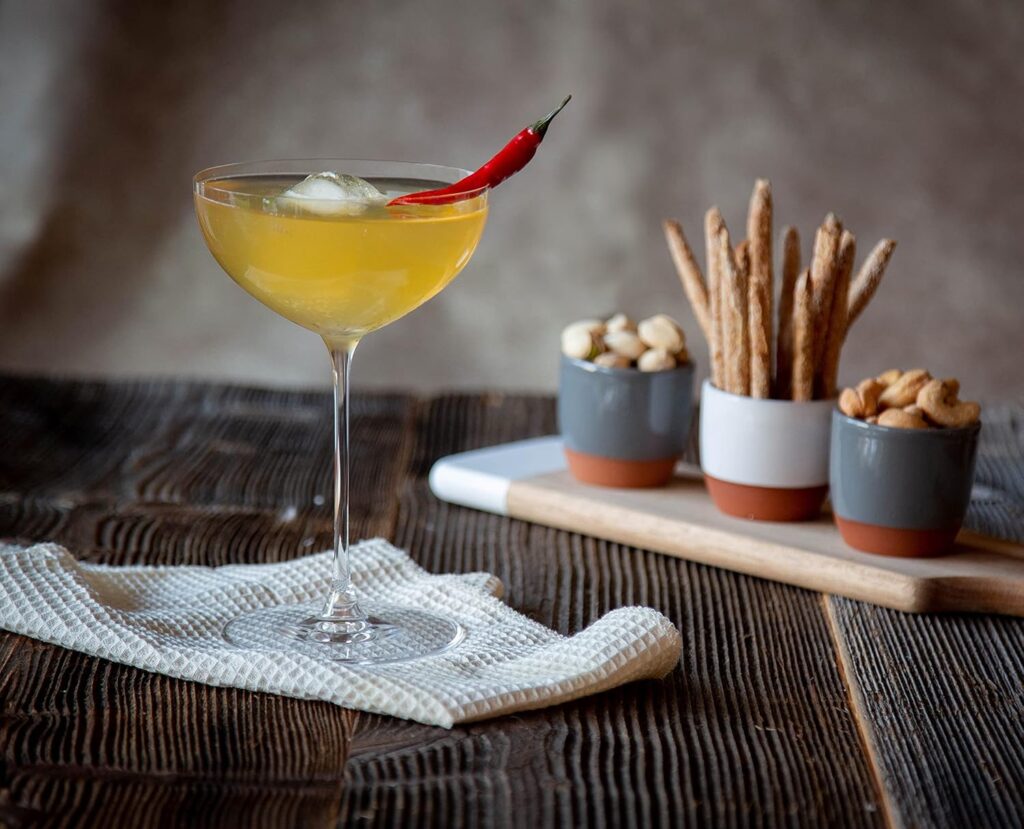
    Champagne coupe glass

    However, crystal coupes have found new life in cocktail culture. Their generous bowls perfectly accommodate champagne cocktails, while their elegant stems add theatrical flair to your drinks service.

    Hand-blown crystal coupes offer particular appeal because each piece’s slight variations create unique drinking experiences.

    The thin crystal rim enhances the drinking sensation, while the material’s brilliance showcases the drink’s colour beautifully.

    5. Brandy Snifters: Engineering Meets Elegance

    Crystal brandy snifters represent some of the most thoughtfully designed glassware ever created. Their distinctive balloon shape isn’t mere aesthetics, it’s precision engineering designed to enhance brandy’s complex character.

    The wide bowl allows you to swirl the brandy, releasing volatile compounds while the narrow rim concentrates these aromatics.

    Crystal brandy snifter glasses

    Quality crystal versions feature thick bases that warm the brandy through hand contact while the material’s thermal properties prevent rapid temperature changes.

    Premium crystal snifters often feature subtle cut work around the base, creating visual interest without compromising function.

    The finest examples, from houses like Baccarat or Saint-Louis, can cost several hundred pounds but transform brandy appreciation into a multisensory experience.

    6. Crystal Vases: Beyond Floral Arrangements

    While not technically drinkware, crystal vases deserve mention in any comprehensive crystal discussion.

    These pieces showcase crystal’s optical properties better than any other form, creating stunning light displays that transform any room.

    crystal vase

    Cut crystal vases feature geometric patterns that multiply and refract light, creating rainbow effects throughout your space. The weight and clarity of quality crystal make these pieces conversation starters even when empty.

    Modern blown crystal vases often emphasise organic forms, celebrating the material’s ability to capture and enhance natural light.

    These pieces work as standalone sculptures, proving that crystal’s beauty extends far beyond the dining room.

    7. Specialty Crystal Pieces: The Connoisseur’s Collection

    Beyond standard categories lie numerous specialty crystal pieces designed for specific purposes.

    crystal specialty connoisseur tumbler by Waterford

    Crystal beer glasses are designed for particular styles. Think wheat beer glasses with their distinctive curved shapes enhance beer appreciation similarly to wine glasses.

    Crystal cocktail glasses, from martini glasses to Nick & Nora coupes, bring elegance to mixology.

    The material’s clarity showcases cocktail colours while its weight adds sophistication to the drinking experience.

    LEAD CRYSTAL VS LEAD-FREE: MAKING THE RIGHT CHOICE

    The lead crystal versus lead-free crystal debate continues to divide enthusiasts. Traditional lead crystal offers superior optical properties with that brilliant sparkle and rainbow refraction that makes crystal so captivating.

    The lead content also makes the glass softer, allowing for more intricate cut work and engraving.

    However, health concerns about lead leaching have driven innovation in lead-free alternatives.

    Modern lead-free crystal uses potassium, barium, or other compounds to achieve similar properties.

    While these alternatives may lack some of lead crystal’s optical drama, they’re completely safe for daily use and often more durable.

    Professional sommeliers increasingly favour lead-free options for restaurants and tasting rooms, while collectors often prefer traditional lead crystal for special occasions and display pieces.

    CRYSTAL CARE: PRESERVING YOUR INVESTMENT

    Proper crystal glassware care ensures your pieces maintain their brilliance for generations. Hand washing remains the gold standard; dishwashers’ high temperatures and harsh detergents can cloud crystal permanently.

    Use lukewarm water and mild washing-up liquid, avoiding abrasive sponges that might scratch the surface. For cut crystal pieces, use a soft brush to clean intricate patterns where dirt can accumulate.

    Storage matters equally. Wrap pieces individually in soft cloth, avoiding newspaper, which can leave ink stains. Display pieces away from direct sunlight to prevent cloudiness over time.

    CHOOSING YOUR CRYSTAL: A BUYER’S GUIDE

    When selecting crystal glassware for your home, consider both function and aesthetic appeal.

    Start with basic wine glasses appropriate for your drinking preferences, whisky tumblers if you enjoy spirits, and perhaps a decanter for special occasions.

    Budget considerations vary enormously. Quality crystal from established manufacturers starts around $30-50 per piece for basic designs, while hand-blown or heavily cut pieces can cost several hundred dollars each.

    Vintage pieces offer excellent value, though ensure they’re lead-free if you plan regular use.

    Consider your lifestyle too. Daily entertainers might prefer durable, lead-free crystal, while collectors might gravitate toward traditional lead crystal for its superior optical properties.

    THE FUTURE OF CRYSTAL GLASSWARE

    The crystal industry continues evolving, embracing both tradition and innovation. Modern manufacturers experiment with new compositions, achieving crystal-like properties without lead, while traditional houses maintain centuries-old techniques.

    Sustainability concerns drive innovation, too. Some manufacturers now offer crystal made from recycled glass, maintaining quality while reducing environmental impact.

    REGIONAL STYLES AND RENOWNED MANUFACTURERS

    European crystal traditions vary significantly by region. Bohemian crystal from the Czech Republic emphasises elaborate cut work and vibrant colours, while Irish crystal like Waterford focuses on precision cutting and clarity.

    French crystal houses like Baccarat and Saint-Louis represent luxury’s pinnacle, creating pieces that function as investment art. Their crystal often features subtle colours and exceptional optical clarity.

    German manufacturers like Schott balance traditional craftsmanship with modern innovation, producing both traditional lead crystal and cutting-edge lead-free alternatives.

    COLLECTING AND INVESTMENT POTENTIAL

    Crystal collecting has gained popularity as both a hobby and an investment. Vintage pieces from renowned manufacturers often appreciate significantly, particularly limited editions or discontinued patterns.

    However, collect for enjoyment first. The most valuable crystal collections reflect personal taste and actual use rather than pure investment strategy. After all, crystal’s true value lies in the pleasure it brings to your daily life.

    CONCLUSION: ELEVATING EVERY OCCASION

    Now that you know about the different types of crystal glassware, you can make better choices for your home and special occasions.

    Whether you pick lead crystal for its beautiful sound and sparkle, or go with lead-free crystal for everyday safety, each type has its benefits.

    Remember, you don’t need to spend a fortune to enjoy good crystal. Start with a few basic pieces that you’ll use, maybe some wine glasses or water tumblers.

    Look for sales at department stores, check out estate sales, or even browse online marketplaces for genuine pieces at better prices.

    The most important thing is to choose a crystal that fits your lifestyle and budget. If you have young children, lead-free might be your best bet.

    If you love hosting dinner parties, investing in a few lead crystal pieces can make your table look amazing.

    Take another look at those glasses in your cupboard – you might be surprised by what you already own. And next time you’re shopping for glassware, you’ll know exactly what to look for and why it matters.

    What’s your favorite type of crystal glassware? Share your experiences and recommendations in the comments below.


  • The Ultimate Guide to Waterford Crystal Patterns: A Collector’s Journey Through Timeless Elegance

    You’re hosting an intimate dinner party, and as the candlelight dances across your dining table, it catches the intricate cuts of your Waterford crystal patterns, casting rainbow prisms that make your guests pause mid-conversation.

    There’s something almost magical about how crystal patterns transform ordinary moments into extraordinary memories.

    Whether you’ve inherited a treasured piece from your grandmother or you’re just beginning your crystal-collecting journey.

    Understanding these magnificent patterns opens up a world where Irish craftsmanship meets timeless elegance.

    THE RICH HERITAGE BEHIND EVERY PATTERN

    When you hold a piece of Waterford crystal, you’re not just holding glassware; you’re cradling over 240 years of Irish artistry.

    Founded in 1783 in the port city of Waterford, Ireland, this prestigious brand has become synonymous with luxury crystal worldwide.

    Each Waterford crystal pattern tells a story, from the traditional cuts that echo Georgian elegance to contemporary designs that speak to modern sensibilities.

    The magic begins in the workshops where master craftsmen, many with decades of experience, hand-cut each piece using techniques passed down through generations.

    It’s rather like watching a sculptor work with diamond-hard precision, except their canvas is molten crystal cooled to perfection.

    WHAT MAKES WATERFORD CRYSTAL PATTERNS SO SPECIAL?

    You might wonder what sets Waterford apart from other crystal manufacturers. The answer lies in three key elements that make these pieces extraordinary:

    Lead Crystal Composition: Waterford crystal contains a minimum of 30% lead oxide, which gives it its distinctive weight and brilliant clarity. When you tap a genuine piece, it produces a clear, resonant ring that’s music to a collector’s ears.

    Hand-Cutting Mastery: Every pattern is meticulously hand-cut by skilled artisans using diamond-tipped wheels. This process can take anywhere from several hours to days for complex pieces, ensuring each item is unique.

    Design Innovation: Waterford doesn’t just rest on tradition; they continuously create new patterns whilst respecting their heritage. From the iconic Lismore pattern to contemporary collections, there’s something for every taste.

    COMPLETE LIST OF WATERFORD CRYSTAL PATTERNS

    waterford crystal patterns

    Classic/Traditional Patterns (Still in Production)

    • Lismore – The world’s best-selling crystal pattern (distinctive diamond and wedge cuts, as seen in Goblet glassware patterns) since 1952.

    Waterford Lismore modern pattern stemless white wine glassware
    • Colleen – Intricate oval and diamond cuts
    • Powerscourt – Geometric diamond motifs
    Waterford Crystal Powerscourt claret glass
    • Araglin – Contemporary geometric design
    Waterford Araglin Goblet
    • Seahorse – Marine-inspired pattern
    • Killarney – Irish countryside inspiration
    • Marquis – Entry-level collection with multiple sub-patterns
    Waterford Marquis pattern wine glass
    • Cluin – Modern interpretation of traditional cuts
    Waterford Cluin Pattern Luxury vintage classic Crystal glassware

    Heritage Collection:

    • Georgian – 18th-century inspired
    • Eileen – Named after Irish heritage
    • Kells – Celtic-inspired design
    • Giftology – Modern gift collection
    • Mixology – Contemporary barware collection

    Discontinued Classic Patterns (Highly Collectible)

    Discontinued Classic Waterford crystal patterns

    Vintage Patterns (Pre-1990):

    • Alana – Criss-cross diamond pattern (1952-discontinued)
    • Ashling – Celtic knotwork motifs
    • Ballymore – Traditional Irish cutting
    • Curraghmore – Estate-inspired design
    • Donegal – Castle architecture influence
    • Kenmare – Ring of Kerry inspiration
    • Kildare – County Kildare tribute
    • Kinsale – Maritime rope detailing
    • Tramore – Art Deco geometric patterns
    • Shannon – River-inspired flowing lines
    • Rosslare – A Coastal town inspiration
    • Dungarvan – Traditional Irish port design
    • Kylemore – Discontinued patterns, inspired by the romantic Kylemore Abbey and manufactured from 1966 to 2017. This pattern features squares created by star cuts that are intersected by straight, upright blaze cuts.

    Later Discontinued Patterns (1990s-2000s):

    Waterford discontinued patterns from 1990 to 2000
    • Ballylee – Yeats’ country inspiration
    • Cashel – Rock of Cashel tribute
    • Comeragh – Mountain range inspiration
    • Glengarriff – Garden-inspired cuts
    • Innisfree – Lake Isle poetry reference
    • Maeve – Irish queen namesake
    • Sheila – Traditional Irish name
    • Tyrone – County heritage pattern

    Limited Edition & Specialty Patterns

    Annual Collections:

    • Christmas Ornament Series (1982-present)
    • Snowflake Ornaments (Various years)
    • 12 Days of Christmas (Limited series)
    • Millennium Collection (1999-2000)
    • Seahorse Christmas Collection
    • Irish Heritage Ornaments

    Commemorative Patterns:

    • Olympic Games (Various years)
    • Royal Wedding Commemoratives
    • Anniversary Collections
    • Mastercraft Series
    • Master Cutter Editions

    Contemporary/Modern Collections

    Current Modern Lines:

    Waterford Elegance Bordeaux contemporary pattern wine glass
    • Elegance – Simplified contemporary design
    • Crystalline – Clean, modern aesthetics
    • Optic – Light-play focused design
    • Short Stories – Narrative-inspired pieces
    • Rebel – Bold, unconventional cuts
    • Wild Atlantic Way – Irish coastal inspiration
    • Waterford Rebel – Contemporary edge design
    Waterford elegance Chardonnay modern pattern wine glass

    Designer Collaborations:

    • Jasper Conran Collection
    • John Rocha Collection
    • Michael Aram Partnership pieces
    • Various fashion designer collaborations

    Barware & Spirits Collections

    Whiskey & Spirits Patterns:

    Waterford connoisseur Lismore heritage glasses
    • Lismore Connoisseur
    • Elegance Optic
    • Mixology Collection
    • Mad Men Collection
    • Moments Collection
    • Teardrop Collection
    • Olann Collection

    Rare & Museum Pieces

    Master Craftsman Patterns:

    • Hibernia – Museum-quality pieces
    • Celtic Knot – Ultra-premium hand-cutting
    • Tara – Ancient Irish capital tribute
    • Newgrange – Prehistoric monument inspiration
    • Master Cutter Series – Individual artist signatures

    Heritage Reproductions:

    • Georgian Period reproductions
    • Victorian Era-inspired pieces
    • Edwardian design tributes
    • 18th-century historical patterns

    Pattern Identification Notes

    By Era:

    • 1950s-1960s: Deeper cuts, heavier crystal
    • 1970s-1980s: Introduction of lighter patterns
    • 1990s-2000s: More geometric, contemporary designs
    • 2010s-Present: Mix of traditional and ultra-modern

    By Marking:

    • Acid-etched script (pre-1950)
    • Block letters (1950-1999)
    • Seahorse logo (2000-present)
    • Laser etching (current production)

    Collector Value Categories

    Highest Value (Investment Grade):

    • Early Christmas ornaments (1982-1990)
    • Complete Ashling sets
    • Master Craftsman pieces
    • Pre-1970 Lismore pieces
    • Any piece with provenance

    High Value (Strong Collectible):

    • Discontinued patterns in excellent condition
    • Limited edition pieces
    • Commemorative items
    • Complete vintage sets

    Moderate Value (Growing Interest):

    • Recently discontinued patterns
    • Contemporary designer collaborations
    • Specialty barware collections
    • Heritage reproductions

    Entry Level (Accessible Collecting):

    • Current production classics
    • Marquis collection pieces
    • Contemporary everyday patterns
    • Common vintage pieces in good condition

    Notes on Pattern Availability

    Still in Production: Lismore, Colleen, Powerscourt, Marquis collections, and most contemporary lines remain available through authorized dealers.

    Recently Discontinued: Patterns discontinued within the last 10 years may still be found through specialty retailers and estate sales.

    Vintage/Rare: Pre-1990 patterns are primarily available through auctions, estate sales, and specialized crystal dealers.

    Regional Variations: Some patterns were produced exclusively for certain markets or periods, making them particularly rare in specific regions.

    HOW MANY PATTERNS DOES WATERFORD HAVE?

    Collectors often ask, “How many patterns does Waterford have?” The answer might surprise you.

    Waterford has created well over 100 distinct patterns throughout its history. From the classic designs that have graced tables for decades to the limited edition pieces that appear for special occasions.

    THE EVOLUTION OF DESIGN

    What’s fascinating about Waterford’s pattern collection is how it reflects changing tastes and occasions.

    Early patterns focused heavily on traditional Irish motifs and Georgian-inspired cuts.

    However, as international markets expanded, Waterford began incorporating influences from around the world whilst maintaining its distinctive Irish character.

    Recent years have seen the introduction of more contemporary patterns that appeal to younger collectors.

    These designs often feature cleaner lines and more minimalist approaches, proving that Waterford can adapt without losing its essence.

    DATING YOUR WATERFORD CRYSTAL: A COLLECTOR’S DETECTIVE WORK

    One of the most intriguing aspects of collecting Waterford crystal is determining the age of pieces.

    If you’re wondering, “How can you tell how old a Waterford crystal is?” there are several telltale signs that can help you date your treasures.

    The Signature Evolution

    Pre-1999: Look for the traditional Waterford signature etched in Gothic script. This elegant marking was used for decades and is considered highly desirable by collectors.

    1999-2009: During this period, pieces featured the “Waterford Crystal mark“, often accompanied by the year of manufacture.

    2009-Present: Modern pieces display the simplified “Waterford” signature, reflecting the brand’s contemporary approach.

    Additional Dating Clues

    Paper Labels: Vintage pieces often retain their original paper labels, which can provide valuable dating information. However, these labels are fragile, and many have been lost over time.

    Pattern Documentation: Waterford maintains excellent records of when specific patterns were introduced and discontinued. Cross-referencing your piece with these records can provide accurate dating.

    Manufacturing Marks: Some pieces feature small etched numbers or symbols that correspond to specific production periods or craftsmen.

    CARE AND MAINTENANCE

    Proper care ensures your collection maintains its beauty and value. Here are essential maintenance tips:

    Cleaning: Hand wash with mild soap and warm water. Avoid harsh detergents or dishwashers, which can cause clouding or etching.

    Storage: Store pieces with adequate padding between them. Tissue paper or soft cloth prevents scratching during storage.

    Display: Keep pieces away from direct sunlight and extreme temperature changes. A well-lit display cabinet showcases your collection whilst providing protection.

    MODERN COLLECTING: WHERE TRADITION MEETS CONTEMPORARY LIFE

    New Patterns for New Generations

    Waterford continues to innovate with patterns that speak to contemporary lifestyles.

    The Marquis collection offers Waterford quality at more accessible price points, making various luxury crystal glassware available to a broader audience.

    These pieces maintain the brand’s commitment to excellence whilst embracing modern design sensibilities.

    The Digital Age of Collecting

    Today’s collectors have advantages that previous generations couldn’t imagine.

    Online marketplaces, collector forums, and digital catalogues make it easier than ever to find specific pieces and connect with fellow enthusiasts.

    Social media platforms showcase collections and provide authentication help from experienced collectors worldwide.

    THE FUTURE OF WATERFORD CRYSTAL PATTERNS – SUSTAINABLE PRACTICES AND ECO-FRIENDLY PRODUCTION

    As environmental consciousness grows, Waterford has embraced sustainable practices to be fully implemented by the end of 2025, whilst maintaining its quality standards.

    New patterns are also more durable and allow for deeper, sharper cuts, increasingly reflecting this commitment, incorporating recycled materials and eco-friendly production methods without compromising the luxury experience collectors expect.

    Collaboration and Limited Editions

    Recent years have seen exciting collaborations between Waterford and renowned designers, resulting in unique patterns that blend traditional craftsmanship with contemporary vision.

    These limited edition pieces represent the cutting edge of crystal design and are highly sought after by collectors.

    WRAPPING UP YOUR WATERFORD CRYSTAL JOURNEY

    So, there you have it – the wonderful world of Waterford crystal patterns! From the famous Lismore that’s been sparkling on tables since 1952 to rare discontinued treasures like Kylemore, each pattern tells its own story.

    Whether you’re just starting or you’re a seasoned collector, remember that the best collection isn’t about having the most expensive pieces.

    It’s about choosing patterns that make you smile every time you see them catch the light.

    Start with what you love – maybe a simple Lismore goblet or a beautiful Colleen bowl. Use your pieces, enjoy them, and don’t be afraid to hunt for bargains at estate sales and antique shops.

    The magic of Waterford isn’t just in the crystal itself – it’s in the memories you create when you pour that special wine or light those candles for dinner. That’s when your collection truly comes alive.

    Happy collecting, and may your crystal always sparkle!


    This list represents the most comprehensive collection of known Waterford Crystal patterns. Due to the company’s long history and numerous limited editions, some specialty or one-off pieces may not be listed. Pattern availability and names may vary by region and period.

    Recommended Reading and References

  • 8 Best Budget Friendly Corelle Alternatives

    Are you tired of your dinnerware chipping, cracking, or just not living up to expectations?

    Whether you’re a seasoned chef, a busy parent, or a frequent entertainer, having reliable dinnerware is essential for enjoying meals with ease.

    If you’ve found yourself searching for durable, versatile, and the 8 best budget friendly Corelle alternatives, you’re in the right place.

    In this guide, we’ll explore a variety of options that meet your needs and preferences, whether you’re looking for trendy designs, eco-friendly materials, or budget-conscious choices.

    While Corelle has been a leading brand in many households for its durability and versatility, numerous Corelle alternatives on the market offer similar benefits with their unique features.

    From sleek Luminarc sets to the Beautiful tempered Bormioli Rocco dinnerware collections, we’ll take a closer look at the top contenders in the world of tableware.

    Join us as we delve into the realm of dishes that are comparable to Corelle, helping you find the perfect fit for your kitchen and dining needs.

    So, if you’re ready to upgrade your tableware game and discover new possibilities, let’s dive in!

    CORELLE DINNERWARE SETS

    I remember when we were young, in the heart of our bustling kitchen, where the aroma of home-cooked meals dances in the air and laughter fills the room, there stands tableware adorned with simplicity and grace – Corelle Dinnerware sets.

    Corelle Dinnerware has always been a beacon of innovation in the tableware industry, crafted with the special Vitrelle glass that defies traditional dinnerware with its unparalleled feather-light design and durability.

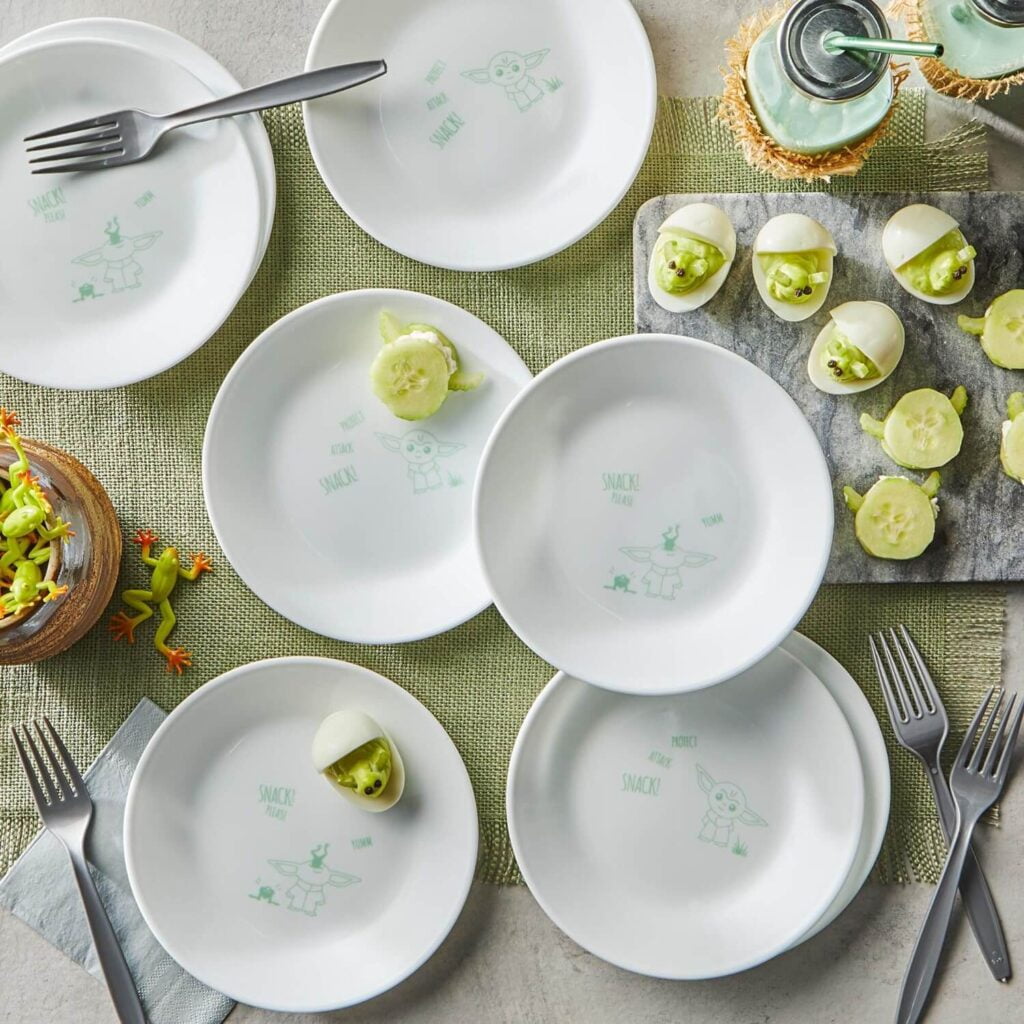
    Corelle Vitrelle 8 Piece Appetizer Plates Set

    Corelle is chip-resistant, microwave-safe, dishwasher-safe, easy to stack, and performs excellently for daily use at home, festive feasts, and even special occasions

    One feature I love about Corelle plates and Bowls is that they are affordable, come in simple classic designs and patterns

    Some popular examples of Corelle plates are the Winter Frost white pattern, Portofino Corelle pattern, Boutique Misty Leaves Corelle plate, Botanical Stripes Corelle pattern, Corelle Leaf Stitch pattern, Corelle Linen Weave Dinnerware set pattern, Embossed Bella Faenza, and Corelle Livingware pattern.

    Transform your ordinary moments into cherished memories with the beautiful USA-made tableware that gives you timeless reliability.

    FACTORS TO CONSIDER WHEN CHOOSING CORELLE ALTERNATIVES

    Corelle has long been a popular choice for its durability and design variety, but exploring alternatives can offer unique benefits.

    We’ll delve into the key criteria for selecting alternatives to Corelle dishware:

    The first criterion to hop onto is Durability.

    When considering dinnerware that is comparable to Corelle, durability is paramount, and this also extends to the dinnerware being able to withstand chips, cracks, and working perfectly under stress.

    Secondly, dinnerware that will be a perfect Corelle replacement should be lightweight, especially for the elderly and kids.

    A good substitute for Corelle should be easy to clean after use and stackable to minimize space.

    Another factor to consider when selecting a Corelle substitute is to make sure the dinnerware is unbreakable like Corelle, or it’s less likely to break, and the tableware must have a wide range of patterns and simple classic elegance or bold contemporary designs.

    Budget considerations play a significant role in the selection process.

    While Corelle is often praised for its affordability, any alternative brand you plan to select should provide competitive pricing without compromising quality.

    Corelle offers various plate and bowl sizes, so any alternative should accommodate the same to serve your various kitchen and dining needs.

    Most importantly, corelle alternatives should meet FDA guidelines regarding dinnerware safety, this we have comprehensively answered.

    Lastly, any Corelle substitute ought to work in the dishwasher and microwave.

    8 BEST BUDGET FRIENDLY CORELLE ALTERNATIVES

    8 best budget friendly Corelle Alternatives

    The 8 Best Budget Friendly Corelle Alternatives are:

    IKEA Dinnerware

    Luminarc Dinnerware

    Bormioli Rocco Dinnerware

    Arcopal Dinnerware

    Gibson Home Dinnerware Brand

    HomeElves Dinnerware

    Wheat Straw Dinnerware

    La Opala Dinnerware

    IKEA TEMPERED GLASS SIDE PLATES

    The IKEA brand is a simple, modern, and durable dinnerware that is made with you in mind. If you aren’t careful, you will confuse it with the Corelle dinnerware.

    IKEA Tempered glass plates like Corelle

    Though Corelle and IKEA have similarities, they also have differences, which have been covered in another article.

    They are beautiful, lightweight like Corelle, and made with tempered glass that contributes to their quality.

    Has a great finish, is easy to handle, clean, perfect for porridge, cereal, breakfast, pasta, and all kinds of meals.

    They are dishwasher and microwave-safe.

    BORMIOLI ROCCO PARMA DISHES

    It’s impossible to talk about dishes that are comparable to Corelle and not mention the Italian Bormioli Rocco dinnerware brand.

    Bormioli Rocco Opal glass dinnerware

    They are a beauty to behold, made with the legendary tempered opal glass, which gives it the translucent milky white color that makes your food look appetizing and your guests want more food!

    The Bormioli Rocco is a top contender for Corelle alternatives; the material it is made of gives it the ability to withstand thermal shock and dishwasher wear.

    They can be used safely in the microwave oven; they are chip and break-resistant, extremely hygienic, and do not absorb odors or stain particular food.

    Finally, they are affordable, extremely durable, easy to stack, lightweight, and sturdy.

    GIBSON HOME ULTRA BREAK AND CHIP-RESISTANT DINNERWARE SET

    Many are aware that the Gibson dinnerware brand comes mostly in Porcelain, Bone China, Ceramic, and stoneware material, but are you aware that they are also designed in opal glass material?

    Gibson Home Lightweight Dinnerware like Corelle

    Yes, the Gibson Home opal glass dinnerware set has most of Corelle’s dinnerware qualities, which makes it a great substitute for Corelle.

    They are break and chip-resistant, lightweight, microwave and dishwasher-safe, all thanks to the opal glass material.

    Gibson Home Opal glass dinnerware is perfect for everyday home use, easy to stack, and comes in simple floral designs that will elevate your dining experience.

    HOMEELVES 18-PCS KITCHEN OPAL DISHES

    The HomeElves 18 Pcs tableware is what we call simplicity in detail; the plates and bowls are so beautiful and come mainly in black and white colors.

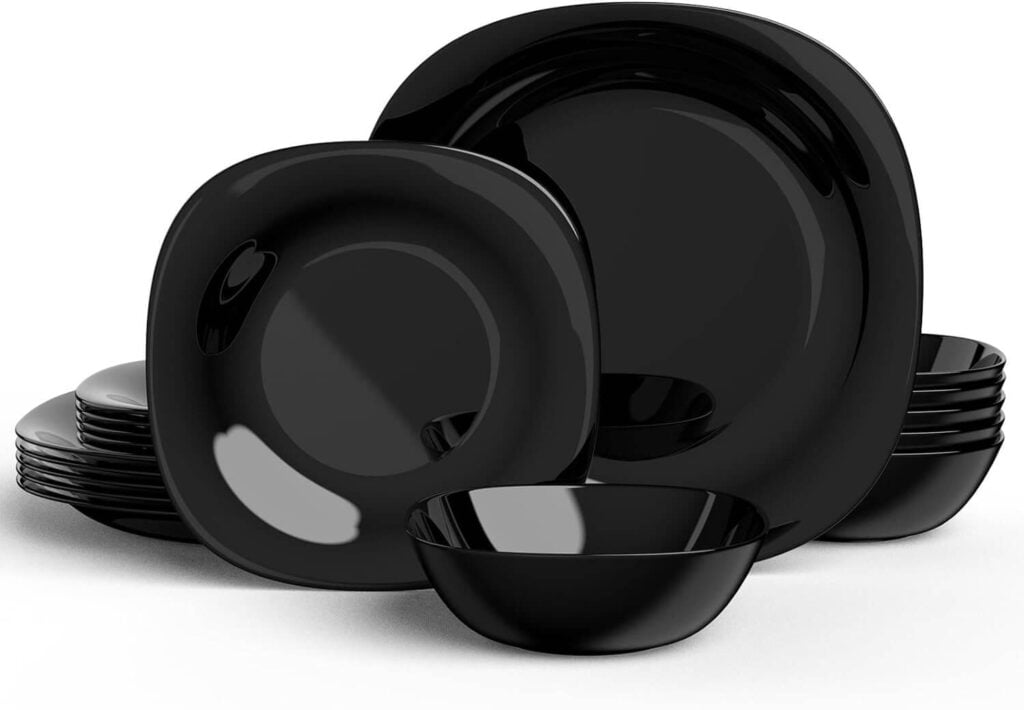
    HomeElves Black Opal glass Dinnerware set

    They stack up great in the cabinet, are lightweight, and have a sleek and shiny look.

    They are made of tempered opal glass, which makes them crack and chip-resistant. They are dishwasher and microwave-safe, much like Corelle

    This dinnerware set for 6 includes 6 pieces of 10-inch dinner plates, 6 pieces of 8-inch appetizer dessert plates, and 6 pieces of 6-inch/15-oz cereal bowls.

    The HomeElves opal glass dinnerware can perfectly withstand everyday use without the worry of breakage or scratches.

    When it comes to eating healthy, make use of HomeElves lead-free plates and bowls to start living a healthier lifestyle now!

    LUMINARC DINNERWARE

    In terms of price, the Luminarc dinnerware is as affordable as Corelle; it is budget-friendly for high-quality dinnerware when compared to other brands.

    Luminarc Opal glass Bowl

    The Luminarc dinnerware is a French brand that offers durable, easy-to-clean, quick-to-dry, non-porous, chip-resistant, dishwasher and microwave-safe tableware like Corelle.

    It is one of the most common substitutes for Corelle tableware because of its lightweight, modern, stylish, contemporary, and sleek design.

    Luminarc tableware is made up of heat-resistant opal glass tempered material that meets the demands of everyday use and all kinds of occasions.

    The Luminarc dinnerware is a great value for money!

    ARCOPAL DINNERWARE

    A sequel to the Luminarc dinnerware brand, the Arcopal dinnerware is another French brand that is comparable to the Corelle brand.

    Arcopal Opal glass tableware

    They are perfect for daily use and all occasions, the Opal glass material it is made of can resist mechanical and thermal shocks.

    The Arcopal dinnerware is free from BPA; they are also microwave and dishwasher-safe!

    Arcopal tableware is incredibly elegant and considerably lighter than ceramic dishes.

    The main difference between Luminarc and Arcopal dishes is that Arcopal is more expensive than Luminarc dinnerware, although both are excellent dinnerware options.

    Arcopal is our top French alternative to Corelle. For a complete head-to-head comparison including durability, pricing, and design options, read our detailed Arcopal vs Corelle analysis.

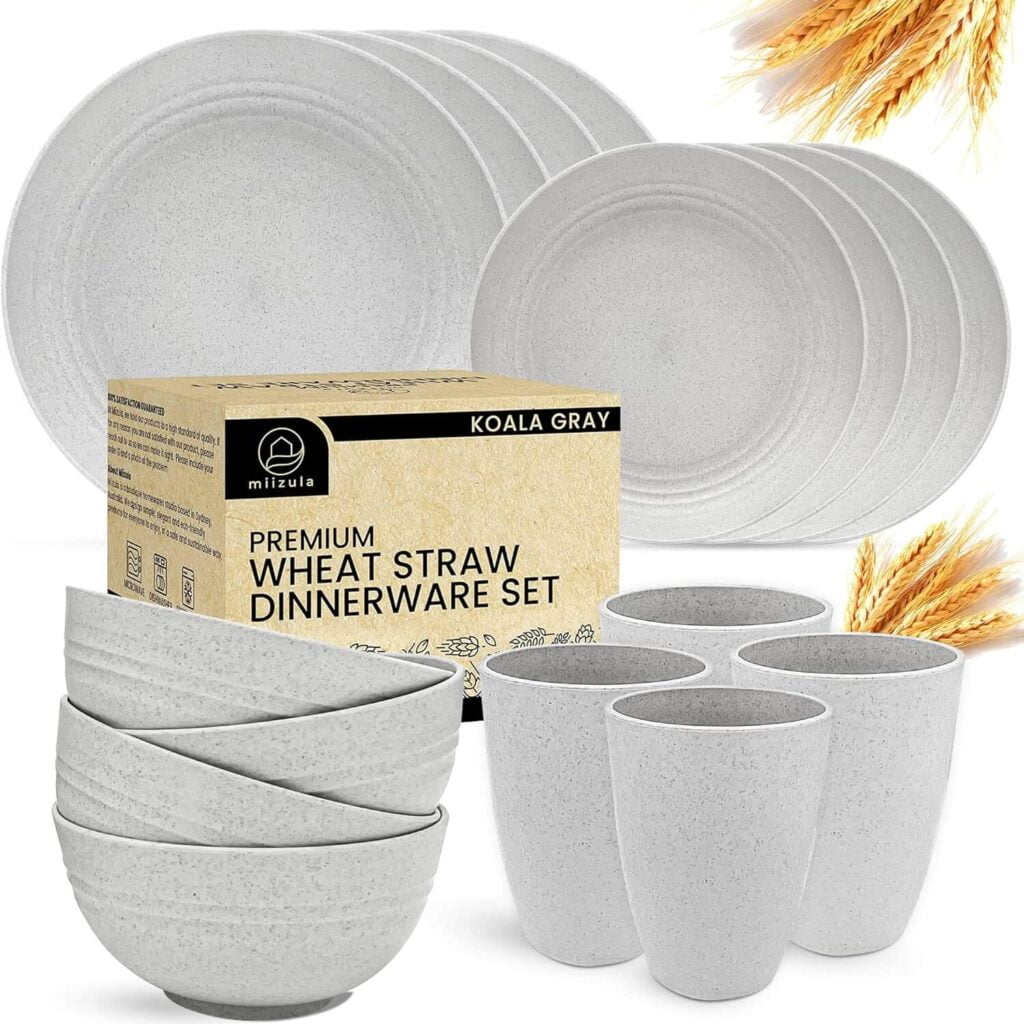
    WHEAT STRAW DINNERWARE SETS

    Wheat straw dinnerware makes another beautiful stand-in for Corelle dishes; they are quite affordable and stack excellently for travel and in the cabinet.

    Premium wheat straw unbreakable dinnerware

    These wheat straw dinnerware sets are made of wheat straw fiber and PP Plastic, making them eco-friendly alternatives to plastic dinnerware and melamine dinnerware

    Wheat straw dinnerware is highly recommended for its lightweight features, perfect for kids and the elderly.

    They are widely used for camping, in the campervan, and for indoor dining; they also have unbreakable qualities like Corelle dishes.

    The difference between Corelle and wheat straw dinnerware is that Corelle is more durable, chip-resistant, heat-resistant, and stain-resistant than wheat straw dishes.

    Overall, they are wonderful for everyday suppers, parties, or entertaining visitors. They are microwave, freezer, and dishwasher safe and will undoubtedly make an excellent substitute for your Corelle plates.

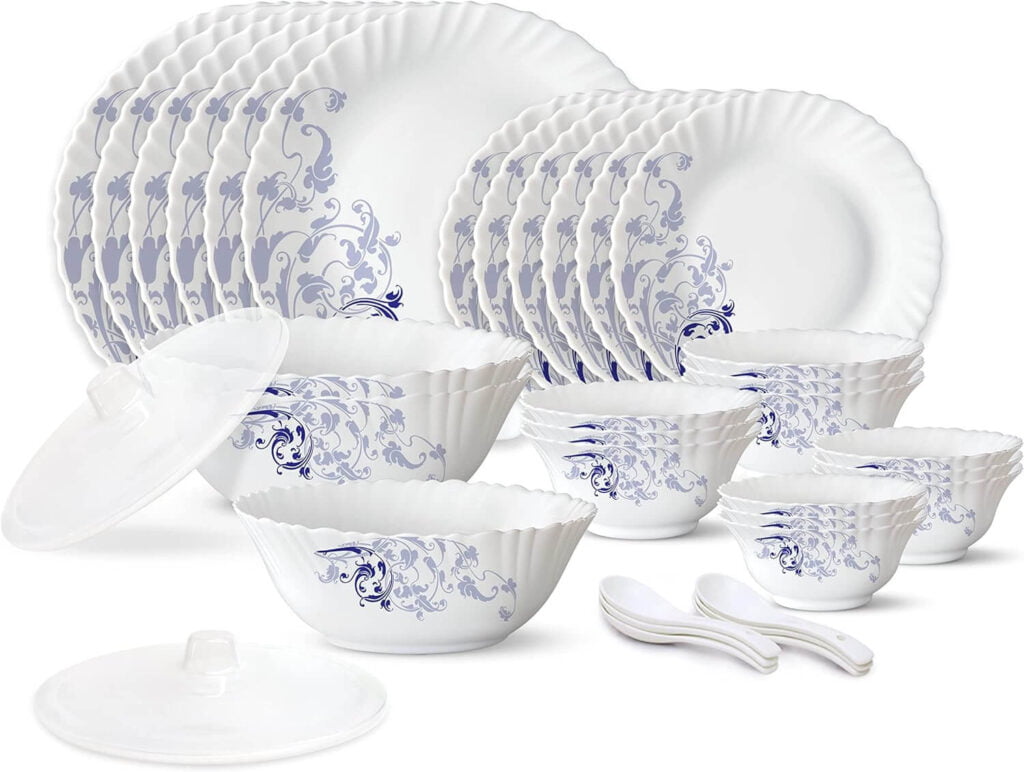
    LA OPALA OPALWARE DINNERWARE

    The La Opala and Larah by Borosil are two premium Indian dinnerware brands that manufacture tableware made up of tempered Opal glass.

    Borosil Opal tempered glass dinnerware set

    They are remarkably similar to Corelle; the only difference is that they are more expensive than Corelle plates. Check this article: comparison of Corelle and La Opala tableware.

    The following qualities make La Opala and Larah by Borosil dinnerware a top contender:

    • Delicate and beautiful designs to beautify your dinner table.
    • They are BPA-free and Lead-Free.
    • Superior and lightweight, more than ceramic, porcelain, and melamine.
    • Chip-resistant, crack-resistant, odor-resistant, and stain-resistant.
    • They require very low maintenance, easy to clean either by hand or dishwasher.
    • They are microwave-safe and stack perfectly for small spaces.

    Finally, the La Opala and Larah by Borosil Opal glass plates remain modern and versatile, suitable for indoor and outdoor use, festive parties, festivals, Christmas, weddings, housewarmings, and other events.

    CONCLUSION

    In conclusion, we’ve explored a variety of alternatives to Corelle dinnerware, weighing the pros and cons of each option.

    From the durability and lightweight nature of Corelle to the unique designs and materials offered by its alternatives, there’s no shortage of choices to suit different preferences and lifestyles.

    Ultimately, the decision between Corelle and its replacements hinges on individual needs and priorities. Whichever option you choose, the key takeaway is to invest in dinnerware that aligns with their lifestyle and brings joy to their dining experience.


  • Can You Put Glass Cookware on the Stove? Complete Safety Guide for All Glass Types

    You’re standing in your kitchen, wooden spoon in hand, when you realize your favorite stainless steel pot is nowhere to be found.

    Your eyes land on that beautiful glass bowl sitting on the counter, and a question pops into your mind: Can you put glass on the stove?

    If you’ve ever wondered whether it’s safe to heat glass cookware on your stovetop, you’re not alone.

    With the rise of glass pots, Pyrex dishes, and borosilicate cookware, many home cooks are confused about what’s safe and what could end in a kitchen disaster.

    The short answer? It depends entirely on the type of glass and your stovetop. Some glass cookware is specifically designed for stovetop use, while others will shatter the moment they hit direct heat.

    In this comprehensive guide, we’ll explore everything you need to know about using glass cookware safely on electric, gas, and other types of stoves.

    QUICK SAFETY ANSWER

    Can you put glass on the stove? Most regular glass should never be placed on a stovetop as it will crack or shatter from thermal shock.

    However, certain types of heat-resistant glass cookware, including some borosilicate glass and specially designed glass pots, can be used safely on stovetops with proper precautions.

    Glass TypeElectric StoveGas StoveGlass-Top/Induction
    Regular Glass❌ Never❌ Never❌ Never
    Borosilicate Glass⚠️ With Care⚠️ Heat Diffuser✅ Glass-Top Only
    Tempered Glass⚠️ Limited⚠️ Heat Diffuser⚠️ Glass-Top Only
    Stovetop-Safe Glass✅ Yes✅ Yes✅ Glass-Top Only

    UNDERSTANDING DIFFERENT TYPES OF GLASS COOKWARE

    Not all glass is created equal. Understanding the differences between glass types is crucial for kitchen safety.

    Regular Soda-Lime Glass

    This is the most common type of glass found in drinking glasses, cheap baking dishes, and decorative bowls.

    Never use regular glass on any stovetop. It has poor thermal shock resistance and will shatter when exposed to direct heat or sudden temperature changes.

    Why it’s dangerous:

    • Low thermal shock resistance
    • Expands rapidly when heated
    • Cannot handle temperature differences above 40°F (22°C)
    • Will create dangerous glass shards if it breaks

    Borosilicate Glass

    Borosilicate glass is a premium glass type that contains boron trioxide, giving it superior heat resistance. This is the gold standard for heat-resistant glass cookware.

    2.5 Quart Borosilicate glass cooking Pot for Gas and Electric stovetops

    Key properties:

    • Withstands temperature changes up to 329°F (165°C)
    • Low coefficient of thermal expansion
    • Used in laboratory equipment and high-quality cookware
    • Can handle oven temperatures up to 500°F (260°C)

    Is borosilicate glass safe for cooking? Yes, high-quality borosilicate glass is among the safest materials for cooking and for dinnerware, as it doesn’t leach chemicals and handles temperature changes well.

    Tempered Glass

    Tempered glass is regular glass that’s been heat-treated to increase its strength. While stronger than regular glass, it’s not necessarily better for stovetop use.

    Characteristics:

    • 4-5 times stronger than regular glass
    • Better thermal resistance than soda-lime glass
    • Still vulnerable to thermal shock on stovetops
    • When it breaks, it crumbles into small pieces rather than sharp shards

    Pyrex and Glass-Ceramic Cookware

    The Pyrex story is complicated. Vintage Pyrex (pre-1998) was made from borosilicate glass and was more heat-resistant.

    Modern Pyrex in the US is made from tempered soda-lime glass, which is less suitable for stovetop use.

    Can you use Pyrex on an electric stove? Modern Pyrex can be used on electric stoves with extreme caution and low heat, but it’s not recommended.

    Vintage borosilicate Pyrex is safer but still requires careful handling.

    GLASS COOKWARE BY TYPE: WHAT’S SAFE?

    Can you put Borosilicate glass on the stove

    Glass Pots and Saucepans

    Can you put a glass pot on the stove? Only if it’s specifically designed for stovetop use. Look for these features:

    Safe glass pots:

    • Made from borosilicate glass or glass-ceramic
    • Labeled as “stovetop safe”
    • Have heat-resistant handles
    • Thick, even bottom construction

    Best practices for glass pots:

    • Start with room-temperature cookware
    • Use low to medium heat only
    • Heat gradually to prevent thermal shock
    • Never place hot glass pots on cold surfaces

    Can you cook with a glass pot on the stove? Yes, but only with proper stovetop-safe glass cookware and following safety guidelines.

    Glass Bowls

    Can you put a glass bowl on the stove? This is extremely dangerous with regular glass bowls. Most glass bowls are not designed for direct heat.

    Exception: Some specialized borosilicate glass bowls are designed for stovetop use, but they’re rare and must be specifically labeled as stovetop-safe.

    Can you heat a glass bowl on the stove? Only if it’s specifically designed and labeled for stovetop use. When in doubt, use alternative heating methods like a double boiler or microwave.

    Glass Teapots and Kettles

    Glass teapot on electric stove: Many glass teapots are made from borosilicate glass and can be used on electric stoves, but always check the manufacturer’s specifications.

    Features to look for:

    • Borosilicate glass construction
    • Stovetop-safe labeling
    • Heat-resistant handle and spout
    • Reinforced bottom

    Borosilicate glass kettle stovetop safety: High-quality borosilicate kettles can be used on most stovetops except induction, but always use low to medium heat.

    Glass Baking Dishes

    Most glass baking dishes, including Pyrex and Anchor Hocking products, are designed for oven use, not stovetop cooking. Using them on a stovetop can cause thermal shock and breakage.

    Safe alternatives:

    • Transfer food to a stovetop-safe pan for reheating
    • Use the oven or microwave for reheating
    • Consider a heat diffuser for very gentle warming (still risky).

    STOVETOP COMPATIBILITY GUIDE

    Electric Stoves

    Can you put glass on an electric stove? Electric stoves are generally the safest option for glass cookware due to more even heat distribution.

    Electric coil stoves:

    • Better for glass cookware than gas
    • Ensure cookware completely covers the heating element
    • Use low to medium heat settings
    • Allow gradual heating and cooling

    Smooth-top electric stoves:

    • Most compatible with glass cookware
    • Even heat distribution reduces thermal stress
    • Avoid sliding glass cookware to prevent scratching
    • Clean spills immediately to prevent damage

    Can you use glass pots on an electric stove? Yes, if they’re designed for stovetop use and you follow proper heating techniques.

    Gas Stoves

    Can you use a glass pot on a gas stove? Gas stoves present more challenges for glass cookware due to uneven heating from flames.

    Safety considerations:

    • Direct flame contact creates hot spots
    • Uneven heating increases thermal stress
    • Always use a heat diffuser to distribute heat evenly
    • Keep flames low to medium

    Is glass cookware safe for a gas stove? Only with proper precautions, heat diffusers, and stovetop-safe glass cookware.

    Glass cookware on a gas stove: best practices:

    • Use a quality heat diffuser
    • Keep flames adjusted so they don’t extend beyond the cookware bottom
    • Never allow flames to touch the sides of glass cookware
    • Monitor closely for any signs of stress

    Glass-Top and Ceramic Stoves

    Can you use glass cookware on a glass top stove? This is actually one of the safest combinations due to even heat distribution.

    Advantages:

    • Excellent heat distribution
    • No direct flame contact
    • Consistent temperature control
    • Less thermal shock risk

    Precautions:

    • Avoid dragging glass cookware across the surface
    • Clean both surfaces thoroughly
    • Check for scratches or damage regularly

    Induction Cooktops

    Can you use glass on an induction stove? Most glass cookware is not compatible with induction cooking because glass is not magnetic.

    Exceptions:

    • Some specialty glass cookware has magnetic bottoms
    • Glass-ceramic cookware may work on some induction systems
    • Check manufacturer specifications carefully

    Hot Plates

    Can you put a glass on a hot plate? Electric hot plates can work with glass cookware, but exercise extreme caution due to potential hot spots and uneven heating.

    BRAND SPECIFIC SAFETY GUIDELINES

    Pyrex Safety

    Can Pyrex be used on a gas stove? Modern Pyrex (tempered soda-lime glass) should be used with extreme caution on gas stoves, preferably with a heat diffuser and low heat only.

    Can you heat Pyrex on a gas stove? While possible with precautions, it’s not recommended due to the thermal shock risk.

    Vintage vs. Modern Pyrex:

    • Pre-1998 Pyrex: Made from borosilicate glass, more heat-resistant
    • Post-1998 Pyrex: Tempered soda-lime glass, less suitable for stovetops
    • European Pyrex: Still made from borosilicate glass

    Borosilicate Glass Cookware Brands

    Top borosilicate glass cookware brands:

    Simax Borosilicate glass cookware for gas and electric stove

    1. Simax (Czech Republic)
      • Laboratory-grade borosilicate glass
      • Suitable for gas and electric stoves
      • Temperature range: -40°F to 572°F (-40°C to 300°C)
      • Excellent thermal shock resistance
    2. Schott (Germany)
      • Original inventor of borosilicate glass
      • Premium quality cookware
      • Professional-grade thermal resistance
    3. Borosil (India)
      • Affordable borosilicate options
      • Good thermal resistance
      • Wide range of cookware styles

    Other Trusted Brands

    Anchor Hocking Glass Bakeware set

    Anchor Hocking: Primarily tempered glass, suitable for oven use but limited stovetop compatibility.

    Libbey Glass Casserole cookware oven dish

    Libbey: Offers both tempered and borosilicate options; check specific product specifications.

    Arcoroc glass ceramic cookware for gas and electric stovetops

    Corning or Arcoroc Luminarc glass cookware: Produces various glass types, including Pyrex and specialized cookware.

    ESSENTIAL SAFETY GUIDELINES

    Temperature Management

    Gradual heating is crucial:

    • Start with room-temperature cookware
    • Use low heat initially, then gradually increase
    • Never exceed medium heat settings
    • Allow natural cooling – don’t force it with cold water

    Signs of thermal stress:

    • Small crackling sounds
    • Visible stress lines or cracks
    • Uneven heating patterns
    • Discoloration

    Using Heat Diffusers

    When to use heat diffusers:

    • Always with gas stoves
    • When using glass on electric coil stoves
    • For better heat distribution
    • To reduce thermal shock risk

    Best heat diffuser practices:

    • Choose diffusers slightly larger than your cookware base
    • Preheat the diffuser before adding glass cookware
    • Maintain low to medium heat settings

    Warning Signs to Stop Using Glass Cookware

    Immediate discontinuation signs:

    • Any visible cracks or chips
    • Previous thermal shock damage
    • Stress marks or clouding
    • Handle looseness or damage
    • Manufacturing defects

    COMMON MISTAKES AND DANGEROUS PRACTICES

    Myths vs. Reality

    MythReality
    “Expensive glass is always safer.”Different glass types have vastly different heat resistance
    “If it’s oven-safe, it’s stovetop-safe.”Price doesn’t guarantee stovetop safety – check specifications
    “Glass cookware is unbreakable.”Oven and stovetop heating are completely different
    “You can heat glass quickly to save time.”All glass can break under the right conditions
    “You can heat glass quickly to save time”Rapid heating causes thermal shock and breakage

    Dangerous Practices to Avoid

    Never do these with glass cookware:

    • Place a cold glass on hot burners
    • Use high heat settings
    • Put hot glass in cold water
    • Use damaged or chipped glass cookware
    • Ignore manufacturer guidelines
    • Use regular glass bowls on stovetops

    ALTERNATIVE SAFE HEATING METHODS

    Oven Use

    Is borosilicate glass oven safe? Yes, borosilicate glass is excellent for oven use and can typically handle temperatures up to 500°F (260°C).

    Can borosilicate glass go in the oven? Absolutely – this is one of its primary designed uses.

    Safe oven practices:

    • Preheat gradually when possible
    • Avoid extreme temperature changes
    • Use the middle oven racks for even heating
    • Allow natural cooling in the oven

    Microwave Safety

    Can you put borosilicate glass in the microwave? Yes, borosilicate glass is microwave-safe and won’t absorb microwave energy.

    Microwave safety tips:

    • Ensure no metallic components
    • Use microwave-safe lids or covers
    • Allow venting to prevent pressure buildup
    • Handle carefully, as the contents may be hot

    Other Safe Heating Methods

    Double-boiler method:

    • Ideal for gentle, indirect heating
    • Perfect for chocolate melting or delicate sauces
    • Works with any heat-resistant glass

    Slow cooker inserts:

    • Some glass bowls fit standard slow cookers
    • Provides gentle, even heating
    • Great for keeping food warm

    PRODUCT RECOMMENDATIONS

    Best Stovetop-Safe Glass Cookware

    Top picks for electric stoves:

    1. Simax Borosilicate Glass Saucepan Set
      • Temperature range: -40°F to 572°F
      • Suitable for gas and electric stoves
      • Cool-touch handles
      • Dishwasher safe
    2. Pyrex Flame Glass Cookware (European version)
      • True borosilicate construction
      • Stovetop and oven safe
      • Clear visibility for cooking

    For gas stoves (with heat diffuser):

    1. Borosil Glass Cookware Set
      • Affordable borosilicate option
      • Good thermal resistance
      • Multiple sizes available
    2. Glass Teapots with Stovetop Rating
      • Perfect for tea and light cooking
      • Usually borosilicate construction
      • Elegant and functional

    Essential Accessories

    Heat diffusers:

    • Stainless steel diffuser plates
    • Cast iron heat distributors
    • Ceramic heat diffusers for even heating

    Safety equipment:

    • Heat-resistant gloves
    • Trivets for hot cookware
    • Temperature monitoring devices

    FREQUENTLY ASKED QUESTIONS

    Can you cook with a glass pot on the stove?

    Yes, but only if it’s specifically designed for stovetop use. Look for borosilicate glass construction and “stovetop safe” labeling.

    Is glass cookware safe for a gas stove?

    Glass cookware can be used on gas stoves with proper precautions: always use a heat diffuser, keep flames low, and ensure the cookware is designed for stovetop use.

    Can you heat borosilicate glass on the stove?

    Yes, borosilicate glass can be heated on stovetops, but always follow manufacturer guidelines and use appropriate heat settings.

    Can glass pots be used on a gas stove?

    Stovetop-safe glass pots can be used on gas stoves with a heat diffuser and careful temperature control.

    Is tempered glass stove safe?

    Tempered glass has better heat resistance than regular glass, but is not ideal for stovetop use. It’s better suited for oven applications.

    Can you bake in borosilicate glass?

    Absolutely! Borosilicate glass is excellent for baking and can handle oven temperatures up to 500°F (260°C).

    Is borosilicate glass safe for hot water?

    Yes, borosilicate glass is perfect for hot water and is commonly used in teapots and coffee makers.

    What is 3.3 borosilicate glass?

    3.3 borosilicate glass refers to the coefficient of thermal expansion (3.3 × 10^-6 K^-1), indicating very low expansion and high thermal shock resistance.

    Can you use glass pots on an electric stove?

    Yes, stovetop-safe glass pots work well on electric stoves due to more even heat distribution compared to gas stoves.

    Is high borosilicate glass safe?

    High borosilicate glass is among the safest cookware materials, with excellent chemical resistance and thermal properties.

    CONCLUSION

    Using glass cookware on stovetops can be safe and enjoyable when done correctly.

    The key is understanding your cookware material, your stovetop type, and following proper safety guidelines.

    Remember these essential points:

    • Only use glass cookware specifically designed for stovetop use
    • Borosilicate glass is the safest option for stovetop cooking
    • Always use heat diffusers with gas stoves
    • Start with low heat and increase gradually
    • Never use damaged or regular glass cookware on stovetops

    When in doubt, choose alternatives. Your safety is worth more than the convenience of using a particular piece of cookware.

    Invest in quality, stovetop-rated glass cookware if you love the benefits of glass cooking, or stick to traditional materials like stainless steel or cast iron for stovetop use.

    By following this guide, you can enjoy the benefits of glass cookware while keeping your kitchen safe and your meals delicious.

    Whether you’re boiling water in a borosilicate glass pot or gently warming soup in a specially designed glass saucepan, proper knowledge and precautions will serve you well in the kitchen.


    To know more about Borosilicate glass, kindly check our guides on the cons of borosilicate glass, difference between regular glass and borosilicate glass, and best methods of identifying borosilicate glass.

    REFERENCE: UVM’s guidelines on handling glassware,