Tag: lead free kitchenware

  • Vaisselle Arcopal

    You’re hosting a dinner party, and as you’re setting the table, your friend gasps at how elegant yet lightweight your dinnerware is. “These can’t be regular plates,” she says, carefully lifting a pristine white plate that seems to float in her hands.

    You smile, knowing you’re about to introduce her to one of France’s best-kept culinary secrets: Vaisselle Arcopal.

    This isn’t just any dinnerware – it’s the perfect marriage of durability and sophistication that has graced French households for generations.

    But what makes these dishes so special, and why are they becoming increasingly popular in American homes?

    Let’s dive into the world of Arcopal, where French artistry meets practical innovation.

    THE LEGACY OF FRENCH INNOVATION: UNDERSTANDING ARCOPAL

    When it comes to comparing lightweight dinnerware options few can match the legacy of Vaisselle Arcopal.

    Born in the heart of France, Arcopal revolutionized the dinnerware industry with its unique composition of tempered opal glass.

    This innovative material, developed by Arc International, the parent company, has been setting durability standards for tableware since its inception.

    THE BIRTH OF A FRENCH ICON

    The Arc Group is the world leader in tableware, designing innovative and sustainable glass solutions for everyday use, devoted to the pleasure of drinking, eating, and adorning our homes.

    Vaisselle Arcopal

    The company was founded in 1825 in the North of France, in Arques, where the Group still has its headquarters and its Research and Development division.

    The Arques site is the largest glass tableware production site in the world and the eighth-largest industrial site in France.

    The result was a groundbreaking advancement in dinnerware technology that would soon become a staple in households worldwide.

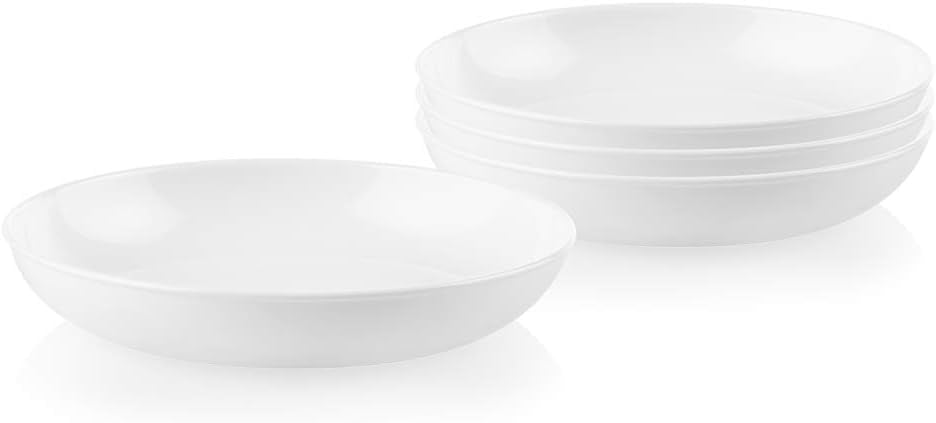
    Arcopal Dessert Plates Set

    With production units in France, the US, China, and the United Arab Emirates, the Group produces over 4 million items each day.

    Arc employs 7,500 permanent staff worldwide, including 4,400 in France, and generated sales of €740 million in 2021.

    WHAT MAKES ARCOPAL UNIQUE?

    Material Composition and Manufacturing:

    Vaisselle Arcopal is crafted from tempered opaline glass, a material that undergoes a special heat treatment process.

    “The Arc Group’s commitment to sustainability shines through their innovative manufacturing process.

    Arcopal Domitille Black Opal Dinnerware Set For 6 People

    According to their Environmental report explained below, their state-of-the-art facilities employ advanced techniques that slash energy consumption by up to 40%, reduce water usage by nearly a third, and utilize carbon-neutral technologies.

    These eco-conscious practices ensure that every piece of Arcopal gracing your table comes with the added satisfaction of environmental responsibility.

    Arc Group’s manufacturing methods set new benchmarks for sustainable glassware production in Europe.”

    They also minimize the use of chemicals and with all this in place, that is why their dinnerware or glass products are:

    – 2.5 times more resistant to breakage than traditional porcelain

    – Completely non-porous

    – Thermal shock resistant

    100% hygienic and food-safe.

    Thus, meeting their vision which is “innovative glass for a better world”.

    ARCOPAL VS TRADITIONAL MATERIALS

    FeatureArcopalRegular PorcelainCeramic
    Break ResistanceHighMediumLow
    WeightVery LightHeavyHeavy
    Thermal ShockExcellentGoodFair
    Dishwasher SafeYesYesYes and it also Varies
    Microwave SafeYesYesYes and it also Varies

    PRACTICAL BENEFITS FOR MODERN LIVING

    1. Durability That Defies Expectations:

    The superior impact resistance of these innovative plates makes them ideal for busy households.

    According to consumers report and safe kitchen standard practices, Arcopal’s break-resistant properties make it one of the safest options for family use.

    2. Lightweight Excellence:

    At just a fraction of the weight of traditional porcelain, Arcopal offers exceptional handling comfort. This makes it particularly popular among:

    – Restaurant professionals

    – Families with children

    Elderly users

    – Anyone who appreciates easier table setting and cleanup

    VERSATILITY IN THE KITCHEN

    Temperature Tolerance:

    One of Arcopal’s most impressive features is its ability to handle extreme temperature changes. Based on culinary testing standards, the Arcopal brand is:

    – Microwave safe up to 150°C (302°F)

    – Freezer safe to -20°C (-4°F)

    – Oven safe up to 120°C (Arcopal casserole vintage dish) (248°F)

    CARE AND MAINTENANCE

    Maintaining your Arcopal collection is remarkably straightforward:

    1. Dishwasher Safe: Place items securely to prevent movement during washing

    2. Stack with Care: Despite durability, avoid excessive sliding

    3. Regular Inspection: Check for any signs of wear, though rarely needed

    DESIGN AND AESTHETICS

    Classic French Style

    Arcopal’s design philosophy combines:

    – Traditional French elegance

    – Modern minimalistic touches

    – Versatile patterns suitable for any décor

    Popular Collections

    The most sought-after designs include:

    1. Blanc Collection (Pure white)

    2. Fleur Bleue (Traditional blue floral)

    3. Moderne (Contemporary patterns)

    ENVIRONMENTAL IMPACT AND SUSTAINABILITY

    In today’s eco-conscious world, Arcopal stands out for its:

    – Long-lasting durability reducing replacement needs

    – Energy-efficient manufacturing process

    – Recyclable materials

    According to the Arc Environmental Sustainable Report, they plan to improve Arcopal’s manufacturing process by:

    • reducing carbon emissions by 37% by 2030.
    • Introduce eco-design into our approach and ensure that 100% of new products are eco-designed by 2025.
    • By 2030, we will reduce our CO2 emissions at the Arc France site by more than a third, our fossil fuel consumption by nearly 40%, and our water withdrawals by 80%.

    MAKING THE RIGHT CHOICE: BUYING GUIDE

    What to Look For:

    When purchasing Vaisselle Arcopal:

    1. Check for authentic markings

    2. Consider your specific needs (daily use vs. special occasions)

    3. Evaluate pattern longevity

    4. Compare prices across authorized retailers

    WHERE TO BUY

    Authentic Arcopal can be purchased through:

    – Official distributors

    – Select department stores

    – Specialized kitchenware retailers

    CONCLUSION

    Vaisselle Arcopal represents the perfect blend of French innovation and practical design.

    Whether you’re a professional chef, a busy parent, or simply someone who appreciates quality dinnerware, Arcopal offers an unmatched combination of durability, style, and functionality.

    Ready to elevate your dining experience? Consider starting with a basic set of Arcopal dinnerware and experience firsthand why this French classic continues to win hearts worldwide.

  • How to Dispose of Corelle Dishes with Lead

    Many households have cherished vintage Corelle dishes that have been passed down through generations.

    However, some of these older patterns may contain lead in their decorative glazes, posing potential health risks if ingested.

    We at SafeKitchn will provide a step-by-step guide on how to safely dispose of leaded Corelle dishes, ensuring the protection of your family and the environment.

    By following these simple yet crucial steps, you can rest assured that your beloved dishware will be properly handled, preventing any accidental lead exposure and allowing you to replace them with modern, lead-safe alternatives.

    If you’ve been concerned about the potential hazards of using your vintage Corelle dishes or are unsure about their lead content, this article will offer a responsible solution to address this common household issue.

    For those seeking information on how to responsibly handle and discard leaded dishware, this guide will provide the necessary information to ensure a safe and eco-friendly disposal process.

    HOW COMMON IS LEAD POISONING FROM DISHES?

    While lead poisoning from dishes may seem like an outdated concern, it’s still a potential risk that shouldn’t be overlooked, especially when it comes to vintage or antique dishware.

    Although the use of lead-based glazes has largely been phased out and awareness of the dangers has increased, it’s crucial to understand how lead can make its way from your dishes onto your plate.

    The most critical factor is the leaching of lead into foods and beverages.

    Lead is a toxic substance that can wreak havoc on human health, posing a particular threat to young children and expectant mothers.

    Cadmium and Lead free Corelle Vitrelle dinner sets

    Even minute amounts of lead exposure can lead to severe issues, including developmental delays, brain damage, and organ impairment.

    In the past, lead was a common ingredient in glazes used to create vibrant and decorative finishes on ceramic dishes, pottery, and certain types of glassware like Corelle.

    Over time, this lead can slowly seep out, especially if the dishes are scratched, cracked, or exposed to acidic foods and beverages like tomato sauce, citrus fruits, or vinegar.

    The risk of lead poisoning from dishes increases under certain conditions:

    Age of the dishes: Older dishware, particularly pieces made before the 1970s, is more likely to contain lead glazes.

    Condition of the dishes: Cracked, chipped, or heavily scratched dishes can release more lead particles into food.

    Type of food/beverage: Acidic foods and beverages can cause more lead to leach from the dishes.

    Duration of use: The longer lead-glazed dishes are used, the more lead can potentially accumulate in the body.

    While the risk of lead poisoning from dishes alone is generally low, it’s crucial to take precautions, especially if you have vintage or antique dishware.

    If you suspect your dishes may contain lead, it’s best to stop using them for food and beverages and to have them tested by a professional.

    If they do contain lead, proper disposal methods should be followed to prevent environmental contamination and potential exposure.

    The most important step is to replace any lead-containing dishes with lead-free, safe alternatives, especially if you have young children or pregnant women in your household.

    By understanding the risks and taking appropriate actions, you can enjoy your dishware while protecting your family’s health.

    HOW TO DISPOSE OF CORELLE DISHES WITH LEAD

    How to dispose of Corelle dishes with Lead

    In case your tested Corelle dishes contain some traces of Lead and you are uncomfortable with it, here are some tips for properly disposing of Corelle dishware that is no longer wanted:

    1. Corelle is made from vitrified glass, which is non-toxic and can generally be disposed of in your regular household trash. However, check with your municipal solid waste authority about any specific regulations in your area.
    • It’s best not to simply throw intact Corelle dishes directly into the trash, as they could potentially injure sanitation workers. Break or crush the dishes first into smaller pieces.
    • Wrap broken Corelle shards in a newspaper or a plastic bag before placing them in the trash to avoid cutting hazards.
    • Some municipal recyclers will accept broken vitrified glass dishes like Corelle with other glass recycling. Check if this option is available where you live.

    SYMPTOMS OF LEAD POISONING FROM DISHES

    While uncommon today, lead poisoning from vintage or antique dishware can still occur and manifest in various ways.

    Common symptoms include digestive issues like abdominal pain, nausea, constipation, and appetite loss.

    Neurological problems like headaches, irritability, fatigue, memory lapses, and muscle weakness are also red flags.

    Children may experience developmental delays, learning difficulties, behavioral issues, growth impairment, and hearing loss.

    For expectant mothers, lead exposure can lead to miscarriages, premature births, low birth weights, and developmental delays in newborns. In severe cases, life-threatening complications like seizures, coma, brain damage, kidney damage, and anemia can occur.

    However, early symptoms can be subtle and easily mistaken for other health issues, making it crucial to identify and eliminate potential lead exposure sources like lead-containing dishes.

    If using suspected lead dishware, especially with young children or pregnant women, blood lead level testing is highly recommended for early detection and prevention of devastating health consequences.

    PROPER HANDLING AND STORAGE BEFORE DISPOSAL OF LEADED DINNERWARE

    If you have dinnerware that legitimately contains lead, proper handling and storage before disposal are important to minimize the risk of lead exposure.

    Here are some recommended steps:

    Handling:

    • Wear disposable gloves when handling the leaded dishware to avoid transferring lead dust to your hands.
    • Handle the dishes carefully to avoid chips or breakage that could create lead dust.
    • Do not allow children to handle or play with leaded dishes.

    Storage before Disposal:

    • Place each dish/piece in a separate plastic bag and seal it to fully contain any existing lead dust.
    • Put all the sealed plastic bags containing the leaded dishes into a rigid plastic storage bin with a sealable lid.
    • Label the bin clearly as containing lead materials.
    • Store the bin in an area inaccessible to children and pets until you can properly dispose of the contents.

    It’s crucial to avoid creating any lead dust from the dishware and to fully contain any existing dust to prevent spreading lead contamination in your home before disposal.

    Never wash leaded dishes in the same sink/dishwasher you use for regular dishware to prevent cross-contamination. Discard any food packaged in lead-soldered cans as well.

    Check with your local hazardous waste disposal company for the proper way to discard leaded dishware in your area, as it may require special handling as hazardous household waste.

    CLEANING UP AFTER DISPOSING OF LEADED DISHES

    If you have old (vintage) or poorly manufactured dinnerware brands that might contain lead, see below for the various ways you can clean up the environment after disposal:

    • Sweep up any loose shards or dust carefully using a brush and dustpan. Vacuum afterward to pick up any missed small pieces.
    • Vacuum the area thoroughly using a HEPA vacuum to capture lead dust.
    • Wipe surfaces with a lead-specific cleaning solution or make one by mixing trisodium phosphate with water.
    • For any dishes you broke before disposal, wipe up the area with a damp paper towel or cloth to pick up glass powder residue.
    • Rinse surfaces completely with clean water.
    • Put used cleaning materials and vacuum contents in sealed plastic bags for hazardous waste disposal.
    • Consider having the area professionally tested for remaining lead contamination.
    • Wash the area with soap and water when you’re done to ensure no shards remain.
    • Finally, check carefully for any missed pieces and re-clean the area if needed.

    LOCAL HAZARDOUS WASTE DISPOSAL RESOURCES

    Most municipal and county governments have household hazardous waste (HHW) programs and facilities set up to properly dispose of toxic household items like:

    • Lead-acid batteries
    • Paints, stains, solvents
    • Pesticides/herbicides
    • Mercury-containing devices
    • Lead products like old dishes/ceramics

    These HHW facilities are usually located at municipal landfills, recycling centers, or transfer stations.

    They have proper storage, handling, and disposal methods for hazardous materials that shouldn’t go into regular trash.

    To use these resources for lead dishware disposal:

    1. Visit your city/county’s website and look for the “Hazardous Waste Disposal” section, or call their waste management information line.
    2. They’ll provide details on HHW drop-off locations, accepted items, any fees, and special instructions.
    3. You’ll likely need to pack lead dishes into sealed plastic bags/containers and label them before transporting them to the facility.
    4. Some areas have special HHW collection events periodically if there is no permanent facility.
    5. Certain retailers, like hardware stores, also have programs to collect small amounts of household hazardous waste.

    The key is utilizing these approved HHW channels rather than discarding lead items improperly.

    Most localities prohibit putting hazardous waste in regular trash/recycling bins.

  • Does Depression Glass Contain Lead

    During the bleak years of the Great Depression, amidst economic hardship and uncertainty, a glimmer of beauty emerged in the form of Depression glass.

    With its delicate colors, intricate patterns, and affordable price tags, Depression glass became a beacon of hope for many households across America, adorning tables and lifting spirits during challenging times.

    Fast forward to the present day, and Depression glass continues to captivate collectors and enthusiasts with its nostalgic charm and historical significance.

    However, beyond its undeniable allure lies a lingering question: Does Depression glass contain lead?

    This inquiry has sparked debates and raised concerns within the collecting community and among health-conscious individuals.

    In this exploration, we delve into the intricacies of Depression glass, uncovering its origins, discussing its appeal, and addressing the contentious issue of lead content.

    As we navigate through conflicting opinions and scientific findings, we aim to shed light on this complex topic, empowering readers to make informed decisions about the acquisition, handling, and enjoyment of Depression glass in their lives.

    Join us on this journey as we unravel the mysteries surrounding Depression glass, separating fact from fiction and illuminating the path towards a deeper understanding of this beloved yet enigmatic artifact of American history.

    WHAT IS DEPRESSION GLASS?

    Depression glass earned its name because it was mass-produced during the Great Depression era ( 1929-1939).

    Manufacturers used cost-effective methods to create affordable glassware during economic hardship.

    These pieces were often given away as promotional items or sold at very low prices, making them accessible to struggling families.

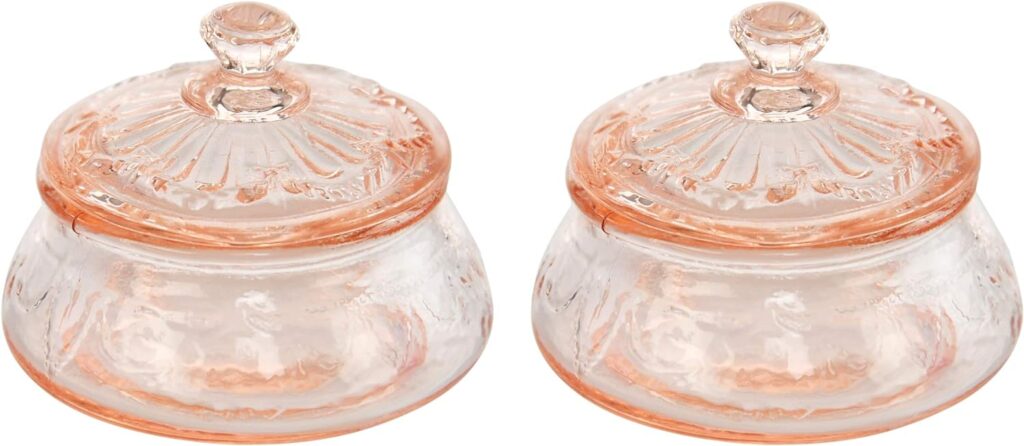
    Depression glass is made of inexpensive materials like soda-lime glass and comes in a variety of colors, such as clear, yellow, pink, green, blue, red, pink, and amber. e.t.c

    Depression glass is a highly collectible item and has been collectible since the 1960s, and becomes more and more collectible as it becomes rarer.

    DOES DEPRESSION GLASS CONTAIN LEAD

    Does Depression Glass contain Lead

    Depression glass does contain lead. This colored glassware, manufactured between 1929 and 1939 during the Great Depression, was mass-produced using a variety of metals and compounds, including lead oxide.

    Lead was an essential ingredient that helped create the glass’s characteristic colors and improved its durability during the manufacturing process.

    Key facts about lead in Depression glass:
    – The lead content varies by color, with green and pink pieces typically containing higher concentrations
    – Lead was used as a stabilizing agent and to produce clarity in the glass
    – The lead oxide content could range from 12% to 36%, depending on the manufacturer and color
    – While the lead is generally stable within the glass matrix, it can leach out under certain conditions, particularly when exposed to acidic foods or beverages.

    CONFLICTING OPINIONS ON THE PRESENCE OF LEAD IN DEPRESSION GLASS

    To begin this discussion, let us first lay this foundation: During the Great Depression, there were a handful of Depression glass manufacturers, but the most notable were Federal Glass CompanyIndiana Glass CompanyHazel Atlas Glass CompanyAnchor Hocking Glass CompanyJeanette Glass CompanyMacBeth-Evans Glass CompanyImperial Glass Company, and a host of others.

    You agree that adding lead to glassware products during the Depression would have been more expensive, right?

    So, with few resources, they had to mass-produce these Depression glasses in vast quantities.

    The fear of lead and other toxic elements in glassware and other ceramic tableware stems from the fact that when we hear that glassware is old or vintage, we immediately think that it must have been made with lead because lead was commonly used in glass manufacturing processes at the time.

    Take, for example, is it all the Corelle old dinnerware that contains Lead? The answer is NO!

    Secondly, most users are afraid and say that since Depression glass was often mass-produced using economical methods, they might have used lead as a stabilizer to achieve specific colors and textures.

    Another assertion is that Depression glass items are not manufactured equally, as many companies were involved.

    Different manufacturers, patterns, and colors may have utilized varying formulations and may have resulted in differences in lead content.

    In addition, the moment we see a piece of clear, brilliant, shining glassware, we think it must have been leaded, but this is not always the case.

    Crystal glass isn’t Depression glass, though they might look somewhat similar.

    Even Brands like Mikasa which manufactures both regular glass and Crystal drinking glasses, have pointed out that their crystal glass is lead-free because of the new innovative manufacturing methods and adherence to the FDA laws regarding compliance with safety standards.

    Scientific studies and testing have been conducted to determine the lead content in Depression glass.

    Results have been mixed. Some studies found detectable levels of lead, while others reported minimal to no lead present.

    Presently, regulatory standards for lead content in consumer products have become stricter.

    However, Depression glass predates many modern regulations, so users are worried its lead content may not meet current safety standards.

    To conclusively determine if Depression glass contains lead, we recommend having items tested by professionals if lead exposure is a heavy concern.

    For example, a lead experiment done by Lead SAFE Mama shows that the clear Depression glass is free from lead and other toxic elements, so we are left with other colored Depression glass.

    Finally, handle and use Depression glass with caution, as collectors use it mostly as decorative pieces and for gifts.

    IS DEPRESSION GLASS SAFE TO USE?

    Modern experts recommend using Depression glass only for display purposes rather than for serving food or drinks.

    While occasional use likely poses minimal risk, regular exposure to food or beverages could lead to lead leaching, especially with acidic contents like citrus juices, tomato-based foods, or vinegar.

    IS GREEN DEPRESSION GLASS SAFE TO USE?

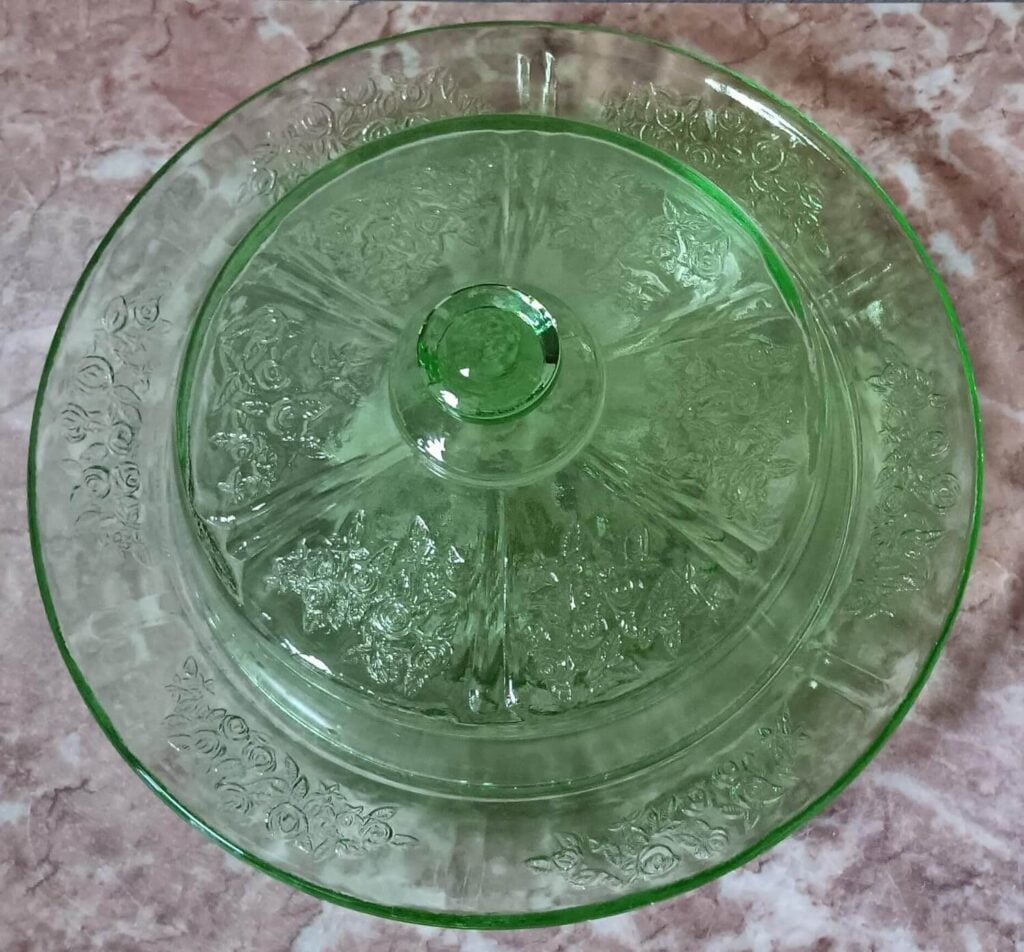
    Green Depression glass is one of the most common types of glassware produced during the great depression era in the USA between the late 1920s and early 1940s.

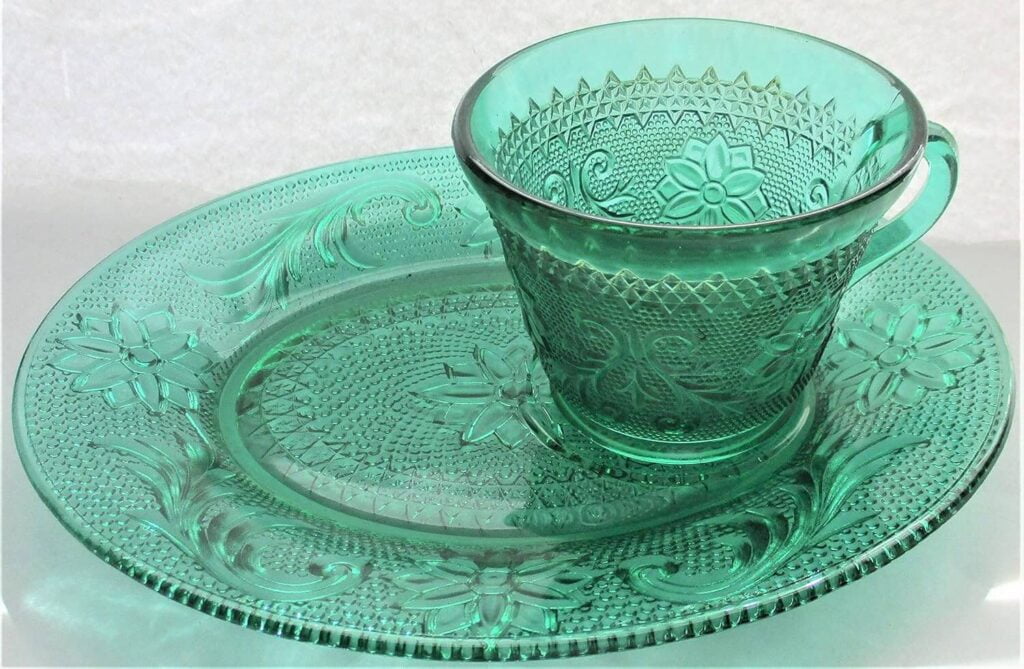
    Green Depression Glass Plate with Cup

    Green Depression glass is not recommended for food use. These pieces typically contain both lead and potentially uranium oxide, which can leach into food or beverages.

    While safe for display and collection purposes, green Depression glass should be used only as decorative items rather than functional dinnerware.

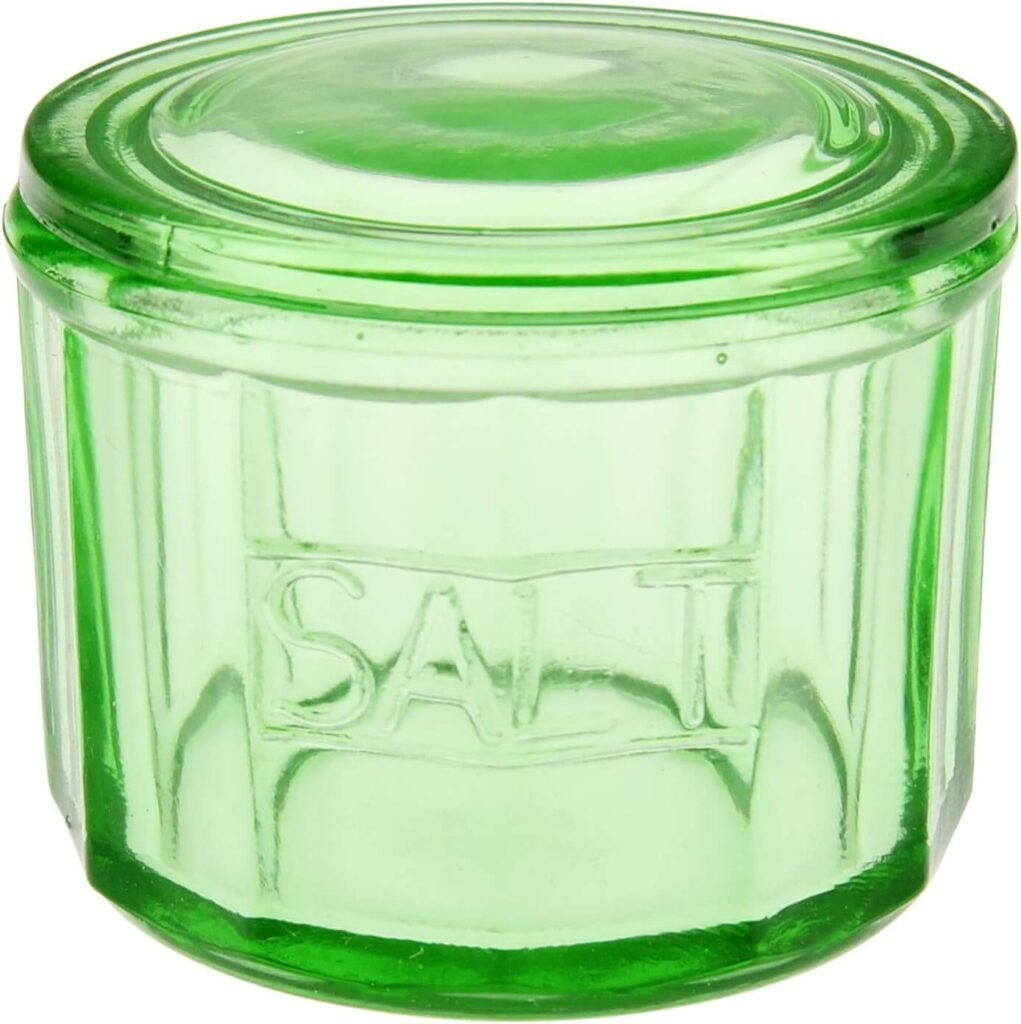
    Green Depression glass salt cellar

    While safe for display and collection purposes, green Depression glass should be used only as decorative items rather than functional dinnerware.

    IS DEPRESSION GLASS RADIOACTIVE?

    Some Depression glass pieces are mildly radioactive, particularly those containing uranium oxide, which was commonly used to create yellow, green, and amber colors.

    However, the radiation levels are generally very low and considered safe for display purposes. Uranium glass was manufactured until the 1940s.

    AMBER DEPRESSION GLASS

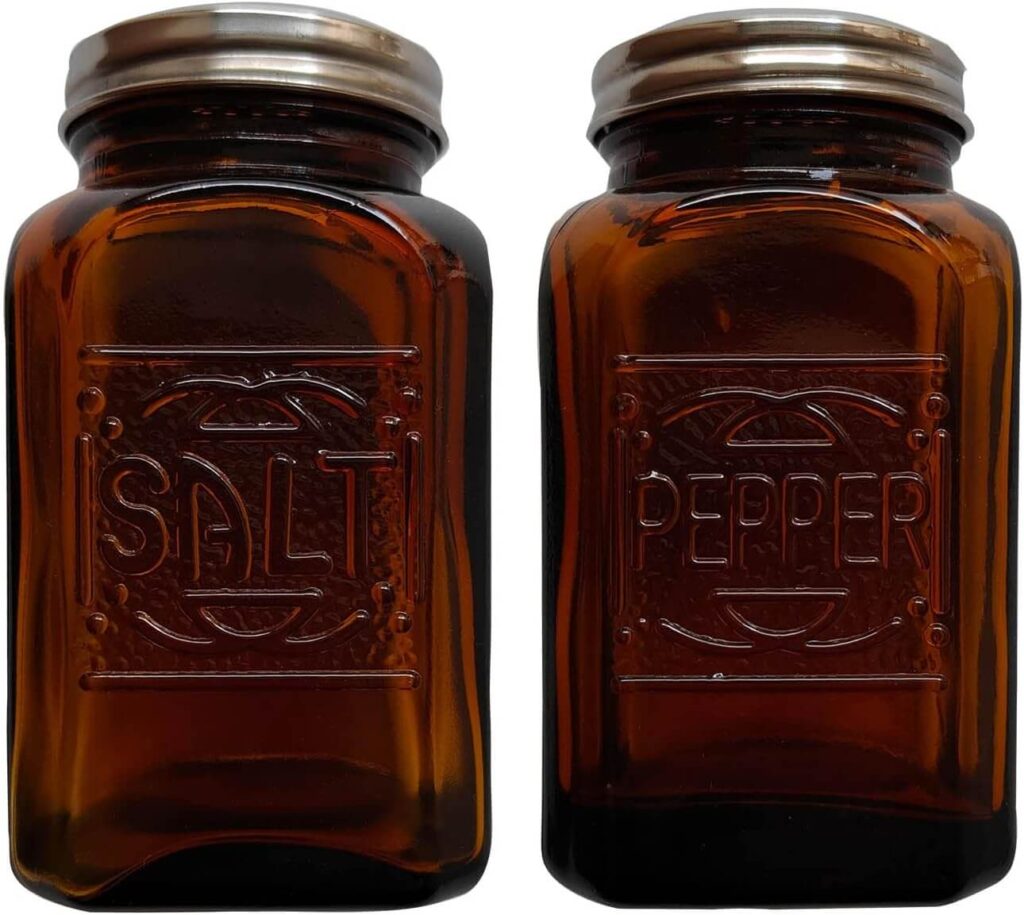
    Amber Depression glass

    Amber Depression glass usually comes in shades of amber or yellow. It was mass-produced and given away as a promotional item or sold at low prices during the great depression.

    The glassware often featured intricate patterns and designs, adding a touch of elegance during a time of economic hardship.

    New lead free Amber wine drinking glassware

    Today, it’s sought after by collectors for its historical significance and nostalgic charm.

    IS DEPRESSION GLASS VALUABLE?

    Yes, most colors of Depression glass are valuable and heavily sought after by collectors because they can be sold for a substantial amount.

    One of the most popular Depression glasses amongst collectors is the Pink Depression glass.

    In addition, two colors are considered rare Depression glass, and they are red and blue, making them most valuable, expensive, and sought after more than the green and pink Depression glass.

    DOES ALL DEPRESSION GLASS GLOW?

    Not all Depression glass glows under ultraviolet light. Only pieces containing uranium oxide or manganese will glow.

    Pink Depression glass does it glow?

    Pink Depression glass typically glows due to manganese content, while green and yellow pieces may glow due to uranium oxide.

    The presence of these elements was common in glass production during the Depression era.

    IS PINK DEPRESSION GLASS RADIOACTIVE?

    Pink Depression glass is typically not radioactive, as it was colored using manganese rather than uranium oxide.

    While it may glow under UV light due to the manganese content, this fluorescence is not related to radioactivity. However, pink Depression glass often contains lead.

    IS YELLOW DEPRESSION GLASS SAFE TO USE?

    Yellow Depression glass is not considered safe for regular food use.

    While decorative displays are fine, these pieces often contain both lead and uranium oxide.

    The potential for leaching of these substances, especially when in contact with acidic foods or hot liquids, makes them unsuitable for serving food or beverages.

    IS URANIUM GLASS HARMFUL?

    Uranium glass was made in the 18th century; they are different from Depression glass, and you can only know this with the help of a UV light.

     Some people call Uranium glass Vaseline glass because of the yellow or yellowish-green color that glows bright green under backlight due to the presence of Uranium in the glass formulation.

    It is good to note here that green-colored Depression glass is neither Vaseline glass nor Uranium glass.

    Although uranium glass can produce low quantities of radiation, the levels are usually regarded as safe for handling.

    However, do not use metals on uranium glass and avoid prolonged exposure or ingestion, as this may pose health hazards.

    It’s best to avoid prolonged contact or ingestion of uranium glass and to handle it with care by using it for decorative purposes.

    DOES HAZEL ATLAS GLASS CONTAIN LEAD?

    Hazel Atlas Glass Company was a prominent manufacturer of glassware in the United States, known for producing a wide range of glass products, including kitchenware, dinnerware, and decorative glass items.

    Established in the early 20th century, the company was particularly renowned for its Depression-era glassware.

    It is not all Hazel Atlas Glass product lines that contain Lead. Hazel Atlas Glassware produced before the mid-20th century may contain trace amounts of lead, particularly in decorative or colored glass items.

    However, the company also produced clear glassware that typically didn’t contain lead.

    For example, the clear food storage Hazel Atlas glass Lid is Lead-free, while the Vintage Orange Hazel Atlas Milk glass Mug contains Lead, cadmium, and even mercury.

    DEPRESSION GLASS HEALTH BENEFITS?

    Depression glass has no known health benefits.

    Using Depression glass for food or beverages may pose health risks due to its lead and, in some cases, uranium content.

    These pieces should be valued for their historical and decorative significance rather than any purported health properties.

    DOES PRESSED GLASS CONTAIN LEAD?

    Pressed glass can contain lead, as lead was commonly used in glassmaking processes to improve clarity and brilliance, as well as to aid in the molding of intricate designs.

    However, not all pressed glass items contain lead, and the amount of lead can vary depending on factors such as the specific composition of the glass and the period in which it was produced.

    For example, the Anchor Hocking pressed Wexford glassware made in 1967 – 1998 is Free from Lead, while the Vintage Pressed small platter glass contains Lead and even antimony.

    It is best to always test your glass brand for the presence of lead before you use it for food, especially old, vintage, or antique glassware.

    REFERENCE: ULTIMATE GUIDE TO UNDERSTANDING DEPRESSION GLASS

  • Pictures of Corelle Dishes that have Lead

    Are your everyday dishes putting your health at risk? It’s a question worth pondering, especially when it comes to the plates and bowls we use daily.

    One of these plates is the Corelle brand, beloved for its durability and sleek design; it’s a dominant dinnerware in many households.

    However, beneath their charming exterior lies a potential concern – lead! But which Corelle dishes have Lead?

    It is dangerous to be affected by the same toxic metal we’ve been warned about in paint and toys, which is now lurking in our most adorable dinnerware.

    In this article, we’ll explore the world of Corelle dishes and uncover pictures of Corelle dishes that have lead, which ones may contain lead, and understand Corelle dishes’ lead recall and why.

    Stick around to learn how to safeguard yourself and your loved ones from any potential health hazards hiding in your favorite kitchenware.

    CORELLE DISHES LEAD RECALL

    The Corelle dish recall was initiated in response to concerns regarding lead in the decorations on specific designs/patterns of their tableware, based on the year of creation (before 2005) and manufacturing processes utilized.

    The decision was made to recall the products to ensure consumer safety and compliance with regulations regarding lead levels in consumer products.

    Corelle Lead recall became imperative because of the high level of use of vintage dinnerware brands among enthusiasts and collectors.

    You can recall that Lead-based paint, used mostly in dinnerware and other kitchen products, was officially banned in 1978, and the FDA started regulating lead levels in dinnerware in 1971.

    The FDA caps the amount of leachable lead in dosages at 3.0 micrograms per milliliter of leaching, but even dishes with lower lead levels can add to a person’s total exposure to lead.

    Despite this, there is no safe level of lead exposure. Imagine using these leachable dinnerware daily; don’t you think that over time, your health might be affected?

    Lead can be harmful if ingested, especially for children and pregnant women, so companies take such recalls seriously to protect their customers and build trust.

    WHICH CORELLE DISHES HAVE LEAD?

    Which Corelle dishes have Lead

    The Corelle dishes that contain lead and cadmium are some of the old Corelle patterns made before 2000, such as the Corelle butterfly gold, because they were made with lead-based paints, the manufacturing process exposed to lead, and Corelle has advised to use them as decorative pieces.

    PICTURES OF CORELLE DISHES THAT HAVE LEAD

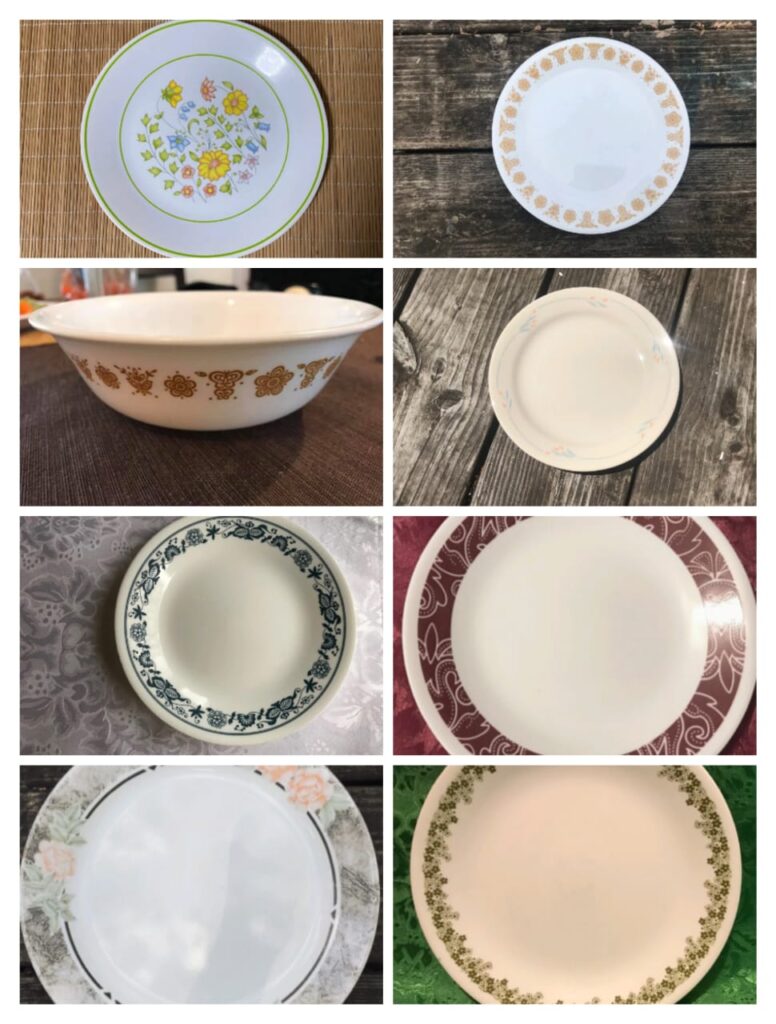
    Now, let’s see the pictures of Corelle dishes that contain Lead.

    Let’s recall that if Corelle dishes have lead, it’s likely due to old manufacturing processes. Lead was once commonly used in glazes, but modern standards prohibit its use.

    However, if you have older Corelle dishes, especially those made before the late 1990s, they might contain lead.

    Some examples are Vintage Corelle Meadow dish, Vintage Corelle Butterfly gold plate glass dish, Vintage Corelle Plate or crazy daisy spring Blossom Green, Vintage Corelle by Corning Butterfly gold pattern glass Bowls, Vintage Corelle dish with yellow basket and blue and red flowers, Vintage cream Corelle plates with peach tulip buds. E.t.c

    It’s essential to check with the manufacturer or conduct a lead test to know the amount of lead content, so you stay safe and healthy.

    Below are some pictures of Corelle dishes that have lead, cadmium, and even arsenic due to the extensive lead test carried out:

    Pictures of Corelle dishes that have Lead

    WHICH CORELLE DISHES ARE LEAD AND CADMIUM-FREE?

    Corelle Bella dish pattern that is Lead and Cadmium Free

    Now that we know which Corelle dishes contain lead or cadmium, we can confidently state that the lead and cadmium-free Corelle dishes are the new Corelle dishes manufactured from mid-2000, as well as the old winter frost white Corelle pattern made in 1970, even though it was one of the first and most popular Corelle patterns produced.

    More examples of Corelle dishes that are lead and cadmium-free are:

    Corelle white winter frost Dinnerware

    Corelle white winter frost Livingware Dinnerware set

    Corelle embossed Bella Faenza

    Corelle Vitrelle Winter frost white Plates and Bowls

    Fiestaware dating backstamps pdf guide

    ARE WHITE CORELLE DISHES LEAD-FREE?

    are white Corelle dishes Lead Free

    Absolutely yes, all the pure white Corelle dishes without any patterns or designs are completely lead and cadmium-free, the most common being the winter frost white Corelle pattern.

    RELATED: IS CORELLE LIVINGWARE CORNING LEAD-FREE?

    IS CORELLE VITRELLE LEAD FREE?

    Sometimes, people confuse Corelle and Vitrelle, but they are not the same.

    Vitrelle is the material used in manufacturing Corelle, and this material is free from any impurities including Lead, so we can say that Corelle Vitrelle is free from lead and cadmium.

    DO ALL CORELLE DISHES CONTAIN LEAD?

    It is NOT all Corelle dishes that contain Lead; rather, it is some of the old Corelle dishes made predominantly with patterns, decoration, or glaze that contain Lead, and when damaged, could leach Lead or cadmium into your meals.

    Therefore, are the new Corelle dishes lead-free? Yes, the New Corelle patterns or product lines made after 2000/2005 and all pure white Corelle dishes, either old or new, are 100% lead-free.

    CORELLE PLATES LEAD

    It is common knowledge what Corelle plates are made of – Vitrelle glass, a tempered glass material known for its durability and lightweight nature.

    They are popular for everyday use due to their resistance to breaking, chipping, and scratching.

    As for lead content, Corelle plates have been a subject of concern in the past due to the use of lead in some of their decorations and patterns, particularly those produced before the late 2000s.

    Lead is a toxic substance that can leach into food and pose health risks, especially when exposed to acidic foods or beverages.

    Recent studies have shown that while lead was historically used in the decorations of some Corelle patterns, the company has since transitioned to lead-free materials in response to consumer safety concerns and regulatory requirements.

    However, it’s essential to note that older Corelle plates or those purchased from secondhand sources may still contain lead in their designs.

    The Consumer Product Safety Commission (CPSC) sets regulations regarding lead content in consumer products, including tableware.

    These regulations restrict lead content to very low levels in products intended for food use.

    To ensure safety, consumers are advised to check the packaging or contact the manufacturer to confirm that the Corelle plates they are purchasing meet current safety standards and do not contain lead in any part of their design or construction.

    Safekitchn

    However, consumers should exercise caution with older plates or use them for decorative purposes and verify the lead content with the manufacturer when in doubt.

    CORELLE ROSEMARIE LEAD

    Corelle Rosemarie is a discontinued pattern featuring a graceful floral design in dusty rose and hunter green colors, produced from 1995 to 2016.

    Independent testing using XRF instruments found that vintage Rosemarie pattern CorningWare casseroles from 1995-1997 contained approximately 8,164 ppm of lead and 165 ppm of cadmium in the exterior decorative pink painted tulip pattern.

    Since the Rosemarie pattern was produced from 1995-2016, pieces from 1995-2005 may contain lead in the decorative elements:

    • Lead is primarily in the colored decorations/patterns, not the plain white glass.
    • Acidic foods, long storage times, and higher heat can increase lead leaching, so avoid heating acidic foods in the microwave with these dishes.
    • Corelle products manufactured after 2005 comply with current FDA safety standards and are considered safe for everyday use.

    If you have Corelle Rosemarie pieces from before 2005, consider using them decoratively or testing them with a lead testing kit if you want to continue using them for food.

    HOW DO I KNOW IF MY CORELLE DISHES ARE SAFE?

    The new Corelle dishes are usually regarded as safe for regular use since they comply with FDA rules and use an innovative manufacturing technique that eliminates the use of lead and cadmium.

    However, it is recommended that you check for any visible damage like chips or cracks, as these can compromise the safety of the dishes.

    Additionally, ensure that they are not made with any materials that you may be allergic to or sensitive to.

    In addition, is it safe to use old Corelle dishes? No, it is not safe as Corelle has advised its users to use their old Corelle patterns as decorative pieces, as their old dinnerware was made with lead glazes.

    Finally, if you still have specific concerns, you can also reach out to Corelle’s customer service for more information.

    CORELLE PATTERNS AFTER 2005

    Corelle introduced several new patterns after 2005, including popular designs like “City Block,” “Kyoto Leaves,” and “Shadow Iris.”

    These patterns often feature contemporary or nature-inspired motifs and are known for their durability and chip resistance.

    Corelle’s post-2005 patterns are all lead and cadmium-free and continue the brand’s tradition of practical yet stylish dinnerware options.

    CORELLE POISONING FROM CORELLE DISHES

    Corelle plates are known for their durability and resistance to chipping, but there have been concerns about the potential for lead poisoning due to the presence of lead in the paint or glaze used on some older Corelle dishes.

    Lead is a toxic substance that can leach into food or drinks stored or served on these plates, especially if they are scratched, chipped, or damaged in any way.

    Consumer Reports Investigation (2018): Consumer Reports conducted an investigation into lead and cadmium in popular brands of dinnerware.

    They found that some older Corelle patterns contained lead and cadmium levels above the limits set by the Food and Drug Administration (FDA).

    University of Plymouth Study (2020): A study published by the University of Plymouth in the UK tested a variety of tableware products.

    They found that some samples contained lead and cadmium, raising concerns about potential health risks, particularly for children.

    According to the Centers for Disease Control and Prevention (CDC), there is no safe level of lead exposure, especially for children.

    Lead poisoning can lead to serious health problems, including developmental delays, learning difficulties, and behavioral issues.

    Children are particularly vulnerable to lead poisoning because their bodies absorb lead more easily than adults’ bodies.

    The risk of lead exposure from Corelle plates depends on factors such as the age of the plates, the specific pattern, and whether they have been damaged or scratched.

    To reduce the risk of lead exposure, consumers are advised to:

    Avoid using older Corelle plates, especially those manufactured before the company’s switch to lead-free glazes in the mid-2000s.

    Inspect plates for any signs of damage, such as chips or scratches, and refrain from using them if found.

    While the FDA has regulations in place to limit the amount of lead and other harmful substances in tableware, enforcement and monitoring of these standards can vary, leading to potential gaps in consumer protection.

    Lead poisoning can have serious health consequences, especially for children and pregnant women.

    Consumers should be vigilant, inspect their dinnerware for any signs of damage, and consider replacing older Corelle plates with newer ones or disposing of their Corelle dishes correctly, and then go for lead-free alternatives to minimize the risk of lead poisoning.

    HOW DO YOU KNOW IF DISHES HAVE LEAD IN THEM?

    There are several ways to determine if the dinnerware you use contains lead; the first step is to look for the manufacturer’s label, as most lead-free plates now come with labels.

    Second, if your plate has antique or historic patterns, keep in mind that the glaze may include lead or cadmium, which could leach into your food through fractures or chips.

    Consult a lead specialist to do a lead test on your tableware using an XRF instrument to measure the quantity of lead, or consider using one of the inexpensive lead testing kits available for detecting the presence of lead in ceramics.

    For example, there have been debates about whether there is lead in Corelle Snopes dishes; the easiest way to find out is to perform a lead test on your lead Snopes dish; if the patterns or glaze contain lead, it will reflect.

  • IS CORELLE LIVINGWARE CORNING LEAD FREE

    According to the Lead Pollution Journal, lead poisoning is estimated to account for around 1% of the worldwide illness burden, with one in every three children suffering from it.

    In addition, according to the US Centers for Disease Control and Prevention and the World Health Organization, adults should be concerned if their blood lead level is 10 μg/dL or more, while children should be concerned at 3.5 µg/dl (formerly 5 µg/dl).

    While there are no safe lead parameters, these frightening numbers have prompted the usage of numerous non-toxic home and culinary products, but does this have an impact on Corelle, the popular American tableware brand?

    The Corelle brand isn’t a new kid on the block; famed for its durability and adaptability, health-conscious consumers want to know if Corelle Livingware Corning is lead-free.

    Do we have data/facts that link lead poisoning to Corning’s Corelle Livingware?

    While we are focusing on the impacts of lead on household dinnerware, it is important to remember that lead may be found in a variety of sources, including water, gasoline, paint, toys, and even food.

    Without further ado, let us first discuss how to determine whether your cherished Corelle dish contains lead.

    HOW TO KNOW IF YOUR CORELLE DISHES HAVE LEAD

    The effects of lead on various crockery brands have long been a source of concern, and it’s heartbreaking to discover that your most valued tableware contains lead or cadmium.

    Currently, there are strong rules in place to prevent the manufacture of lead and cadmium household products, depending on your country of residence.

    Whether it is Corelle, Ceramic, Porcelain, Noritake, or Pfaltzgraff, the same process described below can be applied to all dinnerware.

    So, see the procedures below to find out which favorite Corelle plates contain lead, cadmium, or any other harmful element:

    • One of the recommended methods to test for the presence of lead in Corelle dishes or other tableware brands is to use a handheld X-ray fluorescence analyzer. With this, you can quickly analyze the composition of the material and detect the presence of Lead in case you don’t want to rely on the manufacturer’s official information and testing.
    • You can also carry out a lead swab test kit on the surface of the Corelle dish, especially the ones with a flower pattern on the surface. A change in color on the swab indicates the presence of Lead, although many reports suggest that lead swab test kits are better for testing high amounts of lead, while others say it’s better for testing paints.
    • Another method is physical inspection and the date of manufacture of the said Corelle pattern. Is your Corelle dish vintage? If yes, it may contain traces of lead, either in small or large amounts; that’s where testing comes in.

    RELATED: HOW TO DISPOSE LEAD CORELLE DISHES

    IS CORELLE LIVINGWARE CORNING LEAD FREE

    Is Corelle Livingware Corning Lead Free

    So, now to the big question: is Corelle Livingware Corning Lead Free? The simple answer to this is: it is not all the Corelle Livingware Corning that contains Lead or Cadmium.

    What do I mean? Corelle began in 1970 in the United States as the Corelle Brand, which was made by Corning Glass Works and is now owned by Instant Brands since 2000.

    Manufacturing methods have altered since the 1970s, and rules and regulations governing lead and cadmium concentration in dinnerware have changed as well.

    Corelle had once admitted to the presence of lead as an ingredient in the decorating pattern or process of some of its household products, especially its Vintage Corelle dishes, which include Corelle Livingware Butterfly Gold, Woodland Brown, Spring Blossom Green, and others.

    However, Corelle has assured its consumers that Pre-2000 Corelle products comply with today’s FDA safety procedures, while those manufactured before 2005 may contain high levels of Lead.

    In addition, based on XRF Lead testing on the Corelle Livingware winter frost Corning pattern, we can confidently say that it is one pattern of Corelle Coring that is Lead-free, as it contains no paint or decorative pattern design on the surface that might contain Lead, cadmium, or arsenic.

    WCNC Corelle Lead check Fact News

    Finally, for further information, visit the WCNC News piece on lead verification in dishes such as Corelle tableware.

    WHAT IS CORELLE LIVINGWARE MADE OF?

    Corelle Livingware is made of a unique material called Vitrelle glass – a laminated glass material composed of three layers of glass—two outer layers of thin glass and an inner layer of glass that is thicker and possesses a different composition.

    This combination gives Corelle dishes their distinctive lightweight and durable characteristics.

    Furthermore, the use of Vitrelle glass makes Corelle Livingware resistant to breaking, chipping, and cracking, and it is known for its versatility and practicality in everyday use.

    IS CORELLE BY CORNING SAFE TO USE?

    When we ask if Corelle by Coring is safe to use, we should also include, safe for use how? Is it safe for food consumption or safe to use as decoration in our homes?

    Corelle Livingware Corning safe to use and Lead Free

    From the above, one can easily deduce that various Corelle Corning Patterns, such as the City Block, Cordoba, Classic Café Blue, Crimson Trellis, Mystic Grey, or especially those made in the 1970s with decorative patterns on the surface, should be first subjected to a lead test before use in the home, as advised by Professionals and the Corelle Brand.

    Another reason is that these old Corelle Corning Patterns were made with outdated manufacturing methods compared to manufacturing methods today.

    So, Corelle advised it is safe to use them as decorative pieces, but the winter frost white Corelle Corning pattern and Corelle dinnerware made pre-2000 are safe to use for food consumption.

    CORELLE IVY PATTERN LEAD

    Corelle ivy pattern lead

    The Corelle Ivy pattern was made by Corning and was produced between 1995 and the early 20th century; it has little patterned green designs on the surface as it’s a signature design.

    However, since the Corelle Ivy Pattern was manufactured before the year 2000, we can say that the decorative pattern used on the surface contains some traces of lead and other elements because some vintage Corelle patterns have shown traces of lead and cadmium content after being subjected to a lead test.

    CORELLE IRIS PATTERN LEAD

    To first find out if the Corelle Iris Pattern is lead-free, let’s first know when it was manufactured.

    The Corelle Iris pattern was manufactured from 1986 to 2021. We have the old Corelle Iris Pattern and the new Corelle Iris Pattern made in the 20th century, like the Corelle Iris Shadow Pattern, which was first available in the Year 2009.

    So, we can say that the Old Corelle Iris pattern contains traces of lead, which makes them unsafe for both adults and kids, but the new Corelle Iris Pattern, like the square Shadow Corelle Pattern dinnerware set made pre-2000, is lead-safe as it is made with adherence to safe and strict manufacturing procedures.

    Corelle Shadow Iris Square Pattern Dinnerware set

    Some old Corelle Iris Patterns have been discontinued, like the vintage Corelle Coring Shadow Iris dessert round-rimmed plate, and replaced by the newer patterns.

    Furthermore, the Corelle Iris Square pattern is also lightweight, stackable, resistant to chips and breaks, dishwasher safe, and can be used in the oven or microwave.

    BUTTERFLY GOLD CORELLE LEAD

    Butterfly gold Corelle lead

    Is the Corelle Butterfly gold pattern Lead-free? No, the vintage Corelle Butterfly gold pattern does contain a high amount of lead when the decorative pattern is tested; they are one of the first and foremost Corelle tableware manufactured under the pattern name – Corelle Livingware.

    CORELLE WOODLAND BROWN LEAD

    Corelle Woodland Brown Lead

    Is the Corelle Woodland Brown design Lead-free? The historic Corelle Woodland Brown design dinnerware is not lead-free because it was manufactured in the nineteenth century, and lead was utilized in the decorative pattern on the tableware’s surface, which tested positive for lead.

    WHAT IS THE MOST SOUGHT-AFTER CORELLE PATTERN?

    Based on popular demand, one of the most popular and enduring (most sought-after) patterns is the “Winter Frost White Corelle Livingware”. Others might include the “Old Town Blue” and “Butterfly Gold Pattern”.

    However, the “most sought after” Corelle pattern might be subjective and based on personal preference and trends over time.

    REFERENCES:

    LEAD POLLUTION JOURNAL WORLD DATA

    Centers for Disease Control and Prevention

    World Health Organization 

  • Corelle Stoneware vs Vitrelle: Which Dinnerware Is Right for You?

    You’re standing in the dinnerware aisle, holding two different Corelle products, and you’re confused.

    One says “stoneware” and the other mentions “Vitrelle,” but aren’t they both from Corelle?

    If you’ve ever felt overwhelmed trying to decode what these terms actually mean and which one belongs in your kitchen, you’re not alone.

    The confusion between Corelle Stoneware and Vitrelle is real, and it matters because you’re about to invest in dishes you’ll use every single day.

    Here’s the truth: these are two completely different materials with distinct advantages and drawbacks.

    In this guide, we’ll break down exactly what sets them apart, help you understand which one fits your lifestyle, and give you the confidence to make the right choice for your home.

    What Is Vitrelle? Understanding Corelle’s Signature Material

    Vitrelle is the patented material that made Corelle famous, and it’s unlike anything else in your kitchen.

    Developed by Corning Inc., but now Instant Brands, Vitrelle is a tempered glass laminate consisting of three layers of glass thermally bonded together.

    Corelle Vitrelle 6 Piece Dinner set

    Think of it as the superhero of dinnerware materials, it’s incredibly thin, surprisingly lightweight, yet tough enough to withstand the chaos of everyday life.

    The Science Behind Vitrelle’s Strength

    The magic happens during manufacturing when three layers of glass are fused at extremely high temperatures.

    The outer layers are made of clear glass, while the core layer contains a special white glass. This triple-layer construction creates a material that’s up to three times stronger than ceramic or regular stoneware.

    Corelle Vitrelle 8 Piece Plates and Bowl set

    When you hold a Vitrelle plate, you’ll immediately notice how light it feels compared to traditional dishes, yet it can handle drops and impacts that would shatter conventional dinnerware.

    What makes Vitrelle particularly practical for modern kitchens is its non-porous surface.

    This means it won’t absorb food odors, stains, or bacteria, a huge advantage when you’re reheating last night’s curry or serving foods with strong pigments like tomato sauce.

    Many Vitrelle pieces are also part of the family of dishes made in the USA, specifically manufactured in Corning, New York, which appeals to those seeking domestically produced products.

    What Is Corelle Stoneware? A Traditional Approach

    Corelle Stoneware represents the brand’s venture into more traditional dinnerware territory.

    Unlike Vitrelle, stoneware is a type of ceramic made from clay fired at high temperatures (typically between 2,150°F and 2,330°F).

    Corelle Stoneware Dinnerware sets

    The result is a dense, durable material with a completely different look and feel from Vitrelle.

    The Appeal of Stoneware Construction

    Stoneware has been used for centuries because of its natural durability and aesthetic versatility.

    Corelle’s stoneware pieces offer a more substantial, artisanal feel compared to the sleek, modern appearance of Vitrelle.

    Corelle stoneware Navy Blue Pattern

    When you pick up a stoneware plate, it has weight to it—that satisfying heft that many people associate with quality tableware.

    The thicker construction also provides excellent heat retention, making stoneware ideal for serving dishes where you want food to stay warm longer.

    Corelle Stoneware Dinnerware set Peppercorn Pattern

    However, there’s an important consideration here: most Corelle Stoneware products fall into the category of dinnerware that is made in China.

    This isn’t inherently negative, many high-quality products are manufactured overseas but it’s worth noting for consumers who prioritize manufacturing origin.

    The stoneware line allows Corelle to offer more decorative patterns and textures that are difficult to achieve with Vitrelle’s glass construction, giving you more design options for creating a specific aesthetic in your dining space.

    Popular Stoneware Pattern Collections:

    • Sea Salt Collection: Neutral tones with organic speckled finish
    • Nordic Blue: Deep blue hues with rustic charm
    • Navy Blue: Classic navy with contemporary appeal
    • Oatmeal: Warm beige tones for cozy table settings
    • Peppercorn: Sophisticated dark gray with subtle texture.

    Each stoneware pattern incorporates reactive glazes that create unique variations in color and texture, ensuring no two pieces are identical.

    The hand-crafted appearance of these patterns complements both casual and formal dining occasions.

    Key Differences: Corelle Stoneware vs Vitrelle Head-to-Head

    Corelle stoneware vs vitrelle

    Weight and Handling

    This is where you’ll notice the most dramatic difference. Vitrelle plates are remarkably lightweight you can easily carry a full stack with one hand.

    This makes them perfect for households with children, elderly family members, or anyone with limited hand strength.

    Stoneware, conversely, has that traditional ceramic weight.

    A full set will take up more cabinet space and require more effort to transport, but some people prefer this substantial feel as it seems more “premium.”

    Durability and Break Resistance

    Vitrelle wins the durability contest hands down. Its triple-layer construction makes it exceptionally chip-resistant and break-resistant under normal use.

    When Vitrelle does break (and it can, despite its strength), it tends to shatter into small pieces rather than just cracking.

    Stoneware is durable in its own right, but it’s more susceptible to chipping around the edges, especially if you’re stacking dishes frequently or have a habit of clanking them together while washing.

    Heat Resistance and Versatility

    Both materials are oven-safe and microwave-safe, but Vitrelle takes the lead in versatility.

    It can go from freezer to oven to table without issue, and it heats evenly in the microwave without developing hot spots.

    Stoneware also handles temperature changes well, though it may crack if subjected to extreme thermal shock (like going from a hot oven directly into cold water).

    For practical everyday use, both work excellently for reheating leftovers or serving hot dishes.

    Maintenance and Cleaning

    Here’s where Vitrelle truly shines. The non-porous glass surface means food slides off easily, and stains simply don’t happen.

    You can scrub it with abrasive cleaners without worrying about damage, and it’s dishwasher-safe without any special considerations.

    Stoneware is also dishwasher-safe, but its slightly porous nature means it can occasionally absorb stains from highly pigmented foods, especially around any chips or cracks in the glaze.

    Both materials are relatively low-maintenance, but Vitrelle requires virtually zero special care.

    Which Should You Choose? Practical Scenarios

    Choose Vitrelle If You Value Lightweight Convenience

    If you’re looking for everyday dishes that won’t weigh you down, Vitrelle is your answer.

    It’s perfect for families with young children who are learning to help set the table, apartment dwellers who need to maximize storage space, or anyone who simply prefers hassle-free maintenance.

    The thin profile means you can fit more dishes in your cabinets, and the break-resistance gives you peace of mind during hectic weekday dinners.

    Vitrelle also makes sense if you frequently reheat food in the microwave or need dishes that transition seamlessly between different temperature zones.

    The American manufacturing origin might also be a deciding factor if you’re specifically seeking dishes made in the USA for quality assurance or to support domestic production.

    Choose Corelle Stoneware If You Prioritize Tradition

    Stoneware is the better choice when you want your dinnerware to make a visual statement.

    The heavier construction feels more substantial during formal dinners, and the variety of available patterns and textures allows for more creative table settings.

    If you enjoy hosting dinner parties or want your everyday dishes to have that artisanal, handcrafted appearance, stoneware delivers.

    Consider stoneware if you’re drawn to rustic, farmhouse, or traditional dining aesthetics.

    It pairs beautifully with wooden tables and natural materials, creating a warm, inviting atmosphere.

    Just be prepared for the extra weight when storing and handling, and understand that it may require slightly more care to prevent chipping over time.

    The Budget Consideration

    Price points for both options vary depending on patterns and set sizes, but generally, Vitrelle sets tend to be more affordable while offering exceptional value for their durability.

    Stoneware sets may run slightly higher, partly due to their decorative appeal and the perception of premium tableware.

    Consider your budget alongside your priorities, are you paying for lightweight durability or aesthetic appeal?

    Comparing to Other Options: Where Do They Stand?

    If you’re exploring the broader dinnerware landscape, you might also be considering other brands like La Opala.

    For a detailed comparison, check out our La Opala vs Corelle Comparison to see how these options stack up against each other.

    Understanding the full range of materials and brands available helps you make a truly informed decision rather than just choosing between Corelle’s two offerings.

    The dinnerware market includes everything from bone china to melamine, and each material serves different needs.

    Vitrelle occupies a unique space as an incredibly durable, lightweight glass option, while Corelle Stoneware competes more directly with traditional ceramic dinnerware from various manufacturers.

    Knowing where these materials fit in the bigger picture helps you evaluate whether Corelle is the right brand for you at all, or if you should be looking at entirely different options.

    Is Corelle Stoneware Lead Free?

    Corelle stoneware dinnerware is lead-free, with no hidden impurities added during manufacturing, ensuring the glaze does not leach harmful chemicals into your food, making it a non-toxic dining option.

    Making Your Final Decision

    The choice between Corelle Stoneware and Vitrelle ultimately comes down to what matters most in your daily life.

    There’s no universally “better” option—just the better option for your specific needs, lifestyle, and preferences.

    Questions to Ask Yourself

    Before making your purchase, consider these practical questions:

    How often do you entertain versus eating casual family meals?

    Do you have young children or elderly household members who might struggle with heavier dishes?

    How much cabinet space do you have available?

    Does the manufacturing origin matter to you?

    Are you drawn to traditional aesthetics or modern minimalism?

    Your honest answers to these questions will point you in the right direction. If lightweight durability and easy maintenance top your priority list, Vitrelle is calling your name.

    If you’re willing to trade some convenience for aesthetic appeal and that substantial feel, stoneware might be your match.

    The Hybrid Approach

    Here’s something many people don’t consider: you don’t have to choose just one.

    Some households use Vitrelle for everyday meals and kids’ use, while keeping a stoneware set for special occasions and entertaining.

    This hybrid approach gives you the practical benefits of Vitrelle for daily wear-and-tear while satisfying your desire for beautiful presentation pieces when guests arrive.

    Conclusion

    Choosing between Corelle Stoneware and Vitrelle doesn’t have to be complicated once you understand what each material actually offers.

    Vitrelle brings unmatched lightweight durability, virtually indestructible strength, and effortless maintenance to your everyday dining.

    Stoneware provides that traditional, substantial feel with broader aesthetic options and the satisfying heft that many associate with quality dinnerware.

    Neither option is objectively superior—they simply serve different purposes and preferences.

    Consider how you actually live in your kitchen, think about what frustrates you about your current dishes, and choose the material that solves your specific problems.

    Whether you go with the innovative glass technology of Vitrelle or the timeless appeal of stoneware, you’re investing in quality dinnerware that will serve your household well for years to come.

    The right choice is the one that makes your daily routine easier and your dining experience more enjoyable.