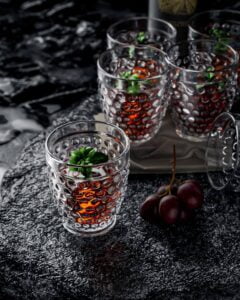
Tag: lead free kitchenware

  • CORELLE VS FIESTAWARE

    Corelle vs Fiestaware – two iconic names in the world of dinnerware that have sparked countless debates among homemakers and enthusiasts alike, just like Corelle vs Mikasa, and Corelle vs Corningware.

    It’s a clash of titans, akin to deciding between your favorite flavors of ice cream or picking a team in a heated game.

    Imagine for a moment you’re at a grand banquet, and the table is elegantly set with these two contenders.

    On one side, you have the timeless, feather-light Corelle, known for its durability and understated elegance.

    On the other hand, the vibrant and bold Fiestaware is the life of the party, with its rainbow of colors and quirky designs.

    Each has its loyal fan base, but what makes them stand apart? What’s the secret ingredient that gives one the upper hand over the other?

    Let’s delve into these two popular brand dinnerware showdowns and uncover the delightful fine distinction between Corelle and FiestaWare.

    WHAT IS SPECIAL ABOUT FIESTAWARE?

    Fiestaware Salad Plates set

    Fiestaware is special because of its distinctive American Art Deco design, vibrant color collections, and exceptional durability.

    Made in the USA since 1936, it features a unique, fully vitrified china construction that resists chipping and scratching.

    Each piece is characterized by concentric rings, giving it an iconic Art Deco look. The dinnerware is notable for its heat retention properties, being oven-safe up to 350°F, microwave-safe, and dishwasher-safe.

    Fiestaware is also lead and cadmium-free, making it safe for everyday use. The brand is particularly famous for its collectible pieces, with some vintage colors like the original Radioactive Red becoming highly valuable.

    Each year, Fiestaware releases new seasonal colors while retiring others, creating a dynamic collecting market.

    The dishes are also remarkably versatile, moving seamlessly from oven to table, and the glazes are designed to resist fading even with regular use.

    Key Special Features:

    – Made in the USA since 1936

    – Fully vitrified china construction

    – Signature concentric ring design

    – 35+ glaze colors available

    – Oven-safe up to 350°F

    – Collectible value

    – 5-year chip resistance warranty

    – Lead and cadmium-free

    – Commercial-grade durability

    – Color-matching guarantee across years.

    WHY DO PEOPLE LIKE FIESTAWARE SO MUCH?

    Consumers appreciate Fiestaware for a variety of reasons, but the main reason is that it is adaptable (versatile), colorful, and sturdy (durable); you can truly mix and match to create your distinctive style for your dining table.

    The Power to create your happy ending is literally in our hands.

    CORELLE VS FIESTAWARE: A COMPREHENSIVE COMPARISON

    Corelle vs Fiestaware

    Material Composition

    Corelle: Manufactured using Vitrelle®, a unique three-layer tempered glass material (two layers of glass laminated to a glass core).

    Fiestaware: Made from high-quality ceramic (vitrified china) with a durable glaze finish.

    Design Aesthetics

    – Corelle:

      – Minimalist and classic designs

      – Predominantly white base with subtle patterns

      – Contemporary and traditional patterns available

      – Emphasis on versatility and timeless appeal.

    – Fiestaware:

      – Known for bold, vibrant color collections

      – Iconic art deco-inspired designs

      – Solid color glazes with distinctive concentric rings

      – Collectable seasonal and limited-edition pieces.

    Durability Characteristics

    – Corelle:

      – Exceptional resistance to chips and cracks

      – Break-resistant due to Vitrelle® technology

      – Can shatter into small pieces if dropped on hard surfaces

      – More durable in everyday handling.

    – Fiestaware:

      – Durable but more susceptible to chipping

      – Good impact resistance

      – Can develop crazing (fine cracks in glaze) over time

      – Glaze may show wear with extended use.

    Temperature Tolerance

    – Corelle:

      – Microwave safe

      – Not recommended for oven use

      – Good thermal shock resistance

      – Safe for refrigerator and freezer storage

    – Fiestaware:

      – Microwave and oven safe up to 350°F (176°C)

      – Excellent heat retention

      – Can go from refrigerator to microwave

      – Better suited for baking and serving hot dishes

    Weight and Handling

    – Corelle: Significantly lighter weight, making it ideal for everyday use and easier handling

    – Fiestaware: Substantially heavier, providing a more substantial feel but requiring more careful handling

    Price Point

    – Corelle:

      – More affordable initial investment

      – Excellent value for money

      – Lower replacement costs

      – Often available in complete sets

    – Fiestaware:

      – Premium pricing

      – Higher individual piece costs

      – Collectible value potential

      – Investment pieces

    Common Features

    Both brands share these characteristics:

    – Dishwasher safe

    – Microwave safe

    – Lead and cadmium-free

    – Made in the USA

    – Strong brand reputation

    – Extensive warranty coverage

    Usage Recommendations

    – Corelle: Ideal for:

      – Daily family use

      – Households with children

      – Casual Dining

      – Space-saving storage

    -Fiestaware: Best suited for:

      – Special occasions

      – Display purposes

      – Colorful table settings

      – Oven-to-table serving.

    CORELLE DINNERWARE

    One beautiful feature I love about the Corelle brand is that they are affordable and can be purchased by lower-class, middle-class, and upper-class families.

    Their affordability doesn’t mean it is cheap. Yes, you can comfortably beat your chest for Corelle dishes because they are as strong as a shield; they don’t break easily, unlike heavy ceramic dishes.

    Corelle Vitrelle Winter Frost white Noodle Bowls

    We can boldly say the Corelle is almost shatterproof, it hardly scratches or chips because the Vitrelle material is the backbone.

    Now that doesn’t mean you can intentionally drop it anyhow you like, especially on hard surfaces.

    I label the Corelle brand – the best lightweight dinnerware that is sleek, durable, easy to use, store, and thin in design.

    There are some dinnerware brands with so much heavy glaze and design that they are unsafe for serving food and laden with dangerous chemicals, but not the Corelle dinnerware, made with safe materials, easy, cool, and stylish patterns that are simple and add beauty to your kitchen and dining settings.

    Corelle Eco-Friendly Meal Bowls

    Corelle dinnerware is easy to clean up either by hand or by dishwasher, it is also safe to use in the microwave, and it stacks up perfectly in a house with a small space.

    Finally, you can depend on Corelle dishes any time or day, and for any occasion. Save time and money today by using the Corelle Dinnerware Brand!

    CORELLE VS FIESTAWARE WHICH IS BETTER?

    None is “better” than the other; it all boils down to your dining setting style, budget, and needs.

    Based on your preference when it comes to factors like weight, durability, and design, you might consider Corelle over Fiestaware, and at other times consider Fiestaware over Corelle.

    So, in essence, Corelle isn’t better than Fiestaware, and Fiestaware isn’t better than Corelle since they are both quality, safe, durable, budget-friendly, and versatile dinnerware.

    CORELLE VS FIESTAWARE PRICE

    In general, Corelle dishes are slightly affordable compared to Fiestaware.

    For example, a simple Corelle Vitrelle soup bowl set starts from $1,6 while a Fiestaware Bistro salad plate begins at $20.

    However, you have to bear in mind that the actual process may vary depending on the specific patterns, sizes, and sets you choose.

    In addition, during promotion seasons, prices usually fluctuate, so we recommend you always compare prices from various retailers to find the best deal for the specific dinnerware, pattern, or product line you are interested in.

    IS FIESTAWARE GOOD QUALITY?

    Fiestaware dinnerware sets are considered good quality because they are made from vitrified ceramic, which is fired at high temperatures using safe and modern manufacturing techniques, resulting in Fiestaware being less prone to chipping, cracking, and fading, enhancing its longevity.

    Secondly, Fiestaware is produced in the United States, which is a strong indication of its quality.

    Finally, Fiestaware makes use of lead-free glazes ,which are safe for use either in formal or casual settings.

    PFALTZGRAFF

    Pfaltzgraff Felicity Stoneware Dinnerware Set

    Pfaltzgraff dinnerware is one of the popular dinnerwares and is typically made from various materials, including porcelain, Bone china, stoneware, and Earthenware.

    However, you will find that the present Pfaltzgraff dinnerware manufactured is predominantly made with either stoneware or porcelain, and the best manufacturing procedures are followed during the manufacturing of Pfaltzgraff dinnerware sets.

    Pfaltzgraff Mackensie Dinnerware set

    This is what gives birth to the high-quality dinnerware we all admire; they are widely accepted for their durability, ability to retain heat, microwave, and dishwasher-safe features.

    Pfaltzgraff’s dinnerware origin can be traced back to the United States, to the early 19th century, when the family began producing pottery in York County, Pennsylvania.

    Pfaltzgraff Venice Stoneware Dinnerware sets

    But is the Pfaltzgraff dinnerware still made in the USA? I have answered in another article.

    Personally, I am in love with the wide range of designs that Pfaltzgraff has to offer.

    We have modern, traditional, and classic designs that come with various patterns (classic floral motifs to contemporary geometric shapes), colors, and textures.

    This helps you to easily match all kinds of dining settings, either indoor or outdoor; the Pfaltzgraff dinnerware is suitable for special occasions and even perfect as a gift for newlyweds.

    Pfaltzgraff Remembrance Dinnerware set

    The Pfaltzgraff dinnerware set always comes with plates, bowls, mugs, and additional serving pieces, catering to various dining needs.

    Perfect for serving meals, these sets are crafted to withstand regular use, making them ideal for both daily family dinners and formal gatherings.

    Finally, depending on the pattern, Pfaltzgraff tableware ranges in price from reasonable to expensive; it is accessible to people of all income levels.


  • CORELLE VS CORNINGWARE

    Corelle and Corningware are two names that stand out as culinary superstars in the world of cookware and dinnerware.

    It’s like comparing your favorite music stars, say, Taylor Swift and Ed Sheeran, who are both beloved but have distinct characteristics.

    These culinary staples have been in our homes for decades, and the Corelle vs Corningware debate rages on.

    If you’ve ever been to a dinner party when Corelle was used to lay the table, and Corningware was utilized to transition from the oven to the table, you’ll understand why customers consider them essentials in their homes.

    While each has its fan base of dedicated fans, you’ll quickly understand why the comparison between these two kitchen heavyweights is about more than just preference; it’s about your cooking or dining style, functionality, and durability.

    Join us on this adventure as we discover the distinct characteristics that have made Corelle and Corningware culinary darlings.

    CORNINGWARE USA

    CorningWare is a brand of ceramic cookware and bakeware products that have been popular in the United States and other parts of the world for several decades.

    Let’s begin with a little history of CorningWare. CorningWare was originally introduced by Corning Glass Works (now Corning Incorporated) in 1958, but is presently owned by Instant Brands.

    Corningware Pyroceram Blue Cornflower Glass ceramic cookware

    It was developed as a line of heat-resistant glass-ceramic products that have zero thermal expansion and could be used for cooking, baking, serving, and storing food.

    The first CorningWare introduced in the market was made up of Pyroceram which was a unique glass-ceramic material that has the ability to resist thermal shock(withstand high temperatures and rapid temp changes) and could go from refrigerator to freezer, can be used directly on the stovetop, under the broiler, in the oven, microwave and perfect for dishwasher use.

    For simplicity, we can conclude that the Pyroceram CorningWare is known for durability and even heating properties.

    Corningware Pyroceram cooking Pot with handles

    Pyroceram Corningware was originally manufactured in the USA, but after some years, the Martinsburg, West Virginia, Plant was closed and production shifted to France.

    We still have to note here that the Old Pyroceram CorningWare Lid was made with Pyrex (Borosilicate glass) before it was later changed to soda lime glass.

    In other words, Pyroceram CorningWare isn’t made in the USA anymore, except that you still have the old Corningware made in America before the closure of their plant.

    Fast forward to today – What is the new Corningware made up of? So, presently, the new CorningWare is made up of either stoneware or high-quality ceramic glass material, but has the same quality as the Pyroceram CorningWare. (* This many still argue)

    Corningware Pyroceram Square casserole dish

    In addition, this new CorningWare Lid is made up of soda lime glass or a plastic Lid, depending on the product line, no longer made of Borosilicate glass.

    Below are some of the qualities of the Pyroceram and the new CorningWare:

    • They are non-porous and do not retain or absorb food odors, flavors, or stains.
    • They can both be taken straight from the freezer to the oven, microwave, gas, or electric stovetop and then to the dishwasher or sink – no matter how hot or cold the dish may be.
    • They can resist chips and cracks, helping provide a long-lasting household essential item.
    • The Plastic Lids of the new CorningWare are non-toxic and BPA-free.
    • They require very low maintenance.

    CorningWare has been produced in various designs and patterns over the years. One of the most iconic and recognizable patterns is the “Cornflower Blue,” which was popular in the 1970s and 1980s.

    There have been other patterns and designs released over time to suit changing aesthetics and preferences.

    The CorningWare product line includes casseroles, baking dishes, pie plates, and more. Finally, these Corningware product lines come in different shapes and sizes to accommodate various cooking and serving needs.

    RELATED: CORELLE VS MIKASA DINNERWARE

    RELATED: FOOD SERVICE AND CORNWARE BIODEGRADABLES

    CORELLE VS CORNINGWARE

    Corelle vs Corningware

    Corelle and Corningware are two distinct product lines, both made by the company Corning Incorporated (formerly known as Corning Glass Works).

    Here’s a detailed comparison of the differences between Corelle and Corningware:

    Corelle products are made from a special glass material called Vitrelle, which consists of three layers of glass laminated together, while Corningware, on the other hand, is made from a glass ceramic material.

    Corelle products are primarily designed for tableware, such as dinnerware, plates, and bowls; they are suitable for serving food and dining, while Corningware products are intended for cooking, serving, and baking.

    In terms of versatility and durability, Corningware is more versatile and durable than Corelle because it can handle high heat, and can go from freezer to oven and then from oven to table without cracking or shattering.

    Corningware is more heat-resistant and can adjust to thermal shock and temperature changes better than Corelle dishes.

    Corningware is designed for direct heat like stovetop, halogen, or range stovetop, but Corelle cannot be used for direct heat.

    Corelle offers a wide variety of designs and patterns for its dinnerware, while Corningware is typically more utilitarian in design, as it is meant for cooking and baking.

    Corelle dishes are lighter in weight than Corningware cookware.

    Corelle is more focused on aesthetics and dining, providing attractive dinnerware options, while Corningware is focused on functionality because it is mostly used for baking, cooking, and food storage.

    Corelle products are generally more affordable and are available in various price ranges depending on the design and set size, while Corningware can be more expensive, especially for certain specialty pieces designed for cooking.

    IS CORELLE THE SAME AS CORNINGWARE?

    Corelle and Corningware are two different brands of kitchenware, although both are owned by the same parent company, Instant Brands.

    Another popular misrepresentation is saying that Gemco Ware is similar to or the same as the Corelle brand. But is this true? We have answered in another article.

    Corelle is known for its durable and lightweight dinnerware, which is often made from a unique material called Vitrelle glass. Corelle dinnerware is popular for its chip and break resistance.

    Corningware, on the other hand, is known for its ceramic cookware.

    Corningware dishes can be used for baking and cooking, and they are often made of a special type of glass-ceramic material that can withstand high temperatures.

    So, while they share the same parent company and may be used together in the kitchen, Corelle and Corningware are not the same, and they serve different purposes.

    IS CORELLE MADE BY CORNING?

    Corelle and Corning are both under the new company called Instant Brands.

    Corning Incorporated was the old name of the company in charge of manufacturing Corningware.

    CORELLE COUNTRY COTTAGE

    The Corelle Country cottage pattern was first introduced by the Corelle Brand in 1997, showcasing a simple design.

    The Country Cottage pattern typically features a charming and rustic design, often with blue or green floral motifs on a white background.  

    Corelle Vitrelle Country Cottage Pattern Dinnerware sets

    Corelle Country Cottage Pattern is proudly made in the USA.

    The Corelle country cottage pattern is made with the same Vitrelle glass material that other Corelle dishes or dinnerware are made with.

    Therefore, having the same features as the standard Corelle Vitrelle plates, these features include:

    • Resistivity to chips, cracks, and breaking.
    • Microwave safe, pre-oven, and dishwasher safe.
    • The Corelle Country cottage pattern dinnerware is also freezer-safe.
    • Lightweight, easy to handle, and compact for small kitchens or homes.
    • Easy to clean, non-porous, safe, and ultra-hygienic.

    In addition, the Corelle Country Cottage plate can be used for casual, everyday, or even special occasions.

    If you ever need a full table service of 6, we recommend you get the Corelle Country Cottage Pattern Vitrelle dinnerware set, as it comes with dinner plates, appetizer plates, and soup/cereal bowls.

    Finally, get the best low-maintenance dinnerware that is affordable and will last you for a long time – The classic Corelle Country Cottage Pattern Dinnerware!

    CORNINGWARE FRENCH WHITE

    CorningWare French White is a popular line of cookware and bakeware that I’ve personally used extensively in my kitchen. It’s known for its distinct features, materials, and versatility.

    Corningware French White Ceramic Bakeware

    As I described above, they are made by Instant Brands, crafted presently from a unique combination of glass and ceramic (stoneware) material.

    The Corningware French white dish is one of the most popular kitchen and home utensils that have served kitchen enthusiasts and Professional chefs for years because of its makeup and outstanding features, including:

    • Ability to withstand high temperatures
    • Chip and crack-resistant
    • Freezer safe
    • Even heat distribution
    • The Corningware French white is oven, microwave, and dishwasher-safe
    • Versatility: You can use the Corningware French white for baking, roasting, cooking on stovetops, and even serving food, making it excellent for casseroles, lasagnas, soups, and more.
    • Safe, non-toxic for home and kitchen use.

    The Corningware French white casserole dish is simple in design yet perfect for handling both cooking and serving with ease.

    They also come with either glass lids or plastic Lids and also with handles that make carriage, transport, and sealing easy.

    Corningware French White Oval Casserole with glass cover

    Another outstanding quality of the Corningware French White casserole dish is that they are perfect for preserving the flavors of your food; they are also non-stick, making them easy to clean.

    I use the Corningware French White casserole dishes for baking pies, quiches, and bread. The glass ceramic stoneware material evenly distributes heat, leading to even cooking.

    I also love using it for roasting chicken, turkey, and vegetables. The even heat retention helps achieve beautifully browned and moist results.

    In addition, I can also use the Corningware French white dish to reheat leftover food or cook quick meals.

    When I’m having a party or dinner with family, I can freely take it directly from the oven to the dining table, saving me time from transferring food to serving platters.

    Finally, I can confidently use the Corningware French white casserole dish to store food in the refrigerator without it shattering like other dishes.

    WHY WAS CORNINGWARE DISCONTINUED?

    First, it is not all Corningware that was discontinued; the two Corningware that have been discontinued are the Cornflower Pattern, discontinued after 1998, and the Pyroceram Corningware, which was discontinued after its Manufacturing plant was closed down in the USA, but presently is still being produced in other countries.

    Finally, the new Corningware French white made with glass ceramic material is still in production and hasn’t been discontinued.

    RELATED : CAN YOU USE CORNINGWARE IN AN AIR FRYER?


  • ARE DISHES MADE IN CHINA SAFE

    Did you know that every dinnerware you use at home and on several occasions is linked to a country?

    Yes! Dinnerware brands are linked to various countries of origin. One popular country that manufactures dinnerware is China, but are dishes made in China safe?

    While this is what we will look at today, before that, we will first seek to understand how to test for lead in Chinese dishes and correct various erroneous views consumers have about China-made dishes.

    Then we will seek to establish examples of non-toxic dinnerware brands, their countries of origin, material makeup, and manufacturing processes that have made them earn the name lead-free dinnerware brands.

    CHINA DINNERWARE OVERVIEW

    Every choice of china dish you have didn’t just start yesterday, it has a long, rich history, and dishes made in China are often referred to as “china” or “porcelain”.

    China has a history of manufacturing dinnerware, mainly porcelain, dating back over 2,000 years, and this craft has been a closely guarded secret for centuries.

    Mora Ceramic Porcelain China Dinner Plates

    Traditional Chinese porcelain is made from a special type of clay called kaolin, combined with other minerals.

    Traditional Chinese porcelain production might differ for various brands, but it mainly involves clay preparation, shaping, glazing, and firing at extremely high temperatures.

    Gibson Home China Porcelain Dinnerware set

    The firing process results in a smooth, glass-like finish that is both durable and elegant.

    One key feature of Chinese-made dishes is that they are famous for their exquisite designs and decorations.

    Traditional Chinese dinnerware patterns often feature intricate blue and white motifs, although other colors and styles have been used throughout history.

    Porcelain square Dinner Plates for steak, pasta, salad and snacks

    Common motifs include dragons, phoenixes, flowers, and landscapes.

    For design and Decorations, Chinese dishes are famous for their varieties and produce a wide range of dinnerware, including plates, bowls, teapots, cups, and more.

    Today, Chinese dinnerware continues to be produced with both traditional craftsmanship and modern techniques. Contemporary designs and materials cater to a wide range of tastes and budgets.

    Finally, made-in-China dishes, or “Chinese porcelain” as fondly called, have attained Global Influence on ceramics and dinnerware worldwide.

    Malacasa china Porcelain Dessert Salad serving Plates

    It inspired European porcelain manufacturers, leading to the development of famous brands like Wedgwood and Meissen.

    ARE DISHES MADE IN CHINA SAFE?

    Are Dishes Made in China Safe

    Not all dishes made in China are safe because not all of them follow established safety standards; it is highly dependent on the manufacturer and its manufacturing methods.

    IS PORCELAIN SAFE TO EAT OFF OF?

    Yes, porcelain is safe to eat off of when it’s properly manufactured and food-grade certified.

    High-quality porcelain dinnerware is fired at extremely high temperatures (around 2,300-2,600°F), which creates a non-porous, glass-like surface that doesn’t absorb food particles or bacteria.

    Food-safe porcelain is free from harmful chemicals like lead and cadmium when made by reputable manufacturers following safety standards.

    To ensure safety, look for porcelain labeled as “food-safe,” “FDA-approved,” or compliant with California Prop 65 standards.

    Avoid using decorative or vintage porcelain pieces for food unless they’re specifically marked as food-safe, as older items may contain lead in their glazes or decorative elements.

    K.T.& K. S-V CHINA

    K.T. & K. stands for Knowles, Taylor & Knowles, a prominent American pottery company based in East Liverpool, Ohio.

    The company was originally founded in 1854 by Isaac Watts Knowles and Isaac Harvey, then reorganized in 1870 when Knowles’s son-in-law, John N. Taylor, and his son Homer S. Knowles joined the business.

    The company was formally incorporated in 1891.

    The marking “S-V” on your piece stands for “semi-vitreous,” which refers to the quality and fineness of the china.

    Semi-vitreous dinnerware represents everyday, durable pottery rather than fine porcelain. Your piece likely dates to around 1925, during the company’s semi-vitreous dinnerware production era.

    Throughout its history, Knowles, Taylor & Knowles produced various types of pottery, including yellow ware, Rockingham, ironstone, and semi-vitreous dinnerware.

    The company is best known for its Lotus Ware, a lightweight, translucent porcelain produced mainly in the 1890s that was designed to compete with Irish Belleek porcelain.

    In the 1860s-1870s, they made Rockingham and yellow earthenware, but when white ironstone hotel china was introduced in 1872, these earlier lines were discontinued.

    The company faced financial difficulties in the mid-1920s and ceased operations in 1931.

    Today, K.T. & K. pieces are considered moderately priced collectibles. While some designs are attractive, most sets don’t command high values as they were intended as everyday dinnerware rather than fine china.

    Important note: K.T. & K. should not be confused with Knowles China of Newell, West Virginia, which operated independently despite the family connection.

    IS BONE CHINA SAFE TO EAT OFF OF?

    is bone china safe to eat off of

    Yes, Bone China is safe to eat from.

    Modern Bone China meets FDA safety standards and is one of the most durable and safest dinnerware options available.

    Research and Manufacturers of Bone China dinnerware have confirmed that properly manufactured Bone China has zero percent of toxic elements like lead and cadmium, which makes it non-toxic and doesn’t leach harmful substances.

    Key safety factors:

    – High firing temperature (2,200-2,300°F) creates a non-porous surface that prevents bacterial growth

    – Lead-free glazes used in modern production (regulated since the 1970s)

    – Bone ash content (up to 50%) increases strength and decreases the risk of chipping

    The only exceptions are antique Bone China pieces made before 1970, which may contain lead in their glazes.

    For modern Bone China, look for certification from organizations like Prop 65 or FDA compliance stamps to ensure maximum safety.

    ARE DISHES MADE IN CHINA SAFE TO EAT?

    Are Dishes Made in China Safe to Eat

    Dishes made in China can be safe for serving food, but it’s important to exercise caution, especially with older or vintage items that may have been produced before modern safety standards were established.

    Always buy from reputable sources, inspect your dishes for damage, and follow proper use and care guidelines to ensure safety.

    If you have concerns about lead content, choose dishes that are labeled as lead-free or meet applicable safety standards in your region.

    DO DISHES MADE IN CHINA CONTAIN LEAD?

    Historically, there have been concerns about Lead in some China-made ceramic dishes because Lead glazes were used in the past and can potentially leach into food if the glaze is not properly formulated or if the dish is damaged.

    However, modern regulations in most countries, including China, have restricted the use of lead in ceramics for food use.

    Newer China dinnerware products are less likely to contain harmful levels of lead.

    Take, for example, we are all aware that Corelle dishes are made in the USA, but did you know that Corelle stoneware dishes are made in China, and guess what?

    They are safe for use and do not contain Lead.

    To learn more about China tableware, kindly read our guide on: Is China Tableware Microwave Safe?

    LEAD AND CADMIUM-FREE DINNERWARE BRANDS

    In case you aren’t convinced about using China-made dishes, there are other dinnerware sets made in various countries that are safe for use. Let’s see them below.

    We have already established the fact that some dinnerware is made with materials that can be harmful to you if they get into your food and then into your body.

    That’s why we recommend lead and cadmium-free brands because they are simply bowls, plates, and cups that are made without any trace of lead or cadmium metals.

    In other words, we can confidently say that Lead and cadmium-free dinnerware brands can also be called non-toxic dinnerware brands.

    These Non-toxic dinnerware sets are designed to be safe for food consumption and are typically made from materials that do not contain toxic elements or compounds.

    We can’t stress enough the effects of lead and cadmium when they get into our bodies; that’s why you should pay utmost attention to the type of dinnerware materials used in manufacturing to prevent any health risk or loss.

    It’s essential to use dinnerware that is lead and cadmium-free because it keeps you safe and healthy, just like having a superhero protecting your food!

    Below are the best dinnerware brands that are non-toxic and free from lead, cadmium, and other harmful materials:

    Corelle Lead-free winter frost dinnerware set

    Non-toxic Libbey glass plates and Bowls

    Fiesta lead-free ceramic dinnerware.

    Bormioli Rocco cadmium-free drinking glasses

    Non-toxic tempered Duralex glassware Brand

    HF Coors non-toxic dinnerware Brand

    Anchor Hocking’s non-toxic dinnerware brands

    Lead and cadmium-free Luminarc dinnerware and glassware brand

    IKEA non-toxic dinnerware.

    Pyrex non-toxic glass Brand

    Oneida safe Stainless steel Brand

    Vitrified glass safe dinnerware Brands

    WHAT YOU SHOULD KNOW ABOUT LEAD IN CHINA DISHES

    Lead in Chinese dishes is a concern because lead can be harmful if it leaches into food or drink, but is it only China we should be worried about?

    In many countries, including the United States, there are regulations and standards in place to limit the amount of lead that can be present in ceramics and other food contact materials.

    Manufacturers are typically required to meet these safety standards.

    In the United States, for example, tableware created in the United States and even from other nations must pass the FDA test or meet California Proposition 65.

    To further grasp this, keep in mind that modern china dishes and vintage china dishes were manufactured at different times, utilizing different materials and manufacturing methods, which undoubtedly influenced the outcome of the dinnerware.

    As a result, the question is, do all vintage dishes contain lead? The simple answer is yes and no because it is heavily dependent on a variety of elements such as manufacturing time, country of origin, material used, and manufacturing procedures.

    In addition, we can’t possibly deny that Vintage or antique china dishes, especially those made before the 1970s, may have been glazed with lead-based glazes.

    This is particularly true for hand-painted or hand-decorated items. If you have older dishes, be cautious and consider testing them for lead.

    It is typically recommended that you avoid using lead china plates for serving food, particularly acidic or high-temperature foods, and instead use them for ornamental purposes solely; this was even advocated by the popular Corelle brand for their vintage Corelle dishes.

    Finally, before you seek legal recourse if you discover that your new china dishes have excessive levels of lead, we have carefully highlighted numerous techniques to test for Lead in China dishes so you can prevent yourself and your family from harm and negative health impacts.

    HOW TO TEST FOR LEAD IN CHINA DISHES

    Testing for lead in your china dishes is a responsible way to ensure their safety, especially if you have concerns about the potential presence of lead in older or vintage items.

    Find below several methods you can use to test for lead in your china dishes:

    LEAD TEST KITS

    This is the easiest method to start with. Kindly purchase a Home Lead Test Kit. These kits are available at hardware stores, home improvement centers, and online retailers.

    They typically include test swabs or strips that change color in the presence of lead. Follow the kit’s instructions carefully for accurate results.

    XRF LEAD TESTING

    XRF stands for X-ray Fluorescence (XRF) Analyzer. This method is highly accurate and is often used by professionals.

    Portable XRF devices can be rented or used by specialists to analyze your dishes for lead content.

    They work by emitting X-rays and measuring the resulting fluorescence, which can determine the presence and concentration of lead.

    LABORATORY TESTING

    Professional Laboratory testing is done by simply sending a sample of your china dishes to a certified testing laboratory for a comprehensive analysis.

    This method provides precise information about lead content and is often used for important or valuable items.

    HOME LEAD PAINT TEST STRIPS

    Finally, you can use Lead Paint Test Strips. These are designed primarily for testing painted surfaces but can also be used on ceramics.

    They work similarly to lead test kits and change color in the presence of lead. Follow the instructions carefully.

    DOES VINTAGE BONE CHINA CONTAIN LEAD

    Vintage bone china can contain trace amounts of lead, primarily in the decorative glazes and hand-painted designs, because Lead was historically used in some glazes and paints to achieve certain colors and effects.

    However, if you intend to use vintage bone china for serving food, we recommend you test it for Lead first or purchase from trusted manufacturers that make use of safe manufacturing methods and materials.

  • Libbey vs Anchor Hocking: Which Glassware Brand Reigns Supreme?

    Ever stood in the kitchen aisle, coffee in hand, staring at two nearly identical glass sets, wondering which to buy? You’re not alone.

    The debate between Libbey and Anchor Hocking has puzzled shoppers for generations. Both brands have graced American tables for over a century, making everyday sips memorable.

    Whether you’re pouring morning juice into a sturdy tumbler or serving cocktails in elegant stemware, your choice matters.

    These aren’t just glasses, they’re the unsung heroes of your daily rituals and special gatherings. While both brands offer lead-free, safe glass products that promise durability and style, the differences might surprise you.

    So, before you make your next glassware purchase, let’s settle this classic American showdown once and for all.

    THE HERITAGE BEHIND THE GLASS

    Anchor Hocking: America’s Glassware Since 1905

    Anchor Hocking stands proud as an American institution headquartered in Lancaster, Ohio. Since 1905, this company has been crafting tempered glassware that Americans trust.

    Their iconic logo—an anchor with an “H” in the center—symbolizes the stability and durability that define their products.

    Anchor Hocking Logo

    But Anchor Hocking isn’t just about drinking glasses. Their product line spans:

    Anchor Hocking tempered clear glass cereal Bowl
    • Tempered glass dinnerware
    • Oven-safe bakeware
    • Serveware and housewares
    • Food storage containers
    • Measuring and mixing bowls
    Anchor Hocking Rio Drinking glass set

    The brand focuses primarily on clear, tempered glass designs that showcase simplicity and timeless elegance. Their pieces work beautifully for both everyday family dinners and special occasions.

    Libbey: Two Centuries of Glassmaking Excellence

    Libbey boasts an even longer history, dating back to 1818 in Toledo, Ohio. With over 200 years of craftsmanship, Libbey has perfected the art of creating glassware that combines functionality with style.

    Libbey chiseled radiant glass for whiskey

    Libbey’s diverse product range includes:

    Unlike their competitor, Libbey doesn’t limit themselves to clear glass. Their products come in vibrant colors like cobalt blue and smoke, with designs ranging from classic to cutting-edge contemporary.

    HEAD-TO-HEAD COMPARISON OF LIBBEY VS ANCHOR HOCKING

    Libbey vs Anchor Hocking

    Let’s break down how these glassware giants stack up against each other:

    Libbey Tempo Glass Dinnerware set
    FeatureLibbeyAnchor Hocking
    Founded18181905
    SpecialtyContemporary designs, wine glasses, colored glassClassic designs, tempered glass, bakeware
    Design WeightThinner, lighterThicker, heavier
    Material RangeGlass and porcelainPrimarily tempered glass
    Color OptionsVarious (cobalt blue, smoke, multi-color)Predominantly clear
    Target MarketHospitality industry and home consumersPrimarily home consumers
    Wine Glass SelectionExtensiveLimited
    Price PointModerate to premiumAffordable to moderate
    DurabilityGoodExcellent for heavy use

    DESIGN PHILOSOPHY AND AESTHETICS

    Anchor Hocking: Sturdy American Classic

    When you pick up an Anchor Hocking glass, you’ll immediately notice its substantial weight. These pieces aren’t trying to be delicate; they’re built for real life in American kitchens.

    The thick, tempered glass resists chipping and breaking, making these glasses perfect for families with children or anyone who values durability over delicacy.

    The design aesthetic leans traditional, with clean lines and transparent clarity that lets your beverages take center stage.

    Their Rio drinking glass set exemplifies this approach: sturdy, straightforward, and timelessly practical.

    Libbey: Style-Forward and Versatile

    Libbey Cobalt Blue Tumbler Glasses

    Libbey takes a more design-conscious approach. Their glasses tend to be thinner and more refined, giving them an elegant feel that works well for entertaining or elevating everyday moments.

    Libbey Porcelain Dinnerware sets

    The brand doesn’t shy away from color or pattern; their cobalt blue tumblers and chiseled, radiant whiskey glasses bring character to any table setting.

    Beyond glass, Libbey offers lightweight dinner plates for the elderly with arthritis, showing their commitment to inclusive design.

    Their porcelain dinnerware features contemporary styling with high walls and modern flair that appeals to design-conscious consumers.

    PRODUCT SPECIALTIES

    Anchor Hocking’s Bakeware Advantage

    While both brands make multiple products, Anchor Hocking has particularly distinguished itself in the bakeware category.

    Their tempered glass baking dishes handle temperature transitions beautifully, moving from freezer to oven with minimal risk of thermal shock.

    When comparing brands similar to Anchor Hocking, the distinction between Duralex and Pyrex glassware brands often comes up.

    While Pyrex (particularly vintage Pyrex) used borosilicate glass, today’s Anchor Hocking products, like modern Pyrex, typically use soda-lime glass, making them excellent heat conductors but requiring careful handling with temperature changes.

    Libbey’s Stemware Excellence

    Libbey Signature all Purpose wine glass

    If you’re a wine enthusiast, Libbey takes the lead. Their extensive collection of wine glasses includes options for every varietal, from bold reds to delicate whites.

    The Signature All-Purpose wine glass exemplifies their approach to stemware, elegant without being fussy and designed to enhance the drinking experience.

    Libbey Polaris smoke Tumbler glass set

    Their cocktail and specialty drinkware also stand out, with options that would look at home in high-end bars and restaurants. This makes sense, given Libbey’s strong presence in the hospitality industry.

    COMPARING DURABILITY AND PRACTICAL USE

    Both brands create durable products, but they excel in different environments:

    Anchor Hocking glasses withstand:

    • Frequent dishwasher cycles
    • Every day family use
    • Occasional drops and bumps
    • Microwave heating

    Libbey products offer:

    • Dishwasher safety
    • Elegant presentation
    • Good chip resistance
    • Options for both casual and formal settings

    If you’re looking for glassware that can take a beating in a busy household, Anchor Hocking’s thicker construction might give it the edge.

    For entertaining and aesthetic appeal, Libbey often wins over customers with its refined designs.

    FAQ: EVERYTHING YOU WANTED TO KNOW

    Is Libbey a Good Brand?

    Yes, Libbey is considered an excellent safe brand with a 200-year legacy of quality craftsmanship. Their products are known for their durability, chip resistance, and elegant designs.

    The brand’s long history has allowed it to perfect its manufacturing techniques while continuously innovating with new styles and collections.

    Is Anchor Hocking Quality?

    Absolutely. Anchor Hocking earns its reputation for quality through modern, safe glass manufacturing methods and the use of premium soda-lime glass.

    Their products are designed for versatility; most are dishwasher, microwave, and oven-safe. The brand’s focus on sturdy construction makes its pieces particularly suited to everyday family use.

    Who Are Anchor Hocking’s Competitors?

    Schott Zwiesel competitor to Anchor Hocking glass

    Beyond Libbey, Anchor Hocking competes with several notable glassware brands:

    Bormioli Rocco competitor to Anchor hocking glass brand

    These brands compete on product range, price point, and aesthetic appeal, often specializing in different niches within the glassware market.

    Which is Older: Pyrex or Anchor Hocking?

    Anchor Hocking (founded 1905) predates Pyrex (introduced 1915) by a decade, giving it slightly deeper American roots.

    Both brands have become kitchen staples, though they’ve evolved differently over their century-plus histories.

    Is Anchor Hocking Better Than Pyrex?

    Neither brand is definitively superior; they excel in different areas. Your preference might depend on:

    Personal aesthetic preferences often determine which brand’s designs resonate more

    If you value traditional borosilicate glass, vintage Pyrex pieces might appeal to you

    For innovation and contemporary design, modern Pyrex or Anchor Hocking products offer similar quality

    WHERE TO BUY ANCHOR HOCKING PRODUCTS

    Looking to purchase Anchor Hocking glassware? You have several options:

    Official Outlet Stores:

    • Lancaster, OH: 1115 W 5th Ave, 43130
    • Libertyville, IL: 1515 Franklin Blvd, 60048
    • Monaca, PA: 400 9th St, 15061

    Online Retailers:

    • Amazon
    • Bed Bath & Beyond
    • HSN
    • The Container Store
    • Walmart
    • Wayfair

    For the most comprehensive selection, check the current Anchor Hocking catalog on their official website.

    THE VERDICT: WHICH BRAND SHOULD YOU CHOOSE?

    The truth is, neither Libbey nor Anchor Hocking reigns supreme across all categories—they each shine in different situations. Your best choice depends entirely on your specific needs and preferences.

    Choose Libbey if:

    • You entertain frequently and value elegant presentation
    • You’re a wine enthusiast looking for quality stemware
    • You appreciate colorful or patterned glassware
    • You want porcelain options alongside glass products
    • Design aesthetics are important to your table settings

    Choose Anchor Hocking if:

    • Durability is your top priority
    • You have a busy household with children
    • You’re looking for versatile bakeware options
    • You prefer classic, traditional designs
    • Budget-friendly options matter to you

    Much like the Duralex and Luminarc comparison we covered previously, the choice often comes down to personal preference rather than objective superiority.

    ELEVATING YOUR TABLE: THE FINAL POUR

    When it comes to Libbey vs Anchor Hocking, you’re choosing between two American classics with proven track records.

    Both have graced family tables for generations, each bringing its strengths to your kitchen and dining room.

    Whether you opt for Libbey’s design-forward approach or Anchor Hocking’s sturdy reliability, you’re investing in quality glassware that enhances every sip and bite.

    The next time you raise a glass, whether it’s morning orange juice or evening wine, pay attention to how the vessel itself contributes to the experience.

    Then make your choice accordingly. After all, these everyday objects silently shape our daily rituals and celebrations. Why not choose the one that brings you the most joy?


  • IS MILK GLASS SAFE TO EAT FROM

    Is milk glass safe to eat from? This question often arises as I admire my grandmother’s vintage milk glass collection, its delicate white surface gleaming with that distinctive iridescent sheen.

    Like many homeowners rediscovering these charming pieces at flea markets or inheriting family heirlooms, I found myself wondering about their safety, particularly since recent studies have raised an important concern: Does milk glass contain lead?

    This question has become increasingly relevant as these beautiful pieces make their way from antique cabinets to daily use in modern homes.

    As we become more conscious about the materials that come into contact with our food, understanding the safety of our dinnerware choices has never been more important.

    While milk glass pieces undeniably add a touch of timeless elegance to any table setting, their vintage charm comes with considerations about their composition and safety.

    For those interested in making informed decisions about their tableware material and its health benefits, it’s worth exploring how these beloved antiques measure up to modern safety standards.

    MILK GLASS HISTORY

    Milk glass has a rich history dating back to ancient times. It is known for its opaque, milky-white appearance and has been used for various decorative and functional purposes.

    To begin, Milk glass production can be traced back to the Roman Empire, where it was used to create intricate glass vessels and decorative objects.

    Milk Glass History

    The Romans called it “Opal Glass” due to its milky appearance.

    During the Renaissance in Europe, there was a revival of interest in glass-making techniques, including the creation of milk glass. This period saw the production of ornate milk glass items, often imitating porcelain.

    Moving forward to the 19th Century, Milk glass gained popularity, particularly in America and Europe.

    It was used for a wide range of items, such as vases, lampshades, and tableware. American companies like Boston & Sandwich Glass Company and Westmoreland Glass Company became well-known for their milk glass creations.

    Corelle Milk Glass Bowls Azure Medallion Pattern

    Thereafter, Milk glass was highly sought after during the Victorian era for its delicate and decorative qualities. It was used extensively in homes for both functional and decorative purposes.

    In the early 20th Century, Milk glass continued to be popular, with companies like Fenton Art Glass producing a wide variety of milk glass pieces. It was also commonly used in the production of advertising and promotional items.

    The mid-20th century saw a decline in milk glass production as tastes in glassware shifted towards more transparent glass types.

    Fenton Milk Glass Collectibles

    However, it never entirely disappeared, and some manufacturers continued to produce milk glass items.

    In recent decades, milk glass has experienced a resurgence in popularity among collectors and enthusiasts. Vintage milk glass pieces are highly sought after, and new artisans have embraced this classic glassmaking technique.

    Today, milk glass is valued for its nostalgic charm, and it continues to be collected and used for various decorative and functional purposes, making it a timeless part of glassmaking history.

    WHAT IS MILK GLASS MADE OF?

    Milk glass is a type of opaque glass that is typically made from a combination of white glass (usually soda-lime glass) and other opacifiers or colorants.

    The exact composition can vary, but the main constituents of milk glass typically include:

    Silica (sand): This is the primary component of glass and provides its basic structure.

    Soda ash (sodium carbonate): Soda ash is used as a flux to lower the melting point of the glass.

    Lime (calcium oxide): Lime is added to improve the durability and workability of the glass.
    White pigment:

    Various opacifiers and colorants, such as tin oxide or bone ash, are added to create the opaque white appearance characteristic of milk glass.

    These ingredients are melted together at high temperatures and then molded or blown into the desired shapes.

    The specific recipe for milk glass may vary among manufacturers and periods, but these are the general constituents that give milk glass its milky, opaque appearance.

    DOES MILK GLASS CONTAIN LEAD?

    Does milk glass contain Lead

    Milk glass can indeed contain lead, but this varies significantly based on when and where it was manufactured:

    1. Historical milk glass (pre-1970s) often contained lead oxide as a crucial ingredient. Lead was used to create a distinctive white, opaque appearance and to help stabilize the glass during manufacturing.

    2. Modern milk glass (post-1970s) produced in the United States and many other countries typically doesn’t contain lead, due to increased awareness of lead’s health risks and stricter regulations.

    Manufacturers now use alternative materials like zinc oxide, tin oxide, or phosphates to achieve the white coloring.

    However, there are important considerations for anyone handling milk glass:

    – Antique or vintage milk glass pieces should be treated with caution, especially around food
    – Testing is the only way to definitively determine if a specific piece contains lead
    – Modern decorative milk glass may still contain lead if produced in countries with less stringent regulations
    – Even if milk glass contains lead, the risk comes primarily from using it with food/drink rather than for display purposes

    If you’re concerned about a specific piece of milk glass, especially if you plan to use it with food, you can purchase a lead testing kit or have it professionally tested.

    DOES VINTAGE MILK GLASS CONTAIN LEAD?

    Yes, vintage or antique milk glass dinnerware may contain traces of Lead because these older pieces might have been manufactured with materials or techniques that are not up to modern food safety standards.

    Does vintage milk glass contain Lead

    Another reason vintage milk glass may contain traces of Lead is that vintage milk glass products were produced with decorative paints or glazes, so when tested, you might find some traces of Lead and other toxic elements either outside or inside the product.

    Finally, to ensure safety, consider having older pieces tested for lead like Depresion glass, or use them decoratively rather than for serving food.

    MILK GLASS WITH NO MARKINGS

    These are harder to identify since they don’t have company names or dates on them. You can still look at the style, shape, and feel of the glass to guess when it was made.

    Many milk glass pieces from the early 1900s were left unmarked. Without markings, it’s best to assume older milk glass (pre-1970s) might contain lead.

    RARE MILK GLASS PIECES

    The rarest milk glass items are usually from the 1800s, especially pieces made between 1835 and 1880.

    Special patterns like Spanish Lace, Hobnail in unusual colors, and pieces from specific makers like Westmoreland or Fenton can be very rare.

    Animals-covered dishes and certain lamp designs are also considered rare.

    IS MILK GLASS CERAMIC OR GLASS?

    Milk glass is a type of glass, not ceramic. It’s called “milk glass” because of its opaque, milky white appearance.

    IS MILK GLASS SAFE TO EAT FROM?

    Milk glass is not completely safe to eat from, particularly vintage pieces made before 1970. Modern milk glass is generally safe, but antique pieces often contain concerning levels of lead and arsenic.

    To determine if your milk glass is safe:

    • Check manufacturing date (pre-1970 pieces likely contain lead)
    • Use a lead testing kit for accurate results
    • Look for signs of deterioration, like cloudiness or crazing
    • Avoid using for food/beverages if unsure of age

    Safe ways to use vintage milk glass:
    ✓ Display purposes only
    ✓ Store dry, non-food items
    ✓ Short-term food serving (under 1 hour)
    ✓ Decorative arrangements

    For daily use, opt for modern milk glass manufactured after 1970 or choose alternative materials like tempered glass, porcelain, or ceramic dinnerware that meet current FDA safety standards.

    Never microwave or store acidic foods in vintage milk glass, as this can cause lead leaching.

    Note: If using vintage milk glass, avoid serving hot, acidic, or fatty foods, which increase the risk of lead exposure.

    Is milk glass safe to eat from

    A recommended safe-to-eat-with milk glass dinnerware is Corelle Milk glass dinnerware, which is different from Corelle Vitrelle dinnerware in material composition.

    To learn about the difference between Corelle Vitrelle and Corelle milk glass, kindly check the distinction between Corelle Vitrelle glass vs. Opal glass.

    HOBNAIL MILK GLASS

    Hobnail milk glass is a type of decorative glassware that gained popularity in the late 19th and early 20th centuries.

    It is characterized by its opaque, white, or off-white color and a distinctive raised, round pattern known as “hobnails” covering the surface.

    Hobnail Pink Milk Glass Plates

    Hobnail milk glass typically has a smooth, milky white appearance due to the addition of opacifiers like tin oxide or bone ash during the glassmaking process.

    This style of glassware became popular in the Victorian era and continued to be produced well into the 20th century.

    Lead Free Hobnail Drinking glass for water and Cocktail

    It was initially made in Europe, particularly in England and France, but gained widespread popularity in the United States when American glassmakers started producing it.

    The hobnail pattern consists of small, raised bumps or knobs evenly spaced across the surface, resembling the texture of hobnail boots, hence the name.

    Hobnail drinking glass set for Beverage and Cocktail

    Hobnail milk glass comes in a variety of forms, including vases, bowls, plates, lamps, and even decorative figurines. It was often used for both functional and decorative purposes.

    Hobnail milk glass was used for various purposes, from tableware to flower vases to decorative items.

    Its timeless and elegant design makes it suitable for both everyday use and special occasions.

    Hobnail drinking short glasses for whiskey and scotch

    While white or off-white is the most common color for Hobnail milk glass, it can occasionally be found in other colors like blue, green, and pink.

    However, white remains the most iconic and sought-after hue.

    Just like other types of glassware, the Hobnail milk glass also has Vintage and antique collections that are highly collectible today.

    Hobnail Fashion Iced Beverage Tumblers

    Collectors seek out pieces from well-known glass manufacturers such as Fenton, Westmoreland, and Imperial.

    The rarity, condition, and age of a piece can significantly affect its value.

    IS MILK GLASS WORTH ANYTHING?

    Milk glass can have value to collectors, depending on factors like its age, rarity, pattern, and condition.

    Some vintage milk glass pieces, such as certain dishes, vases, or figurines, can be valuable.

    Also, bear in mind that while some milk glass pieces can be quite valuable, others may be more common and have lower values.

    To determine the specific worth of a milk glass item, you may want to consult with an appraiser or search online for similar items sold in recent auctions or sales to get an idea of its current market value.

    This will give you a better idea of its current market value. Keep in mind that the value can change over time, so it’s a good idea to stay updated if you’re considering buying or selling milk glass.

    HOW DO YOU KNOW REAL MILK GLASS?

    To determine if glassware is genuine milk glass, you can follow these steps:

    Color: Milk glass is typically opaque white, resembling the appearance of milk. If the glassware is transparent or has any other color, it may not be genuine milk glass.

    Feel the Texture: Milk glass has a smooth, satiny texture. Run your fingers along the surface to check for any imperfections or rough spots. Authentic milk glass should feel consistent and smooth.

    Look for Opacity: Hold the glass up to the light. Authentic milk glass should block most, if not all, of the light passing through it due to its opacity. If the glass is somewhat transparent, it may not be genuine milk glass.

    Check for Makers’ Marks: Look for any marks, labels, or signatures on the glass. Many milk glass pieces were produced by well-known companies, and their marks can help verify authenticity.

    Age: Milkglass has a long history and was popular in the 19th and 20th centuries. Older pieces are more likely to be authentic. Make sure you pay attention to the pattern to determine its age.

  • DOES ANCHOR HOCKING GLASS CONTAIN LEAD

    Have you ever questioned if the glassware you use contains anything dangerous, especially if it is your favorite?

    One Premium American brand we will look into today is Anchor Hocking.

    Does Anchor Hocking Glass contain Lead? Since its inception in the 19th century, Anchor Hocking has revolutionized the glassware industry, putting glass in every American home and the world at Large.

    But there’s a rumor that there could be something not-so-great hidden inside it. This story is all about that mystery.

    While we are aware of the constituents of glass, every brand has its secret ingredient, and Anchor Hocking is no different.

    So, let’s go on an adventure to uncover the truth about glass and what’s possibly hiding in it. You might look at your Anchor Hocking glass cups and plates a little differently after this.

    WHAT MATERIAL IS ANCHOR HOCKING GLASSWARE MADE OF?

    Anchor Hocking glassware is made of soda lime glass that undergoes a tempering process where you rapidly cool molten glass in liquids, making Anchor Hocking glassware FOUR TIMES STRONGER THAN REGULAR GLASS.

    DOES ANCHOR HOCKING GLASS CONTAIN LEAD?

    Does Anchor Hocking glass contain Lead

    Anchor Hocking glassware products are certified lead free and comply with California Prop 65, according to the company.

    IS ANCHOR HOCKING GLASSWARE SAFE?

    Yes, Anchor Hocking glassware is safe for food and drink consumption as it can’t stain, retain smell, or leach chemicals into your food; that’s why they are a recommended healthier option than plastic.

    IS ANCHOR HOCKING MICROWAVE SAFE?

    Yes, Anchor Hocking storage food containers, measuring cups, Batter Bowls, and bakeware glass products are microwave-safe, while Anchor Hocking Pantry glass jars and drinking glasses (for wine and drinking water) are not recommended for microwave oven use.

    In addition, do not allow Anchor Hocking microwaveable glassware products to touch the interiors of the microwave oven, as this could lead to overheating of the glass or handle.

    Don’t heat Anchor Hocking glassware empty in the microwave oven, and avoid severe and sudden temperature changes.

    LEAD-FREE GLASSWARE

    Lead-free glassware is crafted without the inclusion of lead oxide, a toxic substance present in traditional crystal glass.

    Lead Free Glassware

    Instead, lead-free glass employs alternative additives like barium oxide or potassium oxide to enhance clarity and brilliance.

    This makes it a safer choice for food and beverages, as lead can leach into them from leaded glassware, posing health risks.

    Lead-free glassware maintains the elegance and sparkle of crystal while also being more environmentally friendly.

    It’s ideal for wine glasses, tumblers, and decorative items, ensuring both aesthetics and safety.

    Choosing lead-free glassware assures a stylish and health-conscious addition to your tableware collection.

    See a few examples of lead-free glassware.

    GLASS ANCHOR HOCKING LEAD-FREE DISHES

    First, let’s look at Anchor Hocking glassware, they are made up of tempered glass or crystal glass and can be used for various occasions.

    They come in various designs to suit your occasion. Anchor Hocking drinking glassware has a separate pattern from the Anchor Hocking crystal wine glass.

    Glass Anchor Hocking Lead Free Dishes

    In addition, they are easy to hold, dishwasher safe, and durable.

    Anchor Hocking dishes are mainly made with tempered glass, and they are perfect for serving salad, side dishes, pasta, desserts, and more.

    Glass Anchor Hocking dishes can easily fit your home décor, especially as you move into a new home. They also make perfect holiday gifts, wedding gifts, and birthday gifts.

    Guard your home with this Lead-free safe Anchor Hocking dinnerware set that won’t retain smells or leach dangerous toxins into your food.

    Not all Anchor Hocking dishes are suitable for microwave use; they are rather dishwasher safe, but be careful because they are made of glass.

    Always read the manufacturer’s instructions, or to be safe, stick with Anchor Hocking glasses that are designed for oven use, as they are also safe for freezer and microwave oven use.

    You will certainly be proud of this American-made, cadmium-free dinnerware set.

    More examples of Glass Anchor Hocking Lead-free dishes are:

    Anchor Hocking Salad Plates

    Anchor Hocking FireKing Bakeware

    Anchor Hocking 2-Quart Baking Dish

    Anchor Hocking rectangular glass food storage container

    Anchor Hocking glass mixing Bowl.

    LEAD-FREE LIBBEY GLASSWARE

    Lead free Libbey classic glassware

    Libbey glassware is renowned for its quality and versatility. Crafted with precision since 1818, it offers an extensive range of glass products, from elegant stemware to durable tumblers.

    Libbey’s glassware is celebrated for its clarity, durability, and timeless designs. With a commitment to innovation, they cater to both home and commercial settings, making it a popular choice for restaurants and bars.

    Healthy safe Libbey Blue Ribbon Impression glasses

    Whether you seek classic sophistication or modern flair, Libbey glassware embodies exceptional craftsmanship, making it a trusted choice for those who appreciate both form and function in their glassware.

    Finally, check the difference between Libbey and Anchor Hocking glassware.

    DURALEX DURABLE GLASSWARE

    Duralex glassware is renowned for its durability, transparency, and versatility. Crafted from tempered glass, it’s highly resistant to thermal shock, making it suitable for hot and cold beverages.

    Duralex Marine Blue 18 Piece Tumbler glass set

    Its stackable design saves space, and its clear, sleek appearance enhances table settings.

    Duralex glasses are dishwasher and microwave-safe, simplifying maintenance. Ideal for everyday use, they’re also great for formal events due to their elegant look.

    Their safety lies in their non-porous, BPA-free composition, ensuring no leaching of harmful chemicals.

    Duralex glassware is a practical, stylish, and safe choice for various occasions.

    LUMINARC SAFE AND STYLISH GLASSWARE

    Luminarc glassware is known for its quality and versatility. These glass products are durable, resistant to thermal shock, and dishwasher-safe, making them ideal for everyday use.

    Lead Free Luminarc 14 Ounce working glass

    Their affordability and diverse range of options make Luminarc glassware a popular choice, combining practicality, beauty, and safety for all your glassware needs.

    One of their most popular collection is the Luminarc working glass, which comes in various sizes but has the same design.

    Aside from the Luminarc working glass collection, there are still various collections of the Luminarc that can serve various purposes, no matter the occasion, from casual dining to formal gatherings.

    Luminarc glassware is free from poisonous and non-ferrous metals, ensuring safety for food and beverage consumption.

    IS VINTAGE ANCHOR HOCKING DISHWASHER SAFE?

    Vintage glassware, including Anchor Hocking, is often more delicate than modern glassware and may be prone to chipping or clouding in the dishwasher due to harsh detergents and high heat.

    To preserve its condition, it’s generally safer to hand-wash vintage glass items with mild soap and warm water.

    However, if you choose to use the dishwasher, place the glass on the top rack, use a gentle cycle, and avoid high-temperature settings.

    Keep in mind that repeated dishwasher use may still contribute to wear and tear over time.

    ANCHOR HOCKING PLATES VINTAGE

    Anchor Hocking is a well-known glassware and dishware manufacturer that has been in operation for over a century.

    They have produced a variety of vintage plates over the years, with different styles and patterns. Some of the most iconic vintage Anchor Hocking plates include:

    Vintage Anchor Hocking Fire King Ivory Plates

    Fire King: Anchor Hocking’s Fire King Line of plates is highly collectible. These plates often feature milk glass with colorful patterns, such as Jade-ite, Azur-ite, and more.

    Milk Glass: Anchor Hocking produced many milk glass plates with decorative patterns and scalloped edges.

    These plates are known for their classic white appearance and are often used for serving and display.

    Depression Glass:  Anchor Hocking, like many glass manufacturers of the era, produced plates in Depression glass patterns.

    Anchor Hocking Wexford vintage clear wine glass

    These plates are characterized by their vibrant colors and intricate designs, including the popular “Bubble” and “Miss America” patterns.

    Glass Snack Sets: Vintage Anchor Hocking snack sets typically include small plates and cups designed for serving snacks and beverages.

    They often feature various patterns and colors, making them sought-after collectibles.

    Patterned Dinnerware: Anchor Hocking also manufactured dinnerware sets with various patterns, including the “Batter Bowl” pattern, which features a distinctive batter bowl design on the plates.

    Vintage Anchor Hocking plates are prized by collectors for their quality, nostalgic appeal, and unique designs.

    They offer a glimpse into the mid-20th-century American dining and kitchen culture.

    When collecting or purchasing vintage Anchor Hocking plates, it’s important to consider the specific pattern, condition, and rarity, as these factors can significantly affect their value and appeal.

    DOES GLASS FROM CHINA CONTAIN LEAD?

    The presence of lead in glass products made in China, or any other country, depends on the specific type and purpose of the glass; therefore, we can’t label all glassware from China as toxic or harmful.

    In general, glass products intended for food and beverage use, such as drinking glasses, glassware, and containers, should not contain lead because lead can leach into food and beverages, posing health risks.

    China, like many countries, has regulations and safety standards in place to ensure that glassware intended for food and drink use is lead-free.

    Manufacturers are typically required to comply with these regulations to ensure the safety of consumers.

    However, there may be exceptions or instances where leaded glass is used for specialized purposes, such as decorative glass art, stained glass, or certain types of crystal glassware like Mikasa.

    In these cases, the presence of lead may be intentional for aesthetic or functional reasons.

    Consumers should be aware of the intended use of the glass product and any safety information provided by the manufacturer.

    Consumers can also take a step further to conduct a lead test on Chinese glass products, so they stay safe with their families.

    To ensure the safety of glass products, particularly those intended for food and beverage use, it’s advisable to look for products that are labeled as “lead-free” and to purchase from reputable manufacturers or retailers that adhere to safety standards and regulations.