Category: Dinnerware Sets

  • Melamine vs Glass Dinnerware: The Ultimate Guide to Choosing Your Perfect Tableware

    You’re hosting a dinner party, and as you reach for your favourite plate, it slips from your hands.

    Will it shatter into a thousand pieces, or will it bounce harmlessly off the floor? This moment of panic perfectly captures the dinnerware dilemma that haunts every home.

    The choice between melamine vs glass dinnerware has been puzzling families everywhere.

    Both materials promise different things: one offers unbreakable convenience, whilst the other delivers timeless elegance.

    Yet beneath their surface appeal lies a complex web of safety concerns, durability questions, and lifestyle considerations that every discerning homeowner must navigate.

    But which one truly deserves a place on your table? Let’s find out!

    MELAMINE DINNERWARE MANUFACTURING PROCESS

    The manufacturing process involves heating melamine powder and formaldehyde under extreme pressure.

    This creates a hard, heat-resistant plastic that can be moulded into countless shapes and designs.

    Manufacturers often add decorative elements during this process, creating patterns that rival traditional ceramics.

    Key Characteristics
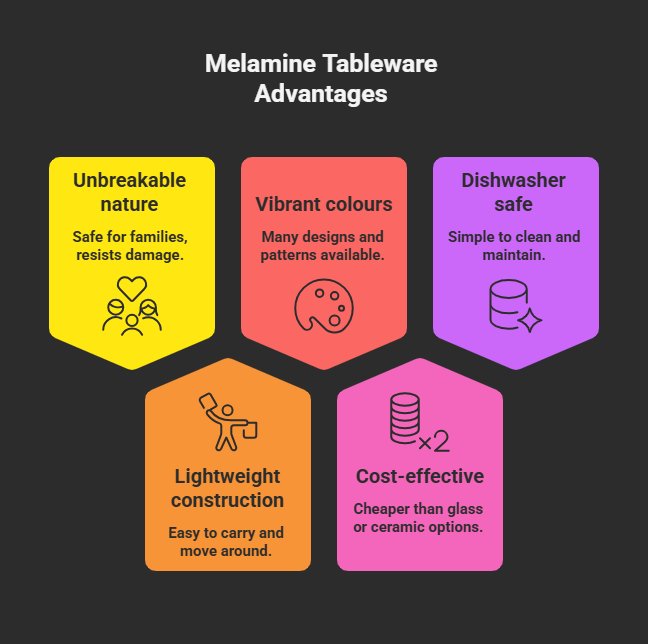
    Key  characteristics of melamine tableware

    Melamine dinnerware, sometimes called melaware – offers several distinctive features:

    • Unbreakable nature: Perfect for families with children
    • Lightweight construction: Easy to handle and transport
    • Vibrant colours: Available in countless designs and patterns
    • Cost-effective: More affordable than glass alternatives
    • Dishwasher safe: Easy maintenance and cleaning
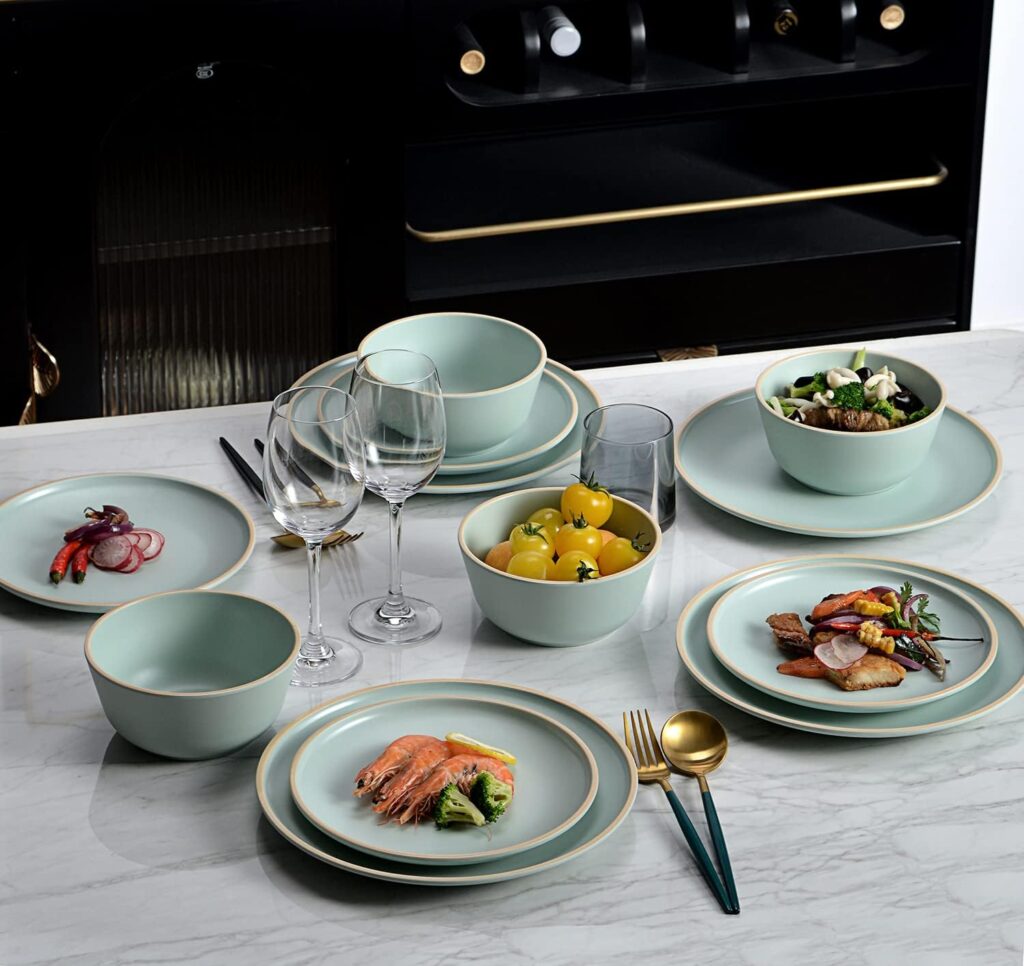
    Melamine unbrekable BPA Free Dinnerware set

    However, not everything glitters in the melamine world. These plates and bowls come with specific limitations that every buyer should understand before making their choice.

    WHAT IS GLASS DINNERWARE?

    Glass dinnerware represents centuries of refined craftsmanship. From the delicate crystal goblets of Victorian dining rooms to today’s tempered glass plates, this material has consistently delivered elegance and functionality.
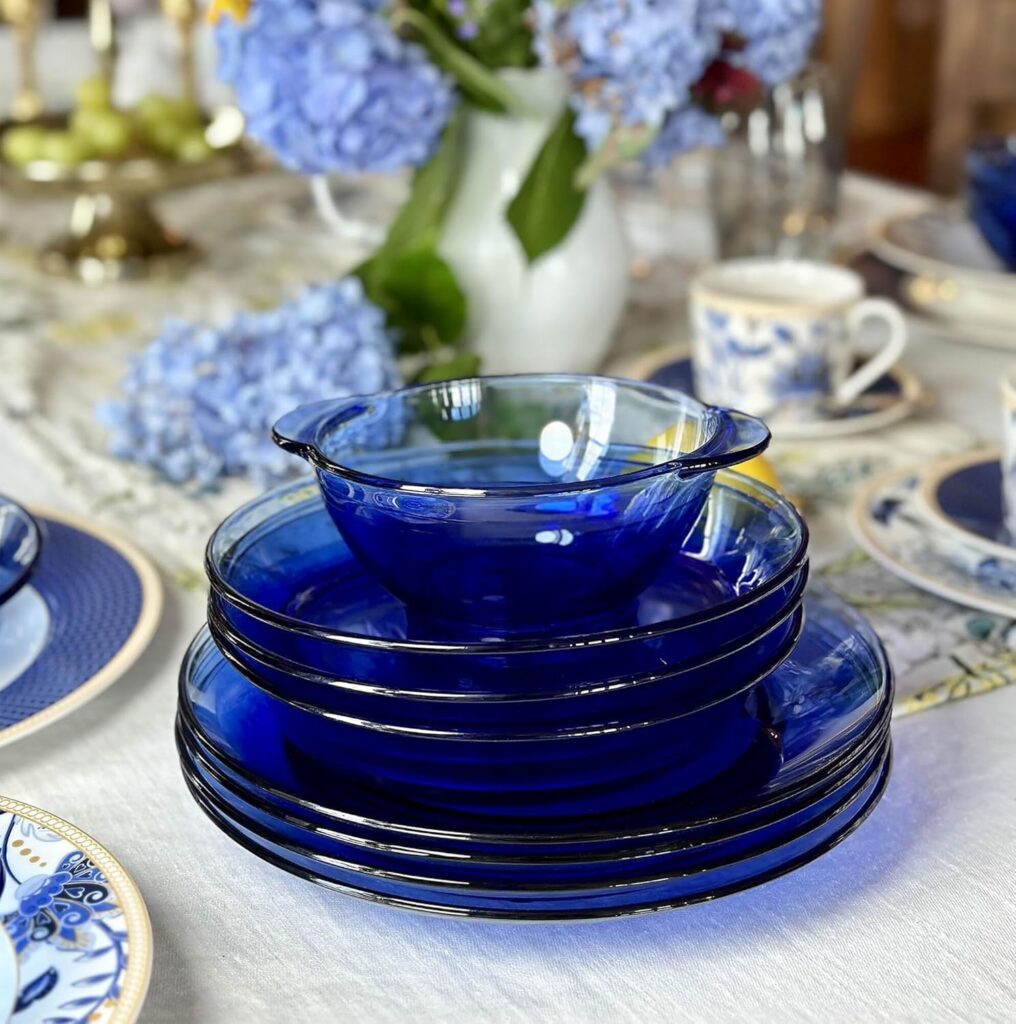
    BPA and Lead Free Glass Dinnerware

    Modern glass dinnerware typically uses tempered glass or borosilicate glass. These materials undergo special heating and cooling processes that increase their strength and thermal resistance.

    The result is tableware that can withstand daily use whilst maintaining its pristine appearance.

    The Manufacturing Process

    Glass dinnerware production involves melting silica sand, soda ash, and limestone at temperatures exceeding 1,500°C.

    The molten glass is then shaped using various techniques, including pressing, blowing, or moulding.

    Finally, the pieces undergo tempering – a process that makes them significantly stronger than regular glass.

    Distinguished Features
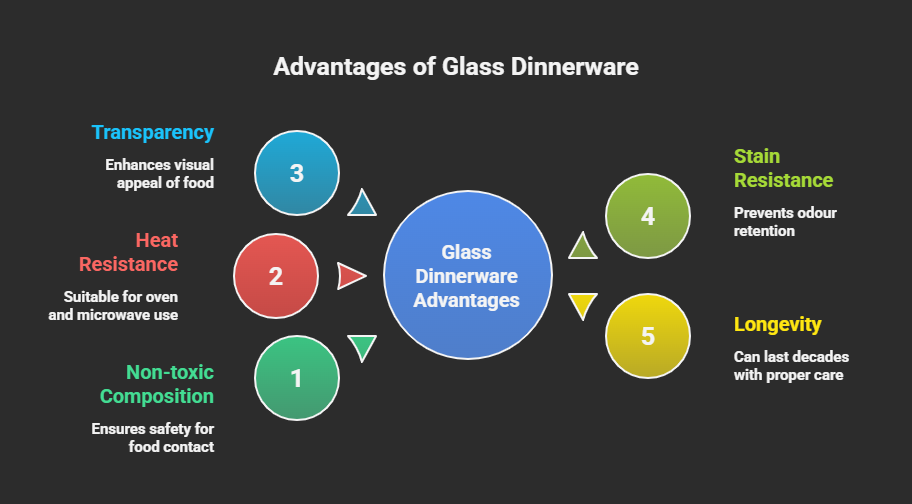
    key characteristics of glass dinnerware

    Glass dinnerware offers unique advantages:

    • Non-toxic composition: Completely safe for food contact
    • Heat resistance: Suitable for oven and microwave use
    • Transparency: Allows visual appeal of food presentation
    • Stain resistance: Non-porous surface prevents odour retention
    • Longevity: Can last decades with proper care
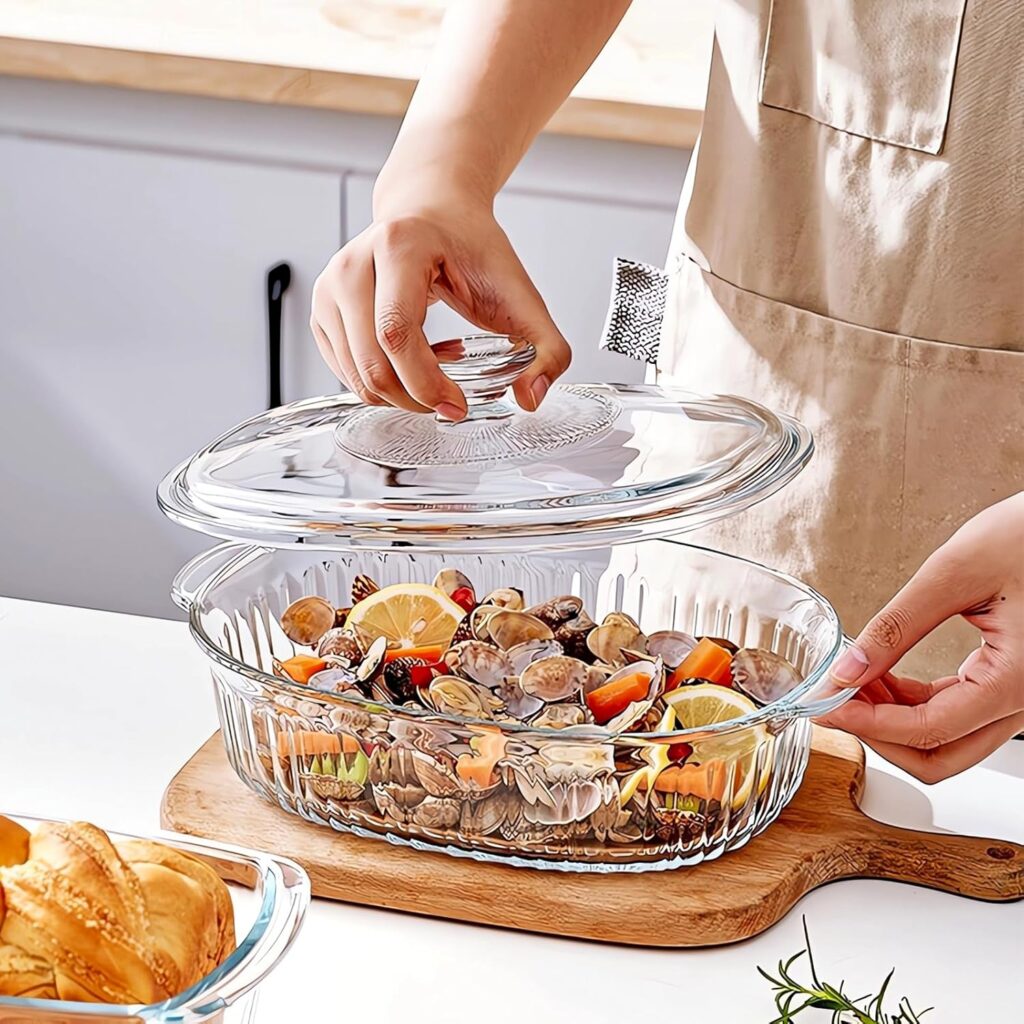
    Borosilicate glass casserole baking dish

    Yet glass isn’t without its challenges. Understanding these limitations helps you make an informed decision about your tableware investment.

    MELAMINE VS GLASS DINNERWARE: THE ULTIMATE COMPARISON
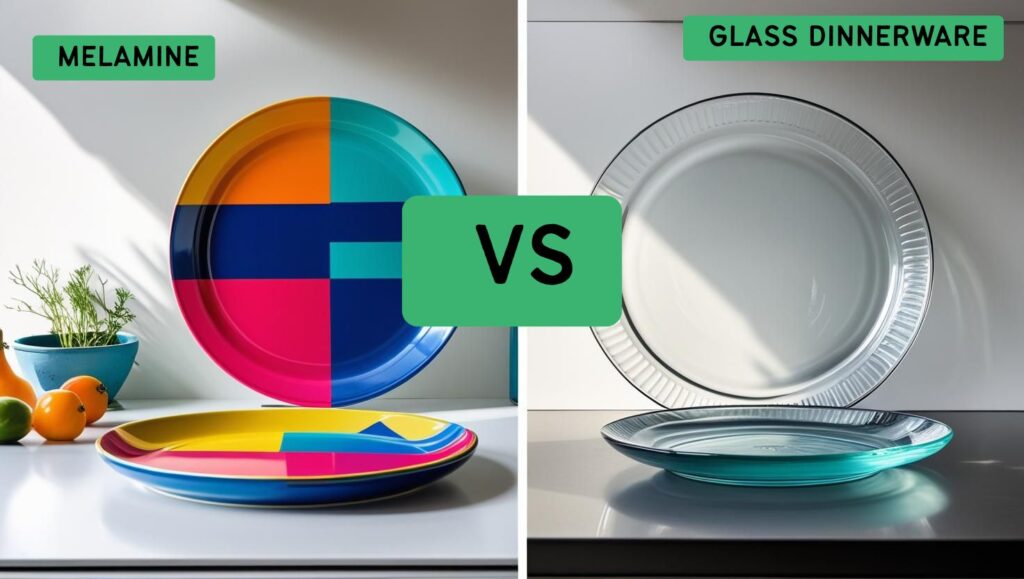
    Melamine vs Glass Dinnerware

    Safety and Health Considerations

    The safety of dinnerware materials represents the most critical factor in any comparison. Here’s where the differences become stark and concerning.

    Glass dinnerware emerges as the clear winner in safety. Its inert nature means it won’t leach chemicals into your food, regardless of temperature or acidity.

    Glass remains completely non-toxic dinnerware, making it ideal for health-conscious households.

    Melamine dinnerware, however, presents several safety concerns:

    • Chemical leaching: Melamine can release harmful chemicals, especially when heated
    • Microwave restrictions: Never microwave melamine plates
    • Temperature limitations: Avoid hot foods above 70°C
    • Acidic food reactions: Citrus and tomato-based foods may cause more leaching

    The FDA originally set the TDI for melamine at 0.63 mg per kg of body weight per day for foods other than infant formula.

    For infant formula, the FDA has recommended a zero-tolerance policy, meaning any detectable amount is considered unacceptable due to the vulnerability of infants.

    While International bodies such as the World Health Organization (WHO) on Melamine exposure have set a lower TDI of 0.2 mg/kg body weight per day.

    Durability and Breakage Resistance

    When it comes to breakage resistant dishes, melamine takes the crown. This material can withstand drops, knocks, and rough handling that would destroy glass dinnerware instantly.

    Melamine advantages:

    • Virtually unbreakable under normal use
    • Ideal for outdoor dinnerware options
    • Perfect for children’s meals
    • Survives camping trips and picnics

    Glass limitations:

    • Susceptible to thermal shock
    • Can shatter with sudden temperature changes
    • Requires careful handling and storage
    • Replacement costs add up over time

    However, durability extends beyond mere breakage resistance. Glass maintains its appearance indefinitely, whilst melamine may show scratches, stains, and wear over time.

    Heat Resistance and Microwave Safety

    Heat resistant dinnerware becomes crucial for modern cooking habits. Glass excels in this category, offering versatility that melamine simply cannot match.

    Glass capabilities:

    • Microwave safe dinnerware
    • Oven-safe up to 220°C
    • Dishwasher safe at any temperature
    • Handles thermal shock better than expected

    Melamine limitations:

    • Never microwave – chemicals can leach
    • Maximum temperature: 70°C
    • Dishwasher safe only on gentle cycles
    • Hot foods may cause warping

    Cost and Value Analysis

    Budget-friendly dinnerware often drives initial purchase decisions. Melamine wins on upfront costs, but the long-term value equation becomes more complex.

    FactorMelamineGlass
    Initial CostAffordableMedium – High
    Replacement Frequency2-3 years8+ years (depends on use and care)
    Long-term ValueModerateExcellent
    Resale ValueLowModerate

    The calculation changes when you factor in replacement costs. Glass dinnerware, despite higher initial investment, often provides better value over time.

    Environmental Impact

    Eco-friendly dinnerware considerations increasingly influence purchasing decisions. Glass demonstrates clear environmental advantages throughout its lifecycle.

    Glass benefits:

    • 100% recyclable
    • Made from abundant natural materials
    • No harmful chemicals in production

    Melamine concerns:

    • Plastic-based production
    • Not easily recyclable
    • Potential chemical emissions
    • Contributes to plastic waste

    Glass Dinnerware Concerns:

    • Not biodegradable (broken or not)

    WHEN TO CHOOSE MELAMINE TABLEWARE

    Perfect Scenarios:
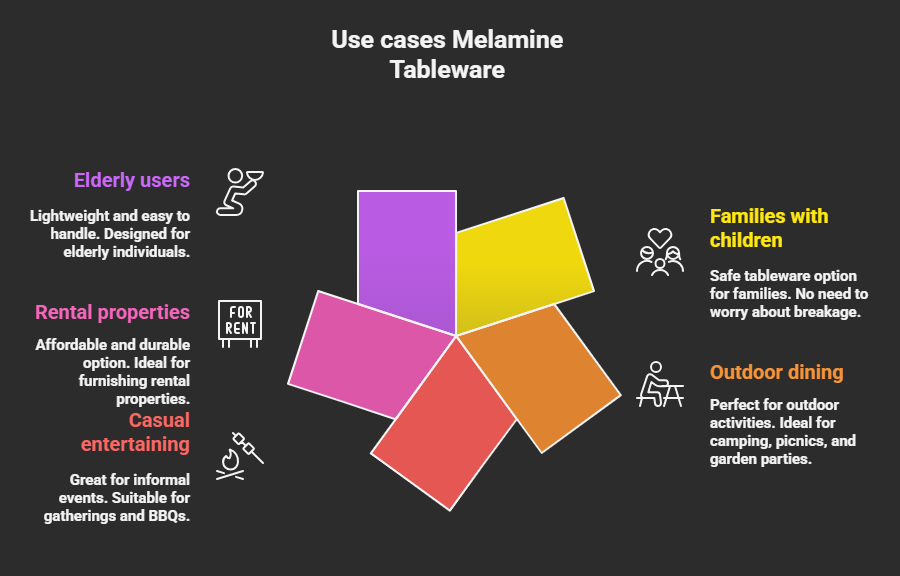
    when to choose melamine dinnerware

    Melamine dinnerware shines in specific situations where its unique properties become valuable assets rather than limitations.

    Ideal for:

    • Families with young children: No fear of breakage
    • Outdoor dining: Camping, picnics, and garden parties
    • Casual entertaining: Informal gatherings and BBQs
    • Rental properties: Affordable and durable
    • Elderly users: Lightweight and easy to handle

    Lifestyle Matching:

    Consider melamine when convenience trumps other factors. Its lightweight dinnerware nature makes it perfect for people who prioritize practicality over prestige.

    WHEN TO CHOOSE GLASS DINNERWARE

    Optimal Conditions:
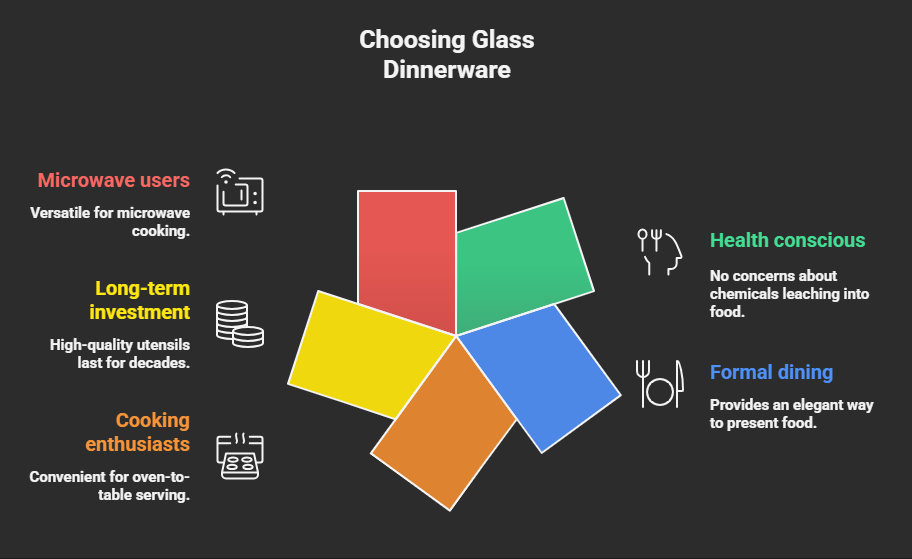
    when to choose glass dinnerware

    Glass dinnerware excels when elegance, safety, and versatility take precedence over durability concerns.

    Perfect for:

    • Health-conscious households: Zero chemical concerns
    • Formal dining: elegant presentation
    • Cooking enthusiasts: Oven-to-table convenience (Depends on brand quality & specifications)
    • Long-term investment: Quality that lasts decades
    • Microwave users: Complete cooking versatility

    The Sophisticated Choice:

    Glass appeals to those who view dinnerware as an extension of their personal style. Its transparency showcases food beautifully, like white tableware, whilst maintaining absolute safety standards.

    GLASS VS CERAMIC: ADDITIONAL CONSIDERATIONS

    The Third Option

    When comparing glass vs ceramic dinnerware, another compelling option emerges.

    Ceramic offers middle-ground benefits that might influence your melamine versus glass decision.

    Ceramic advantages:

    • Better heat retention than glass
    • More durable than glass
    • Lighter weight than glass
    • Classic beautiful appeal

    Ceramic limitations:

    • More expensive than melamine
    • Still breakable (though less than glass)
    • Heavier than melamine
    • Potential lead concerns in older pieces or low-quality.

    Decision Framework

    Consider ceramic when you want the elegance of glass with slightly better durability, whilst still maintaining the safety benefits of non-toxic dinnerware.

    EXPERT TIPS FOR DINNERWARE SELECTION

    Making the Right Choice

    Selecting the perfect dinnerware requires balancing multiple factors against your specific needs and lifestyle.

    Key considerations:

    1. Household composition: Children require different considerations than adults
    2. Entertaining style: Formal versus casual dining preferences
    3. Storage space: Weight and stackability matter
    4. Maintenance preferences: Time available for careful handling
    5. Budget constraints: Initial cost versus long-term value

    Professional Recommendations

    Interior designers consistently recommend investing in quality glass dinnerware for primary dining, whilst keeping melamine as backup for casual use or outdoor dining.

    Maintenance Mastery

    Glass care:

    • Hand wash delicate pieces
    • Avoid extreme temperature changes
    • Store with padding between pieces
    • Replace damaged items immediately

    Melamine care:

    • Use gentle dishwasher cycles
    • Avoid abrasive cleaners
    • Replace when scratched or stained.

    THE VERDICT: MAKING YOUR CHOICE

    Final Recommendations:

    The melamine vs glass dinnerware comparison ultimately depends on your priorities and lifestyle.

    Neither option represents a universal solution, but understanding their strengths helps you make an informed decision.

    Choose melamine when:

    • Safety from breakage outweighs chemical concerns
    • Budget constraints limit options
    • Outdoor dining represents the primary use
    • Children’s safety requires unbreakable dishes

    Choose glass when:

    • Health and safety take absolute priority
    • Cooking versatility matters
    • Long-term value trumps initial cost
    • Elegant presentation enhances your dining experience

    The Hybrid Approach

    Many households benefit from owning both materials. Use glass for everyday dining and special occasions, whilst keeping melamine for outdoor use, children’s meals, and casual entertaining.

    CAN GLASS DINNERWARE GO IN THE MICROWAVE?

    Yes, most glass dinnerware is microwave safe. However, always check manufacturer guidelines and avoid sudden temperature changes that might cause thermal shock.

    IS MELAMINE OR GLASS BETTER FOR CHILDREN?

    For pure safety from breakage, melamine wins. However, glass offers better food safety with no chemical concerns. Many parents choose melamine for young children and transition to glass as children mature.

    HOW DO I KNOW IF MY DINNERWARE IS MELAMINE OR CERAMIC?

    Melamine feels lighter and warmer to the touch than ceramic. It also produces a different sound when tapped – less resonant than ceramic or glass.

    CONCLUSION

    The choice between melamine and glass dinnerware reflects more than mere material preference; it represents a lifestyle decision that impacts your family’s health, budget, and daily dining experience.

    Glass emerges as the superior choice for those prioritizing safety, versatility, and long-term value.

    Its non-toxic composition and heat resistance make it ideal for health-conscious households willing to handle it with care.

    Melamine serves specific needs brilliantly – particularly for families with young children, outdoor enthusiasts, and budget-conscious buyers who prioritize durability over other factors.

    The sophisticated approach involves recognizing that you don’t need to choose just one.

    Many households successfully incorporate both materials, using each where it performs best.

    What’s your dinnerware story? Share your experiences and preferences in the comments below – we’d love to hear which material has won your heart and why.
  • Melamine vs Melaware Dinnerware

    You’re standing in the dinnerware aisle, staring at two nearly identical sets of plates. One says “melamine,” the other “melaware.” Same bright colours, same lightweight feel, but different prices.

    Which one should you choose? Are they even different?

    This confusion happens to thousands of shoppers every day. You want something that won’t break when your kids drop it.

    You need plates that are light enough for camping trips. But you also worry about safety, especially after hearing scary stories about plastic dishes in microwaves.

    The melamine vs melaware dinnerware confusion isn’t just about names. It’s about making the right choice for your family’s health and your wallet.

    You deserve to know what you’re actually buying, whether it’s safe to use, and how to care for it properly.

    Here’s everything you need to know to make the smart choice.

    MELAMINE VS MELAWARE: CLEARING THE CONFUSION

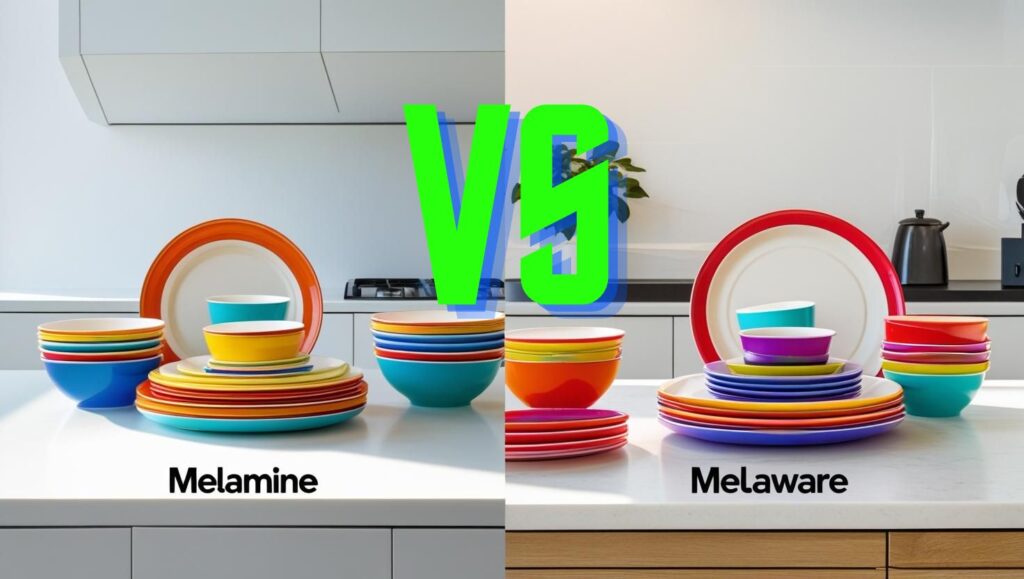
    Melamine vs Melaware dinnerware

    Now, here’s where things get interesting. Melaware vs melamine isn’t actually a battle between two different materials. It’s more like comparing

    “tissues” to “Kleenex” – one’s the generic term, the other’s a brand name.

    Melaware is essentially melamine dinnerware marketed under a specific brand or product line. The confusion arises because some manufacturers use “melaware” as a catchy marketing term to differentiate their products.

    However, the fundamental material remains the same: melamine-formaldehyde resin.

    Why the Naming Confusion Exists

    Several factors contribute to this naming puzzle:

    1. Marketing strategies – Brands create unique names to stand out
    2. Regional variations – Different countries may use different terms
    3. Quality grades – Some companies use distinct names for premium lines
    4. Consumer perception – “Melaware” might sound more sophisticated than “melamine.”

    The truth is, whether you’re buying melamine or melaware, you’re getting the same basic material. The differences lie in manufacturing quality, design, and brand reputation rather than the core composition.

    MATERIAL COMPOSITION DEEP DIVE

    Understanding what goes into your durable dinnerware materials helps you make informed decisions. Let’s break down the science without getting too technical.

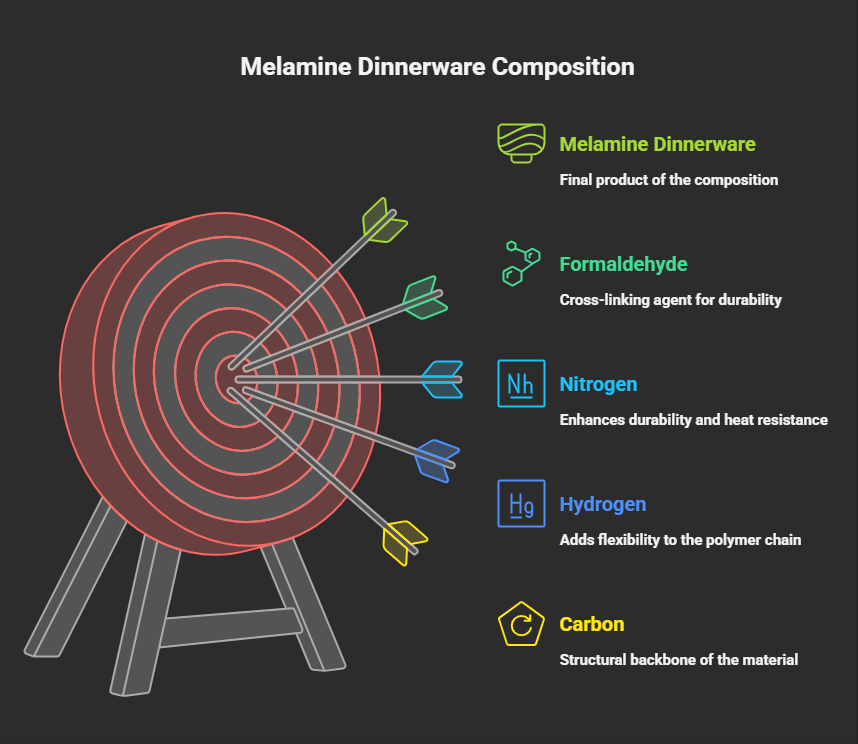
    Melamine dinnerware material composition

    Chemical Makeup

    Melamine dinnerware consists of:

    • Carbon – Provides structural backbone
    • Hydrogen – Adds flexibility to the polymer chain
    • Nitrogen – Contributes to durability and heat resistance
    • Formaldehyde – Acts as a cross-linking agent

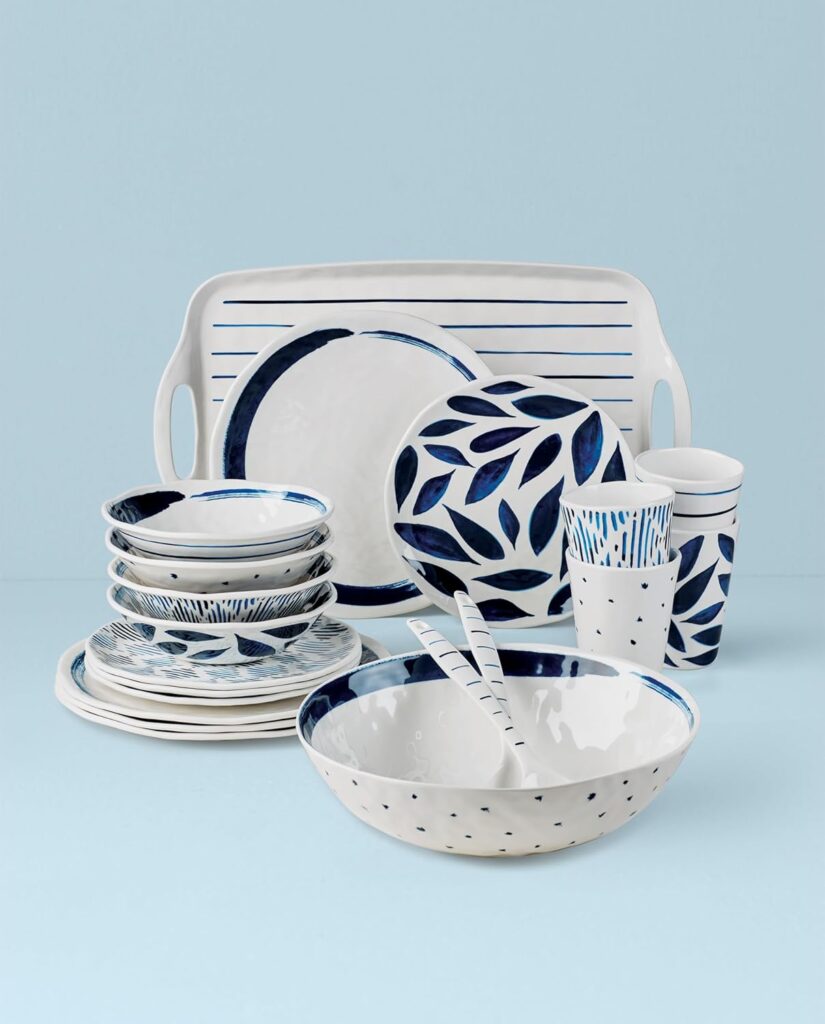
    Lenox Melaware Melamine Lightweight Dinnerware set

    The exact composition varies between manufacturers. However, quality melamine typically contains higher nitrogen content, resulting in better durability and safety.

    Manufacturing Process

    The creation of melamine resin dinnerware involves several steps:

    1. Mixing – Melamine powder combines with formaldehyde
    2. Pressing – The mixture goes under high pressure and heat
    3. Moulding – Shaped into desired dinnerware forms
    4. Curing – Heat treatment ensures complete polymerization
    5. Finishing – Surface treatments and quality checks

    This process creates a material that’s significantly stronger than regular plastic whilst remaining lightweight, Break-resistant, having vibrant colours with a smooth surface and affordable.

    SAFETY CONSIDERATIONS: THE TRUTH ABOUT MELAMINE

    When it comes to melamine dishes safety, there’s quite a bit of misinformation floating around. Let’s separate fact from fiction with some straight talk.

    Microwave Safety: The Hard Truth

    Is melaware microwave safe? The answer is a definitive no. Neither melamine nor melaware should ever go in the microwave. Here’s why:

    • Heat sensitivity – Melamine begins to break down at temperatures above 70°C
    • Chemical release – High temperatures can cause formaldehyde migration
    • Warping risk – The material can deform and become unusable
    • Fire hazard – Overheating can lead to melting or burning

    The FDA has been crystal clear on this point. Only ceramic or specifically marked “microwave-safe” materials should be used for heating food.

    Even brief microwave exposure can compromise the integrity of melamine dinnerware.

    Food Safety Guidelines

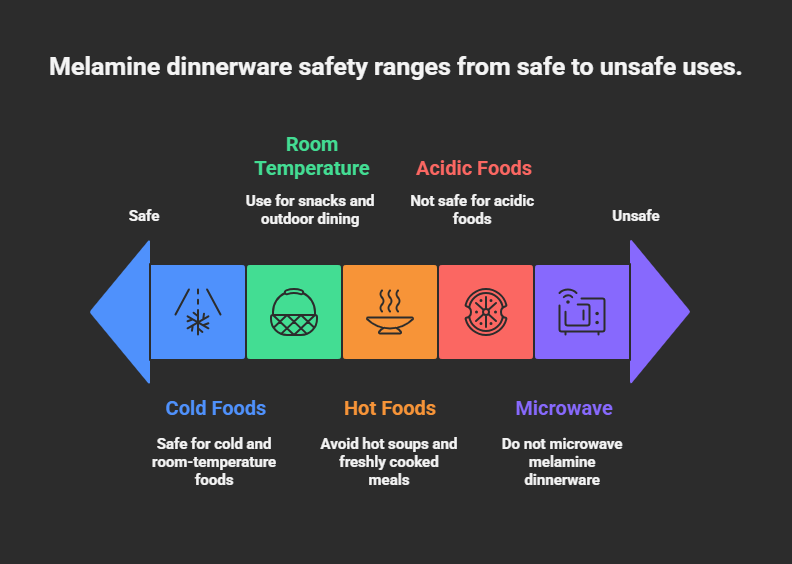
    Food-safe plastic dishes must meet specific standards. Quality melamine dinnerware is generally safe for cold and room-temperature foods. However, certain precautions apply:

    Melaware dinnerware food safety guideline

    Safe uses:

    • Cold salads and desserts
    • Room temperature snacks
    • Outdoor dining and picnics
    • Children’s meals (non-heated)

    Avoid these situations:

    • Hot soups or stews
    • Freshly cooked meals
    • Acidic foods (which can accelerate chemical migration)
    • Microwave heating.

    DISHWASHER SAFETY: GOOD NEWS AT LAST

    Unlike microwave use, melaware dinnerware is generally dishwasher safe. This makes cleanup a breeze, especially after large gatherings.

    Proper Dishwasher Care

    Follow these guidelines for optimal results:

    • Use gentle cycles – Avoid high-temperature wash settings
    • Skip heated dry – Air dry instead to prevent warping
    • Load carefully – Secure items to prevent bouncing and scratching
    • Use mild detergent – Harsh chemicals can dull the finish

    The key is avoiding extreme temperatures. Most modern dishwashers have eco-friendly cycles that work perfectly with melamine.

    Hand Washing Tips

    For daily care, hand washing often works best:

    1. Use warm (not hot) water
    2. Apply mild dish soap
    3. Scrub gently with a soft sponge
    4. Rinse thoroughly
    5. Air dry completely

    Avoid abrasive cleaners or scouring pads, as they can scratch the surface and create harbours for bacteria.

    PROPER CARE AND MAINTENANCE

    Maintaining your melaware lightweight dinnerware properly extends its lifespan and keeps it looking fresh. Here’s your complete care guide.

    Daily Maintenance:

    Cleaning instructions for melamine are straightforward:

    • Immediate cleaning – Don’t let food residue sit too long
    • Gentle scrubbing – Use soft cloths or sponges only
    • Thorough rinsing – Remove all soap residue
    • Complete drying – Prevent water spots and bacterial growth

    What to Avoid:

    Certain practices can damage melamine dinnerware:

    • Abrasive cleaners – Scratch the surface
    • Bleach solutions – Can cause discolouration
    • High heat exposure – Warps and damages the material
    • Sharp utensils – Create scratches that harbour bacteria
    • Acidic foods – Can cause etching over time

    Storage Tips:

    Proper storage prevents damage:

    • Stack carefully – Use protective pads between plates
    • Avoid weight – Don’t overload stacks
    • Store in cool, dry places – Prevent warping
    • Keep away from heat sources – Ovens, radiators, and direct sunlight.

    MELAMINE VS OTHER DINNERWARE MATERIALS

    Let’s compare melamine vs ceramic dinnerware and other popular options to help you make the best choice.

    Comparison Table

    MaterialWeight & DurabilitySafety FeaturesCost & Maintenance
    MelamineLight & break-resistantDishwasher safe, NOT microwave safeLow cost, easy care
    CeramicHeavy but fragileMicrowave & dishwasher safeMedium cost, careful handling
    PorcelainMedium weight, delicateMicrowave & dishwasher safeHigh cost, premium quality
    StonewareHeavy & very durableMicrowave & dishwasher safeMedium cost, long-lasting

    WHEN TO CHOOSE MELAWARE OR MELAMINE

    Commercial dinnerware options often include melamine for good reasons:

    • Outdoor dining – Lightweight and unbreakable
    • Children’s meals – Safe from breaking hazards
    • Casual entertaining – Stylish without the worry
    • Travel and camping – Easy to pack and transport
    • High-volume use – Cost-effective for restaurants

    When to Choose Alternatives

    Consider ceramic or porcelain when:

    • Microwave use is essential
    • Hot food service is primarily used
    • Formal dining requires elegant presentation
    • Long-term investment is the priority.

    WHAT IS ANOTHER NAME FOR MELAMINE?

    Melamine is also known as melamine-formaldehyde resin, thermosetting plastic, or, in some cases, branded names like “melaware.” The scientific name is 2,4,6-triamino-1,3,5-triazine.

    IS MELAMINE DINNERWARE COMPLETELY SAFE?

    The safety of melamine dishes depends on proper use. It’s safe for cold and room-temperature foods, but should never be microwaved or used with very hot foods.

    Quality melamine that meets FDA standards is generally considered safe for its intended use.

    CAN MELAMINE DINNERWARE GO IN THE OVEN?

    Absolutely not. Melamine has poor heat resistance and should never be used in conventional ovens, toaster ovens, or under broilers.

    The material can warp, melt, or release harmful chemicals when exposed to high temperatures.

    ARE THERE ECO-FRIENDLY MELAMINE ALTERNATIVES?

    Yes, several options exist:

    • Bamboo fibre plates – Biodegradable and renewable
    • Wheat straw dinnerware – Made from agricultural waste
    • Recycled plastic options – Reduce environmental impact
    • Ceramic alternatives – Longer-lasting and fully recyclable.

    THE ENVIRONMENTAL PERSPECTIVE

    As we become more conscious of our environmental impact, it’s worth considering the sustainability of plastic dinnerware safety options.

    Melamine’s Environmental Impact:

    • Non-biodegradable – Takes decades to break down
    • Recycling challenges – Limited recycling options
    • Manufacturing emissions – Energy-intensive production process
    • Longevity benefits – Reduces the need for frequent replacement

    Making Responsible Choices:

    If you choose melamine:

    • Buy quality – Lasts longer, reducing waste
    • Use properly – Extends lifespan
    • Dispose responsibly – Check local recycling options
    • Consider alternatives – Weigh environmental impact.

    SHOPPING TIPS FOR MELAMINE DINNERWARE

    When shopping for Melaware break-resistant dinnerware, keep these tips in mind:

    Quality Indicators

    Look for these features:

    • Smooth finish – No rough edges or imperfections
    • Consistent colour – Even pigmentation throughout
    • Appropriate weight – Not too light or heavy
    • Safety certifications – FDA approval or similar standards

    Price Considerations

    Melamine formaldehyde dishes vary widely in price. Consider:

    • Cost per piece – Calculate value over time
    • Brand reputation – Established manufacturers often offer better quality
    • Warranty options – Some brands offer replacement guarantees
    • Set vs individual – Buying sets often provides better value

    Where to Buy

    • Homeware stores – Widest selection and expert advice
    • Online retailers – Convenient comparison shopping
    • Restaurant supply stores – Commercial-grade options
    • Outdoor gear shops – Camping-specific designs.

    CONCLUSION

    The melamine vs melaware dinnerware comparison isn’t really a comparison at all; they’re essentially the same material with different marketing approaches.

    What matters most is understanding how to use this lightweight dinnerware safely and effectively.

    Here’s what you need to remember:

    The Good: Melamine dinnerware offers unbeatable convenience for outdoor dining, children’s meals, and casual entertaining. It’s lightweight, break-resistant, and surprisingly stylish.

    Important: Never microwave melamine or use it with very hot foods. Stick to cold and room-temperature applications, and you’ll enjoy years of worry-free dining.

    The Bottom Line: When used properly, melamine dinnerware provides an excellent balance of practicality, safety, and affordability.

    Remember, the best dinnerware is the one you’ll actually use and enjoy. Whether that’s melamine, ceramic, or something else entirely, make sure it fits your lifestyle and dining habits.

  • Dinner Plates with Dogs on them: Your Complete Guide to Finding the Perfect Canine-Themed Dinnerware

    Dog-themed home decor has become incredibly popular in recent years. More pet lovers are bringing their passion for pups into every room of their house.

    One of the most charming ways to show your love for dogs is through dinner plates with dogs on them.

    Whether you’re looking for everyday dinnerware or special collectible pieces, there’s a perfect dog plate waiting for you.

    This guide covers everything from modern designs to vintage treasures.

    You’ll learn about different materials, popular brands, and where to find the best options.

    TYPES OF DOG-THEMED DINNER PLATES

    Modern Dog Plates:

    Today’s dog-themed dinnerware offers endless variety. You can find plates featuring specific breeds, cartoon dogs, or artistic interpretations of dogs.

    Many modern designs feature clean, simple graphics that complement any decor style.

    Dinner plates with dogs on them

    Breed-specific plates are especially popular. Dachshund lovers can find plates celebrating their favorite “wiener dogs.” Golden retriever fans have plenty of options, too.

    Almost every popular breed has dedicated dinnerware designs.

    Hunting and wildlife themes appeal to outdoor enthusiasts. These plates often feature realistic paintings of hunting dogs in action.

    They’re perfect for cabins, lodges, or anyone who loves the great outdoors.

    Casual party themes work great for dog birthday parties or casual gatherings. These fun designs often feature cartoon-style dogs or playful patterns.

    They’re usually made from durable materials that can handle everyday use.

    VINTAGE AND ANTIQUE DOG PLATES

    Vintage dog plates represent a fascinating world of collectible dinnerware. These pieces often showcase the artistic styles of their era.

    Victorian-era plates feature delicate hand-painted designs with gold accents. Mid-century pieces show the clean lines and bold colors of the 1950s and 1960s.

    Collectible dog plates can be excellent investments. Some rare pieces increase in value over time. However, most people collect them simply because they love the beautiful artwork and historical significance.

    Antique dog plates tell stories of different time periods. They show how people’s relationships with dogs have evolved. Many vintage pieces were made by famous pottery companies that are no longer in business.

    MATERIALS AND CONSTRUCTION

    Understanding materials helps you choose the right plates for your needs. Each material has unique benefits and care requirements.

    Modern Materials

    Melamine is perfect for everyday use. This plastic material resists breaking and chipping. It’s lightweight and dishwasher safe. Melamine plates work great for outdoor dining and families with children.

    Porcelain offers elegance and durability. High-quality porcelain plates can last for generations. They’re microwave and dishwasher-safe. Porcelain works well for both casual and formal dining.

    affordable ceramic Dog plates for home

    Ceramic provides versatility at affordable prices. Ceramic plates come in many styles and colors. They’re heavier than melamine but lighter than porcelain. Most ceramic plates are dishwasher and microwave-safe.

    Dog and Cat Bamboo non toxic plate for kids and toddlers

    Eco-friendly options combine sustainability with style. Some manufacturers use bamboo-melamine blends. These plates are biodegradable and still offer durability.

    Vintage Materials

    Bone china was the premium choice for fine dinnerware. This material contains bone ash, making it stronger than regular porcelain. Vintage bone china plates often feature intricate designs and gold trim.

    Earthenware was commonly used for everyday dishes. This ceramic material has a rustic, handmade appearance. Earthenware plates are usually thicker and heavier than modern ceramics.

    Stoneware became popular in mid-century designs. This material is very durable and chip-resistant. Stoneware plates often have a matte finish and earth-tone colors.

    Contemporary Brands

    VIETRI wildlife hunting dog ceramic themed handmade dinnerware

    VIETRI creates premium hunting dog-themed dinnerware. Their plates feature beautiful artwork and superior craftsmanship. VIETRI plates fall into the premium price category but offer exceptional quality.

    Portmeirion ceramic Dog Bowl for home and gifts

    Portmeirion offers comprehensive animal collections. Their dog plates coordinate with matching bowls, mugs, and serving pieces. Portmeirion products are mid-range priced and widely available.

    Pottery Barn provides quality everyday pieces. Their dog plates feature simple, modern designs. Pottery Barn items are mid-range priced and perfect for casual dining.

    Target offers budget-friendly options for dog lovers. Their seasonal collections include disposable and reusable dog plates. Target’s prices are very affordable for most budgets.

    VINTAGE AND COLLECTIBLE BRANDS

    Royal Doulton created some of the most sought-after dog collector plates. This British company produced beautiful decorative pieces featuring various dog breeds.

    Royal Doulton plates are highly collectible and often increase in value.

    Spode woodland earthenware vintage Dog Plate

    Spode has a long history of creating traditional British ceramics. Their dog plates often feature hunting scenes and countryside themes. Spode pieces are considered premium collectibles.

    Beswick became famous for animal figurines and plates. Their dog plates feature realistic artwork and fine craftsmanship. Beswick items are popular with serious collectors.

    Johnson Bros produced octagonal plates in the 1920s and 1930s. These unique shapes make them stand out from round plates. Johnson Bros pieces are affordable vintage options.

    MATERIAL AND BRAND COMPARISON

    MaterialDurabilityCareBest For
    MelamineExcellentEasyEveryday use, outdoor dining
    PorcelainVery GoodModerateSpecial occasions, gifts
    CeramicGoodEasyCasual dining, everyday use
    Bone ChinaExcellentCarefulCollecting, formal dining
    Brand CategoryQualityAvailabilityTarget Audience
    VIETRIPremiumGoodLuxury buyers
    PortmeirionHighExcellentGeneral consumers
    Royal DoultonPremiumLimitedCollectors
    TargetGoodExcellentBudget-conscious

    COLLECTOR’S GUIDE TO VINTAGE DOG PLATES

    Investment Potential

    Vintage dog plates can be smart investments for collectors. However, not all vintage pieces increase in value. Rarity, condition, and manufacturer reputation affect prices the most.

    Market trends show steady interest in mid-century and Victorian-era pieces. Plates from famous manufacturers like Royal Doulton tend to hold their value better.

    Limited edition pieces often appreciate more than mass-produced items.

    Authentication is crucial when buying vintage plates. Look for manufacturer marks on the bottom. Research the company’s history and typical markings.

    When in doubt, consult with experienced collectors or appraisers.

    WHERE TO BUY VINTAGE PLATES

    Auction houses offer authenticated pieces with detailed histories. They’re great for serious collectors looking for rare items. However, auction prices can be unpredictable.

    Specialty dealers focus on specific manufacturers or time periods. They often provide certificates of authenticity. Building relationships with dealers can lead to better finds.

    Online marketplaces like eBay offer huge selections. However, buyer beware – not all sellers are honest about condition or authenticity. Always ask for detailed photos and descriptions.

    Estate sales can yield amazing finds at reasonable prices. Arrive early for the best selection. Bring a magnifying glass to check for chips or cracks.

    BUYING GUIDE FOR ALL TYPES

    For Everyday Use

    Durability should be your top priority for daily-use plates. Look for chip-resistant materials like melamine or high-quality ceramic. Avoid delicate vintage pieces for regular meals.

    Care requirements vary by material. Choose dishwasher-safe options if you prefer easy cleanup. Some materials can’t go in the microwave, so check before buying.

    Style coordination helps create a cohesive look. Consider how dog plates will work with your existing dinnerware. You might also want to explore pet drinkware and kitchenware to complete the theme.

    For Collectors

    Research is essential before making expensive purchases. Learn about different manufacturers and their marks. Join collector groups online to share knowledge and find deals.

    Condition assessment affects value significantly. Small chips or cracks can dramatically reduce worth. Learn to spot restoration work, which may not be obvious to beginners.

    Storage and display protect your investment. Use plate stands for display pieces. Store stacked plates with protective padding between them.

    CARE AND MAINTENANCE

    Modern Plates

    Dishwasher safety depends on the material. Most melamine and ceramic plates are dishwasher safe. Check manufacturer instructions before the first wash.

    Storage tips help prevent damage. Stack plates with protective padding. Store them in cabinets away from heavy items that might fall.

    Microwave use varies by material. Melamine plates are NOT SUITABLE FOR MICROWAVE USE. Ceramic and porcelain are usually microwave safe.

    Vintage Plates

    Gentle cleaning preserves delicate vintage pieces. Hand wash with mild soap and soft sponges. Avoid harsh chemicals or abrasive cleaners.

    Display considerations protect plates from sunlight and humidity. UV rays can fade colors over time. Use proper plate stands to prevent stress cracks.

    Insurance documentation protects valuable collections. Photograph each piece and keep purchase records. Consider adding collectibles to your homeowner’s insurance.

    WHERE TO BUY DOG PLATES

    Online Retailers

    Amazon offers the largest selection of modern dog plates. You’ll find everything from budget options to premium brands. Prime shipping makes it convenient for quick delivery.

    Wayfair specializes in home decor and dinnerware. They carry many dog-themed options from various manufacturers. Their website makes it easy to filter by material and style.

    Etsy features unique and custom dog plates. Many artists create one-of-a-kind pieces. This is perfect if you want something truly special or personalized.

    Specialty dealers

    Antique shops often have vintage dog plates mixed in with other collectibles. Building relationships with shop owners can lead to special finds.

    Collector shows bring together dealers and collectors. These events are great for seeing items in person before buying. You can also learn from other collectors.

    1stDibs offers authenticated antique and vintage pieces. Their selection includes high-end collectibles from reputable dealers worldwide.

    Physical Stores

    Department stores like Macy’s and Nordstrom carry designer dog plates. You can see and feel the quality before purchasing.

    Home goods stores like HomeGoods and TJ Maxx sometimes have discounted designer pieces. Selection varies, but you might find great deals.

    Pet stores increasingly carry dog-themed human dinnerware. This makes sense since dog owners are their target customers.

    GIFT IDEAS AND OCCASIONS

    Dog lover gifts are always appreciated by pet parents. A beautiful set of dog plates makes a thoughtful housewarming present. Consider the recipient’s favorite breed when choosing designs.

    Holiday themes add seasonal fun to dog plates. Christmas plates with Santa dogs or Halloween designs with costumed pups are popular. These seasonal pieces can become treasured traditions.

    Memorial pieces help honor beloved pets who have passed away. Some artists create custom plates featuring specific dogs. These meaningful gifts provide comfort during difficult times.

    Collector additions make excellent gifts for serious collectors. Research what pieces they’re missing from their collection. Limited edition or rare vintage pieces are especially appreciated.

    EXPANDING YOUR COLLECTION

    Once you start collecting dog plates, you might want to expand into related items. Corelle plates with dogs on them offer durability and classic American styling.

    These lightweight plates are perfect for everyday use and camping.

    Consider building a complete table setting with matching pieces. Bowls, mugs, and serving dishes help create a cohesive look. This approach works well for both modern and vintage collections.

    HOW CAN I TELL IF A VINTAGE DOG PLATE IS AUTHENTIC?

    Look for manufacturer marks on the bottom of the plate. Research the company’s typical markings and production periods. When in doubt, consult with experienced collectors or professional appraisers.

    ARE VINTAGE DOG PLATES DISHWASHER SAFE?

    Most vintage plates should be hand-washed to preserve their value and appearance. The glazes and decorations from earlier eras may not withstand modern dishwasher detergents and high temperatures.

    CONCLUSION

    Dinner plates with dogs offer endless possibilities for dog lovers. Whether you prefer modern designs or vintage treasures, there’s something for every taste and budget.

    Modern plates provide durability and convenience for everyday use. Vintage pieces offer historical significance and potential investment value.

    Remember to consider your specific needs when shopping. Everyday plates need durability and easy care. Collector pieces require careful handling and proper storage.

    Either way, dog plates bring joy and personality to your dining experience.

  • Why White Dinnerware Shows Food Best

    Bottom Line: White dinnerware shows food best because it acts like a blank canvas, making food colors appear more vibrant through visual contrast. The neutral background eliminates distractions and allows the food to take center stage. This is why professional chefs, restaurants, and food photographers prefer white plates for optimal food presentation.

    INTRODUCTION

    Walk into any high-end restaurant, and you’ll notice something interesting. Almost every dish arrives on white plates.

    This isn’t a coincidence or a simple design choice. There’s real science behind why white dinnerware shows food best.

    Professional chefs and food stylists have known this secret for decades. White plates make food look more appetizing, portions appear larger, and colors seem more vibrant.

    But why does this happen? Moreover, how can you use this knowledge to improve your own dining experience?

    In this article, we’ll explore the fascinating world of color psychology in food presentation. You’ll discover why white plates are the gold standard in professional kitchens.

    Plus, you’ll learn practical tips for creating restaurant-quality presentations at home.

    THE SCIENCE OF VISUAL PERCEPTION

    How Our Eyes Process Food Colors:

    Your brain processes food colors differently depending on the background. When food sits on a white plate, your eyes can focus entirely on the meal itself. This creates what experts call the “blank canvas effect.”

    White plates provide maximum visual contrast for most foods. Think about it: red tomatoes, green herbs, golden pasta, and orange carrots all pop against a white background.

    why white dinnerware shows food best

    This contrast makes colors appear more saturated and appealing.

    Furthermore, white reflects light evenly. This means your food gets proper lighting from all angles. Dark plates absorb light, making food appear dull and less appetizing.

    The Blank Canvas Effect of White Plates

    Professional food stylists compare white plates to an artist’s blank canvas. Just as painters need a neutral background to showcase their work, chefs need white plates to display their culinary creations.

    Gibson Home Porcelain white dinnerware sets

    This blank canvas effect serves several purposes:

    • It eliminates visual distractions
    • It focuses attention on the food
    • It creates a clean, professional appearance
    • It allows food colors to shine.

    Additionally, white plates don’t compete with your food for attention. Colored or patterned plates can clash with certain dishes. White plates work with everything.

    COLOR CONTRAST PRINCIPLES IN FOOD PRESENTATION

    Color theory plays a huge role in food presentation. The best food presentations use complementary colors that enhance each other. White serves as the perfect neutral backdrop for these color combinations.

    For example, a bright red strawberry looks stunning on white. The contrast makes the red appear more intense and appealing.

    Famiware matte white scratch resistant stoneware dinnerware

    Similarly, green vegetables seem fresher and more vibrant against white dinnerware.

    However, there’s one exception to this rule. Pale foods like cauliflower or white fish can get lost on white plates. In these cases, slightly off-white or cream-colored plates work better.

    PSYCHOLOGICAL FACTORS BEHIND WHITE PLATE PREFERENCE

    Cleanliness and Purity Associations:

    White represents cleanliness and purity in most cultures. When people see white plates, they automatically associate them with hygiene and quality.

    This psychological connection makes food appear safer and more appealing.

    Food safe and Lead Free Malacasa white ceramic stoneware dinnerware sets

    Restaurants understand this psychology well. Clean, white plates signal professionalism and attention to detail. Customers feel more confident about the food they’re eating.

    Moreover, white plates are easier to clean thoroughly. Diners can see that the plates are spotless, which adds to their peace of mind.

    Portion Size Perception

    Here’s a surprising fact: white plates can make portions appear larger. This happens because of a visual illusion called the Delboeuf effect. When food contrasts strongly with the plate, portions look more substantial.

    This effect benefits both restaurants and diners. Restaurants can serve appropriate portions while still impressing customers. Diners feel satisfied with what they’re getting.

    Additionally, the contrast helps with portion control at home. You can better judge serving sizes when food stands out clearly against the plate.

    Appetite Stimulation Through Color Psychology

    Color psychology affects appetite in fascinating ways. White plates don’t interfere with your brain’s natural food recognition processes. This allows your appetite to respond naturally to the food itself.

    Research shows that neutral colors like white don’t suppress appetite. In contrast, some colors can actually reduce hunger. Blue plates, for instance, tend to decrease appetite because blue foods are rare in nature.

    White plates let your brain focus on the food’s actual colors, textures, and appearance. This natural focus enhances appetite and enjoyment.

    PROFESSIONAL PERSPECTIVES: WHY CHEFS CHOOSE WHITE

    Chef Preferences and Reasoning:

    Professional chefs overwhelmingly prefer white plates for several reasons. First, white plates make food photography easier. Social media has made food photos more important than ever for restaurants.

    Second, white plates work in any lighting condition. Restaurant lighting varies throughout the day, but white plates always look good. This consistency is crucial for maintaining standards.

    Third, white plates are timeless. Food trends change, but white plates never go out of style. This makes them a smart investment for any restaurant.

    Culinary Pro explains: “White plates are a traditional color favored by chefs because they make the vibrant colors of the food more visually appealing to the guests.”

    Restaurant Industry Standards

    The restaurant industry has embraced white dinnerware as the standard for fine dining. This choice reflects both practical and aesthetic considerations.

    From a practical standpoint, white plates are:

    • Easy to match and replace
    • Suitable for any cuisine style
    • Professional-looking in photos
    • Simple to clean and maintain

    Aesthetically, white plates create a unified look across the dining room. They complement any decor style and never clash with food presentations.

    Food Photography Best Practices

    Food photographers almost always use white plates for several reasons. White provides the best color accuracy in photos. It doesn’t cast unwanted color reflections onto the food.

    Additionally, white plates photograph well under different lighting conditions. They reflect light evenly, reducing harsh shadows and bright spots.

    Professional food stylists keep various white plates in their toolkit. Different textures and shapes serve different purposes, but the color remains consistently white.

    THE COLOR THEORY BEHIND WHITE PLATES

    Complementary Color Enhancement:

    White plates work because they don’t compete with food colors. Instead, they enhance them through contrast. This is basic color theory in action.

    When you place colorful food on a white plate, each color appears more vivid. Red peppers look redder, green spinach looks greener, and yellow corn looks more golden.

    This enhancement happens because white contains all colors of light. It reflects the food’s true colors to your eyes without adding any color cast.

    Neutral Background Benefits

    A neutral background serves multiple purposes in food presentation. It creates visual hierarchy, making the food the clear focal point. It also provides flexibility for different types of dishes.

    Furthermore, neutral backgrounds age well. While trendy colored plates might look dated after a few years, white plates remain classic and elegant.

    The neutral background also helps with portion control. You can clearly see how much food you’re serving or eating.

    When White Doesn’t Work

    While white plates work for most foods, there are exceptions. Very pale foods can disappear against white backgrounds. Examples include:

    • Cauliflower
    • White fish
    • Pale pasta sauces
    • Vanilla ice cream
    • White chocolate desserts

    For these foods, slightly off-white plates work better. Cream, ivory, or light gray plates provide enough contrast without being too bold.

    Alternative Neutral Options

    If pure white doesn’t work for your dish, consider these neutral alternatives:

    • Cream or ivory for pale foods
    • Light gray for a modern look
    • Warm white for comfort foods
    • Bone white for elegant presentations

    These alternatives maintain the benefits of white while providing subtle variation.

    FOOD PHOTOGRAPHY AND SOCIAL MEDIA IMPACT

    Instagram-Worthy Presentations:

    Social media has made food photography more important than ever. White plates photograph beautifully and get more engagement on platforms like Instagram.

    Food Photography on White Dinnerware

    The clean, minimalist look of white plates appeals to modern aesthetics. They create a professional appearance that makes home cooking look restaurant-quality.

    Additionally, white plates work well with various food photography styles. Whether you prefer bright and airy or dark and moody photos, white plates adapt to different lighting setups.

    Lighting Considerations

    Good lighting is crucial for food photography, and white plates help with this. They reflect light evenly, reducing harsh shadows and bright spots on your food.

    Natural light works particularly well with white plates. The combination creates soft, appealing shadows that enhance the food’s texture and appearance.

    For artificial lighting, white plates are forgiving. They don’t require special color correction or complex lighting setups.

    Professional Food Styling Tips

    Professional food stylists offer these tips for using white plates:

    1. Choose the right size plate for your dish
    2. Keep plates spotlessly clean
    3. Warm plates for hot foods
    4. Use textured white plates for added interest
    5. Consider the plate’s rim width

    These details make a significant difference in the final presentation.

    PRACTICAL APPLICATIONS FOR HOME DINING

    Choosing the Right White Dinnerware:

    When selecting white dinnerware for your home, consider these factors:

    Material: Porcelain and bone china photograph best and feel most luxurious. Stoneware is more casual but still effective. Popular options like Corelle Winter Frost white dinnerware offer durability and classic appeal.

    Finish: Matte finishes hide fingerprints better. Glossy finishes reflect more light and create more contrast. Quality white tableware hardly shows scratches when properly maintained.

    Shape: Round plates are classic and versatile. Square plates look more modern. Rimmed plates frame food better.

    Size: Have multiple sizes available. Dinner plates, salad plates, and dessert plates all serve different purposes.

    Special Occasion Presentations

    White plates elevate any special occasion. They make holiday meals look more elegant and birthday dinners more special.

    For formal dinners, use charger plates under your white dinner plates. This creates layers and adds sophistication to your table setting.

    Consider mixing different textures of white plates for visual interest. Combine smooth and textured surfaces for a dynamic look.

    Maintenance and Care Tips

    White plates require proper care to maintain their appearance. High-quality pieces like Corelle Winter Frost white dinnerware are designed to resist chipping and maintain their pristine look with minimal effort:

    1. Wash immediately after use to prevent stains
    2. Use gentle detergents to avoid dulling the finish
    3. Avoid abrasive cleaners that can scratch the surface
    4. Store carefully to prevent chips and cracks
    5. Polish occasionally to maintain shine

    Quality white tableware hardly shows scratches when you follow these care guidelines. This durability makes white dinnerware an excellent long-term investment for your kitchen.

    KEY TAKEAWAYS: WHY WHITE DINNERWARE SHOWS FOOD BEST

    Here are the main reasons why white dinnerware shows food best:

    Visual Benefits

    • Maximum contrast makes food colors appear more vibrant
    • Blank canvas effect eliminates distractions
    • Even light reflection enhances food appearance
    • Universal compatibility works with any cuisine

    Psychological Benefits

    • Cleanliness associations increase appetite
    • Portion size perception makes servings look larger
    • Professional appearance enhances dining experience
    • Neutral psychology doesn’t interfere with natural appetite

    Practical Benefits

    • Photography is friendly for social media sharing
    • Timeless style never goes out of fashion
    • Easy to clean and maintain
    • Versatile use for any occasion

    Professional Standards

    • The chef preferred food presentation
    • Restaurant industry standard for fine dining
    • Food styling essential for photography
    • Color theory has been proven through scientific research.

    CONCLUSION

    White dinnerware shows food best because it combines science, psychology, and practicality. The visual contrast enhances food colors, making meals more appetizing.

    The neutral background creates a professional, clean appearance that appeals to diners.

    Professional chefs and food photographers choose white plates for good reason. They understand that presentation affects taste perception and overall dining satisfaction.

    By using white dinnerware, you can bring restaurant-quality presentation to your own table.

    The next time you’re shopping for dinnerware, remember these insights. Choose white plates that complement your style and enhance your food presentation.

    Your meals will look more appealing, your photos will get more likes, and your dining experience will improve.

  • Are Scratched Plates Dangerous? Complete Safety Guide

    KEY TAKEAWAY: Yes, truly scratched plates can be dangerous. While most marks on plates are harmless metal traces from cutlery, real scratches in poor-quality ceramic glazes can harbor bacteria and release toxic chemicals like lead into your food. However, not all plate damage poses the same risk.

    You’ve probably noticed marks on your favorite dinner plates. Maybe you’ve wondered if it’s safe to keep using them.

    This concern is more common than you think. Many people worry about the safety of their scratched dinnerware.

    The truth is, some plate damage is harmless. But other types can put your health at risk. In this guide, you’ll learn how to tell the difference.

    You’ll also discover when it’s time to replace your plates and which brands offer the safest options.

    THE TRUTH ABOUT “SCRATCHED” PLATES

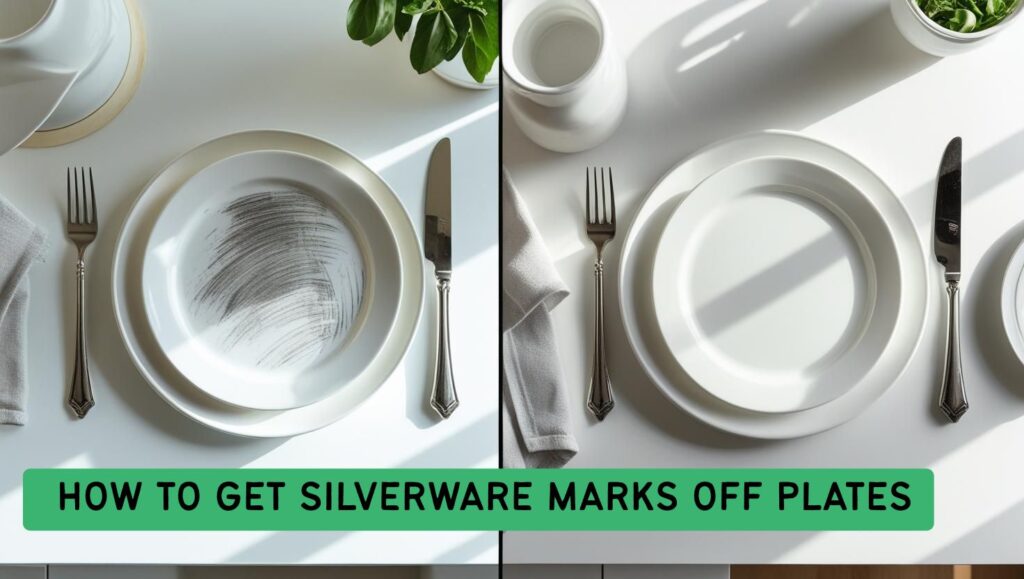
    First, let’s clear up a common mistake. Most marks on plates aren’t actually scratches. They’re metal marks from your cutlery.

    These gray or black lines look scary, but they’re just metal traces sitting on top of your plate’s surface.

    You can usually remove these marks easily. Try using a paste made from baking soda and water. Gently scrub the marks with a soft cloth. If they come off, they weren’t real scratches.

    Learning how to remove silvermarks properly can save you from throwing away perfectly good dishes.

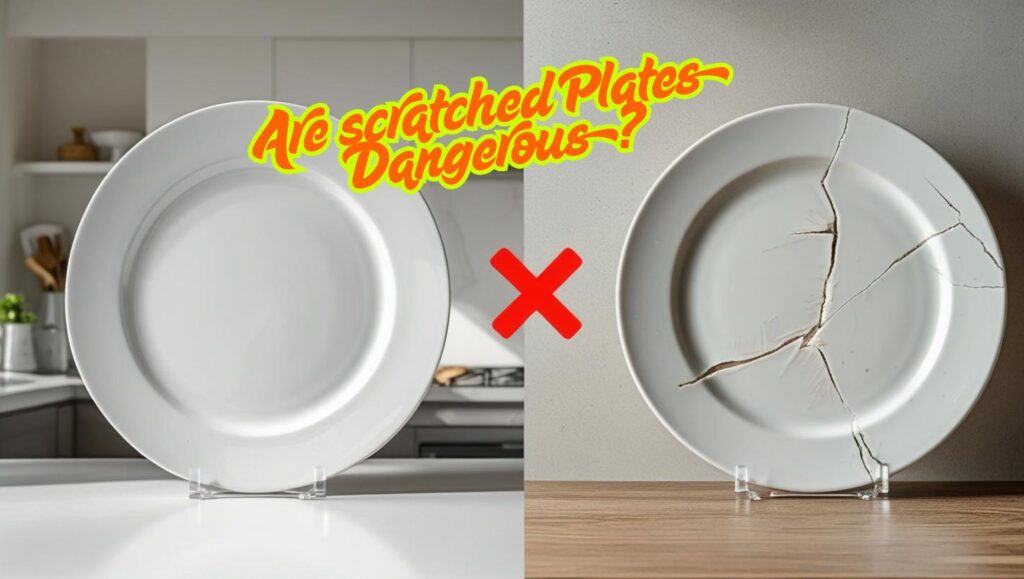
    are scratched plates dangerous

    Real scratches are different. They go into the plate’s surface. These create tiny grooves that you can feel with your fingernail. Unlike metal marks, true scratches can’t be cleaned away.

    So how do you know if your plate is truly scratched? Run your finger across the mark. If you feel a groove or indent, it’s a real scratch. If the surface feels smooth, it’s probably just a metal mark.

    True scratches usually happen after years of use. They occur when the protective glaze on your plate wears away. This is when safety concerns begin.

    HEALTH RISKS OF DAMAGED DINNERWARE

    Once your plates develop real scratches or chips, several health risks emerge. These damaged areas create perfect hiding spots for harmful bacteria.

    Even thorough washing can’t always remove germs from these tiny cracks.

    Bacterial Growth Concerns

    Bacteria love to hide in scratched surfaces. Food particles get trapped in these small spaces. Over time, dangerous germs can multiply. When you eat off these plates, you risk getting sick from food poisoning.

    Common symptoms include stomach pain, nausea, and diarrhea. In severe cases, bacterial infections can be life-threatening.

    This risk is especially high for children, elderly people, and those with weak immune systems.

    Chemical Leaching Dangers

    Perhaps more concerning is the release of toxic chemicals. Many ceramic glazes contain lead and cadmium.

    When plates are intact, these chemicals stay locked in the glaze. But scratches and chips can let them escape into your food.

    Lead poisoning is particularly dangerous. It can cause brain damage, especially in children. Cadmium exposure can harm your kidneys and bones.

    Hot and acidic foods make this problem worse. They pull more toxins from damaged plates.

    Special Risk Factors

    Certain foods increase the danger. Tomato-based sauces, citrus fruits, and hot soups are especially risky. These acidic foods can pull lead and cadmium from scratched glazes more easily.

    Pregnant women and young children face the highest risk. Their bodies absorb more lead than adults. Even small amounts can cause serious health problems.

    MATERIAL-SPECIFIC SAFETY GUIDE

    Different plate materials pose different risks when damaged. Understanding these differences helps you make safer choices.

    Ceramic and Porcelain Risks

    Traditional ceramic and porcelain plates are the most concerning when scratched. Many contain lead and cadmium in their glazes. Vintage plates and imported dishes from certain countries are especially risky.

    Bright-colored glazes often contain more toxic metals. Red, orange, and yellow glazes frequently have high lead levels. When these plates get scratched, the risk increases significantly.

    Stoneware Safety Profile

    Stoneware is generally safer than regular ceramic. It’s fired at higher temperatures, making it denser and less porous.

    This reduces the risk of bacterial growth. However, scratched stoneware can still harbor germs if the damage is severe.

    Quality stoneware from reputable brands is usually lead-free. But you should still replace pieces with visible damage.

    Glass Dinnerware Advantages

    Tempered glass plates are among the safest options. They don’t contain toxic metals like lead or cadmium. Glass is also non-porous, so bacteria can’t easily hide in scratches.

    However, glass plates can still chip or crack. Sharp edges from broken glass create injury risks. Replace any glass plates with chips or cracks immediately.

    Materials to Avoid

    Be extra careful with these types of plates:

    • Vintage dishes made before 1978
    • Imported ceramics from countries with loose regulations
    • Handmade pottery with an unknown glaze composition
    • Plates with bright, colorful glazes
    • Dishes that feel rough or chalky.

    WHEN TO REPLACE YOUR DINNERWARE

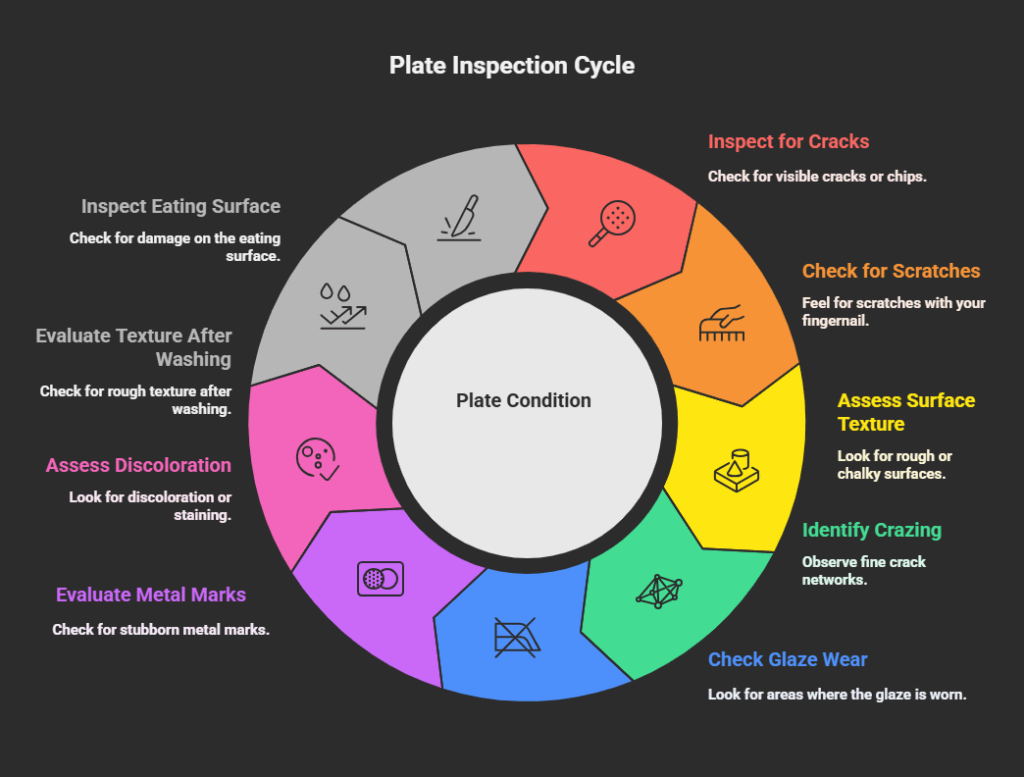
    Knowing when to replace your plates is crucial for safety. Here’s a simple inspection checklist:

    when to replace your Dinnerware

    Replace plates immediately if they have:

    • Visible cracks or chips
    • Scratches you can feel with your fingernail
    • Rough or chalky surfaces
    • Crazing (fine crack networks)
    • Areas where the glaze has worn away

    Consider replacement if plates have:

    • Multiple metal marks that won’t come off
    • Discoloration or staining
    • A rough texture after washing
    • Any damage to the eating surface

    Professional testing is available if you’re unsure. Hardware stores sell lead test kits for affordable prices.

    These can detect lead in your dinnerware. However, they only work on surfaces, not buried lead in glazes.

    SAFEST DINNERWARE BRANDS & MATERIALS

    Choosing the right dinnerware brands can prevent safety issues. Here are the safest options:

    Comparison Table: Dinnerware Safety

    MaterialLead RiskBacteria RiskDurability / Cost
    StonewareLowLowHigh / Medium
    Porcelain (quality)LowLowHigh / High
    Tempered GlassNoneVery LowMedium / Low
    MelamineLowMediumHigh / Low
    Vintage CeramicHighHighMedium / Variable

    HF Coors – Known for commercial-grade stoneware. Their plates resist scratches and are lead-free. Many restaurants use these dishes resistant to cutlery marks.

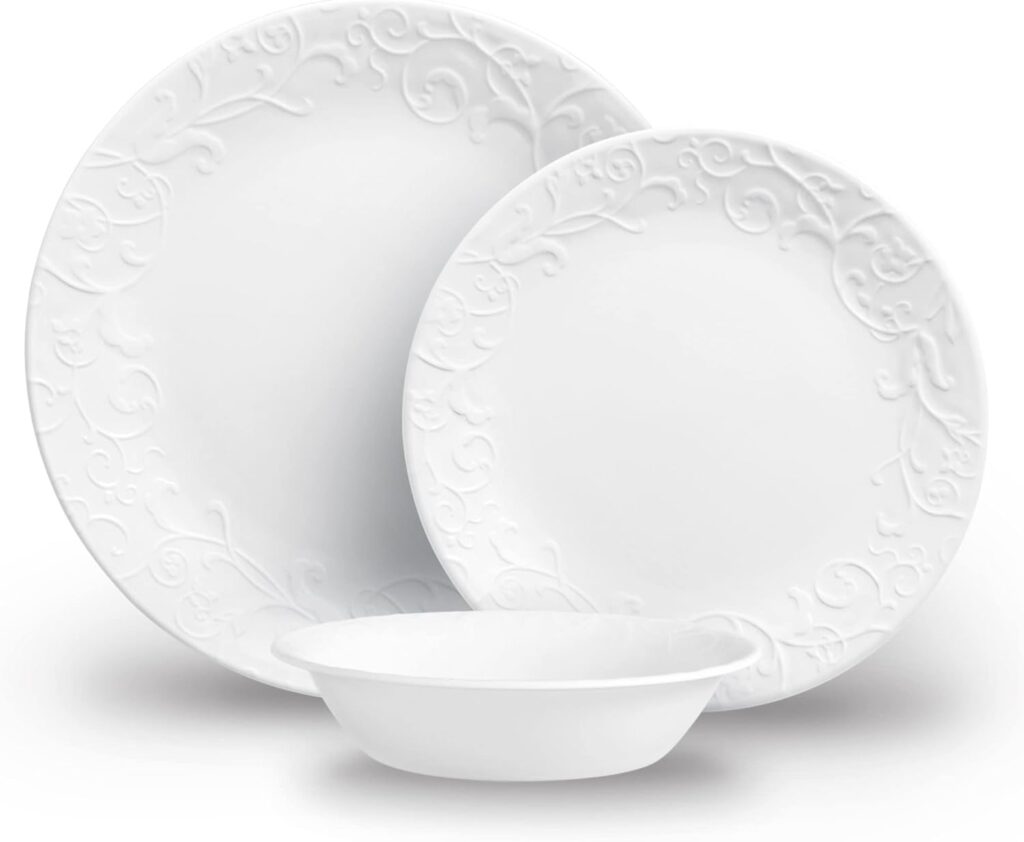
    Corelle Bella Faenza safe bacteria brand from scratches

    Corelle Winter Frost White Collection – Made from tempered glass. Lightweight but durable. No lead or cadmium concerns.

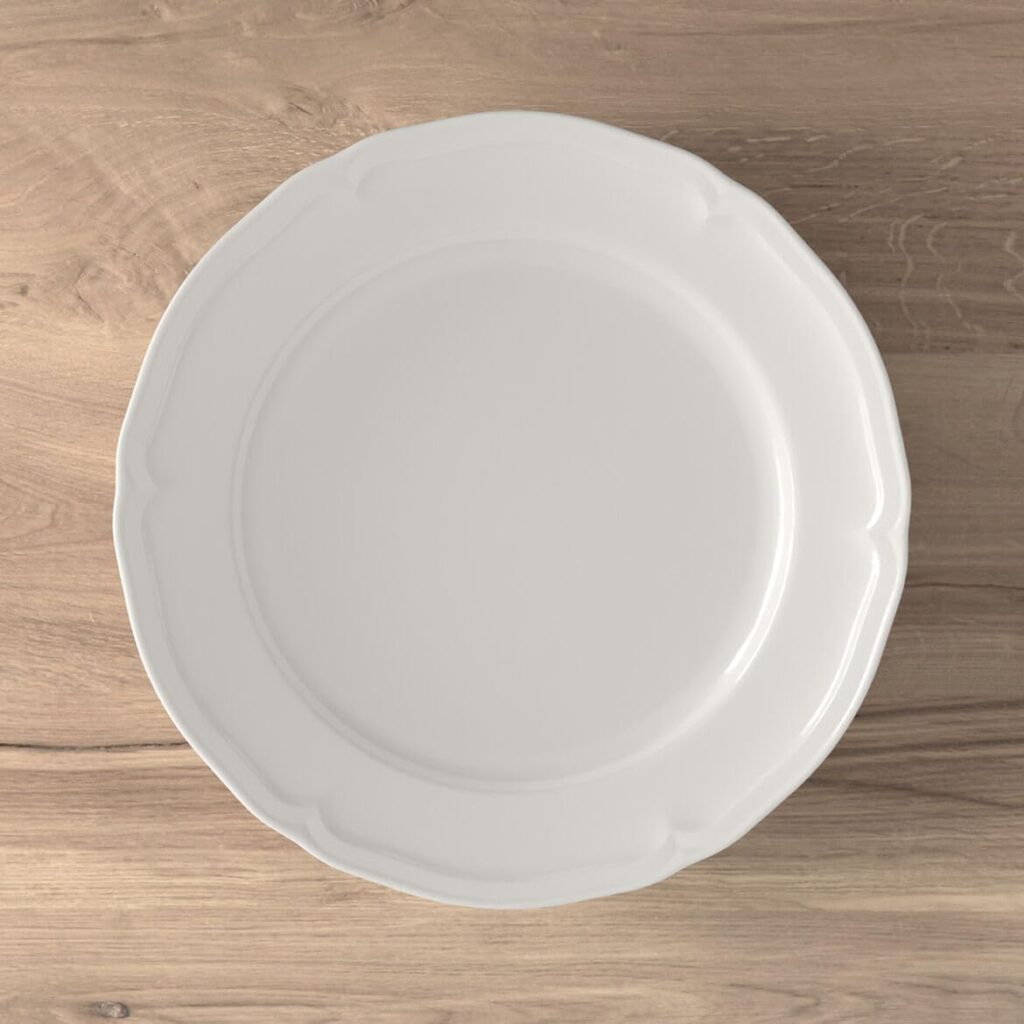
    Villeroy and Boch Porcelain non toxic brand

    Villeroy & Boch – German porcelain brand with strict safety standards. Their glazes are lead-free and highly durable.

    Bormioli Rocco tempered opal glass lead free scratched dinnerware

    Bormioli Rocco Tempered Opal glass – Modern brand focused on non-toxic materials, free from lead and cadmium. Made in Spain.

    What Certifications to Look For

    When shopping, look for these safety marks:

    • FDA approved for food use
    • Lead-free certification
    • Proposition 65 compliant
    • NSF International certified

    Budget-Friendly Safe Options

    You don’t need to spend a fortune on safe dinnerware. Many affordable brands offer lead-free options.

    Check discount stores for white high-quality stoneware, porcelain, Bone china, or ceramic sets. These are often the safest and most affordable choices.

    MAINTENANCE TIPS FOR SAFE DINNERWARE

    Proper care extends the life of your dinnerware and keeps it safe:

    Cleaning Guidelines:

    • Use mild dish soap and warm water
    • Avoid abrasive cleaners or scrubbers
    • Hand-wash vintage or delicate pieces
    • Dry thoroughly to prevent bacterial growth

    Storage Recommendations:

    • Stack plates with protective layers
    • Store in dry, clean cabinets
    • Avoid extreme temperature changes
    • Keep away from direct sunlight

    Preventing Damage:

    • Use plastic or wooden utensils when possible
    • Don’t cut food directly on plates
    • Microwave only microwave-safe dishes
    • Handle with care when moving

    Regular inspection is key. Check your plates monthly for new damage. Address problems early to prevent health risks.

    FREQUENTLY ASKED QUESTIONS

    Can I still use plates with minor scratches?

    Light surface scratches that you can’t feel are usually safe. However, any scratch that catches your fingernail should be cause for concern.

    Are all white plates safe?

    Not necessarily. White glazes can still contain lead, especially in older dishes. Check the manufacturer’s specifications.

    CONCLUSION

    Scratched plates can indeed be dangerous, but not all damage is the same. Metal marks from cutlery are harmless and removable.

    However, true scratches in ceramic glazes can harbor bacteria and release toxic chemicals into your food.

    The key is learning to identify real damage. When in doubt, replace questionable pieces. Your health is worth more than keeping old dinnerware.

    Choose quality brands that prioritize safety. With proper care and regular inspection, you can enjoy safe meals for years to come.

    Remember: when it comes to dinnerware safety, it’s better to be cautious. Replace damaged plates promptly and invest in quality, lead-free options. Your family’s health depends on it.

  • How to Get Silverware Marks Off Plates

    You’re hosting your first dinner party in months. The menu is sorted, the wine is chilled, and you’ve spent ages perfecting every detail.

    Then you pull out your favourite white dinner plates, only to discover those dreaded grey streaks marring their pristine surface.

    Those unsightly silverware marks glaring back at you like accusatory fingerprints on fresh paint.

    We’ve all been there. One moment you’re admiring your beautifully set table, the next you’re wondering if your guests will notice those stubborn cutlery marks on dishes.

    Here’s the thing, though: those marks aren’t actually scratches at all. They’re something far more manageable than you might think.

    What if I told you that removing these marks is easier than you’ve been led to believe?

    That with the right technique, your plates could look showroom-fresh again in mere minutes?

    Stick around, because we’re about to reveal the secrets that will transform your dinnerware game forever.

    WHAT ARE SILVERWARE MARKS REALLY?

    Before we dive into solutions, let’s clear up a common misconception. Those grey scratches on white plates aren’t actually scratches at all.

    They’re thin deposits of metal left behind by your cutlery. Think of it like a pencil mark on paper; the graphite transfers onto the surface, but the paper itself remains undamaged.

    When you cut food or scrape your fork across a plate, tiny metal particles transfer from your flatware onto the ceramic surface.

    This is particularly noticeable on lighter-coloured dishes where the contrast is most dramatic.

    The good news? Since these are deposits rather than damage, they can be completely removed with the right approach.

    WHY SOME PLATES SHOW MORE MARKS THAN OTHERS

    Not all dinnerware is created equal. The surface texture and material composition play crucial roles in how susceptible your plates are to metal marks on ceramic dishes.

    Glossy, smooth surfaces tend to show marks more readily than textured ones. Similarly, cheaper ceramic may be more porous, making it easier for metal particles to embed in the surface.

    Silverware marks resistant dishes typically feature harder glazes or darker colours that mask any potential marking.

    However, even the most premium dinnerware isn’t completely immune to this issue.

    THE SCIENCE BEHIND EFFECTIVE REMOVAL

    Understanding why certain cleaning methods work helps you choose the right approach.

    The key lies in using mildly abrasive substances that can lift the metal deposits without damaging the plate’s surface.

    It’s a delicate balance – too gentle, and you won’t budge the marks; too harsh, and you might create actual scratches.

    The most effective cleaners work on a simple principle: they provide just enough abrasion to dislodge the metal particles whilst being gentle enough to preserve your plate’s finish.

    This is why everyday items like baking soda and specialized products like Bar Keeper’s Friend are so effective.

    PROVEN METHODS ON HOW TO GET SILVERWARE MARKS OFF PLATES

    how to get silverware marks off plates

    Method 1: Bar Keeper’s Friend (The Professional’s Choice)

    Bar Keeper’s Friend isn’t just a marketing gimmick. It’s genuinely the gold standard for flatware marks removal.

    This oxalic acid-based cleaner is gentle enough for regular use yet powerful enough to tackle the most stubborn marks.

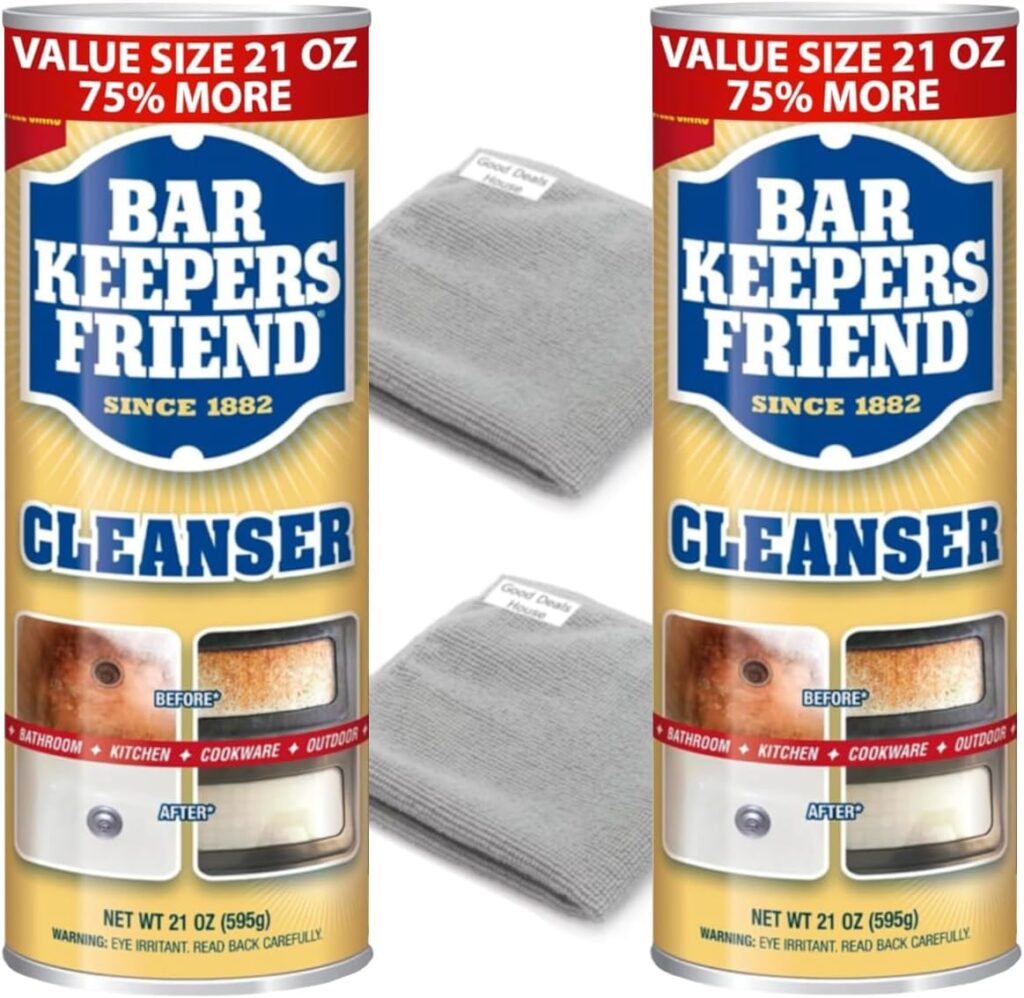
    Bar Keeper friend powder for removing silverware marks from plates

    What you’ll need:

    • Bar Keeper’s Friend powder
    • Soft, damp sponge
    • Clean water

    Step-by-step process:

    1. Wet the marked surface lightly
    2. Sprinkle a small amount of Bar Keeper’s Friend over the marks
    3. Let it sit for 10-15 seconds (no longer!)
    4. Gently scrub with a damp sponge in circular motions
    5. Rinse thoroughly within one minute

    The beauty of this method lies in its efficiency. Most marks disappear with minimal effort, and you’ll notice an immediate difference.

    Plus, it works brilliantly on scratched plates that have accumulated multiple layers of metal deposits over time.

    Method 2: The Baking Soda Paste (The Natural Alternative)

    For those who prefer natural cleaning solutions, baking soda is your best mate. It’s gentle, readily available, and surprisingly effective for dish cleaning hacks.

    Baking soda paste for dish cleaning

    Creating the perfect paste:

    • Mix 3 parts baking soda with 1 part water
    • Aim for a consistency similar to thick toothpaste
    • The paste should be wet enough to spread easily but thick enough to stay put

    Application technique:

    1. Apply the paste generously over the marked areas
    2. Let it sit for 2-3 minutes
    3. Scrub gently with a soft cloth in circular motions
    4. Rinse with warm water and dry immediately

    This method requires a bit more elbow grease than commercial cleaners, but it’s completely food-safe and won’t leave any chemical residues behind.

    Method 3: Whitening Toothpaste (The Surprising Winner)

    Here’s a trick that might surprise you: whitening toothpaste is remarkably effective at removing silverware marks. The mild abrasives used to remove stains from teeth work similarly on metal deposits.

    Why it works so well:

    • Contains gentle polishing agents
    • Often includes mild bleaching components
    • Readily available in most households
    • Safe for food surfaces

    Simply apply a small amount to the marked area, scrub gently with a soft cloth, and rinse thoroughly. You’ll be amazed at how effective this household staple can be.

    ADVANCED TECHNIQUES FOR STUBBORN MARKS

    The Cream of Tartar Method

    For particularly persistent marks, cream of tartar offers a slightly more aggressive approach whilst remaining gentle on your dinnerware.

    cleaning dinnerware with the cream of tartar

    The process:

    1. Create a paste using cream of tartar and a few drops of lemon juice
    2. Apply to the marked areas and let sit for 5 minutes
    3. Scrub gently with a soft-bristled toothbrush
    4. Rinse thoroughly and dry

    The Magic Eraser Technique

    Magic erasers (melamine foam) can be effective, but use them sparingly. They’re more abrasive than they appear and can potentially damage certain plate finishes if used too aggressively.

    Safety tips:

    • Test on an inconspicuous area first
    • Use minimal pressure
    • Work in small sections
    • Rinse immediately after use.

    CLEANING METHOD EFFECTIVENESS COMPARISON

    MethodEffectivenessEffort RequiredCost / Safety Rating
    Bar Keeper’s FriendExcellentLowMedium / High
    Baking Soda PasteGoodMediumVery Low / Excellent
    Whitening ToothpasteGoodLowLow / High
    Cream of TartarFairMediumMedium / High
    Magic EraserGoodLowMedium / Medium

    PREVENTION: THE BEST DEFENCE

    Whilst knowing how to remove marks is essential, prevention is always preferable. Here are some strategies to minimize silverware marks on your precious dinnerware:

    Choose Your Battles Wisely

    Consider investing in silverware marks-resistant dishes for everyday use. Darker colours, textured surfaces, and higher-quality glazes all help mask potential marking.

    Gentle Handling Techniques

    • Avoid dragging cutlery across plate surfaces
    • Use serving spoons for portioning rather than cutting on the plate
    • Consider plastic or wooden utensils for delicate dinnerware
    • Train family members (especially children) in proper table etiquette

    Regular Maintenance

    Don’t let marks accumulate. Address them promptly after each use, and they’ll never have the chance to become stubborn stains.

    A quick wipe with a damp cloth during washing often prevents marks from setting in the first place.

    DIFFERENT PLATE MATERIALS: TAILORED APPROACHES

    Bone China

    Bone china is generally more resistant to marking due to its dense composition, but when marks do appear, they can be more challenging to remove.

    Stick to gentler methods like baking soda paste or whitening toothpaste.

    Stoneware

    The slightly rougher surface of stoneware can trap metal particles more readily. Bar Keeper’s Friend is particularly effective on this material, as the slight abrasiveness complements the stoneware’s durability.

    Porcelain

    High-quality porcelain responds well to most cleaning methods. However, be cautious with vintage or hand-painted pieces, as the decorative elements may be more delicate than the base material.

    Melamine and Plastic

    These materials rarely show traditional silverware marks, but they can develop scratches more easily. Focus on prevention rather than treatment with these surfaces.

    COMMON MISTAKES TO AVOID

    Using Harsh Abrasives:

    Steel wool, scouring pads, or abrasive cleaners can cause permanent damage. Always start with the gentlest method and work your way up if needed.

    Letting Cleaners Sit Too Long:

    Even gentle cleaners can cause damage if left on too long. Follow recommended contact times religiously.

    Ignoring the Problem:

    The longer you leave silverware marks, the more embedded they become. Address them promptly for the easiest removal.

    Using the Wrong Tools:

    Hard brushes or rough cloths can create actual scratches whilst you’re trying to remove metal deposits. Stick to soft materials for the actual cleaning process.

    FREQUENTLY ASKED QUESTIONS

    Can silverware marks permanently damage my plates?

    No, silverware marks are surface deposits, not actual damage to the plate.
    With proper cleaning techniques, they can always be removed without harming the underlying dinnerware.

    How often should I deep clean my plates to prevent mark buildup?

    For everyday dinnerware, a thorough cleaning once a week should suffice. Special occasion pieces might only need attention when marks become visible.

    Are expensive plates less likely to show silverware marks?

    Not necessarily. Price doesn’t always correlate with mark resistance. Factors like glaze quality, surface texture, and colour are more important indicators.

    Can I prevent silverware marks entirely?

    Whilst complete prevention is unlikely with regular use, you can dramatically reduce their occurrence through gentle handling and proper techniques.

    Will removing silverware marks affect my plate’s warranty?

    Proper cleaning with appropriate methods shouldn’t void any warranty. However, always check manufacturer guidelines for specific care instructions.

    PROFESSIONAL TIPS FROM DINNERWARE EXPERTS

    Industry professionals swear by a few additional tricks that can make the difference between good and exceptional results:

    The Temperature Factor

    Slightly warm water (not hot) helps cleaning agents work more effectively whilst preventing thermal shock to delicate ceramics.

    The Drying Technique

    Always dry plates immediately after cleaning to prevent water spots, which can make remaining marks more visible.

    The Rotation Strategy

    Rotate your dinnerware regularly so that the same pieces aren’t always taking the brunt of daily use.

    When to Seek Professional Help

    Sometimes, despite your best efforts, marks persist, or you’re dealing with particularly valuable pieces. Consider professional restoration services for:

    • Antique or vintage dinnerware
    • High-value collectibles
    • Pieces with sentimental significance
    • Marks that resist all home cleaning attempts

    Professional ceramic restoration can work miracles, but it comes at a cost. Weigh the value of the piece against the restoration expense before proceeding.

    THE ENVIRONMENTAL ANGLE

    Many effective cleaning methods are environmentally friendly. Baking soda, cream of tartar, and even toothpaste break down naturally without harming waterways.

    If environmental impact concerns you, prioritize these natural methods over chemical alternatives.

    BUILDING YOUR CLEANING ARSENAL

    Every flatware enthusiast should have these essentials in their cleaning kit:

    Must-haves:

    • Bar Keeper’s Friend
    • Baking soda
    • Soft microfibre cloths
    • Non-abrasive sponges
    • Whitening toothpaste (as backup)

    Nice-to-haves:

    • Cream of tartar
    • Soft-bristled toothbrushes for detail work
    • Magic erasers (for emergencies)
    • Specialized ceramic cleaners

    CONCLUSION

    Silverware marks on plates need not be the bane of your dining experience. With the right knowledge and techniques, you can keep your dinnerware looking pristine regardless of how frequently you use it.

    Remember, these marks are simply metal deposits, not permanent damage, and that makes all the difference.

    The key lies in understanding your options and choosing the right method for your specific situation.

    Whether you opt for the professional-grade effectiveness of Bar Keeper’s Friend, the natural approach of baking soda, or the surprising power of whitening toothpaste, success is within reach.

    Prevention remains your best strategy, but when marks do appear, swift action with the proper technique will restore your plates to their former glory.