Category: Dinnerware Sets

  • Dishes That Don’t Get Hot in the Microwave

    You’ve just heated your favourite shepherd’s pie in what you thought was a perfectly safe ceramic dish.

    However, as you reach for it, the plate practically brands your fingertips with searing heat.

    You’re not alone in this kitchen catastrophe.

    We’ve all been there, standing in the kitchen, nursing burnt fingers whilst our dinner sits mockingly on a dish that’s somehow hotter than the food itself.

    It’s a modern mystery that leaves many of us wondering why some dishes turn into molten lava whilst others remain pleasantly cool or mild(not too hot) to the touch.

    The truth is, not all microwave-safe dishes are created equal. Some materials have a secret talent for staying cool, transforming your microwave experience from a dangerous dance with scorching ceramics to a smooth, burn-free operation.

    But which dishes possess this magical quality? Let’s find out!

    THE SCIENCE BEHIND THE SIZZLE: WHY SOME DISHES GET HOT

    Before we dive into the cool solutions, let’s understand what’s happening inside your microwave.

    Think of it as a tiny electromagnetic disco where water molecules dance frantically, creating heat through friction.

    The Physics Made Simple

    Your microwave works through dielectric heating – a fancy term for making water molecules jiggle about rapidly. However, here’s where it gets interesting: some dish materials join this molecular party uninvited.

    When dishes contain certain materials, they absorb microwave energy themselves. Metal molecules in glazes act like tiny antennas, picking up those electromagnetic waves and converting them into heat.

    Meanwhile, poorly formulated glazes often contain heavy metals that are particularly good at absorbing microwaves.

    The result? Your dish becomes a secondary heating element, sometimes getting hotter than your food. Not exactly what you ordered, is it?

    THE TROUBLEMAKERS: MATERIALS THAT HEAT UP

    Several factors contribute to dishes getting uncomfortably hot:

    • Water absorption: Porous materials soak up moisture, which then heats up
    • Glaze composition: Metal-containing glazes turn your dish into a heating element
    • Plate thickness: Thicker dishes retain more heat
    • Material quality: Lower-grade ceramics often contain heat-absorbing minerals

    Earthenware and dark-glazed ceramics are particularly notorious offenders. These materials interact with microwaves in ways that would make you wonder, and your fingers burn.

    THE COOL CLUB: MATERIALS THAT STAY COMFORTABLE

    dishes that don't get hot in the microwave

    Now for the good news. Certain materials have mastered the art of staying cool while your food heats up perfectly.

    These materials are like the well-dressed gentleman at a party; they look the part without breaking a sweat.

    Glass: The Clear Winner

    Borosilicate glass leads the pack. Think Pyrex: that reliable kitchen companion that’s been keeping fingers safe since 1915. This glass type was specifically designed to handle temperature changes without throwing a tantrum.

    Pyrex glass microwave safe baking dish

    Tempered glass follows closely behind. It’s been through a controlled heating and cooling process that makes it four times stronger than regular glass.

    More importantly, it stays refreshingly cool during microwave use.

    Corelle 6 Pcs Portofino soup cereal cool touch bowls

    Laminated glass (like Corelle’s Vitrelle) offers another excellent option. This incredibly durable material combines multiple glass layers, creating dishes that are both lightweight and cool-touch.

    Premium Ceramics: The Sophisticated Choice

    Not all ceramics are created equal. The premium options have been engineered for modern living, combining style with practical coolness.

    High-grade porcelain without metallic glazes performs brilliantly. These dishes undergo rigorous manufacturing processes that eliminate heat-absorbing impurities. The result is dinnerware that looks elegant whilst staying comfortably cool.

    Fully vitrified ceramics represent another excellent choice. These products have low water absorption rates, meaning they won’t soak up moisture that could later turn into unwanted heat.

    BRAND SPOTLIGHT: THE COOL TOUCH CHAMPIONS

    Let’s talk about the specific brands that have mastered the art of cool-touch microwave dishes.

    These aren’t just products, they’re solutions to a problem that’s plagued kitchens for decades.

    Glass Legends

    BrandMaterialKey FeatureTemperature Rating
    PyrexBorosilicate GlassOriginal cool-touch technologyUp to 425°F
    CorelleLaminated Glass (Vitrelle)Ultra-lightweight yet durableStandard microwave safe
    Anchor HockingTempered GlassFour times stronger than regular glassHigh heat resistant

    Pyrex remains the gold standard. Their borosilicate glass formula has been refined over decades, creating dishes that heat food evenly whilst the container stays cool.

    It’s like having a professional chef’s secret weapon in your kitchen.

    Corelle brings innovation with its Vitrelle material. These dishes are so light you’ll question whether they’re actually there, yet they’re tough enough to survive the clumsiest kitchen disasters whilst staying cool to the touch.

    Ceramic Royalty

    The ceramic world has produced some remarkable cool-touch champions:

    Mora Ceramic Dinner Plates

    Stand out with their enhanced Paladin Clay Technology.

    Mora ceramic dinner plates that don't get hot in the microwave

    These plates are 20% stronger than standard ceramic dishes, offering lead-free construction that’s microwave-safe, freezer-safe, and dishwasher-safe.

    They’re also scratch-resistant – because nobody wants battle scars on their dinnerware.

    Selamica Ceramic Rectangular Plates

    Selamica ceramic plate that don't get hot in the microwave

    Brings a modern twist with its 8-inch rectangular design. Made from premium materials, they offer sturdiness with medium weight.

    They won’t absorb odours or bacteria, and they’re completely lead-free and non-toxic.

    Annovero Cereal Bowls

    Annovero Grade A Porcelain cool to touch microwave safe serving Bowls

    Represents the pinnacle of porcelain craftsmanship. Made with Grade A Porcelain – the highest grade available – these bowls are toxin-free and adhere to California Proposition 65 standards.

    They’re microwave-safe, freezer-safe, and oven-safe up to 482°F.

    Bosmarlin Soup Bowl Set

    Ceramic Bowl that don't get hot in the microwave

    Combines strong ceramic with high-quality stoneware. These lead-free, non-toxic bowls are chip-resistant and microwave-safe with no arcing.

    Their deep design prevents spillage whether you’re enjoying soup, cereal, or noodles.

    Specialty Solutions

    NordicWare deserves special mention for its innovative microwave products.

    Their high-heat, BPA-free materials perform exceptionally well long-term, withstanding higher temperatures than most microwave-safe alternatives.

    THE TECHNOLOGY BEHIND COOL-TOUCH INNOVATION

    Modern manufacturers have developed fascinating solutions to the hot dish problem. Some employ double-wall designs where an inner ceramic bowl heats food evenly, whilst an insulated outer layer remains cool to the touch.

    Others focus on specialized handles and ergonomic designs that allow one-handed use without risk of burns.

    These innovations represent the evolution of microwave cookware from basic functionality to user-centric design.

    What to Avoid: The Heat Traps

    Understanding what doesn’t work is equally important. Several materials and designs should raise red flags:

    The Usual Suspects

    Older ceramics with decorative glazes often contain metals or minerals that react poorly with microwaves. That beautiful vintage bowl might look charming, but it could be harbouring heat-absorbing secrets.

    Metallic trim or decoration automatically disqualifies any dish from cool-touch status. Even small amounts of metal can create hot spots and potential arcing.

    Low-quality ceramics with high water absorption rates will inevitably heat up. These porous materials soak up moisture like sponges, then heat that moisture in the microwave.

    Earthenware and heavily glazed pottery represent particular challenges. Their composition often includes minerals that interact unpredictably with microwave energy.

    TESTING YOUR CURRENT DISHES: THE HOME LABORATORY

    Curious about your existing dinnerware? Here’s a simple test to determine which dishes stay cool:

    The Water Test Method

    1. Place an empty dish in the microwave alongside a microwave-safe cup of water
    2. Heat on high for one minute
    3. Carefully touch the dish – it should be room temperature or only slightly warm
    4. If the dish is hot whilst the water cup remains manageable, remove that dish from microwave duty

    This test works because microwave energy should primarily heat the water, not the dish. If your dish heats up significantly, it’s absorbing microwave energy itself.

    SHOPPING GUIDE: WHAT TO LOOK FOR

    When shopping for cool-touch microwave dishes, certain features indicate quality:

    Material Markers

    • Lead-free certification
    • Food-grade materials
    • Low water absorption rates
    • Vitrified or high-fired construction
    • California Proposition 65 compliance

    Design Features

    • Uniform thickness
    • Smooth, non-porous surfaces
    • Absence of metallic elements
    • Ergonomic handles or grips
    • Multi-temperature ratings

    Brand Reputation

    Established manufacturers invest in research and development. They understand the science behind cool-touch performance and engineer their products accordingly.

    MYTH-BUSTING: COMMON MISCONCEPTIONS

    Let’s address some persistent myths about microwave-safe dishes:

    All Microwave-Safe Dishes Stay Cool

    False. The microwave-safe label simply means the dish won’t break, crack, or release harmful chemicals. It doesn’t guarantee cool-touch performance. Many microwave-safe dishes still get uncomfortably hot.

    Ceramic is Always Better Than Glass

    Not necessarily. Quality matters more than material type. Premium glass often outperforms low-grade ceramic in terms of staying cool.

    Thicker Dishes Are Always Better

    Actually, the opposite is often true. Thicker dishes retain more heat, making them hotter to handle. Optimal thickness balances durability with heat management.

    Price Doesn’t Matter

    Wrong again. Higher-quality materials and manufacturing processes typically cost more but deliver superior performance. Investing in good dishes pays dividends in safety and convenience.

    THE MULTI-PURPOSE ADVANTAGE

    The best cool-touch microwave dishes offer versatility beyond microwave use. Many premium options work beautifully in:

    • Conventional ovens (up to specified temperatures)
    • Freezers (for food storage and serving)
    • Dishwashers (for easy cleanup)
    • Direct serving (from microwave to table)

    This versatility makes them excellent value propositions. Why own separate dishes for different purposes when one set handles everything?

    CARE AND MAINTENANCE: KEEPING THINGS COOL

    Proper care extends the life and performance of your cool-touch dishes:

    Daily Habits

    • Avoid temperature shocks (don’t transfer directly from freezer to microwave)
    • Clean promptly to prevent residue buildup
    • Handle with care despite their durability
    • Store properly to prevent chips and cracks.

    Long-term Maintenance

    • Inspect regularly for signs of wear
    • Replace damaged items promptly
    • Follow manufacturer guidelines for temperature limits
    • Avoid abrasive cleaners that might compromise surfaces.

    THE ENVIRONMENTAL ANGLE: SUSTAINABLE CHOICES

    Quality cool-touch dishes represent sustainable choices. Their durability means fewer replacements, reducing waste.

    Many premium manufacturers also employ environmentally responsible production methods.

    Glass dishes, in particular, can be recycled indefinitely without quality loss. This makes them excellent long-term investments for environmentally conscious consumers.

    FUTURE INNOVATIONS: WHAT’S COMING NEXT

    The microwave dish industry continues evolving. Emerging trends include:

    • Smart materials that change colour when hot
    • Enhanced ergonomics for better handling
    • Improved thermal barriers for even cooler performance
    • Sustainable manufacturing processes
    • Customizable designs for specific needs

    MAKING THE INVESTMENT: COST VS. VALUE

    Quality cool-touch microwave dishes require an initial investment, but they deliver exceptional value:

    Short-term Benefits

    • Immediate safety improvement
    • Better cooking results
    • Reduced kitchen stress
    • Enhanced convenience

    Long-term Advantages

    • Durability that outlasts cheaper alternatives
    • Versatility across multiple cooking methods
    • Consistent performance over years of use
    • Reduced replacement costs

    Consider it an investment in kitchen safety and efficiency. The cost of quality dishes pales compared to potential medical bills from burns or the frustration of constantly replacing inferior products.

    CONCLUSION: YOUR PATH TO COOL COMFORT

    The days of juggling scorching hot dishes are over. With the right knowledge and products, you can transform your microwave experience from a hazardous operation into a smooth, efficient process.

    Remember the key points: choose premium materials like borosilicate glass or high-grade ceramics, avoid dishes with metallic elements or high water absorption, and invest in reputable brands that prioritize cool-touch performance.

    Whether you opt for the reliability of Pyrex, the innovation of Corelle, or the premium quality of Mora Ceramic, you’re making a choice that prioritizes safety, convenience, and style.

    Your fingers will thank you, your kitchen confidence will soar, and your microwave cooking will never be the same.

    After all, the best kitchen tools are the ones that work brilliantly whilst keeping you safe.

  • How to Choose Restaurant Crockery and Cutlery: Complete Selection Guide for Restaurant Owners

    This FREE PDF Guide is for: Restaurant owners, kitchen managers, hospitality procurement professionals, and anyone opening a new food service establishment.

    Problem Solved: Eliminate costly tableware selection mistakes, reduce replacement costs by up to 40%, and create operational efficiency through strategic crockery and cutlery choices.

    Running a successful restaurant requires attention to countless details, but one aspect that dramatically impacts both your operational efficiency and customer satisfaction often gets overlooked: your tableware selection.

    Whether you’re opening your first establishment or upgrading your current setup, our detailed restaurant crockery and cutlery PDF List comes in handy, and a lack of knowledge in business affects your bottom line, staff productivity, and guest experience.

    WHAT RESTAURANT CROCKERY AND CUTLERY SHOULD I BUY?

    Selecting the right restaurant tableware directly impacts your operational costs, staff efficiency, and customer satisfaction.

    Based on industry data, restaurants that make informed tableware choices reduce annual replacement costs by 15-25% and improve operational efficiency by up to 30%.

    Quick Answer: Essential Restaurant Tableware Checklist

    classic restaurant porcelain crockery dinner sets

    Core Crockery Items types:

    • Dinner plates (10-12 inches) – your most-used item
    • Salad/appetizer plates (7-8 inches) – versatile for multiple courses
    • Soup bowls – wide, shallow design for easy handling
    • Bread plates (6-7 inches) – optional for casual dining

    Essential Cutlery:

    restaurant dinner forks, knives and spoons
    • Dinner forks – 4-tine standard design
    • Dinner knives – serrated or straight edge
    • Soup spoons – round bowls, appropriate handle length
    • Teaspoons – multi-purpose for beverages and desserts

    Specialty Items by Restaurant Type:

    • Fine dining: Bone china, sterling silver, complete place settings
    • Casual dining: Durable stoneware, 18/8 stainless steel
    • Quick service: Melamine dishes, 18/0 stainless steel cutlery

    restaurant crockery and cutlery PDF list

    HOW MUCH SHOULD I BUDGET FOR RESTAURANT TABLEWARE?

    Investment Guidelines by Restaurant Type:

    Fine Dining Establishments:

    • Budget: $15-30 per place setting
    • Materials: Porcelain, bone china, 18/10 stainless steel
    • Expected replacement rate: 15-25% annually

    Casual Dining Restaurants:

    • Budget: $8-15 per place setting
    • Materials: Stoneware, porcelain, 18/8 stainless steel
    • Expected replacement rate: 10-20% annually

    Quick Service Operations:

    • Budget: $3-8 per place setting
    • Materials: Melamine, basic stainless steel
    • Expected replacement rate: 5-15% annually

    Total Investment Calculation Formula:

    (Restaurant Seats × 1.5 × Cost per Setting) + Serving Pieces + Specialty Items = Total Investment

    Add 25-50% buffer for breakage, washing cycles, and growth.

    WHAT ARE THE BEST MATERIALS FOR RESTAURANT DISHES?

    Top Crockery Materials Compared:

    porcelain restaurant dinner plates for salad, pasta, snacks and appetizers

    1. Porcelain

    • Best for: Fine dining, upscale casual
    • Pros: Elegant appearance, chip-resistant, dishwasher safe
    • Cons: Higher cost, heavier weight
    • Durability rating: Excellent with proper care

    2. Stoneware

    • Best for: Casual dining, farm-to-table concepts
    • Pros: Outstanding durability, heat retention, rustic appeal
    • Cons: Heavy, limited design options
    • Durability rating: Exceptional for high-volume use

    3. Melamine

    • Best for: Outdoor dining, high-turnover establishments
    • Pros: Virtually unbreakable, lightweight, cost-effective
    • Cons: Not microwave safe, shows scratches over time
    • Durability rating: Superior breakage resistance

    4. Bone China

    • Best for: Premium fine dining
    • Pros: Elegant appearance, surprisingly strong for its weight
    • Cons: Most expensive option, requires careful handling
    • Durability rating: Good with staff training

    Understanding the different types of crockery and their applications helps match materials to your specific operational needs and customer expectations.

    BEST STAINLESS-STEEL GRADES FOR RESTAURANT CUTLERY

    Stainless Steel Quality Rankings:

    18/10 Stainless Steel (Highest Quality)

    • Composition: 18% chromium, 10% nickel
    • Benefits: Superior corrosion resistance, premium feel
    • Best for: Fine dining, long-term investment
    • Cost: Highest upfront, lowest lifetime cost

    18/8 Stainless Steel (Good Quality)

    • Composition: 18% chromium, 8% nickel
    • Benefits: Good corrosion resistance, balanced cost
    • Best for: Most restaurant applications
    • Cost: Mid-range with solid performance

    18/0 Stainless Steel (Budget Option)

    • Composition: 18% chromium, 0% nickel
    • Benefits: Magnetic properties, budget-friendly
    • Best for: High-volume, cost-conscious operations
    • Cost: Lowest upfront, higher replacement frequency.

    HOW MANY PLATES AND UTENSILS DOES MY RESTAURANT NEED?

    Quantity Calculation Method:

    Step 1: Calculate Base Needs

    • Peak dining capacity × 1.5 = minimum quantity per item

    Step 2: Add Operational Buffer

    • Base quantity + 25-50% = recommended inventory level

    Step 3: Account for Variables

    • Multiple daily seatings
    • Private events and catering
    • Dishwashing cycle times
    • Anticipated growth

    Example Calculation (100-seat restaurant):

    • Base need: 100 seats × 1.5 = 150 pieces minimum
    • With buffer: 150 + 40% = 210 pieces recommended
    • Total investment consideration: 210 pieces across all essential items.

    COMMON RESTAURANT TABLEWARE SELECTION MISTAKES

    Costly Errors to Avoid:

    1. Focusing Only on Initial Cost

    • Problem: Cheap items require frequent replacement
    • Solution: Calculate the total cost of ownership over 2-3 years

    2. Ignoring Staff Input

    • Problem: Impractical choices slow service
    • Solution: Test samples with the kitchen and serving staff

    3. Insufficient Quantity Planning

    • Problem: Shortages during peak periods
    • Solution: Use proven calculation formulas with buffers

    4. Mismatched Restaurant Concept

    • Problem: Tableware doesn’t support brand identity
    • Solution: Align material quality with customer expectations

    5. Inadequate Storage Planning

    • Problem: Damage from poor storage increases costs
    • Solution: Plan storage solutions before purchasing.

    HOW TO REDUCE RESTAURANT TABLEWARE REPLACEMENT COSTS

    Proven Cost-Reduction Strategies:

    Proper Staff Training:

    • Implement handling procedures to reduce breakage
    • Train dishwashing staff on material-specific care
    • Establish inspection protocols for damage prevention

    Strategic Purchasing:

    • Volume discounts through larger orders
    • Seasonal timing for better pricing
    • Long-term supplier relationships

    Maintenance Programs:

    • Weekly inspection schedules
    • Proper storage systems with separation
    • Professional cleaning for valuable pieces

    Quality Investment:

    • Higher-grade materials last longer
    • Professional-grade construction withstands commercial use
    • Warranty coverage reduces unexpected costs.

    RESTAURANT TABLEWARE VENDOR SELECTION CRITERIA

    Key Evaluation Factors:

    Product Quality Indicators:

    • Material certifications and testing
    • Manufacturer reputation and history
    • Sample quality and consistency
    • Warranty terms and coverage

    Service Capabilities:

    • Minimum order quantities
    • Delivery reliability and timing
    • Customer service responsiveness
    • Replacement guarantees

    Pricing Structure:

    • Volume discount tiers
    • Payment terms flexibility
    • Price protection policies
    • Hidden fee transparency

    COMPLETE RESTAURANT CROCKERY AND CUTLERY PLANNING RESOURCE

    This strategic approach to tableware selection has helped over 500 restaurant operators reduce replacement costs while improving operational efficiency.

    The complete methodology includes detailed specifications, supplier evaluation frameworks, maintenance protocols, and inventory management systems.

    Key Outcomes from Proper Implementation:

    • 15-25% reduction in annual replacement costs
    • 30% improvement in operational efficiency
    • Enhanced customer satisfaction scores
    • Predictable long-term tableware costs

    What’s Included in the Complete Guide:

    • Detailed material specifications and comparisons
    • Exact quantity calculation worksheets
    • Supplier evaluation checklists
    • Staff training protocols
    • Inventory management systems
    • Cost optimization strategies

    Restaurant owners who follow this systematic approach report significant improvements in both operational efficiency and cost management, with many achieving ROI within the first year through reduced replacement costs and improved staff productivity.

    Access the complete 15-chapter guide covering everything from initial selection through long-term inventory management, developed specifically for hospitality professionals who demand operational excellence.

  • The Ultimate Types of Crockery Guide

    Standing in the dinnerware aisle, overwhelmed by countless plates, bowls, and serving pieces?

    You’re not alone.

    Choosing the right crockery can feel like navigating a maze, especially when you’re unsure about the differences between earthenware and stoneware, or whether you really need those specialty serving pieces gathering dust in stores.

    That’s exactly why I created “The Complete Guide to the Various Types of Crockery PDF.

    A comprehensive 20-page EASY-TO-READ PDF that transforms confusion into confidence, helping you make informed decisions that will enhance your dining experiences for years to come.

    WHY UNDERSTANDING CROCKERY TYPES MATTERS MORE THAN YOU THINK

    Your crockery collection isn’t just about having plates to eat from.

    It’s the foundation of every meal experience, from quick weekday breakfasts to elaborate holiday gatherings.

    The right pieces can elevate simple dishes into restaurant-quality presentations, while poor choices can leave you frustrated with chipped plates and inadequate serving options.

    Many homes make this costly mistake when building their crockery collection, buying pieces that don’t suit their lifestyle, choosing materials that can’t handle their daily routine, or investing in expensive sets without understanding what they actually need.

    This guide eliminates those expensive trial-and-error purchases by giving you the knowledge to choose wisely from the start.

    WHAT MAKES THIS GUIDE DIFFERENT?

    Unlike generic kitchen advice that barely scratches the surface, this comprehensive PDF dives deep into the world of crockery with practical insights you won’t find elsewhere.

    Written by Sarah Emirone, Editor of Safekitchn.com, this guide combines years of kitchen equipment evaluation experience (earned while working with an international FMCG Industry) with real-world testing to deliver actionable information.

    types of crockery PDF

    The guide doesn’t just list different types of dinnerware; it explains the ‘why’ behind each piece, helping you understand when and how to use everything from demitasse cups to au gratin dishes.

    Whether you’re setting up your first kitchen or upgrading your current collection, you’ll discover exactly what you need and why you need it.

    KEY AREAS YOU’LL MASTER

    Understanding Dinnerware Essentials

    The guide breaks down every plate and bowl type with precision, explaining the subtle but important differences between dinner plates and soup plates, or why bread and butter plates serve purposes far beyond their name suggests.

    You’ll learn about sizing standards, functional differences, and how each piece contributes to both everyday meals and special occasions.

    Navigating Material Choices

    One of the most confusing aspects of crockery shopping is understanding materials.

    The guide demystifies earthenware, stoneware, porcelain, and bone China, explaining durability differences, care requirements, and price points.

    You’ll discover which materials work best for different lifestyles and how to balance beauty with practicality.

    Mastering Serveware Selection

    Beyond basic dinnerware, the guide explores the world of serving pieces that transform ordinary meals into memorable experiences.

    charger dinner plates crockery

    From understanding when you need charger plates to selecting the right size serving platters, you’ll learn how to create impressive presentations without unnecessary purchases.

    Decoding Specialty Pieces

    Ever wondered about those mysterious pieces in upscale kitchen stores?

    ceramic ramekins crockery

    The guide explains specialty items like ramekins, tagines, and sake cups, helping you understand which ones truly enhance your cooking and entertaining versus those that might end up as expensive cabinet decorations.

    REAL-WORLD APPLICATIONS YOU’LL DISCOVER

    This isn’t theoretical knowledge – it’s practical wisdom you can apply immediately. The guide teaches you how to:

    • Build a collection strategically rather than buying random pieces that don’t work together
    • Choose the right pieces for your lifestyle, whether you’re feeding a large family or entertaining frequently
    • Understand quality indicators that help you invest in pieces that will last
    • Care for different materials properly to extend their lifespan
    • Create impressive table settings without breaking your budget

    For those in the food service industry or considering it, the guide provides insights that complement understanding restaurant crockery and cutlery list requirements, helping bridge the gap between home and professional kitchen needs.

    THE HIDDEN COSTS OF GETTING IT WRONG

    Making poor crockery choices costs more than just money. Inadequate pieces can:

    • Limit your cooking and presentation options
    • Create storage problems in your kitchen
    • Lead to frequent replacements due to poor durability
    • Causes frustration during meal preparation and serving
    • Result in embarrassing moments when entertaining guests

    The guide’s strategic approach prevents these costly mistakes by teaching you to evaluate pieces based on your actual needs rather than marketing promises or impulse purchases.

    WHAT INDUSTRY PROFESSIONALS ARE SAYING

    The techniques and knowledge in this guide reflect professional standards used in commercial kitchens.

    Many principles that govern restaurant operations, from material selection to functionality prioritization, apply equally to home kitchens.

    Understanding these professional perspectives gives you an edge in creating efficient, beautiful table settings.

    PERFECT TIMING FOR YOUR KITCHEN JOURNEY

    Whether you’re:

    • Setting up your first kitchen and feeling overwhelmed by choices
    • Upgrading from college dishes to adult-worthy pieces
    • Planning a kitchen renovation and want cohesive dinnerware
    • Preparing for frequent entertaining and needing serving pieces
    • Looking to replace chipped or outdated pieces strategically

    This guide provides the foundation knowledge you need to make confident decisions.

    It’s designed for real people with real budgets, real storage limitations, and real-world entertaining needs.

    BEYOND BASIC INFORMATION

    While many resources simply list different types of crockery, this guide goes deeper.

    You’ll understand the historical context behind certain pieces, the cultural significance of different styles, and how modern manufacturing affects quality and pricing.

    This comprehensive approach helps you appreciate your collection while making practical decisions.

    The guide also addresses modern lifestyle considerations often overlooked in traditional dinnerware advice, like dishwasher compatibility, microwave safety, and space-efficient storage solutions that matter in today’s homes.

    YOUR NEXT STEP

    Don’t let another dinner party pass with mismatched plates or another morning start with frustration over inadequate bowls.

    “The Complete PDF Guide to Types of Crockery” is your roadmap to creating a thoughtfully curated collection that serves your needs beautifully.

    This comprehensive 20-page PDF transforms overwhelming choices into clear decisions, expensive mistakes into strategic investments, and ordinary meals into elevated experiences.

    You’ll save money, time, and frustration while building a crockery collection you’ll treasure for years.

    Download your free copy now and start building the kitchen collection you’ve always wanted, one informed decision at a time.

  • Are Ball Mason Jars Lead Free?

    You’re standing in your kitchen, admiring those pristine Ball mason jars lined up like soldiers on your counter.

    They’re gleaming in the morning light, ready for your next batch of homemade preserves or that trendy overnight oats recipe you’ve been dying to try.

    But then a nagging thought creeps in – are these gorgeous glass vessels actually safe? More specifically, are Ball Mason jars lead free?

    You’re not alone in this concern. Right from a young age, my grandmother taught me to appreciate the beauty and functionality of heat-resistant glass, but as I grew up, I began to understand that not all glass is created equal.

    The question of lead content in glassware has become increasingly important, especially for those of us who use these jars for food storage, canning, and even drinking.

    After all, lead exposure isn’t something to take lightly.

    Join Safekitchn in this guide as we bring to light what’s really lurking in your favourite glass containers.

    THE STRAIGHT ANSWER: ARE BALL MASON JARS LEAD FREE?

    are ball mason jars lead free

    Let’s cut through the confusion with crystal-clear facts. Ball mason jars are made from annealed glass, which is lead-free and food safe. They are made from lime, soda, cullet and silica, according to official communications from Jarden Home Brands, the manufacturer.

    The good news? Modern Ball mason jars manufactured in recent years are indeed lead-free.

    In fact, many canning jar companies have switched to using only lead-free materials in their products.

    But is there an exception? Let’s find out.

    The Vintage Exception

    If you’re a collector of vintage glassware or have inherited some older Ball jars, you’ll want to pay attention to this bit.

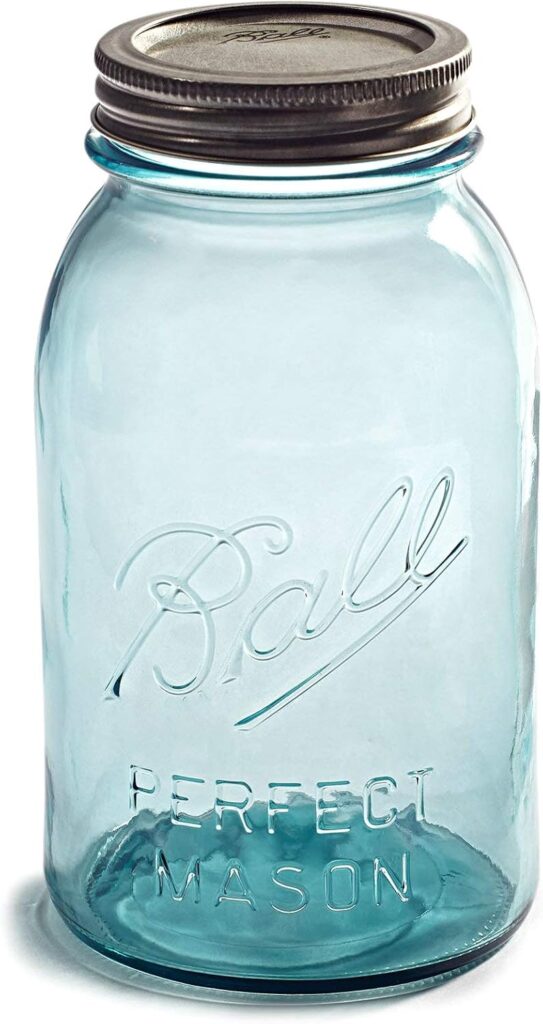
    Vintage Aqua Blue ball Mason Jars

    This finding from lead testing experts (as we discussed below) reveals that whilst some older Ball jars might contain trace amounts of lead, these levels are considered safe by all current standards.

    More importantly, it’s the newer jars that consistently test negative for lead or cadmium content.

    UNDERSTANDING LEAD IN GLASSWARE: WHAT YOU NEED TO KNOW

    Before we dive deeper into Ball jars specifically, let’s establish why lead in glassware matters.

    Lead has historically been added to glass to make it clearer, more brilliant, and easier to work with during manufacturing.

    Think of those gorgeous crystal wine glasses, many of which contain lead for that distinctive sparkle and weight.

    However, when it comes to food storage and everyday use, lead-free glass is the gold standard for safety.

    This is particularly crucial for heat-resistant glass enthusiasts who regularly use their jars for hot liquids, canning, or microwave heating.

    THE MANUFACTURING EVOLUTION

    Ball Corporation has been manufacturing mason jars since 1884, and like many glassware companies, it has evolved its manufacturing processes over the decades.

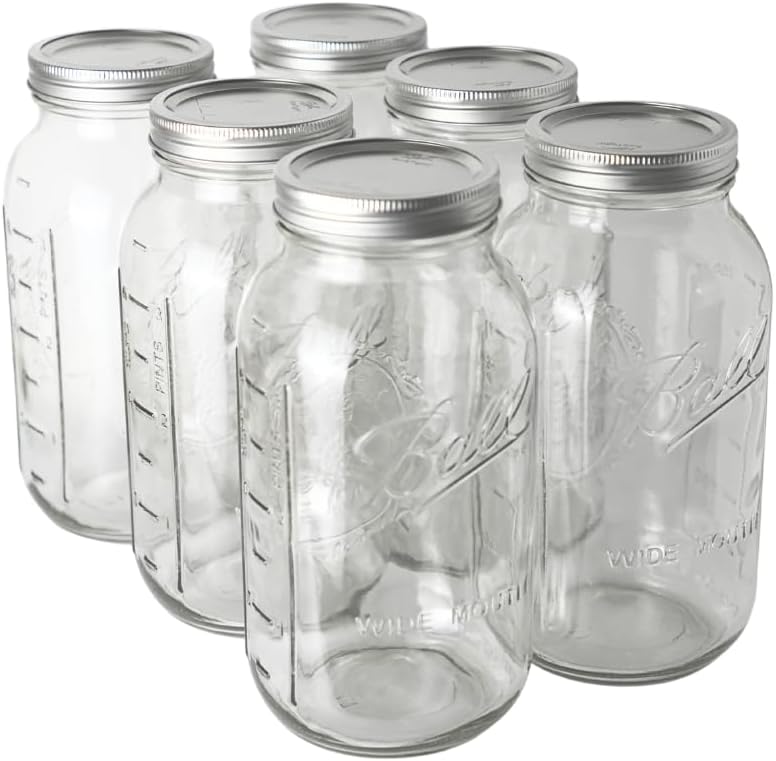
    wide mouth Mason Ball Jars for kitchen storage

    The shift towards completely lead-free production represents not just regulatory compliance, but a genuine commitment to consumer safety.

    Modern Ball mason jars are manufactured using what’s called soda-lime glass – a combination of:

    • Silica (sand) – the primary glass former
    • Soda ash (sodium carbonate) – acts as a flux
    • Lime (calcium carbonate) – provides stability
    • Cullet – recycled glass that aids in melting

    This composition creates glass that’s not only lead-free but also perfectly suited for the thermal demands of canning and food storage.

    TESTING RESULTS: THE EVIDENCE SPEAKS

    Independent testing has provided reassuring evidence about Ball Mason jars’ safety profile. Here’s what the data reveals:

    Test ParameterModern Ball JarsVintage Ball JarsSafety Standard
    Lead ContentNegative/0 ppm43 ppm (trace)<90 ppm (safe)
    Cadmium ContentNegativeNot detected<75 ppm (safe)
    Food Safety RatingApprovedApprovedFDA compliant

    In summary, the evidence from independent XRF testing and expert analysis shows that modern Ball Mason jars have a reassuring safety profile with lead and cadmium levels below regulatory limits and are FDA-compliant for food safety.

    Vintage jars may contain trace lead but remain within safe limits and are generally considered safe for food use, especially when using clear glass Ball jars.

    COMPARING HEAT-RESISTANT GLASS OPTIONS

    As someone passionate about heat-resistant glass, you might be wondering how Ball Mason jars stack up against other popular brands.

    This is where the conversation gets particularly interesting, especially when we consider questions like whether Fire King glass contains lead and whether the Anchor Hocking glass brand has lead content.

    The Vintage Glass Landscape

    Fire King glassware, manufactured by Anchor Hocking from the 1940s through the 1970s, represents another beloved category of heat-resistant glass.

    While I can’t say for certain, readers have used testing kits and found them to be positive.

    I err on the side of caution and don’t recommend eating from vintage dishware unless you can confirm it is free of lead.

    This cautionary approach makes sense when you consider that manufacturing standards and awareness about lead exposure have evolved significantly over the decades.

    BALL MASON JARS VS. OTHER HEAT-RESISTANT OPTIONS

    BrandLead-Free StatusHeat ResistanceBest Use
    Ball Mason Jars✅ ConfirmedExcellent for canningFood storage, canning, drinks
    Modern Anchor Hocking✅ Generally yesVery goodBaking, storage
    Vintage Fire King⚠️ Testing recommendedExcellentDecorative (with caution)
    Pyrex (new)✅ YesGoodBaking, microwave

    THE LID SITUATION: OFTEN OVERLOOKED BUT IMPORTANT

    Here’s something many people don’t consider – the lids. The lids are BPA-free and made of tin-plated steel with a red ring plastisol sealant.

    Ball has ensured that not only are their jars lead-free, but the complete system – jar and lid – meets modern safety standards.

    This attention to detail matters because what’s the point of having a perfectly safe jar if the lid introduces contaminants?

    The tin-plated steel construction with BPA-free sealant ensures your food stays pure from container to contents.

    PRACTICAL SAFETY TIPS FOR HEAT-RESISTANT GLASS

    Testing Your Collection

    If you’ve inherited vintage Ball jars or have collected them over the years, consider these practical steps:

    1. Purchase a lead testing kit – Available at most hardware stores, these provide quick results
    2. Check manufacturing dates – Look for date codes on the bottom of jars
    3. When in doubt, display don’t consume – Vintage jars make beautiful decorative pieces

    Maximizing Safety with Modern Jars

    For your contemporary Ball Mason jars, here are some expert tips:

    • Inspect regularly for chips or cracks that might compromise safety
    • Avoid extreme temperature changes to prevent thermal shock
    • Use proper canning techniques to maintain the integrity of both the jar and its contents
    • Store properly to prevent damage that might affect safety.

    THE SCIENCE BEHIND HEAT-RESISTANT GLASS

    Understanding why certain glass performs better under thermal stress helps explain why Ball Mason jars have remained popular for over a century.

    The soda-lime glass composition used in modern Ball jars offers several advantages:

    Thermal Properties

    • Low coefficient of expansion – resists cracking from temperature changes
    • Even heat distribution – prevents hot spots that could cause breakage
    • Chemical stability – won’t leach flavours or chemicals into food

    Manufacturing Quality

    Modern Ball jars undergo rigorous quality control, including:

    • Annealing processes that relieve internal stress
    • Thickness consistency for even heat distribution
    • Edge finishing that prevents weakness points.

    FREQUENTLY ASKED QUESTIONS

    Can I use Ball Mason jars for hot liquids?

    Absolutely. Ball mason jars are designed to handle the thermal stress of canning, which involves boiling water temperatures.

    However, avoid extreme temperature shocks – don’t pour boiling liquid into a cold jar straight from the refrigerator.

    How can I tell if my Ball jar is lead-free?

    Modern Ball jars (manufactured within the last 20-30 years) are virtually guaranteed to be lead-free due to updated manufacturing standards.

    Look for clear date codes on the bottom, and when in doubt, contact Ball Corporation directly.

    Are Ball jars better than other heat-resistant glass brands?

    Ball jars excel in consistency, availability, and proven food safety standards.

    Whilst other brands like Pyrex or Anchor Hocking also produce quality heat-resistant glass, Ball’s long history and rigorous testing make it a reliable choice.

    Can I microwave Ball Mason jars?

    Yes, Ball mason jars are microwave-safe, but remove metal lids first and avoid extreme temperature changes. Start with shorter heating times and increase gradually.

    ENVIRONMENTAL AND HEALTH BENEFITS

    Choosing lead-free Ball Mason jars offers benefits beyond just safety:

    Health Advantages

    • Zero chemical leaching into food or beverages
    • No metallic taste that can occur with some metal containers
    • Safe for all family members, including children and pregnant women
    • Suitable for acidic foods without degradation concerns

    Environmental Impact

    • Infinitely recyclable glass reduces waste
    • Long-lasting durability means fewer replacements needed
    • Multipurpose design reduces the need for multiple container types
    • Made in America reduces transportation environmental impact.

    MAKING THE RIGHT CHOICE FOR YOUR KITCHEN

    As someone who appreciates quality heat-resistant glass, your choice of Ball mason jars represents more than just food storage; it’s about embracing a tradition of safety, functionality, and style that spans generations.

    The evidence is clear: modern Ball mason jars are not only lead-free but represent some of the safest glass food storage available today.

    Whether you’re canning summer vegetables, storing overnight oats, or simply enjoying a refreshing drink, you can use them with complete confidence.

    Investment in Quality:

    Consider Ball mason jars an investment in your kitchen’s functionality and your family’s health. Unlike plastic containers that may need regular replacement due to staining, odour retention, or wear, quality glass jars can last decades with proper care.

    The Collector’s Perspective:

    For those drawn to vintage glassware, the key is informed decision-making. Vintage Ball jars can be beautiful additions to your collection, but understanding their composition helps you use them appropriately.

    Reserve questionable vintage pieces for decorative purposes and rely on modern jars for food storage and consumption.

    CONCLUSION: CRYSTAL CLEAR CONFIDENCE

    The question “Are Ball mason jars lead-free?” has a reassuringly straightforward answer: yes, modern Ball mason jars are completely lead-free and safe for all your culinary adventures.

    From preserving seasonal produce to creating beautiful layered salads, these jars deliver both safety and style.

    Your passion for heat-resistant glass is well-founded – it represents a commitment to quality, sustainability, and health that plastic simply cannot match.

    With Ball mason jars, you’re not just choosing a container; you’re choosing a legacy of American manufacturing excellence that prioritizes your family’s well-being.

    The next time you’re admiring those gleaming jars on your counter, you can do so with complete confidence.

    They’re not just beautiful, they’re also perfectly safe, thoroughly tested, and ready for whatever culinary creativity you have in mind.


    For more information about glass safety and testing, visit or contact Ball Corporation directly through their official website.

  • Is Fire King Lead Free? The Truth About Your Beloved Heat-Resistant Glass

    You’re rummaging through your grandmother’s kitchen cupboards, and there it is, that gorgeous jade-green Fire King casserole dish that’s been calling your name for decades.

    You remember how it gracefully handled everything from Sunday roasts to weeknight lasagnes, never once cracking under pressure.

    But now, with lead concerns swirling around vintage glassware like steam from a hot cuppa, you’re wondering: Is Fire King lead free or safe to use?

    The question is important because it plays a huge role in your health and your family’s well-being.

    At the end of the guide, we will be able to determine with scientific proof if these iconic pieces of heat-resistant glass deserve a place in modern homes and kitchens.

    You’ve heard whispers about lead in vintage glassware, seen alarming headlines about toxic tableware, and frankly, you’re confused about what to believe.

    Worry no more because we at Safekitchn will break down this wall and unravel the Fire King’s Lead story in the simplest way possible.

    WHAT EXACTLY IS FIRE KING GLASS?

    Fire King isn’t just another pretty face in the glassware world; it’s a heavyweight champion of heat resistance.

    Manufactured by Anchor Hocking from 1942 to 1976, Fire King glass was specifically engineered to withstand extreme temperature changes without shattering.

    vintage Fire King Philbe Sapphire blue non toxic glass

    Think of it as the original “thermal shock resistant” glass, decades before anyone coined that fancy term.

    The secret lies in its borosilicate composition, which gives Fire King its legendary durability.

    This isn’t your delicate crystal that requires white gloves and whispered handling. Fire King was built for real kitchens, real families, and real cooking adventures.

    Key Fire King Characteristics:

    • Heat resistance up to 425°F (220°C)
    • Thermal shock resistance for oven-to-table convenience
    • Distinctive colours including jade-ite, milk glass, and peach lustre
    • Sturdy construction that lasted generations.

    THE LEAD QUESTION: SEPARATING FACT FROM FICTION

    Is fire king Lead Free

    Here’s where things get interesting. According to Anchor Hocking’s official position, “All Anchor-Hocking products are lead free. That includes Fire-King.” But wait—there’s more to this story than corporate assurances.

    Independent testing tells a slightly different tale. Testing of Fire-King Jadeite pieces has shown lead levels “well within the safe range of 20 ppm (parts per million).”

    This means Fire King isn’t completely lead-free, but it contains trace amounts that are considered safe by regulatory standards.

    EPA and Safety Standards – The Reality Check

    The EPA and other agencies set strict limits for lead in items intended for children (90 ppm) and in drinking water (15 ppb), but there are no federal regulations for total lead content in vintage dishware for adults.

    Both Fire King and Pyrex vintage items can exceed these limits in their painted decorations, but the glass itself (where food contacts) is often much lower in lead.

    TESTING RESULTS: WHAT THE EXPERTS FOUND

    The most reliable testing comes from XRF (X-ray fluorescence) analysis, the gold standard for detecting heavy metals in consumer products.

    Professional testing of painted Fire-King pieces and Pyrex has shown that they are unsafe for children.

    Lead status of Fire King and Pyrex glass
    Item TypeTypical Lead Level (ppm)Safety Status (EPA/CDC)
    Fire King Jadeite (plain)~20Safe by all standards
    Fire King (painted)Up to 19,300Unsafe for children
    Pyrex (plain glass)Usually very lowSafe by all standards
    Pyrex (painted)15,000–100,000Unsafe for children

    Note: Levels below 90 ppm are considered safe for children’s items, making the plain Fire King and Pyrex well within acceptable limits.

    VINTAGE VS. MODERN FIRE KING: A TALE OF TWO ERAS

    The Fire King story has two distinct chapters, and understanding the difference is crucial for your safety assessment.

    Vintage Fire King (1942-1976)

    The original Fire King pieces were manufactured during an era when lead regulations were less stringent. However, these pieces generally show minimal lead content:

    fire king milk glass safe mug
    • Jadeite pieces: Typically 15-25 ppm lead
    • Milk glass: Usually under 20 ppm
    • Clear glass: Minimal detectable lead

    Modern Fire King Revival:

    When Anchor Hocking revived the Fire King brand in the 2000s, they adhered to modern safety standards.

    These contemporary pieces are manufactured with current lead regulations in mind, making them even safer than their vintage counterparts.

    Is Fire King “MUCH SAFER” THAN PYREX?

    Now let’s break this down: from the table above, we can say that unpainted Fire King Jadeite glassware has consistently tested at very low lead levels (about 20 ppm), which is well below any regulatory concern and lower than many vintage Pyrex painted pieces.     

    However, painted Fire King items can have extremely high lead in the paint, similar to or even exceeding vintage Pyrex painted items.  

    Therefore, “the claim” that Fire King is “much safer” than Pyrex is only true for undecorated Fire King Jadeite glassware, much like how mason jars have become the gold standard for lead-free storage.

    For painted or decorated pieces, both brands can have dangerously high lead in the paint.

    HOW TO TEST YOUR FIRE KING PIECES

    If you’re the type who likes to double-check everything (and frankly, good on you), here’s how to test your Fire King collection:

    DIY Testing Methods

    Lead Test Swabs:

    • Purchase from hardware stores
    • Accuracy: Good for detecting high lead levels
    • Limitations: May not detect trace amounts

    Professional XRF Testing:

    • Most accurate method available
    • Results: Precise ppm measurements
    • Recommended for valuable collections

    What to Look For

    Red Flags:

    • Painted decorations (higher lead risk)
    • Metallic finishes
    • Chips or cracks exposing the underlying glass
    • Pieces from unknown manufacturers

    Green Flags:

    • Solid colour throughout
    • Anchor Hocking maker’s marks
    • No painted elements
    • Intact, undamaged pieces

    THE SCIENCE BEHIND FIRE KING’S SAFETY

    Understanding why the plain Fire King glass is safer than most vintage glass requires a brief chemistry lesson.

    Traditional lead crystal contains 24-32% lead oxide, which gives it brilliance but also toxicity.

    Fire King’s borosilicate formula achieves heat resistance through different means:

    Fire King’s Formula:

    • Silicon dioxide (70-80%)
    • Boric oxide (7-13%)
    • Sodium oxide (4-8%)
    • Aluminium oxide (2-5%)
    • Minimal lead content (<0.001%)

    This composition creates a glass that’s both thermally stable and chemically inert, meaning it won’t leach harmful substances into your food even when heated.

    USING FIRE KING SAFELY: BEST PRACTICES

    Even with Fire King’s excellent safety profile, following proper usage guidelines ensures maximum safety:

    Do’s:

    • Inspect pieces regularly for chips or cracks
    • Hand wash gently to preserve integrity
    • Use appropriate temperature ranges (up to 425°F)
    • Store carefully to prevent damage

    Don’ts:

    • Avoid extreme temperature shocks (oven to freezer)
    • Don’t use damaged pieces for food service
    • Skip the microwave with metallic-trimmed pieces
    • Avoid abrasive cleaners that could create microscopic scratches.

    FREQUENTLY ASKED QUESTIONS

    Is Fire King safer than modern glass?

    Fire King’s safety profile is comparable to modern borosilicate glass.

    While contemporary pieces may have slightly lower lead content due to updated manufacturing standards, vintage plain Fire King remains well within safe limits.

    Can I use Fire King for acidic foods?

    Yes, but only use the plain Fire King glassware as it has shown low lead content and stable glass composition, making it suitable for acidic foods like tomatoes, citrus, and vinegar-based dishes.

    The borosilicate formula resists chemical leaching.

    Should I avoid painted Fire King pieces?

    Exercise caution with painted or decorated Fire King pieces, as decorative elements may contain higher lead levels.

    Testing has shown that painted markings or decorated Fire King pieces contain significant lead (up to 19,300 ppm).

    The same principle applies to Vintage Pyrex (coloured, decorated or painted exteriors), which often test positive for high lead levels in the paint (sometimes 15,000–100,000 ppm).

    Is it safe to heat Fire King in the oven?

    Absolutely! Fire King was specifically designed for oven use up to 425°F. Its heat-resistant properties make it ideal for baking, roasting, and serving hot foods.

    How can I tell if my Fire King is authentic?

    Look for the distinctive Anchor Hocking maker’s marks, typically found on the bottom of pieces.

    Authentic Fire King has consistent weight, smooth edges, and the characteristic colour uniformity that defines the brand.

    THE FUTURE OF FIRE KING

    While original Fire King production ended in 1976, Anchor Hocking has periodically revived popular patterns.

    Modern reproductions maintain the aesthetic appeal while incorporating contemporary safety standards.

    Modern Fire King Features:

    • Updated formulations with even lower lead content
    • Improved durability through advanced manufacturing
    • Consistent quality control meets current regulations
    • Nostalgic appeal for new generations.

    FINAL VERDICT: IS FIRE KING LEAD FREE?

    Here’s the straight answer: Fire King isn’t technically 100% lead-free, but it’s as close as vintage glassware gets.

    With lead levels “well within the safe range of 20 ppm” and content “less than 0.001%”, Fire King represents one of the safest choices in vintage glassware.

    The trace amounts of lead present are so minimal that they’re considered insignificant by all regulatory standards.

    For context, these levels are lower than what’s found in many modern ceramics and far below anything that could pose health risks.

    The Bottom Line:

    • The Plain vintage Fire King is safe for regular use
    • Lead content is minimal and within all safety standards
    • It’s safer than many other vintage glass options
    • Modern reproductions are even safer
    • Proper care and handling ensure continued safety.

    CONCLUSION

    Your grandmother’s Fire King collection isn’t just safe, it’s a testament to quality craftsmanship that prioritized both function and safety.

    These pieces have earned their place in kitchens across generations, and they deserve to continue serving families for years to come.

    Whether you’re a seasoned collector hunting for that elusive sapphire blue piece or a practical cook who appreciates reliable heat-resistant glass, Fire King delivers on both fronts.

    The minimal lead content shouldn’t deter you from enjoying these beautiful, functional pieces.


    Disclaimer: While Fire King is considered safe based on current testing and regulatory standards, individuals with specific health concerns should consult healthcare professionals. Always inspect glassware for damage before use and follow proper handling guidelines.

  • Is Fire King Glass Oven Safe?

    You’ve inherited your grandmother’s stunning Fire King Jadeite casserole dish, and Sunday roast is calling your name.

    But as you hover over the oven door, a nagging question stops you in your tracks—is Fire King glass oven safe?

    You’re not alone in this kitchen dilemma. For decades, Fire King glassware has graced our homes with its distinctive charm and promise of heat resistance.

    Yet, with vintage pieces commanding premium prices and modern reproductions flooding the market, understanding the true capabilities of your Fire King collection has never been more crucial.

    The world of heat-resistant glass isn’t as straightforward as it seems, and Fire King’s evolution tells a fascinating tale of changing materials, manufacturing processes, and safety standards.

    From its original borosilicate composition to today’s soda-lime variants, each era brings its own set of rules and limitations.

    But here’s what most collectors don’t realize about their beloved Fire King pieces.

    THE FIRE KING LEGACY: FROM BOROSILICATE TO MODERN GLASS

    Fire King’s journey began in the 1940s when Anchor Hocking Glass Corporation introduced this revolutionary heat-resistant glassware line.

    Originally crafted from borosilicate glass, these pieces were genuinely “heat-proof” as their marketing proudly proclaimed.

    The original Fire King formula was a marvel of mid-century engineering. Fire-King used to be made of low-expansion borosilicate glass and ideal for oven use, making it comparable to the legendary Pyrex brand in its thermal shock resistance.

    fire king Anchor Hocking oven safe baking dish glass

    However, the Fire King story took a dramatic turn in the late 1970s when production ceased.

    When Anchor Hocking revived the brand, they made a significant change that every collector should understand: The current line of Fire King glassware, made of soda-lime silicate glass, is preheated oven-safe up to 425°F.

    This shift from borosilicate to soda-lime glass fundamentally altered the thermal properties of Fire King pieces.

    While the brand maintained its iconic aesthetic, the performance characteristics changed considerably.

    Understanding the Glass Composition Timeline

    fire king glass composition timeline
    PeriodGlass TypeHeat ResistanceOven Safety
    1940s-1970sBorosilicateExcellentYes, higher temps
    1980s-1990sLimited productionVariedCase-by-case
    2000s-PresentSoda-lime silicateGoodUp to 425°F

    IS FIRE KING GLASS OVEN SAFE? THE DEFINITIVE ANSWER

    is fire king glass oven safe

    The answer isn’t a simple yes or no—it depends entirely on which Fire King you’re holding. Let’s break this down properly.

    Vintage Fire King (1940s-1970s)

    Your grandmother’s authentic Fire King pieces from the golden era are indeed oven safe, but with important caveats.

    Vintage Fire King Bowls

    Heat-proof glass is intended for use in the oven. NOT on top of the stove. These vintage pieces were designed to withstand significant temperature variations, though exact temperature limits weren’t always specified by the manufacturer.

    The key identifier for these heat-resistant pieces is the marking. Some Fire-King is marked only as “Heat Proof”. Some is not marked at all. (Most “unmarked” Fire-King had only foil labels, which were easily removed.

    Modern Fire King (2000s-Present)

    Today’s Fire King tells a different story. The current series of Fire King glassware is preheated oven-safe up to 425°F and consists of soda-lime silicate glass. None of them is designed to be used on the cooktop or in the dishwasher.

    modern Fireking Anchor hocking oven safe baking dish

    This temperature limitation is crucial for modern Fire King users. Unlike its vintage predecessor, today’s Fire King requires more careful handling and specific temperature awareness.

    The Critical Temperature Threshold

    425°F (220°C) represents the safety ceiling for modern Fire King glassware. Exceeding this temperature risks thermal shock, which can cause catastrophic glass failure.

    This makes Fire King suitable for most baking applications but rules out high-temperature roasting or broiling.

    SAFETY CONSIDERATIONS: WHAT EVERY FIRE KING OWNER MUST KNOW

    The Preheated Oven Rule

    One of the most important safety practices with Fire King glass is the preheated oven requirement. This means your oven should reach the desired temperature before placing your Fire King dish inside.

    This gradual heating prevents thermal shock that could shatter the glass.

    While discussing safety, it’s worth noting that concerns about lead in Fire King glassware have been largely addressed through modern testing, with most pieces showing minimal or non-detectable levels that fall well within safety standards.

    Stovetop Restrictions

    Never place Fire King glass directly on stovetops, regardless of age or composition. The direct heat source creates uneven heating patterns that can cause stress fractures and potentially dangerous breakage.

    Avoiding Extreme Temperature Changes

    The cardinal rule of glass cookware applies doubly to Fire King: avoid sudden temperature changes. This means:

    • Don’t place hot Fire King directly on cold surfaces
    • Avoid transferring from the freezer to the oven
    • Allow gradual cooling before washing with cold water
    • Use trivets or cooling racks for hot dishes

    Successfully incorporating Fire King into contemporary cooking requires understanding both its capabilities and limitations.

    Many collectors find that modern pieces work brilliantly for reheating tasks, with Fire King glass microwave safe applications proving particularly convenient for everyday use.

    However, avoid brands or dinnerware pieces with metallic accents when using microwave heating.

    COMPARING FIRE KING TO OTHER HEAT-RESISTANT GLASS BRANDS

    Understanding where Fire King fits in the broader landscape of heat-resistant glassware helps collectors make informed decisions.

    Fire King vs. Other Heat-Resistant Brands

    While Fire King represents Anchor Hocking’s premium heat-resistant line, the company produces other oven safe Anchor Hocking glass products with similar temperature ratings.

    The distinction lies in composition and temperature ratings standard Anchor Hocking glass typically offers similar 425°F limits, but may lack Fire King’s distinctive styling and collectible appeal.

    Fire King vs. Pyrex

    Both brands share similar origins in borosilicate glass technology, though their modern iterations differ significantly.

    Pyrex’s transition to soda-lime glass in North America parallels Fire King’s evolution, creating similar temperature limitations and thermal shock concerns.

    IDENTIFYING YOUR FIRE KING: AGE AND AUTHENTICITY MATTERS

    Determining whether your Fire King is oven safe begins with proper identification. The manufacturing marks, glass composition, and production era all influence safety characteristics.

    Key Identification Markers

    Bottom Markings: Look for “Fire King” stamped into the glass bottom, often accompanied by Anchor Hocking identifiers. Some items are marked only with foil labels that say “Heat Proof Anchorglass.” They are Fire-King.

    Glass Clarity: Vintage borosilicate pieces often display slightly different optical properties compared to modern soda-lime variants.

    Weight and Thickness: Original Fire King tends to be heavier and thicker than modern reproductions.

    Dating Your Fire King Collection

    PeriodIdentifying FeaturesOven Safety
    1940s-1950sHeavy, thick glass with “Fire King” stampExcellent heat resistance
    1960s-1970sRefined designs, clear markingsGood heat resistance
    1990s RevivalLimited production runsVaries by piece
    2000s-PresentLighter weight, modern manufacturing425°F maximum

    EXPERT TIPS FOR USING FIRE KING IN MODERN KITCHENS

    Successfully incorporating Fire King into contemporary cooking requires understanding both its capabilities and limitations.

    Temperature Management Strategies:

    Gradual Heating: Always start with room temperature Fire King pieces. Cold glass from refrigerator storage should warm to room temperature before oven use.

    Oven Rack Positioning: Place Fire King dishes on the middle racks to ensure even heat distribution and avoid direct exposure to heating elements.

    Cooling Protocols: Allow hot Fire King to cool gradually on heat-resistant surfaces, avoiding contact with wet or cold materials.

    Recipe Adaptations for Fire King:

    Certain cooking techniques work better with Fire King’s thermal properties:

    • Casseroles and Braises: Perfect for Fire King’s even heat distribution
    • Slow Roasting: Ideal for 425°F temperature limits
    • Baking: Excellent for cakes, breads, and pastries

    Avoid these high-heat applications:

    • Broiling (exceeds temperature limits)
    • High-temperature pizza stones
    • Searing or browning techniques.

    MAINTENANCE AND CARE: PRESERVING YOUR FIRE KING GLASS

    Proper care extends the life of your Fire King collection while maintaining safety standards.

    Cleaning Best Practices

    Immediate Care: Allow Fire King to cool completely before washing. Thermal shock from cold water on hot glass can cause cracking.

    Gentle Cleaning: Use non-abrasive cleaners to preserve the glass surface integrity. Scratches can create stress points that weaken the glass.

    Storage Considerations: Store Fire King pieces with padding between stacked items to prevent chipping and stress fractures.

    Signs of Wear and Damage

    Monitor your Fire King pieces for these safety concerns:

    • Stress Lines: Fine cracks that may not be immediately visible
    • Chips and Cracks: Any damage compromises structural integrity
    • Thermal Stress Patterns: Cloudy areas indicate repeated thermal shock.

    THE COLLECTOR’S DILEMMA: DISPLAY VS. USE

    For passionate collectors of heat-resistant glass, Fire King presents a unique challenge: these pieces were designed for use, not just display.

    Balancing Preservation and Function:

    High-Value Pieces: Rare or highly collectible Fire King might be better preserved through display rather than regular oven use.

    Daily Use Items: Common pieces can serve double duty as functional cookware and collectible items.

    Investment Considerations: Using Fire King in ovens does carry risk, but these pieces were designed for kitchen service.

    Insurance and Documentation

    Consider documenting your Fire King collection with:

    • Photographs of all pieces
    • Purchase receipts and provenance
    • Professional appraisals for valuable items
    • Insurance coverage for high-value collections.

    FREQUENTLY ASKED QUESTIONS ABOUT FIRE KING OVEN SAFETY

    Can I put vintage Fire King in a 450°F oven?

    Vintage borosilicate Fire King generally handles higher temperatures better than modern versions, but specific temperature limits weren’t always documented. Exercise caution above 425°F and monitor closely for stress signs.

    What’s the difference between oven-safe and heat-proof Fire King?

    “Heat-proof” typically refers to vintage borosilicate Fire King with superior thermal shock resistance. “Oven-safe” usually describes modern soda-lime pieces with specific temperature limitations.

    Can Fire King go from freezer to oven?

    Never place frozen Fire King directly into a hot oven. Allow pieces to reach room temperature gradually to prevent thermal shock.

    How do I know if my Fire King is authentic?

    Look for proper markings, weight characteristics, and glass clarity. Authentic Fire King typically features crisp moulding details and appropriate manufacturer stamps.

    MODERN ALTERNATIVES AND COMPARISONS

    While Fire King holds a special place in the hearts of heat-resistant glass enthusiasts, understanding alternatives helps make informed purchasing decisions.

    Contemporary Options:

    Modern glass manufacturers offer improved thermal shock resistance and higher temperature ratings.

    Brands like Bodum, Anchor Hocking’s current lines, and specialty manufacturers provide options for serious cooks who prioritize performance over collectibility.

    Cost-Benefit Analysis

    FactorVintage Fire KingModern Fire KingAlternative Brands
    Collectible ValueHighLowVaries
    Oven PerformanceGoodLimitedOften Superior
    AvailabilityLimitedGoodExcellent
    Price PointHighModerateVaries

    CONCLUSION: MAKING INFORMED DECISIONS ABOUT FIRE KING OVEN USE

    Fire King glass occupies a unique position in the world of heat-resistant cookware.

    While vintage pieces offer superior thermal properties and collectible appeal, modern versions provide accessible functionality with clear safety parameters.

    The key to successfully using Fire King in your oven lies in understanding your specific pieces, respecting temperature limitations, and following proper safety protocols.

    Whether you’re heating a simple casserole or showcasing a prized Jadeite collection, knowledge empowers confident use.

    For collectors passionate about heat-resistant glass, Fire King represents more than cookware; it’s a connection to culinary history and American manufacturing excellence.

    By understanding its composition, age, and proper use, you can safely enjoy these pieces while preserving their value and functionality.

    Thanks for reading and sharing with friends & family!