Category: Dinnerware Sets

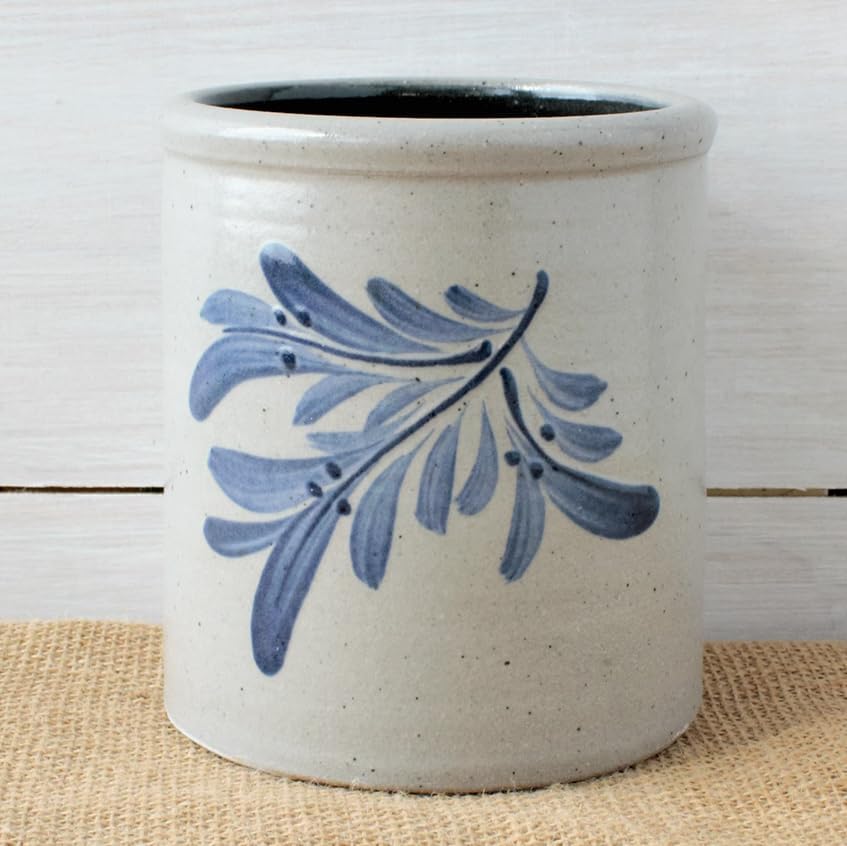
  • Stoneware Dinnerware Made in the USA

    You’re hosting a dinner party, proudly serving your homemade feast on beautiful dinnerware that not only showcases your culinary creations but also tells a story of American craftsmanship.

    There’s something deeply satisfying about setting a table with pieces made by artisans who pour their passion into every plate and bowl.

    In recent years, more households have been turning away from mass-produced, potentially harmful tableware in favour of non-toxic alternatives crafted right here in the USA.

    The resurgence of interest in American-made stoneware isn’t just about patriotism—it’s about health, sustainability, and supporting local artistry.

    But what makes these pieces so special, and why are they becoming the preferred choice for health-conscious homeowners?

    Let’s explore the artistry, tradition, and benefits behind these remarkable American treasures.

    WHAT MAKES AMERICAN STONEWARE SPECIAL?

    Stoneware dinnerware made in the USA carries a legacy of craftsmanship that dates back centuries.

    Unlike conventional imported dinnerware that may contain harmful chemicals, American stoneware is typically crafted with a focus on non-toxic materials and traditional methods that prioritise both beauty and safety.

    The Non-Toxic Advantage

    When it comes to dining, what your food touches matters just as much as the food itself.

    American-made ceramic tableware brands pride themselves on using lead-free glazes and clays free from harmful additives.

    Unlike some imported options that may contain concerning levels of lead, cadmium, or other heavy metals, USA-made stoneware typically adheres to stricter safety standards.

    Research conducted by the University of Plymouth, led by Dr. Andrew Turner, revealed that some imported ceramics and enamelled glassware contained lead concentrations up to 1,000 times and cadmium concentrations up to 100 times higher than regulatory limits.

    American manufacturers, bound by FDA regulations, generally adhere to stricter safety standards.

    DURABILITY THAT STANDS THE TEST OF TIME

    American stoneware isn’t just safer—it’s built to last. Fired at temperatures between 2150°F and 2330°F (1177°C to 1277°C), proper stoneware achieves a density and durability that can withstand decades of daily use. This longevity makes it not only a healthier choice but also a more sustainable one.

    Supporting Local Artisans and Economy

    When you purchase stoneware made in the USA, you’re supporting American artisans and helping preserve traditional crafting techniques.

    According to Localwe, each direct ceramics job creates approximately 1.78 additional jobs in related industries, making your purchase a meaningful contribution to local economies.

    TOP AMERICAN STONEWARE MANUFACTURERS

    Stoneware Dinnerware made in the USA

    Let’s explore some of the finest stoneware producers in the United States, each with its unique aesthetic and manufacturing approach. They are:

    Farmhouse Pottery

    Emerson Creek Pottery

    Stoneware & Co

    Hanselmann Pottery

    Bennington Pottery

    East Fork Pottery

    Heath Ceramics

    Fiesta Dinnerware (Homer Laughlin China Company)

    Farmhouse Pottery

    Based in Woodstock, Vermont, Farmhouse Pottery creates handcrafted stoneware that beautifully blends traditional, modern, classic, and rustic styles.

    Their pieces feature earthy tones and tactile textures that add warmth to any table setting.

    Founded by husband and wife team James and Zoe Zilian in 2012, Farmhouse Pottery embodies the farm-to-table ethos in their “farm-to-table-to-home” approach to dinnerware.

    Each piece is wheel-thrown by master potters and glazed with non-toxic materials, making them safe for your family and the environment.

    Emerson Creek Pottery

    Located in Bedford, Virginia, Emerson Creek Pottery has been creating functional and decorative ceramics since 1977.

    Emerson Creek Pottery Stoneware dish

    Their pieces feature nature-inspired motifs and are known for their rustic charm and detailed craftsmanship.

    Emerson Creek takes pride in their eco-friendly practices, using locally sourced materials wherever possible. Their stoneware is lead-free, microwave and dishwasher-safe, and designed to withstand years of use.

    Stoneware & Co.

    With roots dating back to the 18th century, Louisville, Kentucky-based Stoneware & Co. combines traditional techniques with contemporary aesthetics.

    Louisville Stoneware & Co dish

    Their dinnerware collections balance durability with elegant design, offering pieces that transition seamlessly from everyday meals to special occasions.

    Their commitment to American craftsmanship includes using clay sourced from the Ohio River Valley, continuing a tradition that spans generations.

    All their glazes are lead-free and food-safe, meeting strict FDA requirements.

    Hanselmann Pottery

    Founded by Bob Hanselmann in 1970 and located in Corrales, New Mexico, Hanselmann Pottery is renowned for its unique glazing techniques and nature-inspired designs.

    Their work often incorporates earthy tones that reflect the beauty of the surrounding New Mexico landscape.

    Each piece is handmade using traditional methods, ensuring that no two items are exactly alike. Their stoneware is nontoxic, microwave and dishwasher-safe, and built to withstand daily use.

    HOW TO CHOOSE THE RIGHT AMERICAN-MADE STONEWARE

    Selecting the perfect stoneware for your home involves considering several factors beyond just aesthetics.

    Material Safety

    When shopping for non-toxic dinnerware, always look for products explicitly labeled as lead-free and cadmium-free.

    Reputable American manufacturers will typically provide information about their glazing processes and safety certifications.

    Durability and Maintenance

    Consider how the stoneware will be used in your home. Most high-quality stoneware is:

    • Dishwasher safe
    • Microwave safe
    • Oven safe (with proper precautions)
    • Freezer safe

    However, specific care instructions may vary by manufacturer, so always check before purchasing.

    Visual Appeal and Versatility

    Choose stoneware that complements your existing décor and dining style. Many American manufacturers offer dinnerware in various collections that can be mixed and matched for a personalised look.

    BrandLocationDistinctive FeaturesNon-Toxic Certifications
    Bennington PotteryVermontCobalt blue decorations, traditional designsFDA-compliant, lead-free
    Farmhouse PotteryVermontRustic aesthetic, earthy tonesLead-free, food-safe glazes
    Emerson CreekVirginiaNature-inspired motifs, rustic charmLead-free, FDA-compliant
    Stoneware & Co.KentuckyTraditional techniques, contemporary designsLead-free, food-safe glazes
    East ForkNorth CarolinaMinimalist aesthetic, muted coloursLead-free, cadmium-free
    Heath CeramicsCaliforniaMid-century modern design, distinctive glazesLead-free, in-house developed glazes
    FiestaWest VirginiaVibrant colours, iconic concentric circle designLead-free, FDA-compliant

    CARING FOR YOUR AMERICAN STONEWARE

    To ensure your stoneware remains beautiful and functional for generations:

    1. Avoid Thermal Shock: Though stoneware is generally heat-resistant, sudden temperature changes can cause cracking. Allow pieces to come to room temperature before placing them in a hot oven or a cold refrigerator.
    2. Hand Wash When Possible: While most stoneware is dishwasher safe, hand washing can extend its lifespan and preserve decorative elements.
    3. Use Gentle Cleaning Methods: Avoid abrasive scrubbers that might damage glazes. For stubborn stains, soak in warm, soapy water rather than scrubbing aggressively.
    4. Store Properly: Avoid stacking pieces without protective padding between them to prevent chips and scratches.
    5. Handle with Care: Despite its durability, stoneware can chip or break if dropped on hard surfaces. Handle with appropriate care, especially when washing.

    BEYOND DINNERWARE: EXPANDING YOUR AMERICAN STONEWARE COLLECTION

    Many American pottery studios offer complementary pieces that can enhance your dining experience:

    • Serving platters and bowls
    • Bakeware and casserole dishes
    • Tea and coffee sets
    • Pitchers and drink dispensers
    • Vases and decorative items

    Collecting pieces from the same manufacturer ensures a cohesive look, but mixing items from different studios can create an eclectic, personalised table setting that showcases American craftsmanship in all its diversity.

    CONCLUSION

    Choosing stoneware dinnerware made in the USA isn’t just about supporting local artisans—it’s about bringing beauty, history, and safety to your table.

    From Vermont to California, American potters continue a tradition of excellence that prioritises both aesthetics and health.

    Whether you’re drawn to the rustic charm of Farmhouse Pottery or the colourful tradition of Fiesta, American-made stoneware offers peace of mind alongside its distinctive style.

    As you gather around your table with family and friends, there’s something profoundly satisfying about knowing the plates beneath your food tell a story of American craftsmanship, environmental responsibility, and non-toxic living.

    Why not start your collection today?
  • Ceramic Dinnerware Made in the USA

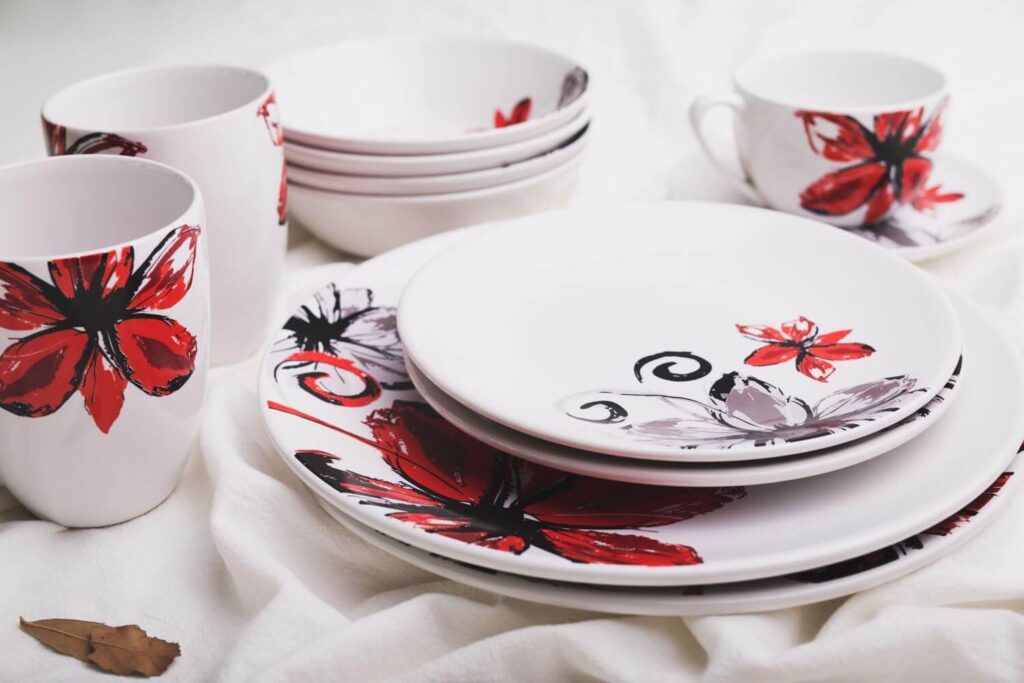
    You’re setting the table for a special dinner, laying out plates that tell a story of American craftsmanship.

    There’s something deeply satisfying about knowing exactly where your dinnerware comes from—especially when it’s made right here in the USA.

    In a world of mass-produced imports, American-made ceramic dinnerware stands apart not just for its quality and beauty but for its commitment to non-toxic materials that keep your family safe.

    Whether you’re a passionate home cook or someone who simply appreciates the finer details of dining, ceramic tableware crafted on American soil offers peace of mind alongside undeniable style.

    But with so many options available, how do you know which USA-made ceramics are truly worth your investment? That’s where our journey begins…

    WHAT MAKES AMERICAN-MADE CERAMIC DINNERWARE SPECIAL?

    American-made ceramic dinnerware stands out in today’s market for several compelling reasons.

    Unlike mass-produced imported options, USA-made ceramics typically undergo stricter quality control standards and adhere to more rigorous safety regulations regarding non-toxic materials.

    Most American pottery studios take pride in their craftsmanship, with many pieces being hand-thrown or hand-finished.

    This attention to detail results in dinnerware that’s not just functional but truly artisanal—each piece carries slight variations that give your table setting character and charm.

    Many USA ceramic manufacturers also prioritize sustainability, using locally sourced materials and environmentally friendly production methods.

    This reduces carbon footprint while supporting local economies and preserving traditional American craft techniques.

    When you purchase ceramic tableware made in America, you’re not just buying plates and bowls—you’re investing in pieces that reflect America’s rich ceramic heritage while meeting modern safety standards for your family’s health.

    UNDERSTANDING CERAMIC TYPES: PORCELAIN, STONEWARE, AND EARTHENWARE

    Before diving into specific brands, it’s important to understand the different types of ceramics used in dinnerware production.

    Porcelain and stoneware American-made tableware brands offer different benefits depending on your lifestyle and dining preferences.

    Ceramic TypeCharacteristicsDurabilityBest For
    PorcelainFine-grained, translucent, fired at high temperatures (1,200-1,400°C)Chip-resistant, strongFormal dining, everyday elegance
    StonewareDense, opaque, fired at moderate temperatures (1,100-1,300°C)Highly durable, heavier feelDaily use, casual dining
    More fragile, may chip more easilyPorous, often hand-painted, fired at lower temperatures (950-1,150°C)More fragile, may chip easierDecorative use, casual entertaining

    Understanding these differences helps you select dinnerware that aligns with your lifestyle needs.

    American manufacturers excel in all three categories, though each brand typically specializes in a particular ceramic type based on their artistic tradition and production methods.

    TOP AMERICAN-MADE CERAMIC DINNERWARE BRANDS

    Ceramic Dinnerware made in the USA

    Let’s explore some of the finest ceramic dinnerware manufacturers operating in the United States today, with details about their production processes, product lines, and what makes each brand unique.

    Bauer Pottery

    Based in Los Angeles, California, Bauer Pottery has a fascinating history dating back to the early 20th century.

    After the original company closed in the 1960s, the brand was revived in the 1990s with a commitment to recreating classic American designs using modern, non-toxic materials.

    Bauer ceramic America Pottery

    Key Features:

    • Manufactured in Los Angeles, California
    • Known for vibrant, colorful glazes
    • Offers casual yet sophisticated ceramic mugs, dinnerware, and servingware
    • Uses modern low-fire glazing techniques

    Care Instructions:

    • While dishwasher safe, hand washing is recommended
    • Microwave safe
    • Not suitable for oven use beyond warm settings
    • Not frost-proof due to earthenware construction

    Safety Profile: Bauer’s modern ceramic products are lead, cadmium, and uranium-free, making them a safe choice for everyday use.

    However, if you collect vintage Bauer pieces, it’s wise to have them tested for harmful substances before using them with food, as older manufacturing processes didn’t adhere to today’s safety standards.

    Heath Ceramics

    Since 1948, Heath Ceramics has been crafting exceptional stoneware in California. Their timeless designs have earned them a place in American design history, with pieces featured in museums and cherished in homes across the country.

    Heath Ceramics

    Key Features:

    • Based in Sausalito and San Francisco, California
    • Known for minimalist, mid-century-inspired designs
    • Offers complete dinnerware collections plus decorative items
    • Famous for their signature glazes with subtle variations

    Popular Collections:

    • Coupe Line (their most iconic design)
    • Rim Line
    • Plaza Line
    • Chez Panisse Line (designed for Alice Waters’ famous restaurant)

    Care Instructions:

    • Dishwasher and microwave safe
    • Recommended use with gentle, eco-friendly detergents
    • Avoid thermal shock by heating gradually

    Heath Ceramics represents the perfect blend of artisanal craft and industrial precision. Each piece is made using a combination of machine processes and hand-finishing techniques, ensuring consistency while maintaining the human touch that makes handcrafted ceramics special.

    Rowe Pottery

    Founded in 1975 in Cambridge, Wisconsin, Rowe Pottery began as a revival of traditional salt-glazed stoneware but has evolved to include a diverse range of ceramics for the modern home.

    Wisconsin made stoneware mug pottery

    Key Features:

    • Handcrafted in Cambridge, Wisconsin
    • Specializes in personalized and custom designs
    • Offers limited-edition collections perfect for gifts
    • Known for blending traditional techniques with contemporary design

    Popular Collections:

    • Classic Collection
    • Ridges Collection
    • Provincial Collection
    • Simply Rowe Collection
    • Farm Collection
    • Northwood Collection

    Care Instructions:

    • Microwave and dishwasher safe
    • Durable enough for everyday use

    Rowe Pottery maintains a strong connection to American craft traditions while innovating to meet contemporary needs.

    Their pieces often feature subtle textural elements and earthy glazes that create a warm, inviting table setting.

    Bennington Potters

    With a history dating back to 1948, Bennington Potters of Vermont has become synonymous with durable, functional stoneware that stands the test of time.

    Many families pass down their Bennington pieces through generations.

    Bennington Pottery Baking dish made in Vermont

    Key Features:

    • Made in Bennington, Vermont
    • Known for exceptionally durable stoneware
    • Features distinctive glazes like their famous Blue Agate pattern
    • Each piece goes through 12 separate production steps

    Popular Products:

    • Trigger Mugs (their iconic design)
    • Bowls in various sizes
    • Complete place settings
    • Serving pieces

    Care Instructions:

    • Oven, microwave, and dishwasher safe
    • Virtually indestructible in normal use
    • Can go from freezer to oven without cracking

    Bennington’s production process combines traditional pottery techniques with modern efficiency.

    While some steps are mechanized for consistency, skilled craftspeople are involved at critical stages, ensuring each piece meets their exacting standards.

    East Fork Pottery

    A newer addition to the American ceramics scene, East Fork Pottery has quickly developed a devoted following for its contemporary take on traditional stoneware.

    Founded in 2010 in Asheville, North Carolina, they’ve grown from a small studio to a significant manufacturer while maintaining their commitment to quality.

    Key Features:

    • Made in Asheville, North Carolina
    • Contemporary designs with a rustic influence
    • Known for their limited-edition seasonal glazes
    • Committed to ethical manufacturing and fair labor practices

    Popular Products:

    • The Everyday Bowl
    • The Breakfast Bowl
    • Dinner Plates
    • Serving platters

    Care Instructions:

    • Dishwasher, microwave, and oven safe
    • Exceptionally durable for daily use

    East Fork represents the new wave of American ceramic manufacturing, combining traditional craft knowledge with modern business practices and design sensibilities.

    They’ve developed a unique voice in the industry, attracting younger consumers interested in supporting domestic manufacturing.

    BENEFITS OF NON-TOXIC CERAMIC DINNERWARE

    When selecting dinnerware for your home, safety should be a top priority alongside aesthetics. Here’s why non-toxic ceramic dinnerware offers significant advantages:

    Health Considerations

    Many imported ceramic products may contain concerning levels of lead, cadmium, or other heavy metals in their glazes.

    These substances can leach into food, especially when serving acidic dishes like tomato sauce or citrus.

    American manufacturers typically follow stricter safety protocols, ensuring their products are free from harmful substances.

    Durability and Value

    While American-made ceramics might have a higher initial cost than mass-produced imports, they typically offer superior durability.

    This longevity translates to better value over time, as quality pieces can last for decades or even generations with proper care.

    HOW TO IDENTIFY AUTHENTIC USA-MADE CERAMICS

    With increased interest in American-made products, it’s important to know how to verify a product’s origin:

    1. Check the backstamp – Authentic American pottery will typically have a clear mark indicating it was made in the USA.
    2. Research the company – Visit brand websites to confirm their manufacturing locations.
    3. Look for certification – Some companies participate in verification programs like “Made in USA Certified.”
    4. Ask questions – Don’t hesitate to contact companies directly about their manufacturing processes.
    5. Watch for vague language – Terms like “Designed in USA” may indicate overseas manufacturing.

    CARING FOR YOUR AMERICAN CERAMIC DISHES

    To ensure your investment lasts for years to come, follow these care guidelines:

    General Care Tips

    • While many American ceramics are dishwasher safe, hand washing will extend their lifespan
    • Avoid extreme temperature changes that can cause cracking
    • Store plates with felt protectors between them to prevent scratching
    • Use wooden or silicone utensils rather than metal to minimize marking

    Type-Specific Care

    Different ceramic types require slightly different care approaches:

    Porcelain: Despite its delicate appearance, high-fired porcelain is quite durable. Still, avoid stacking heavy items on top of porcelain pieces.

    Stoneware: Though robust, stoneware can chip if knocked against hard surfaces. Avoid dragging pieces across abrasive surfaces.

    Earthenware: The most fragile ceramic type requires gentle handling. Never subject earthenware to sudden temperature changes.

    CREATING BEAUTIFUL TABLE SETTINGS WITH AMERICAN CERAMICS

    American-made ceramics offer tremendous versatility for styling your table:

    Mix and Match Appeal

    One of the joys of collecting American ceramics is the ability to create eclectic table settings. Consider:

    • Combining different patterns in complementary colors
    • Mixing vintage and contemporary pieces
    • Creating seasonal table settings with limited-edition pieces

    Styling Tips

    • Use neutral American-made dinnerware as a canvas for colorful food presentation
    • For casual dining, combine stoneware plates with handmade textile napkins
    • For special occasions, layer different-sized plates from the same collection
    • Display favorite pieces on open shelving when not in use.

    CONCLUSION

    Bringing ceramic dinnerware made in the USA to your table connects you to a rich tradition of American craftsmanship that dates back centuries.

    Beyond the satisfaction of supporting domestic manufacturing, you’re investing in pieces crafted with care, attention to detail, and a commitment to safety through non-toxic materials.

    From the vibrant colors of Bauer Pottery to the minimalist elegance of Heath Ceramics, American ceramics offer something for every aesthetic preference.

    While they may represent a greater initial investment than imported alternatives, their durability, timeless design, and health benefits make them a worthy addition to any home.

    Why not start your collection today with a signature piece that speaks to your style?

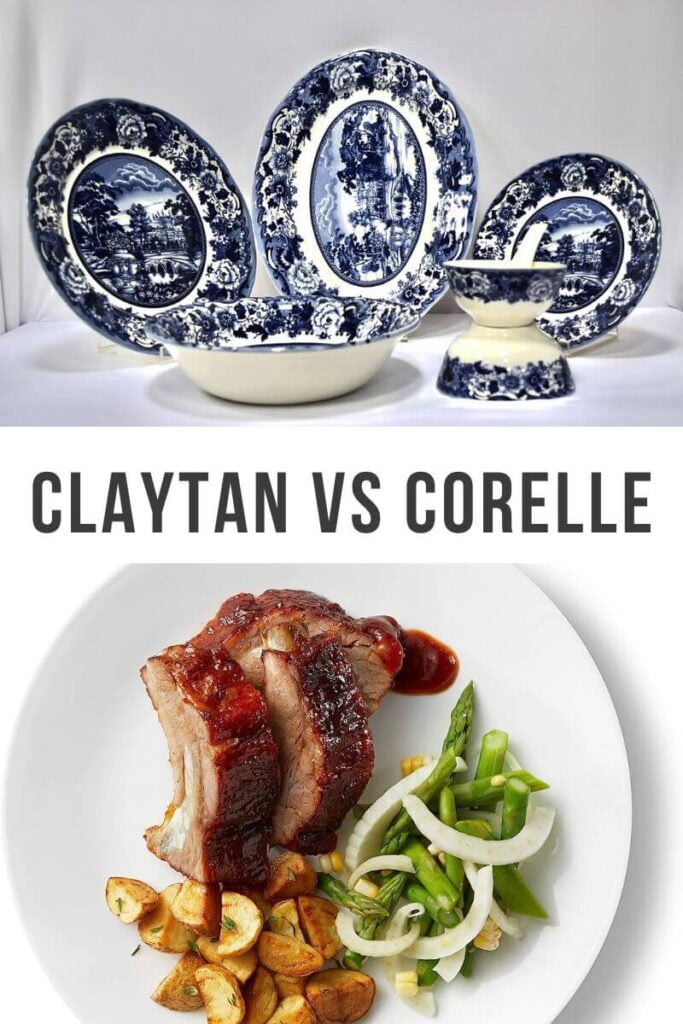
  • Claytan vs Corelle: Which Premium Dinnerware Is Right for You?

    Remember when you dropped a plate while washing dishes and held your breath, hoping it wouldn’t shatter? We’ve all been there! The dishware we choose affects our daily lives more than we realize.

    When it comes to picking the perfect plates for your home, two names often come up: Claytan and Corelle. Both are popular choices, but they are so different in what they offer.

    One gives your table that traditional, elegant look, while the other promises to survive even the clumsiest family member’s handling.

    So, which deserves a spot in your kitchen cabinets? Let’s explore what sets these household favorites apart and find out which might be the perfect match for your dining needs.

    WHAT ARE CLAYTAN AND CORELLE DINNERWARE?

    Claytan: The Ceramic Classic

    Claytan is a well-established brand that specialises in ceramic tableware, manufactured primarily in Asia.

    Claytan Stoneware dinnerware set

    Founded in Malaysia in 1920, the company has built its reputation on producing high-quality ceramic like Mora dinnerware, focusing on traditional ceramic production methods combined with modern design sensibilities.

    Claytan dinnerware typically features:

    • Fine porcelain and ceramic construction
    • Traditional manufacturing techniques
    • Elegant and classic design aesthetics
    • Various collections, ranging from minimalist to ornate
    • Medium to heavyweight construction
    • Designed and Manufactured with British and Japanese Technology
    • Dishwasher, microwave, Freezer, and Lead safe.

    WHAT IS CLAYTAN STONEWARE?

    Claytan is a Malaysian tableware manufacturer that produces high-quality stoneware and ceramic dinnerware.

    The company is one of Southeast Asia’s leading producers of food-safe, durable stoneware products.

    About Claytan:

    • Founded: 1920s in Malaysia
    • Headquarters: Johor, Malaysia
    • Specialty: Stoneware, porcelain, and ceramic tableware
    • Market: Both commercial (restaurants, hotels) and consumer markets

    Claytan Stoneware Features:

    Material Composition:

    • Made from refined natural clay and minerals
    • Fired at high temperatures (around 2,200°F/1,200°C)
    • Vitrified for strength and non-porosity

    Key Characteristics:

    Highly durable and chip-resistant
    Non-porous – doesn’t absorb odors or stains
    Microwave safe
    Dishwasher safe
    Oven safe (most collections)
    Lead-free and food-safe glazes
    Thermal shock resistant
    Commercial-grade quality

    Product Lines:

    • Solid color collections – modern, minimalist designs
    • Patterned collections – floral, geometric, and artistic motifs
    • White/cream basic stoneware – restaurant-quality
    • Specialty items – baking dishes, serving platters, bowls

    Where Used:

    • Hotels and restaurants throughout Asia
    • Home kitchens
    • Catering services
    • Export markets (Asia-Pacific, Middle East, some Western markets)

    Price Range:

    • Affordable to mid-range pricing
    • Excellent value for quality
    • More economical than Western brands like Pfaltzgraff or Corelle

    Why Choose Claytan:

    • Excellent durability for everyday use
    • Asian-inspired designs and styles
    • Trusted brand in commercial food service

    Good balance of quality and affordability.

    Corelle: The Innovation Pioneer

    Corelle, on the other hand, represents American innovation in dinnerware. Launched in 1970 by Corning, Corelle revolutionised the dinnerware industry with its patented Vitrelle glass technology—a unique three-layer construction that sandwiches a glass core between two glass laminate layers.

    Corelle Boutique 12 Piece misty leaves Dinnerware set

    Corelle dinnerware is known for:

    • Lightweight yet durable construction
    • Chip and break resistance
    • Stackable, space-saving design
    • Modern, Versatile Aesthetics
    • Fade-resistant patterns.

    MATERIAL COMPOSITION: A FUNDAMENTAL DIFFERENCE

    Claytan vs Corelle

    The most significant distinction between these brands lies in their core materials, which affect everything from weight to durability to aesthetic appeal.

    Claytan’s Ceramic Foundation

    Claytan dinnerware typically uses:

    • Fine porcelain
    • Bone china
    • Stoneware
    16 Piece Claytan Stoneware Dinnerware set

    These materials undergo firing twice at high temperatures, resulting in dinnerware without the need to worry about chemical effect, substantial heft, and traditional appeal.

    One excellent achievement we cannot ignore about Clyatan dinnerware is that they passed the USA FDA and California Proposition 65 standards for metal release.

    The ceramic construction provides excellent heat retention—plates stay warmer longer when serving hot food, which many culinary enthusiasts appreciate.

    Corelle’s Vitrelle Technology

    Corelle’s patented Vitrelle glass technology creates:

    • Triple-layer glass construction
    • Remarkable strength despite lightweight design
    • Superior resistance to thermal shock
    • Non-porous surface that resists staining
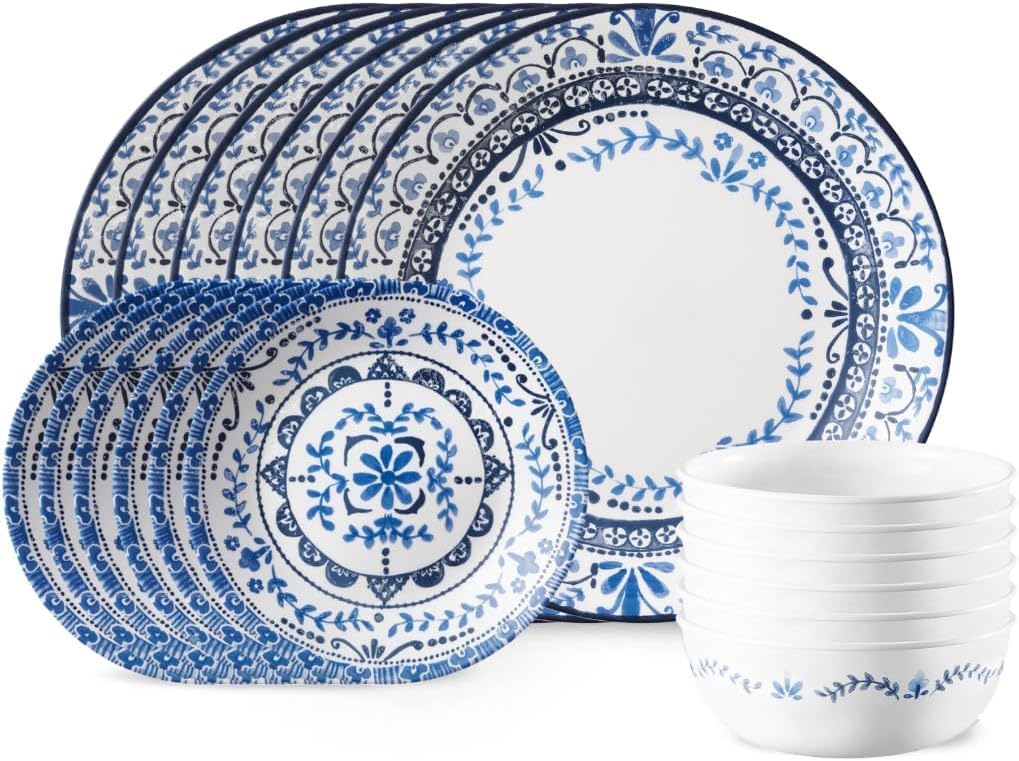
    Corelle Portofino 18 Pcs Plates and Bowls

    This innovative approach results in dinnerware that weighs significantly less than traditional ceramic options while offering impressive durability.

    DURABILITY FACE-OFF: WHICH LASTS LONGER?

    When investing in quality dinnerware, longevity becomes a crucial consideration.

    Claytan’s Durability Profile

    Claytan dinnerware offers:

    • Excellent heat retention, especially for extremely boiled soup/food.
    • Good resistance to scratching because of the second firing process at 1080 degrees Celcius for 12 hours.
    • Heavier weight that some find more substantial
    • Potential for chipping or breaking when dropped
    • Typically dishwasher-safe but may require more careful handling

    Corelle’s Durability Advantages

    Corelle promotes their dinnerware as:

    Beautiful Timber Shadows Corelle 18 Pcs Pattern dinnerware
    • Break and chip-resistant (though not unbreakable)
    • Lightweight and easier to handle
    • Extremely resistant to thermal shock (can go from freezer to oven but allow for a few minutes to cool down)
    • Dishwasher, microwave, and oven safe
    • Stackable with minimal risk of scratching.

    AESTHETIC APPEAL: DESIGN AND STYLE CONSIDERATIONS

    Beyond practical considerations, your choice between Claytan and Corelle often comes down to aesthetic preferences and how each complements your existing décor.

    Claytan’s Design Language

    Claytan tends toward:

    • Traditional elegance
    • Various finishes from glossy to matte
    • Rich colour possibilities, including underglaze techniques
    • Textured options and raised patterns
    • Collections that often evoke classic dining experiences

    Corelle’s Design Approach

    Corelle typically offers:

    • Clean, contemporary lines
    • Simplified patterns that work in diverse settings
    • Consistent thickness throughout the piece
    • Thin profile that appears delicate despite durability
    • Modern interpretations of classic patterns.

    PRICE COMPARISON: INVESTMENT VS. VALUE

    Quality dinnerware represents an investment in your daily dining experience, but price considerations vary significantly between these brands.

    AspectClaytanCorelle
    Starting price (12/16-piece set)VariesVaries
    Premium collectionsExpensiveHigh but lower than Claytan
    Replacement piece availabilityMore limitedWidely available
    Warranty offeringsVaries by collection3-year limited warranty standard
    Long-term valueExcellent for careful usersExcellent for active households

    PRACTICAL CONSIDERATIONS FOR DAILY USE

    Beyond aesthetics and durability, consider how each brand performs in real-world situations.

    Weight and Handling

    Claytan dinnerware typically weighs considerably more than Corelle, which influences:

    • Ease of serving
    • Table setting logistics
    • Storage requirements
    • Dishwasher loading capacity
    • Suitability for children or elderly users

    Corelle’s lightweight design makes it exceptionally practical for everyday use and households with children or elderly members who might struggle with heavier dinnerware.

    Storage Requirements

    The Famiware dinnerware brand offers similar storage challenges to Claytan, where space considerations become important:

    • Claytan requires more careful stacking to prevent chipping
    • Corelle’s slim profile allows more pieces in the same cabinet space
    • Claytan’s weight may require sturdier shelving
    • Corelle’s stackability makes it ideal for smaller kitchens

    Temperature Response

    How dinnerware responds to temperature changes affects both functionality and longevity:

    • Claytan retains heat longer, keeping food warm
    • Corelle and Claytan transition safely between temperature extremes, but caution should be applied to prevent breakage.

    ENVIRONMENTAL AND HEALTH CONSIDERATIONS

    Modern consumers increasingly consider the environmental impact and health implications of their household items.

    Claytan’s Environmental Profile

    Ceramic production typically involves:

    • Higher energy consumption during manufacturing
    • Natural, generally non-toxic materials
    • Longer production processes
    • Greater shipping weight (larger carbon footprint)
    • Extreme durability when properly cared for

    Corelle’s Environmental Considerations

    Corelle’s manufacturing process features:

    • Advanced technology that may reduce some environmental impacts
    • Lighter weight reduces the carbon footprint of shipping.
    • Long lifespan reduces replacement frequency
    • Non-porous surface that doesn’t harbor bacteria.

    BEST USE CASES: WHEN TO CHOOSE EACH BRAND

    Different dining contexts may call for different dinnerware solutions.

    When Claytan Shines

    Claytan dinnerware proves particularly suitable for:

    • Formal dining occasions
    • Presentation-focused meals
    • Traditional table settings
    • Food photography (excellent texture and depth)
    • Heritage dining experiences

    When Corelle Excels

    Corelle dinnerware demonstrates its strengths in:

    • Daily family meals
    • Outdoor dining situations
    • Homes with children
    • Small kitchens with limited storage
    • Households seeking low-maintenance options.

    CARE AND MAINTENANCE: KEEPING YOUR INVESTMENT PRISTINE

    Proper care ensures your dinnerware investment lasts for years or even generations.

    Caring for Claytan

    To maintain Claytan dinnerware:

    • Wash by hand for ultimate longevity, although though dishwasher-safe
    • Avoid extreme temperature changes
    • Store with protective layers between pieces
    • Use non-abrasive cleaners
    • Handle with appropriate care, given the weight

    Caring for Corelle

    To maintain Corelle dinnerware:

    • Safely use in dishwasher (top or bottom rack)
    • Avoid metal utensils on patterned surfaces
    • Stack without protective layers (resistance to scratching)
    • Clean stubborn stains with non-abrasive cleansers
    • Handle normally despite its sophisticated appearance.

    EXPERT OPINIONS: WHAT PROFESSIONALS SAY

    Culinary professionals and interior designers often have distinct preferences between these brands.

    Professional chefs typically appreciate:

    • Claytan’s heat retention for serving hot dishes
    • Corelle’s lightweight nature for busy service environments
    • Claytan’s visual presentation advantages
    • Corelle’s practicality in high-volume situations

    Interior designers frequently note:

    • Claytan’s versatility in traditional settings
    • Corelle’s adaptability to contemporary interiors
    • Claytan’s textural qualities that add dimension to tablescapes
    • Corelle’s clean lines complement minimalist aesthetics.

    MAKING YOUR DECISION: FACTORS TO CONSIDER

    When deciding between Claytan and Corelle, consider these key questions:

    1. What’s your primary use case? Daily family meals or special occasions?
    2. How important is weight in your dinnerware selection?
    3. Do you prefer traditional aesthetics or contemporary design?
    4. What storage capacity do you have available?
    5. Are there young children or elderly individuals in your household?
    6. How do you typically serve and store food?
    7. What’s your tolerance for maintenance requirements?
    8. Does your existing kitchen aesthetic lean toward traditional or modern?

    CONCLUSION

    The Claytan vs Corelle debate ultimately comes down to your personal priorities and lifestyle needs.

    Claytan offers traditional elegance, a substantial feel, and excellent heat retention—perfect for those who value dining as an experience and appreciate ceramic craftsmanship.

    Corelle delivers remarkable innovation, practical lightness, and impressive durability—ideal for busy households seeking beautiful yet functional tableware.

    Rather than declaring an absolute winner, the smartest approach might be to consider where each brand’s strengths align with your specific needs.

    Whether you choose the time-honoured ceramic quality of Claytan or the revolutionary practicality of Corelle, investing in quality dinnerware transforms ordinary meals into memorable dining experiences for years to come.


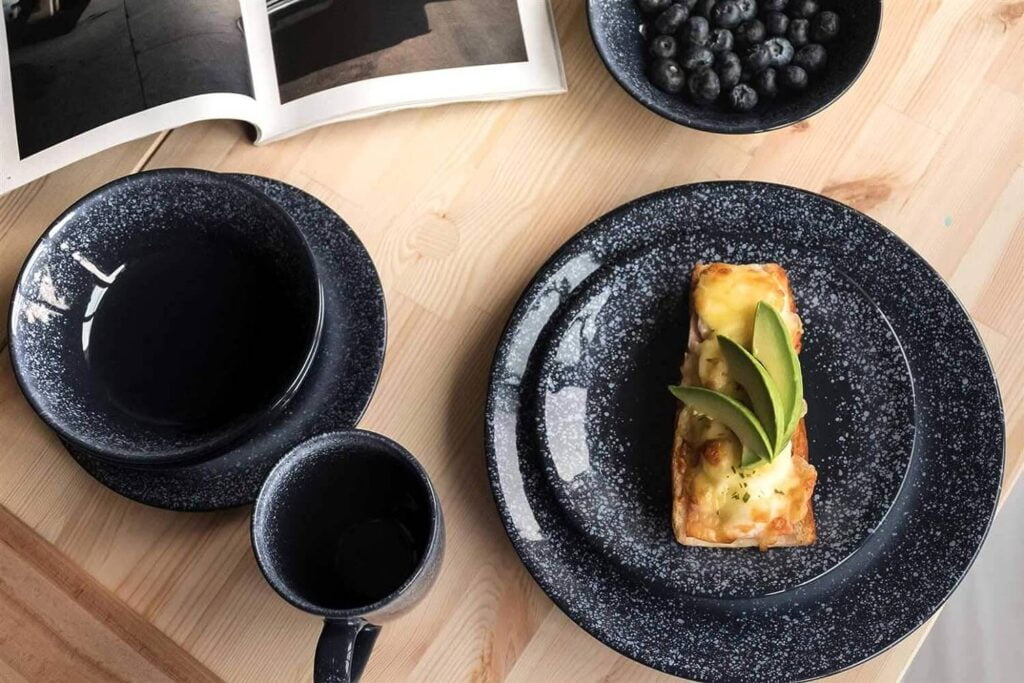
    The Claytan Brand Dinnerware Story

  • Does Pfaltzgraff Contain Lead

    You’ve just unpacked your grandmother’s vintage Pfaltzgraff dishes, admiring their timeless patterns and sturdy design.

    As you prepare to serve your family dinner, a thought suddenly crosses your mind: could these beautiful dishes contain lead?

    It’s a fair question that many Pfaltzgraff lovers ask, especially when using older pieces or introducing new collections to their homes.

    Lead in dinnerware has become a significant concern for health-conscious consumers, and rightfully so.

    Pfaltzgraff is a beloved brand with a history spanning over 200 years, so understanding what goes into these dishes matters.

    Are your favourite heritage patterns safe? What about those new Winterberry plates you’ve been eyeing? Let’s uncover the truth about lead in Pfaltzgraff dinnerware.

    THE HISTORY OF PFALTZGRAFF AND LEAD CONCERNS

    Pfaltzgraff has been a household name in dinnerware since 1811, making it one of America’s oldest pottery companies.

    But what about today? Continue reading to discover if Pfaltzgraff is still made in the USA.

    The brand began in York, Pennsylvania, where German immigrants Johann George and Henry Pfaltzgraff established their first pottery shop.

    Pfaltzgraff Josephine 24Pcs Dinnerware Set

    Throughout its long history, manufacturing practices and safety standards have evolved considerably.

    Before the 1970s, lead was commonly used in ceramic glazes across the industry to create vibrant colours and enhance durability.

    This wasn’t unique to Pfaltzgraff – it was standard practice for most ceramic manufacturers worldwide.

    The turning point came in 1971 when the FDA established regulations limiting the amount of leachable lead allowed in ceramic tableware.

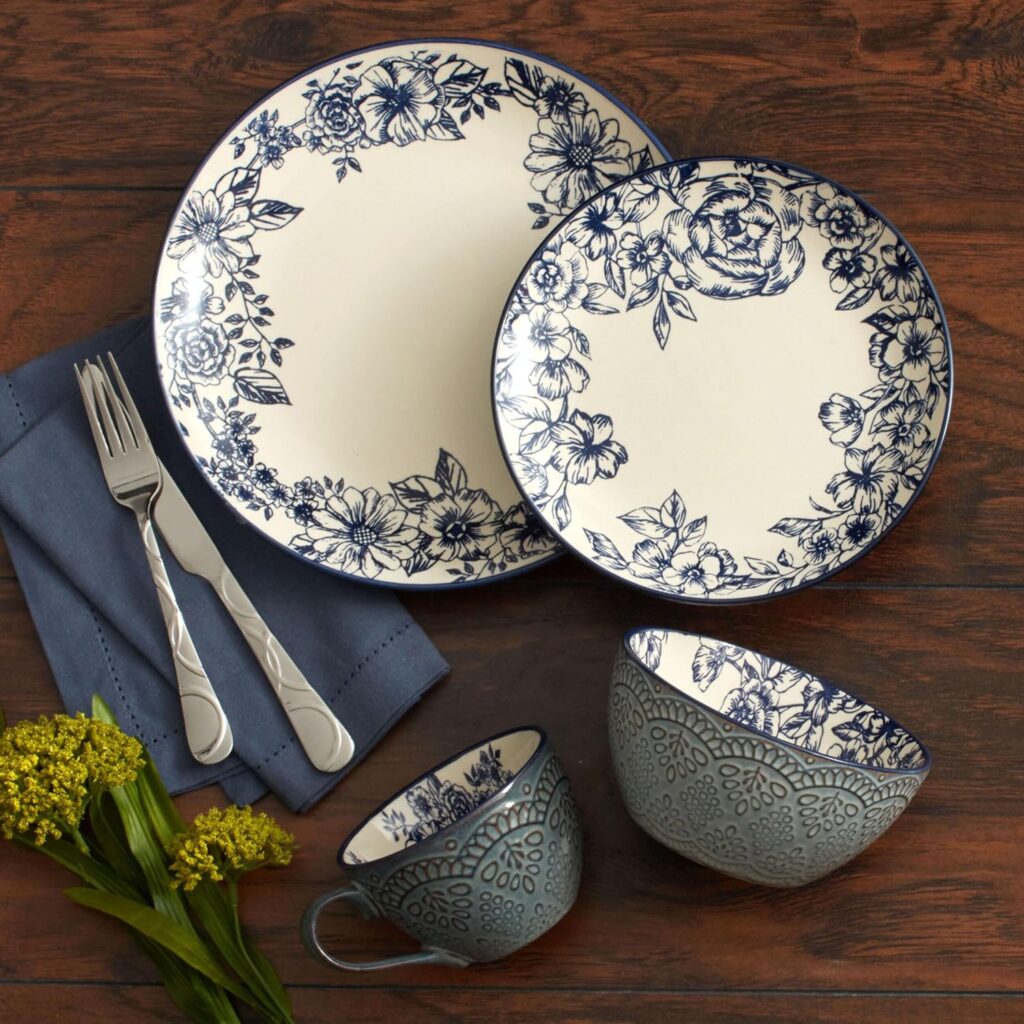
    New Pfaltzgraff Gabriela Blue Dinnerware Pattern

    These regulations have been updated several times since, becoming increasingly stringent.

    By the 1990s, most major manufacturers, including Pfaltzgraff, had significantly reduced or eliminated lead from their glazes.

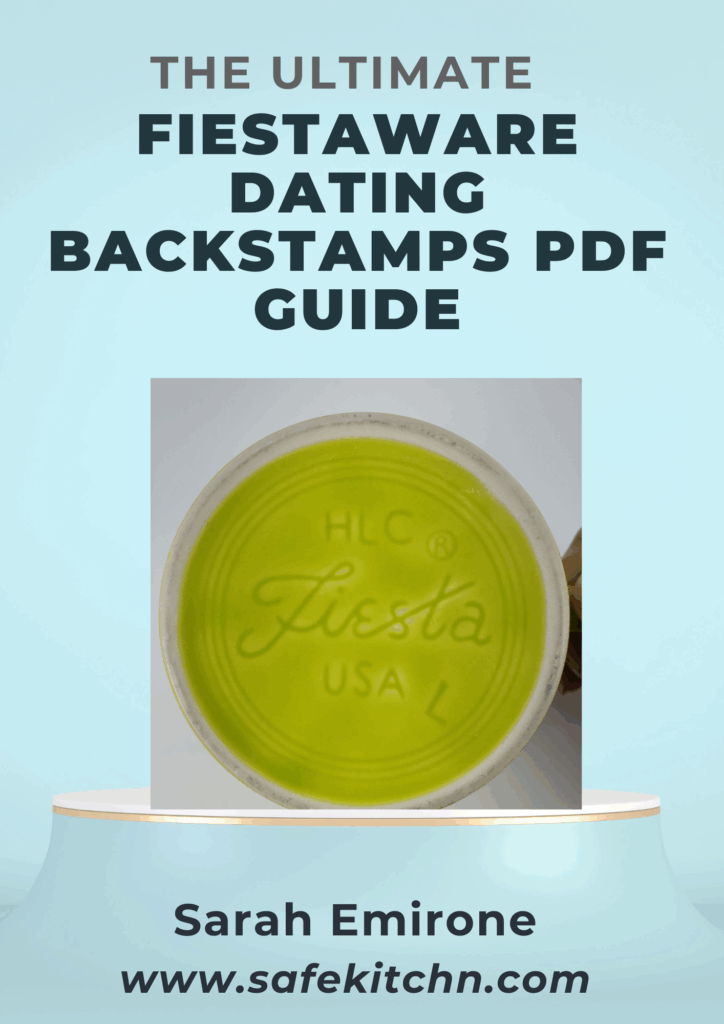
    Fiestaware dating backstamps pdf guide

    CURRENT LEAD STANDARDS FOR DINNERWARE

    Today, strict regulations govern how much lead can be present in dinnerware:

    Regulatory BodyLeachable Lead LimitApplies To
    FDA (USA)Varies by category:
    3 ppm (flatware),
    2 ppm (small hollowware),
    1 ppm (large hollowware),
    0.5 ppm (cups/mugs)
    Dinnerware
    California Prop 65Stricter limits:
    0.10 ppm (hollowware/cups/mugs),
    0.226 ppm (plates)
    All ceramic ware sold in California
    EU StandardsVaries by category:
    0.8 mg/dm²
    4 mg/L
    Ceramic food contact materials  

    Note: PPM stands for parts per million, which is a measurement of lead concentration.

    DOES MODERN PFALTZGRAFF CONTAIN LEAD?

    Does Pfaltzgraff Contain Lead

    Modern Pfaltzgraff products are indeed designed to meet regulatory standards, specifically those set by the U.S. Food and Drug Administration (FDA) regarding lead content.

    The company has stated that its current products comply with all applicable FDA regulations concerning lead levels in dinnerware and other food-related items.

    The FDA does not permit lead to be used as a color or food additive in foodware, and it actively works to limit lead exposure from products intended for food use.

    Manufacturers are legally required to ensure their products do not contain unsafe levels of lead, and the FDA can take regulatory action against those that do.

    Pfaltzgraff asserts that all its products are tested by accredited, independent laboratories to ensure compliance with federal standards related to lead and other contaminants.

    This claim aligns with the FDA’s guidelines, which emphasize that there are no safe levels of lead exposure for humans, particularly vulnerable populations such as children.

    For example, it’s worth noting that “lead-free” in the ceramic industry often means the product contains no intentionally added lead, rather than being 100% free of any lead traces.

    This distinction is important because minute traces of lead can sometimes be found in raw materials used in ceramics manufacturing.

    Furthermore, Pfaltzgraff has faced scrutiny in the past. For instance, in 2008, some of its dinnerware was recalled due to concerns about high lead or cadmium levels. Despite this history, the company has made efforts to ensure that its current offerings meet safety standards.

    In summary, while Pfaltzgraff claims compliance with FDA regulations regarding lead content in its products, consumers should remain informed about potential risks associated with older or vintage items and verify the safety of specific products when necessary.

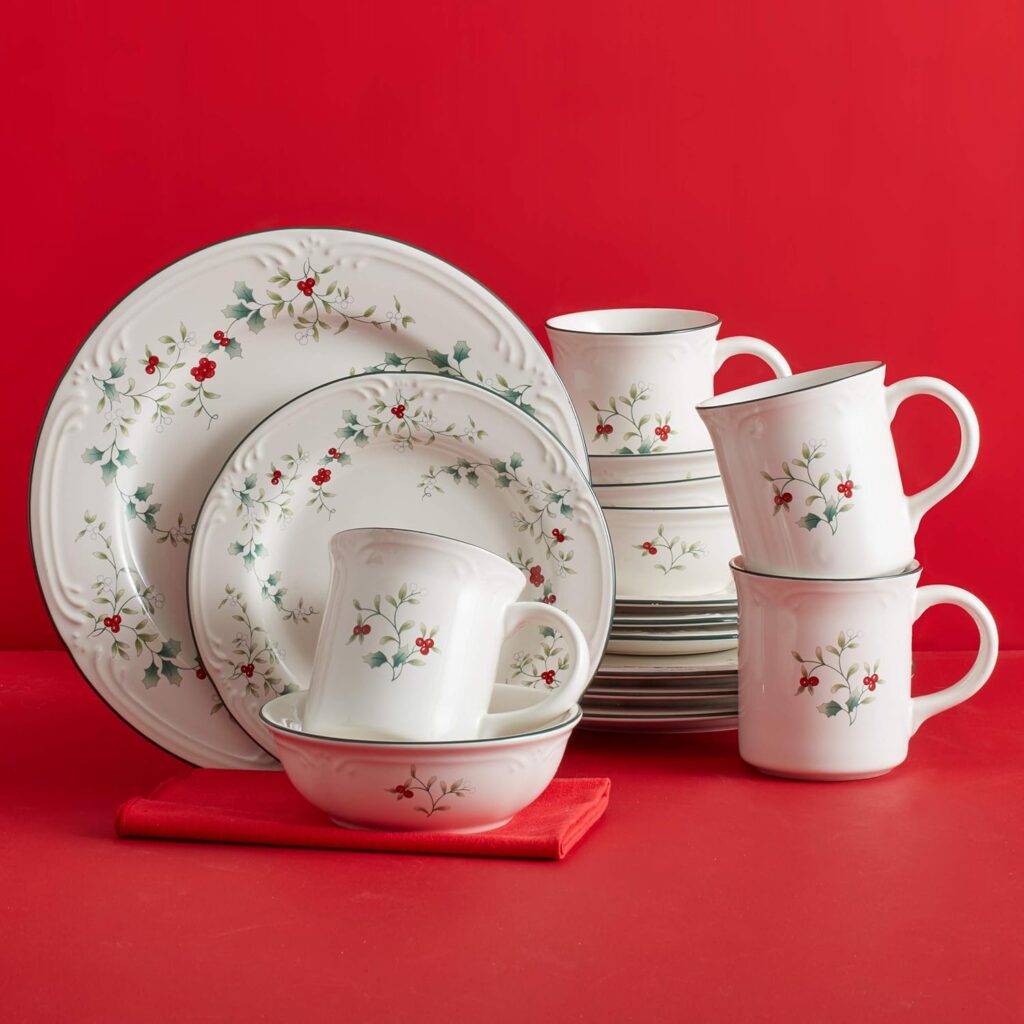
    DOES PFALTZGRAFF WINTERBERRY CONTAIN LEAD?

    Pfaltzgraff’s Winterberry collection is one of their most popular patterns, especially during the holiday season.

    Does Pfaltzgraff Winterberry Contain Lead

    The Winterberry collection, like other modern Pfaltzgraff lines, is manufactured to meet current FDA standards.

    This means that any lead content would be within regulated safe limits. The bright red berries that characterize this pattern use modern ceramic pigments that don’t rely on lead for their vibrant colour, unlike some older red glazes from decades past.

    For those particularly concerned about the Winterberry pattern, it’s worth noting that this collection was introduced in 1991 and has been updated over time to comply with evolving safety standards.

    Current production of Winterberry items uses modern manufacturing techniques and glazes that are designed to be safe for food contact.

    DOES VINTAGE PFALTZGRAFF HAVE LEAD?

    Older Pfaltzgraff pieces, especially those manufactured before the 1990s, have been found to contain higher levels of lead in their glazes or decorative elements compared to modern safety standards.

    This is consistent with findings from XRF testing, which has detected lead levels exceeding safe thresholds in vintage Pfaltzgraff items from the 1980s and 1990s.

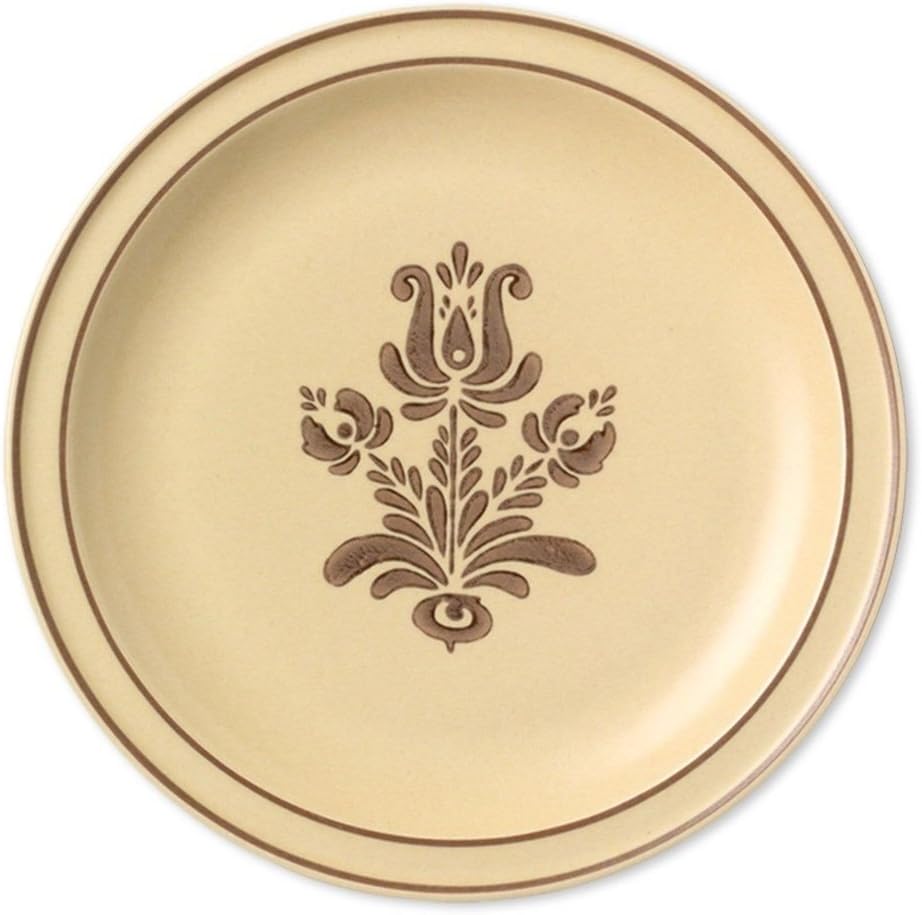
    Vintage Pfaltzgraff 1970 village Pattern

    Such lead content was common in ceramic dinnerware from that era, not unique to Pfaltzgraff.

    Vintage Pfaltzgraff patterns from the 1960s, 70s, and early 80s were likely produced using glazes containing lead, as this was standard practice before stricter regulations were implemented.

    The lead content in these vintage pieces might exceed current safety standards, particularly if the glaze shows signs of wear, cracking, or crazing.

    Some indicators that your vintage Pfaltzgraff might contain high levels of lead include:

    • Manufacturing date before the mid-1980s
    • Bright red, orange, or yellow decorations (these colours often require lead-based pigments)
    • Visible crazing or cracking in the glaze
    • High gloss or exceptionally bright colours

    While many collectors cherish vintage Pfaltzgraff for decorative purposes, it’s advisable to use caution when using very old pieces for food service, especially for acidic foods that might accelerate lead leaching.

    WHICH PFALTZGRAFF PATTERNS CONTAIN LEAD?

    If you’re wondering which Pfaltzgraff patterns contain lead, here’s a general guide based on manufacturing eras:

    Patterns More Likely to Contain Lead:

    Patterns produced before the 1990s may contain higher lead levels than modern standards permit. Some notable older collections include:

    • Yorktowne (pre-1990s versions)
    • Village
    • Folk Art
    • Heritage
    • Early versions of Remembrance

    Patterns Less Likely to Contain Lead:

    Patterns produced after the late 1990s typically comply with modern lead safety standards:

    It’s important to note that Pfaltzgraff has produced hundreds of patterns over decades, and many patterns have been produced across different eras with different manufacturing standards.

    The actual lead content would depend on when a specific piece was manufactured rather than just the pattern name.

    If you own Pfaltzgraff onion soup bowls from vintage collections, these would follow the same guidelines as other items from their respective eras.

    Modern versions should comply with current safety standards.

    HOW TO TEST PFALTZGRAFF DISHES FOR LEAD

    If you’re concerned about potential lead content in your Pfaltzgraff dinnerware, several options exist for testing:

    Home Lead Test Kits

    Swab tests like those made by 3M or Lead Check can provide a preliminary indication of lead presence.

    These tests change colour when they detect lead on surfaces and are relatively inexpensive and easy to use. However, they have limitations:

    • They typically only detect high levels of lead
    • They test surface lead that might rub off, not necessarily lead that could leach into food
    • False negatives are possible, especially with lower lead concentrations

    Professional Laboratory Testing

    For more accurate results, professional laboratory testing is recommended. Labs can perform X-ray fluorescence (XRF) testing or leach testing that simulates food acids to determine how much lead might transfer to food.

    XRF Testing Services

    Some communities offer XRF testing services through health departments or lead safety programs.

    Some companies specialize in household testing and can come to your home and test your dinnerware.

    Remember that testing should be done periodically on older items, as wear and tear can affect lead leaching over time.

    IS PFALTZGRAFF STONEWARE MICROWAVE SAFE?

    Yes, most Pfaltzgraff stoneware is microwave safe.

    Key Points:

    • Modern Pfaltzgraff stoneware (1970s-present) is generally designed to be microwave safe
    • The backstamp on the bottom of each piece will indicate “MICROWAVE SAFE” if approved
    • Popular patterns like Yorktowne, Tea Rose, Naturewood, and Winterberry are all microwave safe

    Important Precautions:

    Always check the backstamp – look for the microwave-safe symbol or text
    Avoid pieces with metallic trim – gold or silver decorations are NOT microwave safe
    Vintage pieces from pre-1960s may not be microwave safe – use caution
    Don’t overheat – prolonged microwaving can cause any stoneware to become extremely hot
    Check for damage – cracked or chipped pieces should not be microwaved

    Best Practices:

    • Use moderate heating times
    • Use pot holders when removing (stoneware retains heat well)
    • Allow hot pieces to cool before washing with cold water (prevents thermal shock).

    HOW TO SAFELY USE OLDER PFALTZGRAFF COLLECTIONS

    If you own and love older Pfaltzgraff patterns but are concerned about potential lead content, here are some practical guidelines for safer use:

    1. Avoid using vintage pieces for serving or storing acidic foods (tomatoes, citrus, vinegar-based dressings)
    2. Don’t use older dishes in the microwave, as heat can accelerate lead leaching
    3. Consider using vintage pieces for decoration rather than everyday eating
    4. Wash older dishes by hand rather than in the dishwasher to prevent glaze deterioration
    5. Inspect pieces regularly for signs of wear, crazing, or scratches in the glaze
    6. Be especially cautious with pieces that have bright red, orange, or yellow decorations
    7. Don’t store food in vintage ceramic pieces for extended periods

    These precautions are particularly important for households with children, pregnant women, or those with certain health conditions that might make them more vulnerable to the effects of lead exposure.

    DOES PFALTZGRAFF CHIP EASILY?

    The durability of Pfaltzgraff dinnerware can vary depending on the specific collection and era of manufacture.

    Generally, Pfaltzgraff stoneware is known for its durability and resistance to chipping compared to more delicate ceramics like porcelain.

    The brand built its reputation partly on creating sturdy, everyday dishes that could withstand regular use.

    However, no ceramic product is entirely chip-proof. Factors affecting chip resistance include:

    • Material composition: Different Pfaltzgraff lines use varying materials, from earthenware to stoneware, each with different durability profiles
    • Glaze type: Some glazes provide better protection than others
    • Manufacturing era: Production techniques have evolved, potentially affecting durability
    • Usage patterns: Even durable dinnerware can chip if subjected to impacts or improper handling

    Modern Pfaltzgraff collections typically feature improved durability compared to vintage pieces, partly due to advances in manufacturing technology.

    Many current lines, like the Pfaltzgraff Silverware are specifically designed to withstand the rigours of everyday use, including dishwasher cleaning.

    DOES PFALTZGRAFF SCRATCH?

    Another common concern is Does Pfaltzgraff scratch? Like chipping, scratch resistance varies across different Pfaltzgraff collections and manufacturing eras.

    Pfaltzgraff stoneware generally offers good scratch resistance due to its hard glaze finish. However, it’s not impervious to scratching, especially when:

    • Metal utensils are used aggressively on the surface
    • Pieces are stacked without protective materials between them
    • Abrasive cleaning tools or harsh scouring pads are used
    • Pieces are subjected to cutting directly on the surface

    To minimize scratching on your Pfaltzgraff dinnerware:

    • Use wooden, silicone, or plastic utensils when possible
    • Avoid cutting directly on plates
    • Use non-abrasive cleaning materials
    • Place protective materials between stacked dishes during storage
    • Hand washing, particularly cherished or delicate pieces

    Modern Pfaltzgraff pieces typically feature improved scratch resistance compared to vintage items.

    CARE AND MAINTENANCE OF PFALTZGRAFF DINNERWARE

    Proper care can extend the life of your Pfaltzgraff collection and reduce potential concerns about lead or other issues:

    Dishwasher Safety

    Many modern Pfaltzgraff collections are dishwasher-safe. However, you may be wondering if Pfaltzgraff dishes are oven-safe. We have answered in another guide.

    Hand Washing Recommendations

    For vintage pieces or especially cherished items:

    • Use mild dish soap
    • Avoid abrasive scouring pads
    • Dry thoroughly before storing
    • Don’t soak for extended periods

    Storage Suggestions

    • Place protective materials between stacked dishes
    • Store in a stable environment away from extreme temperature changes
    • Display pieces vertically, when possible, to reduce stress on edges

    Signs It’s Time to Retire Pieces from Food Use

    Consider using pieces for decoration only if you notice:

    • Crazing (fine cracks in the glaze)
    • Chips that expose the clay body
    • Worn decoration, especially on eating surfaces
    • Very old pieces (pre-1980s) with bright colours.

    ALTERNATIVES FOR THOSE CONCERNED ABOUT LEAD

    If you’re particularly concerned about potential lead exposure, several alternatives exist:

    Lead-Free Dinnerware Options

    • Clear glass (like Pyrex, Anchor Hocking)
    • Plain white ceramics from brands that certify lead-free status
    • Stainless steel
    • Bamboo or other natural materials
    • Certified lead-free ceramic brands like the Mora Ceramic Brand (many now prominently advertise this status)

    When to Consider Replacing Older Pieces

    While it can be emotionally difficult to part with inherited or collected pieces, consider replacing items for daily use if:

    • They show signs of wear, especially in food contact surfaces
    • They were manufactured before the more stringent lead regulations
    • You’re serving vulnerable populations like children or pregnant women
    • You’ve had them tested, and they show concerning lead levels.

    CONCLUSION

    When it comes to the question “Does Pfaltzgraff contain lead?” the answer largely depends on when your pieces were manufactured.

    Modern Pfaltzgraff dinnerware is designed to meet current safety standards, while vintage pieces may contain higher levels of lead typical of their era.

    By understanding potential risks, testing options, and proper usage guidelines, you can make informed decisions about your beloved Pfaltzgraff collection.

    Whether you’re admiring the timeless beauty of Winterberry or cherishing heritage patterns passed down through generations, balancing appreciation for these ceramics with appropriate safety measures ensures you can enjoy your Pfaltzgraff dishes for years to come.

    For specific concerns about your collection, consider professional testing and always prioritize safety when it comes to items used for food service.


    Citations:

    1. FDA Regulations on Leachable Lead Limit in Flatware
    2. California 65 lead regulation
    3. EU Regulations on Ceramic Dinnerware.
  • Is China Microwave Safe

    You’ve just hosted a fabulous dinner party, and your beautiful China plates are stacked with tasty leftovers.

    As you stare at them the next morning, your stomach growls, craving those delicious remains.

    But wait – a tiny voice in your head asks, “Should I risk putting these precious plates in the microwave?”

    You pause, hand hovering uncertainly, remembering how your grandmother always warned about being careful with the “fancy, heavily decorated dishes.”

    The question “Is China microwave safe?” is one that puzzles many homeowners, especially those who cherish their elegant dinnerware.

    After all, these aren’t just ordinary plates – they’re often family treasures, wedding gifts, or special pieces that make every meal feel like a celebration.

    While modern life pushes us toward quick and convenient solutions, the thought of damaging these beloved pieces with a simple touch of the microwave button can make anyone hesitate.

    Let me guide you through everything you need to know about microwaving your cherished Porcelain, so you can make confident decisions about using these beautiful pieces in today’s fast-paced world.

    UNDERSTANDING YOUR CHINA: NOT ALL PIECES ARE CREATED EQUAL

    Before we dive into microwave safety, it’s essential to understand what we’re working with.

    Fine China comes in various forms, each with its own composition and characteristics.

    Sweese Porcelain microwave and dishwasher safe china dinnerware

    Modern manufacturers have evolved their production methods significantly, making many contemporary pieces more versatile than their antique counterparts.

    TYPES OF CHINA AND THEIR CHARACTERISTICS

    1. Bone China

       – Composed of bone ash, feldspathic material, and kaolin

       – Known for its characteristic translucency

       – Generally, the most durable type of fine china

    2. Porcelain

       – Made from kaolin, feldspar, and quartz

       – More opaque than Bone china

       – Often more affordable while maintaining elegance

    3. Fine China

       – Similar to porcelain but typically thinner

       – Usually more translucent than standard porcelain

       – May contain different mineral compositions

    THE SCIENCE BEHIND MICROWAVE SAFETY

    When it comes to determining whether your China is microwave-safe, understanding the science can help you make better decisions.

    Microwaves work by exciting water molecules within food, creating heat through molecular motion, which further determines the temperature within the microwave.

    This process can affect different materials in various ways. Below are the various factors that determine the microwave safety of your Cherished fine China tableware:

    FACTORS THAT DETERMINE MICROWAVE SAFETY

    1. Metallic Content

       – Many vintage pieces contain metallic trim or decorations

       – Gold, silver, or platinum details can cause sparking

       – Even minimal metallic content can be problematic

    2. Thermal Shock Resistance

       – Quality China’s ability to withstand temperature changes

       – Varies significantly between manufacturers and periods

       – Modern pieces often feature improved thermal properties

    IS CHINA MICROWAVE SAFE?

    Is China Microwave Safe

    China dinnerware is generally microwave safe only if it meets specific criteria, primarily because its safety depends on three key factors.

    Modern China without metallic decorations (like gold or silver trim) is typically safe for microwave use because it’s made from ceramic materials that don’t interact with microwave radiation.

    However, antique or decorated China pieces are often not microwave safe because they may contain metallic elements that can cause sparking, or their aged composition might make them vulnerable to thermal shock.

    To determine if your specific China is microwave safe:

    1. Check for a “microwave safe” label on the bottom

    2. Look for metallic decorations that could spark

    3. Test it by placing the empty piece in the microwave with a cup of water for 30 seconds – if China stays cool while the water heats up, it’s likely safe.

    Always reference the manufacturer’s guidelines when available, as they provide the most accurate information for your specific pieces.

    For irreplaceable or antique China, it’s best to err on the side of caution and avoid microwave use altogether.

    EXAMPLES OF CHINA SAFE DINNERWARE SETS

    Popular brands like Mikasa and Gibson Home offer a wide range of microwave-safe China dinnerware that combines elegance with modern functions.

    Dowan Ceramic Dinnerware

    Mikasa’s Bone China collections, particularly their modern lines, are specially designed to withstand microwave use when they don’t feature metallic trim.

    Similarly, Gibson Home’s contemporary pieces often come with clear microwave-safe labeling.

    Mora ceramic dishwasher and microwave safe dinnerware

    Newer brands like Sweese and Dowan have embraced technology in their manufacturing process, creating durable porcelain dinnerware that’s specifically engineered for microwave use.

    Their pieces often feature thermal-shock-resistant properties that help prevent cracking. Mora and Selamica also produce microwave-safe options, with Selamica’s collections being particularly noted for maintaining their decorative patterns even with regular microwave use.

    Selamica China ceramic Bowls

    Remember: Always check the bottom of your pieces for microwave-safe symbols or consult the manufacturer’s care instructions, even with these trusted brands.

    HUTSCHENREUTHER GERMANY CHINA

    Hutschenreuther is a prestigious German porcelain manufacturer founded in 1814 by Carolus Magnus Hutschenreuther in Hohenberg an der Eger, Bavaria.

    The 20-year-old porcelain painter established the first private porcelain factory in northeastern Bavaria, initially producing pipe bowls, cups, and dessert plates.

    Hutschenreuther revolutionized the German china industry by making porcelain accessible to common people and recruiting talented artists and craftsmen from across Europe.

    After the founder died in 1845, his widow Johanna and sons continued the business. In 1857, his son Lorenz established a second factory in Selb, which became known as the “City of Porcelain.”

    Lorenz focused on dinnerware and partnered with prestigious companies like Haviland and Wedgwood.

    The company expanded significantly through acquisitions in the early 1900s, and in 1969, the two family branches merged to form Hutschenreuther AG, eventually employing over 6,000 people across 15 production sites.

    The company produces a wide range of high-quality porcelain, including dinnerware, figurines, vases, and decorative items.

    Famous patterns include Blue Onion (1930), Maria Theresia, Maple Leaf, and Racine. Hutschenreuther is particularly renowned for its elegant figurines of dancers, animals, and the collectible, limited-edition Christmas bells.

    Today, Hutschenreuther operates under Rosenthal GmbH, with production at factories in Selb and Speicherersdorf.

    The company maintains its reputation for exceptional German porcelain while implementing sustainable, energy-efficient manufacturing practices.

    Collectors particularly prize pieces from Hutschenreuther Selb, and the brand remains a leader in the global fine porcelain industry, combining traditional craftsmanship with contemporary design.

    WARNING SIGNS TO WATCH FOR

    – Unusual sounds during heating

    – Pieces are becoming very hot while empty

    – Visible sparking or crackling

    – Discolouration of patterns or glazes

    BEST PRACTICES FOR MICROWAVING CHINA

    If you’ve determined that your China is microwave-safe, follow these guidelines to ensure longevity:

    1. Temperature Management

       – Start with shorter heating times

       – Allow pieces to cool naturally

       – Avoid extreme temperature changes

    2. Proper Placement

       – Centre dishes in the microwave

       – Use microwave-safe supports when needed

       – Avoid overcrowding

    IS FINE BONE CHINA MICROWAVE SAFE?

    Modern fine bone China is typically microwave safe only if it doesn’t have metallic accents because it’s made from a combination of bone ash, feldspathic material, and kaolin that doesn’t react with microwave energy.

    However, bone China with gold or silver trim, hand-painted metallic designs, or platinum banding should never be used in the microwave, as these decorative elements can cause sparking and damage.

    IS BONE CHINA DISHWASHER AND MICROWAVE SAFE?

    Most contemporary Bone China is both dishwasher and microwave safe because manufacturers now use durable glazes and heat-resistant materials in production.

    However, antique pieces or those with metallic decorations should be hand-washed and kept out of the microwave to prevent damage.

    Always check the manufacturer’s guidelines and look for dishwasher-safe and microwave-safe labels on the bottom of your pieces.

    To know more, read our guide on: how Bone China stands the temperature in the Microwave.

    IS PORCELAIN MICROWAVE SAFE?

    Plain white porcelain is generally microwave safe because it’s made from natural clay materials that don’t interfere with microwave radiation.

    DO NOT USE Porcelain dinnerware with metallic decorations, glazes, or trim in the microwave, as these elements can cause sparking.

    IS CERAMIC MICROWAVE SAFE?

    Ceramic dishes are usually microwave safe because they’re made from clay materials that don’t react with microwave energy.

    However, their safety depends on the glaze and decorations used – ceramics with metallic glazes or decorations should not be microwaved.

    For optimal safety, look for pieces marked as microwave-safe and avoid using antique or hand-painted ceramic items in the microwave.

    IS STONEWARE MICROWAVE SAFE?

    Stoneware is generally microwave safe because it’s made from dense, non-porous clay fired at high temperatures, making it resistant to heat and thermal shock.

    However, sudden temperature changes should be avoided, and pieces with metallic decorations shouldn’t be microwaved.

    IS BONE CHINA OVEN SAFE?

    When considering your China safe cookware options, bone China generally isn’t recommended for oven use because it’s more delicate than other ceramics and can be damaged by direct heat.

    While some modern Bone China pieces may be oven-safe at low temperatures (usually under 350°F/175°C), most manufacturers advise against using Bone China in the oven to prevent cracking, warping, or complete breakage.

    Always check the manufacturer’s specific guidelines for oven use.

    SPECIAL CONSIDERATIONS FOR ANTIQUE PIECES

    Antique China requires extra attention and care. These pieces were crafted before the microwave era and often contain elements that make them unsuitable for microwave use:

    1. Age-Related Factors

       – Microscopic cracks that may worsen

       – Weakened structural integrity

       – Historical value considerations

    2. Alternative Heating Methods

       – Gentle warming in conventional ovens

       – Water bath techniques

       – Room temperature serving options

    MODERN INNOVATIONS IN CHINA MANUFACTURING

    The new dinnerware utilizes advanced glazes that are specifically designed to withstand extreme temperature changes.

    For example, improved thermal-resistant glazes help prevent thermal shock, which can lead to cracking or breaking when hot items are placed in cooler environments, such as moving directly from the oven to a cold surface. 

    Secondly, in line with growing health and environmental concerns, the new China dinnerware features decorative elements that are entirely metal-free.

    This design choice not only enhances the aesthetic appeal but also ensures that the dinnerware remains safe for everyday use.

    As we have discussed here, traditional metallic accents, while visually striking, can sometimes require special care and pose risks of leaching harmful substances into food. 

    Additionally, the absence of metallic elements in both the glaze and decorations reduces the risk of wear over time, ensuring that the dinnerware maintains its appearance longer than traditional options.

    Finally, the durability of the new dinnerware is significantly improved through innovative manufacturing techniques.

    These include higher firing temperatures during production, which enhance the strength of the ceramic body and glaze.

    The incorporation of durable materials like feldspar and kaolin in the clay mixture contributes to a more robust product that can endure daily use without chipping or scratching easily.

    CARING FOR YOUR CHINA COLLECTION

    Beyond microwave considerations, proper care ensures your collection’s longevity:

    1. Storage

       – Use protective padding

       – Store pieces separately

       – Maintain a stable environment

    2. Cleaning

       – Hand wash when possible

       – Use appropriate detergents

       – Avoid abrasive materials.

    WHEN TO ERR ON THE SIDE OF CAUTION

    Sometimes, it’s better to choose alternative serving methods:

    1. High-Value Pieces

       – Museum-quality items

       – Family treasures

       – Rare patterns or makers

    2. Uncertain Providence

       – Unknown manufacturing date

       – Unclear composition

       – Missing maker’s marks

    CONCLUSION

    The question of microwave safety for China isn’t one-size-fits-all, but with proper knowledge and testing, you can make informed decisions about your collection.

    Remember that while convenience is valuable, preserving your cherished pieces for future generations might sometimes mean taking the extra time to heat food using traditional methods.

    Are you a seasoned collector or new to the world of fine dining? Understanding these guidelines helps ensure your beautiful China continues to grace your table for years to come.

    When in doubt, consider investing in dedicated microwave-safe serving pieces for reheating, saving your finest China for those special moments where time and tradition take precedence over convenience.


    References:

    Special thermal-resistant Ceramic Glazes

    Metallic- Free Decorative Elements

    Enhanced Durability Features of China Dinnerware

  • Is Glass Biodegradable

    Have you ever dropped a glass and watched it shatter into countless pieces on your kitchen floor?

    As you carefully sweep up the fragments, you might wonder why some pieces are barely visible while others are chunky enough to catch light.

    It’s one of those moments that make us think about what happens to glass when it breaks – not just on our floors, but in the bigger picture of our environment.

    Is glass biodegradable? It’s a question that pops up more often than you’d think, especially as we all try to make better choices for our planet.

    Think about it – from the jam jars in your fridge to your favorite drinking glass, we use glass items every single day. While most of us know that tossing a banana peel in the garden will make it disappear eventually, what happens to glass when it ends up in landfills or on beaches?

    Let’s dig into this mystery together and uncover the truth about what happens to glass in our environment.

    THE NATURE OF GLASS: MORE COMPLEX THAN MEETS THE EYE

    When you hold that perfectly crafted wine glass or admire your favourite glass serving bowl, you’re cradling a remarkable material that’s been part of human civilization for millennia.

    everyday drinking glasses for cocktail, coffee, beer, wine, water and tea

    Glass, in its most basic form, is primarily composed of silica (sand), sodium carbonate (soda ash), and calcium carbonate (limestone).

    However, much like a perfectly curated table setting, its composition can be far more intricate.

    BREAKING DOWN GLASS: THE MAIN INGREDIENTS

    The transformation of these raw materials into elegant pieces gracing your dining table involves a fascinating process.

    When heated to temperatures exceeding 1,500°C (2,732°F), these components merge into an amorphous solid – a material that doesn’t have a crystalline structure like most solids.

    This unique structural characteristic plays a crucial role in its degradation process, or rather, the lack thereof.

    According to the research published by Labroots, Glass is often described as a “frozen liquid,” a characterization that highlights its unique structural properties and helps explain its durability and why glass maintains its structure for extended periods.

    This concept arises from the way glass transitions from a liquid to a solid state without forming a crystalline structure, which is typical for most other solids.

    IS GLASS BIODEGRADABLE OR NONBIODEGRADABLE

    Is Glass Biodegradable

    Glass or even broken glass is non-biodegradable because its main component, silica (sand), cannot be broken down by natural organisms like bacteria or fungi.

    Unlike organic materials such as food waste or paper, glass maintains its chemical structure indefinitely and can exist for up to a million years without decomposing.

    While glass can break into smaller pieces through physical forces, its molecular structure remains unchanged, making it impossible for microorganisms to digest or decompose it naturally.

    However, this non-biodegradable nature makes glass environmentally valuable since it can be recycled infinitely without losing quality and doesn’t release harmful chemicals into the environment during its extremely long lifespan.

    UNDERSTANDING DEGRADATION VS. BIODEGRADATION

    Degradation vs Biodegradation Process for glass

    To further understand why glass isn’t biodegradable, we need to differentiate between degradation and biodegradation:

    ProcessDefinitionApplication to GlassTimeframe
    BiodegradationBreakdown by living organismsNoN/A
    Physical DegradationBreakdown by physical forcesYes1 million+ years
    Chemical DegradationBreakdown by chemical processesMinimalExtremely slow

    “If you’re a fan of high-end glassware, you’ve probably heard of borosilicate glass. And naturally, you might be wondering – is borosilicate glass biodegradable?

    This specialized type of glass, often used in high-end dinnerware for its thermal resistance, follows the same principles as regular glass – it’s non-biodegradable but potentially even more durable than standard glass.

    BIODEGRADABLE MATERIALS

    Biodegradable materials are substances that can be broken down naturally by living organisms like bacteria and fungi into simple, natural compounds.

    Biodegradable and ecofriendly paper cups

    Examples include food waste (2-4 weeks), paper (2-6 weeks), bamboo products (6 months), cotton (1-5 months), and wood (10-15 years).

    These materials decompose completely without leaving harmful residues in the environment.

    ENVIRONMENTAL IMPACT: THE SILVER LINING

    Despite not being biodegradable, glass possesses several environmental advantages that make it a sustainable choice for dinnerware enthusiasts:

    1. Infinite Recyclability

    To begin, Is glass recyclable? Yes, glass I recyclable, and according to FEVE (the Europen Container Glass Federation) and Sustainability unlocked on “the carbon life cycle of glass bottles”,

    “Recycling glass has significant environmental benefits, particularly in reducing carbon dioxide (CO2) emissions. Recycling one tonne of glass can save approximately 670 kg of CO2 emissions on average in the European context. This figure represents a substantial reduction in greenhouse gas emissions, equating to about a 58% decrease in CO2 emissions when 100% of virgin raw materials are replaced with recycled glass (cullet) in the production process.”

    2. Chemical Inertness

    Glass doesn’t leach harmful chemicals into the environment, unlike some alternative materials.

    Research shows that glass does not release any harmful chemicals as it breaks down, ensuring minimal environmental impact.

    This stability makes glass a preferable material in waste management contexts, particularly in landfills, where it can persist for thousands of years without posing risks to groundwater or soil quality

    3. Long Lifespan

    Quality glass dinnerware can last generations when properly cared for, reducing the need for frequent replacements and ultimately minimizing environmental impact.

    IS GLASS BAD FOR THE ENVIRONMENT?

    Glass itself is not inherently bad for the environment. While we have established its non-biodegradable status, glass has several environmental benefits:

    Benefits:

    – 100% recyclable infinitely without quality loss (explained above)

    – Doesn’t release harmful chemicals into soil or water (explained above)

    – Long-lasting, reducing the need for replacement

    – Made from abundant natural materials (mainly sand)

    Environmental concerns:

    – Energy-intensive production process

    – Heavy to transport, increasing carbon footprint

    – Takes an extremely long time to break down naturally

    However, the environmental impact largely depends on how we handle glass.

    When properly recycled, its environmental footprint is significantly reduced – recycling glass uses 30% less energy than making new glass and reduces carbon emissions.

    Additionally, glass’s ability to be reused multiple times makes it more sustainable than single-use materials.

    IS GLASS BETTER FOR THE ENVIRONMENT THAN PLASTIC?

    Glass is generally better for the environment than plastic because it’s infinitely recyclable without quality loss, doesn’t break down into harmful microparticles, and doesn’t leach chemicals into soil or water.

    While glass production requires more energy initially, its reusability and recyclability make it more environmentally sustainable long-term.

    IS METAL BIODEGRADABLE?

    Most metals are not biodegradable but are instead corroded.

    While they can react with environmental elements like oxygen and water to form oxides (rust), this is a chemical rather than biological process, and the metal itself remains in the environment indefinitely.

    IS PAPER BIODEGRADABLE?

    Paper is biodegradable because it’s made from wood pulp, a natural organic material that bacteria and fungi can break down completely.

    Under proper conditions, paper typically biodegrades within 2-6 weeks, returning to nature as natural compounds.

    IS NYLON BIODEGRADABLE?

    Nylon is not biodegradable. As a synthetic polymer, it can take 30-40 years to break down through chemical processes, but it doesn’t decompose through natural biological processes and instead fragments into smaller synthetic particles that persist in the environment.

    PRACTICAL TIPS FOR THE ENVIRONMENTALLY CONSCIOUS GLASS ENTHUSIAST

    Maximizing the Lifecycle of Your Glass Dinnerware:

    1. Proper Care and Maintenance

       – Hand-wash delicate pieces

       – Store properly to prevent chips and cracks

       – Use appropriate cleaning products

    2. Responsible Disposal

       – Separate by colour for recycling

       – Clean thoroughly before recycling

       – Check local recycling guidelines

    MAKING SUSTAINABLE CHOICES

    When adding to your collection, consider:

    – Pieces made from recycled glass

    – Items from local artisans who use sustainable practices

    – Vintage or second-hand pieces.

    THE FUTURE OF GLASS: INNOVATION MEETS SUSTAINABILITY

    The future of the glass industry is poised for transformation through enhanced recycling practices, innovative energy-efficient technologies, and a strong commitment to sustainability that aligns with global environmental goals.

    For example, there is ongoing research on new glass formulations that are lighter and more energy-efficient. These advancements not only reduce material costs but also enhance the environmental performance of glass products.

    Furthermore, by 2050, the glass packaging sector aims to achieve climate-neutral production, focusing on reducing overall carbon emissions and improving resource efficiency.

    CONCLUSION: A CLEAR CHOICE FOR THE FUTURE

    While glass may not be biodegradable, its infinite recyclability, durability, and non-toxic nature make it an environmentally responsible choice for dinnerware enthusiasts.

    As we continue to prioritize sustainability in our purchasing decisions, glass stands out as a material that bridges the gap between luxury and environmental consciousness.

    For those of us who appreciate the elegance and versatility of glass dinnerware, we can take comfort in knowing that our choice not only elevates our dining experience but also aligns with responsible environmental stewardship.

    The next time you raise a glass or serve a meal on your favourite glass platter, remember that you’re using a material that, while not biodegradable, is perpetually valuable in our journey toward a more sustainable future.


    References: