In addition, the IKEA 365+ Food round glass containers are sustainable, healthy, and reusable. They do not absorb odours or discolour from tomato sauce, making the food container easy to clean.
ARE IKEA STONEWARE PLATES MICROWAVE SAFE?
Yes, most IKEA stoneware plates are microwave safe, but it depends on the specific collection.
IKEA Stoneware Collections:
Microwave Safe Collections:
FÄRGRIK ✓
Popular solid-color stoneware
Microwave, dishwasher, and oven safe
Available in multiple colors
VARDAGEN ✓
Off-white stoneware
Microwave and dishwasher safe
Classic design
DINERA ✓
Beige/brown stoneware
Microwave, dishwasher, and oven safe
Rustic appearance
KRUSTAD ✓
Gray stoneware
Microwave and dishwasher safe
Modern matte finish
How to Verify:
Always check these sources:
Product label/sticker on the item
IKEA product page online – lists care instructions
Assembly/care instruction sheet included with purchase
Bottom of the plate – may have symbols indicating microwave safety
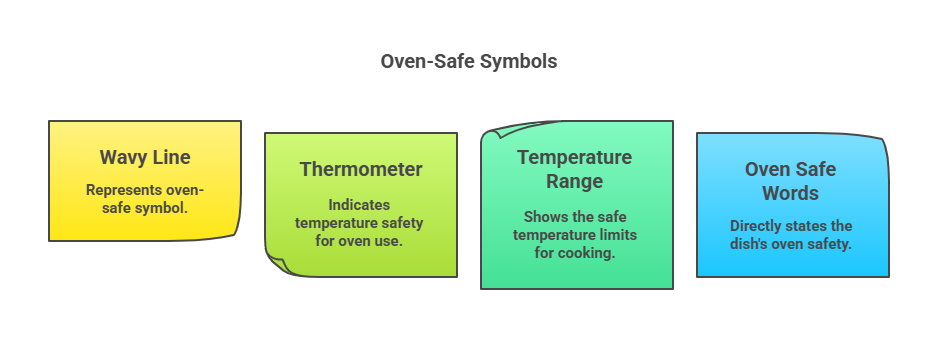
IKEA Symbols to Look For:
Microwave symbol: Wavy lines in a box = microwave safe
Crossed-out microwave symbol = NOT microwave safe
Dishwasher symbol: Plates with water droplets
Oven symbol: Square with heating elements
General IKEA Stoneware Guidelines:
Safe Practices:
✓ Check for the microwave-safe symbol ✓ Avoid pieces with metallic decorations ✓ Don’t microwave empty plates ✓ Use oven mitts (plates get hot) ✓ Avoid extreme temperature changes
Not Microwave Safe:
✗ IKEA products with metallic trim or gold/silver details ✗ Some decorative or specialty items ✗ Any items marked as “not microwave safe”
Temperature Limits:
Most IKEA stoneware: Up to 450°F (230°C) for oven use
Always allow gradual temperature changes
Don’t transfer from the freezer directly to the microwave or oven.
WHY DOES IKEA USE FELDSPAR PORCELAIN MATERIAL?
IKEA chooses feldspar porcelain for its outstanding durability and practical benefits:
Key Advantages:
– Exceptional strength despite being thinner than traditional ceramics
– Lightweight yet incredibly resilient
– Superior resistance to knocks and impacts
– Can withstand everyday use and dishwasher cleaning
– Allows for a more delicate, elegant design without compromising durability
Practical Result: Products that are strong, elegant, and long-lasting while remaining comfortable to handle and easy to maintain.
IS FELDSPAR PORCELAIN OVEN SAFE?
Yes, feldspar porcelain is oven safe up to 280°C (536°F). This heat resistance is one of the key reasons IKEA chooses this material for their oven-rated collections.
The feldspar minerals in the porcelain provide superior thermal shock resistance, meaning it can handle sudden temperature changes without cracking.
THE SCIENCE BEHIND OVEN SAFETY: WHAT MAKES A DISH HEAT-RESISTANT?
Not all ceramics and porcelains are created equal. The key factors determining oven safety include:
– Material Composition: Feldspar porcelain vs. standard ceramic
– Thermal Shock Resistance: Ability to handle rapid temperature changes
– Manufacturing Process: Specialised glazing and tempering
WARNING SIGNS: WHEN TO KEEP YOUR PLATE OUT OF THE OVEN
✖️ Standard dinner plates
✖️ Decorative ceramics
✖️ Plates with metallic trim
✖️ Thin or delicate porcelain
BEFORE YOU HEAT: A PRE-OVEN CHECKLIST
– Always check the product label
– Look for “oven safe” markings
– Verify maximum temperature recommendations
– Inspect for any cracks or damage
– Check for uniform glaze without thin or weak spots
– Check for metallic trims or decorative elements
TEMPERATURE GUIDELINES
IKEA Collection Type
Max Temperature
Recommended Use
365+ Casserole Dish
280°C (536°F)
Baking, Roasting
Ramekins
280°C (536°F)
Individual Dishes
IKEA 365+ Bowl
280°C (536°F)
Light Baking
IKEA 365+ Food round glass container
Up to 100°C (212°F)
Transporting food and storing left overs.
CAN IKEA BOWLS GO IN THE OVEN?
This depends on the specific IKEA bowl collection:
IKEA Bowls That Are Oven Safe:
IKEA 365+ bowls (feldspar porcelain) – Up to 280°C (536°F)
IKEA ceramic bowls from oven-safe collections
IKEA ramekins – Perfect for individual baked dishes
IKEA Bowls That Are NOT Oven Safe:
IKEA OFTAST bowls – Tempered glass, NOT oven safe
Standard serving bowls – Check for oven-safe symbols
Decorative ceramic bowls – Typically not oven-rated
Pro Tip: Always check the bottom of your IKEA bowl for oven-safe symbols before using it in the oven.
IKEA OFTAST OVEN SAFE GUIDE
IKEA OFTAST is one of the most popular collections, but IKEA OFTAST plates, bowls, and dishes are NOT oven safe. Here’s what you need to know:
Most standard IKEA plates cannot go in the oven. Only specific oven-rated collections like IKEA 365+ casserole dishes and feldspar porcelain pieces are oven safe.
Are IKEA Ceramic Bowls Oven Safe?
IKEA ceramic bowls from the 365+ collection made with feldspar porcelain are oven safe up to 280°C. Standard ceramic bowls are typically not oven-rated.
Can IKEA Stainless Steel Go in the Oven?
Yes, IKEA stainless steel cookware and bakeware are generally oven safe. Check specific temperature ratings for each product.
Are IKEA Glass Dishes Oven Safe?
IKEA glass dishes made from borosilicate glass are oven-safe. However, standard IKEA glass plates and OFTAST items are NOT oven safe.
What Do the Symbols on IKEA Products Mean?
IKEA uses standard kitchen symbols: oven-safe (wavy lines over rectangle), microwave-safe (wave symbol), and dishwasher-safe symbols. Always check the bottom of dishes.
Are All Plates Oven Safe?
No, most dinner plates are not oven-safe. Only specifically designed oven-safe plates, casserole dishes, and bakeware should be used in ovens.
Can You Put China Plates in the Oven?
Most china plates are not oven safe unless specifically marked. Fine china can crack under oven heat due to thermal shock.
CONCLUSION: YOUR KITCHEN, YOUR RULES (BUT SAFETY FIRST!)
Don’t let a plate shatter your culinary dreams. With this guide, you’re now equipped to navigate the world of IKEA collections like a pro.
Remember, not all plates are oven superheroes, but with the right knowledge, you’ll cook with confidence.
Whenever you are ready to upgrade your kitchen, check out IKEA’s range of oven-safe cookware and transform your cooking game!
Looking to serve that perfect crème brûlée or individual soufflé, but your wallet is screaming “No!” to those fancy kitchen stores?
Take a deep breath – your culinary dreams just got more affordable. IKEA ramekins are here to transform your home cooking game without breaking the bank.
These little ceramic heroes from IKEA aren’t just ordinary bowls.
Whether baking personal-sized desserts, serving dips at your next party, or organizing small ingredients while cooking, these ramekins pack a punch way above their price tag.
They’re like the Swiss Army knife of small dishes – ready to tackle whatever kitchen challenge you throw at them.
UNDERSTANDING RAMEKINS: MORE THAN JUST A DISH
Think of ramekins as those small, sturdy bowls that chefs and home cooks use.
They’re typically round, straight-sided dishes in various sizes, most commonly between 2 to 6 ounces.
– Ceramic/Porcelain: Most popular choice, can handle temperatures from freezer to oven (usually up to 500°F/260°C). They heat evenly and retain temperature well.
– Glass: Brands like Pyrex make glass ramekins that are oven-safe and great for seeing how your food is cooking from the sides.
– Stoneware: Extremely durable and excellent heat distribution, perfect for achieving that perfect crust on desserts.
Popular Brands:
– STAUB: Known for colorful, high-end ceramic ramekins
– Glass: Heats slowly but evenly, great for casseroles and lasagna (up to 425°F)
– Ceramic: Perfect for even baking, handles up to 500°F
– Alloy Steel: Heats quickly, ideal for roasting (up to 450°F)
– Stoneware: Retains heat well, excellent for bread and pies (up to 450°F)
Common uses:
– Casseroles and pasta bakes
– Roasted meats and vegetables
– Bread and desserts
– One-pot meals
Some baking dishes come with lids for storage and transport, making them perfect for potlucks or storing leftovers.
The right baking dish can go from freezer to oven to table, saving time and reducing cleanup. Their deep sides prevent spills, while their wide openings make serving easy.
These dishes are kitchen workhorses that transform simple ingredients into hearty, home-cooked meals.
CASSEROLE DISH
A casserole dish is used for creating delicious one-pot meals.
Casserole dishes come in different materials; for example, the IKEA 365+ Casserole dish is made up of high-quality Porcelain.
– Stainless Steel: Manages up to 500°F, durable, and lightweight
Common Uses:
– Hearty casseroles and lasagna
– Slow-cooked stews and roasts
– Baked pasta dishes
– Roasted vegetables
– Marinated meats
– Family-style serving
Special Features:
– Deep sides prevent spills
– Wide openings for easy serving
– Some include storage lids
– Freezer-to-oven safe
– Easy to clean
– Attractive for table serving
These dishes save time by going straight from oven to table to fridge.
Their durability and versatility make them essential in every home kitchen, turning simple ingredients into memorable family meals.
PRO TIPS FOR RAMEKIN MASTERY
1. Preheat your ramekins for even cooking
2. Use ceramic-safe cooking sprays
3. Allow ramekins to cool naturally after cooking
4. Hand washing for longevity
Ramekins aren’t just functional – they’re a statement. Their clean lines and minimalist design mean they’ll look equally stunning in a rustic farmhouse kitchen or a sleek modern space.
They are also perfect for picnic events, adding a touch of sophistication to your outdoor dining experiences.
CARE AND MAINTENANCE: KEEPING YOUR RAMEKINS PRISTINE
Cleaning and Storage Hacks:
– Avoid sudden temperature changes
– Use soft sponges for cleaning
– Store in a cool, dry place
– Stack carefully to prevent chipping
CULINARY INSPIRATION: RECIPES TO TRY
Here are three Quick Ramekin Recipes we recommend:
1. Classic Crème Brûlée
– Creamy custard
– Caramelized sugar top
– Perfect individual serving
2. Baked Eggs with Herbs
– Quick breakfast option
– Customizable ingredients
– Impressive presentation
3. Individual Chocolate Lava Cakes
– Decadent dessert
– Ready in under 30 minutes
– Guaranteed crowd-pleaser.
CONCLUSION: YOUR CULINARY JOURNEY STARTS HERE
IKEA ramekins are more than kitchenware – they’re an invitation to explore, create, and impress.
From novice cooks to seasoned chefs, these versatile dishes promise to elevate every meal from ordinary to extraordinary.
Ready to transform your cooking and baking? Grab a set of these ramekins and let your culinary creativity run wild. Your kitchen will thank you.
You’re setting up for a family BBQ, and you need plates that won’t break when dropped. Or maybe you’re tired of replacing ceramic dishes that chip easily.
That’s where IKEA stainless steel plates come in. These durable, lightweight plates offer a smart solution for families who want practical dinnerware that lasts.
IKEA’s stainless steel dinnerware combines Swedish design with everyday functionality.
Whether you’re hosting outdoor parties or feeding hungry kids, these metal plates deliver both style and durability.
In this guide, we’ll explore everything about IKEA steel plates – from safety features to the best models for your needs.
You’ll discover which plates work best for children, how to care for them properly, and whether they’re truly worth the investment.
Let’s dive into the world of IKEA’s metal tableware and find the perfect plates for your home.
IKEA’S CURRENT STAINLESS STEEL PLATE LINEUP
IKEA offers several stainless steel plate options that cater to different needs and preferences. Currently, their collection focuses on versatile designs that work both indoors and outdoors.
TUVHÄTTA Serving Plate
The TUVHÄTTA serving plate stands out as IKEA’s premium stainless steel option. This 13-inch diameter plate features a sleek, minimalist design that fits perfectly with modern dining aesthetics.
What makes this plate special is its versatility. You can use it as a serving tray, a decorative display piece, or even a large dinner plate for special occasions.
The stainless steel construction gives it a professional kitchen look that many customers love.
However, the price point is higher than that of typical dinner plates. It’s positioned as a serving piece rather than everyday dinnerware.
The size also makes it less practical for children or casual dining.
GRILLTIDER Deep Plate/Bowl
The GRILLTIDER collection targets outdoor enthusiasts and camping lovers.
These 8.5-inch deep plates combine the functionality of a bowl with the convenience of a plate.
For those seeking a complete outdoor dining solution, these work perfectly alongside IKEA outdoor dinner plates from other collections.
The design features raised edges that prevent spills – perfect for outdoor dining where tables might not be perfectly level. The stackable design saves space in your camping gear or kitchen cabinets.
These plates work exceptionally well for families with young children. The deeper bowl design helps contain food, making mealtime less messy.
Plus, the lightweight construction means kids can carry them safely without worrying about breakage.
The GRILLTIDER series also includes matching cups and bowls, creating a complete outdoor dining set.
This coordination appeals to people who value matching tableware for their camping adventures or backyard gatherings.
For those who enjoy baking outdoors, IKEA ramekins can complement these plates perfectly for individual desserts or side dishes.
ARE IKEA STAINLESS STEEL PLATES SAFE?
Safety is a top concern when choosing dinnerware, especially for families with children.
IKEA stainless steel plates generally meet food safety standards, but there are some important considerations.
Food-grade stainless steel is considered safe for food contact. Unlike some plastics, stainless steel doesn’t leach chemicals into food.
This makes it a healthier choice than many alternatives, particularly for hot foods.
However, some customers have reported concerns about black residue appearing when cleaning certain IKEA stainless steel items.
This issue seems to affect some units more than others, suggesting possible quality control variations.
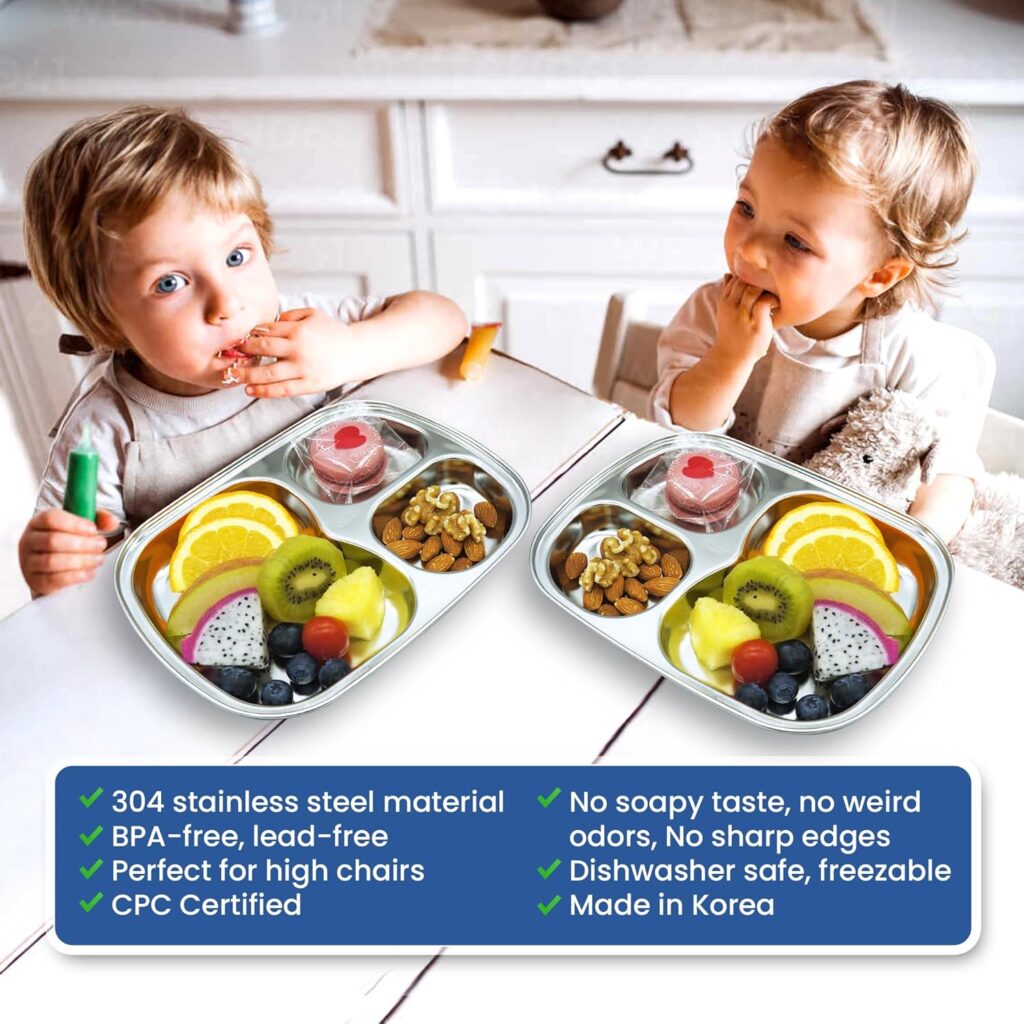
For families with children, stainless steel plates offer significant safety advantages. They don’t shatter like ceramic or glass, eliminating the risk of cuts from broken dishes.
The smooth surface is also easier to sanitize completely compared to porous materials.
When compared to plastic alternatives, stainless steel performs better with hot foods.
You don’t need to worry about melting or warping, which can happen with lower-quality plastic plates.
Additionally, stainless steel offers better durability than ceramic or porcelain options, which can chip or crack with regular use.
WHAT GRADE OF STAINLESS STEEL DOES IKEA USE?
IKEA doesn’t specify the exact grade of stainless steel in its product descriptions. However, based on the performance characteristics and price point, they likely use standard food-grade stainless steel.
Most kitchen-grade stainless steel falls into the 300 series, which offers good corrosion resistance and durability.
This grade balances cost with performance, making it suitable for everyday use.
The specific grade affects how well the plates resist staining and corrosion. Higher grades typically perform better but cost more to manufacture. IKEA’s budget-friendly approach suggests they use adequate but not premium grades.
For most home users, the grade IKEA uses provides sufficient durability and safety.
However, if you need restaurant-quality performance, you might want to consider higher-end alternatives.
RUST RESISTANCE AND LONGEVITY
One of the main advantages of stainless steel dinnerware is its resistance to rust and corrosion. IKEA stainless steel plates generally perform well in this area, though proper care is essential.
Stainless steel contains chromium, which forms a protective layer that prevents rust. This makes it naturally resistant to corrosion, even when exposed to moisture and food acids.
However, not all stainless steel is created equal. Lower grades may develop rust spots if exposed to harsh chemicals or if the protective layer is damaged. This is why proper cleaning and maintenance are crucial.
To maximize longevity, avoid using abrasive cleaners or steel wool on your IKEA stainless steel plates.
These can scratch the surface and compromise the protective coating. Instead, use mild dish soap and soft cloths or sponges.
Regular maintenance also includes thorough drying after washing. While stainless steel resists rust, prolonged exposure to moisture can still cause problems, especially if there are scratches or imperfections.
HEAT RESISTANCE PROPERTIES
Heat resistance is another important consideration, especially if you plan to serve hot foods directly from the stove or oven.
IKEA stainless steel plates handle heat better than plastic alternatives, but have some limitations.
Stainless steel conducts heat efficiently, which means the plates can become very hot when exposed to high temperatures.
This can make them uncomfortable to hold or potentially dangerous if not handled carefully.
For most serving purposes, this isn’t a problem. However, if you’re considering using IKEA plates in the oven, you should check the manufacturer’s specific recommendations.
While stainless steel itself can handle oven temperatures, some designs may not be suitable for direct oven use.
When serving hot foods, consider using trivets or heat-resistant mats to protect your table surfaces.
The plates will transfer heat to whatever they’re sitting on, which could damage furniture finishes.
IKEA STAINLESS STEEL DINNERWARE FOR KIDS
Parents often choose stainless steel plates for their children because of the safety and durability benefits.
IKEA’s designs offer several features that make them particularly suitable for young diners.
The unbreakable nature of stainless steel eliminates the worry about shattered dishes. This is especially important for toddlers who are still learning to handle tableware properly.
Parents can feel confident letting their children use these plates without constant supervision.
The GRILLTIDER deep plates work particularly well for children. The raised edges help contain food, reducing spills and making it easier for kids to eat independently.
The lightweight construction means children can carry their own plates without strain.
Cleaning is another advantage for busy parents. Stainless steel doesn’t stain easily, and you can sanitize it thoroughly without worrying about damage.
This is particularly important for families dealing with food allergies or other dietary restrictions.
However, there are some considerations for children’s use. The plates can get hot when used with warm foods, so parents should test the temperature before serving.
Additionally, the metallic surface might feel different to children accustomed to ceramic or plastic plates.
Unlike the IKEA 365 collection dishes, which include various sizes for different ages, the stainless steel options are more limited in size variations.
This means you might need to consider whether the available sizes work for your children’s needs.
DISCONTINUED IKEA STAINLESS STEEL DISHES
IKEA regularly updates its product lines, which means some stainless steel dishes that were once popular are no longer available. This can be frustrating for customers who want to expand their existing sets.
The company’s approach to product rotation means that today’s favorites might be tomorrow’s discontinued items.
This is part of IKEA’s strategy to keep its catalog fresh and respond to changing consumer preferences.
If you’re looking for discontinued IKEA stainless steel dishes, secondary markets like eBay or Facebook Marketplace might have options. However, be prepared to pay premium prices for rare or sought-after pieces.
For current customers, this discontinuation pattern suggests buying complete sets when you find designs you like. Waiting to expand your collection later might mean missing out on matching pieces.
The good news is that IKEA typically introduces new stainless steel options to replace discontinued ones. While the exact designs might change, the functionality and quality levels usually remain consistent.
ADVANTAGES AND DISADVANTAGES
Like any dinnerware material, IKEA stainless steel plates have both strengths and weaknesses. Understanding these helps you make an informed decision.
Advantages:
Unbreakable construction eliminates breakage concerns
Lightweight design makes them easy to handle
Easy to clean and sanitize thoroughly
Suitable for outdoor use and camping
Affordable compared to premium stainless steel brands
Stackable design saves storage space
Safe for children to use
Disadvantages:
Can get very hot with warm foods
Limited design options compared to ceramic alternatives
May show water spots if not dried properly
Some units may develop black residue issues
It has a less elegant appearance than fine china
Can be noisy when stacked or dropped
The balance of these factors depends on your specific needs and priorities. For families with young children or active outdoor lifestyles, the advantages typically outweigh the disadvantages.
WHICH IKEA STAINLESS STEEL PLATES SHOULD YOU BUY?
Choosing the right IKEA stainless steel dinnerware depends on your specific needs and intended use. Here’s how to decide which option works best for you.
For families with children: The GRILLTIDER deep plates offer the best combination of safety and functionality. The raised edges help contain spills, and the size is appropriate for most children’s meals.
For outdoor dining and camping: The GRILLTIDER series is specifically designed for outdoor use. The stackable design and lightweight construction make them ideal for camping trips and backyard gatherings.
For entertaining and serving: The TUVHÄTTA serving plate works well for special occasions and dinner parties. Its larger size and elegant design make it suitable for presenting food attractively.
Budget considerations: Both options are reasonably priced, but the GRILLTIDER plates offer better value for everyday use. The TUVHÄTTA plate is more of a specialty item with a higher price per piece.
Consider buying in sets if you like a particular design. IKEA’s product rotation means today’s favorites might not be available later.
Having matching pieces creates a more cohesive look for your table settings.
IKEA VS. OTHER STAINLESS STEEL DINNERWARE BRANDS
When comparing IKEA stainless steel plates to other brands, several factors come into play: price, quality, design, and availability.
Price comparison: IKEA’s stainless steel plates are significantly less expensive than premium brands like All-Clad or Vollrath. This makes them accessible to budget-conscious consumers who still want durable dinnerware.
Quality comparison: While IKEA plates perform well for their price point, they don’t match the quality of professional-grade options. The stainless steel grade and construction methods are adequate but not premium.
Design differences: IKEA focuses on simple, functional designs that appeal to its target market. Other brands might offer more sophisticated styling or specialized features.
Availability: IKEA’s widespread retail presence makes its plates easy to find and purchase. However, their product rotation means specific designs might not always be available.
For most home users, IKEA stainless steel plates provide excellent value. They offer the main benefits of stainless steel construction at a fraction of the cost of premium alternatives.
FAQS ABOUT IKEA STAINLESS STEEL PLATES
Can they go in the dishwasher?
Yes, IKEA stainless steel plates are generally dishwasher safe. Use standard dishwasher detergent and avoid harsh chemicals that might damage the surface.
Are they microwave safe?
No, stainless steel plates should never be used in microwaves. The metal will cause sparking and could damage your microwave or create a fire hazard.
How do you remove stains?
For most stains, warm soapy water and a soft cloth work well. For stubborn stains, try a paste made from baking soda and water. Avoid abrasive cleaners that might scratch the surface.
Are they suitable for hot foods?
Yes, but be careful. Stainless steel conducts heat efficiently, so the plates can become very hot. Use caution when handling, and consider using trivets to protect table surfaces.
How long do they last?
With proper care, IKEA stainless steel plates can last for many years. The durability depends on usage patterns and maintenance, but most users report excellent longevity.
Are they truly unbreakable?
While stainless steel plates won’t shatter like ceramic or glass, they can dent if dropped on hard surfaces. However, dents don’t affect functionality, and the plates remain safe to use.
CONCLUSION AND FINAL RECOMMENDATIONS
IKEA stainless steel plates offer a practical, durable solution for modern dining needs. They excel in situations where breakage is a concern, such as homes with children or outdoor dining scenarios.
The current product lineup, including the TUVHÄTTA serving plate and GRILLTIDER deep plates, provides options for different needs and budgets.
While they may not match the elegance of fine china or the variety of ceramic alternatives, they deliver solid performance at affordable prices.
For families with young children, these plates are particularly valuable. The safety benefits and easy maintenance make them a smart choice for busy parents.
Similarly, outdoor enthusiasts will appreciate the lightweight, stackable design that makes camping and picnicking more convenient.
However, consider your specific needs carefully. If you frequently serve very hot foods or prefer elegant table settings, you might want to explore other options.
The limited design choices and heat conduction properties might not suit every household.
Overall, IKEA stainless steel plates represent good value for money. They’re worth considering if you prioritize durability, safety, and practicality over beauty.
For many families, these plates provide years of reliable service at a fraction of the cost of premium alternatives.
It’s a crisp Sunday morning, and you’re reaching for your favorite mug to pour that first, glorious cup of coffee. We’ve all been there – searching for that perfect vessel that holds our beloved brew and feels right in our hands.
The IKEA Dinera Mug is a seemingly simple piece of dinnerware that’s taken the hearts of mug enthusiasts by storm.
While some might dismiss it as just another coffee cup, those in the know understand that this understated champion of everyday dining holds a special place in Coffee Mugs and casual sippers alike.
But what makes this particular mug stand out in IKEA’s vast sea of kitchenware? Is it worth adding to your collection, or is it just another pretty face in the cupboard?
Let’s dive into the world of the Dinera mug and discover why it might just become your new daily companion.
THE IKEA DINERA MUG: A CLOSER LOOK
When it comes to everyday mugs, the details matter more than you might think.
The IKEA Dinera Mug is one of the many parts of the broader IKEA collection which includes IKEA oven-safe Ramekins and other dining essentials, bringing a subtle sophistication to your daily routine.
The look is simple yet contemporary, for those with big hands, feel free to grab the body or grip with your two fingers inside the handle of the Mug while your thumb rests on the top of the handle for a comfortable hold so your drink doesn’t spill or Mug fall off your hands.
The width and curve of the handle accommodate various hand sizes while maintaining stability.
Furthermore, unlike specialized drinkware, the Dinera mug proves its worth across multiple beverages. From morning coffee to evening herbal teas, the mug’s neutral design complements any drinking occasion.
“ceramic mugs like stoneware are better at heat retention, given the thickness of the Mug and the material doesn’t heat up as quickly as glass or metal material.“
DURABILITY AND SAFETY
Like many wondering “Are IKEA plates oven safe?”, customers often ask about the Dinera mug’s safety features. The good news is that these mugs are:
Feature
Specification
Temperature Resistance
Up to 220°C (428°F)
Microwave Safe
Yes
Dishwasher Safe
Yes
Freezer Safe
Yes
Lead-Free
Yes
COMPARISON WITH POPULAR ALTERNATIVES
To truly understand the Dinera mug’s value proposition, let’s compare it with similar options in the market:
Feature
IKEA Dinera Mug
Generic Ceramic Mug
Premium Brand Mug
Capacity
10 oz
8 oz
12 oz or above.
Heat Retention
Excellent
Good
Excellent
Durability
High
Moderate
High
Dishwasher Safe
Yes
Varies
Yes
Design Options
4 colours
Varied
Limited Edition
CARE AND MAINTENANCE
To ensure your Dinera mug maintains its quality over time, proper care is essential.
While these mugs are designed to be durable, following these maintenance tips will extend their lifespan:
– First, IKEA Sweden recommends you wash before use.
– Rinse immediately after use to prevent staining
– Gently scrub any stubborn stains
– After washing, rinse thoroughly
– Use a mild detergent when washing
– Avoid extreme temperature changes
– If possible air dry completely before storing
– Store in a dry place.
STYLING AND PAIRING SUGGESTIONS
The Dinera mug’s versatile design makes it an excellent addition to various table settings.
Whether you’re creating a casual breakfast nook or a formal dining arrangement, these mugs seamlessly integrate into any aesthetic.
Popular Styling Combinations:
– Pair with other Dinera collection pieces for a cohesive look
– Mix and match with textured pieces for visual interest
– Combine with metallic accessories for modern appeal.
FREQUENTLY ASKED QUESTIONS
Q: Are Dinera mugs microwave-safe?
A: Yes, these mugs are completely microwave-safe and designed to withstand high temperatures without compromising structural integrity.
Q: Can Dinera mugs be used in the dishwasher?
A: Absolutely! The mugs are dishwasher safe and maintain their finish even after repeated cycles.
Q: Do they chip easily?
A: No, the stoneware construction provides excellent resistance to chipping and scratching under normal use conditions.
CONCLUSION
The IKEA Dinera mug stands as a testament to thoughtful design meeting practical functionality.
While it may not have the premium cachet of luxury brands, it delivers exceptional value through its durability, versatility, and timeless functionality.
Whether you’re a coffee connoisseur, a tea enthusiast, or simply someone who appreciates well-designed homeware, the Dinera mug deserves a spot in your cupboard.
Ever noticed how some things in your kitchen just work better than others?
That’s exactly what IKEA had in mind when they created their 365 dishes collection.
These aren’t just plates and bowls – they’re the kind you reach for day after day, whether you’re having a quick breakfast or hosting friends for dinner.
Simple, sturdy, and cleverly designed, they’re made for real life, not just special occasions.
From rushed Monday morning cereals to Sunday family dinners, these dishes handle it all.
They stack neatly in cramped cabinets, survive countless trips through the dishwasher, and look good enough to set out when guests come over.
It’s like having a reliable friend in your kitchen who’s always ready to help, no matter what you’re cooking up.
THE EVOLUTION OF EVERYDAY DINING
The story of IKEA 365 dishes begins with a simple yet ambitious goal: creating tableware that seamlessly blends functionality with contemporary design.
In an era where IKEA BPA-free products are increasingly sought after, the 365 collection stands as a testament to conscious manufacturing without compromising on style or durability.
WHAT SETS IKEA 365 APART?
The IKEA 365 collection isn’t just another line of dishes – it’s a carefully crafted series designed with real-life usage patterns in mind.
Made from impact-resistant feldspar porcelain, these dishes offer exceptional durability while maintaining an elegant appearance that rivals more expensive alternatives.
Key Features:
– Feldspar porcelain construction for enhanced durability
– Freezer, Microwave, and dishwasher safe up to 95°C
– Stackable design for efficient storage
– Versatile white colour scheme that complements any décor
– Comprehensive range of pieces for every dining need
While many appreciate the classic IKEA stainless steel dishes for their durability, the 365 collection’s porcelain offerings bring an extra touch of sophistication. The collection includes:
Item
Diameter
Best Used For
Dinner Plate
27cm
Main courses
Side Plate
21cm
Appetizers and Desserts
Deep Plate
22cm
Pasta and Soup
Bowl
13cm
Cereals and Snacks
IKEA 365+ FOOD CONTAINER
Ever opened your cupboard to find stale snacks or struggled with messy leftovers?
IKEA’s food storage containers are here to solve these everyday kitchen hassles. Just like their popular IKEA camping dishes that bring convenience to outdoor adventures, these containers make food storage a breeze at home.
Think of these containers as your food’s protective home. They’re made from strong glass that lets you see what’s inside – no more mystery containers in your fridge!
The lid uses safe polypropylene plastic with a silicone rubber seal that locks in freshness. It’s like giving your food a cozy, airtight blanket that keeps it fresh and tasty.
Why You’ll Love Using Them:
1. They’re Super Versatile
– Pop them in the microwave to heat your lunch
– Store them in the freezer for meal prep
– Can handle hot foods up to 100°C
– Safe to clean in your dishwasher
2. Smart Design Features
– Easy-to-use flip-top lid
– No harmful BPA chemicals
– Practical rectangular shape fits perfectly in your fridge
– Light enough to carry to work
– Clear glass lets you see what’s inside
3. Makes Your Life Easier
– Cleanup is a snap
– Won’t break your budget
– Keeps bacteria out
– Food stays fresh longer
– Perfect size at 750ml – great for leftovers or packed lunches
When you choose these containers, you’re not just buying another piece of plastic – you’re investing in a smart solution that keeps your food fresh, saves you money, and helps reduce waste.
They work just as well as expensive brands like Rubbermaid and Sistema, but at a price that makes sense for every budget.
Ready to get organized? These containers are waiting to transform your kitchen storage game!
WHAT DOES IKEA 365+ MEAN?
IKEA 365+ is a product line designed for everyday use, 365 days a year. The name reflects its purpose as durable, versatile items meant to be used daily throughout the entire year.
These products are specifically designed to withstand regular use while maintaining their quality and appearance.
IS IKEA 365+ LEAD-FREE?
IKEA 365+ dinnerware is lead and cadmium-free and complies with strict safety standards.
The products are made from feldspar porcelain, which is a safe and durable material that doesn’t contain lead or other harmful heavy metals.
This makes them suitable for daily food service and storage.
IS IKEA 365+ GLASS MICROWAVE SAFE?
IKEA 365+ glass products are microwave-safe and can withstand temperatures up to 400°F (200°C).
The glassware is made from tempered glass, which is specifically designed to handle rapid temperature changes safely.
However, it’s recommended to avoid sudden temperature changes to extend the product’s lifespan.
DIFFERENCE BETWEEN IKEA 365 AND IKEA OFTAST
The key distinction between IKEA 365+ and OFTAST dinnerware lies in their materials and construction.
IKEA 365+ plates are crafted from feldspar porcelain, a premium material known for its durability and elegant white finish.
In contrast, IKEA OFTAST plates are manufactured using tempered opal glass, which provides a more affordable yet still sturdy option for everyday use.
This material difference affects not only the appearance but also the weight, durability, and price point of each collection.
Unlike the Dinera Mug by IKEA, which caters to specific dining needs, the 365 collection is designed for versatile use across all occasions. The feldspar porcelain construction offers:
– Impact resistance for daily use
– Thermal shock resistance
– Chip-resistant edges
– Even heat distribution.
SUSTAINABILITY ASPECTS
Environmental consciousness is at the heart of the 365 collection:
As a parent, you stand in the kitchen aisle holding colorful plastic plates, wondering if they’re truly safe for your child. Is IKEA KALAS BPA free?
This question weighs heavily on families worldwide who’ve fallen in love with these affordable, vibrant dishes but worry about hidden chemicals.
Every meal matters when it comes to your child’s health, and the plastic touching their food deserves scrutiny.
With conflicting information online and constant news about toxic chemicals in everyday products, you need clear, trustworthy answers.
This comprehensive IKEA KALAS safety review cuts through the confusion, examining the materials, certifications, and real-world safety of these popular kids’ dishes so you can make informed decisions for your family’s well-being.
What Is IKEA KALAS Tableware?
IKEA KALAS represents one of the most popular children’s tableware collections globally, recognizable by its bright primary colors and budget-friendly pricing.
The line includes plates, bowls, cups, and cutlery specifically designed for young children learning to feed themselves.
Overview of the IKEA KALAS Product Line
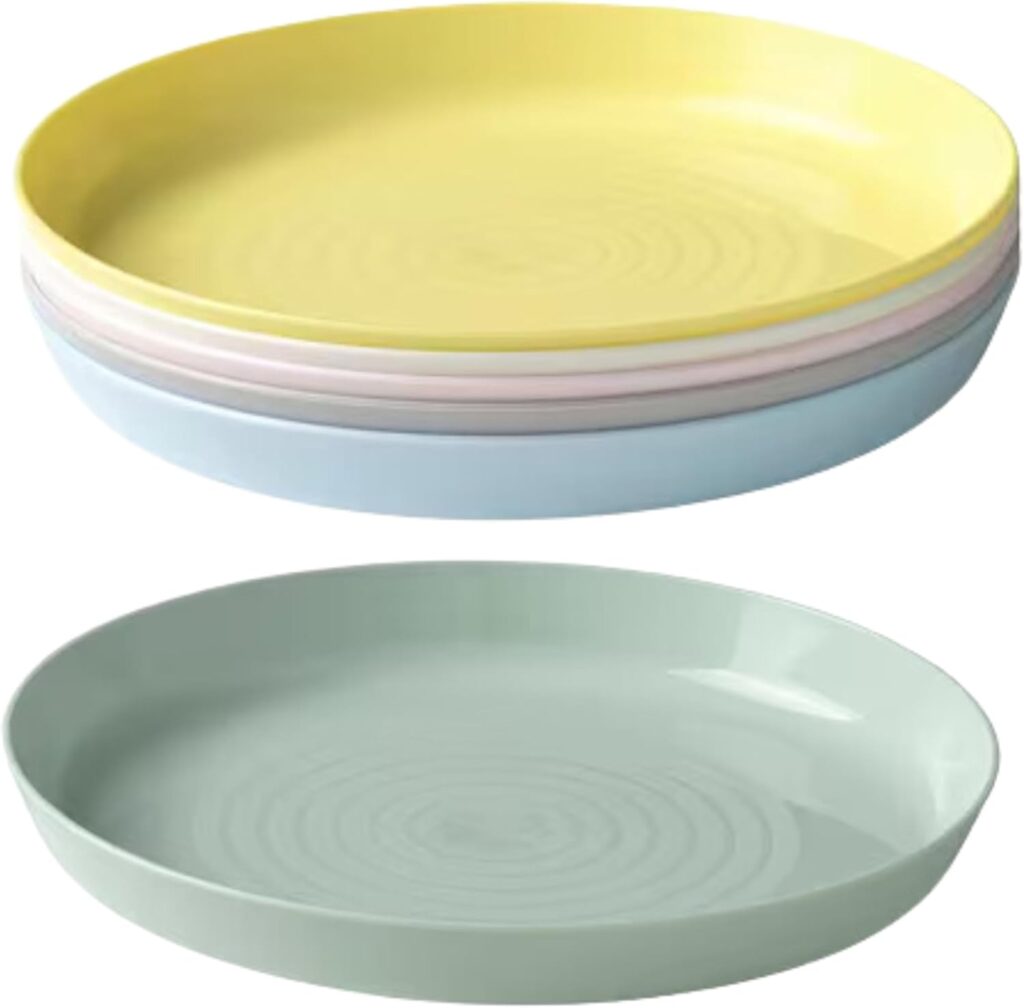
The KALAS collection features six-piece sets in bold red, blue, green, and yellow hues that appeal to toddlers and preschoolers.
Each set typically includes plates in various sizes, small cups with easy-grip designs, bowls with rounded edges, and child-sized utensils.
The lightweight construction makes these pieces easy for small hands to manage, while the durable plastic withstands the inevitable drops and throws of early childhood.
IKEA markets KALAS as practical, affordable dinnerware like IKEA 365 that grows with children from their first solid foods through elementary school years.
Who It’s Designed For
KALAS tableware targets families with toddlers, preschoolers, and young elementary-aged children, though many households use it for outdoor dining and camping.
The design considers developmental stages, with shallow plates for learning self-feeding and small cups sized appropriately for little hands.
Parents appreciate the affordability, allowing them to stock multiple sets without significant expense.
The cheerful colors also make mealtime more engaging for picky eaters and reluctant diners.
Materials Used — Polypropylene Plastic
IKEA manufactures KALAS products from polypropylene plastic, commonly abbreviated as PP, and identified by recycling code number 5.
This thermoplastic polymer offers several advantages for children’s tableware, including flexibility, impact resistance, and heat tolerance.
Polypropylene differs significantly from other plastics in its chemical structure, which naturally excludes certain harmful additives.
The material can withstand repeated washing in dishwashers and maintains its structural integrity through years of daily use.
Understanding this base material provides essential context for evaluating KALAS’ safety claims.
What Is BPA and Why Does It Matter
BPA, or Bisphenol-A, stands as one of the most scrutinized chemicals in consumer products today.
This industrial compound has sparked widespread concern among parents, health advocates, and regulatory agencies worldwide due to its prevalence and potential health implications.
What BPA Is and Where It’s Found
Bisphenol-A is a synthetic compound used since the 1960s to manufacture certain plastics and resins.
Manufacturers incorporate BPA into polycarbonate plastics (recycling code 7) to create clear, hard plastic products like water bottles, food storage containers, and some baby bottles.
The chemical also appears in epoxy resins lining metal food cans and certain dental sealants.
BPA can leach from these products into food and beverages, particularly when heated or scratched, creating pathways for human exposure.
Why BPA Is Linked to Hormonal Disruption and Child Health Risks
Scientific research has identified BPA as an endocrine disruptor that mimics estrogen in the human body.
Studies suggest exposure may interfere with hormonal development, particularly concerning infants and young children whose systems are still developing.
Research has associated BPA exposure with potential impacts on brain development, behavior, and metabolic processes.
The compound can affect growth patterns, reproductive development, and immune function.
Children face heightened vulnerability because their smaller body size means relatively higher exposure levels, and their developing systems lack mature mechanisms to process and eliminate such chemicals efficiently.
Why Parents Are Shifting Toward BPA-Free Options
Growing awareness of BPA risks has driven dramatic shifts in consumer behavior, with parents actively seeking certified BPA-free products for their families.
This movement gained momentum after major studies in the early 2000s revealed widespread BPA presence in consumer products and human populations.
Parents recognize that childhood represents a critical window of development where chemical exposures can have lasting impacts.
The precautionary principle guides many families to choose BPA-free alternatives even as scientific debate continues, preferring to err on the side of safety when protecting their children’s health.
Is IKEA KALAS BPA Free?
The straightforward answer brings relief to concerned parents: yes, IKEA KALAS tableware is BPA free.
However, understanding the evidence behind this claim and IKEA’s broader chemical safety policies provides important context for confident purchasing decisions.
IKEA’s Official Statement on KALAS Safety
IKEA officially phased out BPA from all children’s products by 2014, establishing company-wide standards that exceed many regulatory requirements.
The Swedish retailer publicly states that KALAS products contain no bisphenols, including BPA, BPS, or other variants in this chemical family.
This commitment appears in IKEA’s product documentation, chemical policy statements, and customer service communications.
When did IKEA stop using BPA? The transition occurred between 2011 and 2014, with KALAS being among the first product lines reformulated to meet the new safety standards.
Material — Polypropylene Identified as BPA-Free Plastic
The key to KALAS’s BPA-free status lies in its core material composition. Polypropylene plastic naturally contains no bisphenols because its molecular structure doesn’t require BPA as a manufacturing component.
Unlike polycarbonate plastics that use BPA as an essential building block, polypropylene achieves its properties through different chemical processes.
The IKEA polypropylene dinnerware carries a recycling code 5, which consumers can verify on the bottom of each piece.
This material selection represents a fundamental safety advantage rather than simply removing an additive from an otherwise problematic plastic.
IKEA’s Compliance with EU and FDA Food-Contact Regulations
KALAS products meet stringent food contact safety standards established by both the European Union and the U.S.
Food and Drug Administration. The EU’s food contact materials regulations (EC No. 1935/2004) establish strict migration limits for chemicals that might transfer from packaging or tableware into food.
The FDA similarly regulates food contact substances under 21 CFR Parts 174-186. IKEA conducts regular testing to verify compliance with these frameworks, ensuring KALAS products don’t leach harmful substances under normal use conditions.
These certifications provide independent verification beyond company claims.
KALAS Free from PVC, Phthalates, and Bisphenols
Beyond BPA exclusion, IKEA KALAS toxic concerns are addressed through the elimination of several problematic chemical families.
The tableware contains no polyvinyl chloride (PVC), a plastic associated with concerning additives and environmental impacts.
Phthalates, another class of endocrine-disrupting chemicals used as plasticizers in some flexible plastics, are completely absent from KALAS products.
This comprehensive approach to chemical safety reflects IKEA’s recognition that parents care about more than just BPA when selecting BPA-free IKEA tableware for their families.
Are IKEA KALAS Plates Safe for Kids?
Beyond verifying BPA-free status, parents rightfully question whether IKEA kids’ dishes BPA free means completely safe for daily use.
Examining independent testing, proper usage guidelines, and potential limitations provides a complete safety picture.
Testing Data from Consumer Safety Groups
Independent consumer safety organizations have evaluated IKEA KALAS products with generally positive results.
Clean Label Project and other advocacy groups that test children’s products for heavy metals and chemicals have not issued warnings about KALAS tableware.
The products consistently test negative for lead, cadmium, and other heavy metals that sometimes appear in colored plastics.
However, comprehensive third-party testing data remains less extensive than for some premium brands.
IKEA’s internal testing protocols and compliance certifications provide the primary safety assurance for these mass-market products.
Heat Resistance and Dishwasher Safety
Polypropylene plastic demonstrates excellent heat resistance compared to many other plastics, withstanding temperatures up to approximately 230°F (110°C) before deforming.
This makes KALAS products dishwasher-safe on both upper and lower racks, surviving the hot water and heated drying cycles that destroy lesser plastics.
The material maintains its structural integrity through hundreds of wash cycles without cracking, warping, or developing micro-cracks where bacteria can harbor.
This durability contributes to both safety and longevity, allowing families to use KALAS pieces for years.
Concerns About Microwaving Plastic Dishes
Is IKEA KALAS microwave safe? While polypropylene handles heat better than many plastics, experts recommend caution with microwaving any plastic children’s dishes.
IKEA labels KALAS as microwave-safe for reheating, but research suggests repeated microwave exposure may accelerate plastic degradation over time.
Even BPA-free plastics can release other compounds when subjected to high heat, particularly oils and fats that reach temperatures above boiling water.
Conservative safety approaches suggest using glass or ceramic for microwave heating, then transferring food to KALAS plates for serving to children.
Tips for Safe Use
Maximize KALAS safety by following these evidence-based guidelines:
Inspect plates regularly for scratches, cracks, or cloudiness, indicating degradation
Replace pieces showing wear, as damaged plastic may release particles or harbor bacteria
Avoid heating fatty or acidic foods directly in KALAS containers if possible
Don’t use abrasive scrubbers that create surface scratches
Store in moderate temperature environments away from direct sunlight
Discard any pieces that develop strong plastic odors or discoloration
These practices ensure the IKEA plastic kids’ plates’ safety throughout their usable lifespan.
How to Identify BPA-Free Plastics
Knowing what IKEA KALAS is made of helps, but parents benefit from understanding how to verify BPA-free status across all plastic products.
This knowledge empowers informed purchasing decisions beyond single brands.
Look for “PP” or Recycling Code “#5” on the Bottom
The simplest method involves checking the recycling symbol typically molded into plastic product bottoms.
The triangular symbol contains a number from 1 to 7, with number 5 indicating polypropylene plastic.
Products marked with “PP” or “#5” are inherently BPA-free because this plastic type never contains bisphenols.
This marking system provides instant verification without relying solely on marketing claims.
KALAS products clearly display the #5 code, allowing consumers to independently confirm the material composition.
Avoid Plastics Marked “#7” or “PC”
Recycling code 7 serves as a catch-all category for plastics that don’t fit other classifications, including polycarbonate (PC), the primary plastic containing BPA.
While not all #7 plastics contain BPA, the ambiguity warrants caution when selecting children’s products.
Polycarbonate plastics appear clear, rigid, and often slightly cloudy; historically been used in baby bottles and sippy cups before safety concerns emerged.
Modern BPA-free alternatives sometimes carry #7 codes, so this category requires additional research rather than automatic avoidance, but it raises a flag for investigation.
Why Transparent Hard Plastics Are More Likely to Contain BPA
Clear, rigid plastic products traditionally relied on polycarbonate manufacturing, which requires BPA to achieve transparency and hardness.
This visual characteristic helped create durable, glass-like food containers that wouldn’t shatter when dropped.
While manufacturers increasingly use BPA-free alternatives like Tritan copolyester for clear plastics, older products and some budget items may still use polycarbonate.
Opaque, flexible plastics like polypropylene rarely contain BPA because they achieve their properties through different chemical compositions.
This simple visual assessment provides a quick screening tool when evaluating unlabeled products.
Product packaging explicitly states “BPA-free” on KALAS boxes, though this varies by market and packaging version.
The IKEA website’s product specifications list polypropylene plastic as the material composition.
Customer service representatives can confirm chemical policies and safety certifications upon request.
Store displays sometimes feature safety information placards. These multiple touchpoints allow thorough verification before purchase, addressing parental concerns about IKEA KALAS’ toxic potential.
Eco-Friendliness of IKEA KALAS
Safety consciousness increasingly intersects with environmental awareness as families seek products that protect both children’s health and planetary wellbeing.
KALAS presents an interesting case study in sustainable plastic use.
Made from Recyclable Polypropylene
Polypropylene plastic carries the #5 recycling designation, indicating acceptance at many curbside recycling programs and drop-off centers.
Unlike some plastics that can only be downcycled into lower-grade applications, PP can be reprocessed into similar-quality products multiple times.
The recyclability means KALAS pieces don’t necessarily end up in landfills when their service life ends, though actual recycling depends on local infrastructure availability.
IKEA encourages customers to recycle worn-out KALAS products through municipal programs or in-store take-back initiatives where available.
Long-Lasting and Reusable Compared to Single-Use Plastics
The durability distinguishing KALAS from disposable plastic plates significantly reduces environmental impact through repeated use.
A single KALAS plate might serve hundreds or thousands of meals over several years, replacing countless paper plates or flimsy plastic disposables.
This longevity means fewer resources consumed in manufacturing, less packaging waste, and reduced transportation emissions per use.
The environmental calculation strongly favors durable reusable items over single-use alternatives, even when both are plastic.
Many families pass KALAS sets to younger siblings or donate them, extending useful life beyond initial ownership.
IKEA’s Sustainability Goals and Plastic Reduction Initiatives
IKEA has committed to using only renewable or recycled materials by 2030 as part of its broader sustainability strategy.
The company increasingly incorporates recycled polypropylene into product lines, though KALAS currently uses virgin plastic.
IKEA has eliminated single-use plastics from restaurants and bistros, demonstrating corporate movement toward waste reduction.
The company publishes annual sustainability reports detailing progress toward environmental goals. While KALAS represents conventional plastic production, IKEA’s trajectory suggests future iterations may incorporate more sustainable sourcing.
The current products reflect a middle path: safer chemicals than legacy plastics but still dependent on petroleum-based materials.
BPA-Free Alternatives to IKEA KALAS
While KALAS offers safe, affordable children’s tableware, some families seek alternatives made from completely plastic-free materials.
Understanding options helps parents choose products aligned with their specific priorities and budgets.
Silicone-Based Kids Tableware
Brands like EZPZ, Mushie, and Bumkins manufacture children’s plates, bowls, and utensils from food-grade silicone.
This flexible, rubber-like material offers several advantages: extreme heat resistance allowing microwave and oven use, naturally non-toxic composition without chemical additives, and durability that survives drops without breaking.
Silicone suction plates help prevent spills during early self-feeding stages. However, silicone products cost significantly more than KALAS, sometimes three to five times the price for comparable pieces.
The material can stain from colored foods and may retain odors despite thorough washing.
Environmental credentials remain debated, as silicone isn’t biodegradable, though it’s more stable in landfills than degrading plastics.
Stainless Steel Kids Plates
Premium brands, including Avanchy, Ahimsa, and LunchBots, offer stainless steel children’s dinnerware that eliminates plastic.
These products provide ultimate chemical safety, containing no synthetic materials that could leach compounds into food.
Stainless steel withstands any temperature, never degrades, and lasts indefinitely with proper care.
The material is fully recyclable at end-of-life, though its durability means most pieces outlast childhood.
Drawbacks include a higher initial cost, a heavier weight that challenges very young children, and potential for noise when utensils strike metal plates.
Some designs incorporate silicone bases to prevent slipping and reduce table noise.
Bamboo or Bioplastic Options
Companies like Eco Rascals and WeeSprout market plates made from bamboo fiber composites or plant-based bioplastics.
These materials appeal to environmentally conscious families seeking renewable, biodegradable alternatives to petroleum plastics.
Bamboo products often feature appealing natural aesthetics with earthy tones rather than bright colors.
However, concerns exist about binding agents used to form bamboo fiber into rigid shapes, with some products containing melamine resins.
Bioplastics vary widely in composition and safety, requiring careful evaluation.
These alternatives typically cost more than KALAS while offering less durability, and are often recommended for hand-washing rather than dishwasher use.
Pros and Cons vs IKEA KALAS
IKEA KALAS Advantages:
Extremely affordable, accessible at numerous locations
Lightweight and easy for toddlers to handle
Dishwasher-safe with proven durability
Bright colors appeal to young children
Verified BPA-free with a good safety profile
IKEA KALAS Limitations:
Still, petroleum-based plastic, despite being safe
Not ideal for repeated microwave use
Less premium feel than alternative materials
Environmental impact of plastic production
The choice depends on individual family priorities: budget consciousness, environmental values, or maximum chemical caution. KALAS occupies the practical middle ground for most families.
FAQs About IKEA KALAS and BPA Safety
How long do IKEA KALAS products last?
With proper care, KALAS tableware typically serves families for three to five years of daily use, often longer with occasional use.
The products maintain functionality until physical damage, like cracks or significant scratching, occurs.
Many families successfully use KALAS throughout multiple children’s early years before replacement becomes necessary.
Conclusion — Is IKEA KALAS Safe for Kids?
IKEA KALAS provides a safe, practical, and affordable solution for families seeking BPA-free children’s tableware.
The polypropylene construction ensures these colorful plates, bowls, and cups contain no bisphenols, phthalates, or other concerning chemicals associated with problematic plastics.
Independent certifications confirm compliance with stringent EU and FDA food contact regulations, offering reassurance beyond marketing claims.
While KALAS represents petroleum-based plastic with attendant environmental considerations, the products deliver excellent durability and reusability that minimize waste compared to disposable alternatives.
Parents should exercise reasonable precautions, like limiting microwave use and replacing damaged pieces, but can confidently use KALAS for everyday meals.
For budget-conscious families prioritizing safety without premium pricing, KALAS strikes an excellent balance.
Those seeking completely plastic-free options may explore silicone or stainless steel alternatives, though at significantly higher cost.
Ultimately, IKEA KALAS stands as a trustworthy choice backed by transparent material composition and regulatory compliance, making mealtime safer for millions of children worldwide.