Category: Dinnerware Sets

  • Is Gemco the Same as Corelle

    I can still clearly remember, just like yesterday, when I was going through my grandmother’s china cabinet, and amidst the carefully stacked plates and bowls, I spotted two sets of remarkably similar-looking dinnerware.

    One bears the Gemco mark, while the other showcases the familiar Corelle logo.

    They share that distinctive, translucent appearance that has made people ask: is Gemco the same as Corelle plates.

    To answer this question, we will first examine decades of American manufacturing history, corporate evolution, and innovative glass-making techniques that revolutionized our dining tables and kitchens forever.

    THE HISTORICAL CONNECTION

    When we delve into the story of Gemco and Corelle, we’re exploring a fascinating chapter in American manufacturing history.

    General Housewares Corporation produced Gemco glassware during the 1960s, whilst Corning Glass Works (now owned by Instant Brands) introduced Corelle in 1970.

    Though they might appear similar at first glance, their paths diverged significantly.

    THE BIRTH OF TWO ICONIC BRANDS

    Gemco established itself as a respected manufacturer of glass products, earning particular recognition for its durable tempered glassware.

    The company’s distinctive designs resonated with mid-century modern aesthetics, making their products highly sought-after among homemakers of the era.

    New Gemco butter dish product by LifetimeBrands

    Corning, on the other hand, revolutionized the glass industry through multiple innovations.

    They developed Corelle using their patented Vitrelle glass technology and pioneered glass-ceramic materials, which found widespread applications in electronics, aerospace, commercial tableware, and their signature Visions cookware line.

    Perhaps, one of their most surprising innovation came in 2007 with the development of Gorilla Glass – a remarkable material both thin and lightweight enough for mobile devices, yet durable enough to withstand daily wear and tear.

    Corelle dinnerware by Instant Brands

    If you are curious about exploring the connections between Corning’s various product lines, our detailed article on: is Corelle the same as Corningware provides further insights into this fascinating company’s history.

    MATERIAL COMPOSITION AND MANUFACTURING

    Gemco’s Manufacturing Process

    – Utilised tempered glass technology

    – Single-layer construction

    – Heat-strengthened for durability

    – Known for their distinctive patterns and designs

    Corelle’s Unique Technology

    – Made with Vitrelle glass technology

    – Triple-layer construction

    – Laminated glass structure

    – Superior break and chip resistance

    KEY DIFFERENCES BETWEEN GEMCO AND CORELLE

    is Gemco the same as Corelle

    FeatureGemco WareCorelle
    ManufacturerFormally Corning Inc., but Presently owned by Instant Brands.Formally Corning Inc., but presently owned by Instant Brands.
    Production Period1960s- (55 years)*1970-Present
    MaterialTempered Glass/ Milk GlassVitrelle Glass
    ConstructionSingle LayerTriple Layer
    Current AvailabilityVintage OnlyCurrently Manufactured
    Typical WeightHeavierLighter
    ProductsVinegar cruets, sugar dispensers, pourers, salt and pepper shakers, and related products.Mainly Dinnerware and Ceramic Mugs
    Pattern VarietyLimitedExtensive

    DO WE HAVE GEMCO WARE CORELLE PLATES?

    When people refer to “Gemco Corelle plates” or group them as one brand of dinnerware, it is a misidentification or confusion between them.

    This happens for a few reasons:

    1. Similar appearance – Gemco and Corelle produced white/off-white glassware with similar patterns, making them look quite similar at first glance.

    2. Similar era – Both brands were popular during overlapping periods (1970s-1980s), so people often encountered both in households.

    3. Similar durability—Both brands make durable, break-resistant glassware, which leads people to associate them with each other.

    This kind of misidentification is common with vintage items, especially when brands have similar characteristics.

    Finally, if you see items listed as “Gemco Corelle,” they’re likely either Gemco or Corelle, but not both—they were separate companies with distinct products.

    PATTERN RECOGNITION AND COLLECTIBILITY

    Gemco Patterns

    Gemco’s patterns often reflected the aesthetic of the 1960s and 1970s:

    – Geometric designs

    – Bold colours

    – Mid-century modern influences

    – Limited edition collections

    Corelle Patterns

    Corelle’s pattern library spans several decades:

    – Traditional florals

    – Contemporary designs

    – Seasonal collections

    – Collaborative artist series

    CARE AND MAINTENANCE

    Preserving Vintage Gemco:

    1. Hand washing is recommended

    2. Avoid extreme temperature changes

    3. Store with protective padding

    4. Check for signs of stress or damage

    Modern Corelle Care:

    1. Dishwasher safe

    2. Microwave safe

    3. Stack without protective layers

    4. Resistant to staining

    COLLECTOR’S GUIDE AND VALUE

    Gemco Valuation Factors

    – Pattern rarity

    – Condition

    – Complete set availability

    – Historical significance

    Corelle Market Value

    – Current production pieces

    – Discontinued patterns

    – Limited editions

    – Vintage collections

    MAKING THE RIGHT CHOICE

    Choose Vintage Gemco If:

    – You collect mid-century modern pieces

    – You appreciate the historical value

    – You prefer heavier glassware

    – You’re interested in investment potential

    Choose Corelle If:

    – You need everyday durability

    – You want current pattern options

    – You prefer lightweight dishes

    – You desire warranty protection

    ENVIRONMENTAL IMPACT AND SUSTAINABILITY

    Vintage Gemco Ware

    – Reduces waste through reuse

    – Supports sustainable collecting

    – Limited carbon footprint

    – Already existing products

    Modern Corelle

    – Energy-efficient manufacturing

    – Recycling programmes

    – Break-resistant (reduces waste)

    – Long-lasting products

    CONCLUSION

    While Gemco Ware and Corelle share some visual similarities, they represent distinct chapters in American glassware history.

    Gemco remains a cherished vintage brand, whilst Corelle continues to innovate and produce new collections.

    Whether you’re a collector, an everyday user, or both, understanding these differences helps make informed decisions about your dinnerware choices.

  • Where are Dowan Products Made

    With Dowan’s growing presence in homes worldwide, its elegant yet affordable dinnerware raises a common question among shoppers: Where are Dowan products made?

    As these stylish ceramic plates, bowls, and mugs continue to catch the eye of design-conscious consumers, understanding their origin has become increasingly important.

    Whether you’re admiring their sleek coffee mugs online or considering a complete dinnerware set for your home, knowing where these popular kitchen items come from can help you make an informed buying decision.

    Join us as we explore the manufacturing story behind these sought-after pieces that have been making their way into kitchens and dining rooms worldwide.

    DOWAN DINNERWARE BRAND – THE STORY

    For more than 30 years, Dowan has been crafting both traditional and modern dinnerware.

    The company takes pride in exploring new ideas and making products that customers truly need, always pushing forward in the ceramic industry and setting new standards with each step.

    Dowan doesn’t just make ceramic items – they put their heart into creating special pieces for their community.

    where are Dowan Products made

    From ramekin bowls to butter keepers, every product is made with genuine care and passion.

    They believe this human touch makes their products special in a way machines simply can’t match, and their love for ceramics shows in every piece they deliver to customers.

    At the core of Dowan’s philosophy is the concept of balance in life. They create dinnerware that’s not just beautiful but also helps people live better.

    This commitment shows in their practical, earth-friendly tableware with inspiring designs – pieces meant to remind people to take care of themselves and enjoy life’s simple moments.

    WHERE ARE DOWAN PRODUCTS MADE?

    All of Dowan’s Products (dinner plates, server wares, drinkware, and bakeware) are manufactured in China.

    DOWAN PRODUCT LINES

    Dowan specializes in premium ceramic and porcelain kitchenware, standing alongside respected brands like Selamica Dinnerware in terms of quality and craftsmanship.

    Each piece is fired at 1,280 degrees Celsius, ensuring the elimination of harmful residues while achieving exceptional durability.

    Like Bico ceramic products, Dowan’s manufacturing process emphasizes both safety and sustainability, utilizing 100% natural materials that are fully recyclable and free from harmful chemicals.

    Through a double-firing technique similar to that used by Gibson Dinnerware, their products achieve superior stain resistance and consistent quality.

    Distinguished by their contemporary aesthetic and ergonomic design, Dowan products offer an ideal balance of functionality and modern style, competing with other China-made ceramic brands.

    Their comprehensive kitchen and dining collection includes:

    Dinnerware Collection:

    – Dinner plates designed for elegant meal presentation

    – Various serving bowls for different dining occasions

    – Specialized bowls for soup, cereal, pasta, and salads

    – Serving platters for entertaining

    – Mixing bowls for food preparation

    – Dessert plates for after-meal treats

    – Dip bowls and soup spoons for complementary serving pieces

    Serveware Collection:

    – Practical butter containers

    – Storage canisters for dry goods

    – Stylish utensil holders

    – Sugar bowls for table service

    Bakeware Collection:

    – Versatile ramekins for individual portions

    – Durable baking pans for various cooking needs

    Drinkware Collection:

    – Coffee mugs for daily use

    – Teacups for elegant service

    – Espresso cups for specialty coffee

    – Coffee filters for brewing needs

    DOWAN PASTA SERVING BOWLS

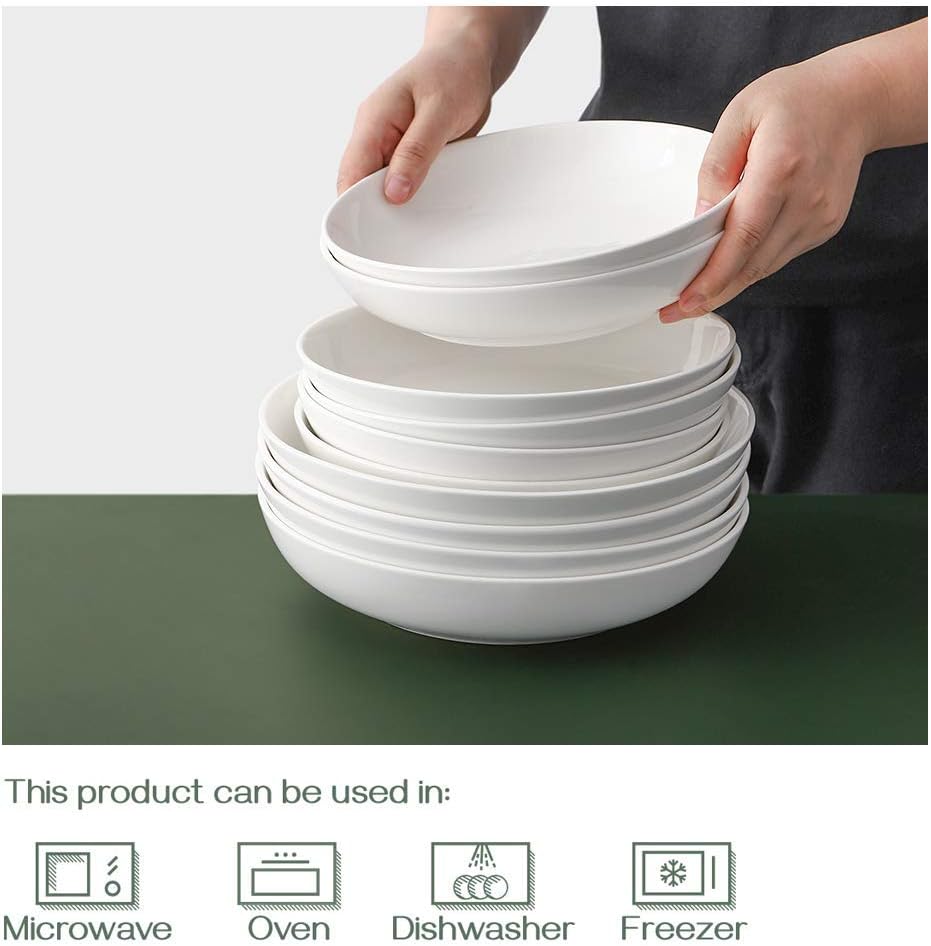
    These versatile 8″ bowl plates are perfect for meals that are between soup and solid food.

    Think pasta with sauce, chunky chilis, or loaded salads – foods that need deeper sides but still let you cut with a knife.

    Dowan Porcelain serving pasta Bowls

    They’re made of lightweight, high-quality porcelain that’s durable and dishwasher-safe.

    What makes them special is their smart design: flat bottom with gently curved sides that are high enough to keep saucy foods contained but not as confining as a deep bowl.

    Unlike similar products that are too shallow, these have just the right depth for practical everyday use.

    The simple white design matches most dinnerware and makes food look appealing. At 32oz capacity, they’re ideal for generous portions without being bulky.

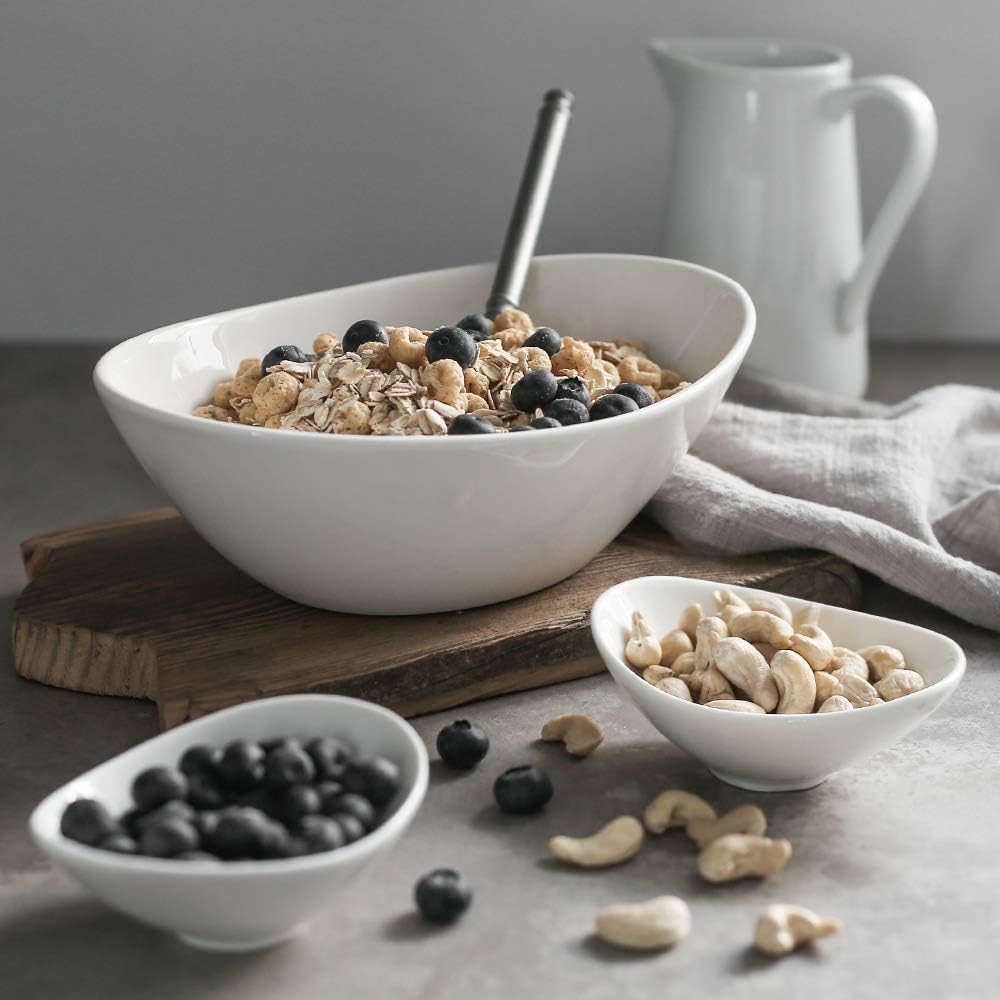
    Dowan oval shape serving Bowls

    Perfect for anyone who loves pasta dishes, rice bowls, or hearty salads and wants practical, stylish tableware.

    DOWAN RAMEKINS

    These porcelain ramekins are beyond beautiful and give you what you need.

    The exterior comes in a soothing pale turquoise that pairs beautifully with casual dinnerware, while the clean white interior makes it easy to see your food – perfect for serving kids or making desserts. 

    The quality shines through in their durability: they’re well-made with smooth, even glazing and can handle microwave, oven, and refrigerator use without issues.

    Dowan oven safe Ramekins for baking

    The clever stacking design prevents tipping, and they’re lightweight yet sturdy enough to survive accidental drops.

    At 6 oz, they’re ideally sized for lava cakes, individual desserts, dips, or snack portions.

    The optional silicone lids (sold separately) make them perfect for storing and transporting food.

    Plus, they’re easy to clean and come in sturdy boxes, great for storage. A practical choice for everyday use that looks elegant enough for special occasions.

    DOWAN CERAMIC CASSEROLE BAKING DISH

    This deep casserole dish solves the common problem of lasagna overflow.

    With its extra depth that perfectly fits lasagna noodles, you can finally make generously layered lasagnas without mess in your oven.

    Dowan ceramic casserole baking Dish

    The sturdy construction includes convenient handles for safe carrying from oven to table.

    The dish isn’t just practical – it’s attractive enough to serve from, coming in a stylish mint green that adds a decorative touch to your table.

    While it’s slightly heavier than standard baking dishes, the quality ceramic ensures even cooking and easy cleanup.

    Just remember to let it cool completely before washing to prevent cracking.

    Perfect for anyone who loves making deep-dish lasagna or other layered casseroles and wants a durable, attractive baking dish that prevents overflow and looks great on the table.

    DOWAN CERAMIC COFFEE MUGS

    Need the perfect coffee mug that makes your morning better?

    The Dowan 16 oz Coffee Mugs come in a set of 6 black ceramic cups that solve common mug problems.

    Dowan black ceramic porcelain coffee mugs

    The large size fits a full cup of coffee plus cream, while the extra-wide handle keeps your hands safe from heat and fits all hand sizes comfortably – even those with larger hands.

    These mugs are built to last, with a special glaze that prevents coffee stains and makes cleaning easy.

    They’re dishwasher-safe and microwave-friendly, staying cool to the touch even when your drink is hot.

    The simple black design fits any kitchen style, making it perfect for both home use and gifts.

    In addition, they’re the perfect size for Keurig machines (even the 12oz setting with room for cream), keep coffee hot longer, and are sturdy without being too heavy.

    ARE ALL DOWAN’S PRODUCTS FREEZER, DISHWASHER, MICROWAVE, AND OVEN SAFE?

    Yes, all Dowan’s products (ramekins, dinnerware, drinkware, serveware, and baking dishes) are dishwasher, freezer, microwave, and oven safe.

    Their high-quality ceramic and porcelain materials are specially designed to handle temperature changes safely.

    These products can withstand temperatures up to 482°F (250°C), making them versatile for all your baking and everyday home and kitchen needs.

    ARE DOWAN CERAMICS LEAD-FREE?

    While Dowan states their products are lead and cadmium-free, at SafeKitchn, we recommend not solely relying on manufacturer claims, as these could be marketing statements.

    That’s why we always encourage customers to perform independent lead testing on their ceramic products for complete peace of mind.

    Here are questions and answers on Lead-Glazed Traditional Pottery / ceramic dishes by the FDA below:

    Key Safety Concerns:

    – Lead can be present in glazes and decorations on ceramic pottery

    – If not manufactured properly, lead can leach into food and drinks

    – Even items labeled “lead-free” may contain dangerous lead levels

    Highest Risk Pottery Types to Watch Out For:

    1. Handmade items with crude or irregular shapes

    2. Antique pieces

    3. Damaged or worn ceramics

    4. Items from flea markets or street vendors

    5. Pottery with bright orange, red, or yellow decorations

    6. Traditional or folk pottery, especially from non-commercial sources

    Health Risks:

    – Lead poisoning can affect almost every body system

    – Children and developing fetuses are especially vulnerable

    – Can cause learning disabilities, developmental delays, and lower IQ scores

    – Symptoms may not be visible, especially in children

    Safety Precautions:

    1. Use lead-testing kits (available at hardware stores) to check questionable items

    2. Look for warning labels on decorative items

    3. Avoid using questionable items for food/drinks

    4. Be aware that washing or boiling cannot remove lead from pottery

    Good News:

    Commercial factory-made ceramics for everyday use are generally much safer and less likely to have lead problems.


    Further Reading: Dowan Tableware Brand

  • Where is Bico ceramic Dinnerware Made

    Setting the perfect table needs the right dinnerware – pieces that look beautiful and last for years.

    Bico ceramic dinnerware has become popular in many homes due to its unique designs and strong build quality.

    These pieces stand out for their bright colors and patterns, making every meal feel special.

    Where is Bico ceramic dinnerware made? It’s a question many shoppers ask when they see these striking plates, bowls, and serving dishes in stores.

    The answer reveals an interesting story about how traditional skills and modern methods come together to create these special pieces.

    From family dinners to holiday celebrations, these ceramics have earned their place on tables around the world.

    The secret behind their quality lies in both their manufacturing location and their careful attention to detail at every step of production.

    WHAT IS CERAMIC CROCKERY MADE OF?

    Ceramic crockery is primarily made from these main components:

    1. Clay (the main ingredient)

    – Porcelain clay (kaolin) – a pure, white clay

    – Stoneware clay – stronger and more durable

    – Earthenware clay – commonly used for terracotta items

    2. Other essential materials:

    – Silica (sand) – helps control shrinkage and adds strength

    – Feldspar – helps with the melting process and creates a glass-like surface

    – Water – to make the clay workable

    3. The manufacturing process involves:

    – Mixing these materials into a workable paste

    – Shaping the items (by hand or machine)

    – Drying to remove moisture

    – Firing at high temperatures (usually between 1,200-2,400°F)

    – Glazing (applying a protective, decorative coating)

    – Final firing to set the glaze

    This combination of materials and processes creates the durable, heat-resistant, and food-safe dishes we use daily.

    The exact proportions and types of materials can vary depending on the manufacturer and desired end product.

    WHERE IS BICO CERAMIC DINNERWARE MADE?

    where is Bico ceramic dinnerware made

    Bico ceramic dinnerware is manufactured in China, where its factory was established in 1996.

    The company’s headquarters is in Taipei, Taiwan, where it was founded in 1987 as Bico International Co., Ltd.

    Through its subsidiary Hua Feng Ceramics, it produces tableware and kitchenware products in its Chinese manufacturing facility.

    BICO CERAMICS DINNERWARE

    Stepping into the world of Bico ceramic dinnerware means discovering a perfect blend of functionality and artistic expression.

    Made from predominantly premium ceramic materials, each piece serves as both a practical kitchen essential and a stunning design statement.

    What sets Bico apart is its vibrant color palette and distinctive patterns.

    Their collections feature eye-catching designs ranging from Multi Stripes to Spring Bird, Autumn Maples, Quad Pop, and even festive Gloomy Xmas themes.

    The cultural inspiration behind their popular styles – Blue Talavera, Morocco, Tunisian, Havana, and Protea Cynaroides – brings a global aesthetic to your dining table.

    The Bico collection covers every dining need imaginable. Their dinnerware line includes essential pieces like salad plates, cereal bowls, pasta sets, and serving platters, along with charming accessories like sugar and creamer sets.

    The kitchen collection extends to practical items like lidded bowls, canister sets, and butter dishes, while their bakeware range offers various-sized baking dishes, ramekin sets, and unique pieces like taco holders.

    This comprehensive range puts them in direct competition with both Selamica’s extensive collections and Dowan’s diverse product offerings.

    Whether it’s for daily meals, special occasions, or holiday celebrations, Bico’s versatile pieces seamlessly transition between casual dining and elegant entertainment.

    Each item combines durability with decorative appeal, making them ideal for both everyday use and seasonal celebrations.

    BICO TUNISIAN CERAMIC DINNER BOWLS

    As the name implies, this bowl set is designed with the Tunisian style in mind. It has a bright yellow base color and beautiful patterns that complement the design.

    Bico tunisian ceramic dinner Bowls

    When I am using my bowls for soup, pasta, beans, or salad, I always look out for the shallowness, wide mouth, and the ability for me to easily scoop from it.

    The size we recommend for a good bowl is 35oz, and this Bico bowl set is perfect.

    At first, when you see the beautiful designs, you might be scared that it won’t be right to use them in the dishwasher, but that’s far from the truth; they are not only dishwasher safe but also microwave safe – thanks to the high-quality ceramic material.

    However, I prefer using my hands in washing them since they hardly stain, and the meals I prepare are easy to wash off.

    Our family and kids will be happy using this bowl, they are perfect for the following occasions, including Easter celebrations, Christmas, Birthdays, Thanksgiving, and housewarming.

    BICO SUGAR AND CREAM SET

    Imagine your dining or kitchen without a sugar and cream ceramic set, hard to imagine, right?

    Bico tunisian ceramic sugar and cream set

    I do remember when I was growing up, my mum had this on her table, and it was the lead-free Fiesta ware brand cream and sugar set.

    This Bico ceramic sugar and cream set has vibrant colors and resists chipping more than regular pottery. I particularly love the simple design and shape, nothing too complicated.

    The longer spout on the creamer is perfect for your needs. It is the perfect-sized creamer that can handle your daily usage.

    You will surely amaze your guests with this amazing premium craftsmanship free from toxins like lead and cadmium.

    BICO TUNISIAN CERAMIC BUTTER DISH

    You will be happy with this beautiful piece; it is the right size for a full stick of butter. I have used other brands of butter dishes, but the Bico Tunisian-styled design butter dish is wider than most brands.

    Bico ceramic butter dish

    The high-quality glaze also ensures stain resistance, a non-porous surface that ensures hand washing is quick and easy.

    Keep your butter soft and fresh at room temperature, perfect for daily use. They are also microwave safe, a perfect gift for a loved one or newlywed.

    BICO TUNISIAN STONEWARE BAKING DISH

    The Bico baking dish is designed with stoneware material that is suitable for oven heat.

    The recommended and oven-safe temperature should be under 400℉, and can also go from oven to microwave to table without shattering or breaking.

    Bico stoneware baking dish for Lasagna and Casserole

    Prepare your favourite casserole, bread, pasta, chicken, beef, pound cakes, vegetables, and Lasagna, you will love it.

    The size is perfect for handling all your baking needs. You can also store and reheat all your leftovers with ease.

    After use, washing with hands is a breeze, or you can opt for the dishwasher. In addition, this baking dish is scratch-resistant and freezer-safe.

    The two drawbacks are: 1) It is not designed with a cover or lid. 2) Please don’t put the hot baking dish into the cold water immediately to avoid any accidents; rather, allow it to cool down for a while.

    Finally, one feature we love about the Bico tableware brand is that all products are affordable.

    WHAT ARE THE DISADVANTAGES OF CERAMIC PLATES

    Here are the key disadvantages of ceramic plates:

    1. Breakage and Chipping

    – Easily broken if dropped or bumped against hard surfaces

    – Edges can chip from regular use or stacking

    – May crack when exposed to sudden temperature changes

    2. Weight Issues

    – Heavier than plastic or melamine alternatives

    – Can be tiring to carry multiple plates

    – Storage needs stronger shelving support

    3. Temperature Sensitivity

    – Can crack or break when moving from hot to cold temperatures quickly

    – May break if taken directly from freezer to hot oven

    – Not suitable for microwave use if they have metallic decorations

    4. Cost Factors

    – Generally, more expensive than plastic alternatives

    – Replacing broken pieces can be costly

    – Complete sets are pricey

    – Individual replacement pieces may be hard to match

    5. Maintenance Concerns

    – Need careful handling during washing

    – Can develop stains or scratches from metal utensils

    – May absorb odors and flavors over time

    – Glazes can wear down with heavy use

    6. Storage Requirements

    – Need more careful storage to prevent chips and cracks

    – Take up more space due to their thickness

    – Often requires protective layers between plates when stacking

    – Need stable, sturdy shelving

    CONCLUSION

    Bico dinnerware may not be a household name like some popular brands, but their decades of experience speak through their exceptional quality and versatility.

    Since 1987, they’ve quietly built a reputation for excellence in ceramic craftsmanship.

    From daily dining to special occasions, Bico offers a complete range of kitchen solutions.

    Whether you need microwave-safe plates for quick meals or oven-safe stoneware for your favorite casserole, their collection meets every cooking and serving need.

    Ready to bring life to your dining table? Bico’s vibrant designs and reliable quality offer a refreshing change from ordinary dinnerware.

    Their colorful patterns and durable construction prove that practical can also be beautiful – making every meal just a little more special.


    Reference: Bico International Tablewares and Kitchenwares

  • Where is Selamica Made

    Have you ever picked up your favorite dinner plate and wondered about its journey to your table?

    While we often focus on the meals we serve, the story behind our dinnerware can be just as fascinating.

    From ancient Chinese porcelain to American-crafted dinnerware and delicate European China, each piece of ceramics carries a legacy of artistry and culture spanning centuries.

    As Selamica’s elegant designs grace dining tables worldwide, one question often sparks curiosity among its admirers: Where is Selamica made?

    The answer reveals a compelling story of craftsmanship, heritage, and attention to detail that has made this dinnerware brand a cherished presence in homes worldwide.

    THE STORY – SELAMICA PORCELAIN DINNERWARE BRAND

    Think about your favorite meal at home. Now imagine serving it on plates that make it look even better.

    That’s what Selamica does – they make dinnerware that turns everyday meals into something special.

    Black Porcelain Selamica Pasta and Soup Bowls

    What makes Selamica different? First, they understand that everyone’s style is unique. Maybe you love clean, simple designs, or perhaps you prefer something more eye-catching.

    Selamica dinnerware brand is mostly made up of ceramic porcelain, a high-quality material that is resistant to high temperatures, unlike regular glass or low-grade ceramic plates.

    Their collections range from ceramic cat food bowl sets, classic Chinese patterned flowered white and blue plates, to dark black eye-catching ceramic dinnerware that lets your food shine, to bold patterns that become conversation starters at dinner parties.

    Secondly, each piece of Selamica porcelain brand is manufactured using premium materials and state-of-the-art techniques, ensuring durability and longevity.

    With a focus on sustainability, Selamica strives to minimize its environmental footprint throughout the production process.

    But here’s what’s clever about Selamica: they’ve figured out how to make plates and bowls that look fancy but are tough enough for daily use, meeting your home and kitchen needs effortlessly.

    And whether you’re having a quick breakfast before work or hosting your in-laws for dinner, these dishes fit right in.

    Think of them as the perfect mix of special-occasion elegance and everyday practicality.

    Want to know what I find most interesting about Selamica? Stay with me as we explore some of the product’s lineup.

    WHERE IS SELAMICA MADE?

    where is Selamica made

    The Selamica Porcelain Dinnerware brand is manufactured in China.

    SELAMICA CERAMIC LARGE SERVING PASTA BOWLS

    These bowls are a beauty to behold.

    Made from high-grade porcelain, they’re safe for your microwave, oven, dishwasher, and fridge.

    The vintage blue pattern, inspired by traditional Chinese porcelain, adds a timeless touch to your table.

    Selamica ceramic large pasta serving bowls

    Each bowl holds 36 ounces and measures 8 inches wide by 2.3 inches high – perfect for everything from salads and pasta to soups and stir-fries.

    Their wide, shallow design makes them versatile serving bowls, while the raised edges help prevent spills during family gatherings.

    The bowls stack neatly to save cabinet space and are lead and cadmium-free.

    Whether you’re buying for yourself or as a gift, these durable, elegant bowls work well for both everyday meals and special occasions.

    SELAMICA CERAMIC RECTANGULAR SALAD PLATES

    These 8.3″ x 5″ plates feature curved edges that keep food secure and are perfect for portion control.

    Their geometric patterns in vibrant blue add style to any table setting, whether you’re serving sushi, appetizers, or desserts.

    Selamica rectangular salad plates

    Made from sturdy porcelain, they won’t absorb odors or stains. They’re safe for microwaves, ovens, fridges, and dishwashers.

    The raised edges make them easy to grip and handle, while their rectangular shape allows for neat stacking in cabinets.

    These versatile plates work well for everyday meals at home, restaurants, or special occasions like weddings and holiday gatherings.

    Their scratch-resistant surface makes cleanup simple, whether washing by hand or in the dishwasher.

    SELAMICA COFFEE MUGS SET

    Lovers of tea and coffee aren’t left out to experience the practicality of the Selamica porcelain brand.

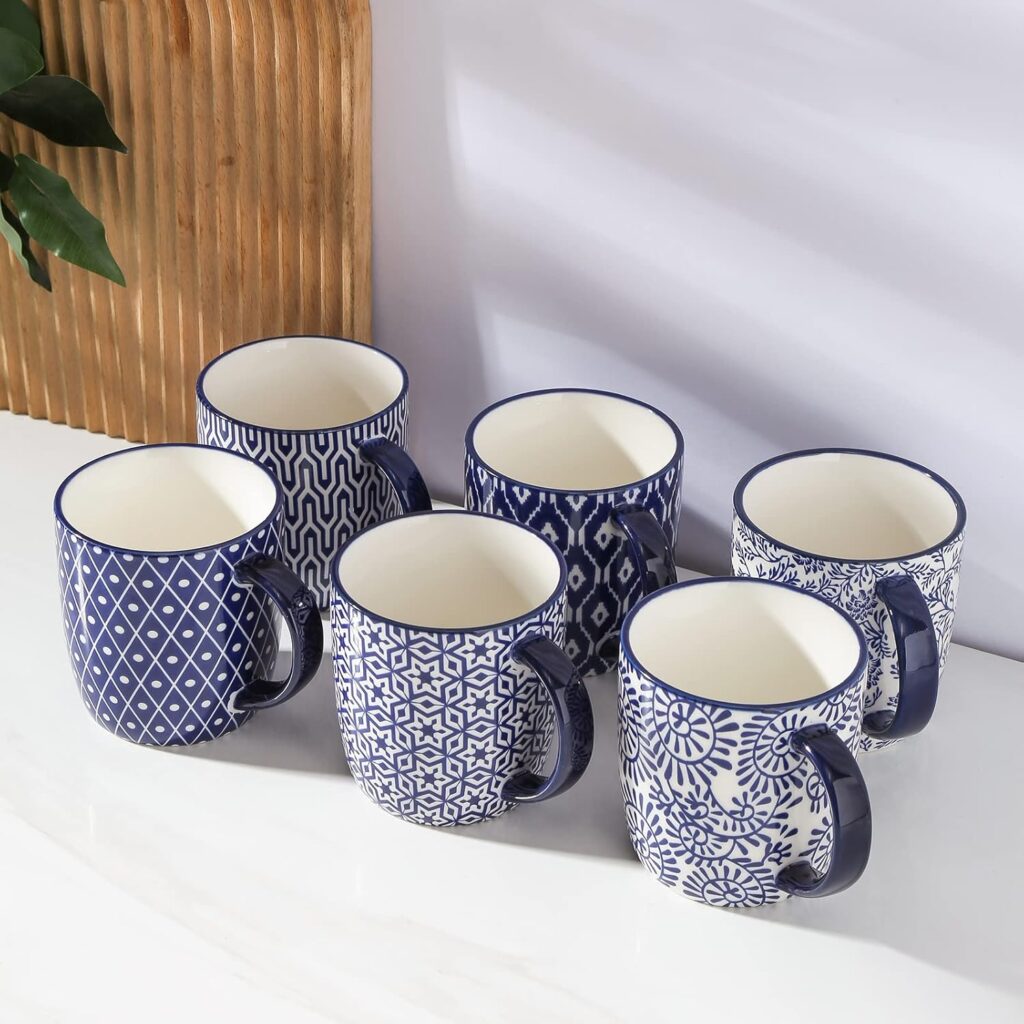
    Selamica Porcelain Coffee Mugs

    The Coffee mug set has the same colour and design pattern as the dinnerware.

    They are designed with a spacious handle, making them comfortable.

    Whether sipping coffee, tea, or hot chocolate, these mugs keep your beverage warm without getting too hot to hold.

    Made from premium, lead-free materials, they’re sturdy enough for daily use and safe for dishwashers, microwaves, ovens, and fridges.

    Their sleek finish prevents coffee and tea stains, making cleanup easy.

    Perfect for home, office, or café use, these mugs add a touch of elegance to your morning routine while being practical enough for everyday use.

    SELAMICA CERAMIC OVEN-SAFE SOUP CROCK BOWLS WITH HANDLES

    I’ve been using these blue-rimmed soup bowls for months now, and they’re really practical.

    ceramic soup crocks with handles

    They’re just the right size (15oz) for a hearty bowl of French onion soup, stew, or my morning oatmeal. The handles are super helpful – I can easily grab them from the oven without burning myself.

    What I love is how tough these bowls are. I use them daily and pop them in the microwave, oven (up to 482°F), and dishwasher without any problems.

    They’re made of safe materials, so I don’t worry about harmful chemicals.

    One tip, though – after washing, flip the bowls upside down to drain the water that collects in the handle holes.

    The bowls look nice on my table too, with their blue trim. They’ve handled everything from hot soups to cold desserts without any issues.

    SELAMICA CERAMIC RAMEKINS

    These 4-oz ramekins have been super handy in my kitchen. I mostly use them for individual desserts – my kids love it when I make chocolate lava cakes in them.

    ceramic oven safe ramekins for baking

    They’re also perfect for holding dips, sauces, and small portions of nuts or olives when we have guests over.

    The colorful patterns make it easy to remember whose dessert is whose, and they stack nicely in my cabinet without taking up much space.

    They’re tough little dishes – I’ve used them in the oven, microwave, and dishwasher without any issues.

    My favorite thing is that I can bake, serve, and store leftovers all in the same dish.

    Just make sure to handle them carefully when hot, as they’re small but can get quite warm.

    CONCLUSION

    I’ve been really happy with my Selamica dishes – they’re good quality without the high-end price tag.

    If you’re looking to update your kitchen this year, these are worth considering. I’m planning to get a new set myself and pass my old dishes to my friends and sister.

    What I like most is that they hold up well to daily use, from morning coffee to dinner parties.

    While Selamica might be newer compared to some traditional brands, don’t let that stop you. Sometimes the lesser-known brands can surprise you with their quality.

    Speaking of quality dinnerware, check out our guide on where Bico ceramic dinnerware is made.


    Reference: Selamica Porcelain Dinnerware Brand

  • Hardened Plates vs Durable Plates

    Have you ever dropped a plate and watched it shatter, taking your dinner plans down?

    We’ve all been there. Whether you’re setting up your first home or looking to replace your worn-out dinnerware, choosing between hardened and durable plates can feel overwhelming.

    With so many options on the market – from everyday ceramic to fancy porcelain – how do you know which ones will last?

    Many of us have spent good money on plates that promised to be “unbreakable,” only to end up with chipped edges and scratched surfaces months later.

    But here’s the thing: understanding the real differences between hardened and durable plates could save you both money and frustration.

    Let’s explore what makes each type special, and most importantly, which is right for your home.

    UNDERSTANDING THE BASICS: WHAT SETS THEM APART

    When diving into the world of dinnerware, it’s crucial to understand that not all plates are created equal.

    hardened plates vs durable plates

    While exploring various types of dinnerware, we discover that the terms “hardened” and “durable” often get tossed around interchangeably, but they represent distinct characteristics that can significantly impact your dining experience.

    HARDENED PLATES: THE SCIENCE BEHIND THE STRENGTH

    Hardened plates undergo a specific manufacturing process that enhances their resistance to scratches and chips.

    According to the British Ceramic Confederation, these plates typically go through a tempering process where they’re heated to extremely high temperatures and then rapidly cooled.

    This process creates a compressed surface layer that’s significantly more resistant to mechanical stress.

    Key characteristics include:

    – Enhanced scratch resistance

    – Better chip resistance

    – Higher thermal shock resistance

    – Typically thinner profile while maintaining strength.

    DURABLE PLATES: BUILT TO LAST

    Durable plates, on the other hand, focus on overall longevity and resistance to daily wear and tear.

    While comparing ceramic and porcelain dishes, we find that durability often comes from the material composition and manufacturing techniques that prioritize thickness and impact resistance.

    Primary features include:

    – Superior impact resistance

    – Excellent heat retention

    – Greater weight and thickness

    – Enhanced stability

    [ NOTE: The characteristics of durable dishes highlighted above don’t mean that hardened dishes don’t have some of the same qualities, but it depends on your usage and maintenance culture.]

    EXAMPLES OF HARDENED AND DURABLE PLATES

    HARDENED PLATES EXAMPLES

    1. Corelle Vitrelle Glass Plates

    corelle vitrelle hardened plates

    – Material: Tempered glass (triple-layer glass laminate)

    – Notable features:

      – Extremely chip and break-resistant

      – Lightweight

      – Thermal shock resistant

      – Stackable without scratching

    – Best for: Daily use in households that want elegant but durable options

    2. Arc International Tempered Glass Plates

    Arc International hardened opal glass plate

    – Material: Fully tempered soda lime glass

    – Notable features:

      – Heat resistant up to 140°C

      – Scratch-resistant surface

      – Thin profile

      – Elegant appearance

    – Best for: Restaurant settings and sophisticated home dining

    3. Duralex Tempered Glass Collection

    – Material: Tempered glass

    – Notable features:

      – Impact and chip resistant

      – Can withstand sudden temperature changes

      – 2.5 times stronger than ordinary glass

      – Lightweight yet sturdy

    – Best for: Family households with children

    4. Luminarc Tempered Glass Plates

    Luminarc tempered glass dinnerware

    – Material: Tempered glass with a hardened surface

    – Notable features:

      – High resistance to mechanical shock

      – Thermal shock resistant

      – Non-porous surface

      – Hygienic and easy to clean

    – Best for: Modern homes and casual dining settings

    DURABLE PLATES EXAMPLES

    1. Fiesta Heavy-Duty Plates

    Fiestaware durable dinnerware set

    – Material: Fully vitrified china with high-fire glaze

    – Notable features:

      – Extra-thick construction

      – Chip resistant

      – Slightly heavyweight for stability

      – Microwave and dishwasher safe

    – Best for: Busy restaurants and heavy-duty home use

    2. Denby Heritage Collection

    Denby USA Made stoneware durable dinnerware set

    – Material: Stoneware with reinforced composition

    – Notable features:

      – Extremely durable construction

      – Excellent heat retention

      – Heavy-duty glaze

      – Resistant to daily wear

    – Best for: Long-term family use and traditional settings

    Finally, the Denby dinnerware brand is a perfect example of stoneware dinnerware made in the USA.

    3. Churchill Super Vitrified Plates

    Churchill Pasta Bowls set

    – Material: Super vitrified china

    – Notable features:

      – Commercial-grade durability

      – Edge chip warranty

      – Thermal shock resistant

      – Heavy-duty construction

    – Best for: Commercial kitchens and high-traffic environments

    4. Steelite Performance Collection

    – Material: Fully vitrified ceramic

    – Notable features:

      – Maximum impact resistance

      – Thermal shock resistant

      – Edge chipping resistance

      – Superior body strength

    – Best for: Professional food service and heavy-use environments

    COMPARISON OF KEY CHARACTERISTICS

    Brand ExampleWeightEdge StrengthTemperature ResistanceBest Use Case
    Corelle VitrelleLightHighVery HighDaily Home Use
    Arc InternationalLightHighHighElegant Dining
    FiestaHeavyHighHighFamily Dining and Commercial Use
    DenbyHeavyVery HighVery HighFamily Dining

    CARE INSTRUCTIONS SPECIFIC TO EXAMPLES

    For Hardened Plates:

    1. Corelle & Arc International:

       – Safe for microwave and dishwasher

       – Avoid sudden temperature changes

       – Stack with minimal spacing needed

    For Durable Plates:

    2. Denby & Churchill:

       – Microwave and dishwasher safe

       – Can handle temperature variations

       – Stack carefully despite durability

       – Use standard cleaning products

    THE MANUFACTURING PROCESS: A TALE OF TWO TECHNIQUES

    Understanding how these plates are made helps explain their distinct properties.

    Let’s break down the manufacturing processes:

    Hardened Plate Production

    1. Initial forming of the base material

    2. Primary firing at 800-1000°C (differs with brands)

    3. Glazing application

    4. Secondary firing at higher temperatures

    5. Tempering process for surface hardening

    Durable Plate Production

    1. Material selection (often including reinforced compounds)

    2. Thick-body forming

    3. Single high-temperature firing

    4. Specialized glazing for additional protection

    PERFORMANCE UNDER PRESSURE: REAL-WORLD TESTING

    When it comes to evaluating dinnerware quality, manufacturers conduct comprehensive testing to assess durability and performance.

    Industry-standard tests typically examine multiple aspects of plate durability, from impact resistance to thermal shock handling.

    Based on standard testing protocols, here’s how hardened and durable plates generally compare:

    Test CategoryHardened PlatesDurable Plates
    Drop ImpactGood but depends on the distance or heightGood, but depends on the distance or height
    Scratch ResistanceExcellentGood
    Thermal ShockExcellentGood
    Daily WearGood (depends on use)Good (depends on use)
    WeightLighterHeavier

    These test results reflect typical performance patterns seen across major manufacturers’ product lines.

    The testing criteria help consumers understand the practical differences between these two plate categories and make informed decisions based on their specific needs.

    In addition, in terms of knowing the drop test conducted by Safekitchn with regard to Corelle and IKEA dishes, kindly read our guide on the difference between Corelle and IKEA Oftast dinnerware brands.

    MAKING THE RIGHT CHOICE: FACTORS TO CONSIDER

    When selecting between hardened and durable plates, consider these key factors:

    Usage Patterns

    – Family with young children? Hardened or Durable plates might be your best bet (depending on the brand you decide to go with)

    – Regular entertainer? Hardened plates offer elegance without compromising too much on strength

    – Professional setting? Consider the balance between presentation and practicality.

    MAINTENANCE REQUIREMENTS

    Hardened plates typically require:

    – Gentle handling despite their strength

    – Specific storage conditions

    – Careful stacking to prevent surface contact

    Durable plates need:

    – Regular inspection for glazing wear

    – Standard cleaning procedures

    – Less particular storage requirements

    INVESTMENT AND VALUE PROPOSITION

    When considering the long-term value:

    Hardened Plates:

    – Higher initial cost (depends on the dinnerware brand, product design, and model)

    – Excellent longevity with proper care

    – Better retention of appearance

    – Premium market positioning

    Durable Plates:

    – Moderate initial investment

    – Outstanding longevity in high-stress environments

    – May show wear more visibly

    – Practical value proposition

    CARE AND MAINTENANCE TIPS

    To maximize the lifespan of your chosen dinnerware:

    For Hardened Plates:

    1. Avoid sudden temperature changes

    2. Use soft cleaning materials

    3. Store with protective layers between pieces

    4. Handle from the base, not the rim

    For Durable Plates:

    1. Regular inspection for signs of wear

    2. Standard dishwasher-safe practices

    3. Stack carefully despite durability

    4. Avoid excessive impact despite strength

    MAKING YOUR FINAL DECISION

    Consider your lifestyle, usage patterns, and aesthetic preferences when making your choice.

    Remember that both options offer distinct advantages, and the “perfect” choice depends entirely on your specific needs.

    A Quick Decision Guide:

    Choose Hardened Plates if you:

    – Prioritize simple food presentation

    – Have carefree handling habits

    – Want scratch-resistant surfaces

    – Prefer lighter-weight options

    Choose Durable Plates if you:

    – Need minimum impact resistance

    – Wants to make a statement with your food presentation

    – Have a not-so-busy household

    – Value stability over weight

    WHAT IS THE BEST MATERIAL FOR UNBREAKABLE PLATES?

    Melamine is the best material for unbreakable plates, offering superior impact resistance and durability.

    For those preferring non-plastic options, tempered glass (like Corelle) provides excellent break resistance while maintaining a more premium feel.

    WHAT IS THE STRONGEST TYPE OF DINNERWARE?

    Vitrified porcelain is the strongest type of dinnerware. It undergoes intense heating that eliminates porosity, creating an extremely dense and durable material resistant to chips, cracks, and breakage.

    Commercial-grade vitrified porcelain used in restaurants offers maximum durability.

    WHAT ARE HARD PLASTIC PLATES CALLED?

    Hard plastic plates are called Melamine dinnerware. This thermosetting plastic combines durability with style and is commonly used in casual dining, outdoor settings, and children’s tableware.

    WHAT IS UNBREAKABLE DINNERWARE CALLED?

    Unbreakable dinnerware is called tempered dinnerware or vitrified dinnerware.

    Common examples include Corelle (tempered glass) and high-fired vitrified porcelain.

    These materials undergo special hardening processes to enhance their break resistance.

    WHAT IS THE MOST DURABLE DINNERWARE MATERIAL?

    Super-vitrified porcelain is the most durable dinnerware material. Created through high-temperature firing (over 1,200°C), it features:

    – Zero porosity

    – Maximum impact resistance

    – Superior chip resistance

    – Excellent thermal shock tolerance

    – Enhanced edge strength

    CONCLUSION

    The choice between hardened and durable plates ultimately comes down to understanding your specific needs and usage patterns.

    Both options offer excellent solutions for different situations, and neither is universally “better” than the other.

    Consider your lifestyle, dining habits, and aesthetic preferences when making your decision.

  • Disadvantages of Stoneware Dinnerware

    You’re hosting your first proper dinner party, proudly setting the table with your newly acquired stoneware dinner set.

    The rustic charm and artisanal appeal are undeniable, but as you lift the hefty serving bowl, your wrists strain under its weight.

    Later that evening, a distinct crack echoes through your kitchen as you transfer a piping hot dish straight from the oven to your cold stoneware plate.

    While dramatic, this scenario illustrates the real-world disadvantages of stoneware dinnerware and the challenges many enthusiasts face.

    While stoneware has earned its place in countless kitchens worldwide, it’s crucial to understand its limitations before making a significant investment.

    What if these beautiful pieces aren’t as practical as they seem? Let’s explore the less-discussed aspects of stoneware dinnerware that might make you think twice.

    DISADVANTAGES OF STONEWARE DINNERWARE

    Disadvantages of stoneware dinnerware

    Below are the common cons of stoneware dishes:

    1. It is heavy when compared to porcelain or Bone China
    2. Susceptible to thermal shock
    3. Susceptible to surface wear and tear
    4. Storage needs protective layers to avoid chips and cracks
    5. The risk of breakage is high
    6. Not ideal for outdoor dining
    7. It is not ideal for heavy usage like weddings or parties

    THE WEIGHTY MATTER OF DURABILITY

    When comparing dinnerware options, many wonder, “Between porcelain and stoneware tableware which is stronger?

    While stoneware is indeed robust, its impressive durability comes at a price – quite literally in terms of weight. Let’s examine why this matters:

    stoneware dinner plates and Bowls set for 4

    The Heavy Burden

    1. Physical Strain

       – Server fatigue during lengthy dinner services

       – Difficulty in handling multiple pieces simultaneously

       – Potential risks for elderly users or those with arthritis

    2. Storage Challenges

       – Requires stronger shelving support

       – Limited stacking capability due to weight

       – Increased risk of cabinet damage

    According to ceramic manufacturers, stoneware pieces typically weigh about 30-40% more than their counterparts, making them less practical for daily use.

    HARDENED PLATES VS DURABLE PLATES

    THERMAL SHOCK VULNERABILITY

    While stoneware is often praised for its heat retention properties, it’s surprisingly susceptible to thermal shock.

    Gibson Home stoneware dinnerware set

    When exploring options for healthy dishes, it’s essential to understand how this vulnerability might affect your dining experience:

    Understanding Thermal Shock in Stoneware

    Temperature ChangeRisk LevelPotential Outcome
    0-50°FLowMinor stress
    50-100°FMediumPossible cracking
    100°F+HighLikely breakage

    SURFACE WEAR AND MAINTENANCE

    When comparing stoneware and melamine dishes, one significant drawback of stoneware becomes apparent: its susceptibility to surface damage.

    Here’s what you need to know:

    Common Surface Issues

    – Metal utensil marks

    – Staining from acidic foods

    – Glaze crazing over time

    – Microwave spotting

    According to ceramic experts at the International Tableware Institute, proper care can extend the life of stoneware, but certain wear patterns are inevitable.

    COST CONSIDERATIONS

    The initial investment in quality stoneware can be substantial, with prices ranging from $40-$100 for a basic dinner set (this depends on the brand).

    Additional considerations include:

    – Replacement costs due to breakage

    – Specialized cleaning products

    – Professional restoration services when needed

    STORAGE AND SPACE REQUIREMENTS

    Given its bulky nature, stoneware presents unique storage challenges:

    storage of stoneware dishes on a strong platform because of weight

    Storage Considerations

    1. Shelf Reinforcement Needs

       – Additional support requirements

       – Potential renovation costs

       – Space modification necessary

    2. Limited Stacking Options

       – Risk of chips and cracks

       – Reduced storage efficiency

       – Need for protective layers.

    WHAT IS EARTHENWARE DINNERWARE?

    Earthenware is one of the oldest and most common types of ceramic dinnerware, made from clay fired at relatively low temperatures (1,800-2,100°F or 1,000-1,150°C).

    Composition & Manufacturing:

    • Made from natural clay (often red, brown, or buff-colored)
    • Fired at lower temperatures than stoneware or porcelain
    • The resulting material is porous and less dense
    • Usually coated with a glaze to make it waterproof and food-safe

    Characteristics:

    FeatureDescription
    AppearanceOften has warm, rustic colors; can be any color when glazed
    WeightMedium weight; lighter than stoneware
    PorosityPorous (without glaze); absorbs liquids
    DurabilityLess durable; chips and cracks more easily
    TextureThicker walls; more casual appearance
    TranslucencyOpaque; not translucent

    Pros of Earthenware Dinnerware

    ✓ Affordable and budget-friendly
    ✓ Colorful glazes and decorative designs
    ✓ Warm, homey, rustic aesthetic
    ✓ Good heat retention
    ✓ Usually dishwasher and microwave safe (check labels)

    Cons of Earthenware Dinnerware

    ✗ More fragile than stoneware or porcelain
    ✗ Chips and scratches are more easily
    ✗ Can crack with thermal shock
    ✗ Glaze can craze (develop fine cracks) over time
    ✗ Not as durable for daily heavy use

    Popular Earthenware Brands:

    • Fiesta (USA)
    • Vietri (Italy)
    • Anthropologie dinnerware
    • Sur La Table collections
    • Many handmade artisan pottery pieces

    Best For:

    • Casual everyday dining
    • Decorative serving pieces
    • Light to moderate use
    • Those who love colorful, artistic table settings.

    STONE LAIN MIRELLA STONEWARE DINNERWARE

    An example of a durable and quality stoneware dinnerware brand is the Stone Lain Mirella stoneware dinnerware is a popular, affordable dinnerware collection known for its rustic, artisan-style aesthetic.

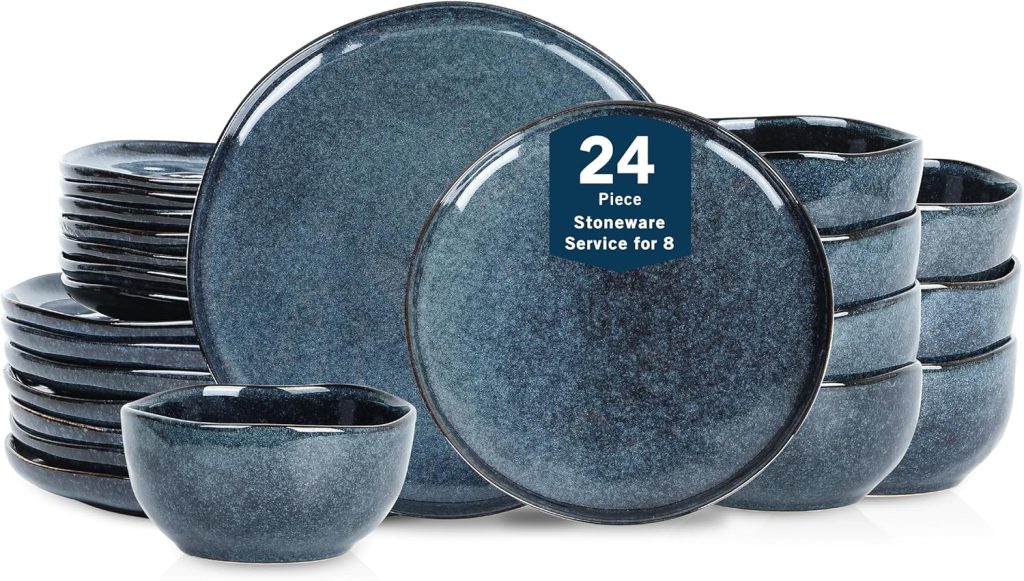
    Stone Lain Mirella 24 Pcs Stoneware Dinnerware set

    This collection features a distinctive reactive glaze finish that creates unique variations in color and texture on each piece, giving it a handcrafted, organic appearance.

    The Mirella line is made from durable stoneware, which is fired at high temperatures to create strong, chip-resistant dinnerware suitable for everyday use.

    It’s typically dishwasher-safe and microwave-safe, making it practical for modern households. The collection often comes in earthy, muted tones and is available in various set sizes.

    Stone Lain dinnerware, including the Mirella collection, offers good value for budget-conscious shoppers who want stylish, functional dinnerware without premium pricing.

    The reactive glaze means no two pieces are exactly alike, adding character to your table setting.

    ENVIRONMENTAL IMPACT

    While stoneware is natural, its production process raises some environmental concerns:

    – Higher firing temperatures require more energy

    – Increased shipping carbon footprint due to weight

    – Limited recycling options

    – Glaze chemical considerations

    CARE AND MAINTENANCE CHALLENGES

    Daily maintenance of stoneware requires specific attention:

    Essential Care Requirements

    1. Temperature Management

       – Gradual heating/cooling is necessary

       – No sudden temperature changes

       – Limited microwave compatibility

    2. Cleaning Protocols

       – Hand-washing recommended

       – Specific detergent requirements

       – Air-drying considerations

    PRACTICAL LIMITATIONS OF STONEWARE DINNERWARE

    Understanding the practical limitations helps in making an informed decision:

    – Not ideal for outdoor dining

    – Challenging for buffet-style service

    – Limited portability for potlucks

    – Restricted use in commercial settings.

    In addition, if you have any physical limitations that make lifting heavier dishes difficult, or if you frequently need to move large sets of dishes (like for catering).

    In these cases, lighter options of dinnerware material might be more practical for such occasions and even for daily use.

    FREQUENTLY ASKED QUESTIONS ABOUT STONEWARE DINNERWARE

    Can you bake Lasagna in stoneware?

    Yes, stoneware is excellent for baking lasagna because it distributes heat evenly and maintains a consistent temperature.

    stoneware lasagna casserole baking dish oven safe

    The high sides and heat retention properties help create crispy edges while keeping the center moist.

    What holds heat better, ceramic or stoneware?

    Stoneware holds heat better than ceramic due to its denser composition and higher firing temperature (2,200°F vs 1,800°F for ceramic).

    This density allows stoneware to retain heat up to 2-3 times longer than standard ceramic.

    Can stoneware go in the oven?

    Yes, stoneware is oven-safe up to 450°F (230°C).

    However, it must be placed in a cold oven and heated gradually to prevent thermal shock damage.

    Sudden temperature changes can cause cracking.

    Do stoneware dishes break easily?

    No, stoneware dishes don’t break easily during normal use due to their thick construction and durability.

    However, they can crack from thermal shock (sudden temperature changes) or high-impact drops on hard surfaces.

    Do stoneware dishes scratch easily?

    Yes, stoneware dishes are prone to scratching from metal utensils and abrasive cleaning tools.

    The glazed surface can develop visible marks over time, particularly from cutting or aggressive scraping.

    Is stoneware safe for stove use?

    No, most stoneware is not safe for stovetop use. Direct heat contact can cause thermal shock and breakage.

    Only specially designed flame-resistant or stovetop-safe stoneware can be used on burners.

    Does stoneware hold bacteria?

    No, properly glazed stoneware doesn’t harbor bacteria because its non-porous surface prevents bacterial growth.

    However, unglazed or damaged surfaces can potentially trap bacteria in microscopic cracks.

    Is stoneware healthy to cook with?

    Yes, stoneware is healthy for cooking as it’s made from natural clay materials and doesn’t leach chemicals.

    Lead-free glazes and high-temperature firing make it non-toxic and food-safe.

    Does food take longer to cook in stoneware?

    Yes, food typically takes 10-15% longer to cook in stoneware initially because the material heats up slowly.

    However, once hot, it maintains temperature consistently and can reduce overall cooking time for subsequent dishes.

    Is stoneware dinnerware healthy to eat off on?

    Yes, modern stoneware dinnerware is healthy to eat with when produced by reputable manufacturers using food-safe glazes.

    The non-porous surface prevents the absorption of food particles and chemicals.

    Does stoneware chip more than porcelain?

    Yes, stoneware tends to chip more easily than porcelain because it has a more granular structure.

    While durable overall, its thicker edges and less compact composition make it more susceptible to chipping from impacts.

    CONCLUSION

    While stoneware dinnerware undeniably possesses charm and character, its disadvantages warrant careful consideration.

    From weight concerns to maintenance challenges, these limitations might influence your dining choices.

    Consider your lifestyle, storage capabilities, and intended use before investing in a complete set.

    Making Your Decision

    Ask yourself:

    – How often will you use the dinnerware?

    – Do you have adequate storage space?

    – Are you prepared for the maintenance requirements?

    – Does your lifestyle accommodate the weight and care needs?

    Your dinnerware choice should align with both your aesthetic preferences and practical needs.

    Remember, there’s no one-size-fits-all solution in tableware – the key is finding what works best for your specific situation.