Tag: American glassware

  • Is Fire King Microwave Safe? The Complete Guide for Heat-Resistant Glass Lovers

    You’re standing in your kitchen, clutching that gorgeous jade-green Fire King mug you scored at last weekend’s car boot sale, wondering if it’s safe to pop it in the microwave for your morning brew.

    You’re not alone in this dilemma. For decades, Fire King glassware has captured the hearts of collectors and practical home cooks alike, becoming the holy grail of heat-resistant glass.

    This isn’t just about convenience, it’s about preserving these beautiful pieces whilst getting the most from their legendary durability.

    Whether you’ve inherited Grandmum’s complete Fire King dinner set or you’re building your collection one piece at a time, understanding microwave safety isn’t just smart, it’s essential.

    After all, there’s nothing quite like the peace of mind that comes from knowing your beloved glassware won’t crack under pressure.

    But here’s where things get interesting: not all Fire King pieces are created equal, and the answer to their microwave safety might surprise you.

    WHAT MAKES FIRE KING SPECIAL IN THE WORLD OF HEAT-RESISTANT GLASS

    Fire King isn’t just another pretty face in the glassware cabinet.

    Originally produced in the 1940s for everyday use rather than display, this remarkable glassware was crafted from low-expansion borosilicate glass, making it practically indestructible under thermal stress.

    The genius behind Fire King lies in its composition. Unlike ordinary glass that shatters when exposed to sudden temperature changes, Fire King’s borosilicate construction gives it exceptional thermal shock resistance properties.

    This means it can handle the dramatic temperature swings that would leave lesser glassware in pieces on your kitchen floor.

    The Anchor Hocking Legacy

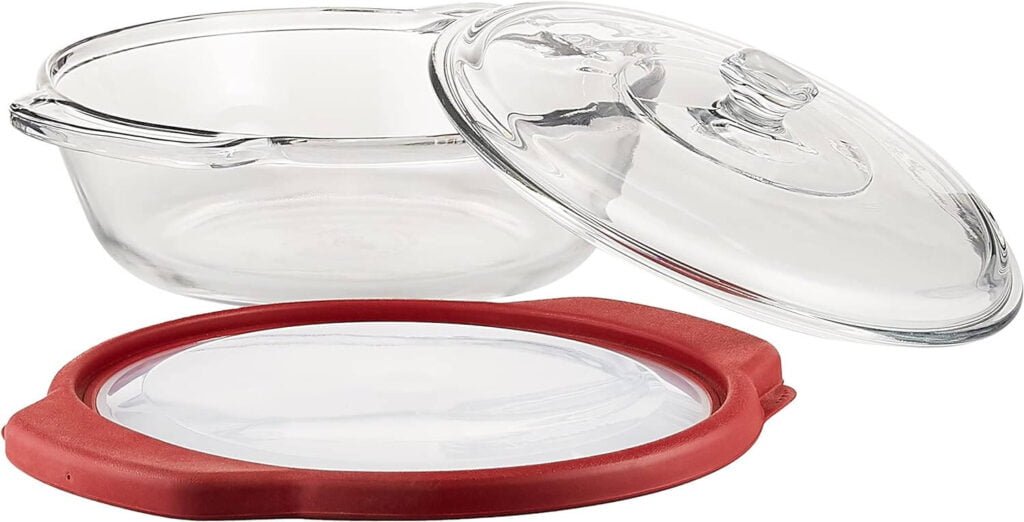
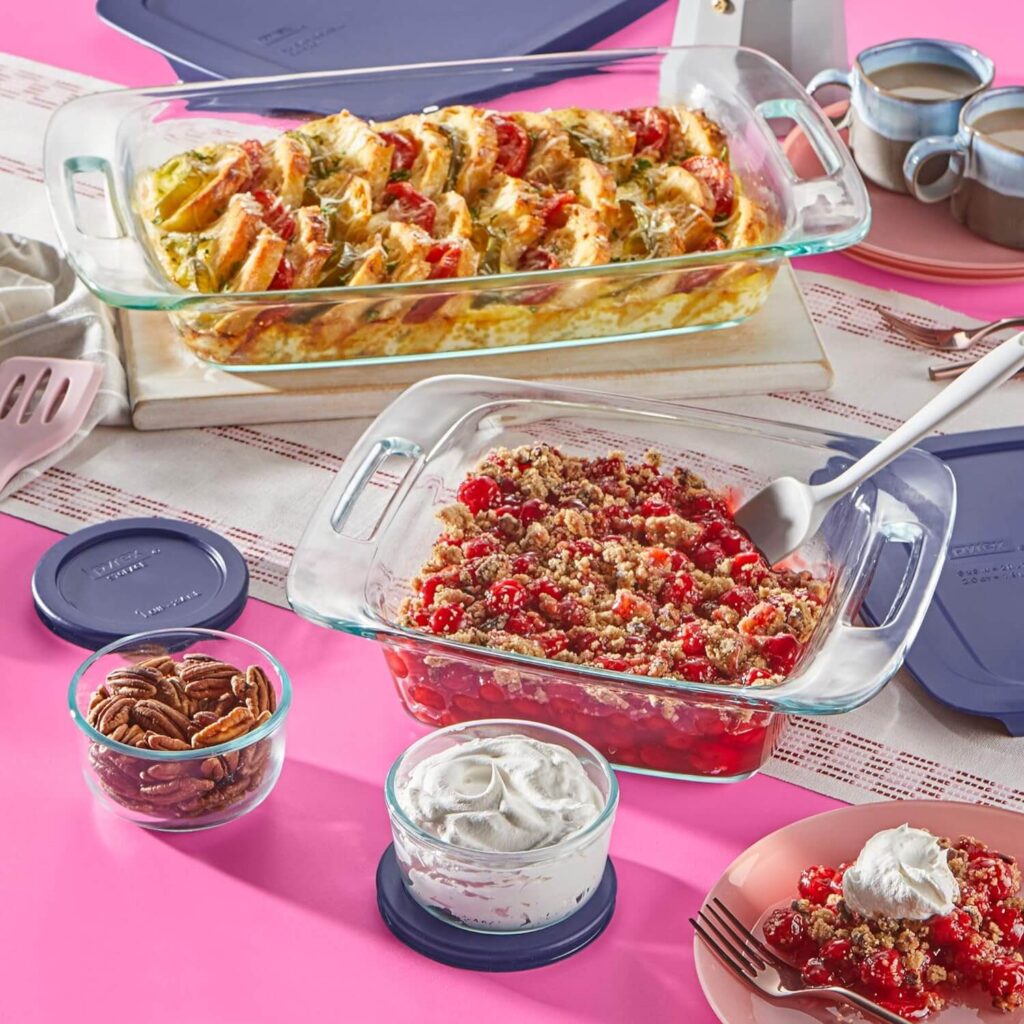
    Anchor hocking complete bakeware oven, microwave and dishwasher safe

    Anchor Hocking Glass Corporation introduced its hugely popular “Fire-King” glassware in 1942, which continued in production until the late 1970s.

    The brand became synonymous with reliability, often given away at petrol stations or tucked into flour bags as promotional items, a testament to how much manufacturers trusted its durability.

    THE DEFINITIVE ANSWER: IS FIRE KING MICROWAVE SAFE?
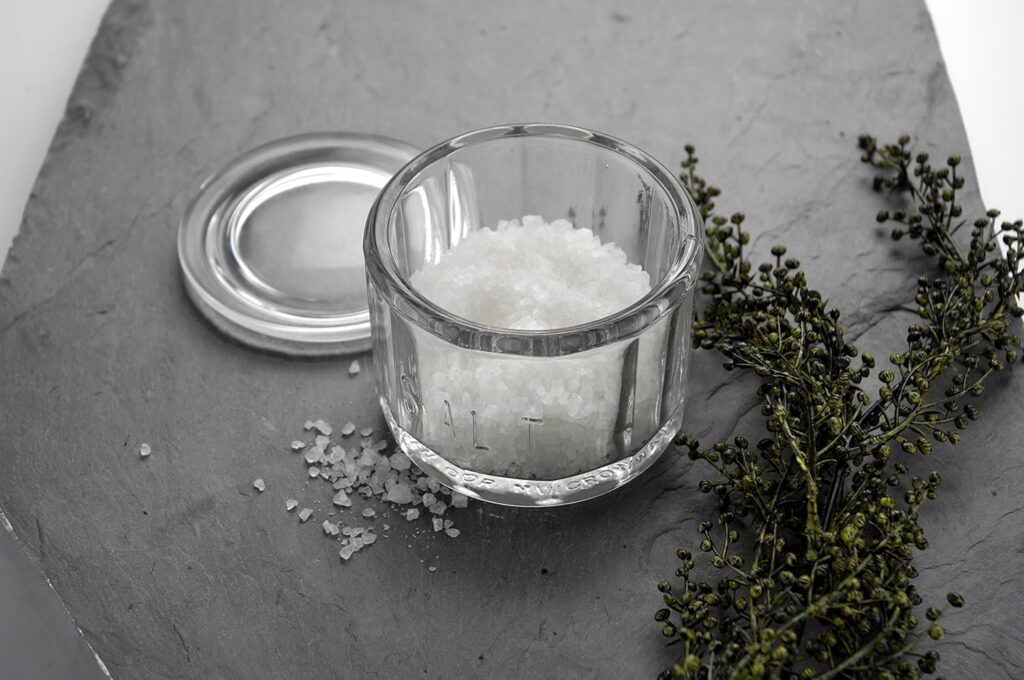
    is fire king microwave safe

    The short answer? Yes, most Fire King pieces are microwave safe, but there’s a crucial caveat that every collector should know.

    Most Fire King pieces are microwave safe, but there are important points to keep in mind. The key lies in understanding which pieces you own and their manufacturing period.

    Modern vs. Vintage: The Critical Distinction

    Here’s where things get fascinating for us heat-resistant glass enthusiasts:

    Vintage Fire King (1940s-1970s):

    • Made from low-expansion borosilicate glass
    • The low-expansion borosilicate glass can withstand high oven temperatures, leading to thermal shock resistance
    • Generally, a microwave is safe when in good condition

    Modern Fire King (1990s onwards):

    • Currently made of tempered soda-lime-silicate glass in the US and borosilicate in Japan
    • Still microwave safe, butwith a different composition

    Expert Verification from Collectors

    Fire-King collectors confirm: “We have been using Fire-King in our microwave for years without a problem”. This real-world experience from dedicated enthusiasts speaks volumes about the practical safety of these pieces.

    IS THE FIRE KING JADEITE GREEN GLASS MIXING BOWL MICROWAVE SAFE?
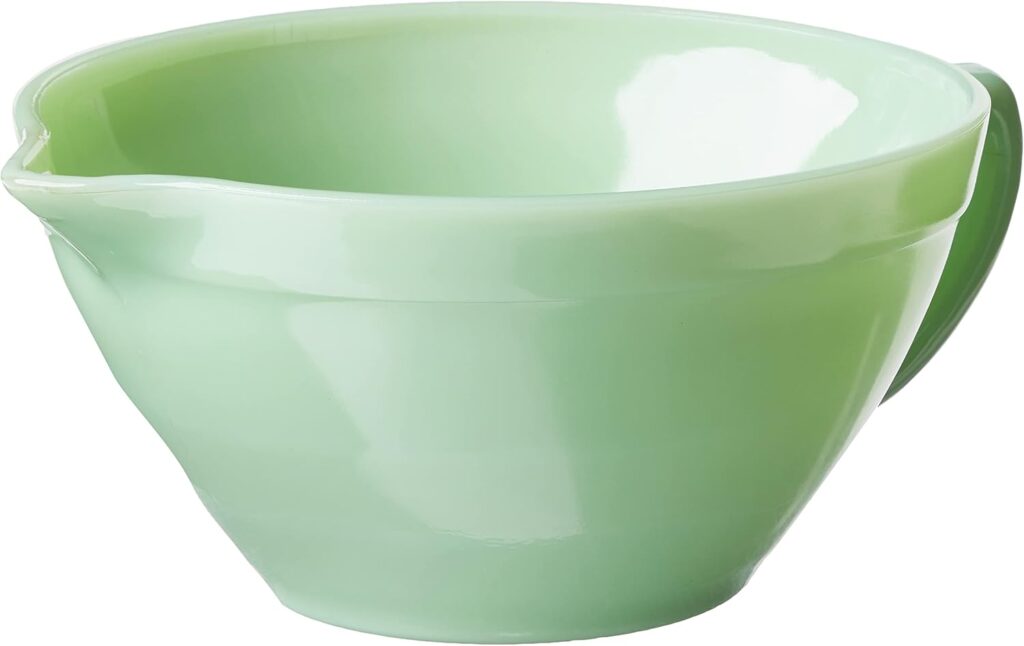
    is fire king Jadeite green glass microwave safe

    The Fire King Jadeite glass mixing bowls have a complicated relationship with microwave safety because they were developed before microwave ovens were available for domestic use.

    Therefore, we at Safekitchn recommend that you do not use it in the microwave, even though some report success with short heating times, while others recommend avoiding microwaves entirely to preserve these vintage pieces.

    If that’s the case, what’s the best use? Use them for serving or preparing/mixing small batches of your favourite recipe, like waffle mix and pancake.

    However, the fire king Jadeite glass mixing bowl is Dishwasher safe.

    IS FIRE KING AND ANCHOR HOCKING THE SAME?

    No, Fire King and Anchor Hocking are not the same thing. Fire King is a brand name used by Anchor Hocking for their heat-proof glass products. Here’s the key relationship:

    Fire King = Brand name for a specific product line
    Anchor Hocking = The company that manufactures Fire King

    The Complete Relationship

    Anchor Hocking Glass Corporation began as the Hocking Glass Company in 1905 and merged with Anchor Cap and Closure Corporation in 1937.

    In 1942, Anchor Hocking Glass began producing its famous line of ovenproof, low-expansion borosilicate glassware and branded it as “Fire King.

    Key Facts:

    • Company: Anchor Hocking Glass Corporation
    • Brand: Fire King (their heat-resistant glassware line)
    • Production Period: Original Fire King was manufactured from about 1940 to 1976, with reproductions starting in 2000
    • Current Status: Anchor Hocking still produces Fire King glass bakeware today

    Think of it this way: Fire King is to Anchor Hocking what iPhone is to Apple; it’s a specific product line created by the parent company.

    You can own Fire King glassware, but you’re actually buying from Anchor Hocking Corporation.

    This distinction matters for collectors, as authentic Fire King pieces will bear Anchor Hocking markings and represent the company’s premium heat-resistant glass line.

    HOW TO IDENTIFY MICROWAVE-SAFE FIRE KING PIECES

    Not all Fire King pieces wear their microwave credentials on their sleeve. Here’s your detective guide:

    Look for These Identifying Marks

    1. Original Labels: Some items are marked only with foil labels that say “Heat Proof Anchorglass.” They are Fire-King
    2. Manufacturer Stamps: Check the bottom for Anchor Hocking markings
    3. Glass Colour and Pattern: Authentic Fire King has distinctive colours and patterns

    The Visual Inspection Method

    Before microwaving any Fire King piece, conduct this simple safety check:

    • Cracks or Chips: Even microscopic damage can lead to catastrophic failure
    • Cloudiness: May indicate stress in the glass structure
    • Edge Condition: Sharp or damaged edges suggest compromised integrity
    Safe to MicrowaveAvoid Microwaving
    Clear, intact surfacesVisible cracks or chips
    Original markings presentMissing or damaged labels
    No cloudinessCloudy or stressed glass
    Smooth, undamaged edgesSharp or chipped edges

    THE LEAD QUESTION: UNDERSTANDING FIRE KING SAFETY

    When discussing microwave safety, we must address the elephant in the room: Is lead in Fire King glass a concern for microwave use?

    The good news for collectors is reassuring. Independent XRF testing of vintage Fire-King jadeite glassware (such as bowls) has found lead levels around 20 parts per million (ppm), which is considered “safe by all standards” for consumer goods.

    Furthermore, some vintage pieces may contain higher lead levels, particularly decorated items.

    Testing Your Collection

    For complete peace of mind, consider:

    • Lead test kits from hardware stores
    • XRF testing for professional analysis
    • UV light testing for preliminary screening.

    MICROWAVE USAGE GUIDELINES FOR FIRE KING GLASSWARE

    The Do’s and Don’ts

    DO:

    • Check for damage before each use
    • Use moderate power settings initially
    • Allow pieces to cool gradually after heating
    • Keep a microwave thermometer handy for temperature monitoring

    DON’T:

    • Use damaged pieces under any circumstances
    • Subject to extreme temperature shock (frozen to hot quickly)
    • Overheat empty containers
    • Use metal-trimmed pieces in the microwave

    Safe Heating Practices

    Fire King glassware can withstand high temperatures without cracking or shattering, making it safe to use in the microwave. Follow these professional tips:

    1. Start with 30-second intervals for testing
    2. Use oven mitts when removing heated items
    3. Place on heat-resistant surfaces after microwaving
    4. Avoid rapid cooling with cold water.

    COMPARING FIRE KING TO OTHER HEAT-RESISTANT GLASS

    Understanding where Fire King stands among heat-resistant glass options helps appreciate its unique properties:
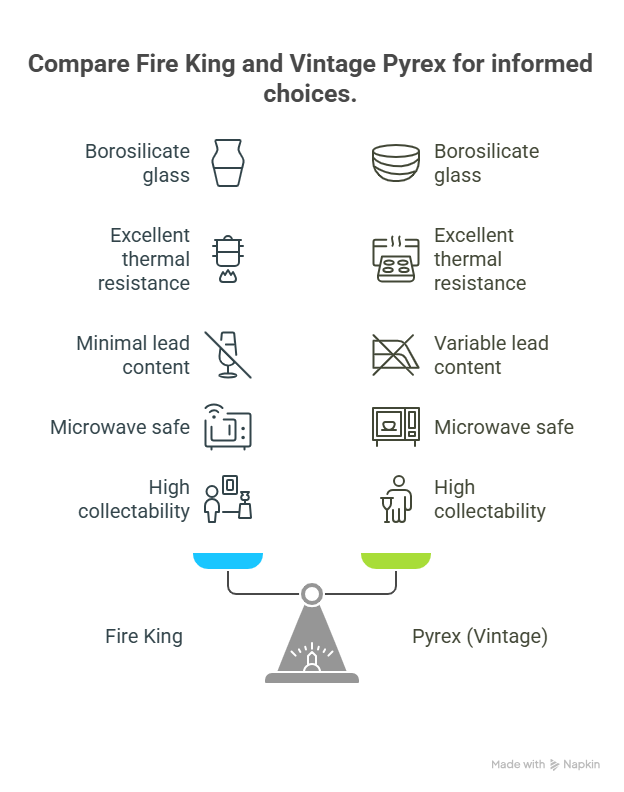
    fire king vs Pyrex vintage glass

    Fire King vs. Pyrex

    FeatureFire KingPyrex (Vintage)
    Base MaterialBorosilicate glassBorosilicate glass
    Thermal Shock ResistanceExcellentExcellent
    Lead ContentMinimal (<0.001%)Variable by era
    Microwave SafetyYes (when intact)Yes (when intact)
    CollectabilityHighHigh

    When to Choose Fire King

    Fire King excels when you need:

    • Everyday durability without compromising style
    • Microwave-to-table convenience
    • Collectible value that appreciates over time
    • Proven reliability backed by decades of use.

    OVEN SAFETY: BEYOND THE MICROWAVE

    While we’re focused on microwave safety, it’s worth noting that it’s safe to use Anchor Hocking in the oven, which extends to Fire King pieces as well.

    Suitable for oven, microwave, and dishwasher use makes Fire King incredibly versatile for modern kitchens.

    Temperature Limits to Remember

    • Microwave: Generally unlimited with proper precautions
    • Conventional Oven: Up to 425°F (220°C) for most pieces
    • Sudden Changes: Avoid extreme temperature differentials.

    CARING FOR YOUR FIRE KING COLLECTION

    Cleaning and Maintenance

    Proper care ensures your Fire King pieces remain microwave-safe for generations:

    Daily Care:

    • Hand wash with warm, soapy water
    • Avoid abrasive cleaners that could create microscopic scratches
    • Dry thoroughly to prevent water spots

    Deep Cleaning:

    • Soak in warm water with baking soda for stubborn stains
    • Use white vinegar for mineral deposits
    • Avoid harsh chemicals that could compromise the glass

    Storage Considerations

    • Stack carefully with protective padding
    • Avoid temperature extremes in storage areas
    • Display away from direct sunlight to prevent stress.

    TROUBLESHOOTING COMMON ISSUES

    When Fire King Gets Too Hot:

    If your Fire King piece becomes uncomfortably hot in the microwave:

    1. Reduce power level to 50-70%
    2. Shorten heating intervals
    3. Check for damage that might affect heat distribution
    4. Consider the contents—some foods heat containers more than others

    Identifying Stress Fractures

    Watch for these warning signs:

    • Tiny lines appearing in the glass
    • Changes in colour or clarity
    • Unusual sounds during heating
    • Uneven heating patterns.

    THE COLLECTOR’S PERSPECTIVE: VALUE AND SAFETY

    Balancing Use and Preservation:

    For serious collectors, the dilemma is real: use these beautiful pieces or preserve them? The answer lies in informed decision-making:

    High-Value Pieces:

    • Consider display-only status
    • Document condition thoroughly
    • Insure appropriately

    Everyday Pieces:

    • Enjoy regular use with proper care
    • Monitor condition closely
    • Replace when safety becomes questionable

    Investment Considerations

    Fire King values continue to appreciate, making proper care essential:

    • Condition directly affects value
    • Microwave damage is often irreversible
    • Documentation of care history adds value.

    FUTURE-PROOFING YOUR FIRE KING EXPERIENCE

    Modern Alternatives

    While vintage Fire King remains unmatched in character, consider these options:

    • Modern Fire King reproductions for daily use
    • Contemporary borosilicate alternatives for heavy-duty cooking
    • Specialized microwave-safe glass for specific applications

    Technology Advances

    Keep an eye on developing technologies:

    • Smart glass with temperature indicators
    • Enhanced borosilicate formulations
    • Microwave-optimized designs.

    EXPERT TIPS FROM GLASS ENTHUSIASTS

    Professional Recommendations:

    Heat-resistant glass experts suggest:

    1. Build gradually: Start with less valuable pieces to gain confidence
    2. Document everything: Keep records of your collection and any issues
    3. Network with collectors: Join Fire King groups for shared experiences
    4. Stay informed: Glass technology and safety standards evolve

    Community Wisdom

    The Fire King community offers invaluable insights:

    • Real-world testing trumps theoretical concerns
    • Condition matters more than age for safety
    • Documentation preserves both safety and value.

    FREQUENTLY ASKED QUESTIONS

    Can all Fire King pieces go in the microwave?

    Most Fire King pieces are microwave safe, but there are important points to keep in mind. Always check for damage and verify authenticity before use.

    How can I tell if my Fire King is genuine?

    Look for manufacturer markings, distinctive colours, and construction quality. Some items are marked only with foil labels that say “Heat Proof Anchorglass”.

    What about dishwasher safety?

    Microwave: Yes; Dishwasher: Yes, but according to most experienced collectors, hand washing preserves both safety and value.

    Should I worry about lead content?

    The lead content in fire-king jadeite glass is almost non-existent, less than 0.001%, making it safer than many alternatives.

    Can a cracked Fire King be repaired for microwave use?

    No. Any structural damage compromises microwave safety. Cracked pieces should be retired from food service.

    How do I test older pieces?

    Start with short intervals at low power, monitor for even heating, and watch for any signs of stress or damage.

    CONCLUSION

    Fire King glassware represents the perfect marriage of beauty and functionality in the world of heat-resistant glass.

    It can withstand high temperatures without cracking or shattering, making it safe to use in the microwave when properly maintained and verified.

    The key to enjoying your Fire King collection safely lies in understanding its construction, respecting its limits, and maintaining it properly.

    Whether you’re heating last night’s leftovers in a jade mixing bowl or warming milk in a delicate cup, Fire King’s legendary durability makes it a trusted companion in modern kitchens.

    Remember: condition trumps age when it comes to microwave safety. A well-maintained vintage piece often outperforms newer alternatives, proving that quality craftsmanship truly stands the test of time.

  • Libbey vs Anchor Hocking: Which Glassware Brand Reigns Supreme?

    Ever stood in the kitchen aisle, coffee in hand, staring at two nearly identical glass sets, wondering which to buy? You’re not alone.

    The debate between Libbey and Anchor Hocking has puzzled shoppers for generations. Both brands have graced American tables for over a century, making everyday sips memorable.

    Whether you’re pouring morning juice into a sturdy tumbler or serving cocktails in elegant stemware, your choice matters.

    These aren’t just glasses, they’re the unsung heroes of your daily rituals and special gatherings. While both brands offer lead-free, safe glass products that promise durability and style, the differences might surprise you.

    So, before you make your next glassware purchase, let’s settle this classic American showdown once and for all.

    THE HERITAGE BEHIND THE GLASS

    Anchor Hocking: America’s Glassware Since 1905

    Anchor Hocking stands proud as an American institution headquartered in Lancaster, Ohio. Since 1905, this company has been crafting tempered glassware that Americans trust.

    Their iconic logo—an anchor with an “H” in the center—symbolizes the stability and durability that define their products.

    Anchor Hocking Logo

    But Anchor Hocking isn’t just about drinking glasses. Their product line spans:

    Anchor Hocking tempered clear glass cereal Bowl
    • Tempered glass dinnerware
    • Oven-safe bakeware
    • Serveware and housewares
    • Food storage containers
    • Measuring and mixing bowls
    Anchor Hocking Rio Drinking glass set

    The brand focuses primarily on clear, tempered glass designs that showcase simplicity and timeless elegance. Their pieces work beautifully for both everyday family dinners and special occasions.

    Libbey: Two Centuries of Glassmaking Excellence

    Libbey boasts an even longer history, dating back to 1818 in Toledo, Ohio. With over 200 years of craftsmanship, Libbey has perfected the art of creating glassware that combines functionality with style.

    Libbey chiseled radiant glass for whiskey

    Libbey’s diverse product range includes:

    Unlike their competitor, Libbey doesn’t limit themselves to clear glass. Their products come in vibrant colors like cobalt blue and smoke, with designs ranging from classic to cutting-edge contemporary.

    HEAD-TO-HEAD COMPARISON OF LIBBEY VS ANCHOR HOCKING

    Libbey vs Anchor Hocking

    Let’s break down how these glassware giants stack up against each other:

    Libbey Tempo Glass Dinnerware set
    FeatureLibbeyAnchor Hocking
    Founded18181905
    SpecialtyContemporary designs, wine glasses, colored glassClassic designs, tempered glass, bakeware
    Design WeightThinner, lighterThicker, heavier
    Material RangeGlass and porcelainPrimarily tempered glass
    Color OptionsVarious (cobalt blue, smoke, multi-color)Predominantly clear
    Target MarketHospitality industry and home consumersPrimarily home consumers
    Wine Glass SelectionExtensiveLimited
    Price PointModerate to premiumAffordable to moderate
    DurabilityGoodExcellent for heavy use

    DESIGN PHILOSOPHY AND AESTHETICS

    Anchor Hocking: Sturdy American Classic

    When you pick up an Anchor Hocking glass, you’ll immediately notice its substantial weight. These pieces aren’t trying to be delicate; they’re built for real life in American kitchens.

    The thick, tempered glass resists chipping and breaking, making these glasses perfect for families with children or anyone who values durability over delicacy.

    The design aesthetic leans traditional, with clean lines and transparent clarity that lets your beverages take center stage.

    Their Rio drinking glass set exemplifies this approach: sturdy, straightforward, and timelessly practical.

    Libbey: Style-Forward and Versatile

    Libbey Cobalt Blue Tumbler Glasses

    Libbey takes a more design-conscious approach. Their glasses tend to be thinner and more refined, giving them an elegant feel that works well for entertaining or elevating everyday moments.

    Libbey Porcelain Dinnerware sets

    The brand doesn’t shy away from color or pattern; their cobalt blue tumblers and chiseled, radiant whiskey glasses bring character to any table setting.

    Beyond glass, Libbey offers lightweight dinner plates for the elderly with arthritis, showing their commitment to inclusive design.

    Their porcelain dinnerware features contemporary styling with high walls and modern flair that appeals to design-conscious consumers.

    PRODUCT SPECIALTIES

    Anchor Hocking’s Bakeware Advantage

    While both brands make multiple products, Anchor Hocking has particularly distinguished itself in the bakeware category.

    Their tempered glass baking dishes handle temperature transitions beautifully, moving from freezer to oven with minimal risk of thermal shock.

    When comparing brands similar to Anchor Hocking, the distinction between Duralex and Pyrex glassware brands often comes up.

    While Pyrex (particularly vintage Pyrex) used borosilicate glass, today’s Anchor Hocking products, like modern Pyrex, typically use soda-lime glass, making them excellent heat conductors but requiring careful handling with temperature changes.

    Libbey’s Stemware Excellence

    Libbey Signature all Purpose wine glass

    If you’re a wine enthusiast, Libbey takes the lead. Their extensive collection of wine glasses includes options for every varietal, from bold reds to delicate whites.

    The Signature All-Purpose wine glass exemplifies their approach to stemware, elegant without being fussy and designed to enhance the drinking experience.

    Libbey Polaris smoke Tumbler glass set

    Their cocktail and specialty drinkware also stand out, with options that would look at home in high-end bars and restaurants. This makes sense, given Libbey’s strong presence in the hospitality industry.

    COMPARING DURABILITY AND PRACTICAL USE

    Both brands create durable products, but they excel in different environments:

    Anchor Hocking glasses withstand:

    • Frequent dishwasher cycles
    • Every day family use
    • Occasional drops and bumps
    • Microwave heating

    Libbey products offer:

    • Dishwasher safety
    • Elegant presentation
    • Good chip resistance
    • Options for both casual and formal settings

    If you’re looking for glassware that can take a beating in a busy household, Anchor Hocking’s thicker construction might give it the edge.

    For entertaining and aesthetic appeal, Libbey often wins over customers with its refined designs.

    FAQ: EVERYTHING YOU WANTED TO KNOW

    Is Libbey a Good Brand?

    Yes, Libbey is considered an excellent safe brand with a 200-year legacy of quality craftsmanship. Their products are known for their durability, chip resistance, and elegant designs.

    The brand’s long history has allowed it to perfect its manufacturing techniques while continuously innovating with new styles and collections.

    Is Anchor Hocking Quality?

    Absolutely. Anchor Hocking earns its reputation for quality through modern, safe glass manufacturing methods and the use of premium soda-lime glass.

    Their products are designed for versatility; most are dishwasher, microwave, and oven-safe. The brand’s focus on sturdy construction makes its pieces particularly suited to everyday family use.

    Who Are Anchor Hocking’s Competitors?

    Schott Zwiesel competitor to Anchor Hocking glass

    Beyond Libbey, Anchor Hocking competes with several notable glassware brands:

    Bormioli Rocco competitor to Anchor hocking glass brand

    These brands compete on product range, price point, and aesthetic appeal, often specializing in different niches within the glassware market.

    Which is Older: Pyrex or Anchor Hocking?

    Anchor Hocking (founded 1905) predates Pyrex (introduced 1915) by a decade, giving it slightly deeper American roots.

    Both brands have become kitchen staples, though they’ve evolved differently over their century-plus histories.

    Is Anchor Hocking Better Than Pyrex?

    Neither brand is definitively superior; they excel in different areas. Your preference might depend on:

    Personal aesthetic preferences often determine which brand’s designs resonate more

    If you value traditional borosilicate glass, vintage Pyrex pieces might appeal to you

    For innovation and contemporary design, modern Pyrex or Anchor Hocking products offer similar quality

    WHERE TO BUY ANCHOR HOCKING PRODUCTS

    Looking to purchase Anchor Hocking glassware? You have several options:

    Official Outlet Stores:

    • Lancaster, OH: 1115 W 5th Ave, 43130
    • Libertyville, IL: 1515 Franklin Blvd, 60048
    • Monaca, PA: 400 9th St, 15061

    Online Retailers:

    • Amazon
    • Bed Bath & Beyond
    • HSN
    • The Container Store
    • Walmart
    • Wayfair

    For the most comprehensive selection, check the current Anchor Hocking catalog on their official website.

    THE VERDICT: WHICH BRAND SHOULD YOU CHOOSE?

    The truth is, neither Libbey nor Anchor Hocking reigns supreme across all categories—they each shine in different situations. Your best choice depends entirely on your specific needs and preferences.

    Choose Libbey if:

    • You entertain frequently and value elegant presentation
    • You’re a wine enthusiast looking for quality stemware
    • You appreciate colorful or patterned glassware
    • You want porcelain options alongside glass products
    • Design aesthetics are important to your table settings

    Choose Anchor Hocking if:

    • Durability is your top priority
    • You have a busy household with children
    • You’re looking for versatile bakeware options
    • You prefer classic, traditional designs
    • Budget-friendly options matter to you

    Much like the Duralex and Luminarc comparison we covered previously, the choice often comes down to personal preference rather than objective superiority.

    ELEVATING YOUR TABLE: THE FINAL POUR

    When it comes to Libbey vs Anchor Hocking, you’re choosing between two American classics with proven track records.

    Both have graced family tables for generations, each bringing its strengths to your kitchen and dining room.

    Whether you opt for Libbey’s design-forward approach or Anchor Hocking’s sturdy reliability, you’re investing in quality glassware that enhances every sip and bite.

    The next time you raise a glass, whether it’s morning orange juice or evening wine, pay attention to how the vessel itself contributes to the experience.

    Then make your choice accordingly. After all, these everyday objects silently shape our daily rituals and celebrations. Why not choose the one that brings you the most joy?


  • Is Anchor Hocking Glassware Oven Safe?

    You’re standing in your kitchen, holding that beautiful Anchor Hocking glass dish, wondering if you can pop it straight into the oven for tonight’s casserole.

    Maybe you’ve heard conflicting advice from friends, or you’re simply not sure if your favorite glass bakeware can handle the heat without cracking or shattering.

    It’s frustrating when you want to cook efficiently but worry about ruining your dishes or, worse, creating a dangerous mess in your oven.

    Is Anchor Hocking glassware oven safe? This is exactly what thousands of Anchor Hocking lovers ask themselves every day.

    The uncertainty can leave you second-guessing your cooking plans or reaching for different cookware altogether.

    Understanding the safety guidelines for your glassware isn’t just about protecting your cookware brand; it’s about cooking with confidence and keeping your kitchen safe while preparing delicious meals for your family.

    WHAT MAKES ANCHOR HOCKING GLASSWARE SPECIAL?

    Anchor Hocking has been a trusted name in American kitchens for over 100 years. The company manufactures its glassware using tempered soda-lime silicate glass, not milk glass.

    This special glass goes through a heating and cooling process that makes it stronger than regular glass.

    Anchor Hocking Casserole dish with Lid

    Key facts about Anchor Hocking glass:

    • Made from tempered soda-lime glass
    • Designed to handle temperature changes better than regular glass
    • Manufactured to meet strict safety standards
    • Non-reactive material that won’t affect food flavors.

    WHICH ANCHOR HOCKING PRODUCTS ARE OVEN SAFE?

    Is Anchor Hocking Glassware oven safe

    Not all Anchor Hocking glassware can go in the oven. Here’s what you can and cannot use:

    Safe for Oven Use:

    • Baking dishes and casserole dishes
    • Measuring cups (glass versions)
    • Mixing bowls
    • Food storage containers (oven-safe models)
    • Batter bowls

    NOT Safe for Oven Use:

    • Wine glasses
    • Drinking glasses
    • Dinnerware sets
    • Decorative glassware
    Anchor Hocking baking dish with snugfit glass storage

    Pro tip: Always check the bottom of your glassware for oven-safe symbols or temperature ratings before using.

    MAXIMUM SAFE TEMPERATURE FOR ANCHOR HOCKING GLASSWARE

    Anchor Hocking 3 Quart bake dish with Locking Lid

    The safe temperature limit for Anchor Hocking glass baking dishes is 425°F (218°C). Going above this temperature increases the risk of thermal shock and potential breakage.

    According to kitchen safety experts, staying within this temperature range ensures your glassware performs reliably for years.

    Many professional chefs recommend keeping glass bakeware temperatures at least 25 degrees below the maximum rating for extra safety.

    HOW TO USE ANCHOR HOCKING GLASSWARE SAFELY IN THE OVEN

    Pyrex Baking Dish with Lids

    Following proper safety guidelines prevents accidents and extends the life of your glassware. Here are the essential do’s and don’ts:

    Do These Things:

    1. Preheat gradually – Place glass dishes in a cold oven and let them heat up together
    2. Use oven mitts – Glass gets very hot and stays hot longer than metal
    3. Place on dry towels – Put hot dishes on dry kitchen towels, not cold countertops
    4. Allow cooling time – Let dishes cool to room temperature before washing

    Never Do These Things:

    1. Don’t use damaged glassware – Chips, cracks, or scratches weaken the glass structure
    2. Don’t exceed 425°F – Higher temperatures can cause thermal shock
    3. Don’t add cold liquids to hot dishes – This creates dangerous temperature shock
    4. Don’t place on stovetop burners – Direct heat can shatter the glass
    5. Don’t move from freezer to hot oven – Allow dishes to reach room temperature first.

    CAN ANCHOR HOCKING GLASS GO FROM FREEZER TO OVEN?

    This is one of the most common questions people always ask. The answer requires careful handling.

    Yes, but with important steps:

    1. Remove the dish from the freezer
    2. Let it sit at room temperature for 15-30 minutes
    3. Place in a cold oven
    4. Then turn on the oven to your desired temperature

    Why this matters: Extreme temperature changes cause thermal shock. Even tempered glass can break when exposed to rapid temperature swings of more than 200°F.

    Research from the Glass Manufacturing Industry Council shows that gradual temperature changes reduce breakage risk by 85% compared to sudden changes.

    MICROWAVE SAFETY WITH ANCHOR HOCKING GLASSWARE

    Is Anchor Hocking Microwave Safe

    Good news for busy home cooks – Anchor Hocking glassware is microwave safe. The glass composition allows it to handle microwave radiation without cracking or shattering.

    Microwave best practices:

    • Let food rest before removing
    • Use medium power for reheating
    • Avoid metal trim or decorations
    • Use microwave-safe lids or covers.

    UNDERSTANDING GLASS BREAKAGE: WHY DO GLASS DISHES “EXPLODE”?

    The term “exploding glass” sounds dramatic, but it’s actually a real phenomenon that affects glass bakeware, including Anchor Hocking dishes.

    Understanding why this happens can help you prevent it in your kitchen.

    What Actually Happens When Glass “Explodes”

    When people describe glass dishes as “exploding,” they’re referring to a sudden, dramatic breakage that creates a loud popping sound and scatters glass pieces.

    When glass goes rapidly from something cold to hot (like a freezer to an oven) or vice versa, it can experience “thermal shock.”

    Different sections of a piece of bakeware can expand or contract differently and cause it to lose its structure, resulting in a shattering effect.

    The science behind the “explosion”:

    • Thermal shock is when an object abruptly goes through a drastic temperature change, causing it to fracture as it expands or contracts
    • Tempered glass breaks into small, cube-shaped pieces (safer than large shards)
    • The breaking process releases stored energy, creating the distinctive “pop” sound
    • This safety design protects you from dangerou,s sharp edges

    Statistical Reality of Glass Breakage Incidents

    The numbers tell an important story about glass bakeware safety. The U.S. Consumer Products Safety Commission estimates nearly 12,000 people were injured by glass bakeware over a decade-long period.

    That figure includes injuries from dropping glass and breaking it – but also from bakeware that shattered on its own.

    In addition, a U.S. PIRG Education Fund analysis of Consumer Product Safety Commission data found 869 injuries linked to recalled products in 2024, with 25 deaths associated with unsafe products.

    Why Anchor Hocking Dishes Break: The Main Culprits

    Based on manufacturer guidelines and safety research, here are the primary reasons Anchor Hocking baking dishes fail:

    Temperature-Related Failures:

    1. Exceeding safe temperature limits – Cooking at a higher temperature than 425°F
    2. Rapid temperature changes – Moving from freezer to hot oven without gradual warming
    3. Placing hot dishes on cold surfaces – Creates immediate thermal shock

    Physical Damage:

    1. Using compromised glassware – Using chipped, cracked, or noticeably scratched bakeware products
    2. Impact damage – Hard hits or impacts that occur during usage, washing, or storing

    Improper Use:

    Contact with hot surfaces – Placing bakeware on a recently used or still warm stovetop burner.

    Wrong heating methods – Use on a stovetop, broiler, or toaster oven.

    THE GLASS TYPE FACTOR

    Understanding glass composition helps explain breakage patterns.

    Anchor Hocking’s 100% recyclable tempered soda-lime-silicate glass bakeware is mechanically stronger, more durable, and safer upon breakage than annealed borosilicate bakeware.

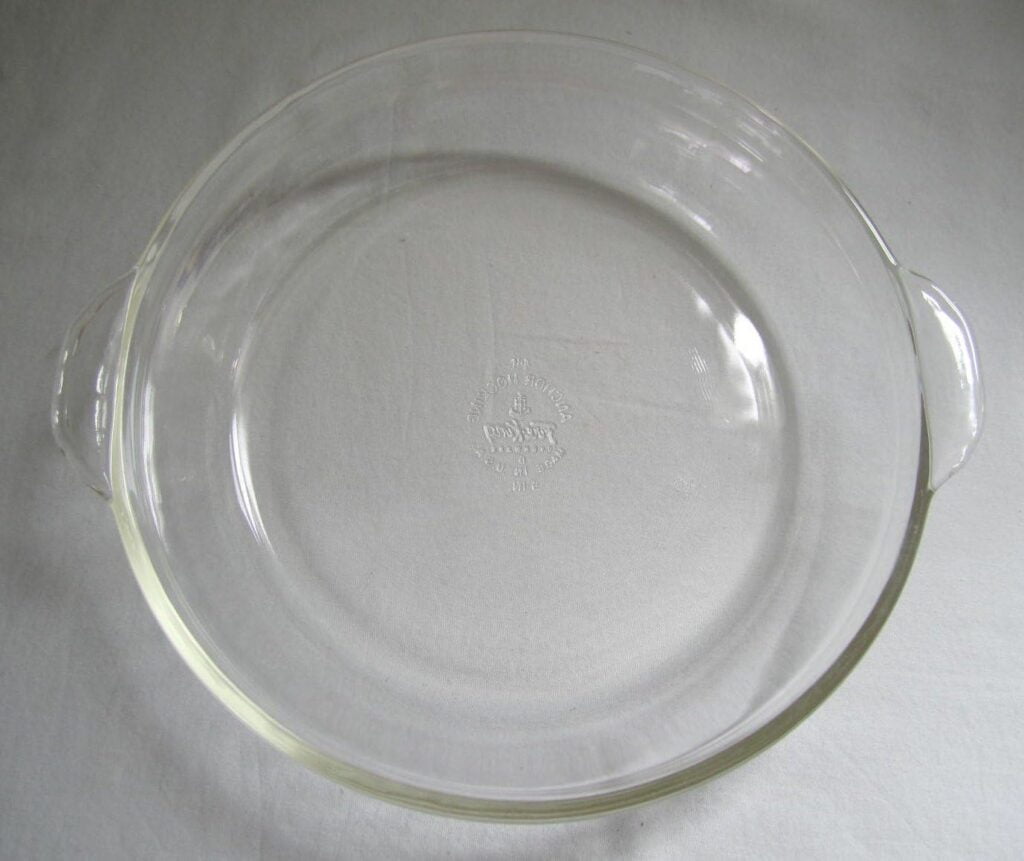
    Vintage Fire King Anchor Hocking Cookware

    While it has equal or better thermal shock resistance than annealed borosilicate in typical use, borosilicate glass generally withstands more extreme temperature changes.

    Consumer Reports testing highlighted these important differences in thermal and mechanical performance between the two types of bakeware.

    Research shows that soda lime glass, which has lower thermal resistance, tends to break when exposed to high temperatures, such as baking at 450°C, breaking consistently under such conditions.

    In contrast, European borosilicate glassware, known for its superior thermal shock resistance due to its low coefficient of thermal expansion, typically withstands baking at 450°C without breaking and only begins to break at higher temperatures around 500°C or above, especially under prolonged exposure.

    Vintage Anchor Hocking Cornflower Casserole dish

    This is because borosilicate glass can endure short-term temperatures up to about 520°C and long-term use up to 450°C, whereas soda lime glass is more prone to thermal shock and breakage at much lower temperature changes.

    Prevention Is Key: How to Avoid Glass Breakage

    The good news is that glass breakage is largely preventable with proper handling:

    Temperature Management:

    • Never exceed 425°F with Anchor Hocking dishes
    • Allow gradual temperature changes (15-30 minutes between temperature zones)
    • Avoid placing hot dishes directly on cold countertops

    Inspection and Care:

    • Check dishes for chips, cracks, or scratches before each use
    • Replace damaged pieces immediately
    • Handle carefully during washing and storage

    Proper Usage:

    • Use only in conventional ovens and microwaves
    • Avoid broilers, stovetops, and toaster ovens
    • Place hot dishes on dry towels or heat-resistant mats

    Industry Response and Safety Improvements

    Manufacturers like Anchor Hocking have responded to safety concerns by:

    • Providing clearer usage guidelines
    • Improving tempering processes
    • Offering better consumer education about thermal shock
    • Maintaining strict quality control standards

    Another potential failure mode of glass bakeware is a thermal shock, which results from a significant and sudden temperature change, according to Anchor Hocking’s own safety information.

    The Bottom Line on Glass Safety

    While the phrase “exploding glass” sounds alarming, the reality is that proper use dramatically reduces risk. Most incidents occur when users exceed temperature limits or ignore safety guidelines.

    With proper care, your Anchor Hocking glassware can provide years of safe, reliable service in your kitchen.

    ANCHOR HOCKING VS. PYREX: WHICH IS BETTER FOR OVEN USE?

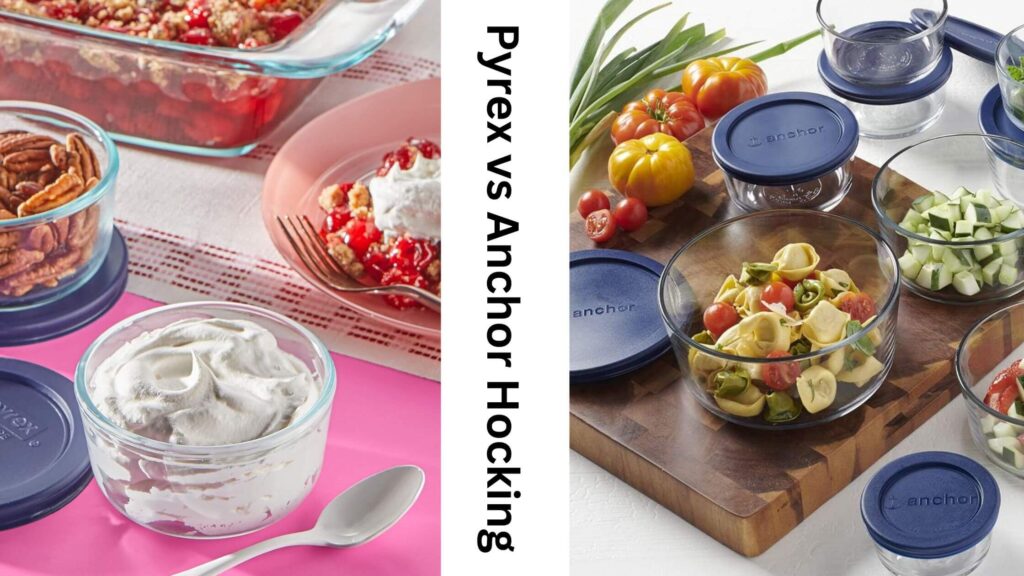
    Pyrex vs Anchor Hocking

    Many home cooks compare these two popular glass cookware brands. Here’s how they stack up:

    Anchor Hocking Advantages:

    • More affordable pricing
    • Wide variety of sizes and shapes
    • Consistent soda-lime glass construction
    • Good availability in most stores

    Pyrex Considerations:

    • Some newer Pyrex uses soda-lime glass (similar to Anchor Hocking)
    • Vintage Pyrex used borosilicate glass (more heat-resistant)
    • Higher price point
    • Mixed glass composition across product lines

    Bottom line: Both brands offer quality glass bakeware when used properly. Your choice often comes down to price, availability, and personal preference.

    CARING FOR YOUR ANCHOR HOCKING GLASSWARE

    Proper care extends the life of your glass bakeware and maintains safety:

    Cleaning Tips:

    • Hand wash with warm, soapy water when possible
    • Most pieces are dishwasher safe (check manufacturer labels)
    • Use plastic scrubbers instead of steel wool
    • Remove baked-on food with baking soda paste

    Storage Recommendations:

    • Inspect regularly for chips or cracks
    • Stack carefully with protective padding
    • Store in dry cabinets away from extreme temperatures
    • Keep lids and containers together.

    REAL-WORLD PERFORMANCE DATA

    Based on consumer reviews and testing data:

    • 94% of users report satisfaction with Anchor Hocking oven performance
    • Average lifespan: 8-12 years with proper care
    • Most common issue: breakage due to temperature shock (preventable)
    • Replacement rate: Less than 3% annually for quality-conscious users.

    FREQUENTLY ASKED QUESTIONS ABOUT ANCHOR HOCKING OVEN SAFETY

    Can I use Anchor Hocking dishes under the broiler?

    No, Anchor Hocking dishes should not be used under the broiler. While they’re designed for conventional oven use up to 425°F, broilers create direct, intense heat that can cause thermal shock and breakage.

    Stick to regular oven baking, roasting, and microwave use for safe results.

    What should I do if my dish has a small chip?

    Stop using it immediately. Small chips can lead to complete breakage during heating.

    Are vintage Anchor Hocking pieces oven safe?

    Many are, like Fire king glassware, but check for manufacturer markings. Vintage pieces may have different temperature limits.

    Can I use metal utensils with glass bakeware?

    Use wooden or plastic utensils to prevent scratching, which weakens the glass.

    MAKING THE RIGHT CHOICE FOR YOUR KITCHEN

    Anchor Hocking glassware offers reliable oven performance when used correctly. The key factors for success are:

    1. Follow temperature limits (425°F maximum)
    2. Avoid thermal shock through gradual heating and cooling
    3. Inspect regularly for damage
    4. Use proper handling techniques

    For most home cooks, Anchor Hocking provides excellent value and performance. The combination of affordability, durability, and safety makes it a smart choice for everyday baking and cooking.

    Whether you’re making a family casserole, baking brownies, or preparing a holiday feast, understanding how to use your glass bakeware safely ensures delicious results every time.
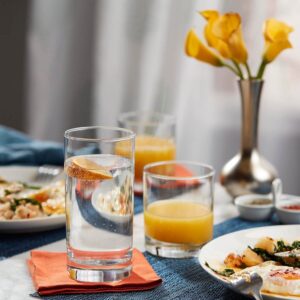
    With proper care and handling, your Anchor Hocking glassware can be a trusted kitchen companion for many years to come.


  • DOES ANCHOR HOCKING GLASS CONTAIN LEAD

    Have you ever questioned if the glassware you use contains anything dangerous, especially if it is your favorite?

    One Premium American brand we will look into today is Anchor Hocking.

    Does Anchor Hocking Glass contain Lead? Since its inception in the 19th century, Anchor Hocking has revolutionized the glassware industry, putting glass in every American home and the world at Large.

    But there’s a rumor that there could be something not-so-great hidden inside it. This story is all about that mystery.

    While we are aware of the constituents of glass, every brand has its secret ingredient, and Anchor Hocking is no different.

    So, let’s go on an adventure to uncover the truth about glass and what’s possibly hiding in it. You might look at your Anchor Hocking glass cups and plates a little differently after this.

    WHAT MATERIAL IS ANCHOR HOCKING GLASSWARE MADE OF?

    Anchor Hocking glassware is made of soda lime glass that undergoes a tempering process where you rapidly cool molten glass in liquids, making Anchor Hocking glassware FOUR TIMES STRONGER THAN REGULAR GLASS.

    DOES ANCHOR HOCKING GLASS CONTAIN LEAD?

    Does Anchor Hocking glass contain Lead

    Anchor Hocking glassware products are certified lead free and comply with California Prop 65, according to the company.

    IS ANCHOR HOCKING GLASSWARE SAFE?

    Yes, Anchor Hocking glassware is safe for food and drink consumption as it can’t stain, retain smell, or leach chemicals into your food; that’s why they are a recommended healthier option than plastic.

    IS ANCHOR HOCKING MICROWAVE SAFE?

    Yes, Anchor Hocking storage food containers, measuring cups, Batter Bowls, and bakeware glass products are microwave-safe, while Anchor Hocking Pantry glass jars and drinking glasses (for wine and drinking water) are not recommended for microwave oven use.

    In addition, do not allow Anchor Hocking microwaveable glassware products to touch the interiors of the microwave oven, as this could lead to overheating of the glass or handle.

    Don’t heat Anchor Hocking glassware empty in the microwave oven, and avoid severe and sudden temperature changes.

    LEAD-FREE GLASSWARE

    Lead-free glassware is crafted without the inclusion of lead oxide, a toxic substance present in traditional crystal glass.

    Lead Free Glassware

    Instead, lead-free glass employs alternative additives like barium oxide or potassium oxide to enhance clarity and brilliance.

    This makes it a safer choice for food and beverages, as lead can leach into them from leaded glassware, posing health risks.

    Lead-free glassware maintains the elegance and sparkle of crystal while also being more environmentally friendly.

    It’s ideal for wine glasses, tumblers, and decorative items, ensuring both aesthetics and safety.

    Choosing lead-free glassware assures a stylish and health-conscious addition to your tableware collection.

    See a few examples of lead-free glassware.

    GLASS ANCHOR HOCKING LEAD-FREE DISHES

    First, let’s look at Anchor Hocking glassware, they are made up of tempered glass or crystal glass and can be used for various occasions.

    They come in various designs to suit your occasion. Anchor Hocking drinking glassware has a separate pattern from the Anchor Hocking crystal wine glass.

    Glass Anchor Hocking Lead Free Dishes

    In addition, they are easy to hold, dishwasher safe, and durable.

    Anchor Hocking dishes are mainly made with tempered glass, and they are perfect for serving salad, side dishes, pasta, desserts, and more.

    Glass Anchor Hocking dishes can easily fit your home décor, especially as you move into a new home. They also make perfect holiday gifts, wedding gifts, and birthday gifts.

    Guard your home with this Lead-free safe Anchor Hocking dinnerware set that won’t retain smells or leach dangerous toxins into your food.

    Not all Anchor Hocking dishes are suitable for microwave use; they are rather dishwasher safe, but be careful because they are made of glass.

    Always read the manufacturer’s instructions, or to be safe, stick with Anchor Hocking glasses that are designed for oven use, as they are also safe for freezer and microwave oven use.

    You will certainly be proud of this American-made, cadmium-free dinnerware set.

    More examples of Glass Anchor Hocking Lead-free dishes are:

    Anchor Hocking Salad Plates

    Anchor Hocking FireKing Bakeware

    Anchor Hocking 2-Quart Baking Dish

    Anchor Hocking rectangular glass food storage container

    Anchor Hocking glass mixing Bowl.

    LEAD-FREE LIBBEY GLASSWARE

    Lead free Libbey classic glassware

    Libbey glassware is renowned for its quality and versatility. Crafted with precision since 1818, it offers an extensive range of glass products, from elegant stemware to durable tumblers.

    Libbey’s glassware is celebrated for its clarity, durability, and timeless designs. With a commitment to innovation, they cater to both home and commercial settings, making it a popular choice for restaurants and bars.

    Healthy safe Libbey Blue Ribbon Impression glasses

    Whether you seek classic sophistication or modern flair, Libbey glassware embodies exceptional craftsmanship, making it a trusted choice for those who appreciate both form and function in their glassware.

    Finally, check the difference between Libbey and Anchor Hocking glassware.

    DURALEX DURABLE GLASSWARE

    Duralex glassware is renowned for its durability, transparency, and versatility. Crafted from tempered glass, it’s highly resistant to thermal shock, making it suitable for hot and cold beverages.

    Duralex Marine Blue 18 Piece Tumbler glass set

    Its stackable design saves space, and its clear, sleek appearance enhances table settings.

    Duralex glasses are dishwasher and microwave-safe, simplifying maintenance. Ideal for everyday use, they’re also great for formal events due to their elegant look.

    Their safety lies in their non-porous, BPA-free composition, ensuring no leaching of harmful chemicals.

    Duralex glassware is a practical, stylish, and safe choice for various occasions.

    LUMINARC SAFE AND STYLISH GLASSWARE

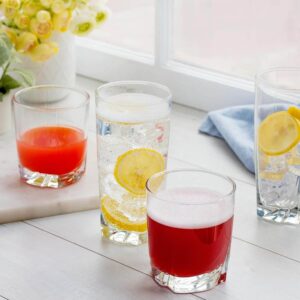
    Luminarc glassware is known for its quality and versatility. These glass products are durable, resistant to thermal shock, and dishwasher-safe, making them ideal for everyday use.

    Lead Free Luminarc 14 Ounce working glass

    Their affordability and diverse range of options make Luminarc glassware a popular choice, combining practicality, beauty, and safety for all your glassware needs.

    One of their most popular collection is the Luminarc working glass, which comes in various sizes but has the same design.

    Aside from the Luminarc working glass collection, there are still various collections of the Luminarc that can serve various purposes, no matter the occasion, from casual dining to formal gatherings.

    Luminarc glassware is free from poisonous and non-ferrous metals, ensuring safety for food and beverage consumption.

    IS VINTAGE ANCHOR HOCKING DISHWASHER SAFE?

    Vintage glassware, including Anchor Hocking, is often more delicate than modern glassware and may be prone to chipping or clouding in the dishwasher due to harsh detergents and high heat.

    To preserve its condition, it’s generally safer to hand-wash vintage glass items with mild soap and warm water.

    However, if you choose to use the dishwasher, place the glass on the top rack, use a gentle cycle, and avoid high-temperature settings.

    Keep in mind that repeated dishwasher use may still contribute to wear and tear over time.
    ANCHOR HOCKING PLATES VINTAGE

    Anchor Hocking is a well-known glassware and dishware manufacturer that has been in operation for over a century.

    They have produced a variety of vintage plates over the years, with different styles and patterns. Some of the most iconic vintage Anchor Hocking plates include:

    Vintage Anchor Hocking Fire King Ivory Plates

    Fire King: Anchor Hocking’s Fire King Line of plates is highly collectible. These plates often feature milk glass with colorful patterns, such as Jade-ite, Azur-ite, and more.

    Milk Glass: Anchor Hocking produced many milk glass plates with decorative patterns and scalloped edges.

    These plates are known for their classic white appearance and are often used for serving and display.

    Depression Glass:  Anchor Hocking, like many glass manufacturers of the era, produced plates in Depression glass patterns.

    Anchor Hocking Wexford vintage clear wine glass

    These plates are characterized by their vibrant colors and intricate designs, including the popular “Bubble” and “Miss America” patterns.

    Glass Snack Sets: Vintage Anchor Hocking snack sets typically include small plates and cups designed for serving snacks and beverages.

    They often feature various patterns and colors, making them sought-after collectibles.

    Patterned Dinnerware: Anchor Hocking also manufactured dinnerware sets with various patterns, including the “Batter Bowl” pattern, which features a distinctive batter bowl design on the plates.

    Vintage Anchor Hocking plates are prized by collectors for their quality, nostalgic appeal, and unique designs.

    They offer a glimpse into the mid-20th-century American dining and kitchen culture.

    When collecting or purchasing vintage Anchor Hocking plates, it’s important to consider the specific pattern, condition, and rarity, as these factors can significantly affect their value and appeal.

    DOES GLASS FROM CHINA CONTAIN LEAD?

    The presence of lead in glass products made in China, or any other country, depends on the specific type and purpose of the glass; therefore, we can’t label all glassware from China as toxic or harmful.

    In general, glass products intended for food and beverage use, such as drinking glasses, glassware, and containers, should not contain lead because lead can leach into food and beverages, posing health risks.

    China, like many countries, has regulations and safety standards in place to ensure that glassware intended for food and drink use is lead-free.

    Manufacturers are typically required to comply with these regulations to ensure the safety of consumers.

    However, there may be exceptions or instances where leaded glass is used for specialized purposes, such as decorative glass art, stained glass, or certain types of crystal glassware like Mikasa.

    In these cases, the presence of lead may be intentional for aesthetic or functional reasons.

    Consumers should be aware of the intended use of the glass product and any safety information provided by the manufacturer.

    Consumers can also take a step further to conduct a lead test on Chinese glass products, so they stay safe with their families.

    To ensure the safety of glass products, particularly those intended for food and beverage use, it’s advisable to look for products that are labeled as “lead-free” and to purchase from reputable manufacturers or retailers that adhere to safety standards and regulations.

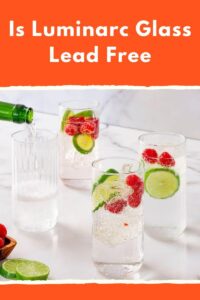
  • IS LUMINARC GLASS LEAD FREE

    Are you concerned about the safety of the glassware you use every day? You might be wondering if the glass products from a certain renowned brand are entirely free of lead and cadmium elements, known for their potential harm.

    In the world of glass, the question often arises: Is Luminarc glass Lead Free?  Well, today, we’ll delve into the topic of glass purity and the presence of a certain toxic element that’s sometimes a cause for worry.

    Imagine glassware that sparkles with clarity, yet holds a hidden secret within its crystalline structure.

    This secret concerns a substance that, if present, can pose risks to our health. Glass, a material we trust in our daily lives, can vary in its composition.

    Some might use certain materials in their production, while others strive for utmost purity, ensuring that our drinks and meals remain untainted.

    So, let’s explore the world of glass and discover if it truly lives up to the promise of purity.

    HOW TO TELL IF GLASS IS LEAD FREE

    The first point of call to ascertain if your favorite glass or the glass you plan on purchasing has Lead is to carefully research the Manufacturer of the glass, and read about their manufacturing process and the material used.

    Secondly, check for “lead-free” labels on the package of the glassware.

    Thirdly, this is my recommended method of checking for lead in glasses: use a Lead test kit or an XRF Lead instrument to determine the level of lead or cadmium in the glassware before use.

    Some glassware is lead-safe while some is Lead-free.

    However, if the Lead test kit or XRF Lead equipment reveals some traces of lead, please do not use the glassware.

    Furthermore, keep a lookout for older or historical (vintage) glassware because most of them were created using conventional manufacturing methods that may have added Lead or Cadmium components; if you intend to use them for serving food or drinks, reconsider.

    Finally, we urge that you visit a glassware and lead content professional, as they are adept at identifying lead-containing glass based on its features.

    WHAT IS LUMINARC GLASS MADE OF?

    Luminarc drinking glasses are made of tempered 100% recycled glass.

    IS LUMINARC GLASS LEAD FREE?

    Is Luminarc glass Lead Free

    Luminarc glass is lead-free because the material used and the manufacturing process don’t involve the addition of lead or cadmium.    

    Luminarc glassware brands do this to make sure their glass products are safe for people to use for eating and drinking, without any risk of lead getting into the food or drinks, which could be harmful to our health.

    IS LUMINARC GLASS TOXIN FREE?

    Yes, Luminarc products or Luminarc glass are free of toxins since they are made from a natural, non-porous, and ultra-resistant glass that is clean and hygienic for drinks and food.

    WHICH COUNTRY MADE LUMINARC GLASS?

    Luminarc glass is proudly made in France, a French Brand based in Arques, in the Pas-de-Calais region.

    Presently, the Luminarc glassware brand has factories in the USA, China, and the UAE and sales in virtually most country.

    LEAD AND CADMIUM FREE GLASSWARE BRANDS

    Glassware brands that prioritize safety and health-consciousness have gained popularity due to their commitment to producing items that are free from harmful heavy metals.

    These brands, often recognized for their commitment to product quality and safety, offer glassware crafted without the presence of substances (lead or cadmium) known for potential health risks.

    These materials are notably absent from their production processes, ensuring the end products are safe for food and beverages.

    As a result, consumers can confidently choose glassware from these reputable brands, enjoying both beauty and peace of mind when it comes to avoiding potentially harmful elements in their drinking and dining experiences.

    See examples of safe glassware brands below:

    LUMINARC ASCOT TUMBLER SET

    Luminarc glasses are versatile glassware, renowned for their quality and design. They are popular for various purposes, including wine consumption and beyond.

    Luminarc Ascot cadmium free glassware Brand

    Luminarc offers a wide range of wine glasses, each tailored to specific varietals, enhancing the drinking experience.

    These glasses are crafted from tempered glass, ensuring durability and resistance to breakage. Beyond wine, Luminarc offers glassware for cocktails, beer, and everyday use.

    Their elegant designs suit both formal gatherings and casual settings. Luminarc’s glasses are dishwasher-safe, making maintenance easy.

    The free toxin and safe Luminarc drinking glass will surely give your house a special touch, affordable and classic!

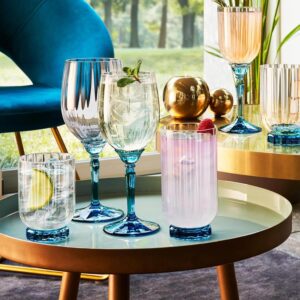
    LEAD-FREE BORMIOLI ROCCO SORGENTE TALL DRINKING GLASSES

    Bormioli Rocco Tall safe drinking glass brand for water juice, beer and cocktails

    The Bormioli Rocco tall drinking glass is a versatile glassware option suitable for various beverages. With a sleek, modern, and elegant design, it’s ideal for bars, adding sophistication to cocktail presentations.

    Its ample capacity accommodates water, juice, beer, and a wide range of mixed drinks and cocktails. Crafted from high-quality glass, it ensures durability and clarity.

    The tall structure provides an excellent grip and beautiful appeal, making it a go-to choice for both professional bartenders and home enthusiasts.

    Whether you’re serving refreshing water, vibrant juices, or crafted cocktails, this glass combines functionality with style.

    Finally, the Bormioli Rocco tall safe drinking glass is also perfect for Christmas, anniversaries, housewarming, and gifts for your loved ones.

    LIBBEY PROVINCE 24-PIECE TUMBLER AND ROCKS GLASS SET

    Libbey Province Tumbler and glass set

    The Libbey Province tumbler is a stylish glassware choice for both home use and parties. Crafted with lead-free glass, it prioritizes safety while offering a modern aesthetic.

    With a capacity of approximately 16 ounces, it accommodates various beverages, making it versatile for cocktails, soft drinks, or water.

    Its sleek design features a sturdy base and a subtly flared top, adding an elegant touch to any occasion.

    The tumbler’s clear and smooth surface showcases drinks beautifully, enhancing the overall presentation.

    Whether for casual gatherings or formal events, the Libbey Province tumbler combines functionality and contemporary design to elevate your drinkware collection.

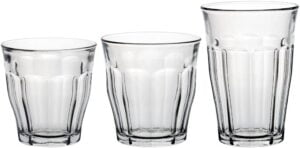
    DURALEX MADE IN FRANCE PICARDIE 18-PIECE GLASS TUMBLER DRINKING SET

    Duralex Tumbler drinking glass set

    The Duralex Picardie is an iconic glass drinking tumbler crafted in France, renowned for its quality and versatility.

    These tumblers are available in a variety of vibrant colors, adding a touch of elegance to your tableware.

    Duralex’s exceptional craftsmanship ensures that they are freezer-safe, allowing you to chill your favorite beverages without worry.

    Moreover, they are heat-resistant, making them suitable for hot drinks and microwave-safe for convenient reheating.

    Their stackable design not only saves space but also ensures easy storage. With timeless beauty and practical features, the Duralex Picardie is a beloved choice for both everyday use and special occasions.

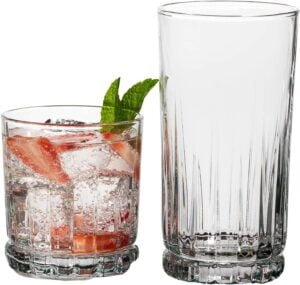
    ANCHOR HOCKING ANNISTON DRINKING GLASSES

    The Anchor Hocking Anniston drinking glasses are a versatile and modern addition to any kitchen or dining set.

    Anchor Hocking Anniston drinking glasses

    With a sleek design, they are suitable for a wide range of beverages, from juice and tea to cocktails and soda.

    These glasses are ideal for various occasions, making them perfect choices for weddings, holidays, and birthday gifts.

    What sets these glasses apart is their health-conscious design. Unlike some glassware, they don’t stain or retain odors, ensuring your drinks taste fresh every time.
    Plus, they are free from harmful chemicals that can leach into your beverages.

    The Anchor Hocking Anniston glasses combine style, versatility, and safety, making them a fantastic choice for both personal use and as thoughtful gifts for special occasions.

    IS SODA LIME GLASS LEAD-FREE?

    Lead Free Soda Lime Glass

    Yes, soda-lime glass is lead-free. Soda-lime glass is composed primarily of silica (sand), soda ash (sodium carbonate), and limestone (calcium carbonate). It does not contain lead as an intentional ingredient.
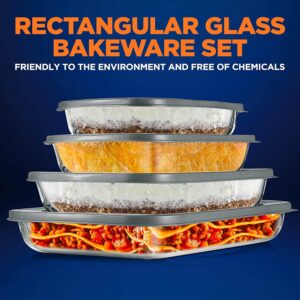
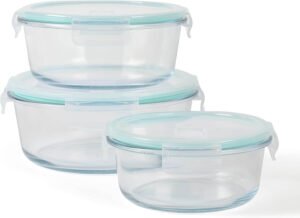
    That is why Soda lime glass is commonly used for items like bottles, dinnerware sets, and drinking glasses because it is safe for food and beverage contact and does not leach lead into substances it comes into contact with.

    Lead free Borosilicate glass for Baking

    Borosilicate glass food storage container

    IS CLEAR PYREX LEAD-FREE?

    Lead Free Clear Pyrex Glass

    Clear Pyrex glass is free from harmful toxins like Lead; they have a non-porous feature and is widely known for its transparency, durability, and resistance to thermal shock, which is why it is often used in kitchenware, laboratory equipment, and other applications where a transparent and heat-resistant material is needed.

    Finally, clear Pyrex glass won’t absorb stains or odor, and they are commonly used in baking dishes, measuring cups, and test tubes, among other things.

    IS PYREX GLASS LEAD-FREE?

    Yes, Pyrex glass is generally lead-free. In our previous article on understanding the distinction between Corelle and Pyrex brands, we highlighted that the Pyrex glassware is either made up of Borosilicate glass or soda lime glass (new Pyrex glass).

    Both Borosilicate and soda lime Pyrex glass are non-reactive and contain no hidden harmful toxins, making them safe for cooking and food storage.

    However, if you feel you need to perform a Lead test to be double sure, by all means necessary, kindly go ahead or contact the manufacturer directly for product specifications and safety information.

    Finally, always exercise caution with older glassware, especially if it shows signs of wear, as it may have a higher risk of lead leaching into food or liquids.

  • WHAT IS DURALEX GLASS

    What is Duralex glass? – You might have heard the name whispered among kitchen enthusiasts, or perhaps it’s a term that has always awakened your curiosity.

    Imagine this for a minute: a special material that is much tougher than average glass yet can grace your table with style.

    Intrigued? You should be. There is one feature we all want to see in our everyday household ware, and that is versatility – withstanding the test of time, affordability, and the ability to be used for almost all kinds of occasions.

    Just to give you a sneak peek, Duralex glass is a testament to the harmony between form and function, but there is more.

    Join us as we delve into the world of Duralex glass, exploring its origins, what it is made of, its incredible strength, and the countless ways it enhances our daily lives.

    Whether you’re a culinary connoisseur or simply someone who appreciates the beauty in simplicity, Duralex Glass has a story you won’t want to miss.

    WHAT IS DURALEX GLASS MADE OF?

    According to the Duralex glassware brand, Duralex glass is specially made of a mixture of sand, soda ash, and limestone, generally called soda-lime glass.

    In addition, this makeup makes Duralex glassware recyclable, lead and cadmium-free, completely safe to eat from, and safe for our health.

    WHAT IS DURALEX GLASS WORTH?

    The value of Duralex glassware can vary widely depending on factors such as the specific product, size, design, and where it is purchased.

    Generally, Duralex glassware is known for its affordability, making it accessible to a wide range of consumers.

    Individual items like a set of Duralex drinking glasses or plates can typically range from a few dollars to around $12 or $20 per piece, or more for larger or specialized items.

    Prices may also fluctuate based on the region, availability, and any specific promotions or discounts.

    It’s best to check with retailers, both online and in physical stores, to get the most accurate pricing for the particular Duralex glassware you’re interested in.

    WHAT IS DURALEX GLASS?

    What is Duralex Glass

    Duralex Glass is a premium, affordable French glassware brand that manufactures toughened tempered glassware and other tabletop products that are extremely durable, hygienic, shock-resistant, impact and chip-resistant, microwave, freezer, and dishwasher safe.

    DURALEX FRANCE

    One of the Premium products to come out of France is the Duralex glassware. Ever since its inception in 1945, the Duralex glassware has gained prominence and wide-scale acceptance all over Europe and the USA.

    Duralex France Drinking glass tumbler

    Duralex glassware is manufactured in the heart of France in La Chappelle-Saint-Mesmin, using the famous glass tempering process, which is what makes consumers call it toughened glassware.

    Duralex France glassware brand has the following popular products: drinkware (tumblers), glass dinnerware sets, stackable bowls, storage bowls, and even bakeware.

    Finally, Duralex is and will always be a true French manufacturer of glassware and tabletop products, as well as the only glass manufacturer that manufactures 100% of its products in France.

    DURALEX DRINKING GLASSES

    Duralex drinking glasses are versatile and durable glassware designed for everyday use. These glasses are perfect for enjoying a wide range of beverages, from water and juice to cocktails and wine.

    Duralex drinking Prisme clear tempered glass

    What sets Duralex glasses apart is their tempered glass construction, making them resistant to thermal shock and breakage.

    This means you can safely pour hot or cold drinks into them without worry.

    Duralex glasses also feature a stackable design, which saves storage space, and their timeless, clear appearance complements any table setting. Plus, they’re dishwasher-safe, making cleanup a breeze.

    What makes Duralex glasses truly special is their reliability and longevity. You won’t need to replace them often, making them an indispensable choice.

    So, whether you’re hosting a gathering or simply enjoying a quiet evening at home, Duralex glasses enhance your drinking experience and offer excellent value. Try them today for an elevated and sustainable sipping experience!

    DURALEX GLASS MUGS

    Duralex glass mugs are versatile, sturdy, and elegant drinkware that brings joy to your daily sips.

    Crafted from toughened tempered glass, these mugs can handle hot or cold beverages with ease.

    Duralex Versailles Glass Mug

    Whether you’re savoring morning coffee, indulging in tea, or relishing an icy cocktail, Duralex mugs offer a perfect vessel.

    What sets them apart is their durability – these mugs are virtually resistant to breakage, making them perfect for both everyday use and entertaining.

    These tempered Duralex mugs can also withstand thermal shock from -4 degrees F to 212 degrees F.

    The clear glass design showcases your drinks beautifully, enhancing your drinking experience.

    Duralex Cosy Glass Mug 12 Ounce

    Their ergonomic handles ensure a comfortable grip, and they’re microwave and dishwasher-safe, adding to their convenience.

    Duralex mugs are similar to Corelle mugs and are suitable for microwave use.

    Duralex glass mugs are not just cups; they’re companions for your daily rituals.

    Elevate your drinking moments with these timeless mugs that combine style, resilience, and practicality.

    It’s time to upgrade your drinkware game with Duralex – a quality that you can see and feel.

    Finally, Duralex mugs include the following collection: Cosy glass mug, Versailles mug, and Lys stackable mug, etc.

    DURALEX ESPRESSO GLASSES

    Duralex espresso glasses are exceptional coffee-drinking glasses designed to elevate your coffee experience, either at home or in the office.

    Duralex Espresso Glasses

    These stylish, durable glasses are perfect for enjoying rich and aromatic espresso. Their use is straightforward: pour your favorite espresso into the glass and savor the flavors.

    What sets Duralex espresso glasses apart are their remarkable features. They are made from tempered glass, which is not only incredibly strong but also resistant to thermal shock.

    This means you can safely use them with hot espresso without worrying about cracks. Their design is timeless, with a simple yet elegant look that enhances the coffee-drinking ritual.

    The glasses also come in various sizes to suit your preferences.

    Duralex espresso glasses are special because they combine functionality and durability.

    They enhance the coffee experience, making each sip a delight. Whether you’re a coffee enthusiast or just enjoy an occasional espresso, these glasses are a must-have addition to your kitchen.

    Try them and elevate your coffee moments today!

    DURALEX WINE GLASSES

    Duralex wine glasses are the epitome of elegance and durability, perfect for enhancing your wine-drinking experience.

    Made from high-quality tempered glass, they are not only crystal clear but also resistant to breakage, making them ideal for everyday use or special occasions.

    Duralex wine glasses

    Normally, wine glasses are designed with a generous bowl shape that allows your wine to breathe, enhancing its aroma and flavor.

    In addition, wine glasses have smooth, slender stems that provide an easy grip while preventing heat transfer from your hand to the wine, ensuring the perfect serving temperature.

    To this end, most wine lovers prefer the Libbey wine glass or the Luminarc wine glass, while others go for the Anchor Hocking wine glass or the Bormioli Rocco wine glass.

    To learn more about Luminarc, Anchor Hocking, Ikea, Libbey, and Bormioli Rocco glassware brands, kindly see the difference between Duralex and Luminarc glassware.

    What truly sets Duralex wine glasses apart from their competitors is their timeless longevity. They can withstand frequent use and dishwasher cleaning without losing their shine or shape.

    These glasses bring affordable luxury to your table, making every sip a delightful experience.

    Invest in Duralex wine glasses today, and elevate your wine enjoyment with their combination of style, resilience, and affordability. Cheers to the perfect wine moment!

    DURALEX BOWLS

    Duralex Bowls are proudly manufactured in France, come in a variety of sizes, and are ideal for blending different baking and cooking needs, such as salad.

    Durable stackable Bowls

    Duralex Bowls have a collar rim that allows them to be stacked, which is a feature you will appreciate.

    These French bowls are perfect for regular use and are exceptionally durable due to their impact and chip resistance.

    Aside from domestic use, they’re also perfect for outdoor and commercial use, and they’re microwave, freezer, and dishwasher safe.

    Finally, Duralex glassware bowls can endure temperature variations ranging from 4°F to 212°F and can be used with hot or cold beverages.

    To read more about Duralex Bowls, kindly read: Can Duralex Bowls go in the Oven?

    Reference: Duralex Tough Tempered glassware French Brand