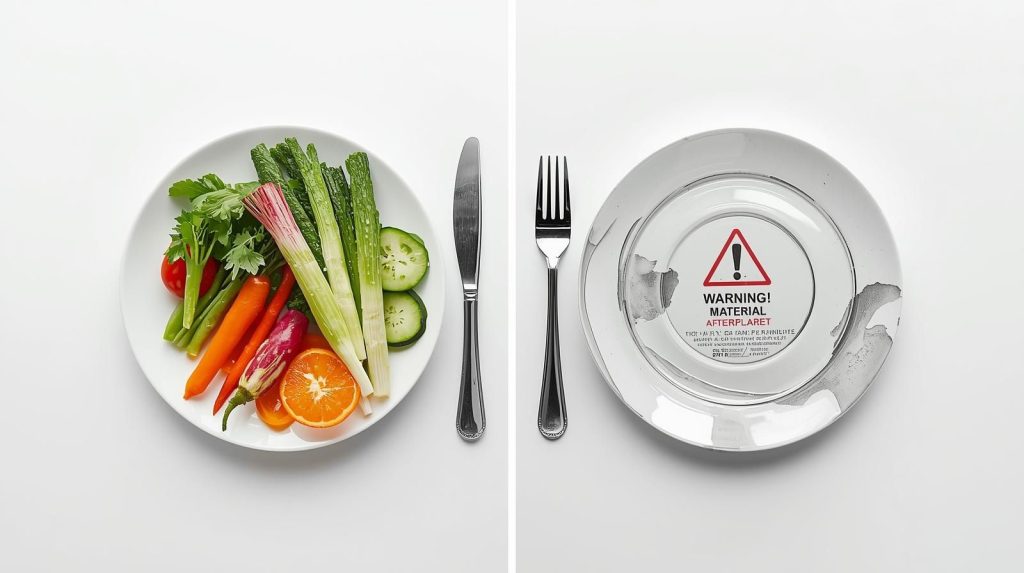
Tag: dinnerware material comparison

  • Arcopal vs Corelle Dinnerware: Complete Comparison Guide 2025

    Choosing the right dinnerware for your kitchen can feel overwhelming with so many options available.

    Two popular brands that often come up in discussions are Arcopal and Corelle – both known for their durability and practicality. But which one deserves a spot in your kitchen?

    Whether you’re replacing broken dishes, setting up a new home, or simply want dinnerware that can handle daily family meals without constant worry about chips and cracks, this comprehensive comparison will help you make an informed decision.

    In this guide, we’ll dive deep into the materials, durability, pricing, and practical features of both brands to help you choose the perfect dinnerware for your needs.

    QUICK COMPARISON: ARCOPAL VS CORELLE AT A GLANCE

    Arcopal vs Corelle
    FeatureArcopalCorelle
    MaterialTempered opal glassVitrelle glass (3-layer laminated)
    OriginFrench (Arc International)American (Instant Brands)
    WeightLightweightUltra-lightweight
    Price Range$25-65 per 16-piece set*$32-60 per 16-piece set*
    Microwave SafeYes (up to 275°F)Yes
    Dishwasher SafeYesYes
    Oven SafeNoYes( up to 350 F(176 C)
    Chip ResistanceHighVery High
    Design OptionsLimited, mostly white with patternsExtensive variety
    AvailabilityLimited in some regionsWidely available globally
    Best ForEuropean-style dining, budget-conscious buyersEveryday use, families, long-term investment

    WHAT MAKES ARCOPAL SPECIAL?

    Brand Background

    Arcopal is a distinguished French dinnerware brand established in 1958 under Arc International. The brand quickly gained recognition for pioneering the use of opal glass in dinnerware production, creating pieces that combine French elegance with practical durability.

    Arcopal Domitille Dinnerware collection

    Material and Construction

    Arcopal dinnerware is crafted from tempered opal glass – a specialized glass-ceramic material that undergoes heat treatment to enhance its strength. This process creates a material that’s significantly more durable than traditional ceramic or porcelain while maintaining an elegant appearance.

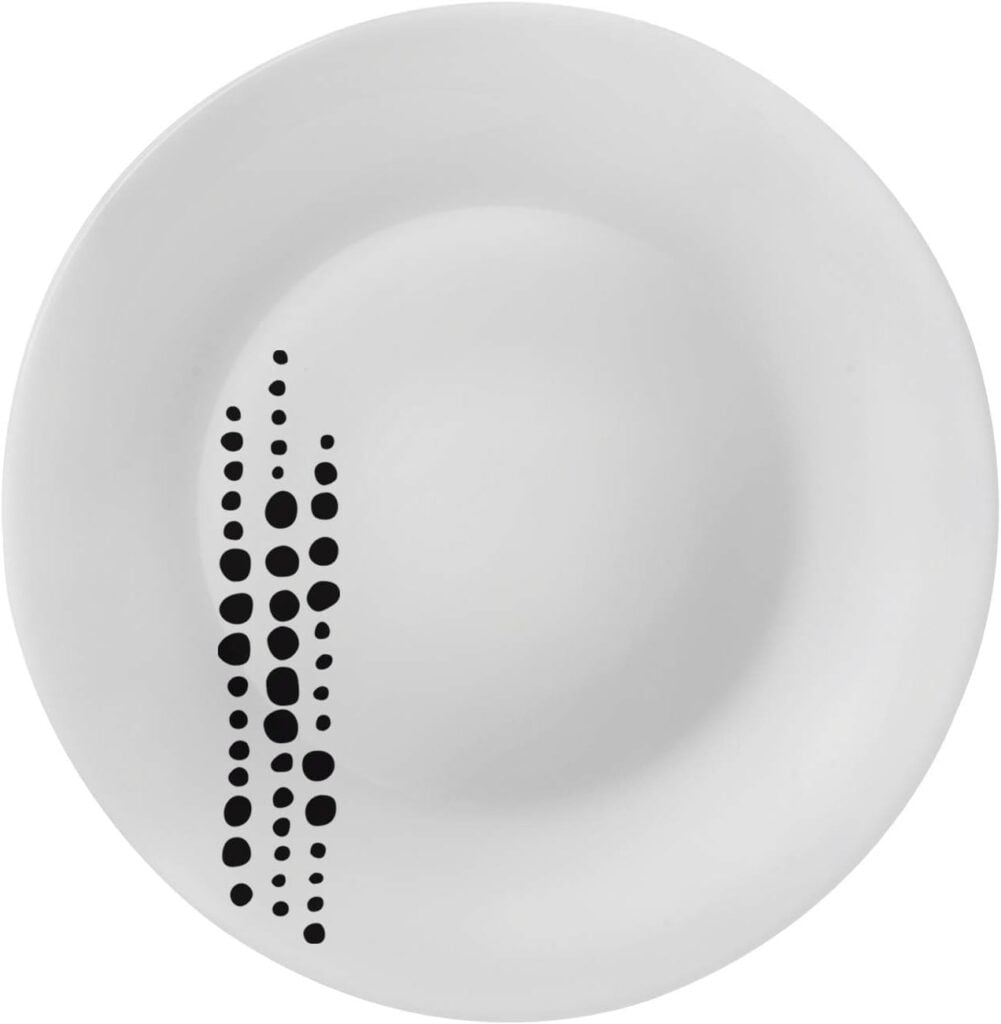
    Arcopal Black stripe and white background dinnerware set

    Key Material Benefits: • Durability: 3x stronger than regular glass • Thermal resistance: Handles temperature changes up to 275°F • Non-porous surface: Resists stains and odors • Lead-free composition: Safe for food contact

    Design and Aesthetics

    Arcopal focuses on classic European styling with clean lines and sophisticated patterns. Most collections feature: • White or cream base colors • Subtle decorative patterns • Minimalist designs • Elegant, timeless appeal

    Pricing and Value

    Arcopal dinnerware typically ranges from $25-65 for a 16-piece set ( please note this price depends on the specific pattern/collection, whether it’s new or pre-owned, the retailer (eBay, Amazon, or Walmart), and current availability, positioning it as a mid-range option.

    While more expensive than basic ceramic sets, it offers excellent value considering its durability and elegant appearance.

    UNDERSTANDING CORELLE DINNERWARE

    Brand Heritage

    Corelle, now owned by Instant Brands, has been a household name in American kitchens since 1970. The brand revolutionized dinnerware with its unique Vitrelle glass technology, creating dishes that are both incredibly durable and remarkably lightweight.

    Vitrelle Glass Technology
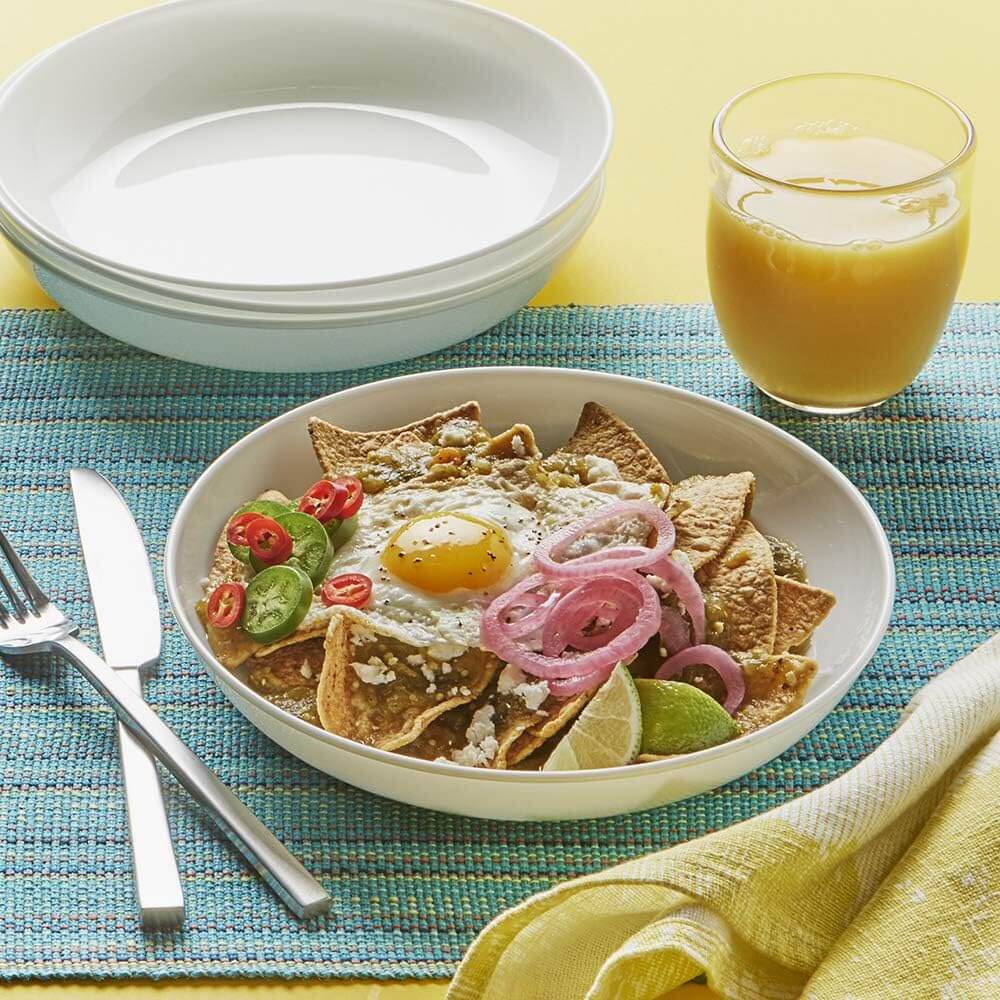
    Corelle Bowls for Pasta and Salad

    Corelle’s signature material is Vitrelle glass – a proprietary three-layer laminated glass that’s thinner and lighter than traditional dinnerware while being exceptionally strong.

    According to detailed user reviews, Corelle’s unique Vitrelle material makes it a lightweight dinnerware that resists breaking, cracking, chipping, scratching, and permanent staining.

    The plates and bowls are also thinner than china plates and stack better, so you can fit more in the cupboard, with all four plates taking up way less space than standard plates.

    Vitrelle Glass Advantages: • Triple-layer construction: Two clear glass layers sandwich a core layer • Ultra-lightweight: 50% lighter than ceramic • Space-saving: Thin profile for compact storage • Break-resistant: Engineered to resist chips and cracks.

    The non-porous glass surface doesn’t retain food odours and particles, doesn’t stain, and is easy to wash. Users report successful testing in dishwashers several times and use in microwaves with no problems.

    Design Variety

    Corelle offers an extensive range of patterns and styles: • Classic white: Timeless and versatile • Seasonal collections: Holiday and themed designs • Contemporary patterns: Modern geometric and artistic designs • Vintage reproductions: Nostalgic patterns from past decades.

    Pricing and Accessibility

    Corelle sets range from $32-$60 for 16-piece collections (depending on the Corelle pattern and retailer), making them accessible to various budgets.

    The brand’s wide availability in retail stores and online makes it easy to find and purchase.

    RELATED : VAISSELLE ARCOPAL
    RELATED : DIFFERENCE BETWEEN ARCOROC AND LUMINARC DINNERWARE

    HEAD-TO-HEAD COMPARISON

    Durability and Chip Resistance

    Winner: Corelle

    While both brands offer excellent durability, Corelle’s Vitrelle glass technology gives it a slight edge. The three-layer construction makes it exceptionally resistant to chips and cracks.

    Real-world testing shows that Corelle can survive multiple drops without breaking, making it particularly suitable for busy households. Arcopal’s tempered opal glass is also highly durable but may show more wear over time with heavy use.

    Weight and Handling

    Winner: Corelle

    Corelle’s ultra-lightweight design makes it ideal for everyday use, especially for families with children or elderly users.

    The lightweight nature is particularly beneficial for packing lunches, as users report sending meals to work in Corelle containers without adding unnecessary weight to lunch bags. Arcopal, while lighter than ceramic, is still heavier than Corelle.

    Heat Resistance

    Winner: Corelle

    Both brands are microwave and dishwasher-safe, but Corelle is oven-safe, although you MUST follow the safety temperature recommendations above.

    Arcopal can handle temperatures up to 275°F, while Corelle can handle 350°F, higher than the Arcopal brand.

    Design Options

    Winner: Corelle

    Corelle offers significantly more design variety, from classic white to seasonal patterns and contemporary designs. Arcopal focuses on elegant, minimalist European styling with limited pattern options.

    Price Value

    Winner: Corelle

    Corelle provides better value for money, offering similar durability at a lower price point with wider availability and better warranty coverage.

    Brand Reliability

    Winner: Tie

    Both Corelle and Arcopal have become household giants over 50 years in the market, with global availability and a quality focus.

    We can boldly say the Arcopal is just one of many budget-friendly Corelle alternatives worth considering.

    SAFETY AND MAINTENANCE

    Food Safety

    Both brands (Arcopal & Corelle) are completely food-safe: • Lead-free: Neither contains harmful lead • Non-porous: Resist bacterial growth • Stain-resistant: Easy to clean and maintain • Odor-resistant: Won’t absorb food smells.

    The glass construction of both brands offers significant health advantages over plastic alternatives.

    Unlike plastic containers, glass dinnerware doesn’t contain BPA (Bisphenol A) or other hormone disruptors, making it a safer choice for food contact.

    Cleaning and Care

    Daily Maintenance: • Both are dishwasher-safe on all cycles • Hand washing with mild soap is recommended for longevity • Avoid abrasive cleaners that can scratch surfaces.

    Glass (vitrelle & tempered opal) dinnerware comes out of the dishwasher feeling clean, smelling clean, and looking sparkling clean, unlike plastic, which can retain residue and odors even after washing.

    Long-term Care: • Store carefully to prevent impacts • Use trivets for hot items (though both are heat-resistant) • Check for hairline cracks periodically.

    STORAGE AND ORGANIZATION BENEFITS

    Both Corelle and Arcopal offer superior storage advantages compared to traditional dinnerware.

    The stackable nature of these glass materials means they take up significantly less cabinet space, and the consistent sizing allows for better organization.

    Users particularly appreciate how the thinner profile allows for more efficient storage, with some reporting that they can fit twice as many plates in the same space.

    WHERE TO BUY

    Arcopal Availability

    Online: Amazon, specialty kitchenware sites • Retail: Limited availability in US stores • • Shipping: May require international shipping in some regions.

    Corelle Availability

    Online: Amazon, Walmart, Target, official Corelle website • Retail: Widely available in department stores• Shipping: Readily available with standard shipping.

    USER EXPERIENCE AND REVIEWS

    Arcopal User Feedback

    Positive Reviews: • “Elegant design that looks expensive” • “Surprisingly durable for daily use” • “Perfect weight – not too heavy or light”.

    Common Concerns: • “Limited design options” • “Harder to find replacement pieces” • “More expensive than expected”.

    Corelle User Feedback

    Positive Reviews: • “Incredibly lightweight and stackable” • “Survived years of family use” • “Great value for the price” • “Love the variety of patterns”.

    Common Concerns: • “Can shatter dramatically if it does break” • “Some patterns fade over time” • “Very thin feel takes getting used to”.

    MULTI-PURPOSE FUNCTIONALITY

    One of the significant advantages of both Corelle and Arcopal is their versatility. Unlike traditional dinnerware, these vitrelle & opal glass pieces can serve multiple purposes – you can serve, store, and reheat all in the same container.

    This multi-functionality means fewer dishes to wash and more convenient meal preparation and storage.

    WHICH SHOULD YOU CHOOSE?

    Choose Arcopal If:

    • You prefer European-style elegance • You want mid-weight dinnerware (not too heavy, not too light) • You appreciate minimalist design • You’re willing to pay more for unique styling • You don’t mind limited availability.

    Choose Corelle If:

    • You prioritize durability and value • You want ultra-lightweight dinnerware • You prefer variety in design options • You need easily replaceable pieces • You want proven long-term reliability • You’re budget-conscious.

    For Families with Children

    Recommendation: Corelle. The ultra-lightweight design and superior chip resistance make Corelle ideal for households with young children who might drop dishes.

    The material’s resistance to breaking, cracking, and chipping makes it particularly suitable for families, especially those with clumsy members who tend to drop things.

    For Entertaining and Special Occasions

    Recommendation: Arcopal. The elegant European styling and substantial feel make Arcopal perfect for dinner parties and special gatherings.

    For Everyday Use

    Recommendation: Corelle. The combination of durability, lightweight design, and value makes Corelle the practical choice for daily meals.

    FREQUENTLY ASKED QUESTIONS

    Is Arcopal the same as Corelle?

    No, Arcopal and Corelle are different brands with different materials. Arcopal uses tempered opal glass while Corelle uses Vitrelle glass technology. 

    To understand the technical differences between these materials, see our Vitrelle Glass vs Opal Glass comparison.

    Can you put Arcopal in the oven?

    No, Arcopal dinnerware is not oven-safe and should not be used for baking or cooking at high temperatures.

    Does Corelle break easily?

    Corelle is highly resistant to chips and cracks, but when it does break, it can shatter into many pieces due to its tempered glass construction.

    Can you mix Arcopal and Corelle pieces?

    While both are white-based, they have different weights and slightly different styling, so mixing them may not create a cohesive look. However, it depends on your dining style and preference.

    FINAL VERDICT

    Both Arcopal and Corelle offer excellent dinnerware options, but they serve different needs and preferences.

    Corelle emerges as the overall winner for most households due to its superior value, wider availability, extensive design options, and proven durability. It’s particularly ideal for families, everyday use, and budget-conscious buyers.

    Arcopal is the better choice for those who prioritize European elegance, prefer mid-weight dinnerware, and don’t mind paying more for unique styling. It’s perfect for entertaining and special occasions.

    Ultimately, your choice should align with your specific needs, budget, and aesthetic preferences. Both brands will serve you well with proper care and handling.

    If you’re considering other Corelle alternatives, check out our La Opala vs Corelle and Corelle vs Pyrex comparisons


    Looking for more dinnerware comparisons? Since Arcopal and Luminarc are both Arc International brands, you might also want to compare Luminarc vs Corelle and Vitrelle Glass vs Porcelain to make the best choice for your kitchen.

  • IKEA Oftast vs Corelle: The Ultimate Dinnerware Comparison Guide

    You’re standing in the kitchenware aisle, torn between IKEA’s budget-friendly Oftast plates and the legendary Corelle dinnerware.

    Your current set is chipped and tired, and you’re ready for an upgrade that won’t break at the first sign of trouble.

    Both brands promise durability and style, but which truly delivers? As someone who’s tested countless dinnerware options over the years, I’ve seen the good, the bad, and the shattered across kitchen floors worldwide.

    The battle between IKEA Oftast and Corelle isn’t just about price—it’s about longevity, aesthetics, and whether they’ll survive your toddler’s next mealtime tantrum.

    By the end of this comparison, you’ll know exactly which plates deserve a spot in your cupboard. But first, let me warn you—the winner might surprise you.

    WHAT ARE IKEA OFTAST AND CORELLE DINNERWARE?

    IKEA Oftast: The Affordable Challenger

    IKEA Oftast represents the Swedish furniture giant’s entry-level dinnerware option.

    These white, minimalist plates and bowls are made from tempered opal glass, giving them a surprisingly durable quality despite their budget-friendly price point.

    The Oftast line typically includes basic dinner plates, side plates, and bowls with a clean, simple design that fits nearly any kitchen aesthetic.

    Ikea Oftast Tempered glass Plates

    IKEA Oftast pieces are:

    • Made from tempered glass
    • Microwave and dishwasher safe
    • Budget-friendly
    • Minimalist in design with clean lines
    • Stark white

    Corelle: The Established Champion

    Corelle has been a household name in dinnerware since the 1970s. Known for their virtually unbreakable reputation, Corelle plates and bowls are made from a unique three-layer glass lamination process called Vitrelle.

    Corelle Square Plates

    This patented material gives Corelle its legendary durability while maintaining a surprisingly lightweight feel.

    Corelle dinnerware features:

    • Triple-layer glass construction
    • Chip and break resistance
    • Lightweight design
    • Various patterns and designs
    • Microwave and dishwasher safe
    • Higher price point than IKEA

    While dinner sets comparable to Corelle exist in the market, few have achieved the same level of household recognition and trust.

    MATERIAL AND DURABILITY: THE BREAK TEST

    IKEA Oftast Material

    IKEA Oftast dinnerware is made from tempered glass, which undergoes a treatment process to increase its strength compared to regular glass.

    This gives it decent durability for everyday use, though it’s not invincible. The tempered opal glass construction provides a good balance between durability and affordability.

    Corelle Material

    Corelle’s proprietary Vitrelle glass technology is what sets it apart. This material consists of three layers of glass that are thermally bonded, creating an incredibly strong yet lightweight product.

    The outer layers are made of clear glass, while the core layer contains a special glass material that provides exceptional strength.

    Durability Comparison

    Ikea Oftast vs Corelle

    When it comes to durability, there’s a clear difference between these two options:

    FeatureIKEA OftastCorelle
    Drop resistanceModerateExcellent
    Chip resistanceGoodExcellent
    Thermal shock resistanceGoodExcellent
    WeightMediumLight
    WarrantyLimited3-year limited

    Corelle and IKEA brand legendary durability makes them particularly useful for RV living and travel, where breakage risks are higher due to movement and limited storage.

    The lightweight nature of Corelle also means less weight overall—an important consideration for RV owners concerned about vehicle weight limits.

    In real-world testing, Corelle consistently outperforms IKEA Oftast in drop tests. While Oftast can survive minor falls and bumps, Corelle can often be dropped from counter height onto hard surfaces without breaking—something few other dinnerware options can claim.

    PRICE COMPARISON: BUDGET VS. INVESTMENT

    One of the most significant differences between these two dinnerware options is the price point:

    ProductIndividual Piece Price (approx.)16-Piece Set Price (approx.)
    IKEA OftastLowMedium
    CorelleMedium (varies)Fairly High ( depends on the pattern)

    The price difference is substantial, with IKEA Oftast costing roughly one-third of Corelle’s price. This makes Oftast an attractive option for:

    • University students
    • First homes
    • Temporary accommodations
    • Budget-conscious shoppers
    • Those who replace dinnerware frequently

    Corelle, while more expensive initially, may prove more economical over time due to its exceptional durability and resistance to breaking.

    Dishes comparable to Corelle

    Many Corelle owners report using the same set for 10+ years without replacement, making it a long-term investment.

    DESIGN AND AESTHETICS: STYLE SHOWDOWN

    IKEA Oftast Design

    IKEA Oftast embraces minimalism with its clean, simple design. The collection features:

    IKEA Oftast Plates for kitchen and Dining
    • Stark white colour
    • No patterns or decorative elements
    • Modern, simple shapes
    • Rough-textured back
    • Has straight edges
    • Limited variety in design options

    This simplicity is both a strength and a limitation. While it ensures Oftast will match virtually any kitchen decor, it offers little in terms of personal expression or style.

    Beyond the basic plates and bowls, IKEA also manufactures beautiful mugs and complementary items that can add personality to an Oftast-based collection.

    Corelle Design

    Corelle offers significantly more variety in terms of design:

    • Multiple patterns (floral, geometric, classic, contemporary)
    • Various colour options
    • Different collections for different aesthetics
    • Seasonal and limited edition designs
    • Slight, sleek design on the edges and smooth surfaces
    • Larger in diameter
    • Mix-and-match capabilities

    This variety allows for greater personalization and expression through your dinnerware choices.

    Corelle’s designs range from ultra-minimalist white (similar to Oftast) to elaborate patterns for those who want their dinnerware to make a statement.

    FAMILY-FRIENDLY FEATURES: KID TEST

    For families with young children, dinnerware durability becomes particularly important.

    IKEA Oftast for Families

    IKEA offers dedicated children’s dinnerware options, including the popular IKEA toddler plate collections, which feature fun designs and child-friendly features.

    IKEA Plastic Toddler Plates and Bowls

    However, the standard Oftast line offers several family-friendly benefits:

    • Low replacement cost if broken
    • Dishwasher safe for easy cleaning
    • Lightweight enough for children to handle safely
    • Chip-resistant edges

    The affordability of Oftast means parents don’t need to worry extensively about breakage, making mealtimes less stressful.

    Corelle for Families

    Corelle’s exceptional durability makes it particularly well-suited for households with children:

    • Nearly unbreakable under normal conditions
    • Lightweight for small hands
    • Smooth edges that resist chipping
    • Stain-resistant surface
    • Dishwasher safe

    Many parents report choosing Corelle specifically because it can withstand the drops, bumps, and general chaos that come with family mealtimes.

    The higher initial investment is offset by rarely needing to replace broken pieces.

    PORTABILITY AND STORAGE: SPACE SAVERS

    IKEA Oftast Portability

    IKEA Oftast dinnerware offers decent portability characteristics:

    • Moderately lightweight
    • Stackable design
    • Relatively thin profile for storage
    • Durable enough for occasional transport

    These qualities make Oftast a reasonable choice for picnics or casual outdoor gatherings, especially the IKEA Kalas collection.

    Corelle Portability

    Corelle excels in portability, making it popular for:

    • Camping events and outdoor activities
    • RV and caravan travel
    • Picnics and potlucks
    • Small kitchens with limited storage

    The exceptional lightness of Corelle dinnerware means less weight to carry and less space required for storage.

    A complete set of Corelle dinnerware often weighs less than half of what comparable ceramic or stoneware sets weigh.

    This portability, combined with its break-resistance, explains why Corelle is so frequently recommended for mobile living situations.

    The thin profile allows for efficient stacking, making it possible to store a complete 16-piece set in the space typically required for 8 pieces of standard ceramic dinnerware.

    ENVIRONMENTAL CONSIDERATIONS: ECO-FRIENDLY ANALYSIS

    IKEA’s Oftast Environmental Impact

    IKEA has made company-wide commitments to sustainability, which influence the Oftast line:

    However, the lower durability compared to Corelle means that Oftast pieces may need replacement more frequently, potentially increasing their lifetime environmental footprint.

    Corelle Environmental Impact

    Corelle’s environmental profile benefits from its exceptional durability:

    • An extremely long lifespan reduces replacement frequency
    • Lightweight nature requires less material and less fuel for shipping
    • Made in the USA (for many markets), potentially reducing shipping distance

    The durability of Corelle means fewer replacements over time, potentially making it a more environmentally friendly choice despite the higher initial resource investment in manufacturing.

    SPECIAL USE CASES: BEYOND EVERYDAY DINING

    IKEA Oftast Special Uses

    IKEA Oftast’s affordability makes it ideal for:

    • Rental properties
    • University accommodations
    • Starter homes
    • Backup dinnerware
    • Large gatherings where breakage risk is higher

    The low price point means you can buy in bulk for special events without significant investment.

    Corelle Special Uses

    Corelle’s unique combination of durability and lightweight design makes it perfect for:

    • Useful for RV and Caravan Living
    • Boat galley kitchens
    • Outdoor dining
    • Households with limited mobility (due to light weight)
    • Multi-generational households

    The break-resistant nature of Corelle is particularly valuable in mobile living situations where bumps and vibrations are common, and replacement options may be limited.

    CARE AND MAINTENANCE: LONGEVITY TIPS

    Both dinnerware options are relatively low-maintenance, but there are some differences in care requirements:

    Care AspectIKEA OftastCorelle
    Dishwasher safeYesYes
    Microwave safeYesYes
    Oven safeNoYes ( but adhere to temperature limitations)
    Freezer safeYes, but be cautiousYes, but be cautious
    Stain resistanceGoodExcellent
    Scratch resistanceModerateGood

    To maximize the lifespan of either dinnerware type:

    • Avoid sudden temperature changes
    • Don’t use abrasive cleaning tools
    • Stack carefully with protective layers if needed
    • Handle with reasonable care during washing

    Corelle generally requires less careful handling due to its superior durability, making it more forgiving in busy households.

    CUSTOMER REVIEWS AND SATISFACTION: REAL USER EXPERIENCES

    IKEA Oftast User Feedback

    IKEA Oftast reviews typically highlight:

    • Excellent value for money
    • Satisfactory durability given the price point
    • Appreciation for the minimalist design
    • Reports of breakage from thermal shock (hot/cold transitions)

    Many users express surprise at how well Oftast holds up compared to other budget dinnerware options, though few expect it to last for decades.

    Corelle User Feedback

    Corelle reviews often emphasize:

    • Extraordinary durability, often with stories of accidental drops without breakage
    • Appreciation for the lightweight design
    • Positive comments about stain resistance
    • High satisfaction with longevity (many reporting 10+ years of use)
    • Occasional complaints about the limited thickness for heat retention

    Corelle has developed a devoted customer base, with many households using the same sets for generations. This loyalty speaks to the consistent quality and performance of the product.

    VERDICT: WHICH SHOULD YOU CHOOSE?

    After a thorough comparison, the choice between IKEA Oftast and Corelle comes down to your specific needs and priorities:

    Choose IKEA Oftast if:

    • Budget is your primary concern
    • You prefer to change dinnerware styles frequently
    • You need a large quantity of matching pieces
    • You’re in a temporary living situation
    • You appreciate minimalist aesthetics

    Choose Corelle if:

    • Durability is a top priority
    • You want a long-term investment
    • You have active children or a busy household
    • You need lightweight dinnerware
    • You value variety in patterns and designs
    • You plan to use your dinnerware for travel or outdoor activities

    For many households, the ideal solution might be a combination: Corelle for everyday use and IKEA Oftast as supplementary pieces for large gatherings or specific occasions.

    CONCLUSION

    The battle between IKEA Oftast and Corelle represents a classic case of budget-friendly basics versus premium durability.

    While Oftast offers remarkable value with its clean design and decent performance at an unbeatable price point, Corelle’s legendary toughness and lightweight construction make it worth the extra investment for many households.

    Your lifestyle should guide your choice—students and temporary dwellers will appreciate Oftast’s affordability, while families and long-term homeowners might find that Corelle’s durability pays for itself over time.

    Whatever you choose, both options stand head and shoulders above typical budget dinnerware in terms of quality and performance.

    Consider your priorities—budget, longevity, aesthetics, or weight—and let that guide your decision.

    After all, the perfect dinnerware is the one that seamlessly supports your daily life without drawing attention to itself until you want it to.

  • Wheat Straw Plates vs Melamine: The Complete Dinnerware Comparison

    The modern dinnerware landscape presents consumers with compelling alternatives to traditional ceramic and glass options, with wheat straw plates and melamine dinnerware leading the charge in lightweight, durable tableware solutions.

    These two material categories represent fundamentally different approaches to addressing contemporary dining needs: wheat straw plates emphasize environmental sustainability and natural composition, while melamine plates prioritize durability and practical performance for high-use applications.

    Understanding the distinctions between these materials becomes crucial as households, restaurants, and institutions seek dinnerware that balances functionality, safety, aesthetics, and environmental responsibility.

    Both options offer significant advantages over traditional breakable dinnerware while presenting unique characteristics that make them suitable for different use cases and consumer priorities.

    Quick Comparison Table: Wheat Straw vs Melamine

    wheat straw plates vs melamine

    FeatureWheat Straw PlatesMelamine Plates
    Material BaseAgricultural waste (wheat straw)Melamine formaldehyde resin
    Environmental ImpactExcellent (biodegradable, waste utilization)Moderate (recyclable in some areas)
    DurabilityExcellent (durable, unbreakable, weather-resistant)Excellent (commercial-grade durability)
    Break ResistanceVery good (won’t shatter)Superior (virtually unbreakable)
    Microwave SafeVaries by brand (some yes, some no)No (not recommended)
    Dishwasher SafeYes (top rack recommended)Yes (commercial dishwasher safe)
    Temperature ResistanceModerate (up to 120°F typically)High (up to 160°F typically)
    Food SafetyExcellent (natural composition)Good (when properly manufactured)
    WeightLightweightLightweight
    AppearanceNatural texture, earth tonesSmooth, wide color range
    Price RangeBudget to mid-rangeBudget to premium
    Lifespan1-3 years typical use5-10 years with proper care
    Stain ResistanceModerate (may absorb some stains)Excellent (non-porous surface)
    Scratch ResistanceGood (natural texture hides marks)Excellent (hard surface)
    Commercial UseLight commercial, cafesHeavy commercial, institutions
    Outdoor UseExcellent (lightweight, unbreakable)Excellent (durable, unbreakable, weather resistant)
    Chemical ResistanceGoodExcellent
    BiodegradabilityYes (6-12 months in compost)No (requires special recycling)
    Manufacturing EnergyLowModerate to high
    Replacement CostLow to moderateModerate (offset by longevity)

    At-a-Glance Recommendation Guide

    Choose Wheat Straw Plates if you:

    • Prioritize environmental sustainability and biodegradability
    • Want natural aesthetics with unique textures
    • Need lightweight dinnerware for camping or picnics
    • Prefer minimal chemical processing in dinnerware
    • Support circular economy and waste reduction initiatives
    • Accept shorter lifespan for environmental benefits.

    Choose Melamine Plates if you:

    • Need maximum durability for heavy-use applications
    • Operate commercial kitchens, schools, or institutions
    • Want long-term cost effectiveness through an extended lifespan
    • Require consistent performance and appearance
    • Need dinnerware for outdoor entertaining or poolside use
    • Prioritize practical performance over environmental considerations.

    Wheat Straw Plates vs Melamine: Which is Better?

    Whether you choose melamine or wheat straw plates mostly depends on your priorities and intended use.

    If you are more concerned about the environment and your health, then you should go for wheat straw plates because, based on your need, we can say that Wheat straw plates are better than Melamine.

    However, if you are planning on having a prolonged outdoor occasion, then you can stick with Melamine dishes because they are far more robust and resistant to shattering than Wheat straw dinnerware and are readily available in various patterns.

    It is also a good option to customize your table settings.

    So, you can see that it all boils down to your preference and occasion. However, in our humble opinion, we prefer wheat straw dinnerware over Melamine dishes because of health and environmental concerns.

    Is Wheat Straw Better than Plastic?

    In comparison to conventional plastic plates, wheat straw plates are a better option, especially when taking environmental and health considerations into account.

    Wheat straw plates are BPA-free, making them a better alternative to plastic plates, which can contain dangerous BPA chemicals.

    Plastic plates raise the possibility of these chemicals leaking into your meals, which could eventually have harmful effects on your health.

    Contrarily, wheat straw plates allay this concern by guaranteeing that your meals are free of potentially dangerous ingredients, providing you with long-term health advantages.

    Furthermore, biodegradable wheat straw plates have a substantial environmental advantage over plastic.

    They organically degrade, lessening the load on landfills and promoting a more sustainable environment.

    Plastic plates may be strong and long-lasting, but the trade-off frequently comes at the expense of the environment and your health.

    It comes down to choosing between long-lasting health and a cleaner environment or long-lasting durability for the plates.

    In addition to offering peace of mind, choosing wheat straw plates also supports a more responsible and healthy lifestyle, which many people find to be a gratifying decision over time.

    Understanding Wheat Straw Plate Technology

    Wheat straw plates represent an innovative approach to sustainable dinnerware manufacturing that transforms agricultural waste into functional tableware.

    Green Wheat Straw Dinnerware Sets

    This technology utilizes the stalks and stems left over after wheat grain harvest, materials that would otherwise be burned or discarded, creating a circular economy approach to dinnerware production.

    Composition and Manufacturing Process

    Wheat straw plates are manufactured using a combination of wheat straw fibers, natural binding agents, and food-grade additives that create durable, lightweight dinnerware.

    The wheat straw undergoes processing that breaks down the cellulose structure into workable fibers that can be molded and shaped into various plate designs and sizes.

    The manufacturing process typically involves grinding wheat straw into fine particles, combining these particles with binding agents like cornstarch or other plant-based polymers, and then molding the mixture under heat and pressure to create finished dinnerware products.

    This process creates plates that retain the natural texture and appearance characteristics of wheat while providing the structural integrity needed for practical use.

    Modern wheat straw plate production incorporates quality control measures that ensure consistent thickness, durability, and food safety standards.

    The natural variation in wheat straw creates unique patterns and textures that give each plate a distinctive appearance while maintaining functional performance.

    RELATED: WHEAT STRAW DINNERWARE VS BAMBOO

    Environmental Benefits and Sustainability

    Wheat straw plates offer significant environmental advantages through their utilization of agricultural waste materials that would otherwise contribute to environmental challenges.

    Traditional wheat farming generates substantial quantities of straw waste that farmers often burn, contributing to air pollution and greenhouse gas emissions.

    By converting wheat straw into useful products, this dinnerware category reduces waste stream impacts while creating value from materials previously considered agricultural byproducts.

    The biodegradable nature of wheat straw plates means they break down naturally at the end of their useful life, unlike petroleum-based plastics that persist in landfills for centuries.

    The carbon footprint of wheat straw plate production is significantly lower than traditional ceramic manufacturing, which requires high-temperature kiln firing, or plastic production, which depends on fossil fuel feedstocks.

    This environmental advantage appeals to environmentally conscious consumers and businesses seeking to reduce their ecological impact.

    RELATED: ARE BAMBOO DINNERWARE SAFE?

    Performance Characteristics

    Wheat straw plates demonstrate surprising durability for their lightweight construction, though they require different handling considerations compared to traditional dinnerware materials.

    The natural fiber construction creates plates that resist breaking when dropped but may be susceptible to damage from sharp impacts or extreme temperature variations.

    Heat resistance varies among different wheat straw plate formulations, with some products suitable for microwave use and others designed primarily for room temperature applications.

    The natural composition means these plates don’t conduct heat as readily as metal or ceramic alternatives, making them comfortable to handle even when containing warm foods.

    Water resistance depends on the specific manufacturing process and binding agents used, with higher-quality wheat straw plates featuring protective coatings that prevent absorption and staining while maintaining the natural appearance and texture characteristics.

    Understanding Melamine Dinnerware

    Melamine dinner plates for indoor and outdoor use

    Melamine dinnerware represents a mature technology that has evolved significantly since its introduction in the 1930s, with modern formulations addressing early safety concerns while maintaining the durability and practical advantages that made melamine popular for institutional and outdoor dining applications.

    Chemical Composition and Manufacturing

    Melamine plates are manufactured using melamine formaldehyde resin, a thermosetting plastic that creates extremely durable, lightweight dinnerware through a molding process that combines melamine powder with various additives and colorants.

    Melamine Nautical modern dinnerware sets

    The manufacturing process involves heating the melamine compound to high temperatures and pressing it into molds that create the final plate shapes and designs.

    Modern melamine production incorporates strict quality control measures that ensure proper curing of the resin and minimize the potential for chemical migration into food products.

    The thermosetting nature of melamine means that once properly cured, the material becomes stable and resistant to heat, impact, and chemical exposure.

    Beautiful Melamine 12 Piece Unbreakable Dinnerware set

    Advanced melamine formulations may include additional materials like bamboo fiber or other natural additives that enhance appearance, reduce environmental impact, or improve performance characteristics while maintaining the fundamental durability advantages of melamine construction.

    Durability and Performance Advantages

    Melamine dinnerware excels in applications requiring maximum durability and resistance to breakage, making it the preferred choice for restaurants, schools, hospitals, and outdoor dining situations where traditional ceramic or glass dinnerware would be impractical or unsafe.

    The impact resistance of quality melamine plates far exceeds that of ceramic or glass alternatives, with properly manufactured melamine able to withstand drops, impacts, and rough handling that would destroy traditional dinnerware.

    This durability translates into lower replacement costs and reduced safety risks in high-volume dining environments.

    Heat resistance allows melamine plates to handle hot foods safely, though they should not be used in microwave ovens or exposed to extreme temperatures that could cause warping or chemical breakdown.

    The thermal properties of melamine make it comfortable to handle even when containing hot foods, unlike metal alternatives that conduct heat readily.

    Safety Considerations and Regulations

    Modern melamine dinnerware production operates under strict regulatory oversight that addresses earlier concerns about formaldehyde migration and chemical safety.

    The U.S. Food and Drug Administration (FDA) has established a tolerable daily intake (TDI) of 0.063 milligrams per kilogram of body weight per day for melamine to ensure safe human consumption, including exposure to food contact materials like plates.

    Properly manufactured and cured melamine dinnerware poses minimal health risks when used according to manufacturer guidelines, though certain usage restrictions apply.

    These restrictions typically include avoiding microwave use, preventing exposure to extreme temperatures, and replacing plates that show signs of damage or wear that could compromise the protective surface.

    Quality control testing for melamine dinnerware includes migration testing that ensures chemical compounds don’t leach into food products under normal use conditions.

    Reputable manufacturers provide certification documentation that confirms compliance with applicable food safety standards and regulations.

    Direct Performance Comparison

    Durability and Breakage Resistance

    Melamine plates demonstrate superior impact resistance compared to wheat straw alternatives, with properly manufactured melamine able to withstand significant physical stress without breaking or cracking.

    The thermosetting plastic construction creates a material that maintains structural integrity even under conditions that would damage other dinnerware materials.

    Wheat straw plates offer moderate impact resistance that exceeds ceramic or glass alternatives but falls short of melamine’s exceptional durability.

    The natural fiber construction can absorb impact energy effectively, though sharp impacts or extreme stress may cause cracking or splitting along fiber lines.

    For high-volume commercial applications or situations where maximum durability is essential, melamine typically provides superior performance and longevity.

    Wheat straw plates excel in applications where moderate durability requirements can be balanced against environmental benefits and natural aesthetics.

    Temperature Performance and Safety

    Melamine plates handle hot foods effectively within their temperature limitations, providing safe service for most dining applications while avoiding microwave use or extreme heat exposure.

    The material’s thermal properties prevent heat conduction that could make plates uncomfortable to handle.

    Wheat straw plates demonstrate variable temperature performance depending on their specific formulation and manufacturing process.

    Some wheat straw products are microwave-safe within certain temperature limits, while others are designed primarily for room temperature or moderately warm food service.

    Both materials require careful attention to manufacturer guidelines regarding temperature exposure, though melamine generally provides more predictable and consistent thermal performance across different brands and product lines.

    Food Safety and Chemical Concerns

    Modern melamine dinnerware, when properly manufactured and used according to guidelines, presents minimal food safety risks for typical dining applications.

    Regulatory oversight and quality control testing ensure that chemical migration remains within safe limits established by health authorities.

    Wheat straw plates generally present fewer chemical concerns due to their natural composition and minimal use of synthetic additives, though the binding agents and processing chemicals used in manufacturing require the same careful selection and quality control as any food-contact material.

    Both materials benefit from proper use practices, including avoiding extreme temperatures, replacing damaged items, and following manufacturer care instructions that maintain the protective properties of the dinnerware surfaces.

    Environmental Impact Analysis

    Life Cycle Assessment Considerations

    Wheat straw plates demonstrate superior environmental performance throughout their lifecycle, from raw material sourcing through end-of-life disposal.

    The utilization of agricultural waste reduces the environmental burden of wheat farming while creating useful products from materials that would otherwise be burned or discarded.

    The biodegradable nature of wheat straw plates means they can be composted at the end of their useful life, returning nutrients to the soil and completing a natural cycle.

    This end-of-life advantage significantly reduces long-term environmental impact compared to synthetic alternatives that require special disposal or recycling processes.

    Manufacturing energy requirements for wheat straw plates are typically lower than those for melamine production, which requires high-temperature processing and chemical synthesis.

    The reduced energy intensity translates into a lower carbon footprint and reduced environmental impact throughout the production process.

    Sustainability Metrics and Certifications

    Many wheat straw plate manufacturers pursue sustainability certifications such as biodegradable product certifications, organic processing standards, or environmental management system certifications that verify their environmental claims and production practices.

    Melamine manufacturers increasingly focus on sustainable production practices, including energy efficiency improvements, waste reduction programs, and recycling initiatives that help minimize environmental impact while maintaining product performance standards.

    Consumer choice between these materials often reflects broader environmental values and priorities, with wheat straw appealing to consumers who prioritize renewable resources and biodegradability, while melamine appeals to those who value longevity and resource efficiency through extended product life.

    Economic Analysis and Cost Considerations

    Initial Purchase Price Comparison

    Wheat straw plates typically offer competitive pricing in the budget to mid-range category, with costs varying based on manufacturing quality, design complexity, and brand positioning.

    The agricultural waste feedstock provides cost advantages that manufacturers can pass along to consumers seeking affordable, sustainable alternatives.

    Melamine plates span a broader price range from budget options suitable for basic applications to premium products featuring advanced formulations, sophisticated designs, and commercial-grade durability.

    The mature manufacturing technology and economies of scale help maintain competitive pricing across various quality levels.

    Both materials offer significant cost advantages compared to ceramic or glass dinnerware when breakage replacement costs are factored into long-term ownership calculations, though the specific cost benefits vary based on usage patterns and application requirements.

    Long-Term Value Analysis

    The economic analysis of wheat straw versus melamine plates requires considering both the initial purchase price and total cost of ownership over the expected lifespan of each material type.

    Wheat straw plates may require more frequent replacement, but often compensate through lower initial costs and reduced environmental disposal expenses.

    Melamine plates typically provide superior long-term value in high-use applications where durability and longevity justify a higher initial investment.

    Commercial operations particularly benefit from melamine’s extended lifespan and consistent performance characteristics that reduce replacement frequency and operational disruptions.

    Household users may find different value propositions depending on their usage patterns, environmental priorities, and aesthetic preferences, with neither material providing universal cost advantages across all use cases and consumer priorities.

    Specific Use Case Applications

    Household and Family Dining

    Wheat straw plates excel in household applications where families prioritize environmental responsibility while seeking practical alternatives to breakable dinnerware.

    The natural aesthetics and moderate durability make them suitable for everyday dining, children’s meals, and casual entertaining.

    Melamine plates serve household needs effectively when maximum durability is required, particularly in homes with young children, active lifestyles, or frequent outdoor dining.

    The extensive color and design options available in melamine allow coordination with various decor styles and preferences.

    Both materials offer significant safety advantages for families with children, eliminating the injury risks associated with broken ceramic or glass while providing attractive, functional dinnerware that encourages independent eating and reduces parental concerns about breakage.

    Commercial and Institutional Applications

    Restaurant and food service operations typically favor melamine plates for their exceptional durability, consistent performance, and ability to withstand commercial dish washing systems and high-volume use patterns.

    The long lifespan and low replacement frequency make melamine cost-effective for commercial applications.

    Healthcare facilities and schools often choose melamine for similar reasons, with the added benefit of easy sanitization and resistance to chemical cleaning agents used in institutional settings.

    The safety advantages of unbreakable dinnerware prove particularly valuable in these environments.

    Wheat straw plates may find applications in specialized commercial settings such as eco-conscious cafes, organic restaurants, or venues that emphasize environmental sustainability as part of their brand identity and customer appeal.

    Outdoor and Recreational Use

    Both materials excel in outdoor dining applications, camping, picnicking, and recreational activities where traditional dinnerware would be impractical or unsafe.

    The lightweight, unbreakable characteristics of both wheat straw and melamine plates make them ideal for portable dining solutions.

    Wheat straw plates offer particular advantages for environmentally sensitive outdoor activities where leaving no trace is important, as their biodegradable nature reduces environmental impact if accidentally left behind or damaged beyond use.

    Melamine plates provide superior performance for extended outdoor use, boat dining, or recreational vehicle applications where durability and longevity justify the investment and where disposal options may be limited.

    Making the Informed Choice

    Decision Framework and Evaluation Criteria

    Choosing between wheat straw and melamine plates requires evaluating multiple factors, including environmental priorities, durability requirements, aesthetic preferences, cost considerations, and specific use applications.

    Create a weighted decision matrix that reflects your personal or organizational priorities to guide the selection process.

    Consider the frequency and intensity of use, the importance of environmental impact, budget constraints, and aesthetic requirements when evaluating these materials.

    Neither option provides universal advantages, making careful assessment of specific needs essential for optimal satisfaction.

    Both wheat straw and melamine dinnerware continue evolving through technological improvements, environmental enhancements, and design innovations that address changing consumer needs and regulatory requirements.

    Staying informed about these developments helps ensure long-term satisfaction with dinnerware choices.

    Wheat straw technology increasingly incorporates improved binding agents, enhanced durability characteristics, and expanded design options that broaden its appeal and practical applications.

    Melamine innovations focus on environmental improvements, enhanced safety features, and advanced aesthetic options.

    The dinnerware market’s evolution toward sustainability and performance will likely continue driving improvements in both material categories, providing consumers with increasingly sophisticated options that balance environmental responsibility with practical performance requirements.

    Conclusion: Choosing Your Ideal Dinnerware Solution

    The choice between wheat straw plates and melamine dinnerware ultimately reflects different priorities and use requirements rather than a simple better-or-worse comparison.

    Wheat straw plates excel for environmentally conscious consumers who value sustainability, natural aesthetics, and biodegradable materials while accepting moderate durability and shorter lifespan.

    Melamine plates serve consumers and organizations that prioritize maximum durability, consistent performance, and long-term cost effectiveness while accepting the environmental trade-offs associated with synthetic materials and specialized disposal requirements.

    Both materials offer significant advantages over traditional breakable dinnerware while serving different market segments and use cases effectively.

    Your optimal choice depends on carefully weighing environmental priorities against performance requirements, initial costs against long-term value, and aesthetic preferences against practical considerations.

    Whether you choose the sustainable innovation of wheat straw plates or the proven performance of melamine dinnerware, both options provide modern solutions to contemporary dining challenges while offering distinct benefits that traditional dinnerware materials cannot match.

  • Which Dinnerware Set Material Is Best for Health?

    Your dinnerware touches your food every single day, making it one of the most intimate contacts between household items and what enters your body.

    Yet most people never question whether their plates, bowls, and cups are leaching harmful chemicals into their meals.

    The material your dinnerware is made from directly impacts your health, especially with repeated exposure over the years.

    Some materials can release heavy metals like lead and cadmium, while others remain completely inert and safe.

    Understanding which dinnerware materials protect your health and which pose risks is essential for making informed purchasing decisions.

    This guide breaks down the healthiest and most dangerous dinnerware materials, helping you create a safer dining experience for your entire family without sacrificing style or durability.

    Why Dinnerware Material Matters for Your Health

    Food contact & chemical exposure

    Every time food touches your plate, there’s potential for chemical migration.

    Certain materials contain substances that can transfer into your meals, particularly when exposed to heat, acidity, or repeated use.

    Glazes on ceramic dinnerware may contain lead or cadmium that leach into food.

    Plastic-based materials can release harmful compounds when heated.

    Even seemingly safe options require scrutiny because manufacturing quality varies widely across brands.

    Heat, acidity, and wear

    Temperature and food chemistry accelerate leaching from problematic dinnerware.

    Hot foods increase molecular movement, making chemical transfer more likely.

    Acidic items like tomato sauce, citrus, and vinegar actively pull metals from glazes and coatings.

    Dishwasher detergents and utensil scratches gradually wear down protective barriers, exposing underlying materials.

    Over time, even initially safe dinnerware can become compromised through normal wear patterns.

    Daily use vs occasional exposure

    Frequency matters significantly in dinnerware safety. Using questionable plates once won’t cause immediate harm, but daily exposure creates a cumulative toxic burden.

    Your body accumulates heavy metals over time because it cannot efficiently eliminate them.

    Three meals daily on lead-glazed plates means 1,095 exposure events yearly.

    Children face even greater risk due to smaller body mass and developing systems that absorb toxins more readily than adults.

    Children and long-term risk

    Children are disproportionately vulnerable to dinnerware toxins. Their developing brains and nervous systems suffer permanent damage from lead exposure at levels adults tolerate.

    Kids also consume more food relative to body weight, increasing chemical intake per pound.

    Toxic exposure during growth years affects cognitive development, behavior, and lifelong health outcomes.

    Selecting truly safe dinnerware becomes critical when feeding infants, toddlers, and growing children who cannot protect themselves from hidden hazards.

    What Makes Dinnerware “Healthy”?

    Non-toxic composition

    Healthy dinnerware starts with inherently safe base materials that contain no harmful substances.

    Glass, stainless steel, and properly formulated ceramics qualify as non-toxic foundations.

    The material itself should not require chemical additives, plasticizers, or stabilizers to maintain its structure.

    Natural clay bodies fired at appropriate temperatures create stable ceramic matrices.

    Pure materials eliminate the source of contamination rather than simply controlling leaching through coatings or barriers.

    No heavy metal leaching

    Lead and cadmium represent the most serious heavy metal threats in dinnerware.

    Safe products contain zero detectable levels of these metals in both the body and surface glazes.

    Testing should confirm that nothing migrates into food under normal use conditions.

    Many countries regulate allowable leaching limits, but truly healthy dinnerware contains no heavy metals to begin with.

    Even low-level chronic exposure accumulates in bones and organs over decades of use.

    No plasticizers or PFAS

    Modern synthetic materials introduce new concerns beyond traditional heavy metals. Plasticizers like phthalates make materials flexible but disrupt hormones.

    PFAS chemicals create non-stick or stain-resistant surfaces while persisting indefinitely in the environment and human body.

    Healthy dinnerware avoids all synthetic chemical treatments, coatings, and additives.

    Natural materials properly processed require no chemical enhancement to perform their function safely over years of regular use.

    Stability under heat

    Safe dinnerware remains chemically stable across all normal use temperatures.

    Microwave heating, hot food service, and dishwasher cycles should not trigger material degradation or chemical release.

    Glass and properly fired ceramics maintain their structure indefinitely when heated. Materials that soften, melt, warp, or discolor with heat are fundamentally unsuitable for food contact.

    Temperature stability indicates strong molecular bonds that resist breaking down and contaminating your meals.

    Healthiest Dinnerware Materials (Ranked)

    which dinnerware set material is best for health

    Glass Dinnerware

    Glass dinnerware ranks as the absolute safest choice for health-conscious consumers. Made from sand, soda ash, and limestone, glass contains no toxic additives or surface treatments.

    Best dinnerware sets for everyday use by Corelle

    The material is completely non-porous, preventing bacterial growth and eliminating absorption of food odors or stains.

    Nothing can leach from pure glass because it’s chemically inert under all normal food contact conditions.

    Tempered glass options provide excellent durability while maintaining perfect safety.

    Lightweight Opal glass dinner set for daily use

    For anyone prioritizing health above all other factors, glass dinnerware eliminates virtually every material safety concern.

    Learn more about glass safety when choosing your dinnerware.

    High-Quality Porcelain

    Premium porcelain fired at high temperatures creates an exceptionally safe and durable dining surface.

    True porcelain becomes vitrified during firing, forming a glass-like structure that resists leaching.

    Durable Stoneware dinnerware sets

    Plain white porcelain without decorative elements presents minimal risk when manufactured according to proper standards.

    The firing temperature exceeds 2,300°F, which thoroughly stabilizes all components. However, decorative glazes, hand-painted designs, and metallic accents introduce uncertainty.

    Quality matters significantly, with established manufacturers maintaining stricter safety protocols than budget producers.

    Stoneware (Tested & Lead-Free)

    Stoneware offers excellent safety when properly manufactured and independently verified.

    This dense ceramic material fires at temperatures high enough to create stable, non-porous surfaces.

    Mora Ceramic Bowls and Plates

    The thickness provides durability that outlasts thinner ceramics while maintaining food safety.

    However, stoneware safety depends entirely on glaze formulation and firing technique.

    non-toxic stoneware dinnerware sets

    Always purchase from verified safe brands that provide testing documentation.

    Unverified stoneware, particularly imports and handmade pieces, may contain dangerous levels of lead in decorative glazes despite appearing safe.

    Stainless Steel

    Stainless steel dinnerware provides absolute certainty about material safety with zero leaching potential.

    The metal alloy contains no coatings, glazes, or surface treatments that could degrade over time.

    Steel plates remain completely stable under heat, surviving extreme temperatures without releasing any substances.

    This material particularly suits children’s dinnerware because it’s virtually indestructible. The industrial aesthetic doesn’t appeal to everyone, and steel cannot go in microwaves.

    However, for pure material safety combined with exceptional durability, stainless steel ranks among the healthiest options available.

    Ceramic (Conditional Safety)

    Ceramic dinnerware safety varies dramatically based on manufacturing quality and glaze composition.

    High-fired ceramics from reputable manufacturers typically meet safety standards when kept plain or minimally decorated.

    Porcelain dinnerware sets for everyday use

    Problems arise with colorful glazes, hand-painted designs, and imported ceramics lacking proper testing.

    Lead historically made glazes glossy and colorful, and some manufacturers still use it despite known dangers.

    Cadmium provides bright red, orange, and yellow colors, but it leaches readily into acidic foods.

    Only purchase ceramic dinnerware with clear safety certifications from established brands.

    Dinnerware Materials to Avoid or Limit

    Melamine (plastic-based)

    Melamine dinnerware combines formaldehyde with melamine resin to create hard plastic plates.

    While durable and lightweight, this material releases formaldehyde and melamine into food when heated or contacted by hot liquids.

    Studies show significant chemical migration when using melamine with hot soup, coffee, or microwaved food.

    The FDA considers melamine safe for cold food only, but most consumers use plates for hot meals.

    Children’s exposure concerns are particularly acute because melamine releases more chemicals as the surface becomes scratched and worn.

    For similar concerns about plant-based alternatives, check whether homemade stoneware might be safer.

    Plastic dinnerware

    Plastic plates, bowls, and cups introduce multiple chemical hazards into your diet. Even BPA-free plastics contain alternative plasticizers that may disrupt hormones.

    Heat accelerates chemical leaching, making plastic dinnerware particularly problematic for hot foods and microwave use.

    Acidic and fatty foods readily absorb plastic components. Scratches from utensils and dishwasher wear create additional surface area for chemical migration.

    Plastic’s environmental persistence and recycling challenges compound health concerns.

    While convenient for outdoor use, plastic dinnerware should never be your daily choice for meals.

    Vintage or antique plates

    Decorative antique dishes and vintage dinnerware often contain extremely high lead levels in their glazes.

    Historical manufacturing used lead liberally because regulations didn’t exist, and lead creates beautiful, glossy finishes.

    Even family heirlooms passed down through generations may be slowly poisoning users.

    Bright colors, metallic accents, and hand-painted designs on vintage pieces particularly indicate lead presence.

    These items belong on walls as decoration, not in active food service. Testing reveals that many antique plates exceed modern safety limits by factors of hundreds or thousands.

    Cheap imports with unknown glazes

    Imported dinnerware from countries with weak manufacturing oversight presents significant safety risks.

    Testing repeatedly finds dangerous lead and cadmium levels in inexpensive ceramic plates from certain regions.

    Without third-party verification, consumers have no way to confirm safety. Manufacturers may use prohibited materials to reduce costs while providing no documentation.

    Bright colors, unusually low prices, and the absence of brand information signal potential problems.

    The few dollars saved aren’t worth the health risks to your family. Understanding the risk when used in the microwave and with hot food helps you make safer choices about questionable dinnerware.

    How Lead and Cadmium Affect Dinnerware Safety

    Where lead enters dinnerware

    Lead enters dinnerware primarily through decorative glazes and colorants applied to ceramic surfaces.

    Manufacturers historically added lead oxide to glazes because it lowers firing temperatures, increases glossiness, and intensifies colors.

    The lead becomes bound within the glaze matrix during proper firing, but inadequate temperatures or formulations leave it available for leaching.

    Hand-painted designs, metallic trims, and bright decorative elements frequently contain lead.

    Even products from developed countries occasionally test positive when decorative elements weren’t properly formulated or fired.

    Why cadmium is used in glazes

    Cadmium produces exceptionally bright red, orange, and yellow colors that remain vivid after high-temperature firing.

    This heavy metal creates colors unachievable with safer alternatives, tempting manufacturers to use it despite its known toxicity.

    Cadmium-based pigments cost less than some safer colorants, providing an economic incentive for their continued use.

    International regulations vary widely, with some countries allowing cadmium in decorative dinnerware while others ban it entirely.

    Vibrant red or orange dinnerware deserves particular scrutiny regarding cadmium content.

    Leaching under acidic foods

    Acidic foods actively extract heavy metals from problematic glazes through chemical reaction.

    Tomato sauce, citrus fruits, vinegar-based dressings, and coffee all have pH levels that dissolve lead and cadmium from unstable surfaces.

    The acid essentially pulls metal ions out of the glaze matrix and into your food. Leaving acidic foods on questionable plates for extended periods dramatically increases contamination.

    Even brief contact with hot acidic foods causes measurable leaching from improperly formulated dinnerware.

    This chemical vulnerability makes glaze composition absolutely critical for any dinnerware intended for actual food service.

    Best Dinnerware Materials for Different Use Cases

    Best for families with kids

    Glass and stainless steel provide optimal safety for children’s daily use.

    Tempered glass resists breaking while offering zero toxicity concerns. Stainless steel withstands dropping and rough handling while remaining completely inert.

    Both materials eliminate worries about chemical exposure during critical developmental years.

    If ceramics are preferred for aesthetics, select only USA-made tableware brands with documented safety testing.

    Avoid any dinnerware with decorative elements when serving children.

    Consider that younger kids need extra protection because their developing bodies absorb and retain toxins more readily than adults.

    Best for daily adult use

    High-quality porcelain balances safety, aesthetics, and durability for everyday adult dining.

    Plain white or minimally decorated porcelain from reputable manufacturers offers reliable safety with a traditional appearance.

    Glass dinnerware provides maximum health protection while suiting modern design preferences. Both materials handle daily dishwasher cycles and microwave heating without degradation.

    For those wanting complete certainty, glass eliminates all concerns about glaze safety.

    The safest kitchen materials should form the foundation of your complete dining setup beyond just plates and bowls.

    Best for elderly users

    Lightweight yet safe materials work best for elderly users who may struggle with heavy dishes.

    Opal glass material combines exceptional lightness with complete safety and surprising durability.

    Thin porcelain provides elegant service while remaining manageable for arthritic hands.

    Some seniors benefit from compartmented plates that keep foods separated, available in both safe ceramic and stainless steel options.

    Avoid extremely heavy stoneware that strains wrists and increases the risk.

    Consider plates with higher edges or built-in sections that make eating easier while maintaining material safety standards.

    Best for microwave & oven use

    Glass and porcelain without metallic decoration perform best for microwave and oven applications.

    Pure glass heats evenly without creating hot spots that could burn users. Porcelain tolerates oven temperatures while remaining stable and non-reactive.

    Both materials release no chemicals when heated, unlike plastics or melamine that break down under heat exposure.

    Verify that specific products are rated for oven use before subjecting them to extreme temperatures.

    Stoneware also works well in ovens when properly manufactured. Never microwave dinnerware with metallic trim, decorative details, or unknown composition.

    Glass vs Ceramic vs Porcelain — Health Comparison

    Chemical stability

    Glass demonstrates perfect chemical stability because it’s already a non-crystalline solid requiring no additional treatment.

    Nothing can leach from pure glass under any normal food contact scenario.

    Porcelain achieves excellent stability through high-temperature vitrification that fuses all components into a glass-like matrix.

    Quality ceramic fired at proper temperatures also becomes chemically stable, though this depends on manufacturing precision.

    Both ceramic and porcelain safety rely on the glaze formulation remaining completely lead-free.

    For comparison of specific types, explore the vitrelle and opal glass comparison to understand different glass-based options.

    Breakage vs toxicity

    Safety evaluation must balance breakage risk against toxicity concerns. Glass breaks more easily than ceramic or porcelain, potentially creating injury hazards.

    However, broken glass causes immediate visible injury rather than hidden chemical poisoning.

    Toxic dinnerware causes invisible harm that accumulates over the years without obvious symptoms.

    Tempered glass reduces breakage significantly while maintaining perfect non-toxicity.

    Most safety-conscious consumers prefer breakage risk over ongoing toxic exposure. Proper handling minimizes glass breakage, while toxic materials poison you regardless of careful use.

    Maintenance & lifespan

    All three materials offer excellent longevity when properly cared for and maintained. Glass resists scratching, staining, and odor absorption indefinitely with basic care.

    Porcelain maintains its appearance for decades but may show utensil marks over time.

    Ceramic varies by quality, with high-fired pieces lasting generations while cheaper versions chip and craze relatively quickly.

    Dishwasher-safe versions of all three materials simplify maintenance.

    Glass requires no special consideration, while ceramic and porcelain need verification that glazes won’t degrade with repeated washing.

    The choice for RV living often prioritizes durability alongside safety.

    How to Verify a Dinnerware Set Is Truly Safe

    Manufacturer transparency

    Reputable manufacturers openly provide detailed information about materials, sourcing, manufacturing location, and testing protocols.

    They publish technical specifications and safety certifications on their websites. Transparent companies welcome questions about lead content, firing temperatures, and glaze composition.

    Avoid brands that offer vague marketing claims without supporting documentation. Look for specific statements like “lead-free and cadmium-free” rather than generic “safe” or “non-toxic” terminology.

    Companies confident in their products provide detailed answers backed by test results and certifications.

    Third-party testing

    Independent laboratory testing provides the most reliable safety verification available to consumers.

    Look for dinnerware tested by recognized facilities using standardized methods for detecting heavy metals.

    NSF International, SGS, and similar organizations provide credible third-party certification.

    Manufacturer self-testing lacks the objectivity of independent verification. Some brands voluntarily exceed regulatory requirements by testing to stricter standards.

    Third-party certification should test both the body and glaze of ceramic dinnerware to ensure a comprehensive safety assessment across the entire product.

    Certifications & disclosures

    California’s Proposition 65 requires warnings for products containing substances known to cause cancer or reproductive harm.

    While these warnings sometimes appear overly cautious, their absence indicates manufacturer confidence in product safety.

    FDA compliance for food contact materials provides basic assurance but doesn’t guarantee optimal safety.

    European Union regulations typically enforce stricter heavy metal limits than U.S. standards. LFGB certification from Germany indicates extremely rigorous testing.

    Understanding what certifications actually measure helps you evaluate their significance. Make sure you test your plates if purchasing from uncertain sources.

    At-home lead testing limits

    Consumer lead test kits provide limited screening capability but cannot definitively prove safety.

    These swabs detect high lead levels reliably but may miss low-level contamination or intermittent leaching.

    False negatives occur when lead exists in the ceramic body but not on the immediate surface.

    Acidic food contact over time leaches lead that surface swabs miss. Professional laboratory testing using atomic absorption spectroscopy provides accurate quantification.

    Home tests serve as initial screening only, not comprehensive verification.

    When feeding children or using dinnerware daily, professional testing or purchasing verified safe brands provides necessary confidence.

    FAQ — Healthiest Dinnerware Materials

    Is ceramic dinnerware safe for everyday use?

    Ceramic dinnerware is safe for daily use only when purchased from reputable manufacturers who verify their products are lead-free and cadmium-free.

    Plain white ceramic from established brands typically meets safety standards.

    Avoid decorated ceramics, hand-painted designs, and imports without testing documentation, as these frequently contain dangerous heavy metal levels.

    Is glass safer than porcelain?

    Yes, glass is definitely safer than porcelain because it contains no glazes that could potentially leach chemicals.

    Glass is naturally non-toxic and completely inert under all food contact conditions.

    High-quality porcelain is also very safe, but its safety depends on proper manufacturing and glaze formulation, introducing slight uncertainty that doesn’t exist with pure glass.

    Are stainless steel plates healthy?

    Stainless steel plates are extremely healthy, offering zero risk of chemical leaching into food. The material is completely stable and non-reactive under all normal use conditions.

    Steel provides exceptional durability and works particularly well for children’s dinnerware. The only limitation is that stainless steel cannot be used in microwaves due to its metal composition.

    Is microwave-safe dinnerware always non-toxic?

    No, microwave-safe labeling only means the material won’t spark or melt in microwaves, not that it’s free from toxic chemicals.

    Melamine is often labeled microwave-safe for brief reheating despite releasing formaldehyde when heated.

    Always verify that dinnerware is both microwave-compatible and made from inherently non-toxic materials like glass or lead-free ceramic.

    Final Verdict — What Is the Healthiest Dinnerware Material?

    Glass dinnerware ranks as the absolute healthiest material choice, offering perfect non-toxicity without any chemical leaching concerns.

    For those wanting ceramic aesthetics, high-quality porcelain from transparent manufacturers provides excellent safety witha traditional appearance.

    Stainless steel delivers unmatched durability and guaranteed safety for families with young children.

    The key is selecting products from reputable brands that openly provide testing documentation rather than relying on vague marketing claims.

    Avoid melamine, plastic, vintage ceramics, and any dinnerware lacking clear safety verification.

    Building a healthy kitchen setup starts with understanding that what touches your food matters as much as the food itself.

    Your daily dinnerware choice impacts your family’s health through thousands of meals over years of use. Invest in truly safe materials from the start, and you’ll eliminate ongoing worry about hidden chemical exposure.

    When considering different types of materials, remember that ceramic and stoneware pottery require more careful evaluation than naturally inert options like glass.

    Prioritize verified safety over appearance or cost, because protecting your family’s health is worth the investment.

    Conclusion

    Selecting healthy dinnerware materials protects your family from daily exposure to harmful chemicals that accumulate in your body over time.

    Glass stands as the safest option, while high-quality porcelain and verified lead-free stoneware provide excellent alternatives.

    Stainless steel works perfectly for children and anyone wanting absolute certainty about material safety.

    Avoid melamine, plastic, vintage pieces, and any ceramics lacking proper testing documentation.

    The material your food touches matters tremendously because you’re not just eating meals but potentially consuming whatever leaches from problematic plates.

    Heavy metals like lead and cadmium cause irreversible damage, particularly to developing children.

    Making informed dinnerware choices today prevents cumulative toxic exposure that could affect your health for decades to come.

    Prioritize safety certifications, manufacturer transparency, and inherently non-toxic materials when building your dinnerware collection for long-term family wellness.

    RELATED: DURABLE AND HARDENED DISH COMPARISON

  • Opalware vs Bone China: Which Dinnerware Reigns Supreme?

    You’re hosting a dinner party, and as your guests arrive, their eyes immediately drift to your stunning table setting.

    The gleaming dinnerware catches the light perfectly, setting the stage for an unforgettable evening. But which material should grace your table—the contemporary elegance of opalware or the timeless sophistication of bone china?

    Whether you’re a seasoned collector or simply looking to upgrade your daily dishes, choosing between these popular options can feel overwhelming.

    Both materials offer distinct advantages in durability, appearance, and practicality, yet they differ significantly in composition, price point, and maintenance requirements.

    Ready to discover which dinnerware will best complement your lifestyle and aesthetic preferences? Let’s uncover the differences that make each option unique.

    WHAT IS OPALWARE?

    Opalware, often called opal glass or opal glassware, is a modern dinnerware option that has gained immense popularity in recent years.

    This material is created through a unique manufacturing process that involves the use of tempered opal glass, which consists of three layers of glass laminated together and then heat-strengthened.

    The outer layers are typically clear, while the middle layer contains a special opacifying agent.

    Opalware dinnerware sets

    Opalware’s distinctive milky-white appearance resembles opal gemstones, hence the name. Despite its glass-like qualities, it possesses remarkable strength and durability compared to traditional glass products.

    Most opalware products come with a 2-3 year warranty, highlighting manufacturers’ confidence in their longevity.

    Key Features of Opalware:

    • Lightweight yet sturdy construction
    • Resistant to chipping and breaking
    • Safe for microwave, dishwasher, and refrigerator use
    • Non-porous surface that resists staining
    • Available in a wide range of patterns and designs
    • More affordable than bone china
    Opalware Lightweight break resistant dish set

    The manufacturing process of opalware makes it particularly suitable for everyday use, as it can withstand the rigours of daily handling while maintaining its pristine appearance.

    WHAT IS BONE CHINA?

    Bone China represents the pinnacle of fine dinnerware, with a rich history dating back to the 18th century.

    Elegant Bone China dinnerware by Mikasa Ciara

    As its name suggests, this premium material contains actual bone ash—specifically, calcified cattle bones—which gives it its characteristic translucent appearance and exceptional strength.

    Traditional bone china comprises approximately 25-50% bone ash, 25% kaolin (a type of clay), and 25% feldspar (a type of mineral).

    This unique composition creates dinnerware that’s simultaneously delicate in appearance yet remarkably strong.

    Key Features of Bone China:

    • Exceptional translucency when held up to light
    • Elegant, thin profile with a refined appearance
    • Exceptional strength despite its delicate appearance
    • Chip-resistant properties
    • Bright white colour with a warm undertone
    • Premium price point reflecting its quality
    • Often features hand-painted designs or gold/platinum trim
    Embossed Bone China by Gibson brand

    The presence of bone ash in the material makes bone china more expensive than other ceramic options, but many connoisseurs believe the investment is worthwhile for its unmatched elegance and durability.

    Many porcelain and bone china dinnerware for daily use are available for those who appreciate fine dining experiences every day.

    OPALWARE VS BONE CHINA: A COMPREHENSIVE COMPARISON

    Opalware vs Bone China

    When comparing these two distinguished dinnerware materials, several factors come into play—from durability and aesthetics to price and maintenance requirements.

    Let’s explore each aspect in detail:

    Composition and Manufacturing

    Opalware:

    • Made from tempered glass with three fused layers
    • Contains no bone ash or animal products (completely vegetarian-friendly)
    • Machine-manufactured for consistency

    Bone China:

    • Contains 25-50% bone ash from cattle
    • Includes kaolin clay and feldspar
    • Often involves hand-finishing techniques
    • Requires high firing temperatures (over 1200°C)

    Appearance and Aesthetics

    Opalware:

    • Milky-white, opaque appearance
    • Modern, contemporary aesthetic
    • Often features bold patterns and colours
    • Uniform thickness throughout

    Bone China:

    • Translucent when held to light
    • Exceptionally thin profile
    • Traditional, elegant appearance
    • Often features delicate patterns and precious metal accents

    Durability and Strength

    Opalware:

    • Highly resistant to breakage from falls
    • Can opalware break? Yes, but it’s significantly more difficult to break than regular glass or ceramics
    • Less likely to chip than bone china
    • Excellent thermal shock resistance

    Bone China:

    • Surprisingly strong despite its delicate appearance
    • More susceptible to chipping than opalware
    • Excellent resistance to cracking
    • Moderate thermal shock resistance

    Weight and Feel

    Opalware:

    • Lightweight and easy to handle
    • Slightly thicker profile
    • Smooth, cool touch

    Bone China:

    • Lightweight with a delicate feel
    • Thin, refined edges
    • Warm, smooth surface texture

    Price Comparison

    FeatureOpalwareBone China
    Entry-level set priceMostly AffordableHigh
    Premium set priceHighPremium Price
    Individual plate costAffordableFair Price
    Replacement availabilityWidely availableMay be discontinued
    Value retentionModerateHigh (collector potential)

    Maintenance Requirements

    Opalware:

    • Dishwasher safe
    • Microwave safe
    • Refrigerator safe
    • Resists staining and odours
    • Easy to clean

    Bone China:

    • Often dishwasher safe (check manufacturer guidelines)
    • Usually microwave safe unless it has metallic accents
    • Requires gentle handling during cleaning
    • May need special care for pieces with gold or platinum trim

    OPALWARE VS CERAMIC: UNDERSTANDING THE DIFFERENCES

    Opalware vs Ceramic

    While both opalware and ceramic are popular dinnerware choices, they differ significantly in composition, durability, and appearance.

    Ceramic dinnerware encompasses a broad category of materials made from clay that’s been shaped and fired at high temperatures.

    This includes earthenware, stoneware, and porcelain. Each type varies in density, strength, and porosity.

    Key Differences:

    1. Composition: Opalware is made from tempered glass, while ceramic is made from clay.
    2. Durability: Opalware generally offers superior chip and break resistance compared to most ceramic options (except for high-quality porcelain).
    3. Weight: Opalware is consistently lightweight, while ceramic options vary from heavy (stoneware) to relatively light (porcelain).
    4. Heat Retention: Ceramic typically retains heat better than opalware, making it preferred for serving hot foods.
    5. Price: Mid-range ceramic options like stoneware are often less expensive than opalware, while high-end porcelain can be more costly.

    If you’re choosing between these options, consider opalware for durability and lightweight handling and ceramic for traditional aesthetics and better heat retention.

    OPALWARE VS PORCELAIN: MAKING THE RIGHT CHOICE

    Opalware vs Porcelain

    Porcelain is a type of ceramic made from kaolin clay fired at extremely high temperatures (1200-1400°C), resulting in a non-porous, glass-like material.

    Comparing Key Aspects:

    1. Translucency: Fine porcelain offers some translucency but generally less than bone china. Opalware has an opaque, milky appearance.
    2. Durability: High-quality porcelain is quite durable but typically more prone to chipping than opalware. Opalware offers superior resistance to breakage.
    3. Appearance: Porcelain has a refined, elegant look with a bright white finish. Opalware has a contemporary, clean aesthetic.
    4. Weight: Both materials are relatively lightweight, though porcelain can vary in thickness.
    5. Price: Fine porcelain typically costs more than opalware but less than bone china.

    Porcelain might be your ideal choice if you prefer a traditional aesthetic with excellent heat retention. Opt for opalware if you value maximum durability and contemporary styling.

    To learn more about Porcelain, check the difference between vitrelle glass and porcelain, and to see how tempered opal glass performs in real-world use, check our Arcopal vs Corelle comparison.

    OPALWARE VS MELAMINE: SAFETY AND PRACTICALITY

    Opalware vs Melamine

    Melamine dinnerware has become popular for casual dining, particularly for outdoor use or families with young children. But how does it compare to opalware?

    Melamine is a type of plastic resin that’s molded into dinnerware shapes. It’s extremely durable and virtually unbreakable, making it popular for casual settings.

    Important Considerations:

    1. Safety: Opalware is generally considered the safest and healthiest dinnerware option between these two choices. Melamine contains chemicals that can potentially leach into food when heated, making it unsuitable for microwave use.
    2. Durability: Both materials are highly resistant to breaking. Melamine may be slightly more resistant to damage from drops, but can scratch more easily than opalware.
    3. Appearance: Opalware has a more premium, glass-like appearance, while melamine has a distinctly plastic look and feel despite modern improvements in design.
    4. Heat Resistance: Opalware can safely go in the microwave and withstand higher temperatures, while melamine should never be microwaved or exposed to high heat.
    5. Environmental Impact: Opalware is more environmentally friendly, as it’s made from natural materials and is recyclable. Melamine is not biodegradable or easily recyclable.

    For families seeking safe, durable dinnerware that doesn’t compromise on appearance or functionality, opalware offers significant advantages over melamine, despite the slightly higher price point.

    WHICH IS BETTER: BONE CHINA OR CERAMIC?

    When comparing bone china to other ceramic options, bone china consistently stands out for its exceptional quality and refined characteristics.

    Bone China vs General Ceramic Options:

    1. Strength: Despite its delicate appearance, bone china is stronger than standard porcelain or stoneware due to its bone ash content.
    2. Translucency: Bone china offers superior translucency compared to other ceramics, creating a distinctive, elegant appearance when held to light.
    3. Weight: Bone china is typically lighter than other ceramic options of similar thickness.
    4. Resonance: Bone china produces a distinctive ring when tapped, indicating its high quality. Other ceramics produce a duller sound.
    5. Thermal Properties: Bone china retains heat effectively while remaining comfortable to handle.

    For those who appreciate fine dining experiences and are willing to invest in premium tableware, bone china represents the pinnacle of ceramic dinnerware.

    Its exceptional durability-to-weight ratio makes it suitable for both special occasions and daily use, though its higher price point means many households reserve it for entertaining or special meals.

    WHAT IS THE STRONGEST MATERIAL FOR DINNERWARE?

    When it comes to sheer strength and durability, several materials compete for the title of strongest dinnerware option:

    Strength Comparison:

    1. Vitrelle Glass (Corelle): Often considered the strongest option for everyday use, this tempered glass material (similar to opalware) consists of three layers of glass laminated together. It’s highly resistant to breaking and chipping while remaining lightweight.
    2. Melamine: Nearly unbreakable under normal use conditions, melamine excels in drop resistance but can scratch and isn’t suitable for hot foods or microwave use.
    3. Bone China: Surprisingly strong despite its delicate appearance, premium bone china offers excellent chip resistance combined with elegance.
    4. Stoneware: Thick, heavy stoneware provides good durability but is more susceptible to chipping than the above options.
    5. Porcelain: High-quality porcelain offers good durability but typically doesn’t match the strength-to-weight ratio of bone china or the break resistance of opalware.

    For households with young children or those who prioritize maximum durability, opalware and similar tempered glass products typically offer the best combination of strength, versatility, and appearance.

    For those seeking the strongest, elegant option, bone china provides remarkable durability, considering its refined appearance.

    MAKING YOUR FINAL DECISION

    Choosing between opalware and bone china ultimately depends on your lifestyle, preferences, and budget. Consider these factors when making your decision:

    Choose Opalware If:

    • You need dinnerware that can withstand daily use by all family members
    • You prefer lightweight, easy-to-handle dishes
    • You’re looking for microwave, dishwasher, and refrigerator-safe options
    • You have a modern aesthetic and prefer contemporary designs
    • You’re working with a moderate budget
    • You want maximum break resistance

    Choose Bone China If:

    • You appreciate traditional elegance and fine dining experiences
    • You’re willing to invest in premium-quality dinnerware
    • You value the translucent appearance and refined aesthetics
    • You don’t mind taking extra care with handling and cleaning
    • You’re looking for dinnerware with potential collector’s value
    • You want to create a sophisticated table setting for special occasions

    Many households find that having both types serves them well—opalware for everyday family meals and bone china for entertaining and special occasions.

    CONCLUSION

    The choice between opalware and bone china doesn’t have to be an either-or decision. Both materials offer distinct advantages that cater to different needs and preferences.

    Opalware shines with its impressive durability, contemporary aesthetic, and practical features that make it perfect for busy households.

    Meanwhile, bone china continues to represent the gold standard in elegant dining with its translucent beauty, surprising strength, and timeless appeal.

    Whatever you choose, quality dinnerware is an investment in daily pleasure—transforming ordinary meals into special occasions and creating the perfect backdrop for life’s memorable moments.

    Consider what matters most to you—practicality, aesthetics, or a balance of both—and select the option that will bring you joy every time you set the table.

  • What is Tempered Opal Glass: Everything You Need to Know

    Across the table, conversations momentarily pause as you set down your signature lasagna. It’s not just the aroma causing the stir—it’s the stunning white serving dish that has captured everyone’s attention.

    The elegant, milky-white glass with its soft radiance isn’t ordinary tableware—it’s tempered opal glass.

    For generations, this remarkable material has enhanced dining tables worldwide, seamlessly blending elegance with functionality in a way few other materials can achieve.

    But what exactly makes tempered opal glass so special? How does it differ from other popular materials?

    And why have so many dinnerware enthusiasts fallen in love with its unique properties?

    Let’s uncover the secrets behind this beloved kitchen essential that might just revolutionize your dining experience.

    WHAT IS TEMPERED OPAL GLASS?

    what is tempered opal glass

    Tempered opal glass is a specialized type of heat-treated glass that combines the striking aesthetic of traditional opal glass with enhanced durability and safety features.

    At its core, opal glass is created by adding specific materials like fluorides or phosphates to the glass mixture during manufacturing, resulting in its characteristic milky-white appearance and subtle translucency.

    Bormioli Rocco tempered Opal glass dinnerware

    What transforms ordinary opal glass into tempered opal glass is a carefully controlled heating and rapid cooling process known as thermal tempering.

    This process creates a compressed outer layer and a tensioned inner layer, significantly increasing the glass’s strength and changing its breaking behavior.

    Borosil tempered Opal glass dinnerware

    When standard glass breaks, it shatters into sharp, dangerous shards.

    In contrast, tempered opal glass is less likely to break under normal use conditions, and if it does break, it crumbles into small, relatively blunt pieces that pose a reduced injury risk—making it particularly valuable for household items.

    The Science Behind the Strength

    The tempering process involves heating the glass to approximately 620°C (1150°F) and then rapidly cooling the surfaces with high-pressure air blasts.

    Black Lightweight Opal glass dinnerware set

    This creates a permanent state of compression in the outer layers and tension in the inner layers, effectively giving the glass a “memory” that resists breaking under pressure.

    This scientific process results in glass that is typically 4-5 times stronger than untreated glass of the same thickness and composition.

    Ikea Opal glass dish

    The enhanced molecular structure is what gives tempered opal glass its remarkable resilience against:

    • Daily wear and tear
    • Thermal shock
    • Physical impact

    “Tempered opal glass represents one of the most significant innovations in dinnerware materials, combining aesthetic appeal with functional durability in ways that transformed how we approach table setting.” Journal of GarboGlass

    WHAT IS TEMPERED OPAL GLASS USED FOR?

    Tempered opal glass finds its way into numerous applications due to its unique combination of beauty, durability, and heat resistance.

    Here are the most common uses:

    Kitchen and Dining Applications

    • Dinnerware Sets: Plates, bowls, and serving platters that combine elegance with durability
    • Baking Dishes: Casseroles and baking pans that can go from freezer to oven
    • Serving Vessels: Beautiful serving bowls and platters that maintain food temperature
    • Drinkware: Mugs and glasses that resist breaking from daily use

    Beyond the Kitchen

    • Lighting Fixtures: Lampshades and light covers that diffuse light beautifully
    • Bathroom Accessories: Soap dishes, toothbrush holders, and decorative items
    • Decorative Objects: Vases, ornaments, and display pieces
    • Commercial Applications: Restaurant dinnerware and hotel amenities

    The heat-resistant casserole china glassware made from tempered opal glass has become particularly popular for its ability to withstand temperature extremes, making it ideal for both cooking and serving food in the same elegant vessel.

    COMPARISON TABLE: COMMON USES OF TEMPERED OPAL GLASS VS. OTHER MATERIALS

    ApplicationTempered Opal Glass AdvantagesCommon Alternatives
    BakewareDiffuses light beautifully, heat-resistantMetal (less attractive), Ceramic (heavier)
    DinnerwareChip-resistant, lightweight, elegant appearancePorcelain (more fragile), Stoneware (heavier)
    Serving DishesRetains heat/cold, lightweight, dishwasher safePlastic (less elegant), Silver (requires polishing)
    LightingDiffuses light beautifully, heat resistantPlastic (less durable), Clear glass (different aesthetic)

    OPAL GLASS VS. FROSTED GLASS: UNDERSTANDING THE DIFFERENCES

    Though they may appear similar at first glance, opal glass and frosted glass are fundamentally different in both composition and properties.

    Production Process

    Opal Glass: Created by adding specific materials like bone ash, fluorides, or phosphates to the glass mixture during the manufacturing process. These materials create a cloudy, milky appearance throughout the entire glass structure.

    Frosted Glass: Typically starts as clear glass that is later treated by acid etching, sandblasting, or mechanical abrading to create a translucent surface. The frosting is typically only on the surface, not throughout the material.

    Visual Appearance

    Opal Glass: Has a consistently milky, luminous quality throughout the entire material, often with a soft glow when light passes through it.

    Frosted Glass: Features a matte, textured surface that diffuses light but lacks the inner luminosity of opal glass. When viewed from the edge, you can often see that the interior is still clear glass.

    Practical Considerations

    Opal Glass:

    • More elegant appearance for tableware
    • Better heat retention properties
    • More consistent light diffusion for lighting applications

    Frosted Glass:

    • Often less expensive
    • More varied textures available
    • Typically not as durable as tempered opal glass.

    “Research indicates that consumers perceive opal glass as 37% higher in quality and elegance compared to frosted glass alternatives, particularly for dining applications.”

    OPAL GLASS VS. CERAMIC: A DETAILED COMPARISON

    When choosing between opal glass and ceramic for your dinnerware, understanding the key differences can help you make the right decision for your needs.

    Composition and Manufacturing

    Opal Glass: Made from silica, soda ash, and limestone with added opacifiers, formed at high temperatures and potentially tempered for added strength.

    Ceramic: Created from clay that is shaped and fired in a kiln, often with glazes applied for color, design, and to create a non-porous surface.

    Performance Characteristics

    Opal Glass:

    • Lighter weight
    • More consistent appearance
    • Less porous surface
    • More resistant to thermal shock
    • Typically, more resistant to chipping

    Ceramic:

    • Often more scratch-resistant
    • Greater variety of designs and textures
    • Sometimes more affordable
    • Can maintain handcrafted, artisanal qualities
    • May better retain heat for longer periods

    Best Uses

    Opal Glass excels in:

    • Everyday family dinnerware
    • Modern, clean aesthetic settings
    • Situations requiring lighter-weight options
    • Applications requiring thermal shock resistance

    Ceramic performs better for:

    • Rustic or artisanal aesthetics
    • Very hot foods are served for extended periods
    • Applications where weight adds perceived value
    • Settings where a unique, handcrafted appearance is desired.

    OPAL GLASS VS. STONEWARE: CHOOSING THE RIGHT MATERIAL

    Stoneware has become increasingly popular in recent years, but how does it compare to tempered opal glass for your dining needs?

    Material Properties

    Opal Glass:

    • Silica-based material with opacifying elements
    • Lighter weight
    • Consistent appearance across production batches
    • Non-porous without additional treatments

    Stoneware:

    • Dense ceramic material fired at high temperatures
    • Typically heavier and thicker
    • Often features unique variations in appearance
    • Requires glazing to become non-porous

    Practicality for Daily Use

    Opal Glass advantages:

    • Lighter and easier to handle
    • Less likely to chip around edges
    • More consistent appearance across sets
    • Generally better for households with children

    Stoneware advantages:

    • Often more resistant to scratching
    • Perceived as more “premium” by some consumers
    • Better retains heat for serving
    • It has a more rustic, artisanal aesthetic.

    SUSTAINABILITY CONSIDERATIONS

    The Environmental Product Research Institute notes that modern tempered opal glass production is a good choice for health-conscious consumers due to:

    • Lower energy requirements during production compared to stoneware
    • Potentially longer lifespan due to chip resistance
    • Less material is needed due to the thinner construction
    • Fully recyclable at the end of life

    Care and Maintenance

    Both materials require different care approaches:

    Opal Glass:

    • Generally dishwasher safe
    • Less likely to absorb stains or odors
    • Less likely to develop crazing (fine cracks in the surface)
    • Resistant to thermal shock

    Stoneware:

    • May require more careful handling
    • Sometimes not microwave safe if containing metallic elements
    • May develop a patina over time
    • More susceptible to thermal shock.

    WHAT IS TEMPERED OPAL GLASS GOOD FOR?

    Tempered opal glass offers several distinct advantages that make it particularly well-suited for specific applications. Here’s why many dinnerware enthusiasts specifically seek out this material:

    Superior Durability in Daily Use

    The tempering process significantly enhances opal glass’s resistance to:

    1. Impact damage: The compressed surface layer better absorbs everyday knocks and bumps
    2. Thermal shock: It can handle temperature changes that would crack ordinary glass
    3. Edge chipping: Common in regular ceramic and porcelain dinnerware
    4. Daily wear and tear: Maintains its appearance longer with regular use.

    Consumers reviews shows that properly tempered opal glass dinnerware lasted an average of 5.3 years of daily use before showing significant wear, compared to 3.7 years for standard ceramic alternatives.

    AESTHETIC APPEAL COMBINED WITH FUNCTIONALITY

    Tempered opal glass provides a unique combination of:

    • Elegant, luminous appearance that enhances food presentation
    • Consistent coloration across production batches
    • Smooth, non-porous surface that resists staining
    • Versatility from freezer to oven to table

    Health and Safety Benefits

    For health-conscious consumers, tempered opal glass offers important benefits:

    • Non-reactive surface that doesn’t leach chemicals into food
    • Non-porous material that doesn’t harbor bacteria
    • Safer breakage pattern if accidents occur
    • Free from lead and heavy metals, which are often found in some glazed ceramics

    Practical Advantages

    Beyond aesthetics and safety, practical considerations make tempered opal glass appealing:

    • Lightweight compared to stoneware and ceramic alternatives
    • Dishwasher safe for easy cleaning
    • Microwave compatible for convenience
    • Stackable without excessive wear or scratching.

    CARING FOR YOUR TEMPERED OPAL GLASS

    While tempered opal glass is designed for durability, proper care will extend its life and beauty for years to come:

    Daily Care Tips

    • Avoid extreme temperature changes: Though resistant to thermal shock, avoiding extreme transitions (like from freezer directly to hot oven) will extend lifespan
    • Use gentle cleaning products: Avoid abrasive cleaners that might dull the surface
    • Stack carefully: Though chip-resistant, careful stacking prevents unnecessary wear
    • Use appropriate utensils: Metal utensils are generally safe, but avoid cutting directly on the surface

    Addressing Common Issues

    IssueSolution
    Light ScratchesPolish with a mixture of baking soda and water using a soft cloth
    Stubborn StainsSoak in a solution of warm water and white vinegar
    Water SpotsRinse with distilled water or wipe with diluted white vinegar
    Metallic MarksRemove with baking soda paste and gentle rubbing

    When to Replace

    While tempered opal glass is durable, consider replacement if you notice:

    • Deep scratches that could harbor bacteria
    • Chips along edges that could continue to deteriorate
    • Any cracks that compromise the tempered structure.

    CONCLUSION

    Tempered opal glass represents a perfect marriage of beauty and functionality in the world of dinnerware.

    Its unique manufacturing process transforms ordinary glass into a kitchen essential that’s robust enough for daily use while maintaining an elegant aesthetic that elevates any dining experience.

    Whether you’re comparing it to frosted glass, ceramic, or stoneware alternatives, tempered opal glass stands out for its luminous appearance, impressive durability, and practical benefits.

    Next time you’re selecting dinnerware for your home, consider the timeless appeal and modern performance of tempered opal glass—a material that continues to captivate dinnerware enthusiasts with its perfect balance of form and function.

    Why not explore how this remarkable material might transform your own dining experience?