Category: Dinnerware Sets

  • ARE DISHES MADE IN CHINA SAFE

    Did you know that every dinnerware you use at home and on several occasions is linked to a country?

    Yes! Dinnerware brands are linked to various countries of origin. One popular country that manufactures dinnerware is China, but are dishes made in China safe?

    While this is what we will look at today, before that, we will first seek to understand how to test for lead in Chinese dishes and correct various erroneous views consumers have about China-made dishes.

    Then we will seek to establish examples of non-toxic dinnerware brands, their countries of origin, material makeup, and manufacturing processes that have made them earn the name lead-free dinnerware brands.

    CHINA DINNERWARE OVERVIEW

    Every choice of china dish you have didn’t just start yesterday, it has a long, rich history, and dishes made in China are often referred to as “china” or “porcelain”.

    China has a history of manufacturing dinnerware, mainly porcelain, dating back over 2,000 years, and this craft has been a closely guarded secret for centuries.

    Mora Ceramic Porcelain China Dinner Plates

    Traditional Chinese porcelain is made from a special type of clay called kaolin, combined with other minerals.

    Traditional Chinese porcelain production might differ for various brands, but it mainly involves clay preparation, shaping, glazing, and firing at extremely high temperatures.

    Gibson Home China Porcelain Dinnerware set

    The firing process results in a smooth, glass-like finish that is both durable and elegant.

    One key feature of Chinese-made dishes is that they are famous for their exquisite designs and decorations.

    Traditional Chinese dinnerware patterns often feature intricate blue and white motifs, although other colors and styles have been used throughout history.

    Porcelain square Dinner Plates for steak, pasta, salad and snacks

    Common motifs include dragons, phoenixes, flowers, and landscapes.

    For design and Decorations, Chinese dishes are famous for their varieties and produce a wide range of dinnerware, including plates, bowls, teapots, cups, and more.

    Today, Chinese dinnerware continues to be produced with both traditional craftsmanship and modern techniques. Contemporary designs and materials cater to a wide range of tastes and budgets.

    Finally, made-in-China dishes, or “Chinese porcelain” as fondly called, have attained Global Influence on ceramics and dinnerware worldwide.

    Malacasa china Porcelain Dessert Salad serving Plates

    It inspired European porcelain manufacturers, leading to the development of famous brands like Wedgwood and Meissen.

    ARE DISHES MADE IN CHINA SAFE?

    Are Dishes Made in China Safe

    Not all dishes made in China are safe because not all of them follow established safety standards; it is highly dependent on the manufacturer and its manufacturing methods.

    IS PORCELAIN SAFE TO EAT OFF OF?

    Yes, porcelain is safe to eat off of when it’s properly manufactured and food-grade certified.

    High-quality porcelain dinnerware is fired at extremely high temperatures (around 2,300-2,600°F), which creates a non-porous, glass-like surface that doesn’t absorb food particles or bacteria.

    Food-safe porcelain is free from harmful chemicals like lead and cadmium when made by reputable manufacturers following safety standards.

    To ensure safety, look for porcelain labeled as “food-safe,” “FDA-approved,” or compliant with California Prop 65 standards.

    Avoid using decorative or vintage porcelain pieces for food unless they’re specifically marked as food-safe, as older items may contain lead in their glazes or decorative elements.

    K.T.& K. S-V CHINA

    K.T. & K. stands for Knowles, Taylor & Knowles, a prominent American pottery company based in East Liverpool, Ohio.

    The company was originally founded in 1854 by Isaac Watts Knowles and Isaac Harvey, then reorganized in 1870 when Knowles’s son-in-law, John N. Taylor, and his son Homer S. Knowles joined the business.

    The company was formally incorporated in 1891.

    The marking “S-V” on your piece stands for “semi-vitreous,” which refers to the quality and fineness of the china.

    Semi-vitreous dinnerware represents everyday, durable pottery rather than fine porcelain. Your piece likely dates to around 1925, during the company’s semi-vitreous dinnerware production era.

    Throughout its history, Knowles, Taylor & Knowles produced various types of pottery, including yellow ware, Rockingham, ironstone, and semi-vitreous dinnerware.

    The company is best known for its Lotus Ware, a lightweight, translucent porcelain produced mainly in the 1890s that was designed to compete with Irish Belleek porcelain.

    In the 1860s-1870s, they made Rockingham and yellow earthenware, but when white ironstone hotel china was introduced in 1872, these earlier lines were discontinued.

    The company faced financial difficulties in the mid-1920s and ceased operations in 1931.

    Today, K.T. & K. pieces are considered moderately priced collectibles. While some designs are attractive, most sets don’t command high values as they were intended as everyday dinnerware rather than fine china.

    Important note: K.T. & K. should not be confused with Knowles China of Newell, West Virginia, which operated independently despite the family connection.

    IS BONE CHINA SAFE TO EAT OFF OF?

    is bone china safe to eat off of

    Yes, Bone China is safe to eat from.

    Modern Bone China meets FDA safety standards and is one of the most durable and safest dinnerware options available.

    Research and Manufacturers of Bone China dinnerware have confirmed that properly manufactured Bone China has zero percent of toxic elements like lead and cadmium, which makes it non-toxic and doesn’t leach harmful substances.

    Key safety factors:

    – High firing temperature (2,200-2,300°F) creates a non-porous surface that prevents bacterial growth

    – Lead-free glazes used in modern production (regulated since the 1970s)

    – Bone ash content (up to 50%) increases strength and decreases the risk of chipping

    The only exceptions are antique Bone China pieces made before 1970, which may contain lead in their glazes.

    For modern Bone China, look for certification from organizations like Prop 65 or FDA compliance stamps to ensure maximum safety.

    ARE DISHES MADE IN CHINA SAFE TO EAT?

    Are Dishes Made in China Safe to Eat

    Dishes made in China can be safe for serving food, but it’s important to exercise caution, especially with older or vintage items that may have been produced before modern safety standards were established.

    Always buy from reputable sources, inspect your dishes for damage, and follow proper use and care guidelines to ensure safety.

    If you have concerns about lead content, choose dishes that are labeled as lead-free or meet applicable safety standards in your region.

    DO DISHES MADE IN CHINA CONTAIN LEAD?

    Historically, there have been concerns about Lead in some China-made ceramic dishes because Lead glazes were used in the past and can potentially leach into food if the glaze is not properly formulated or if the dish is damaged.

    However, modern regulations in most countries, including China, have restricted the use of lead in ceramics for food use.

    Newer China dinnerware products are less likely to contain harmful levels of lead.

    Take, for example, we are all aware that Corelle dishes are made in the USA, but did you know that Corelle stoneware dishes are made in China, and guess what?

    They are safe for use and do not contain Lead.

    To learn more about China tableware, kindly read our guide on: Is China Tableware Microwave Safe?

    LEAD AND CADMIUM-FREE DINNERWARE BRANDS

    In case you aren’t convinced about using China-made dishes, there are other dinnerware sets made in various countries that are safe for use. Let’s see them below.

    We have already established the fact that some dinnerware is made with materials that can be harmful to you if they get into your food and then into your body.

    That’s why we recommend lead and cadmium-free brands because they are simply bowls, plates, and cups that are made without any trace of lead or cadmium metals.

    In other words, we can confidently say that Lead and cadmium-free dinnerware brands can also be called non-toxic dinnerware brands.

    These Non-toxic dinnerware sets are designed to be safe for food consumption and are typically made from materials that do not contain toxic elements or compounds.

    We can’t stress enough the effects of lead and cadmium when they get into our bodies; that’s why you should pay utmost attention to the type of dinnerware materials used in manufacturing to prevent any health risk or loss.

    It’s essential to use dinnerware that is lead and cadmium-free because it keeps you safe and healthy, just like having a superhero protecting your food!

    Below are the best dinnerware brands that are non-toxic and free from lead, cadmium, and other harmful materials:

    Corelle Lead-free winter frost dinnerware set

    Non-toxic Libbey glass plates and Bowls

    Fiesta lead-free ceramic dinnerware.

    Bormioli Rocco cadmium-free drinking glasses

    Non-toxic tempered Duralex glassware Brand

    HF Coors non-toxic dinnerware Brand

    Anchor Hocking’s non-toxic dinnerware brands

    Lead and cadmium-free Luminarc dinnerware and glassware brand

    IKEA non-toxic dinnerware.

    Pyrex non-toxic glass Brand

    Oneida safe Stainless steel Brand

    Vitrified glass safe dinnerware Brands

    WHAT YOU SHOULD KNOW ABOUT LEAD IN CHINA DISHES

    Lead in Chinese dishes is a concern because lead can be harmful if it leaches into food or drink, but is it only China we should be worried about?

    In many countries, including the United States, there are regulations and standards in place to limit the amount of lead that can be present in ceramics and other food contact materials.

    Manufacturers are typically required to meet these safety standards.

    In the United States, for example, tableware created in the United States and even from other nations must pass the FDA test or meet California Proposition 65.

    To further grasp this, keep in mind that modern china dishes and vintage china dishes were manufactured at different times, utilizing different materials and manufacturing methods, which undoubtedly influenced the outcome of the dinnerware.

    As a result, the question is, do all vintage dishes contain lead? The simple answer is yes and no because it is heavily dependent on a variety of elements such as manufacturing time, country of origin, material used, and manufacturing procedures.

    In addition, we can’t possibly deny that Vintage or antique china dishes, especially those made before the 1970s, may have been glazed with lead-based glazes.

    This is particularly true for hand-painted or hand-decorated items. If you have older dishes, be cautious and consider testing them for lead.

    It is typically recommended that you avoid using lead china plates for serving food, particularly acidic or high-temperature foods, and instead use them for ornamental purposes solely; this was even advocated by the popular Corelle brand for their vintage Corelle dishes.

    Finally, before you seek legal recourse if you discover that your new china dishes have excessive levels of lead, we have carefully highlighted numerous techniques to test for Lead in China dishes so you can prevent yourself and your family from harm and negative health impacts.

    HOW TO TEST FOR LEAD IN CHINA DISHES

    Testing for lead in your china dishes is a responsible way to ensure their safety, especially if you have concerns about the potential presence of lead in older or vintage items.

    Find below several methods you can use to test for lead in your china dishes:

    LEAD TEST KITS

    This is the easiest method to start with. Kindly purchase a Home Lead Test Kit. These kits are available at hardware stores, home improvement centers, and online retailers.

    They typically include test swabs or strips that change color in the presence of lead. Follow the kit’s instructions carefully for accurate results.

    XRF LEAD TESTING

    XRF stands for X-ray Fluorescence (XRF) Analyzer. This method is highly accurate and is often used by professionals.

    Portable XRF devices can be rented or used by specialists to analyze your dishes for lead content.

    They work by emitting X-rays and measuring the resulting fluorescence, which can determine the presence and concentration of lead.

    LABORATORY TESTING

    Professional Laboratory testing is done by simply sending a sample of your china dishes to a certified testing laboratory for a comprehensive analysis.

    This method provides precise information about lead content and is often used for important or valuable items.

    HOME LEAD PAINT TEST STRIPS

    Finally, you can use Lead Paint Test Strips. These are designed primarily for testing painted surfaces but can also be used on ceramics.

    They work similarly to lead test kits and change color in the presence of lead. Follow the instructions carefully.

    DOES VINTAGE BONE CHINA CONTAIN LEAD

    Vintage bone china can contain trace amounts of lead, primarily in the decorative glazes and hand-painted designs, because Lead was historically used in some glazes and paints to achieve certain colors and effects.

    However, if you intend to use vintage bone china for serving food, we recommend you test it for Lead first or purchase from trusted manufacturers that make use of safe manufacturing methods and materials.
  • How to Kasher a Non Kosher Oven: Your Complete Step-by-Step Guide

    You’ve just moved into your dream home, but there’s one problem: the beautiful kitchen comes with a non-kosher oven.

    Or maybe you’re preparing for Pesach and need to transform your everyday kitchen into a kosher-for-Passover space. Don’t worry, you’re not alone in this challenge.

    How to kasher a non kosher oven is a process that transforms your appliance from treif (non-kosher) to kosher through intense heat and proper cleaning techniques.

    This ancient Jewish practice follows specific halachic laws that purify cooking surfaces, making them suitable for kosher food preparation.

    Whether you need to kasher an oven without self-clean, prepare for Pesach, or convert from meat to dairy use, the process requires careful attention to temperature, timing, and technique.

    The good news? With the right knowledge and tools, you can successfully kasher most ovens at home. This guide covers everything from basic kashering principles to complex kitchen conversions.

    HOW TO KASHER A NON KOSHER OVEN: QUICK ANSWER

    how to kasher a non kosher oven

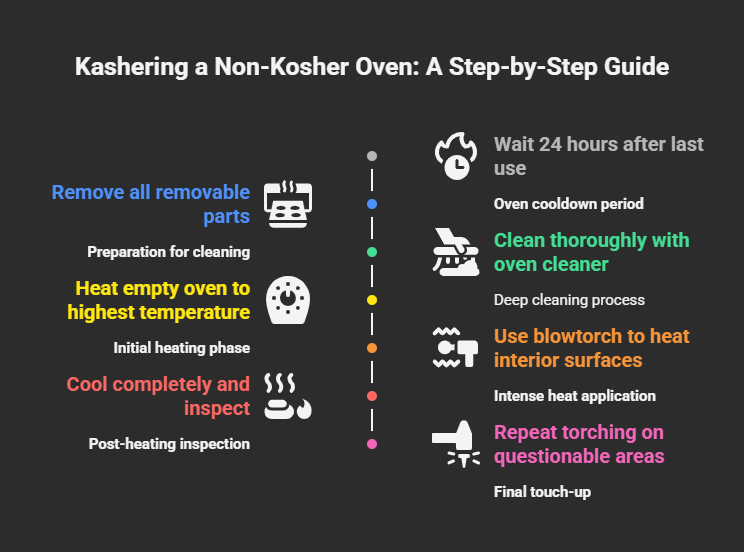
    To kasher a non-kosher oven:

    1. Wait 24 hours after last use
    2. Remove all removable parts (racks, broiler pans)
    3. Clean thoroughly with heavy-duty oven cleaner and scrub all surfaces
    4. Heat the oven to the highest temperature (500°F+) for 1 hour
    5. Use a blowtorch to heat every interior surface until glowing red-hot (482°F/250°C)
    6. Work systematically – back wall, sides, bottom, then top
    7. Hold flame 10-15 seconds per area until the metal changes color
    8. Cool completely and inspect for missed spots
    9. Repeat torching on any questionable areas

    For ovens with self-clean: Run the longest self-clean cycle, then torch any missed areas.

    Time needed: 6-8 hours total. Temperature required: 482°F (250°C) minimum – metal must glow red

    UNDERSTANDING KASHERING FUNDAMENTALS

    What Does “Kasher” Mean?

    Kashering means making something kosher through a purification process. Unlike regular cleaning, kashering removes the “taste” (ta’am) that non-kosher foods leave behind in cooking surfaces.

    The process follows the principle “k’bolo kach polto” – the way it absorbs is the way it releases. Since ovens absorb flavors through dry heat, they must be purified using the same method.

    Think of it like this: when you cook bacon in a pan, the pan “remembers” that flavor. Kashering erases that memory.

    Types of Ovens and Kashering Compatibility

    Not all ovens can be kashered successfully. Here’s what you need to know:

    Conventional ovens are the easiest to kasher. They have simple interiors without complex parts that trap grease.

    Convection ovens require extra attention to the fan housing and vents. These areas can harbor residue that’s hard to reach.

    Gas ovens need special care around burner elements and gas lines. Never use water near gas connections during cleaning.

    Electric ovens heat more evenly, making the kashering process more predictable.

    Very old ovens (over 20 years) might have worn surfaces that can’t be properly kashered. The metal may be too degraded to handle the process.

    PRE-KASHERING ASSESSMENT AND PREPARATION

    Determining If Your Oven Can Be Kashered

    Before you start, inspect your oven carefully. Look for these warning signs:

    Heavy rust or corrosion means the oven can’t be kashered. The damaged metal won’t heat properly.

    Excessive grease buildup that won’t come off after thorough cleaning is another red flag. If Easy-Off or ammonia-based cleaners can’t remove it, kashering won’t work either.

    Missing or damaged interior panels create hiding spots for non-kosher residue. These must be replaced first.

    When in doubt, consult your rabbi. They can help determine if your specific oven meets kashering standards.

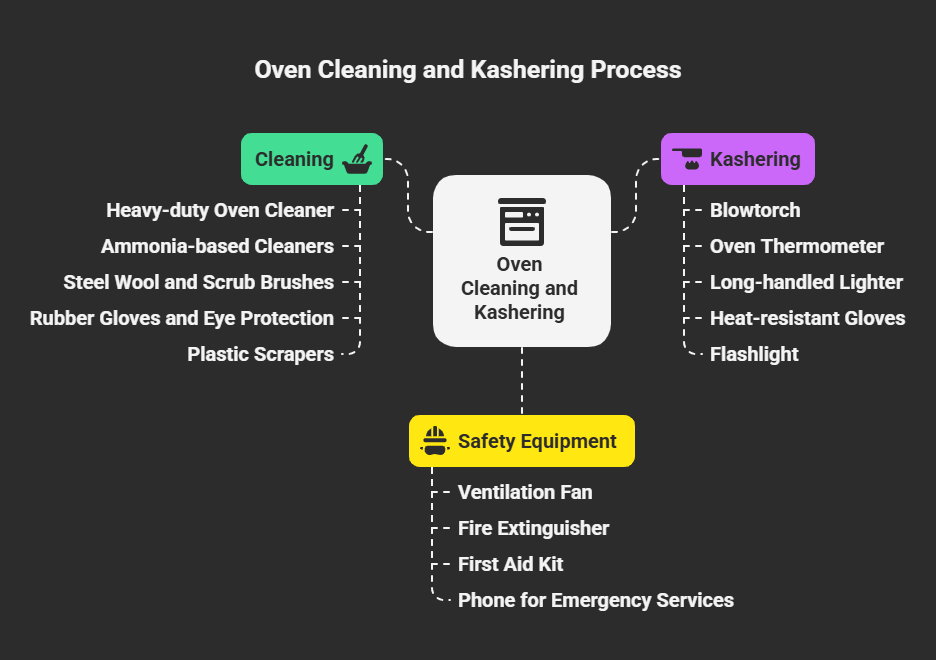
    Essential Tools and Supplies

    essential tools and supplies for oven cleaning kashering process

    Gathering the right equipment is crucial for success. Here’s your shopping list:

    For cleaning:

    • Heavy-duty oven cleaner (Easy-Off works well)
    • Ammonia-based cleaners for stubborn spots
    • Steel wool and scrub brushes
    • Rubber gloves and eye protection
    • Plastic scrapers for removing buildup

    For kashering:

    • Blowtorch with adjustable flame
    • Oven thermometer (must read up to 500°F)
    • Long-handled lighter
    • Heat-resistant gloves
    • Flashlight for dark corners

    Safety equipment:

    • Ventilation fan or open windows
    • Fire extinguisher nearby
    • First aid kit
    • Phone to call emergency services if needed

    Safety Preparations

    Safety comes first in any kashering project. Start by ensuring proper ventilation. Open all windows and turn on exhaust fans.

    Clear the area around your oven. Remove curtains, paper towels, and anything flammable within six feet.

    Check your smoke detectors. You might want to temporarily disable the one nearest your kitchen (but remember to turn it back on).

    Have a fire extinguisher ready. Know how to use it before you start.

    Consider hiring professionals for complex jobs or if you’re uncomfortable with blowtorches.

    THE COMPLETE KASHERING PROCESS

    How to Kasher an Oven Without Self-Clean Function

    This is the most common scenario homeowners face. Here’s the step-by-step process:

    Step 1: Wait 24 hours Don’t use the oven for a full day before cleaning. This allows absorbed flavors to “settle.”

    Step 2: Remove everything possible. Take out racks, broiler pans, and any removable parts. These need separate treatment.

    Step 3: Clean thoroughly. Apply heavy-duty oven cleaner according to package directions. Let it work for the full recommended time.

    Scrub every surface with steel wool. Pay special attention to corners and crevices where grease hides.

    Use ammonia-based cleaners for stubborn spots. The goal is to remove every trace of buildup.

    Step 4: Heat the empty oven. Set your oven to its highest temperature (usually 500-550°F). Let it run for one hour.

    This step prepares the metal for kashering by burning off any remaining residue.

    Step 5: Begin blowtorching. Working systematically, torch every interior surface until it glows red-hot. This typically means reaching 482°F (250°C) or higher.

    Start with the back wall, then move to the sides, bottom, and finally the top. Don’t rush this step.

    Each area needs sustained heat for 10-15 seconds. You’ll see the metal change color when it’s hot enough.

    Step 6: Cool and inspect. Let the oven cool completely. Check for any missed spots or areas that didn’t get hot enough.

    Repeat the torching process on any questionable areas.

    KASHERING OVENS WITH SELF-CLEAN FUNCTION

    kashering ovens with self clean function

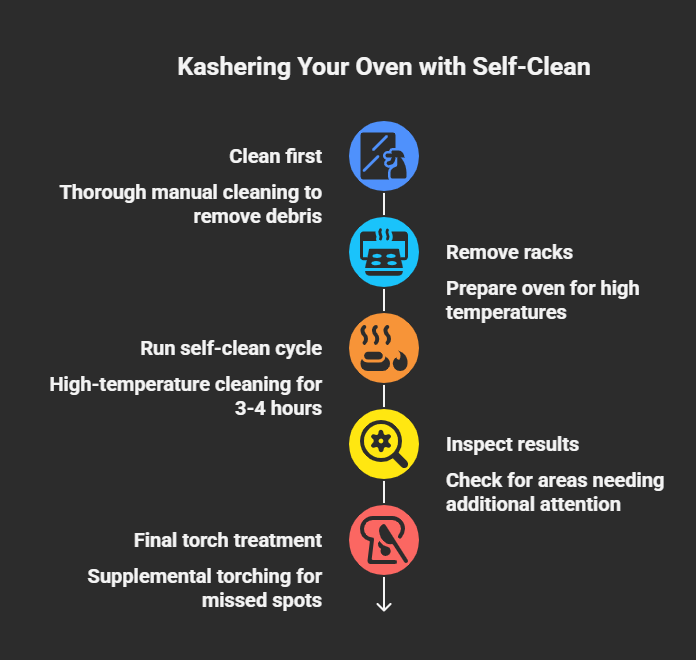
    If your oven has a self-clean cycle, you’re in luck. This feature makes kashering much easier.

    Step 1: Clean first. Even with self-cleaning, start with thorough manual cleaning. Remove loose debris and heavy buildup.

    Step 2: Remove racks. Most racks can’t handle self-clean temperatures. Remove them for separate kashering.

    Step 3: Run self-clean cycle. Use the longest self-clean setting available (usually 3-4 hours). This reaches temperatures of 800-900°F.

    Step 4: Inspect results. After cooling, check if any areas need additional attention. Sometimes, corners or door frames need supplemental torching.

    Step 5: Final torch treatment. Use your blowtorch on any spots the self-clean cycle missed. Focus on door seals and hard-to-reach corners.

    Kashering Oven Racks and Removable Parts

    Racks need special attention because they’re harder to heat evenly.

    Method 1: Boiling (for smaller racks). If your racks fit in a large pot, you can kasher them by boiling for 30 minutes. Add kosher salt to raise the boiling temperature.

    Method 2: Torch method (for larger racks) Place racks on a heat-resistant surface outdoors. Torch each wire until red-hot.

    Work systematically across each rack. Don’t miss any spots.

    Method 3: Professional service. Some people prefer having racks professionally kashered. This ensures complete coverage and reduces safety risks.

    SPECIALIZED KASHERING SCENARIOS

    How to Kasher an Oven for Pesach

    Pesach kashering has additional requirements beyond standard kashering.

    Chametz removal is critical. Even tiny crumbs can make food non-kosher for Passover. This means extra-thorough cleaning before kashering.

    Start your Pesach preparations early. The kashering process takes time, and you’ll need your oven ready before the holiday.

    Pay special attention to these areas:

    • Door hinges where crumbs collect
    • Vent openings that might harbor particles
    • Control knobs and handles
    • The space between the door and the frame

    Some rabbis require covering certain surfaces even after kashering for Pesach. Check with your religious authority about local customs.

    Consider whether items like kosher glassware need special Pesach preparation alongside your oven work.

    Kashering an Oven from Meat to Dairy

    Converting a meat oven to dairy use requires careful planning.

    Wait 24 hours after the last meat use before beginning the process. This allows absorbed meat flavors to settle.

    Clean more thoroughly than usual. Meat leaves stronger flavors than other foods, so extra scrubbing is essential.

    Some communities require waiting periods between kashering and first dairy use. Your rabbi can advise on local customs.

    Label your oven clearly after conversion. Use permanent markers or tags to avoid confusion later.

    Consider whether your kosher dinnerware needs a similar meat-to-dairy conversion.

    How to Kasher Stovetops for Pesach

    Stovetop kashering varies by type but follows similar principles.

    Gas stovetops:

    Remove all grates and drip pans for separate cleaning.

    Turn each burner to high heat for 15 minutes. The flames will kasher the burner heads.

    Torch the stovetop surface around each burner until hot.

    Clean control knobs thoroughly with ammonia-based cleaners.

    Electric stovetops:

    Turn the coil elements to high heat for 15 minutes. They’ll glow red when properly heated.

    For glass-top ranges, use the blowtorch method since the surface can’t be removed.

    Clean around elements where spills collect.

    Both types need attention to:

    • Backsplash areas where grease splatters
    • The space between the stovetop and the wall
    • Range hood filters and surfaces.

    COMPLETE KITCHEN KASHERING INTEGRATION

    How to Kasher a Non-Kosher Kitchen

    how to kasher a non kosher kitchen

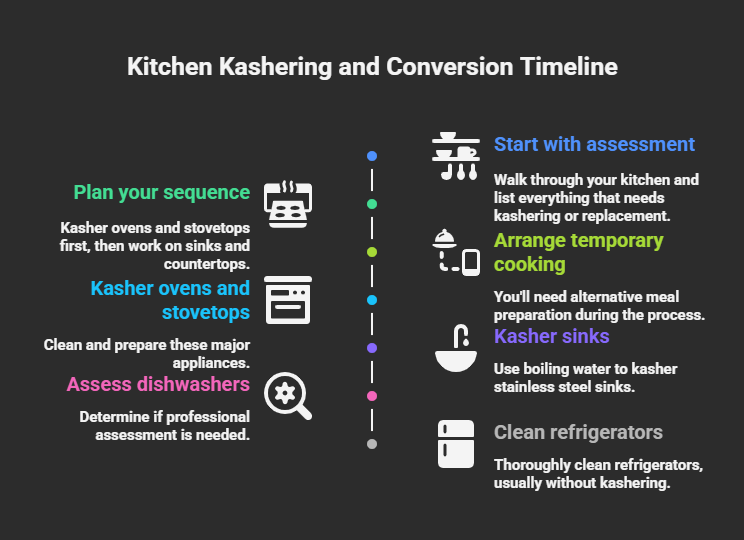
    Converting an entire kitchen requires systematic planning.

    Start with an assessment. Walk through your kitchen and list everything that needs kashering or replacement.

    Plan your sequence. Kasher ovens and stovetops first, then work on sinks and countertops.

    Arrange temporary cooking. You’ll need alternative meal preparation during the process.

    Consider these major components:

    Ovens and stovetops (covered above)

    Sinks: Stainless steel can be kashered with boiling water. Pour continuously over all surfaces for 30 seconds.

    Countertops: Stone surfaces can often be kashered. Laminate usually cannot.

    Dishwashers: These typically need professional assessment.

    Refrigerators: Usually just need thorough cleaning, not kashering.

    How to Kasher a Kitchen Completely

    Week 1: Planning and shopping

    • List all equipment that needs work
    • Buy cleaning supplies and tools
    • Arrange alternative cooking methods
    • Schedule time off work if needed

    Week 2: Major appliances

    • Kasher ovens using the methods above
    • Work on stovetops and ranges
    • Handle any professional services

    Week 3: Surfaces and finishing

    • Address countertops and sinks
    • Handle smaller appliances
    • Install any new equipment

    Week 4: Organization and testing

    • Set up kosher storage systems
    • Test all kashered equipment
    • Stock up on kosher supplies

    Remember that some items, like bone china dishes may not be suitable for kosher kitchens depending on your religious standards.

    TROUBLESHOOTING AND COMMON ISSUES

    What to Do If Kashering Fails

    Sometimes kashering doesn’t work as planned. Here are warning signs:

    Persistent odors after cooling suggest incomplete heat treatment. You’ll need to repeat the process.

    Visible residue remaining means your cleaning wasn’t thorough enough. Start over with better cleaning products.

    Uneven heating patterns indicate your technique needs improvement. Work more slowly and systematically.

    Equipment failure, like broken thermometers or inadequate torches, will compromise results.

    When kashering fails, don’t just ignore it. Consult your rabbi about next steps.

    Emergency Kashering Procedures

    Sometimes you need fast results for unexpected situations.

    Last-minute holiday preparations might require abbreviated cleaning cycles, but never skip the heat treatment.

    Focus on essential areas if time is short. The main cooking chamber matters more than cosmetic areas.

    Get rabbinical guidance for emergencies. Some shortcuts might be acceptable temporarily.

    Plan better next time. Emergency kashering is stressful and less reliable than planned procedures.

    Maintenance After Kashering

    Keep your newly kashered oven kosher with proper maintenance.

    Clean spills immediately before they bake on and require re-kashering.

    Use kosher-only cookware in your kashered oven. Even kosher food cooked in treif pans can contaminate the space.

    Consider your Corelle dinnerware status and whether it meets your kosher standards for oven use.

    Schedule annual deep cleaning to prevent buildup that might require re-kashering.

    PROFESSIONAL SERVICES AND ALTERNATIVES

    When to Hire Professional Kashering Services:

    Some situations require expert help:

    Complex commercial equipment has too many components for DIY kashering.

    Safety concerns about using blowtorches in your home.

    Physical limitations that prevent thorough cleaning or careful torch work.

    High-value ovens where mistakes could be costly.

    Time constraints when you can’t dedicate days to the project.

    Professional services typically cost $200-500 per oven, depending on complexity.

    Alternatives to Kashering

    Sometimes replacement makes more sense than kashering:

    Very old ovens (over 15 years) might not be worth the effort.

    Heavily damaged units with rust or missing parts.

    Built-in ovens where kashering access is limited.

    When professional costs approach new appliance prices.

    Consider whether investing in new equipment gives you features like better temperature control or energy efficiency.

    FAQ SECTION

    How long does oven kashering take?

    Plan on 6-8 hours total: 2 hours cleaning, 1 hour initial heating, 2-3 hours systematic torching, plus cooling time.

    Can I kasher a very old oven?

    Ovens over 20 years old often have worn surfaces that won’t kasher properly. Have a rabbi inspect it first.

    What if my oven has never been used for non-kosher food?

    If you’re certain it’s never been used for treif, it might only need thorough cleaning rather than full kashering.

    Is professional kashering worth the cost?

    For expensive or complex ovens, professional service provides peace of mind and warranty protection.

    Can I kasher during the year or only before holidays?

    Kashering can be done anytime, but many people coordinate with holiday preparations for convenience.

    What temperature is required for proper kashering?

    The metal must reach at least 482°F (250°C) and glow visibly red-hot.

    How do I know if kashering was successful?

    Proper kashering leaves the oven interior looking clean with no residue, odors, or missed spots.

    CONCLUSION AND NEXT STEPS

    Kashering a non-kosher oven requires patience, proper tools, and attention to detail. The process transforms your kitchen into a space suitable for kosher cooking while following ancient religious traditions.

    Remember these key points: thorough cleaning comes before heat treatment, safety equipment is essential, and a systematic technique ensures complete coverage.

    Whether you’re preparing for Pesach or converting your entire kitchen, the same principles apply.

    When in doubt, consult your rabbi for guidance on local customs and standards. They can help determine if your specific situation requires additional steps or professional services.

    Your newly kashered oven opens up possibilities for kosher cooking and holiday preparations. Combined with proper kosher china and cookware, you’ll have everything needed for a fully functional kosher kitchen.

    Take pride in maintaining these important traditions while creating a space where your family can enjoy kosher meals year-round.

  • IS BONE CHINA KOSHER

    There you are, standing in a high-end department store, your fingers gliding over a set of exquisitely crafted bone china plates.

    They’re gleaming, and delicate, and would look smashing at your next Shabbat dinner. But suddenly, a question pops into your mind that’s as jarring as a chip in fine china – “Wait a minute, is bone china kosher?”

    Well, my style-savvy, kosher-keeping friend, you’ve just stumbled upon one of the most intriguing debates in the world of Judaica and fine dining.

    So, let’s dive into this porcelain puzzle and unravel the mystery of bone china’s place in the kosher kitchen.

    THE BONES OF THE MATTER: WHAT EXACTLY IS BONE CHINA?

    Bone China dinnerware composition

    Before we can determine if bone china is kosher, we need to understand what it’s made of. Despite its delicate appearance, bone china has a rather robust composition:

    • 25-50% bone ash (yes, real animal bones!)
    • 25-50% kaolin (a type of clay)
    • 25% feldspathic material (a type of rock)

    Now, I know what you’re thinking – “Animal bones in my dinnerware? That can’t be kosher!” But hold onto your kippah, because it’s not quite that simple.

    RELATED: CORELLE GLASS KOSHER STATUS

    THE GREAT BONE CHINA DEBATE: KOSHER OR NOT?

    When it comes to bone china and kashrut (Jewish dietary laws), we’re dealing with a classic case of rabbinic debate. Let’s break it down:

    Is Bone China Kosher


    The “It’s Not Kosher” Camp:

    Some rabbis argue that bone china is not kosher for several reasons:

    1. Source of the bones: The bones used in bone china often come from non-kosher animals.
    2. Bitul (nullification): The amount of bone ash is significant enough that it can’t be considered nullified.
    3. Heating concerns: The manufacturing process involves high heat, which some argue could cause the taste of the bones to be absorbed into the clay.

    The “It’s Kosher” Camp:

    On the flip side, other rabbis contend that bone china is indeed kosher:

    No taste transfer: The high heat removes any taste from the bone ash.

    Changed form: The bones are burned to ash and chemically altered, changing their original form.

    Non-food substance: Once processed, the bone ash is no longer considered a food item.

    RELATED: HOW TO KASHER A NON KOSHER OVEN

    THE PORCELAIN PREDICAMENT: A COMPARATIVE LOOK

    To help you navigate this china shop of halachic opinions, let’s look at how bone china stacks up against other materials:

    Kosher status of various dinnerware material
    MaterialKosher StatusReasons
    Regular PorcelainGenerally KosherNon-porous doesn’t absorb flavors
    GlassKosherNon-porous, doesn’t absorb flavors
    Bone ChinaDebatedContains animal bone ash
    StonewareGenerally KosherMade from clay, no animal products

    PRACTICAL TIPS FOR THE KOSHER KITCHEN

    So, what’s a style-conscious, kosher-keeping individual to do? Here are some practical tips:

    1. Consult your rabbi: As with many aspects of Jewish law, personal guidance from your rabbi is crucial.
    2. Consider your comfort level: If you’re uncomfortable using bone china, plenty of beautiful kosher alternatives exist.
    3. Check the manufacturer: Some modern “bone china” doesn’t contain bone ash. Do your research!
    4. Separate sets: If you do use bone china, consider having separate sets for meat and dairy meals.
    5. Passover considerations: Remember that Passover has additional stringencies. Consult your rabbi about using bone china during this holiday.
    BEYOND THE PLATE: OTHER KOSHER CONSIDERATIONS

    While we’re on the topic of keeping your dining experience kosher and stylish, let’s address some related questions:

    • Can you use steak knives on bone china? Absolutely! Just make sure they’re part of your designated meat or dairy set.
    • Is bone china vegan? Traditional bone china is not vegan due to the bone ash content. However, some modern versions are vegan-friendly.
    • Can you make China kosher? If your bone china wasn’t previously used, it doesn’t need to be made kosher. If it was used for non-kosher food, consult a rabbi about kashering options.

    THE FINAL VERDICT ON BONE CHINA

    So, is bone china kosher? Like many things in Judaism, the answer is that it depends. While some authorities permit its use, others advise against it.

    The key is to make an informed decision based on your level of observance and comfort.

    Remember, keeping kosher is about more than just following rules – it’s about bringing mindfulness and intention to every aspect of our lives, including how we eat and what we eat.

    Whether you choose bone china or opt for alternatives, what matters most is the spirit in which you gather around your table.

    Now, go forth and dine with style and spiritual intention. And who knows?

    Maybe at your next Shabbat dinner, you can impress your guests with your newfound knowledge of the great bone china debate. L’chaim – to life, to style, and to keep it kosher!


    For more information on the kosher status of bone china, check out Shabbos House’s Q&A on the topic. For general guidelines on kashering dishes, visit My Jewish Learning.

  • Libbey vs Anchor Hocking: Which Glassware Brand Reigns Supreme?

    Ever stood in the kitchen aisle, coffee in hand, staring at two nearly identical glass sets, wondering which to buy? You’re not alone.

    The debate between Libbey and Anchor Hocking has puzzled shoppers for generations. Both brands have graced American tables for over a century, making everyday sips memorable.

    Whether you’re pouring morning juice into a sturdy tumbler or serving cocktails in elegant stemware, your choice matters.

    These aren’t just glasses, they’re the unsung heroes of your daily rituals and special gatherings. While both brands offer lead-free, safe glass products that promise durability and style, the differences might surprise you.

    So, before you make your next glassware purchase, let’s settle this classic American showdown once and for all.

    THE HERITAGE BEHIND THE GLASS

    Anchor Hocking: America’s Glassware Since 1905

    Anchor Hocking stands proud as an American institution headquartered in Lancaster, Ohio. Since 1905, this company has been crafting tempered glassware that Americans trust.

    Their iconic logo—an anchor with an “H” in the center—symbolizes the stability and durability that define their products.

    Anchor Hocking Logo

    But Anchor Hocking isn’t just about drinking glasses. Their product line spans:

    Anchor Hocking tempered clear glass cereal Bowl
    • Tempered glass dinnerware
    • Oven-safe bakeware
    • Serveware and housewares
    • Food storage containers
    • Measuring and mixing bowls
    Anchor Hocking Rio Drinking glass set

    The brand focuses primarily on clear, tempered glass designs that showcase simplicity and timeless elegance. Their pieces work beautifully for both everyday family dinners and special occasions.

    Libbey: Two Centuries of Glassmaking Excellence

    Libbey boasts an even longer history, dating back to 1818 in Toledo, Ohio. With over 200 years of craftsmanship, Libbey has perfected the art of creating glassware that combines functionality with style.

    Libbey chiseled radiant glass for whiskey

    Libbey’s diverse product range includes:

    Unlike their competitor, Libbey doesn’t limit themselves to clear glass. Their products come in vibrant colors like cobalt blue and smoke, with designs ranging from classic to cutting-edge contemporary.

    HEAD-TO-HEAD COMPARISON OF LIBBEY VS ANCHOR HOCKING

    Libbey vs Anchor Hocking

    Let’s break down how these glassware giants stack up against each other:

    Libbey Tempo Glass Dinnerware set
    FeatureLibbeyAnchor Hocking
    Founded18181905
    SpecialtyContemporary designs, wine glasses, colored glassClassic designs, tempered glass, bakeware
    Design WeightThinner, lighterThicker, heavier
    Material RangeGlass and porcelainPrimarily tempered glass
    Color OptionsVarious (cobalt blue, smoke, multi-color)Predominantly clear
    Target MarketHospitality industry and home consumersPrimarily home consumers
    Wine Glass SelectionExtensiveLimited
    Price PointModerate to premiumAffordable to moderate
    DurabilityGoodExcellent for heavy use

    DESIGN PHILOSOPHY AND AESTHETICS

    Anchor Hocking: Sturdy American Classic

    When you pick up an Anchor Hocking glass, you’ll immediately notice its substantial weight. These pieces aren’t trying to be delicate; they’re built for real life in American kitchens.

    The thick, tempered glass resists chipping and breaking, making these glasses perfect for families with children or anyone who values durability over delicacy.

    The design aesthetic leans traditional, with clean lines and transparent clarity that lets your beverages take center stage.

    Their Rio drinking glass set exemplifies this approach: sturdy, straightforward, and timelessly practical.

    Libbey: Style-Forward and Versatile

    Libbey Cobalt Blue Tumbler Glasses

    Libbey takes a more design-conscious approach. Their glasses tend to be thinner and more refined, giving them an elegant feel that works well for entertaining or elevating everyday moments.

    Libbey Porcelain Dinnerware sets

    The brand doesn’t shy away from color or pattern; their cobalt blue tumblers and chiseled, radiant whiskey glasses bring character to any table setting.

    Beyond glass, Libbey offers lightweight dinner plates for the elderly with arthritis, showing their commitment to inclusive design.

    Their porcelain dinnerware features contemporary styling with high walls and modern flair that appeals to design-conscious consumers.

    PRODUCT SPECIALTIES

    Anchor Hocking’s Bakeware Advantage

    While both brands make multiple products, Anchor Hocking has particularly distinguished itself in the bakeware category.

    Their tempered glass baking dishes handle temperature transitions beautifully, moving from freezer to oven with minimal risk of thermal shock.

    When comparing brands similar to Anchor Hocking, the distinction between Duralex and Pyrex glassware brands often comes up.

    While Pyrex (particularly vintage Pyrex) used borosilicate glass, today’s Anchor Hocking products, like modern Pyrex, typically use soda-lime glass, making them excellent heat conductors but requiring careful handling with temperature changes.

    Libbey’s Stemware Excellence

    Libbey Signature all Purpose wine glass

    If you’re a wine enthusiast, Libbey takes the lead. Their extensive collection of wine glasses includes options for every varietal, from bold reds to delicate whites.

    The Signature All-Purpose wine glass exemplifies their approach to stemware, elegant without being fussy and designed to enhance the drinking experience.

    Libbey Polaris smoke Tumbler glass set

    Their cocktail and specialty drinkware also stand out, with options that would look at home in high-end bars and restaurants. This makes sense, given Libbey’s strong presence in the hospitality industry.

    COMPARING DURABILITY AND PRACTICAL USE

    Both brands create durable products, but they excel in different environments:

    Anchor Hocking glasses withstand:

    • Frequent dishwasher cycles
    • Every day family use
    • Occasional drops and bumps
    • Microwave heating

    Libbey products offer:

    • Dishwasher safety
    • Elegant presentation
    • Good chip resistance
    • Options for both casual and formal settings

    If you’re looking for glassware that can take a beating in a busy household, Anchor Hocking’s thicker construction might give it the edge.

    For entertaining and aesthetic appeal, Libbey often wins over customers with its refined designs.

    FAQ: EVERYTHING YOU WANTED TO KNOW

    Is Libbey a Good Brand?

    Yes, Libbey is considered an excellent safe brand with a 200-year legacy of quality craftsmanship. Their products are known for their durability, chip resistance, and elegant designs.

    The brand’s long history has allowed it to perfect its manufacturing techniques while continuously innovating with new styles and collections.

    Is Anchor Hocking Quality?

    Absolutely. Anchor Hocking earns its reputation for quality through modern, safe glass manufacturing methods and the use of premium soda-lime glass.

    Their products are designed for versatility; most are dishwasher, microwave, and oven-safe. The brand’s focus on sturdy construction makes its pieces particularly suited to everyday family use.

    Who Are Anchor Hocking’s Competitors?

    Schott Zwiesel competitor to Anchor Hocking glass

    Beyond Libbey, Anchor Hocking competes with several notable glassware brands:

    Bormioli Rocco competitor to Anchor hocking glass brand

    These brands compete on product range, price point, and aesthetic appeal, often specializing in different niches within the glassware market.

    Which is Older: Pyrex or Anchor Hocking?

    Anchor Hocking (founded 1905) predates Pyrex (introduced 1915) by a decade, giving it slightly deeper American roots.

    Both brands have become kitchen staples, though they’ve evolved differently over their century-plus histories.

    Is Anchor Hocking Better Than Pyrex?

    Neither brand is definitively superior; they excel in different areas. Your preference might depend on:

    Personal aesthetic preferences often determine which brand’s designs resonate more

    If you value traditional borosilicate glass, vintage Pyrex pieces might appeal to you

    For innovation and contemporary design, modern Pyrex or Anchor Hocking products offer similar quality

    WHERE TO BUY ANCHOR HOCKING PRODUCTS

    Looking to purchase Anchor Hocking glassware? You have several options:

    Official Outlet Stores:

    • Lancaster, OH: 1115 W 5th Ave, 43130
    • Libertyville, IL: 1515 Franklin Blvd, 60048
    • Monaca, PA: 400 9th St, 15061

    Online Retailers:

    • Amazon
    • Bed Bath & Beyond
    • HSN
    • The Container Store
    • Walmart
    • Wayfair

    For the most comprehensive selection, check the current Anchor Hocking catalog on their official website.

    THE VERDICT: WHICH BRAND SHOULD YOU CHOOSE?

    The truth is, neither Libbey nor Anchor Hocking reigns supreme across all categories—they each shine in different situations. Your best choice depends entirely on your specific needs and preferences.

    Choose Libbey if:

    • You entertain frequently and value elegant presentation
    • You’re a wine enthusiast looking for quality stemware
    • You appreciate colorful or patterned glassware
    • You want porcelain options alongside glass products
    • Design aesthetics are important to your table settings

    Choose Anchor Hocking if:

    • Durability is your top priority
    • You have a busy household with children
    • You’re looking for versatile bakeware options
    • You prefer classic, traditional designs
    • Budget-friendly options matter to you

    Much like the Duralex and Luminarc comparison we covered previously, the choice often comes down to personal preference rather than objective superiority.

    ELEVATING YOUR TABLE: THE FINAL POUR

    When it comes to Libbey vs Anchor Hocking, you’re choosing between two American classics with proven track records.

    Both have graced family tables for generations, each bringing its strengths to your kitchen and dining room.

    Whether you opt for Libbey’s design-forward approach or Anchor Hocking’s sturdy reliability, you’re investing in quality glassware that enhances every sip and bite.

    The next time you raise a glass, whether it’s morning orange juice or evening wine, pay attention to how the vessel itself contributes to the experience.

    Then make your choice accordingly. After all, these everyday objects silently shape our daily rituals and celebrations. Why not choose the one that brings you the most joy?


  • IS MILK GLASS SAFE TO EAT FROM

    Is milk glass safe to eat from? This question often arises as I admire my grandmother’s vintage milk glass collection, its delicate white surface gleaming with that distinctive iridescent sheen.

    Like many homeowners rediscovering these charming pieces at flea markets or inheriting family heirlooms, I found myself wondering about their safety, particularly since recent studies have raised an important concern: Does milk glass contain lead?

    This question has become increasingly relevant as these beautiful pieces make their way from antique cabinets to daily use in modern homes.

    As we become more conscious about the materials that come into contact with our food, understanding the safety of our dinnerware choices has never been more important.

    While milk glass pieces undeniably add a touch of timeless elegance to any table setting, their vintage charm comes with considerations about their composition and safety.

    For those interested in making informed decisions about their tableware material and its health benefits, it’s worth exploring how these beloved antiques measure up to modern safety standards.

    MILK GLASS HISTORY

    Milk glass has a rich history dating back to ancient times. It is known for its opaque, milky-white appearance and has been used for various decorative and functional purposes.

    To begin, Milk glass production can be traced back to the Roman Empire, where it was used to create intricate glass vessels and decorative objects.

    Milk Glass History

    The Romans called it “Opal Glass” due to its milky appearance.

    During the Renaissance in Europe, there was a revival of interest in glass-making techniques, including the creation of milk glass. This period saw the production of ornate milk glass items, often imitating porcelain.

    Moving forward to the 19th Century, Milk glass gained popularity, particularly in America and Europe.

    It was used for a wide range of items, such as vases, lampshades, and tableware. American companies like Boston & Sandwich Glass Company and Westmoreland Glass Company became well-known for their milk glass creations.

    Corelle Milk Glass Bowls Azure Medallion Pattern

    Thereafter, Milk glass was highly sought after during the Victorian era for its delicate and decorative qualities. It was used extensively in homes for both functional and decorative purposes.

    In the early 20th Century, Milk glass continued to be popular, with companies like Fenton Art Glass producing a wide variety of milk glass pieces. It was also commonly used in the production of advertising and promotional items.

    The mid-20th century saw a decline in milk glass production as tastes in glassware shifted towards more transparent glass types.

    Fenton Milk Glass Collectibles

    However, it never entirely disappeared, and some manufacturers continued to produce milk glass items.

    In recent decades, milk glass has experienced a resurgence in popularity among collectors and enthusiasts. Vintage milk glass pieces are highly sought after, and new artisans have embraced this classic glassmaking technique.

    Today, milk glass is valued for its nostalgic charm, and it continues to be collected and used for various decorative and functional purposes, making it a timeless part of glassmaking history.

    WHAT IS MILK GLASS MADE OF?

    Milk glass is a type of opaque glass that is typically made from a combination of white glass (usually soda-lime glass) and other opacifiers or colorants.

    The exact composition can vary, but the main constituents of milk glass typically include:

    Silica (sand): This is the primary component of glass and provides its basic structure.

    Soda ash (sodium carbonate): Soda ash is used as a flux to lower the melting point of the glass.

    Lime (calcium oxide): Lime is added to improve the durability and workability of the glass.
    White pigment:

    Various opacifiers and colorants, such as tin oxide or bone ash, are added to create the opaque white appearance characteristic of milk glass.

    These ingredients are melted together at high temperatures and then molded or blown into the desired shapes.

    The specific recipe for milk glass may vary among manufacturers and periods, but these are the general constituents that give milk glass its milky, opaque appearance.

    DOES MILK GLASS CONTAIN LEAD?

    Does milk glass contain Lead

    Milk glass can indeed contain lead, but this varies significantly based on when and where it was manufactured:

    1. Historical milk glass (pre-1970s) often contained lead oxide as a crucial ingredient. Lead was used to create a distinctive white, opaque appearance and to help stabilize the glass during manufacturing.

    2. Modern milk glass (post-1970s) produced in the United States and many other countries typically doesn’t contain lead, due to increased awareness of lead’s health risks and stricter regulations.

    Manufacturers now use alternative materials like zinc oxide, tin oxide, or phosphates to achieve the white coloring.

    However, there are important considerations for anyone handling milk glass:

    – Antique or vintage milk glass pieces should be treated with caution, especially around food
    – Testing is the only way to definitively determine if a specific piece contains lead
    – Modern decorative milk glass may still contain lead if produced in countries with less stringent regulations
    – Even if milk glass contains lead, the risk comes primarily from using it with food/drink rather than for display purposes

    If you’re concerned about a specific piece of milk glass, especially if you plan to use it with food, you can purchase a lead testing kit or have it professionally tested.

    DOES VINTAGE MILK GLASS CONTAIN LEAD?

    Yes, vintage or antique milk glass dinnerware may contain traces of Lead because these older pieces might have been manufactured with materials or techniques that are not up to modern food safety standards.

    Does vintage milk glass contain Lead

    Another reason vintage milk glass may contain traces of Lead is that vintage milk glass products were produced with decorative paints or glazes, so when tested, you might find some traces of Lead and other toxic elements either outside or inside the product.

    Finally, to ensure safety, consider having older pieces tested for lead like Depresion glass, or use them decoratively rather than for serving food.

    MILK GLASS WITH NO MARKINGS

    These are harder to identify since they don’t have company names or dates on them. You can still look at the style, shape, and feel of the glass to guess when it was made.

    Many milk glass pieces from the early 1900s were left unmarked. Without markings, it’s best to assume older milk glass (pre-1970s) might contain lead.

    RARE MILK GLASS PIECES

    The rarest milk glass items are usually from the 1800s, especially pieces made between 1835 and 1880.

    Special patterns like Spanish Lace, Hobnail in unusual colors, and pieces from specific makers like Westmoreland or Fenton can be very rare.

    Animals-covered dishes and certain lamp designs are also considered rare.

    IS MILK GLASS CERAMIC OR GLASS?

    Milk glass is a type of glass, not ceramic. It’s called “milk glass” because of its opaque, milky white appearance.

    IS MILK GLASS SAFE TO EAT FROM?

    Milk glass is not completely safe to eat from, particularly vintage pieces made before 1970. Modern milk glass is generally safe, but antique pieces often contain concerning levels of lead and arsenic.

    To determine if your milk glass is safe:

    • Check manufacturing date (pre-1970 pieces likely contain lead)
    • Use a lead testing kit for accurate results
    • Look for signs of deterioration, like cloudiness or crazing
    • Avoid using for food/beverages if unsure of age

    Safe ways to use vintage milk glass:
    ✓ Display purposes only
    ✓ Store dry, non-food items
    ✓ Short-term food serving (under 1 hour)
    ✓ Decorative arrangements

    For daily use, opt for modern milk glass manufactured after 1970 or choose alternative materials like tempered glass, porcelain, or ceramic dinnerware that meet current FDA safety standards.

    Never microwave or store acidic foods in vintage milk glass, as this can cause lead leaching.

    Note: If using vintage milk glass, avoid serving hot, acidic, or fatty foods, which increase the risk of lead exposure.

    Is milk glass safe to eat from

    A recommended safe-to-eat-with milk glass dinnerware is Corelle Milk glass dinnerware, which is different from Corelle Vitrelle dinnerware in material composition.

    To learn about the difference between Corelle Vitrelle and Corelle milk glass, kindly check the distinction between Corelle Vitrelle glass vs. Opal glass.

    HOBNAIL MILK GLASS

    Hobnail milk glass is a type of decorative glassware that gained popularity in the late 19th and early 20th centuries.

    It is characterized by its opaque, white, or off-white color and a distinctive raised, round pattern known as “hobnails” covering the surface.

    Hobnail Pink Milk Glass Plates

    Hobnail milk glass typically has a smooth, milky white appearance due to the addition of opacifiers like tin oxide or bone ash during the glassmaking process.

    This style of glassware became popular in the Victorian era and continued to be produced well into the 20th century.

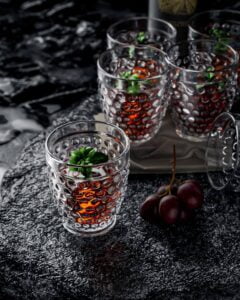
    Lead Free Hobnail Drinking glass for water and Cocktail

    It was initially made in Europe, particularly in England and France, but gained widespread popularity in the United States when American glassmakers started producing it.

    The hobnail pattern consists of small, raised bumps or knobs evenly spaced across the surface, resembling the texture of hobnail boots, hence the name.

    Hobnail drinking glass set for Beverage and Cocktail

    Hobnail milk glass comes in a variety of forms, including vases, bowls, plates, lamps, and even decorative figurines. It was often used for both functional and decorative purposes.

    Hobnail milk glass was used for various purposes, from tableware to flower vases to decorative items.

    Its timeless and elegant design makes it suitable for both everyday use and special occasions.

    Hobnail drinking short glasses for whiskey and scotch

    While white or off-white is the most common color for Hobnail milk glass, it can occasionally be found in other colors like blue, green, and pink.

    However, white remains the most iconic and sought-after hue.

    Just like other types of glassware, the Hobnail milk glass also has Vintage and antique collections that are highly collectible today.

    Hobnail Fashion Iced Beverage Tumblers

    Collectors seek out pieces from well-known glass manufacturers such as Fenton, Westmoreland, and Imperial.

    The rarity, condition, and age of a piece can significantly affect its value.

    IS MILK GLASS WORTH ANYTHING?

    Milk glass can have value to collectors, depending on factors like its age, rarity, pattern, and condition.

    Some vintage milk glass pieces, such as certain dishes, vases, or figurines, can be valuable.

    Also, bear in mind that while some milk glass pieces can be quite valuable, others may be more common and have lower values.

    To determine the specific worth of a milk glass item, you may want to consult with an appraiser or search online for similar items sold in recent auctions or sales to get an idea of its current market value.

    This will give you a better idea of its current market value. Keep in mind that the value can change over time, so it’s a good idea to stay updated if you’re considering buying or selling milk glass.

    HOW DO YOU KNOW REAL MILK GLASS?

    To determine if glassware is genuine milk glass, you can follow these steps:

    Color: Milk glass is typically opaque white, resembling the appearance of milk. If the glassware is transparent or has any other color, it may not be genuine milk glass.

    Feel the Texture: Milk glass has a smooth, satiny texture. Run your fingers along the surface to check for any imperfections or rough spots. Authentic milk glass should feel consistent and smooth.

    Look for Opacity: Hold the glass up to the light. Authentic milk glass should block most, if not all, of the light passing through it due to its opacity. If the glass is somewhat transparent, it may not be genuine milk glass.

    Check for Makers’ Marks: Look for any marks, labels, or signatures on the glass. Many milk glass pieces were produced by well-known companies, and their marks can help verify authenticity.

    Age: Milkglass has a long history and was popular in the 19th and 20th centuries. Older pieces are more likely to be authentic. Make sure you pay attention to the pattern to determine its age.

  • Is Anchor Hocking Glassware Oven Safe?

    You’re standing in your kitchen, holding that beautiful Anchor Hocking glass dish, wondering if you can pop it straight into the oven for tonight’s casserole.

    Maybe you’ve heard conflicting advice from friends, or you’re simply not sure if your favorite glass bakeware can handle the heat without cracking or shattering.

    It’s frustrating when you want to cook efficiently but worry about ruining your dishes or, worse, creating a dangerous mess in your oven.

    Is Anchor Hocking glassware oven safe? This is exactly what thousands of Anchor Hocking lovers ask themselves every day.

    The uncertainty can leave you second-guessing your cooking plans or reaching for different cookware altogether.

    Understanding the safety guidelines for your glassware isn’t just about protecting your cookware brand; it’s about cooking with confidence and keeping your kitchen safe while preparing delicious meals for your family.

    WHAT MAKES ANCHOR HOCKING GLASSWARE SPECIAL?

    Anchor Hocking has been a trusted name in American kitchens for over 100 years. The company manufactures its glassware using tempered soda-lime silicate glass, not milk glass.

    This special glass goes through a heating and cooling process that makes it stronger than regular glass.

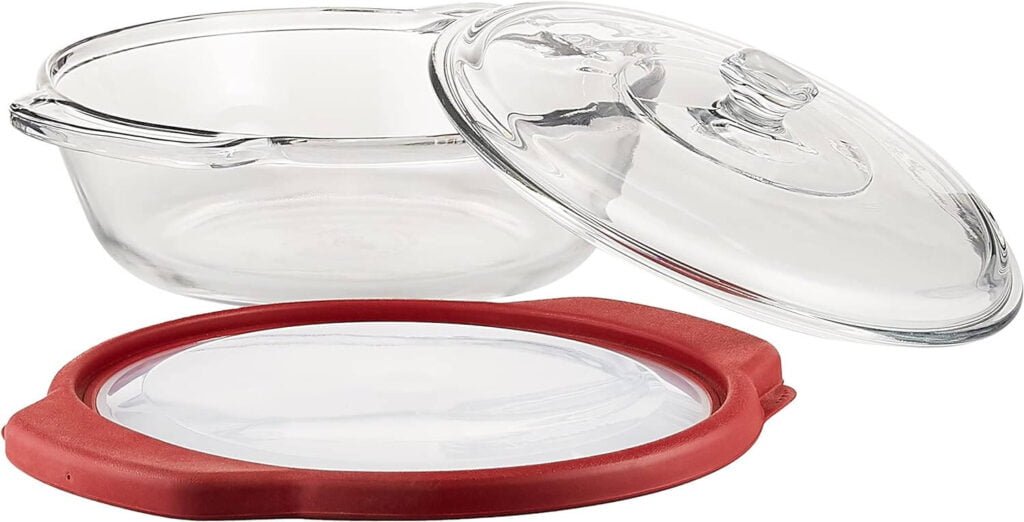
    Anchor Hocking Casserole dish with Lid

    Key facts about Anchor Hocking glass:

    • Made from tempered soda-lime glass
    • Designed to handle temperature changes better than regular glass
    • Manufactured to meet strict safety standards
    • Non-reactive material that won’t affect food flavors.

    WHICH ANCHOR HOCKING PRODUCTS ARE OVEN SAFE?

    Is Anchor Hocking Glassware oven safe

    Not all Anchor Hocking glassware can go in the oven. Here’s what you can and cannot use:

    Safe for Oven Use:

    • Baking dishes and casserole dishes
    • Measuring cups (glass versions)
    • Mixing bowls
    • Food storage containers (oven-safe models)
    • Batter bowls

    NOT Safe for Oven Use:

    • Wine glasses
    • Drinking glasses
    • Dinnerware sets
    • Decorative glassware
    Anchor Hocking baking dish with snugfit glass storage

    Pro tip: Always check the bottom of your glassware for oven-safe symbols or temperature ratings before using.

    MAXIMUM SAFE TEMPERATURE FOR ANCHOR HOCKING GLASSWARE

    Anchor Hocking 3 Quart bake dish with Locking Lid

    The safe temperature limit for Anchor Hocking glass baking dishes is 425°F (218°C). Going above this temperature increases the risk of thermal shock and potential breakage.

    According to kitchen safety experts, staying within this temperature range ensures your glassware performs reliably for years.

    Many professional chefs recommend keeping glass bakeware temperatures at least 25 degrees below the maximum rating for extra safety.

    HOW TO USE ANCHOR HOCKING GLASSWARE SAFELY IN THE OVEN

    Pyrex Baking Dish with Lids

    Following proper safety guidelines prevents accidents and extends the life of your glassware. Here are the essential do’s and don’ts:

    Do These Things:

    1. Preheat gradually – Place glass dishes in a cold oven and let them heat up together
    2. Use oven mitts – Glass gets very hot and stays hot longer than metal
    3. Place on dry towels – Put hot dishes on dry kitchen towels, not cold countertops
    4. Allow cooling time – Let dishes cool to room temperature before washing

    Never Do These Things:

    1. Don’t use damaged glassware – Chips, cracks, or scratches weaken the glass structure
    2. Don’t exceed 425°F – Higher temperatures can cause thermal shock
    3. Don’t add cold liquids to hot dishes – This creates dangerous temperature shock
    4. Don’t place on stovetop burners – Direct heat can shatter the glass
    5. Don’t move from freezer to hot oven – Allow dishes to reach room temperature first.

    CAN ANCHOR HOCKING GLASS GO FROM FREEZER TO OVEN?

    This is one of the most common questions people always ask. The answer requires careful handling.

    Yes, but with important steps:

    1. Remove the dish from the freezer
    2. Let it sit at room temperature for 15-30 minutes
    3. Place in a cold oven
    4. Then turn on the oven to your desired temperature

    Why this matters: Extreme temperature changes cause thermal shock. Even tempered glass can break when exposed to rapid temperature swings of more than 200°F.

    Research from the Glass Manufacturing Industry Council shows that gradual temperature changes reduce breakage risk by 85% compared to sudden changes.

    MICROWAVE SAFETY WITH ANCHOR HOCKING GLASSWARE

    Is Anchor Hocking Microwave Safe

    Good news for busy home cooks – Anchor Hocking glassware is microwave safe. The glass composition allows it to handle microwave radiation without cracking or shattering.

    Microwave best practices:

    • Let food rest before removing
    • Use medium power for reheating
    • Avoid metal trim or decorations
    • Use microwave-safe lids or covers.

    UNDERSTANDING GLASS BREAKAGE: WHY DO GLASS DISHES “EXPLODE”?

    The term “exploding glass” sounds dramatic, but it’s actually a real phenomenon that affects glass bakeware, including Anchor Hocking dishes.

    Understanding why this happens can help you prevent it in your kitchen.

    What Actually Happens When Glass “Explodes”

    When people describe glass dishes as “exploding,” they’re referring to a sudden, dramatic breakage that creates a loud popping sound and scatters glass pieces.

    When glass goes rapidly from something cold to hot (like a freezer to an oven) or vice versa, it can experience “thermal shock.”

    Different sections of a piece of bakeware can expand or contract differently and cause it to lose its structure, resulting in a shattering effect.

    The science behind the “explosion”:

    • Thermal shock is when an object abruptly goes through a drastic temperature change, causing it to fracture as it expands or contracts
    • Tempered glass breaks into small, cube-shaped pieces (safer than large shards)
    • The breaking process releases stored energy, creating the distinctive “pop” sound
    • This safety design protects you from dangerou,s sharp edges

    Statistical Reality of Glass Breakage Incidents

    The numbers tell an important story about glass bakeware safety. The U.S. Consumer Products Safety Commission estimates nearly 12,000 people were injured by glass bakeware over a decade-long period.

    That figure includes injuries from dropping glass and breaking it – but also from bakeware that shattered on its own.

    In addition, a U.S. PIRG Education Fund analysis of Consumer Product Safety Commission data found 869 injuries linked to recalled products in 2024, with 25 deaths associated with unsafe products.

    Why Anchor Hocking Dishes Break: The Main Culprits

    Based on manufacturer guidelines and safety research, here are the primary reasons Anchor Hocking baking dishes fail:

    Temperature-Related Failures:

    1. Exceeding safe temperature limits – Cooking at a higher temperature than 425°F
    2. Rapid temperature changes – Moving from freezer to hot oven without gradual warming
    3. Placing hot dishes on cold surfaces – Creates immediate thermal shock

    Physical Damage:

    1. Using compromised glassware – Using chipped, cracked, or noticeably scratched bakeware products
    2. Impact damage – Hard hits or impacts that occur during usage, washing, or storing

    Improper Use:

    Contact with hot surfaces – Placing bakeware on a recently used or still warm stovetop burner.

    Wrong heating methods – Use on a stovetop, broiler, or toaster oven.

    THE GLASS TYPE FACTOR

    Understanding glass composition helps explain breakage patterns.

    Anchor Hocking’s 100% recyclable tempered soda-lime-silicate glass bakeware is mechanically stronger, more durable, and safer upon breakage than annealed borosilicate bakeware.

    Vintage Fire King Anchor Hocking Cookware

    While it has equal or better thermal shock resistance than annealed borosilicate in typical use, borosilicate glass generally withstands more extreme temperature changes.

    Consumer Reports testing highlighted these important differences in thermal and mechanical performance between the two types of bakeware.

    Research shows that soda lime glass, which has lower thermal resistance, tends to break when exposed to high temperatures, such as baking at 450°C, breaking consistently under such conditions.

    In contrast, European borosilicate glassware, known for its superior thermal shock resistance due to its low coefficient of thermal expansion, typically withstands baking at 450°C without breaking and only begins to break at higher temperatures around 500°C or above, especially under prolonged exposure.

    Vintage Anchor Hocking Cornflower Casserole dish

    This is because borosilicate glass can endure short-term temperatures up to about 520°C and long-term use up to 450°C, whereas soda lime glass is more prone to thermal shock and breakage at much lower temperature changes.

    Prevention Is Key: How to Avoid Glass Breakage

    The good news is that glass breakage is largely preventable with proper handling:

    Temperature Management:

    • Never exceed 425°F with Anchor Hocking dishes
    • Allow gradual temperature changes (15-30 minutes between temperature zones)
    • Avoid placing hot dishes directly on cold countertops

    Inspection and Care:

    • Check dishes for chips, cracks, or scratches before each use
    • Replace damaged pieces immediately
    • Handle carefully during washing and storage

    Proper Usage:

    • Use only in conventional ovens and microwaves
    • Avoid broilers, stovetops, and toaster ovens
    • Place hot dishes on dry towels or heat-resistant mats

    Industry Response and Safety Improvements

    Manufacturers like Anchor Hocking have responded to safety concerns by:

    • Providing clearer usage guidelines
    • Improving tempering processes
    • Offering better consumer education about thermal shock
    • Maintaining strict quality control standards

    Another potential failure mode of glass bakeware is a thermal shock, which results from a significant and sudden temperature change, according to Anchor Hocking’s own safety information.

    The Bottom Line on Glass Safety

    While the phrase “exploding glass” sounds alarming, the reality is that proper use dramatically reduces risk. Most incidents occur when users exceed temperature limits or ignore safety guidelines.

    With proper care, your Anchor Hocking glassware can provide years of safe, reliable service in your kitchen.

    ANCHOR HOCKING VS. PYREX: WHICH IS BETTER FOR OVEN USE?

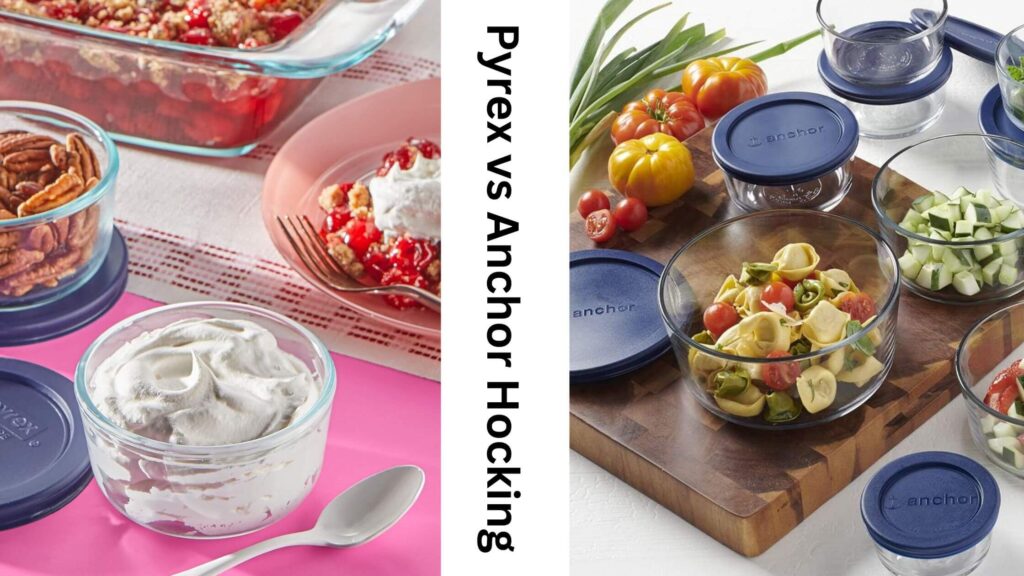
    Pyrex vs Anchor Hocking

    Many home cooks compare these two popular glass cookware brands. Here’s how they stack up:

    Anchor Hocking Advantages:

    • More affordable pricing
    • Wide variety of sizes and shapes
    • Consistent soda-lime glass construction
    • Good availability in most stores

    Pyrex Considerations:

    • Some newer Pyrex uses soda-lime glass (similar to Anchor Hocking)
    • Vintage Pyrex used borosilicate glass (more heat-resistant)
    • Higher price point
    • Mixed glass composition across product lines

    Bottom line: Both brands offer quality glass bakeware when used properly. Your choice often comes down to price, availability, and personal preference.

    CARING FOR YOUR ANCHOR HOCKING GLASSWARE

    Proper care extends the life of your glass bakeware and maintains safety:

    Cleaning Tips:

    • Hand wash with warm, soapy water when possible
    • Most pieces are dishwasher safe (check manufacturer labels)
    • Use plastic scrubbers instead of steel wool
    • Remove baked-on food with baking soda paste

    Storage Recommendations:

    • Inspect regularly for chips or cracks
    • Stack carefully with protective padding
    • Store in dry cabinets away from extreme temperatures
    • Keep lids and containers together.

    REAL-WORLD PERFORMANCE DATA

    Based on consumer reviews and testing data:

    • 94% of users report satisfaction with Anchor Hocking oven performance
    • Average lifespan: 8-12 years with proper care
    • Most common issue: breakage due to temperature shock (preventable)
    • Replacement rate: Less than 3% annually for quality-conscious users.

    FREQUENTLY ASKED QUESTIONS ABOUT ANCHOR HOCKING OVEN SAFETY

    Can I use Anchor Hocking dishes under the broiler?

    No, Anchor Hocking dishes should not be used under the broiler. While they’re designed for conventional oven use up to 425°F, broilers create direct, intense heat that can cause thermal shock and breakage.

    Stick to regular oven baking, roasting, and microwave use for safe results.

    What should I do if my dish has a small chip?

    Stop using it immediately. Small chips can lead to complete breakage during heating.

    Are vintage Anchor Hocking pieces oven safe?

    Many are, like Fire king glassware, but check for manufacturer markings. Vintage pieces may have different temperature limits.

    Can I use metal utensils with glass bakeware?

    Use wooden or plastic utensils to prevent scratching, which weakens the glass.

    MAKING THE RIGHT CHOICE FOR YOUR KITCHEN

    Anchor Hocking glassware offers reliable oven performance when used correctly. The key factors for success are:

    1. Follow temperature limits (425°F maximum)
    2. Avoid thermal shock through gradual heating and cooling
    3. Inspect regularly for damage
    4. Use proper handling techniques

    For most home cooks, Anchor Hocking provides excellent value and performance. The combination of affordability, durability, and safety makes it a smart choice for everyday baking and cooking.

    Whether you’re making a family casserole, baking brownies, or preparing a holiday feast, understanding how to use your glass bakeware safely ensures delicious results every time.

    With proper care and handling, your Anchor Hocking glassware can be a trusted kitchen companion for many years to come.