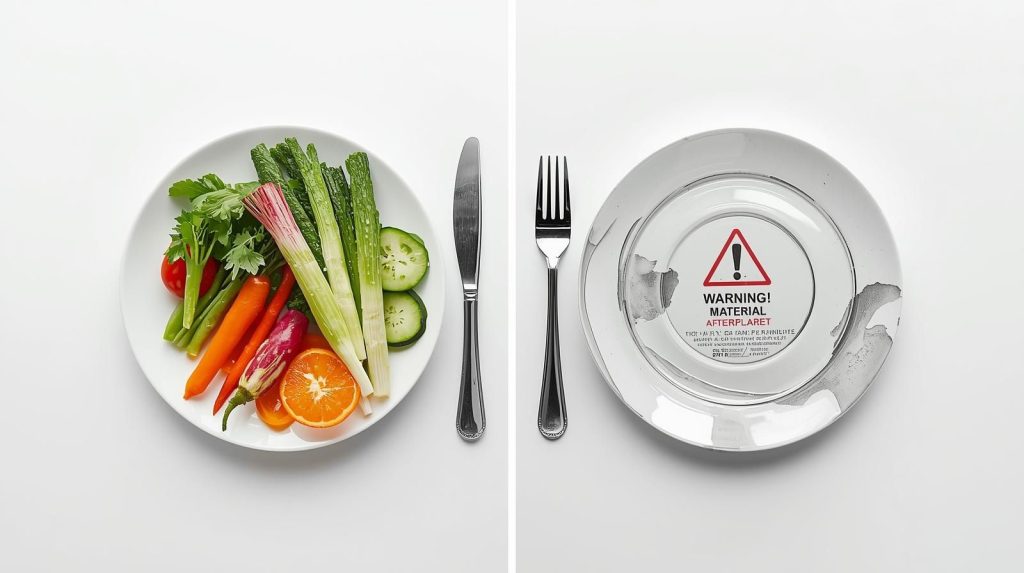
As we navigate a world where the quality of what we use daily is of paramount importance, delving into the transparency of Duralex glassware takes us on a journey through innovation, regulations, and the pursuit of health-conscious choices.
The attractiveness of transparent glassware, which is both sturdy and timeless, is balanced on the precipice of lead contamination.
In this quest for answers, we unveil the secrets behind Duralex’s commitment to purity, shedding light on the vital aspects of materials, manufacturing, and the peace of mind that comes with sipping from a Duralex glass.
WHAT TYPE OF GLASS IS LEAD FREE?
Several manufacturers claim to sell lead-free glasses, but is this true? As we always recommend, it is advisable to always test your glassware to be sure they are lead-free.
But in case you can’t test them, what do you do? To make it easy for you, based on research, testing, manufacturing processes, and experiments, the types of glass that are lead-free are as follows:
All the above types of glass do not contain lead oxide in their composition; most of them are primarily composed of three main ingredients: silica (sand), soda ash (sodium carbonate), and limestone (calcium carbonate).
These glass types or materials are 100% considered Lead-free glass; they are safe for food and beverage storage because they don’t leach lead into the contents, unlike traditional leaded crystal glassware.
Furthermore, lead-free glasses are more cost-effective to produce compared to leaded crystal glass, which is why they are a popular choice for everyday drinking glasses and even food storage containers.
If you notice carefully, the materials used in manufacturing these lead-free glasses are durable, offer good resistance to thermal shock, and withstand rapid changes in temperature without shattering, making them suitable for ovenware and bakeware, just like Duralex Bowls suitable for oven use.
In addition, lead-free types of glass materials come in various shapes, designs, and sizes, making them versatile kitchenware and household products.
Finally, lead-free types of glasses are considered more environmentally friendly than leaded glass because it does not pose the same environmental hazards associated with lead extraction and disposal.
Duralex glassware is 100% lead and cadmium-free because it is made from tempered glass, which strengthens the glass and eliminates the need for lead additives.
DURALEX PLATES
Duralex plates are a type of dinnerware known for their durability, versatility, and timeless design.
Duralex plates are made from tempered glass. This glass is heated to a high temperature and then rapidly cooled, resulting in a much stronger and more durable material compared to regular glass.
Duralex is a French company that has been manufacturing glassware since 1945. Their products gained popularity due to their sturdiness and resistance to breakage.
Duralex plates typically feature a simple and elegant design. They are often clear, allowing the natural colors of your food to shine through, but they also come in various colors and patterns to suit different tastes and occasions.
One of the key points of Duralex plates is their exceptional durability. They are resistant to thermal shock, meaning they can withstand sudden changes in temperature without breaking.
This makes them suitable for use in the microwave and freezer. They are also dishwasher-safe.
Duralex plates are known for their impact resistance. They are less likely to shatter if dropped, making them a safer option, especially in households with children.
These plates are versatile and can be used for various dining occasions, from everyday meals to formal dinners.
They come in different shapes and sizes, including round, square, and rectangular, to accommodate different serving needs.
Duralex plates are designed to be stackable, which is convenient for storage in a limited kitchen space.
While they are considered high-quality and durable, Duralex plates are often reasonably priced, making them an accessible choice for many consumers.
Duralex plates are often used for serving appetizers, salads, main courses, and desserts. Their transparency can enhance the presentation of dishes, making them a favorite among professional chefs and food stylists.
In addition to their functional qualities, Duralex plates hold cultural significance. They have been used in French bistros and cafes for decades, contributing to their classic, timeless appeal.
Duralex is committed to environmental responsibility. They use eco-friendly manufacturing processes and prioritize sustainability in their operations.
In summary, Duralex plates are renowned for their durability, versatility, and classic design.
They have a rich history and are favored by both professionals and home cooks for their resilience and aesthetic appeal.
Whether you’re looking for everyday dinnerware or something special for a celebration, Duralex plates are a reliable choice.
ARE DURALEX DISHES SAFE?
Yes, Duralex dishes are safe to use for indoor or outdoor purposes because the tempering glass manufacturing process that it goes through makes Duralex plates, bowls, and drinking glasses stronger and more resistant to breaking when compared to regular glass.
Another reason Duralex dishes are a popular choice for many households is that when they break, they are less likely to shatter into sharp pieces, thereby preventing injury.
The third reason Duralex dishes are safe is that they are designed to be microwave and oven-safe, which means you can use them for reheating, cooking, or baking food.
The fourth is that Duralex dishes are typically dishwasher safe, making them easy to clean.
While Duralex dishes are generally considered safe, it’s essential to use them as intended and follow the manufacturer’s care instructions.
Additionally, inspect your Duralex dishes periodically for any signs of damage, such as chips or cracks, and replace them if necessary to maintain their safety.
IS DURALEX SAFE TO DRINK FROM?
Yes, Duralex drinking glasses are 100% safe to drink from because Duralex glass is typically non-toxic and doesn’t leach harmful chemicals into your drinks or food.
Secondly, Duralex glassware is typically lead and cadmium-free, ensuring that these harmful heavy metals do not contaminate your beverages.
Lastly, another reason Duralex drinking glasses are safe to drink from is that they are heat-resistant and can handle both hot and cold beverages without shattering or cracking easily.
Can Duralex bowls go in the oven? This seemingly straightforward question leads us into a fascinating exploration of kitchenware versatility and the science behind everyday cooking tools.
Duralex bowls, renowned for their durability and glass-like clarity, are a staple in many kitchens.
However, when it comes to exposing them to the oven’s intense heat, uncertainty often arises.
As we delve into this topic, we’ll uncover the essential factors that determine whether Duralex bowls can handle the heat.
We’ll demystify the intricacies of their composition and the temperatures they can withstand.
Along the way, we’ll also share some tips and guidelines to help you make informed decisions about using these bowls for baking or roasting.
If you’ve ever wondered whether Duralex bowls are compatible with your culinary adventures, join us on this fascinating journey.
HOW DO I KNOW IF MY GLASS BOWL IS OVEN SAFE?
One of the easiest and most popular ways to know if your glass bowl is oven-safe is to carefully look for markings or labels on the bottom of the glass bowl or its packaging.
The moment you see these words: “oven-safe” or a “temperature rating in degrees Fahrenheit or Celsius”, it’s safe to use in the oven at or below that temperature.
Finally, if the glass bowl doesn’t have such markings or temperature ratings, it is recommended to avoid using it in the oven to prevent it from shattering due to heat.
CAN DURALEX BOWLS GO IN THE OVEN?
The standard or popular Duralex mixing bowls can’t be used in the oven rather it is the Duralex OvenChef is designed for oven use because they are made with reinforced tempered glass that can resist thermal shock of 200°C/392°F range in the Oven.
DURALEX OVENCHEF
Duralex Ovenchef is one of the product collections of the Duralex glassware brand that offers ease to all your baking and other kitchen needs
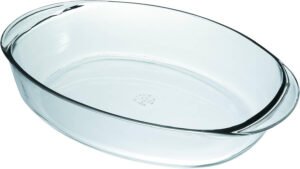
It doesn’t have a shallow design; instead, the Ovenchef Oval Roaster is 3.1 Liters in depth, and the size dimension is 14.125 X 9.875 inches or 36 X 25cm.
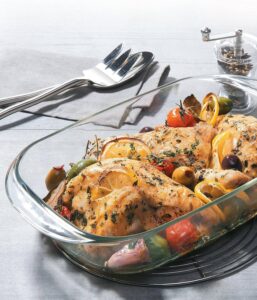
Based on the design of the Ovenchef Oval Roaster, when baking gratins and cheesy casseroles, there is no bubbling over, especially because of the depth.
The Ovenchef Oval Roaster Duralex brand has a thermal shock of 200°C / 392°F temperature differentiation and withstands temperatures between -20°C/ -4°F and 300°C/572°F.
Made with mechanical shock tempered glass, aside from being safe for oven use, it is also dishwasher, microwave, and freezer safe.
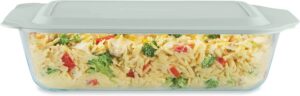
This is the easiest and best baking dish that leaves no residue, easy to clean after use, but one drawback is that it is not designed with oven-proof lids.
The Ovenchef Ramekin is ideal for preparing and serving crème brûlée, soufflé, cheese or egg dishes, poi, desserts, garnishes, and condiments.
The Ovenchef Ramekin can also withstand a crème brulee torch when coming out of the fridge.
This beautiful, heavy glass Ramekin is also perfect for cakes and mini bread in a dual Blaze Cosori 6.8-quart air fryer.
The French Duralex tempered glassware material can withstand sudden thermal shock from -4°F to 212°F. Extremely durable, impact and chip-resistant. Dishwasher and microwave safe.
Aside from the Ovenchef Square roaster, the Duralex glassware brand also has the Ovenchef Rectangular roaster.
One important feature of both is the depth, perfect for your casserole and other baking needs.
You can bake lasagna to perfection, made with reinforced tempered glass resistant to a thermal shock of 392°F temperature differentiation and withstand temperatures between -4°F and 572°F.
In case you have a Kitchen Aid toaster oven or a Cuisinart air fryer, this Ovenchef casserole dish can fit in with ease.
You will love this elegant, large Ovenchef baking dish as it can go from refrigerator to oven and back again
Heats evenly, has smooth glass, and won’t stick to your food. Washing by hand is easy and also dishwasher safe.
ARE DURALEX GLASS BOWLS HEATPROOF?
Duralex glass bowls are known for their durability and resistance to thermal shock, which means they can withstand a wide range of temperatures, but it is the Duralex Ovenchef collection that is heatproof because it can be used in the oven, microwave, and freezer.
The standard Duralex glass mixing and stackable bowls can only be used in the microwave oven and freezer.
However, it’s essential to follow the manufacturer’s guidelines and avoid exposing all Duralex glassware products to sudden changes in temperature of more than 130°C/266°F.
Secondly, do not use a cracked or damaged Duralex glassware brand to prevent injury, and never scratch the surface of your Duralex glass bowls.
CAN PYREX GO IN THE OVEN?
Yes, Pyrex glass bakeware is generally safe to use in the oven because they are made with tempered soda-lime glass or Borosilicate glass as which can withstand sudden temperature changes.
However, you should follow the manufacturer’s instructions and avoid sudden temperature changes, such as placing a hot dish on a cold surface, as this can cause the glass to break.
Additionally, avoid using Pyrex on direct heat sources like stovetops or broilers, as this can also lead to breakage.
Always check the recommended temperature limits for your specific Pyrex product.
ARE ALL GLASS BOWLS OVEN-SAFE?
It is not all glass bowls that are oven safe; some glass bowls are good only for mixing, while some are for storage, and others for eating.
A critical point to note about glass bowls that are suitable for oven use is to check the material composition and manufacturing procedure of the glass bowl.
Another point to note is to pay attention to Premium brands that manufacture oven-safe bowls to save yourself from any potential hazards.
Examples of glass materials that are suitable and safe for oven-safe use are tempered glass, Borosilicate glass, Porcelain, Ceramic, Duralex, and Pyrex glass.
In addition, see below recommended bowls made of various materials that are suitable for oven use:
Just like I said above, the same principle used in asserting if a glass bowl is suitable for oven use, it’s the same rule you apply to know if a glass bowl is suitable for microwave oven use.
So, it is not every glass bowl that is safe for microwave oven use.Make sure you only go for microwave oven-safe labeled glass bowls because they are designed to withstand microwave oven heat, as they won’t shatter or explode.
Examples of glass bowls that can be suitable for microwave oven use are:
What is Duralex glass? – You might have heard the name whispered among kitchen enthusiasts, or perhaps it’s a term that has always awakened your curiosity.
Imagine this for a minute: a special material that is much tougher than average glass yet can grace your table with style.
Intrigued? You should be. There is one feature we all want to see in our everyday household ware, and that is versatility – withstanding the test of time, affordability, and the ability to be used for almost all kinds of occasions.
Just to give you a sneak peek, Duralex glass is a testament to the harmony between form and function, but there is more.
Join us as we delve into the world of Duralex glass, exploring its origins, what it is made of, its incredible strength, and the countless ways it enhances our daily lives.
Whether you’re a culinary connoisseur or simply someone who appreciates the beauty in simplicity, Duralex Glass has a story you won’t want to miss.
WHAT IS DURALEX GLASS MADE OF?
According to the Duralex glassware brand, Duralex glass is specially made of a mixture of sand, soda ash, and limestone, generally called soda-lime glass.
In addition, this makeup makes Duralex glassware recyclable, lead and cadmium-free, completely safe to eat from, and safe for our health.
WHAT IS DURALEX GLASS WORTH?
The value of Duralex glassware can vary widely depending on factors such as the specific product, size, design, and where it is purchased.
Generally, Duralex glassware is known for its affordability, making it accessible to a wide range of consumers.
Individual items like a set of Duralex drinking glasses or plates can typically range from a few dollars to around $12 or $20 per piece, or more for larger or specialized items.
Prices may also fluctuate based on the region, availability, and any specific promotions or discounts.
It’s best to check with retailers, both online and in physical stores, to get the most accurate pricing for the particular Duralex glassware you’re interested in.
WHAT IS DURALEX GLASS?
Duralex Glass is a premium, affordable French glassware brand that manufactures toughened tempered glassware and other tabletop products that are extremely durable, hygienic, shock-resistant, impact and chip-resistant, microwave, freezer, and dishwasher safe.
DURALEX FRANCE
One of the Premium products to come out of France is the Duralex glassware. Ever since its inception in 1945, the Duralex glassware has gained prominence and wide-scale acceptance all over Europe and the USA.
Duralex glassware is manufactured in the heart of France in La Chappelle-Saint-Mesmin, using the famous glass tempering process, which is what makes consumers call it toughened glassware.
Duralex France glassware brand has the following popular products: drinkware (tumblers), glass dinnerware sets, stackable bowls, storage bowls, and even bakeware.
Finally, Duralex is and will always be a true French manufacturer of glassware and tabletop products, as well as the only glass manufacturer that manufactures 100% of its products in France.
DURALEX DRINKING GLASSES
Duralex drinking glasses are versatile and durable glassware designed for everyday use. These glasses are perfect for enjoying a wide range of beverages, from water and juice to cocktails and wine.
What sets Duralex glasses apart is their tempered glass construction, making them resistant to thermal shock and breakage.
This means you can safely pour hot or cold drinks into them without worry.
Duralex glasses also feature a stackable design, which saves storage space, and their timeless, clear appearance complements any table setting. Plus, they’re dishwasher-safe, making cleanup a breeze.
What makes Duralex glasses truly special is their reliability and longevity. You won’t need to replace them often, making them an indispensable choice.
So, whether you’re hosting a gathering or simply enjoying a quiet evening at home, Duralex glasses enhance your drinking experience and offer excellent value. Try them today for an elevated and sustainable sipping experience!
DURALEX GLASS MUGS
Duralex glass mugs are versatile, sturdy, and elegant drinkware that brings joy to your daily sips.
Crafted from toughened tempered glass, these mugs can handle hot or cold beverages with ease.
These stylish, durable glasses are perfect for enjoying rich and aromatic espresso. Their use is straightforward: pour your favorite espresso into the glass and savor the flavors.
What sets Duralex espresso glasses apart are their remarkable features. They are made from tempered glass, which is not only incredibly strong but also resistant to thermal shock.
This means you can safely use them with hot espresso without worrying about cracks. Their design is timeless, with a simple yet elegant look that enhances the coffee-drinking ritual.
The glasses also come in various sizes to suit your preferences.
Duralex espresso glasses are special because they combine functionality and durability.
They enhance the coffee experience, making each sip a delight. Whether you’re a coffee enthusiast or just enjoy an occasional espresso, these glasses are a must-have addition to your kitchen.
Try them and elevate your coffee moments today!
DURALEX WINE GLASSES
Duralex wine glasses are the epitome of elegance and durability, perfect for enhancing your wine-drinking experience.
Made from high-quality tempered glass, they are not only crystal clear but also resistant to breakage, making them ideal for everyday use or special occasions.
Normally, wine glasses are designed with a generous bowl shape that allows your wine to breathe, enhancing its aroma and flavor.
In addition, wine glasses have smooth, slender stems that provide an easy grip while preventing heat transfer from your hand to the wine, ensuring the perfect serving temperature.
What truly sets Duralex wine glasses apart from their competitors is their timeless longevity. They can withstand frequent use and dishwasher cleaning without losing their shine or shape.
These glasses bring affordable luxury to your table, making every sip a delightful experience.
Invest in Duralex wine glasses today, and elevate your wine enjoyment with their combination of style, resilience, and affordability. Cheers to the perfect wine moment!
DURALEX BOWLS
Duralex Bowls are proudly manufactured in France, come in a variety of sizes, and are ideal for blending different baking and cooking needs, such as salad.
In our last article, we discussed extensively the difference between Duralex and Pyrex. Today, we will be uncovering Duralex vs Luminarc glassware brands.
Duralex and Luminarc are two brands that make dishes and glasses for eating and drinking. It’s like comparing two cool superhero teams.
Duralex is known for being super tough and strong, like a superhero with unbreakable skin. Luminarc, on the other hand, focuses on looking nice and pretty, like a superhero with a stylish costume.
People often talk about which one is better, like a big debate about who’s the best superhero.
So, get ready to learn about Duralex’s strength and Luminarc’s style in this glassware showdown!”
There are various patterns when it comes to the Duralex glassware brand. We have the Duralex Gigogne glass, Duralex tumblers, Duralex Prisme, Duralex Unie, Duralex Provence, Duralex Cozy Mug, Duralex Manhattan, Duralex Picardie, Duralex Amalfi, amongst others.
These various Duralex drinking glasses come in various designs, shapes, weights, and uses, some are perfect for wine, others for beer, and others for water and general household use.
Duralex glasses are made with tempered glass, which makes them more resistant to breaking and chipping than normal drinking glasses.
Their shock resistance is pretty high and can withstand sudden thermal shock from -4°F to 212°F.
One unique feature of Duralex drinking glasses is that they are safe, hygienic, non-porous, and don’t absorb liquids, flavors, or colors, and can be used as everyday drinking glasses.
Finally, they are dishwasher, refrigerator, and microwave-safe!
DURALEX VS LUMINARC
For a start, Duralex and Luminarc are both French glassware brands, though they have certain similarities. Below are the major differences between Duralex and Luminarc glassware:
Luminarc glassware brand products can be used on an open flame and in the oven, while Duralex is hardly suitable for the oven and can’t be used on an open flame.
Duralex glassware is made up of tempered toughened glass, which may be primarily made up of silicon dioxide as the main component, sodium, calcium, and magnesium, while Luminarc is made up of 30% recycled scrap glass, 50% sand, 15% soda, and 5% lime and minerals.
Duralex glassware dinnerware sets are mostly clear glass in color, while Luminarc dinnerware is translucent in color, as most of their dinnerware is made up of opal glass.
Luminarc glassware dinner sets are lighter than Duralex clear glass dinner sets.
The Duralex Picardie glass is the most common pattern of the Duralex glassware brand, it comes mostly in clear glass, marine blue, and amber colors.
They come in modern and simple designs as emphasis is placed on durability; they also come in unique shapes and curves that can easily fit your hand, and the Picardie Duralex glass is seen as the timeless star.
The Picardie glasses are not big or too small in design, suitable for kids and even the elderly to carry because of their lightweight design.
The Picardie glasses are sturdy; when mistakenly dropped, they bounce back because of the tempered glass nature.
Very easy to clean either by hand or using a dishwasher. If you are looking for a durable glass that has a great “mouth feel”, this is the answer.
Finally, this perfect size and nice-looking Picardie glass can be suitable for drinking juice, coffee, water, and other household or even outdoor drinks.
Duralex Tumblers include the following patterns: Duralex Unie Tumblers, Duralex Manhattan Tumblers, Provence Tumblers, Picardie Tumblers, Prisme Tumblers, etc.
Duralex Tumblers can be used for several purposes, like serving all your favorite refreshments, favorite beverages, beer, tea, cold or hot drinks, and so much more!
They are easy to clean, easy to hold, and perfect for gifts, maybe for weddings or other kinds of ceremonies.
Duralex Tumblers are ultra-strong glassware that can be used as everyday drinkware.
You won’t be sorry if you have these Duralex Tumblers because they make your juice and smoothie drinks delicious for you and your visitors.
IKEA drinking glasses are mostly clear glasses that appear light, easy to hold, and beautifully designed to be used for various home and outdoor events.
IKEA drinking glasses are elegantly designed to add a contemporary touch to your kitchen and dining area.
IKEA drinking glasses are also called durable, everyday drinking glasses, and modern drinking glasses because they are safe from harmful chemicals, especially lead and cadmium.
History Company French Bistro Tempered Water Glass (All-Purpose Drinking Tumbler)
Deayou Thick Tempered Glass Tumbler with Heavy Base for Juice and Cocktails
DURALEX VS BORMIOLI
Duralex and Bormioli are both well-known brands that specialize in glassware and tableware products. Both are made of tempered glass materials that make them highly durable and resistant to chipping and breaking.
Here are some key differences between the Duralex and Bormioli Rocco glassware brands:
Duralex is a French brand that has been around for decades, known for its classic and simple designs, while Bormioli, on the other hand, is an Italian brand that also has a long history of glassware craftsmanship, often with a focus on modern and innovative designs.
Since Bormioli dinnerware sets are made up of tempered Opal glass, they are lighter in terms of weight compared to Duralex clear glass pattern dinnerware.
Finally, Bormioli Rocco, an Italian glassware brand, manufactures storage bottles and pitchers, but Duralex doesn’t manufacture storage bottles and Pitchers.
BORMIOLI ROCCO
Bormioli Rocco is a fascinating company that specializes in creating beautiful and functional glassware.
Imagine sipping your favorite drink from a stylish glass – that could very well be a creation of Bormioli Rocco!
With a history dating back to the 19th century, this Italian brand has mastered the art of glassmaking.
From elegant wine glasses that elevate your dining experience to durable jars that keep your pantry organized, Bormioli Rocco crafts glassware that combines artistry and practicality.
Their pieces are found in homes and restaurants around the world, adding a touch of sophistication to every occasion and for everyday drinking glass use.
Whether you’re toasting to success or enjoying a cozy evening at home, Bormioli Rocco’s glassware is there to make each moment a little more special.
The Bormioli Rocco Bodega collection is one of the popular Bormioli Rocco glasses that offers a sleek, smooth, minimalist design and a thick, sturdy base.
They are modern and durable drinking glass that comes in sets of 12 or Bormioli Rocco daily ware Bodega glasses set of 16.
Made of tempered glass, they can withstand indoor and restaurant use, café, store, bar, or pub use.
These tempered drinking glasses can be used to enjoy many different kinds of drinks or food, including water, beer, juice, fresh lemonade, refreshments, wine, whiskey, and cocktails.
We can also say that the Bormioli Rocco glasses are termed the best drinking glasses for everyday use.
You might want to know why users prefer the Bormioli Rocco glassware brand. The reason is that they are resistant to thermal shock up to 230°F F/110 °C.
In addition, the Bormioli Rocco Bodega tempered glasses are break-resistant and chip-resistant, and also dishwasher safe.
Bormioli Rocco Rock Bar is the perfect glass for serving various types of drinks, which include: cocktails, long drinks, soda, juice, milk, Coke, beer, and even spirits.
These tempered drinking Bormioli Rocco rock bar glasses can be easily stacked on each other and can withstand impacts and shocks.
This popular Bormioli Rocco glass was designed by French Bistros and cafés, which is why they meet all your indoor and outdoor needs with ease.
If you are tired of poor-quality glasses that easily break or chip, then you need the Bormioli Rocco Rock Bar glass.
A high-quality and sturdy drinking glass that is perfect to hold, with a nice grip for adults.
We highly recommend this durable tempered drinking glass brand that can handle both hot and iced drinks.
ANCHOR HOCKING VS DURALEX
Anchor Hocking and Duralex are both well-known brands that produce glassware, but there are some differences between them:
Anchor Hocking is an American brand that offers a wide range of glass products, while Duralex, on the other hand, is a French brand famous for its tempered glassware.
Anchor Hocking manufactures a variety of glass products, which include storage containers, glass jars, measuring glass cups, baking, and casserole dishes, while the Duralex French glassware brand is well known for manufacturing mostly drinking glasses, bowls, and clear glass dinnerware sets.
The Baking and Casserole dishes by Anchor Hocking can go in the oven and have more thermal shock and temperature resistance than Duralex products, as most of their products can’t be used in the oven.
DURALEX VS LIBBEY
Duralex and Libbey are two different popular brands that specialize in glassware. Here are some differences between them:
Duralex is a French brand that has been producing tempered glassware since the 1940s.
They are known for their iconic Picardie glasses, while Libbey is an American glassware company with a history dating back to the early 19th century.
Duralex is renowned for its durable tempered glass products, including tumblers, plates, bowls, and glass containers, while Libbey offers a diverse selection of glassware, including stemware, barware, dinnerware, and various specialty glass products.
Libbey glass stemware is preferable for wine use than Duralex glassware.
The Duralex French glassware brand is predominantly made with tempered toughened glass, while Libbey glasses are made with soda lime tempered glass with an addition of ClearFire Formula, which is an innovative glass-making process owned by Libbey.
Libbey glasses are more fragile in design compared to Duralex glasses, which are sturdy and somewhat bulky.
Libbey glassware is thinner in design, brighter, and has more clarity than Duralex glassware.
Libbey USA glassware brand also manufactures ceramic dinnerware, metallic flatware, serving ware, and even home décor, while Duralex focuses only on glass dinner sets, mixing bowls, and drinking glasses.
Duralex products often have a simple and classic design, focusing on functionality and durability, while Libbey offers a broader range of innovative, classic designs and styles, catering to different aesthetics and occasions.
Finally, when choosing between Duralex and Libbey, consider your preferences for design, intended use, and budget.
Both brands offer quality glassware, so it ultimately depends on what suits your needs and style best.
LIBBEY DRINKING GLASSES
Libbey drinking glasses are the epitome of elegance and functionality. Crafted with care, they transform sips into experiences.
Whether it’s a morning juice or a celebratory toast, Libbey glasses elevate every drink. The range offers something for everyone – from timeless, clear designs that suit any occasion, to vibrant, uniquely-shaped glasses that add a pop of personality to your table.
Libbey’s craftsmanship spans decades, rooted in a commitment to quality. These glasses are more than just vessels; they’re a canvas for your creativity.
The clarity of the glass enhances the colors of your beverages, making every sip visually enticing. With a wide array of sizes and styles, Libbey ensures that each beverage is enjoyed to the fullest.
Raise a Libbey glass and make every moment toast-worthy, as you relish the blend of practicality and aesthetics that these glasses bring to your sipping pleasure.
Examples of Libbey drinking glass collection include Libbey Gibraltar tumbler glasses, Libbey Province Tumbler, Libbey heavy base tumbler, Libbey Signature Kentfield all-purpose wine glasses, and Libbey Blue Ribbon impression tumblers.
In addition, we also have Libbey classic smoke drinking glasses, Libbey stemless champagne glasses, Libbey signature Greenwich champagne glasses, Libbey classic Tan tumbler glasses, Libbey vintage juice drinking glasses, Libbey cobalt flare tumbler glasses, and others.
LIBBEY POLARIS
The Libbey Polaris drinking tumbler is a simple but sophisticated and stylish glassware that is clear and perfect for all your dining needs and cocktail parties.
Libbey Polaris glass will make your cocktail appear nice; it is also designed with a heavy 1-inch thick base for stability.
One excellent feature you would love about the Libbey Polaris drinking tumbler is that it is a lead-free, modern, and durable drinking glass for everyday use.
Easy to clean after use, hand-wash and dishwasher safe! If you have ever seen or used a versatile drinking glass, then Libbey Polaris stands as number one, as it can be used for a variety of beverages (cocktails and mocktails).
Examples of Libbey Polaris collections are Libbey Polaris 16 Piece Tumbler and Rocks Glass set, Libbey Polaris Smoke, Libbey Polaris Rock Glass Axis, set of 8.
You will enjoy using this made-in-the-USA everyday drinking glassware, perfect as a gift at weddings, birthdays, anniversaries, or any celebration.
Today, we will compare two well-known brands of sturdy glassware: Duralex vs Pyrex, each with unique attributes that cater to different preferences and purposes.
One of these brands is recognized for its durable and heat-resistant glass products that are popular for cooking and serving.
The other brand is celebrated for its tough glassware that can endure high temperatures and sudden temperature changes without shattering.
These two brands have garnered attention for their reliability, strength, and suitability for different purposes.
By exploring the characteristics and benefits of these glassware options, individuals can make informed choices based on their specific requirements, whether it’s for daily use or special occasions.
ARE DURALEX GOOD GLASSES?
Yes of course, Duralex is a good glass because they undergo what we call a “tempering process”, the result of this manufacturing process is what makes Duralex glasses tough, ability to be used for hot or cold meals with ease, and have an impermeable surface which makes them safe for health and can meet various home and other occasion needs.
DURALEX VS PYREX
Duralex and Pyrex are both popular brands known for their glassware products, but they have some differences; see them below:
Duralex is a French brand that has been around since 1945, while Pyrex is an American brand that dates back to the early 20th century.
Duralex glassware is known for its tempered toughened glass makeup, while Pyrex is known for its new tempered soda-lime glass or the old (vintage) borosilicate glassware constituents.
The old borosilicate Pyrex glass makeup has a higher thermal shock resistance than Duralex tempered glass, making it more suitable for extreme temperature changes.
However, some modern Pyrex products have shifted to tempered soda-lime glass, which may not have the same level of thermal shock resistance.
Pyrex is often associated with kitchenware like baking dishes, food storage, and measuring cups, while Duralex is known for its tempered glass drinking glasses, plates, ramekins, and bowls.
It is important that we know that both brands have been around for a long time and have their loyal customer bases.
Some individuals prefer one brand over the other based on their own experiences and preferences.
Finally, both Duralex and Pyrex have a reputation for durability and resistance to thermal shock.
The choice between the two brands often comes down to your personal preference and ability to meet your specific or desired household kitchen needs.
IS DURALEX BOROSILICATE GLASS?
Duralex isn’t made of Borosilicate glass; instead, Duralex bowls, dinnerware sets, and drinking glass cups are made of soda lime tempered glass.
IS DURALEX THE SAME AS PYREX?
Duralex isn’t the same as Pyrex per se, they have some similarities in terms of durability and resistance to thermal shock but one distinct quality they have is that Duralex is a French brand while Pyrex is a US Brand.
Furthermore, Duralex is majorly seen in drinking glasses and bowls while Pyrex is predominantly baking dishes and storage containers that’s why Pyrex is suitable for oven use more than Duralex glassware.
Finally, see above for other differences.
DURALEX VS PYREX WHICH IS BETTER?
In our opinion, Duralex glassware isn’t better than the Pyrex glassware brand and vice versa, it all depends on your specific need, for some specific home or kitchen use, Duralex might be a better option than Pyrex while in cases relating to oven baking, Pyrex will be a more suitable use than Duralex glassware.
DO DURALEX GLASSES BREAK?
Of course, Duralex glasses do break even though they are resistant to chips and breaks, and if they are misused or hit against a sharp object, they will eventually break.
DURALEX FRANCE
One of the Premium products to come out of France is the Duralex glassware, ever since its inception in 1945, the Duralex glassware has gained prominence and wide-scale acceptance all over Europe and the USA.
Duralex glassware is manufactured in the heart of France in La Chappelle-Saint-Mesmin, using the famous glass tempering process, this process is what makes consumers call it toughened glassware.
Duralex France glassware brand has the following popular products: drinkware (tumblers), glass dinnerware sets, stackable bowls, storage bowls, and even bakeware.
Duralex was purchased for 3.5 million euros ($4.2 million) by International Cookware Group, the manufacturer of the competitor Pyrex brand, in January 2021.
Does this mean that Duralex glassware is no longer made in France? No, because one of the popular Duralex glassware patterns known as Picardie glass is still manufactured in France.
This Picardie glass Duralex pattern is commonly called “original French tumblers”.
The tempered glass unique feature of the France Duralex glassware brand makes them dishwasher safe, not too heavy like ceramic material, and they are conveniently stackable.
It is not only Duralex products that are made with tempered glass, one popular product we have is Opal glass.
Finally, Duralex is and will always be a true French manufacturer of glassware and tabletop products, as well as the only glass manufacturer that manufactures 100% of its products in France.
IS DURALEX MICROWAVE SAFE?
Yes, Duralex glassware is microwave safe as the tempering process they undergo during manufacturing makes them tough enough to withstand microwave heat or temperature.
Furthermore, Duralex glassware is also freezer-safe and it can go from the freezer to the microwave.
Duralex Bowls are proudly made in France, they come in a variety of sizes, and they are perfect for mixing various baking and cooking needs just like salad.
One feature you will love about Duralex Bowls is that they are designed with a collar rim which makes them stackable.
These French bowls are ideal for everyday use, they are extremely durable because they are impact and chip-resistant.
The Duralex glassware France dinnerware is made up of a transparent color that is non-porous which makes it a hygienic option for health-conscious consumers.
Just like all other Duralex products, the Duralex dinnerware is made from tempered glass material which makes them durable, and resistant to mechanical and thermal shocks.
We can boldly say that the Duralex dinnerware is 2.5 times stronger than regular glass which is why it can withstand freezer, microwave, and dishwasher use.
One disadvantage of the Duralex Dinnerware is that they are not suitable for oven and open flame use, secondly, do not expose Duralex dinnerware to sudden changes in temperature of over 130 °C.
Duralex dinnerware is very easy to use and clean, to wash, simply soak it in soapy water for 10 – 20 minutes use soft sponges, don’t use metallic pads, powders, abrasives, or sponges as this will damage the glass dinnerware.
Duralex-colored glasses are functional and stylish, they are truly pleasant to behold and easy to carry, as explained above, one of the most popular tumbler patterns is the Duralex Picardie.
This popular colored Duralex glass is named after the Picardie province in Northern France.
Just like other Duralex products, the colored Duralex glasses are made of tempered glass, so you can use them for home, casual, or outdoor drinks.
Nothing is more enjoyable than holding a glass that has the perfect weight, they are also dishwasher safe, impact and chip resistant, and microwave safe such as Corelle mugs.
Below are the various types of Duralex colored glasses:
Borosilicate glass is a better option in terms of resistivity to thermal shock and sudden changes to temperature than Pyrex made with soda lime glass
So, it is safe to say that Glasses made with Borosilicate material are better or perform better than Pyrex glasses specifically made with soda lime.
WHERE TO BUY DURALEX?
Purchasing Duralex France glassware isn’t rocket science, you can quickly and easily get Duralex tempered toughened glassware products across the USA, France, and Europe on Amazon, Duralex website, or departmental stores across various countries depending on your location.
This guide breaks down the healthiest and most dangerous dinnerware materials, helping you create a safer dining experience for your entire family without sacrificing style or durability.
Every time food touches your plate, there’s potential for chemical migration.
Certain materials contain substances that can transfer into your meals, particularly when exposed to heat, acidity, or repeated use.
Glazes on ceramic dinnerware may contain lead or cadmium that leach into food.
Plastic-based materials can release harmful compounds when heated.
Even seemingly safe options require scrutiny because manufacturing quality varies widely across brands.
Heat, acidity, and wear
Temperature and food chemistry accelerate leaching from problematic dinnerware.
Hot foods increase molecular movement, making chemical transfer more likely.
Acidic items like tomato sauce, citrus, and vinegar actively pull metals from glazes and coatings.
Dishwasher detergents and utensil scratches gradually wear down protective barriers, exposing underlying materials.
Over time, even initially safe dinnerware can become compromised through normal wear patterns.
Daily use vs occasional exposure
Frequency matters significantly in dinnerware safety. Using questionable plates once won’t cause immediate harm, but daily exposure creates a cumulative toxic burden.
Your body accumulates heavy metals over time because it cannot efficiently eliminate them.
Three meals daily on lead-glazed plates means 1,095 exposure events yearly.
Children face even greater risk due to smaller body mass and developing systems that absorb toxins more readily than adults.
Children and long-term risk
Children are disproportionately vulnerable to dinnerware toxins. Their developing brains and nervous systems suffer permanent damage from lead exposure at levels adults tolerate.
Kids also consume more food relative to body weight, increasing chemical intake per pound.
Toxic exposure during growth years affects cognitive development, behavior, and lifelong health outcomes.
Selecting truly safe dinnerware becomes critical when feeding infants, toddlers, and growing children who cannot protect themselves from hidden hazards.
What Makes Dinnerware “Healthy”?
Non-toxic composition
Healthy dinnerware starts with inherently safe base materials that contain no harmful substances.
Glass, stainless steel, and properly formulated ceramics qualify as non-toxic foundations.
The material itself should not require chemical additives, plasticizers, or stabilizers to maintain its structure.
Pure materials eliminate the source of contamination rather than simply controlling leaching through coatings or barriers.
No heavy metal leaching
Lead and cadmium represent the most serious heavy metal threats in dinnerware.
Safe products contain zero detectable levels of these metals in both the body and surface glazes.
Testing should confirm that nothing migrates into food under normal use conditions.
Many countries regulate allowable leaching limits, but truly healthy dinnerware contains no heavy metals to begin with.
Even low-level chronic exposure accumulates in bones and organs over decades of use.
No plasticizers or PFAS
Modern synthetic materials introduce new concerns beyond traditional heavy metals. Plasticizers like phthalates make materials flexible but disrupt hormones.
PFAS chemicals create non-stick or stain-resistant surfaces while persisting indefinitely in the environment and human body.
Healthy dinnerware avoids all synthetic chemical treatments, coatings, and additives.
Natural materials properly processed require no chemical enhancement to perform their function safely over years of regular use.
Stability under heat
Safe dinnerware remains chemically stable across all normal use temperatures.
Microwave heating, hot food service, and dishwasher cycles should not trigger material degradation or chemical release.
Glass and properly fired ceramics maintain their structure indefinitely when heated. Materials that soften, melt, warp, or discolor with heat are fundamentally unsuitable for food contact.
Temperature stability indicates strong molecular bonds that resist breaking down and contaminating your meals.
Healthiest Dinnerware Materials (Ranked)
Glass Dinnerware
Glass dinnerware ranks as the absolute safest choice for health-conscious consumers. Made from sand, soda ash, and limestone, glass contains no toxic additives or surface treatments.
Plain white porcelain without decorative elements presents minimal risk when manufactured according to proper standards.
The firing temperature exceeds 2,300°F, which thoroughly stabilizes all components. However, decorative glazes, hand-painted designs, and metallic accents introduce uncertainty.
Quality matters significantly, with established manufacturers maintaining stricter safety protocols than budget producers.
Stoneware (Tested & Lead-Free)
Stoneware offers excellent safety when properly manufactured and independently verified.
This dense ceramic material fires at temperatures high enough to create stable, non-porous surfaces.
Unverified stoneware, particularly imports and handmade pieces, may contain dangerous levels of lead in decorative glazes despite appearing safe.
Stainless Steel
Stainless steel dinnerware provides absolute certainty about material safety with zero leaching potential.
The metal alloy contains no coatings, glazes, or surface treatments that could degrade over time.
Steel plates remain completely stable under heat, surviving extreme temperatures without releasing any substances.
This material particularly suits children’s dinnerware because it’s virtually indestructible. The industrial aesthetic doesn’t appeal to everyone, and steel cannot go in microwaves.
However, for pure material safety combined with exceptional durability, stainless steel ranks among the healthiest options available.
Ceramic (Conditional Safety)
Ceramic dinnerware safety varies dramatically based on manufacturing quality and glaze composition.
High-fired ceramics from reputable manufacturers typically meet safety standards when kept plain or minimally decorated.
Problems arise with colorful glazes, hand-painted designs, and imported ceramics lacking proper testing.
Lead historically made glazes glossy and colorful, and some manufacturers still use it despite known dangers.
Cadmium provides bright red, orange, and yellow colors, but it leaches readily into acidic foods.
Only purchase ceramic dinnerware with clear safety certifications from established brands.
Dinnerware Materials to Avoid or Limit
Melamine (plastic-based)
Melamine dinnerware combines formaldehyde with melamine resin to create hard plastic plates.
While durable and lightweight, this material releases formaldehyde and melamine into food when heated or contacted by hot liquids.
Studies show significant chemical migration when using melamine with hot soup, coffee, or microwaved food.
The FDA considers melamine safe for cold food only, but most consumers use plates for hot meals.
Children’s exposure concerns are particularly acute because melamine releases more chemicals as the surface becomes scratched and worn.
For similar concerns about plant-based alternatives, check whether homemade stoneware might be safer.
Plastic dinnerware
Plastic plates, bowls, and cups introduce multiple chemical hazards into your diet. Even BPA-free plastics contain alternative plasticizers that may disrupt hormones.
Heat accelerates chemical leaching, making plastic dinnerware particularly problematic for hot foods and microwave use.
Acidic and fatty foods readily absorb plastic components. Scratches from utensils and dishwasher wear create additional surface area for chemical migration.
Plastic’s environmental persistence and recycling challenges compound health concerns.
While convenient for outdoor use, plastic dinnerware should never be your daily choice for meals.
Vintage or antique plates
Decorative antique dishes and vintage dinnerware often contain extremely high lead levels in their glazes.
Historical manufacturing used lead liberally because regulations didn’t exist, and lead creates beautiful, glossy finishes.
Even family heirlooms passed down through generations may be slowly poisoning users.
Bright colors, metallic accents, and hand-painted designs on vintage pieces particularly indicate lead presence.
These items belong on walls as decoration, not in active food service. Testing reveals that many antique plates exceed modern safety limits by factors of hundreds or thousands.
Cheap imports with unknown glazes
Imported dinnerware from countries with weak manufacturing oversight presents significant safety risks.
Testing repeatedly finds dangerous lead and cadmium levels in inexpensive ceramic plates from certain regions.
Without third-party verification, consumers have no way to confirm safety. Manufacturers may use prohibited materials to reduce costs while providing no documentation.
Bright colors, unusually low prices, and the absence of brand information signal potential problems.
Lead enters dinnerware primarily through decorative glazes and colorants applied to ceramic surfaces.
Manufacturers historically added lead oxide to glazes because it lowers firing temperatures, increases glossiness, and intensifies colors.
The lead becomes bound within the glaze matrix during proper firing, but inadequate temperatures or formulations leave it available for leaching.
Hand-painted designs, metallic trims, and bright decorative elements frequently contain lead.
Even products from developed countries occasionally test positive when decorative elements weren’t properly formulated or fired.
Why cadmium is used in glazes
Cadmium produces exceptionally bright red, orange, and yellow colors that remain vivid after high-temperature firing.
This heavy metal creates colors unachievable with safer alternatives, tempting manufacturers to use it despite its known toxicity.
Cadmium-based pigments cost less than some safer colorants, providing an economic incentive for their continued use.
International regulations vary widely, with some countries allowing cadmium in decorative dinnerware while others ban it entirely.
Vibrant red or orange dinnerware deserves particular scrutiny regarding cadmium content.
Leaching under acidic foods
Acidic foods actively extract heavy metals from problematic glazes through chemical reaction.
Tomato sauce, citrus fruits, vinegar-based dressings, and coffee all have pH levels that dissolve lead and cadmium from unstable surfaces.
The acid essentially pulls metal ions out of the glaze matrix and into your food. Leaving acidic foods on questionable plates for extended periods dramatically increases contamination.
Even brief contact with hot acidic foods causes measurable leaching from improperly formulated dinnerware.
This chemical vulnerability makes glaze composition absolutely critical for any dinnerware intended for actual food service.
Best Dinnerware Materials for Different Use Cases
Best for families with kids
Glass and stainless steel provide optimal safety for children’s daily use.
Tempered glass resists breaking while offering zero toxicity concerns. Stainless steel withstands dropping and rough handling while remaining completely inert.
Both materials eliminate worries about chemical exposure during critical developmental years.
If ceramics are preferred for aesthetics, select only USA-made tableware brands with documented safety testing.
Avoid any dinnerware with decorative elements when serving children.
Consider that younger kids need extra protection because their developing bodies absorb and retain toxins more readily than adults.
Best for daily adult use
High-quality porcelain balances safety, aesthetics, and durability for everyday adult dining.
Plain white or minimally decorated porcelain from reputable manufacturers offers reliable safety with a traditional appearance.
Glass dinnerware provides maximum health protection while suiting modern design preferences. Both materials handle daily dishwasher cycles and microwave heating without degradation.
For those wanting complete certainty, glass eliminates all concerns about glaze safety.
The safest kitchen materials should form the foundation of your complete dining setup beyond just plates and bowls.
Best for elderly users
Lightweight yet safe materials work best for elderly users who may struggle with heavy dishes.
Opal glass material combines exceptional lightness with complete safety and surprising durability.
Thin porcelain provides elegant service while remaining manageable for arthritic hands.
Some seniors benefit from compartmented plates that keep foods separated, available in both safe ceramic and stainless steel options.
Avoid extremely heavy stoneware that strains wrists and increases the risk.
Consider plates with higher edges or built-in sections that make eating easier while maintaining material safety standards.
Best for microwave & oven use
Glass and porcelain without metallic decoration perform best for microwave and oven applications.
Pure glass heats evenly without creating hot spots that could burn users. Porcelain tolerates oven temperatures while remaining stable and non-reactive.
Both materials release no chemicals when heated, unlike plastics or melamine that break down under heat exposure.
Verify that specific products are rated for oven use before subjecting them to extreme temperatures.
Stoneware also works well in ovens when properly manufactured. Never microwave dinnerware with metallic trim, decorative details, or unknown composition.
Glass vs Ceramic vs Porcelain — Health Comparison
Chemical stability
Glass demonstrates perfect chemical stability because it’s already a non-crystalline solid requiring no additional treatment.
Nothing can leach from pure glass under any normal food contact scenario.
Porcelain achieves excellent stability through high-temperature vitrification that fuses all components into a glass-like matrix.
Quality ceramic fired at proper temperatures also becomes chemically stable, though this depends on manufacturing precision.
Both ceramic and porcelain safety rely on the glaze formulation remaining completely lead-free.
Safety evaluation must balance breakage risk against toxicity concerns. Glass breaks more easily than ceramic or porcelain, potentially creating injury hazards.
However, broken glass causes immediate visible injury rather than hidden chemical poisoning.
Toxic dinnerware causes invisible harm that accumulates over the years without obvious symptoms.
Tempered glass reduces breakage significantly while maintaining perfect non-toxicity.
Most safety-conscious consumers prefer breakage risk over ongoing toxic exposure. Proper handling minimizes glass breakage, while toxic materials poison you regardless of careful use.
Maintenance & lifespan
All three materials offer excellent longevity when properly cared for and maintained. Glass resists scratching, staining, and odor absorption indefinitely with basic care.
Porcelain maintains its appearance for decades but may show utensil marks over time.
Ceramic varies by quality, with high-fired pieces lasting generations while cheaper versions chip and craze relatively quickly.
Dishwasher-safe versions of all three materials simplify maintenance.
Glass requires no special consideration, while ceramic and porcelain need verification that glazes won’t degrade with repeated washing.
Reputable manufacturers openly provide detailed information about materials, sourcing, manufacturing location, and testing protocols.
They publish technical specifications and safety certifications on their websites. Transparent companies welcome questions about lead content, firing temperatures, and glaze composition.
Avoid brands that offer vague marketing claims without supporting documentation. Look for specific statements like “lead-free and cadmium-free” rather than generic “safe” or “non-toxic” terminology.
Companies confident in their products provide detailed answers backed by test results and certifications.
Third-party testing
Independent laboratory testing provides the most reliable safety verification available to consumers.
Look for dinnerware tested by recognized facilities using standardized methods for detecting heavy metals.
NSF International, SGS, and similar organizations provide credible third-party certification.
Manufacturer self-testing lacks the objectivity of independent verification. Some brands voluntarily exceed regulatory requirements by testing to stricter standards.
Third-party certification should test both the body and glaze of ceramic dinnerware to ensure a comprehensive safety assessment across the entire product.
Certifications & disclosures
California’s Proposition 65 requires warnings for products containing substances known to cause cancer or reproductive harm.
While these warnings sometimes appear overly cautious, their absence indicates manufacturer confidence in product safety.
FDA compliance for food contact materials provides basic assurance but doesn’t guarantee optimal safety.
European Union regulations typically enforce stricter heavy metal limits than U.S. standards. LFGB certification from Germany indicates extremely rigorous testing.
Understanding what certifications actually measure helps you evaluate their significance. Make sure you test your plates if purchasing from uncertain sources.
At-home lead testing limits
Consumer lead test kits provide limited screening capability but cannot definitively prove safety.
These swabs detect high lead levels reliably but may miss low-level contamination or intermittent leaching.
False negatives occur when lead exists in the ceramic body but not on the immediate surface.
Acidic food contact over time leaches lead that surface swabs miss. Professional laboratory testing using atomic absorption spectroscopy provides accurate quantification.
Home tests serve as initial screening only, not comprehensive verification.
When feeding children or using dinnerware daily, professional testing or purchasing verified safe brands provides necessary confidence.
FAQ — Healthiest Dinnerware Materials
Is ceramic dinnerware safe for everyday use?
Ceramic dinnerware is safe for daily use only when purchased from reputable manufacturers who verify their products are lead-free and cadmium-free.
Plain white ceramic from established brands typically meets safety standards.
Avoid decorated ceramics, hand-painted designs, and imports without testing documentation, as these frequently contain dangerous heavy metal levels.
Is glass safer than porcelain?
Yes, glass is definitely safer than porcelain because it contains no glazes that could potentially leach chemicals.
Glass is naturally non-toxic and completely inert under all food contact conditions.
High-quality porcelain is also very safe, but its safety depends on proper manufacturing and glaze formulation, introducing slight uncertainty that doesn’t exist with pure glass.
Are stainless steel plates healthy?
Stainless steel plates are extremely healthy, offering zero risk of chemical leaching into food. The material is completely stable and non-reactive under all normal use conditions.
Steel provides exceptional durability and works particularly well for children’s dinnerware. The only limitation is that stainless steel cannot be used in microwaves due to its metal composition.
Is microwave-safe dinnerware always non-toxic?
No, microwave-safe labeling only means the material won’t spark or melt in microwaves, not that it’s free from toxic chemicals.
Melamine is often labeled microwave-safe for brief reheating despite releasing formaldehyde when heated.
Always verify that dinnerware is both microwave-compatible and made from inherently non-toxic materials like glass or lead-free ceramic.
Final Verdict — What Is the Healthiest Dinnerware Material?
Glass dinnerware ranks as the absolute healthiest material choice, offering perfect non-toxicity without any chemical leaching concerns.
For those wanting ceramic aesthetics, high-quality porcelain from transparent manufacturers provides excellent safety witha traditional appearance.
Stainless steel delivers unmatched durability and guaranteed safety for families with young children.
The key is selecting products from reputable brands that openly provide testing documentation rather than relying on vague marketing claims.
Avoid melamine, plastic, vintage ceramics, and any dinnerware lacking clear safety verification.
Building a healthy kitchen setup starts with understanding that what touches your food matters as much as the food itself.
Your daily dinnerware choice impacts your family’s health through thousands of meals over years of use. Invest in truly safe materials from the start, and you’ll eliminate ongoing worry about hidden chemical exposure.
When considering different types of materials, remember that ceramic and stoneware pottery require more careful evaluation than naturally inert options like glass.
Prioritize verified safety over appearance or cost, because protecting your family’s health is worth the investment.
Conclusion
Selecting healthy dinnerware materials protects your family from daily exposure to harmful chemicals that accumulate in your body over time.
Glass stands as the safest option, while high-quality porcelain and verified lead-free stoneware provide excellent alternatives.
Stainless steel works perfectly for children and anyone wanting absolute certainty about material safety.
Avoid melamine, plastic, vintage pieces, and any ceramics lacking proper testing documentation.
The material your food touches matters tremendously because you’re not just eating meals but potentially consuming whatever leaches from problematic plates.
Heavy metals like lead and cadmium cause irreversible damage, particularly to developing children.
Making informed dinnerware choices today prevents cumulative toxic exposure that could affect your health for decades to come.
Prioritize safety certifications, manufacturer transparency, and inherently non-toxic materials when building your dinnerware collection for long-term family wellness.